
Dodge truck
They’re talking about a Dodge pickup truck they bought. The point is that they made the decision too fast, and they’re using the truck as the example.
Ram truck
They also mention a Ram pickup truck. It’s another example of a truck they bought quickly, and the story is about making decisions too fast.
check engine light
The check engine light is a warning that something in the engine or emissions system isn’t working right. A mechanic can plug in a scanner to find the specific problem code.
heavily modified
“Heavily modified” means the car was changed a lot from how it left the factory. If it’s modified to go faster, it may not run as smoothly or reliably as a stock car.

Chevrolet Chevelle
The Chevrolet Chevelle is an older American car that became popular during the muscle-car era. Some versions were made to be faster and more performance-focused. The podcast mentions it because it was a car many people wanted back then.

Ford Torino
The Ford Torino is an older Ford car from the time when many cars were built for performance. People often talked about it alongside other muscle cars. The podcast mentions it as one of the options some buyers wanted.

Chevrolet Malibu
The Chevrolet Malibu is a regular, everyday car made by Chevrolet. It’s generally focused on comfort and practicality. The podcast brings it up as part of the mix of cars people were interested in.

Dodge Challenger
The Dodge Challenger is a performance car made by Dodge. It’s designed to feel powerful and exciting to drive. The podcast mentions it when talking about Mopar cars people wanted.
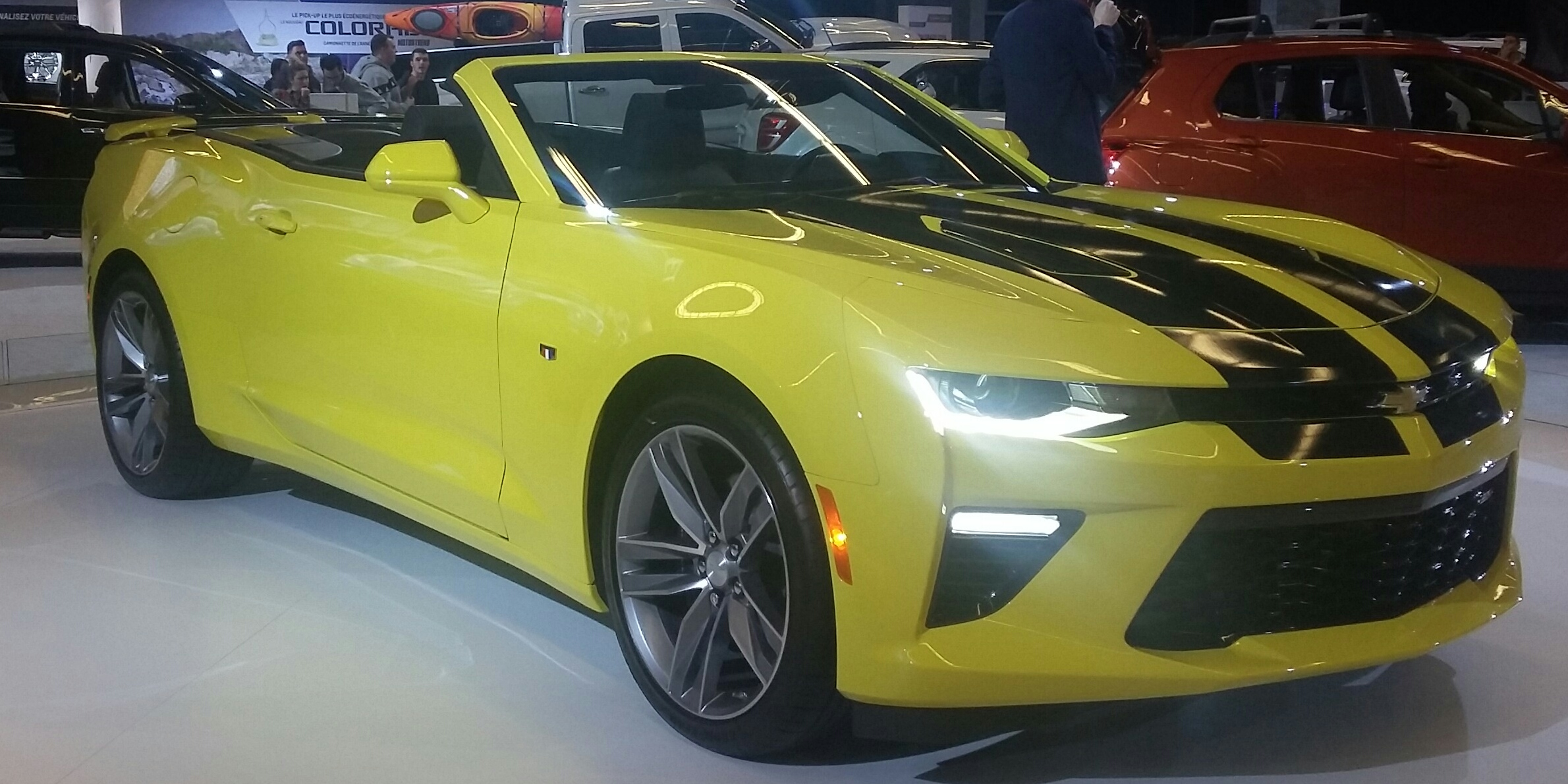
Chevrolet Camaro
The Chevrolet Camaro is a sporty car made by Chevrolet. People talk about it because it can be built for strong acceleration and it has a long history. The podcast mentions it as one of the popular cars from that era.
two-wheel drive
Two-wheel drive means the truck only powers two wheels instead of all four. That can make it less capable on snow, mud, or other slippery roads.
positive traction rear end
A “positive traction rear end” is meant to keep the truck from spinning one wheel uselessly. It helps the other wheel keep pulling when traction is uneven.
four-wheel drive
Four-wheel drive means the car can push all four wheels at the same time. It helps when roads are slippery, but the point here is that the host thinks it was overkill for the situation.
chains
Tire chains are traction devices mounted on tires to improve grip in snow or mud. They’re often used temporarily when conditions are bad, rather than relying on drivetrain features like four-wheel drive.
diesel trucks
Diesel trucks are trucks powered by diesel engines. They’re often chosen for pulling and hauling, but the point here is that some people buy them for reasons that may not fit what they actually need.
jacked up
“Jacked up” means the truck sits higher off the ground than normal. That can change how you see the road and how easy it is to drive.
as is
“As is” means you’re buying the car with the understanding that the seller won’t cover repairs afterward. If something breaks soon after, you may be responsible for the cost.
no warranty
A warranty is a promise from the seller/manufacturer to cover certain repairs for a set period. “No warranty” means the buyer likely has to pay out of pocket for failures like the transmission issue described here.
transmission
The transmission is what helps the car change gears and send power to the wheels. If it breaks, repairs can be very expensive.
due diligence
Due diligence means taking time to check a car carefully before you buy it. The goal is to avoid buying something that will cost you a lot to fix right after.
Chrysler Dodge Jeep Ram dealer
They’re saying to get the car’s warranty records from the brand’s dealership. Those records can show what repairs were covered and done in the past.
Carfax
Carfax is a report that summarizes a used car’s history. It can help you see things like accidents or title problems that might not be obvious.

1968 Ford Thunderbird
The 1968 Ford Thunderbird is a classic Ford. Here, the speaker mentions it because they used its transmission as a replacement part.
three-speed automatic
A three-speed automatic is an older-style automatic gearbox with three forward gears. The speaker is saying simpler transmissions are often cheaper to rebuild than newer ones.
extended warranty
An extended warranty is coverage beyond the original factory warranty period, typically for major repairs after the car’s standard warranty expires. The speaker recommends it as protection against costly drivetrain repairs like transmission failures.
ownership cycle
Your ownership cycle is how long you plan to keep the car. If you keep it for a long time, longer warranties can matter more; if you sell sooner, they may not be worth it.
vehicle service contract
A vehicle service contract is extra coverage you buy to help pay for repairs. It’s like paying ahead for certain problems, but it only helps if the contract covers what breaks.
extended service contract
An extended service contract is extra repair coverage you buy after the original warranty ends. Whether it’s worth it depends on how long you’ll keep the car and what the contract actually covers.
factory warranty
A factory warranty is the original repair coverage that comes with the car when you buy it. It lasts for a specific time and mileage, and after that you may need other coverage.
powertrain
Powertrain means the main parts that make the car move, like the engine and transmission. Some warranties cover these parts longer than other systems.
bumper-to-bumper
“Bumper-to-bumper” means the warranty is meant to cover most parts of the car. But it can still exclude certain items, like the speaker says about the bumpers.
computer issue
A “computer issue” means a problem with the car’s electronics—like the modules that control how the car runs. Fixing it often needs the right diagnostic tools.
leasing a vehicle
Leasing means you’re basically renting the car for a few years with monthly payments. You don’t fully own it unless you make a final buyout payment at the end.

Ford F-150 Lightning
The Ford F-150 Lightning is an electric pickup truck. It uses batteries instead of a gasoline engine, but it’s still meant to work like a truck. The podcast mentions it as an example of Ford trying electric trucks.
EV game
“EV game” just means the competition to make and sell electric cars. It’s about automakers trying to get ahead in the EV market.

Ford F150
The Ford F-150 is a large pickup truck made by Ford. It’s built for hauling and everyday driving, and it can be configured in many ways. In the podcast, it’s mentioned because Ford also made an electric version based on the F-150.
overwind sticker
“Over sticker” means the dealer sold the truck for more money than the price printed on the car’s window sticker. This usually happens when the car is hard to get.
MSRP
MSRP is the price the manufacturer says the car should cost. The real price you pay can be different—especially when lots of people want the same car.
market goes up, it goes down
They’re saying car prices aren’t steady—they move with demand. If lots of people want a certain vehicle, prices jump; if interest drops, prices fall and sellers can lose money.

Mitsubishi Galant
The Mitsubishi Galant is a regular mid-size sedan made by Mitsubishi. In the podcast, it’s mentioned because someone is talking about how the price at a dealership can relate to the listed MSRP. It’s used as an example in a pricing conversation.
pre-delivery inspection
Before you pick up a new car, the dealer does a pre-delivery inspection to make sure everything is set up correctly and the car is in proper working order.
gross vehicle weight rating
GVWR is the maximum total weight a truck is rated to handle. The episode mentions it because tax rules use that weight rating to decide how quickly a business can write the truck off.
accelerated depreciation
Accelerated depreciation means you can deduct the cost of a vehicle or equipment sooner for taxes instead of spreading it out over many years.
IRS
The IRS is the U.S. tax agency that sets the rules for how businesses can deduct things like vehicles.
warranty history
Warranty history shows what repairs were claimed under the car’s warranty. If a car had lots of warranty work, it can be a clue that something may have been wrong more than once.
VIN
A VIN is like a car’s fingerprint—an ID number that uniquely identifies that exact vehicle. Reports use it to look up the car’s history.
problem vehicle
A “problem vehicle” is a car that has had notable issues in the past. The point is to use records to figure out whether the exact car you’re considering had trouble before.
Experian auto check
Experian AutoCheck is another kind of used-car history report. It helps you see important past events for that car before you buy.
salt and rust
Salt used on roads in winter can make cars rust faster. If a car lived in a salty area for years, it may have more corrosion underneath.
buyback
A buyback is when a car is taken back by the manufacturer because it had serious issues. It’s a warning sign that the car may have ongoing problems.
Bring a Trailer
Bring a Trailer is a website where people auction interesting cars online. Listings often include lots of details, which can make it easier to judge what you’re bidding on.
Speed is the enemy
The point is: don’t rush. If you move too fast without checking details (like a car’s history or condition), you’re more likely to make a costly mistake.

Ford Maverick
The Ford Maverick is a smaller pickup truck compared with the big full-size trucks. It’s meant to be practical for daily driving while still offering pickup utility. The podcast mentions it to describe the general size of another vehicle being discussed.
battery chemistry
Battery chemistry just means what kind of battery materials are used in the EV. Changing it can make the battery cheaper and can affect how the battery behaves.
electric motors
Electric motors are what actually move the car in an EV. Saying they were developed in-house means the company made its own motor design instead of buying one.
vehicle architecture
Vehicle architecture is the basic design of how the car is put together. A different architecture can change how easy it is to build and fix after damage.
one-piece cast
A one-piece cast means a big structural piece is made as one part. That can make the truck easier to build and sometimes easier/cheaper to repair after crashes.
glued together
“Glued together” means some parts are joined with adhesive instead of only bolts or welding. That can affect how repairs work after a crash.
all aluminum
“All aluminum” means the truck’s structure uses aluminum instead of steel. Aluminum can help with weight, and it can also affect how repairs are done after an accident.
totaled
“Totaled” means the insurance company decides it’s not worth repairing the car. The host says EVs can get totaled more easily after big crashes because it can be hard to know how damaged the battery and electronics are.
fragile electronic components
This means the EV has electronics that can be damaged by a crash. Even if the damage isn’t obvious, those parts might be affected, which can make insurers more likely to write the car off.