The Chevrolet Corvette is a sports car made by Chevrolet. It’s designed to be fast and fun to drive, especially when you accelerate and take corners. People talk about it a lot because it’s a well-known way to get high performance from a production car.
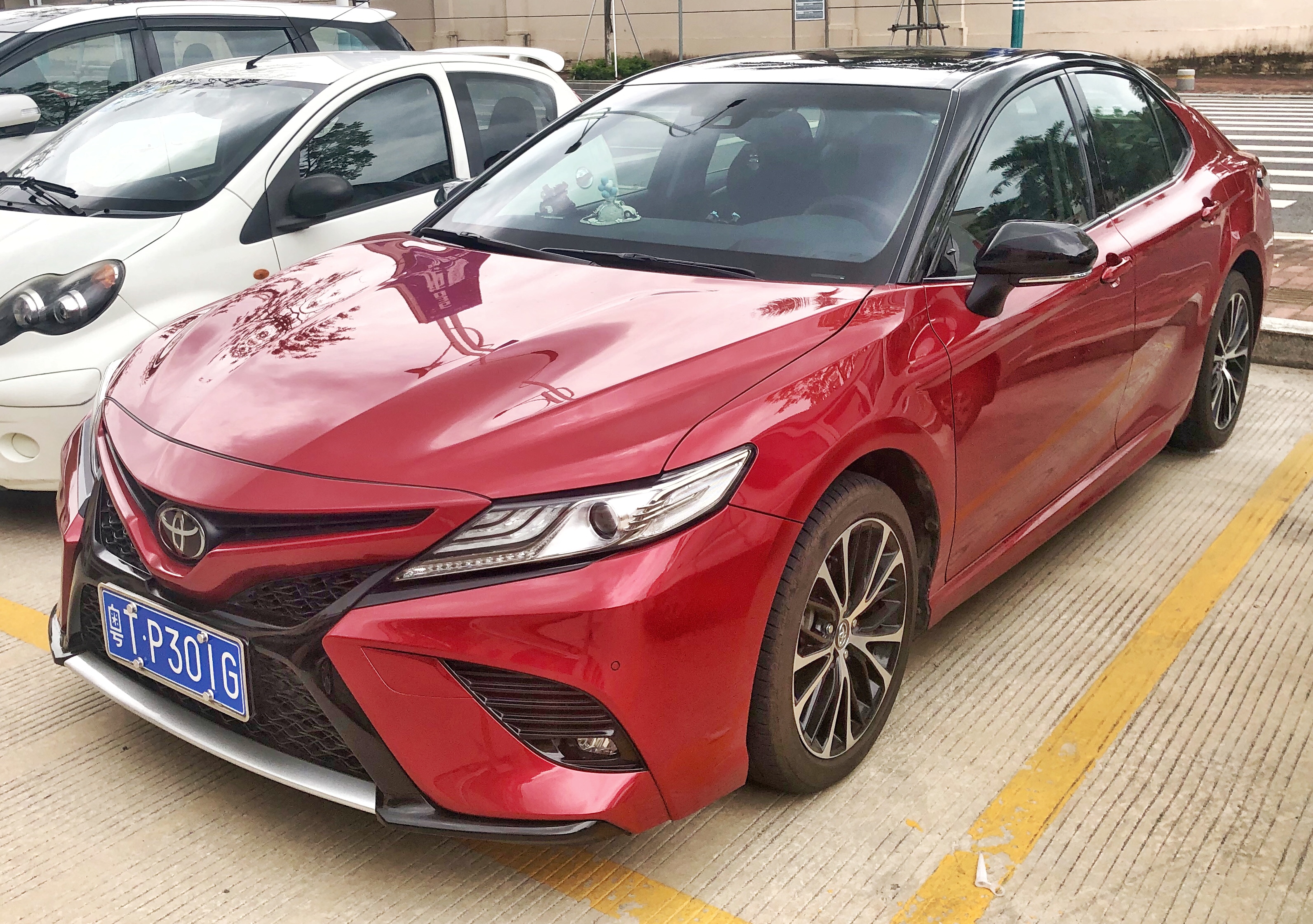
The Toyota Camry is a common, everyday car that many people drive. In this segment it’s just being mentioned as a contrast to the performance cars being talked about.
The BMW M3 is a high-performance BMW made by BMW’s performance team. This one is a 1995 model, and the big point is that it has to pass California emissions testing to be allowed on the road.
“California smog” is California’s emissions test for cars. It’s meant to make sure your car isn’t polluting too much, and older cars can sometimes struggle unless everything is working correctly.
The “BAR 97” test is a specific California Air Resources Board (CARB) emissions test procedure used for many vehicles. It typically involves running the car on a dynamometer (roller) and measuring exhaust emissions under controlled conditions.
A “roller” is part of the emissions test where the car’s wheels are placed on rollers. The car stays put, but the wheels spin so they can measure exhaust emissions under controlled conditions.
Oxygen sensors check the exhaust to see how much oxygen is left. The engine uses that info to adjust the fuel mixture, which matters a lot for passing emissions tests.
“Cats” are catalytic converters that clean up exhaust. If they’re not working right, the car can produce too much pollution and fail an emissions test.
Fuel injectors are the parts that spray fuel into the engine. If they don’t spray the right amount, the engine can burn fuel inefficiently and pollute more, which can hurt emissions test results.
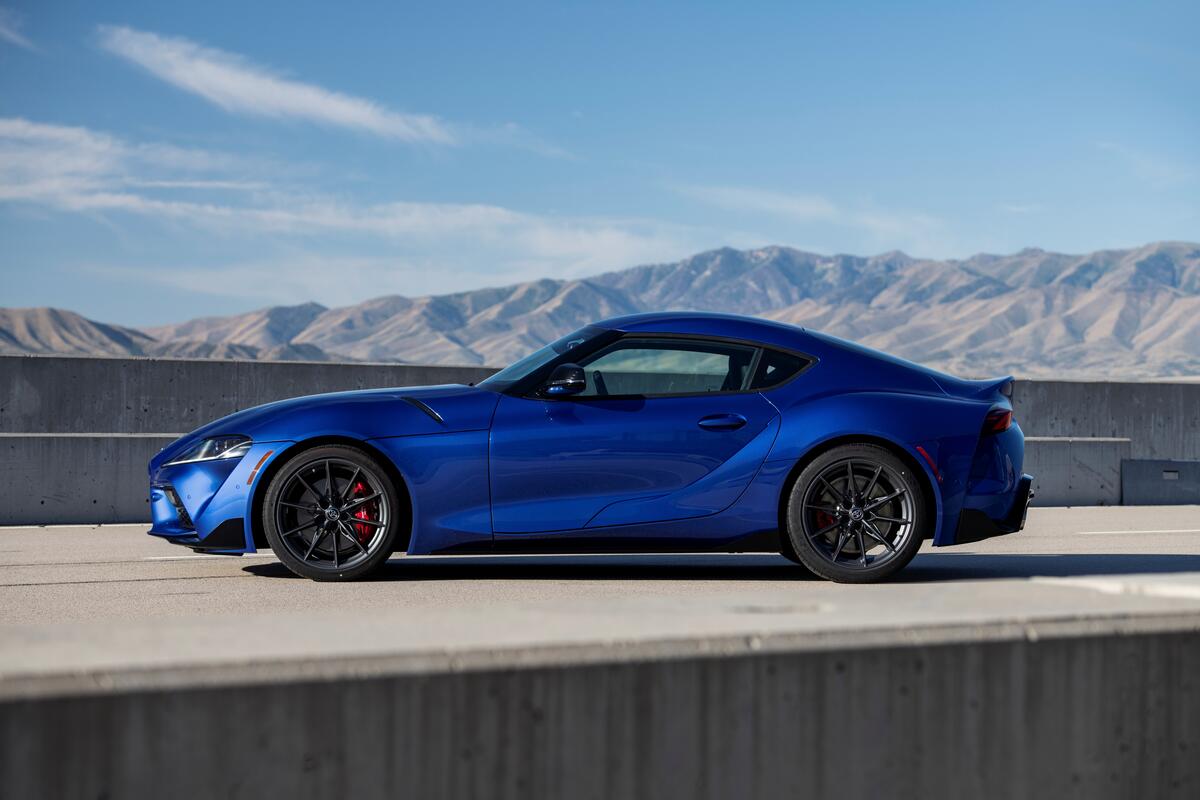
This is a 1997 Toyota Supra with a twin-turbo engine. “Twin turbo” means the engine gets extra air pressure from two turbochargers, which helps it make more power.
A blow-off valve is a turbo car part that releases extra pressure when you lift off the gas. It helps the turbo stay happy and often makes that loud “pssh” sound.
Term
eight pillar gauges
This means adding a set of gauges mounted in the car’s pillar area. They let you watch important engine numbers while you drive, especially on turbo cars.
SEMA is an organization for companies that make and sell aftermarket car parts. They also work with government and host a big car-parts trade show in Las Vegas.
OBD2 is a built-in computer system in many cars that can report problems. The OBD2 port is the plug you connect a scanner to so you can read error codes without taking the car apart.
Concept
comprehensive test
A comprehensive test is a more thorough check than a quick computer scan. Older cars may require extra steps and special equipment to test their emissions correctly.
A catalytic converter is an emissions device in the exhaust that helps clean up the gases coming out of the engine. Smog rules often depend on having the right emissions equipment installed.
A smog pump is an emissions device that helps clean up exhaust gases. If you change parts or swap an engine, you may need to keep the smog pump so the car still meets the rules.
Thermal reactors are older emissions devices that helped clean exhaust by using heat. They matter in this discussion because older cars (and their emissions parts) can be hard to replace or swap while still passing inspection.
An emissions sheet is the paperwork that lists test results for how clean a car is. In some cases, the numbers look good, but the car can still fail if the required emissions parts aren’t installed correctly.
A rolling cutoff is a moving “line” in the rules that changes as time goes on. It’s used to decide when older vehicles qualify for different emissions treatment, instead of using one fixed year forever.
A historic vehicle cutoff is the rule that decides when a car counts as “old enough” to get special treatment. Changing that cutoff can affect whether the car has to follow the strictest emissions rules.
“Leno’s Law” is the name people use for a California bill (SB 1392). In the episode, they explain how it became a big focus for car enthusiasts and the industry.
SB 1392 is the official number of a California law proposal (a bill). The episode is talking about how that bill—called “Leno’s Law”—got support and momentum.
Jay Leno is a well-known car enthusiast and TV host who is described here as a key advocate for the legislation nicknamed “Leno’s Law.” The episode connects his involvement to SEMA’s efforts by explaining how he helped bring attention to the issue through relationships and advocacy.
Mike Spagnola is identified as the head of the organization referenced in the episode (SEMA). The host explains that Jay Leno’s input was routed to Spagnola, helping SEMA “get off to the races” on the legislative push.
Senator Shannon Grove is the legislator described as interacting with Jay Leno and supporting the legislative effort behind “Leno’s Law.” The segment emphasizes her role as an author and her alignment with the passion driving the bill’s progress.
“The governor’s desk” is a legislative process reference meaning the bill has reached the final stage where the governor can sign it into law or veto it. The hosts say they were disappointed it didn’t reach that point, but they believe they’re in a stronger position.
The Bureau of Automotive Repair is a government office that regulates things like smog testing. They help make sure the testing program and equipment are set up correctly.
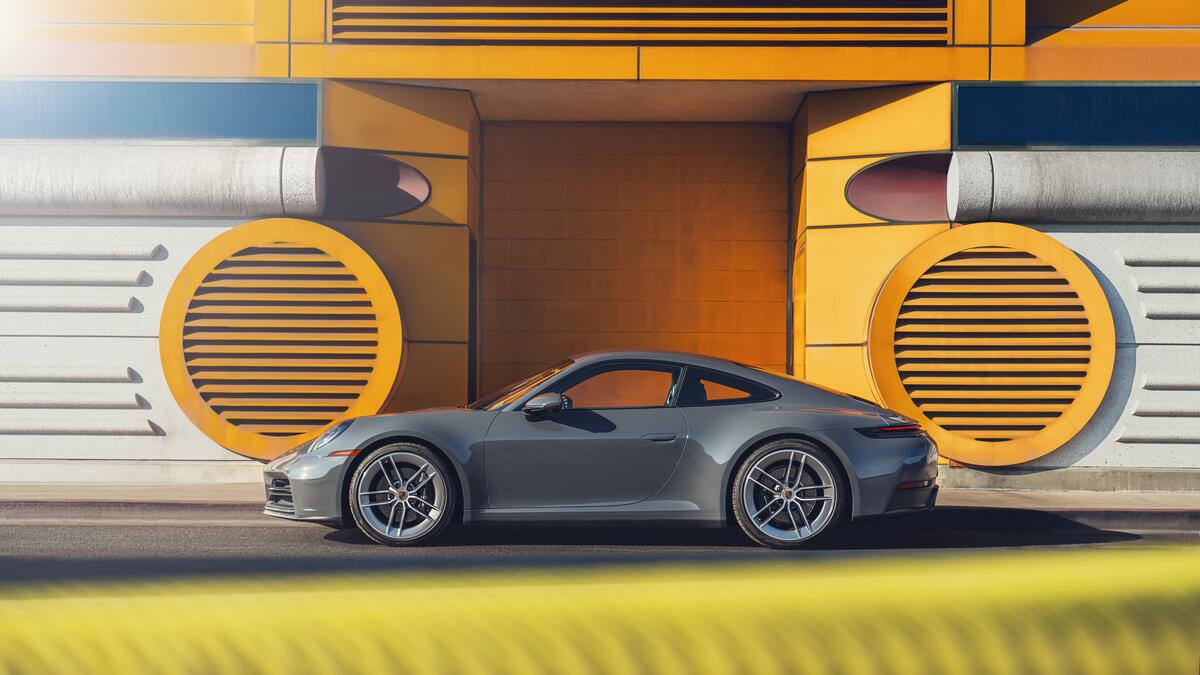
This is a Porsche 911, a famous sports car. The speaker is using an older 911 as an example of how annoying smog/emissions rules can be for owners of classic-ish cars.
DMV is the government office that deals with car paperwork like registration. The speaker is talking about paying fees through the DMV instead of dealing with emissions inspections.
Trouble codes are like the car’s “check engine” error messages stored in its computer. They help inspectors see whether the car has an emissions-related problem.
Tailpipes are where the exhaust comes out of the car. Some emissions tests measure the exhaust gases directly from the tailpipe, while others just scan the car’s computer.
This is a rule where cars gradually become exempt from emissions testing as they get older—about 25 years. Instead of a fixed cutoff year, the eligibility keeps moving forward each year.
They’re talking about a California rule (from 2003) that makes sure replacement tires don’t reduce fuel economy compared to the tires the car was originally set up with. It’s meant to keep efficiency testing assumptions valid.
It’s a way to measure how “hard” it is for a tire to roll down the road. Tires with lower rolling resistance typically help you get better fuel economy.
The McLaren F1 is a famous supercar from the 1990s. It’s known for being built for the driver, including a unique three-seat setup where the driver sits in the middle.
The Mercedes-Benz 600 is an old-school luxury flagship. People often start with it when they want a big, high-status car—sometimes even turning it into a limo or custom build.
Term
super 600 compressor
In this context, “compressor” means a supercharger. It forces extra air into the engine so it can make more power than the original setup.
LIVE
Keiichi Tuchiya can you imagine like his I'd be inside his little head
white on gray Toyota Camry egasitl vehiculum there's no doubt Corvettes are fast but I'm
riding dirty right now the croc GT4 the one and only hashtag dawn patrol hashtag senior
citizen all right parts fired welcome to driving while awesome my name is Warren
I'm Lane Mark and we are joined by Christian Robinson of SEMA thanks for joining us Christian
yeah no great to be here I appreciate you guys having me today absolutely I have some news to
share this is relevant I swear but also in relation to what we're gonna be talking about
later I have a 1995 BMW M3 and it passed California smog yesterday yeah
bar 97 test it's an enhanced they put it on the roller and yeah so they it's a 95 so they
have to do the roller and everything and the car has had a checkered pass I'll just say that with
smog so it's now my third time getting it to pass but it's required a lot of steps
along the way I'll just say that and it passed and he didn't have many notes from anybody said it
was still on the ragged edge of almost failing so we'll get into this because I know there's
there's maybe some relief coming in many years from now for a 95 but at the same rate like we
it's a constant battle totally stock totally stock car too by the way yeah new new cats new
oxygen sensors full yeah injectors all the things but it's still barely able to get passed and
this is a car that covers 5000 miles a year you know something like that so anyhow just wanted to
start off by saying there's some good news but Christian welcome to the podcast tell us a little
bit about your your car background and how you ended up at SEMA yeah absolutely so car background
you know I live in Washington DC which is you know compared to California is not much of a car a
car place a lot of people really rely on public transportation to get around I do a hybrid of
both I I drive my car to the train station take the train into to downtown DC from the
Burbs but you know I grew up in a car household my dad was and still is a car nut you know his
his dad was an engineer a chemist and he was a car nut I mean when he passed away you opened up
the console in in in the front of the vehicle and you know he had the hand calculated gas mileage
going back on the entire history of the vehicle done by hand so you know my dad it was always
always something that we appreciated together we go to car shows and you know we hear the
stories of the various cars that he had and so it was something that was passed down and then
you know I was always very into motorsports had close friends the family that would take us to
the local track I grew up in coastal South Carolina fairly near Savannah so we would go to the track
there that unfortunately has since closed but my best friend growing up his parents and now that
I'm older and have two kids of my own I'm a little appalled by this because they bought him a
a 1997 Toyota Supra twin turbo and yeah and this was in like 1999 2000
yeah and you know the story was that it belonged to a Miami heat player so I live I live very
vicariously through him yeah yeah like we would you know he would he'd be buying parts that I'd
I'd spend my time at his garage helping him install them on the weekends you know blow off
valve and you know eight pillar gauges so I was familiar with SEMA starting that yeah I bet nice
and you know I am my background I'm a political hack I I kept my teeth doing political campaigns
and I hit you know the the end of a campaign cycle which if you're not into politics campaign
cycles are every two years and you're you're pretty much out of a job win or lose so I came at 2012
I was coming off of a campaign cycle and with approaching 30 and so you know I'd like a little
more stability in my life and was looking at the jobs here in DC and perusing the listings and there's
there's literally a trade association for everything right like there's a cardboard box
for an association and came across SEMA's looking for somebody and I'm like wait like like the show
in Vegas and that was 2013 and I've been here since I head up our state government affairs
operation for SEMA and if you're not familiar with SEMA we're the specialty equipment market
association we're best known for that trade show in Las Vegas in November of every year but you
know when you take those those four days out of the equation the remaining you know 361 days a
year we are a trade association just like that cardboard box association providing benefits
for an entire industry and the member companies so government affairs and advocacy is a big part
of that and a lot of the work is done at the state level so we we oversee every state capital
around the country from Sacramento all the way up to Albany New York and beyond and you know we've
got a small team that that help with that you know making sure that everything that comes out of
those capitals is beneficial to the industry and to enthusiasts around the country very cool
that's great so it's you says around 2013 is when you joined and okay yeah February 2013
cool yeah we've actually as a group have been to SEMA the trade show of course quite a few times
it's fairly local to us a quick flight to Vegas do you make it there every year is that sort of
like the whole crew I'm sure is on hand for that right yeah I've been there every every year that
we've hosted it since I joined so I never thought I'd be to Vegas so much in my life right a lot of
gambler but yeah I get to go out every year and it's you know we've we've had our team has grown
a bit over the years and I have I always tell them like you see the videos online the pictures you
get that image in your head and then make it exponentially bigger that's what it's like you
right yeah in the cars it's like being a kid in a candy store there's and there's something for
everybody you know whether you're an off-roader or in the classic cars there are you know imports
there's there's something there for you just yeah and I mean speaking of trades too like I mean all
of the auto body stuff and the equipment like that's a huge component of it and you know early on
I was more sort of like I focused on just like the the modification and car you know
enhancement side of things but then like every year when I'm there I make it a point to go see
what people are coming up with you know like all this new tooling is also fascinating it's a big
part of it and I think a lot of people don't even think about that but it's actually a pretty big
part of the whole experience yeah very cool yeah so we've been following along with the Leno's law
news obviously as it comes and goes I know it's on its second iteration now or at least like
chapter have you been involved with that since the beginning or yeah yeah absolutely you know the
year right it is in year two of the effort which you know we live in a very instant gratification
kind of world and in in government it can take several years several tries to get a bill across
the finish line but yeah we we've been involved in that before it was even Leno's law and there
were other attempts to change the small rules in California for older vehicles and what yeah
because I mean it was up yeah we had it it was 30 years right rolling up until 19 seven or I think
in 2005 is when it was stopped when Schwarzenegger was in office if if you don't mind I'm curious
if you can give a sort of an abridged version of what the process is like like because I mean
obviously it comes about there's a thought okay we should do this like what does it take to get it
in front of the right people and ultimately get something like this passed yep yeah it's great
question uh everyone's yeah I'm assuming everyone's probably familiar with like the school house rock
how Bill becomes a lot you know it starts with an idea uh a problem if you will and then you have
to sing it for us actually yeah I don't I you guys I can see the animation right now I want to turn
the way uh the uh yeah no it starts it starts with a with a problem right like in this instance
classic cars having a hard time finding a small station uh for for a pre obd vehicle in most cases
and the idea is then the solution you know what what problem are we trying to solve and you go find
a lawmaker that will introduce the bill for you in the legislature and from there you know you're
off to the races you you work with a lawmaker to go through the the committee hearing process which
is where debates happen right you in this instance our first stop was the senate transportation
committee and you know they have an open forum where both supporters and opponents can come
make their case and at the end of the hearing lawmakers will take a vote and if you're fortunate
enough to get through committee um if the bill involves spending of money which this bill does
it will go to a bill a committee that deals specifically with dollars and cents so in this
case the appropriations committee uh where that process happens again uh and then it's on to the
senate floor for they can have debate there no testimonies taken but lawmakers will debate
amongst themselves particular issues take a vote and then you go over to the opposite chamber in
this case the assembly and that process starts over again and along the way there can be changes
made to your bill some that you are happy with some that you might not be happy with but you
accept them to kind of keep the the ball moving down the field and then eventually you've got to
you get to get get to go to the governor's desk for the final the final boss if you will
to find out if your your bill is going to become a law and you know they the the governor sees
hundreds of bills every year and you know you've got to really you know work his staff and have
people weighing in and it's important every step along the process to make lawmakers know and the
governor know that this is an issue that that requires their support so the the squeaky wheel
really does get the grease so what are the cliffs notes like what for the bill exactly
like what like you know what yeah like yeah like what is yeah what's the elevator patch what is the
it's it's you know the the bill is really common sense the the law hasn't been updated in
over 20 years it's been since 2004 2005 as you mentioned and you know these these older vehicles
that are now approaching 50 years old that's the current cutoff roughly are not driven regularly
you know they're either not being taken to the grocery store or to soccer practice you know you
see you know mom going to target with the kids in it these are prized possessions
that are rarely driven and you know meticulously taken care of and it's it just makes sense that
we would give them some relief and and you know I can really dive into the details of what the
issue is because you know like with your m3 if it's an older vehicle it takes a different kind of
test yeah than than a modern vehicle where you just you know plug into the obd2 port and see if
there's anything going on you you got to do a more comprehensive test and those test stations
sometimes are very hard to find you put more mileage on the car trying to get to that station
than you otherwise would in months totally yeah yeah I think we we've had a problem too there's a
lot of you know we argue a lot that you know there's a lot of these cars from like the late 70s that
ran really bad because of the really poor smog equipment that was out at the time so people
are trying to make them actually run better by putting better equipment on and catalytic converters
rather you know like better catalytic converters and stuff like this to make them run better and
that's actually illegal right so then you're going to small and they're they're not able to smog
them because of that stuff or you're trying to put an engine that is a more efficient engine and a
more modern engine and and you're not able to pass smog and it seems kind of a ridiculous that
you can look at this thing and be like oh that's clearly a better solution than what was in it
you know and and you look at it and go no you have to put the smog pump back on right that
catalytic converter is not what didn't come with it you know forget what about those
thermal reactors yeah exactly yeah it is it is wild that you'll have
a catalytic converter that's for california and then one that's good enough for the rest of the
country uh if you live in california even if the car is running more cleanly then then you know
was when it rolled off the line 50 years ago you still got to have that that special california
only catalytic converter totally it's like it's like that for a lot of parts too which yeah you
it's it's red tape but it's fine yeah we've also seen where on an emissions sheet the vehicle
puts down numbers that are clean and passing but because it fails visually it's no good so
literally the the tailpipe is what we're worried about right with emissions and keeping the air
clean we all want that but it's it's getting to a point where it's you have to go through so many
hurdles just to get approval and and pass um what was the reason that uh and forgive me if you
don't know this that's all good but why did uh shorts and agar and why did they stop that rolling
rule and and put us in this situation to begin with i mean we're going back tonight you know
back to when he was in office but it just doesn't really make sense i don't know great question i
mean almost every other state has a rolling uh cutoff rather than a hard and fast deadline uh
and you know it it i wish i had a good answer for you i really don't have one yeah it even
in i live i live in maryland right and they tried to sneak into the budget last year they
actually did changing the historic vehicle cutoff from a rolling 20 to 1999 and which would be great
in california absolutely you know at 99 you're very amazing 76 but the outrage there was there was
big um a big to do over it and within a year they moved it back okay um so you know and and
maryland is a very blue state like california and follows california emissions so i i don't know why
to me it defies common sense right yeah when you have a vehicle that is dev old it is yeah i i have
a feeling and just from what i recall in period right like due to like politics like it had to do
with obviously he ran as a republican governor but he wanted to appeal to you know to more of the
left-leaning you know population here in california and so that was a way and i think it's you know
as you look at it from a macro standpoint right it's like oh like less old cars on the road
that's great yeah we want clean air right yeah we all want clean air but realistically we're
looking at volume right and like all of those details just as you're describing right like
you know we we we live in this world you know we run radwood right it's an eighties and nineties
themed you know lifestyle event which is very car-centric of course at the core but like
90% of the cars that you see at the events are not daily drivers or are driven very regularly
right these are their people's toys they're just as you said price possessions and so
you're you know these cars maybe you know are getting you're putting on you know three to seven
thousand miles a year on these cars versus you know what you're seeing out there on a daily basis
you know so it's um it's very uh and i mean i i don't know if you have that math i'm really curious
to know about like sort of like the impact as we because you know it's a that's a case that needs to
be made right because i'm sure like that's always the conversation when you get to the capital it's
like oh old polluting gross polluting cars right but it's like wait a minute well look at like the
impact right like look at what's actually driven versus like you know what what what sort of the
the impact is on the environment um do you have that data like i'm curious to know if there's data
available i mean we can look if the bill were to become law at how many vehicles would be would be
you know just even eligible and it's less than one percent uh in california um you know the
opponents like to say well those vehicles have a higher failure rate um but like you said the
vehicles that we're talking about which are by definition collector vehicles are are not the
vehicles that are going to be used for daily driving right there they are uh price possessions
for somebody like when people ask me like well what's your what would be your dream car i go
back to that super that my friend had you know that's that's the car that i have the personal
connection to in the great memories and if i own that car you know i wouldn't take it out of the
rain i would only take it out of the weekends in perfect weather uh for for a joyride not to
not to run errands then yeah um to put your right about governor schwarzenegger i mean if there if
there's one thing a politician loves more than winning elected office it's it's keeping elected
office right so you know taking that moderate position would be makes total sense so the
so sb 1392 i mean obviously it's it's better known as leno's law um how how did that how did
leno j leno get involved was that from early on or was that something that he just was interested
in getting it to pass uh and and kind of jumped in yeah no great question um you know jay's obviously
a huge car guy he has been he comes out to the semen show every year um and he's he's good friends
with the r the head of our organization mike spagnola and you know jay um jay had a chance to
interact with senator shannon grove uh as a member of the legislature obviously and she
she visited his garage and you know he he put a bug in here her ear about this issue and um
it very quickly through jay made its way to mike and and you know we were off to the races
and you know we were we were ecstatic because you know this issue uh is easily the number one
issue that we hear about annually at least in my time at sima and it is not even from
necessarily from californians it's it's from people all over the country yeah um yeah because a
lot of times what happens in california gets moved into other states um so you know having somebody
like jay uh attached to it really you know beneficially brought a lot of attention to the issue
when he visited the capital last year it got local news coverage all over the state
and then you had an author uh in senator grove who you know respectfully equalled his passion
when it came to legislative activity so we really had kind of a perfect storm
um uh come together last year that you know we we made it's not a coincidence then that we made
the most progress on the issue uh in over 20 years and you know while we were disappointed
that we didn't get it to the governor's desk um you know i think we are in a stronger position
this year and and have an opportunity to to get this thing signed into law that's great
were the uh pushbacks uh round one and how how have you guys kind of overcome those
yeah you know we had the normal environmental pushback right uh if you do this like we are
going to ruin the air quality in the state and you're creating a loophole we were able to you
know i think we were able to really use kind of these common sense arguments to win people over
um but what what ultimately came down to uh was cost um you know the state is uh been running a
pretty substantial budget deficit for the past few years and uh they are again this year uh and
the dmv in particular um has is nearly insolvent uh so the governor even before this bill was
introduced when he ruled out his budget said i don't want to create any new programs at the dmv
because they can't afford it and you know you register a vehicle in the state you got to get
it smogged and that's going to touch dmv uh and you know we ultimately when it came to the final
appropriations here we got through one uh the the price tag that was put on it was kind of a
kind of a pause point got it well and they said hey take it take another look at this and figure
out how you can cut back on some of the costs moving forward and um you know there was a there
was a provision that was put in last year that required historical license plates to be included
as a i remember hearing that yeah and that was that was not an amendment that like that we took
that we proposed when you go into like the appropriations committee they can amend your bill
with whether you like it or not and that was kind of something that we had to take
and you know that having to change the computer system in the state for the dmv which has been
undergoing a lengthy redo i think they're basically using like the cards that you see in all computers
that that was going to be apparently uh you know hill too far for this and gotcha uh so you know
we we took that and reworked some of the definitions and that came out of the bill and
you know i think we're optimistic that when those changes are made that the costs will be
neutralized a bit this year got it um aside from the the cost and then like environmental impact
were there any other groups that were really strongly opposed to this i mean
no no okay i was thinking about like the smog shop stuff i mean they don't want to in my experience
it's hard to find someone that even wants to do these smogs you know and have the equipment and
everything working correctly you have to have the right technician and employed and ready to go um
it doesn't feel like that's a something that would be pushed back upon then you have to have
like all the oversight that makes sure that stuff's working with a bureau of automotive repair right
like that's a whole other thing um so i wasn't sure if there was some other angle there that they
were uh opposed to no you know yeah and you're right about the the machines themselves right and
that's that's one of the big reasons you know behind what we're trying to do is and i i was
really curious when you mentioned the past yesterday yeah uh you know we hear all these stories
like i had to go to five places before i could have this done yeah because you know um but not to
name names but there's a really big fast food chain with ice cream machines that are always out of
service all right um but uh you know you always hear like oh machine's broken today uh or yeah
frank's the only one that can do the machine and he's he's out there so at least that big company
does have something else to sell you while you're there versus yep uh yes exactly uh and um the
other issue is that you know the the prices are done are set independently yeah there's not a
set price for a small check so you know it's it's at the market discretion so you could have places
that would do it but it's gonna cost you know several hundred dollars uh instead of you know
under a hundred it's that's the like i don't want to do it price i mean i have a 1987 van again and
it's completely stock and hasn't ever had a problem of passing smog that was 200 dollars
the same shop charged me for my 95 m3 120 it's the same process as far as i know um but that's just
the up to them on the day whenever i came in that's what they decided to charge me so
and there's very few uh alternatives when you're looking it's interesting and you mentioned the
bureau of automotive repair i mean i think they even recognize that's an issue i'm sure they when
they a couple years ago had their reauthorization bill to to keep you know their their program alive
up and running they included language in there that would create essentially a state run a centralized
testing location for those older vehicles so that you know if you own one you were guaranteed
that there would be one in your area that you could go to if none of the independent shops were
able to do it interesting yeah yeah and so um obviously uh the second time around feels better
i mean what what is the process where are you at in the process currently today
yeah we are so we have made it through the the senate and we are now over into the assembly
we will have our assembly transportation committee hearing actually next week as we record this
so we'll we'll have folks in the sacramento there to testify and from there it will go assuming it
passes knock on wood it will go to the assembly appropriations committee where they will weigh
the costs of the bill and then assuming it gets through there it goes down to the assembly floor
and then on to the governor's desk so we're a little more than halfway through and we will
know one way the other later this summer great pretty soon is there anything people can do
still can they write letters is that a thing um make phone calls emails yeah we cema has uh
we have our grassroots armed called cema action and you can go uh to the cema action website
which you can access via cema dot org or look us up on social media where we're far more active
than we have been in the past and we have a really easy tool that will allow you to send a letter
to your lawmaker or make a phone call in support you plug in your address it looks up you know who
represents you and it takes 30 seconds it's really easy and it matters these offices they keep track
of how many letters they get on particular issues that's great that's awesome well question about
sort of the the case to be made right like um you know evidently it's affecting you know a certain
type of persona right the collector of enthusiasts whatever but
that is all tied into industry as well right so it's all like you know producing
componentry and keeping these cars on the road so um is that also part of the conversation
and showing how there's a whole you know uh industry and and how it impacts the economy
yeah absolutely uh and and you're a hundred percent right like uh there are manufacturers
of parts for these vehicles and they are a huge economic driver we ran an economic impact report
for the industry recently and it showed nationwide it's a 337 billion dollar economic impact uh it's
a huge number and in california alone it's uh about 150 000 jobs that the industry supports uh so
you know with it's it's a whether you like california hey california it is really a
california born industry we're headquartered there we have over 1200 of our member companies
there and our largest economic impact by state uh so it's yeah it there's a huge economic impact
to be made that's great yeah that's awesome yeah i'm i'm curious also um you know we're focusing
california obviously in this particular bill um i know of other states that even even more strict
you know emissions regulations than we do um in terms of the age of the vehicle and
things like that but um i'm curious to know um what are some successes like i mean you know this
this has obviously happened elsewhere i imagine you guys have been involved with like you know
trying to implement stuff like this or regulate like um are there other examples like case studies
that we can kind of like look at where you know things were actually changed for the better for
at least for our community yeah absolutely yeah um yeah you know state level work is really
interesting because you've got the you know the federal government uh here down the street in
washington um and they will you know they'll through the epa will set emission standards for 49
states uh besides california but then you've got individual states that that make their own rules
and you know the rules for what's considered a classic vehicle is going to be different in
nevada uh and then in north carolina for instance uh so you'll see states that don't even
check the vehicle you just say yep i've got a a 95 m3 and they're like all right pay us
35 dollars and here's your license plate those are the best states
yeah and you've got states like california where i live like uh in in maryland um where
you've got uh more restrictive uh laws in place and so yeah i think the most recent
example would be here in maryland where you know common sense kind of prevailed and they said
after a year of setting it at 1999 um they went back uh largely due to enthusiasts outcry and said
okay we will move it uh back to the to the rolling exemption and that's 20 years in maryland it was
20 it's now i think it's going to be 25 okay um which you know compared to a lot of other states
that's perfect pretty good yeah that's a pretty good rule that'd be good um yeah and then getting
to where you're headed with the bill now um what are the requirements to be part of this
exemption so i know in the past you were talking about license plates you know special special
collector plates um what would be required and and who's eligible to take advantage
all right so it it's a phased in approach right now so uh let's say it makes it to governor
nuisance daski signs it into law it becomes law in uh 2027 the eligible date for this program
starts at 1981 and then we'll add a year every year uh up to 1986 how did they pick 81 uh
how did they pick 81 good good question uh i you know i because we'll take that 25 year
rolling rule if uh you know i trust me i would love to 20 to 25 year uh uh i wish for a reality
80 81 81 that is okay so you know there are 40 years i can guess uh and and say that that's when
VIN numbers become standardized and 76 is when catalytic converters started to be required got it so
those are my my two guys that's great that helps but it rolls in and the legislature when they did
that last year was very clear like we're not saying that we want to add more years we just want to
check in at five years uh to see how the program's going uh before we we go in and reauthorize it
and keep that process going uh and there are two requirements right now on the bill and
the uh these were added in the senate appropriations committee so the these were committee
amendments that uh that they added to it and they they were better than where we ended up last year
where they added they added an insurance requirement so you've got to have collectors
insurance or you and you've got to have a life a historic license plate and you know we would
prefer it neither uh but people really were particular about the license plates but we'll
leave that alone that's that's where we were last year this year it is you have the collectors
insurance or you're able to demonstrate that you're driving at less than a thousand miles a year
oh okay so if you want to go beyond the 1000 miles um you have to have the insurance
you got to have the collectors insurance gotcha and that is um are you getting some
gift baskets from haggardy or anything uh no no gift baskets for haggardy
because that's obviously it helps their case too it's like you know hey uh california i mean it is
still a small window right of these eligible cars we've added five years um or the yeah 81
66 years yeah it's five yeah right yeah we get the camel's nose under the tent and there you go
we take that progress and and keep going so absolutely no we're we're like i said when we
started at our community and listeners are incredibly excited about this and follow it
all you know every step of the way we hear you know there's people creating content and
youtube videos which i'm sure you're aware of about leno's law and where it's at and the stages and
we're uh cautiously optimistic i can tell you that much um that's where we are too i i am i'm
superstitious uh i'll say consciously up consciously optimistic yeah um and then
the idea is check in after a while and then potentially roll it a year or another five
year chunk or how do you see it playing out we'll see um you know i think i think if we can
demonstrate that this wasn't some sort of loophole to let you know any any car through um
then i think that will be in a better position to to ask for more got it um so what what is the
loophole that they're envisioning like all of a sudden a tree trimming service is going to buy
1980 Ford trucks and like you know like there just seems so um i'm not i'm not connecting the dots
honestly yeah it's it's more or less that that that somebody is going to use this to
delete all emissions on a vehicle and you know not have to have it smogged or you know you know
use it as a loophole not to have because there's cost associated with it you avoid having to pay
the fee that you normally would have for smog and i laugh at the the tree trimming because
um you know where i live and not to get to come back to Maryland again but it was the historic
plates that people were not were using it to avoid having to pay um you know
the the fee for the for the normal fee for the plate and the fee to have your vehicle smog
and i took over the holidays last year i was stopped at a light on my way home of a very clearly
a work fan right like it's got the ladders on top it's got you know no windows on the side of the
back and it's got historic tax on it and i was like all right well this is he's going to that work
fan car show you know exactly i wanted to like get out and knock on his window and be like you're
making my life more difficult here man you're the problem but still even then i mean we're talking
before it's like how much would you pay to not have to smog your car it's like i have an 87
Carrera um 9 11 and it's like how much would you pay a year to not have to deal with it it's like
just to not have to go and you know to not cross my fingers and you know even though my car always
pass and it runs clean everything it's like um and i don't drive you know i drive it on rallies
and stuff like that it's like and i think a lot of us would gladly pay a thousand bucks a year
give the dmv a thousand or you could give the government a thousand dollars a year
but um i'm sure then it turns into like a rich person tax or something like that and then it's
it's it obviously that doesn't work um uh so you can't you can't do something about that
that idea we've we've tossed it around because new cars yeah i think it's the first eight years
of their life they don't get smog but they pay a smog abatement fee right yeah right so yeah
yeah and then you know obd2 and plugging in uh it's 2004 and newer is that the cutoff and
calpurn yeah so again they're not even looking at tailpipes they just plug it in to see if there's
any trouble codes and i get that that's that makes sense um and i think the maryland ideas
is perfect in my opinion i mean a 25 year rolling we do have more cars here in california i'll
admit that that are that survived and are used as daily transportation from the 90s and some in
the 80s around where we live like rust really isn't a thing so those cars survived right like an uh
my neighbor's son bought a 87 Honda right as his first car and that's possible but it's
we're talking about numbers it's so small the numbers are really small and the amount of like
actual pollution and emissions from it is is miniscule compared to even like one fleet of
tree trimming trucks like we're talking about you know it's like yeah really small it's also yeah
and then it's also a 1987 Honda that's been kept on the road right so like it's it's it's likely to
just to to not be uh you know a gross polluting thing and like all that right so um yeah it's
it's interesting i mean i can see yeah a lot of this stuff feels like really knee jerky just
because you know we're in california we we we went through that experience of seeing you know
like this is the most populated state and you know obviously when you're in a large metro area
and you have a lot of people like you know and it was all carburetors and you know and non-catalysts
like we you know there's stories even very relatively recently you know into the 90s about
like people realizing like oh there's a mountain right there that i was that i didn't even know
existed because they couldn't see it right so like like definitely like our air has gotten
significantly cleaner and like you know that is a thing so it's like a very sensitive topic right
but so even if it's like not necessarily um you know something that would be very detrimental
it's just the thought of it is like holy crap we can't we have to protect this at all costs right so
yeah i i see that and it's a tricky one but i mean obviously we're we're on board and we get it
you know and and we want to support and obviously you know being on this platform you know we
we want to share this and as as a thing and as as lane mentioned you know if there's anything we
can do you know as a community to to help sort of you know move this along and and possibly
may get a success like we're we're on board you know absolutely yeah um this is off-topic
question but maybe another team that you work with is handling this new uh this news that
popped up about tires in california and yes their their impact to the environment and then
potentially not being able to sell them here is that is there truth to that or is this sort of
just like no it's true and unfortunately i am the one that gets to deal with that one as well but
this is yeah this is a frustrating one and i'll just purely from like a lobbying
perspective so this is a law that was passed by california in 2003 okay okay the basic that says
all right um replacement tires have to be as efficient have to have this the equivalent rolling
resistance as um the tires that came with the vehicle and you know the the oems when they
certify vehicle um you know certain fuel efficiency the tires are part of that equation so the state's
basically thinking like well if that's part of the fuel efficiency requirement we shouldn't let
tires off the hook so to speak so they passed that law in 2003 and um in 2026 is when they
finally got around to having a hearing on proposed regulations so there's no statute of
limitations on that one unfortunately not you know and and there were a number of factors
like the the federal government shortly after california passed it a congress passed a similar
law and so california said oh well we're now preempted we don't need to do this you know it's
kind of a political game of football between you know you would have a democratic administration
and then a republican one and then a democrat then a republican a fat a bit of a game of ping
pauling us to whether or not the the government would do it but yeah here we are 23 years later
and they're they finally uh last week had their their official hearing on it we submitted our
written comment which was which was lengthy far more than the two minutes we would have been
allotted to to offer oral testimony um joining with some other trade associations and manufacturers
like like good year um you know to say hey let's let's think about this um you know
they they try to make the claim that that these replacement tires are going to only be nominally
more expensive uh than yeah than than than what people have when they go to the tire store now
i don't know which is just not the case no um so their their entire you know economic impact
report then kind of goes out the window and it's especially appalling at a time when consumers
are you know spending more for literally everything including gasoline and tires are not an optional
product for your car right it's a it's a a critical safety product um so you know our view is let's
step back and and reassess this and decide if this is something that makes the most sense because
you know you're going to make tires more expensive people are going to wait longer to replace them
and if they do that then the tires are more likely going to be worn and at that point unsafe
now you're not just endangering yourself but other people on the road uh yeah but i'm also
yeah that's our good you know i was going to say there were a lot of people uh that that you know
raised similar concerns not just manufacturers so we hope that the california energy commission
who is doing this rulemaking this regulation will go back and and you know rethink some of what
they're proposing and bring it back to the public or just delay it yeah so i'm just a little confused
about um you know for example as we all know here trim packages have different tires right so like
if you have a whatever Honda Civic you know and if you get the sport package that's going to
have a summer tire so are they looking at the options that are associated with the car like is
that the and then who is regulating that where is that like is it when you go to the tire shop
they look at it and say no you have to get the same or based on van or something or yeah there
will be how does that even there would be a database the state would create a database that
would have you know the rolling efficiency it's a rolling resistance coefficient i think is what
they call it uh for every tire uh and the tire manufacturers would have to report up to the
state you know what what all their their different uh their different tires uh do in terms of rolling
efficiency and you know that would determine whether they could sell it into the state and oh my
god yeah well there you go they were talking about the dmv having an issue with like letting older
cars uh off the hook on emissions like this is talking about adding a ton of additional you
know bureaucracy and infrastructure um yeah i mean i i yeah i thought it was actually um yeah
because i mean i was like reading more and more into it and a lot of this stuff is you know being
in california and we you know we're from here and been here our whole lives so like we get a
lot of flak right like oh like you guys are so like you know all the regulation and blah blah
but like and and many times it's bs right it's hyperbola but like i went and looked it up and
it looked legitimate but also not legitimate in the same case that i am on board with it but the
fact that it is a thing uh and i thought it had to do with like because rolling resistance you know
like it's it's about fuel and ultimately fuel consumption which means you know ultimately
pollution and then also road surface right because lower rolling resistance means less wear and tear
on the road surface on the infrastructure obviously the grippier the tires the more wear and tear on
the infrastructure and then that all goes back into ultimately an expense that we have to pay
through taxes right and all that other stuff but um yeah but that's yeah it's it's a it's interesting
to hear that it's taken that long and it's like at least um from what you're saying it sounds like
there's enough pushback that there's a possibility to really kind of reassess right and figure out
what the right approach is here yeah yeah exactly and yeah you know hopefully you know they've they've
taken enough time to come up with the proposal that they take some honest time to you know assess
if this really makes the most sense and right now there was a letter from the legislature
republicans and democrats the the the chair of that assembly transportation committee that who
will hear Leno's law here shortly sent a letter to the the CEC the california energy commission
saying hey let's pump the brakes on this okay um and you know hopefully that message gets through
and you know that letter actually cited polling that sema conducted earlier this year you know we
did uh we did national polling on it because again california something happens in california it
carries over in other states um but sure the eight and something like 80 percent of consumers
you know are against yeah yeah well that's great i'm glad you had it had an update there um well
you're yeah it sounds like you guys are doing a ton of great work for the community and um we've
always been a fan of sema um it's really great getting to uh hear your your story and kind of
what you're up to and and ultimately what the law is um up against so we're we're definitely rooting
for you um please let us know if there's anything we can do to help um i do have one last thing our
show usually ends with a little bit of trivia so my trivia question to you is and for the whole
group what is j leno's favorite car oh man this is according to the internet of course i have two
sources though and they both corroborate this so uh stanley steamer he is one of the few people in
the world still alive that could actually say that but no it is not the stanley steamer well
he's a fan we know that um well for some reason i think mclaren f1 because uh um he has talked about
that car a lot and i know he's a really big fan of that car and it's one of his personal favorites
from his collection from what i've seen but um i don't know it seems too obvious though it's got
to be way more obscure but christian i'll just go with that christian and he guesses the mclaren f1
he stole my answer i was going to say the mclaren f1 because i've heard him tell some stories
uh you know in interviews about the the mclaren f1 you guys are very close according to this
completely made up article that's number that's number two on the list oh we're close all right
number one is lane guest stanley steamer oh that's right yeah number one is his 1972
Mercedes Benz 600 so that's that big oh pulmon limo thing um which he's i think he's done a lot
of work modifying it and making it sort of like a super 600 compressor yeah so uh that according
to jaileno is his favorite car all right i would have guessed interesting there you go um christian
thank you so much it's been a pleasure anything else you want to plug or let the people know how to
how to help you yeah they can go to freemeyride.org and help the cause on on leno's law but uh
i just want to say thank you it was at a great time these he's almost an hour just flew by
that yeah and anytime if you want to jump back on when the tire stuff heats up let us know you
know we want to put temp in the tires but not you know too much not i
appreciate it very much uh it's awesome getting to to meet you and and hear more yeah thanks for
coming on yeah thanks guys thank you
About this episode
Jay Leno’s “Leno’s Law” push with SEMA gets unpacked from the shop floor to the statehouse. The hosts compare how older cars can pass emissions—sometimes after parts replacement and BAR 97 roller testing—with how California rules can still fail vehicles for visual/installed equipment reasons. Christian Robinson explains SEMA Action, the legislative steps for SB 1392, and the phased eligibility window (starting at 1981) plus collector insurance or low-mileage requirements. They also debate environmental arguments, costs, and even California’s tire rolling-resistance regulations.
On this episode of the DWA! Podcast, we are joined by Christian Robinson of SEMA to talk about the Leno Law, and what you can do to help get it passed.