A Ford F-150 is a popular full-size pickup truck. “86” means the 1986 model year, and in the episode it’s the truck that started the guest’s interest because it caused problems he had to figure out.
Base coating is the first paint layer applied to a surface before clear coat (and sometimes before additional color layers). It’s important because it sets the color foundation and affects how evenly the final finish looks.
Pinstripe (often done with a “pinch” stripe tool or technique) is a fine, controlled line-painting style used to add detail to cars and motorcycles. It requires steady hand control and consistent paint flow to keep the line straight and even.
“Clean lines” in automotive painting refers to sharp, well-defined edges where paint transitions without smudging or bleeding. Achieving them usually depends on masking discipline, brush control, and letting layers set properly.
In painting, “clean surfaces” means the substrate is free of dirt, grease, and contaminants before paint goes on. Surface cleanliness helps paint adhesion and reduces defects like fisheyes, bumps, or uneven texture.
The Corvette is a famous American sports car made by Chevrolet. The speaker is saying an early-80s one was the first car they really loved, and it helped spark their interest in cars and customizing.
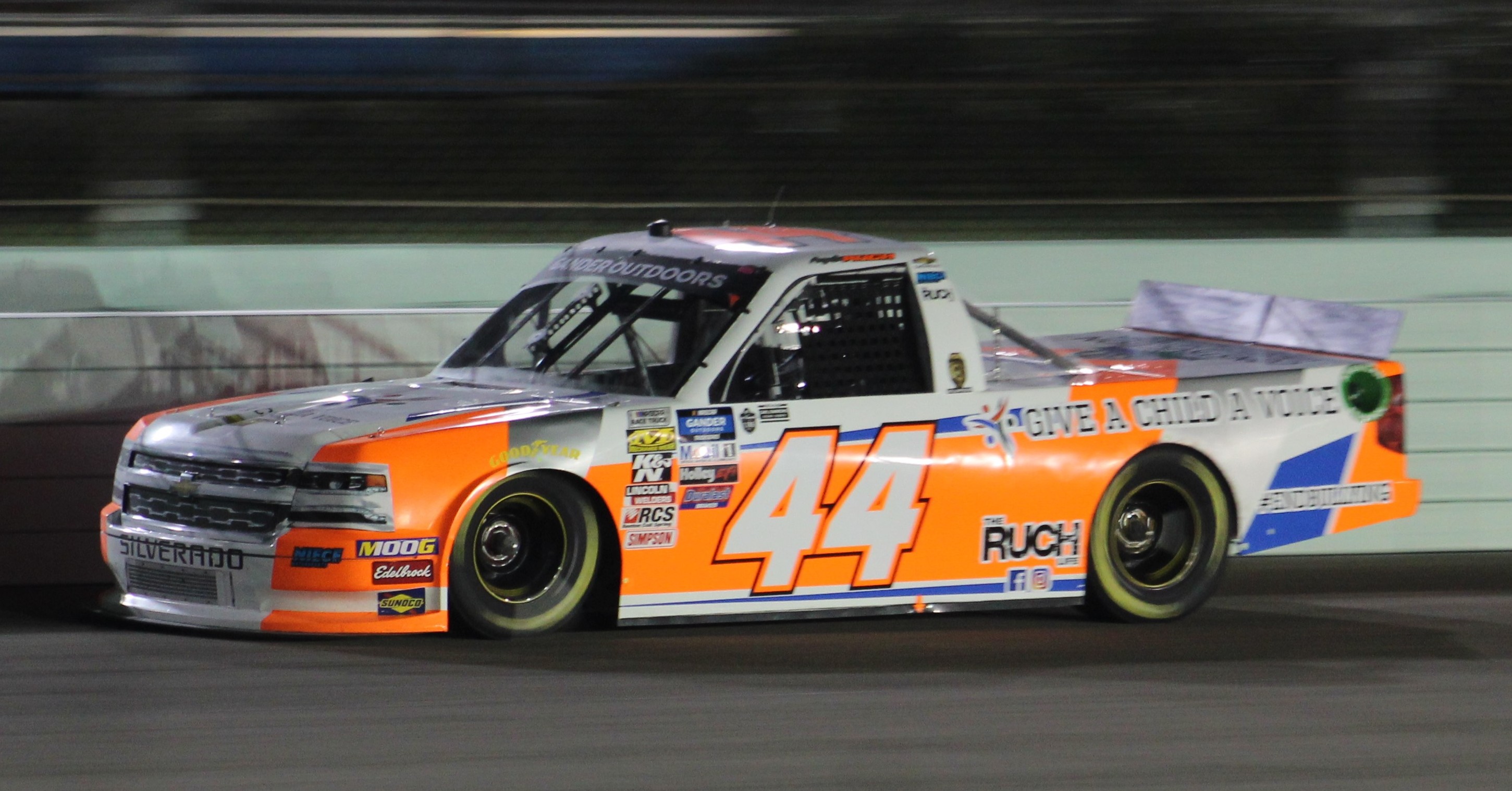
A “Silverado” is a Chevrolet pickup truck. The speaker is talking about their 1988 Silverado and how they got a price quote to repaint it, which is the real-world start of their customizing journey.
A “color change” just means repainting the car in a different color. It’s more than just spraying a little paint—there’s usually prep and multiple coats so it looks right.
The Dodge Viper is a powerful sports car. The podcast mentions a specific color from the early 1990s, which suggests people care about the exact look of certain Vipers. If you’re buying one, the year and paint condition are often important because they can be hard to match exactly.
“Viper blue” is a bright blue paint color that became famous because it was used on the Dodge Viper. The speaker is saying they wanted their truck to look different from that popular blue.
“Coverage” means how well the paint covers the surface. If you don’t spray enough, you can end up with spots where the old color shows through or the color looks uneven.
Box fans are simple fans you can buy at a hardware store. People sometimes use them in a garage to move air while painting, but they don’t replace a real paint booth setup.
Panel replacement is removing damaged body panels and installing new ones as part of collision repair. It’s a structural and fitment-critical step because panel alignment affects door gaps, sealing, and how the paint finish looks.
Dings and dents are small deformations in sheet metal caused by impacts. In body repair, they’re corrected through techniques like pulling, hammer-and-dolly work, or filler/metal finishing so the surface can be sanded smooth for paint.
Collision repair is what a shop does to fix a car after it’s been in a crash. It often includes repairing the body and then repainting it so it looks right again.
In a paint-shop context, “production” usually means high-volume, repeatable painting work (often for multiple vehicles or standardized repair jobs). It contrasts with one-off custom work because the process is more standardized and throughput-focused.
They mention a 2002 Honda Civic as an example of a more “standard” paint job. The point is that painting a common car for insurance work is done differently than painting a restoration where the finish has to look perfect.
GEICO is an insurance company. In this story, it’s used to show that insurance repairs usually aim to be faster and cheaper, so the paint process may be less detailed.
Tinting colors means adjusting the paint shade by mixing in small amounts until it matches the car. It’s important so the repaired area doesn’t look like a different color.
Color theory is how painters understand how colors mix and how they’ll look in real life. It helps them adjust tint so the final paint matches what it’s supposed to look like.
A “clean booth” means the spray area is kept very clean. If dust gets into the paint while it’s wet, it can ruin the finish with little bumps or specks.
Painting often takes practice. You tweak things like how you spray and the setup until the finish looks right, and your early attempts may not turn out perfectly.
When you spray paint, the air pressure helps control how the paint comes out of the gun. If the pressure is a little off, the paint can look different and the metallic “sparkle” can come out wrong.
In metallic paint, “flake” is the shiny particles that create the sparkle. How you spray and the spray conditions can make those particles line up differently, changing how the paint looks.
Blocking is sanding to smooth out the surface before the final paint. It helps get rid of bumps and waves so the finished coat will look straight and even.
The “clear” coat is the transparent layer on top of the color that makes it shiny and helps protect it. Sometimes painters sand it smooth before finishing so the surface looks perfect.
The Dodge Charger is a car built for performance and a classic muscle-car look. A “wide body” Charger means the fenders are widened so the car can fit wider tires and look more aggressive. People bring it up because special, custom versions—like a ’66-style wide body—are rare and often require a lot of work to build or restore.
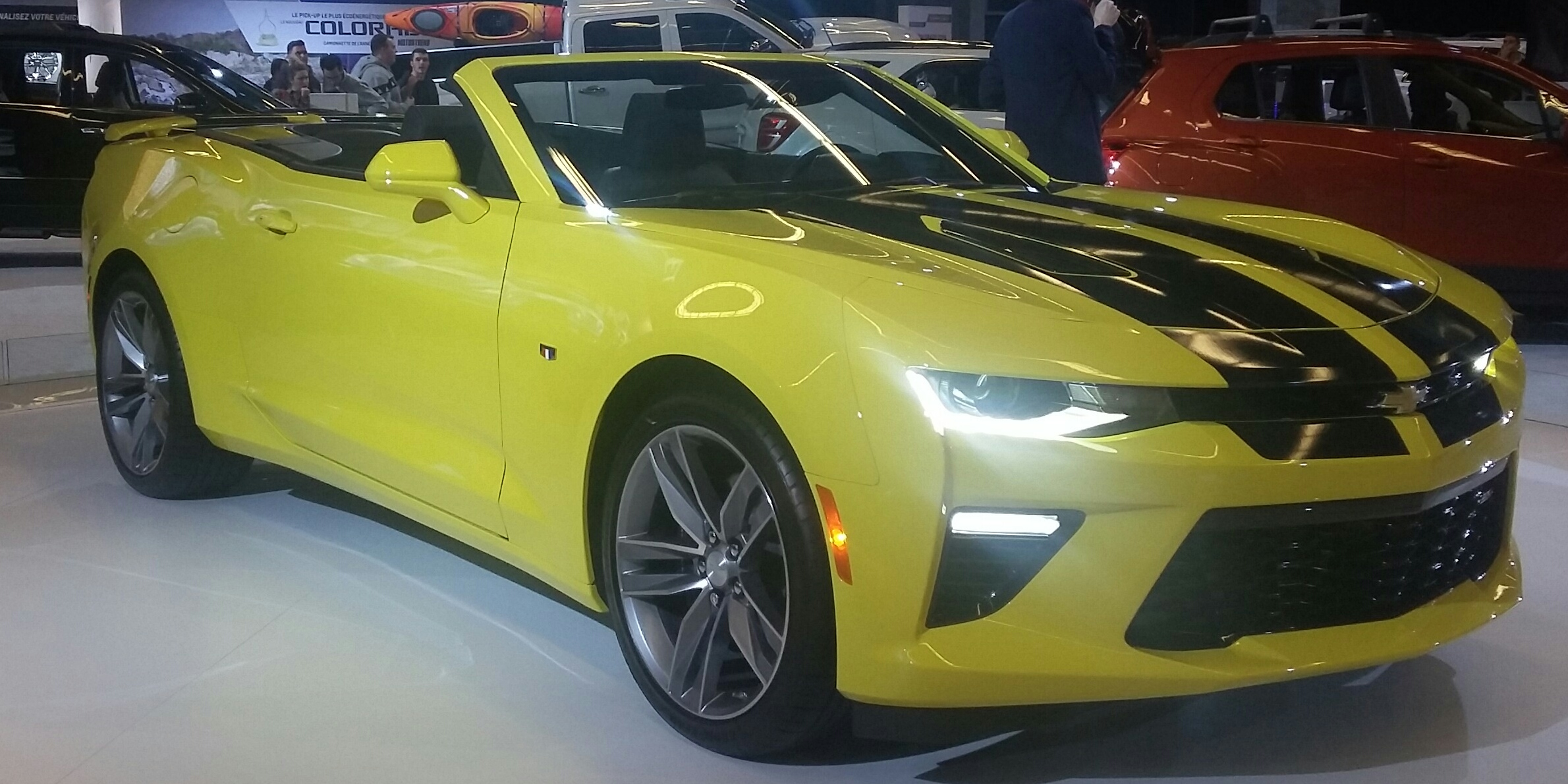
The Chevrolet Camaro is a sporty two-door car that comes in different versions and performance levels. In the podcast, it’s mentioned as something to learn about—especially by looking at the specific year and what kind of build it is. Different years can have different parts and maintenance needs.
“Resto mod” means restoring an older car but also modifying it—usually to make it better or more modern. When people talk about it with paint, they’re usually talking about a higher-quality, more detailed finish than a basic repaint.
A dual action sander is a power sanding tool used to smooth surfaces before painting. It helps you sand more evenly so the paint can look cleaner and smoother.
The undercarriage is the bottom of the car—everything underneath. If it’s dirty, it can mess up how well paint and coatings stick and how clean the job turns out.
Color match is the process of making the repaired paint blend with the existing factory finish. It often requires careful mixing and sometimes adjusting for factors like metallic flake orientation and how the clear coat changes the final appearance.
“Cure out” means waiting for the paint to fully set and harden. If you rush it and start sanding too soon, the finish can come out uneven or get ruined.
Grit is how rough the sandpaper is. 600 is a medium step used to smooth and prepare the paint before you go to finer sandpaper.
Term
8,015 all the way up to 5,000 grit
They’re talking about using sandpaper in steps—rougher at first, then smoother. That way the earlier scratches get erased and the paint ends up looking glassy.
SEMA is a big automotive trade event where companies and builders show off aftermarket parts and custom cars. People use it to meet others in the industry and find opportunities.
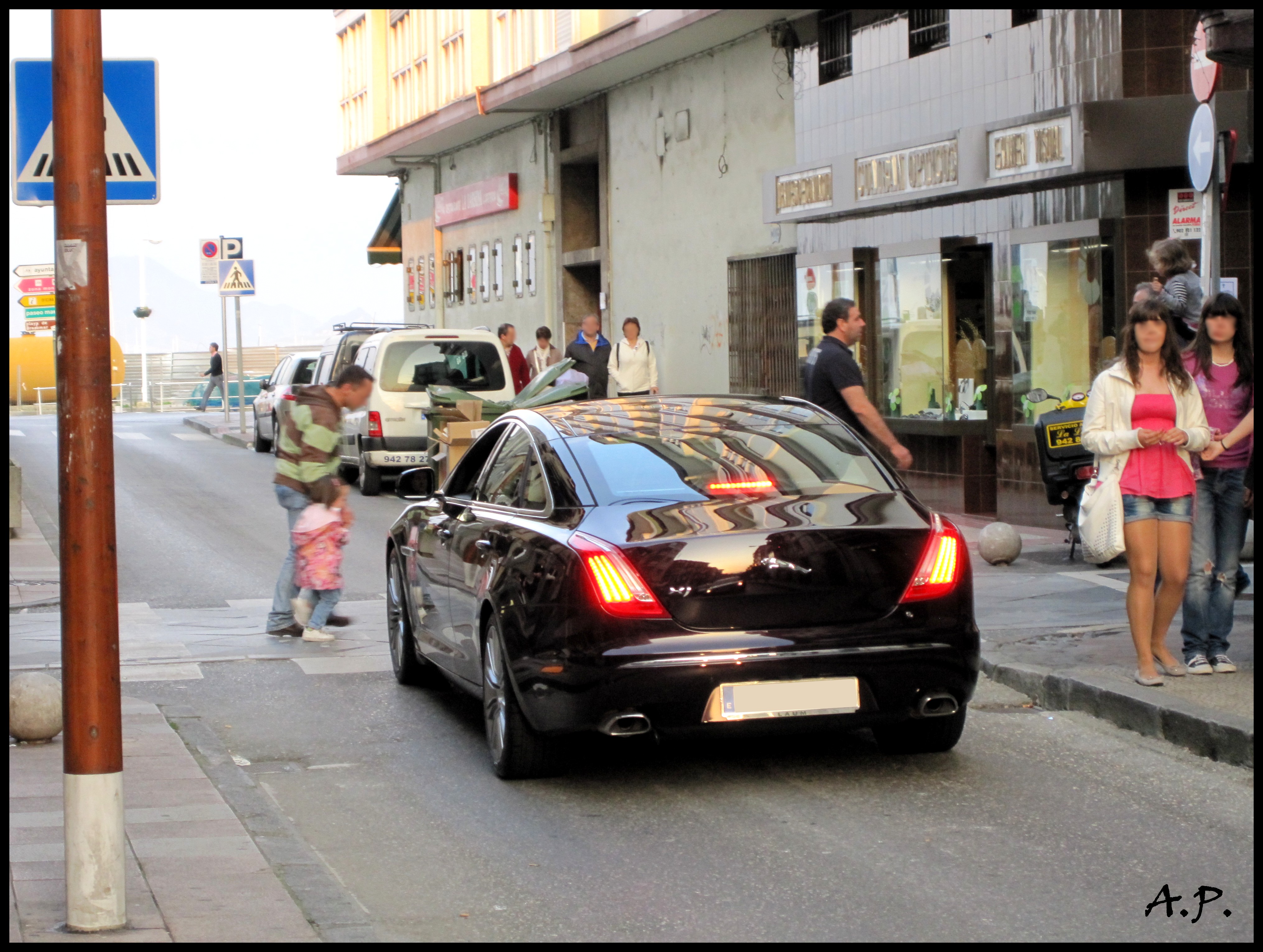
This is a Jaguar XJ that was modified with an LS-series V8 engine from GM. An engine swap like this is done to make the car faster and more fun than it was from the factory.
A motor swap means the car’s original engine gets replaced with a different engine. “Six liter” tells you the replacement engine is around 6.0 liters, which usually means more power and torque.
The Mazda MX-5 (Miata) is a small two-seat roadster designed to be fun to drive. In the podcast, it’s mentioned because someone did body work for a special project version of a Miata. That usually means the car was customized with changes to the body and fitment.
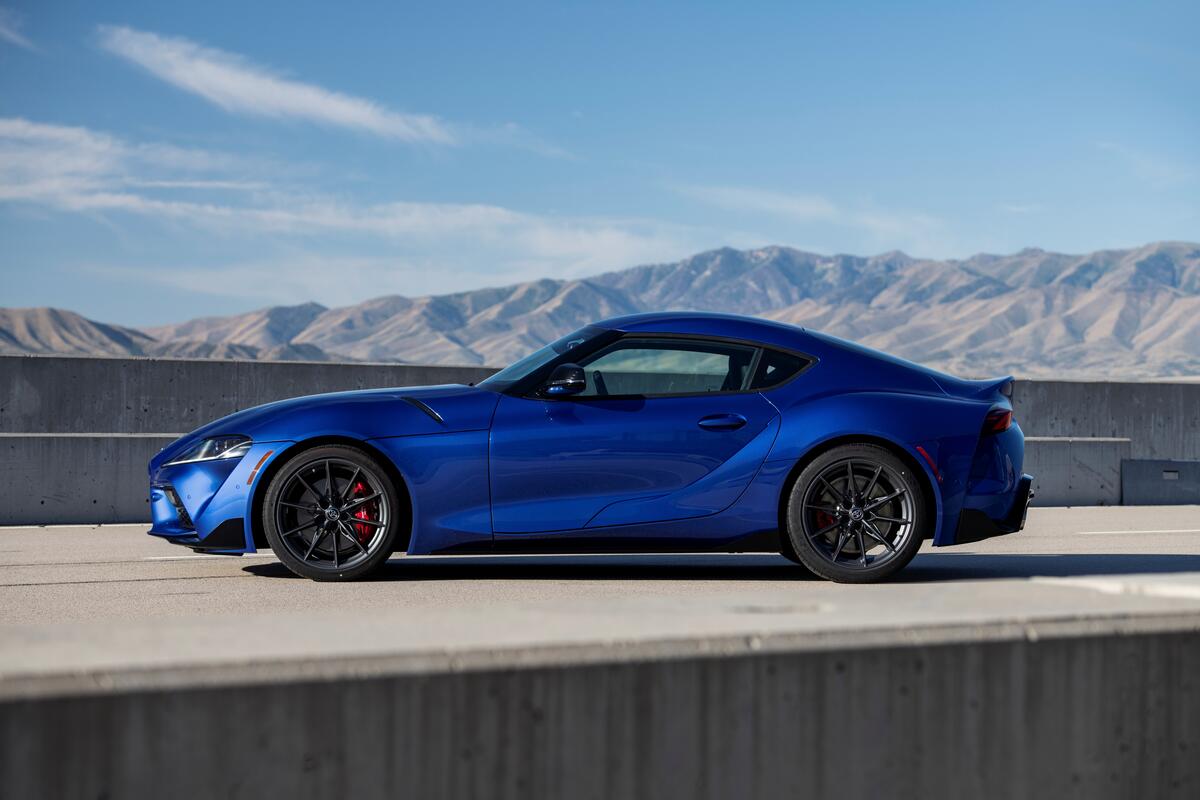
The Toyota Supra is a sports car made for performance. The podcast mentions it as part of a conversation about cars and projects, which usually means people talk about how to work on them and keep them running. What matters most is the specific year and what modifications or condition the car is in.
Car
Project Rocket Miata
This is a Mazda Miata that someone modified with a big V8 engine and added a supercharger. It’s not a stock Miata—it’s been turned into a very high-power custom car.
“LS” is a type of V8 engine from GM that’s popular for swaps. “Supercharged” means it uses a device that pushes extra air into the engine so it can make much more power.
The “Defender Project” is a Land Rover Defender build that used an all-aluminum body. Aluminum can help reduce weight, and it also affects how the car is built and painted.
“All aluminum build” means the car is made mostly from aluminum instead of steel. Aluminum can make the car lighter, but it needs different repair and fabrication methods.
When people say a car part is “polished,” they usually mean it’s been rubbed with special products to make the paint look smoother and shinier. It’s often done after painting to clean up small surface flaws.
Epoxy is a strong glue/sealant that hardens after mixing. In car restoration, it’s often used to seal things up or help protect metal and surfaces before the next steps.
An aftermarket hood is a hood made by a company other than the car’s original maker. They haven’t tried it on yet, so they can’t confirm how it will look or fit.
AccuDraft is a company that makes paint booths. The guest likes them because they’re easier to maintain, help keep paint jobs clean, and move a lot of air for better spraying.
This is a smaller paint booth category meant for people who want a more serious setup at home. It’s positioned as a step up from basic options, but not as big as the full-size commercial booths.
“Economy boost” sounds like a cheaper paint booth option in the AccuDraft lineup. The point is that they offer different models depending on budget.
LIVE
It is two guys garage podcast. He is Kevin Byrd. I will be in fired up Kev. We got whatever
own on the podcast today, man. Check this out. So you ever come across people on social media,
you see and you go, man, I like either their work ethic or what they're doing or how they're laying
it down, putting it down, whatever that may be. You find somebody with us being car guys. I tend
to follow a lot of car guys see what they do out there appreciating the grind. You know,
on occasion, I come across somebody and I'll be like, wow, cool. I got to follow this guy. Just
see what he's doing. See what he's up to because I like his personality or whatever he's doing,
man. And well, I stumbled across one of those guys and kind of been a fan of this guy for a
long time. He actually downloads our podcast. One of the first times I talked to him,
you're not going to believe this, Kevin. He's going, you're going to love, love him
for this. He was a fan of the tightest podcast we did. You guys can go back. I'm not sure what
number it is, but Christopher Titus, a good friend of mine, I put him on the podcast one time
and I was like, Hey Titus, I get it back on if you want, but I was like Titus, you got to come on.
So he came on with us. My boy Jeremy Winters reached out. I was like, dude, I love the,
I love the Titus podcast. And we chatted up a little bit and he works with a lot of the same
people in our world. And it come across somebody on social media that, you know, has a that caliber,
be that networking and see that will to do some really crazy stuff and work with crazy people
on what normally is crazy timelines. That's a, that's a rare person. So I want to bring you on
a podcast and introduce you guys to that Jeremy fella. So stoked to have literally that Jeremy
fella that that's his Instagram handle. That is his Instagram handle. And you know, we,
we've had painters on before. It takes a certain individual, doesn't it? Like it truly does.
Painters are in their own breed. They're I'm just going to just lay that out there.
And you know, you can read anything into it you want. And there's a spectrum though,
there's a spectrum, but yeah, they are a breed. But man, they are also game changers.
Yeah, man. Like you take a rough beat up old anything, right? And with the right prep and elbow
grease, a good painter can work miracles, like turn what looks like junk into right track. Yeah.
And that's your best friend, right? A painter at the end of the day, when you've got a project,
you just sunk years into, you know, late nights and weekends and tons and tons of cash,
which you don't tell your wife about. That painter is your best friend, because he's the one that's
going to make it look like a million bucks. See, there's, we oftentimes reference how,
how you can take an ugly ass car, throw wheels and tires and a stance on it, and it looks really
good. You start doing the look back and start being like, man, she looks sweet today. However,
you give that car to a painter, a body man, and that thing goes from looking good to a dream come
true to everything you've manifested for the years of work it took you to get to that point.
And all the years you're going to enjoy it from that moment on, the painter is the guy that makes
that dynamic occur. And really excited that we, we got a good one on today. So let's bring
him on. He's ladies and gentlemen, he's that Jeremy fella. That's really his Instagram handle.
Jeremy winners. Hey, thanks for coming on the podcast, man. Welcome to it. And hey, big fans
of your work, man. Guys, I appreciate it. First and foremost, thanks for bringing me on here and
even referencing Titus. That's awesome. I'm glad you remember that, man. I've been a long time
fan of Titus. So back to the TV show and all, man. So not honored to be on here and be chatting
it up with you guys. Yeah, man. You know, it's funny because Kevin and I are both car guys and
it's funny doing the show we do. Yeah. You know, it's car guys show, car guys would watch that.
But beyond, you know, that TV show and the camera being on, when we get a chance and opportunity,
I got to shop and own about 30, 35 muscle cars behind my house. Before I had kids,
literally that's where me and a handful of my friends spent every night. You know,
I do a program called cars for Christmas. We're about six months out of the year. I just rebuild
old cars and I give the needy families around Christmas time. So my world still this day revolves
around cars and now just cars and my kids. But it's, man, I'd be remiss if I didn't say I was the
most blessed individual in the world. But cars are such a player in our world. How did you get the bug
and how did you get into this particular aspect of cars? Because you're a game changer. So hold
that thought. I'm going to give you a chance to answer it right after the break. Let's go to break.
I want to get back, how does a painter first get that bite, the paint bug? It doesn't bite many
of us, but for those that it does, man, we're thankful for you. So back with the answer to that,
he's Kevin Byrd and Willie B. And this is the Two Guys Garage podcast.
It is the Two Guys Garage podcast. He's Kevin Byrd. I am Willie B. We have that Jeremy Fella.
Check it out on Instagram, that underscore Jeremy underscore fella. And I got to tell you,
Jeremy winners his name. I asked him how he got bit. For me, I got introduced, I think the car
is probably from my dad, Kevin. Well, he was a Chevy fan and all those Dodge guys used to beat
him all the time on a racetrack. So that inspired him to go to Ford for a minute and find bigger
problems. How did you get bit by, how did you get bit by the bug? I just got to say the Ford
and bigger problems, brother. I got an 86 F-150 outside that belonged to my dad,
and I had it up and running, and then it was nothing but problems. I've got to do something.
That just made me laugh. That's great. No, dude, you know, funny as it is, you know,
I always say this is, it's all my mom's fault. Dad got me into cars, but mom got me into painting.
We had an arts and crafts business growing up, and I was four years old. And literally,
by the time we shut down the business, I was 14. So we ran for a good 10 years.
I had thousands of hours just sitting beside mom in her studio, just learning how to do brushwork.
You know, I would do all the base coating and everything mom could do, all the free-handed
brushwork and like that. That's why I love the pen, you pinch stripe guys, though anybody who can do
that hats off to you. It's an art. And I would sit there and try to mimic what mom would do,
and she would teach me how to how to hold the brush and work it and all. And she's the one
that just drove into my head about how to have clean lines, how to have clean surfaces. You
know, you can't go over on the edges and all because she'd kick it back to me and I'd have to
redo it. Child labor laws be damned, right? So we're out there, you know, we get all the artwork
done. We literally have maybe a hundred pieces set out and we're out there just varnishing them,
low gloss, high gloss, everything and going to craft shows all over the southeast and doing it.
And I, you know, just all that time spending with mom and then I got into hot rods because
dad, you know, he took me to a car show and I'll never forget Mike. The first car I saw that I
fell in love with, it was like, it was an early 80s Corvette and I just fell in love with them.
I can't fit in them. I'm too tall, but I fell in love with them. And still to this day, I still
want one even though I can't have it. And it just carried on from there, man. The love of art, the
love of the folks who do the custom work, the airbrushing and all that. It is a passion and
it's amazing to watch some of those guys really get in and do it. Kevin, Kevin, you gotta admit
my mom's passion for painting was not how I thought he was going to answer that question.
I just got to say, never before have I asked a car guy, a painter guy,
how he got that bug and he goes, my mom's passion for painting was an answer. That came
way out of left field. Congrats. That's the first time I've ever heard that.
Carry on. How did you parlay that into a paint gun?
I got into wanting to customize my truck as customers of our vehicles in high school,
as we all, that's typically when it hits us. And man, I got a quote. I had an 88 Silverado
and this is probably 99, 2000. And I got a quote for $2,000 to do a color change on that thing.
And I, because I always wanted to dodge Viper blue, like the early nineties,
when that Viper came out, I had that gorgeous blue still to this day, my favorite color,
still have never painted any of my stuff this Viper blue, but that's beside the point.
I fell in love with that. And I got a quote for two grand, well, two grand to a high school
kid. And especially back then, I was just like, that's a lot of money. Not realizing at the time,
dude, you are going to get hosed at two grand for a full color change. And it just, it just kind of
parlayed into, well, it can't be that hard. I understand about coverage.
basic application from hand painting. I mean, you're just doing it with a sprayer. And, you know,
I spent the next kind of 23 years through high school kind of toying with stuff and then
got a job right out of high school, sweeping floors at a shop and worked my way in.
Hey, and that's, that's why the majority of us out there have tried. All right. I'm guilty of it.
I tried to paint a car in his dad's garage using box fans, right? And the garage door open,
you know what? It didn't turn out too bad. It did not turn out too bad. But yeah, man. You know
what? That's, I love the spirit. Love the attitude. Love the go for it in this. But man, it's one
thing to go from that to transitioning. That's what you want to do as a career. But that's,
that's how your, your path to this led. How many years, how many decades did you spend as the body
guy? Oh no, I was not a body guy. Let me throw that out first and foremost. I am an insult to body
guys. They, I know enough to get me into trouble and enough to go. That's over my head. I need to
call somebody to notice what they're doing. That's a very important lesson that I think
everybody needs to learn about themselves as to when to say, yeah, I need to stop right there.
I didn't learn that separation from body guy to paint guy because, you know, my first car,
the first thing I did was paint, right? 16, 17 years old, right? Stripping it down, cutting out
of the rust, all that stuff. But you know, every step of the process was just high school kid,
no budget, sanding, blocking, sanding, blocking. It just seemed like forever. And it's like, wow,
this whole painting thing sucks. And I never even got to the painting thing yet, right? I was already
like, Oh, this is awful. Man, if I could have just skipped that and went right to paint, I might
have been a painter. But man, in my mind, I put just dust and more
sanding in my head as a precursor to the painter guy. So my life could have been totally different
if I'd have run into you at 17. Yes. So in the in the shop, man, I I learned enough about body
repair to do the basics of what you need, you know, basics of hanging panels, panel replacement,
fixing dings and dents. Once you get into parts that are crashed, you're over my head. I spent
99% 99.9% of my career on the other side of the wall in the paint shop. So I spent
18 or 19 years in the paint shop here doing nothing but collision, production, painting,
and restoration stuff. So each one has its own skills, each one of them has its own its own
thing that you have to learn to because you got to pick up speed, you got to have your cleanliness,
you got to if you're doing restorations and stuff, you've got there's a there's an expectation of
those finishes. And it's all different processes. Obviously, you're not going to throw on a six
coats of clear on a 2002 Honda Civic that's being done by Geico. It's totally different worlds.
Right. But it's all in the in the fun and the art of learning because, you know,
the neat thing about the internet is that the neat thing and the bad thing is that you can ask
questions and network with people. And if you get the right ones that'll sit there and take some
time with you, they become great friends, you can pick their brains and it'll really help raise
your game. And then you get to work up underneath them and really pick their brain and learn those
skills. And it's just an amazing thing. Yeah, where did you pick up your biggest gains from? Was it
just in the trenches, you know, working on the collision stuff? Did you have kind of a mentor
that took you under their under their wing a little bit to get into the really, you know,
detailed custom work or? So I had, I've had two mentors in my life, one of them,
one of them directly in paint. And then I guess three total, but the boy directly in paint man.
And I shout him out anytime that I can because he's still going at it. His name is Jeff McElhaney.
He's out of out of Macon, Georgia. And I went in, I hadn't been painting maybe, but maybe three years,
23 years at that point, like actual like I am painting cars, not just doing like little
stuff. And I went to him greener and grass. I didn't know how to tint colors. I didn't I could
barely spray clear and get it to okay, kind of halfway look nice. Man, I learned so much from
that guy. He took me under, let me sit under his learning tree and the patience, the patience that
that man had to walk me through tinting colors and learning those things, learning color theory,
learning how to apply it the faster way, the different things about getting a clean paint job.
A phrase I will shout to the day I die is a clean booth as a happy booth because he drove that into
my head. I was the messy guy. I don't tape a car. I throw it all over the place. I taught some
eraser blades and all. I'll clean it out once I get the car out and you know, get ready. He's like
a clean booth, a happy booth, Jeremy. I'm working on it. I'm going to get that next. He goes,
a clean booth, a happy, happy booth, Jeremy. I know I'm working on it. I'm going to a clean
booth as a happy booth, Jeremy. All right, Jeff, I'm on it. So it's those lessons that you learn
that get, you know, they get driven in your head and you can keep them going on. And you know,
for painting wise, I learned so much from Jeff and then just picking up skill set and picking up
how to do better finishes and all. It's got to be from a mutual friend of ours, Kevin Tates,
out there out of Tennessee with paint education and a guy by the name of Randy Bortcharding out of,
I believe he's in Cyprus, Texas with Paint House. Randy does things on a whole different level
and the detail that he takes it to and does not mind sharing that knowledge. It's absolutely
amazing to pick his brain and then have the mentorship and friendship that I have with
Kevin Tates in the same sense. It's amazing. So there's a lot of guys out there that, you know,
they're looking for that mentor and you know, you're lucky when you can get one and especially one
that's right in the trenches with you. So you're learning with that person. And there's a lot of
guys out there, girls, whatever that are, you know, having to kind of do the hard knocks.
So what's kind of a great way for them and how many cars do you think you really have to
paint before it just starts to click? You've done the hard knocks, you've learned your lessons,
you're starting to be proliferous. So if you're going to get there and you're looking for when
it starts to set in, when you start thinking you got a knack for it and all, that's whenever
it's always going to come back and bite you in the butt and realize, man, I suck and you got to go
through the whole thing again. You know, it's once you've been doing it easy, you know, full-time
painting for maybe about 23 years, you'll really start building some habits that are good
and you'll start seeing what works for you, what doesn't. If you have a chance to mentor with somebody
that's already there, you know, you're not the only painter there, maybe be picking his brain and see
what works for you. You know, there's the old saying of you can hand two different painters
the same paint gun and have two different colors. Application is key for everything. So being able
to learn those tricks and learn along the way, understanding that you are going to fail and
you are going to fail horribly. I would say painting is like trial and error, mostly error,
when you're first starting out because I can vouch for that one. It is crazy from little things
you learn about air pressure, you know, how a few pounds of air pressure can, you know, lay down,
you know, flake differently in a paint job, how little things have an enormous effect
downstream. Painting is one of those wild kind of back and forth games you play because little
things, subtle things make a big impact on a finished product. Absolutely it does and it's
all about just learning those little details and just once you have them, make them part of the
daily thing that you do, make them part of the daily routine and then just going through. Now,
obviously, you know, you're going to take different steps, you know, make the reference again, a Honda
Civic versus a restoration job, you know, they're two totally different animals. So, you know,
you're going to go through the whole, all these other steps of the blocking process and all of,
and making sure that you've got everything laser straight before you go through to actually paint
this car and then you're going to be blocking down the clear and to somebody who just does collision,
you're going to block down the clear. Yeah, you've got to man and it's the first time I heard it,
I was like, what do you mean you're taking a sanding block to clear? Huh? Like the whole thing?
So, it blows your mind whenever they first learn it and it's like I said, it's just that skill set
that you got to learn and it's always nice to have in your back pocket. Hey, you know what, man,
since you don't mind sharing some knowledge, how about this? Absolutely. We're up against the wall.
Would you mind during the break jotting down how about a few steps that are different between that
Honda Civic and that, you know, that crazy, hey, I don't have a budget. You let me know what this
paint job is going to cost and you let me know what I need to give you to start it. You know,
kind of budget. You know, we dream about those guys, but what's different on your end? You know,
you mentioned blocking the clear. Definitely a step you're not going to do on a Honda Civic,
but if you want something like a 66 wide body charger, right, one of a kind,
that's something you're going to want. So maybe walk us through a few of those extras
that you do on some of these magnificent, insanely cool paint jobs and trends you see going on right
now. We could do it. All right, cool, man. It's the two guys ride podcast. He's Kevin Bird. I'm
the Jeremy fella, that underscore Jeremy underscore fella.
Find him on Instagram back with him in a minute. It's two guys ride podcast with Kevin and Willie.
It is two guys grad podcast. He's Kevin Bird. I am Willie B and check out that Jeremy fella.
Find him on Instagram. This guy's, he's just an unbelievable painter, became a fan of him on
social media, started talking to him. He works with some of her great friends, which we'll get
into here in just a minute before the break. I asked him, Hey man, what are some of those extra
steps? If you're thinking about a man, I want to throw down the fattest painting job on my,
you know, 69 charger or my 2006, you know, I don't know, Camaro, whatever it may be,
learn the most you can from people that have gotten their hands dirty and have understood,
you know, what mistakes can, can mean in this business. Painting is one of those things where
man mistakes can cost you, cost you time, cost you money, cost you materials. It's not the easiest
thing to make a mistake in and recover from. So Jeremy, walk us through some of those,
those, I don't know, impactful differences you have between a regular paint job and some crazy
insane resto mod you're going to do. Well, some of them are going to be similar. Like,
you've got to learn to love the hatred of sanding. You're going to hate sanding,
you're going to hate that sanding block, you're going to hate that dual action sander,
and you're not going to have fingerprints. That's part of it. That's not going to go away,
whether you're doing a cheap one or a, who needs a fingerprint, right? Yeah,
exactly. Until you go to unlock your phone and like, Oh crap, what was my code?
Ask me how I found that out, trying to get through Atlanta on a boarding pass.
But not, you know, the biggest thing, the biggest difference is, you know, whenever you're doing
the, you know, just say like collision style paint work, everything is about efficiency.
You don't have the time, you've got to get to the next vehicle. So ensuring that you go through
and have everything prepped, you wash that car thoroughly, and you make sure that you have all
the under, undercarriage, all those parts and everything. If you can take them off, take them
off, and then that way you can thoroughly clean back behind all them, the fenders, doors, all that.
Cleanliness is key. And then understanding that paint doesn't like to stick to shiny.
So if you've got anything shiny right there, just scuff it up, sand it, that's the, that's the biggest
thing. And then color match, whenever you're doing your, your collision style stuff, that'll take you
the rest of the way. Understand that the cleaner it is, the better it is, and 90% of the trash that
comes, it comes onto a paint job, it's going to be coming from you. You're going to be carrying it
in whenever you go, whenever you walk in. So fresh paint suit, gloves, all the, all the safety
stuff that you need. I noticed, I noticed that man about your every time you're in for a paint job,
bro. He's like a hazmat suit and then some bro, this guy gets after it. Like he goes in deep
hands, elbows, because you'll see guys out there painting with a baseball cap and respirator on,
you know, the hoodie on, like, uh, yeah, probably not going to turn out like the way you want it.
I mean hats off to him, but I never could. I was that guy. I painted like that early in my career.
And then I started learning about safety. And it's like, yeah, I need to take this a step further.
But, you know, getting, getting onto the, the, like the higher end jobs, you've got to learn to be
patient. Everything needs time to cure out and everything needs time to dry. If you get back into,
to sanding on that clear coat after you've already gotten, gotten everything laid out,
and now you're going to go and start blocking down that clear. Say you're opening it up with
600 grit and using a guide coat between each step. Some guys will sit there and why do I need to use
guide coat? Man, guide coat is cheap insurance. If you're ripping that clear coat, you know,
you put 56 coats of clear on it and, and you're going in and you're starting with 600
and you're moving to 8,015 all the way up to 5,000 grit. You want to make sure that you're not in,
you know, 2,500. And also now you've seen, you're seeing rogue scratches everywhere that you've got
to now start back over. Man, using guide coat is cheap insurance, making sure that you've got
everything taken care of. Those scratches aren't there and you can proceed on to the next step.
Just having patience and letting stuff dry. Things take time and, and you can manipulate some,
you can manipulate some, but man, pay attention to those TDS sheets. They're going to tell you
everything you need to know about a product. And when you're doing those high end stuff,
those high end paint jobs, make sure you've got it there and can reference it just in case you
got any questions. Man. Awesome. Awesome. All good stuff, man. Stuff to live by and understand
he's learned by it. You know, you almost, you almost made me think I could do it.
Hey, man, anybody can. You know, they almost gave me the secret sauce where I said, oh,
dang, all right, let me go fired up. I'm going to go make me a plus paint job. Man, it's, it's,
it's all about patience and learning. You know, if you've got the will to want to learn,
instead of just say, oh, I saw a guy on YouTube do it and I can do it on my car,
you've got to have the one, you know, like anything, if you don't have the passion for it,
it's not going to come out right. You're going to get frustrated way too easy and you're not going
to learn how to solve problems and whatnot. You know, the friend of ours, Kevin Tate, you know,
the, the ability, the difference between a painter and an applicator is the ability to get yourself
out of a problem, to be able to get yourself out of a jam. Yeah, I was just going to say the same
quote from Kevin. You know, that, and it's absolutely true. Tell me you know what I'm right.
So funny. How did you first meet Kevin? Cause I see you working with him on a lot of his builds.
Yeah. So, so Kevin and I, I had a podcast several years back before the big C and it was called
Booth Talk. It was a live stream on Instagram and turned it to a podcast and, you know,
whenever I started down, I was like, I just think it'd be cool just to talk to people,
fireside chat style, get folks in there and just talk and then just find out about how,
what brought everybody to the dance? What got you into doing this? You know,
what are you doing these days and all that? Well, the easiest thing is reach out through
social media, you know, go to SEMA shake hands and, and they tell you to kick rocks. Okay,
have a nice day, sir. Go to the next person and just have that drive to want to market yourself,
you know, believe in yourself and talk to people. And I reached out to Kevin through Facebook,
not knowing that at the time he wasn't really paying attention to Facebook messages.
And luckily I was smart enough to leave my phone number. Hey, I'm starting up a podcast.
I watched you on the old truck show. Be awesome just to pick your brain and just chat a little bit,
you know, talk up some paint stuff. Give me a call if you ever have a chance.
Two weeks later, man, he's, I just get a text message. Hey, I've got some window time.
You mind if I call you? I don't know who this number is.
Yeah, sure. Man, he gave me a call and I've got a Bluetooth headset on. I'll never forget,
I was walking out of the mixing room about to go paint something. And I pick up and I was like,
my phone rings. I said, hello, like Jeremy and you know, it's the voice. And I just like,
okay. So we hit it off, man. It's, it's, it's very rare in life that you just hit it off with
somebody, you know, just right from the get go. And he invited me up to help out with hands on
cars. It was season two. He was doing the Jaguar build. And that's where also I met Randy Bortring
for paint house that I mentioned earlier. And the first day I get there as I'm coming through
the door, all of a sudden here walks Ian, Ian's walking out the shop. And now I'm having this,
like, where the hell am I right now? What's, what's, you know, and it's, it's, it all goes from,
you know, just, just believing in yourself and just reaching out through social again,
going to SEMA. And, you know, I've done, I've done a couple of projects with Kevin. I did the,
I helped him on the Jaguar. That was the XJ LS. That was the one he did the six liter motor swap
in it. I helped him. I did all the body work for the Rocket Miata project. What year was that
Jaguar? That was a 90. I think it was a 90 Jaguar. And so it was, it was apparently it was,
to quote him, I think he had a vendetta against this bitch. He had one years prior and the thing
caught fire on him. So he's always wanted to go back and rebuild it again. And that's,
that's what they wound up doing with that. So I wound up doing the, doing all the body work on
the Project Rocket Miata. That was the one where he stuffed, stuffed a super charged LS into a
Miata because everybody needs a 500 horsepower roller skate. I helped him do body work and such
on the, on Project Sea Tane. That was season three of Hands On Cars. Through that, I working a
little bit with Ian. Then I got to do the 53 Willis wagon for Ian. Then I did, he did a,
oh, what was it? It was a, the all aluminum build, the Defender Project that he did for
Motor Trend for a show on Motor Trend. I did the body work and paint on that. And then that led,
do that just, it just, one thing leads to another. Next thing I know, Ian is in Atlanta filming
with Courtney for Ride of Your Life and the shop didn't, the shop that they had gone to,
to get the body work, they didn't get it done in time and they were expecting a deadline.
And you guys do TV, y'all understand. They're, they're filming a show here. They need this car
done. So I come in and Ian's like, or Ian calls me, he's like, Hey, I don't know paint. I don't
know really what I'm looking at, but it doesn't look good. How far are you away? Can you come up here?
I've got nothing going on. I'm coming. So I drove, dropped what I was doing, drove
two hours north and I walk in, I'm like, Hey, we got some work here. Okay. Okay. Well, what's
your deadline? They're supposed to deliver it Friday. Okay. Yeah, that goes counter to that
whole patience thing you're talking about. And here we are. It's like Tuesday, Wednesday. So I,
so Courtney had just shown up, she was expecting to see a painted car. So that's where the show
picks up is, is her and I just kind of talking over everything. And she's like, Well, how long
do you need to get it painted? I'm like, if it's just me, I need two weeks. I don't have that.
So we were talking, we're like, well, we can wrap it, you know, we can get the bodywork done and
wrap it. And there's options here if you got it. So it's a neat thing, you know, just to be able
to be called on to just help out and get involved in that, you know, being a part of those projects
and then on some of the other ones being able to spread knowledge and whatnot. I did 12 weeks
ago with with Kevin again, he's doing a OBS truck, I think it's a 94 for Derek, Derek and
vice grip garage. And they're supposed to have this thing done, polished, assembled, Derek's
getting it back in all done by May 3. And I'm like, brother, you ain't you've just barely gotten
paint on on some parts. It's like, if I come up there, will that help you out? Is absolutely,
if you can make it, come on. So I spent three days up there with him, we got the bed painted
some parts painted tailgate outside the bed, all that. And just in the video dropped, we're able
just to show friendship, you know, just two guys working on a vehicle having some fun and and
giving those tidbits to help out the DIY guy, you know, explaining why we're doing this and
what's the benefit of it. So it's a lot of fun, man, I enjoy it. Yeah, obviously, so man, he made
a great career out of it, a lot of knowledge there. And you know, that's why I'm a fan of social
media. And you guys should be too. It's that underscore Jeremy underscore fella. Make sure
you check that out. He's always posting just really cool stuff, really cool builds. It's funny,
I'm actually going on an adventure ride with Ian. He does a show partners with our production
company to I'm doing that Jeep adventure ride. Kevin and I are doing something my Jeep that's
going over the guys that truck you then it's going to in shop and at the end of the season,
we're doing some adventure ride into SEMA next year. So it's going to be wild. I'm looking forward
to that looking forward to turning ranch and doing a little wheeling with him myself, man. So
it is a network. It's a big community and way cool to meet another friend, another guy in it,
man. So hats off to you. Thanks for sharing. What's your next project? So the next project that
we've got is actually a restoration project for a high school buddy of mine. I'm actually in
process of filming some stuff. I'll be putting it up on the YouTube channel. Cheap plug here. The
YouTube channel is at in the home shop because that's what it is. It's the home shop out back
behind my house. But we've got a 66 Le Mans. Cool. It's a restoration thing for him and his dad.
And man, I got a soft spot for it. You know, my dad's no longer here. So I can't do those projects.
So it's like, man, that's it's a cool thing. So we got it all sealed up in epoxy. We had to strip
it down. And we're about to start the metal work and body work. It's not far gone, man. It's not
bad. I just need to get out there and focus on hammering out the body and get rolling on it.
So is it going to be a Le Mans, like GTO clone, or are you just keeping the Le Mans branding
to it? What's the plan on it? So right now it's going to be Le Mans. And the GTO, I believe it's
going to have the GTO hood on it. I'm not sure. Right now we've got an aftermarket hood that we
have not test fit. So I can't say we're going one way or the other on that. So it could go either
way. So we're going to play that by ear, but we'll have some videos on that coming up.
And side note, we didn't get into it, but I got about a minute and a half left
in the world of paint booths. If somebody's looking or thinking like, where's the best
one to get partnered up with, paired up with, what paint booth would you recommend out there for
would be painters? So I've always liked AccuDraft paint booths for the last number of years.
I sprayed through all of them through my career and I ended it in AccuDraft and that's actually
how I landed the job with them now. I sprayed in them for probably about three years and fell
in love with it. Easy to service, clean jobs, moves a lot of air and does the job that you need it to.
If I had the room out here and I could actually build a bigger shop, that's what I would be putting
in it. They've got several ones for the big ones and then the at home pro style series,
the economy boost. So they've got a little bit of everything to fit everybody.
Wait dope, man. AccuDraft paint booths. Check that out and one more time. Where do people find you
on social media? Jeremy, give us a scoop. I am at that Jeremy fella on Instagram and I just started
up at that Jeremy fella on TikTok. No, you're not going to see any dancing out of me there.
That ain't happening. Maybe if I still had my hair long, but no, I cut it all off. So that's
not happening. So I'm with you, man. I'm with you. All right. Find him there, you guys and find
our show there as weekends on the Motor Show Network. Check your local listings. It's also
available on Discovery Plus and Max. Thanks to our guest, that Jeremy fella. Make sure you check him
out online. Thanks to our producer, Scoop, senior producer, Justin Carter, executive producer, Bob
Ecker. He's Kevin Burnham. I'm going to be in this is the Two Guys Garage podcast. Yeah, don't
forget. Check out our website, TwoGuysGarage.com, our social at Two Guys Garage. We're everywhere
in the Two Guys Garage podcast. It's copyright 2025. Britain Productions Incorporated. All rights
reserved. Right on, brother. Thanks for the time, man. Thanks for the tips. Dude, anytime at all,
anytime at all. I appreciate the invite coming on. Cool. Look forward to bumping into you in
the circles. It's amazing, you know, how small, you know, you think of whatever the television,
celebrity, social kind of scene out there, but there aren't that many of us and we all kind of
just bump elbows and seem like cross paths. It is such a small world about it. And, you know,
sometimes you hit it right. Sometimes you hit it at the wrong time. I'll tell you a quick,
funny story. I was, it was Seema this past year. You know, Courtney had, Courtney was doing the big
season premiere episode whatnot over there at a, it was the Mob Museum and had the thing down there.
And I saw Matt, producer from Britain. I saw him there and I'm constantly blowing him up on stuff,
you know, because it's, you don't know if you don't, you don't put yourself out in front of
somebody. So I'm apologizing. I'm not trying to blow your phone up, but hey, just here's a new
video, you know, check it out. And so I lost my voice. If you remember this past year at Seema,
it was cold. Oh my God, it was cold. So I come from like 80 degree Georgia. It's October,
November. That's typical. And all of a sudden we get out to Seema and it's like 40 degrees.
My voice went ain't happening. So I'm sitting here trying to talk to people and I'm hoarse.
Like I'm trying to project and I got nothing. And I saw, I saw Matt and a couple of the other guys
from some of the other shows that was there and Truck U, those guys were there.
And I was like, I just wanted to go over and introduce myself to them. And I had no voice.
So it was like opportunity, but it went. So it's, it's just, you hit it right. Sometimes you hit it,
hit it wrong. It's just all timing. So it's just, it's, it's a, it's a very,
it's a very cool community. It really is. So.
Well, very cool, man. I'm glad we got you in this, bro.
Absolutely, dude. Again, thank you for the invite. If I can ever be of help,
reach out to me, man. You've got my cell phone now. Kevin, I'll follow you on social. I'll send
you mine on the, on Instagram as well if you'd like. Not afraid to travel. So I'm always,
I'm always willing. It's awesome. It's a six hour drive to Kevin and Ian. So I've got no problem with
that. Dude, it's great, man. Yeah. Thanks for being on the program with us, guys. Hopefully you
had some fun with us. We'll catch you on the next two guys garage podcast. Take care.
Two guys garage podcast is a production of Britain productions. For more episodes,
visit iHeartRadio, Apple podcast, Spotify, or wherever you listen to your favorite shows.
About this episode
A painter’s path to pro results starts with hands-on basics—learning base coating, free-handed brushwork, and “clean lines” from his mom—then grows into collision and restoration know-how. The hosts compare insurance-style work to restoration expectations, stressing “a clean booth as a happy booth,” guide coat, TDS instructions, and how small variables like air pressure can change metallic flake. The conversation also follows custom builds, including a supercharged LS Miata and a “Cars for Christmas” program that rebuilds cars for needy families.
Ever wonder what makes a painter a "game changer"? Kevin and Willie sit down with one on this episode. Jeremy Winters (aka "That Jeremy Fella") is a painter whose career spans from helping his mom paint crafts, to collision repair painting, to saving reality TV show deadlines. Learn about his journey, the meticulous process behind a perfect paint job, and how he uses his skills to transform vehicles and inspire the DIY community.