
The Man with the Golden Spray Gun
About this episode
A painter’s path to pro results starts with hands-on basics—learning base coating, free-handed brushwork, and “clean lines” from his mom—then grows into collision and restoration know-how. The hosts compare insurance-style work to restoration expectations, stressing “a clean booth as a happy booth,” guide coat, TDS instructions, and how small variables like air pressure can change metallic flake. The conversation also follows custom builds, including a supercharged LS Miata and a “Cars for Christmas” program that rebuilds cars for needy families.
paint
"grease, a good painter can work miracles, like turn what looks like junk into right track..."
They’re talking about car painting as a skill, not just color. The right prep and technique can make a rough-looking car look amazing.
The hosts are talking about automotive paint as a craft where prep, technique, and finishing determine the final appearance. A skilled painter can correct flaws and create a high-quality, uniform finish that makes a restoration look “like a million bucks.”
stance
"...you can take an ugly ass car, throw wheels and tires and a stance on it, and it looks really good."
“Stance” is how the car sits—how high or low it is and how the wheels look in relation to the body. Changing it can completely change the car’s look.
In car customization, “stance” refers to the overall visual attitude of the car—especially ride height and wheel/tire position relative to the body. It’s why swapping wheels/tires and adjusting height can make an otherwise “ugly” car look dramatically better.
body man
"...you give that car to a painter, a body man, and that thing goes from looking good to a dream come true..."
A “body man” is the person who fixes and shapes the car’s body panels. They make the car’s surfaces straight and ready so the paint can look right.
A “body man” is a shop professional who handles bodywork—repairs, metal shaping, and surface prep—so a car’s panels line up correctly and are ready for paint. In restoration or collision repair, the body man’s work is what determines how good the paint job can look.
muscle cars
"...I got to shop and own about 30, 35 muscle cars behind my house."
“Muscle cars” are American performance cars—usually powerful and sporty. He’s saying he has a bunch of that kind of car in his garage.
“Muscle cars” are American performance cars known for strong engines and an aggressive, sporty character, especially associated with the 1960s–1970s era. The guest uses the term to describe the type of cars he owns and works on.
cars for Christmas
"I do a program called cars for Christmas. We're about six months out of the year. I just rebuild old cars and I give the needy families around Christmas time."
“Cars for Christmas” sounds like a holiday program where the guest rebuilds older cars and gives them to families who need help.
“Cars for Christmas” is described as a program where the guest rebuilds old cars and gives them to needy families around the holidays. It’s a community/charity angle rather than a technical automotive topic.

Ford F150
"I just got to say the Ford and bigger problems, brother. I got an 86 F-150 outside that belonged to my dad, and I had it up and running, and then it was nothing but problems."
A Ford F-150 is a popular full-size pickup truck. “86” means the 1986 model year, and in the episode it’s the truck that started the guest’s interest because it caused problems he had to figure out.
The Ford F-150 is Ford’s long-running full-size pickup truck line, and the “86” refers to the 1986 model year. In this story, it’s the first personal project truck that helped the guest get hooked on cars through hands-on troubleshooting and getting it running.
base coating
"I had thousands of hours just sitting beside mom in her studio, just learning how to do brushwork. You know, I would do all the base coating and everything mom could do, all the free-handed brushwork and like that."
Base coating is the first paint layer applied to a surface before clear coat (and sometimes before additional color layers). It’s important because it sets the color foundation and affects how evenly the final finish looks.
pinch stripe guys
"That's why I love the pen, you pinch stripe guys, though anybody who can do that hats off to you. It's an art."
Pinstripe (often done with a “pinch” stripe tool or technique) is a fine, controlled line-painting style used to add detail to cars and motorcycles. It requires steady hand control and consistent paint flow to keep the line straight and even.
clean lines
"And she's the one that just drove into my head about how to have clean lines, how to have clean surfaces. You know, you can't go over on the edges and all because she'd kick it back to me and I'd have to redo it."
“Clean lines” in automotive painting refers to sharp, well-defined edges where paint transitions without smudging or bleeding. Achieving them usually depends on masking discipline, brush control, and letting layers set properly.
clean surfaces
"And she's the one that just drove into my head about how to have clean lines, how to have clean surfaces. You know, you can't go over on the edges and all because she'd kick it back to me and I'd have to redo it."
In painting, “clean surfaces” means the substrate is free of dirt, grease, and contaminants before paint goes on. Surface cleanliness helps paint adhesion and reduces defects like fisheyes, bumps, or uneven texture.

Chevrolet Corvette
"The first car I saw that I [445.5s] fell in love with, it was like, it was an early 80s Corvette and I just fell in love with them."
The Corvette is a famous American sports car made by Chevrolet. The speaker is saying an early-80s one was the first car they really loved, and it helped spark their interest in cars and customizing.
A Chevrolet Corvette from the early 1980s is a classic American sports car known for its fiberglass body and iconic V8 performance. In this segment, it’s the first car the speaker fell in love with, which is why it matters to their hot-rod and custom-paint path.
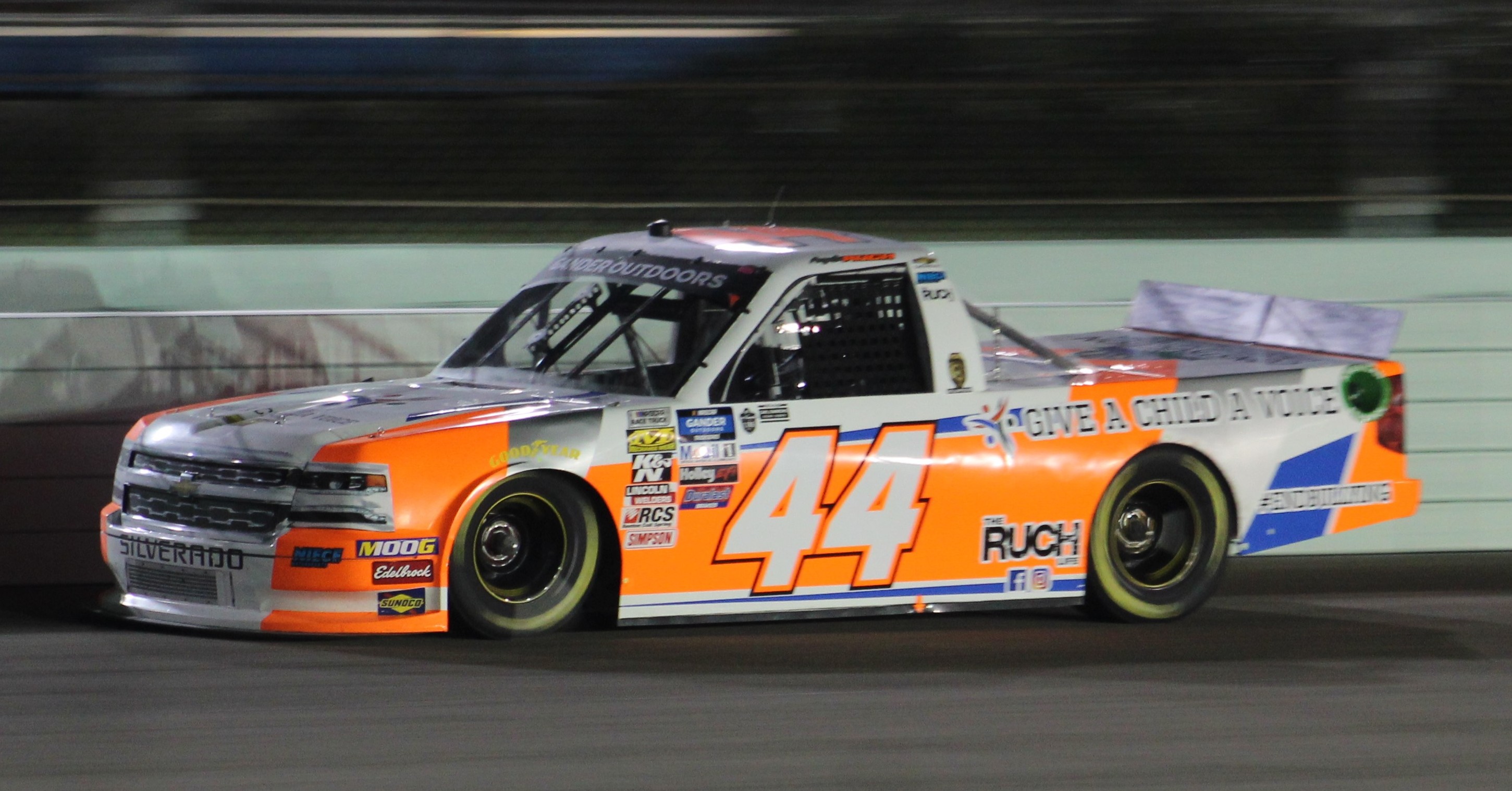
Chevrolet Silverado
"And man, I got a quote. I had an 88 Silverado [508.6s] and this is probably 99, 2000. And I got a quote for $2,000 to do a color change on that thing."
A “Silverado” is a Chevrolet pickup truck. The speaker is talking about their 1988 Silverado and how they got a price quote to repaint it, which is the real-world start of their customizing journey.
The Chevrolet C/K pickup line—here specifically an “88 Silverado”—is a popular platform for customization because it’s common, easy to work on, and has a huge aftermarket. The speaker uses their 1988 Silverado as the example of getting quoted for a full color change, which ties directly to the paint-and-sprayer craft they’re describing.
color change
"And I got a quote for $2,000 to do a color change on that thing. [517.4s] And I, because I always wanted to dodge Viper blue, like the early nineties,"
A “color change” just means repainting the car in a different color. It’s more than just spraying a little paint—there’s usually prep and multiple coats so it looks right.
In custom paint work, a “color change” means repainting the vehicle so the exterior changes from its original factory color to a new one. It typically involves prep, coverage planning, and multiple coats so the new color lays down evenly and matches the intended finish.

Dodge Viper
"...at thing. And I, because I always wanted to dodge Viper blue, like the early nineties, when that Viper ca..."
The Dodge Viper is a powerful sports car. The podcast mentions a specific color from the early 1990s, which suggests people care about the exact look of certain Vipers. If you’re buying one, the year and paint condition are often important because they can be hard to match exactly.
The Dodge Viper is a high-performance American sports car known for its dramatic styling and big-engine character. The podcast context mentions wanting “Dodge Viper blue” from the early 1990s, which highlights how specific colors and early production years can be part of what enthusiasts chase. That’s why it comes up in conversations—collectors often value the look and feel of particular Viper eras.
Viper blue
"And I, because I always wanted to dodge Viper blue, like the early nineties, [521.0s] when that Viper came out, I had that gorgeous blue still to this day, my favorite color,"
“Viper blue” is a bright blue paint color that became famous because it was used on the Dodge Viper. The speaker is saying they wanted their truck to look different from that popular blue.
“Viper blue” refers to a specific vivid blue paint color associated with the Dodge Viper, which became a recognizable enthusiast color in the early 1990s. Here, the speaker says they wanted to avoid that exact look when repainting their truck, showing how paint colors can have their own cultural “identity.”
coverage
"And it just kind of [539.4s] parlayed into, well, it can't be that hard. I understand about coverage. [546.7s] basic application from hand painting. I mean, you're just doing it with a sprayer."
“Coverage” means how well the paint covers the surface. If you don’t spray enough, you can end up with spots where the old color shows through or the color looks uneven.
In spray-painting, “coverage” is how completely the paint coats the surface—basically whether you’ve applied enough material to hide the old color and achieve uniform thickness. It’s a core concept because insufficient coverage can lead to patchiness, uneven color, or needing extra coats.
sprayer
"I understand about coverage. [546.7s] basic application from hand painting. I mean, you're just doing it with a sprayer. And, you know,"
A “sprayer” is the tool that shoots paint out in a fine mist. It helps paint go on smoother and more evenly than brushing by hand.
A “sprayer” is the paint gun/air-assisted tool used to atomize paint into a fine mist and apply it evenly. Compared with hand painting, using a sprayer helps achieve smoother, more consistent coats—especially for full color changes and clearcoat-style finishes.
box fans
"I tried to paint a car in his dad's garage using box fans, right? And the garage door open,"
Box fans are simple fans you can buy at a hardware store. People sometimes use them in a garage to move air while painting, but they don’t replace a real paint booth setup.
“Box fans” are inexpensive, square, household-style fans used to move air. In a garage paint setup, people use them for ventilation and to help manage overspray and fumes, though they’re not a substitute for proper spray-booth airflow and filtration.
rust
"the first thing I did was paint, right? 16, 17 years old, right? Stripping it down, cutting out of the rust, all that stuff."
Rust is when metal starts to corrode, usually from water and air. If you don’t remove it before painting, it can come back and ruin the repair.
Rust is corrosion of steel, typically from moisture and oxygen reacting with iron. In collision repair and restoration, removing rust is critical because it can spread under paint and cause the new metalwork or paint to fail.
sanding
"no budget, sanding, blocking, sanding, blocking. It just seemed like forever."
Sanding means using sandpaper to smooth the surface. Painters do it so the paint sticks well and the final finish looks even.
Sanding is the process of using abrasive paper to smooth surfaces and create the right texture for paint adhesion. In bodywork, sanding is often repeated in stages (sometimes called “block sanding”) to level out imperfections before priming and painting.
panel replacement
"I learned enough about body repair to do the basics of what you need, you know, basics of hanging panels, panel replacement,"
Panel replacement is removing damaged body panels and installing new ones as part of collision repair. It’s a structural and fitment-critical step because panel alignment affects door gaps, sealing, and how the paint finish looks.
fixing dings and dents
"basics of hanging panels, panel replacement, fixing dings and dents. Once you get into parts that are crashed, you're over my head."
Dings and dents are small deformations in sheet metal caused by impacts. In body repair, they’re corrected through techniques like pulling, hammer-and-dolly work, or filler/metal finishing so the surface can be sanded smooth for paint.
collision
"I spent 99% 99.9% of my career on the other side of the wall in the paint shop. So I spent 18 or 19 years in the paint shop here doing nothing but collision, production, painting,"
Collision repair is what a shop does to fix a car after it’s been in a crash. It often includes repairing the body and then repainting it so it looks right again.
Collision repair refers to restoring a vehicle after crash damage, which can include body panel work, structural alignment, and refinishing. The paint shop portion typically focuses on preparing surfaces and applying coatings that match the original appearance.
production
"So I spent 18 or 19 years in the paint shop here doing nothing but collision, production, painting,"
In a paint-shop context, “production” usually means high-volume, repeatable painting work (often for multiple vehicles or standardized repair jobs). It contrasts with one-off custom work because the process is more standardized and throughput-focused.

2002 Honda Civic
"Obviously, you're not going to throw on a six coats of clear on a 2002 Honda Civic that's being done by Geico."
They mention a 2002 Honda Civic as an example of a more “standard” paint job. The point is that painting a common car for insurance work is done differently than painting a restoration where the finish has to look perfect.
The 2002 Honda Civic is used here as an example of a mass-market paint job. The host is contrasting a typical insurance/production-style job with the more careful, multi-step finishing process expected in higher-end restorations.
Geico
"Obviously, you're not going to throw on a six coats of clear on a 2002 Honda Civic that's being done by Geico."
GEICO is an insurance company. In this story, it’s used to show that insurance repairs usually aim to be faster and cheaper, so the paint process may be less detailed.
GEICO is referenced as the insurance context for the example paint job. The host is implying insurance work often prioritizes speed and cost, which changes how much labor and material goes into the finish.
tinting colors
"I didn't know how to tint colors. I didn't I could barely spray clear and get it to okay, kind of halfway look nice."
Tinting colors means adjusting the paint shade by mixing in small amounts until it matches the car. It’s important so the repaired area doesn’t look like a different color.
Tinting colors is adjusting a base paint by adding small amounts of tint (pigment) to reach the exact shade. It’s a core skill in refinishing because even small differences in tint can make a repaired panel stand out.
color theory
"learning color theory, learning how to apply it the faster way"
Color theory is how painters understand how colors mix and how they’ll look in real life. It helps them adjust tint so the final paint matches what it’s supposed to look like.
Color theory is the set of principles painters use to predict how pigments will look and how to match or tint colors under different lighting. In practice, it guides tinting decisions so the final color blends correctly and doesn’t look off.
clean booth
"A phrase I will shout to the day I die is a clean booth as a happy booth"
A “clean booth” means the spray area is kept very clean. If dust gets into the paint while it’s wet, it can ruin the finish with little bumps or specks.
A “clean booth” is a paint booth environment kept free of dust and contaminants so the clearcoat and color can cure without specks or texture defects. Booth cleanliness directly affects whether the finish comes out smooth or gritty.
trial and error
"I would say painting is like trial and error, mostly error, when you're first starting out because I can vouch for that one."
Painting often takes practice. You tweak things like how you spray and the setup until the finish looks right, and your early attempts may not turn out perfectly.
In spray painting, “trial and error” describes how painters learn by adjusting variables like air pressure, gun technique, and surface prep until the finish matches the target. The segment emphasizes that early results often fail, especially because small setup changes can have big visual effects.
air pressure
"It is crazy from little things you learn about air pressure, you know, how a few pounds of air pressure can, you know, lay down, you know, flake differently in a paint job"
When you spray paint, the air pressure helps control how the paint comes out of the gun. If the pressure is a little off, the paint can look different and the metallic “sparkle” can come out wrong.
In spray painting, air pressure affects how atomized the paint becomes as it leaves the gun. Small changes in pressure can change how the paint lays down and how the flake (metallic pigments) appears in the final finish.
flake
"how a few pounds of air pressure can, you know, lay down, you know, flake differently in a paint job"
In metallic paint, “flake” is the shiny particles that create the sparkle. How you spray and the spray conditions can make those particles line up differently, changing how the paint looks.
“Flake” refers to metallic paint pigment particles that create sparkle and visual depth. Their orientation and distribution are sensitive to spray conditions (like air pressure and gun technique), so they can look different even when the paint color is the same.
blocking
"you're going to go through the whole, all these other steps of the blocking process and all of, and making sure that you've got everything laser straight before you go through to actually paint this car"
Blocking is sanding to smooth out the surface before the final paint. It helps get rid of bumps and waves so the finished coat will look straight and even.
Blocking is a sanding process used to level the surface before painting (or between paint stages) so the final clear coat looks smooth and uniform. The goal is to remove high spots and correct waves or texture so the paint can lay down evenly.
clear
"before you go through to actually paint this car and then you're going to be blocking down the clear and to somebody who just does collision, you're going to block down the clear."
The “clear” coat is the transparent layer on top of the color that makes it shiny and helps protect it. Sometimes painters sand it smooth before finishing so the surface looks perfect.
“Clear” refers to the clear coat layer applied over the base color to provide gloss, depth, and protection. In bodywork workflows, people may sand (“block”) the clear to level it before polishing or to correct texture defects.

Dodge Charger
"...ic, but if you want something like a 66 wide body charger, right, one of a kind, that's something you're go..."
The Dodge Charger is a car built for performance and a classic muscle-car look. A “wide body” Charger means the fenders are widened so the car can fit wider tires and look more aggressive. People bring it up because special, custom versions—like a ’66-style wide body—are rare and often require a lot of work to build or restore.
The Dodge Charger is a performance-focused American muscle car known for its bold styling and strong V8 heritage. In the podcast context, it’s specifically tied to the idea of a rare, custom “wide body” ’66-style Charger, which is the kind of one-off build collectors and enthusiasts often talk about. That makes it a natural subject when discussing restoration, fabrication, and how far people will go to make a classic Charger unique.
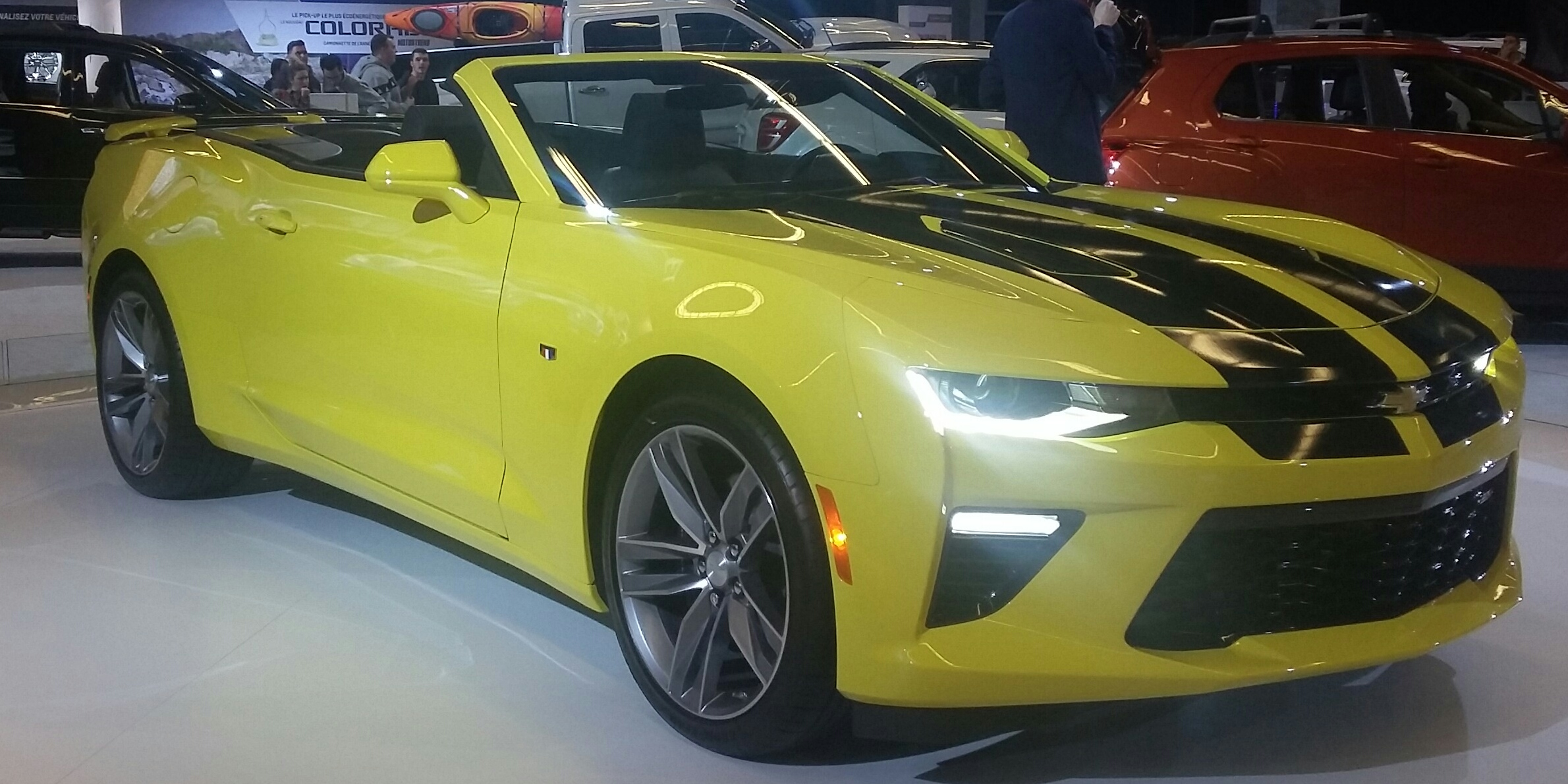
Chevrolet Camaro
"...w, 69 charger or my 2006, you know, I don't know, Camaro, whatever it may be, learn the most you can from ..."
The Chevrolet Camaro is a sporty two-door car that comes in different versions and performance levels. In the podcast, it’s mentioned as something to learn about—especially by looking at the specific year and what kind of build it is. Different years can have different parts and maintenance needs.
The Chevrolet Camaro is a long-running American sports coupe that’s been offered in many performance levels across multiple generations. The podcast mentions it alongside other classic muscle cars, suggesting it comes up as a reference point for learning about specific years and builds. That makes it relevant when discussing how different generations differ in parts, driving feel, and restoration needs.
resto mod
"So Jeremy, walk us through some of those, those, I don't know, impactful differences you have between a regular paint job and some crazy insane resto mod you're going to do."
“Resto mod” means restoring an older car but also modifying it—usually to make it better or more modern. When people talk about it with paint, they’re usually talking about a higher-quality, more detailed finish than a basic repaint.
“Resto mod” is short for restoration modification: taking a classic car and updating it with modern upgrades while keeping the original vibe. In paint terms, it often means higher-end prep and finishes because the goal is a show-quality blend of old and new.
dual action sander
"You're going to hate that sanding block, you're going to hate that dual action sander, and you're not going to have fingerprints."
A dual action sander is a power sanding tool used to smooth surfaces before painting. It helps you sand more evenly so the paint can look cleaner and smoother.
A dual action sander (often called a random-orbit sander) is a power tool used for sanding paint and bodywork. It moves in a way that helps reduce swirl marks compared with more aggressive sanding methods, which matters for getting a smooth paint finish.
undercarriage
"and you make sure that you have all the under, undercarriage, all those parts and everything. If you can take them off, take them off, and then that way you can thoroughly clean back behind all them"
The undercarriage is the bottom of the car—everything underneath. If it’s dirty, it can mess up how well paint and coatings stick and how clean the job turns out.
The undercarriage is the underside of a vehicle, including areas like the floor pan, suspension components, and inner fenders. In paint prep, cleaning it matters because grime and contaminants can interfere with adhesion and can contaminate the paint process.
scuff it up
"paint doesn't like to stick to shiny. So if you've got anything shiny right there, just scuff it up, sand it, that's the, that's the biggest thing."
“Scuff it up” means roughing up the shiny surface a little. That helps the new paint stick instead of peeling or not bonding well.
“Scuff it up” means lightly abrading a shiny surface so paint can grip. Glossy surfaces are harder for coatings to bond to, so technicians dull them before sanding and coating.
color match
"And then color match, whenever you're doing your, your collision style stuff, that'll take you the rest of the way."
Color match is the process of making the repaired paint blend with the existing factory finish. It often requires careful mixing and sometimes adjusting for factors like metallic flake orientation and how the clear coat changes the final appearance.
hazmat suit
"I noticed, I noticed that man about your every time you're in for a paint job, bro. He's like a hazmat suit and then some bro, this guy gets after it."
A “hazmat suit” is heavy protective gear. In painting, it’s used to keep you safer from paint chemicals and fumes.
A “hazmat suit” is protective clothing used to reduce exposure to hazardous materials, here referring to paint and solvent handling. In refinishing, proper PPE helps protect skin and lungs from fumes and particulates.
respirator
"you'll see guys out there painting with a baseball cap and respirator on, you know, the hoodie on, like, uh, yeah, probably not going to turn out like the way you want it."
A respirator is a mask that helps you breathe safer. It filters out paint mist and dust so you don’t inhale it.
A respirator is a breathing-protection device that filters airborne particles and/or fumes. In spray painting and sanding, respirators are important because overspray and sanding dust can be harmful if inhaled.
time to cure out
"you've got to learn to be patient. Everything needs time to cure out and everything needs time to dry."
“Cure out” means waiting for the paint to fully set and harden. If you rush it and start sanding too soon, the finish can come out uneven or get ruined.
“Cure out” means allowing paint/coatings to fully harden and chemically set after application. If you sand or handle the coating too early, you can damage the surface, cause uneven texture, or reduce the final finish quality.
guide coat
"Say you're opening it up with 600 grit and using a guide coat between each step. Some guys will sit there and why do I need to use guide coat?"
A guide coat is like a temporary marker layer. It shows you which areas are still high or low so you can sand evenly and get a smooth finish.
A guide coat is a thin coating applied during sanding to reveal high and low spots on the surface. It helps the painter see where to sand more so they don’t accidentally leave uneven texture or cut through the clear coat.
600 grit
"Say you're opening it up with 600 grit and using a guide coat between each step. Some guys will sit there and why do I need to use guide coat?"
Grit is how rough the sandpaper is. 600 is a medium step used to smooth and prepare the paint before you go to finer sandpaper.
Grit refers to the sandpaper abrasive size; lower numbers are coarser and remove material faster. Starting with a grit like 600 is a common step for leveling and preparing the clear coat before moving to finer grits.
8,015 all the way up to 5,000 grit
"and you're going in and you're starting with 600 and you're moving to 8,015 all the way up to 5,000 grit. You want to make sure that you're not in,"
They’re talking about using sandpaper in steps—rougher at first, then smoother. That way the earlier scratches get erased and the paint ends up looking glassy.
This describes a sanding progression through different grit levels to refine the surface. In practice, painters move from coarser to finer abrasives so scratches from earlier steps are removed by later, finer sanding before polishing.
patience and letting stuff dry
"Just having patience and letting stuff dry. Things take time and, and you can manipulate some, you can manipulate some, but man, pay attention to those TDS sheets."
Paint and coatings need time to dry and cure. If you rush it, the next steps can mess up the finish or cause problems later.
In refinishing, patience and proper drying time are essential because coatings need time to set and cure before you sand, polish, or apply the next layer. Rushing the process can trap solvents or cause adhesion and finish defects.
TDS sheets
"but man, pay attention to those TDS sheets. They're going to tell you everything you need to know about a product."
TDS sheets are the manufacturer’s instructions for a paint or coating. They tell you how to mix it and how long to wait so it cures correctly.
TDS sheets are Technical Data Sheets provided by paint and coating manufacturers. They list critical application details like mix ratios, recommended surface prep, flash times, and dry/cure guidance so the product performs as intended.
flash times
"pay attention to those TDS sheets. They're going to tell you everything you need to know about a product. And when you're doing those high end stuff, those high end paint jobs, make sure you've got it there and can reference it just in case you got any questions."
Flash time is how long you wait after spraying before you spray the next layer. Waiting the right amount helps the paint set up properly.
Flash time is the waiting period after applying a coat before applying the next coat. It helps solvents evaporate so the next layer bonds correctly and you avoid defects like wrinkling, solvent pop, or poor adhesion.
SEMA
"Well, the easiest thing is reach out through social media, you know, go to SEMA shake hands and, and they tell you to kick rocks."
SEMA is a big automotive trade event where companies and builders show off aftermarket parts and custom cars. People use it to meet others in the industry and find opportunities.
SEMA is the Specialty Equipment Market Association, best known for organizing the annual SEMA Show in Las Vegas. In the automotive world, it’s a major networking and product-industry event for aftermarket parts, custom builds, and fabrication shops.
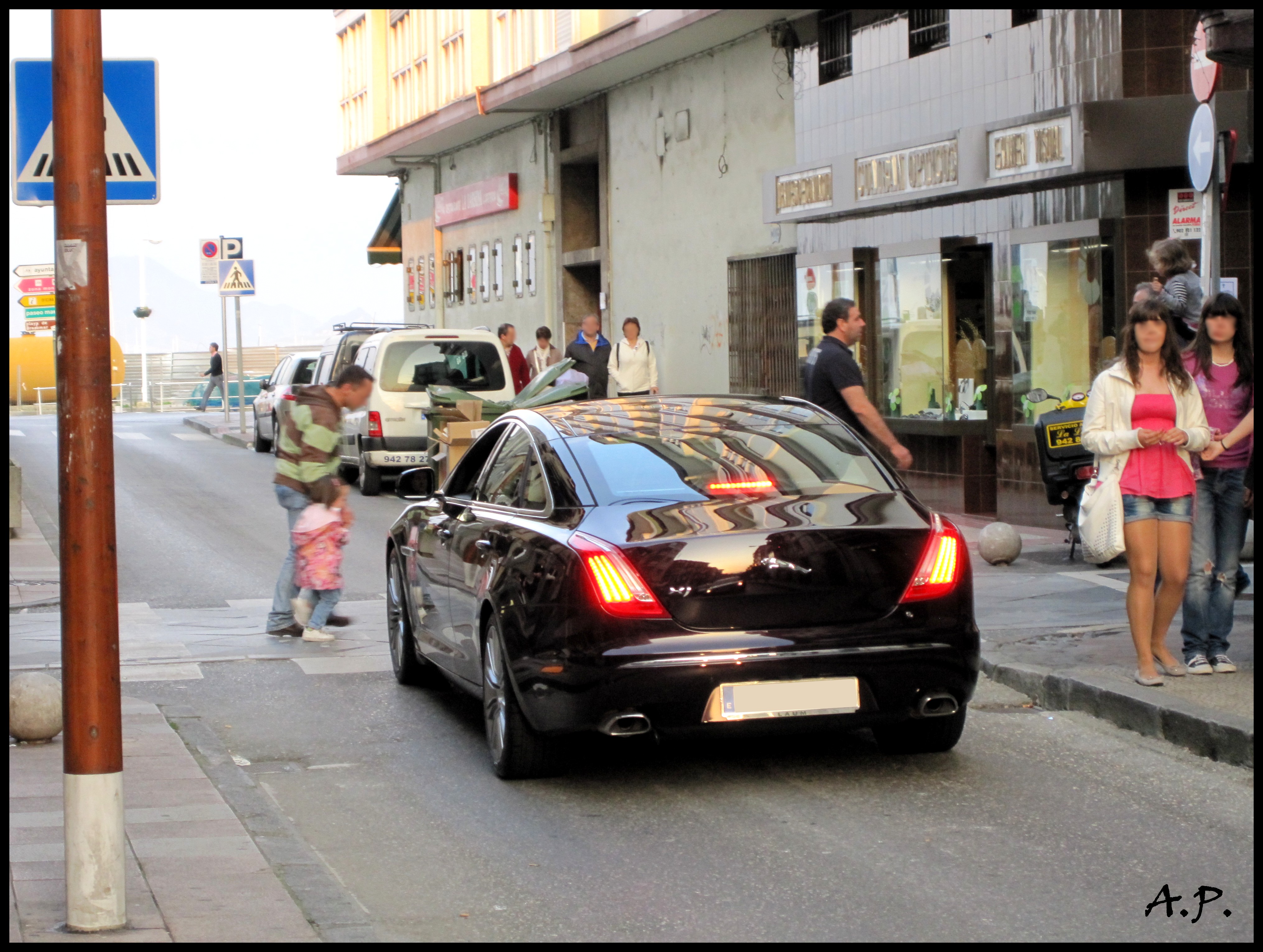
Jaguar XJ LS
"And he invited me up to help out with hands on cars. It was season two. He was doing the Jaguar build. And that's where also I met Randy Bortring for paint house that I mentioned earlier... I helped him on the Jaguar. That was the XJ LS. That was the one he did the six liter motor swap in it."
This is a Jaguar XJ that was modified with an LS-series V8 engine from GM. An engine swap like this is done to make the car faster and more fun than it was from the factory.
The Jaguar XJ is a full-size luxury sedan, and “LS” here refers to an engine swap using a GM LS-series V8. The key enthusiast angle is that the build is about changing the powertrain to transform the car’s character and performance potential.
six liter motor swap
"I helped him on the Jaguar. That was the XJ LS. That was the one he did the six liter motor swap in it."
A motor swap means the car’s original engine gets replaced with a different engine. “Six liter” tells you the replacement engine is around 6.0 liters, which usually means more power and torque.
A “motor swap” is replacing a car’s original engine with a different one, typically from another model or manufacturer. “Six liter” indicates the donor engine’s displacement (about 6.0 liters), which often changes power, torque, and how the car drives.

Mazda MX-5 / Miata
"...elped him. I did all the body work for the Rocket Miata project. What year was that Jaguar? That was a 90..."
The Mazda MX-5 (Miata) is a small two-seat roadster designed to be fun to drive. In the podcast, it’s mentioned because someone did body work for a special project version of a Miata. That usually means the car was customized with changes to the body and fitment.
The Mazda MX-5, commonly called the Miata, is a lightweight, driver-focused roadster known for being fun and relatively straightforward to work on. The podcast context references body work done for a “Rocket Miata” project, which points to the car being used as a platform for custom builds. That’s why it often appears in enthusiast conversations—people modify them for track use or unique styling while keeping the core idea of a small, nimble car.
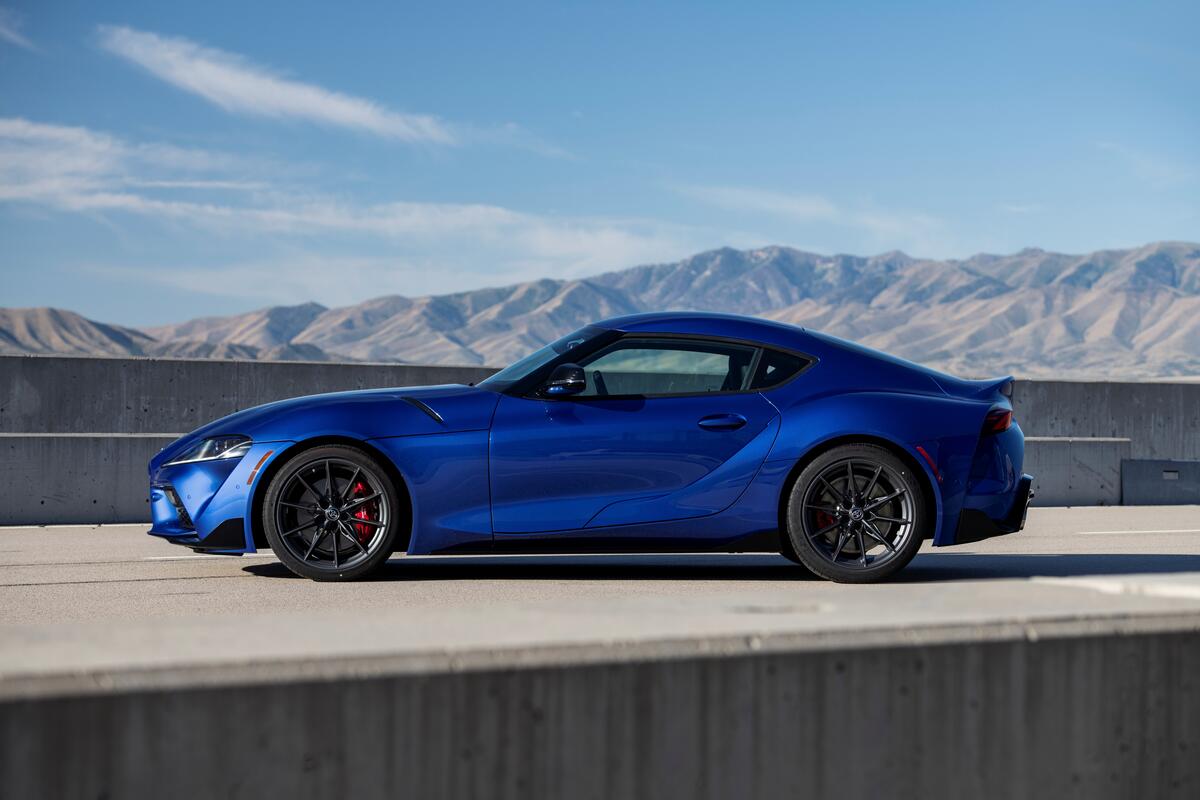
Toyota A90
"in it. I helped him. I did all the body work for the Rocket Miata project. What year was that Jaguar? That was a 90. I think it was a 90 Jaguar. And so it was, it was apparently it was, to quote him, I think he had a vendetta against this bitch. He had one years prior and the thing"
The Toyota Supra is a sports car made for performance. The podcast mentions it as part of a conversation about cars and projects, which usually means people talk about how to work on them and keep them running. What matters most is the specific year and what modifications or condition the car is in.
The Toyota Supra is a performance sports car that’s become a major icon among enthusiasts, especially for its strong aftermarket support. In the podcast context, it’s mentioned in the same general discussion as other project cars, implying it’s part of the broader “learn and build” theme. That makes it relevant because Supras are often discussed in terms of restoration, upgrades, and how to source and maintain the right parts for a specific setup.
Project Rocket Miata
"So I wound up doing the, doing all the body work on the Project Rocket Miata. That was the one where he stuffed, stuffed a super charged LS into a Miata because everybody needs a 500 horsepower roller skate."
This is a Mazda Miata that someone modified with a big V8 engine and added a supercharger. It’s not a stock Miata—it’s been turned into a very high-power custom car.
The “Project Rocket Miata” is a Mazda Miata build that swaps in a supercharged LS V8. That’s a major departure from the Miata’s usual small-displacement engine, turning it into a high-power, custom hot-rod style project.
super charged LS
"That was the one where he stuffed, stuffed a super charged LS into a Miata because everybody needs a 500 horsepower roller skate."
“LS” is a type of V8 engine from GM that’s popular for swaps. “Supercharged” means it uses a device that pushes extra air into the engine so it can make much more power.
“LS” refers to GM’s LS-series V8 engines, commonly used for swaps because they’re compact, plentiful, and make strong power. Adding a supercharger forces more air into the engine, which can dramatically increase horsepower compared with the same engine naturally aspirated.
Hands On Cars
"I helped him do body work and such on the, on Project Sea Tane. That was season three of Hands On Cars."
“Hands On Cars” is the name of the show they’re talking about. The speaker is explaining when their car work happened during the show’s seasons.
“Hands On Cars” is referenced as a TV season context for the speaker’s work on “Project Sea Tane.” This is a production timeline marker rather than a technical automotive concept.

Land Rover Defender
"It was a, the all aluminum build, the Defender Project that he did for Motor Trend for a show on Motor Trend. I did the body work and paint on that."
The “Defender Project” is a Land Rover Defender build that used an all-aluminum body. Aluminum can help reduce weight, and it also affects how the car is built and painted.
The “Defender Project” is an all-aluminum build based on a Land Rover Defender, done for Motor Trend. An all-aluminum approach typically aims to reduce weight and improve fabrication flexibility, but it also changes how the body is engineered and repaired.
all aluminum build
"It was a, the all aluminum build, the Defender Project that he did for Motor Trend for a show on Motor Trend."
“All aluminum build” means the car is made mostly from aluminum instead of steel. Aluminum can make the car lighter, but it needs different repair and fabrication methods.
An “all aluminum build” means the vehicle’s body structure and/or panels are made primarily from aluminum rather than steel. Aluminum can reduce weight, but it also requires different welding, repair, and corrosion-handling practices.
polished
"And they're supposed to have this thing done, polished, assembled, Derek's getting it back in all done by May 3."
When people say a car part is “polished,” they usually mean it’s been rubbed with special products to make the paint look smoother and shinier. It’s often done after painting to clean up small surface flaws.
In a paint-and-body context, “polished” usually means using abrasives and polishing compounds to refine the clear coat’s surface. The goal is to remove minor imperfections and improve gloss after painting.
epoxy
"But we've got a 66 Le Mans. Cool. It's a restoration thing for him and his dad. So we got it all sealed up in epoxy. We had to strip"
Epoxy is a strong glue/sealant that hardens after mixing. In car restoration, it’s often used to seal things up or help protect metal and surfaces before the next steps.
Epoxy is a two-part adhesive/sealant used in automotive restoration to seal, bond, or protect surfaces. In this segment, they say the project is “sealed up in epoxy,” implying it’s being protected or reinforced before further work.
aftermarket hood
"So right now we've got an aftermarket hood that we [1902.0s] have not test fit. So I can't say we're going one way or the other on that."
An aftermarket hood is a hood made by a company other than the car’s original maker. They haven’t tried it on yet, so they can’t confirm how it will look or fit.
An “aftermarket hood” is a replacement hood made by a third party rather than the original manufacturer. The host is saying they have one on hand but haven’t test fit it yet, so fitment and final appearance are still uncertain.
AccuDraft
"would be painters? So I've always liked AccuDraft paint booths for the last number of years. [1933.1s] I sprayed through all of them through my career and I ended it in AccuDraft and that's actually [1937.4s] how I landed the job with them now."
AccuDraft is a company that makes paint booths. The guest likes them because they’re easier to maintain, help keep paint jobs clean, and move a lot of air for better spraying.
AccuDraft is a paint-booth brand the guest recommends for automotive spraying. He highlights practical shop criteria—easy servicing, clean jobs, and strong airflow—plus product lines ranging from larger units to smaller “at home pro style” and “economy boost” options.
at home pro style series
"If I had the room out here and I could actually build a bigger shop, that's what I would be putting [1953.1s] in it. They've got several ones for the big ones and then the at home pro style series, [1957.9s] the economy boost."
This is a smaller paint booth category meant for people who want a more serious setup at home. It’s positioned as a step up from basic options, but not as big as the full-size commercial booths.
“At home pro style series” refers to a smaller, consumer-oriented paint booth line designed for hobbyists or smaller shops that still want near-professional spraying conditions. In the segment, it’s mentioned as one of AccuDraft’s size tiers alongside larger industrial booths and an economy option.
economy boost
"They've got several ones for the big ones and then the at home pro style series, [1957.9s] the economy boost. So they've got a little bit of everything to fit everybody."
“Economy boost” sounds like a cheaper paint booth option in the AccuDraft lineup. The point is that they offer different models depending on budget.
“Economy boost” appears to be a specific lower-cost paint booth configuration/line within AccuDraft’s lineup. The guest uses it to communicate that the brand offers multiple booth options to fit different budgets and shop sizes.
Request an Explanation
Heard something you'd like explained? We'll add it to this episode.
Sign in to request explanations for terms you heard.
Want to learn more?
Browse our glossary for plain-English explanations of automotive terms, jargon, and concepts.
Help improve this episode
See something that's not quite right? Our annotations are AI-generated and can sometimes miss the mark. Click the flag icon on any annotation to suggest a correction.