
About this episode
The Range Rover story on Smith and Sniff starts with the host explaining why he bought rather than leased—his Jaguar I-Pace was ending its lease, and his wife said “it's pointless leasing a car during this sort of covid era.” He then lands on a 2010 L322 full-size Range Rover, sells it via Collecting Cars, and gets pulled into a long saga of timing-chain worries, warranty disputes, and DVLA paperwork fallout. Along the way, the hosts also trade classic Jaguar XJ40 trivia and headlight nicknames.
Richard finally explains why selling his old car was quite a protracted process. Also in this episode, an amazing fact about Niki Lauda, an unfortunate name for a gardening business, a ghost on a doorbell camera, and another excellent car from Car & Classic.
For early, ad-free episodes and extra content go to patreon.com/smithandsniff
To buy merch and tickets to live shows go to smithandsniff.com
This episode is sponsored by Car & Classic https://candc.li/uc1yqz
Hosted on Acast. See acast.com/privacy for more information.
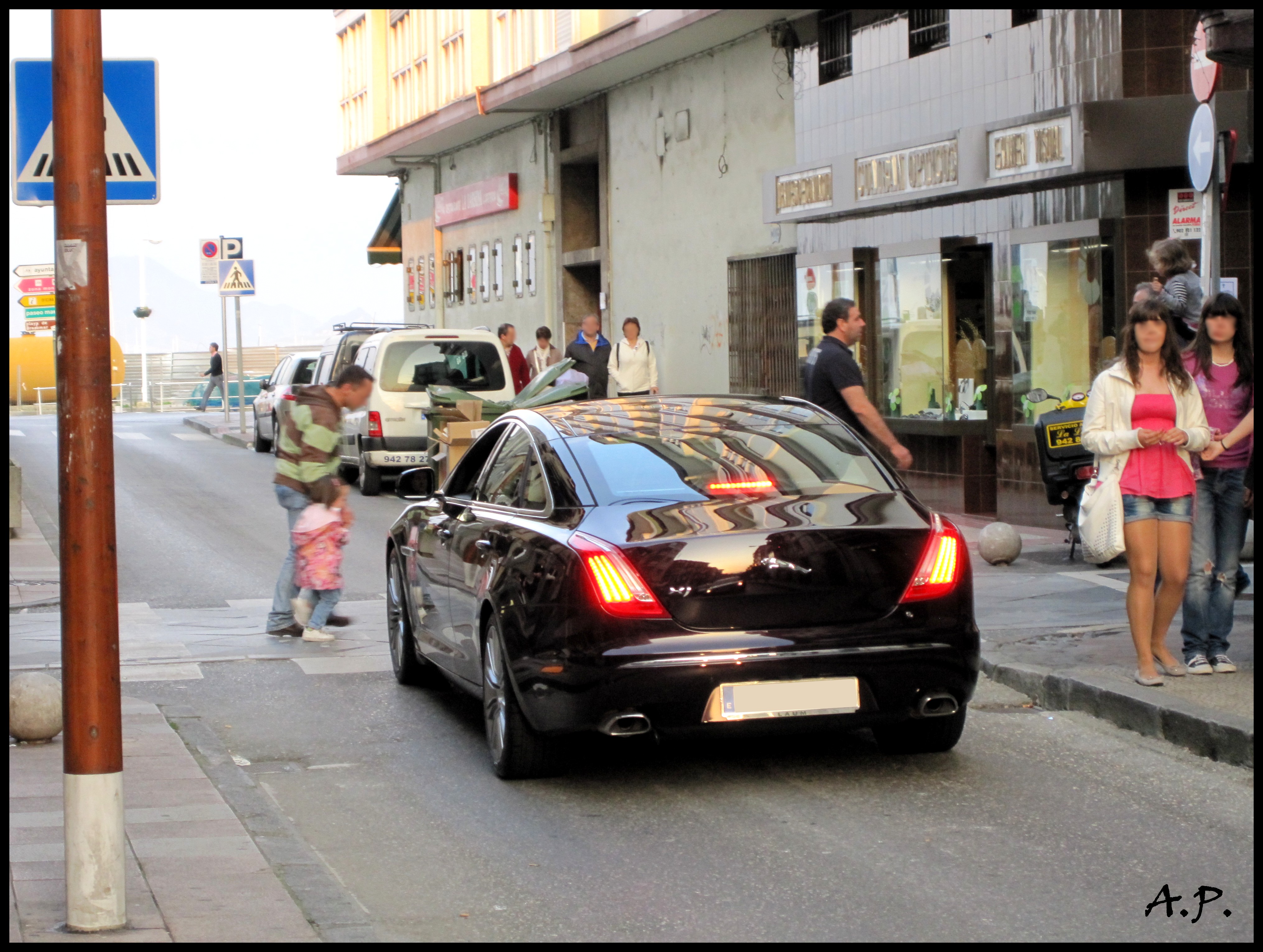
1986 Jaguar XJ 40
"Oh, and it is quite simply a 1986 Jaguar XJ 40. Feast your eyes on that."
This is a Jaguar XJ from 1986. It’s a classic luxury sedan, and the big point here is that it’s supposed to be mechanically in good shape, plus it has a very recognizable look up front.
The Jaguar XJ 40 (a 1986 Jaguar XJ) is a late-1980s long-wheelbase luxury sedan known for its smooth, refined ride and classic Jaguar styling. In this segment, the hosts focus on the car’s “mechanically sorted” condition and its distinctive front lighting design.
sovereign
"It's the sovereign. Oh, it I've had that was exactly what I had the four litre sov."
On Jaguars like the XJ, “Sovereign” is a higher trim level—basically a more upscale version than the entry model. Here it’s being used to explain which version they had and why it looks different.
“Sovereign” refers to a Jaguar XJ trim level positioned above the base models, typically with more equipment and a more upscale feel. In this segment, it’s used to distinguish the speaker’s car from other XJ variants with different lighting and spec.
fish tank headlights
"It's the sovereign. Oh, it I've had that was exactly what I had the four litre sov. With the sometimes colloquially referred to as the fish tank headlights,"
“Fish tank headlights” is a nickname for a certain style of headlight that looks like a big rectangular box. The hosts are saying this Jaguar has that look, not the smaller round-headlight style.
“Fish tank headlights” is a enthusiast nickname for the Jaguar XJ’s large, rectangular headlamp units. The term comes from their boxy, glassy appearance—contrasted here with smaller round headlights used on “lesser specs.”
Earl Spencer
"because it was reportedly owned, in fact, his first owner was Earl Spencer, Diana's dad."
Earl Spencer is mentioned because he’s said to have been the first owner of this Jaguar. It’s basically a fun celebrity-ownership detail that adds story value to the car.
Earl Spencer is identified here as Diana’s dad, and the hosts mention him as the first owner of the Jaguar XJ 40. This is a provenance/trivia point—celebrity ownership can make a specific car more interesting to collectors.
new discs and pads
"it's recently had new discs and pads, new air box, gas struts for boot bushings, exhaust clamps, headlight washers"
“Discs and pads” are parts of the brake system. The pads press on the metal disc to slow the car down, and replacing them helps the brakes work properly again.
“Discs and pads” refers to brake components: the disc (rotor) and the pad (friction material) that clamp onto it to slow the car. Replacing them is a common brake service and can restore braking feel if the old parts were worn.
air box
"it's recently had new discs and pads, new air box, gas struts for boot bushings, exhaust clamps, headlight washers"
The air box is part of the system that brings air into the engine. If it’s replaced, it can help the engine get the right airflow and run more correctly.
An air box is the housing that routes and conditions intake air before it reaches the engine. Replacing it can be part of restoring correct airflow and sealing, which helps the engine run as intended.
gas struts for boot bushings
"it's recently had new discs and pads, new air box, gas struts for boot bushings, exhaust clamps, headlight washers"
Gas struts are the springy cylinders that help lift and hold the trunk/boot lid. Bushings are small rubber/soft parts that help the lid hardware fit and move correctly.
Gas struts are pressurized cylinders that assist opening and holding up the boot/lid, reducing the effort needed. “Boot bushings” are the flexible mounting pieces that help locate and cushion the boot hardware so the struts and hinges work smoothly.
exhaust clamps
"gas struts for boot bushings, exhaust clamps, headlight washers and a refurbished alternator."
Exhaust clamps are the hardware that holds different parts of the exhaust together. If they’re worn or loose, you can get exhaust leaks, so replacing them can fix that.
Exhaust clamps are fasteners used to secure joints in the exhaust system, such as between sections or at a connection point. They’re often replaced when leaks develop or when the exhaust has been disturbed for service.
headlight washers
"exhaust clamps, headlight washers and a refurbished alternator."
Headlight washers spray cleaning fluid onto your headlights. Keeping them clean helps the lights shine better, especially in dirty or wet conditions.
Headlight washers are sprayers that clean the headlamp lenses, typically using fluid from the windshield-washer system. They’re common on cars with high-intensity lighting because clean lenses help maintain light output.
refurbished alternator
"headlight washers and a refurbished alternator."
The alternator charges the battery and powers the car’s electronics while the engine is running. “Refurbished” means it was taken apart and rebuilt, usually to work like it should again.
The alternator is the electrical generator that powers the car’s systems and recharges the battery while the engine runs. A “refurbished alternator” means it was rebuilt (typically with new internal parts) rather than replaced with a brand-new unit.
metric wheels
"So and I did notice it's on later model wheels because those early XJ40s and this is like a really early one. But the metric wheels and they're an absolute swine to find tires for. But the original metric wheels do come with it."
“Metric wheels” means the wheel and tire sizes are measured using metric standards. The host is saying that those sizes are less common now, so it can be harder to find the right tires.
Metric wheels refer to wheel/tire sizing expressed in metric measurements rather than the more common inch-based sizing used in many markets. The host notes that early XJ40s used metric wheels, making tires difficult to source because fewer modern tire options match those sizes.
cruise control
"And I think there's a little paddle for the cruise control on the on the edge. Yes. And it's a really nice position. I always thought it was well positioned and it has a good feel to the switch."
Cruise control is the feature that lets the car keep a steady speed for you. You set the speed once, and then you don’t have to keep pressing the gas pedal.
Cruise control is a driver-assistance feature that holds a set speed without you keeping your foot on the accelerator. Here, the host specifically mentions a paddle switch for cruise control on the Jaguar XJ40’s dash area and says they used it often.
five cylinders
"That dates it. And it was running on five cylinders."
If an engine is running on five cylinders, it means one cylinder isn’t working. That typically makes the car run rough and feel weak until the problem is repaired.
“Five cylinders” means the engine was firing in only five of its cylinders, which usually indicates a misfire or a mechanical/electrical fault. On a multi-cylinder engine, losing one cylinder can cause rough running and reduced power until the underlying issue is fixed.
20 inch wheels
"And that car was subject to I ended up shaving the door handles and having graduated metal flake in the black paint from the roof down 20 inch wheels that I had drilled, especially for the Jag with no spaces, hydraulic suspension."
“20 inch wheels” means the wheels are bigger in diameter. Bigger wheels usually change the car’s look and can make the ride a bit firmer depending on the tire setup.
“20 inch wheels” refers to wheel diameter, which affects ride comfort, steering feel, and how the car visually sits. Larger wheels often pair with lower-profile tires, which can look more aggressive but may ride harsher than smaller wheels.
hydraulic suspension
"And that car was subject to I ended up shaving the door handles and having graduated metal flake in the black paint from the roof down 20 inch wheels that I had drilled, especially for the Jag with no spaces, hydraulic suspension."
Hydraulic suspension uses fluid pressure to help control how the car rides over bumps. It can make the ride feel smoother and more controlled than a basic spring-and-shock setup.
Hydraulic suspension uses pressurized fluid to control the springs and damping, allowing very smooth ride quality and sometimes active height control. On certain luxury Jaguars and similar cars, it’s part of the “floaty” feel enthusiasts associate with the brand’s comfort-focused engineering.
faux snakeskin
"And then I had the whole interior just casually reupholstered in faux snakeskin with a plexiglass window in the floor of the foot well of the passenger side with an X box set into it against with some neon edging."
“Faux snakeskin” is a decorative upholstery material designed to look like snake leather, commonly used in custom interior builds. It’s a styling choice that can dramatically change the cabin’s look without requiring exotic real-leather sourcing.
plexiglass window in the floor
"with a plexiglass window in the floor of the foot well of the passenger side with an X box set into it against with some neon edging. So so that was it."
A plexiglass window in the floor is a custom interior modification that replaces or covers part of the floor with clear material. These kinds of mods are usually about show and visibility, but they can also affect how the cabin is insulated and finished.
Jaguar XJ40
"But I realized that that car got a bit too extreme to use every day. So I one of the guys on practical classics said, oh, I've got another XJ40. If you fancy it, I'll let you have it for cheap."
The Jaguar XJ40 is an older Jaguar sedan. People like it because it’s a comfortable, classic car and it’s popular for customizing and keeping alive as a hobby car.
The Jaguar XJ40 is a late-1980s/early-1990s Jaguar executive saloon (the “40” refers to the generation) known for its classic big-cat styling and long-wheelbase comfort. It’s a common platform for enthusiast projects because it’s straightforward to keep running and easy to customize compared with many newer luxury cars.
MOT'd
"And that car was subject to I ended up shaving the door handles and having graduated metal flake in the black paint from the roof down 20 inch wheels that I had drilled, especially for the Jag with no spaces, hydraulic suspension. ... And it was MOT'd."
In the UK, cars have to pass an official safety/roadworthiness test called the MOT. If the car is “MOT’d,” it means it passed that test and is considered road-legal.
“MOT” is the UK’s mandatory roadworthiness test for cars, typically required annually for vehicles above a certain age. If a car is “MOT’d,” it means it has passed that inspection and is legally allowed to be driven on public roads.
Jag Heritage Collection
"I saw one at the Jag Heritage Collection just parked outside the other week when I was up at Gaydon and it just looked excellent."
The Jaguar Heritage Collection is a place where Jaguar keeps and shows historic cars. The host is saying they saw an XJ40 there and it looked really good.
The Jaguar Heritage Collection is Jaguar’s curated collection of historic cars and artifacts. Seeing an XJ40 there matters because it’s a context where the cars are preserved and presented as important pieces of the brand’s history.
Gaydon
"I saw one at the Jag Heritage Collection just parked outside the other week when I was up at Gaydon and it just looked excellent."
Gaydon is a location in the UK associated with Jaguar Land Rover. The speaker is saying they were there and saw the Jaguar XJ40 in person.
Gaydon refers to the Jaguar Land Rover site in the UK, known for housing facilities and events related to the brands. The host mentions being there, which frames the XJ40 sighting as part of a brand-focused visit rather than a random street encounter.
rectangular lights
"I was really taken with it. And I used to hate the rectangular lights. I always want the quad lights. But now I think the rectangular lights are rather good."
This is about the shape of the headlights. The speaker is saying they used to dislike the rectangular headlight look, but now they think it suits the car.
“Rectangular lights” refers to the headlamp shape used on certain Jaguar models, contrasting with other eras’ more rounded or different headlight designs. The host is using the light shape as a key styling cue for why the XJ40 looks better to them now.
quad lights
"And I used to hate the rectangular lights. I always want the quad lights. But now I think the rectangular lights are rather good."
“Quad lights” means the car has four headlights. The speaker is comparing that classic look to the rectangular headlight design and saying they used to prefer the four-lamp setup.
“Quad lights” means a headlamp setup with four individual lamps (typically two per side), a layout that’s often associated with certain classic Jaguar styling. The host contrasts quad lights with the rectangular-light arrangement, implying a preference for the more traditional look.
bubble bonnet
"Yeah, I guess it was because they were they were different. They were very different to the usual bubble bonnet type of affair. But yeah, I really have you noticed that there's a real swell of interest"
“Bubble bonnet” describes a hood shape that bulges upward, creating a rounded profile. The host uses it to contrast the XJ40’s styling with other Jaguar designs that have a more distinctive, raised hood look.

Land Rover Range Rover
"...for like two years. Rich, what happened with that Range Rover you had? Oh, and I always say, oh, it's a bit com..."
The Range Rover is a large, luxury SUV made by Land Rover. It’s designed to be comfortable for everyday driving but still capable on rough roads. People talk about it a lot because it has many advanced features, and sometimes those can lead to repair issues.
The Land Rover Range Rover is a luxury full-size SUV known for its comfort, upscale interior, and off-road capability. It often comes up in conversations because it blends high-end features with complex systems, so owners may discuss both the experience and any problems they’ve had. In a podcast, it’s a common topic when someone mentions long-term ownership and what went wrong or right over time.

Jaguar I-Pace
"regular podcast listeners will remember that I had a jaguar eye pace and it was coming to the end of its lease."
The Jaguar I-Pace is Jaguar’s electric SUV. It’s a battery-electric car, and in this story it’s the car the host had before the Range Rover.
The Jaguar I-Pace is Jaguar’s all-electric compact SUV, notable for being an early mainstream entrant into the EV crossover space. Here it’s mentioned as the host’s previous car that was nearing the end of its lease before he moved on to the Range Rover story.

Jaguar Eye
"...ular podcast listeners will remember that I had a jaguar eye pace and it was coming to the end of its lease. A..."

Toyota RAV4
"She had in mind like a sort of four grand RAV4 or something, just reliable and cheap."
The Toyota RAV4 is a popular SUV known for being dependable and relatively affordable to run. The host’s wife is using it as an example of a sensible, low-drama car choice.
The Toyota RAV4 is a mainstream compact SUV that’s often chosen for practicality and low-cost ownership. In the episode, it’s brought up as a hypothetical “reliable and cheap” alternative to leasing during the COVID era.
supercharged
"We needed a supercharged Range Rover and somehow my idea went through. So I bought this L322 full-size Range Rover."
A supercharger is a device that forces extra air into the engine. More air usually means more power, so the car feels quicker than the same engine without it.
A supercharger is an engine-driven forced-induction system that compresses incoming air before it enters the cylinders. That lets the engine make more power than it could with naturally aspirated airflow alone, especially at lower engine speeds.
EV
"And I quite fancy going back to an EV. There were some deals going on Teslas and I ended up just signing up for that."
An EV is an electric car. It uses electricity from a battery to power an electric motor instead of burning gasoline.
EV means electric vehicle—cars that run primarily on electricity stored in a battery pack and use electric motors instead of a gasoline engine. In the context of this segment, the host is considering switching away from the supercharged Range Rover back to an EV.
Teslas
"There were some deals going on Teslas and I ended up just signing up for that. So then"
Tesla is a company that makes electric cars. The host is saying they found good offers on Tesla cars and decided to get one.
Tesla is the EV brand known for mainstream electric cars and a strong focus on battery-electric powertrains. Here, the host mentions deals on Teslas as the reason they ended up signing up for an EV after selling the Range Rover.
Collecting Cars
"The morning that podcast went live, someone from Collecting Cars got in touch because they'd heard me say that and said, would you like to sell through us?"
Collecting Cars is a service that helps people sell cars, especially enthusiast and collectible types. They contacted the host to offer help selling the Range Rover.
Collecting Cars is an online platform for buying and selling enthusiast vehicles, often including classic and performance cars. In this segment, they reach out to buy the host’s Range Rover and offer to arrange a video feature.

Porsche 911
"I'd sold my Porsche 911 through them previously, been happy with how it went. And this time they sweetened the deal."
The Porsche 911 is Porsche’s iconic rear-engine sports car line, famous for its distinctive layout and long-running evolution across generations. The host references having sold a Porsche 911 through Collecting Cars before, as proof the process worked well for them.
Chris Harris
"we can get Chris Harris, who was still affiliated with them at that point, to maybe do a little video with your car and put it on his socials."
Chris Harris is a car journalist/presenter with a big audience online. The host is saying he could make a video featuring the car, which would help attract buyers.
Chris Harris is a well-known automotive journalist and presenter, associated with media coverage of performance cars. The host mentions him being able to film a video with the car for social media, which is used as a persuasive selling point.
known problem
"We think it might be the timing chain tensioners, which is a known problem with those engines."
A “known problem” is something that people have seen happen before in that kind of engine. That matters because it makes the repair risk more predictable—and potentially more expensive.
A “known problem” means a specific failure mode that’s been observed repeatedly in a particular engine family. In buying terms, it changes the risk calculation because the cost to diagnose and repair may be likely rather than hypothetical.
timing chain problems
"I went online and I started watching videos of those AJ133 V8s with timing chain problems. There's quite a lot of them online."
Most engines use a chain to keep the engine’s moving parts in sync. If that chain or the parts that keep it tight start to wear out, the engine can run wrong and start making loud rattling noises.
A timing chain is the chain that synchronizes the crankshaft and camshaft(s) so the engine’s valves open at the right time. “Timing chain problems” usually means the chain and/or its tensioners have worn or failed, causing slack and incorrect timing.
tensioners
"And when they really when the tensioners are knackered and the chain's gone slack, they sound like a 70s diesel."
The engine’s timing chain needs to stay tight. The tensioner is the part that keeps it tight—if it’s not working, the chain can get loose and start rattling.
Timing chain tensioners are the components that keep the timing chain tight. If the tensioners are worn or fail, the chain can go slack, which can lead to rattling, poor running, and potentially more serious engine damage if timing goes out of spec.
chain's gone slack
"And when they really when the tensioners are knackered and the chain's gone slack, they sound like a 70s diesel."
If the timing chain gets loose, it can flop around instead of staying perfectly controlled. That looseness is often what causes the loud rattling sound.
When a timing chain “goes slack,” it loses proper tension and can move more than it should. That extra movement can cause timing errors and the characteristic rattling noise described in the segment.
water pump was weeping slightly
"And in that first six months, [2267.0s] the water pump was weeping slightly, so I had that replaced warranty wise paid for [2271.4s] almost all of the cost of that."
The water pump moves coolant to keep the engine from getting too hot. “Weeping” means it’s leaking a little, and if it gets worse you can end up with overheating.
A water pump circulates engine coolant to control temperature. “Weeping” means small leaks around the pump seal, which can worsen over time and lead to overheating if not repaired.
suspension warning coming up on the dash
"There was an intermittent suspension warning coming up on the dash just very [2276.4s] occasionally, but I ended up having the suspension pump replaced as the air [2282.3s] suspension compressor warranty wise covered pretty much the whole cost of that."
A suspension warning on the dashboard indicates the vehicle’s suspension system has detected a fault. On air-suspension setups, this often points to issues with the air supply or related components.
air suspension compressor
"occasionally, but I ended up having the suspension pump replaced as the air [2282.3s] suspension compressor warranty wise covered pretty much the whole cost of that. [2286.0s] And then one of the plastic cooling fan blades had become brittle."
Air suspension uses compressed air to control the ride height. The compressor is the pump that makes and maintains that air pressure.
An air suspension compressor pressurizes air for an air-suspension system, which adjusts ride height and damping behavior. If it fails or leaks, you can get intermittent suspension warnings and reduced ability to maintain the correct ride height.
plastic cooling fan blades
"And then one of the plastic cooling fan blades had become brittle. [2291.4s] Apparently quite a common problem. [2292.3s] BMWs do it a lot apparently. [2293.8s] So that flew off, made a right mess under the bonnet, slashed through the wiring loom"
The cooling fan pulls air through the radiator to keep the engine from overheating. If the fan blades crack and break, they can cause extra damage in the engine bay.
The cooling fan helps move air through the radiator to remove heat from the engine. If fan blades become brittle and break, they can damage nearby components and even cut into wiring under the bonnet.
rad
"to the fan, which thankfully defaults to being on, so it didn't overheat. But smash the plastic cowl over the rad. Absolute carnage."
“Rad” means radiator. It’s the part that helps cool the engine by getting rid of heat using coolant.
“Rad” is short for radiator, the heat exchanger that helps keep the engine from overheating by moving coolant through fins. In the transcript, the host mentions overheating risk and then “smashing the plastic cowl over the rad,” which points to cooling-system damage.
plastic cowl
"But smash the plastic cowl over the rad. Absolute carnage. So that cost over it's fine."
A “plastic cowl” is a plastic cover near the front of the car. It can help direct air and protect parts like the radiator, so if it’s damaged, cooling can suffer.
A “plastic cowl” here likely refers to a plastic cover/ducting piece around the radiator area that helps manage airflow and protect components. Damage to it can contribute to cooling issues or make the cooling system less effective.
warranty
"But that cost over a grand to sore and warranty wise picked up most of the tab for that. You know, I think the excess was like a hundred and something quid."
Here, “warranty” means a promise to pay for certain car repairs. You usually still pay some part yourself (called an excess), but the warranty covers the rest if the issue is included.
In this context, “warranty” refers to a repair-coverage agreement that reimburses or pays for covered failures. The host is discussing how much of the repair bill was covered and how an “excess” (the out-of-pocket portion) affects the final cost.
excess
"You know, I think the excess was like a hundred and something quid. So, you know, over a grand. Largely taken care of."
The “excess” is the part you pay out of your own pocket when you claim. So even with coverage, you don’t get 100% of the repair cost back.
“Excess” is the fixed amount you pay yourself when you make an insurance or warranty claim. Even if the warranty covers most of the repair, the excess reduces how much you actually get reimbursed.
aftermarket warranties
"So in that first six months, I'd always been skeptical about aftermarket warranties and I was actually really impressed by how much they were prepared to pay on the sort of bits of snagging on this car."
An aftermarket warranty is extra coverage you buy after the original warranty is over. If something breaks that’s covered, the warranty helps pay for the repair—so it’s basically insurance for car repairs.
Aftermarket warranties are service contracts you buy from a third party (not the original manufacturer) to cover certain repair costs after the factory warranty ends. They typically have rules about what’s covered, claim limits, and exclusions, so whether they pay out can vary a lot by provider and vehicle.
brake caliper
"After that, as it turns out, the car was pretty much good as gold at that sticking brake caliper, but it was very cheap to fix."
The brake caliper is the part that squeezes the brake pads onto the spinning brake disc to slow the car down. If it sticks, the brakes can drag and wear out faster, but it’s usually fixable.
A brake caliper is the clamp that squeezes the brake pads against the rotor to create stopping force. If a caliper sticks or drags, it can cause uneven braking and extra heat, but it’s often a relatively straightforward fix compared with more complex failures.
timing chain center
"In total, I reckon I paid around what I was now being quoted by Broad Lane to fix the timing chain center."
The timing chain is what keeps the engine’s moving parts timed correctly. The “center” part is where that chain system is mounted, so fixing it usually means something in the timing setup is worn or not working right.
A timing chain center is the area/assembly that houses the timing chain system, which synchronizes the engine’s crankshaft and camshaft timing. If it needs repair, it often points to wear or a related component failure in the timing drive.
worn parts
"And they rejected it because in the claim, the word worn was used. The timing chain tensioners are worn."
“Worn parts” means the parts are considered to have aged out from regular driving. Some warranties won’t pay for that kind of wear, even if the part failing is what triggered the repair.
“Worn parts” is a warranty/insurance concept meaning components are considered to have degraded through normal use. Many policies exclude coverage for wear-and-tear, even if the repair is expensive.
engine and then whatever remains over 9000 pounds will split 5050
"whatever the car sells for will deduct whatever its cost to sort the engine and then whatever remains over 9000 pounds will split 5050. So if it costs a grand to sort the engine and the car sells for 12 grand, we've got 11 grand, that's two grand over the nine threshold."
They’re talking about how money gets divided if the car is sold. First, the cost to fix the engine gets taken out, and then any remaining amount above a certain number is split evenly. It’s basically a “you pay the fix, then we share the rest” deal.
This describes a consignment-style split: the seller’s costs to sort the engine are deducted first, and then the remaining sale profit is divided 50/50 above a set threshold. It’s a practical way to manage risk when the car may need work before it can be sold. The “9000 pounds” cutoff sets the point where profit-sharing begins.
timing change
"So in the end, he got the timing change. [2817.6s] Tensions replaced as a precaution, but just with his guys, much cheaper way of doing it."
“Timing” is when the engine’s key events happen in the right order. A “timing change” means they adjusted or replaced something so the engine runs correctly again.
A “timing change” usually means adjusting or replacing parts that control engine timing—when valves open and when ignition happens. On many modern engines, timing-related fixes are done to address noise, wear, or drivability issues.
Tensions replaced
"Tensions replaced as a precaution, but just with his guys, much cheaper way of doing it. [2823.2s] And in fact, the rattling noise was the supercharger coupler."
They replaced the tensioner parts that keep the engine’s timing drive tight. If a tensioner is weak, it can cause noise and timing problems.
“Tensions” here most likely refers to timing-chain or belt tensioners—components that keep the timing drive tight and correctly tensioned. Replacing them as a precaution can prevent slack, noise, and timing-related wear.
supercharger coupler
"So in fact, the rattling noise was the supercharger coupler. [2827.3s] Another known thing on those engines, they just get a bit noisy."
That coupler is like a connector between the supercharger and the engine’s drive. If it gets worn or loose, it can make rattling noises.
A supercharger coupler is the connection piece that links the supercharger to the rest of the drive system. If it wears or loosens, it can create rattling or abnormal noises, even if the engine still runs.
wheels refurbed
"Ben then had the wheels refurbed, which they probably needed. [2850.6s] And he had an interested buyer who wasn't happy about the condition of the seats."
Refurbing wheels means fixing up the rims so they look better—like repairing scuffs and repainting or refinishing them.
“Wheels refurbed” means refinishing and repairing the wheel(s), typically to restore the finish and address curb rash, corrosion, or damage. It’s a common step before selling a used car to improve appearance and buyer confidence.
trimmer
"So he got a trimmer in to smarten up the front seats a little bit [2859.1s] and he had some paint done on the front bumper."
A trimmer is the person who works on car upholstery. They can repair or redo seat material so the interior looks better.
A “trimmer” is an upholstery specialist who repairs or reworks interior materials like seats. In this context, they were brought in to improve the front seats’ condition and appearance.
front bumper
"and he had some paint done on the front bumper. [2861.3s] So all in the costs that he forwarded to me, it was 1280 pounds."
The front bumper is the front protective panel of the car. If it’s scratched or scuffed, repainting it can make the car look much cleaner.
The front bumper is the body panel at the front of the car that helps protect the vehicle in low-speed impacts and supports styling elements like grilles and sensors. Paint work on it is often used to restore appearance after minor damage.
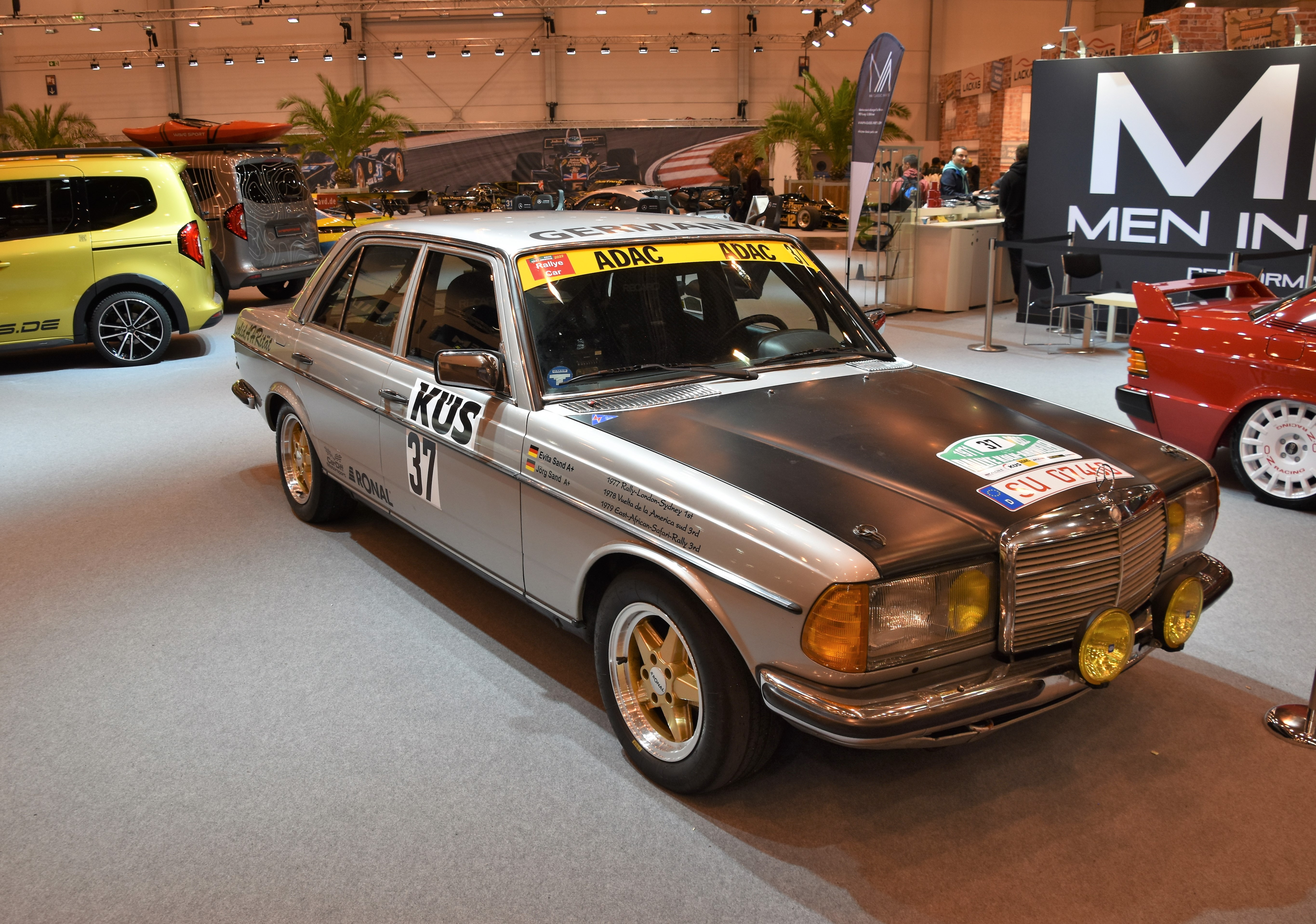
E 500 Mercedes
"There was my car, there was an E 500 Mercedes, there was another Range Rover, all three buyers bailed."
That’s a Mercedes-Benz E-Class variant called the E 500. The host is just listing it as another car that was up for auction at the same time.
“E 500” refers to a Mercedes-Benz E-Class model with a 5.0-liter V8 in many generations. In this segment it’s mentioned as one of the other cars going through auctions alongside the Range Rover.
penalty charge notices
"Then things get even more complicated because I started getting penalty charge notices through for my car, that's not my car anymore."
Penalty charge notices are basically official tickets/fines. If the car’s paperwork hasn’t been updated yet, the tickets can still go to the previous owner.
Penalty charge notices are official fines issued for traffic or parking violations, often tied to automated enforcement. Because they’re linked to the registered keeper, they can be sent to the seller if the ownership update lags behind the sale date.
London congestion charge
"Then things get even more complicated because I started getting penalty charge notices through for my car, that's not my car anymore. And they were for the London congestion charge."
London charges a fee to drive in certain busy central areas. If the car’s ownership record isn’t updated after you sell it, you can still get the bills even though you no longer own the car.
The London congestion charge is a fee for driving in a defined central London zone during restricted hours. If the registered keeper hasn’t updated after a sale, notices can be sent to the wrong person.
registered keeper
"have you got any proof of when the new buyer collected the car or when the V five was sent off to change the registered keeper?"
The registered keeper is the name the government has on file as the car’s responsible owner. If that doesn’t get updated after the car changes hands, you may receive tickets even if you sold the car.
The registered keeper is the person/company listed in the vehicle’s official records as responsible for the car. Many enforcement notices (like congestion charge or parking fines) are issued based on that record, so delays in updating it can cause problems after a sale.
V five
"have you got any proof of when the new buyer collected the car or when the V five was sent off to change the registered keeper?"
The V5 is the UK document that shows who the car is registered to. Updating it helps make sure tickets and legal responsibility go to the new owner, not the seller.
“V5” (spoken here as “V five”) refers to the UK vehicle registration document used to record the registered keeper. Sending the V5 off is part of the process to update ownership so enforcement notices go to the correct person.
DVLA
"because I haven't had anything through from DVLA yet to confirm that it's not mine."
DVLA is the UK agency that keeps the official records for car ownership. The host is saying they haven’t yet received confirmation from DVLA that the car is no longer in their name.
DVLA is the UK Driver and Vehicle Licensing Agency, which maintains vehicle ownership/keeper records. In this story, the speaker is waiting for DVLA to confirm the car is no longer registered to them.
change of keeper
"So on the 3rd of December, a chase Ben again. This is two months after the car sold, right? So it should have by now change of keeper should have gone through with a DVLA."
A change of keeper means the official record is updated to show the new owner. If that update doesn’t happen quickly, the previous owner can still get tickets.
A change of keeper is the administrative update that transfers the registered keeper status from the seller to the buyer. If it hasn’t completed with the licensing authority, the seller can still receive fines tied to the old record.
uninsured vehicle
"But, you know, I had that notice of an uninsured vehicle through as well. So I assume that, you know, tax insurance MOT, these are things that they think are optional."
This means the car is being flagged as not having valid insurance. Without insurance, driving can be illegal and risky.
An “uninsured vehicle” notice refers to enforcement action or alerts when a car is believed to be driving without valid insurance coverage. The host uses it alongside tax and MOT to argue the new owner may treat legal requirements as optional.
V5C
"last I checked the DVLA website still says that car last had a new V5C issued in 2021, which is when I bought it."
A V5C is the UK document that shows who the car is registered to. If it hasn’t been updated, it can mean the new owner hasn’t been properly recorded.
V5C is the UK vehicle registration document (often called the “log book”) that identifies the registered keeper of a car. When the host says the DVLA shows the last V5C was issued in 2021, they’re pointing to outdated or missing keeper updates after the sale.
parking fines and congestion fines
"So if the current owner is still racking up parking fines and congestion fines and things like that, I assume they're just like, floating in the ether."
These are penalties for breaking rules—parking rules and congestion-charging rules (paying to drive in certain busy areas). The host is saying the fines aren’t coming back to them anymore.
Parking fines and congestion fines are UK enforcement charges issued for parking violations and for driving in congestion-charging zones (like London’s). The host is describing how notices may stop reaching the seller if the paperwork/keeper details aren’t updated.
Request an Explanation
Heard something you'd like explained? We'll add it to this episode.
Sign in to request explanations for terms you heard.
Want to learn more?
Browse our glossary for plain-English explanations of automotive terms, jargon, and concepts.
Help improve this episode
See something that's not quite right? Our annotations are AI-generated and can sometimes miss the mark. Click the flag icon on any annotation to suggest a correction.