An exclusionary policy is an insurance rule that says some things won't be covered if something goes wrong. It's important for special cars that might get stolen.
The Ford Shelby is a special version of the Ford Mustang that is designed for high performance. It's very fast and popular, which makes it a target for theft.
Inventory management is about keeping track of what you have in stock, like cars at a dealership, to make sure you have enough available for customers.
A connected device is something that can connect to the internet or other devices. In cars, it helps you monitor things like location or performance from your phone or computer.
Upselling is when a salesperson tries to get you to buy something more expensive or additional features when you're already buying something. For example, they might suggest extra services for your car.
Telematics is a technology that helps cars communicate information about their performance and needs. It allows car owners and service providers to stay connected about things like maintenance and repairs.
An oil change is when you replace the old oil in your car with new oil. This is important for keeping the engine running smoothly and can help prevent damage over time.
DTC codes are like warning signals from your car's computer that tell you something might be wrong. They help mechanics figure out what needs to be fixed.
OBD-II is a system in cars that helps you check how well your car is running. It can tell you if there are any problems by connecting to a special device.
Fixed ops revenue is money that car dealerships make from services like repairs and maintenance, instead of just selling cars. It's an important part of how dealerships earn money.
A connected car is a car that can connect to the internet and communicate with other devices. This helps drivers access information and services while driving, like navigation and vehicle health updates.
LIVE
Hey everybody, welcome to another episode of the Card dealership guide industry spotlight. I'm your host Sam Dark coming up today. Learn how the largest Chevy dealer in Texas protected its inventory against the Mexican drug cartel, including the sting operation that ensued. Plus, how the now protected inventory better retain their customers, leaning into the industry staff that customers who service at dealerships are 74% more likely to purchase again. And how that dealerships in hot pursuit
retaining just those customers, joining me today, Dorian Jimenez, dealer owner operator, classic, OKC, Oklahoma City, Chuck still well executive vice president, icon technologies, props to icon technologies for supporting today's show. Let's get into it. So Dorian today, your dealer owner operator of a Chevy store in Oklahoma City, but you haven't always been that you were recently GSM at a sister store in grapevine, Texas.
The largest Chevy store in the entire country. How many cars did you sell a month that that's you know that store owned by the great Tom Durant, Mr visionary. Yeah, we got up to our heyday of selling 10,000 cars a year, new, huge fleeting commercial. It crazy. What year was that? That was 2021.
OK, what are they selling now post COVID? That was in the pit of COVID. They're all part upwards near 11,000 to getting pretty close to getting to 12,000, 12,000. Wow. That's astonishing. So and how many acres is the lot there? 74 acres that you sit on. And only only one branch, Chevrolet, nothing else.
So how do you, how do you create a machine that sells that many cars a month? I mean, Tom Durant, Tom Durant is a visionary. He, he moved, he took a huge gamble.
Moving from Fort Worth, Texas on 7th Avenue, a small little store and told his father he's going to move to grapevine, Texas. And this father and family says you're going to lose everything. That's too big of a risk. But it sits right next to DFW airport. And he just filled a team that he entrusted.
Individuals like myself to grow, try new things, build and just create a culture that was really fun. And when you go to that store.
It's unlike any other dealership that you see the environment that we have, their motto is relax and enjoy the difference.
Oh, wow. How many employees are there? I knew you were going to ask someone like that. Probably right now, he's he's just under 500 employees at that dealership.
That's astounding. One location. One location. And in keeping track of stuff in that environment with that many acres has got to be a huge challenge.
You know, I really felt sorry for our lot quarters. Yeah, having to because if we had a, the word lot party was a lot parade.
Knowing keys, cars, moving this, so many hands were involved in it. And you know, when you do that, unfortunately criminals are aware of that.
Yeah. So actually, let's go there. Let's talk about that. You're in one of the top five theft areas of the entire country.
With that many units changing hand, that's trade ins, that's vehicle sold inventory moving around, going to body shops, going elsewhere, theft has got to be a real thing.
You know, we were fortunate for a while. This is pretty sad when I put in this perspective, because in Oklahoma City, I'd have a heart attack.
But we would lose one or two cars a year. So an average truck is 68 grand. You're talking about losing $150,000 a year. Yeah, not a big deal at a store like that.
Well, then all of a sudden during COVID, it got pretty brutal.
We had six car stolen by the Mexican dry cartel.
That's crazy. Tell us about that. What happened on that day when those vehicles were stolen.
You know, the first thing is we kind of went back to some footage of our cameras and we saw two individuals middle of the day just stolen down a lot, looking at cars, just like normal clients.
Well, when we had the car stolen, I called the National Insurance Crime Bureau, and I called our local police department.
And the first thing the national crime bureau said is during you don't want to know about this guy.
He is a very bad person Mexican drug cartel. He is wanted in several states and throughout several nations. And I said, and he's walking my lot.
And he said, yeah, it's not good. Not good. That's crazy. So they got away with five vehicles, but the police got him. It sounds like and that actually brings Chuck still.
A general manager of icon technologies. Dorian, what made you call Chuck in his team as it relates to this theft and the growing theft problem?
Well, when you lose five cars and you've got to go tell the dealer operator boss, we just lost five cars and he looked at me, goes, go find them.
So we had already had icon and I called Chuck. And that next day Chuck brought his entire army because we knew not only were they going to steal five, they were going to steal anywhere from 15 to 20 more.
So we had to kind of put the plan and icon help us.
Chuck, take us back to that day. You got the phone call from Dorian saying the Mexican drug cartels on our dealership lot help us keep our stuff. What went through your mind?
Well, the first thing was a little bit of a shock, obviously, but then, you know, it soaks in. Hey, that's the core of what we do, right?
We help dealers protect their assets. So, you know, this one's a little bit out of the box.
What can we do? What can we do above and beyond? So we've got some incredible people here at icon. We mobilize the team. We said, let's get up there. Let's let's kind of analyze what's going on. And then let's come up with a creative solution that will solve this issue for Dorian and eliminate at least this branch of the cartel that's doing this to his dealership.
So we were able to get creative the way we came up with, you know, planting some some devices and some vehicles basically, if you will, set up a little bit of a sting operation right Dorian to to address it and try to try to mitigate this.
This is the pit of COVID right in the North Texas. I'd love to take the listeners back. I've recorded prior episodes where we talk about our own challenges at Ziegler during that in the Chicago land and unfortunately, depending on where you are, what state you are law enforcement response can be different, right?
So in Texas, they went after it aggressively. It sounds like so Chuck, you and your team provided the devices and the tracking and then the police went and stung and got the vehicles back Dorian, right?
Yeah, so basically what it is is icon has a great relationship with the national insurance crime bureau. And so they were able to get the state authorities because city unfortunately didn't want to be involved in it because they're like, well, they're not stolen.
And so we told them we're tracking it and imagine you're just sitting in your house and you're upstairs and somebody walks in downstairs, goes to your office, steals your most prized possessions and just walks out the front door.
Well, that's that's what these drug cartels did. And they were able to get them in the state authorities stopped all five vehicles and we were able to recover them.
So right there, we had it out. That was an opportunity of losing almost $400,000 of the image or that we were talking wow.
Yeah, one of the unique things Sam is we were able to, you know, the authorities and what we did on our on a regular basis is we were able to show them where those vehicles are on their laptops and their cruisers.
So they're coordinating their own resources. They're not having to call us or call a third party. You know, it's completely in their own hands. So they love that when they can take control and really go after it themselves.
And I think that was part of the success here, Dorian with why law enforcement was so eager to grab these guys?
Why not just rely on the factory installed tracking device because every manufacturer has a device of one sort or another. Why not rely on on star or whatever the tracking devices that the general motors provides Chuck?
Well, and as Dorian knows all too well, they're able to disengage those systems Sam in just a matter of seconds really.
You can get on YouTube and see videos that'll tell you how to disengage the OEM system within seconds or minutes even.
And so they're fairly unreliable. The other thing law enforcement, you know, they have to reach out to a third party.
When they're talking to them, it's where the vehicle was 20 minutes ago, 30 minutes ago, they can't coordinate their own resources internally to go chase and try to grab that vehicle.
So it's a lot of frustration. So they don't typically chase, you know, that's the response you get a lot of times from law enforcement in different markets is, hey, if I got to talk to a third party, you know, I'm not interested in that.
We do a lot of training with different PD departments around the country and like Dorian said, National Insurance Crime Bureau.
And this is something they shared with us is that, you know, you got to give the authorities the power to chase these things on their own without having an inference from a third party and they'll do it.
Interesting. How big a problem is auto theft in the auto industry today, Chuck. So we know it was horrible during COVID. We at Ziggler had our own experience.
Our outcome was slightly different in the Chicago land because there wasn't as much of a desire to go after the bad guys sometimes to your point until we coordinated our response came up with a really tight strategy.
And then we went from a ton of theft down to very little almost none. How much how much of a problem is theft today, Chuck?
You know, we still see it increasing in certain markets. It's down from the COVID all time high by about 15% but it's still high, you know, 40% of the thefts we see are off of dealers lots right now.
Frankly, so it's a tar, you know, anytime a vehicle's sitting for a long time in one place, it becomes a target. Right. So we see that and then there's different cities around the country that kind of have been flowed where the theft goes higher.
Those are ones where we really try to lean in with the dealers we have in those markets to help, you know, do the extra effort to protect every asset they have, you know, make sure that there is a relationship with law enforcement, etc.
And there's things we do there, but it's still very, very high. You know, there's a there's over a million vehicles stolen last year alone. So wow.
So, so Dorian, it's interesting. You went from the number one selling Chevy dealership in the entire country and you said, Hey, I want ownership. I want to own this deal.
And so you move to Oklahoma City and Oklahoma and our partners in a store there.
And it's interesting. Is it based on your experience with the cartel where you're like, I don't want to deal with this theft anymore.
You made a pretty quick choice about defending your inventory. What was that?
Yeah, same day one, when I got the keys of this dealership, I kind of had two people on my side. I had my bank on my right side and I had icon on my left.
And I wanted to make sure right then and there, you know, I bought, I bought this store from a corporation and they didn't believe in it.
And they said, yeah, we've had a couple of cars stolen. No big deal. But I said, no, day one, I want to have this.
You know, the sad part is last year, there's three dealerships beside me. The dealership next to me, they had four car stolen last year.
And then the store beside them had three. I had one car stolen last year and I'm still mad about this icon helped me out tremendously.
So they were able to track the car to a sonic. I went to that sonic every day for six days in a row.
And on this sixth day, the general manager says that guy just left. He was here 30 minutes ago.
And unfortunate local authorities, they wouldn't do anything, but national crime insurance bureau, they were able to track it.
They went to Arkansas and they got, they got to a chop shop and it's done. And I'm never able to recover it.
Wow. And the cost of that's pretty significant, right? As a dealer operator. Yeah.
You know, now how many cars do you sell a month in your in your. We sell a hundred new and use them up.
Okay, so not the volume or you once were so that one, the value of that one is outsized. What was the value of that loss has a loss on your.
That was a $40,000 vehicle that I lost. Yeah, which impacts insurance, impacts your own peace of mind. So protecting it is crucial.
Chuck, why do we see this separation between local authority desire to go after this stuff and the feds, including an ICB and others being more interested in pursuing this sort of theft.
Well, they see the problem and they have task force specifically designed to attack these issues.
So what we have found is connecting some of those task force members with the local authorities helps to broker that relationship.
You know, the local authorities, when they know, hey, we've got a national partner that can help us now more resources available.
Every PDE department around the country is stressed, you know, for resources, if you will, are funding, running all that stuff.
So we try to help as much as we can to enhance that experience when it comes to recovering a car and just partnering with them.
You know, there's a lot of great technology available that just frankly, they're not aware of.
They're not aware that it's out there. They're not aware of how easily accessible this is and we try to make it accessible for.
You just got Dorian an email or a note from your insurance floor plan carrier. So it's interesting.
Insurance is a significant line item expense theft can put that at risk.
You got a note listing vehicles where you're they're like, hey, take special note. Tell us a little bit about that and how that impacts your strategy.
Yeah, so I'm an insurance agent myself and I get this note from bank and it basically states, we need an additional endorsement.
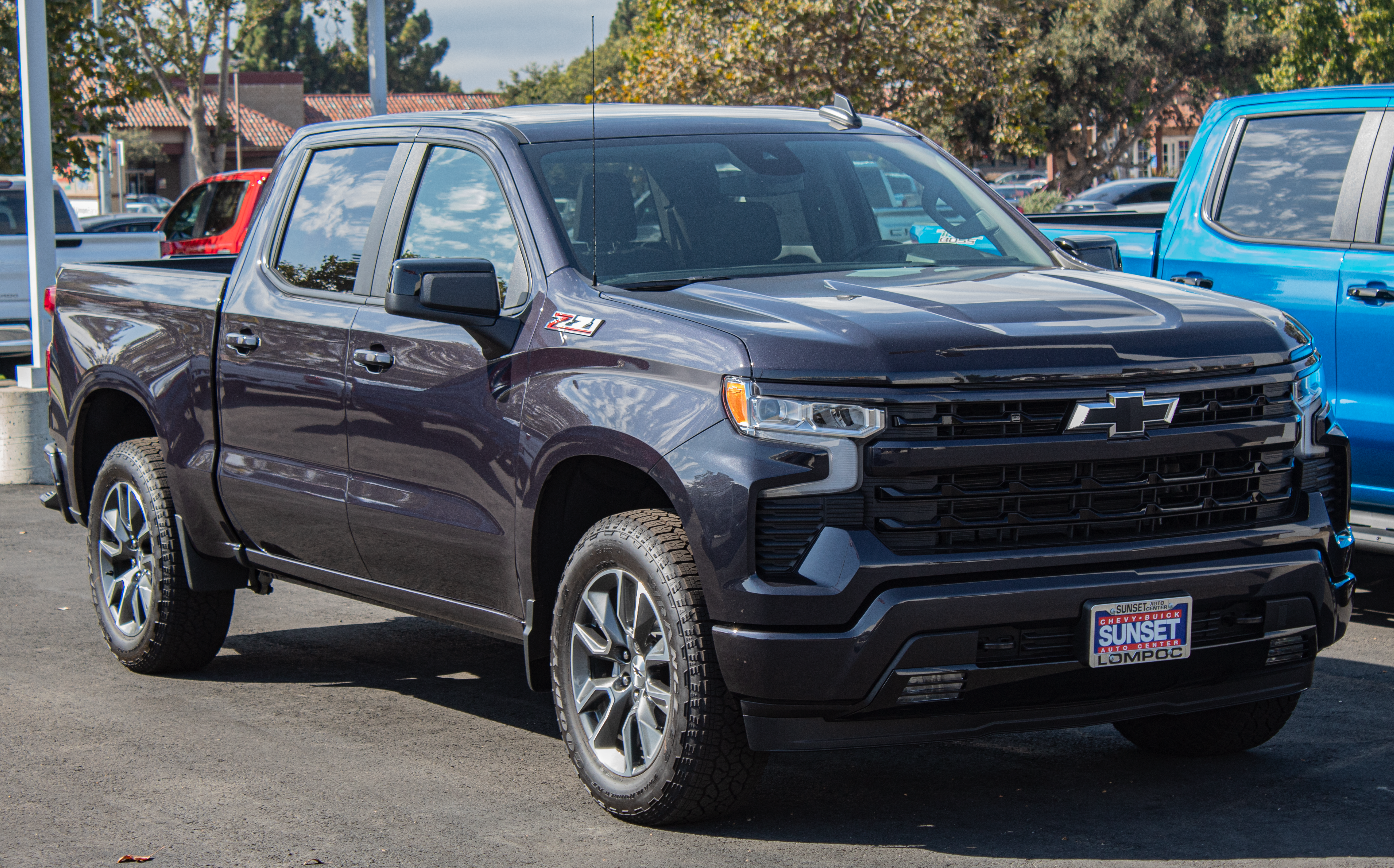
And I'm looking at the endorsement and it says for any Chevy Silverados, any Camaros, Corvettes, Dodge Challengers, Mustangs, any kind of supercar trucks, you've got to sign this exclusionary policy that there's you have to have enhanced coverage.
And basically what they're saying is they know these cars are going to be stolen. It's much higher risk on that.
And that's one of the reasons I partner with icon, knowing that, you know, Chevrolet sells a ton of trucks and we also sell sports cars.
Yeah, yeah.
Is that uncommon Chuck where insurance floor plan carriers are identifying vehicles that are at risk and saying, hey, you know, you've got either take special protections or we're going to actually limit coverage based on the frequency of theft.
Yeah, we're seeing it more and more. I tie it back to your previous question on, you know, what's the reaction to theft over since COVID?
You know, that's one of the reactions is the insurance carriers and providers that they're getting much more astute at identifying, hey, these are targeted vehicles.
You know, you see a lot of the high end, the health cats, the Camaros, the Shelby, some of some of those things that are very, very targeted at dealerships.
So making sure that there's extra precautions with those.
And it does have a direct impact with insurance, you know, we've seen insurance companies given discounts because they have this kind of technology in place.
You know, it's interesting at our auto group anytime we get a health cat, no matter what device we have on we put it inside like it does not sit outside because it's not a question of if but when that vehicle is stolen and it's crazy, right.
So physical theft is one problem and it's definitely something that's been on the rise.
It peaked during COVID. Maybe it's a little less, but it's still significant.
The one area we're seeing a ton of theft in right now is identity theft and attempts to trick us out of a vehicle, even by presenting a fake cashier's check, a fake financing instrument, presuming someone else's identity.
Dorian, is that something in your new dealer world there in Oklahoma, your Oklahoma city you're seeing as well.
Yeah, I mean, I experienced it in Texas for, you know, I've been in the car business for 29 years and I experienced it for many, many years and I see it here in Oklahoma as well.
You're going to continuously see this and now with artificial intelligence, it's even worse that you're seeing the way they're making synthetic IDs and credit washing, credit bureau washing.
So it's you have to and it's sad that you got to be precautionary on it, but I mean, you're talking 50, 80, $100,000 items that you're releasing.
Yeah, yeah.
So Chuck, what should our strategy be as it relates to fraud and bad guys trick us out of a vehicle in our dealerships.
How are you able to respond and help dealerships like myself and like Dorian protect against that fraud?
Yeah, that's a great point. Listen, we're seeing about as much fraud now as we are stolen vehicles.
So it went from every couple of weeks, we might get a phone call from a dealer saying, can you help us to, it's really a couple times a week, if not daily now that we're seeing that.
It is a really big problem and issue.
One of the inherent things on the way we partner with dealers like Dorian is, you know, we've got the telematics in the vehicle.
We're able to recover that.
Okay, so we're able to go back, you know, online the deal, if you will, and go recover those vehicles for the dealers.
So we have hundreds and hundreds over the last several months where we've been able to go in, help the dealer, you know, that had bad steps or identity after what it is.
Go back and get that vehicle and get it back to the lot.
Awesome. Have you had any instance of that Dorian where customers come in and provided fake IDs or fake identity and been able to recover?
Well, in Texas, we did several of that way because, and for some, when you sell that many cars, you're going to, you're going to have some fraud.
So I kind of did help us recover several of those vehicles.
So we had Grant Cardone on earlier this year.
He's going to get to see his interview as part of our year and recap January 31.
Grant talks about how an automotive, one of the great things about automotive is we create opportunity out of chaos.
Whenever there's pain in the world and automotive, we find a way to win.
And it's interesting because we talk about these theft, physical theft, identity theft, fraud, all the stuff that puts us at risk with insurance are on inventory and truly creates an expense.
Companies like icon and companies like yours, Dorian innovate and find ways to deliver value to the customer and tore bottom line.
So you are actually able to take this GPS device and offer it as a sell product to customers as added value, but also kind of keep track of your inventory in the process.
Tell us a little bit about what you did there, Dorian.
Yeah, you know, keeping track of the inventory is that that's a big thing on it.
So we set up customer ports through icon.
I know every day at closing time, if a car leaves my lot, that's an inventory car, a loaner car.
I can track everything on it. I can track the battery health.
I can set up parameters on these vehicles.
I can set speed alerts as well.
Also with my sales staff and my technicians, all you hear all day long is somebody grab keys and they're click, click, click, click, click, click, click.
And guess what, that car sitting on the showroom floor, you've got customers there, the horn goes off, it's in the shop.
They don't want to have to do that. They grab their cell phone and they look and they're able to pinpoint the exact location of that vehicle.
And they know also is the battery good, good health, bad health on that device.
You know, on their device, they pull up their car facts, they pull up the vehicle description of it.
They get all the information. So wherever they're at, they can, they can show it to a client.
How does your device get battery health, Chuck?
Hi, it monitors what the, what the power on the battery is. So we're constantly, whether it's once a day or as that vehicle drives around, we're able to see what's the, what's the status of the vehicle is it above?
What's the voltage on the battery itself? What's the status of the vehicle? So we'll know it.
We serve that up in a report, then, as Dorian alluded to. So, you know, usually it's not the GM or the owner that gets the report a lot of times.
It'll be the, the porter, the inventory manager that'll get it to, to make sure that they're keeping the inventory presentation ready.
So you know what your inventory is. Sales people are able to walk customers directly to the inventory.
You've got the protection of speed alerts. So if somebody's going super fast, you can have a conversation.
Have you run into employees or even customers that violate that speed rule and you've had to take action on it?
We've had it in several of our loaner cars. You know, we try to provide a service for a free loaner car and we've had clients that have exceeded the speed on that.
And I'll warn them the first time and I will call them personally.
And then the second time it's noted on the file, they're not eligible for a loan car.
How do they respond to that? You know, I, I think it's a good play because you do have liability.
Like in court, if, if, you know, you're allowing a customer to operate even your own vehicle, you know, recklessly, you know,
you could be attached to whatever. It depends on your state law, obviously, on insurance and whatnot.
But, but you know, how do your, how do your customers respond? If you're like, Hey, I know you're going 110 miles an hour or you're out because we don't want that risk.
Well, it's hard. It's hard to respond to me because I've already sent them an email of a screenshot of every pinpoint they've been at and every speed point.
So it'll show 40 to 60 80 to 100. They went to those. So I send that to them first.
Then I call them and I says, Hey, by the way, we're on the phone. Can you go and open up your email and 99% go.
I'm so sorry. I apologize on that. You know, the 1% is the down. I don't, I don't want them back in my dealership.
I love that. And it probably helps employee culture to knowing employees knowing that, that, you know, sometimes it's interesting.
Just people knowing you're watching can help create behaviors that are in line with what you're trying to create culture wise. Sometimes it's the stuff that you just don't know about and you have no way of knowing that gets out of control and just knowing them knowing that you know or you will find out helps to create compliance story. Yeah. Yeah. Yeah.
We had, I would add to that. Sam, we had a couple dealers or a big dealer group here locally that had unfortunately had a double fatality and one of their parts trucks.
Oh, employee. Yeah.
Insurance was was going through the roof. So by implementing a program like this and monitoring the risk to your point exactly what are employees doing who's speeding what are all the corporate assets we have.
They were able to get in and I think a lot of dealers would be eligible for an insurance premium deduction based or a reduction based on having this kind of technology in place.
I know they did and we've got several dealers around the country that have taken advantage of that.
But, but to Dorian's point, they also put a program in place that said, hey, you know, we've got a speed limit now, you know, anybody going over 80 miles an hour, first time, you know, you get a verbal, second time written, third time, too bad. Right.
It gives you those kinds of controls and visibility to just protect things a little bit better.
So as you're offering this is a product in finance to customers so that they can track their own vehicle.
Do you ever get customers that like, I don't want you guys tracking me like, stay out of my car, right?
Our team is continuously trained icon does a great. The secret sauce behind all of icon is the personnel.
I don't go through six or seven different layers. I get the entire army that comes up. I get a staff that come out for my sales team, my technicians, my service individuals and we're training constantly.
So the one of the first things we always say it is not a tracking device.
Okay. It is connected. It is a connected device and let me show you and we'll show them the features and we'll show them the benefits.
The funniest part is the people that want to hear tracking device are the moms. The moms go, oh, so I can watch my teenager.
Here's which you can do. You can set up this stuff. They love it. Right.
It's their alert 360 or whatever that's called. So they love that. But everybody else, they understand it's connected device, you know, and they utilize it.
And the data proves it Sam. They're opening this up a minimum eight times a month. So 100 times a year for connecting with our clients.
So you offer it as an upsell and finance. What how is it impacted your bottom line? What is the net impact to PVR?
Actually, Sam, I do it different because of dealing with all the stolen vehicles. I have icon. We call it classic connect. And I have it on every single vehicle.
Oh, really? Yes. I have an addendum with that. I do window tech. I do class connected. And if it's got it's truck, it's got a bed liner in it.
Every single one and 99% of my clients understand it because the way we pitch the value and show them as part of pricing. It's nothing hidden. We explain everything on it.
You know, I may have one client every three to four months. It says, I don't want it. I'll take it off that. But everybody else, they truly see the value in it.
In finance, it's an opportunity for them to upsell it from the three year that they can sell it to a five year.
And we've done pretty well on the upsell for the five year because people see the value in that.
What's the percent upsell, would you say? Right now, we're running about 25 to 30% of sell on it.
Okay. And then they talk at the end of the term. Can they customer opt to upgrade through you guys? Or do they go back to Dorian to do that?
They go back to the dealer right now. Everything. We don't we don't retail anything direct. Yeah. It's all through our dealer.
But you know, the goal is to get to 40% and I think we can achieve that.
Yeah. Now it's interesting, but you know, obviously you're collecting data and information.
You've got a communication tool with the customer, right? Because there's a there's an app on their device, whether it's Android, Apple, whatever.
You also have utilized this or about to utilize this as a communication channel or a tool for customers to help with retention back to service.
Tell us a little bit about that strategy Dorian.
So we've been in operation for two and a half years. So I've got two and a half years worth of connected clients that I have.
So Chuck and his team are about to roll out and for us, you know, we're connecting with those clients from a service aspect.
You know, oftentimes people think about spam. They think about those phone calls that say, hey, your warranty is about to expire.
They don't receive these individuals already part of classic connect. So when they hear somebody from icon reaching out to them, it's a trusted voice.
So they're able to schedule recall services, just making sure everything's okay with it.
And it's that connected device with them. So it makes it so much easier and we're getting the appointments.
I did it in Texas. And I think Chuck, what did we average 100 and 50 extra appointments a month?
150 appointments. Wow. Yeah. Wow.
So Chuck, talk to talk to us about the market.
How are dealers utilizing this data to better connect to their customers?
And Dorian's just kind of on the doorstep of doing this. He's about to launch it.
How common is this in the marketplace? And what's the benefit to a dealer of using this as a way to communicate with the customers better?
Well, it's there's a big, big component with it. What we talked about so far with the inventory management and the stolen vehicles.
That's kind of table stakes for GPS programs, right? A lot of most GPS companies they do that, right? They do it pretty well.
Yeah. Biggest difference for us is, is frankly looking at the fixed off size.
And that's where I think more, more dealers can lean into and everybody's looking to increase fixed ops, right?
And how do you use that telematic data for, for fixed ops and to benefit the fixed op side of it?
So knowing the mileage of, of the vehicle and being able to get that consumer connected with the dealership and keeping that connection.
You know, Dorian, you pay $500, $600 in advertising to get that customer into the dealership to buy that vehicle.
And the minute you sell it, there's dozens of people going after their business, right? Independent repair facilities, oil change shops, tire shops.
You know, one of the goals with the telematics is keep that customer connected with Dorian, keep them connected with classic and all of our customers frankly by using that telematic data, which is Dorian's data, right?
It's his data, it's his customers. Let's market to those individuals. Let's, let's focus on those tickets that you want to get into the shop and the RO as you want in the shop.
And, and let's target that and see how we can increase that. So those are some of the things that the telematics can provide.
You know, looking at the defection rate, you know, we can tell if a customer has gone to a jiffy loop, right? We can tell if a customer has gone to another dealership and share that with the dealer.
So Dorian then in the text notification and our smart marketing can offer a better discount to that customer, a different approach to that customer, whatever, whatever, you know, we'll partner with Dorian as marketing team to say, hey, what do you want to send to that customer to try to enhance them and get them back to the dealer.
You know, one of the things I learned from from classic and grapevine and their service department is most consumers don't know the value they get from the dealership. You know, would you rather have a factory certified technician work on your vehicle or a high school kit.
And so just helping enhance that helping educate customers.
You know, we had an setting up appointment for a dealer last week. We had a first time car buyer on the phone. We're scheduling an appointment for her.
And she was shocked she needed to get an oil change, you know, the dealer never explained to me, I needed an oil change in the car, you know, so younger buyers.
Sometimes these first time buyers, they don't even understand the routine maintenance that needs to happen on a vehicle. So that's some of the connection and the benefit of that is that dealer in the consumers mind that dealers educating the consumer and staying connected with the consumer.
So you could even push recall notifications through. We had CDK on the show recently and they shared some service buyer attitude survey and they actually showed that Gen Z was an interesting generation because they were not getting recalls done because they thought that they might have to pay for recalls.
Now that's astonishing. That's an education point chuck to your point that if you could push that out and notify them, let them know it's no cost, give them an easy way to schedule it. You're going to get that customer back.
Yeah, that's true. And what's interesting is we've seen that younger generation of car buyer. They're connected to everything, right? They're connected to their doorbells, their thermostats every so they really identify better with the connected car and that kind of communication.
But yeah, it's a huge opportunity for dealers to communicate with their customer base, stay connected. Like I said, the minute that car sold and leaves a lot.
There's a lot of competition for the mind share of that customer. We're trying to make sure that that Dorian's customer is a key stop of mind with them or any of our dealers are top of mind.
All right, I want to talk about something that's going to make Dorian uncomfortable. We touched on a little bit, but it's interesting. You know, we're a large auto group, 41 stores, four states. We have 87 franchise agreement.
All different OEMs we represent. We've talked a lot on the daily deal of live show about like what's the tension between driving loyalty back to the OEM and driving loyalty back to the auto group.
It seems to me having access to the connected data like you're giving Chuck allows a dealer to retain loyalty back to the group, which ultimately is what we want.
We want to own that customer of the life cycle. Sometimes those factory installed devices and some of the programs, bring them back to the OEM, but the OEM sometimes doesn't really care as much, which store they go to.
Dorian, you care because you're invested, right? Yeah, yeah.
I get credit to the OEM because they do help us out with manifest list things like that. The case and point client buys a car from you, but they don't live in your primary market.
You know, they're going to get fed from that local dealership continuously, but with icon partnering on I'll tell you the secret sauce is dealerships with pre on inventory.
If you're able to sell a pre on non make of your brand, you should be able to service it. Right. And so icon is reaching to our pre on clients and getting them back in so that we can get we'll do the old changes form.
We'll do most of the services. And so we're starting to see some of that retention as well, because you know, I want the OEM retention, but all the the other makes I want to retain that as well.
So you've talked about some of the capabilities chuck of a connected car and ways dealers can utilize it to increase retention service business and stay connected with that consumer.
By the way, mileage, so you pull mileage as part of the data set.
We do. That's one of the primary data sets. Yeah, my that's interesting, because some of the other GPS devices out there do not, right. So they're more correct.
What's your connection? Are you going through the OBD? How are you connected?
No, there's your device itself. It has the technology inside the device to track mileage itself.
So we have that. There is some options. We've got a lot of different options for dealers, depending on their preference, but we do have the ability to read some of the DTC codes, you know, if a vehicle throws a code and the dealer wants to be communicated of that code or communicate that to the consumer, you know, there's capability to do that as well.
So we can be very specific, if you will, on, you know, the consumer and connecting them with the drive on what the issue is.
But primary primary piece is mileage. Yeah, a lot of this is driven off of the mileage and, you know, on some of these high mileage services that dealers have, you know, they can be off. They're using algorithms and they're trying to to guess it with systems and different technologies that are different companies are using out there.
They can be off by as I've seen as much as 40,000 miles, right? So we're trying to catch it just in time. The event happens. The customers communicated with it and then we're communicating with them to get them back to Dorian's dealership or or another partner's dealership.
So is it wired or is it a wireless device? We've got, we've got all options. Primarily for the mileage. It's a wired device. It's either another one that fixes to the battery accessory terminals.
That's the one that has mileage. Those get most of the data. The OB-D2 obviously collects even even more data for the consumer basically for them to know stats on their vehicle and how it's performing.
So that's the benefits for the consumer and then actually getting them connected with their dealer if there is an issue with the vehicle.
That's interesting. And you provide dealers with a dealer branded app in some cases where they can brand it their own app. Yeah, they're selling their all dealers, not just some all of them have their own their own app. So it's branded to them. They're selling their product.
We really don't care about our logo. So to speak, you know, if this is about promoting the dealer, your brand, your connection with the customer and to Dorian's point, you know, we see on average consumers in his app eight times a month. That's around the country.
We see them around eight times a month. They're in that app. And so if you can imagine that from a dealer, that's 100 times a year times three years, five years, you know, whatever.
And so it's just that that impression that they're constantly getting from from their dealer partner. So that's what we really push is we talk about the device, the dealer branded app.
The ability to communicate and then the extra layer of information that that device can return back to the dealer to reinforce that connection.
I'm just curious about something you're branding it as a GPS device and you're leading with theft. Really, I would think the lead is connected car because like the biggest opportunity in most dealerships today is fixed ops revenue.
The biggest need in every dealership today is staying connected to that consumer as they own that vehicle longer.
There's no important call to action than being able to stay connected, Chuck. Why are you not leading with connected instead of theft?
Well, I think we indirectly we do. And we need to be more direct about it, frankly, Sam, because frankly, when we're getting into discussions with dealers or dealer groups, the reason, the primary reason they move forward with with icon is for these things.
For the fixed ops opportunity, it's for their brand. It's why most of them say, hey, I want every one of my customers to walk out of the store with my app in their pocket.
And I know I'm going to get the retention benefit long term going forward from that, as well as the data and some of the AI were applying that that's why they're signing up the, I think the reason a lot of dealers initially will engage is because they have a theft on the lot.
You know, GPS has been around for a while. I like to tell people we're not your grandfather's GPS, right? We're different. We're unique. We're adding a lot more to the telematics and taking this to the next level as opposed to just providing lot and inventory management. Right.
Yeah.
So that's the big difference here is is, you know, what's the connection? How do we keep the consumer connected with with the dealers? How do we increase fixed ops revenue? And how do we put your brand in front of your customers more often?
So you quoted a manufacturer's advertising campaign. I'm going to quote sign felt anybody can track a device today or most can. There are multiple devices out there.
But I think it appears to me the strength of what you found Dorian and what you've set up and the journey you're embarking on is the value of data and the ability to engage and retain that customer long term. That's the money.
Far above and beyond those vehicles prevented theft which, you know, you're obviously preventing that you're creating revenue and finance. It's the ability to stay connected with that consumer out and above and beyond every other channel and really bring them back in.
Love the one you're with. Yeah. Yeah. That's it. I love that. That's a great class. So Dorian, owner operator, classic OKC Oklahoma City.
Thanks for being on the show and sharing this absolute best practice and Chuck still well executive vice president icon technologies also in Dallas, Texas. Thanks for sharing a little bit about what's going on in this connected technology world and strategies for increasing revenue and retention.
And all the while protecting those vehicles along the way. Thank you, gentlemen. Thank you. Thank you.
About this episode
Exploring the rising threat of car theft at dealerships, this episode features Dorian Jimenez, owner of a Chevy dealership in Oklahoma City, and Chuck Stillwell from Icon Technologies. They discuss how a sting operation was launched to recover stolen vehicles taken by the Mexican drug cartel, highlighting the importance of advanced security measures. The conversation delves into the impact of theft on dealership operations, customer retention strategies, and the innovative use of connected technology to enhance service and protect inventory. Insights on the evolving landscape of auto theft and fraud are also shared.
Welcome to Industry Spotlight—a focused series hosted by Sam D’Arc, highlighting standout dealerships and innovative companies, and exploring the trends driving success in today’s automotive market. Today, Sam sits down with Dorian Jimenez, Owner-Dealer Operator of Classic Chevrolet OKC, and Chuck Stilwill, EVP of Ikon Technologies.
This episode of the Car Dealership Guy Podcast is brought to you by Ikon Technologies:
1. Ikon Technologies - Ikon Technologies delivers a connected vehicle program for dealers that maximizes Customer Lifetime Value by driving sales efficiency and securing non-cancellable PVR on your front end while delivering an average of 50 additional customer-pay ROs every single month for your service bays. At NADA 2026 in Las Vegas, visit Stand 1763 West to see the benefits for yourself and take your chance to roll the dice to win a Rolls-Royce (terms and conditions apply; no purchase necessary). Plus, as an exclusive offer for listeners, mention “Car Dealership Guy” when you sign up at NADA to have your entire initial installation fee waived—book your demo today at http://www.ikontechnologies.com/CDG
Check out Car Dealership Guy’s stuff:
For dealers:
CDG Circles ➤ https://cdgcircles.com/
Industry job board ➤ http://jobs.dealershipguy.com
Dealership recruiting ➤ http://www.cdgrecruiting.com
Fix your dealership’s social media ➤ http://www.trynomad.co
Request to be a podcast guest ➤ http://www.cdgguest.com
For industry vendors:
Advertise with Car Dealership Guy ➤ http://www.cdgpartner.com
Industry job board ➤ http://jobs.dealershipguy.com
Request to be a podcast guest ➤ http://www.cdgguest.com
Topics:
00:47 Dorian's journey from GSM to owner?
02:34 Biggest theft challenge at Chevy store?
03:39 Sting operation against drug cartel?
08:57 Best practices for protecting inventory?
19:36 How battery monitoring helps dealers?
20:14 Speed alerts improve customer compliance?
22:01 Insurance benefits of speed policies?
22:57 Using customer data for upsells?
25:21 Key dealer benefit of connected data?
Car Dealership Guy Socials:
X ➤ x.com/GuyDealership
Instagram ➤ instagram.com/cardealershipguy/
TikTok ➤ tiktok.com/@guydealership
LinkedIn ➤ linkedin.com/company/cardealershipguy
Threads ➤ threads.net/@cardealershipguy
Facebook ➤ facebook.com/profile.php?id=100077402857683
Everything else ➤ dealershipguy.com