The Audi A2 is a small Audi hatchback. Here it’s mentioned because it’s easier to drive on rough back roads without beating up the wheels and tires as much.
The BMW 330Ci is a BMW 3 Series coupe. In this discussion it’s mainly a comparison car—he chose the Audi A2 instead because the route and road conditions would be harder on the BMW’s setup.
This is about choosing the route you drive based on how rough the roads are. The idea is that some cars/tires handle bumps better, so you can avoid damaging your wheels and tires.
“Back roads” are smaller, often less maintained roads compared with main highways. In this segment, they’re discussed in practical terms: the host expects more pothole/rough-road risk, but chooses them for a more interesting drive and to manage wheel/tire wear.
A pothole is a damaged section of road surface that can cause impacts, wheel damage, and tire wear. The host mentions potholes as an ongoing local issue and connects it to why he’s careful about which route to take.
“Rims” are the wheel’s metal part, and the inch size (15-inch here) affects tire sidewall height and ride comfort. Smaller wheel diameters often allow taller sidewalls, which can absorb bumps better—something the host links to arriving with wheels in better shape.
Tire “profile” (aspect ratio) describes the sidewall height as a percentage of the tire’s width; 50 or 60 profile means relatively taller sidewalls. Taller sidewalls generally improve ride comfort and bump absorption, which the host says helps the car “roll over” rough sections more easily.
Apple CarPlay is a smartphone-to-car interface that mirrors compatible iPhone apps onto the car’s infotainment screen. It’s commonly used for navigation, calls, and music, and it can reduce the need to interact with your phone while driving.
Aftermarket infotainment upgrades are add-ons that bring newer phone features to an older car. They can be great, but the setup quality can affect how well everything works.
This is a phone holder that clips onto the car’s air vent. If the phone sits in the wrong position, it can make the mount less secure and the phone can drop.
These are cup holders that pop out from the dash instead of being fixed in place. If they’re broken, they may not pop out or stay in position, so you lose the cup-holder function.
3D printing means making a part from a digital design using a printer. Enthusiasts sometimes print small interior pieces like cup-holder parts when the original ones are broken or hard to buy.
An owner’s club is a group of people who all drive the same model and share tips. Their annual meeting is usually where they talk about problems, parts, and meet other owners.
The Jaguar E-type is an iconic classic sports car, and it’s used here as an example of how fans can react negatively to modern “bring it back” recreations. The point is that even beloved classics can lose something when reinterpreted.
The Bugatti Type 35 is a legendary pre-war racing car, and it’s referenced here to discuss modern recreations. The hosts question whether recreating such a historic model is desirable, implying that authenticity and originality matter to enthusiasts.
A restomod is when someone takes an older car and keeps the classic look, but updates parts so it drives better and is more dependable. It’s different from just rebuilding it to look exactly like it did originally.
They’re talking about a new Audi A2 e-tron, which is basically a small electric Audi hatchback. It’s expected to feel like the old A2, but it’ll be built on a modern electric platform and designed to look a bit more like today’s crossovers.
AutoCart is referenced as the outlet that previously reported the A2 revival and also held an annual media conference where a preview image was shown. In this context, it’s acting as a source for early design/teaser information rather than a manufacturer.
The Dodge Spirit is being talked about as an electric crossover concept. The idea is that it should feel like it connects to an older, smaller Dodge model. The podcast mention is about how the new electric car is marketed and described.
MEB is Volkswagen’s “electric car building system.” It’s designed so the battery sits under the floor, which affects how the car is shaped and how much space it has inside.
The Audi e-tron is an electric SUV, meaning it runs on electricity instead of gasoline. It’s designed to be practical for daily driving, and it has a distinctive shape. The podcast is pointing out its roof and rear-window styling as part of that design.
They compare the new Audi A2 e-tron to the Volkswagen ID.3 to give you a size/position reference. The ID.3 is a compact electric hatch, so it suggests the A2 e-tron will be in that same general category.
The Mercedes-Benz A-Class is a smaller car made for everyday driving. It’s a hatchback, and it tends to be fairly tall for its size. The podcast is mainly describing its height and how that translates to the driving position.
A double-skin floor means the bottom of the car has two layers instead of one. In a crash, that extra structure can help absorb and manage impact forces more safely.
An under tray is a plastic or composite panel on the bottom of the car. It helps keep dirt and debris off important parts and can also help the car’s airflow.
Aero efficiency is how “slippery” the car is through the air. Parts like the undertray help the airflow go where it should, which can improve how the car behaves on the motorway.
Flutter is a vibration or flapping-like noise caused by airflow acting on a loose panel. On the motorway, a partially detached undertray can resonate and produce a strange, intermittent sound that’s hard to diagnose without looking underneath.
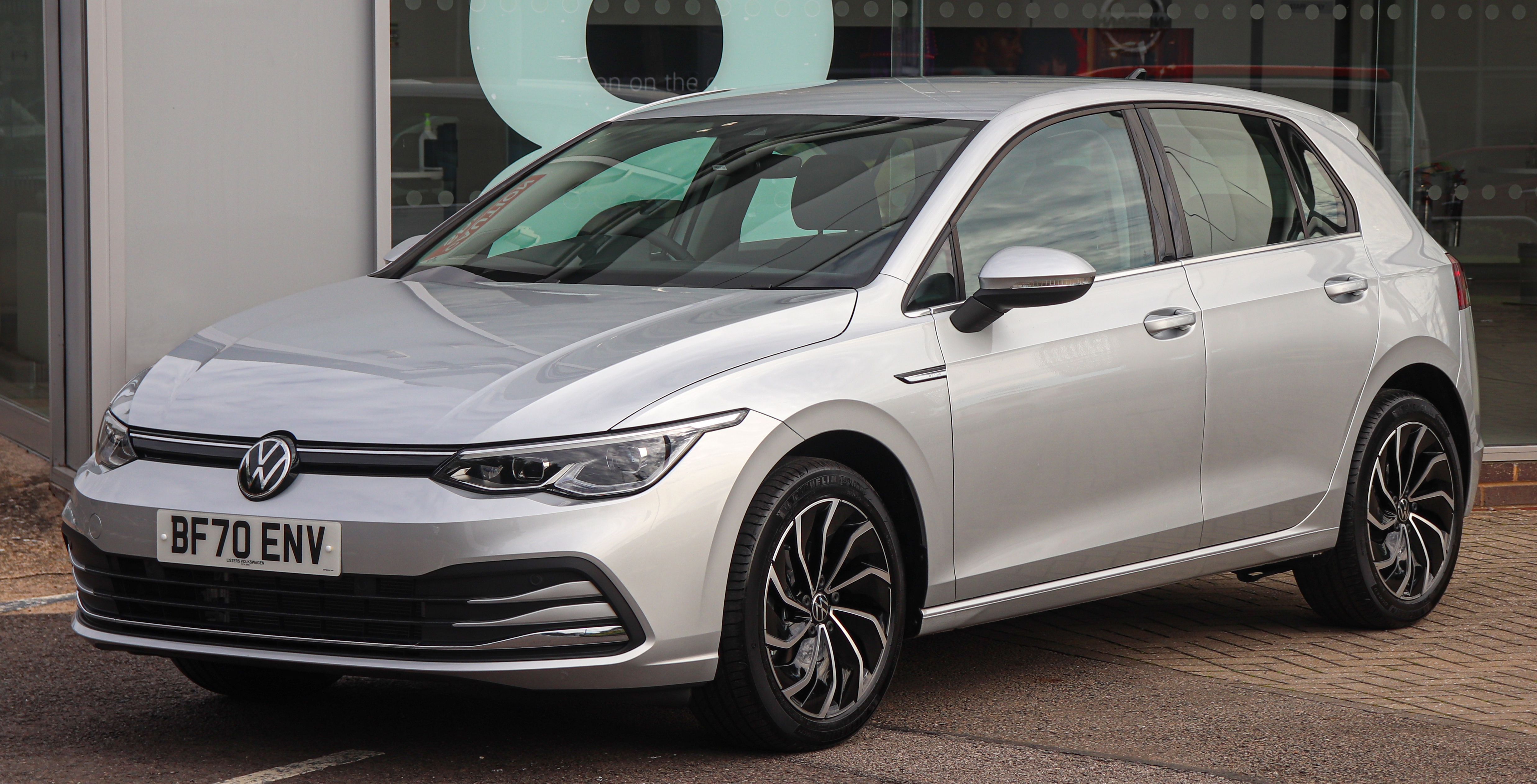
This story involves a Volkswagen Golf. The key point is that even a normal everyday car can lose an undertray, which then makes noise and can scrape the road.
They used pliers to deal with the loose undertray. It’s a reminder that simple tools can help you make a car safe enough to drive or at least get it off the road.
CO2 is the gas cars produce when they burn fuel (and it’s also estimated for EVs based on how electricity is generated). Governments often use CO2 numbers to set yearly tax costs.
Some cars use special wiper designs to help the air flow around the windshield area more smoothly. Less turbulence can mean the car uses a little less energy.
A track day is when you drive your car on a race track with other enthusiasts. It’s harder on tires and brakes than normal driving, so preparation matters.
“Steering responds” refers to how quickly and precisely the car reacts to steering input. It’s a key part of perceived agility and driver confidence, especially on winding roads where small corrections matter.
The Fiat 500 is a small city car, and the host describes a “string” of them owned by his partner. He’s criticizing ride quality and steering feel, using the comparison to highlight what he likes about the Alpine A110 instead.
The A110 is a small, sporty car from Alpine. The point here is that it feels really nice to drive—easy to see out, comfortable to sit in, and the steering feels responsive.
They’re talking about driving just because it’s fun, not because you have to go somewhere. The idea is that the experience—how the car feels and what you see—can be the whole point.
Car
electric mini
“Electric mini” refers to a Mini electric model on test. The host says he drove it mainly to feel the steering and to run over bumps—an example of enjoying the car itself rather than driving for a specific task.
Topic
A34
They mention the A34, which is a main road in the UK. It’s basically a way of saying where their drive happens and what the route feels like.
Topic
A3
They bring up the A3 as part of the route they take coming back home. Different roads can feel very different depending on traffic and how the road is laid out.
Topic
dual-cashway
They seem to be describing a dual carriageway, which is a wider road with lanes for each direction. Roads like that usually feel faster and smoother than smaller roads.
Topic
Butzer Hill
They mention Butzer Hill as something they can see on the drive. It’s basically a landmark that makes the route feel special.
They’re talking about why people don’t do long drives as much anymore. The claim is that traffic and slow roads make it less fun, so the “road trip” vibe has gone away.
The hosts frame the “road trip” as still worthwhile despite modern traffic patterns and speed-limit concerns. Their argument is that route choice (quieter roads) and timing (off-peak) can preserve the enjoyment of longer drives even when average speeds are lower.
Speed limits are the legal maximum speeds on roads. The point here is that even if you can’t go as fast as you’d like, you can still enjoy the drive if the roads are clear and the timing is right.
Average speed is how fast you’re really getting from start to finish, including all the slow parts. If it’s lower, it usually means there’s more traffic or more interruptions, not necessarily that the speed limit changed.
“50 to the gallon” is a way of saying the car gets about 50 miles for every gallon of fuel (in UK terms). Higher numbers generally mean you spend less on fuel and stop less often.
Tire pressures are the air levels in your tires, and setting them correctly before a trip affects ride comfort, grip, and fuel economy. Under- or over-inflation can also increase tire wear and make the car feel less predictable.
In UK English, the “boot” means the trunk. They’re saying you should keep things from sliding around in there so you don’t get annoying movement or noise while driving.
Everything in a car can vibrate. Resonant frequency is the “sweet spot” where vibrations get louder, so engineers design and test parts to stop that from happening.
Cars are full of parts that can shake or buzz. Engineers use materials and mounting tricks to stop those vibrations from turning into rattles and loud sounds inside the cabin.
In electric cars, the engine isn’t making noise anymore, so the sounds you hear come from other sources. That means rattles, vibrations, and different kinds of “normal” noise can show up in new ways.
Even though EVs don’t have an engine, they still make noise. The noise comes from other moving parts and the car’s structure, so engineers study it just like engine sound.
A carbon tub means the car’s main structure is made from carbon fiber. It’s very stiff, and that stiffness can make vibrations travel through the body more easily, so you may hear more “buzz” or resonance.
Resonance is when a panel or part vibrates at a frequency it really likes. If the car mounts are stiff and not cushioned, those vibrations can build up and you hear them as buzzes or rattles.
They’re talking about how the car has to work in extreme cold and extreme heat. EVs have to manage battery temperature and keep systems working, even when it’s very cold or very hot.
It just means trying to notice the good things in your life instead of only the bad. When you’re dealing with cars, it can help you stay calm and keep working the problem.
Term
conveyances
“Conveyances” is a general term for vehicles used to move people or goods. Here it’s describing the everyday freedom of being able to drive wherever you want.
Fuel delivery is how fuel shipments make it to gas stations. The point here is that even if there’s worry somewhere in the world, it doesn’t always immediately stop fuel from showing up locally.
Your diesel tank is where your car stores its fuel. The hosts are basically saying that even with world events, you can still usually find diesel at the pump.
This is a database of older AutoCar magazine articles. The hosts use it to find information they need, like when researching cars.
Term
Gentson Interceptor info
This sounds like the name of a website or database the host uses to look up information about a classic car. They mention always checking it when they want details.
The Jensen Interceptor is an older-style sports grand tourer. It’s the kind of car people look up because it’s distinctive and has a reputation among enthusiasts. The podcast mention suggests they were researching details about it.
Concept
flat plan
They’re describing a way of viewing a magazine on a screen. Instead of just searching text, you can see the whole issue like a spread and then scroll to the page you want.
The Aston Martin DB5 is a famous older luxury sports car. It’s well known for its look and for being used in entertainment. The podcast mention suggests there’s a special stunt or replica version being shown or talked about.
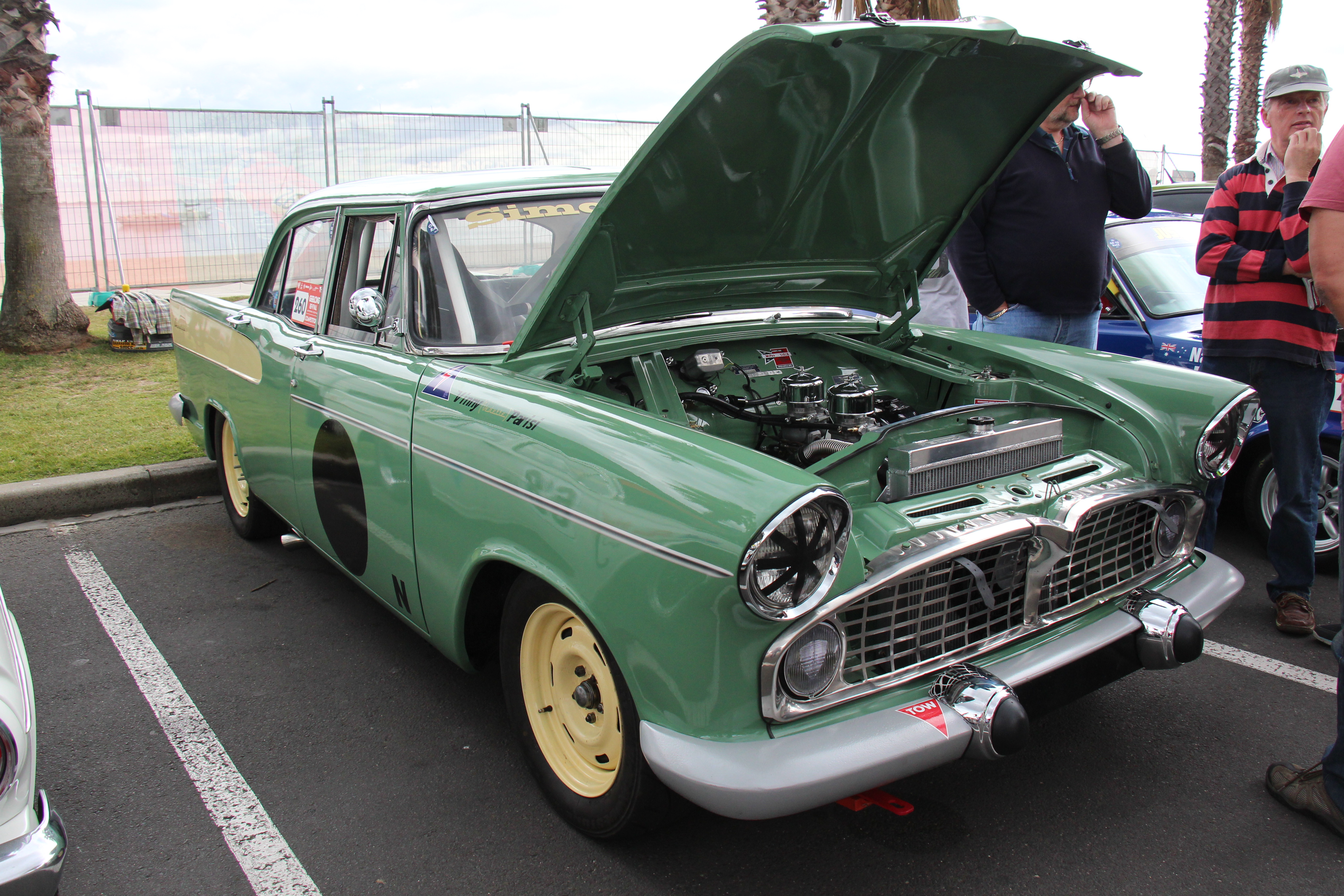
The Simca Bagheera is a quirky older French sports car. They’re saying it lines up with the time of their birthday, and they’re excited about finding that connection.
Composite panels are lightweight body parts made from engineered materials like fiberglass. The idea here is that they help keep the car light and can also help protect the structure from rust and deterioration.
This is a build method where a strong steel frame does the heavy lifting, and lighter composite panels make up the outside. It’s meant to keep the car from getting ruined over time.
The Morris Marina was a British car that tried to feel more modern than older designs. The hosts say it had lots of problems, but some people still liked it for its basic, straightforward nature.
The Morris Minor is an older Morris model. In this conversation, they’re saying the Morris Marina was kind of built on the same idea, so it inherited some of the Minor’s weaknesses.
Understeer is when the front tires don’t grip enough in a turn, so the car won’t turn as sharply as you want. The hosts are saying the car would feel like it was pushing straight ahead, especially when braking.
The contact patch is where the tire meets the road. If the car’s weight is positioned far forward, braking can shift weight even more onto the front tires, changing how the car turns and making it feel like the nose drops.
The Ford Cortina is a car that was sold in the UK for many years. It was available in different versions, including ones that drove the rear wheels. The podcast is mentioning it as a more affordable rear-wheel-drive option.
They’re talking about problems with the front suspension—basically the parts that keep the wheels aligned and stable. When the wheels start looking “wrong” (like splaying out) or even feel like they’re coming loose, it can mean the suspension is about to fail.
They’re talking about a racing series that runs alongside the main Supercars Championship. It’s where cars like the Tarana still get to race today.
Concept
triple twin choke weathers
This sounds like a performance carb setup with multiple barrels (“chokes”). More carb barrels can help the engine breathe and get the right fuel when you’re pushing it.
The Ford Mustang is a sporty car made by Ford. People talk about it a lot because it’s known for performance and a recognizable look. It’s the kind of car that shows up in lots of car conversations and events.
They’re describing a six-cylinder engine in a straight line, with 2.6 liters of displacement. It’s heavy, and that extra weight at the front can make the car feel less nimble.
They’re talking about how extra weight on the front of the car can make it handle differently. If too much mass is up front, the car may feel less balanced and less “agile.”
They’re talking about an online group for people who love six-cylinder engines. It’s a niche community where enthusiasts share info and sometimes help each other find cars or parts.
LIVE
Hello, hello. It's Brooke Devard from Naked Beauty. Join me each week for unfiltered discussion about
beauty trends, self-care journeys, wellness tips, and the products we absolutely love and cannot get
enough of. If you are a skincare obsessive and you spend 20 plus minutes on your skincare routine,
this podcast is for you. Or if you're a newbie at the beginning of your skincare journey,
you'll love this podcast as well because we go so much deeper than beauty. I talk to incredible
and inspiring people from across industries about their relationship with beauty. You'll also
hear from skincare experts. We break down lots of myths in the beauty industry. If this sounds
like your thing, search for Naked Beauty on your podcast app and listen along. I hope you'll join
us. Craving the coffee flavor you love but without the caffeine? Kachavas got you covered
with their newest coffee flavor. This all-in-one nutrition shake delivers bold, authentic flavor
crafted from premium, decaffeinated Brazilian beans with 25 grams of protein, 6 grams of fiber,
greens, and so much more. Treat yourself to the flavor and nutrition your body craves.
Go to kachava.com and use code SMOOTHY. New customers get 15% off their first order.
That's K-A-C-H-A-V-A.com code SMOOTHY.
A-Cast powers the world's best podcast. Here's a show that we recommend.
Hello, hello, it's Brooke Devard from Naked Beauty. Join me each week for unfiltered
discussion about beauty trends, self-care journeys, wellness tips, and the products we
absolutely love and cannot get enough of. If you are a skincare obsessive and you spend 20 plus
minutes on your skincare routine, this podcast is for you. Or if you're a newbie at the beginning
of your skincare journey, you'll love this podcast as well because we go so much deeper
than beauty. I talk to incredible and inspiring people from across industries about their relationship
with beauty. You'll also hear from skincare experts. We break down lots of myths in the beauty
industry. If this sounds like your thing, search for Naked Beauty on your podcast app and listen
along. I hope you'll join us. A-Cast helps creators launch, grow, and monetize their podcast
everywhere. A-Cast.com.
Hello, welcome to another episode of the AutoCop podcast, my week in cars with Prahina.
Hello. Steve Guppy there.
Hello, mate. How are you? All good?
Yeah, very well, thank you.
Good to have you. You came in the Audi A2?
I did come in the Audi A2 because I will list quickly. Thank our sponsor, Anderson.
Made in Bedfordshire, designed, engineered, and built there. Somebody will come and deliver
it for you, deliver it and fit it for their concierge service as they look after you very well.
Search Anderson. Thanks to them for sponsoring this podcast.
I did come over in the Audi A2. I had a choice this morning. I've come in the Audi A2
or BMW 330 CI because I was leaving at half-eight and the sat-nav suggested that I didn't take
the main road down into Oxford and then across. It suggested I come across the back roads.
Well, it gave me two choices. It said the back roads would be five minutes slower,
and I thought I'll take five minutes slower for a more interesting route.
But the last time I did it, it goes through Stowe, Passport and Rollwright Stones.
Last time I drove that route, I don't want to bang on about pot hole, Steve, because people do,
and they still haven't been fixed. But I thought to myself, I am much more likely to arrive
with my wheels in the same shape as when I left if I bring the A2. And sure enough,
I managed to drive a route with a narrow car and has 15-inch rims with 50 or 60 profile tires on.
Perfect. Yeah, so it rolled over much easier.
Well done. Yeah, I'm much happier.
Yeah. Fits in my yard better.
Fits in your yard very nicely, mate. So the 330 as we talked about on this pod last week,
which listener we recorded about 15 minutes ago. Don't tell anyone.
But Steve and I are together recording. I believe this is how some people do it,
mate. They get together and they record a few at once. Every week we go to the same place
at the same time. We never do it remotely. We never do it. Very seldom do a batch at once.
But just because of our diaries, we have to do it. And we don't miss out.
But we just get up earlier, don't we? That's the short bit. I'm going to be saying this about
when you were on car or supercar classics or something and there were some other mags around
and there's quite a lot of competition and you said we counted it by getting up earlier.
Yeah. I still firmly believe that. If you want to compete with somebody, you just get up earlier.
And it always works. It always works. Yeah.
Well, I think it does. Well, so far. So we still get up earlier and earlier.
What was I saying? You were talking about trip across the Coswells.
Oh, yeah. Anyway, so I came across and yeah. So in this 330, there is a,
it's got an aftermarket system with Apple CarPlay, connectivity, Bluetooth, blah, blah, blah.
My A2 doesn't have that. But what I do is I put a phone cradle on the dashboard
and I clip my phone into the dashboard and then I've got a screen in front of me,
which has got a map on it, which tells me not that I really need it to come over here,
but it tells me my ETA and so on and so forth. And also, it's effectively a car touch screen
because it's in a cradle. I don't tend to be tapping away on it because I don't like to.
But it's in a cradle. It's secure. If I want to, I can push buttons on it to answer a phone call.
But I've got one of these ones that clips to the air vent and it's fine.
But I've recently got a new phone and it holds onto the phone quite low down because if you
hold the phone at the top, then it touches the buttons and pushes the buttons in.
Which makes it a little bit unstable. So once every three hours, it will just fall off the
dashboard, which is irritating. So I think what I'm going to do is got two pop-up cup holders in
the dash. I don't need two pop-up cup holders. They're both broken. So neither of them works.
So I'm thinking what I might do is I might take one of these pop-out cup holders and
construct it into a phone holder that is then secure. It won't fall off the dash.
And I will also fix the other cup holder so that then I've got a cup holder.
There's only usually one person in the car. In the unlikely event, there's more than one person
in the car. The other person can hold their own cup. They can hold their own cup. So that's no
problem. So I need to do that. It's a pleasure. You're probably fine. You remember that you were
talking about that widget that you needed for the windscreen wipers? Yes. You'll probably find
that there'll be some bloke in Clean Thoughts who makes an absolutely bulletproof 24 carat
fix for the cup holders. 3D prints a cup holder. It'll be online right now. I think it's A2OC.net,
I think which is the owner's club website, the forum. It's brilliant. There's so much stuff.
There's so much stuff. I should join, but I'm not a member. I'm sure you'll go to the
owner's club annual meeting with you. Three people have sent me this morning a clip on
one of the social sites of an Audi A2 which has had a pickup truck conversion. I'm not going to do
that. No. I'm not going to do that. There was a thing last year, wasn't there, in Germany,
because it was the 25th anniversary? Yes. That's right. Big deal. It won't die,
that thing. It just gets more distinguished. It's coming back as well, isn't it, the A2?
Not sure I approve of that, though, because... It's not as clever as the original.
Well, the original is the original. If Jaguar brought back the E-type Jaguar,
I wouldn't like that much, either. Interesting. Bugatti brought back the
type 35. Do we want that? We don't. I don't suppose that... That's interesting, because
Beattie won't do a type 35 Resto mod, Malay, or not a Resto mod, but a recreation.
Yeah. I mean, obviously, some people look at all and do the whole legions of A8s and things like
that, but somehow the A2 is a sort of unsullied slot in car history, and I really want it to be
obliterated by another car. Isn't the new one effectively going to be... Is it an A1 and A3
replacement, or am I misunderstanding this remembering that? There's some... It's going
to be a hatchback EV, isn't it, basically? Yeah, I think it's... I'm just being
sticking to my down eye, but I do think that's a fair point. If Jaguar launched another E-type,
I wouldn't like it. Audi A2 name officially confirmed for new electric hatchback with an
AutoCart image mocked up by... Of what we think it will look like based on spy shots and things
that we've seen so far, mocked up by Ben, our in-house designer and picture editor.
Electric crossover that will evoke the spirit of the original supermini, they say, the officially
confirmed revival of the A2 previously reported by AutoCart at its annual media conference,
where it also showed a preview image of the car below for the first time. That's just an outline
they've shown. Actually, it does have... It's got more of a bonnet than the original, but it's still
got that very tear-droppy roofline that then is cut off halfway across the rear window.
The A2 e-tron is our promise to deliver efficient, compact and confident. We're making entry into
the electric Audi world easier and more relevant than ever, they say. It's going to be based on the
MEB EV platform, we'll be close in size and specification to the Volkswagen ID3 hatchback.
However, as spy shots of testimonials show, it will have more crossover influence design.
Well, that's inevitable, isn't it? I guess because it's got a battery pack underneath the floor.
Yeah. I mean, even your car is relatively tall, isn't it? Isn't there some stuff going on under
the floor in the original A2? Oh, maybe. That it's not just flat. Is there a scoopage?
I can't remember. But it's reasonably tall, I think. Yeah, it's reasonably tall. Yeah.
Maybe I'm thinking of the A-class Benz, which definitely does have a double skin floor.
Does have a double... Yes, that had the idea of being... Because it was quite short, wasn't it?
The idea of being if you crashed, the engine would effectively travel underneath the floor.
It was even shaped like a skid, wasn't it? It was almost... Yeah, it had its own ski jump.
Yeah. I'm just searching Audi A2 under tray. I mean, it does have Anna. I wonder if mine
still got its under tray or whether it hasn't. Oh, yeah. So the subcar... I mean, presumably for
aero efficiency. Yeah. I keep... One of the fascinations... I've been on the motorway a bit
lately. One of the fascinations is looking at all the under trays that are half detached on cars
that are doing 80 miles an hour down the road and doing that flattering. Yeah. And I always
wonder what... There must be a sort of rumble going on or a sort of strange, flutter noise
in the car. People must wonder what on earth it is because I... You know, you'd pull over,
look underneath and think, nope, nothing under there. Well, it's funny you should mention that,
mate, because we were on a chute. 50 best cars, which is going in the mag, imminently, I think.
Yeah. And we were taking some photos and a woman stopped in a golf
and was looking underneath her car. And we said, are you all right? Is there a thing? She said,
I've been driving down there. I've come back from North Wales with my dog and he's been making a
noise on the motorway. And she just got off the M4 and pulled over at the sort of nearest
safe spot to do so, which was where we were shooting a static photo. And sure enough,
her under tray had had half fallen off the car. Was it not touching the road? Yeah,
it was. I had been scraping along the road. She's like, I don't really know what to do.
I don't really want to drive along with it like this. And we said, no, I understand. So we
rummaged through the cars that we had with us. The Toyota Hilux did have a pair of pliers inside
it. Yeah. Or those sort of, those kind of adjustable. Oh, they're sort of mold grippy type
things. And anyway, we undid the rest of the, undid the rest of the under, the rest of the
fixings that were still attached. Yeah. Took it off, put it in a boot and away she went.
Very good. Happy days. Yeah, everyone happy. Everyone very pleased with themselves. And
she was very grateful and we felt like we'd done something useful. So yeah, it was quite good.
But yeah, I think she, they obviously make a noise because she noticed it. She wasn't a big
car person, I think it's fair to say. No, well, I think that would fox quite a few car people.
I mean, not if it's on the floor, but I think the flattering ones must be strange.
I wonder what difference it makes to, because they're fitted, I guess, for
aero efficiency, aren't they? Well, I think so. Yeah. I wonder what difference it makes. But
they all battle away for, for tiny improvements, don't they? You know,
yeah, because it could make a difference between, I think that, because that my A2 is 109 grams
per kilometres of CO2. But I suppose if they hadn't sculpted the rear lights, if they hadn't
fitted an aero efficient windscreen wiper, you know, if it was 115 or whatever,
it could make quite a big difference to the yearly tax. Yes. Right.
And the claims you can make for it too, because they were able at the time to claim really
progressive aero figures, weren't they? Yeah. Sorry, I was running off of the
mouth. That's the plan. That's the idea. We've got a lot, we've got a lot of air to fill, Steve.
We don't, yeah, because we don't, usually we talk about our respective columns.
Yeah. And then fill up with that. But actually, we've got, we're doing what
some other car pods do, which is basically just make a list of things we might want to chat about.
Yeah. I quite like it. We should do it now and then.
Yeah. Mind you, there's a few things. I've got a list of the things, of the columns. And I mean,
there's, we haven't touched on that too, isn't there? Yeah, there's lots. Shall we take something
from it? Go for it. Let's do, tell me about your A110, Albie. Oh, well, I just, having done quite a
lot of EVing, you know, and I make no bones about it. I enjoy driving EVs and I, you know,
I like where they're up to and I have a lot of hope in the future. But the fact is, it was still
fantastic to get that car out. Jonathan, my son and I are about to do a track day in it
at Castle Coombe. Oh, so you've not done that yet? No, no, it's, it's coming up and,
but I just wanted to make sure it was working and the tire presses were right and so on. And
what a joy. I mean, it's just, it isn't the perfect car, as we know, because, you know,
people have had some reliably troubles and I had my own corrosion issues and things. But the fact is,
even after it's 21 plates, so that makes it four years old, five years old, five years old, cracking.
And it's, oh, so you're well into MOT territory? Yes, I've had two MOTs twice.
And it's just, honestly, by the time you've done 250 yards, you just think this car was engineered
precisely for me. It might suit other people, but mainly it was done for me. And, you know,
all the pedal loads, all the driving position stuff or visibility, the way the steering responds,
it's just great. It's just, and it makes you happy. That's the thing. My Mrs always talks about,
she had a string of Fiat 500s and I was continually going on her about, at her about,
didn't ride very well or steer very well. And she rejoined, it was always the same,
it makes me happy. And that's what the A110 does for me. I mean, what more could you want?
Yeah, yeah. I was thinking the other day, though, about that business of enjoying driving,
it is almost, you know how, if you decide to go and play golf, you do it because you'll enjoy
the golf game. But nobody very much gets into a car, you know, books at a time in their own schedule,
get themselves into, you know, clears the diary, get some, their own body into a decent state,
and then goes off and drives for a while. You don't say, right, for the next 90 minutes,
I am going to drive because I think we should do that more often and choose time to do it,
probably getting up early, like we were talking about.
Yeah. When did you last do it without a purpose at all?
Oh, quite recently, just at the moment, I've got an electric mini here. And I did it, in fact,
yesterday, but I am prone to it. Was that because it's on test and you wanted to?
No, I just wanted to feel steering. I just wanted to and stick it over some bumps, I know.
And so I suppose there was a testing element, but really, I just wanted to enjoy the car.
One of the big part of driving for me has always been seeing the terrain, seeing the countryside.
So, and there was some of that too, I've got some favorite places that I just, you know,
I'm sure it happens to your place because you live in the country.
You just come around a bend and it's a favorite spot and you can look down the valley or, you
know, left and right, and there's a wall and there's a bunch of trees and the birds are singing
and the sun's out and you think, God, you know, this is good.
There's a bit of, there is a bit, it's the other side of the A34 from, 34, 43 from me,
where there is a road like that, if it's sort of on a bike route that I take.
I will ride more than drive for those drives these days, but that's partly because of the
cars I have. If I've got a fun car in, it's usually a test car, so I'm testing it rather
than just going out just for the sake of it, whereas my bike is a thing, but there is a bit,
yeah, there is a bit, you come to the, you come to the top of the hill as you come to the top,
it all opens out in front of you on a sunlit evening in the warmth.
Don't you love it?
That's just perfect.
And if it's reasonably close to home and you've been somewhere a long way away and you get to
that particular spot that you love so much, you just, you think, oh, God, I'm home now.
Yeah, I still get that feeling coming. There's a bit, as you come down the A3 towards where I
grew up in Petersburg, and you can sort of crest the, you know, the, the, the, the,
the dual-cashway sort of crests around and turns the corner a bit. And as it does so,
you can see Butzer Hill in the South Downs, which is what I could see from my bedroom window.
And it just does feel like, yeah, I am, I am home again, which I like a lot.
Such a lot to be said for that.
Yeah. Yeah.
That's, so that's, I am sentimental about driving, I just am, but because it, you know,
I, I, I view it as my hobby.
So, well, that's, so I was reading yesterday in the spectator, there's a headline about the road
trip. The road trip is basically the, they suggested the road trip is dead.
The British road trip is over, says the spectator, effectively. Well, says Simon Heptinstall,
who has been writing about cars and shizzles for a bit. Basically, traffic's too bad,
positive, bad, roads are too slow. It's not, it's not, it's not fun to drive a car.
I think he is wrong about that. I can see, I can see the truth of the arguments, you know,
you can, you know, we could, you and I could list those arguments just as easily as him.
But I think it, all that means is that you just have to take trouble to make sure that you do it
well. And so, you know, instead of playing your golf in a, you know, in a sort of bombsite, you
go and find an extremely nice golf course to play it on. And, you know, if your,
if your road trip is on roads that you know you'll enjoy and you do it at a time when
people are either still tucked up in bed or they're somewhere else in the country,
I think you can enjoy it. And I think speed limits or not, you can still enjoy it.
Yeah. And I do, I do take the point and I read it and I thought, there are some
entirely fair points in here because a lot of driving is, I wrote the other week,
I think that I think average speed on major trunk roads is down 6% in the past few years.
And it's not because I love going fast, it's just because I don't like being stopped and stuck in
traffic, you know, and that's the fundamental thing. If those speeds are coming down, it's not
necessarily because limits have been reduced. It's just because there's more stuff going places,
not very quickly. But I can probably now it's what midday on a Tuesday as we talk to each other,
I could, if I was to leave my house now, I know I could go out for a two hour drive and
probably an hour and a half of that, I could be on pretty quiet roads if I wanted to be.
Yeah. And the thing is, your new car, the Mog and Super 3 is going to,
I think it's going to surely encourage you to do that stuff.
Yeah, I think so. Yeah, I think so.
Because if not even great thing is it's not big on the road, so you can pass people,
reasonably, you know, got a bit of zip about it. It's going to be economical.
So you won't even...
50 to the gallon, pretty much. I had when I got out of one last year.
So I think the enjoyment is still going to be there.
Yeah, I think so. Build for enjoyment.
And also you don't have to, because I love riding a bike, but you do have to get ready
and you do have to get unready afterwards. And that can take...
It's not something I do to save time. I mean, I do it, I ride to an airport because I know it
will take me that much time to ride to an airport. And if I drive, it could take me much longer.
But that's not why I don't do it to save me time. I do it because I like it.
And I think the Morgan will be something like that.
Yeah, no, it's going to be lovely.
Yeah, I'm excited for that.
What was I going to ask you about halfway through that?
I thought I must talk to you about X or Y and it's gone.
It'll come back to me.
Let me look at the list of things that I had to talk to you about.
Yeah, no, I can't remember what it was. It doesn't matter.
Yeah, it doesn't matter.
The A1 10. Do we finish talking about the A1 10?
Yeah, I was just... We're going to do this. The tire pressures are set, the cars...
Oh, okay. So it's prepped.
Yeah, we'll go... Well, there's nothing to do, really, except make sure there's no stuff floating
around on the floor and make sure the boot... I hate it when the stuff in the boot goes.
Oh, mate. Is that one of your pet hates?
It is.
Two. Yeah, nine, two.
Stuff in... And also, it's amazing how if you're in a car with door pockets,
you can have something in there that's packing a mince or a pen or something like that.
Try and make crackers.
That's right. I did it. I got into a test car the other day on a launch
and very thoughtfully, they put in some water and some mince.
Yeah. Metal water bottles and those little cans of...
The little metal screw top things popped into a hard set of cup holders and stuff,
and then also the key rattling round as well. It just drives me nuts.
I've just got to stop and put them away somewhere. I can't bear it.
That's it.
I cannot bear it. It just...
Well, it's such a lovely feeling. And the thing is, you know, the suspension engineer,
you know, we would, not so long ago, we were talking about local stiffness of suspension parts.
And, you know, there's all this attention in the structure of a car to making sure that that,
as the loads, bump loads, come into the car, there's no echoes,
there's no sort of bong noises or anything like that.
Yeah, yeah, yeah.
And then, so huge trouble is taken to make these cars stiff and quiet,
and then to have a packet of mince kind of going...
Yeah, just in the resonant...
Just, yeah, you're right, because they'll measure the resonant frequency of things,
don't they, to make sure that nothing will actually just go...
Yeah.
Yeah, no, that drives me...
I'm amazed by the cleverness of that, or by the thoroughness of the people who dull
the noises in cars, because if you look at all the stuff that could vibrate sun visors,
you know, rear vision mirror, just sort of associate stray panels,
plastic panels around the cabin, it could all vibrate and buzz, and occasionally does,
but not often these days.
Not often, no, no.
Especially in the EV era, when there isn't a sort of innate vibration causing...
Yeah, Marge, I think Matthew Saunders, our road test editor, because what I've talked about
noises and stuff like that before, but he interviewed in depth at some point,
excuse me, an engineer who was talking about noises of EVs, and he's like,
actually, there's quite a lot of noises come from this stuff.
It's just a different noise to an engine.
There's quite a lot.
If you drive the Lotus Evaya, the hypercar, the electric hypercar,
that makes all kinds of noises, and they've just let it do it, because they're like,
the mechanical noise is, we'd let an engine make noise without worrying about it too much,
so we've decided to do the same with this, and it makes quite a racket.
Marge, it's carbon tub, so I mean, they're quite noisy things anyway, aren't they?
Yeah, and things, normally, in the car like that, they're likely to bolt things rigidly as well,
so there won't be much rubber going on, so it's probably resonances all over the place.
Yeah, they are amazing, are they?
They'll do this stuff, and I know they spend a billion quid doing it,
so to make a car that can go from minus 40 centigrade to plus 50, probably,
work all the time, keep your cool at plus 50, keep your start and warm you up at minus 40,
do all of those things, make it, you can buy one for 20,000 quid, and it will last 15 to 20 years,
or more if you really wanted to.
They say, well, we'll see you in a year.
Yeah, we'll see you in a year, and in fact, you don't be perfectly roadworthy for three,
if you did, you know, won't even need looking at by somebody to check it's
officially safe by government for three years.
But the thing is, I always think, I always wish more people in life thought like this,
because what you're displaying is an innate optimism that we frequently in modern life
don't realize how lucky we are. If I open the Daily Mail today, it'll be full of
examples of why everything's going south, and yet it isn't.
There are some bad things about life, but fundamentally, it's a nice day,
we're talking into a microphone that works, we're having a good time, we're talking to people that
at least sort of understand where we're coming from.
I've just got such, I just wish, you know, I mean, we're getting into
philosophical areas, aren't we, but there's such a case for counting your blessings, I think.
So Jimmy Carr, the comedian, it's not everybody's cup of tea, but on occasion,
he did a reasonably serious interview, I think, at some point, and he said,
actually, remember that 50 years ago, most people now can just go and think,
oh, I'm a bit grubby, I'm a bit hot, maybe you can just go and have a shower,
you can have a hot shower every single day. 50 years ago, people did not do that.
It was just, you know, it was about maybe 60 years ago now, but just the stuff that we do
take for granted. Mind you, complaining about stuff does get, otherwise, nothing,
otherwise we'd never get anything done. It changes things, and there are lots of people who say,
you know, that it's the discontented people of the world who change, who make things better,
for sure. But I still think, I still think we've got so many advantages, to be able to walk out
there and get in one of those conveyances in the yard out there and just drive to wherever you want to,
as you want to, we know we can afford it. You know, if somebody rings me up this afternoon and
says, sorry, mate, you've got to be in Australia this time tomorrow, I could do it.
Yeah. Actually, I was speaking to somebody yesterday, hello, Andrew, he's listened to this
pot, he was saying that he took a non-stop flight from London to Perth. It's about 16 hours, I think,
but the idea that you can, and I do think, we've talked about it the other week, I do think we
should really work on going quicker places, because it is a shame that Australia is 16 hours away,
and then you only get to one side of it, you know, it's quite a lot further if you want to go to the
other side again, but I mean, that is amazing, isn't it? And the price of it, when he said it was
business class, so it was X pounds, I was like, actually, you know what, that's not bad. Yeah,
shock around. And you can, you know, do it, just sort of sit there and you, and, you know, but
if you want to go steerage, you can do all right. Yeah. I mean, we possibly talking about this at
a bit of a wrong time, aren't we? Possibly, yeah. Because of the whole moves nonsense.
Because of, yes, because of everything. Yeah, well, last time, well, we're recording for
the reasons we described last week ahead of probably a week ahead of this pod going out.
So who knows what's happened in the past eight days. And in fact, next week's pod will have two
weeks of chat before it, but two weeks of gap between chat and airing. But so yeah, if the world
has ended in the past four days, sorry about that. But yeah, I was the other day I was reading that,
yeah, airlines are saying, actually, we could start running short of fuel soon.
Yeah. Yeah. It's interesting to me that the, even though there's been weeks of
uncertainty over the Iranian war that in the Hormuz fuel delivery thing that as we speak,
we can still go straight out and fill up your diesel tank, can't you?
Yeah, it's been over the Easter. So I suppose people are traveling a bit less. And as I said
the other week, I mean, who's panicking when it's too good a liter?
Yeah, well, indeed. Yeah. But we were on our recent trip to Cornwall,
Mrs. and I were speculating that after Easter, things would get hard, but they haven't.
No. Not so far. Well, I think I haven't double checked it. But as I mentioned this two weeks ago,
somebody did say actually, you know, the vast majority of the stuff we burn does not go through
that gap anyway. Yeah, that's true. So yes, it seems to be, well, pleasingly,
everybody seems to be just sort of stoically carrying on as normal, which I like.
So a fine British characteristic. Well, yeah, exactly. Yeah.
Which parts of the Daily Mail, which winters a fair bit?
Well, yes, but you know, I, you are an optimist. That's why one of the many things I admire about
you, Stephen, is your optimism. And I think you've made me a better person because I'm
more optimistic as a result of being around you. Well, I do feel optimistic. I feel really fortunate
because I've known people who get out of bed and sort of think, oh, it's all terrible.
But I just seem to be someone who wakes up and thinks, well, be all right.
Let's take a short commercial break to tell you that this podcast is sponsored by Anderson.
Visit Anderson-EV.com, which is what I'm going to do exactly now.
They're makers of charging points, and they will install them, and they have six months
free charging claim over 4,000 free miles when you switch to Intelligent Octopus Go,
available on orders placed after the 1st of March, 2026. So if you have had an order
placed even a month and a bit ago, you can still claim that offer when you switch to Intelligent
Octopus Go. A little pop-up has just appeared, but they've got their charge points such as the courts,
A3, the A3 and the A2 are good looking things. Anyway, I know somebody who's just
ordered and had one delivered and is very happy with it. Good. Excellent. Yes. Oh, thanks to them.
Also, a little plug to say, the AutoCar archive is fantastic. And in the show notes, if you click
here where it says click here, you'll be taken to a page where you could subscribe,
get six issues of the magazine for £6, I believe, but you can sign up to get access to the archive.
And it's funny, isn't it? We've used the archive pair of us, you more than me, but we've
got used to using the archive for months, many months now. And sometimes I think,
how would I face life without this thing? Because you come to depend on it, I think.
But the dependence is actually less than the enjoyment. Because we were talking about you
looking up something on the Gentson Interceptor info, and you always find that you look that up,
but then you finish up reading the performance figures of a standard eight, or you look for you,
or how Sterling must run the Dundrod Trophy in 957 or something or other. It's so compelling.
And if you're a car nutter, it's just unput downable. What I find unput downable,
I like that sort of phrase. What I find is that it doesn't matter what
issue I'm looking for or what subject I'm looking for in it. I'll be, you can flick the little
the little sort of square panel, which brings up the whole thing as a flat plan, doesn't it? The
whole issue you're looking at as a flat plan. And you start scrolling through for the particular
page that you want to look at, and then I'll see something else and I'll go, oh, what's that?
So I've just done one. It's like Detroit notebook, because it's about a Detroit Motor Show,
which is completely independent of the page I wanted to read about. And then there's a,
oh, there's a drag car in here as well. And then there's what appears to be a DB5 stunt car,
I think, because it's probably from one of the Bond films. Anyway, I just get, I just get lots.
Have you ever done the birthday, you know, the day I was born thing with, with AutoCart?
Because, you know, the, I think it's really amusing to, in my case, you know, you look at,
look it up and you see that they were, they were testing the sort of Mark I Ford console on the
day you were born. Would you like me to do that for you? Sure. I'll do it for me. I think I did.
I think when we went to the British Motor Museum, which is now home of the physical archive.
Did we do that? I forgot. I think they, I think we pulled, I think we looked up a
copy of the mag from, from, from, from my birth, particularly.
But I mean, your birthday, they will have tested something that sort of people have heard of.
In mine, it'll be, you know, the kind of 1949 Simca Vedette or something or other.
Well, funny, funny, you should say Simca, mate, because the mattress Simca Bagheera is on, let's
say just, let's just say on or around my birthday. And yeah, good issue. It was 20p back then.
Yeah, love it. Actually, pretty good car that I, three seats across, right?
Yep. I'm really sorry to say that I wrote, I was writing stories about cars when,
when that car came out. Yeah, but we've got people in the office now who I,
which, which is exactly the same deal. Anybody born after 97, I was writing about cars
before they were crazy in it. Yeah, it is mad. It is. We had a little die cast model of a
mattress Simca Bagheera when I was little. So I've always had a bit of a soft spot.
Oh, indeed. But never been anywhere near, I mean, I don't know if I've ever seen one.
I didn't have a go in one. And then there was a, wasn't there a thing called the Murina,
which was the, which was a version came after. How would you spell that?
M-U-R-E-N-A, I think. Let's have a look. I've searched in the 70s for that. Maybe I need to.
Might be the 80s. Okay. Let's search just in autocarthen in that case, rather than just in the 70s.
I think the tall, but mattress
Murina is it's most possibly most recent mention. I think it's pulled up is
one of Richard Bremner's columns cars. I, all the cars I've never bought, which we,
which was a column that ran in the late 2000s. That's right. So from 2007,
that would be a very, very Richard Bremner sort of car.
I've never seen. I don't know if I've heard of one, which is bad, isn't it? I should know that.
Well, they're not exactly, they're not exactly parked into end mate.
Well, I know, but the seating was three abreast chairs, two and three slightly narrower than
the drivers and best suited. It's hard to avoid concluding. Oh, I'm not going to finish reading
that. It's predecessor, the big era was right for the time. Yeah. And the Marine up very good.
Well done, Steve. It was launched in 1980. Both were based on,
both were based on Simca hardware, their mid-engine layout achieved by arranging the
guts of the unprepossessing Simca 1100 hatchback. Yeah. A core under the structure of steel to
which composite panels were attached to making these rather daring beasts for their day. Yeah.
Amazing. Yeah. So the mattress galvanized the marinas underpinnings, which meant they didn't
fall to pieces. Oh, always good. But maybe nobody, maybe nobody, well, they never made it officially
to the UK. And it was only made in left hand drive. It looked a bit better than the, than the
big era, I think. Yeah. But we have digressed a little.
Murina and Marina must have collided pretty heavily, mustn't they? Yeah. Would there have
been a time when you were telling somebody you had a marina and they'd have looked down on you
slightly dimly because they misunderstood. Yeah. Yeah. I've got a, I've still got time for the,
for the, for the Morris Marina. I know it's, I know it's absolutely. Were they, were they good?
No. Oh. But it was, it was a sort of, it was a Morris minor continuation with, with sort of all
the faults built in and an attempt to modernize without any, while making the car bigger and
you know, there's just every problem, but, and very poorly made indeed. But there was a,
there was a simplicity about it that, that was somehow, I think appealing is probably the wrong
word, but you could see the case for it. That's the thing. I went to the launch in Australia of
a thing called the Marina Six, which was a, there was a six cylinder BMC engine, about 2.2
litres, I think, which was sold in some other cars and they bunged one into a marina, which was,
I think, assembled in Australia. And the engine stopped, you know, in the car, it stopped about
an inch and a half inside the front grille. So if, so if you, if you had the smallest tap,
you know, in the way of a frontal collision, it moved the whole engine. Oh really? It would
make the whole thing. Yeah, it would, it would completely. There is a, there is a, there is a
picture I found online in Australia of one, 2.6 litre in line six. It was a single overhead cam.
I mean, it wasn't, it was a pretty okay engine, quite smooth, I think. But as you can imagine,
they suffered from pretty gruesome understeer. There's a photo of it. I don't know if I can show
you without losing the thing. There's a photo of it. It's utterly tragic understeer. Well, the
thing is the donkey was, was, you know, a good foot probably further ahead of the front contact
patch. So there was all this weight over the front. Whenever you went for the brakes, that,
you know, you just suddenly, suddenly had this, this advanced look at the ground in front of you
because the nose would drop about a foot. But the six cylinder cars were all the go in Australia and
they were just trying to compete with all the other forwards, Poldins and Chrysler's.
Yeah, this article is not, is not overflowing with praise for the car. Fitting a 2.6 litre
in line six into a marina could therefore never be more successful than dropping a
Holden grey motor into a Morris minor in the fifties. More than a few Australians tried and
even the Dimmitt's backyard and knew the minor firewall had to be moved back to dash level.
After Holden engineers stretched the Vauxhall Weaver's wheelbase between the front wheels and
the doors to create space for the Holden six inside the wheelbase. Why didn't Leyland Australia do
the same? The big mistakes started in the, in the UK. BMC couldn't afford to re-engineer its
front drive range to be assembled in modules like today's cars. It was too easy for a rival to offer
a bigger, better equipped and simpler rear drive alternative at a lower price. Ford's Cortina had
always blah, blah, blah, blah, blah. The marinas mission was not only to match the Cortina but
make a profit. It looked like serious front suspension faults that had to be corrected
with a series of band-aid measures that included more negative gather than desirable
when splayed front wheels usually signified imminent suspension collapse.
Well, yeah, there was a, I think they went through a period of detached front wheels.
It was just, it was just done with no money. But there was some interesting, because in Australia
there was a Cortina six and there was a, there was this car called the Tarana, which was a
which was a Viva, an HB Viva with a better foot put in the nose front, no, between the
front wheel arch and the, and the front door hinge. Yeah, I think, yes, I have seen that.
They weren't bad first. I mean, yeah, I was going to say, because I've seen them still racing.
There's a support series for the Australian Supercars Championship, which is the classic
still going, still going. Yeah. And they've got a couple of Taranas in, in that. And they, you know,
they make a racket and yeah, it's going pretty well. I think even the standard car had,
had triple twin choke weathers. And, you know, with this, this engine, 3.3 liter engine,
I don't know how they managed to get it to hang together because it was
pretty crude motor, but, you know, not built for high revs, but it obviously,
well, the one Bathurst, one of Bathurst, one, what might have been 500 mile race at that stage.
Yeah. So touring car masters, they call it in Australia. And it is for cars from 1963 to 1980.
Wow. So some cool stuff because they've got some rotary masters alongside some, you know, pretty big
hordens and Mustangs and stuff like that. So it's pretty, it's a pretty cool thing.
It was the Valiant that used to run as well. They've had, I think, 4-liter Hemi 6, quite good.
Yeah. But a narrow some crude, but yeah, it's a, you know, this one, two, three, four,
well, it's four Taranas in it. Yeah. As well as a Transi. They were narrow,
narrow and therefore they, you know, felt, felt agile compared with all the other,
compared the other stuff. Yeah. Which was like a kind of driving a double bed really.
It says here that the all iron 2.6-liter in the Marina, the straight six added 85 kilos to its
front end. There you go. It's quite a lot. Well, especially because half of it was hanging out
beyond the front contact patch. Yeah. It was, it was bad. No, it was, it was a bit of a,
bit of a mistake, I'd say. Yeah. I wonder if, I mean, it'd be amazing car to have though,
because they can't, they must have sold about five, you know.
What shall we see? You're going to try and find one for sale.
Marina 6 for sale. I've got properties for sale in Marina 6, which I think is,
which is, I think, a luxury estate, a villa estate in Egypt, as far as I can tell. So
that's not the plan. No. Leyland Marina 6 2.6-liter 2-pot coupé. Is that for sale?
Gosh, they did a coupé. Do they? I didn't know that. I only ever saw a saloon.
Yeah. That seems to be in, oh, maybe that is in Australia.
Yeah. I've not found one for sale at the moment. Mind you, there is a Facebook group,
six pot lovers, BMC and British Leyland, for enthusiasts of all six cylinder vehicles,
produce a niche group, isn't it? It's three and a half thousand members.
Amazing. The internet is extraordinary, isn't it?
It is extraordinary.
Anyway, welcome to part two of the podcast. That was our 20-minute commercial break talking about
the, is talking about the archive. On an Australian note, mate,
when's Peter Robinson coming to the UK? Oh, Peter Robinson, the world's greatest
motoring journalist. Hello, Peter. World's greatest motoring journalist. He is due
later this month in April. So the back end of April and early May. Okay. And we,
he has expressed a wish to be on the pod. And although we've got some diary issues,
I think we are aiming at me to find a spot where we can have a chat with him.
Yeah. I hope he wouldn't mind me saying he's beyond the eight zero now, but he is still active.
There's an interesting new body, a new-ish body of old hacks and magazine enthusiasts have started
a kind of heritage collection in Australia for, you know, Australian motoring magazines and
books. And he's very big in that. And so very active, still writing, working away on a book
that will be, I think, called Robo's Archive, which is going to be a collection of the best stories
and experience of his career, which has got to be 60 years. And he is a thoroughly good bloke.
And I'm really looking forward to seeing him. Good. He taught me everything. He taught me
absolutely everything Robo that's worthwhile. Is he also optimistic?
I think he's not slavishly, he's not suggestible like I am. I think he's more
balanced than I am. And he has no, he's better at telling people they're, they've got it wrong,
if necessary. You know, he's famous for poking people in the chest and saying,
you shouldn't have done it like that. Now look here, Luca de Montesembele from memory.
You should not have done this. I can remember. The thing I remember is horror, when the,
there was a particular Mercedes on what I mean, the W124 came out and every Mercedes
saloon up to then had a oil pressure gauge. The oil pressure gauge was useless because it all,
because as soon as you started the car, the needle went right to the top of the gauge and
didn't tell you anything, except if there was no oil in the car. But when they dropped it, Robo was
outraged because he felt that that was a reduction of value and it was a tradition that
they shouldn't have dropped and they were all they were doing was saving money. And Mercedes
were not supposed to be about saving money. Isn't that right, Peter? So we can ask him to
elucidate, but he's had some pretty good barnies with people. He is the man that has been banned
three times from Ferrari, but forgiven each time. And also when he left, he lived in Italy,
was our European editor for 12 years. When he left, he got the most charming
note from Amadeo Felicia, who was the boss of Ferrari at the time, just saying,
mate, you are what motoring journalists are supposed to be.
I think I remember, I'll ask Peter about it, but I think I remember reading
that note and it said you were always there. I think from everything that's what I always said.
Yeah, yeah. And that's what, it's interesting that people, really worthwhile company,
hard bosses, don't particularly need you to blow sunshine out their backside, do you?
What they want is fairness. And they want to know that whatever you, the journalists
are confronted with, you'll pack away your prejudice and be fair about it.
And that's one of the things I've learned from Robbo. I don't think I've
practised it as well as he has, but I see the value of it all right.
I don't. He's a remarkable bloke, Peter, and also remarkable for his memory.
He's just got this, what is known in Australia as a steel trap memory.
Steel trap memory. Where is that? Where is that?
It comes from where I was brought up in the bush, where
steel trap, you know, people used to trap animals with steel, horrible.
But that's what they did. And, you know, once caught in a steel trap, you were...
You are not getting out.
Yes. So a steel trap memory is not bad.
Shall we talk? We've gone a little off.
Would you say that?
Well, I was getting ready this morning, mate, and I thought,
I got up early. I got up earlier than usual to make a leap because I thought we don't have
three columns to write about, and we've got to record three and a half podcasts.
So I wrote down a list of things that I might need over the next three and a bit hours,
basically, to get us through. And we've touched on some of them.
But thankfully, I don't know why I worried about it.
No, no.
We're just sailing on through.
Well, I think the clue is just to not do this for a little bit longer than we're used to,
because things happen to you, don't they? I tell you what I do want to bore you with,
and that is, over Easter and a little bit beyond, I reread Damon Hill's book,
which is called Watching the Wheels.
Ten years old now, exactly ten years old.
Yes.
I think it's 30 years since he won the world championship.
Yes, because I had a book back in the day where he wrote called Grand Prix Year,
which I think was either the 95 season or maybe the 96 season.
Maybe he published two, but I think he did.
But yes, I think he wrote books.
The interesting thing is he writes it, doesn't he? He wrote it himself.
Yes. And this Watching the Wheels, he took 20 years to get tucked into it, because it's so
interesting, and he describes in total detail his childhood and all the stuff that led up to,
I think he was 16 or 17 when his father died in an airplane crash, having retired from Grand Prix
racing a year or two earlier. And just the disaster that this caused in the family and how it,
he was rather, he was devoted to his old man. He's an old man, was a good bloke, but always
preoccupied and at times remote from him. But he was very, very close to his father when he was
just removed so summarily. He's completely messed up his life. And he talks about how that,
what effect that had on him wanting to pursue a Grand Prix career and how he never really
faced up to the sort of grief or the upset or the trauma of his father's demise until after
96 when he won the World Championship and retired. So the 10 years, sorry, the years between his
championship and his writing the book were comprised of getting his life back to shape,
running his family correctly and working what he was, rest of his life was going to be like.
And he talks about all that. And not only does he talk about it, but he writes it in a way
really in a style that would dignify a very good author. I can remember when this came out,
I sat next to him at a dinner one time and we talked about the book because it was new.
And he said, the people were saying to him, I can't drive a car like that, mate. How come you
can write so well? And he just turns out to be someone who can write. Really interesting.
Yeah, I like the guy. Yeah, I don't know. Because I'm a little younger than him. So he,
my formative F1 years, he was very much my hero at the time. So yeah, so he wrote a book called
Grand Prix year, which was about his 94 season, which was a pretty difficult season for him and
everybody. And when he was, yes, when Senna was a Williams driver and died at that year. And it's
a diary effectively of that year. And I think he wrote it at that point too. I remember people
saying at the time, no, was it shadowed? No, I think he wrote it. And that's, but a modern F1
driver finding the time, taking the time, having the nose to write a book middle of their career
during a difficult year. I mean, I can't, maybe they have done it and I haven't noticed, but
it would surprise me. It would surprise me. There's a lot more to the guy than
there is some sports stars, I think. And he's, he's extremely thoughtful person. And he's,
he's recall, you know, some of the things, some of the stuff he says about the, he was also addicted
to music and motorcycles. Oh, yes, of course. Yeah. Cause he raced bikes before he raced cars,
didn't he? He did. Yeah. And he used to go to gigs a lot. And he, you know, he was talking about
how what a, there's a great bit. I'd never had this, having far too old to have any
understanding or appreciation of Johnny Rotten, Sex Pistols, all that. But he lived right in the
middle of the year. And he, he talks really well about how, what a relief it was to be,
you know, the likes of Johnny Rotten came along and sort of pointed out the,
the, the, the, you know, how far up themselves in effect, the, the sort of sober musicians of the,
of the pop world were at that time, you know, the deep purples and the, you know, people writing
these sort of 12 minute compositions, you know, they were all so serious about themselves. And
the long game, Johnny Rotten is saying, this is really, and he, you wouldn't necessarily
look at Damon Hill and look at the legend of Johnny Rotten and put them together. But
he talks really compellingly about this. I was really taken. I must read it. I must read it.
And the other thing that's brilliant, of course, is the historical stuff, because,
you know, we all have our memories of days of Michael Schumacher and that's so on.
He was there and he, and he, and he recounts them perfectly. And fairly, too, I think.
So good book. Good book. I will read that. Watching the wheels.
I'll do it. That brings us to the end of episode 189 of the AutoCard podcast,
my weekend cast. Thanks to our sponsor Anderson. Visit Anderson-tv.com.
Let concierge service look after you. And Steve, thanks for being here. See you next week.
Hello, hello, it's Brooke DeVard from Naked Beauty. Join me each week for unfiltered discussion about
beauty trends, self-care journeys, wellness tips, and the products we absolutely love and cannot get
enough of. If you are a skincare obsessive and you spend 20 plus minutes on your skincare routine,
this podcast is for you. Or if you're a newbie at the beginning of your skincare journey,
you'll love this podcast as well because we go so much deeper than beauty. I talked to incredible
and inspiring people from across industries about their relationship with beauty. You'll also hear
from skincare experts. We break down lots of myths in the beauty industry. If this sounds like
your thing, search for Naked Beauty on your podcast app and listen along. I hope you'll join us.
A Cast powers the world's best podcast. Here's a show that we recommend.
Do you love Beyonce, Madonna, Taylor Swift, Rihanna, Charli XCX, and Lady Gaga? I'm DJ
Louis XIV and I host the podcast Pop Pantheon, where each week some of the greatest pop music
minds from across media and the internet join me to deep dive on the careers,
discographies, and legacies of all your pop faves. Before ranking them in a system of tears,
we call the Pop Pantheon from the icons to the mirror superstars all the way down to our most
beloved flops. We're breaking down the world of pop stars with a sharp critical eye and the
passion of an ardent stan. Whether you're already a pop superfan who just wants to geek out or a
curious outsider looking for a new lens on the soundtrack to our everyday lives, Pop Pantheon
will help you reimagine the work and impact of some of the most famous musicians on the planet.
Subscribe and listen to Pop Pantheon wherever you get your podcasts.
About this episode
A wide-ranging chat starts with Audi A2 ownership, phone mounts, broken cup holders and the appeal of back-road driving, then moves into a debate about whether the road trip is really dead. The hosts argue that driving can still be rewarding if you choose the right roads and the right time, and they dig into the engineering that keeps modern cars quiet, efficient and durable. There’s also a detour into classic British Leyland oddities, plus a mention of Peter Robinson’s upcoming UK visit and Damon Hill’s memoir.
On this week's My Week In Cars podcast, Steve Cropley and Matt Prior investigate whether the road trip is finished, finding tools in a Toyota Hilux, and the Matra Simca Bagheera.
There's more too, including your letters, and details of a special offer which gives you SIX issues of Autocar for just £6 if you click here.