The road trip is NOT dead; fixing a stranded Golf; annoying rattles
About this episode
A wide-ranging chat starts with Audi A2 ownership, phone mounts, broken cup holders and the appeal of back-road driving, then moves into a debate about whether the road trip is really dead. The hosts argue that driving can still be rewarding if you choose the right roads and the right time, and they dig into the engineering that keeps modern cars quiet, efficient and durable. There’s also a detour into classic British Leyland oddities, plus a mention of Peter Robinson’s upcoming UK visit and Damon Hill’s memoir.
On this week's My Week In Cars podcast, Steve Cropley and Matt Prior investigate whether the road trip is finished, finding tools in a Toyota Hilux, and the Matra Simca Bagheera.
There's more too, including your letters, and details of a special offer which gives you SIX issues of Autocar for just £6 if you click here.
Hosted on Acast. See acast.com/privacy for more information.

Audi A2
"You came in the Audi A2? ... I did come over in the Audi A2 ... I am much more likely to arrive with my wheels in the same shape as when I left if I bring the A2."
The Audi A2 is a small Audi hatchback. Here it’s mentioned because it’s easier to drive on rough back roads without beating up the wheels and tires as much.
The Audi A2 is a compact, design-forward hatchback from Audi known for its space-efficient packaging and lightweight approach. In this segment, it’s used as the example of a “narrow car” that rides more comfortably over rough roads and helps the host avoid damaging wheels/tires.

BMW 330 CI
"I've come in the Audi A2 or BMW 330 CI because I was leaving at half-eight and the sat-nav suggested that I didn't take the main road down into Oxford..."
The BMW 330Ci is a BMW 3 Series coupe. In this discussion it’s mainly a comparison car—he chose the Audi A2 instead because the route and road conditions would be harder on the BMW’s setup.
The BMW 330Ci refers to the 3 Series “Ci” coupe variant (a coupe body style paired with the 3.0-liter 330 engine in many years). The host compares it to the Audi A2 based on route choice and how the car’s size/ride affects wheel and tire condition on back roads.
route choice to protect wheels/tires
"...I thought I'll take five minutes slower for a more interesting route. ... I am much more likely to arrive with my wheels in the same shape as when I left if I bring the A2."
This is about choosing the route you drive based on how rough the roads are. The idea is that some cars/tires handle bumps better, so you can avoid damaging your wheels and tires.
This segment illustrates a real-world driving concept: choosing routes based on road surface quality to reduce wheel and tire damage. It’s a practical way to think about vehicle setup (wheel size and tire sidewall) interacting with local road conditions like potholes.
sat-nav
"...the sat-nav suggested that I didn't take the main road down into Oxford and then across. It suggested I come across the back roads."
Sat-nav is the GPS in the car that tells you where to go. It suggested a different route and the host decided based on the time difference.
Sat-nav (satellite navigation) is the in-car GPS system that calculates routes and estimates travel time. Here, it’s driving the decision to take back roads versus the main road into Oxford.
back roads
"It suggested I come across the back roads. ... It said the back roads would be five minutes slower, and I thought I'll take five minutes slower for a more interesting route."
“Back roads” are smaller, often less maintained roads compared with main highways. In this segment, they’re discussed in practical terms: the host expects more pothole/rough-road risk, but chooses them for a more interesting drive and to manage wheel/tire wear.
pothole
"Last time I drove that route, I don't want to bang on about pot hole, Steve, because people do, and they still haven't been fixed."
A pothole is a damaged section of road surface that can cause impacts, wheel damage, and tire wear. The host mentions potholes as an ongoing local issue and connects it to why he’s careful about which route to take.
15-inch rims
"...a narrow car and has 15-inch rims with 50 or 60 profile tires on. Perfect. Yeah, so it rolled over much easier."
“Rims” are the wheel’s metal part, and the inch size (15-inch here) affects tire sidewall height and ride comfort. Smaller wheel diameters often allow taller sidewalls, which can absorb bumps better—something the host links to arriving with wheels in better shape.
50 or 60 profile tires
"...15-inch rims with 50 or 60 profile tires on. Perfect. Yeah, so it rolled over much easier."
Tire “profile” (aspect ratio) describes the sidewall height as a percentage of the tire’s width; 50 or 60 profile means relatively taller sidewalls. Taller sidewalls generally improve ride comfort and bump absorption, which the host says helps the car “roll over” rough sections more easily.
Apple CarPlay
"Anyway, so I came across and yeah. So in this 330, there is a, it's got an aftermarket system with Apple CarPlay, connectivity, Bluetooth, blah, blah, blah."
Apple CarPlay is a smartphone-to-car interface that mirrors compatible iPhone apps onto the car’s infotainment screen. It’s commonly used for navigation, calls, and music, and it can reduce the need to interact with your phone while driving.
Bluetooth
"Anyway, so I came across and yeah. So in this 330, there is a, it's got an aftermarket system with Apple CarPlay, connectivity, Bluetooth, blah, blah, blah."
Bluetooth is the wireless link between your phone and the car. It lets you make calls and play music without plugging in cables.
Bluetooth is a wireless connection used in cars to pair a phone for hands-free calling and audio streaming. In practice, it’s often part of the same aftermarket infotainment setup as CarPlay.
Aftermarket infotainment upgrades
"Anyway, so I came across and yeah. So in this 330, there is a, it's got an aftermarket system with Apple CarPlay, connectivity, Bluetooth, blah, blah, blah."
Aftermarket infotainment upgrades are add-ons that bring newer phone features to an older car. They can be great, but the setup quality can affect how well everything works.
Aftermarket infotainment upgrades replace or supplement a car’s factory system with modern features like CarPlay and Bluetooth. They’re often used when older cars lack current connectivity, but they can introduce quirks depending on installation quality and compatibility.
phone cradle
"My A2 doesn't have that. But what I do is I put a phone cradle on the dashboard and I clip my phone into the dashboard and then I've got a screen in front of me, which has got a map on it, which tells me not that I really need it to come over here, but it tells me my ETA and so on and so forth."
A phone cradle is a mount that holds your phone in place in the car. It helps you see the map and keeps the phone from sliding around while you drive.
A phone cradle is a mount that physically holds a phone in a fixed position on the dashboard or vents. The host describes using it to keep the phone secure and visible for navigation/ETA, while avoiding constant screen tapping.
air vent phone mount
"But I've got one of these ones that clips to the air vent and it's fine. But I've recently got a new phone and it holds onto the phone quite low down because if you hold the phone at the top, then it touches the buttons and pushes the buttons in."
This is a phone holder that clips onto the car’s air vent. If the phone sits in the wrong position, it can make the mount less secure and the phone can drop.
An air vent phone mount attaches to the vehicle’s ventilation outlet using clips or a clamp. The host notes a practical failure mode: the phone can sit too low and press buttons, causing the mount to become unstable and the phone to fall off.
pop-up cup holders
"the dash. I don't need two pop-up cup holders. They're both broken. So neither of them works. So I'm thinking what I might do is I might take one of these pop-out cup holders and"
These are cup holders that pop out from the dash instead of being fixed in place. If they’re broken, they may not pop out or stay in position, so you lose the cup-holder function.
Pop-up cup holders are retractable or hinged cup holders built into the dashboard or center area. When they break, they can’t extend or lock properly, so they become unusable and sometimes need parts replacement or a DIY fix.
3D prints a cup holder
"You'll probably find that there'll be some bloke in Clean Thoughts who makes an absolutely bulletproof 24 carat fix for the cup holders. 3D prints a cup holder. It'll be online right now."
3D printing means making a part from a digital design using a printer. Enthusiasts sometimes print small interior pieces like cup-holder parts when the original ones are broken or hard to buy.
3D printing can be used to fabricate custom interior parts like cup-holder inserts or brackets when OEM replacements are unavailable. It’s often done via online communities and owner forums, where people share printable designs and fitment tips.
owner's club annual meeting
"There's so much stuff. I should join, but I'm not a member. I'm sure you'll go to the owner's club annual meeting with you. Three people have sent me this morning a clip on"
An owner’s club is a group of people who all drive the same model and share tips. Their annual meeting is usually where they talk about problems, parts, and meet other owners.
An owner’s club is a community organized around a specific car model, often with forums, events, and technical knowledge sharing. Annual meetings can be where members coordinate projects, share parts sources, and discuss common issues or upgrades.

Jaguar Etype
"Well, the original is the original. If Jaguar brought back the E-type Jaguar, I wouldn't like that much, either. Interesting. Bugatti brought back the"
The Jaguar E-type is an iconic classic sports car, and it’s used here as an example of how fans can react negatively to modern “bring it back” recreations. The point is that even beloved classics can lose something when reinterpreted.

Bugatti Type 35
"Interesting. Bugatti brought back the type 35. Do we want that? We don't. I don't suppose that... That's interesting, because Beattie won't do a type 35 Resto mod, Malay, or not a Resto mod, but a recreation."
The Bugatti Type 35 is a legendary pre-war racing car, and it’s referenced here to discuss modern recreations. The hosts question whether recreating such a historic model is desirable, implying that authenticity and originality matter to enthusiasts.
Resto mod
"That's interesting, because Beattie won't do a type 35 Resto mod, Malay, or not a Resto mod, but a recreation. Yeah."
A restomod is when someone takes an older car and keeps the classic look, but updates parts so it drives better and is more dependable. It’s different from just rebuilding it to look exactly like it did originally.
A restomod (often shortened to “resto mod”) is a classic-car restoration that’s updated with modern components or technology for better drivability and reliability. The hosts mention it in the context of recreating or reimagining older models, contrasting “recreation” vs a true restomod approach.

Audi A2 e-tron
"“Audi A2 name officially confirmed for new electric hatchback… The A2 e-tron is our promise to deliver efficient, compact and confident… It’s going to be based on the MEB EV platform… close in size… to the Volkswagen ID3 hatchback.”"
They’re talking about a new Audi A2 e-tron, which is basically a small electric Audi hatchback. It’s expected to feel like the old A2, but it’ll be built on a modern electric platform and designed to look a bit more like today’s crossovers.
Audi A2 e-tron is being discussed as a revived, compact electric hatchback/crossover that’s meant to capture the spirit of the original Audi A2. The hosts mention it will use Volkswagen Group’s MEB EV platform and will be close in size to the Volkswagen ID.3 hatchback, but with more crossover-style design cues.
AutoCart
"“Audi A2 name officially confirmed… mocked up by… Ben… The officially confirmed revival of the A2 previously reported by AutoCart at its annual media conference…”"
AutoCart is referenced as the outlet that previously reported the A2 revival and also held an annual media conference where a preview image was shown. In this context, it’s acting as a source for early design/teaser information rather than a manufacturer.

Dodge Spirit
"...e editor. Electric crossover that will evoke the spirit of the original supermini, they say, the official..."
The Dodge Spirit is being talked about as an electric crossover concept. The idea is that it should feel like it connects to an older, smaller Dodge model. The podcast mention is about how the new electric car is marketed and described.
The Dodge Spirit is referenced in the context of an electric crossover concept, described as evoking the “spirit” of an earlier supermini. That kind of naming is typically used to connect a new vehicle idea to the brand’s past. In this episode, it’s part of a discussion about how manufacturers frame new electric models.
MEB EV platform
"“It’s going to be based on the MEB EV platform… we’ll be close in size and specification to the Volkswagen ID3 hatchback.”"
MEB is Volkswagen’s “electric car building system.” It’s designed so the battery sits under the floor, which affects how the car is shaped and how much space it has inside.
The MEB EV platform is Volkswagen Group’s modular electric vehicle architecture. Using MEB typically means the battery pack is packaged under the floor, which strongly influences interior packaging, ride height, and how the car’s body can be designed.

Audi Etron
"got that very tear-droppy roofline that then is cut off halfway across the rear window. The A2 e-tron is our promise to deliver efficient, compact and confident. We're making entry into the electric Audi world easier and more relevant than ever, they say. It's going to be based on the"
The Audi e-tron is an electric SUV, meaning it runs on electricity instead of gasoline. It’s designed to be practical for daily driving, and it has a distinctive shape. The podcast is pointing out its roof and rear-window styling as part of that design.
The Audi e-tron is an electric SUV designed to deliver a practical, comfortable family-car package with an emphasis on efficiency and everyday usability. It’s mentioned for its distinctive body shape—like the “tear-droppy” roofline—and for how it fits into Audi’s early electric lineup. In this episode, it’s part of a discussion about electric vehicles and their design/positioning.

Volkswagen Id3
"“…we’ll be close in size and specification to the Volkswagen ID3 hatchback.”"
They compare the new Audi A2 e-tron to the Volkswagen ID.3 to give you a size/position reference. The ID.3 is a compact electric hatch, so it suggests the A2 e-tron will be in that same general category.
The hosts say the Audi A2 e-tron will be close in size and specification to the Volkswagen ID.3 hatchback. That comparison helps listeners understand the likely dimensions and positioning of the new Audi in the electric lineup.
battery pack underneath the floor
"“I guess because it’s got a battery pack underneath the floor.”"
Most EVs put the battery under the car. That helps the car feel more stable and also changes how the floor and body are shaped.
Placing the battery pack under the floor is a common EV packaging strategy that lowers the vehicle’s center of gravity and frees up space for passengers and cargo. It also affects body shape and ground clearance, which is why EVs often look different from traditional hatchbacks.

Mercedes-Benz Aclass
"I can't remember. But it's reasonably tall, I think. Yeah, it's reasonably tall. Yeah. Maybe I'm thinking of the A-class Benz, which definitely does have a double skin floor. Does have a double... Yes, that had the idea of being... Because it was quite short, wasn't it?"
The Mercedes-Benz A-Class is a smaller car made for everyday driving. It’s a hatchback, and it tends to be fairly tall for its size. The podcast is mainly describing its height and how that translates to the driving position.
The Mercedes-Benz A-Class is a compact hatchback designed for efficient city driving and easy everyday packaging. In the podcast, it’s referenced in terms of size and interior layout—specifically that it feels “reasonably tall.” That kind of detail matters because it affects visibility, seating position, and how the car fits into daily use.
double skin floor
"“Maybe I’m thinking of the A-class Benz, which definitely does have a double skin floor… the engine would effectively travel underneath the floor… it had its own ski jump.”"
A double-skin floor means the bottom of the car has two layers instead of one. In a crash, that extra structure can help absorb and manage impact forces more safely.
A double-skin floor is a structural design where there are two layers in the underbody area. The hosts describe it as an idea to help manage crash energy by allowing components to deform or “route” forces under the floor, improving occupant protection.
under tray
"“I’m just searching Audi A2 under tray… I wonder if mine still got its under tray or whether it hasn’t.”"
An under tray is a plastic or composite panel on the bottom of the car. It helps keep dirt and debris off important parts and can also help the car’s airflow.
An under tray (aerodynamic belly pan) is a panel under the engine bay/underbody that helps smooth airflow and protect components from road debris. The hosts wonder whether their referenced car still has it, which matters for both aerodynamics and protection.
aero efficiency
"[706.2s] aero efficiency. Yeah. I keep... One of the fascinations... I've been on the motorway a bit [713.0s] lately. One of the fascinations is looking at all the under trays that are half detached on cars"
Aero efficiency is how “slippery” the car is through the air. Parts like the undertray help the airflow go where it should, which can improve how the car behaves on the motorway.
Aero efficiency is how effectively a car reduces aerodynamic drag while moving. Undertrays and other body panels help smooth airflow under the car, which can improve fuel economy and stability at highway speeds.
flutter noise
"[723.6s] wonder what... There must be a sort of rumble going on or a sort of strange, flutter noise [731.1s] in the car. People must wonder what on earth it is because I... You know, you'd pull over,"
Flutter is a vibration or flapping-like noise caused by airflow acting on a loose panel. On the motorway, a partially detached undertray can resonate and produce a strange, intermittent sound that’s hard to diagnose without looking underneath.
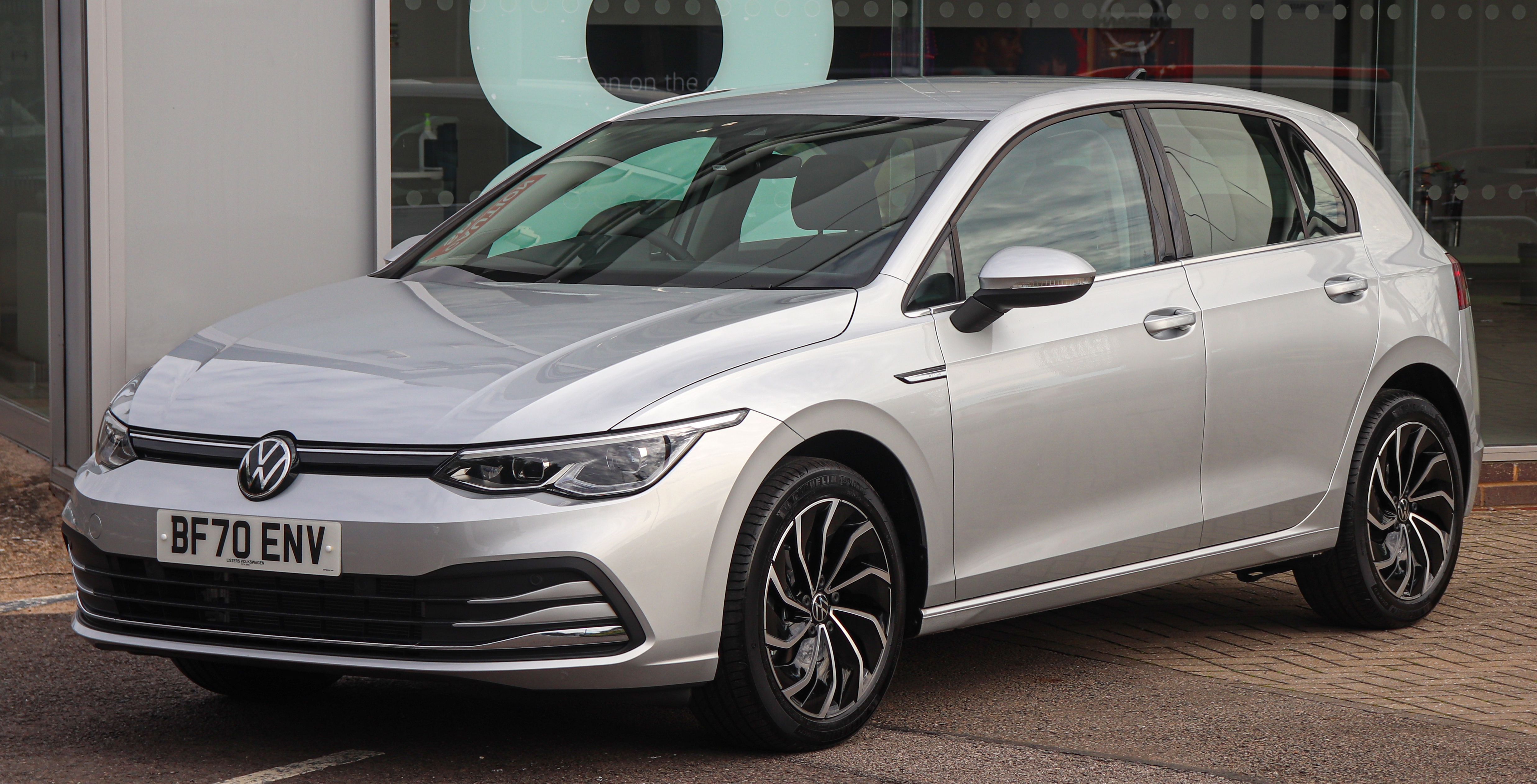
golf
"[739.1s] mate, because we were on a chute. 50 best cars, which is going in the mag, imminently, I think. [746.8s] Yeah. And we were taking some photos and a woman stopped in a golf [760.1s] and was looking underneath her car."
This story involves a Volkswagen Golf. The key point is that even a normal everyday car can lose an undertray, which then makes noise and can scrape the road.
The Volkswagen Golf is a common compact hatchback, and it’s the car in this story whose undertray came half off. This matters because undertrays are widespread across modern cars for aerodynamics, so the issue can happen on many models, not just one brand.

Toyota Hilux
"[788.4s] I don't really want to drive along with it like this. And we said, no, I understand. So we [793.8s] rummaged through the cars that we had with us. The Toyota Hilux did have a pair of pliers inside [800.3s] it."
The Toyota Hilux is the other vehicle they had nearby. They used it because it had the right kind of pliers to help secure/remove the loose undertray.
The Toyota Hilux is mentioned as one of the cars the hosts had with them while helping the stranded Golf owner. It’s used as a practical “tool source” in the moment, highlighting how roadside fixes often rely on what’s available in the vehicle.
pliers
"[793.8s] rummaged through the cars that we had with us. The Toyota Hilux did have a pair of pliers inside [800.3s] it. Yeah. Or those sort of, those kind of adjustable. Oh, they're sort of mold grippy type [806.1s] things. And anyway, we undid the rest of the, undid the rest of the under, the rest of the fixings"
They used pliers to deal with the loose undertray. It’s a reminder that simple tools can help you make a car safe enough to drive or at least get it off the road.
Pliers are being used here to remove or adjust the remaining fasteners holding the undertray. In real-world roadside situations, having basic hand tools can be the difference between safely continuing and having to call for help.
CO2
"[858.8s] yeah, because it could make a difference between, I think that, because that my A2 is 109 grams [865.0s] per kilometres of CO2. But I suppose if they hadn't sculpted the rear lights, if they hadn't"
CO2 is the gas cars produce when they burn fuel (and it’s also estimated for EVs based on how electricity is generated). Governments often use CO2 numbers to set yearly tax costs.
CO2 (carbon dioxide) emissions are commonly measured and reported for road cars, often tied to fuel/energy use. In many markets, CO2 figures are used to calculate annual taxes and determine which efficiency claims a manufacturer can make.
aero efficient windscreen wiper
"[865.0s] per kilometres of CO2. But I suppose if they hadn't sculpted the rear lights, if they hadn't [872.3s] fitted an aero efficient windscreen wiper, you know, if it was 115 or whatever,"
Some cars use special wiper designs to help the air flow around the windshield area more smoothly. Less turbulence can mean the car uses a little less energy.
An aero-efficient windscreen wiper is designed to reduce airflow disruption around the wiper area. Because drag affects efficiency, manufacturers may reshape or cover components to improve aerodynamic performance and the resulting CO2/emissions ratings.
track day
"[949.5s] I like where they're up to and I have a lot of hope in the future. But the fact is, it was still [954.9s] fantastic to get that car out. Jonathan, my son and I are about to do a track day in it [963.5s] at Castle Coombe."
A track day is when you drive your car on a race track with other enthusiasts. It’s harder on tires and brakes than normal driving, so preparation matters.
A track day is an event where drivers take their own cars onto a closed circuit for performance-focused driving. It’s a good way to test brakes, tires, cooling, and overall condition under sustained load.
tire presses
"[969.4s] but I just wanted to make sure it was working and the tire presses were right and so on. [975.3s] And what a joy. I mean, it's just, it isn't the perfect car, as we know, because, you know,"
Tire pressure is how much air is in your tires. On a track day, the right pressure helps the tires grip better and wear more evenly.
Tire pressure (the transcript says “tire presses”) is critical for grip, steering response, and tire wear—especially on track days. Correct pressures help tires reach their optimal operating temperature and maintain consistent contact with the road.
corrosion issues
"[975.3s] And what a joy. I mean, it's just, it isn't the perfect car, as we know, because, you know, [981.2s] people have had some reliably troubles and I had my own corrosion issues and things."
Corrosion issues mean rust or metal damage from water and salt. It’s a big deal because it can spread and become expensive to fix.
Corrosion issues refer to rust or metal degradation caused by moisture, road salt, and aging. On sports cars that see track use, corrosion can worsen quickly if drainage and underbody protection aren’t maintained.
MOT
"[987.6s] even after it's 21 plates, so that makes it four years old, five years old, five years old, cracking. [995.1s] And it's, oh, so you're well into MOT territory? Yes, I've had two MOTs twice."
MOT is the UK inspection that checks whether a car is safe and road-legal. As a car gets older, you have to do it more regularly.
MOT is the UK’s mandatory annual vehicle inspection for roadworthiness (for vehicles older than a certain age). The speaker’s “MOT territory” comment ties the car’s age to when it will start needing these periodic safety checks.
steering responds
"all the pedal loads, all the driving position stuff or visibility, the way the steering responds, it's just great."
“Steering responds” refers to how quickly and precisely the car reacts to steering input. It’s a key part of perceived agility and driver confidence, especially on winding roads where small corrections matter.
driving position
"all the pedal loads, all the driving position stuff or visibility, the way the steering responds, it's just great."
Driving position is where you sit and how the controls line up with you. When it’s right, you feel more comfortable and the car is easier to control.
Driving position is how the seat, pedals, steering wheel, and overall posture fit together for the driver. A good driving position reduces fatigue and improves control by making inputs feel natural and predictable.

Fiat 500
"My Mrs always talks about, she had a string of Fiat 500s and I was continually going on her about... didn't ride very well or steer very well."
The Fiat 500 is a small city car, and the host describes a “string” of them owned by his partner. He’s criticizing ride quality and steering feel, using the comparison to highlight what he likes about the Alpine A110 instead.

A110
"it makes me happy. And that's what the A110 does for me. I mean, what more could you want?"
The A110 is a small, sporty car from Alpine. The point here is that it feels really nice to drive—easy to see out, comfortable to sit in, and the steering feels responsive.
The A110 is Alpine’s lightweight sports car, known for its agile steering and driver-focused feel. In this segment, the host credits the A110 with making driving enjoyable through steering response, visibility, and how the controls feel.
enjoying driving
"I was thinking the other day, though, about that business of enjoying driving... When did you last do it without a purpose at all?... One of the big part of driving for me has always been seeing the terrain..."
They’re talking about driving just because it’s fun, not because you have to go somewhere. The idea is that the experience—how the car feels and what you see—can be the whole point.
The hosts discuss driving as an activity in its own right—choosing time to drive for enjoyment rather than a destination. They connect it to sensory rewards like steering feel and scenery, framing “road trip” driving as something that can be scheduled like leisure (e.g., golf).

electric mini
"I've got an electric mini here. And I did it, in fact, yesterday... No, I just wanted to feel steering. I just wanted to and stick it over some bumps..."
“Electric mini” refers to a Mini electric model on test. The host says he drove it mainly to feel the steering and to run over bumps—an example of enjoying the car itself rather than driving for a specific task.
A34
"There's a bit of, there is a bit, it's the other side of the A34 from, 34, 43 from me, where there is a road like that, if it's sort of on a bike route that I take."
They mention the A34, which is a main road in the UK. It’s basically a way of saying where their drive happens and what the route feels like.
The A34 is a major UK road referenced as part of the host’s local driving route. Mentioning specific roads like this helps listeners picture the geography and typical driving conditions (traffic, speed, and scenery) that shape the driving experience.
A3
"There's a bit, as you come down the A3 towards where I grew up in Petersburg, and you can sort of crest the, you know, the, the, the, the, the, the dual-cashway sort of crests around and turns the corner a bit."
They bring up the A3 as part of the route they take coming back home. Different roads can feel very different depending on traffic and how the road is laid out.
The A3 is another UK road used to describe the host’s drive back toward their hometown area. Road choice matters for driving feel—things like traffic density, road curvature, and how quickly you can reach open stretches can strongly affect enjoyment.
dual-cashway
"...you can sort of crest the, you know, the, the, the, the, the, the dual-cashway sort of crests around and turns the corner a bit."
They seem to be describing a dual carriageway, which is a wider road with lanes for each direction. Roads like that usually feel faster and smoother than smaller roads.
The phrase appears to refer to a dual carriageway—an arrangement where traffic is separated into multiple lanes in each direction. That kind of road design typically changes how a drive feels by allowing higher speeds and smoother flow compared with single-carriageway roads.
Butzer Hill
"...you can see Butzer Hill in the South Downs, which is what I could see from my bedroom window."
They mention Butzer Hill as something they can see on the drive. It’s basically a landmark that makes the route feel special.
Butzer Hill is mentioned as a visible landmark in the South Downs, tying the driving route to scenery. Scenic viewpoints and recognizable landmarks are often part of what makes a drive feel memorable and “worth it.”
road trip is dead
"So, well, that's, so I was reading yesterday in the spectator, there's a headline about the road trip. The road trip is basically the, they suggested the road trip is dead."
They’re talking about why people don’t do long drives as much anymore. The claim is that traffic and slow roads make it less fun, so the “road trip” vibe has gone away.
The hosts are discussing the idea that the classic British road trip has declined. They attribute it to factors like traffic congestion, slower roads, and less enjoyable driving conditions, which can make long drives feel less spontaneous and more stressful.
road trip is NOT dead
"I think he is wrong about that. I can see, I can see the truth of the arguments, you know, ... But I think it, all that means is that you just have to take trouble to make sure that you do it well. And so, you know, instead of playing your golf in a, you know, in a sort of bombsite, you go and find an extremely nice golf course to play it on."
The hosts frame the “road trip” as still worthwhile despite modern traffic patterns and speed-limit concerns. Their argument is that route choice (quieter roads) and timing (off-peak) can preserve the enjoyment of longer drives even when average speeds are lower.
speed limits
"And, you know, if your, if your road trip is on roads that you know you'll enjoy and you do it at a time when people are either still tucked up in bed or they're somewhere else in the country, I think you can enjoy it. And I think speed limits or not, you can still enjoy it."
Speed limits are the legal maximum speeds on roads. The point here is that even if you can’t go as fast as you’d like, you can still enjoy the drive if the roads are clear and the timing is right.
Speed limits are the posted legal maximum speeds, but the hosts argue that enjoyment doesn’t depend solely on whether you can drive fast. If traffic and interruptions are the bigger factor, then even with speed limits unchanged, real-world driving can still feel slower.
average speed
"Yeah. And I do, I do take the point and I read it and I thought, there are some entirely fair points in here because a lot of driving is, I wrote the other week, I think that I think average speed on major trunk roads is down 6% in the past few years."
Average speed is how fast you’re really getting from start to finish, including all the slow parts. If it’s lower, it usually means there’s more traffic or more interruptions, not necessarily that the speed limit changed.
“Average speed” is the mean speed over a trip, including slowdowns from traffic lights, congestion, and merging. When average speed drops, it often reflects more time spent stuck or slowing down—not necessarily lower posted speed limits.
economical
"Because if not even great thing is it's not big on the road, so you can pass people, reasonably, you know, got a bit of zip about it. It's going to be economical. So you won't even..."
“Economical” means the car uses less fuel. For a road trip, that usually means fewer fuel stops and lower running costs.
“Economical” refers to fuel efficiency—how much fuel the car uses for a given distance. The hosts connect it to road-trip enjoyment by implying you can drive without the cost (or frequent stops) that come with poor fuel economy.
50 to the gallon
"So you won't even... 50 to the gallon, pretty much. I had when I got out of one last year."
“50 to the gallon” is a way of saying the car gets about 50 miles for every gallon of fuel (in UK terms). Higher numbers generally mean you spend less on fuel and stop less often.
“50 to the gallon” is a fuel-economy figure expressed as miles (or kilometers) per unit of fuel, commonly used in the UK as mpg (miles per imperial gallon). It’s being used as a practical indicator of how cheap/efficient the car will be on a drive.
tire pressures
"We're going to do this. The tire pressures are set, the cars... [1484.6s] Oh, okay. So it's prepped."
Tire pressures are the air levels in your tires, and setting them correctly before a trip affects ride comfort, grip, and fuel economy. Under- or over-inflation can also increase tire wear and make the car feel less predictable.
boot
"Well, there's nothing to do, really, except make sure there's no stuff floating [1489.9s] around on the floor and make sure the boot... I hate it when the stuff in the boot goes."
In UK English, the “boot” means the trunk. They’re saying you should keep things from sliding around in there so you don’t get annoying movement or noise while driving.
The “boot” is the trunk area (common in UK usage). The hosts are talking about keeping items secured and not letting loose stuff shift around, which matters for safety and for avoiding rattles or distractions.
door pockets
"And also, it's amazing how if you're in a car with door pockets, [1505.0s] you can have something in there that's packing a mince or a pen or something like that."
Door pockets are little storage spots in the doors. If you toss things in there, they can move around and make noise while you drive.
Door pockets are storage compartments in the doors. The hosts point out that small items left there (like pens or food wrappers) can rattle or shift, creating noise and distractions—especially on a road trip.
NVH
"...the suspension engineer... we would... not so long ago, we were talking about local stiffness of suspension parts. And... there's all this attention in the structure of a car to making sure that that... as the loads, bump loads, come into the car, there's no echoes, there's no sort of bong noises..."
NVH is how engineers think about unwanted noise and shaking in the car. If NVH is well controlled, the ride feels smoother and quieter.
NVH stands for noise, vibration, and harshness. It’s a key target in car development because even if a car is mechanically “good,” unwanted sounds and vibrations can make it feel cheap or uncomfortable.
resonant frequency
"Just, yeah, you're right, because they'll measure the resonant frequency of things, to make sure that nothing will actually just go..."
Everything in a car can vibrate. Resonant frequency is the “sweet spot” where vibrations get louder, so engineers design and test parts to stop that from happening.
Resonant frequency is the specific vibration frequency at which a part (like a panel, bracket, or cup-holder insert) naturally wants to vibrate. Engineers try to avoid or damp resonances so normal road and engine vibrations don’t turn into annoying rattles or booming noises.
damping/dulling noises in cars
"I'm amazed by the cleverness of that, or by the thoroughness of the people who dull the noises in cars, because if you look at all the stuff that could vibrate sun visors, you know, rear vision mirror..."
Cars are full of parts that can shake or buzz. Engineers use materials and mounting tricks to stop those vibrations from turning into rattles and loud sounds inside the cabin.
“Dulling” noises refers to the engineering work of reducing NVH—noise, vibration, and harshness—by adding damping materials, changing stiffness, and tuning how components are mounted. The goal is to keep the cabin feeling solid and quiet even when loads and bumps excite vibrations.
EV era
"Especially in the EV era, when there isn't a sort of innate vibration causing..."
In electric cars, the engine isn’t making noise anymore, so the sounds you hear come from other sources. That means rattles, vibrations, and different kinds of “normal” noise can show up in new ways.
The “EV era” refers to how electric vehicles change what drivers notice—especially sound and vibration. With no internal-combustion engine, the cabin noise profile shifts to things like motor whine, tire noise, cooling fans, and structural resonances from panels and mounts.
noises of EVs
"...an engineer who was talking about noises of EVs, and he's like, actually, there's quite a lot of noises come from this stuff. It's just a different noise to an engine."
Even though EVs don’t have an engine, they still make noise. The noise comes from other moving parts and the car’s structure, so engineers study it just like engine sound.
This segment highlights that EVs still produce plenty of noise, just from different components than an engine. Engineers and road testers pay attention to how motor, drivetrain, cooling systems, and body panels create audible “mechanical noise,” and how that noise is managed or accepted.
carbon tub
"Marge, it's carbon tub, so I mean, they're quite noisy things anyway, aren't they?"
A carbon tub means the car’s main structure is made from carbon fiber. It’s very stiff, and that stiffness can make vibrations travel through the body more easily, so you may hear more “buzz” or resonance.
A “carbon tub” is a carbon-fiber structural body or monocoque section that provides stiffness and strength. Because it’s rigid and often uses fewer compliant rubber isolators, it can transmit vibrations more directly, which can lead to resonances and rattles from panels and mounted components.
resonances all over the place
"...they're likely to bolt things rigidly as well, so there won't be much rubber going on, so it's probably resonances all over the place."
Resonance is when a panel or part vibrates at a frequency it really likes. If the car mounts are stiff and not cushioned, those vibrations can build up and you hear them as buzzes or rattles.
“Resonances” are amplified vibrations that occur when parts of the car naturally vibrate at certain frequencies. If components are bolted rigidly and there’s little rubber isolation, the cabin can develop multiple resonance points—leading to buzzing, rattles, and tonal noise.
minus 40 centigrade to plus 50
"...to make a car that can go from minus 40 centigrade to plus 50, probably, work all the time..."
They’re talking about how the car has to work in extreme cold and extreme heat. EVs have to manage battery temperature and keep systems working, even when it’s very cold or very hot.
This describes the thermal range a vehicle must survive and operate across, which is especially relevant for EVs due to battery and thermal-management demands. Cold affects battery performance and starting behavior, while hot conditions stress cooling systems and materials.
counting your blessings
"I've just got such, I just wish, you know, I mean, we're getting into philosophical areas, aren't we, but there's such a case for counting your blessings, I think."
It just means trying to notice the good things in your life instead of only the bad. When you’re dealing with cars, it can help you stay calm and keep working the problem.
“Counting your blessings” is an attitude of focusing on what’s going well rather than what’s going wrong. In a car context, it’s a mindset that can make ownership and troubleshooting feel less stressful.
conveyances
"But I still think, I still think we've got so many advantages, to be able to walk out there and get in one of those conveyances in the yard out there and just drive to wherever you want to, as you want to, we know we can afford it."
“Conveyances” is a general term for vehicles used to move people or goods. Here it’s describing the everyday freedom of being able to drive wherever you want.
fuel delivery
"...even though there's been weeks of uncertainty over the Iranian war that in the Hormuz fuel delivery thing..."
Fuel delivery is how fuel shipments make it to gas stations. The point here is that even if there’s worry somewhere in the world, it doesn’t always immediately stop fuel from showing up locally.
Fuel delivery refers to how fuel gets transported and supplied to countries and retail stations. The hosts connect it to geopolitical risk and explain why, even with uncertainty, refueling can still be available in the short term.
diesel tank
"...in the Hormuz fuel delivery thing that as we speak, we can still go straight out and fill up your diesel tank, can't you?"
Your diesel tank is where your car stores its fuel. The hosts are basically saying that even with world events, you can still usually find diesel at the pump.
A diesel tank is the vehicle’s fuel reservoir for diesel fuel. The discussion ties it to fuel-delivery logistics and how drivers can still refuel despite broader geopolitical uncertainty.
Anderson-EV.com
"Let's take a short commercial break to tell you that this podcast is sponsored by Anderson. Visit Anderson-EV.com, which is what I'm going to do exactly now."
This is an ad for a company that installs home EV charging points. They’re offering a deal if you switch to a particular charging plan.
The sponsor, Anderson, provides EV charging equipment and installation services. The host mentions Anderson-EV.com and a promotion tied to switching to a specific Octopus Energy tariff.
charging points
"They're makers of charging points, and they will install them, and they have six months free charging claim..."
Charging points are the actual wall chargers you use to charge an electric car. They’re installed where you park, like at home or work.
“Charging points” are the physical EV chargers installed at homes or workplaces. They’re typically wall-mounted units that connect to your electrical supply and charge the car via a cable.
Intelligent Octopus Go
"...when you switch to Intelligent Octopus Go, available on orders placed after the 1st of March, 2026."
This is an electricity plan meant for EV charging. It helps you charge when power is cheaper, and the sponsor mentions a deal tied to switching to it.
Intelligent Octopus Go is an EV-focused electricity tariff from Octopus Energy that’s designed to shift charging to cheaper times. The host ties it to a promotion that includes free charging miles after switching.
AutoCar archive
"Also, a little plug to say, the AutoCar archive is fantastic. And in the show notes... you could subscribe... get access to the archive."
This is a database of older AutoCar magazine articles. The hosts use it to find information they need, like when researching cars.
The AutoCar archive is a subscription-based library of past AutoCar magazine content. The hosts discuss using the archive to look up information and how it becomes a habit over time.
Gentson Interceptor info
"...you were talking about you looking up something on the Gentson Interceptor info, and you always find that you look that up,"
This sounds like the name of a website or database the host uses to look up information about a classic car. They mention always checking it when they want details.
“Gentson Interceptor info” appears to refer to a specific information source the host uses to research the Jensen Interceptor (a classic British grand tourer). The context suggests they’re looking up details for a car-related question.

Jensen Interceptor
"...ng about you looking up something on the Gentson Interceptor info, and you always find that you look that up, ..."
The Jensen Interceptor is an older-style sports grand tourer. It’s the kind of car people look up because it’s distinctive and has a reputation among enthusiasts. The podcast mention suggests they were researching details about it.
The Jensen Interceptor is a classic British grand tourer known for its distinctive styling and performance-focused character. It’s the kind of car that often comes up because it has a strong identity and a dedicated enthusiast following. In the episode, it’s mentioned in a context of looking up information—suggesting it’s being discussed as a specific, interesting model.
flat plan
"...you can flick the little the little sort of square panel, which brings up the whole thing as a flat plan, doesn't it?"
They’re describing a way of viewing a magazine on a screen. Instead of just searching text, you can see the whole issue like a spread and then scroll to the page you want.
A “flat plan” in this context likely refers to a magazine’s page layout view (a digital or print-style spread) where you can navigate by pages. The speaker describes using a UI control to view the whole issue as a flat layout before scrolling to specific pages.

Aston Martin DB5
"...re as well. And then there's what appears to be a DB5 stunt car, I think, because it's probably from o..."
The Aston Martin DB5 is a famous older luxury sports car. It’s well known for its look and for being used in entertainment. The podcast mention suggests there’s a special stunt or replica version being shown or talked about.
The Aston Martin DB5 is a classic grand touring car best known for its cultural status and distinctive design. It’s often referenced because it became an icon beyond just being a fast, well-built car. In this episode, the mention of a “DB5 stunt car” suggests it’s being discussed in the context of film/prop history or a similar themed appearance.
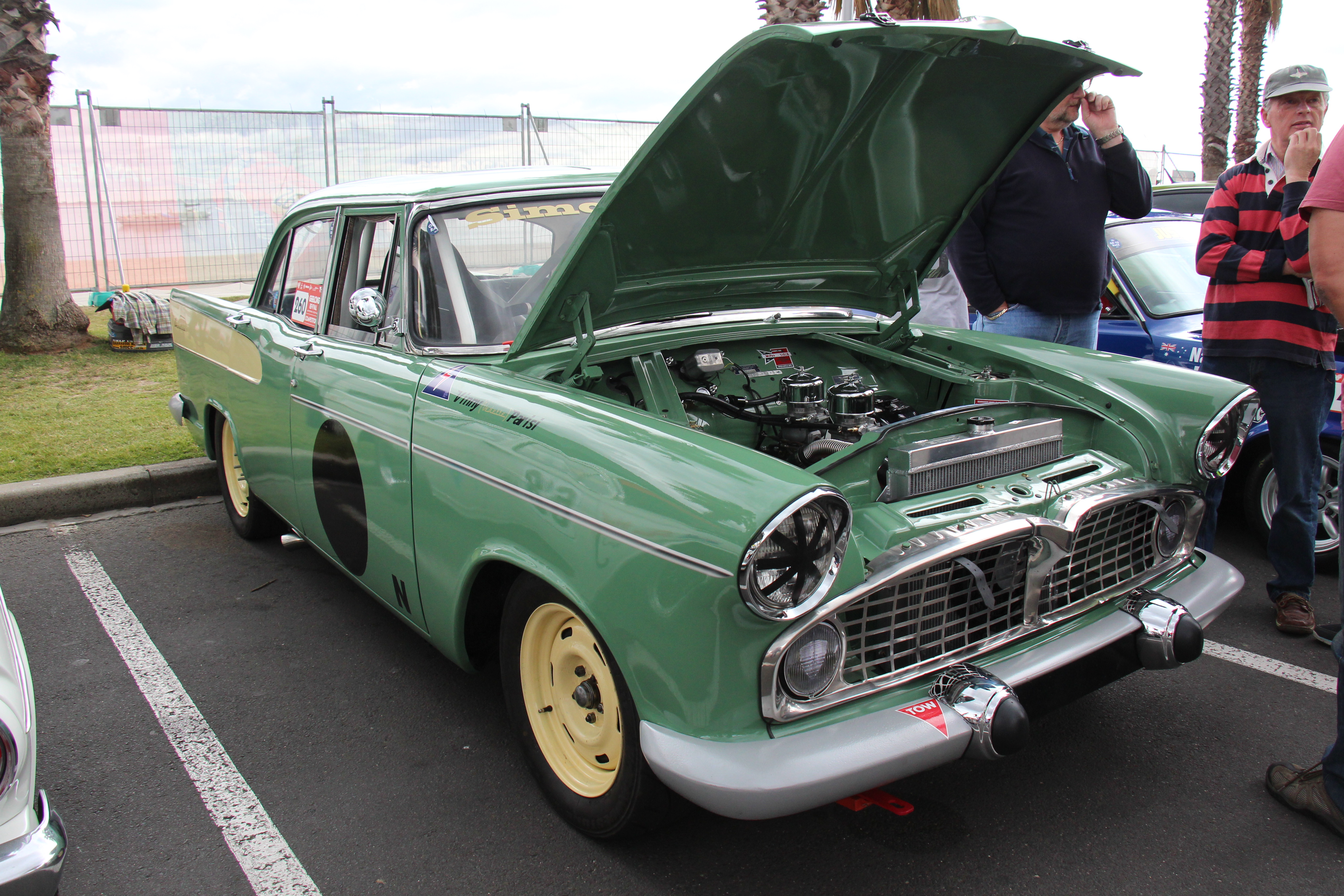
Simca Vedette
"...it'll be, you know, the kind of 1949 Simca Vedette or something or other."
The Simca Vedette is an older French car. They’re using it as a fun guess for what car model might have been in the magazine around their birthday.
The Simca Vedette is a mid-century French car model from Simca. It’s mentioned as an example of what might have been tested around the speaker’s birth date, highlighting how old magazines can connect to real historic vehicles.

Matra Simca Bagheera
"...funny, funny, you should say Simca, mate, because the mattress Simca Bagheera is on, let's say just, let's just say on or around my birthday."
The Simca Bagheera is a quirky older French sports car. They’re saying it lines up with the time of their birthday, and they’re excited about finding that connection.
The Simca Bagheera is a distinctive 1970s-era French sports coupe known for its unusual styling and practical layout. The speaker ties it to the timing of their birthday, using it as a concrete example of a car that was “on” around then.
mid-engine layout
"...their mid-engine layout achieved by arranging the guts of the unprepossessing Simca 1100 hatchback."
A mid-engine layout means the engine sits closer to the middle of the car. That can make the car feel more balanced and easier to handle in corners.
A mid-engine layout places the engine near the center of the car, typically behind the front seats and ahead of the rear axle. This helps balance weight distribution and can improve handling feel, which is why the hosts highlight it as a defining feature of the Bagheera/Murena design.
composite panels
"...a core under the structure of steel to which composite panels were attached to making these rather daring beasts for their day."
Composite panels are lightweight body parts made from engineered materials like fiberglass. The idea here is that they help keep the car light and can also help protect the structure from rust and deterioration.
Composite panels are body or structural panels made from composite materials (often fiberglass/thermoset composites in older applications). In this segment, the hosts explain that composite panels were attached to a steel core, creating a lightweight body that helped the cars avoid the worst of corrosion/structural failure.
steel core with composite bodywork
"...a core under the structure of steel to which composite panels were attached... So the mattress galvanized the marinas underpinnings, which meant they didn't fall to pieces."
This is a build method where a strong steel frame does the heavy lifting, and lighter composite panels make up the outside. It’s meant to keep the car from getting ruined over time.
The hosts describe a construction approach where a steel core provides the main structure, while composite panels form the outer body. They specifically connect this to durability—suggesting the cars “didn’t fall to pieces” because the underlying structure was protected and the body wasn’t relying on fragile materials alone.
galvanized underpinnings
"So the mattress galvanized the marinas underpinnings, which meant they didn't fall to pieces."
Galvanizing means coating steel with zinc to slow down rust. The hosts are saying that this corrosion protection helped the car last longer.
Galvanization is a corrosion-protection process where steel is coated with zinc. Here, the hosts say the Murena’s underpinnings were galvanized, which would help resist rust and improve long-term structural survival.

Marina Morris Marina
"I've still got time for the, for the Morris Marina. I know it's, I know it's absolutely. Were they, were they good? No. Oh. But it was, it was a sort of, it was a Morris minor continuation with, with sort of all the faults built in"
The Morris Marina was a British car that tried to feel more modern than older designs. The hosts say it had lots of problems, but some people still liked it for its basic, straightforward nature.
The Morris Marina is a British compact car from the BMC era, known for being a modernization attempt that didn’t fully succeed. In this segment, it’s described as having many built-in issues, but also a certain simplicity that some people found appealing.

Minor Morris Minor
"No. Oh. But it was, it was a sort of, it was a Morris minor continuation with, with sort of all the faults built in and an attempt to modernize"
The Morris Minor is an older Morris model. In this conversation, they’re saying the Morris Marina was kind of built on the same idea, so it inherited some of the Minor’s weaknesses.
The Morris Minor is an earlier British model that the hosts describe as the basis for the Morris Marina’s design approach. They characterize the Marina as essentially a continuation of the Minor, with many of the same flaws carried forward.
understeer
"they suffered from pretty gruesome understeer. There's a photo of it. It's utterly tragic understeer. Well, the thing is the donkey was, was, you know, a good foot probably further ahead of the front contact patch."
Understeer is when the front tires don’t grip enough in a turn, so the car won’t turn as sharply as you want. The hosts are saying the car would feel like it was pushing straight ahead, especially when braking.
Understeer is when a car turns less than the driver intends—so the front end loses grip and the car pushes toward the outside of the corner. The hosts describe the Marina’s six-cylinder setup as suffering from “gruesome understeer,” explaining how front weight and braking behavior made the nose drop and the car feel like it wouldn’t rotate.
front contact patch
"Well, the thing is the donkey was, was, you know, a good foot probably further ahead of the front contact patch. So there was all this weight over the front. Whenever you went for the brakes, that, you know, you just suddenly... had this... advanced look at the ground"
The contact patch is where the tire meets the road. If the car’s weight is positioned far forward, braking can shift weight even more onto the front tires, changing how the car turns and making it feel like the nose drops.
The “front contact patch” is the area of the tire tread that actually touches the road. The hosts use it to explain weight distribution and braking behavior: if the heavy engine mass sits far forward relative to that contact area, braking can cause dramatic front-end load transfer and a nose-down attitude that worsens understeer.

Ford Cortina
"...r rear drive alternative at a lower price. Ford's Cortina had always blah, blah, blah, blah, blah. The mar..."
The Ford Cortina is a car that was sold in the UK for many years. It was available in different versions, including ones that drove the rear wheels. The podcast is mentioning it as a more affordable rear-wheel-drive option.
The Ford Cortina is a long-lived British family car that was offered in many versions, including rear-wheel-drive setups. It’s discussed because it played a major role in everyday motoring history and because certain trims/eras are remembered for their character and affordability. In the podcast, it’s referenced as a “rear drive alternative at a lower price,” tying it to a specific comparison point.
front suspension faults
"It looked like serious front suspension faults that had to be corrected with a series of band-aid measures that included more negative gather than desirable... when splayed front wheels usually signified imminent suspension collapse."
They’re talking about problems with the front suspension—basically the parts that keep the wheels aligned and stable. When the wheels start looking “wrong” (like splaying out) or even feel like they’re coming loose, it can mean the suspension is about to fail.
The hosts describe the Marina having serious front suspension faults that required “band-aid” fixes. They also mention symptoms like excessive negative camber (“more negative gather”) and detached/unstable front wheels, which are classic signs of suspension geometry or structural failure.
Australian Supercars Championship support series
"There's a support series for the Australian Supercars Championship, which is the classic still going, still going. Yeah. And they've got a couple of Taranas in that."
They’re talking about a racing series that runs alongside the main Supercars Championship. It’s where cars like the Tarana still get to race today.
The hosts mention a support series for the Australian Supercars Championship where these cars (including Taranas) race. Support categories are a common way for older or spec cars to keep competing while the main championship runs.
triple twin choke weathers
"I think even the standard car had, had triple twin choke weathers. And, you know, with this, this engine, 3.3 liter engine..."
This sounds like a performance carb setup with multiple barrels (“chokes”). More carb barrels can help the engine breathe and get the right fuel when you’re pushing it.
“Triple twin choke weathers” appears to refer to a carburetion setup with multiple carburetors and choke circuits (twin-choke per carb). Multiple chokes/carburetors are used to improve airflow and fuel delivery across different engine loads, which is especially relevant for racing or high-performance builds.
Bathurst
"Yeah. So touring car masters, they call it in Australia. And it is for cars from 1963 to 1980. Wow. So some cool stuff because they've got some rotary masters alongside some, you know, pretty big"
Bathurst is a well-known race in Australia. It’s famous for long races where different kinds of cars compete, not just one type.
Bathurst refers to the famous Australian circuit and its major endurance/touring-car events. In this segment, they’re talking about a Bathurst race format and the kind of cars that competed at the time.
touring car masters
"Yeah. So touring car masters, they call it in Australia. And it is for cars from 1963 to 1980. Wow. So some cool stuff because they've got some rotary masters alongside some, you know, pretty big"
Touring car masters is a racing series for older touring cars. It’s basically a way to race classic cars from a specific time period.
“Touring car masters” is an Australian racing category/series that groups older touring cars by era. The hosts use it to explain why you see a mix of unusual powertrains and classic models on track.
rotary masters
"Wow. So some cool stuff because they've got some rotary masters alongside some, you know, pretty big hordens and Mustangs and stuff like that. So it's pretty, it's a pretty cool thing."
Rotary masters means cars with a rotary engine. Rotary engines work differently than normal engines, so they feel and sound unique.
“Rotary masters” refers to rotary-engine cars (typically Wankel engines) competing in a dedicated class or alongside other categories. Rotary engines have a different power delivery and sound compared with conventional piston engines.

Ford Mustang
"...alongside some, you know, pretty big hordens and Mustangs and stuff like that. So it's pretty, it's a prett..."
The Ford Mustang is a sporty car made by Ford. People talk about it a lot because it’s known for performance and a recognizable look. It’s the kind of car that shows up in lots of car conversations and events.
The Ford Mustang is a long-running American sports coupe/convertible known for its strong performance and iconic styling. It often comes up in car podcasts because it represents a major slice of mainstream “muscle” culture and has had many generations over the decades. In this episode, it’s mentioned alongside other notable cars, likely as part of a broader discussion of popular performance models.
all iron 2.6-liter straight six
"It says here that the all iron 2.6-liter in the Marina, the straight six added 85 kilos to its front end. There you go. It's quite a lot."
They’re describing a six-cylinder engine in a straight line, with 2.6 liters of displacement. It’s heavy, and that extra weight at the front can make the car feel less nimble.
An “all iron 2.6-liter straight six” describes a cast-iron inline-six engine with a 2.6-liter displacement. Inline-sixes are known for smoothness, but adding mass to the front can hurt handling balance.
front-end weight and handling balance
"It says here that the all iron 2.6-liter in the Marina, the straight six added 85 kilos to its front end. There you go. It's quite a lot. Well, especially because half of it was hanging out beyond the front contact patch."
They’re talking about how extra weight on the front of the car can make it handle differently. If too much mass is up front, the car may feel less balanced and less “agile.”
The hosts connect engine mass to handling by noting that the straight-six added significant weight to the front end. When a lot of weight sits ahead of the front wheels, it can change steering feel and reduce agility.
Facebook group "six pot lovers"
"Yeah. I've not found one for sale at the moment. Mind you, there is a Facebook group, six pot lovers, BMC and British Leyland, for enthusiasts of all six cylinder vehicles,"
They’re talking about an online group for people who love six-cylinder engines. It’s a niche community where enthusiasts share info and sometimes help each other find cars or parts.
The hosts mention a niche enthusiast Facebook group for inline-six (“six pot”) vehicles, specifically calling out BMC/British Leyland. This is relevant because it highlights how owners find parts and community for uncommon engine configurations.
Request an Explanation
Heard something you'd like explained? We'll add it to this episode.
Sign in to request explanations for terms you heard.
Want to learn more?
Browse our glossary for plain-English explanations of automotive terms, jargon, and concepts.
Help improve this episode
See something that's not quite right? Our annotations are AI-generated and can sometimes miss the mark. Click the flag icon on any annotation to suggest a correction.
1 community members have helped improve this episode.