The Secret Process Behind the NASCAR Diecast with Lionel Brands Group
The Dale Jr. Download
The Secret Process Behind the NASCAR Diecast with Lionel Brands GroupThe Dale Jr. Download · Jun 24, 2026
Annotations will appear as you listen
0:00
71:35
Concept
harvesting some of those cars
They’re talking about using leftover or previously planned-but-not-made items to create new collectible releases. It’s basically reusing limited production opportunities so more fans can get special versions.
MOQ means "minimum order quantity." It’s the smallest number of items a company will make at once. If you lower it, you can make smaller batches of special cars instead of only the most common ones.
OEM means the original company that made the car in the first place. They’re saying they try to make the collectible match the real brand and car as closely as possible.
The Ford F-150 Lightning is a pickup truck that runs on electricity instead of gasoline. Like other F-150 trucks, it’s built for hauling and everyday truck use, but it uses a battery and electric motor. It’s often discussed because it’s an electric version of a very popular truck model.
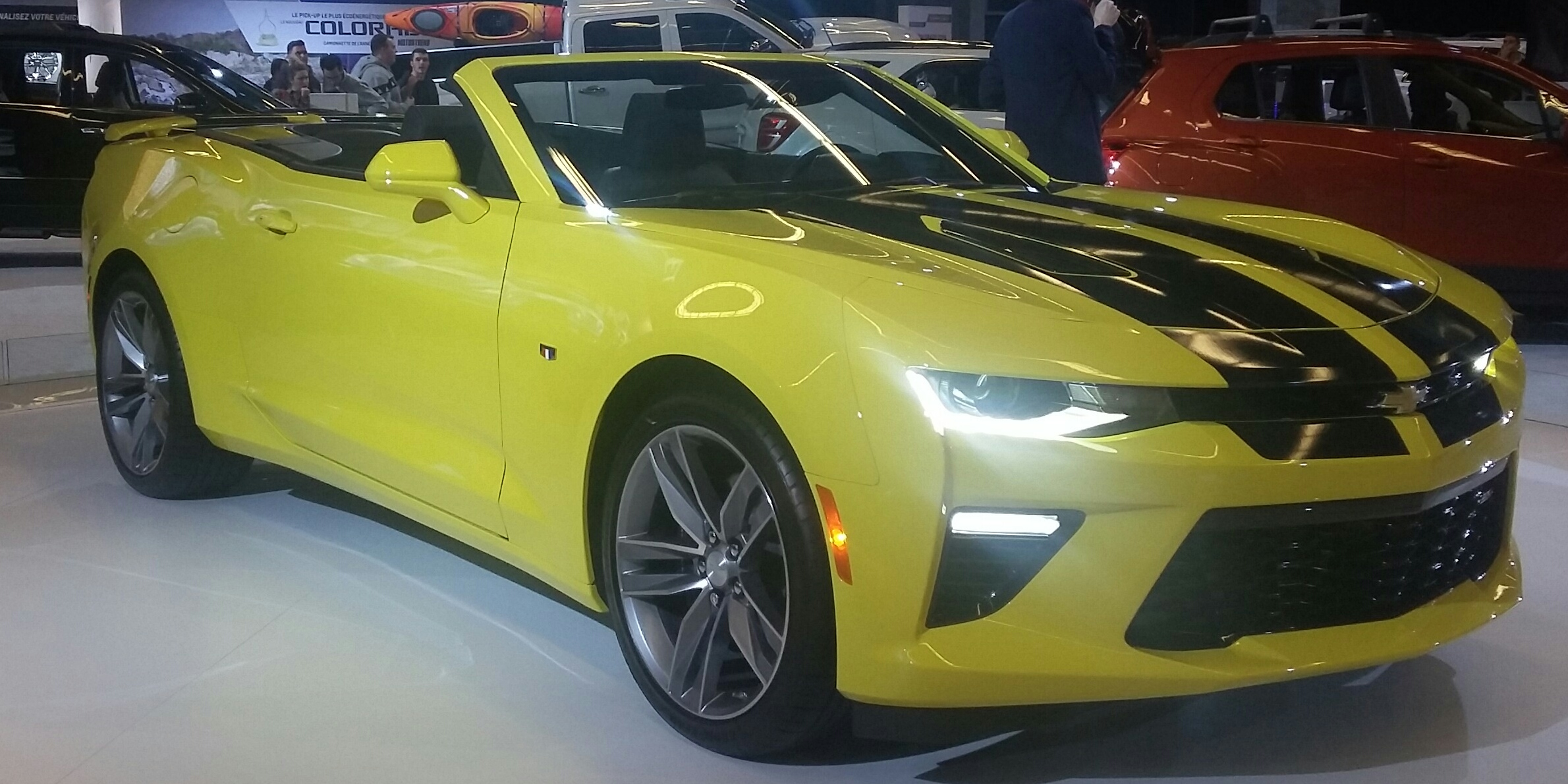
The Chevrolet Camaro is a sporty car made by Chevrolet. It’s designed for driving that feels more exciting than a typical family car, and it comes in different versions. People often talk about it because it’s a well-known model with a long history.
CAD data is a computer file that describes a car’s shape in 3D. They use it so the die-cast model matches the real car’s design more closely than starting from photos.
“Scale” means the model is a smaller version of the real car at a specific ratio. If the scale is wrong, the car won’t look right even if the details are accurate.
3D printing a body shell means using additive manufacturing to create a physical prototype of the die-cast body shape from the digital model. This helps validate proportions and surface details before moving on to final tooling and artwork.
Term
3D
“3D” means a digital model you can view in three dimensions. They use it to show what the finished car will look like with the right graphics before it goes into production.
A wireframe is a simple 3D outline of a model. It helps the team place the artwork in the right spots before making the final 3D look for the sales sheet or online.
Water slide decals are stickers that you soak in water first, then slide onto the surface. They’re used to put the detailed graphics on scale model cars.
“Tampa printing” is a factory method for putting the colored windshield graphics onto diecast cars. Instead of doing all the colors at once, the line uses different machines for different colors, then layers them to make the final look.
Concept
PO
A “PO” is short for purchase order. It’s basically the official paperwork that tells the manufacturer what to make and when to deliver it.
A “casting” is a metal part made using a mold. “Fender castings” suggests they’re making the model’s fender shape in metal so the details match the real car.
They’re saying model cars can be how kids first get interested in racing. Seeing a diecast of their favorite driver can stick with them and lead them to follow the sport more.
LIVE
The following is a production of Dirty Mo Media.
Welcome to the business of motor sports. It is yours truly, Kelley and Hart Miller.
You know, one thing that I really hope that this series does is open up people's horizons.
I got in a lot of trouble and I got challenged. I don't know why you're coming here. You don't trust us.
I said, no, it's not. I don't trust you. I'm running a business.
A lot of people kind of feel like, well, we're never getting back to where we were. Why do we ever get to where we were?
There's so much more involved in decision.
Oh, and I want to rip my head off every day.
I'd say yes to it.
Oh, you'd say yes on the phone?
Well, you made me say.
This episode of Business of Motor Sports is presented by Arby's.
Don't forget about your Arby's meat in three bucks. Get more meal for your money at Arby's.
We have the meats.
I am so pleased to be joined on this episode of Business of Motor Sports by Richard Berry, the CEO of Lionel Brands Group.
How are you today?
I'm amazing. Thank you.
Great. And Howard Hitchcock, president and COO of Lionel Brands Group, a new title for you and a new title for you.
Indeed.
And super excited to have you as my guest today to talk about some really neat passion points for our NASCAR fans, right?
Absolutely.
This podcast is kind of meant to bring that fan into the business side of our world of NASCAR.
And so I'm excited to talk with you guys.
Everybody kind of has this object that takes them back in some place of time.
You know, I've got a whole shop full of those kind of objects and storage.
A lot of things I like that are sitting out on the table like these, but there's these items that kind of take you back in this collectible world.
You know, in our world, fire suits, helmets, tickets and diecast.
This little piece of diecast brings a lot of imagination and passion to life for people.
When you look at the business of diecast in NASCAR and either one of you, I know Richard, Richard has already professed his, his not as up on NASCAR as I know how it is.
Howard's been at this for 16 years.
But that perspective is cool because just like new fans in the sport, you're one of those right now.
So that perspective is neat.
Do you see the diecast business being kind of a toy business, a collectible business, memorabilia storytelling?
Like, you know, what do you see in the business as?
I'll jump in and go first.
I think, and I know that this is going to be a shared opinion, but it's a little bit of all of that, right?
I think it's absolutely a collectible business, a merchandise business, which is woven into storytelling.
And, you know, it has evolved from what it was, which was essentially a lot of drivers had one primary pain scheme.
And, you know, as over the course of time, since I've been doing this, then there was two, three.
Now we're at some of them.
17.
Yeah, 17, whatever.
But, you know, the thing about it is, I think to the customer, to the individual collector or consumer, it's different things to different people, right?
I think we're less toyetic than we could be and actually are going to move into that direction.
That's one of our objectives as we bring these organizations together without losing any of the authenticity, the realism, the accuracy that we love and pour our hearts into to make the cars that are on the table here, right?
So it sort of checks all the boxes and it does a little bit depend on who you are and what you're collecting.
But I could absolutely tell you the ultra collectors, it's based on an experience, a passion for a driver, a passion for a particular pain scheme, you know, and something that they want to commemorate in a story.
Richard, you know, being part of the group that bought into and created this Lionel Brands group through Lionel Racing, what is it that you see in these miniature cars?
Because you have a great background in the business and formally with Toys R Us for a really long time.
What is it that you see about these cars that will connect the fan, you know, and provide what Howard's talking about in terms of that collectability and moving into different areas for that?
I think the number one attribute is authenticity.
The authenticity that's delivered here, it's very difficult to think about other companies that can deliver this level of detail and authenticity and do it in a way where there's different finishes, different quality,
that are going to appeal to various different fans.
So whether it's somebody buying a piece of 164th at a mass retailer through to, as Howard says, those uber collectors that, you know, really want that totally unique car, want the autograph car, something which is also very special.
And the fact that, you know, Lionel over time has been able to capitalize on taking a race day, seeing a race win, bringing that to market very quickly and really fulfilling what the fans saw on a Sunday afternoon,
and then delivering it to them as something that they can have and cherish on their desk and collect.
That's a pretty cool set of attributes here.
It is.
Howard, you talked about, you know, the reasons that people purchase these collectibles and the toys that are in Walmart.
You know, what do you see in terms of the share of the collectible market versus the opportunity that you have to go into the toy market?
Because, you know, I've worked at Action Performance, which was the die cast in the day and there was a lot of different levels and it's exciting to hear about, you know, moving into different realms of where we can find the products and all because,
you know, you take the kids through the Walmart and they see the toys and they want to play.
I know a lot of the ones that I have why it wants to get out my 14-year-old and I'm like, oh, you got to be so careful with that, you know, because it's my old 38 car or it's something of my dad's or whatever.
And the next thing I know the, you know, they'll be in the dirt track race or whatever.
And I'm like, okay, that didn't go so well.
But, you know, what do you see that share looking like and how does, you know, that work for the fan in terms of the collectible?
Because they're very particular.
The collectible people, very particular.
Well, you know, yes, you're absolutely correct.
I will tell you that really all of our consumers are very particular.
So there is the Walmart space, right?
The Target, Walmart, Meyers, you know, that space.
And those collectors, we tend to view a little bit more like completionists.
So the way we have them set up is in waves.
We create like Mix 105 and 106 and there's a checklist on the back.
And so everybody wants to collect those.
And the kids, the kids will collect them for the purposes of play and running them on a track and using their Hot Wheels track or whatever.
Creating their own track systems and having a race.
I mean, we've gotten pictures.
My son used to do it.
He had buckets of 64 scales, right?
And he used to like stage his own event and that would go on.
And that's a really cool play pattern.
But there are collectors that exist there that are also going to hunt the liquid colors that are the special cars that we have.
As you then move into the collector space, you know, the die cast is the jersey of the sport.
I mean, that is the reality of the situation.
You know, with stick and ball sports, it's a jersey.
You connect through your driver.
It's a driver driven sport.
You connect through that driver primarily through a die cast car, right?
There are t-shirts and other things, but this is the authentic piece that you collect.
And so the kids that are playing with them are going to grow up remembering them that then move into the next level.
The more approachable collector grade that you buy at track, NASCAR.com.
You buy from us.
You can buy from your hobby shop and dealer.
And then you move into the elites and the ultra elites, right?
And so it gets more detailed.
It does get more expensive, but the quantities come down.
So, you know, you have an opportunity to have a little bit more of a special piece each time.
But that's kind of the evolution of how things work.
The cool part we've been able to do more recently is sometimes cars don't get made, right?
There are so many cars for so many drivers.
But then we've started harvesting some of those cars.
You know, MOQ is, so this is MOQ is a speak that most consumers never talk about.
In our space, they understand what MOQ is, right?
They talk about that.
But, you know, we've lowered the MOQ on 64.
So now more of them are getting made, but we would use some of the ones that didn't get made as fodder to go into the cars in mass,
which makes them more collectible, right?
And so we'll use them in the, the advent calendar and different things that we've done there.
And so it's, it's this cycle of, you know, we, obviously there, there are certain drivers that sell better than others.
There are certain paint schemes that, you know, go beyond what a normal driver would sell.
But at the same time, we really try to represent the entire sport, authentically deliver for each OEM, for each car as accurately as we can,
the authentic experience across the board.
And so that's, that's kind of how we've built this business.
And I think we've got this nice little segmentation of, you know, these cars sell here for this price,
but you can kind of get really cool cars that you can't get in the collector space because they're not available.
So it's a little bit of a hunt and pack and you're kind of trading people back and forth between them.
But yes, the collectors do want to protect that collection.
We're going to get into a lot of the conversation, a lot of the points that you made in terms of, you know, what, what makes a good collectible
and one that you get to produce with the MOQs that you spoke of and sometimes when they don't make it right.
But Richard, I want to talk about coming into the, the new role in Lionel brands.
You've got a tremendous background in toys and collectibles and the like.
What, what did you see in Lionel racing that you felt like this was a good fit and a good investment?
So first of all, we wanted to buy this business for a long, long time.
It took, it took us, it took us a while to ultimately land it and the relationship that Howard and I had ultimately was very important in, in making that happen.
But first of all, brands are important.
And, you know, if we think about Lionel and its heritage now 126 years old, we see it, our owners, myself see it as a privilege to be part of the Lionel family
and the heritage that goes with it.
But then you look at, OK, where are the synergies?
Where are the things that we have that are, that we're going to be able to leverage and things that are defensible as well.
And when I think about the, the brands here and when I think about Lionel racing, we've talked a little bit about this already.
There's a uniqueness, there's a quality attribute.
There is an authenticity here, which is important to how we think about brands and the brands that round two of own, they don't have the 126 year history.
But there are some there that have got very significant heritage, AMT, MPC in the model kit arena, Johnny Lightning in die cast.
Those things are all built on a strong heritage, but also on being authentic and being really the leaders in the categories that they're in.
So for those reasons, we looked at Lionel racing and thought that that was a perfect fit.
And then as we looked at the category overall, you know, die cast as a category, whether it's in NASCAR or in, in the kids space has been a fantastic category for really seven to 10 years at this point.
You know, that's very, very attractive to us.
And then beyond that, you know, we have a die cast business at round two.
There was a die cast business here that we could put together, we could leverage huge amount of content that we, that we own tools and brands that we could leverage.
Those things together made this feel like a really, really great fit.
But fundamentally, the brand, the heritage of Lionel racing, the heritage of NASCAR, the fact that the wholesome nature of those things, those things were really important to us as we thought about making an investment.
Yeah.
It's really fascinating and exciting for me to hear some of the brands that you talk about, Johnny Lightning, that, you know, I was like, ding.
Because having a 14 year old boy, I was telling you before we started, you know, I've looked at, you brought up big country toys.
Howard, you know, I go down the aisle at Tobi lobby and, and search out in any, really any store where there's little things to buy, you know, why it was very into tractors and trucks and this and that.
So a lot of those brands really resonate.
It's very exciting to think about, of course, the Lionel train business that I'm familiar with as well in terms of having a little boy.
But for our NASCAR cars to jump into that category, you know, to walk down the aisle at Hobby Lobby, hopefully something that we see, that Lionel brand Dicast race car toy, you know.
Yes.
I can see the Camaros.
I can see all the different things that are lined up there in the halls.
So, you know, that those distributions, I'm sure that's going to open up some distribution for you guys and things like that.
It's very exciting.
Yeah, absolutely.
Very, very exciting.
That brings me to kind of thinking through what is going to be the balance of our collectible market, something that these cars have been known for all of this time.
And Howard, I know over your 16 years, you've had to have dwelled in this a lot and not kind of over-commercializing the opportunity for the product to be available.
I mean, I think with the new organization Lionel Brands Group, the really cool part is the teams that have done what they do are still in place across the board, right?
So Lionel Racing, the Lionel Trainside, the Legacy Round Two companies, all of the product people, all the artists, all the folks that are putting the products out there are still in place.
Yeah.
And to your point, collectible businesses are challenging from a business perspective because you always want more.
You always want as much as you can get on the business side, right?
So that's the part that, you know, the finance guys, CFOs are like, well, wait a second.
We could have done this.
We could have done that.
And then there's the product and the passion side and the marketing side and like, how do you keep the authenticity?
You don't want to overproduce.
I mean, look, in the days of Motorsports Authentics, which I was part of,
there was, you know, a huge problem with having too much stock and then liquidation of products and a lot of not good stuff.
Now that was done for reasons.
There was financial reasons tied to that.
But it was the wrong decision for the business.
And we have since that time really peeled back to have the market tell us what it can digest, right?
That's we do sales sheets for pre-orders.
And we actually run a lot of the train business in the same way.
But we go out to the market and we pull the market to say, OK, is there enough interest in this car to make it?
And then how much are we going to build?
And that's the decision factor.
We don't see that changing in how we operate this business.
And again, having somebody, both Richard and I, we are collectors of things, right?
We both have our passions about what we collect some of mine.
I have some cars and trains at home.
I've got some other things.
I collect Presidential China, which is a little bit of a unique thing, right?
Lots of plates.
So every time there's a conference call and I'm home, there's like all these plates behind me, which stems back to like, you know, one of my first jobs.
But so you understand the collector mentality and you want to maintain that collector mentality, right?
That's a very important part of it.
The cars that are sold at Mass Retail are designed to be in volume.
The promotional items that we do are designed to be in volume.
But the cars that are numbered, the 24 scales that are numbered and are special, these small ultra runs of autograph cars, of special finished cars,
that is really what the passionate collectors target in on.
And that's what we want to maintain.
So there is a balance between selling as much as you can sell and the balance of not destroying the market.
And we know the people that are doing it today have been there when it was not in a good place.
And we fight very hard to make sure we're making the right decisions on a business day in and day out on these things.
And talking about that, you've been, as I mentioned, been with Lionel for about going on 17 years now, 16 years.
And so I want to kind of go back to Lionel coming into the NASCAR space and the NASCAR ecosystem.
What were some things about the business?
And I live through the Dicast business as well before my dad's passing.
What are some things that were healthy when you came into the sport?
And over your 16 years, what have you seen has changed from that standpoint?
And that you guys have made better.
That's a big ocean to boil.
It is a big one.
Just swimming the little pond right now.
Right.
We'll try to stay focused on that.
I think what's really changed is the general marketplace.
And I've already touched on this, the way cars are brought by the teams, right?
It's become so expensive.
I don't have to tell you this.
To operate a team, sponsorship is key.
You have to have all these sponsors.
And finding that one sponsor who's going to be the primary sponsor on any car for the amount of money, it just doesn't happen today.
There really aren't primary, one primary car sponsors.
And so that has changed the market in total because you're talking about now instead of having maybe two or three primaries and maybe one or two specials for top drivers.
You're really talking about having dozens of cars for a lot of different folks.
And so the way we approach that and the way we have to process that, we're running more art through the system, more packaging through the system, more approvals through the system.
And all of that, and that makes more work to make less quantities, right?
So that your quantities are much smaller per car, which actually is more expensive because quite frankly, the more we buy, the lower the price point, right?
And so it's this balance of how do we control cost?
How do we work with one of the largest toy factories in the world?
It was one of the partners that you worked with when you were back at action.
And they do an awesome job.
There are not many factories.
I've quoted this out with others to see what it looks like.
And there are factories for what we want to do, the quantities we want to make, the packaging we want to do, and the detail that they have to go through.
They were going to charge us what we're charging is wholesale prices when we're selling to dealers.
So like, it's a very complex business and it's gotten more complex.
And I would say, I think what we've done really well is manage that complexity into something that creates an authentic experience and delivers a quality product.
I would say that was in all things, and we've had up years and we've had down years and we're always at the mercy of when we get the information.
And that could be, we struggled a little bit this year to get some of the detail we needed for the Chevy, right, the new Chevy.
And so that made that a little bit later.
It has a knockdown effect.
A lot of people still don't understand and it's supported by the things like Amazon and now the Walmart instant deliveries and stuff.
The products that you see on a shelf in a retail store start at 12 to 18 months before they got to that point, right?
And nobody, the average consumer, and we've tried to educate on that.
The average consumer does not understand that, the work that goes into the engineering, finding the source that's going to produce it, getting it made, the packaging, the approvals.
If it's licensed, who's got certain requirements in that space?
All of that goes into the finished good.
And we do live in a world, I'm guilty of it.
We wanted it yesterday.
Yeah.
I ordered it last night at 10 o'clock and it's not on my doorstep at three.
I don't understand.
So it's hard when we're reacting to, we get a paint scheme, a team has a partnership.
The sponsor wants to announce it a week before the race because they want as much noise as they can going into that race, completely get it.
They're writing the big check.
You got to do what they want, right?
But that starts us behind the scenes, right?
And so one of the things, you know, quite frankly, you know, Joe Mattis, we have built some amazing programs in secret behind the scenes that have been some of the largest programs in the marketplace.
And it's because of the partnership we've had, the trust we've had and the integrity on the product.
And we have done all the work in the background, gotten this all done.
And I mean, you can, you know, still preserved, preserved all of that integrity.
And there are a handful of teams that follow that, that passion and that, that sort of way we do it.
But that's been really the biggest challenge, cleaning up, cleaning up the coming out of motorsports.
You know, when the rights were sort of fractured up, we originally did not have the mass rights that went elsewhere.
So we were really focused on the core collector space and we really had the opportunity to clean up that entire process.
And so I would say that was probably our biggest challenge.
And I think our biggest success.
Yeah, probably a good thing, right?
Yeah, you felt like that door was closed, but yet it allowed you to really focus and focus on that.
I remember, you know, just in my time, you know, we were, this was the dog that wagged the tail, right?
This, everybody wanted to get you as much as they could so that their die caster is ready for Daytona and or other special opportunities.
And it's definitely just with the marketplace and the economy and so on and so forth.
The sponsorship is so much more important in social media.
And that's the other thing, you know, that is really tough for you guys to preserve the integrity of an announcement or something like that.
Is that it's so much more readily available to get someone's hands to get on the artwork or one little peep by someone and it can spoil the whole thing.
So it is a, it's definitely something that you have to work really hard on.
And you mentioned something else, you know, about the quantities and things.
And I think our Daytona car last year, the traveler's Daytona 40 car was exactly what you were talking about in terms of where could all the money have been made and what we thought we were going to sell, right?
And that car was, you know, under high demand and everybody sat around after the fact and goes, oh, gosh, I wish we would have made more of those, right?
But to your point, that protects the demand and the supply of all of that and just makes the next one that you want it that much more.
That's the right word, more bad or baddest, more bad, whatever that word is.
Well, it actually, it creates a secondary market.
Yeah, exactly.
So somebody does have them and they want to resell them and that, that's good for collecting, right?
And so, well, I think the investment side of this, you know, back in the old race fans only QVC days, it was high investment, right?
Like people were stuck in, sticking those like top of their closet for college education.
I don't think, I mean, I think there's some degree of that, but I don't think it's quite what it, what it was.
But, you know, when there was enough demand, Traveller Whiskey car, perfect example, done in secret, built, right?
We had, you know, polled our key audiences, had some in for the races, more on the way.
There was enough demand to do a race version.
And so we went off and did a race version, right?
And then so, but it was a stepped approach.
It wasn't like we, we just flooded all these cars wound up being the top 12 and three car of the, you know, and then we did the sound base.
The sound base was a super cool thing, right?
Yeah.
And so, you know, we, and we've got a similar situation honestly with the host of our win.
This in, in cup this, this, now that wasn't done in private, but now we've got this win that's an absolute rocket ship, right?
And managing that because the numbers, you know, you see it and you're like, oh my gosh, like we, how, you know, we're already having conversations.
How many should we build, right?
And it's like, hmm, let's tap the brakes.
We want to make sure that, you know, talk about that process.
So you send the sales sheets out.
I'm a little familiar with it.
I'm having done this.
So you send the sales sheets outlets and, and on a particular car and you get, this is going, I don't know what the numbers are, but you get 37,000.
They want to make of these.
Yep.
What do you do?
Jump up and down.
But what do you do?
You know, like, do you want to make 35,000?
You want to make 30,000?
Like what, how do you, where do you figure out the number?
So we, we look at,
What is a high number right now in terms of producing?
If it gets, if it gets to eight to 10,000, that's, that's, that's a really big one.
Yeah.
I was just pulling the number out.
Hose of R is well over that.
Wow.
So yeah, I mean, on average, I would say really good sellers are three to five.
So what's the decision making going into how you manage that, you know, demand and create those secondary markets and things like that and protect the integrity.
So we have multiple opportunities.
So there's the initial sales sheet, sales orders come in.
We go live with it on linowracing.com, you know, nazcar.com comes in the team shops, the sponsors get pulled.
So you're even going out to the consumers ahead of the fact.
Yeah.
Yeah, right.
I mean, from the pool for a race.
And so you have to go back and tell them at times that something's not going to be made.
Yeah, we take their order.
Yeah, yeah.
But, you know, lately, business has been, been pretty good.
And so what we do is we look at that we have tally sheets and we tally every single item offered.
Right.
So if it's the special finish or if it's whatever, and we add all that up.
And that's where we get to our total.
So let's say we're in the 1500 piece range.
Well, that's made moq.
No problem.
And then we look at like where it comes from.
And so, you know, we know there's a little bit of cancellation rate that comes out of this factor.
And we look at, oh, well, you know, we know this channel is not pre-selling their forecasting.
That seems kind of high.
So when you invite people to something, you know that there's going to be a rate of people that don't show up.
There is.
Yeah, there absolutely is.
And so we adjust that down and it's, it comes to, you know, kind of experience.
Right.
And so you just, we have a feel for this now at this point.
Will we get it wrong once in a blue moon?
Do we get it right most of the time?
Yes.
And we build what we feel is appropriate.
But I can tell you walking through the aisles, you know, it used to be there were rows and of diecast.
You walk through the aisles now and it's like, yeah, there's 12 cars there and there's eight cars there.
There's maybe one car there.
Yeah.
It's radically changed.
And so it really has changed the whole way that product is consumed.
Yeah.
I walk through the aisles of the Target or Walmart looking and always go and look to see what's available.
And I like seeing the sell out, but at the same time, I don't want to see the sell out because I want things there for people to buy.
Right.
So it's, yeah.
We always get beat up for that.
It's like, why didn't you ship my store in this, in Moorsville?
And it's like, well, we don't really control that completely.
We shipped with distribution center.
But I think if you don't maintain scarcity, driving collectability, you lose complete authenticity as well.
Well, and I was coming to you next, Richard, for just speaking about how the collector has changed, you know, over the years.
Going back, you know, 15 years to now, the new generation that we all love to talk about in terms of, you know, their work ethic and all these different things and how they think and social media being so readily available.
And AI and just all these different things.
But, you know, talk a little bit about how you've seen the collector change and the collectability market change over the years.
So specific to die cast, the demographic, I think is extremely wide.
I mean, that consumer that's going into Target or Walmart might be buying for a kid that's four or five that may be seeing their first race all the way through to, you know, something old, 70, 80.
There's a huge collectability there.
I think over time we've seen the collectability has become and and also this whole kid old kind of category become much more of a theme overall.
I mean, not just in die cast, but in other categories as well.
And that is, I think, born a whole sport to a certain degree with people of finding something to be their passion project and Howard likes plates.
I like records, maybe, but everyone's, I think, got their own passion play here that they that they want to go after.
Specific to die cast, I think, you know, this category is being on a tear for some time.
And, you know, there's different tactics that are being brought in.
I mean, in the case of Lionel racing, the preorder mechanism, the scarcity, the different finishes, the authenticity are all important.
If I think about brands like Johnny Lightning or Auto World that we own in there, the chase programs become extremely important to those collectors.
Those very, very rare cars that are only a certain number.
For example, we run a program called ultra raw where even if we made 10,000 of something, they would only be eight pieces of that ultra raw in the assortment for those.
Those people got the golden ticket if they get one of those ultra raw.
So we've seen those tactics being very popular with consumers and you'll see whether it's in our categories or other people's brands.
When a new case gets opened at a mass retailer, the collectors running through the pegs to see whether they can find that golden ticket.
So the energy behind the category, I think, has become so much more interesting.
And then the investment in the category as well.
I think significant investment in tooling, in variety of products, in innovation, in licensing.
Those things, I think, have really lit up the die cast category.
I wanted to ask about that and Howard, you're probably better at the one better at answering this specific to our die cast, the tooling.
I think that's something when you talk about, it's one thing to realize that the products out in the marketplace are 12 and 18 month planning sessions.
It's amazing to me they know the colors of fall 18 months ago, right?
The new colors for fall.
But tools are another thing.
You guys introduced the new late model tool a year, what, a couple of years ago.
And so what does that look like?
And what's that process?
Explain that to the collectors and the fans, because that's a very important piece.
You just can't, people are like, why can't you just make this can?
What does it take to make this can, right?
And that has been something that has evolved dramatically too.
So when we talk about that.
Will AI help us on that?
AI is very helpful in certain things, I'm not sure.
You'll have to talk about AI in the die cast business.
I do have ideas for AI in the die cast business, but know what we really are dealing with when we're dealing with the NASCAR cars.
So the cup series, the now Riley auto parts and the truck series.
We're getting CAD data from the tech center and we're getting CAD data from the OEMs, right?
And so those pieces come together.
And so there used to be a whole process where there had to be a car built up and then we would go out and take, you know, hundreds of photographs from different angles.
We would take a long, not really a tape measure, but a measuring device that would allow us to tell scale.
And we would send all those photos to Asia and they would be sculpted.
And you would go through rounds and rounds of, in fact, I'm looking at it back up there.
Yeah.
So it was, it was like a two up and then it became a one up and it kind of scaled down, but that was, that was where it started.
And so that was the process.
And now with CAD, you know, we basically take the CAD, we plug it into obviously CAD software, upload that to the factory.
They 3D print a body shell.
And some of the things interpret when you, you go from real CAD data, right?
Real car down to a 24 scale, it does require some tweaking of some different things, but we go through that process.
Once we get something we're happy with, that goes off to the OEMs and for approval.
Then ultimately we make a wireframe because we need a wireframe for the art template.
So the artwork is done on something that looks like a steamroller kind of ran over the thing and splayed out all the sides, right?
Everything comes out.
And I'm sure our fans and the listeners here have seen it, but that template is designed specifically to go to the wireframe that goes to that specific car.
And that's what allows us to wrap the art and deliver the art in the exact location it is each and every time.
Now, the late model car was interesting because the late model car, little less sophisticated, doesn't have CAD data.
So we had to go, or at least the front didn't have the CAD data we needed.
And so we actually had to borrow one of yours and put it into a 3D scanning room to actually get the car scanned, which we then ultimately started that CAD process.
But yeah, we had to reach out and say,
I remember that.
Do you have a car that we could borrow?
I do remember that we talked a little bit about, you know, the process thinking through how die casket made.
And I don't, you know, people just don't understand the steps in time and we've talked about that process of the molds.
So, you know, take me, take me from beginning to end in terms of either someone brings you a program that's going to happen or a car, the host ever win and the process and steps that that needs to happen in that time frame.
Okay, they are, they are a little different.
So when we're reacting truly what's happened right then and then the car, it can be very, very planned out.
So touch on the race win very briefly.
So essentially we have a photographer that travels to every single race as a company that takes photos for others as well.
Their job is once that car goes through Victory Lane, they take rotations of that car art and they send it to us.
By Sunday night, typically, unless there's some uniqueness to the win, which we've had with Monster, we have some restrictions on what we can produce.
So that, that's a little bit different.
But generally speaking, by Sunday night, that car is out and available for sale.
We create item numbers, depending on what happens, what track, what sponsor, what driver, we put that out to our customers.
So when I say our customers, the NASCAR.coms of the world or the teams of the world, you know, the NASCAR Hall of Fame.
Anybody who sells that cast.
And then we also put it up on our site and we immediately begin accumulating orders.
I'll pause there.
On a normal car, what will happen is we will get car art from the team.
The timing of that depends on what we've kind of touched on.
Does the sponsor want to hold it back?
Are they willing to work kind of in the background?
When can we release a sales sheet?
But essentially what happens is we get this, we get a piece of car, we then have to transfer that car art onto our template.
Our template then wraps onto the wireframe, which allows us to create a 3D, which is what you see on sales sheets or what you see online.
We establish item numbers for it.
It goes through a approval process.
So to make any car, we've got multiple licenses involved.
We've got the team, which usually represents the driver team sponsor, although in historic and stuff like that, there could be multiple players in that space.
We have a license with Goodyear that's an automatic.
We have a license with NASCAR who has to approve it and we have a license with whichever the OEM is.
And so the OEMs typically have given us pre-approval rights based on because they're really approving the marks on the car and the body of the car.
NASCAR goes through and approves it and makes sure everything, well, their marks are in place and then the team is obviously checking for the driver team and the sponsor side.
So once the artwork is put onto our template and is put into that 3D view, that gets sent off, gets approved.
Once we get approval, that gets uploaded to the factory.
The factory then transfers it to essentially a decal supplier.
So if you've ever done modeling, which we now have a whole category of models, there are the water slide decals.
The kind of slimy little water slide decals.
That's essentially how we decorate the majority of these cars.
And so a 24 scale will have roughly 18 different parts and pieces.
So there's like the headlight area.
There's the hood area.
There's the roof flap.
And somebody like the roof when it gets put down is an entire decal that somebody takes an X-Acto knife and traces the flaps.
And that's how...
On every single car?
On every single car.
So what part of these are automated or hand touched and done?
The deco is completely...
I mean, it uses machines like it for...
So for the marks on the windshields, that's a process we call Tampa printing.
It basically, each station has a different color.
So now they have multiple machines that do multiple colors.
So like you can hit like the black bar and then the white of the name on one machine.
Gotcha.
But somebody is taking that windshield, putting it onto a piece.
It slides down, hits multiple times and then puts it into the finish tray and then takes the next one.
And so, you know, but the body of the car is decorated by hand through these water slide decals.
Primarily, there are exceptions.
Certain colors are better to be done through Tampa printing.
The metallics have to be done as a separate decal.
So if we have a metallic number car, which I think...
We've had.
Yep.
So that has to be done through a separate decal.
But basically, after we've put the sales sheet out, we've tabulated the orders, we've placed the POs,
the cars then get scheduled.
So from PO to time, the rate of ship is 8 to 10 weeks.
It then goes in its package, which there's a whole other workflow for the package.
Yeah, for proof of all that.
That has to come together at the time we have finished goods.
Gets on a container.
I'm tired already.
Gets loaded here.
Yeah.
And then we ship it out.
So it is a very exhaustive process.
And so minimal, what can you do minimally in amount of time to make something happen?
Four months?
For real production.
Like if you just had everyone's cooperation along the way and...
Yeah.
I mean, you got at least...
Of course, you got an air freight or something.
Yeah.
Air freight would be in.
And so you're at four months.
And in most cases, it's probably a six or eight month process.
Closer to six.
Yeah.
There are windows.
The other thing we contend with is...
And people have heard us talk about this Chinese New Year.
Chinese New Year is a holiday that moves around.
Yes.
Because it's the Lunar New Year.
And so it has about a three to four week impact on the factories.
Workers start leaving early.
They're gone for the holiday.
Then they trickle back.
So, you know, that affects things.
And it falls right around our Super Bowl, which is Daytona.
Right?
So it always makes it really challenging.
It always makes it very challenging.
Yeah.
You know, some years, it's early.
Some years it's late.
This year, actually it was like almost right on Daytona,
which was nice because you've got all that time to work up to the big race.
So yeah, there's all these factors that are kind of happening.
Capacity, peak season, we're at a toy factory, right?
So we're now entering peak season, which means there's a higher demand for workers.
So we might have had a slightly better schedule going into this time of year.
And now it's going to elongate by a week or two weeks for these things.
The other things is, you know, autographs, right?
So that's a whole process, right?
We've been on the bad end of that before Waddell.
And lately, though, we've been doing on the really good end.
You guys are on my good list.
I have a really good autograph story, though.
Bless his heart.
My son Wyatt had his first run of diecast.
500 in some pieces, I think.
Bless his heart.
It took us days to sign because he's, you know, 14 and he's working,
figuring out his writing and everything on those little windshields.
And they got lost in transit.
And we had to tell him a few weeks later, was it their fault?
Waddell's fault by any means.
But we had to tell him a few weeks later that he had to sign 300 and some again.
And if that wasn't enough for him at the same time,
he had something else that went wrong.
Oh, we were doing a sponsor thing and he signed all the autograph.
This was within a couple of week time frame.
He signed all the autograph cards and then the sponsor said,
no, we don't like that autograph card.
We want to print a whole new one.
And he had to sign them all again.
It was a bad couple of weeks for Wyatt's signature on that.
But that kind of thing happens.
We turn them over, unfortunately.
So we go through a process.
So, you know, if it's a race win, right?
Or a race use car, there could be confetti or whatever on the window.
We have to actually get all the artwork done, send it over, get that produced,
send it to us, the driver, wherever the driver is.
They have to then sign it, right?
It has to then come back to us.
Then we have to take it and ship it back over to China to get re-integrated
into the process.
Yeah.
And I want to talk about the process of those race win cars
because I've been a part of that as well.
I wanted to flip to you quickly, Richard.
What's the governing body?
As you were talking about, you know, approvals and all this kind of stuff
and mentioning certain sponsors, you know, back in the day,
we weren't allowed to put Budweiser on Dale's car.
And on the kit, you know, in the Walmart and all it would have Dale's signature.
What's the body that governs that, you know, in terms of the rules
and all that you have to follow with, you know, alcohol or cigarettes
or different things like that?
Well, I think there's a lot of different companies that have their own rules.
True that.
We are driven by what the retailer will accept.
I think the age grading of the car and those things tend to be what governs us.
I mean, our general approach is here.
We want to be as authentic as we can and put all that stuff on.
But if we have no place to sell it because they're not going to put it in the aisle,
I mean, that's the root.
But I don't think there's any overall governing body other than everybody gets to govern everything.
Do you guys have to rely on your approval process to filter that?
Yeah.
So, yeah, I mean...
For the age ranges, for, you know, whether it's like the nicotine patches
or whatever it is these days.
So Joe Camel killed anything nicotine on any sort of toy product whatsoever.
Remember Joe Camel?
So that completely went away.
Well, that's another thing.
Are we marketing the kids through the graphics or whatever?
Right.
I mean, there's all these conversations, you know, monster, Red Bull.
I mean, there's concern about, you know, marketing the kids.
But, you know, we go to track and Dad walks up, buys the hat, hands it to his kid, right?
I just asked the question the other day about non-alcoholic beer.
You know, is it, can someone who's 14 have a non-alcoholic beer?
What's the rule?
I don't know, you know.
Not that you want to give it to them because you're...
But the purpose of drinking non-alcoholic beer is so that you don't drink alcohol beer.
So what's the deal?
The lines are gray.
The lines are gray.
I mean, we do, on toy products and really all of our products, consumer product safety
testing is critically important.
We use authorized factories that are certified.
Yeah, of course.
You know, and then, and then from there, it becomes a relationship with the team and
it could be a sponsor issue.
It could be a team issue.
You know, we have different restrictions to things we can place in mass, to things we
can't place in mass, to, you know, sometimes we'll have a car.
We'll have to drop logos out.
It could be a rights issue, you know, whatever that right is no longer delivered through
the team contract.
So we have to take that off.
So we always do to Richard's point, right?
Striving to be authentic as authentic as we can.
That's what we do.
There are times we have to make decisions that are difficult.
We will push back.
I was going to ask that question.
We will.
Yeah, absolutely.
Has there been something that you really wanted to produce that you can think of that you
didn't get the opportunity to?
Yep.
I mean, we've got Ty Gibbs first win, right?
Right now that is not, we're not able to do because monsters on the car and that's
a restriction.
So we're trying to work with the team and I think we'll probably get to some version
that we can make.
But we're kind of, you know, that's, it's unfortunate that we can't authenticate that
win.
Yeah.
Right?
Like, and it's just, it's just because that's the way it is, right?
You know, more, there was another win this season that the OEM mark got rubbed off the
front of the car because there's contact, right?
And so there were people that did and we went back and said, guys, look, like there are
messages out there asking us if it's going to be that way.
Like the fans care.
They know.
They know.
And the collectibles catch every detail.
And we share the shots, right?
And so as a result of that, you've got all these people who are scrutinizing your work
to make sure that it truly is authentic.
And so we were able, that one, we were able to get the OEM to agree, right?
Which is the way it should have been done.
And we were really pleased about that.
And so is your photographer at the race events right away?
Go to Victory Lane and shoot the car as quick, like as quick as they can.
Do they wait till they get back to the shop?
Like, how does that work?
No, we ideally, if every cup series event has the photographer, occasionally when the
series break apart, we don't.
And then we have to go to the shop.
But ideally what happens is the photographer gets to Victory Lane, the celebration occurs.
They snap shots of the driver celebrating.
Go through all that.
When the car gets rolled out, that's the moment that they shoot the car.
We had a funny story.
Like before tech?
Yeah.
So you have to work with NASCAR, obviously, to make sure that that.
It has to be an authorized photographer that can get in there.
Right.
Exactly.
But, you know, we had a funny one happen because with Chase Elliott's most recent
when they shot confetti and the confetti like went that way, right?
And so two pieces hit the car and that's the shot we shared.
The track for whatever reason reshot confetti again on the car.
And so people were like, no, I was there.
Look at all this confetti.
And so we're like, okay.
So we actually asked the team to help us out to get more shots of the loaded car of confetti.
And so it's, but it's this exact trying to.
Well, and that's an understanding that you have to have too.
I was going to, I was thinking about that.
I'm going to bring it up in terms of my experience with Wyatt's Dicast when we won our first
race at Hickory in the late model car and, and immediately got a note that said, if you
guys can take pictures of Wyatt's car in case they want to produce the Dicast.
Well, of course we're at Hickory Motor Speedway.
We don't have a photographer on site and you, you know, with our background, I know that
the more was better, right?
Like I'm going to take every piece an inch and Wendy, you know, in my office certainly
understands that she's been in this business for a really long time.
But, but you need to understand that because you could easily ask someone to take and they
give you, you know, a view or two, or they think they get, you get the whole car and
they think you got everything you need, but you can't see the detail because you want
to get the little scrub marks, you know, whether it's a solid scrub or a little jagged scrub
or whatever it is, right?
That's exactly right.
That's what we're trying to replicate.
Yeah.
I mean, you know, and it's, it's the nuanced detail is what makes it, makes it cool.
We've replicated water bottles and different bottles that have been on there.
You know, more recently we're starting to figure out ways to cut away parts of the car,
right?
So we had Reddix, Reddix win in Atlanta where we did that with the, remember the race version
of the traveler's whiskey car.
So then, and that's why we thought that car was authentic enough to do another version
because it had this missing chunk out of the car, which has been something fans have asked
for for a very, very long time.
We've done a really good job of replicating it through Deco, but now we have the ability
to do it in a different way.
And so we're always trying to innovate that stuff.
Hey, this is Dale Hart Jr.
And for all the latest Dale Jr.
download gear, including the I'm old drinks and beer t-shirt that we've been talking about
here around the office, head over to shop.dirtymomedia.com for all the latest merch.
Are there some things that you see that you guys are bringing to the table in terms of
that innovation that you maybe have identified to get into the Dicast NASCAR world?
So we make on the round two side a bunch of very limited edition Dicast, not maybe to
the same quantities as this one 24th, but that is a big driver of our business.
That said, when we think about the two businesses together here, we own literally thousands of tools
across Dicast and also model kits and Howard and I have been working through what content,
what historic content is out there that we can bring back in a different way.
And there's a whole bunch of different ideas that we're thinking through right now.
So we're going to get a lot of content that maybe people haven't seen for a long time
that we're going to be able to launch over the next couple of years.
That's exciting.
Some of the things that I miss with some of the different brands like Brookfield Collectors
where we had the Duallys and the trailers and things like that.
I've got a lot of those kinds of things in my collection that Wyatt loves to play with.
We have the haulers and we make a lot of the haulers and have those which are authentic to our sport.
But I think when you're thinking about what the audience is and the consumers can dive into,
that doesn't have to be something.
I mean, we have show car trailers.
We have all of that kind of something, but that's something that the kids want to play with.
That's exciting for the level of tools and stuff that might be opened up that you guys can collaborate on.
That was a fun.
We were just in China and we had a visit with...
That's one of the things I never got to do was go visit China when I worked for action.
Anytime you're ready, let me know.
I don't know.
I might like to visit back the end versus now.
I don't know.
I'm a weary traveler these days.
It's a long trip.
But it is eye-opening for somebody like yourself who's been in this side of it for so long.
It really is very enlightening.
But there are a lot of resources out there and Round 2 had a resource that's going to open up some doors.
So we're excited.
What are some moments that you knew right away people were going to want to be made and would be collectible moments?
Well, anytime you...
Did you see Carsever?
Carsever.
I'm going to create a whole new nickname for him.
Carson's win as one of those.
Did you feel that it would be that big?
I got in the car.
I was in China.
I said to Richard, we had a good win this weekend, right?
As soon as we got in the car and by the end of the day there night here, right?
It was like explosive, right?
Actually, it was very interesting.
Every time Howard opened his phone, it would be like, holy moly, this is looking even better.
It was awesome, right?
We knew that right away.
What are some moments that might have surprised you that were good surprises?
Maybe you thought, hmm, this is going to work out.
Sometimes it's sponsors that are...
So unique sponsors that show up.
16 in my head is the Guns N' Roses car.
I knew Guns N' Roses would be important.
Driver wasn't one of our better sellers typically.
Right to the top, right?
So that one, there's been different things.
The first Jumpman car, Michael Jordan Jumpman car, right?
That was big.
Tribute to Kobe was big.
Anytime Dale gets in a car, that's big.
What are you seeing?
I was thinking about the announcement that we made this week with the patriotic cars
for HendrickCars.com, like a four pack.
I saw right away people were underneath on social.
Are you going to make the four pack?
This is a four pack for Lionel.
I think there's going to be a lot of opportunities, particularly with the patriotic stuff going on this year.
Unfortunately, again, we're getting the cars kind of now, right?
Which I mean, obviously we're not going to be able to make those.
But I do think for holidays, there'll be some interesting four packs.
There'll be some interesting two packs.
We're looking at different things.
Maybe it's a whole patriotic sort of advent calendar.
All of that is in the process.
Again, unfortunately, the challenging, one of the challenging parts of this is we don't control this.
We can't plan it.
And so we're sort of even on the normal stuff, we're reactive to what happens and what we can do.
And so that makes it unique and honestly makes it why we're special in what we do.
And I don't mean that to sound cocky, but like the level of experience that we have.
I think that's why our teams work so well together too.
Because a lot of the folks here were involved in the very early days of sports image and action.
And we understand the plight for sure.
Absolutely.
And it is.
It's challenging, right?
It is not normal product development.
And so all that nuance makes it complicated, but also makes it exciting and fun and all the other things.
Yeah, right.
Do collectibles and fans kind of buy more with their heart or do they have investment kind of in their brain?
How do you feel about that, Richard?
I think the heart definitely comes first by far.
By the way, on the music front with guns and roses, we've got into that music category on the round two side.
So we've just launched actually some motorhead diecast.
We've just done some fender castings.
The music category is a big category that we're really going after.
I think passion of collectability is what drives people first and foremost.
Are there folks out there in that secondary market that are trying to monetize, of course.
But for that real passionate collector, if they get something which is ultra rare, they're going to hold on to it.
Yeah.
Gosh, we've had a lot of great conversation.
Thinking about the collector, the next generation of fans, you know, the way we consume races, information, all those things these days,
we're looking for the shortest attention span possible out of people, I think.
And not that we want that, but that's how it's happening, right?
We're just, we don't have the same amount of time that we used to have to dedicate to things.
We talked about wanting it yesterday, not tomorrow, and so on.
And we're consuming, you know, races and all those things in that same way.
How do you think diecast, and what is the importance of diecast as an entry point for young fans?
I think it plays a huge role.
I think it's, you know, when you see a little kid with a 64 scale car, right, of their driver, whoever their driver is.
And maybe it's because dad or granddad or grandma or, you know, mom are super passionate about a particular driver.
It's an early childhood memory that they remember, that they really do draw into.
And I can speak my own son, right?
You know, he's had some really cool experiences with me being in, you know, he's been multiple championships in Miami.
Actually, one of his birthday parties was held here at Junior Motorsports.
I mean, so there's been some really cool, I mean, I was the coolest dad for the coolest dad's party ever for that one.
But today he has one of those spinner displays that, you know, Dale's got a bunch of.
Dale got you to bring those back.
Yep, he did.
Well, we order them.
Yeah, we just actually got a fresh load of them.
But he fills it up.
He fills it up with, and his driver was Jimmy Johnson, right?
And he's kind of a drift looking and, you know, host of R has popped his interest, right?
And it's, you know, the driver wants to connect, or sorry, the fan wants to connect to a driver to experience it.
And they watch it through that driver's pathway, right?
And so, I mean, firsthand, he started with all these little cars, now he's into the big cars.
You know, it's just, it's one of those things that it's an important gateway into the larger world of collecting.
Yeah, it happened here yesterday right in front of my very eyes.
We had, we had, I'm going to say his name wrong, Khan Kanupal.
Yes.
He plays with the Hornets.
And one of our girls upstairs, her son was here, and he wanted his card signed.
So he got his baseball card signed.
And I knew he was going to get it signed.
And so he was upstairs and he was hiding something.
And I was like, Oh, did you get your card signed?
And he pulls out a race car.
He had quickly went and put his trading card down and grabbed his 88 race car because Rajah was here.
So the next thing he wanted was to know for Rajah to know that he was holding his car.
So that's the very thing that you're speaking at.
And I was just thinking about, you know, why it like right now we're just really still into the toys and that kind of thing.
You know, when does that transition kind of take place for people from that collectible standpoint that you kind of mentioned with your son,
but you did a great job describing that.
Yeah.
So we already talked about a little bit of the role between the authentic car and the numbered pieces.
I want to talk a little bit about just what you're seeing in the way that just the changes that people are going through in collecting and what do you see in today's time?
I mean, you know, I, so prior to working when I was actually a customer of action, I worked at a direct to consumer collectibles company.
And honestly, you go to school, you do all these things.
I learned the most there because you really understand consumer behavior.
And one of the things that I witnessed there was as times got tough, people like to reward themselves with little things to make them feel better.
And so I call that retail therapy.
That's kind of the modern name of it.
Yep.
And so as we're like, let's face it, right?
This is there's a lot of stuff going on in the world right now.
And, you know, and, and honestly, on the diecast side, we were having a really, really good year and that may be part of it.
But I think at the end of the day, I think the what what NASCAR is doing in terms of where content is being consumed is been good for the sport.
It's bringing in new eyes, new new ways of consuming it.
You know, obviously we all have multiple screens and we're, we're, you know, our time is more cherished that to your point earlier.
So finding that finding the connectivity or where you can consume that race is important.
And the youth is important in the sport.
It continues to be it always has been there's always a there's an ebb and a flow that, you know, you have a lot of veteran drivers who really build up big
followings and big careers.
And then they kind of all sort of start to leave.
And then you have this next wave.
We're in that.
I feel like we really.
Yeah, I think there was like almost like a big wave.
Yeah, yeah.
A small way with Harvard and a few, you know, and then it's now it seems like there's this big wave of the new up and coming right.
And so that's invigorating to the whole sport.
You know, and having teams, you know, from the die cast side of things, having teams partner with us to get that driver out in front of the fans through autographs through things like accessibility of the car in different channels.
Really, really important to building that fan base and building people that are behind that drive.
Yeah.
You mentioned it, you know, we all.
We connect to something through experience.
Right.
And I think that's one of the things that I've seen just in, you know, dealing with our foundation or auctions or things that people are in tune to these days is a little, maybe a little less stuff and more experiences.
And, but, but at the same time, we connect to something through an experience.
Right.
So I love ladybugs.
I love ladybugs because my mom, she was named after Aunt Ladybug and then she got a ladybug tattoo and then everything she gifted us through the years was ladybugs.
And so I'm a ladybug collector.
Right.
And that's my experience.
Right.
And so all things ladybugs.
And what, what are you seeing?
What are we doing?
Do you have a seat at the table with NASCAR because ultimately it takes the experience of racing to get to this point to where you're going to have an affinity to want to take this home as a memory or want to collect these things as a little kid to grab it off the Walmart peg or whatnot.
Yeah, we do.
We have a, actually we're leaving here to have a meeting with NASCAR, but so yeah, we're connected to NASCAR in a great way.
It is.
I mean, they are the sport, but we're connected to the teams and we're connected to, you know, what's going on, the tracks, the sponsors.
And we have to kind of balance all of those.
It's an important part of, of not only gathering and building this stuff, but it's, you know, it's about getting it out there and about ways to get it distributed.
I think, you know, where we've talked about how do we engage more there's a couple of events this year that we're out on the NASCAR Authentics line kind of doing some stage stuff and made a couple of special pieces that are being distributed out there.
Incorporating into the fabric.
We have really great partnerships with like, you know, the merchandise haulers that the different companies are a couple different companies that are out there running those really great relationships with them getting the product in front of the fans, making sure that they're supported in the way that we can help do that.
The tracks and their merchandise shops, right?
The victory lane shop.
We, you know, we have a die cast car in most victory lanes for these drivers.
All of these things, you know, the Dale Jr. download, right?
It's, it's how do we authenticate and connect with the fans?
Yeah.
With an authentic product that is the jersey of the sport.
And so that's kind of the ML.
Yeah.
At the end of the day, and you spoke well to it, you know, I think it's very important and you mentioned Joe Mattis earlier and he's always got his 52 cards up, you know, on the table kind of thing.
But it's so important to understand everybody's objectives, right?
What do you need to accomplish?
What do I need to accomplish?
And if we, you know, can't meet in the middle, what are, what's in the way so that we can get there?
Because ultimately the sport is, you know, I mean, it's the driving factor for so all of the different motives that we have, right?
For us to win on Saturdays, for us to get great sponsors, et cetera, et cetera, for, for the collectible market to, to stay and grow and all of those things.
So it's so important that we communicate together and we have those open ways of communication and understanding and that we're open to learn, you know, and open to understand what works.
You know, you're talking about the trackside trailers reminded me of, you know, we went to the temp model of that and what a disaster that was and, and how everybody just loves the trackside.
You know, they feel like they're just walking up to home base, right?
Yeah.
To purchase something.
So it's just so important.
We've talked about so many great things.
I want to kind of end kind of on a personal note.
You know, if there's a family that understands collectible products is this one, the Earnhardt family.
As I said, I wish I just said to someone in my office earlier, I wish I had enough wall space to hang up everything I have, right?
Because we've got so many great things to, to, to share and to have and to hold on to that represents some incredible memories to me.
What, Richard, what, what, what's something special in your life?
I can't give you one thing.
I mean, there's, there's, there's so many records that I would say has been a personal passion of me since I was a kid.
But on the toy side, I mean, I've collected more Lego than I would like to, like to admit.
And then, you know, over the years, having done that job at Toys R Us, I collected some really amazing pieces in my office at home.
I've got some beautiful Gundam model kit collectibles that sit there that are just super special and one of a kind.
Those, those are the kind of things that you look at and you say, I'm never going to give up on, on those.
Yeah, you've been in your role since March.
Do you have a favorite die cast that you've put in a prominent spot yet?
Well, interesting, interestingly, the first race experience that I had at the track.
We met Connor, who actually won that day.
And we got to meet him.
We got to get up close to his car.
We went through the whole experience, which by the way is one of the most amazing experience having been to a lot of different sporting events in different countries around the world.
I mean, there's something extraordinarily special about the up close of NASCAR and the experience that you have with the drivers.
But he won that day and actually we got a signed car.
So I'll take, I'll take that one.
That's it.
That's it.
What about you, Howard?
You got a special something?
Is there just one that you can name?
There's probably, you've probably got several.
You know, I, so I do, and on cars I have many.
What I would say is my whole life has been in product development.
Initially out of school, I was working for the very masculine Lennox China doing bridal China and like plates, fancy plates, which is where I kind of got this White House thing.
Then I went to Waterford Crystal and I helped build the ball that fell in Times Square for 2000 and a lot of really cool products there.
Then off to collectibles NASCAR.
So I tend to collect things that I've had a hand in.
And so like, you know, one of the things we did, which was really, really cool for the 10th anniversary of 9 11, we did the whole Richmond program.
You guys were part of that.
I have every one of those cars, every product we made, you know, the hero cards from it.
Like I have kind of the whole ensemble of what that was.
You know, I've got, I've got, you know, pieces of the Times Square ball, like with it, I helped build on that project.
So new finishes, like when we came up with Stealth, which was that matte black sort of gray.
I have a bunch of those, right?
Just because they're cool.
Through experience, like we talked about.
Yeah, it really, it really is.
It really is.
And they're, they're all over.
They're all over my office at home at work.
And it's just the, you know, when you're in product, they're almost like your kids.
You like, you like raise them and then you like launch them off into the world.
Right.
You want to see how well they do.
That's right.
That's exactly right.
So for somebody that hasn't gotten into either die cast, collect ability, collect ability or have their own die cast.
And we get, I get this question all the time.
How do I get my kid in racing?
How do you get started in die cast?
What's the, what's the best easiest route for someone to do?
Because it's, it can be complicated.
Yeah.
When you get into the, the special stuff.
Yes.
I think, um, I honestly think it's, it goes back to the driver, pick a driver, uh, pick a driver that you're going to get behind and you're going to follow.
And then, you know, decide what kind of collector you're going to be.
Is it going to be the, every time you go see him race, you're going to want that car.
Is it, you, you just want a car every year.
Is it that you want every car, completionist type thing.
Um, you know, and just, you know, get what you, get what you love.
The reality is, um, I've been asked many, many times when I did the NASCAR collector show, many times, what is it worth?
Right. What is it worth?
It's really, what is it worth to you?
What does it, what does it mean to you?
That's the value of something.
If you feel good when you see it, if it brings back a cherished memory, that, that's really the value in all of what we do.
Absolutely.
Richard, years from now, what do you hope people say about Lionel and how they have protected this beautiful hobby that we have?
So for our group overall, and you asked the question earlier, I think it's an important one is how we can protect all of the brands and all of them need to have their own individual identity, their own passion.
And I think, you know, we have teams in North Carolina, teams in South Bend that are totally passionate about the areas that they're in.
And if we do a good job of protecting the individual brands, Lionel Racing included, um, we'll get the thank yous and the revenue from the fans.
We can't afford to lose those core attributes of the brand, the things that people are passionate about, the collectability elements that we've spoken very specific to NASCAR today.
We have to protect them and that comes from the people that we have, the enthusiasts, the experts like Howard, who know this business inside out, back to front.
That's what, you know, look in, when we're all gone and we've retired, hopefully we've replaced it with folks that are equally as passionate, the care as much their ambassadors for the brands in the same ways.
If we do that, we will have done a good job.
All right, thank you for joining us on this episode of Business of Motorsports in the Arby's studio.
I really enjoyed it.
Don't forget about Arby's new meat and three bucks.
Get more meal for your money at Arby's.
We have the meats.
Check out Dirty Mo Media on Instagram, Facebook, X and TikTok.
About this episode
Lionel Brands Group leaders and the Dale Jr. Download hosts pull back the curtain on NASCAR diecast: why authenticity and realism come first, how demand is tested before production, and how scarcity (preorders, waves, and ultra-limited variants) protects the collector market. They also walk through the behind-the-scenes workflow—CAD data, 3D-printed prototypes, wireframes, water-slide decals, and specialized windshield printing—plus the long timelines, approvals, and even Lunar New Year staffing impacts.
Kelley Earnhardt Miller welcomes Howard Hitchcock and Richard Barry, the CEO and COO of Lionel Brands Group, to the Business of Motorsports for a conversation that pulls back the curtain on one of NASCAR's most beloved and misunderstood businesses. What most fans see as a toy or a souvenir is actually the product of a 12-to-18-month process involving complex CAD data from OEM tech centers, hand-applied waterslide decals, Chinese factory peak seasons, and approval chains that run through teams, NASCAR, Goodyear, and every single sponsor on the car.
Howard and Richard break down why scarcity is not a bug but a feature, how the collapse of single-sponsor deals reshaped the entire product line, and why getting confetti placement right on a Chase Elliott victory car matters more than most people would ever imagine. They also get personal, talking about what drew Richard to invest in a brand with 126 years of history, why Howard collects presidential china, and how a three-year-old kid getting a diecast signed at a fan event captures everything this hobby is actually about. If you have ever wondered how a win on Sunday becomes a collectible in your hands months later, this is the conversation that explains it all.
Check out Dirty Mo Media on YouTube: https://www.youtube.com/@DirtyMoMedia
Hosted by Simplecast, an AdsWizz company. See pcm.adswizz.com for information about our collection and use of personal data for advertising.