Range is how far an electric car can go before it needs charging. The hosts are basically saying 150 miles might not be enough, especially in bad weather.
They mention the Tesla Cybertruck as an example of an electric truck. The point is to compare how often it needs charging versus the cheaper EV being discussed.
FSD stands for Full Self-Driving. It’s a Tesla software feature that helps the car drive more automatically, but it still depends on conditions and driver involvement.
Jeff Bezos is a famous tech billionaire who invests in a lot of companies. The host brings him up to suggest that big investors are putting money into this space.
They’re talking about the Mitsubishi Eclipse name. The host says the newer version doesn’t feel like the old sporty Eclipse anymore—it’s been turned into a more family-style four-door EV crossover.
The Chevrolet Corvette is a two-seat sports car made for fast driving and handling. People talk about it a lot because it’s a well-known example of a performance car. It can be used as a reference when someone is comparing different types of cars.
An EV crossover is an electric car that’s shaped like an SUV. The host is saying the old sports-car nameplates are being turned into this kind of vehicle instead.
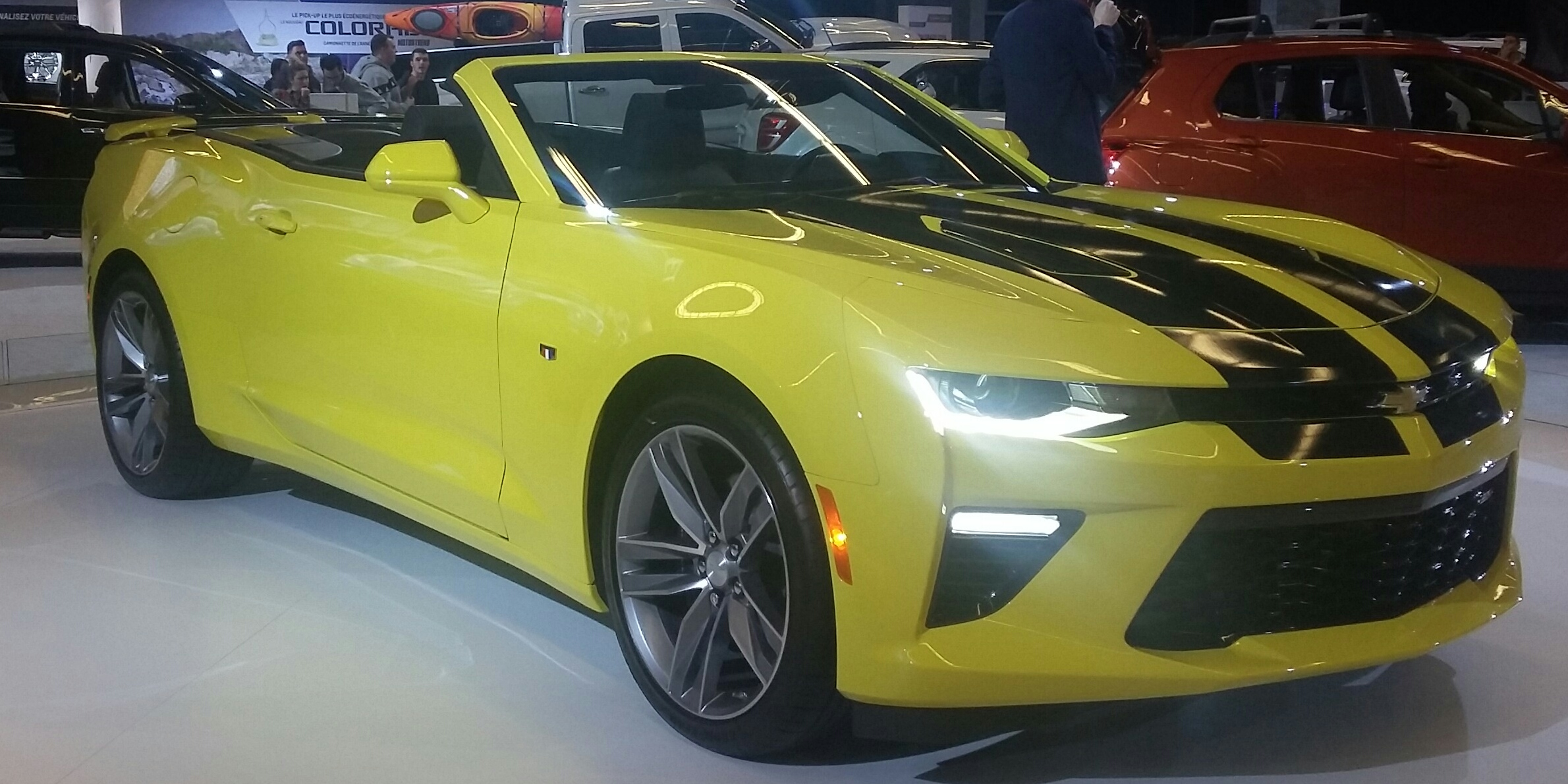
The Chevrolet Camaro is a sports car that’s usually built as a coupe, and sometimes as a convertible. It’s designed to feel sporty and look aggressive. It’s often mentioned when people talk about how car makers change their lineup and focus.
The Dodge Challenger is a performance car, usually built as a two-door coupe. It’s meant for strong acceleration and a sporty driving experience. It often comes up in conversations about how car makers change what they sell over time.
The Chrysler Crossfire is a two-door sports car made by Chrysler. It’s a smaller coupe meant to look sporty and drive more like a performance car than a typical family car. It comes up in discussions when people are comparing compact sports coupes.
An audit is a formal check of what a company is doing—like reviewing records to see if they followed the rules. In this story, the finance company is being asked to check whether dealerships charged fees correctly.
A lease buyout is how you turn a leased car into your own car. You pay what the lease says the car is worth, and then you own it. The hosts are discussing allegations that some dealers charged extra fees when doing that.
Nissan Acceptance is the financing side of the Nissan business. The hosts say it’s being told to check dealerships’ lease-related charges, because it likely has the financial paperwork and records.
Doc fees are charges a dealership adds for handling the paperwork. The point here is that paperwork fees are one thing, but the claim is that some dealers may have added extra charges on top of that.
A class action lawsuit is when lots of people with the same complaint team up in one case. The hosts are saying that if the problem is bigger than just a few dealers, lawyers might file lawsuits for many affected customers at once.
A warrant is like an option to buy stock later. In this case, it’s tied to goals the company has to reach, so the deal only becomes actionable if those milestones happen.
Slate Auto is a company mentioned in connection with Carvana. The hosts are talking about how that relationship could help Carvana expand its ability to move cars and sell them at scale.
Private party sales are when you buy from a person, not a dealership. Even if a website helps, the paperwork—especially the title—can still be slow or confusing.
A title issue means the paperwork proving who owns the car isn’t handled correctly or on time. Since every state has rules, delays or mistakes can stop a seller from legally completing sales.
Out-of-state titles are when you buy a car from one state but need to register it in another. Different states have different rules, so the paperwork can take much longer.
OEM means the carmaker itself—the company that actually builds the vehicles. The point here is that some sellers have to follow rules tied closely to the carmaker, while others don’t.
CarMax is a big used-car seller. They buy cars and then resell them, and the hosts are saying their early approach used dealer-style relationships to source cars from auctions and trade-ins.
Loan performance means whether people who borrowed money actually pay it back. If lots of borrowers start missing payments, the whole financing model gets riskier quickly.
Investor confidence is basically whether investors believe a company is worth backing. If investors lose confidence, funding can dry up and the company’s plans can fall apart—especially if loans start going bad.
Restructuring debt means a company renegotiates its loans to make them easier to handle. The idea here is that doing that can improve the company’s financial picture and help it keep operating.
A market correction is when prices fall a lot after a period of being high. In this context, the worry is that a downturn could hurt companies that rely heavily on financing and investor money.
Company
Bridgecrest
Bridgecrest is a lending company that helps provide financing for car purchases. The point being made is that having a financing arm can make it easier to buy cars and keep sales moving.
SpaceX is a company that builds rockets. The hosts mention it as an example of how a company can become extremely valuable after big business events, like an IPO.
BYD is an EV company from China. The hosts are saying it’s expanding into Canada and that its pricing strategy is helped by subsidies, which could make its cars more affordable.
Subsidies are government money that helps lower the cost of a product. The hosts are saying EVs can be much cheaper in China because the government helps support the price.
“Full self-driving” is a phrase companies use to describe how much driving the car can do by itself. The hosts are saying BYD is offering lots of tech features, not just a low price.
Tesla is a company that makes electric cars. They also built a lot of the charging infrastructure, so their chargers matter a lot for EV day-to-day use.
A full charge means topping the battery up as much as possible. Charging gets quicker when the battery is low, but a “full” top-off can take much longer.
State of charge is basically how full the battery is right now. Charging behavior changes depending on whether the battery is nearly empty or almost full.
Summons is a feature where your car can drive itself a short distance to you from where it’s parked. It’s meant to make parking lots and tight spots easier.
They’re talking about controlling the car with hand motions. For example, you might gesture and the car responds by opening a door or doing a small task.
Daewoo was a car brand that tried to sell cars in the U.S. The host is using it as a cautionary example: some brands come in with excitement, but they don’t always stick around.
A pre-order is when you put money down to reserve a car before it’s actually available. The host’s point is that big pre-order counts don’t automatically mean cars will be easy to get right away.
A “renter economy” means lots of people rent where they live. For electric cars, that can be a problem because charging at home is harder when you don’t own the place.
Term
AI
AI is computer software that can do smart tasks, like analyzing information quickly. The host is saying AI could make it easier to check facts and verify information, which affects trust when buying cars.
A “trust score” is like a rating that tries to show how trustworthy a seller is. The idea is that if the information is verifiable, buyers can judge who they’re dealing with more easily.
SEO is how websites try to show up higher in Google search results. The host is saying there are newer ways to get visibility that may matter more as AI changes how people find information.
AEO is about making sure your information gets picked up by AI tools, not just search engines. The host is suggesting that as AI becomes the way people look things up, companies will need to optimize for that too.
GEO is another “optimization” idea mentioned alongside AEO. The host doesn’t clearly define it here, but it sounds like it’s about how information shows up when AI is doing the searching or answering.
LIVE
IgniteUps.ai: All right, welcome back. This is the automotive informants. I've got a a s a n a special guest here today. We've got Chris Cunningham. Chris. Welcome to the show. Well, thank you for having me.
I'm glad I know this wasn't kind of short notice. You came down here. I'm glad you're here in San Antonio. But you know what's cool is that we haven't done we haven't been in person in in several months now.
Right, right. So N A D A together. N A D A and it's it's kind of been kind of crazy not to see you in a while. But I mean we talk every day it seems like, right? So and now I'm actually thinking you the chair you're on makes you s look a little bit bit taller, sir.
Well, you know I am taller than you in person. You know, so I can't have you looking like you want me to squatch down a little bit for you. just kidding. But all right, and we got a good show. We got a lot of good topics to discuss today.
And ⁓ of topics that I wanted to kind of go over was just start off something a little easy was the the slate vehicle. It's a $25,000 car. It's got a hundred and fifty-mile range. It's stripped out.
no ⁓ no no screen, no giant screen, no no power. it's got a hundred and fifty mile range. What do you think? You you think you're you're a buyer for that one? Absolutely not. No, in you know, towns are so apart.
We both live in Texas, and you know how it goes. I mean if you're in a big, you know, metropolitan area like San Antonio, yeah, that probably works, but ⁓ without the modern conveniences for me, I'm I'm gonna be out on that one, Chris.
Well here here's the thing. It's a it's a twenty five thousand dollar new truck and time buyer, you wanna have something that you can maybe pull, you know, put some stuff in the bag. I know. That's gonna really go go after the people that are looking for the big trucks.
But I mean that's a tiny truck. It is, but you know, the price point of vehicles today, I mean, you know, think about what's the average sale, like 48,000 or something these days. But a hundred and fifty mile range?
mean, that's a so I my cyber truck, I think I've got like three hundred and ⁓ don't know, thirty mile range. But because you know, I don't You know, I drive Mad Max usually, which is full F F S D. That doesn't have any FSD.
I've got to charge it probably every three days. That's not bad. With this thing, I mean, as long as you plug it in at night, I guess that could be something. But I agree. The new car prices, that's a that's a big deal.
I can't imagine People, I mean fifty thousand dollars on a new car, this is half that. Yep. And you know, 150 range. I mean, think about that. When it gets if you're in a cold environment, how long's that battery gonna last?
Not long. Or during the sun. I mean, like the sunny days, right? Yeah. I mean, that thing drains the battery like crazy. So can't imagine. I don't know. That's it. Twenty five grand still seems a little steep for that thing.
It does. It does. I don't know. hopefully we get some some feedback from from the audience. And I I see that I I don't know. It have the self drive. If it was self driving, maybe, but no windows. It's got crank windows.
I didn't know that. And this is a company that Carvana just recently invested, you know, bought some stock in. and I know this Jeff Bezos is this is one of the companies he's heavily invested in. I I imagine I believe.
I don't know exactly what the the value of his stock is, but he has. and so that was a light one. That was that was an easy one. It was like a little soft, soft one. Well, it got me warmed up a little bit.
Got you up a little bit. Well, the next one ⁓ is the why the sports car dead? So ⁓ Mitsubishi just released a new eclipse it's not like the original eclipse. I remember looking at that that eclipse back in the day in the nineties and thinking that thing was cool.
And I remember one of my friends had it and I was like, Man, that's a cool car. Drop top spider I mean the whole thing. And now I guess people just don't want to buy sports cars. What do you what do you think about that?
No, I I think with the economy the way that it is, there are still a a certain amount of people who will buy sports cars. but you know, looking at a Mitsubishi sports car compared to, you know, the Corvette for instance, I mean Well, you're also looking at a hundred over a hundred grand.
Sure. Right? Like on a Corvette, but still the the Eclipse was ⁓ the it was cool and now it's a four door E V crossover. Yeah, it's interesting. I mean, you know, manufacturers are moving that direction and trying to keep some of the names and and trying to transfer that over into the electric version of those vehicles.
But yeah, I'm with you on that one. But I mean I still think it looks cool. I think, you know, it's got know I I don't know. if I'd I'd I'd buy it, but it looks cool. Like I I could see my kids driving it or you know, even as maybe an extra car, but look, the Camaro's gone, the Challenger's gone, you the you just don't see them anymore.
Well that you know cars, I mean think about cars versus SUV. I mean we've seen this in the in the in the careers moving away from sedans into smaller SUVs. And so that's that's kind of where the whole market has gone.
If you remember back 10 years ago when I first got into the car business, it was kind of equal, ⁓ set trucks aside, but the market was kind of equal with sedans versus or cars versus SUVs. Now it's you know wholeheartedly switched over to SUVs, very minimal on cars.
Yeah. I I think you're right. I I think the SUV I mean, but you know, right now gas prices have gone through the roof. some of these E Vs hybrids are are starting to take off even more. But It it's kind of sad to see the sports cars like it's just not there anymore.
I remember when, you know, every like everybody wanted a sports car. Yeah. That was the that was the real thing. I mean, they should come back back with the ⁓ Pontiac Firebird. The Firebird was a cool car.
I like that. Transam. even ⁓ I I think before they even went out, didn't they have like a a sky or I forgot the name of it. It was like a Pontiac. Yeah. The little two-door crossfire. There was it's similar to the Crossfire.
I forget what it was called. Something with the sports guy in it. Yeah, yeah. I d it it was cool. They they they I remember cars, you know, people wanted sports cars and now it's they they want the big truck and big S T V I guess, huh?
That's the way it has been. Okay. Talking about gas prices, me driving down, I'm six hours away from you up north, and we're thirty, thirty five cents more a gallon up there than you are you guys are down here.
Really? Yeah, we're three sixty five up there and you guys are around three thirty down here. Yeah, I and I don't see that any relief there at all soon. I I don't I don't see that happening in the near future.
I don't either. you know, we know what's going on in the other parts of the world. It's kind of crazy. Yeah. But another that's that's a big deal is Nissan Acceptance being ordered to audit 45 New York Nissan dealerships.
And what they're saying is that they're alleging that these dealers larger fees on these lease buyouts. So they were going to facilitate the transaction of a deal and they ended up adding an extra fee to buy allow the customer to buy out their lease.
Right. What do you think about that? Well I've heard of dealers doing this, you know, from from a generic standpoint. You know, it's kinda like one of those things, if you want to buy out your lease, you can go straight to the manufacturer in a lot of cases and buy your lease out, right?
Yeah. On the other side of the deal, if you want to go to the store and let them facilitate it, it's almost like they're charging a little fee for the paperwork, for their labor. ⁓ Involved in new. Yeah, because I even see I mean, it's not un I don't think it's unique to New York or Nissan.
I think it's it's across the country. And when you think about what you just said, like, yeah, the customers can go to the to the bank and pay for it, but then they still gotta go do get the taxes, facilitate the registration.
then one could argue and say, Well, that's why there's doc fees to to facilitate that transaction, but then What they're s what they're alleging is they were adding more fees even on top of that. So that's where it kind of gets little sticky.
But here's the the unique part of this whole They're getting the NEMAC to do it. The general, state aid AG, is getting the finance company to audit the dealers instead of just auditing the dealers themselves.
Right. That's that's interesting, you know. And you know, there's a there's a side piece to that to consider too, as well. When you buy a vehicle, you know, from a dealership, you get the option to add on you know, protections in the back end.
And if you buy out your own lease, you don't get you may not get some of those same options. Yeah, it's And w and I guess where the the the big is, ecause even though they sign a contract and all that, is what what their their argument is, is that Because the original agreement says there's no added fees, but yet the dealer, when they go and it directly from the dealer, they're adding these extra fees.
That's where the argument's at. Yeah, I mean, it's gonna get tightened down on everywhere across the nation. It's not gonna be just New York, you know. I do I think that well, but here's here's the thing too.
the fact that they're using one, the finance company do it. and then number two, this This could there with AI and everything else that's coming on board, the Transparency long term is really what's gonna be more most important with everything.
No, I totally agree. Transparency is the name of the game, right? I mean, you've been in the car business a lot longer than me. And you know, how many times have you heard customers it say that, you know, a dealership's gonna scam them or take advantage of them?
You know, so transparency is the name of the game. And I'll tell you, for the longest time I've been like this advocate and like dealers are good and you know, saying a lot of good positive things because you know, I've been doing this for twenty three years.
And I feel like the the places I've been work ⁓ that I've worked at were transparent and they went over things. But well that's a testament to your character too, because you know, you're not gonna stay at a place that doesn't really take care of the customers and it's honest and ethical.
But then you start looking at some of these brokers that are negotiating online with some of these dealers, and I'm just like, wow, like it's opened my eyes to show like what other companies or other dealers are doing a transparency side.
So This right here is is that you know, do you think it stops at these forty five stores? Or do you think it rolls into all Nate Nissan stores at whatever, depending on whatever they find? Or does this open up, you know, where now you got these attorneys that are doing class action lawsuits because they see blood in the water?
Because now they've they've got this, depending on what comes of this, now they think, okay, I'm gonna go after every OEM because it's possible this is happening for every OEM. And they're going back six years.
I mean that's the that's the case. And I think those dealers that have really taken care of their people and were open and honest and transparent are not gonna be really phased by this. But the dealers that have been doing, you know, some of these things, are eyes are gonna get opened.
And I think ⁓ when get news like this, that runs across the whole automotive. Motive industry. And so people will start changing the way that they do things be transparent. Yeah. No, I see that. I think.
With AI, it's gonna it's easier to now even audit a lot of these dealers. but when I think about this specifically, the just telling the finance companies, Hey, I need you to audit the dealers, that's that's where it's a different twist now.
Different level. Really it's Hey, look, I don't need to spend my allocate my resources. I I just can tell the lender, Hey, you have the relationships, you do it. I don't wanna send someone go you just deploy your resources and I need You to audit them.
Yep. You know what I'm saying? That's that's interesting. That's interesting. Yeah, interesting. To say the least. And so I'm I'm curious, do other state AGs do they now follow suit? I think so. You think that's gonna happen, huh?
I don't know. We'll see. I it's gonna be interesting to say at least. The next one we've got, and we got we got time for so a couple more. I I recently posted a couple of different articles based on what I recently read.
was it this of leads into what we initially talked about on Slate. So Slate, Carvana's actually made a big investment. And what's interesting about this is that Carvana They they received a a warrant tied to Slate Auto, those valued at approximately one point five million at the end of 2025.
So that's giving Carv Carvana the ability to acquire shares at certain performance milestones. If if certain performance milestones are met. But what I felt was interesting about this is there the EV startup backed by Jeff Bezos along with investors that like one of the owners of the Los Angeles Dodgers, the CEO of ⁓ Gunheim Partners.
Which is and rebuild manufacturing where the company was originally incubated. So at first glance I looked at it, but then the next thing is are is now Carvana gonna, you know, try to get into that space where They're the they're the whole logistics engine, right?
The reconditioning, they're they're doing, you know, the remarketing, everything that they can scale nationally. Is this something that they may be thinking down down the road that, hey, you can plug in your slate and we have the complete distribution channel for you.
You know what I'm saying? Interesting. So I don't know. And but then I get another conflicting report that basically said Carvana's gonna crash. know who knows? I mean everybody thought that years ago, right?
When they had all the not even just years ago. This was like the end of last year. They thought they were gonna crush, get crumbled. But keep resurfacing, you know, so they're they're they've got some sort of mentality or something going on in the background that is taking them to the to the next stage or next level.
I there's something there. I mean, about what they bought Edessa for. They s they spent a lot of money. What like I I couldn't even believe they were able to put that deal together because at that time, if remember, their stock was in the in the toilet.
They weren't profitable. And then of a sudden they raised a couple billion dollars to buy Edessa and put that together. I mean, that was I mean those are some pretty big moves when you when you think about it.
They are. I mean they're a giant when it comes to, you know, pre-elmed. Yeah. And that's what it is, you know. you've got new franchise dealers that have the capability ⁓ having, you know, new cars to sell.
they get trade ins on those used cars or on those new cars that get used cars ⁓ for trade ins. You got Carvana, don't have the same opportunity, I don't think, as a new car franchise dealer does, but however they're still hanging in there.
Somehow somehow, some way. Somehow, some way do. It time I think about it, because then here's the another report that we talked that I just talked about. So the slate thing is interesting though, because with all their logistics that they have.
'Cause you have to keep in mind at one point Carvana was gonna was trying to be a listings agent for dealers. Like they were telling dealers, Hey, why don't you put your inventory on our website? Because we get so much traffic to our website, we'll help you sell more cars.
And then I think it was the end of twenty twenty three that they just pulled a plug on that and said, You know what, we're not gonna do that. Right. So they get enough traffic that they felt like they could become a listings company.
in addition to selling cars, trying to compete with Auto Trader and ⁓ Cars.com all of that. And then saw ⁓ like a of those companies trying to, ⁓ you know, think Auto Traders doing the private party sales and facilitate the whole transaction.
I, by the I did that I want to say four years ago. About almost four years I did the private party sale. I bought a car facilitated through Auto Trader. months went by. I couldn't get my title. And they finally sent me the money to go register myself.
And I said, you know what? I traded it in at that point. I just got something else. But yeah, that was that was not fun. And so you think about like I don't know, there's there's a lot of companies that are it it's just not that easy.
I mean when you think about every state has different laws, so it's a nightmare. You th you remember you d y you brought it up a ⁓ recently, right? Carvana how many times did they get kicked out of a a store?
I I couldn't not a store but a state. ⁓ yeah, I mean ⁓ they had that title issue, right? And so ⁓ there's there's a law in place that says that you get your title in a certain period of time. And if you don't, there are some repercussions.
And so I can't quote exactly what that law is, but I can tell you that they got they got their hands slapped with that situation. I remember a few a few states were were pulling them out of of of allowing them to be able to sell in their in their states.
Yes. and it was because of the titles and trying to get it and and that was it that's just not that easy. You know, when I think about it, even for us that we've done it so long at some of the stores I was at, there we if we were in Texas and trying to title something for New York or California or whatever state we're in, it's some of those were nightmares.
At some point we even had to just say, hey, we're not gonna do out of state titles anymore because it would it could take six months, a year. Right. You know? And that's a problem. And you think with AI and what we're doing today, things would be a lot different.
Well, you know, and there's there's something to be said About that too, because you know, you've you've worked primarily for new car franchises, ⁓ right? And you've got work that's handled pretty quickly because you have a title office and everything is done done virtually as as we can, right?
in those situations. When you're in a situation that, you have an OEM or a manufacturer that's going to hold ⁓ that dealership accountable for getting things done. And if there's ⁓ that thing, same thing over over and over, titles are not being transferred in an appropriate.
Amount of time, ⁓ they could theoretically pull the franchise. whereas you have something like Carvana, they they don't have a an OEM report to. So well, now do, you you know they've bought like seven new car franchises.
So and what's interesting about that is CarMax, you know, when they first started, they had like a OEM at every for every they had a franchise for every new car franchise, right? their the thought process what I was told was they got those the so that they could go into the private sales for auctions.
So leased turn ins and stuff like that. So but then they figured out a way to get in those sales without him. Right. You know what I mean? So and I and I was re kind of referring to years ago. Yeah. But but then here comes into I don't know if you're familiar with this guy named Meet Kevin.
Have you have you heard about that guy? Mm mm. He's actually good at what he does. I mean, the guy is he's he's goes over he's like a financial analyst, guy's worth fifty million dollars. And he's day he's talking about, you know, different in the marketplace, politically, business wise, everything.
Like he looks politics because politics directly affect what happens business a lot of times. Right. and so what he was his current concern was Carvana's valuation. ⁓ And reported success may be tied to a financial ecosystem that depends heavily on investor confidence, loan performance.
And so his theory is saying that Carvana restructures debt, the stock rises, the Garcia family gains access to more capital through appreciated shares, capital flows into loan purchases and related financing activities, and then Carvana reports stronger results.
Stock rises again. And then the cycle continues. So it's in this constant loop. And he's basically saying is that if there's market correction or when there's a market correction, that could crush whole company.
Interesting. I could I could see that. ⁓ I could see I mean, if they're if if they're doing the things that he's he's talking about, I'm I'm I'm kind of starting to to to see what he's saying. Well, and here's the So the Bridgestone, I think is the name of the I forget Bridgewater or Bridge Bridgecrest.
I forget the name of the finance company that buys all of the paper. So they basically have this finance arm that allows these different the their the way they buy these cars, they can pay more for ⁓ because they're they've got their finance company that will finance basically all these loans.
and so that's the minute there's a correction in ⁓ market that could literally just crush the whole company. That's what his argument is. Yeah, I can see that. I see it. But somehow, some way I have a feeling they've got another move.
They've got Well, they always seem to get it, right? So I don't know, somewhere they just pull out the rabbit out of their head and here's another deal. But then I mean w this was maybe couple weeks ago when they released their first quarter earnings.
I mean, they crushed everybody. I mean, they net their net profit was bigger than like big groups, like group one and I forgot who was the other one. But they were number one. They crushed Carmax by like, I don't know, two, three hundred grand or two two, three hundred million dollars.
They had netted like I'll have to find that one. It they netted a lot of money in the first quarter. So I don't know. They they somehow seem to figure it out. don't I mean, they definitely will be watching that guy and writing stories about he can continue to stay as successful as he has been, they're gonna be writing stories about this guy.
I mean, because this is this is next level for sure. but so what do you think? Carvana, what's your prediction? Next next they continue to keep growing or do crumble like 'Cause you don't know what the I mean, does this war continue?
Does this create a black swan event that now the whole market crumbles? I mean, think about Tesla, not Tesla but SpaceX. They're IPO I think I don't know if it's today or tomorrow, they're supposed to IPO and be worth, you know, almost two trillion dollars.
Makes Elon Musk a trillionaire. What do you think? that's hard to say. You know, it's I I've I think you and I talked years ago about the prediction for carbon at that point in time. We thought it was over.
So we are, I think three or four years later. Well, think about we had right to Vroom, which was backed. mean, they had a hundred million dollar investment, if not more. a lot of really smart people were doing that.
They Super Bowl commercials. I mean, this this was a big company, and then they folded right. I think now they're Still, some part of it that survived that's some kind of listings company. I forget what the name of it is.
I ⁓ can't what it was, but then you've got Carvana's stock stock was like at, I don't know, a couple bucks. It wasn't really that big. So there was a reason why that happened. And then I don't know.
It we'll we'll see. We'll see what that looks like. We'll see. Well, I I I will say this. one of the movements that we do see quite often, and we're talking about typical business, we're not talking about just automotive here, it's private equity coming in, ⁓ And so I think maybe a final move or maybe as a move down the road, we might see private equity come in and take over something like a carbon and restructure.
Who knows? possible. That's possible. Well, here's a here's another one we have. So BYD, that's a big EV company, by the way. I don't know if you're familiar Yeah. they are now hiring, they just announced they're hiring in Canada.
So that to me, is that like telling you, hey, we're coming to Canada, we're gonna build our footprint here and then we're gonna make it easier to just kinda just come next next door to US. I like the idea of BYD to tell you the truth.
When when I first heard about them year and a half ago or so, I looked at the pricing of the cars you're talking about aggressive. Now I understand there's gonna be some import, export, maybe tariffs and and stuff like that, but think about it.
Ten, fifteen thousand dollars, US dollars for EV that looks well that's what they're saying is like the subsidies there are kind of crazy. for the for ⁓ they're some Sub heavily subsidized in China.
Right. And it's really eight, $10,000 cars. Right. So, but I they're full self-driving. They've got the giant screens. They've got you know they look good. And their range is a lot higher than the this 150 slate car.
They could literally make an impact here. I mean, I think that would more people would could be or would be driving types of EVs, but you still have the infrastructure. They have bigger infrastructure out there that they went all in on, you know, charging stations and things like that, where Tesla, I mean, they've done a good job here in the US, but it's still not there's still not as many as there should be.
I live in a town of a hundred thousand, right? We have three charging stations in the entire town. of them are Teslas. Yeah. So it's it's kind of crazy. Yeah. Down down. Well, San Antonio, there's a lot.
There we've got two Tesla stores. There's definitely charging stations all over town, but still not enough. Right. You know what I'm saying? Because China where they I feel like they have a a different a bigger edge is you can charge a car w in minutes, yes, ten minutes over there.
Versus here, a full charge, if you're at like almost zero, it's gonna take you an hour. You know what I'm saying? No, I ⁓ you can go in there and spend minutes and it gives you half charge, but You want a full charge.
Yep. And that's that's if you can that's if you can find I mean you're in a Tesla, so that's a different story, but we're talking about all other brands that are out there. ⁓ know? So well but you think there's a lot of OEMs now that are starting to use Tesla as the yes as the staple, but there's still opportunity for a company like this to come in.
But I don't know, man, like they'd have to probably come in and piggyback off a Tesla or somebody 'cause or make the universal cables that you could plug into anything. 'Cause I know a lot of OEMs were trying to do that too.
I don't know, man. Cause even on Tesla, when I go to some of the charging stations, they're packed. Like every one of them's like and I'm like, man, they need more. Yeah, I mean think about it. You go to I went to a gas pump this morning, right?
driving my wife's car down here. And it me, you know, two, three minutes to fill up and there are two, three people behind me. Boom, boom, boom, boom, boom. You gotta sit for twenty minutes minimum, in my opinion, when you're charging an electric car.
⁓ a lot of people just get out and go inside, a little shopping, come out. so ⁓ you're there's not enough per E Yeah. That's out there. Well, I'll I'll tell you, I went to the gas station yesterday and man, I must have been in line for ten minutes.
I was like, This is ridiculous. But I do wish that the Tesla charging stations at least had a vending machine there. Because you'll go in there and if you're there thirty minutes, you know, and y you're looking there's nothing next door.
I mean, I could walk across the street, there there's maybe a a bar or restaurant, but you know, I'd rather not You know what I'm saying? for me, I think this whole BYD coming into Canada, I mean, it it's a a pretty big story in my mind.
I I don't think people really understand from a capitalist standpoint, free markets, you think, hey, bring in, you know, let the c let the market decide. But then the other side is, know, and I see the other part of it is as, ⁓ yeah, now now you're gonna have everybody recording my conversations because it's, you know, a foreign made vehicle.
Well guess what? These things listen to us every day. They're already here. ⁓ man, ⁓ my wife and I were having a conversation after we we made a pit stop yesterday and just having a normal conversation, my phone just started speaking back to us and she looks down at it, she goes, That's just a little too invasive for me.
Well, mean, we were about I forgot w I was talking to my wife the other day, ⁓ something about 'cause we were w the watching the game last night and then all of a I'm I go to I don't know if it was Instagram or YouTube and then we were talking about Jordan and something else and sudden there's a video about Jordan and I'm like come on man like ⁓ that these guys are it just it it's it's funny it is like did that one there's an actor that said you know my wife laughed I I said a joke my wife laughed I laughed Siri laughed we all laughed that the way that it is these days we get served ads for things that we talk about you know what was cool about the BYD cars though is that You can some of well, Tesla has the summons capability.
And I wish they had it in my truck, but it next year, end of next year it'll be available on the truck. But summons is a real thing. So you literally if you're at the mall, you park it far away, you you're, you know, it's raining, you say, Hey, come pick me up, it'll come pick you up, right?
Like that's such a cool feature. China has all those features too. And they also even have these things where if you're in a tight parking space, you can say, hey, come out, and it'll come out, open the door, it'll open the door for you.
You've has gestures. So Mercedes has gestures too. but these things are when you think about tech from a tech standpoint, they have all of those types of features that and for the price, even if came in at the for 20 grand, grand, I ⁓ there was one looked just like a Porsche Tycon.
yes. ⁓ I was like, man, that looks actually pretty cool. But like 30 grand, right. You know, 35 grand. That that I think people would be buying that stuff. Well, you know, and you gotta you gotta think about bare cost in today's world, right?
we've got a daughter that just lost her job yesterday. And so it's she's in the restaurant industry, she's 22, you know, serverslash bartender, and from the took over, you know, on the border up there.
They just shut down yesterday unannounced. Wow. And so ⁓ sit there and think about a person that's trying to make it in today's world. Pretty much you gotta have two incomes in order to you know survive.
Her rent in little bitty town that we live in is twelve hundred bucks a month, you know, for a one-bedroom, or maybe a two-bedroom. I don't know. I can't remember exactly. But the interesting is, is when you're looking at you go into a carvana or you go into a dealership or whatever, and you've got facing a five seven hundred dollar payment for something that's economy because they're just establishing credit so they're not gonna get that low interest rate and ⁓ they probably don't have a ton of money down because their bills are tied anyways you you look at something like a 15 or 20 thousand or maybe even a twenty five thousand dollar option and that payment goes down quite a bit yeah man and then think about when I charge the car it's I don't know ten dollars For a full charge spending I don't know what you're spending now on your truck.
I don't think it's like a hundred bucks or something. I got a thirty three gallon t ⁓ truck and I ran it empty the other day, so Yeah, and I don't see gas getting any cheaper, sir. I mean, like they keep that whole conflict, you know, with what's happening and you know, the gas just keeps moving on up.
it's really funny. We're talking about, you know, three dollars and thirty cents down here or three sixty five where I'm at, but people are from California watching this, you know, and what are they at seven bucks a gallon?
That's crazy. I can't even I can't even imagine that. No, it's yeah. It's interesting. So can I could see the appeal in something like that, especially when you're double What we're at, you know, and fuel prices.
I can see the appeal for EV for sure. All right. So we we talked about several things, right? So think about we talked about BYD, we talked about Carvana, we talked about what's the other company? Nissan.
Nissan. Okay, we talked about the Mits Mitsubishi, the eclipse, we talked about Slate. If you were to tie all of this in together, how do we help the audience to look at what's going on and how how do how can you learn from any of it?
⁓ that's a really good question. it looks like a lot of these ⁓ situations are about you know, transparency about ⁓ what's available to the to the mark ⁓ to the to the marketplace. think competition is a good thing.
I really do like competition. I like the idea of BYD coming to North America. I think it gives more competition and you know what's gonna happen once they get a footprint settled in Canada. It's gonna come down to the US.
here's the thing. I I I agree with you on all of that. I do think transparency is a hundred percent. People need to be more transparent. I think competition is healthy. I think that if you let the market decide, it'll it'll tell you.
Because remember when Daewoo came. I don't know if you're familiar with that. I mean, they had the cr craziest commercials. They'd say when Italian luxury meets German engineering and it was like two different cars and they're they're like we're still remember the commercial.
I thought it was the funniest commercial. And they all of a sudden they like merge together and then they they have a baby and then it's the daywood, right? they were trying to get dealers to like sell And it was and I I remember a friend of mine or my actually a relative of mine bought one, was me how amazing.
I was like, man, this is a cool car. And they've lasted but how long? Not long at all. Not long at all, right? So this could be one of those things that, yeah, they bring this thing and kind of like Slate, they've got a hundred and sixty thousand pre orders, but it's fifty dollars to pre-order ⁓ They won't be available to the end of next year, probably, on a limited run.
I don't know. I I think a hundred and fifty mile range, people You you unless you have a charge in like people this is a renter economy. Let's think about it. People have been talking about it for years.
Renter economy. My daughter, gonna be 30 this year, can't and she makes good money. It's hard to afford houses ⁓ ⁓ San Antonio. And Antonio used to be everywhere, ⁓ but Antonio used to be that affordable market.
So and there's apartments that have popped up everywhere here. I've never seen more apartments in my life. ⁓ they're exploding everywhere. Everywhere, right? So pe people are renting more now. if you're renting and no chargers at your apartment, then you've got to go to a charger to charge.
That's what I think they have to solve for. And a hundred and fifty mile range, I just don't see it. And I in you know, I I'd be happy to admit I'm wrong if it hap if they sell a ton of them and I'd see ⁓ millions of them everywhere.
You know what I'm waiting for? I'm waiting for somebody, you know how you have those little battery power packs for your phone when you're traveling or whatever the case is. I can see something fitting in the bed of the truck on this thing.
Well, people are doing it. They put an actual put a generator, a gas generator in the back. ⁓ are doing So ⁓ don't know. Okay, so everything we talked about, transparency, the the we're in an age and an era that's AI is iterating is faster than anything I've ever seen.
Fable just came out yesterday and we've in background back end environment in our technology. And the how f the speed of how things get fixed is and in and investigated is is bigger than I've ever seen.
When you can deploy agents everywhere, that transparency is gonna be key. And with the administration that's in today and how much AI they're trying to get involved into our government, they just what they they let go of the 87,000 IRS agents that they talked about, right?
AI can literally de be be deployed and be audited things a lot easier than I think most people don't understand it yet. And I think that from an auto automotive standpoint, you really need to get your your ducks in order your everything, because that trust and transparency is gonna be the next real benchmark and how well and I don't know which listings company's gonna do it or what's gonna happen.
I know Car Edge, they're they've done some things that are kind of gone that direction. gonna happen where you're gonna have a trust score that you're the you're they're gonna be able to look into your your business and know exactly w what type of person you are just because the information's there.
No. That's exactly right. It's like the the new new tool that you created, you know, inside the company. Yeah, yeah. ⁓ that that ⁓ how do you optimize? I mean we have traditional internet, right? and everybody can do SEO and S E ⁓ but what is you know, AEO and you know GEO?
The AI visibility is real. That's right. So well, was fun. Yes, Chris. It was fun. I'm glad you were here ⁓ and have get together. We'll have to go grab some lunch here in a few, but ⁓ Until next time, thank you for joining us, Automotive Informants.
⁓ Next time, we've got some other guests that are will be coming on board pretty soon. We've got it's gonna be it's gonna be surprise. So until next time, thank you guys, or thank you ⁓ to the audience, and thank you, Chris.
About this episode
The hosts kick off with Slate’s ultra-cheap, stripped EV pitch—“It’s a $25,000 car. It’s got a hundred and fifty-mile range”—and weigh whether limited range works in a “renter economy.” They connect the decline of sports cars to the shift toward EV crossovers, then pivot to retail realities: alleged dealer fee markups, Nissan ordering audits of “45 New York Nissan dealerships,” and how AI could improve transparency. Carvana’s model runs into title-law friction and financing fragility, while BYD’s expansion and pricing keep pushing the EV market forward.
The conversation covered a range of topics, including the introduction and reunion, the Slate vehicle's features and market potential, the decline of sports cars, Motor Acceptance Corp's audit of Nissan dealerships, Carvana's investment in Slate Auto, BYD's expansion to Canada, BYD's impact on the EV market and the rental economy, and the role of transparency, competition, and AI in the automotive industry.
Takeaways
Slate vehicle's potential impact on the market
The role of transparency, competition, and AI in the automotive industry
Chapters
00:00 Introduction and Reunion
07:15 Motor Acceptance Corp's Audit of Nissan Dealerships
13:09 Carvana's Investment in Slate Auto and BYD's Expansion to Canada
25:54 BYD's Impact on the EV Market and the Rental Economy
34:55 Transparency, Competition, and the Role of AI in the Automotive Industry