Dallas motorcycle institution Brown Cycle gets the spotlight through second-generation owner David Brown. He traces the shop’s roots to his dad’s sheet-metal work and a dealership relationship that funneled hard-to-handle Harley work, leading to a DBA in 1970 and a move into Deep Ellum. The conversation covers 1970s chopper building, jammer-frame drama, inventory realities, and how culture shifted in the late ’80s as Harley regained mainstream appeal. They also debate what makes riding meaningful—noise, reliability, community, and earning your way in—plus wild road-trip stories and the shop’s modern revival work.
In today's episode, I sit down with David Brown, a second-generation owner of the iconic Dallas, Texas-based Brown's Cycle. Brown's is the go-to in North Texas for these old Harley-Davidsons, and I myself have found myself stopping week after week to get advice, hear old biker stories, or simply pick up some needed parts! Hear all about the late 60's to the present day of chopper and shop motorcycle culture in this episode!
"But before we get into it, guys, please check out our sponsors, Arlen S Motorcycles, if
[49.2s] you are looking for some cool shit for your motorcycle.
[51.8s] They got some badass parts, carbon fiber, billet wheels, all kinds of goodies."
This is a motorcycle shop/dealer the podcast is promoting. They sell aftermarket parts and accessories, including nicer-looking and lighter upgrades like carbon fiber and billet wheels.
Arlen S Motorcycles is a dealership/sponsor mentioned as a source for motorcycle parts and accessories. The host highlights performance-oriented items like carbon fiber and billet wheels.
"They got some badass parts, carbon fiber, billet wheels, all kinds of goodies.
[57.7s] I'm currently building out my bagger right now, decked out with a lot of their parts,"
Carbon fiber is a strong, lightweight material. People like it because it can make parts lighter and it often looks really premium, but it usually costs more.
Carbon fiber is a lightweight composite material often used for motorcycle and automotive bodywork and trim. It’s popular because it can reduce weight and add a high-end look, though it’s typically more expensive than steel or aluminum.
"I'm currently building out my bagger right now, decked out with a lot of their parts,
[62.4s] and they're all awesome.
[64.0s] I've been running their parts for years."
A bagger is a touring-style motorcycle. It usually has storage bags (saddlebags) and comfort features meant for longer rides.
A “bagger” is a style of motorcycle built around touring comfort, typically featuring saddlebags (hard or soft) and often a windshield and other luggage-friendly accessories. It’s commonly associated with long-distance riding and cruiser-based platforms.
"1-800-LawTigers is the number you need to remember.
[107.0s] Put it in your phone, ride it on your forehead.
[109.9s] It's something you're going to want to use in the unfortunate event of you being in a motorcycle"
That’s a phone number for a law firm. The idea is that if you get in a motorcycle crash, they’ll help you with the legal side of the situation.
“1-800-LawTigers” is presented as a legal referral service for motorcycle accident cases. The speaker’s message is that they’ll “fight for you,” implying legal representation focused on rider injury claims.
"Okay, so Brown Cycle started actually in 1970. My dad went and got what they called a DBA doing business as he was a sheet metal worker,"
They’re talking about Brown Cycle, a local shop in Dallas. The guest explains it started in 1970, so it’s been around for a long time.
Brown Cycle is the Dallas-area business being discussed, and the episode frames it as a long-running local shop. The host connects the brand to a specific era and personal history, emphasizing its longevity since 1970.
"Well, Eddie would not if you had a sissy bar on your Harley Davidson, he wouldn't work on it. Don't bring it to me. He'd tell them."
A sissy bar is a tall backrest that sits behind the rider on some cruiser bikes. It can be for passenger comfort and style, and in the story it’s the reason Eddie refused to work on a Harley.
A sissy bar is an upright backrest mounted behind the rider on many cruiser motorcycles. It’s often associated with comfort for a passenger and a more “classic” cruiser look, and in this anecdote it’s treated as a deal-breaker for Eddie’s shop.
"Well, Eddie would not if you had a sissy bar on your Harley Davidson, he wouldn't work on it. Don't bring it to me. He'd tell them."
Harley-Davidson makes a lot of the classic American motorcycles people picture. Here, the mechanic had rules about which Harleys he would work on.
Harley-Davidson is the iconic American motorcycle brand known for its V-twin engines and cruiser styling. In this story, the shop’s reputation and Eddie’s willingness to work on bikes depended on specific Harley-Davidson configurations.
"[475.3s] Then he had drive to Lake Dallas every night.
[479.5s] So your dad was basically getting funneled work from the Harley dealership.
[483.1s] Absolutely.
[483.8s] And then when he got too busy with it, the Harley dealership also funded their employee."
A Harley dealership is a shop that sells and services Harley-Davidson motorcycles. Here, it sounds like the dealership was sending repair work to their garage.
A “Harley dealership” refers to a franchised retailer/service center for Harley-Davidson motorcycles. In this context, the speaker is describing how the dealership funneled motorcycle work to the family’s garage, and later even helped fund the employee.
"And that used to be over there in Deep Ellum, right? ... I mean, it was an industrial area. It was full of body shops."
Deep Ellum is a Dallas neighborhood. The hosts are talking about how, back then, it was more industrial—lots of car repair places—before it became more known for other things.
Deep Ellum is a neighborhood in Dallas known historically for music venues and, in earlier decades, for industrial and auto-related businesses. In this segment, it’s described as an area full of body shops and car repair shops.
"That's when he got his DBA doing business as a brown cycle."
DBA means the business is officially using a different name for customers than what’s on the legal paperwork. It’s common for small companies and local shops.
DBA stands for “doing business as.” It’s a legal name a business uses when operating under a different name than its registered legal entity.
"I mean, it was an industrial area. It was full of body shops. Okay."
A body shop is where cars get fixed after damage—like dents, broken panels, or paint issues. It’s the place you’d go after an accident for repairs and repainting.
Body shops are facilities that repair vehicle collision damage and handle cosmetic work like panel replacement, dent repair, and refinishing. They’re often located in industrial corridors where vehicle traffic and service demand are high.
"And the, the whole jammer frame situation was basically,
for what I remember you telling me was you had the motors, right?"
The frame is the motorcycle’s main skeleton. It’s what holds the bike together and everything else bolts to it.
The “frame” is the motorcycle’s main structural backbone that everything else mounts to—engine, wheels, suspension, and handlebars. When someone talks about a “frame situation,” they’re usually referring to the chassis/kit availability and how the build is put together.
"your order. Your helmet better be as serious as you are.
Kabuto motorcycle helmets brings Japan's legendary helmet craftsmanship with cutting"
A helmet is your main protection on a motorcycle. It’s designed to protect your head if you fall or crash.
Motorcycle helmets are safety gear designed to protect the head in crashes. The host frames helmet choice as “serious,” which ties into the importance of proper protection and fit.
"you will slice through wind with rock solid stability at triple digit speeds,
all while boasting a lightweight composite shell with ACT tech and MIPS safety standards."
“Triple digit speeds” means going over 100 mph. The host is saying the helmet is designed to stay stable and comfortable when you’re riding that fast.
“Triple digit speeds” means speeds above 100 mph (160 km/h). The host uses it to emphasize that the helmet’s aerodynamics and stability features are intended to work at very high velocity.
"Well, here's the deal. We were doing the chopper building in the winter. Yeah. See from about the end of October until about the end of February, people wouldn't even come in the shop."
A “chopper” is a custom motorcycle. “Building” it means the shop is assembling and customizing the bike from parts, not just fixing a broken one.
“Chopper building” refers to customizing and assembling a motorcycle with a distinct, stretched, custom look. In this segment, the shop’s winter work is focused on building these bikes rather than doing typical repair work.
"Well, when I first went to work for him, he wanted, we was running chrome rear fender and"
A chrome rear fender is the back fender covered in shiny chrome. It looks flashy, but it can be harder to keep looking perfect.
A “chrome rear fender” is a rear fender finished in chrome, which is a classic visual cue on many older custom motorcycles. Chrome finishes are visually striking but can be more demanding to maintain than matte/flat paint.
"So he got me a can of Krylon and a can of primer and I primed it and then I sprayed it through."
Primer is the first layer you put down before the final paint. It helps the paint stick better and makes the surface smoother.
Primer is the coating applied before color paint to help adhesion and to create a uniform surface. It can also improve corrosion resistance and reduce imperfections showing through the topcoat.
"Lacquer is like it's like everything's, I mean, I think enamel and lacquer are similar where it's all in encompassed into one single stage. ... And so when you buff it, the pad would be that color."
Single-stage paint means the color and shine come from the same paint layer. When you buff it, you’re working directly with the colored paint, not just a clear protective top layer.
A single-stage paint system combines color and gloss in one layer, rather than using a separate basecoat plus clear coat. The speaker describes how, with single-stage, buffing can affect the color itself because the pad contacts the pigmented surface.
"he was painting without a mask or without a breathing apparatus. Yeah. And it got his lungs."
A breathing apparatus is protective gear that keeps you from breathing in paint fumes. The story says someone sprayed without it and ended up with lung problems.
A breathing apparatus (respirator) is used to protect against inhaling harmful paint fumes and particulates. The transcript highlights a historical safety failure—spraying without proper protection—which can lead to serious lung damage.
"Right. You know what I mean? It's just like they would rather have their bike shipped to Sturgis, they're going to fly in, enjoy it for the weekend. And that exists. Yeah, it's not as cool in a lot of ways as like, you know, riding and being more into it."
Sturgis is a huge motorcycle event in the U.S. People plan their trips around it—some ride their bikes there, while others ship the bike and just come for the weekend.
Sturgis refers to the Sturgis Motorcycle Rally in South Dakota, one of the biggest annual motorcycle events in the U.S. The discussion contrasts riding for the full experience versus shipping bikes and flying in just for the weekend.
"Got back on the road and the wind, no windshield or nothing. And the wind was blowing this cold air. He made an air conditioner with ice."
A windshield is the clear screen at the front of the motorcycle. It changes how the air hits you—so without one, you get more direct wind (which can feel cooler in some situations).
A windshield is a front screen on a motorcycle that helps redirect airflow away from the rider’s body. In hot weather, having or not having a windshield changes how much direct airflow (and cooling) you get.
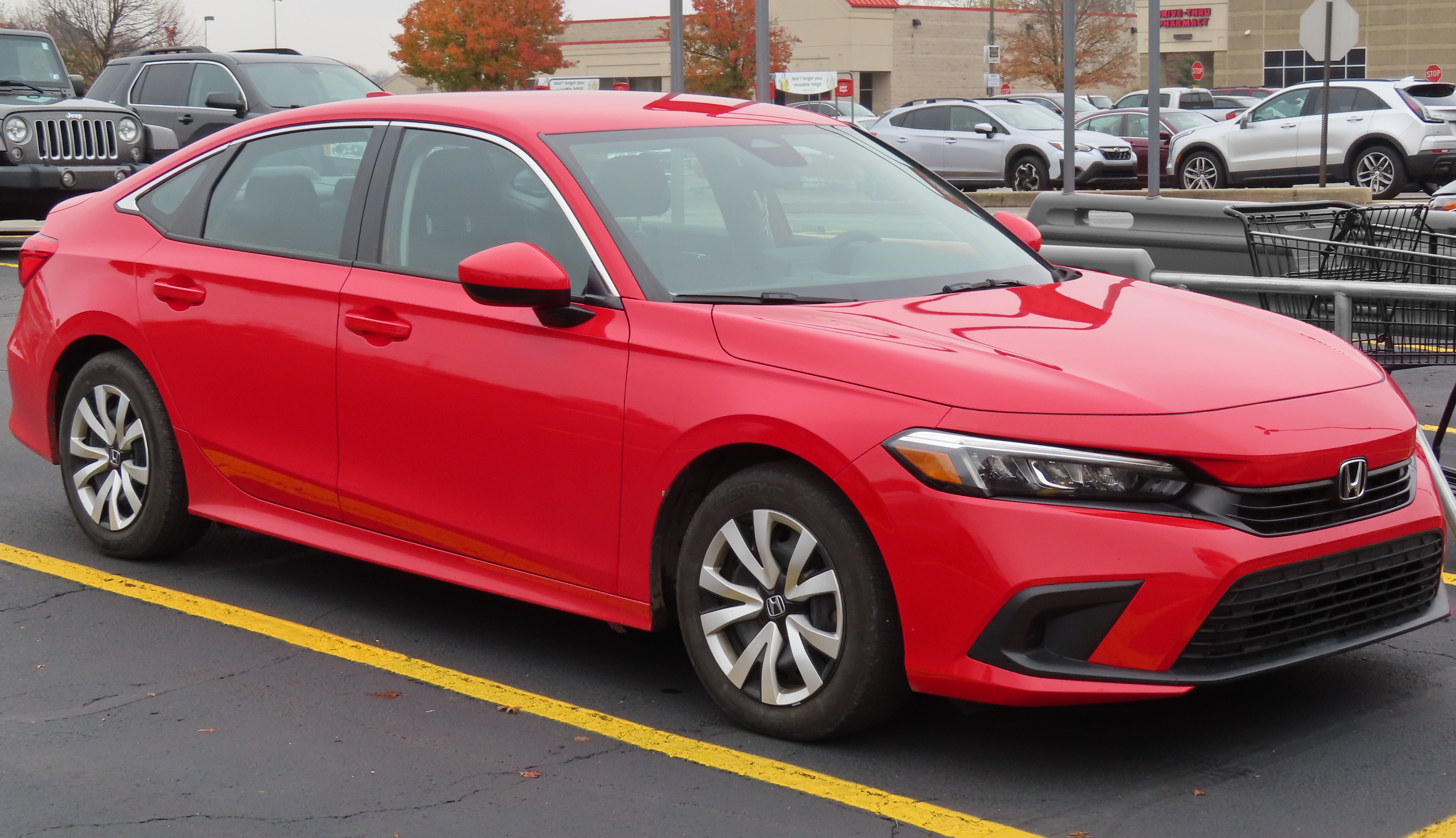
"...t, if you put a fucking exhaust system on a Honda Civic, it's going to sound like ass, but it still feel..."
The Honda Civic is a small car made for daily driving. People sometimes change the exhaust to change how it sounds. The podcast is basically saying that an exhaust swap can make it sound worse, even if the car still drives well.
The Honda Civic is a compact, everyday car known for being practical and widely used. In the podcast, it’s mentioned in the context of modifying it with an exhaust system—highlighting how sound and feel can change with aftermarket parts. It’s a common topic because Civics are popular platforms for customization and tuning.
"choppers. Well, big dog, iron horse, you know, they kind of took over for a very short period"
“Iron Horse” is a nickname people use for Harley-Davidson bikes. It’s part of the Harley culture.
“Iron Horse” is a common nickname for Harley-Davidson motorcycles. The speaker uses it alongside “big dog” to reference the Harley culture and how Harley-based bikes influenced chopper trends.
"And these old choppers that we used to do, I'm starting to see them again. They're bringing them out of the barns."
A “barn find” is a vehicle (often long-stored) discovered after years of being kept away from regular use. The speaker says older choppers are resurfacing from storage, which drives renewed interest and restoration work.
"suspension still is like, well, like everything that I think people shy away from that, the hard part about that bike is what gives you the experience"
Suspension is what helps the bike handle bumps and keep the ride smooth. Better suspension can make the same road feel a lot more enjoyable.
Suspension is the system that controls how a vehicle absorbs bumps and maintains tire contact with the road. The speaker is emphasizing that suspension (and what people avoid thinking about) is a big part of why the ride feels rewarding.
"[4964.4s] That's it. Where did you find that? That's it. Let me see. Only thing is they painted the tank."
The tank is where the gas goes. Painting it is a popular way to customize a motorcycle so it looks unique.
The “tank” is the motorcycle’s fuel tank, and painting it is a common customization. Tank paint jobs are often used to create a distinctive look and can reflect a rider’s style or brand of bike culture.
"...my dad had a reputation because we lived in a house with a carport, didn't have a garage. Remember I told you he built a garage in the back?..."
A carport is like a roofed parking spot for a vehicle. In the story, it’s where his dad kept lots of motorcycle parts, so people recognized the house as a motorcycle place.
A carport is a covered structure for parking a vehicle, usually open on one or more sides. The speaker uses it to explain the family’s setup: they had a carport full of parts and frames, which contributed to their reputation as “the motorcycle man.” It also highlights how motorcycle projects were stored at home.
"So who's to say that they won't start making engine cases out of that kind of stuff? Yeah. With the, you know, the 3D printer stuff, like I got a buddy,"
A 3D printer makes a part by building it up in thin layers. Instead of cutting metal away, it grows the part where you need it.
A 3D printer builds parts layer-by-layer from materials like metal powder or plastic. In automotive and aerospace, it’s used for prototypes and, increasingly, production parts where complex shapes or rapid iteration are valuable.
Company
competition engineering
"I don't know if you ever heard of a competition engineering, I think is what they go by, but they're, he's a, he's up in Pennsylvania and they have a metal 3D printer."
They’re talking about a company that uses advanced 3D printers to remake older engine parts. It’s the kind of shop that can help keep older cars running with hard-to-find components.
The speaker references a specific company that uses metal 3D printing to reproduce older engine cases. This is an example of how specialty shops are turning additive manufacturing into restoration and parts supply for legacy engines.
Term
powder that turns into
"they can make cases out of every metal, aluminum, stainless titanium, like it's a powder that turns into a fuck it's sure it's fucking space age."
In many metal 3D printing methods, you start with metal powder. The printer heats and fuses it so it becomes a solid metal part.
This describes how many metal additive manufacturing systems work: metal powder is fused into a solid part. The key idea is that the printer uses powder feedstock and a heat source to create a dense, load-bearing component.
"Yeah. I mean, look where we're at now today, stuff's going on that I never thought would have happened. Yeah. Bluetooth. You know, you sit on, you can listen to your radio and not have no wires hooked up."
Bluetooth lets devices talk to each other wirelessly over short distances. In cars, it often means you can play music or make calls without plugging in cables.
Bluetooth is a short-range wireless communication standard used in cars for hands-free calling and audio streaming. It’s a good example of how consumer tech moved into vehicles, reducing the need for wired connections.
Select text to request an explanation
What is up everyone and welcome back to the Fast Life Podcast.
On today's episode, I'm sitting down with David Brown, who is the second generation
owner of Brown Cycles, which is based out of Dallas, Texas, and started in 1970.
And in today's episode, he's telling us all the stories before, during, after everything
that took place when his dad built this brand, as he evolved into taking over and how he's
kept this thing running for over the past, you know, 50 years.
So great episode, a lot of history, a lot of good insight to the past.
And I had a great time talking with him, and I think you're going to like it.
But before we get into it, guys, please check out our sponsors, Arlen S Motorcycles, if
you are looking for some cool shit for your motorcycle.
They got some badass parts, carbon fiber, billet wheels, all kinds of goodies.
I'm currently building out my bagger right now, decked out with a lot of their parts,
and they're all awesome.
I've been running their parts for years.
You guys need to check it out.
And if you use Fast Life 10 at checkout, you're going to save 10% of all those cool ass parts
they sell.
So go check them out.
If you're looking for a newer used motorcycle, Cowboy Harley Davidson down in Austin, Texas,
has you covered.
They got all the best shit in stock, ready to go.
Great bikes, great staff, great people.
I bought seven or eight bikes from them in the past.
I know five bikes.
Sorry, I don't want to embellish that.
Five bikes from them in the past six, seven years and great experience every time.
So check them out.
CowboyHarleyAustin.com down in Austin, Texas.
Check them out.
If you or somebody knows been in a motorcycle accident,
1-800-LawTigers is the number you need to remember.
Put it in your phone, ride it on your forehead.
It's something you're going to want to use in the unfortunate event of you being in a motorcycle
accident.
They're going to go and fight for you.
They got your back.
It's all that good shit.
Let LawTigers take the wheel.
Check them out.
1-800-LawTigers.
Also, if you guys are looking for a great new helmet to kick off the riding season,
Kabuto has got you covered with MotoGP quality helmet,
badass stuff, race ready, great airflow, great design, aggressive, something new,
something with a little bit more technology.
Kabuto Helmets is your pick.
Check them out.
There's links down in the description to go check out all the models they have.
The drop in the arrow blade as we speak, great helmet.
Been rocking it for the last couple of months.
Yeah, you guys got to check this out.
Don't sleep on it.
Now let's get into this episode with David Brown.
Hey guys, you ready to let the dogs out?
Thank you for coming out here.
I appreciate it.
Appreciate you inviting me.
It's a, I like the fact I've known about your business forever.
You know, being in Dallas, being from here, just known about your brand.
But it, for the life of me, it took forever to walk in the shop.
I don't know, I can't really give you a reason why, but as soon as I walked in,
I felt like I started being helped in a way that was like the Brown FXR downstairs.
That was when I first started coming in because I was in the middle of building that.
And I was either looking for something because you were the guy that had everything in stock
here in Dallas or it was, I needed to ask a question.
You know what I mean?
Yeah.
And then that's almost going on a year now, probably just shy of a year, maybe eight,
nine, 10 months, something like that.
And now I feel like I walk in the shop at least once a week, at least to say hi.
Yeah, absolutely.
It's, it's awesome, man.
But like I was saying before we started, your, wait for, to fill in the blank,
how long has Brown Cycle been in existence?
Okay, so Brown Cycle started actually in 1970.
My dad went and got what they called a DBA doing business as he was a sheet metal worker,
but he had a passion for motorcycles and he was poor.
We were poor.
So he had to learn to work on his own because it come hell or high water.
He's going to ride his motorcycle back in them days.
There was a lot of what they call field events where a bunch of guys get together and they do
what they call rocket runs.
They actually did dirt flat tracking on stock motorcycles.
Okay, hill climbs, hill climb was a very popular at the time.
And my dad was pretty good at all this stuff.
So he got a reputation for his riding ability.
Plus he just loved it.
I mean, sometimes the motorcycles would come before the family.
That's just how it was.
But yeah.
So he'd been in sheet metal, working on hot roots in the summer and cold roots in the winter.
And with the passion of these motorcycles, and as time goes and he was getting older,
he was wanting to do something different.
And so it really started.
He was at home and he built a garage and he had people that would come to the house
because the Harley dealers at the time, which there was only one in Dallas.
I'm talking now early, mid sixties.
It was Connelly Harley-Davidson.
That's all it was.
What was that at?
That was at the corner of Maine and Oakland, which now is Malcolm X.
Down in Deep Ellum.
Oh, sure.
Does Deep Ellum?
Yes, it was down in Deep Ellum.
It was that was called back then.
It was it was the outskirts of downtown's what it was.
Yeah.
The start of East Dallas.
So my dad developed a relationship with Eddie Connelly, who was the owner,
and he would do work for Eddie.
And in turn, Eddie would favor my dad with knowledge of how to work on the bikes.
Plus Eddie was a professional racer.
And the Harley factory put him in that shop because he retired from racing.
So my dad did a lot of work in the building for him.
He actually built an attic up in this building with a ramp
so that they could go push a motorcycle that they tore down up and store it.
Store it.
Yeah.
That's crazy.
Yeah.
And so with that, my dad, like I said, developed a relationship.
Well, Eddie would not if you had a sissy bar on your Harley Davidson,
he wouldn't work on it.
Don't bring it to me.
He'd tell them.
They get to Jesse Brown.
Yeah.
And they'd come out to the house and my dad had a garage that he built and he'd work on it for it.
Keep them running, tune ups and fix the clutches of transmission.
Yeah.
And Eddie had a mechanic that he really didn't like.
He was a small guy, a German guy with an attitude.
And so my dad said, Eddie, you know, you're sending me all this work.
My dad would come home from the sheet metal work, eat supper, read the paper,
and then go out to the garage and work to 10 o'clock every night.
So this mechanic that worked for Eddie had three kids and he needed more money.
So Eddie said, Hey, won't you let Dennis come out and help you?
He goes, Yeah, okay.
So Dennis would come to the house.
He'd get off the work, come to the house.
He'd work till 10 o'clock.
Then he had drive to Lake Dallas every night.
So your dad was basically getting funneled work from the Harley dealership.
Absolutely.
And then when he got too busy with it, the Harley dealership also funded their employee.
Well, I'll tell you, yeah, well, he didn't like this guy, but he was a good mechanic.
Dennis was a real good mechanic.
Well, what happened was we live on a corner and there was an alleyway
and then next to the alley was the highway.
And on the highway was a service station.
And the old boy that owned the service station was noticing these trucks
and motorcycles going up the alley, stopping at my dad's.
Like on Saturday, they'd be five, six motorcycles out there.
And so he turned my dad into the city of Mesquite.
So they come out and they watched him.
Then finally one day they come in and said, you got to shut this down.
You can't do this.
Damn, for real?
Yeah.
I didn't think they were that hard on like ordinances and shit like that.
Oh, yeah.
Well, they had a complaint.
So they had to abide by the complaint.
Yeah.
So my dad goes down to Eddie and he goes, don't send me no more business.
They've shut me down.
I can't do it.
And he goes, well, Jesse.
The building next door here is empty.
Why don't you just rent it and move in there?
He goes, you wouldn't mind?
He goes, hell no, I'll send you all the work you want.
And he did.
That's fantastic.
So my old man moved next door to a building next door, which you a skateboarder?
Yeah.
You know, the skateboard place used to be next to there's a building and then the skateboard
place.
Yeah.
Yeah.
I know what you're talking about.
And that used to be over there in Deep Ellum, right?
Yeah.
On Main Street.
Yeah.
Well, that was that was the first building my dad moved into.
Oh, hell yeah.
That's when he got his DBA doing business as a brown cycle.
What was like, what was Deep Ellum like back then?
I mean, it was an industrial area.
It was full of body shops.
Okay.
Car repair shops.
It was industrial.
Not like, yeah.
That building we have is on the corner of Maine and Oakland.
No, the building next door was next to the corner building.
The rent was $300 a month.
Yeah.
Inflation.
Yeah.
Yeah.
So anyway, so he moves in there.
If you had it, like I said, if you had a sissy bar or chopper,
they'd go to my dad.
What was the sissy bar?
Like, what was the thought process behind them seeing a sissy bar?
It wasn't a factory Harley-Davidson.
It was altered.
And the dealers did not, everything comes from motor factory.
Yeah, yeah.
Motor factory says, we don't want choppers.
We don't like this idea of choppers because you got to understand,
this is the time when Hollywood was coming out with hell's angels on wheels.
Yeah.
Okay.
Yeah.
So it was a black eye we'll call it.
And so my dad moved next door.
Mr. Conley would send him everybody that he didn't want to mess with.
And that's how we got started.
And then in 1973, late 73, the motor factory forced all the dealers to move out.
See, back then your dealers were all in the downtown areas.
Dallas, Houston, San Antonio, Austin, all the dealers were in their downtown area.
Factory said, we don't want this no more.
We want you out in a suburb.
So early 70s they did that.
Yeah.
Damn.
Yeah.
73, 74.
So Mr. Conley had to move out.
He had to get a place.
So he got a place.
You're not familiar with Dallas, but it's North Dallas.
It was on the corner of Plano Road in Forest Lane.
Okay.
Okay.
So when he was getting ready to move out, he told my dad, he said,
Jesse, why don't you move into my building?
I'm not going to take everything with me.
You can talk to the realtor, get you a lease, and you can take over where I left off.
So they did a word of deal and my dad moved in to the corner.
Well, lo and behold, there was all kinds of parts.
The parts that, like the parts that I got, I got a lot of stuff, you know,
but we're talking complete bottom ends, complete transmissions with bent shift forks.
See, back then, if you bought a new Harley and it was under warranty,
and you get out of here and you've been a shift fork, we'll say, just top thick as me.
They wouldn't go in there and repair that.
Factory would send a new transmission.
They'd pull that out and stick it up in the attic.
So, so this was 73.
So you were dealing with more, you know, that not so much generator motors anymore.
Oh yeah.
Panheads, knuckleheads, generator drive,
absolutely.
They were still out there.
And so by leaving all this stuff, my dad come up with this idea to start building choppers.
You could buy, well, back then you started out, we started off with jammer frames.
Yeah.
You heard her jammer?
Yeah, you were telling me about that.
Okay.
Telled everybody on here.
Yeah.
So, so he started building choppers.
He'd built 12, 15 choppers a year and it was all out of stuff that Mr. Connolly left.
Now, there was times where he had to pull out a bottom in and had a busted case.
Well, there was a company called Cal Custom that was reproducing left cases.
Okay.
Yeah.
So it was left cases that a common case to get broken whenever you have like a rod or something.
I don't know why, but it was.
Plus, there was a lot of thievery going on back then and your numbers was on your left case.
Oh, okay.
So, a guy comes in and he goes, hey, I got this.
I found this bottom in there out in the field one time.
Would you like to buy it?
So, yeah, we'll buy it.
So, my dad would buy it.
He'd buy a brand new left case.
He'd always come up with a title, stamped the number in the left case.
Yeah.
Now, we got a motorcycle because on your pre-70 models, your VIN was on your left case.
Yeah.
So, that's how that started.
Yeah.
That I got a buddy going through it right now and I'm teaching them all this stuff.
But at the same time, like you talking about like this is kind of like, uh,
it's pretty wild to think that, you know, this dealership was that,
that like inviting to an aftermarket shop, essentially.
Right.
And then to be like, Hey man, you know what?
We're going to move.
So, here you just want all this shit.
Right.
Well, again, he developed a relationship.
They liked each other.
And really, Mr. Connolly, he stood about five foot tall, maybe five foot two,
120 pounds, but he was, he could be very, he could be an asshole.
Really.
He was a tough guy.
He was, he was a typical little guy, but he liked my dad and my dad was a big man.
He liked my dad and you know, they got along and it worked out.
I can remember, uh, my dad's wanting to know how to do bottom flywheels.
And he couldn't figure it out.
So he goes down to Eddie and he goes, Hey Eddie, I want to, could you, you know,
maybe have one of your guys, I'll be glad to pay you.
Show me how to do a bottom man.
And he goes, no, that's all right.
Call it out as a mechanic.
Hey, show him.
And the mechanic didn't like it.
Back then these mechanics didn't like telling people nothing.
You come to my shop right now and you say, how do I, I'll tell you exactly how to do it.
Well, they wouldn't do it back then.
Yeah.
They, that was privy information.
But Mr. Conley, like my dad, he made the mechanic show him how.
So my dad started with flywheels, learned how to do them.
And then it went from there.
And then like I said, he built his own motors.
He always had a mechanic or two like this mechanic was a factory train mechanic.
So he did the transmissions.
He did the heads.
My dad boarded the cylinders and here we start building bikes.
And the, the whole jammer frame situation was basically,
for what I remember you telling me was you had the motors, right?
So you basically have a title where the power plant.
And then you basically could build these kit bikes almost,
even though that sounds kind of derogatory to say kit bike,
but it was like you're building choppers the same way you would get a
apoco frame nowadays or even, you know, all that.
Yeah, exactly.
That story you told me, which I'd love for you to tell everybody the way jammer frame,
jammer just screwed themselves.
Yeah.
Well, they was at a big show, you know, where all the dealers come and then all the
distributors have boosts and this and that.
So they was at this show.
There was a gentleman here in Dallas named Mike pool pool cycle.
He's gone.
He moved to Arkansas.
So my dad was sitting there with Mike pool and they were talking and the guy who owned
jammer come and sit with him.
Back then I knew his name.
I don't, I can't pull his name up right now.
Anyway, he sat down with them and he said, I got it.
I got a deal.
I'm fixing to franchise jammer.
If you want to buy my parts, let me back up.
We was getting most of our chopper parts, oil tanks, front ends, frames, wheels.
We was getting them from jammer.
Poco was just getting started or we were just getting to know Poco.
Yeah.
So, so we was getting everything from jammer.
Jammer thought they had the market.
So they said, we're going to start.
If you want to buy jammer parts, you're going to have to franchise be a jammer,
franchise dealer, just like a Harley dealer.
Well, my dad and Mike pool go take it, stick it up your ass.
We're not buying no franchise.
Yeah.
We're independent and we're going to stay independent.
Because they wanted you to only use that's right.
And you had to pay them to do it.
Yeah.
You know, you had to buy a franchise fee, blah, blah, blah.
And then they were going to control your, they were going to control your inventory.
They were going to tell you how many calls to carry so on and so forth.
Yeah, yeah.
It sounds like they were trying to make it like a real dealership type of
manufacturing kind of thing.
But if you're building the bike yourself, it's kind of,
it'd be different if you were manufacturing like iron horse or big dog.
And then I'm carrying parts to service these things.
Right.
That's a little bit different, but I don't know.
What style of frames were they like?
Just like the, if you've seen a Paco straight leg frame.
Okay.
Yeah.
Just like that.
Just like that.
I don't know who had the first idea, but they were a lot alike.
Yeah.
Yeah.
Paco frames though are more towards an old Harley frame.
Okay.
You know, if you look at a Paco frame, you put an old Harley frame up next to a,
like a wishbone Paco frame.
They're pretty close.
Yeah.
And the jammer frame was its own.
Okay.
So it's stylized essentially.
And there was another company you ever heard, you've heard of Custom Crohn?
Oh, yeah.
Well, they had a brand Santy.
Yeah.
Santy made frames.
And they were more similar to the jammer than they were the Paco.
And, you know, we use some of their frames too sometimes.
When did the, when did that jammer situation take place?
The start in the franchise though?
Yeah.
Probably around 77.
I had just gone to work for my dad.
Okay.
And it started just then and he'd come back from Cincinnati.
That's where all the shows used to be.
Yeah.
Like it wasn't V-Twin Expo back then, was it?
Was it something else?
I don't know what it was called, but it's just like
V-Twin Expo.
But instead of like, you know, Drag Specialty has their own Expo.
Yeah.
And it's nothing but your Drag Specialty vendors, right?
Yeah.
Well, this was, Drag Specialty was, this was the motorcycle show, all your reps.
And it wasn't just V-Twin's, it was metric motorcycles, all of them.
It was a big show.
They were cool.
It was really cool to go to.
You learn a lot.
You see all the new product.
Yeah.
And no, it was very cool to do.
Yeah.
I mean, that's essentially what the V-Twin Expo was.
But I think that that just kind of dwindled down as Drag
got more and more stronghold or more and more market share, if you will.
There just wasn't a space to kind of do what Drag could just do with like the,
what are the drag MVP show I think is what they call it?
The Drag one.
I know what you're talking about because I was just going to go a couple of times.
They do a Louis Louisville Louisville.
Yeah.
Yeah.
I want to go, but I'm not a drag dealer.
I'll just go there and party.
Yeah.
If you're ready to take your motorcycles to the next level with style, performance,
and quality, this is where RNS motorcycles comes in for over 50 years.
The legends at RNS have been building the boldest customs and crafting premium parts
that turn heads and stand the test of time from the classic big sucker air cleaners
to the new carbon fiber parts line to bars, risers, wheels, brakes, the list goes on.
Ness even has a full parts line for the 2024 and up touring models.
Whether you're pushing a Harley, Indian, or a custom build,
RNS delivers with quality parts that I personally run on all my bikes,
from my choppers to the new 2026 bagger I just picked up this year.
Head on over to Arlennes.com and check out the new drops for 2026.
And don't forget to drop the fast life 10 offer code to save yourself 10% off
your order. Your helmet better be as serious as you are.
Kabuto motorcycle helmets brings Japan's legendary helmet craftsmanship with cutting
edge technology that keeps you ahead of the game.
With advanced aerodynamics like the wake stabilizer and crest spoiler,
you will slice through wind with rock solid stability at triple digit speeds,
all while boasting a lightweight composite shell with ACT tech and MIPS safety standards.
For the last year, I have been exclusively wearing the F17,
which is a full face MotoGP race helmet that has an aggressive profile,
while having some proper ventilation to help with these extremely hot Texas summer days.
Kabuto helmets are new to America and I'm very honored to stand beside them this year.
You can check out these helmets and find out more information at kabutoamericas.com
and don't forget to get my friends a follow at Kabuto underscore Americas on Instagram.
Well, my rep, I'm not going to say he tries to pressure me, but it really wants me to,
you know, they act like they really want you to go. Yeah, you know, and it is a good thing.
I mean, you make you get to meet Avon, James Gasket, you get to meet all these people,
you get to see them, they get to see you, you know, and you have a kind of you get to a relationship.
Yeah, if you go there with the right mentality, you go there to ask questions
so that you can come back and relay that information to your customers.
And then when you call them with a problem, hey, this is David Brown.
Oh, yeah, man. How are you doing? You know, blah, blah, blah.
Yeah, but I hadn't made it yet. So one day. Yeah.
Yeah. So like your dad's building these choppers.
I mean, what, how, how big did that get throughout the seventies?
Just with that kind of thing and how much, how many other shops were there?
Like how was this like a lucrative thing that a lot of shops existed in that timeframe where there was a
Yes. At this time, we'll call it the mid seventies.
There was on our corner, there was us and across the street was a motorcycle shop.
And behind them was a motorcycle shop. And down on the corner down here was a motorcycle shop.
So there was just in our area was four motorcycle shops. Yeah.
Then you had a shop called show and go cycles.
Then you had a couple of individual guys that opened up some small shops.
Can't remember their names, man.
Why do you think, what do you think made it so was motorcycle just that much more popular
in the seventies to where there was that much more opportunity for shops to exist?
Or I can't answer that, you know? No, it wasn't more popular because the,
the, the group we'll call it of motorcycle riders was very small. Yeah. There was no internet.
Okay. So with no internet, you had to go somewhere.
That's, that's what it was. I just, I just remember there was no internet.
So if you wanted a part, you had to go to a shop that would,
that was a dealer that would carry that part. Yeah. That's what it was.
Yeah. That's, I mean, duh, right? But it just, it seems like in this day and age, like
you would think that there is definitely more motorcycle riders now, but it just
doesn't seem like it's as lucrative. Even, even in my 20 years in Dallas alone,
in 2004 when I got in there, I felt like there was then a bunch more shops, you know what I'm
saying? To the, to what there is now. I couldn't even tell you that other than yourself,
I've been good friends with Darrell from Darrell's custom cycles out there in Fort Worth,
Hawthorne City area for a long time. That's kind of the only other dude that I know that has like
a legitimate storefront motorcycle shop that, you know, you walk into that actually,
you know, pays taxes and does all the shit correctly. You know what I mean? Well, and that's
the deal. It's a, it's a job. It's a job. You know, and it's not easy. You know,
I can tell you this, you're, I don't even know the Darrell guy, but I guarantee he's got a passion
for these motorcycles because I've had people come in and say, I'm going to start me a shop.
And they do, they get a shop and they don't last no time because it's not easy. But what's worth
having if it's, if it's easy, nobody wants nothing easy. You think you do, but you're not going to
make a lot of money. It's a passion. And that's what it is for me. We were both, we were talking
about that before Matt showed up, how we both agreed that we live a very modest lifestyle
to be able to afford to do this for a living. Right. You know what I mean? Right. I think a lot
of people like see the outside, like they see how much it costs to build a bike, right? Or how
much the parts are, whatever the case may be, whatever the ticket is, and they might get that
idea like, I want to start a shop. There's good money in this. Right. Yeah. But that, that guy,
that customer's one out of maybe a few that's going to come that year. The rest of it's going
to be your batteries, old changes. Right. You know, why is my, you know, brakes not working kind
of stuff. You know what I mean? And also you'll be surprised at how little market that we do. Yeah.
Just, and the, you know, the people have always got like, how much? But I mean, we're just trying
to market up just to make a profit. Yeah. Because, you know, we got taxes, we got electric bill,
blah, blah, blah. Just like every other business has. But it's like anything that you like to do.
You're, you know, you're going to do it and you're going to make it work. You're going to
do what you have to do to make it work. That's what my dad did. Like I said, he'd work at the
sheep metal shop till about four o'clock. He'd come home, eat supper, read a paper. Then he'd go
and he'd work till 10 o'clock in that Saturdays. He was always off at the sheep metal shop,
but he'd be in the garage working on bikes. Sunday, be in the shop working on bikes.
Did that ever like, cause you said that he was really an avid rider. How did that affect,
if you can recall or remember, how that affect his connection to the like riding motorcycles?
Did the, did the shop overtake all his like racing and all the other stuff that he wanted to do?
No, he did it all. He did what he wanted to do. My dad did what he wanted to do. That's cool.
I was in college. I wasn't a college guy. I was there on a scholarship. It was free.
And it took me about a year and a half figure out. I wasn't a college guy. So I wanted,
and I always had a dream of being in business. See, in the 60s and 70s,
when I saw somebody had their own business, I just thought that that was the coolest thing.
And I wanted to have my own business. And so I wanted to go to work for my dad and I went to
work for my dad. So when I went to work for my dad, then he started getting on his motorcycle.
So you stay here. You run this shop. I'm going to St. Louis, California. And he did. He rode
and rode and rode. That's how I learned this business. I learned by all the mistakes I made.
Yeah. And the deal was he had made so much money so fast. Remember I told you from the beginning,
we were poor. Well, he went from poor to what we thought was rich. Well, he really wasn't rich,
but he had plenty of resources to do what he wanted to do. And so he'd leave me at the shop.
I'd try to run it and do it. And he did his traveling and he traveled. He started riding a
Gow Wing. He loved him. And he'd get on that Gow Wing. I mean, he covered every state, 48 states.
He went to Canada and I tell this story all the time. For nine years, my dad and his about four
buddies would get on their bikes the day after Christmas and they'd ride to Al Capucco. They
did it nine years in a row. That's badass. Yep. He tried to go to the, he wanted to go to Central
America one time. They were having a war in the Yucatan Peninsula. And so they turned, they were
heading their way to Central America and the federales turned them around. Told them they
couldn't go there because there was a lot of problems there. So he never made it to Central
America. That's crazy. So he was, you know, you're building, he's building these choppers in the
70s and then like the love for motorcycles, when did he start traveling on them? It was like
basically come the 80s when you started kind of. Well, here's the deal. We were doing the
chopper building in the winter. Yeah. See from about the end of October until about the end of
February, people wouldn't even come in the shop. You know, you're talking about how there's more
people now. Well, back then there wasn't that many people. So what they would do in the winter time,
they wouldn't even come around. Every now and then a guy would come in with his bottom in or
heads and cylinders because we did, we board cylinders, did valve jobs, blah, blah, blah.
And we'd have a little work like that. But so that my dad could keep mechanics,
he'd start building choppers. And every winter he'd have to be pulling money out of his pocket
to keep the shop going. Shop wasn't making money. But then when springtime hit and he started selling
these bikes, he'd be, you know, he'd be shitting in high cotton, we'll say. But no, he did real
well with it. And he got to be, he got to be known for it. You know, people would say, well,
another thing you can tell his choppers because they were all the same. The only difference would
be the motor. It'd be either a generator drive or it'd be a panhead or it'd be an alternator
shovel head. But same frame, sporsed or tank, flat fender, you know? Yeah, it's a good kid,
right? It was, it was, it worked. You had your choice of four bins or six bins.
And it was, oh, and the color, you could have any color you wanted, as long as it was black.
He'd paint them all black. And I think they're about the last two or three years, I convinced him
to let's put some color. Yeah. So we had a guy who would paint the frames to match the tank and
the fenders. And we had like maroon and we had a brown, black, red, white, just one color, though.
Yeah. Nothing else. That, I mean, that's tried and true, though. I mean, it was part of me,
like with mine sometimes. I mean, I'm a custom painter by trade. So it's like, it's sacrilegious
not to do what I do on a bike that I own. But yeah, what I really want is just a flat black,
crusty looking bike. I don't really have to be concerned with rock chips and all that kind of
stuff. And that's the bike I really want to ride off into the sunset in. Yeah. You know what I mean?
Well, when I first went to work for him, he wanted, we was running chrome rear fender and
the chrome front fender. Yeah. He said, I don't need no painter. Let's, we're going to paint it
ourselves. So he got me a can of Krylon and a can of primer and I primed it and then I sprayed it
through. I thought good. That's it. No clear. Yeah. No polishing. Okay. Put it on. Sell the bike.
Well, a guy comes back about, I don't know, a month later, two weeks later or whatever.
He said, man, I got caught in a hail storm and I want y'all to come out and look at my bike. We go
out there and look and the hail that beat the paint off the tank. Oh, shit. So we decided then
that we need to find a painter. Yeah. Yeah. And he had a couple of guys that would paint for him.
Yeah. I feel like even then, I mean, there's probably tons more paint, paint shops. You know
back then. Yeah. Well, these are guys that paint their garage. I mean, that's what my grandfather
did. Yeah. You know, and you know, they do pretty good. The only problem was they couldn't keep the
trash out. Yeah. Well, old paint like that too was different. Yeah. Yeah. Was it like a
enamel back in the day? Probably. I thought it was lacquer. Lacquer had a run between enamel.
It was enamel, lacquer and then urethane, which is kind of what was still on it. Yeah,
good stuff. It's good stuff. And it's still what we use today, but it's very forgiving.
You get some trash in it. You can polish it out pretty easily, but what was it? Lacquer is like
it's like everything's, I mean, I think enamel and lacquer are similar where it's all in
encompassed into one single stage. Yeah. And you polish the paint. Yeah, the color itself.
It's weird. Yeah. But I don't think they did have a clear coat to put over, but most of the time,
it was just straight color. Yeah. And so when you buff it, the pad would be that color. Oh,
yeah. You'd go off on the pad. You'd put so much more coats on it though, just so that because
you knew you were going to wet sand it down and polish it out. My dad did a couple of those and
I know my grandfather used to bang them out all the time, but I'm glad I didn't grow up in that
era. It sounds like it sucked. Well, I know one guy that when urethane first come out and started,
yeah, he was painting without a mask or without a breathing apparatus. Yeah. And it got his lungs.
Well, the lacquer and enamel was worse than the urethane, to my knowledge. Yeah. Right.
What? I mean, they all have. Urethane catalyzed clears and primers are not anything that's catalyzed
is really bad for you because it hardens inside. Right. Um, but I want to say lacquer was like
Enron lacquer was, I don't fucking know. This is all. Well, I was, I was breaking Krylon lacquer
without a breathing apparatus. Of course, my paint jobs were very limited, three or four maybe.
Yeah. Yeah. Cause I was just getting started, man. Yeah. I was just getting started. So when you
were like, you know, you're growing up, your dad's into this stuff, you know, you said you played
football, right? Like that was your thing. Like, was there like this aspect of like you were in
high school wanting to ride bikes or did you ride motorcycles or? I rode them because I had to.
Yeah. My dad had a deal. You live in this house, you're going to ride a motorcycle. Yeah. So,
and you know, being a middle class, low class income family, I had to work whenever I wasn't
playing ball or in some type of school activity. Yeah. I'd have to get a job. Well, as long as I
had a job, I had a motorcycle ride. So I was riding panheads as a 14, 13, 14 year old kid to a job.
And I was, I, my brother also worked with my dad. My brother quit school when he was 16 years old.
Went to work with my dad at the sheet metal shop. So my brother got me a job on a construction site
and I was riding a, I was riding a 66 shovel head that my dad had, my dad, you know, these fenders,
we call them fat bob fenders, where they flip up. Yeah. Well, my dad made one. He took a front
fender and cut it off, made his own tip, riveted it in and then bonded it and put it on the back
of this. He had his own flit tail fender. I was riding this bike to, to this job site,
which was a part we were building apartments. I was a cleanup boy and I was the talk of the,
of the site because here's a 14 year old kid riding a Harley Davidson motorcycle to work and
everybody's like, how in the hell do you, you know, how in the hell do you ride that thing? Why,
how did you get it? So what was my dad's and he lets me ride it. If I got a job, he'll let me ride
it. They just shook their head. You know, they couldn't, couldn't believe it because they're,
back then these guys were, they wanted them. You know, they, everybody wanted a motorcycle.
Why was it so hard to obtain like that idea, you know, that old David Ellicose song,
you know, Harley someday, like why was it, was, were they just not obtainable as far as financial
or, well, for one thing that had a stigma about them, that they were, they break on you. So if
you got one, you had to buy it, then you had to pay for it and then you had to fix it and you
couldn't go very far. You had a small group of people that really loved them. Okay. And everybody
else was what, I guess what you call wannabes. You know, maybe they thought they wanted a bike,
but I think they just wanted the, the culture because there was a culture and,
and it wasn't, it ain't like today's culture. It had a black eye to it. You know, most guys that
is riding these bikes, what in your all American citizens? They either, they either just got out
of prison or they were on their way. One or the other. It was that bad. It was, it was pretty rough.
Here in Texas, when you're ready to level up your ride, there's only one dealership that I go to,
and that's Cowboy Harley Davidson of Austin. Whether you're looking to jump on a new 2026 model
or a certified pre-owned Harley that's ready to go. Cowboy has you covered genuine Harley parts,
expert service by factory trained technicians, finance options, all from the dealership that
I have trusted to buy my last five motorcycles in the past 10 years. Swing by or hit them up at
cowboyharleyaustin.com. And don't forget Cowboy hosts weekly events. So follow them on Instagram
at Cowboy HD Austin to get real time updates. In one split second, your ride can turn into a
fight for your life, your bike and your future. That's when you want law tires and motorcycle
lawyers to have your back. They're not just attorneys, they're riders, real ones. They've
been in the wind. They understand it. They know the risks. They fought for thousands of injured
riders across the country to get the compensation they deserve. 1-800 law tires needs to be the
first call you make. They will get you on the right path with free case evaluations 24 seven,
call law tigers before the insurance company starts spinning their wheels. Again, 1-800 law
tigers or hit up lawtigers.com to get on the right path and give them a follow on Instagram
at lawtigers. And once again, 1-800 law tigers, the first call you make. Well, again, you remember
that? Like I said, Hollywood was coming out with these chopper movies and they were making it look
like if you were riding one of these motorcycles, you wasn't a good person. Yeah, you was definitely
a bad person. You know, they had a they did you ever see any of those movies? Yeah, I've seen a
lot of them. I haven't seen them all because there's there's countless where they go in,
they take over a town. Yeah, it's basically the wild bunch or yeah. Yeah. Yeah. So and that kind of
went along with it. I tell you a little quick story. When I first went to work for my dad,
there was no drag special, there was drag specially, but you could only get just a few
things. Yeah. So we had to go to Nut and Bolt house, get nuts and bolts. We had to go to the
rubber house to get hoses. I had to go to auto parts to get my chemicals. So my job was to run,
go get this, go get that. Yeah. Well, I'd go in a place to buy something. And of course,
you had an account. We'd always try to open up an account. And I'd say, yeah, I'm here for,
I want to need to pick that up for Brown cycle. Yeah, y'all work on them Harley, don't you?
Yeah, them damn thing. I wouldn't have one of them piece of shit. You know, they'll leave you,
they leak oil everywhere and they break all the time. I caught that so many times from
non riders or riders who rode other motorcycles. Yeah. And you know, it was a real beat down.
So that's why the people who were riding them, there was a passion. Yeah, they didn't care.
They didn't care how bad they were, how slow they were, the amount of oil they leaked,
because there was something you had a Harley man, you was in this world, you was something.
Well, it goes back to that. I think the statement about all of this stuff that I think is attracted
to a lot of us is if you can just buy it, then it loses its value. It doesn't have that cool
factor. And I think what I'm finding out is after hearing stories like this over countless ones
doing this podcast, and someone's telling about this, what it was like, and they did these trips
on this bike. And that's kind of one of the big pushes while like, you know what, I want that
experience. I want to be able to say that I made an old motorcycle last and work through the,
through a trip across the country or whatever. Yeah, because I think that's where it separates a
lot of people, right? Some people really want the bike, you know, a little bit of oil dripping
is like the end of the world to them. You know what I mean? Oh, gosh, yes. Yeah, there's, I think
that that hasn't changed a bit. I think that they got easier to obtain. And a lot of people want to
have that, like a lot of people seem like they want to have a chopper. But it's the same thing
that I've been dealing with as learning how to how to have this chopper. It wasn't like I bought
all this stuff, put it together. And now I have this perfect bike that rides every time. I had to
learn how to start it. Exactly. I can't. I mean, you probably remember me coming to Chicago. I
don't know, man, the timing's off. Something's not right. Sometimes it works. Sometimes it doesn't.
But it's like, once I got that figured out, it was such a like, rewarding feeling to be able to
like, trust that I could start this bike somehow. You know what I mean? Yeah. Yeah. And you know,
the guys like you're saying who who would ride them and go across the country, you know, nowadays
you pack your clothes and you snacks and blah, blah, blah. Back then, you know what they packed?
They pack some extra parts and tools. Yeah. They didn't take no extra clothes or nothing. Yeah.
Because it was to get there and get back. Yeah. And so and you, you know, you had to work on them.
You, you've witnessed it. It's it don't matter how much money you spend on it. It don't matter
who built the motor. It don't matter who put the bike together. You get out on it and you ride it
eight hours a day for a couple of days. Something's going to give. Yeah. That's just all there is to it.
Yeah. Yeah. And that's to me, that's that's a that's part of that experience of riding one of
these type of machines. Right. Yes. And that's how it's always been. Yeah. That's what made
the fraternity. We'll call it. Yeah. Yeah. Because guys would get together and go, yeah,
I rode to Oklahoma City and back, you know, it took me a day or two, but I made it. Yeah.
And you were in the club then. Well, yeah, I'm hypothetically speaking. But yeah, it was,
you were accomplishing something by riding one. And the more you rode it, the higher up the ladder
you was. Yeah. Because there was guys that would have them. All they want to do is I'd have guys
that would come in on Thursday evening or Friday morning and go, I got to have my bike ready to
mark because we're all going to go into the bar. And that's all they want to do. They want that
bike to run so they could get it to the bar. That's it. Yeah. So they could show up with their trophy.
That's what I'm calling. And that's just how, how a lot of it was.
Yeah. It's kind of weird. It's like, I know what you're saying. And I, and I, I, that still exists
to this day, right? I feel like it's a phase either. Some people, some people just, they like the
motorcycle, they get a different feeling out of it, whatever the case may be. Because there's a lot
of people that don't, they don't even want to jump on a road gliding travel across the country.
Right. You know what I mean? It's just like they would rather have their bike shipped to Sturgis,
they're going to fly in, enjoy it for the weekend. And that exists. Yeah, it's not as cool in a lot
of ways as like, you know, riding and being more into it. But like, those are also the guys that
pay most of the bills for the motorcycle industry. That's right. So that's right. It's kind of like,
well, you know what, essentially, you guys are the boss, you guys have fun, you know, your bike's
going to work as good as they can for this weekend. That's right. Those guys got, they were all,
they've always existed. They always will, right? And you know, the ones out there, they really want
to get the real Sturgis. I mean, you can still go to Sturgis and get an experience, maybe not as
accurate or to the, to the T of what it was like 30 or 40 years ago, but you can get a vibe. It's
me that he left Sturgis. He had to get home, had to leave his group, had to come home. He said,
when he pulled out, it was 100 degrees and he was, he was dying. If you're, you're ridden in
hot weather. So you get the motor, the heat off the road, plus off the motor. I mean, you'll sit
there and literally bake. And so he, he'd come up with an idea, which I thought was the coolest
idea. He stopped at a store, got a bag of ice through the bag of ice on his gas tank,
got back on the road and the wind, no windshield or nothing. And the wind was
blowing this cold air. He made an air conditioner with ice. I thought it was a pretty good idea.
Yeah. There's, I mean, definitely, definitely done things like that. I've actually ridden in
very long. It's like, it's like 10 minutes, maybe if you're lucky. Yeah. What we would do is fill
our shoes with like, not ice because we really get our feet in there, but like soak them, soak
your shoes, soak the inside of your helmet. And then you put it on and same thing, like you just
kind of blast on the highway and just dry, you know, but how long would it last? Like you said,
not long. Maybe you can get another 50, 60 miles to the next gas station or something like that.
You know, back in the seventies, these guys didn't wear helmets. Yeah. It was, and they didn't
wear it. It was a, it was a form of protest. Yeah. Because the government, you know, a lot of these
guys were Vietnam veterans or friends of Vietnam veterans and they all established an attitude
uh, against authority and the helmet was one of the protests. They didn't want to wear a helmet
because there was helmet laws. So, uh, they would, then they'd push it, they'd push you to the limit
and there'd be a time would go law enforcement would say, I leave them alone. We're not going
to hassle. And then there'd be a time you hit a town and you go to jail. If you couldn't pay the
helmet law fine, you go to jail. And there's guys that would go sit in a jail for a day or two just
because they wouldn't wear a helmet. And then when they did that, I heard one guy say he had to push
his bike out of town because there was a helmet law. They wouldn't let him ride it. Yeah. So he
pushed it out of town and then got on his bike and left. So we're in the same idea of, you know,
the bad people, uh, they were protesting. A lot of us protest in Vietnam war. Yeah. Yeah. There was
there's a lot of that in there. I bet if you researched it, uh, well a lot of them old guys
are gone though. But if you could talk to them, uh, uh, I had a very large just in my shop in
Dallas, Texas, a very large percentage of my customers were Vietnam veterans. Yeah. And some
of them were very difficult to deal with. Yeah. You know, uh, and that's how a lot of these one
percenter clubs got bigger and bigger because you had people coming back from Vietnam that
weren't happy people. Yeah. And they wanted to mix it up with their own kind. And that's how
these clubs got started. You know, nowadays, and I'm not knocking it's a great thing. I guess
there's all kind of clubs. Yeah. You've got family clubs. You've got women clubs. Well,
back in the seventies, there was only one kind of club and you had to pretty much earn your patch.
Yeah. And if somebody didn't like it, you had to stand up for that patch. Yeah. And some people
did and some didn't, you know, so. Well, there's definitely, uh, I mean, across the board and
society, things have definitely gotten easier per se, you know, um, it's gotten easier to be able
to be a part of subcultures and like things like that. Um, I mean, of course, in the eighties,
I mean, if you think I wanted to ask you this, like, when did you see that shift in culturally
when it went from being like more dirty bikers to, all right, now we're getting some dudes that
are coming in here, you know, with a different kind of, uh, uh, personality, if you will. I can
pretty much tell you when it happened. Yeah. In 1986 or 87, Harley Davidson was in financial
trouble. There was talk they were going out of business and, um, we were scrambling around.
Of course our shop, we've, we've always been able to get through the hard times
because of what we did. You know, we, we dealt with all of them. We didn't just deal with new ones.
We didn't just deal with old ones. We dealt with all of them. So that kind of give us an advantage.
But do you remember Malcolm Forbes? Yeah. Okay. Well, Harley Davidson was in trouble and then
all of a sudden Malcolm Forbes somehow or another gets mixed up with, uh, Willie G Davidson.
And he buys a Harley or he gets a Harley, whatever. And then, and then the next thing you know,
share has a Harley. Hollywood people are starting to get these Harleys and all of a sudden Harley
Davidson is coming back. That's right before like Terminator and, uh, you know, Harley Davidson,
Marvel, man. That's when the transfer went from just your, your hardcore's to your everyday business
man type deal. And I saw it in my shop. I started having guys come in my shop with suits on,
wanting to buy a chopper because they were wanting, they'd seen a movie
and they was wanting to get in. They just wanted to try that lifestyle. And that, that's when it
pretty much started. Plus Harley started producing the Evolution Motor in 84. Yeah. But they were
still in trouble financially. But along there about 86, 87 when Malcolm Forbes joined whatever,
however, it took off. Yeah. Well, they're like a huge blimp or some shit that he took to like
Sturgis. Yeah. Uh, hot, hot air balloon, hot air balloon, soft tail, a heritage soft tail,
hot air balloon. But the heritage soft tail was like the, uh, that was the chopper looking
motorcycle because of the way the frame, it had that dimensions looking like an old, uh,
now wait a minute, the heritage soft tail. Okay. The heritage soft tail is your old
FLH look. Yeah. You're thinking of the soft tail custom.
I'm thinking of the heritage. Okay. Yeah. Okay. I'm sorry. Well, but what is the custom like?
You know, the soft tail. Okay. 21 inch front wheel, little, little front wheel. I was thinking
more like the, the lines on the frame, how it flows into the swing arm and all that stuff.
Yeah. Well, you know, your heritage looks like a rigid frame or your soft tails. Yeah. Yeah.
They look like a rigid frame. Yeah. Right. But you can't see the shocks, shocks are underneath. Yeah.
So that's when Harley started giving in to the chopper world. Actually, Harley started
with its first chopper in 1980 with the FXWG. Are you familiar with that? I've heard of it.
It's a superglide with a wide glide front end and a flip tail fender and a little sissy bar.
So was the duck tail just like a, the duck tail style fender, just something huge back in the
70s? Or was it like the way they would customize bikes for running those? Oh yeah. It was a chopper
fender. Okay. And, and remember how I told you from the beginning of this podcast, Harley hated
choppers? Yeah. Well then they finally give in and started, they joined in 1980 with an FXWG.
Nice. Yeah. If you look it up, you'll see one. And it's like, we're like, son of a gun. They finally
give in because everybody was taking their old FLHs or their superglides. I say everybody.
A lot of them were taking their bikes, buying these chopper frames and building a chopper.
Now the smart ones kept their old frames. Because they had their bin numbers on them, right?
Well, no, because they knew that it wouldn't go last forever. And if they ever wanted to whatever,
they take it out of the rigid frame and put it back in the swing arm to sell it or whatever.
Well, on that same note, that notion that we talked about how Harley started looking at the,
essentially the aftermarket industry, that's kind of, in my opinion, what they've been doing
in the last couple of years, how they've been building these types of bikes, and
it's really in line with the culture, if you will. Yes. So it's kind of, no matter what Harley
makes, I feel like us diehards will always take it and make it ours one way or another.
Oh yeah, absolutely. But you see what they did then, like what you're explaining now,
what they did in the 80s, how they just kind of gave into it, even though they would,
what you're kind of also alluded to is that they wouldn't announce that that's what they were doing.
It's like they wouldn't give the credit to that world. Oh, not at all. No, no, they took all the
credit. Well, I've heard people say this before and I thought to, I actually asked the question now,
it's like, when you go to the Harley Davidson Museum, it's pretty cool. There's so much history in
there, but there's not one thing of David Mann in there, you know? And I understand that. It just,
it just seems like that. I mean, a David Mann original piece is like, that's just,
I mean, in our world, it's valuable. Very valuable. Yes. It would be cool if there was
some kind of opening up to it, but I can't remember what I heard, but it was basically like that was
like the stain on the motorcycle era or whatever. And we don't, I don't know. Yeah. I don't know
what the deal is, but hopefully they'll come around to it. Well, you know, I don't know how
it works, but you know, like now you've got people who Harley hire to
advertise for them, Danger Dan, you, and you know, back then they wouldn't have,
they wouldn't have had no thought of hiring guys like you. Yeah. They were strictly Harley Davidson.
I don't know if you, if you can catch what I'm saying. No, I understand. You understand that?
But now they've, it's just like they give in to the chopper world and started making these
chopper looking motorcycles. Yeah. They, trust me, they didn't want to do it,
but they had to. Yeah. And look what it did for them. It kept them going. Yeah. I mean,
Softo was literally like probably they're saving grace for the entire 90s. Absolutely. You know,
until the bagger thing kicked off, you know, mid 2000s, you know, 2005 to 10, like
everybody that I knew, I mean, when I came into this industry working with Gary on the other side,
we were painting Softos all day long. Yeah. Every once in a while, you would get a
dyna in there, very rare, but typically it was a Softo. We were doing two tanks,
a duck tail fender or stretch vendors or something like that. That was kind of like the go,
the go to that people were getting painted all day long. And then shops like full bore cycle,
they would, you know, make ready to resell them. We would do like ghost flames and
shit like that on those bikes again on Softos. That's what was selling. Yeah. Full bore cycle.
Yeah. That's been a while. They were in Eulahs, right? Yeah. Randy, Randy, I had to deal with
them quite a few times back in the day. What was his last name? Rand. Okay. That's all right.
I never met the guy, but you know, he was the first guy to do that kind of business. Yeah.
You know, now you've got dream machines, dream machines, but he was the first guy to do that.
And he was very successful at it, which of course, being how Harley was so popular at this time,
that helped him a lot. But that's funny you bring that up because I remember.
I mean, like that's still a problem today. Like Harley's biggest competitor has used
Harley's. You know what I mean? Yeah. And I mean, you've got a lot of dealerships now. I don't
know how prevalent they are, but I know for a while a lot of dealerships had sister stores
selling the use side of things like Texas Harley Davidson would have lucky penny
that that's connected to Texas Harley Davidson, you know, I didn't know that some kind of way.
Yeah. A lot of that stuff. But I also like, I mean, a lot of that's where a lot of money is
that still. I mean, oh, absolutely. You know, you get a dealer's license, you go pick up a bike and
you know, it's minimal work you need to get done and you can turn around and flip it because you
have financing available. And next thing you know, you have something that, you know, is producing
six, seven, eight thousand dollars profit. You do four of those a month. That's a whole business
by itself. Absolutely. Yeah. But so now they, they sell them, don't they? Harley,
like I know, uh, dream machines, they buy a lot, don't they? Yeah. Yeah. That's what I thought.
Well, you know, you can't tell a large corporation like Harley Davidson what to do. Yeah. But, uh,
you can show them what they should do. And if they're smart, they'll follow. And they,
in the past they've done that. That's just what we're talking about. Yeah. Right now,
I think they need to make some changes, but who am I? You know, they're not gonna listen to me
and that's fine. But I sure would hate to see them. I sure wish we'd get back on top again
because it was fun. Yeah. I think the changes that need to be made personally are not,
I am the corporate Harley guy now, right? But you said it earlier, when Harleys were on TV,
when you saw, you know, hard dancing Marvel man, you know, Charlie Sheen above the law or beyond
the law, um, you know, but the fucking, what was the goofy movie? Uh, which one? We watched it in
San Francisco that time. Remember? Yeah. Oh, Wild Hogs. Oh, that, that was a funny movie.
Yeah. Well, I mean that, I've said it, I'm on record saying it a million times on here.
If you really take the satire and goofiness away from it, that's a movie that most of us
like lit, like most, most midlife crisis dudes are just people looking for something
they've always wanted to try. Like that's a very accurate thing. Um, I feel like if they could
find a way to get, I mean, you want to get kids to ride fucking Harleys or be into motorcycles,
they need to get it into Fortnite or whatever the video games that kids play. That's, you got to
get these motorcycles in front of them, right? Yeah. Well, they started doing those little scooters.
Yeah. Everything too. So they're, they're trying to branch out, but some of it,
they should branch out in different directions. Yeah. Like the electric bike. Yeah. I think that is
I don't think it's a good idea. Yeah. That's my opinion. Who knows how all this stuff's going to
land on because you know what made Harley famous? The noise. That's what we were just talking about
before. Like I put the exhaust on the bike and now it's like I have more of a desire to jump on it
because I, the bike's fast as hell from, from the rip. But now I have that, the decibels behind it
that makes it feel, you know, when you drive an old hot rod, you know what I mean? Or any car you
put, if you put a fucking exhaust system on a Honda Civic, it's going to sound like ass,
but it still feels cool when you're in it. You know what I mean? Yeah. Yeah. Yeah. Yeah. And,
and that's what I mean by, I think the electric bikes are a mistake because they don't make no
noise. Yeah. And I probably would say they're probably not going to be very successful with that,
but yeah, we'll see. It's, it seems like I think it's getting pretty big, but they're already,
they're running into, in the issues where from what I understand from my buddy Chris,
whose son is into those bikes, there's like a lot of kids are riding them, but they're very fast.
Like those, those little bikes are fast as hell and these kids are basically able to ride them on
sidewalks and in parks and these things will do 40 miles an hour. Oh, really? You know, they're not
like, like, bro, on a bicycle, we're getting 40 miles an hour, we're pedaling our ass off
and we're going downhill somewhere. So, you know, there's just like, there's that. And I mean,
you know, you definitely probably want to have a kid. I mean, that's just a huge risk right there.
I'm also getting old. So maybe I'm getting a little, you're getting soft. Yeah. I'm like,
oh, we don't need these kids riding those bikes. Yeah. So yeah, you saw, so you saw the whole
shift happening with, with, uh, you know, more a different diverse people coming into
motorcycling and, uh, but how did that affect the business? Was it a good pump or? Well,
were people still wanting to customize them and stuff? Yeah. You know, you get, you know,
it's a lot easier to deal with a man that can afford than the man who just works and ain't got no
money, but he still wants it. You know, you, you know, the, you have to kind of help him out.
He has to pay it out or you got the guy that goes, Hey, you get it done. I'll pay you. Yeah.
You know, so yeah, we started, it, it helped our business. Yes. We were able to start, uh,
doing, having more cash flow because they had the money as opposed to we'd finish a job and then the
guy take two or three weeks to pay it out. Every time he get a check, he'd come give us a little
of it. So yeah, it helped. It did help. How was, were y'all still building like, when did y'all,
whatever happened with the custom choppers that you guys were doing as far as like that whole
like thing you're doing with your dad? Well, we stopped doing it because the price, see another
thing we were doing, we were build these choppers. Motor was completely rebuilt, transmission
completely rebuilt brand new frame, new front end, uh, rebuilt wheels and we were selling them for
$3,000. It was very affordable. Yeah. And, and, uh, banks would finance them. Yeah. I was,
I would, I don't know how many times I'd load a bike up and go out to some
po-dunk town to a bank and they'd cut me a check and I'd leave the bike there at the bank and the
guy come by and get his bike. It happened a lot. Well, parts started getting more expensive.
Uh, it got to where to build a chopper. We was going to have to sell them for $5,500.
Well, somehow or another, this is right along when Harley started taking off and everybody
wanted a new Harley. Oh, okay. And so we, uh, we saw the riding on the wall and
our numbers started cutting back. We'd build one or two and then it got to the point where
it said it ain't worth it to people because we had a couple that sat on the floor over a year
because it just wasn't popular no more. Everybody wanted the new Harley with the evolution motor
and the five speed transmission. Yeah. You know, they come out with a five speed transmission
in 87. I mean, every big twin bike in 87 had a five speed, no more four speeds. Yeah. 86 was your
last four speed production motorcycle and the five speed transmission with an evolution motor.
Oh man, it was heaven. Yeah. Yeah, it was. It was a good running bike. You could
ride it all day long and you wouldn't be wore out when you got to your destination. You didn't have
to spend a couple of hours working on the bike. You just parked it and you got out the next day
and you got on it and rode it again. And that's, you know, that was the, that was the trend.
You still had a few guys who would make choppers. Yeah. But nothing like what we were doing in the
70s. It seemed like the whole world of customizing in the early 90s and throughout the 90s became
this like pro street style, you know, swing arm chopper kind of thing. Big wheel, big wheel,
long muscle bikes, that kind of vibe. Yeah. And I think that was probably also due to the
new clientele that was coming in and thinking about bikes like that. Absolutely. And they were
putting big prices on them and I was amazed that the bikes would sell for the amount of money
they were selling them for. Yeah. You know, of course I knew it wasn't going to last because
I don't know. I had an intuition that it wasn't going to last and it didn't, you know. And nowadays
them old bikes are still around and they are a pain in the butt to work on. I mean, they really
are. You bring me an old shovel head chopper, four speed transmission. Shoot, I work on it all day,
customers happy. You bring us one of them. Like Kenny Boy style frames. Yeah. Yeah.
Them custom frame, you can't get parts for them. Yeah. So you have to either make you part or,
you know, rig something up type deal, which can't do that today because they got a lawyer waiting
on you to screw something up so they can come hit you for some money. But yeah, that's in the 90s
choppers. Well, big dog, iron horse, you know, they kind of took over for a very short period
of time. Because now, now, you know, I've been doing this myself. I've been doing this 50 years
now. And these old choppers that we used to do, I'm starting to see them again. They're bringing
them out of the barns. Yeah, it's hilarious. And I love it. I mean, there's something about like that
that era that 60s and, you know, might I say early 70s chopper look, yes, that is just,
I never got it for a long time. Like I was into all these other bikes, but then I don't know if
I was rounded more if it just finally clicked to me. But I was like, now I see it. Now I can't
unsee it. Now it's like the prototype of what I feel like a chopper should be or stardazz or whatever.
And I feel like they're, they're just, they're tried and true. You know what I mean?
Yes. It's a real chopper. Yeah. You know, if you, if you want to take the word, you know,
you're chopping a motorcycle up and that's what it was. It's a basic frame motor transmission
front end and rear wheel with an oil tank. That's basically what you got. There's the electronics
are so simple. These bikes that my dad built had nine wires and that's it. No circuit breakers,
nothing for protection. Yeah. And the wires were all black.
There would be guys that would come in and they would color code there. You know,
they were electricians or they had the, they knew how. So they would color code the nine wires.
Yeah. I think that like a lot of, you know, as I'm kind of gearing up to do a pretty,
what I hope to be a long trip on my bike, my chopper, I think a lot of people are interested in
them nowadays, but I think a lot of people when they bring it up to me, they immediately start
saying they want all these comforts, all these things. I want a starter. I want, you know,
suspension still is like, well, like everything that I think people shy away from that, the hard
part about that bike is what gives you the experience and what gives you this like feeling
of like, man, this thing is amazing. Man, I ride it back. I have to ride 30 miles to go see anybody.
I'm riding it to Dallas. No matter what it's 30 miles from where I live to Dallas. I'm used to
it. I know where the potholes are now. I know where the big bumps are and the cracks. I know
where to ride. You know, you only have to hit a bad bump once, but you, you ride there when you
ride it, like you're doing something different on a chopper than you would be on your road glide.
Oh yeah, absolutely. Like I don't have anything going on in front of me telling me what the
weather is and, and you know, where to turn next, nothing like I'm, I'm looking at the road and
what's going on. And to me, you're listening to your motorcycle. Exactly. What would you know?
And you're going, just get me to that next exit. You know? Yeah. I mean, that's just how it is.
So I feel like everybody, you know, I keep telling everybody, it's like, man,
don't shy away from the challenges of doing this. I think that's where the reward is.
Absolutely. Yeah. And it doesn't mean just have your chopper and that's all you've got.
Yeah, a hundred percent. But yeah, it's you, everybody needs one you and get the experience.
Uh, you pull up somewhere, you pull up somewhere and you parked next to this road glide. I'm
riding. I got a 23 road glide. You pull up on your chopper. They won't even look at my bike.
You know, that's how, that's how America is. That's how people are. Yeah. Because it's,
it's unique and it makes you, the rider unique and it brings attention. Now, if you don't want
the attention, yeah, go buy your brand new one. Yeah. Yeah. That's the one thing a lot of people
generalizing here, but I think that nobody outwardly says I want attention,
like, because I don't necessarily think I want attention, but I like riding this bike and this
bike caption happens to be something that does get attention when it goes somewhere. The same
way to have a really badass old school car, like a old Camaro or a Lamborghini, both of which
would give you a lot of attention if you drive it down the road because they're unique and nobody,
you don't see them anywhere. They're very often, right? Yeah. There's a bunch of Chevy Malibu's
out there. You know what I mean? So yeah, I know what you're saying and you're right. It brings up
a thought. You know David Alan Cole. Yeah. You know, he's a big Harley Davidson. Yeah.
Would you, do you know he come to my shop? No, I didn't know. Oh, you didn't know that?
You never heard that story? Oh, I thought you said you, I thought you said you heard it. No,
I've heard the David Alan Cole song. Okay. But can I tell you this? Yeah. Yeah. 100%. Okay. So I was
probably 21 years old maybe. I was a counter boy. I hadn't started working in the repair shop yet.
And a guy comes in, middle of winter, ain't nothing going on. But a guy walks in. So I got
back then, anybody come in the door, you didn't say, yeah, holler if you need me. I tell people
all done. Yeah, holler if you need me. And I'll go back, try to finish what I was doing. Yeah. Well,
back then you didn't do that. You stood there and you watched them. You know, you watched every move
they made because stuff grew feet and would walk away. Yeah. So anyway, I'm sitting there. A guy
comes in. He's got, I remember he had his tattoos. He's got hinges, door hinges on his elbows right
here. Yeah. And that's the first, the plus he had tear, tear drop tattooed on his cheek. Yeah. So
he said, I just, I just want to look around a minute, you know, and he's looking,
he's looking around and he said, you know, I'm thinking about opening up one of these.
And this is middle of winter. We ain't doing nothing but building bikes. Yeah. Nobody's
bringing us money. And I said, well, you better have a lot of money because you ain't going to make
no money in the wintertime in this. He turned around and he'd give me this look. He walked over
to me. He goes, you don't know who I am, do you? And I said, no. He said, I'm David Allen Cole.
Well, this was about 1976, 77. He had just come out with that song. I think of the one about mama.
Mama tried or whatever. Yeah, not mama tried. Your name
about trains and prison and mama. He pulled up in a truck and mama got run over by a train.
You remember that song? Yeah, like the saddest country song. Yeah. Yeah. Yeah. No, the best.
Okay. Oh yeah, the best. The best country song. It involved like dogs, his dog or whatever. Yeah.
So he had just come out with the first version of that song and it made him a star. Yeah. So he
goes, I'm David Allen Cole. I said, bullshit. He goes, no, I really am pulled out his driver's
license, show me his driver's license. I looked at it. Wow. So I yelled at my dad. My dad was always
where I could see him. Yeah. I said, Hey, daddy, come up here. It's David Allen Cole. So my dad
walks up there and shook his hand. How are you doing there? And he goes, yeah, I was just talking
to your boy there. And I'm gonna get me a Harley and I, you know, maybe I can bring it up here
and y'all can do something for me. Yeah, we'd love to, you know, he said, but I'm, I'm a,
Willie Nelson was having his first Fourth of July picnic that year. He said, I gotta,
I gotta meet Willie down in Austin. They're doing a picnic this year. So we, hey, okay, whatever.
See you later. So he left. This was in February. Well, about the first of April,
end of March, old boy pulls up on our side. We had a big wide sidewalk back then. Sidewalks were
15 foot wide. He put, and everybody pulled their bikes up on the sidewalk. Yeah. Pulled up on the
sidewalk on a brand new 1977 superplot, white. He walks in. It's David Allen Cole. He goes,
you sell paint? Yeah, right over there. He grabs two cans of black wrinkle paint. He said,
I'll be back. I'll come right back in and pay for this. I said, okay, he goes out there,
shakes him cans up and he takes the front of that bike
and he blacks that whole motorcycle, wheels and everything, motor, exhaust, gas tanks,
handlebars. He blacked that whole motorcycle. So he comes back in and he goes, that's the way I
like them right there. Well, cool. You know, whatever. So we've visited a little bit more there.
Well, about a month goes by and he calls and he goes, hey, I would like for y'all to
do a little work on this bike for me. Can you do it? We go, yeah. Can you have it for me?
By this time we go, yeah, we'll have it for you. So he brings it in and we put like eight over
forks, six bend handlebars, a king queen seat with a sissy bar,
custom headlight, bottom out headlight, made it a chopper bottom line with swing. It was a
swing arm, but we made it a chopper. And I told, I told Danger Dan this story and I said,
and this bike was on a cover of one of his albums. So Danger Dan researched it. We couldn't find it.
And I knew that that bike was on one of, he was him and another guy riding it. He's on that bike
riding. And Danger Dan brought me a deal of every one of his albums and I couldn't find it. And I
couldn't understand why, because I knew I'd seen that thing. Well, anyway, he come picks it up,
takes it and we never saw him again. But that's my 10 minutes of fame of dealing with a famous
person, David Allen Co. And he was just an old greasy biker. Where's he from? Alabama, Florida,
or Alabama. I think he's Alabama. Okay. Yeah. I think he's Alabama because he actually joined
the outlaws. Yeah, he's an outlaw. Yeah, I heard was an outlaw or is an outlaw. I don't know.
But he wore a patch for a while. Yeah, I haven't dug deep into all his music and his world. But
you know, like I, I remember the first time I heard that song that that Harley someday song,
because like I said, I'm I'm from I'm from the inner city of Dallas. I grew up around
not this world, right? I'm with you. And I was we were in my backyard and a couple biker buddies
over one from NorCal. And he was talking about this song that we talked about, put it on. And I
don't know what it was. If it was just the, you know, this feeling of being in this motorcycle
culture, whatever, but man, every fucking lyric of that song hit real well. Actually, we were,
no, I take it back. I remember exactly where it was. We were at fucking giddy up. Oh, and we were
sitting around a campfire in the same dude that, that played it again in my backyard, played it
there. And I was like, God damn, this is, this is something I'll never forget. And now I'm telling
it nine years later, you know, it was just such a cool experience, man. And you know, the funny
thing you say, because that's what happens to a lot of these guys, these motorcycles in this
culture, it captures them. Yeah. And it is a lifestyle. You can say what you want, you know,
in the people, you know, there's a saying, if I have to explain it, you'd never understand.
Yeah. And that's a true statement because it's something that gets inside of us. Just the same
reason that I was in this business going along. I had two kids, my wife wasn't working. And man,
I was struggling to make it, but I wasn't going to quit. It was something I wanted to do. I wanted
to be in this business. And just like these guys want to have these bikes,
they want to ride with other guys that have the same bikes. It gets into your blood. It's a real
thing. It was in my dad's blood. Yeah. He was a motorcycle rider. He would, sometimes we wouldn't
have groceries because he had to fix something. You know what I mean? Yeah. Yeah. And of course,
my mother, she raised hell about it, but I see now what it was about. Yeah. Of course, I never,
I didn't do my family that way, but that doesn't mean he was wrong.
That's it. Where did you find that? That's it. Let me see. Only thing is they painted the tank.
He put outlaws on the tank. We did that in our, we did that in our, in our shop
in the corner of Maine and Oakland. That is cool. Thank you for that because Danger Dan couldn't
find that bitch. He's not on the internet as much as me. Okay. You're awesome, dude. Well, thank you
for that. Yeah, there's a, there's just like, you've been around a long time and you could probably
attest to this. I kind of think there's like a five year window that people kind of invest in
motorcycles. If they can find something that puts them over the top to become a lifer in that five
years, roughly, maybe for some it's less, but I feel like a lot of guys will get a bike. If they
don't have friends in it pushing them, like they, to find a community to join, it takes time to kind
of find that. Or maybe you buy this bike and then the community find is on this bike. And now you're
like, well, shit, I just, I got a seven year note on this fucking thing. Right. So there's lots of
things, but man, I've seen so many people because as much as I do work on these bikes, I'm also out
there putting on bike nights, being a part of the community and you people, you know, you'll be like,
man, whatever happened to that guy? Yeah. And you're like, you're looking up on Facebook or
Instagram and all that dude's living his life. He just sold his bike. Yeah. And I, in my head, I'm
like, I could never like, I get anxiety when I'm like, okay, well, I need to move some things,
but I need one bike. Well, which bike am I keeping? You know what I mean? Yeah. It ain't for everybody.
It's, yeah, I get it. You know, it's not. I've seen it. I've seen guys come in and they think
they want to be a biker and they start riding and they fall down. Yeah. And then they go,
I'm going to sell my bike, man. You know, they come up with these excuses. And I want to go,
don't you like to be excuses? Not for everybody. Yeah. Me and my brother, like I told you, my dad
made us ride. I started riding. My dad started me on a 50 model panhead. Now I was in a field.
There was no cars and I, but I learned on a 50 model panhead with a tank shifter. I didn't learn
with a hand clutch. I learned with a foot clutch. Yeah. Of course I'm riding in a field now. I'm
not trying to act like I was out here on the streets. I wasn't, but I started 10 years old
riding these motorcycles. Okay. And it just, it gets in you to where you got, you got to do it.
I want to do it. And when I was, when I started going, when I was in school, I was a good athlete.
I thought I was, and I had dreams of becoming a professional athlete. So when I went into high
school, my goal was to make the varsity football team. I mean, that's all I, that's all I wanted to
do. So when I was a freshman at my school, the head coach, he never dealt with freshmen or
sophomore. All the other coaches dealt with him. You didn't even get to talk to him. He was some
God. Yeah. Okay. So when I was a freshman, now remember, I had a weekend job and I'd ride a
motorcycle to work. I was pumping gas at service stations. I had two or three service stations.
I'd go from one to another, not at the same time. What I mean, I'd quit this job and go to this.
Okay. So, but I always rode a motorcycle because that's how I'd get to work. Yeah. So the assistant
principal come and pulls me out of class. I'm in the ninth grade. He said, the head coach wants to
talk to you. I'm like, wow, you know, he wants to talk to me. I didn't, I thought it was, I didn't
know. I thought it was cool. So we go down, we knock on the door and he was a big man and he was the
kind of guy you, you were afraid of. Yeah. I was afraid of him. So I sat down there and he sat down
and he says, so I understand you're, you're a pretty good football player, aren't you? I go,
yes, sir. I, I try and he goes, uh, you ride motorcycles. I go, well, yeah, my dad has them
and I, he lets me ride him. If I get a job, I have to, I ride it to work. He goes, let me tell
you something. You're not going to ride a motorcycle and play football here. It ain't going to happen.
If you want to ride motorcycles, you might as well go ahead and turn your stuff in because
you're not going to, you're not going to play ball here. And I was like, well, okay. So I go home
that evening and I told my dad, I said, daddy, I can't ride your bikes no more. He goes,
why not? I said, because the coach said if he catches me on a motorcycle, he's going to kick
me out of the program. I won't be able to play football. He said, you're going to let a man
tell you what to do like that. He said, I wouldn't let a man tell me if I want to do something,
I'm going to do it. I can't believe you're going to let him do that. I said, well, I am. So I,
I quit. I wouldn't get on my dad's box. And so, well, I say I wouldn't. Yeah. Back then,
where I live, you get on the road and two minutes, you're in the country. Yeah. Nobody see you.
So that's what I was doing. I quit riding around town. Yeah. Yeah. So time went along there and,
you know, my dad had a reputation because we lived in a house with a carport, didn't have a garage.
Remember I told you he built a garage in the back? Yeah. Well, he also had a carport in the front
that was full of parts, frames. I mean, it was full. Had one path to walk through to get in the house.
Rest of it was just junk parts. Yeah. So everybody who drove by knew that's the motorcycle man.
Yeah. You live there with all the motorcycle parts are. Yeah, that's where I live. So,
we got a reputation. So as time went, I started, as I got older, my sophomore year and then my
junior year and then my senior year, I started developing a little bit of, this ain't right.
You can't tell me what to do. You know what I mean? Yeah. So my dad built this,
there's that 66 shovel head chopper that I was riding in summers to work. And when I,
whenever football season's over for a senior or you're done with the program, they don't have
nothing to do with you. They can't tell you what to do no more blah, blah, blah. So what I do,
I get out of school after football season, my senior year, I went home and I get on that bike
and I'd go up to the school and they're out there practicing for the next year. Yeah,
I'd be up in the parking lot because the parking lot was right by them and I just ride around,
ride around. That was my first test of what you call it, protest. Yeah. Yeah, to the,
to the program. I was letting them know, hey, you can't tell me what to do now.
And I wasn't that kind of a kid. Yeah, I was a very respected kind of kid, but you grew up in
sports. Like you're kind of with that kind of mentality of like, you know, this is what I want
to do, play, play sports. I grew up playing basketball. So I was in programs, my entire
childhood, all the way up through high school, like doing that kind of stuff. Exactly. You know,
coach was like dad almost sometimes. Exactly. Your coach was your dad. That's right. That's
where I was. And so that's when I kind of got a sense of, I don't know, freedom, I guess you could
say, because when, in my day, when I went to school, they had their thumb over us. Yeah,
they kept a big watch of us. We couldn't do a lot of stuff. We were afraid to do stuff,
afraid of being kicked out of the program. Yeah. Yeah. So I just like, like tell that story because
I do that because he had up sweet fishtails. Yeah. They were wide open, you know,
so they were loud and I could see them looking up there at me and then I just ride off.
So where'd you go? What high school did you go to? North Mesquite. North Mesquite. Yeah.
Yeah. I grew up in more West Dallas and even to this day, like I still do not know East
Dallas very well. Once you get past like White Rock Lake, I'm like lost. Okay. I've never really
spent much time out there. Even like when I go to your shop, I'm just now getting familiar with
that area. Yeah. It helps when like Oliver's house is right by it as well. Yeah. Yeah. Yeah.
But, um, but, um, yeah, uh, I know what you mean, man, like going through those kind of
deals, because I would get friends that would, you know, have accidents or, you know, someone
has to sell it to, you know, pay bills or whatever. And, and I get it. Like there's life happens,
you know what I mean? But I think that if you get out on a bike and you have some experiences,
like the same way we're sitting here talking reminiscing about this past that you've had,
that past keeps you connected to the future of motorcycles. I don't want to give up,
like I've had so much cool shit happen to me because of motorcycles. Yes. I'm going to quit
this now and see what you know what I mean? Yes. How do you, I'm 44. 44. I'll be 44. Yeah, sure.
Well, uh, like my dad started riding when he was 16, the war was over, World War II just ended.
And, uh, the government was selling these 045s, full stock, brand new 45s at used car lots. These,
they had auctions and these you car light owners would go out and would buy them and
were selling them for 75 bucks a piece. God damn. And, uh, my dad's uncle had some money and he bought
two of them and he let my dad ride one. Well, my dad said the first time he wrote it, he said it was,
it was like a drug and he never got off of him. He was 16 years old. I got a picture of my dad
in the shop at the front room. I don't know if you've ever looked at pictures. He's sitting on a
1938 flathead. He's wearing a suit, but no tie. You, you haven't seen that picture? I think I have,
but I don't, I didn't know the context. That's my dad at 18 years old and, uh, he's done it all
of his life. I'm telling you motorcycles to him come before the family. And my mother made it so
that she tried to make me hate motorcycles. I didn't like the way he was, but after I started
working with him, I figured out that he wasn't as bad a guy as she thought he was, or as she
taught us that he was, but he was independent. Nobody told him what to do. My dad grew up,
he grew a self up. His mom and dad divorced when he was young and he grew a self up, quit school,
seventh grade, uh, hustled the streets to, you know, get by and then he went to some school to learn
sheet metal. And that's how he got into the sheet metal business, but he always rode motorcycles.
My mother tells a story about when they first got married, uh, he was waiting on his income
tax check because he, he picked out this bike. He was going to go by and the income tax check
come in. He was, him and my mother were living with his mother and the check come in and his
mother goes to my mother, well, let's just go cash this check and we'll buy you a new dress.
And they did and it pissed him off and he raised hell about it. But that's just how he was. Yeah.
He, he loved these motorcycles. And like I said, in the late seventies started riding go-wings,
but he was a rider. Yeah. You know what I mean? He, he rode, he put miles on his bikes. And so
did he ever say like what, what his pushed into the goal wing was? Like it was, it was fast.
It was smooth and he didn't have to work on it. You're talking, we're talking about a man that
rode CHs and K models and you know, he would, he would work sheet metal on Friday up until Friday.
His home was Memphis, Tennessee, but he had to come to Dallas. That's another story, but he had to
come to Dallas cause he got in a little trouble and to keep from going to jail. He come to Dallas
cause back then if you'd get out of the county, they wouldn't go looking for you. You would no
more problem to him. So he come to Dallas, got a job in Dallas, then he sent for my mother
to come join him. But what he would do, he would work, get off work about three o'clock.
He'd jump on a, a CH, you know, a CH is a sporscher and ride to Memphis and party all weekend
and get back home Monday morning in time to put on his work clothes and go back to work.
Now back then Memphis was over 600 miles because you were going, although 67 highway,
but that's how much he liked riding. He'd get on that sporscher and just ride all weekend.
I mean, that's, that's literally like what I think people, I mean, I feel like nowadays
everybody has so much stuff going on. I mean, most dudes that they can afford to have a Harley
probably has a few kids, probably has, you know, soccer practice or whatever, you know,
kid stuff, wife stuff, you know, their buddies want to play golf. You know what I mean? All that
stuff and they make enough money to own the Harley and they ride it when they want to.
Yeah. It's there when they want to go jump into it, but I was telling a guy the other day and I
mean, I don't mean to sound like an asshole when I say this, but I've got a lot of acquaintances,
a lot of people that I know through riding motorcycles that I'm all very thankful to know
these people. But like the people I led in my inner circle, like I don't fuck with people that play
softball. You know what I mean? Sure. You got all these other hobbies. You're on the boat every
weekend. Yeah, yeah. Like I like, I said, I don't fuck with you. I was like, I just,
I want my close circle to be dudes that eat, breathe and live this stuff the way I live it.
You know what I mean? Yeah, like, there's nothing wrong with playing softball and having a boat
and doing all this stuff. It's just that like, I personally need to have my circle needs to be
like this. Yeah. I focus a lot on my family. Yeah. That's why I don't put the miles on my
bikes that my dad did. Plus I focus a lot on my business that I don't have. My son and daughter
have nothing to do with motorcycle. They don't never have. And I can't get away from it. That's
why I work, I work all the time to keep that business going. I would like to get on my bike
more and travel, but my excuse is I've got to run the shop. So yeah. And I think I like the shop.
I like running the shop. I do. I probably like running the shop as much as my dad likes sitting
on his bike. Now don't get me wrong. I love the ride over here. Yeah. It was cool. I enjoyed that.
Even though the traffic and all, you know, you get to play with the cars. Yeah. Hopefully you win.
Yeah. But I, you know, I enjoy that kind of stuff. And I do like the culture. I really do. It's,
it's my life. I mean, when y'all have y'all's parties up there, I mean, it's, it's, it's really,
it's an experience. You know what I mean? Like you do it around Christmas or New Year? Yeah,
right before Christmas. Yeah. Yeah. Try to, I try to show my customers a, you know, appreciation.
Yeah. So I feed them and give them some beers and, you know, we try to be, be
hosting to them, I guess you could say. No, I 100% agree with you about like, you know,
taking care of family and stuff. And I don't want my rant while I go to sound like, you know,
not family first, right? I understand totally what you're saying.
You know, cause like I just, like my son doesn't really care about motorcycles. He's 15 going
on 16, but like, I don't, I don't know that we live in the, in the, in a world like where
I can have my son on a bike. At least I don't, I'm not, I know that exists. I have friends that
have, you know, their kids out riding bikes and stuff, but just my circumstance with how I, how
I am with my kids mother, cause we don't, you know, I don't have it. My son doesn't live with me.
You know what I mean? Yeah. So it's a little bit different. You know what I mean? Absolutely.
Yeah. Well, again, uh, I say we were forced and we were, you know, my old man made us ride these
bikes, but we liked it. Yeah. Yeah. You know, it was, it was fun. I enjoyed the hell out of it,
even as a kid. Yeah. So the, the shop, I mean, you've had this thing,
you know, when, when, when's your father passed? Like 2013, 2013. So did, was he at the shop
until he was at the shop pretty much until his final, I don't know, six months. He got just
old and fable couldn't leave the house, but he would come down to the shop and he would sit there
and people would come in and visit with him and he'd tell them stories. He was a storyteller.
Yeah. Of course, as he got older, his stories kind of get mixed up. Yeah. But hey, you know,
they tell the stories. Well, you're on the road, man. Stories find you. Yeah. So yeah. Hey, I can
tell you this one time. My dad had a sidekick, a buddy. Yeah. They're both, my dad was probably,
in his mid late seventies, mid seventies, and his buddy was approaching 80,
but they'd be sitting there at the shop talking. Then my, my dad's buddy, he rode motorcycles too.
That's how they were buddies. Just like you said, you're not going to hang out with a guy
that plays softball. Well, these two rode bikes. They met each other in 1949. Holy shit. Yeah.
And they were still buddies up until they, they died. That's fantastic. Yeah. So they would,
they'd be sitting there and my dad would be like, Jay, why don't we ride up St. Louis and get some
that chili? Say, okay. Yeah. Okay. All right. Let me go get, let me go get my stuff. I'll meet you
an hour and a half and they, there they go. St. Louis. Get a bowl of chili. But you know what
the deal was, it was the ride. Yeah. It wasn't the bowl of chili. Yeah. Of course, when they got
there, they'd eat it. But what I'm getting to is this, they decided he's going to LA one time.
Let's go to LA and see what's going on down there. So they ride to LA and they somewhere in LA,
there's a corner that on Saturday night, all these motorcycles would come together. I don't know.
You familiar with LA? Is it, I mean, depends on the time period. We're talking the 90s.
So maybe what is that? I feel like I heard, I've had someone talk about
certain areas. It's not coming to my head right now. Okay. Well, anyway, this, this place is where
all motorcycles, Saturday night, they'd all be here. So somehow or another, my old man found out
about it and they decided they're going to go there. So they come pulling up in LA, 10 o'clock
at night. They finally got there. My dad said he puts his kickstand down, gets off the bike and
hears a guy go, Jesse Brown, what in the hell are you doing here? And he said, you look, he said,
I didn't know the guy, but the guy come up and said, yeah, I've come up, I've come to your shop.
I had to move out here, but man, it's good to see. He said, uh, God said, why don't we go take a ride
that they got on their bikes? The guy showed them all around LA. Said they rode till about
two 30 in the morning. Guy showing him around. He didn't know the guy, but the guy knew him.
And you know, that's, that says something. That's what it's like though. Yeah, absolutely. You know,
like I've always, I always try to do that for people here. You know what I mean? When they come
to Dallas cause I was me and me and Dan were talking about this today. We were on the phone.
Like when you go to a new city, it's easy. Like you look at the brochure, you look at Yelp or
Google is going to tell you to do all the touristy shit, right? You're going to go to come to Dallas,
you're going to do the grassy knoll, you're going to do, you know, a museum or, you know,
something, right? But like when you have somebody here, they're going to take you to the,
the food place. It's just good. It's neighborhood place. The neighborhood place is like the local
bars, the good bars, the good vibes, the good hangs. And, and, you know, that's when I feel
like you get access to like much better and deeper stuff. You know what I'm saying? So I always try
to provide that whenever I can to people. And, and I've been dealt a lot of great experiences
going out of this. I bet. You know, yeah. Cause that's how motorcycle people are. Yeah. You know,
again, it, it's a culture. It's, it's not just a guy owns a bike. It ain't nothing like that.
This guy's kind of married to this motorcycle. He's also, a lot of them are married to the
culture and to the people, you know, well, it's just, there's a, there's a lot of, I say that,
I feel like there's a lot of integrity in the men that ride motorcycles and, you know, your word
means something. So it's like, when you say, Hey man, you come to Dallas, I'm going to show you
around. Like I don't want to be the dude that like, when you show up to Dallas, I'm like, Hey man,
I, I got softball tonight. Exactly. I know exactly. Yeah. Yeah. You're right. Yeah. And it don't
matter where you run into them at, yeah. Uh, anywhere in the country. Yeah. You always got
something and you have something in common with them. The one thing I would say that it would be
nice. It's not nowadays, like when you go to Sturgis and you meet up with people that you've,
you've met or you know, like everybody's got an itinerary already. Yeah. There's not a lot of
like winging it. Like we're just going with the flow. Like a lot of times now, when you go to
events, born, freeze, whatever, everybody's already got their plan and what they're doing the whole
time. So, you know, maybe, maybe since I've, I recognize that maybe I should go out there and
be the fluid one that can just like jump into someone else's plans because I feel like that's
where you get to have the most experience, you know, by not knowing what the fuck you're going
to get into and just going out there and be like, well, you know, we, we started at the
Buffalo chip, ran into these dudes and ended up in a party over in Hill City. And then we, you know,
like that got shut down. So we rent, you know what I mean? Like those are, like those are the
kind of stories that end up being the best when you don't, you don't like, you just let it be.
You know what I'm saying? Yeah. And you know, my old man, you say this, if we're on motorcycles,
let's say three of us are riding somewhere and I decide, Hey, let's, let's go over here and you
might go, I don't want to go there. I'd rather go over here. Well, I'll see you. We'll run
in each other another time because when you're on a motorcycle, you go where you want to go.
You don't have to follow the crowd. Yeah. You know, and that's, I like that part of it. And
when I'm riding in a group and some people want to peel off and go do their own thing.
Yeah. But you know, I don't know if you've witnessed this. I've rode in groups, whereas
no, the group has to stay together. Yeah. Yeah. And that's not the way it is. Yeah. I think that's
more of a like a how they want to be seen kind of thing. Yeah. Like I want to be in the big group
and have, you know, this, it's a feeling don't be wrong. Like you get a couple of buddies together
and you're mobbing down the highway or cruising down the street. Like that feels fucking intoxicating.
Yeah. When you're in a group. Yeah. Absolutely. But you know, to, to each everybody that's riding
a motorcycle, like, you know, I mean, you could talk to each other, but hey, I want to check this
out. I want to check this out. And then everybody kind of make their move. But you know, Danger Dan's
like that. He's the kind of guy that'll just be like, fuck it. I want to go down that road.
Exactly. He'll just go. He will. Yeah. And that's the way it ought to be. Yeah. I mean,
I would push back a little bit and say, well, if, if everything's loose and we have no
itinerary, then yeah, 100%. But that's why I think I've, I used to travel a lot with people and I
travel a lot solo now more than anything, mainly because the bikes that I've been riding are,
are slower, you know, and like being on the four-speed shovel head and then someone's on a
M8 bagger, they're going to be really pissed riding with me across the country because of
how fast I'm going and whatnot. And so I find it like I've wanted these slower bikes so that
I would get off the highway and stop blasting to all the destinations and start taking back roads.
And since I've done it, even when I did it on the gold chopper downstairs, like, man, like,
it's such a better experience. But you know, if, if you only have three weeks of vacation a year
and you're trying to go across the country, that road glide in that destination is, that's fine.
You know, yeah, but all you see is a white line. That's all you see. And maybe as you've done it a
couple of times, you'll realize that some of the best parts of that experience is all the
stuff that you passed on the way to the destination. That's right. But it takes, we were talking about
this other day, like I have a tendency because when I'm at our bike night or whatever, and someone's
like enthusiastic about their first motorcycle trip, and I'm just shitting all over it because
I'm like, Oh, that's going to suck. That's kind of you need to do it this way. It's not that I want
to like, like put down their idea, but it's just like I'm, they're excited about their idea that
I kind of need to let them just go do it. Yeah. Yeah. Yeah. Sounds like a good time. Yeah. Yeah.
You know, I'm like, he's gonna hate that. Yeah. Yeah. But that's how we learn. Yeah. You can't tell
you like, uh, you can't tell somebody, Oh, you don't want to do that. I've done it. It's,
you don't want to do it. Yeah. They got to do it. My, uh, my buddy, uh, Vincent, he doesn't, he has a
taco shop, the Motor Local Tacos. He was telling me is his plan to ride the Sturgis last year,
and he's been wanting to travel and camp on the way and do all that stuff. Super cool stuff, right?
But he wanted to go out to the desert in August and go ride up through like Utah and all that stuff.
And I'm like, bro, you know how hot it gets out there? It ain't camp weather out there, buddy.
So there's like that one time I was like, Hey, I have to say something. Yeah. Yeah. Stay in the
mountains. You'll be okay. But then you got to do with bears, dude. You know what I mean? In your
wildlife. Yeah. Well, at my age and the stage of my life, uh, I don't camp no more. Yeah. Yeah. And
if I go through the desert, uh, it's going to probably be at night time. Yeah. 100%. Yeah.
And I've never, I've never done that. Now, uh, I did go through a period of my life where I was
traveling on motorcycle and I've been in a few places, nothing like my old man. Yeah. But, uh,
I have, I have traveled some and enjoyed it, man. Just, just loved it. But, uh, you know,
I, what would you say? Do you have like a, a place or an experience that was like
tip-top of the, the best of all the traveling you done? Yeah. Ria, going to Ria dosa, New Mexico.
Nice. And when I got there, we went up to, and I forgot the name, Sierra Blanca.
Okay. Is that the name of the mountain? It might be. I've only been there one time. Oh,
okay. Well, there's a mountain there that I think people ski down it too. Yeah, they do. Yeah. But
we would ride up it and it's, it's high for the area and it's so high that when you get to the
top, it's a totally different weather. And I just thought that was really cool to get up to the top
and be cold. Yeah. Uh, in September type deal, you know, then when you come back down, you're back
in the heat. Yeah. So I really, I really remember that. And we went to Ria dosa. That was one place
we would go. They got a motorcycle rally there. Have you ever heard of it? I heard, I don't know
if it's still going on. I don't either. That's what I heard. There was, I had some buddies that
tried to help out with it a couple of years back, but I haven't heard anything until you said that.
I immediately started thinking about that rally that used to be there. I've never been to it,
but I hadn't heard about it. We used to go when I think I went four times. Yeah. But every time
I'd go, I'd go up that mountain. Yeah. Because it was, I really thought that was cool. When you
up to the top, can you see over into like the, the, the flat basin of, you know, like salt flat,
of course. That's where they did the Trinity site and stuff for like the nuclear bomb and
shit on the other side of those mountains. Uh, yeah, but we, we would just ride up, ride down.
We wouldn't stop and look. We just, it was just to ride. But we also went to White Sands, New
Mexico. Yeah. You've been through there. That's another experience. What's crazy about the desert
stuff, like the, like when you're in the Dune type areas is the sound, the, the, the sand,
something about that. It changes the way things sound and feel, which then changes how you feel
in those places. Yeah. A lot of people talk about like, uh, you know, uh, a feeling you get when
you're in certain areas. And I think it has a lot to do with like the way that shit changes your
senses. Yeah. You know, yeah. And speaking of your senses, that's another thing about
people don't understand. They don't ride motorcycles. You be able to motorcycle,
you get the smells. Yeah. You get the different temperatures when you elevate or you go low.
Yeah. Sometimes you freeze your ass off. Yeah. And then the next day you'll,
heat stroke, you know, but it's all a, it's all experienced when you get home. You're like,
you know, that was cool. Yeah. Even though it's at the time, especially freezing. Yeah. You, you
get to really learn yourself when you're on the highway, you're freezing your ass off. Well,
that's like the California trip when I had to go back to the dealership and now went over into
California. Yeah. And then I took the shortcut, but ended up being long because going over the
mountain, uh, ice storm came through and I started freezing up top and just, uh, my visor,
like I'm wiping my hand visor and everything. And that was, that was a nightmare, but
like those minutes of just driving for, I don't want to say like two miles. Yeah. But when it's
all said and done, you're just like, you know, he just told a story from seven, eight years ago
that like, you know what I mean? Like that to me, that's what's cool. It's like, I always wonder
like my friends that, that I've had that like, like I have a close friend that I was at that,
that location. He was standing next to me when that guy took that picture and, um, he, he doesn't,
he still has a bike, but he inherited his dad's, uh, AC business when his dad passed away and
he just works, works his ass off. And I always wonder, and I should probably ask him instead
of putting it on a fucking podcast, but like, I wonder if he ever misses like some of our wild.
I bet he does. Yeah. But I mean, he, he, you know, he's a really good family man. He ended
up having another, uh, child after these are escapades that some of them we should have never
lived. Oh, I know. Yeah. Yeah. We used to, uh, go to Laredo. Uh, we would leave on Friday evening
and we wouldn't have the shop open on Saturday. We worked six days a week back then when my dad was
active six days. There was no day. Sunday was our only day off. And, uh, so he'd come up with, uh,
riding the Laredo. So what we'd do, it'd be me and my dad, our mechanic, and he had a couple of
buddies that was his age. I was a kid and I'm riding a super glide. Two of them were on BMWs and then
my dad and mechanic, they was on Harley's. So we'd ride down and we'd, we'd leave about nine
o'clock at night, leave the house nine o'clock at night. We'd end up in San Antonio about,
you know, three in the morning and then seven o'clock, everybody, let's go. We got to go. And
I'm, I'm like, you know, fuck, I need to sleep, man. I'm tired and these guys are wide awake.
And I'm like, I don't know how you do this. So we get on the bike and we end up in Laredo.
Soon as we pull into Laredo, we get a motel room, get shired and get cleaned up. We're going,
we're going across the border. So, I mean, there was no stopping to get shired, clean up.
We go across the border. Had a certain Mexican food place that my dad loved, the refried beans.
So we sit there and eat, drink beers, get in a taxi cab and we go to Boys Town.
Well, long story short, we do our deal in Boys Town. We'd be walking back across the border to
our motel five o'clock in the morning, lay down, seven o'clock, we're up. These guys are like,
let's go. We got to go. We got to get back. We got to go to work. And I am, I'm wore out. And these
guys are like, you know, they slept all night. Yeah. I didn't understand. Yeah. So we, we get to
San Antonio going back. Well, real quick, one of the guys forgot to fill up. Yeah. Now back then,
this is 1976, 77. Back then there was between San Antonio and Laredo. There was one service station.
And we're, we're going along there and this guy runs out of gas. So what do we do? You know,
we did, you ever heard of stiff legging? Oh, yeah, you push on the rear passenger. Yeah.
I was a pretty strong boy and we're going along there and be pushing. And when you got tired,
you took off and you passed him and the guy behind you come up
and he get started. There's three of us that was doing it. And then you pill off, let them pass you,
you get in line. We pushed him 60 miles. Holy shit. Yeah. 60 miles until you get gas.
Then we get to San Antonio. Yeah. And I told him, I said, I'm done. I got to get some sleep.
I'm going to get a motel room. I won't be at work tomorrow. So this one guy goes, hey, come with me.
I go, what? He's come on, come with me. So I go with him. We go around the back of this. We're
sitting at a, it's a service station, but he had a big old oak tree to the side and we parked under
that oak tree and was cooling off, got coaxed to drink. He took me back. He opened his hand up.
He said, take these. It was two black mollies. You know what molly is? I think so. It's a black
capsule and a speed. Yeah. That's what it was. I said, oh man, I don't do drugs. He said, take them.
You're not going to, you're not going to stay here and you're not going to fall asleep and crash into
us. You take them. Yeah. So I took them. So we get back to the bikes and I'm just tired going
at about, I don't know, 20, 30 miles towards Austin that hit me. And I'm like, yeah, here we go,
you know? Hell yeah. And we, we brought it all the way to Dallas. Hell, we got almost got to
Dallas and I thought, shit, I'll turn around and go back, you know? Change over. But I figured
out how them old guys do it. That was, even my dad, they was taking them pills to keep going.
And so I figured that, of course, I didn't do it no more. Yeah. I, when I, we went back to,
we went to Laredo probably, I don't know, four or five times through the two or three years
before I got married. Once I got married, all that quit. So has Jaden ever told you that story?
Like his dad, our close buddy, Jaden, he's like, hangs out with us. He's always told that his dad
and his uncle took him to Laredo to Boys Town for his first, like as soon as he hit 18 or something
like that. Yeah. And yeah. And cause that's how I heard about this place from, from him. But
yeah, it's, it's crazy that it was like, every, I guess generations knew about it. Yeah. I mean,
so. Oh yeah. Boys Town was always a deal that I had heard about when I was in school. Yeah. Yeah.
And then my old man, he introduced me to it. And you know what's funny? We was in this bar,
in this bar dance. Girls are everywhere. Yeah. You know, and, you know, pick one,
how much? Yeah. Whatever was what's funny is this old woman come around there
and she goes, well, hello, Jesse. How you doing? You know, and I'm looking at him,
you know, and he said, that's my boy right there. And she goes, you're Jesse's boy,
you know, this is a Mexican woman. Yeah. I mean, that's how often him and his buddies went down
there. They knew him. Yeah. It was, you know, it's kind of funny. He's a, he had a, he's a,
like a punch card. Yeah, exactly. Yeah. Yeah. Yeah. So hell yeah. Yeah. That's cool. I mean,
crazy stories like that is what, uh, I mean, it's what this stuff is all about. Exactly. Yeah.
And we're, you know, we're riding motorcycles, we're riding shovel heads, except the two boys
on the BMW. Yeah. Yeah. You know, uh, and you know, I had a 76 shovel head. I bought a brand new
and 55, 60 mile an hour. It rattled your teeth out your head. I ain't kidding. It was terrible. Yeah.
And then my dad buys a brand new 77 smooth as ice. Of course, my old man, he always had two or three
bikes. Yeah. He never just had one. So like when, when we decided to go on that trip, I wanted to
ride at 77 cause it was a lot better than mine. Uh, he had a dresser too. So he rode the dresser.
So what'd you get a FXC and he got an FL or something? Yeah, but he bought that new 77. That
was an FXC and I bought a brand new 76 FXC. My 76 rattle your head. The 77 was smooth as it could
be. Was it just better balanced engine? That's how Harley was doing it. You might get a good
engine. You might get a bad. Okay. You just never knew. And I got a bad. But, but I ended up selling
it. Yeah. I made a little money off of it. I, you know, we, I don't, I never, you know, you got guys
that all bought that when I was 16 and they keep their bikes. Yeah. We never did. I never got to
either. Um, but there, there is a part of me that like, uh, like I'm very sentimental. I like
things that have experiences attached to them. And so I have a hard time letting go of bikes. Like,
like I keep it to the point where I should have sold it 20,000 miles ago when it was worth something.
Right. Now I've like ran it in the ground. I'm like, well, it's going to cost another 10 grand
to get it back where it needs to be before I can sell it. So I don't know. I'm, I'm bad about
selling shit myself too. So, well, I am now, uh, I don't have to sell nothing no more. Yeah. Back
then if I wanted something else, like I bought a 71 shovel head, FLH. And ultimately I thought I
got a hell of a deal on it till I pulled the motor down and the cases crumbled in my hands. Oh,
shit. Yeah. So I rebuilt it with new SNS cases, new SNS top end. I mean, I had this motorcycle
nailed. It was perfect. And, uh, I was riding with the guys who were riding twin cams
and I, it was an 86 inch stroker. So I could roll with them. No problem. I'd stayed with them.
But when we got where it was going, I'm having to tie the chain, uh, tied my mufflers, you know,
it was just rattling. So I ended up selling it and, uh, that's the only bike I regretted
ever selling because that bike took me a lot of places and it never left me. Now, when I got home,
there was times I had to work on it, but it never left me, never left me stranded. And I ended up
selling it and, uh, I bought my first twin cam with it and I wished I had that one back. But
every other bike I ever had and sold, I really, I really wonder if the twin cam era motorcycles
and even further, like the inmates, like what is it going to be like in 30 or 40 years from now,
looking at these motorcycles, you know, like there's, there's a couple of twin cams that are,
that are like bikes that I would love to have, like an old T sport dyna is like one of my favorites
of all time. Uh, I wouldn't mind an old night train, like just a normal night train. That's one,
that's the first Harley ever rose a night train. Yeah. So there's something about that, but
I don't know what a twin cam bat bagger is going to, like what kind of value it's going to have in
about 30 years, if any, you know, well, let me tell you, man, uh, when we was dealing with shovel heads
and they first come out with the Evo and 84, there was a dealer, you know, Mr. Conley was the
first dealer. And then in the seventies, Harley Davidson had another dealer come in. His name
was Lee Woods. You ever heard of him? Well, you know, Maverick, Harley Davidson. Yeah. They used
to be Harley Davidson of North Texas. Okay. Lee Woods owned it. He was the owner of that.
Lee Woods told us, he said, in 2003, they're going to have a hundredth anniversary. And he said,
it's going to cost about $30,000. We're like, oh, shit. Cause the Harley's wasn't worth $3,000,
you couldn't, you couldn't sell them for more than $3,000 to $4,000. We're like,
boo, shit ain't no bat going to be worth 30,000. He's, I'm telling you, yeah, they are. Well,
now look back. Yeah. When they come out with them, you couldn't get them and you had to pay top
dollar for them. So who's to say in 20, 30 years from now, I mean, anything can happen. They could
be worth nothing. Yeah. Or they might be the hottest item out there. I wonder if there's a,
there's an aspect of, I guess the biggest concern I would have, and this is only because of the
recently working on the shovel head and going back that direction and seeing how many used parts
like the swap meets and, and, you know, when people were repairing cases, like everything was made
out of metal, right? And I think I said this in a recent podcast, but a hundred year old metal
versus a hundred year old plastic, right? Like plastic deteriorates, especially with heat cycles,
right? Right. So I wonder, as some of these motors, like they're not, are they going to have that
longevity of staying power that like a shovel head of Evo and older bikes had, you know, I don't know.
I've seen a couple companies like for the intakes that are plastic. Yeah. They're making
that stuff go on. And again, with technology now, like we were talking 3D printer, I can make an intake now.
Right. Exactly. Yeah. And who's to say that this whole metal, these aluminum cases won't be worth
something when they start coming out with these plastic cases? You know, who's to say that man
cannot come up with a plastic that will be stronger than a metal? Yeah. It's possible. Yeah. I think
it's definitely like as we've as composites get more and more technology put into them. Yeah,
I'm saying it definitely. I mean, there's good plastics out there that are hard that it's just
the it's like staying power though, like something that can last through the cycles of of hot, cold,
hot, cold over the course of 30 years, 40 years, right? You know,
that's, I guess that's just kind of the, you know, there's no answer to it, right? We got to wait and
see. Right. But you know, this, this rocket ship that just come back as a rocket ship,
this capsule that just come back, they say when it comes through the atmosphere, it's what 5000
degrees. Yeah. What kind of material is protecting that? It's like composite stuff. And that space
gel or whatever it's called. Yeah, I've watched something on it before. It's, it's not like
an aluminum or metal because the metal will absorb the heat. Right. It's a composite. Yeah.
Which means it could have some plastic in it. Yeah. They're not going to tell us, but
I mean, it could be possible, right? Yeah. So who's to say that they won't start making engine
cases out of that kind of stuff? Yeah. With the, you know, the 3D printer stuff, like I got a buddy,
I don't know if you ever heard of a competition engineering, I think is what they go by, but
they're, he's a, he's up in Pennsylvania and they have a metal 3D printer. And so he's been scanning
and reproducing old like pre knucklehead cases, like the old JLs, I think is what they were called.
And I don't know. I'm very ignorant to that older stuff. But like they read, they scan them and
they remake the whole case and the imperfections out of a metal printer. And it's like, damn,
they're 500 grand just to get the printer. But they can make cases out of every metal, aluminum,
stainless titanium, like it's a powder that turns into a fuck it's sure it's fucking space age.
Sure. I mean, that's how it came about. Sure. They actually were doing 3D printing on
like rocket ships, they were doing that so that it could be easy if they needed to make a part.
Yeah. They could have it in space. Yeah. That's crazy. Stuff like that. And then like,
like you were saying the different types of plastic and stuff for the future,
like when I started doing 3D printing like years ago, there was just a couple of plastics and now
they have all kinds. They even have like glass and carbon reinforced plastic and everything
so that it can withstand heat more. Some of them are good for heat. Some of them are good for
strength. But you know, yeah, different stuff. Yeah. What? Somebody will figure it out. Yeah. I mean,
look where we're at now today, stuff's going on that I never thought would have happened.
Yeah. Bluetooth. You know, you sit on, you can listen to your radio and not have no wires hooked up.
Yeah. So it's definitely, I definitely take, I remember when I was a kid in the 90s, I just
wouldn't say like, man, it'd be so cool if I could just see your face as I'm talking to my girlfriend
right now. And like, then when FaceTime comes available, like I never use it because it feels
weird. Yeah. You know what I mean? Yeah. Staring at someone through a phone. When I was a kid,
there was a cartoon called Dick Tracy. Yeah. Yeah. I remember that. And he had a watch. Yeah. They
communicate on, but now I can, my wife could call me and I could talk to her with this watch. Yeah.
So what's that? Yeah, but you don't have the cool yellow suit and hat. No, that's true.
Yeah. That's true. What was the other one? Go Go Gadget? That wasn't Dick Tracy. That was a
Inspector Gadget. Inspector Gadget. Yeah. Yeah. That was a little bit more ridiculous. Yeah.
Fucking a spring would come out and I don't know. Yeah. Yeah. Yeah. Yeah. So as we get, you know,
like, what's the shop like today? I mean, you got, you got a couple guys there working. Yeah,
they're in their 40s. Good guys. We do a lot of, we've been doing a lot of people who have
their bikes sitting for five years and we, we get them going again for them. I'm doing a lot of that.
Jake does that straight shooter where you, your part, your power plants not in line on your frame.
We're doing a lot of that. And you know, I still have the parts that I'm selling to people.
Yeah. What's your, you know, that's one of the best things about the shop is it,
especially if you have an older bike, it's almost like you have it in stock. I try, you know, and
it's tried and true since I've been having problems like you've had everything I've needed.
What's the mentality behind it? I mean, obviously just trying to have it in stock or like your
inventory is, is impressive in that regard, you know, so. Well, when you, you've got to understand
when we were, when my dad was running the business, he made sure we had the inventory
to do all this stuff that we're doing. So as time goes, I just kept doing it. Yeah. Just keep,
whereas back in my dad did it, we have an item, we'd have six of them. Yeah. Well, now I just
carry one because back then you had to make an order and it took days to get there. Now I can
get stuff sometimes one to two days. Yeah. So I don't have to carry that, but there's so many
more motorcycles that I've got to probably 10 times the inventory. Yeah. But it's for all,
try to cover a lot of these motorcycles. Now I don't have parts for your 750, your 500, your
Buell or your, what's that, V-Rod. I don't have for that, but I try to carry, I try to carry,
I try to keep my eyes open with what breaks on these bikes and try to have them. So like rear
belts, pulleys, rotors, of course, oil and that essential stuff. I try to, of course sometimes I
find out I don't have it. Yeah. But yeah, that's what, that's what it's based on. It's just based
on history of what we did. Plus I got a shop that I don't want a guy to tear a bike down
and we can't fix it. Yeah. I want the stuff there so we can fix it and go down the road. Of course,
a lot of times I don't have it. Yeah. We have to push it to the side until I get the part in.
But well, inventory is expensive. I mean, it is expensive. If you just keeping a stack of tires
in your shop could be a couple, four, five, six, seven, $10,000 in inventory. Very easily. Yeah,
very easily. Plus there's, and there's so many variations of sizes of tires. Yeah. So yeah, we
try, we try, but my pockets ain't deep enough and I don't have the people working there. It would
take a handful of people to have a whole inventory and to manage that inventory and take care of
the customer. So we do with what we got. It's me and two guys right now. I had a girl working for me
and she wanted to take a hiatus and she got on her bike. Yeah. She's in California right now.
Hopefully she'll come back and join us again. Yeah. If not,
I'd like to have another counter person. Yeah. Yeah. Yeah, Liz, like she, I saw she was on a trip,
but she, she just had to like say, hey, I'm out for, yeah, that's cool. She worked for me and then
we went separate ways because she's a welder and she wanted to go try her welding field.
So she got this high paying job welding. Well, she made a lot of money, but she figured out it.
See that motorcycle bug bit her. Yeah. She wanted to come back and not make much money because
I can't pay these people much money. Now you come in and I tell them, you come in here and you make
me money. I'll, I'll kick you some. Yeah. But just to come and go to work there, it costs me money
to hire people. Yeah. Yeah. But anyway, besides all that, she wanted to come back after working,
making good money, what she was doing. And I told her, I said, you don't want to work for me. I can't
pay you much. She said, I got, I want to work here. I love you guys. I love this culture. I love the
customers. I want to be a part of this. Yeah. But she said, I've got a trip planned. I've got to do
this trip and I'm, I support her. I wonder, and that's what she is. She hopped on her bike.
I understand she's in Southern California right now. Yeah. I saw that she was heading out to,
I saw her gas stop. She was posting stuff on Instagram. Liz Zeppelin, I think is what she goes
by. That's her. Yeah. Yeah. So I saw, I remember the first time I saw her up there, she was welding
on a tank back there. It was like, oh, shit, I probably need to get some lessons from her because
I suck at welding. Oh, she can weld. It's something I also want to be really good at too. So
no, that's cool that she's like got this bug and everything. So she's just on a bike trip out there.
Yeah. She's on a bike trip. And the first, the first, when she first told me that I'm going on
this trip, she's told me, she said, I might come back and I might not. She said, if I find a place
I want to live, I'm going to stay there. And I said, that's fine. No, you know, you do what's
best for you. So, uh, so we were kicking along there and we knew the date was coming that she
was going to be gone. And her last day, she come in my office, I was in the office. I don't know,
I was in the office and, uh, she said, I got to come back. I'm coming back because I got to,
I got to work here. I love, I love this. And I said, well, that's up to you. You, you go do your
thing. When you get tired of being on the road, come on back. So she doesn't have like a definite
like time, but she's just out. If she does, she didn't tell me about it. Yeah. Yeah. That's good.
She told me that she'll be back when she gets back. Nice. So that's pretty cool. I'm all for it. I'm
She's young too, right? Oh yeah. 24 years old. That's 24 year old young lady. Yeah. Out there on a
bike. Yeah. Crossing the country. Yeah. That's so fucking cool. It is. It's awesome. And, uh,
I just hope God's with her and protects her from all the freaking predators out there. Yeah. And
all that. Plus, well, I don't know. She handled herself. Yeah. I think she's prepared. I feel
like she's got something in her pocket. Oh yeah. She's prepared. But you know how it is. Yeah. I just
hope that she's safe. And I hope she, uh, I saw a couple of my wife, uh, follows her and one deal
she was freezing her ass off. And you know, if you've ever froze your ass off, you know the
feeling. So I want her to get all of it. I really do. I want her to enjoy it and I want her to
hurt a little bit. That's part of the fun. Yeah. Is to get through it. You know, it's like you,
like you said, you've accomplished something. I did something. Yeah. I froze my ass. I wanted
to quit, but I did. I kept going. Well, there's also like, not to, I don't know, not to say this in
a weird way, but I've found that as, as you do things on these motorcycles, other people, like,
not let you into something, but you get into like different graces with people. Yeah. That makes
sense. Yeah. Oh, I've seen this person's out there really putting in the work. Yeah. Throughout
they're doing the riding, they're doing the hard shit. Like, you know, people in the industry
have done that to me. And it's like, you know, not that it's gatekeeping. It kind of is. Yeah, it is.
But it's like, man, like I've said it so much before is like, well, I'm glad that it exists,
because if they would have let me have all these experiences, just because I said I wanted to be
here, I don't think I would have appreciated any of this shit. Yeah. You know, but then once I cross
those thresholds, and I get access to, to, you know, opportunity or whatever, like I think that
there's, there's something to that that needs to be cherished in this. And I put it, not just say,
oh, well, these people won't let you in because you, you know, I was like, no, man, they're not
letting you in because you're doing exactly what you're doing right now. You're online talking
shit about it. Instead of going out there and doing it. Exactly. Yeah. So playing softball.
Exactly. Go back to your softball team where you can literally get on to any team you want.
You know, well, you know, when I, when I wanted to go down this path of like an actual chopper,
I had a great shaman, if you will, a teacher with Corey from main drive. Yeah. But I also,
I use this podcast as an opportunity to go and travel the country and talk and learn from a lot
of people that have put in some time in this side of the culture. Yeah. And you know, and, and so
when I finally did my bike, I felt like I was paying homage to all these passed down stories and
and shit of like, not just like stories, like I need to build it a certain way, but like
searching within myself to build the bike a certain way. You know what that means? It's kind
of woo woo shit, but it's like, uh, and not just the build, but the test of riding it. Yeah. Getting
out here and, and seeing how it performs and whether or not it leaves you stranded. Of course,
they don't none of them will leave you stranded if you're prepared. Yeah. Well,
that I ended up being my charging system was what the problem was on the last one. Yeah. So,
but I, I keep saying this to people that I'm glad that it happened because now I know what
that feels like. I've never felt, I felt charging systems take a shit on me on a bike with a starter.
And with a kickstart, it was a different experience. I don't, I can't really explain it. Like it, it,
it, there's not that much electrical going on. There's only a few wires, but there's a few
electrical components where it could be this. And if I didn't have a volt meter and I,
I can't get it to idle very good to put it on there and see what it's doing. So,
you know, like I said, it was a learning experience that I'm glad that I now hopefully it's good.
And as I'm, well, you'll find out. Yeah, I'll find out for sure. That's right. That's what people
said. I want to be able to ride to California without any problem. I said, well, let me know.
Let me know how I did. Because we want too much sometimes. Yeah. Yeah. And like you said,
you're glad it happened to you, whatever, because you learned something or whatever.
And that's what people don't realize. You really don't want it to be trouble free.
Because that's a, that's how you grow is, is getting through the trouble.
Uh, same thing if you were on a business, I don't care if you're selling jelly beans,
you're going to have problems. And if you get through them problems,
it makes you a better jelly beaner. Yeah.
I haven't seen a jelly bean in a long ass time.
I literally, I forgot they existed, man, that really they don't, you don't see them at the,
at the quick trip when you go to the gas station. They're like, unless you,
unless like a Mike and Ike's is technically a jelly bean. I'm, I'm showing my age.
It's a form of it. The jelly beans evolved to Mike and Ike's and other types of candy, but
it's not just jelly bean anymore. Yeah, they got all kinds.
Where are we at, man?
Uh, 220.
See, it tells you, it goes by quick in here.
Two hours.
Yeah.
Wow. Wow.
Well, I do appreciate you doing this, man. I've, I've, and I know that I know that there's,
there's so much more that's in between the cracks of these stories that you've told me
that it's like, I'm sure I'll hear across the counter here in a week or two.
Sure.
But, um, but no, I really do appreciate the, that you've got this, this,
this business Brown cycles here in Dallas, Texas. It's like I said,
it's been a help for me over the last year that I've been kind of stopping in and,
and checking things out. And I mean, sometimes like, I feel like I know, maybe I'll annoy you
guys, but it's like when I hop on my bike and I come to town, like I really don't have anywhere
to go the bar. I don't need to go to the bar at 4pm.
Right.
So if I could just kill like two hours, you know, looking at parts, looking at the magazines in
there, like sometimes that's the kind of shit I like to be able to do.
Well, you know, sometimes you come in, just sit around and just watch, watch the show.
You might want to have another podcast with somebody else.
I get some pretty, a lot of Dallas, like deep cut Dallas people that have been here for a long
time. I met the powder cutter guy the other day when I was at your shop.
Ace.
Ace.
I mean, Jaco.
Is that Jaco? I thought it was Ace.
Well, that's the name of his company.
Yeah, that's right.
Ace powder coating.
Yeah.
But that's Jaco.
Yeah.
Jaco, you know his story?
He was telling me he does all this, like the jet, like the drag stuff. Yeah.
And he can do it.
Yeah.
He is a, he's a pilot.
He is man. He's good. He's done it for years and years.
Yeah.
Yeah, he's good.
If you, you know, when you look at him, you would think, oh, no way.
He can fly. He can fly on two wheels.
That's awesome.
It is awesome.
Hell yeah.
Yeah. That's kind of, that's what keeps me going. These guys, guys like that.
You look at them and you don't think nothing about them.
But then if you know them and you know their background, you think,
that guy, there's something else.
Yeah.
Yeah.
And you want to be a part of it.
So.
Yeah.
Well, David, I really, I really do appreciate it, man.
Thank you for coming out day off, spinning in here, talking about motorcycles.
And yeah, guys, if you guys are listening, you're in Dallas, stop by.
You got t-shirts.
Yeah.
Go get one.
I've seen him.
I've seen his t-shirts at Born Free Cali.
It's pretty cool.
So, you know, cool.
All right, man.
All right.
Thank you.
Guys, I hope you enjoyed that.
I really, really, and thoroughly enjoyed sitting down and listening to all the stories
from the past and getting David's perspective on a lot of things related to this motorcycle
world, whether it's the riding side of it or the working on the bike side of it.
I really appreciate it.
If you guys enjoy these podcasts, please do take a moment and check out our sponsors.
Links down in the description below.
If you want to support this podcast, even further, please check out our Patreon.
That is where for literally what you spend on a Red Bull, probably once a month,
you know, $5 a month helps keep this show going.
And that's roughly what a Red Bull costs.
So, you know, think about it like that.
$5 helps support this podcast, helps us bring more stories like this,
helps us get across the country to sit down with more and more brands
to keep your ears filled with all this great entertainment.
So, please help a podcaster in need.
That's going to do it for me, guys.
I got a little short trip I got to go do and I'll tell you all about it on a future episode.
But hopefully you guys have a great one.
You're getting out there riding these bikes and enjoying this life on two wheels.
So, we'll see you on the next episode.
Peace.
Request an explanation for:
1 cars
1 cars featured
Request an Explanation
Heard something you'd like explained? We'll add it to this episode.
Sign in to request explanations for terms you heard.
Want to learn more?
Browse our glossary for plain-English explanations of automotive terms, jargon, and concepts.
See something that's not quite right? Our annotations are AI-generated and can sometimes miss the mark.
Click the flag icon on any annotation to suggest a correction.