
four-dayer
A “four-dayer” just means the race weekend lasts four days. More days usually means more racing sessions and more cars can be involved.
paddocks
A paddock is the team area at a race. Cars are parked there and teams work on them between races.
pit lane
The pit lane is the area next to the track where teams pull in to work on the car. There’s only so much room, so too many cars can be a problem.
support categories
Support categories are smaller race series that share the track and event with the main race. They help fill the weekend with more racing and give other teams a chance to compete.
Australian Grand Prix
The Australian Grand Prix is a major Formula 1 race in Australia. The speaker brings it up to talk about how the number of extra support races at the weekend has varied over the years.
Guernsey
“Guernsey” here means getting included or getting a chance to be part of the event schedule. The speaker is talking about which support races get that opportunity.
F1, F2 and F3
F1, F2, and F3 are different levels of open-wheel racing. F1 is the top level, and F2/F3 are steps below it where drivers develop.
career cup
“Career cup” is a local racing series mentioned as part of the available race-weekend action. It’s brought up to explain what kinds of local support races exist.
NASCAR
NASCAR is a big American racing series for stock cars. In this discussion, it’s mentioned to contrast how other events include fewer (or no) support races.
O'Reilly series and cup series
The “O’Reilly series” and “cup series” are referenced as separate racing tiers/categories that can appear (or not) on the same event. The speaker is comparing how often multiple series show up together versus only one or two.
super two
“Super Two” is a smaller race series that usually happens at the same events as the main touring-car races. It helps drivers gain experience and move up to the top level.
Porsche
Porsche is referenced as a brand that sometimes appears at these race weekends, adding variety beyond the main touring-car categories. When Porsche is on the bill, fans may get different car types and racing styles compared with the usual field.
Utes
“Utes” are Australian-style utility vehicles (pickup-based) that can race in certain series. The speaker is treating them as an appealing support-category option because they’re different from typical sedans/coupes.
TCM
“TCM” is a short acronym mentioned as part of the racing lineup. The speaker doesn’t explain it here, so it likely refers to a specific race class or series.
Group A and C
Group A and Group C are historic motorsport rulesets that shaped how cars were built and raced. The speaker is invoking that era to describe a “revival” concept—mixing different classes and car types for variety at events like Bathurst.
V8s
“V8s” means race cars with V8 engines—eight-cylinder engines shaped like a “V.” It’s a common way fans describe the kind of engine and driving feel they want to see in racing.
Gold Coast 600
The Gold Coast 600 is a big Australian race event. It’s held on city streets, and it’s known for the touring-car (V8) racing series.
Jim Beam
Jim Beam is a whiskey brand that sponsored race teams. The hosts are talking about how sponsorship branding showed up on driver suits.
the Kellys
“The Kellys” is shorthand for a racing team associated with the Kelly family. The hosts bring it up because that team had Jack Daniels sponsorship.
Jack Daniels Racing
This is a racing team/program tied to the Jack Daniel’s brand. They’re talking about how the team wanted to keep the brand image separate from anything like drinking and driving.
alcohol brand
They mean the alcohol company that’s sponsoring the racing. The idea is that drivers may want to avoid personal involvement with that brand, even if it’s on the car.
overseas sponsorships
This means sponsorships from companies in another country. They’re saying it can get complicated when different sponsors are competing brands.
V8 racing
V8 racing means racing cars that have V8 engines (an engine with eight cylinders). The discussion is basically about why the team ended up focusing on that kind of racing.

Ford Falcons
A Ford Falcon is a car model made by Ford, and it was popular in Australia. The hosts are saying it was used by a company’s fleet cars, which connects to how racing teams got involved.

Holden and Commodores
Holden Commodores were a major Australian touring-car platform used in V8 racing. The episode contrasts Gibson Motorsport’s earlier Ford work with a later switch to Holden-based cars.
Gibson GMS 001
Gibson GMS 001 is a particular race car that Gibson Motorsport worked on. The point here is that even though it sounded like it might be Ford-based, it actually used parts from other suppliers.
Perkins engineering diff housing
The diff housing is the part that holds the gears that let the two driven wheels turn at different speeds. That’s important for cornering, and here they’re saying the race car used a Perkins-made housing.
front suspension
The front suspension is what connects the front wheels to the car. It helps the wheels move smoothly over bumps, which helps the car stay stable and grip the road.
Harrop
Harrop is a company that makes performance parts. Here, they’re mentioned as the supplier of suspension parts for a race car.
HRT wheels
This means the wheels used on the race car were branded as HRT. Wheels matter in racing because they affect how the tires sit and how well the car can grip the road.
DJR
DJR is a well-known Australian racing team. Here it’s mentioned as one of the teams that was running Ford race cars at the time.
Glen St. Gracie
This is another racing team mentioned alongside DJR. The hosts are basically saying only a couple of teams were running Ford cars then.
engines
Here, “engines” means the race car’s power unit. The discussion is about whether teams could get the right engines to support their cars and programs.
Freddie
“Freddie” is a person the hosts say got added to the team or program. Bringing in the right person can help with planning, support, and getting the car program moving.
scape testing
“Scape testing” appears to refer to a specific kind of on-track testing session (likely related to a particular car/series and its testing program). In this segment, it’s tied to fan reaction and debate about what engine brand the car was running.
Sydney in Feb to round 2 in Darwin in June
This describes the scheduling gap between rounds in the racing calendar, moving from Sydney (February) to Darwin (June). The hosts note it as a “huge gap,” which can affect teams’ preparation, testing, and momentum between events.
Super 2
“Super 2” is a lower-tier race series that supports the main V8 Supercars competition. In this segment, they’re talking about whether Super 2 should run on its own at certain tracks.
Winton
Winton is a race track where cars compete. The hosts are considering it as a place to hold a separate Super 2 event.
Wakefield
Wakefield is another race track option mentioned in the discussion. They’re debating whether Super 2 should run there on its own.
turnaround time
“Turnaround time” means how quickly teams have to reset after one race and be ready for the next one. Here, travel to New Zealand makes that window very short.
gap in the calendar
A “gap in the calendar” is a period with no races. In a championship with only a few events, those breaks can be hard for teams to manage.
championship
A “championship” is the whole season of races where drivers/teams earn points. They’re saying that with only a few races, the downtime between them becomes a bigger problem.
weekend warriors
“Weekend warriors” means workers who only show up for the race weekend instead of working full-time year-round. The point here is that many teams don’t have enough permanent staff to cover long breaks.
co-driver
A co-driver is another person who drives the car with you during the event. They help you stay consistent and can take over so you’re not driving the whole time alone.
Tickford
Tickford is a racing team in Australia. Here, they’re mentioned as a group that can supply drivers for events.
driver change
A driver change is when the race team swaps who’s driving the car. It usually happens in the pits, and here they’re saying it can be done even without refuelling.

V8 Supercars
“V8 Supercars” is the name of Australia’s big touring-car racing series. They’re debating whether to bring that branding back for the sport.
enduro guy
An “enduro guy” is a driver who specializes in enduro/endurance racing, where races are longer and require consistent pace, strategy, and stamina. The hosts are suggesting that endurance-focused drivers could be used as co-drivers even if they haven’t raced recently.
support category lineup
A “support category lineup” is the list of different racing series that share a race weekend. The idea is that adding more categories can make the whole event more appealing to fans.
Malar
“Malar” refers to a race track in Australia (Mallala). The hosts bring it up as another place where these events used to happen.
stand-alones
“Stand-alones” means races held as their own event, not as part of a bigger weekend with lots of other series. The hosts are saying those can still work if the crowd is there.
regional tracks
“Regional tracks” are race tracks located away from the major cities. The hosts are saying these tracks are important for keeping events going and getting people to show up.
ProCars
ProCars is the name of the group the hosts say started a racing series. They’re saying that when ProCars went to certain tracks, it helped draw crowds.
sprint round
A sprint round is a shorter race event than a full weekend. The hosts are suggesting running shorter races at tracks that aren’t being used much.
hot lap
A hot lap is one fast lap around a race track. The driver tries to go as quickly as possible for that one lap to show the car’s and driver’s peak pace.
Marcus Ambrose
Marcus Ambrose is a famous racing driver. The speaker is saying he was with someone very experienced who understands how to drive fast at that track.
bonnets
A “bonnet” is just the hood of the car. “Under the bonnet” means the engine is under that front cover.
Bathurst
Bathurst refers to the Bathurst 1000, one of Australia’s most famous endurance races. Mentioning a “Bathurst winner” signals the person has proven themselves in a high-profile, long-distance race environment.
sliding doors
They’re using “sliding doors” as a metaphor for “what if things had gone differently?” It’s about imagining how a different decision could have changed someone’s career.
Triple 8
Triple Eight is a well-known racing team. They’re asking if this team will still be the top contender after changes that affect how the cars are built.
technical rules
“Technical rules” are the regulations that define what race cars are allowed to use and how they must be built (for example, limits on engine components, aerodynamics, and other systems). In spec-like racing, these rules strongly shape performance and can shift dominance between teams.
Gen 3
“Gen 3” refers to the third generation of the V8 Supercars race car platform. It’s a specific era of car design and regulations, so teams’ performance in Gen 3 is a meaningful comparison point for future dominance.
geometry
In racing, “geometry” usually means alignment and suspension geometry—angles and mounting relationships that determine tire contact and steering behavior. Small changes can significantly affect cornering balance and how the car responds to driver inputs.
aero kit
An “aero kit” is the collection of aerodynamic body components (like wings, splitters, and other aero surfaces) used to generate downforce and manage airflow. In touring-car racing, aero kit changes can strongly affect cornering speed and stability.
Grove Walk and Shores
These names are being used as racing teams (or key people/operations) in the same competition. The point is that more than one team has gotten better, so the competition is tougher.
Chevrolet
Chevrolet is a car brand. In this segment, it’s mentioned as one of the companies already involved in the racing series.
Toyota
Toyota is a car brand. Here it’s named as one of the manufacturers already in the racing mix.
IP
“IP” means the rights to use someone else’s developed technology. In this case, it’s the engine technology that V8 Supercars would pay to create, and then other brands could use it legally.
Kia
Kia is mentioned as a potential manufacturer that could join the proposed V8 Supercars-style engine/series model. The point is that licensing an existing engine IP could lower the cost for brands like Kia to get involved.
Hyundai
Hyundai is another brand the hosts bring up as a possible participant. They’re using Hyundai as an example of a company that could join without spending millions on developing its own engine.
MG
MG is a car brand (originally British). The host is just using it as an example of a brand people like seeing in the series.
Jaguar
Jaguar is a well-known car brand, famous for luxury and performance. The speaker is name-dropping it as an example of a brand people recognize and want to see.
platform car
A “platform car” means a shared basic design that many models are built from. The host is saying a brand needs the right basic design to build the right kind of car for its lineup.
wind tunnel stuff
A wind tunnel is a place where they test how air flows around a car. The host is saying new teams/manufacturers have to send cars for this testing, which adds cost and logistics.

Ford Mustang
The Ford Mustang is a sporty car made by Ford, usually with a powerful engine and a design meant for driving enthusiast-style. The podcast is talking about a group of newer “Gen 3” Mustangs that have each won at least one race. That means these cars are being used successfully in competition.
touring car slash supercars
They’re talking about two kinds of race series that use cars based on models you can buy. The question is whether other teams in those series have also had every car win.
WAU
WAU is another racing-team abbreviation in the conversation. It’s mentioned as part of the group whose results are being compared.
TWG
TWG is a racing team abbreviation mentioned in the same list as other teams. The hosts are using it to talk about overall results.
Adelaide
Adelaide is where races happen on the Australian touring-car schedule. They’re saying Matt Payne won a race there, and the car later got retired after the final race of the year.
BJR
BJR is a racing team that competes in Australian touring-car events. They’re talking about BJR switching to Toyota and how the team has used multiple brands in the past.
Walkinshaws
Walkinshaw is a motorsport team in Australia. They’re mentioning it to explain which teams have been tied to multiple car brands in the championship.
TWR
TWR is a racing organization name. They’re listing it as part of the teams/entries that have been involved with different car brands.
Erebus
Erebus is a race team. The hosts are talking about how it gets counted in the “manufacturer” tally, even though it wasn’t an official factory team.

Mercedes-Benz AMG
AMG is Mercedes-Benz’s performance brand. The speaker is saying the racing connection was through AMG-prepped Mercedes cars, not Mercedes-Benz in the strict “official manufacturer” sense.

Mercedes-Benz Mercedesbenz Amg
The Mercedes-Benz AMG GT is a fast sports car made by Mercedes-AMG, a performance division of Mercedes. It’s designed for quick driving and sporty handling. In the podcast, it’s mentioned because it’s connected to Mercedes racing activity and the cars being used in competition.
privateers
A privateer is basically a racer who isn’t backed by a big manufacturer team. They might run whatever car they can get their hands on, rather than having one official team car.

Toyota Corolla
The Toyota Corolla is a common everyday car. Here it’s being mentioned because some racers drove whatever cars they could access, not just one specific race car brand.

Jag
The hosts are saying Bob Jane won two racing championships driving a Jaguar. It’s an example of Jaguar being competitive and winning, not just participating.
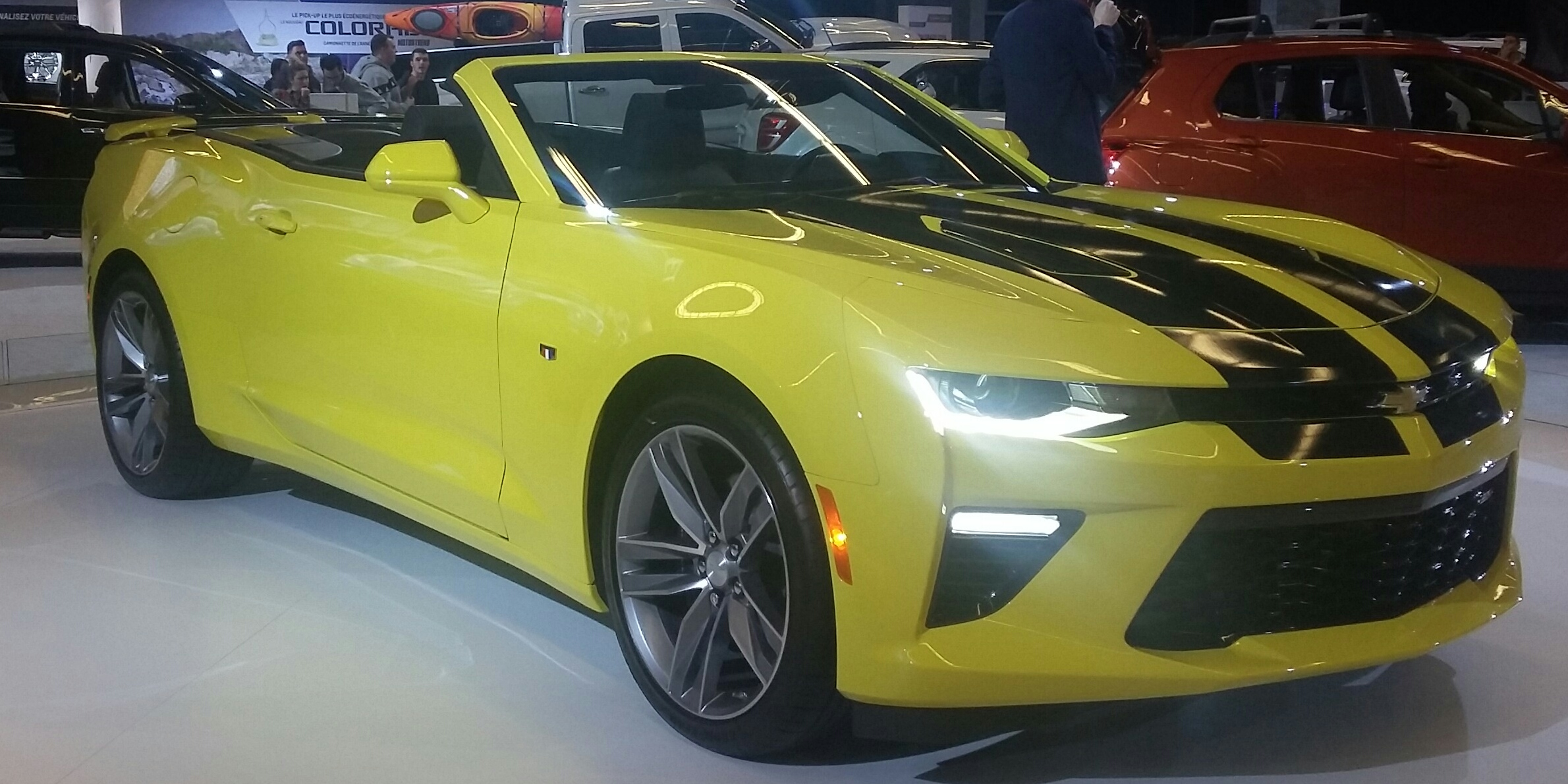
Chevrolet Camaro
A Camaro is a popular American sports car from Chevrolet. Here it’s just being used as an example of a car that can come with different engine options.
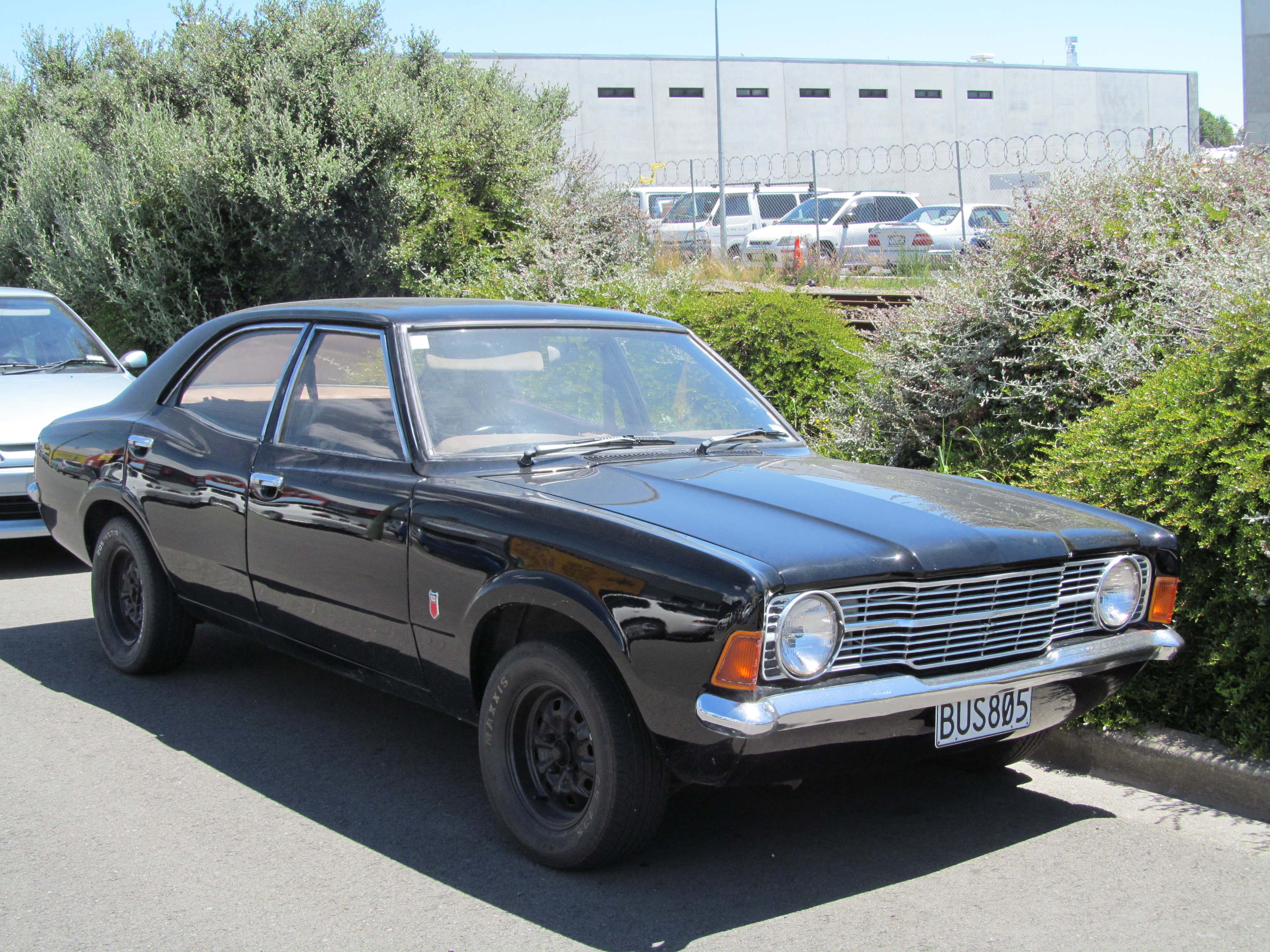
Ford Cortina
The Ford Cortina is an older Ford model that was common in places like the UK and Australia. In this clip it’s mentioned just as an early-car memory.
Phillip Island
Phillip Island is a famous race track in Australia. Here it’s mentioned as a possible place for V8 Supercars to race.
MotoGP
MotoGP is the top-level motorcycle racing series. In this clip, it’s used as the other event that V8 Supercars would be competing with on the calendar.
world class circuit
A “circuit” is the race track layout where cars or bikes race. “World class” just means it’s considered one of the best tracks in the world.
Mustang Cup
The Mustang Cup is a racing event where Ford Mustangs compete. The host is saying they’ve raced there themselves, so they understand the decision-making.
weather forecast
A “weather forecast” is the prediction of what the weather will be like. The point here is that people can check the forecast before deciding to travel to the race.
tyres were blowing up massively
That phrase means the tires couldn’t handle the race conditions and started failing badly. It can lead to the car losing grip and the tire wearing out extremely fast.
high loads of the circuit
This means the track is really hard on the cars. The tires and other parts have to work under heavy forces, so they can wear out faster.