
The Undercut Q&A - Bring back ‘V8 Supercars’?
About this episode
The conversation ranges across Supercars history, event planning, and category identity. The hosts weigh why support categories have shrunk, argue for a standalone Super2 showcase, and pitch a simpler co-driver style format with driver changes. They also revisit old team and sponsor quirks, then land on a bigger branding question: whether the category should bring back the V8 Supercars name, ideally timed around the 30th anniversary in 2027.
four-dayer
"...more days, it's a four-dayer. Government support, track times available."
A “four-dayer” just means the race weekend lasts four days. More days usually means more racing sessions and more cars can be involved.
A “four-dayer” is a race event that runs for four days. Longer event formats usually allow more sessions and more categories to participate, which can increase the number of cars on-site.
paddocks
"...in terms of paddocks, intents and places. Correct. And then in more recent times, we've seen that when we go to Perth and Tasmania..."
A paddock is the team area at a race. Cars are parked there and teams work on them between races.
In motorsport, the paddock is the secured area where teams park, service, and prepare cars between sessions. It’s where you’ll typically see team trucks, garages, and crew activity rather than the on-track racing itself.
pit lane
"...By the time you put all the main championship cars in the pit lane, there's only so many places"
The pit lane is the area next to the track where teams pull in to work on the car. There’s only so much room, so too many cars can be a problem.
The pit lane is the lane beside the track where cars enter for service during a race weekend. It’s also where teams stage for pit stops, and it has limited space—so the number of cars can affect how crowded it gets.
support categories
"[145.1s] tense paddocks, places for these support category cars [147.8s] and teams to live. [148.8s] And I think something that we've always done [150.9s] is had a lot of support categories."
Support categories are smaller race series that share the track and event with the main race. They help fill the weekend with more racing and give other teams a chance to compete.
“Support categories” are racing series that run alongside a main event, using the same venue and often the same race weekend. They add more on-track action and help teams, drivers, and sponsors get exposure without being the headline series.
Australian Grand Prix
"[154.0s] I remember years ago, Martin Brundle talking [156.7s] about the Australian Grand Prix saying, [158.1s] this is about the most support categories we ever had."
The Australian Grand Prix is a major Formula 1 race in Australia. The speaker brings it up to talk about how the number of extra support races at the weekend has varied over the years.
The Australian Grand Prix is a Formula 1 race held in Australia, used here as a reference for how many support categories were present at the time. The speaker is using it to illustrate how the event’s support-race lineup has changed.
Guernsey
"[162.0s] I think Aussie racing cars got it, Guernsey. [164.6s] Utes were there for a while. [168.0s] And I think other Grand Prix around the world,"
“Guernsey” here means getting included or getting a chance to be part of the event schedule. The speaker is talking about which support races get that opportunity.
“Guernsey” is used as slang for getting a spot or opportunity on the race weekend (i.e., being included in the lineup). The speaker is saying some support categories “get a Guernsey” while others don’t.
F1, F2 and F3
"[168.0s] And I think other Grand Prix around the world, [170.0s] it's literally just F1, F2 and F3. [172.7s] That's kind of where we've gone now"
F1, F2, and F3 are different levels of open-wheel racing. F1 is the top level, and F2/F3 are steps below it where drivers develop.
F1, F2, and F3 refer to the tiered open-wheel racing ladder used to develop drivers. The speaker is contrasting how some Grand Prix weekends have multiple feeder/support series versus others that are mostly limited to those top tiers.
career cup
"[174.1s] because the only local content you got [175.8s] is supercars and career cup. [177.3s] And then in some cases, super two,"
“Career cup” is a local racing series mentioned as part of the available race-weekend action. It’s brought up to explain what kinds of local support races exist.
“Career cup” appears to refer to a local Australian racing category (commonly known as the Carrera Cup). The speaker is describing what local racing content is available on race weekends.
NASCAR
"[189.7s] Whereas I've been to some NASCAR races, [191.2s] there's no support categories."
NASCAR is a big American racing series for stock cars. In this discussion, it’s mentioned to contrast how other events include fewer (or no) support races.
NASCAR is a major stock-car racing organization and series in the United States. Here it’s used as a comparison point: the speaker says some NASCAR races don’t feature the same kind of support-category structure.
O'Reilly series and cup series
"[194.1s] You're lucky one weekend if the three tiers [195.7s] are there on the same event as in the trucks, [198.4s] O'Reilly series and cup series."
The “O’Reilly series” and “cup series” are referenced as separate racing tiers/categories that can appear (or not) on the same event. The speaker is comparing how often multiple series show up together versus only one or two.
super two
"[209.1s] but I do enjoy going to the races [211.0s] when super two is there. [212.5s] I do enjoy going to the races when Porsche is there."
“Super Two” is a smaller race series that usually happens at the same events as the main touring-car races. It helps drivers gain experience and move up to the top level.
“Super Two” is a support racing category that typically runs alongside bigger Australian touring-car events. It’s often used as a stepping-stone for drivers aiming to reach the main series.
Porsche
"[211.0s] when super two is there. [212.5s] I do enjoy going to the races when Porsche is there. [215.9s] And sometimes the Utes [217.3s] and TCM are good value as well."
Porsche is referenced as a brand that sometimes appears at these race weekends, adding variety beyond the main touring-car categories. When Porsche is on the bill, fans may get different car types and racing styles compared with the usual field.
Utes
"[212.5s] I do enjoy going to the races when Porsche is there. [215.9s] And sometimes the Utes [217.3s] and TCM are good value as well."
“Utes” are Australian-style utility vehicles (pickup-based) that can race in certain series. The speaker is treating them as an appealing support-category option because they’re different from typical sedans/coupes.
TCM
"[215.9s] And sometimes the Utes [217.3s] and TCM are good value as well. [219.7s] I think as support categories though"
“TCM” is a short acronym mentioned as part of the racing lineup. The speaker doesn’t explain it here, so it likely refers to a specific race class or series.
“TCM” is mentioned alongside “Utes” as something that can be “good value” as a support category. The transcript doesn’t define what TCM stands for, so listeners may need context from the show or episode.
Group A and C
"[227.0s] a category that's got variety [229.0s] and just some stuff that's different. [230.8s] And that's why we love doing that revival thing, [233.0s] the Group A and C and two leader cars"
Group A and Group C are historic motorsport rulesets that shaped how cars were built and raced. The speaker is invoking that era to describe a “revival” concept—mixing different classes and car types for variety at events like Bathurst.
V8s
"[233.0s] the Group A and C and two leader cars [234.6s] and V8s at Bathurst a few years ago, [236.2s] because there was just a bit of everything"
“V8s” means race cars with V8 engines—eight-cylinder engines shaped like a “V.” It’s a common way fans describe the kind of engine and driving feel they want to see in racing.
“V8s” here means V8-powered race cars—cars with engines that have eight cylinders in a V configuration. In touring-car contexts, V8s are often associated with a specific racing identity and sound/character that fans look for.
Gold Coast 600
"You'll remember these. 2011 Gold Coast 600 when we brought out the international drivers to co-drive the supercars."
The Gold Coast 600 is a big Australian race event. It’s held on city streets, and it’s known for the touring-car (V8) racing series.
The Gold Coast 600 is a major Australian touring-car race held on a street circuit in Surfers Paradise (part of the V8 Supercars/now Supercars calendar). In this segment, it’s referenced as the event where international drivers were brought in to co-drive.
Jim Beam
"The teams with alcohol sponsors, particularly Jim Beam with DJR, Jack Daniels with the Kellys at the time, that a range of their drivers from overseas did not wear Jack Daniels or Jim Beam suits."
Jim Beam is a whiskey brand that sponsored race teams. The hosts are talking about how sponsorship branding showed up on driver suits.
Jim Beam is a bourbon brand that has sponsored Australian motorsport teams. Here it’s mentioned in the context of alcohol sponsorship tied to specific teams and driver branding.
the Kellys
"particularly Jim Beam with DJR, Jack Daniels with the Kellys at the time, that a range of their drivers from overseas did not wear Jack Daniels or Jim Beam suits."
“The Kellys” is shorthand for a racing team associated with the Kelly family. The hosts bring it up because that team had Jack Daniels sponsorship.
“The Kellys” refers to the Kelly family’s racing team/operations in Australian touring-car racing (commonly associated with the Kelly Racing team). Here it’s mentioned as the team that had Jack Daniels sponsorship.
Jack Daniels Racing
"Now, I've been privy enough to drive for Jack Daniels Racing and it was a very big thing that was drummed into the drivers and all the team members that drinking and driving aren't necessarily things that need to be mixed."
This is a racing team/program tied to the Jack Daniel’s brand. They’re talking about how the team wanted to keep the brand image separate from anything like drinking and driving.
Jack Daniels Racing refers to the racing program associated with the Jack Daniel’s brand. In the segment, it’s used to explain how the team emphasized that drinking and driving shouldn’t be mixed, and how drivers handled brand involvement.
alcohol brand
"So it might have been a case of their own personal, hey, I don't need to be involved with the alcohol brand, they're not doing anything for me."
They mean the alcohol company that’s sponsoring the racing. The idea is that drivers may want to avoid personal involvement with that brand, even if it’s on the car.
“Alcohol brand” here means the specific commercial brand of alcohol tied to sponsorship or branding on the car/team. The speaker is describing how drivers might not want personal association with that brand while still participating in racing.
overseas sponsorships
"And clashes with overseas sponsorships, their team in America that pays them their weekly wage is backed by a rival brand."
This means sponsorships from companies in another country. They’re saying it can get complicated when different sponsors are competing brands.
“Overseas sponsorships” refers to sponsorship deals coming from companies outside the driver’s or team’s home country. The segment frames it as a potential conflict when a team’s main sponsor is rival to another brand associated with the driver or car.
V8 racing
"...and they had to go V8 racing because Philip Morris..."
V8 racing means racing cars that have V8 engines (an engine with eight cylinders). The discussion is basically about why the team ended up focusing on that kind of racing.
V8 racing refers to motorsport categories where cars use V8 engines, typically emphasizing power delivery and sound, and often featuring rules that shape engine and vehicle setup. In the context of this Q&A, it’s about why Gibson Motorsport shifted toward V8-based competition.

Ford Falcons
"Philip Morris the company had Ford Falcons as their fleet cars. Of course Fred Gibson had a history with Ford former factory driver back in the 70s..."
A Ford Falcon is a car model made by Ford, and it was popular in Australia. The hosts are saying it was used by a company’s fleet cars, which connects to how racing teams got involved.
The Ford Falcon is an Australian-built Ford model that was commonly used in motorsport and as a fleet car. In this episode, it’s mentioned as being used by Philip Morris’s fleet, tying the brand to the racing ecosystem of the time.

Holden and Commodores
"...before they went with Holden and Commodores? I don't believe so. What I do know about their first Holden that they built was..."
Holden Commodores were a major Australian touring-car platform used in V8 racing. The episode contrasts Gibson Motorsport’s earlier Ford work with a later switch to Holden-based cars.
Gibson GMS 001
"So I think if you go back through Gibson GMS 001 Well this could have easily been a Ford by the sound of it but it had a Perkins engineering diff housing..."
Gibson GMS 001 is a particular race car that Gibson Motorsport worked on. The point here is that even though it sounded like it might be Ford-based, it actually used parts from other suppliers.
The Gibson GMS 001 is a specific race car project associated with Gibson Motorsport. The hosts suggest it could have been Ford-like in concept, but it used a Perkins engineering differential housing, highlighting how these cars were built from mixed components.
Perkins engineering diff housing
"...but it had a Perkins engineering diff housing"
The diff housing is the part that holds the gears that let the two driven wheels turn at different speeds. That’s important for cornering, and here they’re saying the race car used a Perkins-made housing.
A differential (diff) housing is the structural casing that holds the differential gears, which split engine torque between the driven wheels. Mentioning a “Perkins engineering diff housing” points to a specific supplier component used in the Gibson GMS 001 build.
front suspension
"Yeah, a front suspension was from Harrop I believe."
The front suspension is what connects the front wheels to the car. It helps the wheels move smoothly over bumps, which helps the car stay stable and grip the road.
Front suspension is the set of components that connects the front wheels to the car’s body/chassis and controls how the wheels move over bumps. It affects ride quality, grip, and how the car handles under braking and cornering.
Harrop
"Yeah, a front suspension was from Harrop I believe. HRT wheels?"
Harrop is a company that makes performance parts. Here, they’re mentioned as the supplier of suspension parts for a race car.
Harrop is an Australian performance-parts company known for components used in motorsport and high-performance builds. In this context, they’re associated with the front suspension hardware on the referenced race car.
HRT wheels
"HRT wheels? Yeah HRT wheels and there was something else but I believe that car is in Perth today"
This means the wheels used on the race car were branded as HRT. Wheels matter in racing because they affect how the tires sit and how well the car can grip the road.
“HRT wheels” refers to wheels associated with HRT (a racing team/brand identity in Australian motorsport). Wheels are critical in racing because they influence tire fitment, unsprung weight, and overall grip.
DJR
"Well it makes sense at the time that there weren't many teams running Fords, it was DJR and Glen St. Gracie."
DJR is a well-known Australian racing team. Here it’s mentioned as one of the teams that was running Ford race cars at the time.
DJR refers to Dick Johnson Racing, one of Australia’s most prominent V8 Supercars teams. The discussion uses DJR as an example of a team running Fords during that period.
Glen St. Gracie
"it was DJR and Glen St. Gracie. That was it. There was nobody else."
This is another racing team mentioned alongside DJR. The hosts are basically saying only a couple of teams were running Ford cars then.
Glen St. Gracie is referenced as another team running Fords in the same timeframe. In motorsport discussions, this kind of team mention usually points to who had the resources and manufacturer support to compete.
engines
"Maybe neither of those teams were able to supply Gibson with engines or something like that."
Here, “engines” means the race car’s power unit. The discussion is about whether teams could get the right engines to support their cars and programs.
In this context, “engines” refers to the power units supplied to race teams for V8 Supercars competition. The hosts are discussing whether teams could supply engines to another party (Gibson) and how that affected participation.
Freddie
"Holden had the numbers and they had even more numbers by the time that they got Freddie on board there too."
“Freddie” is a person the hosts say got added to the team or program. Bringing in the right person can help with planning, support, and getting the car program moving.
“Freddie” is mentioned as someone who was brought “on board,” implying a key hire or driver/person involved with the program. In motorsport, adding the right person can change development direction, marketing, and results.
scape testing
"we showed that Clipper Marks scape testing at Phillip Island. Huge reaction on socials to see."
“Scape testing” appears to refer to a specific kind of on-track testing session (likely related to a particular car/series and its testing program). In this segment, it’s tied to fan reaction and debate about what engine brand the car was running.
Sydney in Feb to round 2 in Darwin in June
"I've called it plenty of times over the years huge gap this year from round 1 to round 2. Sydney in Feb to round 2 in Darwin in June. First time that the series"
This describes the scheduling gap between rounds in the racing calendar, moving from Sydney (February) to Darwin (June). The hosts note it as a “huge gap,” which can affect teams’ preparation, testing, and momentum between events.
Super 2
"what are the thoughts on Super 2 running a standalone round at Winton or Wakefield which is now one raceway. Whilst the Super cars are on the boat getting to New Zealand"
“Super 2” is a lower-tier race series that supports the main V8 Supercars competition. In this segment, they’re talking about whether Super 2 should run on its own at certain tracks.
“Super 2” refers to a secondary racing category in the V8 Supercars ecosystem (often used as a feeder series). The discussion is about how its schedule and logistics compare to the main Supercars championship.
Winton
"what are the thoughts on Super 2 running a standalone round at Winton or Wakefield which is now one raceway."
Winton is a race track where cars compete. The hosts are considering it as a place to hold a separate Super 2 event.
Winton is a motorsport circuit in Australia that hosts touring-car and development-series events. Here it’s mentioned as a possible venue for a standalone Super 2 round.
Wakefield
"what are the thoughts on Super 2 running a standalone round at Winton or Wakefield which is now one raceway."
Wakefield is another race track option mentioned in the discussion. They’re debating whether Super 2 should run there on its own.
Wakefield is a motorsport venue/circuit in Australia. In this segment, it’s brought up alongside Winton as a candidate track for a standalone Super 2 round.
turnaround time
"because there's quite a turnaround time for those two things. Oh 1000% it should be."
“Turnaround time” means how quickly teams have to reset after one race and be ready for the next one. Here, travel to New Zealand makes that window very short.
“Turnaround time” is the limited window between major events where teams must travel, prepare the cars, and get everyone ready for the next race. The hosts argue that the Supercars’ travel to New Zealand and back creates a tight schedule.
gap in the calendar
"First of all that gap in the calendar is very hard for the teams because if you start a championship at the start and the finish but only have six events"
A “gap in the calendar” is a period with no races. In a championship with only a few events, those breaks can be hard for teams to manage.
A “gap in the calendar” is a long break between race rounds in a championship schedule. The hosts note that fewer events (e.g., six) makes those gaps more disruptive for teams’ operations and staffing.
championship
"if you start a championship at the start and the finish but only have six events clearly you're going to have big breaks somewhere"
A “championship” is the whole season of races where drivers/teams earn points. They’re saying that with only a few races, the downtime between them becomes a bigger problem.
In motorsport, a “championship” is a season-long points competition where teams/drivers accumulate results across multiple events. The segment discusses how a championship with only six rounds creates large breaks that affect team planning.
weekend warriors
"A lot of them don't have many permanent on staff employees a lot of them are weekend warriors who come in and do the race event whether they're mechanics, engineers, helpers"
“Weekend warriors” means workers who only show up for the race weekend instead of working full-time year-round. The point here is that many teams don’t have enough permanent staff to cover long breaks.
“Weekend warriors” describes people who work on race events only on weekends rather than as full-time staff. The hosts use it to explain how many Super 2 teams rely on part-time personnel for mechanics, engineering, and support.
co-driver
"TA2 do it. They've got a massive co-driver race that there's super cars guys that are going to be co-driving with TA2 regulars, there's trans-am regulars"
A co-driver is another person who drives the car with you during the event. They help you stay consistent and can take over so you’re not driving the whole time alone.
A co-driver is a second driver who shares driving duties during a race, often to manage fatigue and improve consistency over long events. In many series, the co-driver also helps with pace and navigation depending on the format.
Tickford
"[595.8s] there'll be [596.4s] drivers who have affiliations with [598.3s] obviously Tickford can draw upon [600.1s] their driver pool of Tommy [602.4s] Randall or Cam Waters or Frosty even to"
Tickford is a racing team in Australia. Here, they’re mentioned as a group that can supply drivers for events.
Tickford is a well-known Australian motorsport team/operations brand with strong ties to V8 Supercars-era racing. In this context, they’re being referenced as having a pool of drivers they can draw from for co-driver roles.
driver change
"[610.3s] ready [612.5s] and I'm not talking about doing refuelling [614.2s] and all that sort of stuff at cost [616.3s] driver change. Just do a driver [618.4s] change. Absolutely do a driver change. [620.4s] 100% 2-1 hour races"
A driver change is when the race team swaps who’s driving the car. It usually happens in the pits, and here they’re saying it can be done even without refuelling.
A driver change is the scheduled swap where one driver takes over and the other steps out, usually in a pit stop. The hosts emphasize doing a driver change without necessarily including refuelling, implying a format where the swap is the main strategy.

V8 Supercars
"[624.9s] and you'll get the [626.3s] you'll make the young kids the Super [628.5s] 2 guys the stars of the show [630.5s] but the stars of the super cars show [632.5s] can also run or there might be some"
“V8 Supercars” is the name of Australia’s big touring-car racing series. They’re debating whether to bring that branding back for the sport.
“V8 Supercars” refers to the top-tier Australian touring-car racing category built around V8-powered cars. The hosts are discussing whether the name/format should be brought back, which ties directly to how co-drivers and race events are structured.
enduro guy
"[632.5s] can also run or there might be some [634.5s] left field guys who haven't had a run [636.6s] for a while or an enduro guy [638.2s] or you could have a whoever whatever"
An “enduro guy” is a driver who specializes in enduro/endurance racing, where races are longer and require consistent pace, strategy, and stamina. The hosts are suggesting that endurance-focused drivers could be used as co-drivers even if they haven’t raced recently.
support category lineup
"it you'd fill the support category lineup with other categories that are struggling to pull together calendars"
A “support category lineup” is the list of different racing series that share a race weekend. The idea is that adding more categories can make the whole event more appealing to fans.
A “support category lineup” is the set of racing classes scheduled to run on the same race weekend as the main event. The hosts discuss filling the calendar with additional categories to improve attendance and keep the overall event package attractive.
Malar
"we used to do it at Wakefield Park and Malar in Super 2. They were the last two stand-alones weren't they?"
“Malar” refers to a race track in Australia (Mallala). The hosts bring it up as another place where these events used to happen.
“Malar” is shorthand for the Australian circuit known as Mallala Motorsport Park, which the hosts mention alongside Wakefield Park as part of the series’ past venues. The point is that these tracks have supported standalone events and helped build audiences.
stand-alones
"They were the last two stand-alones weren't they? Yep and I remember Wakefield"
“Stand-alones” means races held as their own event, not as part of a bigger weekend with lots of other series. The hosts are saying those can still work if the crowd is there.
“Stand-alones” here means standalone race events that aren’t bundled as part of a larger multi-category race weekend. The hosts use it to discuss how certain venues and series formats can still attract paying spectators even without a bigger event package.
regional tracks
"and these regional tracks that's great that's what you need remember when"
“Regional tracks” are race tracks located away from the major cities. The hosts are saying these tracks are important for keeping events going and getting people to show up.
“Regional tracks” refers to race circuits outside the biggest metropolitan areas. The hosts argue these venues are important because they can still attract fans and help keep racing calendars full.
ProCars
"remember when ProCars started their series they went to Wakefield they drew a crowd"
ProCars is the name of the group the hosts say started a racing series. They’re saying that when ProCars went to certain tracks, it helped draw crowds.
ProCars is referenced as the organization behind starting a series, and the hosts connect its early scheduling/venue choices to audience turnout. In this context, it’s treated like a market actor shaping where and how racing events happen.
sprint round
"[731.6s] because he also asked about [734.1s] some of those other tracks unused [735.9s] being able to perhaps run [737.4s] a sprint round"
A sprint round is a shorter race event than a full weekend. The hosts are suggesting running shorter races at tracks that aren’t being used much.
A sprint round is a shorter, more condensed race format compared with a full-length event. The hosts are discussing using unused tracks for sprint-style racing to keep the calendar active.
hot lap
"have you ever gone for a hot lap around lakeside [744.3s] it's pretty wild"
A hot lap is one fast lap around a race track. The driver tries to go as quickly as possible for that one lap to show the car’s and driver’s peak pace.
A hot lap is a single, all-out lap where the driver pushes for maximum speed and performance. It’s often used to show what a car and driver can do on a track, usually with minimal traffic and fresh tires.
Marcus Ambrose
"I was with [760.8s] Marcus Ambrose [762.4s] one of the best to ever do it who knew his way around there"
Marcus Ambrose is a famous racing driver. The speaker is saying he was with someone very experienced who understands how to drive fast at that track.
Marcus Ambrose is a well-known Australian racing driver, and the speaker credits him as someone who “knew his way around” the track. His name is used here as a credibility marker for high-level track experience.
bonnets
"under the bonnets of the cars and that's not changing anytime soon"
A “bonnet” is just the hood of the car. “Under the bonnet” means the engine is under that front cover.
“Bonnet” is the British/Australian term for the hood—the panel you lift to access the engine bay. The phrase “under the bonnet” means the engine is in the front compartment.
Bathurst
"you know he didn't do anything too controversial he's a Bathurst winner a race winner"
Bathurst refers to the Bathurst 1000, one of Australia’s most famous endurance races. Mentioning a “Bathurst winner” signals the person has proven themselves in a high-profile, long-distance race environment.
sliding doors
"...but Lee Haldsworth have done that and how would it yeah sliding doors I know but interesting where people have choices or options that don't pan out..."
They’re using “sliding doors” as a metaphor for “what if things had gone differently?” It’s about imagining how a different decision could have changed someone’s career.
“Sliding doors” is a reference to alternate timelines—what if a different choice had been made and the outcome changed. In this Q&A, it’s used to frame how a driver’s career might have gone differently based on which team seat they took.
Triple 8
"Warren Lee's question there's so many great Ford teams but do we think Triple 8 will be as dominant as they've been in the past because of the strength of the Ford teams now that they're on that side"
Triple Eight is a well-known racing team. They’re asking if this team will still be the top contender after changes that affect how the cars are built.
“Triple 8” refers to Triple Eight Race Engineering, a major V8 Supercars team. The hosts are evaluating whether the team’s past dominance will continue under new technical circumstances.
technical rules
"I would traditionally say that potentially not given the technical rules but they were very dominant with the chefs in the Gen 3"
“Technical rules” are the regulations that define what race cars are allowed to use and how they must be built (for example, limits on engine components, aerodynamics, and other systems). In spec-like racing, these rules strongly shape performance and can shift dominance between teams.
Gen 3
"but they were very dominant with the chefs in the Gen 3 so if you know once they get their head around the Ford"
“Gen 3” refers to the third generation of the V8 Supercars race car platform. It’s a specific era of car design and regulations, so teams’ performance in Gen 3 is a meaningful comparison point for future dominance.
geometry
"it's not a massive change because the suspension and all the geometry of the cars are same it's just the engine and the aero kit"
In racing, “geometry” usually means alignment and suspension geometry—angles and mounting relationships that determine tire contact and steering behavior. Small changes can significantly affect cornering balance and how the car responds to driver inputs.
aero kit
"it's just the engine and the aero kit once they've figured that out"
An “aero kit” is the collection of aerodynamic body components (like wings, splitters, and other aero surfaces) used to generate downforce and manage airflow. In touring-car racing, aero kit changes can strongly affect cornering speed and stability.
Grove Walk and Shores
"[992.6s] if they're not as dominant it [994.7s] shows that these teams like Grove [997.4s] Walk and Shores have [998.6s] really risen to the challenge"
These names are being used as racing teams (or key people/operations) in the same competition. The point is that more than one team has gotten better, so the competition is tougher.
Grove, Walk, and Shores appear to be references to competing teams or team personnel in the same racing context. The hosts use them to illustrate that other teams have improved and can challenge the usual dominant outfits.
Chevrolet
"Killian's question is interesting do we reckon a fourth manufacturer will join Ford Chevrolet and Toyota if so"
Chevrolet is a car brand. In this segment, it’s mentioned as one of the companies already involved in the racing series.
Chevrolet is referenced as one of the manufacturers in the current racing manufacturer group. The hosts are asking whether a fourth manufacturer should join Ford, Chevrolet, and Toyota.
Toyota
"do we reckon a fourth manufacturer will join Ford Chevrolet and Toyota if so"
Toyota is a car brand. Here it’s named as one of the manufacturers already in the racing mix.
Toyota is mentioned as one of the manufacturers currently competing in the series. The discussion frames Toyota as part of the existing manufacturer lineup that could potentially expand.
IP
"[1164.1s] and [1165.2s] their IP they can use it [1167.3s] whoever they want to use it and then you could get"
“IP” means the rights to use someone else’s developed technology. In this case, it’s the engine technology that V8 Supercars would pay to create, and then other brands could use it legally.
“IP” (intellectual property) here means the racing engine’s ownership rights—designs, know-how, and legal permission to use them. The idea is that V8 Supercars would fund the engine, then license its IP so other manufacturers can participate.
Kia
"and then you could get [1169.7s] Kia [1171.6s] Hyundai even"
Kia is mentioned as a potential manufacturer that could join the proposed V8 Supercars-style engine/series model. The point is that licensing an existing engine IP could lower the cost for brands like Kia to get involved.
Hyundai
"[1169.7s] Kia [1171.6s] Hyundai even"
Hyundai is another brand the hosts bring up as a possible participant. They’re using Hyundai as an example of a company that could join without spending millions on developing its own engine.
Hyundai is named as another manufacturer that could participate under the suggested “pay for the engine once, then license the IP” approach. This would let brands enter racing with a smaller investment than full engine development.
MG
"like an MG or Jaguar or someone that's just happy to see their brand in"
MG is a car brand (originally British). The host is just using it as an example of a brand people like seeing in the series.
MG is a British car brand known for sporty, affordable models historically. In this segment it’s mentioned as an example of a brand that people are happy to see represented.
Jaguar
"or Jaguar or someone that's just happy to see their brand in I can't help but feel that"
Jaguar is a well-known car brand, famous for luxury and performance. The speaker is name-dropping it as an example of a brand people recognize and want to see.
Jaguar is a British luxury-performance car brand. Here it’s used as another example of a familiar brand that fans are excited to see.
platform car
"but the problem is that they don't have a platform car they want to grow the brand but you need a car that suits the platform"
A “platform car” means a shared basic design that many models are built from. The host is saying a brand needs the right basic design to build the right kind of car for its lineup.
A platform car (often just called a “platform”) is a shared vehicle architecture—like the chassis, mounting points, and major components—that multiple models can be built on. The point here is that a brand can’t easily grow without a suitable base platform to support the types of cars it wants to sell.
wind tunnel stuff
"the hardest thing now Nunes is with the wind tunnel stuff every time a new manufacturer wants to come in"
A wind tunnel is a place where they test how air flows around a car. The host is saying new teams/manufacturers have to send cars for this testing, which adds cost and logistics.
Wind tunnel testing is used to measure aerodynamic forces like drag and downforce by running a car model (or full car) through controlled airflow. In racing, new manufacturers often need to provide cars for these tests so they can develop competitive aero setups and comply with series requirements.

Ford Mustang
"gives Groves the full set all of their 3 Gen 3 Mustangs have now won at least one race so they've got th..."
The Ford Mustang is a sporty car made by Ford, usually with a powerful engine and a design meant for driving enthusiast-style. The podcast is talking about a group of newer “Gen 3” Mustangs that have each won at least one race. That means these cars are being used successfully in competition.
The Ford Mustang is a performance-focused American sports coupe/convertible known for its V8 heritage and strong aftermarket support. In the podcast context, it’s being discussed as part of a racing set of “Gen 3” Mustangs that have achieved race wins, which highlights its competitiveness in that specific motorsport environment. It’s likely mentioned because the Mustang’s track results help validate the car’s real-world performance beyond just street reputation.
touring car slash supercars
"[1238.8s] so that's prompted him to ask [1240.3s] are there any other teams in touring [1242.4s] car slash supercars [1244.3s] who've got this distinction"
They’re talking about two kinds of race series that use cars based on models you can buy. The question is whether other teams in those series have also had every car win.
“Touring cars” and “supercars” are two related categories of production-based racing. The hosts are using the phrase to ask whether other teams in that broader racing world have all had their cars win at least once.
WAU
"[1312.5s] which have had a few iterations HRT [1316.8s] WAU [1318.4s] TWG [1318.9s] they're 74% though"
WAU is another racing-team abbreviation in the conversation. It’s mentioned as part of the group whose results are being compared.
WAU appears as an abbreviated racing team name in the same list as HRT and TWG. The hosts group these teams together while discussing combined win percentages, suggesting WAU is part of the historical team lineup being compared.
TWG
"[1316.8s] WAU [1318.4s] TWG [1318.9s] they're 74% though [1320.9s] a lot of that's the HRT glory period though"
TWG is a racing team abbreviation mentioned in the same list as other teams. The hosts are using it to talk about overall results.
TWG is another abbreviated racing team name included alongside HRT and WAU. In this segment, it’s part of the set of teams used to compute or explain a combined win percentage.
Adelaide
"[1377.4s] it was Matt Payne's car that he won in Adelaide [1380.0s] the last race of the year so it went out in style [1382.3s] but they've put it all back to"
Adelaide is where races happen on the Australian touring-car schedule. They’re saying Matt Payne won a race there, and the car later got retired after the final race of the year.
Adelaide refers to a racing venue/event on the Australian touring-car calendar where drivers and teams compete across the season. The segment notes Matt Payne’s win there, then contrasts it with the car’s end-of-year retirement.
BJR
"[1404.0s] Jack, bit of history [1404.9s] it's sleuth flavour today on the undercut Q&A [1408.2s] Jordan Trelaw [1409.2s] with BJR moving to Toyota [1412.1s] they're up to four manufacturers now"
BJR is a racing team that competes in Australian touring-car events. They’re talking about BJR switching to Toyota and how the team has used multiple brands in the past.
BJR is a motorsport team/organization in Australian touring-car racing. The segment says BJR is “moving to Toyota,” and discusses how many different car manufacturers the team has campaigned with over time.
Walkinshaws
"Walkinshaws have been holding forward now Toyota but TWR Renn, Jags and Volvos"
Walkinshaw is a motorsport team in Australia. They’re mentioning it to explain which teams have been tied to multiple car brands in the championship.
Walkinshaw Racing (often shortened to Walkinshaws in casual speech) is a well-known Australian motorsport team. The host is using it to explain how many manufacturers/brands the team has been associated with over time.
TWR
"but TWR Renn, Jags and Volvos"
TWR is a racing organization name. They’re listing it as part of the teams/entries that have been involved with different car brands.
TWR is an abbreviation commonly used for Tom Walkinshaw Racing, a prominent Australian/UK motorsport organization. In this segment, it’s listed alongside other brands/entries to describe how many manufacturers are represented.
Erebus
"well Erebus are three when you say manufacturer they weren't official Mercedes-Benz"
Erebus is a race team. The hosts are talking about how it gets counted in the “manufacturer” tally, even though it wasn’t an official factory team.
Erebus Motorsport is a racing team that has competed in Australian touring-car-style series. In this segment, they’re being counted as a “manufacturer” entry for the purposes of the discussion, but the host clarifies it wasn’t an official Mercedes-Benz manufacturer team.

Mercedes-Benz AMG
"when you say manufacturer they weren't official Mercedes-Benz but they drove Mercedes-Benz AMG"
AMG is Mercedes-Benz’s performance brand. The speaker is saying the racing connection was through AMG-prepped Mercedes cars, not Mercedes-Benz in the strict “official manufacturer” sense.
AMG is Mercedes-Benz’s performance division, and in racing it typically refers to AMG-prepared cars or powertrains. Here, the host is clarifying that the team’s “manufacturer” involvement was tied to Mercedes-Benz AMG rather than Mercedes-Benz as an official manufacturer entry.

Mercedes-Benz Mercedesbenz Amg
"official Mercedes-Benz but they drove Mercedes-Benz AMG Holden's Chev so they're three"
The Mercedes-Benz AMG GT is a fast sports car made by Mercedes-AMG, a performance division of Mercedes. It’s designed for quick driving and sporty handling. In the podcast, it’s mentioned because it’s connected to Mercedes racing activity and the cars being used in competition.
The Mercedes-Benz AMG GT is a high-performance grand touring sports car built by Mercedes-AMG, designed for strong acceleration and confident road/track driving. The podcast references it in the context of “official Mercedes-Benz” involvement while discussing race participation and results, suggesting it’s part of a lineup being compared or tracked across events. It’s brought up because the AMG GT represents a distinct, performance-oriented Mercedes platform in motorsport discussions.
privateers
"look there's probably some privateers over the journey who've driven I think he's pointed out that Gary Wilmington he would have driven Jag Commodore, Corolla"
A privateer is basically a racer who isn’t backed by a big manufacturer team. They might run whatever car they can get their hands on, rather than having one official team car.
In motorsport, privateers are independent entrants who run their own cars rather than being part of a factory-backed team. The transcript contrasts them with teams, explaining that some early touring-car racers swapped cars they could access instead of running one dedicated team car.

Toyota Corolla
"Gary Wilmington he would have driven Jag Commodore, Corolla Gary would have had a crack just about anything that was going around"
The Toyota Corolla is a common everyday car. Here it’s being mentioned because some racers drove whatever cars they could access, not just one specific race car brand.
Toyota Corolla is a mainstream compact car that also appeared in touring-car racing. The transcript uses it as an example of what a driver might have gotten behind the wheel of during different racing years.

Jag
"Just keep driving? Yeah just keep driving around with whatever you got Bob Jane won two championships in a Jag"
The hosts are saying Bob Jane won two racing championships driving a Jaguar. It’s an example of Jaguar being competitive and winning, not just participating.
The transcript says Bob Jane won two championships in a Jag, highlighting Jaguar’s success in Australian touring-car racing history. Even without the exact model name, the point is that a Jaguar car was capable of winning at the highest level in that series.
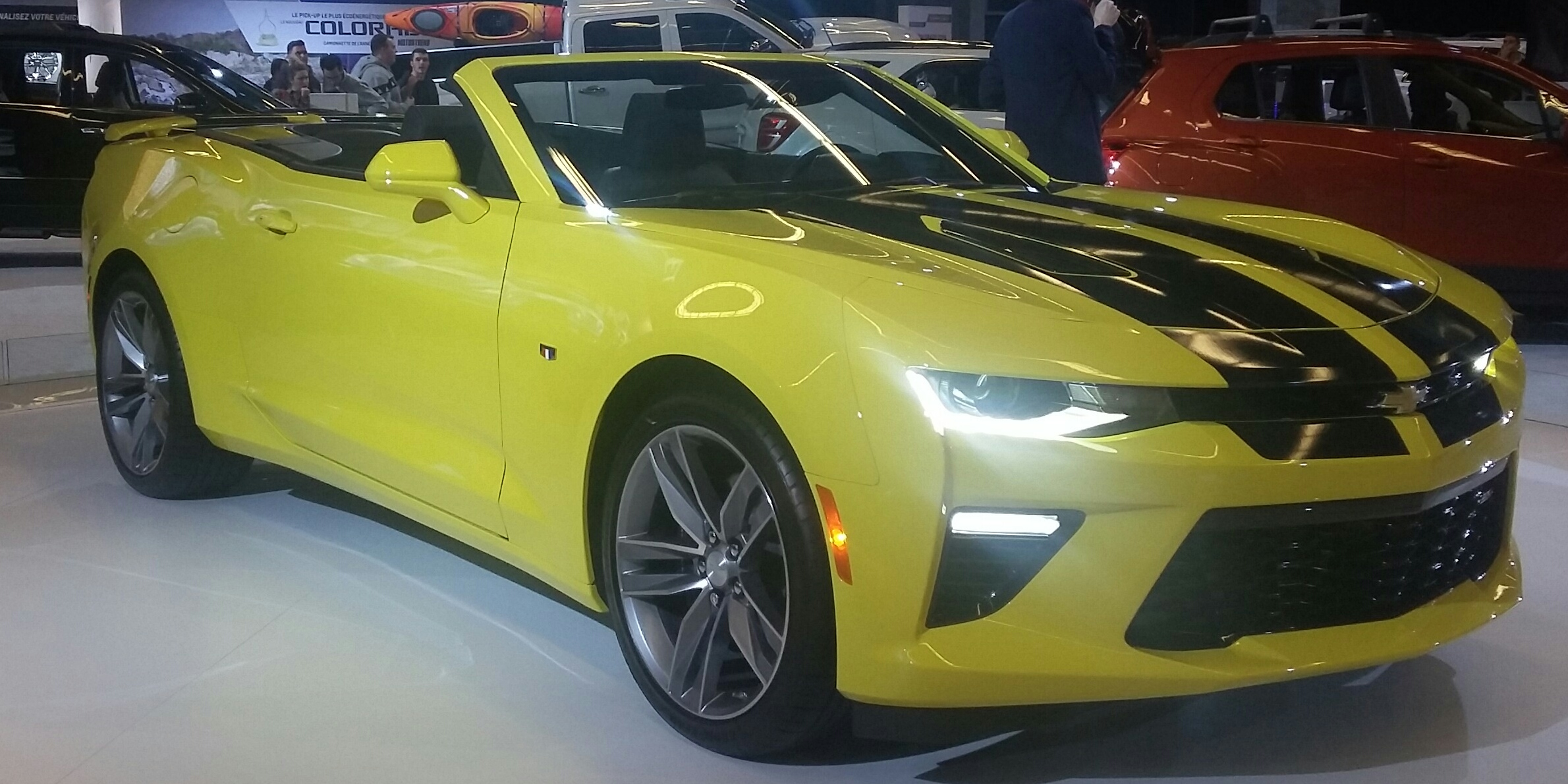
Chevrolet Camaro
"two in the Chevy Camaro with different engines driver Tirana"
A Camaro is a popular American sports car from Chevrolet. Here it’s just being used as an example of a car that can come with different engine options.
The Chevrolet Camaro is a long-running American muscle car. In this segment, it’s mentioned as an example of cars with different engines, which is relevant to how teams and series choose powertrains.
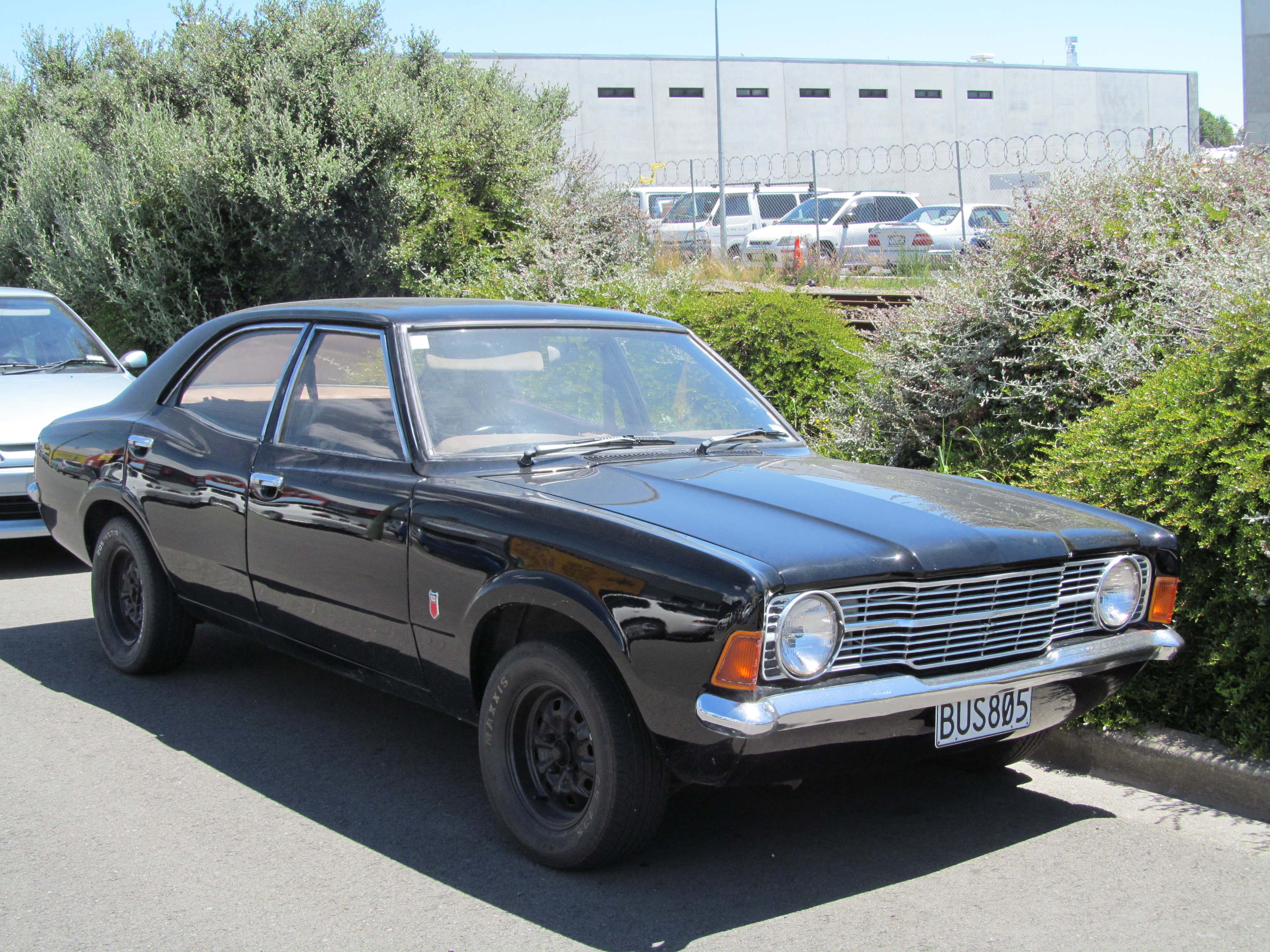
Ford Cortina
"he might have driven a Ford Cortina somewhere in the early years too so that's in my memory but that's Bob Jane the bloke"
The Ford Cortina is an older Ford model that was common in places like the UK and Australia. In this clip it’s mentioned just as an early-car memory.
The Ford Cortina was a popular mid-size car, especially in the UK and Australia, across multiple generations. The host mentions it as part of someone’s early driving history, not as a technical deep dive.
Phillip Island
"offer supercars around Phillip Island to replace MotoGP? Well I mean I don't actually have the answer"
Phillip Island is a famous race track in Australia. Here it’s mentioned as a possible place for V8 Supercars to race.
Phillip Island is a well-known Australian circuit used by multiple racing series. In the segment, it’s brought up as a potential venue for V8 Supercars to replace or avoid scheduling conflicts with MotoGP.
MotoGP
"offer supercars around Phillip Island to replace MotoGP? Well I mean I don't actually have the answer"
MotoGP is the top-level motorcycle racing series. In this clip, it’s used as the other event that V8 Supercars would be competing with on the calendar.
MotoGP is the premier class of motorcycle road racing, run on circuits worldwide. The host compares the timing and calendar of V8 Supercars with MotoGP to explain why a swap in events isn’t straightforward.
world class circuit
"[1593.5s] it's [1594.0s] frustrating to talk about Phillip Island sometimes [1596.6s] because it's a world class circuit [1599.9s] that's the already though that"
A “circuit” is the race track layout where cars or bikes race. “World class” just means it’s considered one of the best tracks in the world.
A “circuit” is a purpose-built track layout used for racing. Calling Phillip Island a “world class circuit” means it’s widely regarded as top-tier by major racing series and drivers.
Mustang Cup
"[1601.0s] MotoGP aren't going there because [1602.8s] there's something else better [1604.4s] I raced down there in the Mustang Cup [1606.6s] earlier in the year and I found myself"
The Mustang Cup is a racing event where Ford Mustangs compete. The host is saying they’ve raced there themselves, so they understand the decision-making.
The Mustang Cup is a racing series/competition centered on Ford Mustangs. The speaker mentions racing in it earlier in the year to explain how they understand the move away from Phillip Island.
weather forecast
"and you go well the weather forecast is actually pretty ordinary I can watch practice on live on TV"
A “weather forecast” is the prediction of what the weather will be like. The point here is that people can check the forecast before deciding to travel to the race.
A “weather forecast” is the predicted weather conditions for a given time and place. Here, it’s used to argue that fans can decide whether to attend based on expected conditions instead of committing to a long trip.
tyres were blowing up massively
"one of the last time supercars went there the tyres were blowing up massively I reckon Gen 3 cars would be good at Winton"
That phrase means the tires couldn’t handle the race conditions and started failing badly. It can lead to the car losing grip and the tire wearing out extremely fast.
“Tyres blowing up” means the tires overheat or fail under the race conditions, often causing rapid degradation, loss of grip, and sometimes debris or sudden failures. When it happens “massively,” it usually indicates the track and tire setup were mismatched for that event.
high loads of the circuit
"but that's another thing that people always have to consider about Phillip Island is the high loads of the circuit with a lot of stress especially on tyres"
This means the track is really hard on the cars. The tires and other parts have to work under heavy forces, so they can wear out faster.
“High loads” means the track forces are demanding on the car—especially through braking, cornering, and traction events. On circuits with high loads, tires and suspension components can experience more stress, accelerating wear and increasing the chance of overheating or failure.
Request an Explanation
Heard something you'd like explained? We'll add it to this episode.
Sign in to request explanations for terms you heard.
Want to learn more?
Browse our glossary for plain-English explanations of automotive terms, jargon, and concepts.
Help improve this episode
See something that's not quite right? Our annotations are AI-generated and can sometimes miss the mark. Click the flag icon on any annotation to suggest a correction.