
V8SP: Mega RaceFuels Winton Festival of Speed Preview!
About this episode
Racefuels Winter Festival of Speed at Winton Motor Raceway is shaping up as a big four-day retro-heritage tin-top meet, with “11 categories, 68 sessions from Friday morning” and a packed touring-car entry list. The show spotlights super sprints that let drivers “turn some laps” instead of committing to a full race, plus Group A/Group C and Group N shootouts. Expect paddock access, Blendline TV coverage, and plenty of standout machinery—from AU Falcons and Group A Jag XJS to a 993 GT2 in “repsall colors.”
Racefuels Winter Festival of Speed
"We are on the path this week to the Racefuels Winter Festival of Speed, of course the B8 Smooth podcast. ... This is actually now our annual Winter Festival of Speed get together."
The Racefuels Winter Festival of Speed is a big racing weekend. It’s known for having lots of different race classes and it’s become a major event at Winton.
The Racefuels Winter Festival of Speed is an annual multi-day motorsport event built around a large variety of race categories and sessions. In this preview, the hosts emphasize it’s grown into a major fixture at Winton, with refined classes and a broad entry list.
Winton Motor Raceway
"at Winton Motor Raceway and they've really refined the classes again this year, like each year they just keep adding to it and refining what they're doing."
Winton Motor Raceway is a race track in Australia. It hosts big multi-day racing events where lots of different types of race cars run.
Winton Motor Raceway is a motorsport venue in Australia used for racing events across multiple categories. It’s known for hosting festival-style race weekends where different classes share the track, which is why it’s a focal point for events like the Festival of Speed.
grand touring cars
"We've got legend touring cars, we've got group ANC touring cars and the heritage touring car banner, I guess then there's the historic touring cars..."
“Legend touring cars” refers to a specific touring-car category within the event’s class structure, typically aimed at well-known older or classic touring-car machinery. The key is that it’s a named class, so eligibility and rules are defined by the event rather than being a generic description.
heritage touring car banner
"We've got legend touring cars, we've got group ANC touring cars and the heritage touring car banner, I guess then there's the historic touring cars..."
The “heritage touring car banner” is a named category for older or period-style touring cars. It helps organize the event so similar cars race under similar rules.
The “heritage touring car banner” is a named grouping at the event for cars that fit a heritage/period-appropriate touring-car theme. Like other banners/classes mentioned, it signals that the festival uses structured categories rather than mixing everything together.
historic touring cars
"and the heritage touring car banner, I guess then there's the historic touring cars with the group ends, so many different tintops..."
“Historic touring cars” are older touring cars that race in a dedicated category. The event usually sets rules so cars from the right era compete together.
“Historic touring cars” is a named class/category for older touring cars, typically with eligibility rules tied to the car’s era and specification. The hosts mention it as part of a broader set of touring-car tributes and banners, highlighting how the event caters to different generations of cars.
TinTops
"so many different tintops, touring car tributes like the replicas, they're really stepping out into their own..."
“Tintops” means closed-roof cars—basically the kind of car body you’d see on the street. It’s a common shorthand in racing for production-style touring cars.
“Tintops” is motorsport slang for production-based cars with fixed roofs (as opposed to open-wheel or open-top race cars). In touring-car contexts, it generally means the body style is a closed, street-derived sedan/coupe.
touring car tributes
"so many different tintops, touring car tributes like the replicas, they're really stepping out into their own..."
“Touring car tributes” are cars built to look and feel like famous touring cars from the past. In this context, the hosts also call them replicas.
“Touring car tributes” refers to cars entered as homage/replicas or tribute builds to famous touring-car models. The hosts specifically mention “replicas,” indicating these entries are meant to resemble historic touring cars while fitting the event’s rules.
Racefuels Winton Festival of Speed
"which is fantastic and there's a bunch of corporate partners... this Racefuels Winton Festival Speed and Racefuels have got on board this year..."
This is the name of the race weekend they’re talking about. They’re saying it’s becoming more than just old cars—it now includes a wider mix, including cars that feel like the V8 Supercars era.
This is the specific event name being previewed: the Racefuels Winton Festival of Speed. The hosts frame it as evolving from a purely historic-car show into a retro-heritage event with a strong focus on tin-top touring cars and modern V8 Supercars-era entries.
Super Sprint
"you can kind of choose if you want to race your car or hey, I just want to turn some laps in a super sprint, they've catered pretty well..."
A “super sprint” is a shorter, faster race format—think quick races and lots of track time rather than a long endurance event. It’s meant to be flexible for different types of cars and drivers.
A “super sprint” is a short-format race session where cars run multiple brief races or timed runs instead of long endurance-style events. The hosts describe it as a category where competitors can either race their cars or just turn laps in a more accessible, sprint-focused format.

Ford Sierra
"there's a bit of everything to wrap your mouth around here, John Bauer and a Ford Sierra at Winton is not a new thing but John Bauer in a Murray Carter Sierra is a very new thing."
The Ford Sierra is a well-known car that has been used in touring-car racing. Here, they’re pointing out that it’s one of the cars people are excited to see at this event.
The Ford Sierra is a classic Australian touring-car platform known for being raced in multiple eras, including Group A-style competition. In this segment, it’s highlighted as a key car in the super sprint mix at Winton, including a specific Sierra driven by John Bauer.
Penright 100 Phillip Island Classic
"he was racing a Porsche at the Penright 100 Phillip Island Classic earlier in the year and he's out there in a Sierra..."
This is another named race weekend at Phillip Island. They mention it to explain where John Bauer was racing before this Winton event.
The Penright 100 Phillip Island Classic is a named historic racing event at Phillip Island. The hosts use it as context for John Bauer’s recent racing activity before he appears at Winton in the Sierra.
Group A cars
"there's expert supercars, there's group A cars, there's production cars, there's just a bit of everything out there"
“Group A cars” were race cars based on production models, with rules that kept them fairly close to what you could buy. They’re a classic category that many historic racing events still feature.
“Group A cars” were production-based race cars built to the FIA Group A rules, popular in the 1980s and early 1990s. They’re known for being closely related to homologated road cars, which is why they show up in historic and heritage touring-car events.

Jaguar XJS (Group A)
"Tabitha Rambro's in a Group A Jag XJS, so that's the car that Roland Dain used to own, he sold it via an online auction"
The Jaguar XJS is a classic Jaguar grand tourer. They’re talking about a version that was prepared to race in “Group A” rules, and it has a known ownership history.
The Jaguar XJS is a long-running British grand tourer that also appeared in Australian touring-car-style competition. In this segment it’s specifically called out as a “Group A Jag XJS,” and they connect it to prior ownership by Roland Dain and later driving by Tabitha Rambro.
Group C
"so last year Tabitha drove a Group C Tarana, so this year a Group A Jag"
“Group C” is another kind of racing class with its own rules. They’re using it to explain what kind of race-prepped car Tabitha drove before moving up to Group A.
“Group C” is another homologation-style touring-car class used in Australian motorsport history. The mention here matters because it frames Tabitha Rambro’s progression from a Group C car to a Group A car, implying different rule sets and therefore different prep approaches.

Torana Tarana
"so last year Tabitha drove a Group C Tarana, so this year a Group A Jag"
The Holden Torana is a classic Australian car. They’re saying she previously drove a Torana prepared for a specific racing class called “Group C.”
The Holden Torana is another iconic Australian V8-era platform that shows up in touring-car history. The episode mentions Tabitha Rambro driving a “Group C Torana” previously, which implies a specific competition-prep category rather than a standard road car.

Ford Falcon AU (V8 Supercar)
"Cain Fitzgerald's going to run an AU Falcon V8 supercar, Rod Templeton's back to run that"
This is a Ford Falcon from the AU generation. They’re saying someone will be running it as a V8 Supercar, meaning it’s set up to race under that series’ rules.
The Ford Falcon AU is the late-1990s/early-2000s Falcon generation that became a common basis for Australian V8 Supercars. The “V8 supercar” label here indicates a purpose-built touring-racing spec, not the standard road version.
Bathurst
"Sleuth revival up at Bathurst a few years ago, Chad Parrish is running, he's Kamatsu X Kevin"
Bathurst is a famous Australian motorsport location. The hosts mention it to point to a past event where V8 racing culture was revived.
Bathurst is a major Australian motorsport venue/event referenced here as the place where a “Sleuth revival” happened. It’s used as a benchmark for where these V8-focused categories and cars get attention.

Nissan Skyline
"...s entered here to run to his HR 31 Group A Nissan Skyline in this super sprint category rather than racing ..."
The Nissan Skyline is a performance car from Japan that’s been used in racing for many years. The podcast mentions a specific version, the HR 31, in a Group A racing setup. It’s included because it’s a known racing car in that category.
The Nissan Skyline is a Japanese performance car that has a long motorsport reputation, especially in touring and rally-style competition. In the podcast context, it’s specifically tied to an HR 31 Group A Skyline running in a super sprint category, which highlights its racing-spec heritage. That makes it a natural topic when discussing entries and the types of cars competing.
Fitzy Cup
"I guess another of the super sprints that we should look forward to is the Fitzy Cup,"
The Fitzy Cup is a named category within the event. It’s there to honor Peter Fitzgerald and it features cars connected to Porsche one-make racing history.
The Fitzy Cup is a specific event category being highlighted as a super sprint to look forward to. It’s designed to celebrate Peter Fitzgerald’s life and ties into the Porsche/Nations Cup/Carrera Cup lineage discussed by the hosts.
Peter Fitzgerald
"first running the Fitzy Cup which has been designed to celebrate the life of Peter Fitzgerald and it's drawn a fairly spicy little feel there"
Peter Fitzgerald is the person the Fitzy Cup is honoring. The hosts link his racing history to Porsche events that came before the modern Carrera Cup.
Peter Fitzgerald is the person the Fitzy Cup is designed to celebrate. The hosts connect him to Porsche racing history, including the Nations Cup and the pathway toward the Carrera Cup.
Nations Cup
"the 996 that Fitzy ran in the Nations Cup back in the day as a precursor to the Carrera Cup coming on stream."
Nations Cup is a Porsche racing event/series. In this discussion, it’s used as the earlier step that led to the Carrera Cup.
The Nations Cup is a Porsche racing series/format the hosts describe as a precursor to the Carrera Cup. It’s referenced here to explain how the cars and competition structure evolved into the more widely known Carrera Cup.
Carrera Cup
"the 996 that Fitzy ran in the Nations Cup back in the day as a precursor to the Carrera Cup coming on stream."
Carrera Cup is Porsche’s racing series where many drivers compete in similar 911 cars. The hosts say it came after the Nations Cup.
The Carrera Cup is Porsche’s one-make racing series, where drivers race closely matched 911s. The hosts mention it as the successor to the Nations Cup, framing the Fitzy Cup as part of that broader Porsche racing lineage.

4Runner Forerunner
"...o you know to the Nations Cup GD3 Cup car was the forerunner to the Carrera Cup that began in you know three a..."
The Toyota 4Runner is an SUV designed for tough driving, including off-road use. The podcast mentions it because it’s connected to an earlier stage of a racing story or series development. It’s being used as a reference point for how things evolved.
The Toyota 4Runner is a body-on-frame SUV that’s often associated with off-road capability and durability. In the podcast context, it’s mentioned as a “forerunner” to the Carrera Cup that began in the early years, linking it to a broader motorsport lineage or category evolution being discussed. That’s why it appears in a conversation about how racing series and car types developed over time.
livery
"there were quite a few very memorable cars and liveries but the Falcon tires that green and blue livery which you know Falcon is a pretty well-known livery in various categories around the world"
A livery is the car’s paint and sticker design. It’s what makes a race car look recognizable on track and in photos.
A livery is the car’s paint scheme and graphic design—colors, stripes, logos, and sponsor placement. The hosts discuss specific liveries (green/blue and other Porsche-related looks) to describe how these cars are visually identified in racing categories.
GTP days
"there was a period there where Fitzy had their support in the the GTP days with the 911 RSCS and then the the move to the GT3 club sport"
“GTP days” means a past era of sports car racing for prototype race cars. The hosts are using it to explain when Fitzy’s Porsche involvement happened.
“GTP days” refers to the Grand Touring Prototype era/class in sports car racing, where purpose-built prototypes competed for endurance wins. The hosts use it to place Fitzy’s Porsche support in a specific racing period and show how sponsorship and car choices evolved over time.

Porsche 911
"...zy had their support in the the GTP days with the 911 RSCS and then the the move to the GT3 club sport ..."
The Porsche 911 is a sports car made by Porsche that’s famous for its rear-engine design. It’s also been used in many types of racing, so you’ll hear about different versions built for the track. That’s why it often shows up when people discuss racing history and competition entries.
The Porsche 911 is a long-running sports car known for its rear-engine layout and distinctive handling. In motorsport, it has been used across many racing categories, including track-focused variants like the RS and GT3/Club Sport that often come up in discussions of customer racing and endurance history. It’s a common “reference car” when people talk about Porsche’s racing development over the years.
GT3 club sport
"and then the the move to the GT3 club sport that then led to the first of those cup cars in Nations Cup"
GT3 Club Sport is a Porsche GT3-related race/track package. In this segment, it’s part of the story of how the Porsche racing cars evolved over time.
GT3 Club Sport refers to a Porsche GT3-based track/race package used in Porsche’s racing ecosystem. Here it’s used to describe the progression from earlier 911 race identities into the cars that later fed into Nations Cup competition.
GT3 Cup challenge
"he was the guy part of the [532.7s] group that set up GT3 Cup challenge that became the sprint challenge that we know today"
“GT3 Cup challenge” is the name of a racing series built around GT3-style race cars. The host is saying it later evolved into a different sprint series format.
“GT3 Cup challenge” is a Porsche/GT3-based racing format that the host says evolved into the “sprint challenge” used today. The term matters because it describes a specific branded series structure built around GT3-spec cars and sprint-style racing.
Sprint Challenge
"that became the sprint challenge that we know today he's got a [538.1s] Cup S that he's running"
A “sprint challenge” is a type of racing where the races are shorter and more focused on each individual race. The host is linking it to how a previous series evolved.
A “sprint challenge” is a racing format focused on shorter, race-by-race competition rather than endurance-style stints. In the transcript, it’s presented as the successor to the GT3 Cup challenge, helping listeners understand the event’s pace and structure.
Winton Raceway
"the same goes to for Winton Raceway you think about it it opened originally in 1961 [606.2s] yeah it's been around a very long time"
Winton Raceway is a race track in Australia. The hosts are pointing out that it’s been around since the 1960s and has had major changes over the years.
Winton Raceway is an Australian circuit in Victoria, originally opened in 1961. The hosts note its 1997 extension and how that extension has been part of the track for a long time, framing why the venue is such a deep part of motorsport history.
private practice
"it's a four-day event now but Thursday's sort of [648.1s] private practice Friday to Sunday is the the time frame"
“Private practice” is when drivers get extra track time to dial in their car before the main racing. It’s usually not the main event itself.
“Private practice” is track time that teams/drivers use for setup and testing outside the main public sessions. The host’s schedule breakdown uses it to distinguish Thursday’s work from the competitive sessions later in the weekend.
live stream
"be at the track is the time to go but if you can't go as well don't forget the coverage live stream"
A live stream is a video feed you watch in real time online. It lets you follow the event even if you’re not at the track.
A live stream is a real-time video broadcast of the event over the internet. Here, it’s presented as an alternative way to follow the festival if you can’t attend in person.
paddock access
"for a Saturday and Sunday adult pass it's 50 bucks I mean and that gets you into the paddock gets you in to have a look at the cars that's pretty hard to beat"
The paddock is the area where teams work on the cars. Getting access means you can see the cars up close and get closer than you normally would from the stands.
Paddock access means being allowed into the teams’ area near the track where cars are parked, serviced, and prepared between sessions. It’s valuable because it lets spectators see race cars up close rather than only from the grandstands.
Yarra Valley
"if you drive the back way if you're on the eastern side of Melbourne you can go up through the back of the Yarra Valley up through a yay and yark and up that way"
The Yarra Valley is a scenic area in Victoria. The hosts mention it because it’s part of a nicer route to get to the track.
The Yarra Valley is a region in Victoria, Australia that the hosts mention as a scenic route to reach the event. They’re using it to describe a practical driving approach and the kind of countryside you’ll pass through.
Queensland Raceway
"track side great sight lines the whole way around that's something you sort of forget you think of Queensland Raceway oh I can see everything"
Queensland Raceway is a race track in Australia. They mention it to compare how easy it is to see the racing from certain viewing areas.
Queensland Raceway is a motorsport circuit in Australia. The hosts compare it to other viewing locations, using it as a reference point for sight lines and how much of the action you can see from different spots.
show cars
"Shannon's insurance are back to back the show cars that will feature off track and of course as you know you're a you're a regular"
Show cars are cars that are displayed to be admired. They’re usually there for the look and the features, not to race.
Show cars are vehicles displayed for their design, styling, or special build rather than racing performance. The hosts mention them as part of the off-track entertainment lineup.
skid pad
"this is literally a step up or a float up as it were except the problem is that they're launching from the skid pad and going away from the race track which is I want to watch the cars"
A skid pad is a special flat area on a race track where drivers can test how tires behave when traction is limited. It’s usually used for handling tests, not balloons.
A skid pad is a dedicated test area with a controlled surface used to study tire grip and vehicle handling at the limit. In the segment, it’s referenced as the launch area for the hot-air balloon activity, which is unusual and part of what makes the event feel different.
over 2-liter categories
"there's a field made of over 40 cars spread across the the over and under two liter categories"
“Over 2-liter” is a race class based on engine size. It means the cars have engines bigger than 2.0 liters, so they’re grouped with similar-sized cars.
“Over 2-liter” refers to a class grouping based on engine displacement, meaning the cars have engines larger than 2.0 liters. This kind of rules-based grouping helps keep competition more even by comparing cars with similar engine sizes.
under 2-liter categories
"there's a field made of over 40 cars spread across the the over and under two liter categories"
“Under 2-liter” is another race class based on engine size. It means the cars have engines smaller than 2.0 liters, grouped with similar cars.
“Under 2-liter” is the complementary engine-displacement class to “over 2-liter,” grouping cars with engines smaller than 2.0 liters. Using displacement bands is common in historic and touring-car events to balance performance across different eras and models.
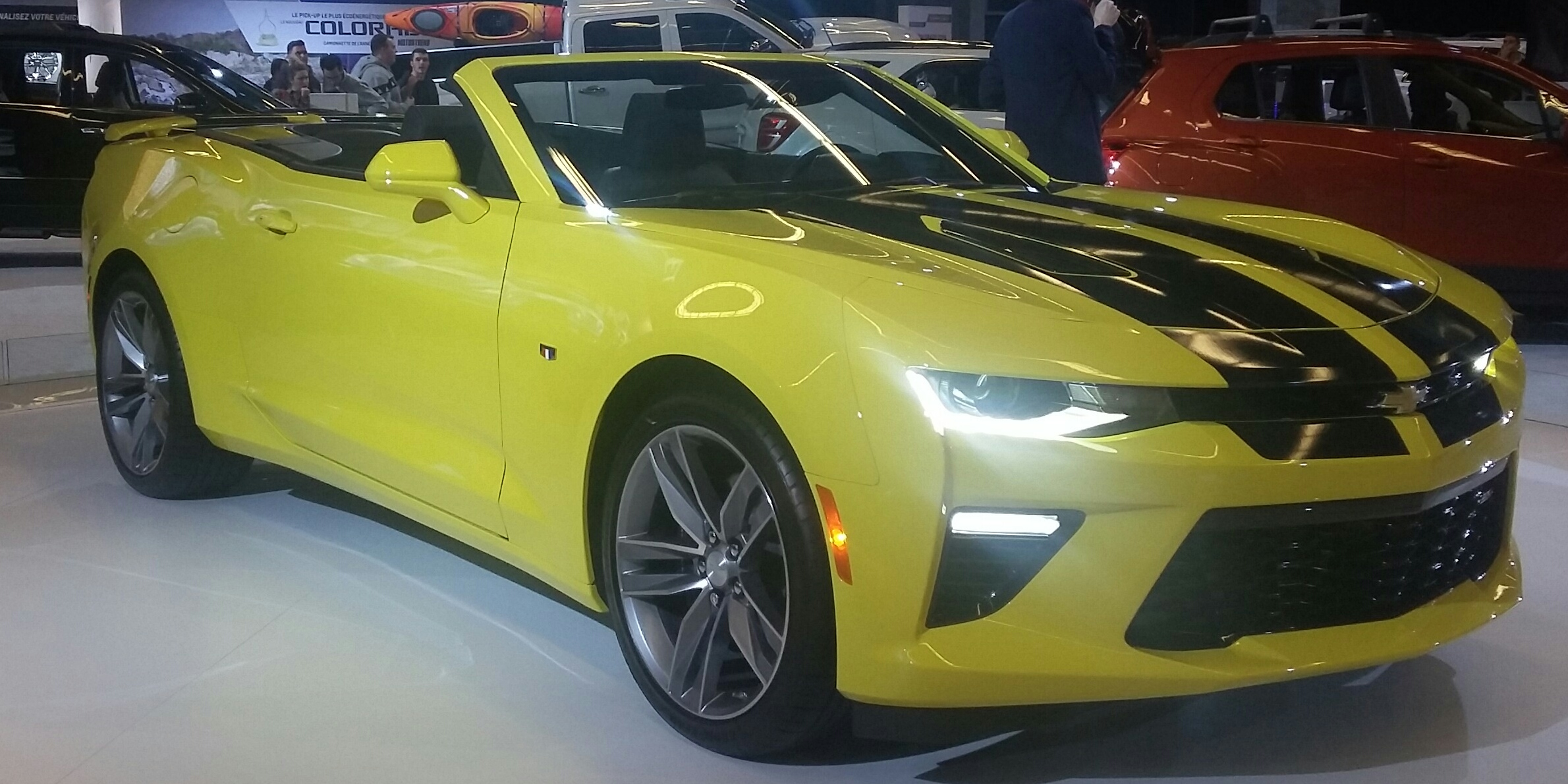
Chevy Camaro
"there's some some big ticket stuff Paul Stubbers entered in that Chevy Camaro that is sideways more often than it's in a straight line"
The Chevy Camaro is a famous American performance car. Here, they’re talking about a Camaro entry that gets driven in a very dramatic, sideways way.
The Chevrolet Camaro is a long-running American muscle car known for its V8 heritage and rear-wheel-drive layout in many generations. In this segment, the host highlights a Camaro entered by Paul Stubbers that’s described as being “sideways” often, implying aggressive handling and a lively driving style.
Paul Stubbers
"there's some some big ticket stuff Paul Stubbers entered in that Chevy Camaro that is sideways more often than it's in a straight line"
Paul Stubbers is the person who entered a Camaro for this event. The host brings him up to give credit and add detail about who’s driving what.
Paul Stubbers is mentioned as the entrant/driver associated with a Chevrolet Camaro at the Winton historic touring-car event. The name matters here because it ties a specific car to a specific person in the lineup.
Jamie Tilley
"there's some really significant cars Jamie Tilley's entered in a Mustang there's there's a really good lineup"
Jamie Tilley is the person who entered a Mustang for the event. The host mentions him to explain which cars are coming and who’s behind them.
Jamie Tilley is mentioned as the entrant/driver associated with a Ford Mustang in the event’s historic touring-car lineup. In this context, the person annotation helps listeners connect the car to the individual behind the entry.

Ford Mustang
"...ally significant cars Jamie Tilley's entered in a Mustang there's there's a really good lineup in a mixture..."
The Ford Mustang is a sports car made by Ford. It’s known for being a performance car that comes in many versions. It shows up a lot in racing and event lineups, which is why it’s mentioned here.
The Ford Mustang is a widely recognized American sports car that’s been produced for decades, with many performance and racing-focused versions. The podcast mentions it as a significant entry, suggesting it’s part of a lineup of cars being discussed for competition or event participation. Because it’s so common and has many variants, it often appears in motorsport fields and “who’s entered” conversations.
under two liter cars
"don't discount the under two liter cars because the minis can absolutely stick it to the Cortenas and the Escorts if you drive your car well"
This means cars with engines smaller than 2.0 liters. Even though they may have less power on paper, the host says they can still be competitive on the track if they’re driven and set up well.
“Under two liter” describes a displacement-based class split, grouping cars with engines below 2.0 liters. The host argues that these smaller-displacement cars can still beat larger cars at Winton when the driver and setup are right.
Group S historic sports cars
"there's two fields of Group S historic sports cars production sports cars from the similar era and you see the little cars absolutely stick it to the bigger cars"
Group S is a historic racing class for older sports cars. The idea is that cars from that era race under rules that keep them comparable, so a smaller car can still do really well if it’s set up and driven well.
“Group S” refers to a historic racing category for sports cars from a defined era, with rules intended to preserve period-correct competition. In this segment, the host contrasts these smaller cars against bigger ones and argues that setup and driving can let the “little cars” compete strongly at Winton.
shootouts
"Group entering cars in shootouts which is kind of cool at the end of Friday Terrifying yep that would be great it'll be it'll be getting crisp the the engines will be making max horsepower and all the guys will be under the pump there so that'll set the grid for the weekend"
A “shootout” in racing is a short, high-intensity qualifying-style session where drivers push hard for grid position. The host connects it to engine output and pressure on the drivers, saying it will “set the grid for the weekend.”
max horsepower
"it'll be it'll be getting crisp the the engines will be making max horsepower and all the guys will be under the pump there so that'll set the grid for the weekend"
Max horsepower means the engine’s top power level. In this context, it’s saying the cars will be pushed hard so they can get the best possible results in qualifying.
“Max horsepower” is the peak power an engine produces, typically measured on a dynamometer. The host is describing how the shootout format forces engines to be pushed to their highest output, which can influence lap times and grid position.
Group A heritage touring car
"11 of the categories ... a is the heritage touring car ... a couple of interesting ones in the group A and C heritage touring car field mate"
Group A is a historic touring-car rule set that’s based on cars that started life as production models. In this context, it means the event is racing older cars in a way that tries to keep them true to their original racing rules.
Group A is a historic touring-car classification based on production-derived cars, originally tied to homologation rules. Here it’s used for “heritage touring car” racing, meaning the cars are run in a way that reflects their original Group A specification rather than modern purpose-built touring cars.
Godzilla
"there is though a Godzilla in the field that never raced in group A but led a group A field"
“Godzilla” is a nickname people use for the Nissan GT-R. In this segment, it’s just a colorful way to refer to that car.
“Godzilla” is a well-known nickname for the Nissan GT-R, reflecting its reputation for aggressive performance and toughness. The hosts use it to describe a GT-R in the field and then connect it to Group A eligibility and history.

Nissan Gtr
"Greg Boyle's going to drive the Falcon Tires Nissan GTR now that was a production car that raced in the Bathurst 12 hour however the previous year at the Bathurst 1000 in 92 it was the safety car or pace car as it was called back then"
They’re talking about the Nissan GT-R, a fast production car that’s also been used in major Australian endurance racing. In this segment, they mention it’s been involved with Bathurst events, including being used as a safety/pace car in 1992.
The Nissan GT-R is a production-based sports car known for strong performance and durability, which is why it can compete in endurance events like the Bathurst 12 Hour. Here, the hosts note its Bathurst history and how it was used as a safety/pace car at the Bathurst 1000 in 1992.
safety car
"however the previous year at the Bathurst 1000 in 92 it was the safety car or pace car as it was called back then for that year's race so it led group A"
A safety car is a special car that comes out to slow everyone down and keep the race controlled when something unsafe is happening. It helps drivers get past the danger safely.
A safety car is a pace vehicle used during a race to control speed and protect drivers when conditions are dangerous (like debris or an incident). The hosts also mention it was called a “pace car” at the time for the Bathurst 1000.
pace car
"it was the safety car or pace car as it was called back then for that year's race"
A pace car is used to slow the whole field down when the race needs to be controlled. It helps keep everyone safe and orderly until racing conditions are back to normal.
A pace car is a vehicle used to control the speed of the field during caution periods, typically to keep cars safely spaced. The transcript notes that in 1992 it was referred to as the “safety car or pace car,” showing the terminology overlap.

Walkinshaw fuel injected VL Commodore
"that's the first Walkinshaw fuel injected VL Commodore that ever raced in Australia and it's one of those cars you you think of the privateers back in the day"
They’re talking about a Holden Commodore (VL) that’s been set up with Walkinshaw Racing’s fuel-injection approach for competition. The point is that it’s an important early Australian race example of that kind of setup.
The Walkinshaw fuel-injected VL Commodore is a modified version of the Holden Commodore (VL generation) associated with Walkinshaw Racing. The hosts emphasize it as an early fuel-injected Commodore race car in Australia and highlight its historical privateer-style role.
historic racing categories
"there's a bunch of regulars in A and C that are going to be there this weekend at Wynton ... so that's Turing Cart Legends and production cars sorry Turing Cart Tributes so there's there's so many categories here"
They’re talking about the event’s different classes for cars. Historic events split cars into categories so similar cars compete together.
The segment references multiple lettered and class-style groupings (like A and C) and event-specific categories (like “Turing Cart Tributes/Legends”). These categories organize cars by era, specification, and eligibility so that very different builds can race in a structured way.
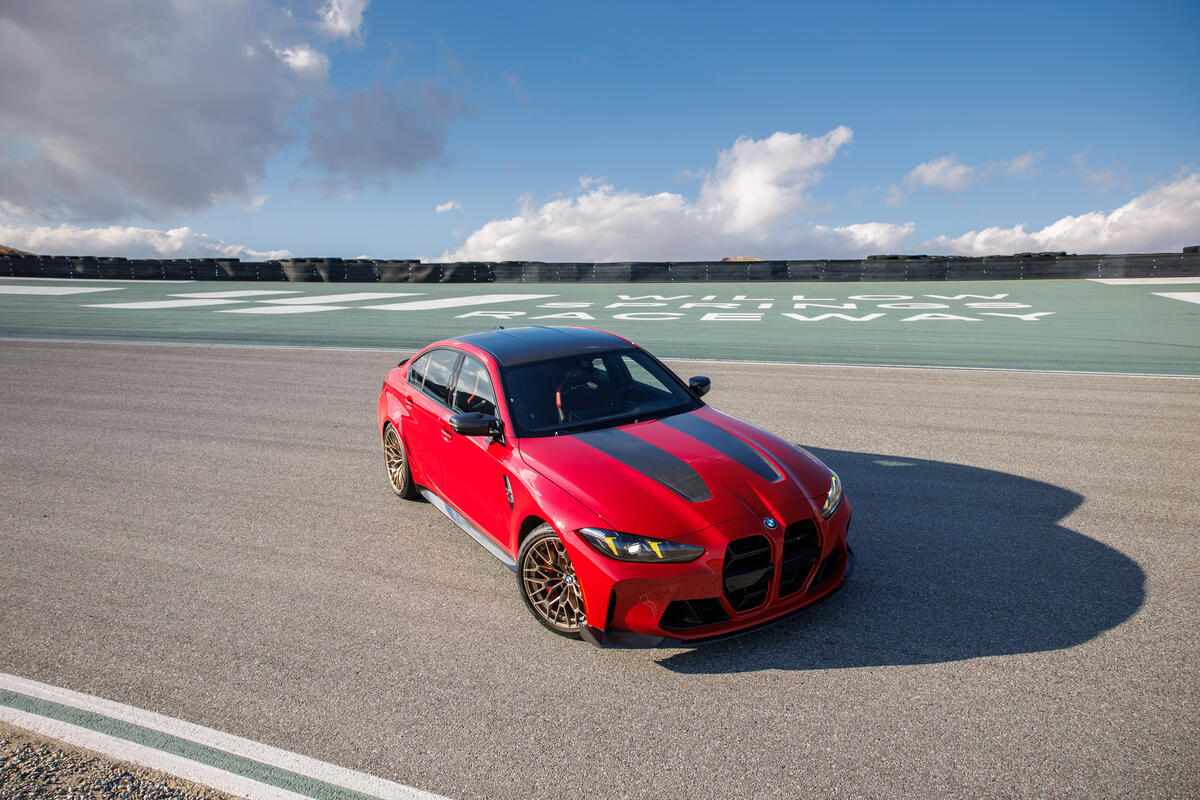
BMW M3
"...y nice list here of David Toe with that X JPS BMW M3 Ian Ross's XD Falcon Glenn Gerstle's X Group C Co..."
The BMW M3 is a stronger, faster version of BMW’s 3 Series. It’s made to handle well and perform better than a regular 3 Series. That’s why it often appears in racing discussions and entry lists.
The BMW M3 is BMW’s high-performance version of the 3 Series, built for driving feel and track-capable performance. In the podcast context, it’s referenced as part of a list of cars and drivers, indicating it’s relevant to the racing field being discussed. Because the M3 has a strong motorsport pedigree, it’s a frequent choice for competition entries.

Ford Capri
"... Geislacar Carmulla's a bit of a regular with the Capri so it's a really nice cross-section of A and C ca..."
The Ford Capri is a performance coupe that has been used in racing for a long time. In the podcast, it’s mentioned because a driver regularly competes with one and it helps represent different types of cars in the event. That’s why it’s part of the lineup discussion.
The Ford Capri is a classic European-style performance coupe that has a strong history in touring and club racing. The podcast mentions a driver who is a regular with the Capri and describes it as part of a “cross-section” of cars, suggesting it’s included to show variety across classes. That kind of mention usually points to the Capri’s ongoing presence in historic or category racing.
replica vs original
"you go through the pattern you go oh that car's back it's like no no that's a reproduction it's a it's a replica yeah there was a few that got caught out last year by some of them"
They’re warning that some cars on the entry list can be copies rather than the original historic car. That affects how much history the car really has.
The hosts discuss how some cars can look like period race cars but are actually replicas. In historic events, this matters because replicas may not have the same provenance, engineering, or racing history as original cars.
Group N
"William Faulkner's a bit of a gore in an 89 Van Demen so there's a nice lineup of of those group N we mentioned is booming as per usual"
Group N is a racing class for cars that are closer to stock than in many other categories. The idea is to limit modifications so the competition is more about the car and driver than extreme engineering.
Group N is a historic touring-car classification that generally means production-based cars with limited modifications compared to more heavily modified groups. It’s used to keep competition closer by restricting how much the cars can be changed from their road-going roots.
bomber squadron
"group S is booming with two fields the bomber squadron and the mosquito squadron which I love for the smaller cars it's a great way to I think that's more exciting way of splitting these fields"
“Bomber squadron” is just a fun name the organizers use to group the quicker cars together. It helps make it easier to understand who’s racing against whom.
“Bomber squadron” is a nickname used in this event’s Group S split to group the faster/larger cars together. It’s an organizer-friendly way to label sub-fields so spectators can follow which cars are likely to be quicker on track.
mosquito squadron
"it's nice when you can put a label on some of these things because they will be mosquitoes zipping around nipping at the heels of the bigger cars"
“Mosquito squadron” is a fun name for the smaller cars in the field. The idea is that they’re nimbler and can weave around the bigger cars.
“Mosquito squadron” is the complementary nickname to “bomber squadron,” used to group the smaller, typically quicker-to-flank cars in this event’s Group S split. The host frames it as a way to highlight how these cars can be more agile around the bigger ones.

BMW E30
"... field and there's a combined Porsche 944 and BMW E30 field that has at last count 31 so there's plenty..."
The BMW 3 Series is a popular BMW model that comes in different generations. Some versions, like the older E30, are used in racing. The podcast is mentioning it because there are a lot of those cars in the event field.
The BMW 3 Series is a compact executive car line that’s also widely used in motorsport because it has many available variants and a strong parts/support ecosystem. The podcast mentions a combined field that includes BMW E30, highlighting how the 3 Series platform is represented in racing grids. It’s discussed here because the number of cars in that class matters for the event’s competitiveness.

Porsche 944
"...rs for their field and there's a combined Porsche 944 and BMW E30 field that has at last count 31 so th..."
The Porsche 944 is a sports car made by Porsche. It’s known for being a smaller, more affordable-feeling Porsche option compared to the 911, and it’s also used in racing events. The podcast brings it up because there are multiple 944s in the field.
The Porsche 944 is a front-engine, rear-transaxle sports car that became a popular alternative to the 911 while still delivering Porsche-style balance and performance. The podcast mentions a combined field that includes Porsche 944, indicating it’s part of the event’s competitive mix. It’s often discussed in historic or club racing because many cars are still actively campaigned.
Formula Ford
"Saturday kicks off at 8 30 with Formula Ford qualifying heritage touring cars are going to race into sunset 10 past 5 start so that'll be pretty cool to hang around and have a look at"
Formula Ford is a type of open-wheel race series. It’s known for being a great training ground for drivers and for having many older cars that still get raced today.
Formula Ford is a single-make-style open-wheel racing category historically centered on lightweight cars and relatively simple, spec-style engines. It’s famous for being a stepping stone for drivers and for having lots of historic cars that still race in festivals and club events.
Jason Wiley
"Brad lightens vs oscar commodore which is the x jason wiley car ... and we only saw him once jason wiley in a v8 supercar at sand down one year"
Jason Wiley is referenced here as the driver/owner connection for an Oscar Commodore race car. The hosts are framing him as a V8 Supercar participant and someone who later didn’t get as much opportunity in road racing as he might have.

968 Turbo Rs
"...ool bits out of the woodworks there and there's a 968 turbo rs remember they were before the uh nine elevens rea..."
The Porsche 968 is a sports car from Porsche that’s related to the 944. The podcast mentions a “Turbo RS,” which is a more performance-focused version made for faster driving. It comes up because it’s part of Porsche’s history leading into later 911-focused discussions.
The Porsche 968 is a late-era front-engine Porsche sports car that sits in the 944/968 family, known for its refined balance and performance. The podcast specifically mentions a “968 turbo rs,” which indicates a track-focused, higher-performance variant. It’s brought up because it represents a key chapter in Porsche’s lineup before the 911 era became even more dominant in many racing conversations.
professional motor racing event
"[1654.1s] around the paddock at winter and everybody at these events is this is not a professional [1660.1s] motor racing event there's no one's going to get a contract with toto wolf next week"
The host distinguishes a “professional motor racing event” from a more open-access festival-style weekend. The idea is that pro events have stricter access rules and career stakes for drivers and teams, while this event allows more fan interaction. That’s why they emphasize paddock access and owner/driver conversations.
Request an Explanation
Heard something you'd like explained? We'll add it to this episode.
Sign in to request explanations for terms you heard.
Want to learn more?
Browse our glossary for plain-English explanations of automotive terms, jargon, and concepts.
Help improve this episode
See something that's not quite right? Our annotations are AI-generated and can sometimes miss the mark. Click the flag icon on any annotation to suggest a correction.