A deep dive into the most reliable car brands of 2025, featuring insights from Steve Ellick of Consumer Reports. The episode discusses the methodology behind reliability rankings, highlighting brands like Lexus, Subaru, and Toyota at the top. The conversation also touches on the challenges faced by brands like Rivian and Jeep, and the impact of electric vehicles on reliability. Additionally, the hosts explore practical tips for maintaining vehicle cleanliness in winter, including effective salt removal techniques for floor mats. The episode wraps up with a discussion on the recent NASCAR settlement and its implications for teams and the sport.
Hello and welcome to the TTAC podcast! This week, Steve Elek from Consumer Reports joins us to discuss the most reliable car brands.
TTAC contributor Matthew Guy stops by to discuss salt removal for floor mats and he and host Tim Healey dig into the NASCAR settlement.
We thank Steve and Matthew for their time and Matt Posky for editing. Most of all, we thank you for listening!
We'll see you next week!
"...if you don't have, you know, all weather floor mats, if you don't have the rubber ones or whatever, you know, polyurethane that they are, if you've still got the carpeted ones, eventually there's going to be a crust of salt that builds up..."
All weather floor mats are special mats for your car that keep dirt and water from ruining the carpet inside. They're made from tough materials that are easy to clean.
All weather floor mats are designed to protect the interior of a vehicle from dirt, moisture, and debris. They are typically made from durable materials like rubber or polyurethane, making them easy to clean and resistant to wear.
"...it's where you can buy it start to finish. Sellers and titles are verified, paperwork is handled by experts..."
Secure purchase is a way to buy things online safely. It makes sure the person selling the car is real, and it helps with payments and paperwork so you don't get scammed.
Secure purchase refers to a system that ensures the safety and legitimacy of online transactions, particularly in vehicle buying. It typically includes verification of sellers, secure payment methods, and handling of paperwork to protect both buyers and sellers.
"...or maybe, worst of all, wait for hours at the DMV just a chance for the title."
The DMV is a government office where you go to get your driver's license and register your car. People often complain about waiting a long time there.
DMV stands for Department of Motor Vehicles, a government agency responsible for vehicle registration and driver licensing. It's often associated with long wait times and bureaucratic processes when buying or registering a vehicle.
"...wait for hours at the DMV just a chance for the title. That air is over."
A title is a paper that shows who owns a car. It has important details about the car and the owner.
A title is a legal document that proves ownership of a vehicle. It includes important information such as the vehicle identification number (VIN), the owner's name, and any liens on the vehicle.
"...how does a 2024 Ford F-150 do against other 2024s, which is how we get, you know, let's call it average compared to other 2024s..."
The 2024 Ford F-150 is a large truck that can be used for many purposes, like carrying heavy loads or towing trailers. It's popular because it's tough and can be customized in many ways.
The 2024 Ford F-150 is a full-size pickup truck known for its durability and versatility. It offers various configurations and engine options, making it suitable for both work and personal use.
"redesign their models. They incrementally, you know, this old Subaru Forester and the new one, it looks almost exactly the same."
The Subaru Forester is a small SUV that many people find reliable and useful. It has been updated several times, but it often looks quite similar to older versions.
The Subaru Forester is a compact SUV known for its reliability and practicality. It has undergone various redesigns over the years, maintaining a similar appearance while improving features and technology.
"not to mention that transmission is all new as well. And that's where you start seeing problems when you just throw a bunch of new components at a new model..."
The Mazda CX-90 is a new SUV that has been designed from scratch. It has a different setup compared to older Mazda SUVs, including a new engine and all-wheel drive system.
The Mazda CX-90 is a new model that features a rear-biased all-wheel drive system and a longitudinally mounted inline-six engine. It represents a significant departure from Mazda's previous SUV offerings.
"...they've, they've pretty much worked out their powertrain related issues, you know, they never really had those that was okay."
The powertrain is the part of the car that makes it move. In electric cars, it includes the electric motors and batteries that provide power instead of a traditional engine.
The powertrain refers to the components that generate power and deliver it to the road, including the engine, transmission, and drivetrain. In electric vehicles like Tesla, the powertrain consists mainly of electric motors and batteries.
"...where Tesla suffered in the past was build quality. I mean, they were building them intense a couple years ago."
Build quality is about how well a car is made. It includes things like how well the parts fit together and how good the materials are. Good build quality means fewer problems with the car.
Build quality refers to how well a vehicle is constructed, including the fit and finish of parts, materials used, and overall craftsmanship. High build quality typically results in fewer defects and a better overall ownership experience.
"...quality control was really not there. Build quality was a problem."
Quality control is how companies make sure their products are good and work well. In car making, it means checking for problems before the cars are sold to customers.
Quality control is the process of ensuring that products meet certain standards and specifications during manufacturing. In the automotive industry, it involves checking for defects and ensuring that vehicles are built correctly before they are sold.
"The new updated model Y is one of the more reliable EVs you can buy the model three as well."
The Tesla Model Y is an electric SUV made by Tesla. It's known for being reliable and has a lot of modern features.
The Tesla Model Y is a compact electric SUV that shares many components with the Model 3 sedan, offering a blend of performance, utility, and advanced technology.
"The only Tesla that is below average reliability now is the Cybertruck, which, you know, no surprise, it's a ground up completely different design from anything prior."
The Tesla Cybertruck is a new electric truck from Tesla that looks very different from regular trucks. It's made with a tough metal shell and has a futuristic design.
The Tesla Cybertruck is an all-electric pickup truck known for its unique angular design and stainless steel exoskeleton, representing a significant departure from traditional truck designs.
"...we do have data on some Mitsubishi's, the Outlander and the Outlander plug in."
The Mitsubishi Outlander is a compact SUV that has a lot of space inside. There's also a version that can run on electricity and gas.
The Mitsubishi Outlander is a compact SUV that offers a spacious interior and a range of features, including a plug-in hybrid variant, making it versatile for various driving needs.
"...a lot of anti EV people say, oh my gosh, EVs are super expensive for repair. When that battery goes out, you're gonna regret buying one..."
EVs stands for electric vehicles, which are cars that run on electricity instead of gasoline. They use batteries to power electric motors, making them different from regular cars that have engines that burn fuel.
EVs, or electric vehicles, are cars that are powered entirely by electricity, utilizing electric motors instead of internal combustion engines. They are often seen as a more environmentally friendly alternative to traditional gasoline-powered vehicles.
"...I'm not worried about internal combustion engine parts. And of course, you have hybrids and plug-in hybrids that are kind of mixing and matching electric motors and internal combustion engines..."
An internal combustion engine is the type of engine most cars use, which burns fuel to create power. This is different from electric vehicles that use batteries and electric motors.
An internal combustion engine (ICE) is a type of engine that generates power by burning fuel, typically gasoline or diesel, inside the engine's cylinders. This process creates a series of controlled explosions that push pistons, generating mechanical power to drive the vehicle.
"...And of course, you have hybrids and plug-in hybrids that are kind of mixing and matching electric motors and internal combustion engines..."
Hybrids are cars that have both a regular engine and an electric motor. They can use either one or both to drive, which helps save fuel and reduce pollution.
Hybrids are vehicles that use both an internal combustion engine and an electric motor to power the vehicle. This combination allows for improved fuel efficiency and reduced emissions compared to traditional gasoline-only vehicles.
"...and then you see the Ultium platform ones, for example, you know, GM's Ultium platform..."
The Ultium platform is a system by GM that helps build electric cars. It allows them to use different battery types and sizes for better performance.
The Ultium platform is General Motors' flexible electric vehicle architecture designed to support a wide range of electric vehicles. It allows for different battery sizes and configurations to optimize performance and range.
"they're like full on EV battery replacements needed. Right. That's a pretty hefty problem. Not to mention the climate system is completely different as well."
EV battery replacements mean changing out the battery in an electric car when it stops working well. This can be expensive and is an important part of keeping the car running.
EV battery replacements refer to the process of replacing the battery pack in electric vehicles (EVs) when it fails or degrades. This can be a significant and costly issue, as the battery is a crucial component of an EV's performance and range.
"It's like the onboard integrated charging control unit failed and I can't charge my car. For plug-in hybrids, that's sometimes okay."
The charging control unit in an electric car helps manage how the battery charges. If it breaks, the car might not charge at all, which can be a big problem.
The onboard integrated charging control unit is a component in electric vehicles that manages the charging process of the battery. If it fails, the vehicle may not be able to charge properly, leading to significant issues.
"...and then they share platforms across it, you know, an entire, you know, a manufacturer, for example, the GM Ultium cars, they all came out at the same time. They're"
GM Ultium is a system created by General Motors for making electric cars. It helps them build different types of electric vehicles using the same technology, making it easier and more efficient.
GM Ultium is a flexible electric vehicle platform developed by General Motors (GM) that supports a variety of electric vehicles. It allows for different sizes and types of batteries to be used across multiple models, enhancing production efficiency and vehicle performance.
"...ds. It's, you know, Toyota has been building the Prius for, I mean, probably a quarter of a century now...."
The Toyota Prius is a car that uses both gas and electricity to run, which helps it save fuel and produce less pollution. It's been around for a long time and is known for being good for the environment, making it a popular choice for people who want to drive a greener car.
The Toyota Prius is a pioneering hybrid vehicle that has been in production since 1997, making it one of the longest-running hybrid models on the market. Its significance lies in its role in popularizing hybrid technology, combining a gasoline engine with an electric motor to improve fuel efficiency and reduce emissions. The Prius is often discussed for its impact on the automotive industry and its reputation as an eco-friendly vehicle.
"as someone who tests cars on a routine basis, I've had a few EVs not charged. I have a memorable story with a Jaguar I-Pace from five or six years ago that the I-Paces would not charge anywhere, but the dealer and turned out a long story short. I think it was a software issue. The"
The Jaguar I-PACE is a fancy electric SUV that offers a smooth ride and high-tech features. It's important because it shows how luxury brands are starting to make electric cars that are both stylish and good for the environment.
The Jaguar I-PACE is an all-electric luxury SUV that represents Jaguar's entry into the electric vehicle market, combining performance with sustainability. Launched in 2018, it has received acclaim for its design, technology, and driving dynamics, making it a significant player in the luxury electric segment. The I-PACE is often discussed for its innovative features and the challenges faced by early electric vehicle adopters.
"...it was a software issue. The software wasn't communicating with the chargers at Walgreens and Whole Foods..."
A software issue is a problem with the car's computer programs that can cause it to not work correctly. Just like a phone or computer, cars need updates to fix these problems.
A software issue in vehicles refers to problems that arise from the car's computer systems, which can affect various functionalities, including charging, navigation, and performance. These issues can often be resolved through software updates.
"... couple of years ago where it was probably Nissan Leaf then where one charger at a grocery store didn't..."
The Nissan Leaf is a car that runs entirely on electricity, meaning it doesn't use gas at all. It's important because it helps reduce pollution and is part of the growing trend of electric cars, but sometimes people talk about how hard it can be to find places to charge it.
The Nissan Leaf is an all-electric vehicle that has been a key player in the electric car market since its introduction in 2010. It is significant for being one of the first mass-market electric cars, offering a practical range and affordability for everyday drivers. Discussions around the Leaf often focus on its role in promoting electric vehicle adoption and the challenges of charging infrastructure.
"...elf. Like I said, the Tesla model, why the Tesla Model 3? They're reliable models now. The Ford Mustang Ma..."
The Tesla Model 3 is an electric car that is known for being fast and having a long battery life, so you can drive it for a long time before needing to charge it. It's popular because it combines cool technology with a more affordable price compared to other electric cars.
The Tesla Model 3 is a compact electric sedan that has gained popularity for its impressive range, performance, and advanced technology features. Since its launch in 2017, it has become one of the best-selling electric vehicles in the world, representing Tesla's push to make electric cars more accessible to the average consumer. The Model 3 is often discussed for its impact on the automotive market and its role in the transition to sustainable transportation.
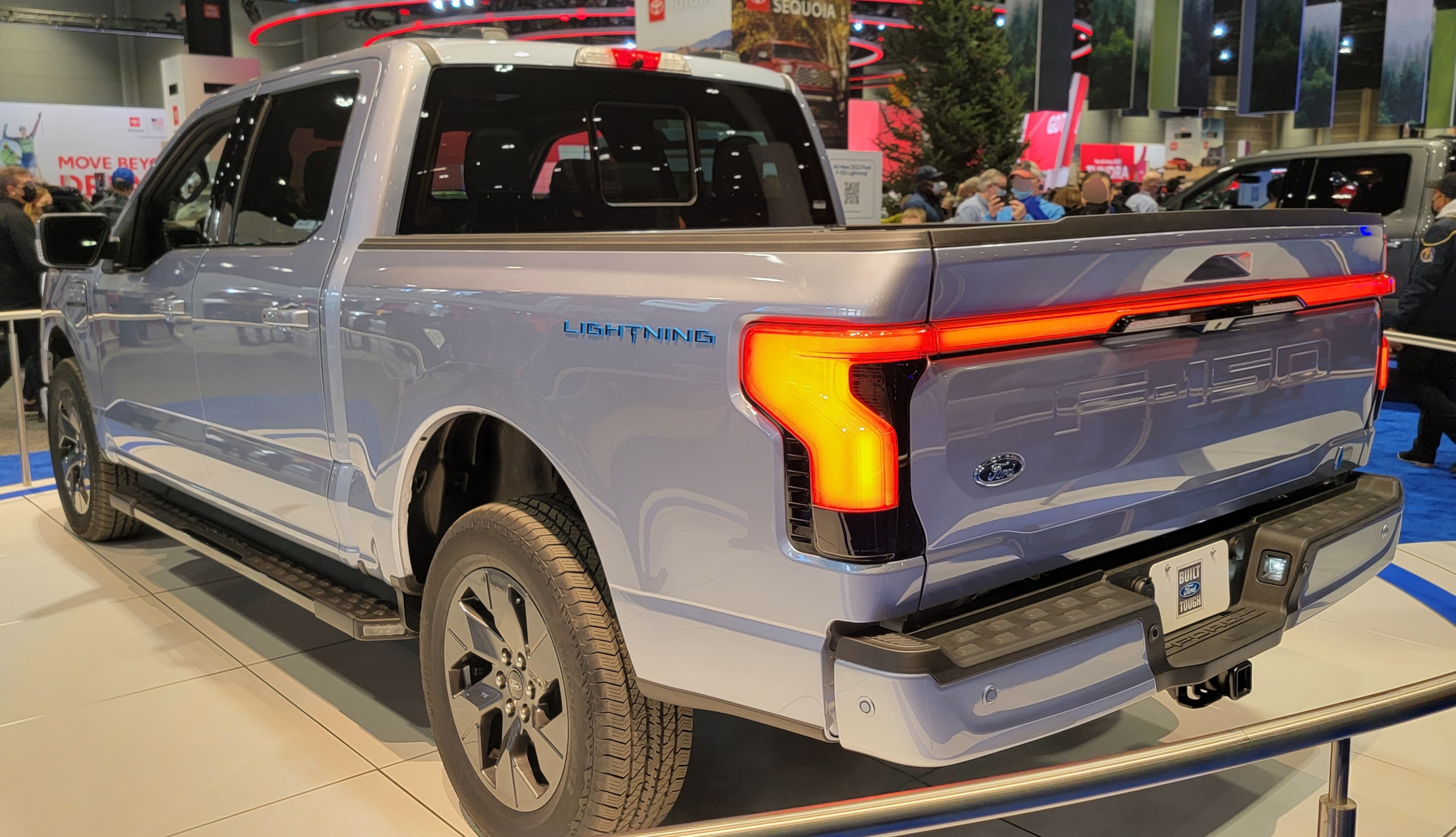
"...The F-150 Lightning too, which, you know, is it going away? I think..."
The Ford F-150 Lightning is an electric version of the F-150 truck, which is very popular in the U.S. It has become more reliable over time, which is important for truck buyers.
The Ford F-150 Lightning is an all-electric version of Ford's popular F-150 pickup truck. It has undergone reliability improvements since its introduction, addressing initial concerns.
"...hey're newer automaker. They have the R1S and the R1T, which share a lot of components and those compo..."
The Rivian R1T is a new electric truck that can drive off-road and has a lot of space inside. It's exciting because it's part of a new wave of electric vehicles that are designed for people who love adventure and want to be more eco-friendly.
The Rivian R1T is an all-electric pickup truck that has garnered attention for its innovative design and features, including impressive off-road capabilities and a spacious interior. As a newer automaker, Rivian aims to compete in the electric vehicle market with a focus on adventure and sustainability. The R1T is often discussed for its potential to reshape the pickup truck segment with electric technology.
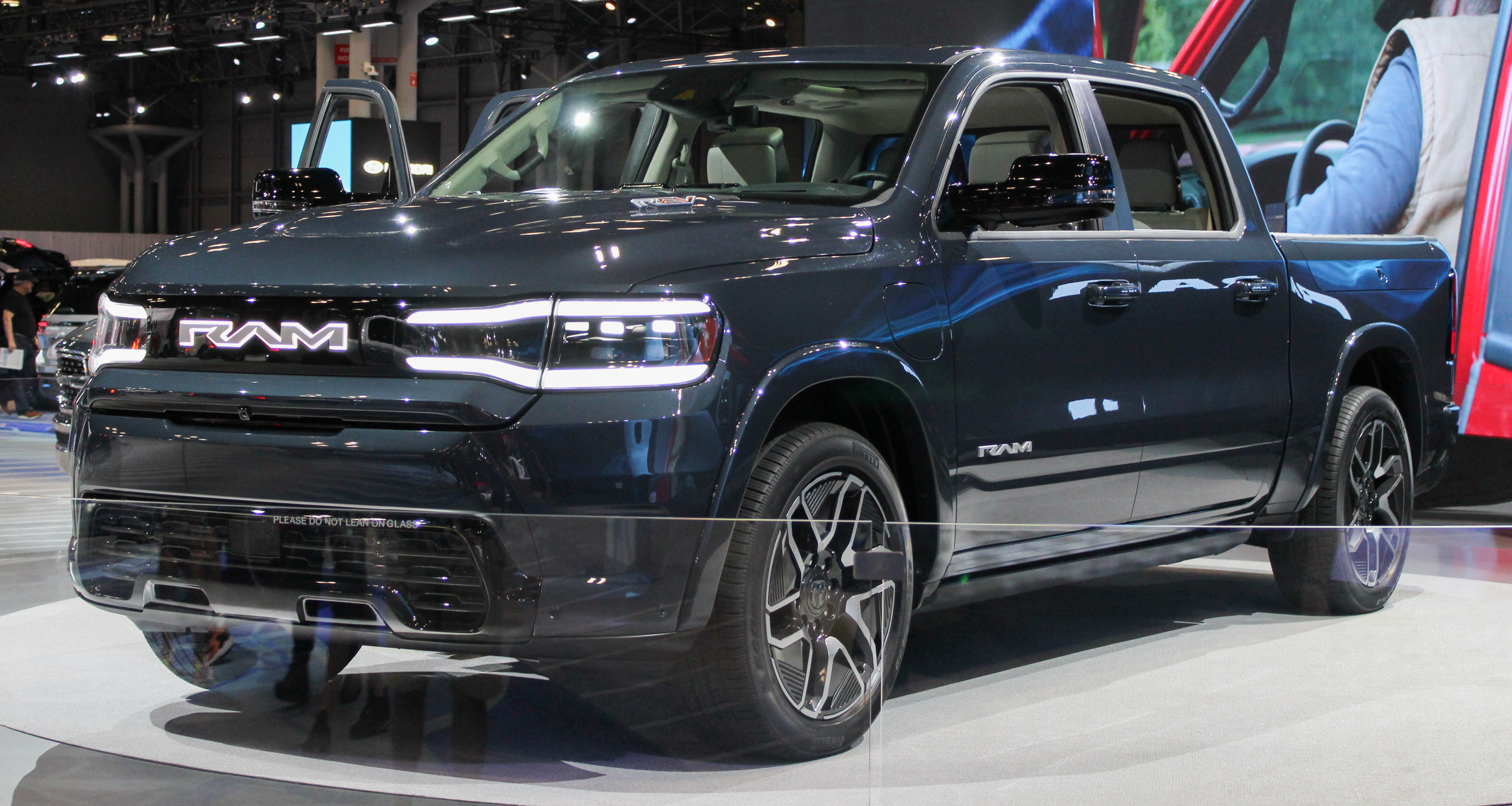
"...f these brands has a story of their own. I mean, Ram just had an update for the 1500 and didn't do so ..."
The Dodge Ram is a big truck that's often used for work or towing things, like trailers. It's known for being tough and reliable, and it recently got some updates to make it more comfortable and high-tech inside.
The Dodge Ram, now known as the Ram Truck, is a full-size pickup truck that has been a staple in the American truck market for decades. It is significant for its rugged design, powerful performance, and versatility, making it a popular choice for both work and recreational use. Recent updates to the Ram 1500 have focused on enhancing comfort and technology, keeping it competitive in a crowded segment.
"...ht, it's still lower. As far as Jeep, I mean the Compass is average. So that's good, but everything else. ..."
The Jeep Compass is a small SUV that can handle both city driving and some rougher roads. It's popular because it combines comfort with the ability to go on adventures, staying true to the Jeep brand.
The Jeep Compass is a compact SUV that offers a blend of on-road comfort and off-road capability, making it a versatile choice for various driving conditions. Since its introduction in 2006, it has undergone several updates to enhance its technology and features, appealing to both urban and adventurous drivers. The Compass is often discussed for its practicality and the iconic Jeep brand heritage.
"...ut everything else. So you got the Wrangler, the Grand Cherokee, and then you throw on plug-in components to them..."
The Jeep Grand Cherokee is a type of SUV that can drive on rough roads and is also comfortable for everyday use. It's popular because it combines the ability to go off-road with nice features inside, making it a good choice for families and adventurers alike.
The Jeep Grand Cherokee is a mid-size SUV known for its off-road capabilities and luxurious features. Since its introduction in 1992, it has become a popular choice for those seeking a vehicle that can handle both rugged terrain and everyday driving. Discussions around the Grand Cherokee often highlight its blend of utility and comfort, along with its recent advancements in hybrid technology.
"...you throw on plug-in components to them. You have the Wrangler 4xE and the Grand Cherokee 4xE..."
A plug-in hybrid is a type of car that can run on electricity and gas. You can charge it at home, which helps save fuel and is better for the environment.
A plug-in hybrid is a vehicle that can be charged from an external power source and operates using both an internal combustion engine and an electric motor, allowing for greater fuel efficiency and reduced emissions.
"... unanimously problematic. So, you know, GMC, New Acadia has some problems, not new, but newer, like it wa..."
The GMC Acadia is a medium-sized SUV that's great for families because it has a lot of room inside and is comfortable to drive. However, some versions of this car have had problems, so it's a good idea to check which years are the best before buying one.
The GMC Acadia is a mid-size SUV that offers a spacious interior and a range of family-friendly features. Since its launch in 2006, it has been recognized for its comfortable ride and versatility, making it a popular choice for families. However, some model years have been noted for reliability issues, so potential buyers should research specific years for concerns.
"...whether it's with yourself, JD Power, other companies that track reliability..."
JD Power is a company that helps people understand how good cars are by giving ratings based on customer feedback and surveys.
JD Power is a global marketing information services company known for its consumer insights, data, and analytics, particularly in the automotive industry, where it provides reliability ratings and customer satisfaction surveys.
"and supply some Maserati as well, which also didn't make your list. Italian built vehicles have had their own issues over the years"
Maserati is a luxury car brand from Italy that makes fast and stylish cars. They are known for their performance and unique designs.
Maserati is an Italian luxury vehicle manufacturer known for its high-performance sports cars and elegant design. The brand has a storied history in motorsport and is recognized for its distinctive styling and powerful engines.
"I will say in the past though, like when Dodge only had the Challenger and Charger a couple years back..."
The Dodge Challenger is a type of car known as a muscle car, which means it has a strong engine and is designed for performance. It's been around for a long time and has a classic look.
The Dodge Challenger is a muscle car that has been in production since 1970, known for its powerful engines and retro styling. It has undergone several updates and redesigns over the years, but the current generation has been around since 2008.
"...kinks on that generation, same with the Chrysler 300, but they've dropped the, you know, the more reli..."
The Chrysler 300 is a big car that looks stylish and has a lot of room inside, making it comfortable for passengers. It's known for being a nice mix of luxury and performance, which is why many people like it.
The Chrysler 300 is a full-size sedan known for its bold styling and spacious interior, offering a blend of luxury and performance. Since its debut in 2005, it has been a distinctive presence in the sedan market, often discussed for its retro-inspired design and powerful engine options. The 300 is appreciated for its comfort and technology features, making it a popular choice for those seeking a stylish yet practical vehicle.
"Toyota, I always forget what it's called because it changed the name. It used to be the SineFR, I think it's the TR-E6 now. 86 and the BRZ. Subaru BRZ. And then I always want to say FR because it was Sion for so long. And then, you know, of course we have automakers that have"
The Subaru BRZ is a small sports car that's fun to drive and designed to be light and quick. It's popular among people who love cars because it offers a sporty experience without being too expensive.
The Subaru BRZ is a compact sports car that emphasizes driving enjoyment and performance, featuring a rear-wheel-drive layout and a lightweight design. Developed in collaboration with Toyota, it shares its platform with the Toyota 86, making it a favorite among driving enthusiasts. The BRZ is often discussed for its balance of affordability and sporty characteristics.
"..., Lincoln, so forth. Then you've got Hyundai, Kia Genesis, where Hyundai and Kia are both mainstream brand..."
The Hyundai Genesis is a luxury car that focuses on being comfortable and packed with cool technology. It's known for giving you a lot of features for the money, making it a smart choice for someone looking for a nice car without spending too much.
The Hyundai Genesis, now known as the Genesis G80, is a luxury sedan that emphasizes comfort, technology, and performance. Launched in 2008, it has redefined Hyundai's image as a serious competitor in the luxury car market. The Genesis is often discussed for its value proposition, offering high-end features at a more accessible price compared to traditional luxury brands.
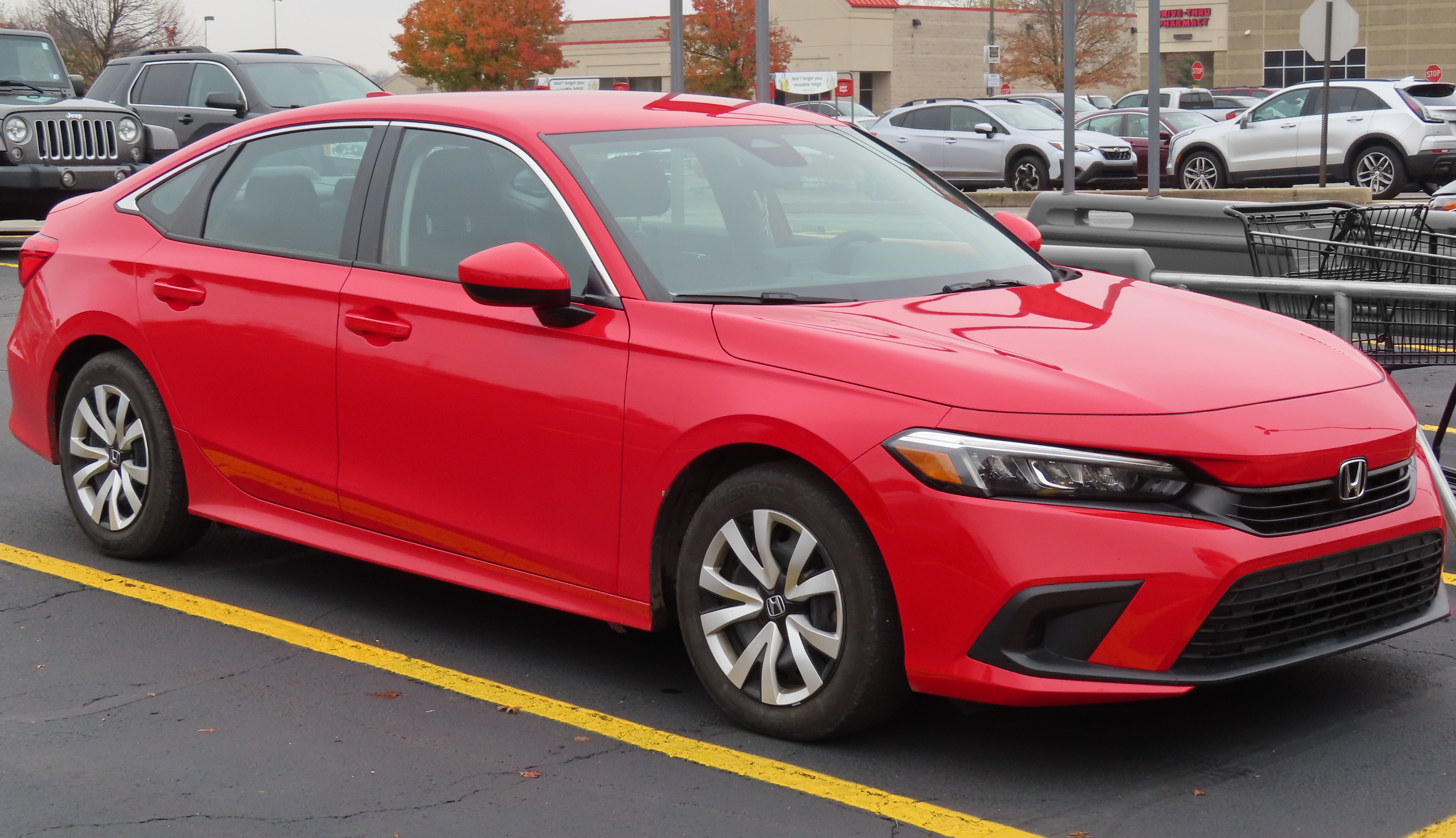
"...enesis, Kia, Toyota, Camry, and Lexus ES, Honda, Civic, and Acura, and Tiger named the shared cars. Has ..."
The Honda Civic is a small car that's known for being dependable and saving gas. It's been around for a long time and is popular because it's a good choice for many different kinds of drivers, whether they're young people or families.
The Honda Civic is a compact car that has been in production since 1972, known for its reliability, fuel efficiency, and practicality. It has a strong reputation among consumers and has consistently been one of the best-selling cars in the United States. The Civic is often discussed for its versatility, appealing to a wide range of drivers from students to families.
"...ferent vehicles at the same time. The Lyric, the Blazer EV, the Prolog, ZDX, they didn't really have time to..."
The Chevrolet Blazer EV is a new electric SUV that keeps the classic Blazer look but runs on electricity instead of gas. It's exciting because it shows how traditional SUVs are changing to be more eco-friendly and modern.
The Chevrolet Blazer EV is an all-electric version of the classic Blazer SUV, representing Chevrolet's commitment to electrification and modern design. It combines the Blazer's iconic styling with advanced electric vehicle technology, aiming to attract both traditional SUV buyers and new electric vehicle enthusiasts. The Blazer EV is often discussed for its potential to reshape the SUV market with its electric capabilities.
"...y, and then the, or actually, better example, the Tacoma. Tacoma came out a couple of years ago, it was u..."
The Toyota Tacoma is a smaller truck that's tough and can handle rough roads, making it great for work or outdoor activities. People like it because it's reliable and holds its value well over time.
The Toyota Tacoma is a mid-size pickup truck that has been a favorite among truck enthusiasts since its introduction in 1995. Known for its durability and off-road capabilities, the Tacoma is often discussed for its versatility in both work and recreational settings. It has a strong resale value and is favored for its reliability in various driving conditions.
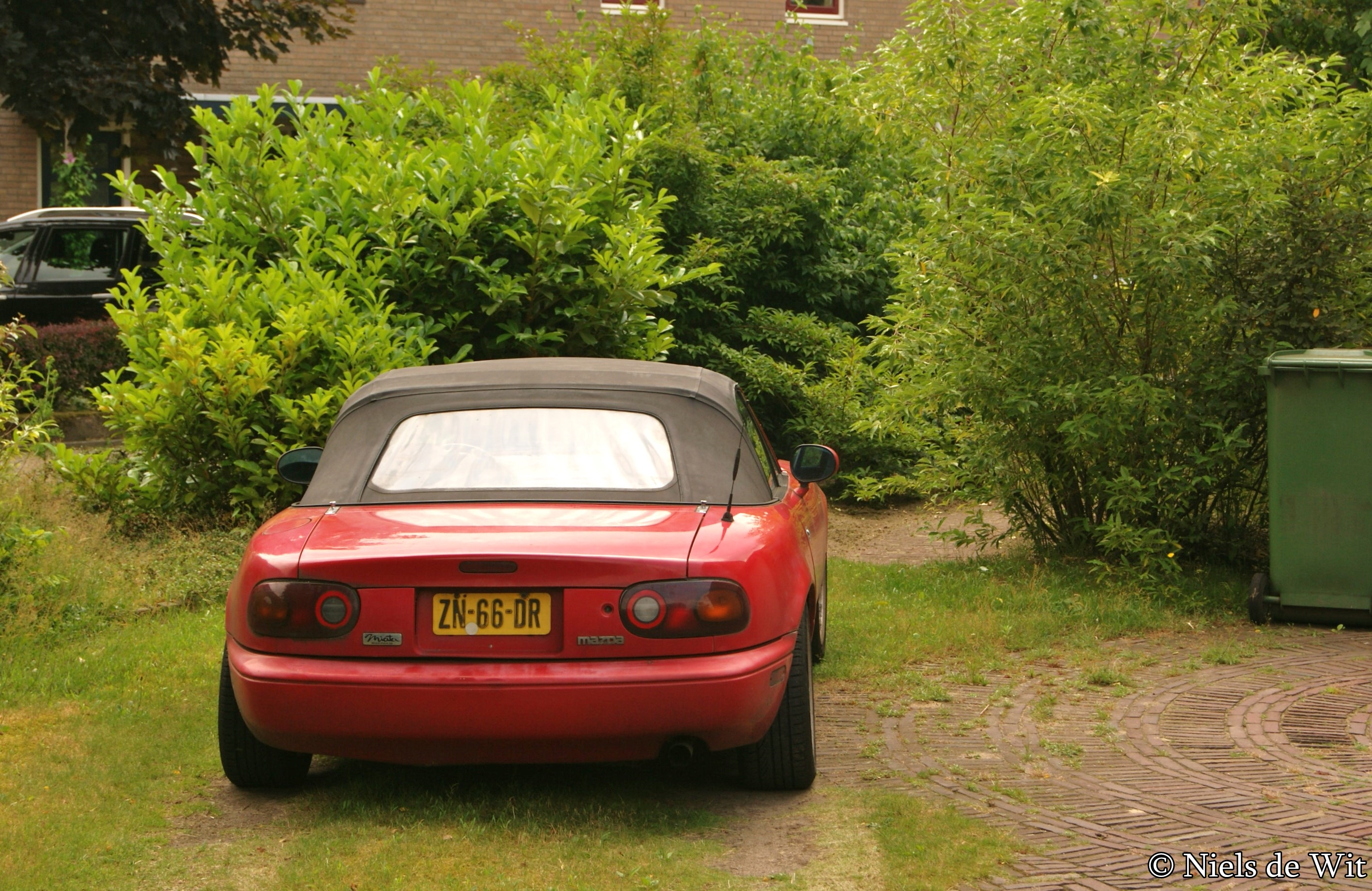
"No, Mazda is a good brand for the most part, they have been historically, when you look at, you know, the MX-5 Miata, the Mazda 3, which has been around for a while, super reliable. But they did drop in your rankings a little bit though, I think."
The Mazda MX-5, or Miata, is a small sports car that's really fun to drive and has a classic look. It's popular because it's light, easy to handle, and not too expensive, making it a favorite among car lovers.
The Mazda MX-5, also known as the Miata, is a lightweight two-seat sports car celebrated for its engaging driving experience and classic roadster design. Since its debut in 1989, it has become an iconic model among car enthusiasts, known for its balance, simplicity, and affordability. The MX-5 is often discussed for its fun-to-drive nature and strong community of fans.
"...e those reliable ones, and then they drop because CX70, CX90, CX90 plug-in and CX70 plug-in means you a..."
The Mazda CX-70 is a new type of SUV that's designed to be fun to drive while still being practical for everyday use. It's stylish and aims to attract people who want a mix of good looks and good performance.
The Mazda CX-70 is a mid-size crossover SUV that emphasizes sporty handling and a stylish design. Although it is a newer entry in the market, it aims to attract buyers looking for a vehicle that combines practicality with a fun driving experience. Discussions around the CX-70 often highlight its design and driving dynamics.
"... are going to be different than others. Obviously Daytona always brings in one off drivers and because it'..."
The Chrysler Daytona is a car that has a history of being sporty and fast, especially back in the 1980s. The new version tries to mix that classic look with modern features, making it interesting for fans of cool cars.
The Chrysler Daytona is a nameplate that has been associated with performance and racing, particularly during the 1980s. The modern iteration aims to blend retro styling with contemporary performance features, appealing to enthusiasts of both classic and modern muscle cars. Discussions around the Daytona often focus on its heritage and the excitement of reviving a classic name in today's automotive landscape.
Select text to request an explanation
Hello, and welcome to the Truth About Cars podcast. I am Tim Healy, the managing editor,
and this week we're discussing the most reliable car brands of 2025, salt removers for floor
mats, and the NASCAR settlement. We chat with Steve Ellick from Consumer Reports about
the most reliable car brands and T-Tech contributor Matthew Guy, and I discuss the best way to
get road salt off your floor mats. We also delve into the NASCAR lawsuit settlement.
But first, buying a car should feel secure. Start to finish. That's why you should buy
your next ride on eBay. See, eBay has got everything, from classics to trucks and imports. Now
with secure purchase, sellers and titles are verified, and financing, delivery, and insurance
options are built right in. Plus, eligible vehicle purchases are backed by up to $100,000
in protection. So buy your next car on eBay. eBay. Things people love. Secure purchase
is powered by Carmall dealer services LLC in eBay subsidiary. If you like what you hear
on the Truth About Cars podcast, please go ahead and give us a review. You can also find
us online at ttac.com, that's t-tech.com, or the Truth About Cars, all pulled out.com,
where you're home for car reviews, car news, opinions, and so so much more. Here on the
Truth About Cars podcast, we are talking about the stuff that we use in our homes and in
our cars and on our cars, as the case may be. And as just about always, we have T-Tech
contributor, Matthew Guy with us. Matthew, how are you doing today?
Hi, Tim. I'm doing pretty good. How about you?
I'm doing well. So you want to talk about something very timely for this time of year,
that I've actually never really worked with, although I know what the problem is. You're
talking about salt removers for floor mats.
Yeah. And I mean, so many parts in this country, you know, you're driving in the winter and
the roads are almost white, you know, there's a lot of jurisdictions that use salt or some
sort of salt mixture on the roads, just to try to keep a little bit of traction on there
during some of winter's harder days. And anyone who lives in those areas will know that you
tend to track that stuff in and out of your car. And if you don't have, you know, all
weather floor mats, if you don't have the rubber ones or whatever, you know, polyurethane
that they are, if you've still got the carpeted ones, eventually there's going to be a crust
of salt that builds up and it's hard to get rid of. And it's, it's hard in terms of its
nature as well. I mean, you can almost, Tim, you've seen this in your dealership days, you
could drive nails with some of this stuff. If it's been a long time.
Oh yeah, for sure. Absolutely. So there's a couple of us. I was using some over the weekend
and just picked it up off eBay. It's from a major brand, Armoral, right? I mean, it's pretty
universal. I mean, most gear heads know that brand. So I tend to stick with those brands
for this type of stuff. And it comes with, just like if you think about some other upholstery
cleaner that you might have gotten in a can, this one, it probably is the same can, just a
different product inside has gotten that kind of spade shaped scrubber on the, on the front
of the, of the dispenser unit on top. And it's really, really good. I mean, it's heavy duty
cleaning. It's supposed to lift up some of these tough stains. You can get it in different,
quote unquote flavors, different scents and stuff. I just get the unscented stuff, right?
You know, I just, I don't need my card smell like strawberry or anything like that.
But that stuff does exist if it's, if it's up your alley. And, you know, it's got this removable
brush. And I do like the Armoral one because you can remove the brush from the can without
breaking it. And Tim, when we were talking at the top of the hour, just before the show started,
we were talking about, you mentioned the dealership days when you just hose these things down with
the pressure washer to pretty much beat the salt out of them, right? And that's a good way to start
for sure. If you've got access to that, access to that type of tool. And then you can follow up with
this sort of carpet and upholstery cleaner that's especially for salt. That'll really knock it out.
And if this is all you can get, if you can just get this, if you don't have the pressure washer,
that's okay too. It'll just take a bit more elbow grease to work this stuff in. And then it helps to
vacuum it back out. If you've got a shop vac, you know, a wet dry vac around, use that just to suck
out the cleaning solution that will be foaming up and being in your carpet. So it's great. I really,
I really, really like this stuff. And this Armoral stuff was pretty good. Got a lot of eBay. And it
lasts a long time. It's the type of stuff. It's almost like you buy a shaving cream, you know,
for yourself. You buy it when you need it. And it's not super frequent. So
yeah, yeah, anything else we should know. It seems like a pretty straightforward product,
obviously. Yeah, it's pretty straightforward. But there's some other ones. I mean, I use the Armoral
one that I got off eBay, but I ended up seeing some others, you know, just over the years and
searching real quick, you can find them on the same site. There's one by the company called Crown
Care OWN and they do a lot of under seal and a lot of undercoating and stuff like that. And I know
they don't make this solution themselves. They don't make this stuff. They just put their name on it.
But I do remember it being really, really, really powerful to target and remove the
harmful road salt from your carpets in your car. And if I remember correctly, that one doesn't come
with a scrubber. So you'll need to have just a really stiff brush, something that, you know, that
won't go the bristles won't fold up immediately as you're scrubbing this stuff really, really hard
into your car. So, you know, pick up a pick up a stiff brush if you don't have one on hand.
But I do like sticking with a known brand for this type of stuff, just because I find that this
stuff really does work. And the crown stuff, I would also, you know, gravitate towards that
because it's got the icing chemicals in it. It's got, you know, those types of things that will
help prevent future buildup of salt and whatnot. And this helps with trading values. This helps
with just general enjoyment of your car. So it's not just a, you know, it's not just a vanity thing
to have a clean car. It really helps with trading values too. Some people say that it doesn't. I
firmly believe that it does, even if you can't totally measure it sometimes,
getting into a clean car, whoever is evaluating that the dealership is going to look at it a
little bit differently than something that's completely trashed. Absolutely. Absolutely.
Anything else you want to add on the subject before we move on? No, there's a couple of
different products out there that I haven't used. And maybe I'll try them for next time. And maybe
in the new year, we'll, we'll revisit this or something like that. But there are some that
you can use to help prevent buildup on plastics on the outside of your car. So maybe down along
the rocker panels on some of the black plastic bumpers that are on some of our cars. So maybe
I'll try some of those in the future and we'll talk about them later on, on another episode.
Yeah. And did you, did you see, did you get these, you get these eBay motors?
Yeah, especially the main brands like Armor on stuff like that. They've got their own
storefronts and those types of eBay like platforms and things like that. So
I tend to trust those storefronts, right, rather than a generic third party. But I've always,
I haven't had any bad incidences on eBay getting stuff shipped and stuff like that, even if it is
from a third party, but you can always add that extra layer of comfort buying from the actual
storefront of the, you know, company from the product that you're buying. So would recommend
for sure. Awesome. Good to know that eBay motors is a place to buy these products. So
with that, we'll go ahead and wrap our stuff we use segment here in this week's Treat Our
Cars podcast. Thank you, Matthew. Thank you.
eBay has reinvented vehicle buying from click to curb. Everything's covered.
It's all thanks to their new secure purchase. Ever try to buy a car and end up in a parking
lot with a stranger and some blind trust? Or spend half the day at a dealership talking
to pushy salespeople and signing paperwork? Or maybe, worst of all, wait for hours at the DMV
just a chance for the title. That air is over. For years, eBay has been the go-to for gearheads,
collectors, and DIYers. Because whatever you're into from classics to SUVs and trucks to imports,
eBay's got it. And now with secure purchase, eBay isn't just where you find your next ride.
It's where you can buy it start to finish. Sellers and titles are verified,
paperwork is handled by experts, and payments are traceable and digital. So you know exactly who
you're dealing with and exactly what you're getting. Plus, you can finance insurer and
register your vehicle all in one place. No more hours at the dealership. No more trips to the DMV.
Get your vehicle, plates, and paperwork shipped to your door ready to drive. And it's all part of
one seamless process designed to feel as easy as buying anything else online.
And eligible vehicles purchased on eBay are backed up by up to $100,000 in purchase protection.
Thinking about selling your ride, secure purchase makes that simple too,
because you know your buyer and their funds are verified. If you still own your car,
the financing payoff is fully integrated, so you're not chasing paperwork or waiting intros to
clear. And with secure purchase, you get paid fast. And you're not going to be stuck chasing
no shows or answering the fifth, still available message. This is what modern car buying looks like.
Skip the DMV, skip the sketchy meetups, buy it on eBay. eBay, things people love.
Secure purchase is powered by Carmo Dealer Services LLC in eBay subsidiary.
On this week's Truth About Cars podcast, we are with Steve Ellick from Consumer Reports.
He is the program leader for Auto Data Analytics, Automotive Data Analytics. So Steve, how you doing
today? Good. How are you doing? Thanks for having me. Good. Did I get your name and your title
correct? Yes, it's a long one. I'm the Data Analyst guy there. Yeah, and that's exactly why we're
having you on is to talk about the most and worst reliable cars that you have kind of walked through
or how do I say this? Kind of tested this year, I suppose, by the best way to say it. So walk us
through what you found. Before you start, I know our listeners are familiar with Consumer Reports
and you're testing procedures that you often buy your vehicles. You've got a test track in Connecticut.
You can walk us through that too, for sure. But kind of walk us through this report,
article study, however you want to call it, and the methodology, and then go from there.
Yeah, for sure. So it is kind of like two different wings of our Auto Test Center.
There's the testing, the actual cars and the road tests and our instrumented testing. And then we
have the our CR members, about 380,000 vehicles came in in our survey this year. So they tell us
what went wrong with their car. And that's what this reliability survey is all about. And that's
my main focus as the Auto Data Analytics Program Leader is taking this survey data and making
something out of it. How do we predict how reliable cars are going to be next year?
So we asked one main question in our reliability survey, and that is, in the last 12 months,
what issues have you experienced with your car? And this is broken up into up to 20 different
trouble spots. So, you know, there are transmission problems that are different from engine problems,
which are also weighed differently from an in-car electronics problem that, you know,
a display screen phrases that's obviously not as important as a transmission
failing. And basically, just take all this data, crunch it together, and then compare vehicles
against each other. So how does a 2024 Ford F-150 do against other 2024s, which is how we get, you
know, let's call it average compared to other 2024s. Using all this information from the last
three model years, we can predict how a 2026 vehicle is going to look, how's the 2026 Ford F-150
reliability going to be. And that is, you know, I mean, in a nutshell, that is what I do. It gets
a lot deeper than that. But that's basically from survey to new car reliability predictions.
One question on your methodology. Do you, I know JD Power has looked at things like consumers
failing to understand an infotainment system as a reliability issue. Do you look at that as a
reliability issue? Or do you only look at mechanical failures? No, this is mechanical failures. This
is issues like, did your display screen freeze? Did your display screen go blank? Or all the way,
did you have to replace your head unit? Was there a hardware replacement? So that's for that
specific trouble spot. We go through, I mean, there's extraordinary data cleaning to make sure
that we, you know, people still do want to tell us about these problems, right? Tell us verbatims
like, Oh, I can't use the system. It's very clunky. They're actually clunky would, you know,
there's a fine line for what is considered a reliability issue and what is considered a,
you know, kind of like a usability issue. But we go through cleaning for our, you know, the comments
and the verbatims that our members give us. And we try to clean these usability issues out,
because that is not reliability. We want to know what went wrong. Did you have to replace your
head unit? That's more important than you can't use the thing. Okay, excuse me. So, okay, so that
confusing infotainment system or a system that works mechanically, but is maybe
buggy or something like that is not considered mechanical. Got it. All right. So as you go
through this, the survey, the article that you guys put out the press release basically says
Lexus, Subaru and Toyota are again a keyword there at the top of the brand reliability rankings,
excuse me, brand reliability rankings. Say that five times fast. So
any surprises? I mean, it looks like when you use the word again, it's clear that these three
brands are not exactly a shock to to be in the top for top five there. No, it's that's not a
surprise. And they, you know, Toyota, Subaru, Lexus, what they do really well is they conservatively
redesign their models. They incrementally, you know, this old Subaru Forester and the new one,
it looks almost exactly the same. Yeah, I know, updated component. Yeah. So from a reliability
standpoint, that's fantastic. If you keep certain components the same as the old one where you've
already worked out the kinks, well, from, you know, your reliability will be pretty good because
you work that out. It's, it's different from something like, you know, Mazda brought out the
the CX90, which is a ground up completely, you know, new model. It is a rear drive or rear,
sorry, it's all wheel drive, but it's a rear biased platform, longitudinally mounted engine in line
six, completely different than anything they've done before. Not to mention that transmission
is all new as well. And that's where you start seeing problems when you just throw a bunch of
new components at a new model or redesign model. And then you haven't worked the kinks out yet. So
no, no surprise on the top three, they just do conservative evolution rather than revolution
redesigns. And it pays dividends for their for their reliability.
So those weren't a surprise, but were their models either positive or negative that were
or brands I should say, that were a surprise on your list?
There was Tesla was pretty surprising. It's it's cracked the top 10 this year. So
Tesla, they've, they've pretty much worked out their powertrain related issues, you know, they
never really had those that was okay. Where Tesla suffered in the past was build quality. I mean,
they were building them intense a couple years ago. So, you know, there were mismatched,
misaligned panels and mismatch paint. And there's one report of like, they're being human hair
stuck in the paint and stuff. So quality control was really not there. Build quality was a problem.
It seems like they've kind of overcome that now. The new updated model Y is one of the
more reliable EVs you can buy the model three as well. The only Tesla that is below average
reliability now is the Cybertruck, which, you know, no surprise, it's a ground up completely
different design from anything prior. Yeah, for sure. Looking at the list here, I see 26
automakers or 26 brands, obviously some automakers represent one brand. But I don't see
Infinity or Dodge or a few others. Is there a reason why they didn't make the list?
Yeah, so the reason for brand rankings, first of all, we need it needs to meet a certain criteria
of having enough models because like take Mitsubishi, for example, we do have data on some
Mitsubishi's, the Outlander and the Outlander plug in. But that's like pretty much the same
nameplate. If we were to report that as a brand, that'd be just like, oh, we're just reporting
how the Outlander does not necessarily Mitsubishi. So you'd need a certain amount of brands to make
our rankings and you have to have sufficient sample size. So anything, any model with low
sample size in our survey, we use other methods to predict like brand reliability or reliability
history. But we don't deem that enough to be in the brand rankings compared to all the others. So
yeah, for that reason, some do fall out if we don't have enough data. Okay, so it is a sample
size issue. That was my initial take. I was that you just didn't have enough owners reporting to
you for maybe dodge owners or infinity or whoever else, but that makes sense.
So my next question to you then would be, all right, I want to try and phrase this carefully
because it's been a bit of a political football for the past, oh geez, decade, maybe longer,
maybe even going back to the Obama administration, but electric vehicles often get kicked around
into the political football, you know, a lot of anti EV people say, oh my gosh, EVs are super
expensive for repair. When that battery goes out, you're gonna regret buying one and all this,
then a lot of EV and evangelists that thank you are like, oh, well, you know, they're actually
cheaper because there's fewer things that can break. And all I'm doing is worrying about wipers
and tires and brakes. I'm not worried about internal combustion engine parts. And of course,
you have hybrids and plug-in hybrids that are kind of mixing and matching electric motors and
internal combustion engines. So what's the actual truth? You know, I'm kind of neutral on EVs.
I try and keep an open mind to the tech. I don't try not to let my political views skew it one way
or another. I try and evaluate it as a technological tool or as a type of car, you know, but what is
the truth? Are you seeing EVs causing more trouble in terms of reliability and same thing
with hybrids and plug-ins? Is it about the same as internal combustion? Is it better? What have
you seen in your data? So I'm with you, you know, take what you want about EVs. I think they're fine,
they have their purpose. But, you know, as far as what the data tells us, EVs and plug-in hybrids
have about 80% more problems on average than internal combustion vehicles. And hybrids actually
have about 15% less than internal combustion engine. And there's reasons behind that. So
EVs and plug-in hybrids, like you said, completely new systems throughout, and that EVs are,
they're new. They're newer, you know, an internal combustion engine 100 years ago,
probably had its fair share of problems as well. But EVs are also like the testbed for these new
features, you know, it's an EV, so let's throw a bunch of tech at it and let's try out these new
batteries. And then you see the Ultium platform ones, for example, you know, GM's Ultium platform,
they're like full on EV battery replacements needed. Right. That's a pretty hefty problem.
Not to mention the climate system is completely different as well. It's not just a heater core
anymore. It's a different climate system for EVs and plug-in hybrids. And we're seeing issues with
that kind of thing. So it's really just a new technology part, as well as, you know, charging
issues. And this isn't like, oh, I plugged it into a charger and it doesn't work. We weed those out of
the data. It's like the onboard integrated charging control unit failed and I can't charge my car.
For plug-in hybrids, that's sometimes okay. Other times it still breaks the whole car,
even the gas component. So it's really, it's just all this new technology that is being
thrown at these vehicles. And then they share platforms across it, you know, an entire, you
know, a manufacturer, for example, the GM Ultium cars, they all came out at the same time. They're
all experiencing the same problems. They tend to be less reliable. Hybrids are, I mean, they're
like the cream of the crop right now. They, it's from a reliable, they're with the fuel economy
that they get and just how they drive. Then they're also reliable. It's, it's, they're just a great
category of vehicle right now. And I think, you know, the reason behind it is it is mostly these,
these conservative redesign automakers that build hybrids. It's, you know, Toyota has been building
the Prius for, I mean, probably a quarter of a century now. So they've worked out the issues.
There aren't any like groundbreaking components in it besides just the battery.
And there's no charging system. The climate system doesn't necessarily have to be completely
different like in plug-in hybrids and electric cars. And yeah, that's, that's basically the
category, the category difference. I was actually going to say, I think hybrids, you're absolutely
right with hybrids. They've, they've been around. They're no longer new. It's no longer new technology.
Like you said, quarter century or so. I would also say with regards to the internal combustion
engine, I would say, you know, you say a hundred years, there's a fair share of problems. I think
the internal combustion engine has gone through a couple of different phases. If you want to get
into the weeds of automotive history, you know, obviously there's the, the invention of it,
like you said, a hundred years ago. And then I think the next big phase would be the,
the change of putting emissions equipment on it in the seventies and learning how to adjust for
that. And the Malaise era and then coming back to then eventually 20 years later, figuring out how
to have high horsepower vehicles with that still meet emissions requirements and are still relatively
fuel efficient. So I think there's really been two or three big phases with the ice with the
internal combustion. That's a whole different topic we could, automotive history is something we
do an entire podcast on, but yeah, yeah. So I think you're right with the EVs. I think it's a
newer technology and I'm glad you also weed out the not the charging issues because I've had,
as someone who tests cars on a routine basis, I've had a few EVs not charged. I have a memorable
story with a Jaguar I-Pace from five or six years ago that the I-Paces would not charge anywhere,
but the dealer and turned out a long story short. I think it was a software issue. The
software wasn't communicating with the chargers at Walgreens and Whole Foods and whatever and the
different companies, but that one might have been sorted out because was it the car's fault or the
charging system? Well, that one might have been the car's fault because if it was charging the
dealer, but you know what I mean? I was going to say that'd be probably like a true reliability
issue, but some, you know, it's more of like, again, a usability issue like, oh, I plugged it in wrong
or, you know. Right. But where I was going with that is I've had other EVs that didn't plug in
at one charger and they plugged in at the next charger. Sometimes literally next stored like
next parking space from one another. So sometimes the charger is the issue. So I'm glad you,
I'm glad you weeded that out. I can't remember the car, but I know I had, I think it was a
chat email a couple of years ago where it was probably Nissan Leaf then where one charger
at a grocery store didn't work and the next one literally next to it did. I think the charger was
broken at the car. So I'm glad you weeded those out. But yeah, it makes sense that the EVs are
going to see more problems just because it is a new technology. Although I've been noticing as more
EVs are on the road, range is definitely up and charging times are definitely down. So I think
we're starting to see advancement on that end. So I would imagine you might start seeing advancement
on reliability within five or 10 years or sooner. I absolutely think you are. And we already are
seeing it, you know, every model has a story of itself. Like I said, the Tesla model, why the
Tesla Model 3? They're reliable models now. The Ford Mustang Mach-E is reliable. It's been around
for a while. So seven years, six years. Yeah, something like that. And it wasn't reliable in
its first and second year. I mean, it had its fair share of issues, but it's, you know, Ford has weeded
those out. The F-150 Lightning too, which, you know, is it going away? I think. But nonetheless,
they've figured it out. And it's more reliable this year. So yeah, yeah. So EVs are definitely
part of this conversation. Now, I just want to get to the next part of this talk. So
what are the brands that are not doing so well doing wrong? And obviously, you said at the outset
that in some cases, it's a matter of just having new models out or heavy redesigns can,
can cause reliability issues. Well, the Kingsley worked out in the first couple of model years.
So that aside, what is, what is the issue with the brands at the bottom? Jeep, Ram, Rivian, GMC,
Chrysler, Genesis and Lincoln. Yeah. So Rivian, the Rivian is a very interesting brand because
we also have owner satisfaction data from our members. And that tells us, you know,
if you had to buy this car again, would you do it? And if for those who answer definitely yes,
we count that and rank that Rivian scores number one for owner satisfaction. The owners love Rivians,
but they also tell us that there are substantial reliability issues with them,
which puts them at the bottom of the reliability list. And the reason behind it is just like you
said, I mean, they're newer automaker. They have the R1S and the R1T, which share a lot of components
and those components tend to fail. It has various. So Rivian's the interesting issue where there
are powertrain issues and build quality issues still. So like it has like that newer automaker
build quality issues, as well as, you know, they're still trying to work out the kinks in
their powertrains and kind of fine tune that. So, but each of these brands has a story of their own.
I mean, Ram just had an update for the 1500 and didn't do so hot. It's a pretty unreliable full
size truck. So that's why it's at the bottom. Plus it doesn't have that many models, you know,
it's the 1500, 2500 and the 3500. So it really depends how they're doing in each year.
And you don't have a lot of owners probably of 2500 and 3500 since those are heavy-duty trucks.
Yeah, we do. Yeah, correct. We do have enough of them to rank them, but right, it's still lower.
As far as Jeep, I mean the Compass is average. So that's good, but everything else. So you got the
Wrangler, the Grand Cherokee, and then you throw on plug-in components to them. You have the
Wrangler 4xE and the Grand Cherokee 4xE. And I mean, their model line is just, you know, unanimously
problematic. So, you know, GMC, New Acadia has some problems, not new, but newer, like it was
redesigned in 24, I think, and we're still seeing them weed out those issues. So each of these
brands has really a story of their own. Mostly it's a case of an aggressive redesign with a lot
of new components. And it may be good for what customers want and, you know, new technology,
but from a reliability standpoint, it is not good. Yeah, let's focus on Stalantis, which
owns Jeep for a minute. Yeah. Every time you have this conversation, whether it's with yourself,
JD Power, other companies that track reliability, it is often still in the press that are the most
problematic, whether it's Jeep, Chrysler, obviously Ram, Dodge, which didn't have enough sample size
to qualify for your list of courses this time, nerded Alfa Romeo or looks like Fiat as well.
But in those, those are in a separate category because Alfa Romeo and Fiat are Italian built
vehicles and Italian built vehicles and supply some Maserati as well, which also didn't make your
list. Italian built vehicles have had their own issues over the years, but why has Stalantis vehicles,
why have, pardon me for the grammar there, why have Stalantis vehicles been so over the years
unreliable, whether especially ones that are built in America and Canada and Mexico and anywhere,
but Italy. Yeah, I, you know, I could go through the model list again and say
the certain issues that each ones have. I don't know what it is about Stalantis, but yeah,
we're going a little higher level with that than just this here. Like Ford, for example,
in comparison, they actually, you know, they have an issue with their redesign and then,
you know, year two, year three, they start fixing them. It seems like Stalantis doesn't
do that. I mean, the Pacific hybrid has been out for a while and they're still experiencing issues
that Grand Cherokee has, has issues and, and they're still experiencing them. It's just
yeah, they don't work out the kinks as quickly as others do. I will say in the past though,
like when Dodge only had the Challenger and Charger a couple years back and it was like a
12 year old model at that point, because they hadn't redesigned it in a while. Those were
really reliable vehicles. And like in the past, when we had data on the Durango too, it was as
well because I mean, they had like 12 years to work out the kinks on that generation, same with
the Chrysler 300, but they've dropped the, you know, the more reliable models, the Chrysler 300s out.
So, you know, that could be part of the issue as well. It's like, you know, sedans are going away,
which tend to be more reliable. And it's these trucks and SUVs with plug-in hybrid components.
A lot of, you know, PHAV in Stellantis. So that could be part of the reason as well.
Yeah. And then you mentioned Ford briefly in that answer. Ford has had a ton of recalls this
past year to the point where we were kind of making almost making fun of the company whenever
we covered one. How have the Ford recall, the series of Ford recalls over 2025 affected your
data, if at all? So I will say recall, not much. We applaud recalls. I know it's a lot. And like,
you know, we've been in talking about this internally as well. It's like, what should we do
with recalls? Because currently we don't count recalls in our reliability data unless the owner
has experienced the problems themselves. So if they just say, oh, brought it in for a recall,
you know, that's not even counted in our reliability data. But if they say, I experience
so-and-so and then brought it in and they fix the recall, then it is counted. So to that point,
we don't see a lot of recall data reported that actually affects the reliability results.
And we also don't want to give a penalty to Ford for saying, you know, we found this problem
and we're trying to fix it. And then we predict the 2026 based on the data we have that 2026
may be fixed already because they're aware of the recall. So in terms of our predictions,
you know, from our perspective, recalls are, I guess, they lean more toward a good thing.
Yeah. Okay. And then something else you mentioned in the article that kind of goes along with this
study. You mentioned the sharing of platforms, which is both a good and bad thing. So
most of our listeners are car enthusiasts or at least know the industry well enough to understand
that automakers share platforms among brands that they own and also along with other brands that
are competitive. So just as examples, you have Toyota and Subaru share components on a couple
of vehicles, the BZ electric vehicle, and then this whole Subaru, Salterra, and of course the
Toyota, I always forget what it's called because it changed the name. It used to be the SineFR,
I think it's the TR-E6 now. 86 and the BRZ. Subaru BRZ. And then I always want to say
FR because it was Sion for so long. And then, you know, of course we have automakers that have
the luxury brand and the mainstream brand. So Toyota Lexus, Honda Acura, Nissan Infiniti,
Ford, Lincoln, so forth. Then you've got Hyundai, Kia Genesis, where Hyundai and Kia are both
mainstream brands that are pretty much competitors with each other, but they're also owned by the
same company. And then the Genesis is part of that same company as a luxury brand as well. So
you mentioned in this article that a lot of times, you know, sharing platforms saves cost,
which I think we all, I think that just completely makes sense. And I think we all know that. And
then, you know, it can help if there's a reliability issue with one brand. You can,
if the diagnosis is correct, it can fix it. But you also point out that it can cause trouble,
because a failed part of one in a Hyundai could also fail on a Kia. So how have you seen that
when you look at cars and shared platforms, whether it's Hyundai, Genesis, Kia, Toyota,
Camry, and Lexus ES, Honda, Civic, and Acura, and Tiger named the shared cars. Has it really
been a good thing, a bad thing, or common in between? It's kind of in between. I mean, you have,
you know, as I mentioned, the GM Altium platform, it's more of an issue of how they come out. So
what happened with the Altium platform is they released so many of these different vehicles
at the same time. The Lyric, the Blazer EV, the Prolog, ZDX, they didn't really have time to
fix the issues in one and then roll it out to the others. It was like, boom, here are multiple
different models, and they all experienced the same issues. And you see the same thing happen
with like the Acadia, the Traverse, the Equinox, the Terrain, they have this transmission issue,
and they all experienced it because they came out around the same time. So it's more, you know,
shared components is a good thing if you learn from one of them, or if it's already reliable,
you know, if it's already reliable, and that reliability extends to all of them, fantastic.
But what we like to see is, you know, they, an automaker puts out a test on one car,
they release it one year, and, you know, a year or two later, they come out with another one.
And, and learn from that. And that's, that's sort of what Toyota does. It's they come out,
you know, the Camry, and then the, or actually, better example, the Tacoma. Tacoma came out a
couple of years ago, it was unreliable. Now it's above average reliability. Well, the forerunner
is based off of that. And the forerunner just came out, and it is incredibly reliable because
they learned some whatever they needed to learn on the Tacoma, they now rolled over to the forerunner
once the Tacoma was also reliable. So, you know, it shared components can be a good thing as long
as the automakers roll them out appropriately. But if it's all at once, and then one car has a
problem, then they're all going to have a problem. Same thing with the Hyundai Kia Genesis EVs,
they have that in it, ICCU problem that's now on almost all of their EVs.
Mm hmm. Yeah, and I was also going to ask you about Mazda, but it's pretty,
pretty clear from the press release that Mazda's drop is because they had too many new models or
redesigned models and ran to the same problems that you've been talking about throughout our
interview. But is there anything else with Mazda that I didn't, didn't touch on?
No, Mazda is a good brand for the most part, they have been historically, when you look at,
you know, the MX-5 Miata, the Mazda 3, which has been around for a while, super reliable.
But they did drop in your rankings a little bit though, I think.
And the reason for that is because Mazda's like two different types of vehicles in their lineup,
they have those reliable ones, and then they drop because CX70, CX90, CX90 plug-in and CX70
plug-in means you add these plug-in components to already unreliable platforms, it's even worse.
You know, they basically took a car and then copy-pasted it multiple times, and yeah.
And that is why it dropped.
Okay, that makes sense. We have about five or six minutes left, so I wanted to ask you then,
what advice you would give car buyers, and also if there's anything from the survey
that we have not touched upon that you were like, man, I really want to talk about this.
So you have a few minutes to do that.
Okay, the advice that we always give at Consumer Reports is if you want a reliable car,
do not buy that first redesigned model year. You know, a new Acadia comes out, don't buy it,
wait for someone else to test it out first, and wait for them to, you know,
wait for the automaker to work out the kinks. And from a reliability perspective,
if that's what you want to get, even Toyota though, you know, look into the model pages.
Each model has a story of its own, so look into the reliability issues that certain cars are
experiencing and see if you're okay with that. Obviously, like, someone going out there and
buying a Rivian doesn't care about reliability, they just want a cool new EV with character,
and they say, okay, you know, I'll deal, I know it's unreliable, I'll deal with it.
So that's the best advice, wait a couple years. See, let them work out the kinks before you buy
a car, unless you want to be an early adopter, and then you kind of know what you're getting into.
Some people I'm sure are willing to live with it, especially if it's under warranty.
And then is there anything else you wanted to add that we didn't touch, didn't touch
the time that we just, you know, something that was kind of like, hey, I really want to get this
talking point across, but I just haven't had a chance to. I, you know, we definitely discuss
reliability a lot. So that's great. But as far as, you know, we have a ton of lists out there this
year. So there's the reliability list, the owner satisfaction list, use car reliability,
which is totally different. That's a good point I want to talk about is, you know,
we've talked about new car reliability. Yeah, that's the focus of the study model year
years. Use car reliability is it looks at cars that are five to 10 years old,
and there are some completely different results there. So if you're looking for a used car,
Mazda is nearly at the top of that list. So you may not want to buy a new Mazda, but if you,
you know, five to 10 years, they're, they're quite reliable. So just if you, you know,
do subscribe to CR, we have a ton of lists out there and every, all of them mean something
completely different. Make it worth the purchase price, right? Yeah, so. I think so. Yeah, so we've
been chatting with Steve Alec from Consumer Reports, the, I'm going to get this wrong, I'm
project manager for auto data, for automotive data analytics. So Steve,
thank you so much for your time. And some people think reliability might be boring
at the topic, but it's really important, I think, for not just car buyers, but people
who live without people who aren't in the market right now, but do have a three or four year old
car. And maybe they're not thinking about buying just yet, but maybe they're at the point where
the warranty is going to expire and they're worrying, they're worrying about, you know,
will their car be going into the shop right as the warranty expires? So I think it's important
for just about every car owner, as well as prospective car buyer to, to, especially with the
average transaction price soaring so much before people put that kind of money down on a vehicle.
I think it's really important that people know what they're getting into. So thank you again,
Steve, for your time. And this has been chatting with Consumer Reports about car reliability,
new car reliability here on the Three Spell Cards podcast. Thank you, Steve. Thank you, Tim.
Here on the Truth about Cars podcast, we're always talking NASCAR. And as usual, I have Matthew Guy
with me, T-Tech contributor. Matthew, how are you doing today? Hi, Tim. I'm doing good. Looking
forward to talking about NASCAR again. And I think the subject is going to be pretty interesting.
And also pretty obvious to many of our listeners who've been following NASCAR. And this actually
made the NASCAR lawsuit story was making the rounds outside of just sports news or motorsports
or automotive. I saw it creeping its way into business sections and mainstream news sections.
So it was obviously a big deal. And we'll be talking about that today. So unfortunately,
when we recorded last week's podcast, we had some really nice opinions on the lawsuit and
the subject. And I thought we had a great conversation. But we didn't know they were going
to settle so fast that they settled in between. It was a little too late for us to re-record.
It was just too late when the settlement came through. The episode was already in process.
So now we have our chance. It was a little bit later than we liked. And we now have a chance
to talk about it. So we don't have a ton of detail, Matthew, on how the settlement worked out. A lot
of people get into this opinion-wise in just a moment. We do know that the NASCAR Cup teams
received, and I'm going to cite AutoWeek here because they have it in an easy to digest format.
Let's try it again. Easy to digest format. AutoWeek is great for this one. So the NASCAR Cup teams
receive evergreen, quote unquote, permanent charters, which is something they really wanted.
And revenue will be every so often negotiated amidst new media rights deals. So in layman's
terms, when there's a new media rights deal, a new TV deal, they'll renegotiate revenue sharing.
Teams also are going to get a say in decisions that NASCAR makes that will affect their costs.
The three strike rule that existed in the 2016 Charter Agreement is now going to be five strike
rule. Teams will get a share of NASCAR's international revenue. And they'll also get a third
of revenue from intellectual property rights. So those are all pretty good things for
company for the teams. And then NASCAR side, the France family retains ownership of the section
body. So that goes back to 1948 now. The sanctioning body retains governments of the sports.
Basically, well, AutoWeek calls the premier stock car racing series. We basically all know
that means the France family is remaining in charge of NASCAR, essentially. No tracks
need to be sold. NASCAR can continue to, excuse me, can continue to own IMSA, ARCA,
American Flat Track Motorcycle Racing and Historic Sports Car Racing. And there's no,
the big thing here is the series doesn't fall apart. There's no,
there's no equivalent to the car IRL split from the late 90s in IndyCar. So that's, that's huge.
And if it had gone to the jury, you know, it's, it's very possible that both sides could have
lost, could have lost things. So Matthew, I want to hear your take first on all this. And then
I'll get into mine. Of course. And it's super fascinating that this whole thing has played
out and it made it to the courtroom. You know, sure there's a settlement, but it still took
someone like, you know, MJ to show up and take on NASCAR. Cause like we were talking about last
week, NASCAR has ruled with an iron fist since 1948 has, has been their prerogative, right?
They literally own the place and they own most of the places at which they race. So it has taken
someone of Michael Jordan stature to bring this to a head, but also, you know, Denny Hamlin as well
going in on it. And the other, the other team owner, Bob Jenkins, it was also, you know, that was
a very, you know, brave thing to do for a team of that stature to, you know, join 2311 racing and
the two big guns to try and stand up to NASCAR. And I think for the large part, I think the teams
want, you know, there's, there's two ways I think about this, especially so I'll talk about the
charters first. And the charters now are permanent, which means NASCAR has, or I should say the guild
NASCAR used to be able to hold a threat over the heads of the teams, right? They could, you know,
talk about not having the charters or, you know, taking them away or things of that nature,
however that might work. Whether that was a thing or not has always been murky. It's murky no longer.
So you've got a form of an evergreen, like you said, or permanent charter, which is something
the teams desperately wanted. So that's great from a team perspective. It adds permanency to the
teams that are out there. And it's something I would imagine the value of those charters just
increased a lot, wouldn't you think? Because it's something now the quote unquote that the teams can
rely upon as an asset. From a fan's perspective, it's also good that NASCAR got taken to task,
I feel. Some will say NASCAR got humbled a little bit by this. And by NASCAR, I mean the
DT itself. And I do think that's a good thing. Also, you just want to think about it from this
perspective too, if these charters are all permanent and say you've got, I'll just pick a
couple of numbers because I don't have them in front of me say if you've got 36 charters and
40 spots in a race, that means now that those 36 teams are there for as long as they so desire.
There are ways that NASCAR can, you know, they need to maintain a certain level of performance,
blah, blah, blah, in order to retain their charters and things of that nature. But
it makes it harder for new teams to show up. That's for sure. Right. So if you're
thinking about the days when, you know, 62 teams would show up to Daytona to try to make the Daytona
500, right? I mean, that stuff is firmly in the past now, especially that these charters are permanent.
But I do think that, especially saying the decisions that NASCAR makes that's going to
affect the costs of the teams, I think that was a really good win for the teams. And on NASCAR side,
like you said, one of the points, they didn't have to sell any of the tracks. And the big thing
is that if this did go to trial or continue, you know, through a trial without this settlement,
I do think there was the opportunity there for this type of racing to become split.
Like if anyone remembers IRL and Carrot back in the days, that was just devastating for open
wheel motor sports in America in terms of coverage, in terms of people paying attention to it,
would have just totally splintered everything, both viewership teams, racers, everything like
that. And that was not positive for the sport at all, right? Some people would have gone one way
and some people would have gone the other way. So this avoids that. And there's always going to
be murky things. I mean, we laughed last week about, you know, my experience where if you talk
about money with promoters at the track, you will see, I've never seen the door close faster my
entire life. You try to wander into somewhere where you're not supposed to be. So there are some
parts of this that we don't know, we'll probably never know. But overall, it's just absolutely
fascinating. And I'm glad, you know, that someone stood up to NASCAR because the teams were really
put in the bind, right? I mean, that day when they were given six hours to read 117, 100, whatever
page document and sign it and send it back or, you know, too bad, so sad you don't race. So I'm
glad that was addressed, took someone like Michael Jordan to do it, or to at least lead the
charge and give some other people the, you know, the guts to follow through with that. So
that's my take on the big things, haven't you, Tim? Yeah, I've got a few different takes.
Let's start with the kind of where you ended, basically, the split, the potential for split.
Now, thankfully, it's not going to happen. I, I remember the cart IRL, I was probably, I think
in my teens or twenties when that happened, maybe it was a little before that, I can't remember.
You and I are at the same age, but it was in the 90s, it was either in the 90s or early odds or
are in a time and I nearly killed IndyCar racing, no wheel racing in at least America,
and nearly killed the Indy 500, which is one of my favorite races and one of the
flagship races in all motorsports. You know, the reason that IndyCar bounced back is because
they eventually settled the split, got back to one series. They may have also picked up a little
bit of coattails of F1 gaining popularity. I don't know if NASCAR would have had that option. So
you know, splitting up the series would have been really bad for the teams, the fans,
the, the, just about everybody. So glad that didn't happen.
It feels like the teams, I don't want to say one side, one more than the other, but it feels
like the teams got a little more of what they wanted than NASCAR did, but that's not necessarily a
bad thing. I think NASCAR gets to, NASCAR gets to, basically the way I look at it is NASCAR was
like a little bit of like a selfish child who was trying to play with his friends and not
sharing enough and maybe had too much, maybe not sharing with their brother or their friends,
however you want to put it. And now the NASCAR has to share a little more, but they still get to
keep a lot of the stuff they wanted. They don't have to sell any tracks. They can still own IMSA
and ARCA and they don't have to sacrifice a ton other than just sharing a little more revenue,
maybe, and maybe making it a little more fair whenever there's a new TV deal. So
the NASCAR gets to, NASCAR quote unquote loses, but obviously this is audio so no one can see it,
but I'm doing air quotes because they don't really lose much. It's like they're, I'm trying to think
of an analogy, I'm having a hard time coming up with one, but it's like if they're a kid,
not sharing toys with another kid and they had 10 toys and now they have to share two
toys, they could still, they could still keep eight. You know, that's a really kind of bad
analogy. I can't think of anything better right now, but that's kind of where they're at. You know,
I am a little bummed, but it's already kind of been in the past even before, even before all this.
It is kind of a bummer. You're not going to see 60 teams, like you said, show up at Daytona,
try and qualify for 40 spots. It's going to be harder for new teams when there's only,
most races are going to have 36 charter teams and 40 spots. So you're only going to have four
spots open, but on the other hand, has that been really an issue? Most races that we've
watched during this podcast have, you know, there's been maybe four drivers who are part-time
drivers who get into, get into a race. Maybe they only do eight races of the series or they
only do the road courses or the street courses or they only do Daytona. They only do the super
speedways, whatever. So there might be enough room, you know, for teams to get that, you get in
those four spots, those four extra spots that aren't chartered. And I don't understand, I don't
have 36 teams, but you might be able to get on charter drivers in and qualifying, right? I
had to double check that, but you may have a situation where 42 drivers show up at the track
for a race weekend. There's four open spots that are not chartered, but then maybe two more drivers
are faster and qualify. So I think my understanding is that 36 teams get guaranteed spots. So I take
that back. I think only four spots are open. But even if that's the case, even if I, even if I
misunderstood that at first, still having only four spots open, you know, that's not great. I would
love to see five or six spots open in a given weekend for the part-time racers or for the,
for the young rookies, but at least NASCAR does have the feeder series, the Craftsman Truck,
and the Xfinity series. There are other places for young guys to race. They can get in as a backup
driver if someone gets suspended or hurt. So there, there will be opportunities. I just,
I would love to see a few more open spots because right now it's like the established teams are
kind of protecting their interests. But at the same time, it is good to charge our, our permanent,
I think, because it will give the NASCAR teams a little more leverage over revenue. And
if what they said about their costs were true, if the, if they were crying poor, and if it was true,
this may help control costs, especially the part that NASCAR, especially the part of the decision
that says, that says NASCAR teams will have a say in any decisions that NASCAR, the sanctioning
body makes that affect their costs. So that, that I think is huge too. So I think it's a win-win
for most, for most sides. I think like you said, Matthew, the main thing is avoiding the split. I
think that was the most important thing. And even the judge himself had basically said, he told the
two, the teams 2311 and front row motor sports, by the way, listeners, I'm sorry, a little bit
under the weather with the winter. So my voice is probably a little off. But anyway, the judge
told the, the team that are the teams involved, that they were kind of burning in the house on the
inside. And, you know, he kept encouraging settlement because even if the plaintiffs won,
you know, they could dismantle the charter system and then maybe NASCAR sell tracks and loans,
and also he has all sorts of chaos. And if one side loses, other times with an appeal,
it's going to go up to the next court. In this case, the fourth circuit court of appeals and then
go from there to the Supreme Court. And if that happens, no matter who wins, as they continue
to litigate, things will come apart. It's bad enough that ugly emails and text messages got out
there insulting either of each side. So that's, that's bad enough. But yeah, so that's, that's,
it's a good thing they settled because it could have gotten worse in terms of discovery of
text messages and stuff like that, that would cause business issues. So
I think, I think that was another thing that needs to be taken into account. So I think
and overall it's good because when, when Daytona rolls around in February,
those are going to be racing and there's going to be normal racing. Most of us as fans won't
even notice the changes, any changes, because we're not getting paid by NASCAR. The only
people are going to notice changes are those who get more or less revenue out of the, out of the
deal. So and, you know, like you said, you're not going to have 62 teams show up. You're going to
have four spots open. So maybe 10 teams, five teams competing for those four spots. And some
races are going to be different than others. Obviously Daytona always brings in one off drivers
and because it's a flagship race. And obviously the road course races usually do too, because
you've got road course specialists like Shane Van Gisburg and before he went full time. So
you're going to have some at the margins, you're going to have a little bit more difficulty for
the young drivers to get in and for part time, part time teams to qualify. And that's the only
real downside that I see. Everything else I think either keeps status quo or improves it. So
I'm really having a hard time seeing any downsides here.
Yeah. And, you know, before the fact that all this got squared away, you know, that
they realized that that they could square this way before Georgia Liberation, it was a big deal.
And then all of the appeals that would have come after it, it would have, it would have wrecked
a lot of things in the sport. And I think that now you've got these permanent charters and so
you basically got 36 franchises, right? However many cars you basically got 36 franchises in
there. Yeah, that's an important point. I forgot to mention that it's 36 franchises,
so it could be in theory more than 36 cars. Thank you for talking about that.
You know what I'm saying? Right? And so I mean, they're owned and valued and they're going to
sell and they can trade. And one thing, but they're not revocable at NASCAR's whim,
which is a huge thing, right? Because which is a huge thing. And I think that that really
levels the playing field a little bit here. And that's, that's enormous. That's enormous for the
sport. That that that sword or that hammer that was always held above the teams has been taken
away a little bit. And from what I understand, I was just reading, you know, through some tweets
from people like Bob Pocrus and people who have been just absolute students of the sport and
understand it much, much more thoroughly than I. Bob Pocrus was suggesting that there were some
different other frameworks around these evergreen charters. I like how people are saying evergreen
and not permanent, because there can, it seems like, of course, there can be ways that charters
can be lost. You know, like, I mean, if there's certain performance standards that are not met,
you got to sell your charter, but you get time to sell your charter if performance standards aren't
met. And I've yet to fact check this multiple times, but Bob Pocrus is a very reliable source.
Yes, he is. Right. And so, but this was also just a bit of guesswork on his part. It sounds like,
and the last point was NASCAR gets 10% of the sale up from 2%, which is something that was
something that I'm sure NASCAR looks at very favorably and was probably a pretty big
point in their, you know, slide deck of wins, right? You know, there's a PowerPoint slide
deck somewhere of their wins within NASCAR, within a stuffy conference room somewhere.
So that's huge. That's huge on NASCAR's part, but it's even huge here for the teams that
barring some sort of, you know, performance standard or some other detriment that they're
racing backwards on the track or something ridiculous, right? The charters are evergreen
and are not revocable at NASCAR's wins. So I think that's good. I think that's good for,
I think that's good for the sport. You do have that, the old version, like you said, if you and
I started the NASCAR team or built a car and showed up at Daytona to race, I mean, that was
possible one time. I do think that's gone pretty much forever. I think in some races, like you
said, the flagship races, there will be more entries than slots. But I think in large part,
you know, the days of that have gone away and that was probably on the way out anyways, right?
Because you've got your big teams, you've got your Hendricks, you've got your Penskees, you've got,
you know, Gibbs, you've got the big teams out there who are, you know, going to be the front
runners forever more. So, right? So I mean, that's, you know, as we've known racing,
everything evolves, everything changes, right? The only thing that stays the same in racing
is change, perpetual change. So is it different than it was 30 years ago? Yeah, but that's okay
too. And I'm not upset by much of what I've seen in terms of the settlement. I am interested,
I wonder, I mean, we'll never find out, you know, not with 100% certainty, but what monetary
damages 2311 then, and Bob Jenkins got out of this? Yeah, me too. Super curious. You know,
it was something. Michael Jordan didn't walk away from the table empty handed. You can be
guaranteed of that, right? Probably not. But no, I'm live with you. I don't see, I think we're
in agreement here. I don't see a lot to be upset about as a fan. You know, it's maybe NASCAR makes
a little more money than it used to here or there, and maybe the teams make a little more money than
they got before here or there. And that's really what they get down to, right? They're just fighting
over how much money they were fighting over. These fights usually come down to fighting over Pi,
right? Like what what slice of Pi does each person get or each party get? And that's basically
they were fighting over in so many ways. And I think I don't really think I said I don't really
see a ton of negatives other than maybe it'll be harder to break into the series if you're a
young driver, but it was already difficult. It was already difficult charter system has been in
place for a decade now at least. So and I still think there are ways if you are a young driver,
and you are trying to get let's say you're a young driver who wants to go full time in a
cup, but you're not a part time guy who's half retired. You can still get in, you're just going
to have a harder time. You're going to have to go into the X50 series and the Craftsman Truck
series and have success there and then wait for a ride to open up. That's going to be the way to
get in. You're going to have to wait for somebody to retire, or maybe someone says, you know what,
I'm a backmarker. I'm not making any money doing this. I'm 35 years old. I'm not winning anything.
There's a few drivers like that. Maybe they quit. Maybe they move on to two different series or
hang them up and go into the press box or into the garage. So that's probably your best way in.
As a young driver, if you're 21 or 22 years old and you're good enough to be knocking at the door
of a cup series, probably your best shot is to get into Xfinity, get in the Craftsman Truck,
maybe Ray Simpson, if you have to, and just show your stuff until then, hope a seat opens up.
And there will be, every year there will be seats open up. Not very many, but there are always some
drivers who reach older age and retire. There's always some drivers who just realize that they're
not going to be very good in cup and they work their way out of the series. It's unfortunate
for the young drivers and I think that's the only real downside of this settlement, but it was already
that way. It wasn't like it changed as much. So it was already hard to break in. Like you said,
Matthew, you know, we couldn't just show up at Daytona with a new race team and try and be fast
and get in. You know, that ship sailed, gosh, probably before I became an NASCAR fan. So
20, 30 years ago. So, you know, it was already difficult to get in. So yeah, this might make
it slightly harder, but it's not like it's a huge change. So I don't see that really being a downside
too much either because it was already sort of like that. So I think just, we only have a few
minutes left. So just to bring it back to where we kind of started, we could talk more about this
in future episodes as we go through the rest of the offseason here. We still have a month and a
half until Daytona. But, you know, one thing I wanted to say is, like I said at the outset,
I think I'm pretty sure I said this, but it really is a win for the fans. And that we get to have
racing in a normal fashion. No, there's not going to be like you said, there's not going to be a
split, which nearly destroyed any car. And there's not going to be any delays. It looks like, you
know, we're not going to have races postponed, or a situation where NASCAR is to sell a track and
then new management doesn't pour a job or whatever. We're going to have NASCAR racing next year. It's
not going to look all that different to the average fan. Like you said, like I've said, the only
difference is it might be harder for a part-time team or a younger team to get in. But it was
already really difficult. So we're already going to start seeing the same 35, 36 drivers most weeks.
That's not going to change much. So yeah, I don't really see much of a downside here,
unless you're a party that lost some money and that doesn't reply to their most fans.
And for any of our listeners that we used some terms earlier, we talked about three-strike rule.
And if anyone's unfamiliar with that, we should clarify. So NASCAR, in an effort to give teams
more say in what's going on, especially in decisions that's going to cost the team's money,
in the previous Charter Agreement, teams could vote against up to three NASCAR proposals that
cost the team's money. So whatever that might be, whether it's different parts that cost more
or whatever it might be. So the settlement provides for five strikes. So the teams can vote
against now up to five NASCAR proposals that cost the team's money. So it's the teams having to say
in the sports governance, I should say. The teams could give NASCAR a strike or a veto in something
they didn't want changed or implemented. And then if they reached more than three strikes,
those that was void. So NASCAR argued a bunch of things in court. And arguably they lost that
because the teams now are able to vote, for lack of a better term, against five different things.
So that's what we were talking about for anyone who is unfamiliar with this three-strike rule.
Yeah. So with that, I think we need to go ahead and wrap our segment. We just are out of time.
So thank you for clarifying those rules. And then Matthew, if you have anything more on this,
which I may in the future, we can always talk more about the settlement,
especially as details might leak out in future episodes, because we do have a month and a half
before Daytona. And there will be other news too, you know, drivers changing teams and that sort of
week. So anyway, with that, we're going to go, pardon me again, listeners, my voice has just
been killing me today. We will go ahead and wrap this NASCAR segment here on the Truth About Cars
podcast. Thank you, Matthew. Thank you. That's all for this week's The Truth About Cars podcast.
I am Tim Healy, the managing editor, and you can find us wherever you get your podcasts. You can
also find us at ttech.com. That's ttac.com or the Truth About Cars, allspulledout.com.
We thank Steve Ellick and Matthew Guy for their time and Matt Poskey for editing.
Most of all, we thank you for listening. We'll see you next time.
Request an explanation for:
33 cars
Scroll for more
33 cars featured
Request an Explanation
Heard something you'd like explained? We'll add it to this episode.
Sign in to request explanations for terms you heard.
Want to learn more?
Browse our glossary for plain-English explanations of automotive terms, jargon, and concepts.
See something that's not quite right? Our annotations are AI-generated and can sometimes miss the mark.
Click the flag icon on any annotation to suggest a correction.