TMCP #627: SEMA 2025 Show Spectacular #1 – Steve and Kenly with RetroSound Radio, – Dave Kass with QA1/Speedtech/Detroit Speed, Todd Andrews new ’67 GT500’s with Superformance/High Tech Legends, Jason and Matt with Coker Group / Coker Tires!
The MuscleCar Place
TMCP #627: SEMA 2025 Show Spectacular #1 – Steve and Kenly with RetroSound Radio, – Dave Kass with QA1/Speedtech/Detroit Speed, Todd Andrews new ’67 GT500’s with Superformance/High Tech Legends, Jason and Matt with Coker Group / Coker Tires!The MuscleCar Place · Nov 14, 2025
The Ford GT40 is a famous racing car from the 1960s, built by Ford to compete in big races like Le Mans. It had a strong engine and special design for speed.
Detroit Speed makes parts that help cars go faster and handle better. They’re a popular brand among car enthusiasts who want to improve their vehicle’s performance.
This part lets each wheel move on its own, so the car can handle bumps better and stay stable when turning. The maker made these parts themselves instead of buying them from someone else.
The Camaro is a fast, sporty car from Chevrolet that looks like it’s ready to race. It has big engines and a bold design, making it a favorite for people who like powerful cars.
The Impala is a big, comfortable car from Chevrolet that’s good for families or people who like roomy seats. It’s not a sports car, but it can travel long distances with ease.
The Corvette is a sleek, fast car from Chevrolet that’s famous for being both powerful and stylish. It’s often called the American sports car because it can go very fast while looking great.
Amplifiers are like power boosters for your car’s audio system. They make the music louder and clearer by increasing the signal before it reaches the speakers.
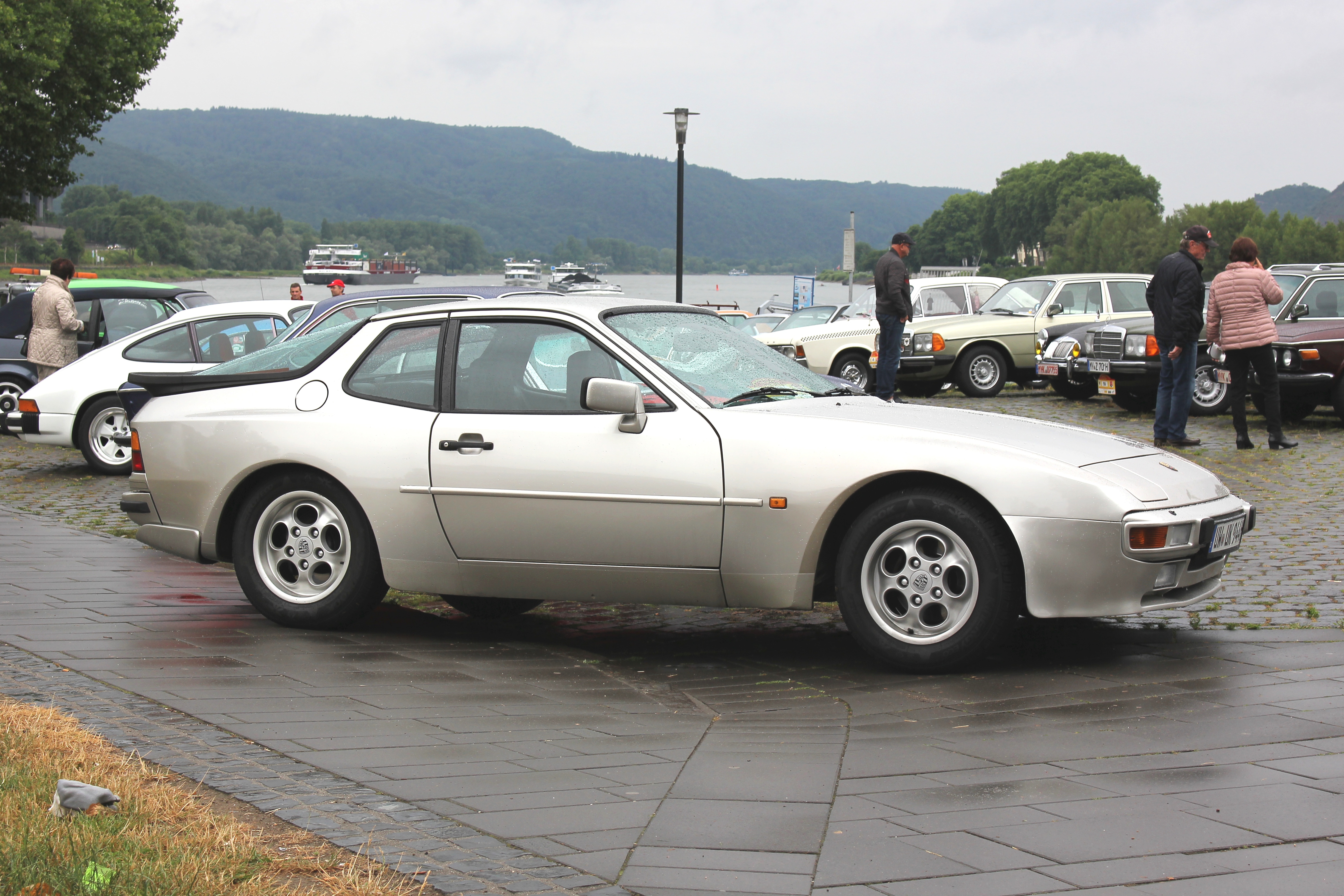
The 944 is a sporty German car from the 80s that’s easier to drive than some other Porsches. It has a front engine and can be fun for people who want a bit of speed without being too hard to handle.
The Manta is a small, sporty car from Germany that looks sharp and can be fun to drive. It was popular in the 70s and 80s for people who liked a quick, stylish ride.
Shocks are parts of a car’s suspension that help keep the wheels on the road by absorbing bumps, so the ride stays smooth and the car doesn’t bounce too much.
SpeedTek makes replacement parts that help people fix or upgrade old muscle cars and trucks. Their products are popular among car enthusiasts who want to keep classic vehicles running well.
The C‑10 is an old, sturdy pickup truck from Chevrolet that can haul heavy loads. It’s a favorite for people who like classic trucks and want something that looks strong.
The Raptor is a tough, fast pickup truck from Ford that can drive on rough trails. It has a big engine and special parts so it can go off the road without trouble.
The Daytona is a rare, fancy car from Chrysler that was made in the 60s. It looks like a sports coupe and was meant to be fast, but only a few were ever built.
The Firebird is a fast, stylish car from Pontiac that looks like it’s ready to race. It has big engines and a cool look, making it popular with people who love muscle cars.
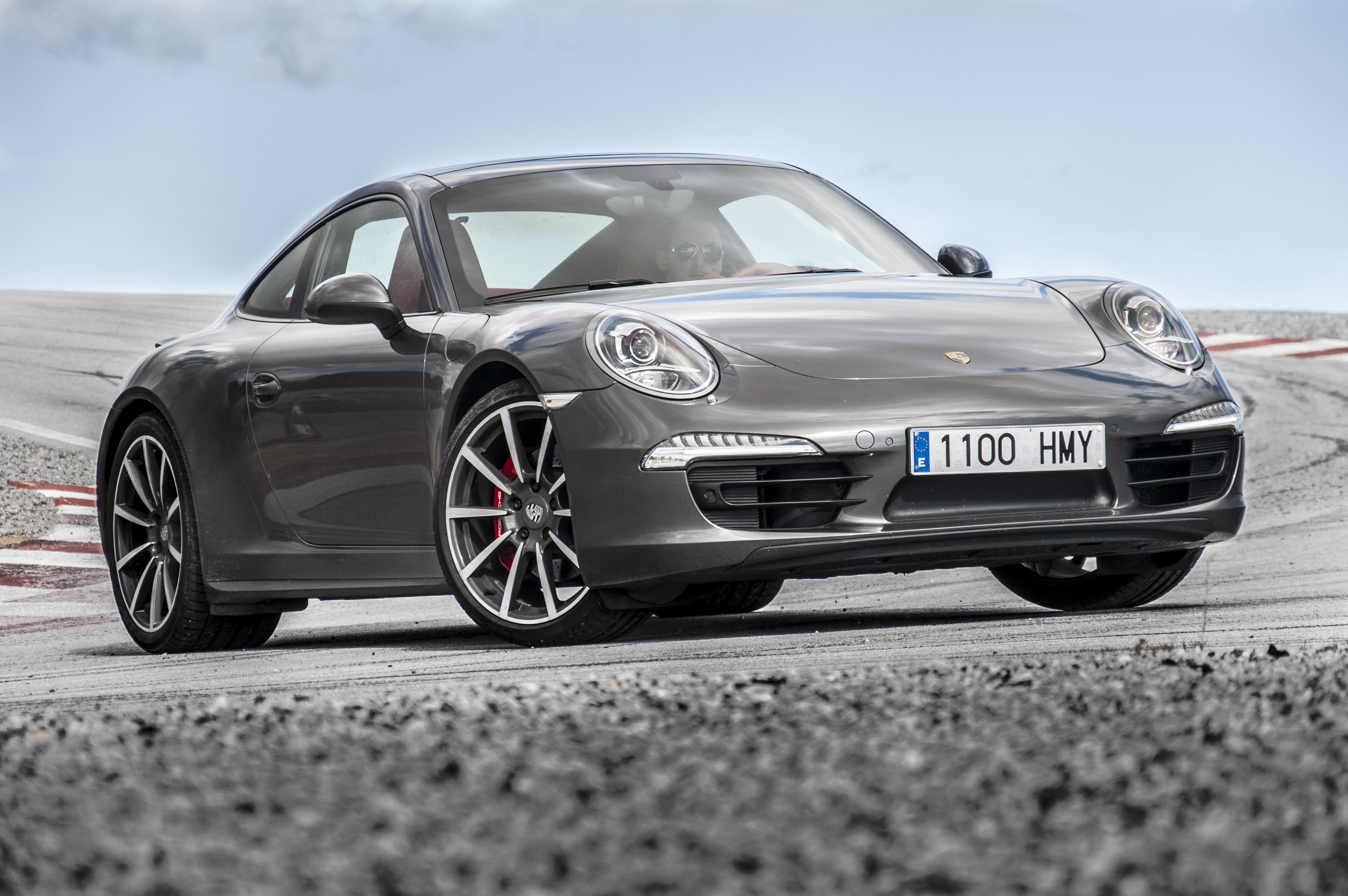
The 911 is a famous German sports car that has been around for decades. It’s known for its sharp looks and great driving feel, especially when you want a quick lap around the track.
And it's not in that four hundred thousand dollar category.
It's in like the three hundred thousand dollar category.
And I know it's a crazy amount of money, but in this category of car,
that's a remarkable deal.
And it has their in-house independent suspension front and rear.
So that is interesting to me.
Final interview will be with Jason and Matt from the Cocoa Group.
This was the last interview we did.
And it is fun to interview Southern guys on the way out the door.
I will tell you that Cocoa Group is a big company.
Again, you probably know him for coca tires, maybe coca wheels.
Like they acquired Wheel of Intiques years ago.
Corky Coker was that figure that really put them on the map.
And he was second generation coca in that company.
His presence still looms large there.
Coca is what you think, you know, retro tires.
They look like bias plays, but they're actually radials.
They have the big white walls that look like bias plies, but they're actually radials.
Now they have all their styles of protract.
So they have the vintage 14 and 15 inch protract.
It kind of looked like 70s and 80s tires of the day.
But they've just released them in modern sizes, like 17s through 20s.
It's called day two tires.
They have tires that didn't exist in the 60s and 70s, but give you the look.
So if you had an F70, 14 tire and you needed it to be a G or an H70, 14 tire,
you know, maybe some tire that you couldn't even get back then, they make that.
Matt, their product guy, is going to have a book of Southern charm phrases
after him one day.
I'm quite sure.
He told me if he won the lottery, he would buy cheap 90s pocket rocket bikes all the time
and pay a guy to wash them from because he hates cleaning things.
And his other goal in life would be to wear a new pair of socks every day.
And every day at the end of the day, he'd take off his pair of socks
and put them in a bucket to donate because he just never watched you.
Okay.
So that is what's coming up in the show here with those four interviews.
And again, we'll have even more next week.
Ring Brothers will be next week.
Ring Brothers brought their 71 Aston Martin.
I would guess that that car is going to set the level, the bar for custom builds,
for other builders for years and years to come.
That was a game changing vehicle.
Again, one of those cars that a decade ago probably wasn't even possible
for a hot rod shop to build, but now they can.
Alrighty.
So one more thing that was so special here is the whole gang that brought my Chevelle to SEMA 2013
that was a part of that adventure, that two year adventure all came to SEMA.
And Thursday night, we all got together at our VRBO.
After the SEMA show and before the Roadster Shop Party,
we sat down with a few drinks and some pizza, and we recorded the whole story.
All of us, Danny Giustino, Jeff Allison, Kirk Hansen, Zip Simons, Bernie,
McPartland, our producer, and me, we all sat down and did it.
I don't know how long that recording went, but I'm going to release it at Christmas.
It's special.
It's meaningful.
It made all of us tear up at least once.
And it's a great reminder and one that I think you'll enjoy over the holidays
that doing something really hard that's kind of beyond you isn't beyond us.
And us was the collective us that brought that thing together.
The only thing we had in common was that we all had some good skills here and there,
but it took a village to build it and get it there.
And it's just the greatest.
I don't know that we would want to go through that level of stress again
or do it that way.
And I didn't pitch to them that we're going to do Chevelle 2.0,
but I absolutely want to.
And I would absolutely love to do that with that team again,
plus some of my new friends that have come in since 2013.
That would be really fun.
Plus, we got one more awesome bonus.
Danny Giustino is famous for saying all the Italian slangs,
but there's one favorite that Bernie got.
He got a new forget about it from Danny.
Danny, correct me about how to say forget about it.
Forget about it.
There you go.
I'll release that at Christmas time.
I think that'll be a fun one.
One more thing before we get rolling here.
After Vegas, I did go meet my son Dallas in Atlanta
for one more legends car race this year.
We had the goal to get him on the track for a road course,
hopefully a couple of times, but looks like it'll only be once.
He raced at Atlanta Motorsports Park, which is north of Atlanta.
If you remember this show from a long time ago,
I took Bobby or stunt driving school there.
Super fun.
We pitted in the same parking lot where I went to stunt driver school.
What that meant was I had to fly from Vegas to Atlanta to meet Dallas,
and he had to fly from Iowa to Atlanta to meet me,
and he had never flown alone before.
I'm going to save that official Dallas Kibbe Legends car racing update
for the Kibbe and French show this week.
We've got a lot to do here, but what I can tell you
is that he enjoyed road course racing.
He was good at it.
He was fast.
It's kind of like ultimate streetcar.
They separate A group, B group, C group just based on times.
He was in the A group based on times,
but when they went out for qualifying laps,
he got hit by another car in the corner and took them both out,
so they both got a bad qualifying time.
But that meant he ran the B race,
and then if he won the B race or came in the top two in the B race,
he got to go to the A race, and he got second.
He may have won the first race.
Actually, I'd have to look to the scoring.
He won the second B race by a mile, so he got to run both A races.
He probably got more laps there than anybody,
and you know what else we got?
Three new fenders.
We only left with one fender that didn't get hurt.
One of them went in the trash.
Half of the next one went in the trash.
The right rear is scuffed, and the right front is okay.
So there we go.
Okay, with that said, one reminder.
This show is presented by National Parts Depot,
and Mr. Rick Schmidt comes on every month to talk all things in, PD.
You can ask him anything you like.
Send in your questions to me.
Robert at themusclecarplace.com, and of course,
visit NationalPartsDepot.com to bruise for all your muscle car parts needs,
because they find the source, they suspect the best.
There is a difference, and they've got the goods.
You do have time to get in your questions still for December.
You do not have much time, however.
I would encourage you to have those in by November 18th.
November 18th to make the December cut off.
Otherwise, you're going to have to wait till next year.
Okay, with that, let's get to our feature interviews.
Up next is show number one from SEMA 2025.
We have Steve and Kenley from Retro Manufacturing.
That's Retro Sound Radios.
Dave Kass from QA1.
Well, QA1 SpeedTech Detroit Speed.
Todd Andrews with Superformance and Hi-Tech Legends.
That's their arm that does the brand new 67 Shelby GT500.
And then Jason and Matt with the Coker Group, Coker Tires.
Enjoy.
The Muscle Car Place Weekly Podcast Interview is brought to you by our good friends at National
Parts Depot.
See them through the link at themusclecarplace.com.
All righty.
Nice Thursday morning here at SEMA 2025 with Steve and Kenley at Retro Manufacturing.
I think of it as radios.
I have one in my generally.
It's pretty sweet.
I like the thumb wheel thing.
Thank you for having something that I could use that doesn't make it look like I had to
cut a hole in the car.
Yeah, that's what we do.
We're a solution company.
Okay.
So you said that when we got here.
But when I think of retro, I think like cool radios that fit in the hole in the dash and
they all work.
So what is retro manufacturing, Scott?
Well, the first thing is we want to make it look like it belongs there.
So that involves engineering and tooling, which typically takes us about two years to
come out with a new radio.
And then on the back side, we want to have all the latest modern features.
Bluetooth, serious exam, HD radio.
We do DAB for the export market.
About 20% of our business is out of the country.
Where did retro come from?
How are you in the radio business for classic cars?
Retro started in California, I think 18 years ago.
And it was an idea I had in my younger days when I installed radios at a car stereo shop.
Okay.
From there, I went to become a rep and I worked for a couple different companies.
I worked for Kenwood.
I ran some car audio brands.
And I've always had this idea for a radio that actually fit in the location, but it had all
the new modern features, which didn't really exist.
If you bought a radio that fit, it kind of looked like it belonged there.
But it wasn't quite at the level that customers want.
They wanted to look like it was the original radio.
And it definitely didn't have all the latest modern features.
So that was kind of the mission when we started the company.
What was the first car that you made a product for?
Well, our product is kind of a building block.
So the brain of the radio is the same.
It's just different colors.
Then we started tooling the parts that go on the radio to make it look like it belongs.
So we didn't, it wasn't just one radio.
It was probably the top 10 cars that sell.
That's what we started with.
Mustang, Camaro, Volkswagen, truck.
Back then it was tri-five Chevy's.
And it grew like your car to doing the roller ballers.
People didn't want shafted radio in a car that had roller bars on it, right?
That was a bit of engineering.
What is the biggest problem you faced then?
When you started this, you probably literally had people that just wanted a radio.
Like an AM, FM, functional radio, maybe with Bluetooth,
but you probably started to be on a Bluetooth.
Were people integrating CD players still when you were doing this?
So at the beginning, people would say, okay, I want a CD player.
I want a cassette player.
And my response was, you know, you don't walk up to your TV and turn it on and off anymore.
So there's some technology you've got to adapt to.
If you can put all your songs on a flash drive, why would you want a CD player?
So that was a bit of an issue with customers.
Telling them, hey, we're not going to make a CD player.
At the very beginning, we made a six-disk changer.
And the app for a changer to talk to the radio, the language.
The Japanese companies had their own.
We couldn't use that.
And there was only one open technology that we could use.
And it didn't work well with our radio.
And we made a decision not to continue on with it.
So customers were like, well, I want it.
And as a manufacturer, you have to do what's best for your overall customer base.
And if you don't believe in something, or you think it's going to change,
or you think you could do it better a different way, you have to do that.
We did that.
And we were right.
Because tools change on a car.
A 65 Mustang that's built in the beginning of the year,
the opening could be a bit tighter than one built at the end of the year.
Sure.
So the other companies that were doing what we did,
just built something that was kind of generic.
We had kind of open architecture so you could put the radio in
and make it fit, look like it belonged there.
There wasn't a gap.
If the car was a newer tool or an older tool,
it still had the same gapping on the side.
When you look at a really good build,
you look at the lines of the car, how well the fenders fit, how tight the gap is.
We do the same thing with our radios.
We want it to be gapped right.
We want it to look like it was built for the car.
So the way we design the radio, with the face being separate than the kit,
and Impala, the radio kind of comes in straight down and then goes out.
Well, you can't do that with a radio that's just one angle.
And our shafts being able to be mounted at different angles,
different cars, a Citroen or a Corvette where the shafts are on one side,
you can do that or above the radio.
Yep.
You can do all those things and it looks like it belongs there.
And then tooling all the different knobs, all the different face plates,
all the different bezels.
That was decades of work and investment and engineering.
But I think we're here with your daughter, Kenley.
We are, yeah.
Okay.
Is this a family company then?
How big is Retro?
I really don't know.
Yeah, so we're family owned and operated.
We have around 25 employees.
We ship over a thousand orders a week worldwide.
Wow.
I think being family owned and operated is important.
It allows us to keep the quality and the standard where it needs to be.
We take a lot of pride in making sure our employees are very happy where they work,
which then translates to happy customers, right?
Your customer service reps are happy.
Your tech support's happy.
Your warehouse guys take pride in making sure the package is boxed perfectly.
So when you open it, nothing's broken, nothing's damaged, nothing's banged up.
You know, the front desk woman, when someone comes in, is very happy and welcomes people.
All of that translates to quality product, happy customers.
What do people call for then on a customer service in general?
So I mean, I'm a customer and I've installed a lot of car radios over my years,
but like the old hacky way, everybody was 18 once.
What do most of your customers do though?
Because typically it's pretty obvious how to install it.
I mean, the instructions aren't that hard.
I'm glad you think so.
I don't think everyone thinks that way.
I would say mostly just calling for support in terms of what do I need.
I want to make my car sound good.
Can you help me build a full system?
A lot of people don't really realize that we sell things besides just radios.
So we do make speakers, amps, subs, antennas to help make sure your car has the best sound possible.
Well, I think it's a little USB power outlet over there.
Yeah, so the radio has a USB hanging off the back,
but if you want to be able to not have to dig up under your dash to charge your phone or
connect your phone to the radio, it can come through the cigarette, charge your phone.
We actually just came out with a new version that has the USB-C,
because that's the way Apple is going and Android is going.
So now you can use your USB-C cord so you don't have to buy another cord,
because somehow we're always buying new cords.
Our market is mostly classic muscle cars.
I like what we're talking about before we start.
Everybody owns everything.
I own a Chevelle, a Charger, a Carman Gear, and a Porsche 944.
We just have stuff.
What would you have for more of a foreign car market?
So we do have VW guys.
So we have a couple new radios that we're coming out with, the Manta.
So it's a DIN and kind of the Blopunk family look.
DIN is that standard chassis size?
Standard chassis size, yeah.
I remember DIN and double DIN and stuff like that.
That's a DIN radio that looks like the European radios that came with the cars
or were installed in the cars.
So people call us and go, well, what came in a 65 Gia?
Probably it didn't ship with anything.
And customers don't realize that because they didn't buy the car new.
A lot of those cars, obviously it's a German manufacturer,
so those would depend on where the car was purchased, what city, state.
A lot of those were Blopunk or Becker.
The customer would go to a car stereo shop and get an aftermarket piece put in,
and he would want to get something that looked like it belonged there.
So he would buy a Blopunk.
He might buy a Becker.
But customers think, well, that's what my car came with.
A lot of the early cars didn't come with the radio, or it was an option,
and it was quite expensive.
So they might have bought something without a radio or an antenna or any speakers,
and they added it afterwards.
And it depended on where they bought it, what part of the country,
or what state they bought it in would make a difference of what was installed in the car.
Well, the 944 I have is for my kid.
I can tell you when we bought that car, it's a German radio.
The letters on it, I don't understand.
They don't make sense to me, and it has a tape deck.
It sort of works.
That's the European tuning, right?
Okay.
What would you have for people who are really just 69 Camaro?
Is the name of the radio the Monza?
Is that the head unit?
That's a head unit for European piece.
Okay.
A Camaro, actually, that's a great example.
When you install the Camaro radio, one of the shafts,
because it's kind of on the curve of the dash.
Yeah, at an angle.
At an angle.
So other brands that make radio, there's not very many of us,
their radio is straight.
The shafts are the same.
You could maybe change it a little bit.
With our radio, it comes with a bracket that attaches to the radio
that you can move up.
So if you have a padded Camaro dash, which even adds more distance to
how far you want the shaft to go out, same with a Mustang.
You have padded Mustang dash.
You can move our shafts out further.
So it looks just a little bit better in the car.
That was a lot of thinking and development and engineering and
knowing what those dashes look like, having done the installation in those.
I think that that's why we've grown so much, is people really like the detail we put in our product.
There's an app coming, is my understanding, to be able to control the radio with your phone?
Yes.
So the app will be available hopefully early next year.
It's to help set up the radio, all your settings you can tinker with in there.
If you're at a car show and you're sitting outside your car and you want to turn up the volume,
you can turn it up from your phone, turn it down.
You can change the colors of the display from your phone.
That is a unique feature of these radios, is that they can display,
well really any color you want, any color in the rainbow plus pink probably.
30,000 colors.
30,000.
Digital gauges in your car, you want your radio to match the gauges, right?
So that's the purpose of it.
We could do any color, so why not make it any color?
But it was really the first thought was, I have decoded digital gauges in it and they're purple,
or they're blue, I want it to match.
Again, they want it to look like the original car.
Or maybe they paint the car and they're like, okay, I have an orange car or whatever, yellow car.
I want my gauges in my car to match my interior.
So it's just more options.
Mine came with a little sticker that you could put over the display.
So when the radio's off and the car's just sitting there static,
you'd look and if you weren't really looking too deep, it would just look like a factory radio.
In Europe, to get a classic car designation, the person that does the inspection of the car
has to believe that that's the original car.
So in Sweden, you're only allowed to drive in the summer because very short summer, right?
If you have a classic car, they want to promote classic cars.
They give them a bit of a discount if they import it.
And if they have a classic car that passes inspection,
meaning the radio looks like it belongs there, that was one of the reasons we came out with
those decals that make it look like the original display when it's off.
Because it's an analog. They were analog, right?
It was a needle that was pulled across the screen with a string.
So that was the purpose of it and it was really something asked for by our European customers.
But in Sweden, if you have a classic car, you can drive your car
in downtown Stockholm every day. Not just one day, every other day,
but every day you can drive your classic car.
So they're really fanatical about it being correct, period looking correct.
And it's a big investment for people.
So we really want to give people what they think they're getting when they buy something from us.
I dig it. I'm sure it was a thoughtful and minor touch.
But when you look inside the car, it looks like a Mopar. That's cool.
And then when I drive it, I don't have to live with the Mopar, which is way better.
There's companies that make that you can add USB or add Bluetooth to it.
But it's the original radio. It might have tubes or really beginning stages of electronics.
And it doesn't sound very good. People want performance.
Their engines are a little bit louder. We sell sound dampening to make the car
a little bit more quiet when they drive. People can hear the engine,
but maybe they can hear the radio amplifiers. I think it's really important to add a little
bit more power to your car to get the speakers to sound a little brighter.
How about antennas?
We do antennas. We do hidden antennas. A lot of people are, when they're redoing the car,
they're like, I don't know if I want an antenna. So we make hidden antennas that work pretty well.
Serious XM, big, big feature in our radios. HD, analog is going away.
We're not allowed to sell a radio in Germany that doesn't have what we call DAB, which is
their version of HD. AM and FM is going to go away. And we now offer HD, which sounds better.
It's high definition. It sounds like a CD for people that listen to CDs. You just listen to
AM and FM, then you put a CD in your car and go, wow, that sounds good.
My daily drive is a 2022 diesel truck, and it was built during the COVID de-optioning,
I think is what it was called. So it does not have an HD radio. My old one did.
So if I want to listen to the AM News channel because I like that in my truck,
it sounds like an AM station, which is fine. But on the HD version, which I no longer have,
that was awesome. So it's important to keep up with newest trends.
And we work on stuff about five years before we may produce it. And we'll start with,
should we build it? And then how would we build it? And what features do we want?
And we sell through dealers, and we also sell direct. Having that direct communication with
our customers is really important. Doing these shows and talking to people is really important.
Dealers perspective may be a bit different than a consumer.
I don't want to know what the consumer told my dealer. I want to know what the consumer said.
And if he likes something or doesn't like something, we want to know about it.
Is there a most requested next vehicle to serve for public consumption?
Kelly's giving the shut up dad look.
You know, I think the biggest thing that we've been working on for a couple of years is our app.
Okay. That's a big deal. And I really think that, again, it just makes the radio easier to use,
because it's fairly complicated. You know, there's a lot of features.
We only have, I think, five push buttons and two knobs. And we also want to make it easier for
people to store their car. We have non volatile memory, which saves all their presets. So you
may pull their battery out of their car like they're snowblower. In the summer,
they pull their battery out of it. And then they put it back in. They don't want to reprogram the
radio. But if they did do something, they could take their app, their phone out,
and reprogram everything from their app. And, you know, change the color of the display,
change the clock. Is the goal of retro to just be a family business that keeps digging and digging?
I really, really love what I do. For me, it's my hobby. So I would like to be part of it. But
as companies grow, I mean, we're 17 years old, the software that we have, Kenley's super humble
person, but we ship the same day or the next day. And we're all paperless. We have a lot of new
software. I don't even know what the software is. Kenley's really involved with that. You know,
the customer satisfaction, we have less than 1% real problem warranty. It's about 2%. But
so that's user error. A lot of that has to do with the tech support and the purchasing, the sales
people, the information. It's been a big advantage, Kenley coming from a different background,
because she looks at everything and goes, well, if I'm not a super techie person,
but I understand this instruction and the way it's explained by our sales people, our tech staff,
it's really been impactful to have a fresh look and the software and how seamless everything is.
You know, shipping over 1,000 orders a week. In the holidays, we may ship 1,000 orders in a day.
Sure. I tell this story not too much because I'm not in the office every day, but many years ago,
we shipped a radio to Africa. It was wrong. I don't remember. Wrong knobs, wrong something.
And the guy got it and like, hey, I love it, but it's wrong. He shipped it back to us. We did it
again and we shipped them something else that was wrong. And it's not a need. It's a want. And
it's something they're passionate about and they're very disappointed. It would be cheaper if I just
paid him not to buy from us. So we really, really want to ship 100% correct every detail
of what we do. We try to do better and we don't want to make mistakes. And that really comes from
the new leadership of the company, the new software and training people. And that's the new
leadership. It's not the old leadership. Is that Kenley? That's Kenley. Yeah. Well, Kenley, you are
a humble person. What do you see as the future for retro? I mean, I think as time goes on,
classic gets a new term, right? So now we're talking 90s, early 2000s, which just opens up
a whole new market for us to continue to develop new, what he calls solutions or faces of the radio.
So I think the doors are open and we're walking through them and we're just going to keep on
chugging along. Everybody continues to grow and get older and everything that was cool when they
were 16 is now what they want. I mean, you've seen it down there. It's third gen Camaro's and Fox Body
Mustangs and fourth gen Camaro's actually. So it'll never end. Well, congratulations on
silently running the company here into the 22nd century. Thank you. Thank you. Is there anything
we need to cover before we go here? I assume your website is the number one place people
should go? Definitely. Definitely our website, retromanufacturing.com. Give us a follow on Instagram,
Facebook. Okay. And then call for tech support if you need guidance. Definitely. We have in-house
US based tech support, which is a huge selling point. We're not going to transfer you off to a
robot or whatever it is. You're going to talk to a real person if you need help. In Nevada?
In Nevada. All right. Appreciate you both. Thank you. Congrats on your family success. Thank you.
Well, it's been a while, but I'm here with Dave Cass from QA1. What's your title now? My title
here at QA1 is Director of Marketing. What's the fancy badge SEMA Future Leaders thing? Yeah,
so SEMA Future Leaders Network, it's a select committee here as part of SEMA. And we're focused
on bringing opportunities forward for young individuals to grow within the industry, right?
So individuals under the age of 40, we help create networking opportunities, professional
development opportunities to help really bring up the next generation. How under 40 are you?
I am under 40 by enough. Enough to qualify. Enough to qualify. Since we probably last
did a formal interview, a lot has changed for QA1 from a growth perspective. Yes. And like
significant growth perspective. So for those that don't remember, you're out of Lakeville, Minnesota,
tried and true suspensions, quality products, good people, and now you've done something unique.
You've added other premium suspension brands to your portfolio on purpose and you're keeping them
separate. Yes, that's right. So who did you get and why? Yeah, it's been a wild couple of years,
Rob. You're right. We're based out of Lakeville, Minnesota, been building suspension solutions
for hot rods, muscle cars of all types for over 30 years now. And over the last couple of years,
we have acquired the SpeedTech chassis line and also Detroit Speed more recently. And
you know, at first glance, you say, well, shoot, they make suspension for the same or similar
cars. You know, why would QA1 be interested in purchasing these other brands? And if you look
at these other brands, they're truly something special. You know, starting with SpeedTech,
they have race track heritage, no one for winning on the track and build some of the best chassis
out there for race cars, resto mods, and anything in between. And that's a really great extension
to the QA1 product line, whereas we never had a full chassis solution. Now, Detroit Speed is an
iconic brand. I think in pro touring, we can all agree. Oh, yeah. Grand Puba, yeah. Exactly. Yeah.
What Kyle Tucker built over the years was truly something special. And the team there in North
Carolina is among the best in the industry, like top notch team there in North Carolina. And what
we're hoping to do here is if you have a classic muscle car, classic truck, we want to have an
offering that is going to fit whether you're just an everyday cruiser type individual, where QA1
has a great solution bolt on product, easy to install and use and get the most effect out of
from QA1. If you are on the track, you're doing something more hardcore and aggressive, we have
that speed tech offering. And if you're building that Primo resto mod that still has that racetrack
heritage, DSC is your answer all day long there. So we really want to be your one stop shop, earn
your trust, earn your vote for the car that you're building. Yeah. Well, I mean, thanks to you. I've
got years of experience driving QA1 stuff now, and it's built to last quality products. So
my generally way to be your upper control arms, which I'm sure you know this, but Mopar sucked
to drive there. Oh, yeah. Compared to a GM car that's just the worst. Yeah. But that fixed a lot
just with a little different geometry. Yeah, a little different geometry. And I remember
hot rod power tour. I forget what year it was. It was 2018 or somewhere in that window laying on
the hot asphalt, swapping out shocks. Yeah. And that was not my idea. That was. No, I can take full
credit for that. I regretted it when we looked at the weather and saw it was going to be 107 degrees
that day. And we're going to do it on the asphalt. But I think it goes to show you it's just an easy
installed product, but great impact to overall drivability. It didn't. It works. And I've walking
the guys through here, the compression and rebound settings, like after a while, you kind of tinker
with it enough. Like I got one mode that works great to drive. Yeah. And then do this when you
ought to cross. Yeah. Really, when I ought to cross, I just turn them all to 11 and, you know,
let her rip, you know. Yeah. And I think that's pretty common for a lot of folks. They're going
to have their driver setting. Yeah. Right. And then something that's a little bit more firm and
aggressive for when they're hitting the track or maybe that twisty back road that they enjoy
flogging through in the mornings or, you know, on the weekends. And so, you know, it's a really
versatile product, but again, it's easy to install. It's easy to use. And, you know, I always like
saying this, but like, it doesn't matter if you go on 10 miles per hour or 100 miles per hour.
Suspension is one of those categories, regardless of brand, that when you invest and put the right
parts on the car, you're going to feel it. Yeah. Right. I think that's something that,
as you consider a build, you definitely spend some time on suspension, you know, looking at
Opferians and making sure you get the right fit there. So, with the three brands, they all certainly
had overlapping models that they served. Is there any that was bespoke? And I don't know the answer
to this. Is there one that only SpeedTek solved versus one that only Detroit Speed solved versus
one that only you solved? You know, there's some overlap in different areas and there's areas where
some of the brands really shine. Right. And I think it falls into different product categories too.
From the classic muscle car and classic truck perspective, there is a lot of overlap between
the three brands, but you start looking at what the offering is. You know, it takes SpeedTek as an
example. They do not only that full chassis, but they do an entire sheet metal kit for the inside
of the car. Right. You know, the common rust areas and things, you can cut that out. We provide you
all the sheet metal that you would need to put that back in place and just make it really easy on a
builder. Right. Yeah. Detroit Speed, you know, they have the mini-tubs. They're iconic mini-tubs
you'd find in the back of pretty much any rest of them out here at SEMA. But they also have
those neat little things like the wiper motor, so the headlight kit. The 69 Camaro electric
headlight. Oh yeah. Yeah. They're super easy products that are a great solution that bring
modern functionality to classic rest of them out. So, again, that overlap in some spaces,
but also some opportunities to others. Is there any car or truck that QA1 didn't have a package for
just on its own? That's a good question. Detroit Speed has a really neat front end called their
595. And what it is, it's based off of like their hydroform subframe, if you're familiar with those
for their first and second gen and the X-body platforms. But they have this kit called a 595.
It's a weld in front subframe that, I don't care what type of car you have, you could have a fire
truck. You want to put this thing in the front, gives you that independent front suspension.
It's a great solution when you get those oddball vehicles that come through that don't have a
tremendous aftermarket support. And I found that to be such a fun solution where we'd never had
something like that before. And there's other instances in other spots, but it's nice to have
that rounded out product line now. That's for sure. What do you drive? Do you still have that
truck? Yeah, I still have my 1972 C10. It's been completed now for, believe it or not, five or six
years. And if it completes the right terminology, right, they're never quite done. But I would be
amiss to say that with the expansion of our product offering chassis being one of them,
I'm going shoot 2.0 is on the horizon. And so I'm walking around SEMA with kind of a multi
objective here of doing a few things for QA1 and the brands. But I'm looking around at some parts
and brainstorming what 2.0 might look like. So everybody does this and you're lying if you
haven't. So would you chassis the whole car? What would you do suspension wise? Because you have
everything available to you. The truck right now has the full QA1 suspension on it and it's been
absolutely phenomenal. I had an opportunity to ride in Randy Johnson's C10 this summer who has
the extreme street chassis underneath it. And I was absolutely amazed at how that truck drives,
how it handles and rides overall. Is it comfortable? I mean, I know it's racy. It's actually utilizing
a QA1 single adjustable shock on it. The ride quality, the spring rate we chose for it, just
the way that the NVH has been isolated from the chassis. I mean, it truly is an outstanding ride
and performs really well too. Randy's a former Skyrace quite a bit. I started looking at that
and then I started looking, okay, if I do that, then what is the engine and transmission combo
that maybe I would update at that same time? And it's kind of the while I'm there mentality,
the snowball will definitely pick up momentum. So I'm looking forward to it. Would you keep it
long bed? That's a common question. And for many, many years I would say yes, but I'm gravitating
more towards the short bed now. Okay. What drivetrain? No, seriously, I'm just curious. I didn't even
know what you're having it. So right now it has a really stout blueprint 400 and a 4L65E. It makes
about 525. It's a really great platform. It's been super reliable. I'm seeing some of these,
you know, newer vehicles and been in many with you started looking at the LT platform and,
you know, obviously we can do with an LS3 and different things. It's like, gosh dang,
there's some cool opportunities. So once my truck stopped scaring me when I really leaned
into it, that's when I said, okay, the next step needs to be there. But I recognize it's a significant
one. Well, congrats in your role here. I mean, you're doing the undoable, which is it's like
putting Ohio State and Michigan like on the same team. I mean, and they're getting along and they're
okay with that. Yeah. On that point, what has been truly fun is watching the engineers work
together, watching the different functional groups like our marketing team work together and the sales
team work together. But watching the industry's best engineers compare notes and share ideas
with one another to make all the products better has been an absolute treat and something that
arguably most companies don't get that opportunity to lean into. So it's been a blast and we're only
getting started. What's the website? Website is www.qa1.net. We have speedtechperformance.com.
We have DetroitSpeed.com. All right. Cool. Thanks, Dave. Congratulations. Rob, appreciate it.
All right. Here we are at the super performance booth. We've done interviews here for years,
usually with Lance Standard, talking Cobras, GT40s. Cool stuff. Right. But then we're walking by,
unscheduled, I might add. So thank you. Yep. And saw a 67 Shelby GT500. Thought,
what a nice car. And then read a sign, it's brand new. So I grabbed you, Todd Andrews,
to tell me what the hell it is. Well, it's a project that took 10 years at the factory level
to develop. We wanted to come out with a car that would be not only iconic, but actually a
restful-modded version of that iconic car. So what you're looking at is a 67 Shelby GT500 with fully
independent front and rear suspension, meaning it'll drive like a brand new car. But the best part
about this car is that it's not a donor car. Like all of our other cars, it's everything's brand new
parts, brand new sheet metal, brand new fiberglass, brand new every little nut and bolt on the car.
So we're not taking a donor. We're taking what's the brand new car. It comes in. It's built at our
factory as a 100% rolling chassis, just like everything else that we build. It's just branded
a little differently. The factory name is High Tech. The factory wants to have a little name
recognition out there. So it's called High Tech Legends. It's under the super performance umbrella
as far as selling everything. And it's the same factory. So it kind of ties the two together.
We're kind of trying to get the word out how that works just because we are well known as
super performance, but nobody knows who High Tech is. But this is from the super performance side of
things. That's an old company now. But as I recall, cars are produced in South Africa. They are.
Brought here licensed Shelby. You do the continuation Shelby's. We do that. Yes. All that.
Is this Shelby Mustang? A licensed Shelby Mustang? It's a licensed Shelby GT500. So it has a CSFM
number on it. It has no VIN because it's done just like the rest of our cars. It's sold on MSO.
It gets titled as whatever, however the state recognizes it. A kick car or whatever. It could
be a 67 GT. It just depends on the state, but it is sold on MSO. It's done the same way that our
cobras are done or our GT40s. It comes in as a roller and the powertrains get put in here.
It's the same business model we've been using since 1996. And that's the distinction. You can't
have the drivetrain in it, right? If we did that, we'd be manufacturer record. The car would have to
meet every safety and crash and emissions regulation of current day. So that's why everything else
goes in that way. Okay. Are you testing the waters here with this car? Actually, no. It's been out
for about three and a half years. Really, this is car number one. It's owned by a customer.
But the marketing push really didn't start till Barrett Jackson in January of last year. Okay.
So since Barrett Jackson of last year, we've taken 14 orders on the car. So there's a total of 20
some being built at any given time. Hopefully this comes off as the compliment. I mean it,
but I mean, we're just walking around the scene. We're actually headed to get a hot dog.
And like, holy crap. It's just a Shelby Mustang, but it's not. It is fit, finish, beautiful. 17
inch wheels, not 18. I didn't know about the independent suspension until I read it. That's
the big thing. Is that your design? It is. It's fully factory engineered cradle that bolts basically
to the stock unibody that the car was actually first made on. We use a convertible tub. So for
strength and rigidity with the cross members and put the roof on the convertible. So it's got strength
and you know, it's actually a more rigid car. The car is kind of purpose built to accept a coyote
based engine. I can show you under the hood. So it's kind of a drop in plug and play it's made
for most of the orders that we've taken out of the ones I'm talking about are putting the new
Raptor R predator motors in. So it's a new GT 500. Yeah. So that ties the old with the new the new
GT 500 into a class where that car started and you're getting 760 horsepower out of that motor.
I took a peek inside. What I don't notice is an obnoxiously high transmission console.
That's funny. You're comparing that to something else. Yeah, there's many people envious of how we
did that. With the engineering capabilities of the factory, they were able to take that convertible
tub which traditionally would push everything up and basically reshape everything to get that tunnel
down and get that console to where it looks more factory than aftermarket. This has a very factory
looking into it. It does. You want to open the door, feel free to do. But we've done a lot of
things to keep all the normal originality of the car. But you know, when you start getting into
this new kind of rest of my things, there's a couple tweaks that are better to be made other
than keep something that really didn't work before, right? Because there's no sense keeping that.
Is the IRS shared with any of the other super farmers? No. Or is this bespoke here?
It was a derivative of our Daytona Coupe, kind of the idea behind it, you know. But it's more,
this is a purpose built chassis for this unibody style car. Wow. Do you offer only 67s?
Right now, 67 hardtop is the only thing we're doing. We do, are looking at doing a, I think it's
in development early stages, 69 Boss car, Mark car. The fit and finish is beautiful. But when you
walk by and you see like, it looks factory interior, it looks comfortable. That's what I should have
said comfortable. Yeah. And it retains a lot of the originality. But like I said, it's got
recarrow power seats in it. It's got a new electric parking brake, just like the new cars have in it.
Power windows, electric power, adjustable power steering, air, full air, double din,
reverse camera navigation. It's got all the moderate amenities, but we kept the dashboard
integrity as close as we could to original. But we've got new door panels to integrate the power
windows and there's a full seal around the window and it's sealed at the bottom. It's fully
dynamic everywhere. So it quiets the car down. Pleasure to drive. I mean, the vent windows work.
They do. They're functional. They're not fixed. Everything's yep. Do they whistle and sing
or do they? I mean, you can never take it all away, but some people, you know, it's one of those
things. Do you want to seal it up or do you want a little bit of the originality still? I mean,
I want it to be nice, but I want to feel like I'm still driving a kind of an older car. I dig vent
windows. I dig it when I still see chrome moldings around glass because you can solve a lot of
problems by removing it. But what fun is that? Because it presented its own set of things because
see that bottom rubber piece? Yeah. When that window comes down, it wants to tear that out. So
the window stops about that far from the top of the door. On purpose. Yeah, but that seal also,
member of the old original cars, had a big gap in there, which was another place for noise to come
in and do everything else. So that's sealed up. So there's things you have to give and take on and,
you know, kind of make things nicer. I really appreciate you letting us just stop you for
Oh, no problem. No announcement, no good reason. I'll take you up on a wool pop to hood and
get a look inside. Go right ahead. Hi, man. How do people find out more information about this car?
They can go to ShelbyLegendaryCars.com. They can pull it right up on there. You'll see the
high tech legends caption under there and they can go on and they can just pick up all the links,
all the information they want. All right. Okay. Check it out. Bye.
Here we are with Jason and Matt at the Koker Group upstairs display seated at the end of a very
long Thursday of SEMA. Thank God there's only one day to go. Yes. The greatest show on earth and the
greatest return home for all of us is coming up in one day for now. Yes. I mean, it's a blessing
to be here. It is. And you're going to see the best of the best and you'll see your best friends
that maybe you only see here. That's totally possible, but it is a grind, man. So appreciate
you guys letting us be here. Thank you for having chairs and coffee. Yeah. How nice is that? Jason,
what is your role with Koker? Okay. So I've been with the company almost 20 years. I'm the senior
marketing manager for Koka Tire Company, one of the divisions of the group. Tires and Wheels since
1958. A lot of your audience will know us for our OE and custom specialty wheels for classics,
including most cars. Yeah. Matt and I have been coming to SEMA show for a bunch of years, right?
So we have traditionally been pretty marketing and sales focused at SEMA show, right? But the
shows changed and our companies changed and we've leaned hard into new product development
in recent years. Classics are always classic, right? But somewhere in the growth spectrum,
like we know there's things that enthusiasts want that haven't been developed yet. Matt has been
wrestling and had some tremendous wins here. I'm glad we get to sit here and talk about this, but
it's a huge opportunity for us to talk to the aftermarket, our peers and the audience and the
press about all the hard work we've been putting in and why. So no place on earth like this, right?
Yeah. This is an industry of wants, not needs. Absolutely. We all know that. So the fact that
you get to develop more and new, better wants is kind of fun. It's very American, you know?
Well, our whole catalog is a whole bunch of wants and not needs, unless you need to drive your
68 Firebird. But we, you know, it's passion driven, right? And my job is to tell the story of these
products that Matt worked so hard on. And, you know, our offices are right next to each other.
We coffee talk cars. We're 24-7 about the products and the people who need them. And we think they
need them, right? It's the want need. We understand the reality of that. But what this company was
from the very, very beginning was supplying tires to people who wanted to enjoy their collector car.
It's a very simple equation. Maybe it was new old stock in the early 60s. And then maybe it was
a little fish up a mold and repop some all the way fast forward to 2025. We're developing things
that never existed that we know our customers want. Either yourself or Mackinac. What did you
launch this year that did not previously exist? That's easy for muscle cars. We did the Firestone
wide oval radial expansion. So wide oval already existed as a by-split tire that muscle car guys
have used for decades. We a few years ago came out with the radial because people wanted the look,
but they wanted a performance. But what we did with the expansion was we made all the day two
sizes that people really want to run. So if you picture a 70 Chevelle the back of it with the
stock size tire, if you're doing a restoration, it's cool. But the stock size tire is very,
very small. You and I could both fit under the fender. So what we did was we came out with the
sizes that people really want to run. So E60, F60, G60, H60, L60 and N5015 radials. So you're able
to fulfill that day two setup that you used to be able to do, but this time in a radial. And it
really does fill that void because we're customers. We saw what they were doing when they wanted a
radial that had to make a big compromise on the dimensions of the tire. So for instance the N5015,
the big boy, everybody changes that over to a 29550. That's the closest conversion,
but it's nowhere close. You lose all your RPMs. It's a much shorter tire. It's also skinnier.
And so we've had a lot of success in listening to the customers and what they were really after
because they do want the old school look, but they also want the technology of today. And that's
what a radial that looks like a bias is all about. So back in the nineties, our company came out with
a wide white wall radial tire. Today that's no big deal to us, but it never existed in the wild.
It was the answer to a question everybody was thinking about, but hadn't asked at the time.
Like think about all the classics and full size American cars that we enjoy riding around in
big Cadillacs, big Lincoln's and all the Chevrolets and all the big cars, right? Full size cars.
Wide white radial was the answer there. Coker Classic was a tiny little letter on it at the
time, but it showed us the way that OE Fitments were known for. But we've kind of got two halves
to the company. It's something that is exactly what came on the car and then something that looks
has that flavor, but so that you can go out and enjoy it. And that tire set us on the course.
Very good example. The wide oval radial never existed in the wild. Wide ovals, if you're going
to go to the show field, wide oval radial, if you want to look like that. And the expansion
is our hearts working. Big fat tire like you would have had on the car, you know,
six months after you bought it. Right. So that's a really, really good example. And Matt's got one
up his sleeve that takes that idea even further in the protract. Yeah. So the protract, it's a whole
new era for us. It's modern 17 through 20 radials. And these are no compromise. Raise white letter
and red line. W speed rated. That's a high speed rated tire. What is the speed rating of W? I
believe it's 149 miles per hour. Really? For an extended period of time. Yeah. But it's a high
traction, high temperature rating. There's no asterisks on this tire that says, Oh, but don't
do this or Oh, but it's not for this. It's for modern wheels. So the guys with that same 70
Chevelle, if he's wanting to do big brakes, and he's got to run big wheels, he can put it on there
just fine. And it's just as good, if not better than a lot of the tires you might find, you know,
at a big retail store. But it has that style that they're looking for. So it's a very aggressive
tread. And also the sidewall, you can get in both flavors, red line and raise white letter.
What are some of the tires that we were looking at downstairs? There's a Nova brand. I thought
is what I saw. So it's like a 295. It looks like a killer tire. Like Bluestreak or something like
that. That's the ultimate tire you could put on any vehicle from I actually saw it on a Chevelle
one time, not to keep on on Chevelles, but see it on Chevelle one time. Guy took it to the strip
and just see what it would do because he saw it was an ultra high performance tire. Yeah. What it is,
is it's the best performance tire you can get in a DOT tire. So street legal. Okay.
80 treadwear. Eight zero. Exactly. Why even listed at that point. 80 treadwear, street legal.
They use it on a lot of GT 40s, 911s and American muscle. The tire is kind of an ode to just what
if you could. It's a fantastic application. It's got an old school look. The only real complaint I
hear about that tire is that it throws a lot of rocks. It's just how sticky it is. It's really
the ultimate tire you can get though. Anything better than that in performance is a track use
only tire. So if you want the most you can get and still be able to drive it to work legally,
that's really the thing to get. All right. You predate maybe some of the acquisitions that
Coker has had. You've probably worked here long enough. I come from the era where Coker
made classic cool looking tires. Yep. That has grown. That's still a part of Coker and I would
guess that most people on my side still think of it that way. Yep. What should they think of
Coker Group as? Oh, Coker Tire Company has been for the enthusiasts from the beginning. Sure,
we make money as a business, right? You have to do that. But it's about giving a product so someone
can enjoy their car. It just so happens over the years we've grown into sort of a custom in a what
if scenario. Same formula, right? Car guys and gals have so much in common even though their
one car might be $3,500 on marketplace and the other one, Model J might be two and a half million
dollar car. They have so little in common until they're standing across the hood from each other.
And that magic between the cars and the people, that's what drives our business. It's actually
pretty cool that we get to develop some of these what ifs like the Pro Track. Like a high ultra
high performance styled sidewall tire. Everybody's been flirting with it forever, but the ultra high
performance part and the styled sidewall was tough. We had a hard time finding somebody to
manufacture such a thing as that. And that's what we're doing. We're giving our customers
specialty or restoration what they want so they can go out and enjoy the cars. The recipe's the
same as it was to begin with. I had the pleasure when I hired on of working for Harold Coker
and Corky. Corky's most famous for kind of taking it to the next level, but Harold was an old school
brass car, car enthusiast, but he cruised around in a street rotted airflow. Like he was like an
old school car guy, right? I don't know, we just learned a lot of mannerisms about being passionate
about the industry, but that's what Coker Tire's all about. For me, get out to shows, we're still
old school, we got a call center, you want to call and talk about your car for 30 minutes,
we'll do it. That's what we do. One of the things I always think about when I try to describe
Coker Tire or even Coker Group is what it's really about is kind of what Jason was hitting on there.
What was Harold into, started the company, providing customers with what they were looking for.
They were after some tires that they couldn't get, so he found a way to make it happen.
Corky did the same thing, he did an excellent job at it, they both did. We're just continuing on
that, so it's really just about listening to the enthusiast. So the enthusiast all of a sudden
started wanting purple line tires, I'd figure out, well, what shade of purple? And that's really
what we're about. The cars themselves, it's not vintage, it's not necessarily old, because we
make a golf cart tire. It's really just about cars worth keeping. That's really the way I tend to think
about it. An 80s Mustang, they're getting to the point where they're in that unobtainium,
where I wouldn't even look at them on Facebook Marketplace pricing now, because everybody's
realizing, hey, that's a car worth keeping. $2,000 Fox bodies, those days are over.
I'll never forget just a few years ago, where it's like a 79 Z28 standing at $21,000. You've
lost your mind that f-body from the late 70s is a $20,000 car, and now it's like super normal,
right? But it's a sliding scale, and I love that we are empowered to give them what they want. Now,
it's hard to chase every bogie, right? We can't make every tire for everything ever, and our
reputation kind of is that. We've had this huge catalog that spans European cars, antique cars,
classic cars, brass cars, bikes, early cycles. I mean, we've made our impression, as you said,
very much in that sort of old school kind of restoration market, but we're just as strong
with the hot rod community. It can be challenging for marketing, because I'm a marketing guy. It
can be challenging to speak to all of those different audiences and format to give them
fresh product or even the product for all of those, and it makes business sense. One of the
things that maybe started hurting my feelings after acquisition and we merged and we grew
the company families, there was maybe some chatter out in the world that we had lost our way,
and that we didn't really have that same passion, and that we're owned by some international
conglomerate. None of that was true. We still worked there. The same heart and soul was still
there, but that was the feeling. A lot of pride, a lot of people worked super hard behind the
scenes at all of our companies, and I think that's a good shout-out. Like, we didn't lose our soul.
We just kind of reshuffled the debt and maybe got a new boss here and there.
A much better situation than we're in historically. We were kind of very linear in growth,
and this is an exciting time. There's a lot of work bringing that row of new products that we
got out front, but that's cool. There's a lot of acquisitions in this industry, and I think what
you're saying, and you can disagree here, but typically acquisition means some bean counter
somewhere is going to bleed it dry until it's dead and then shut it off and then move on to the
next thing. Yeah, you can see that what we're doing is coming out with new product. It's
entirely different. I don't know that much about cars. I don't even know that much about tires.
What I do know is I know what customers say and what they want. So when I hear that N-50-15
firestorm wide oval expansion radial downstairs, where that kind of came from was years of me
having a customer say, hey, I got an N-50-15. I want to replace it with a radial and I go,
okay, here's the closest example, but I always want to tell people what I would want to hear.
So I'd have to tell them, oh yeah, it's an inch and a half shorter. It's the closest
that's an inch and a half shorter. So your RPMs are going to go through the roof,
and it doesn't have as much rubber on the ground. And so constantly having to add that
asterisk developed into, why don't we just make what they want? They want a radial N-50.
You've mentioned firestorm a few times. I believe you offer a vintage Goodyear.
We offer them through a partner of ours, Kelsey Tyre. Okay. Well, being able to have either brand
name is important. There's a killer Goodyear ad going on right now. I'm sure you've seen it on TV,
but it's littered with Goodyear usage throughout the decades. It's basically the nostalgia of
things all the way up to modern day. And the one that strikes out to me is the DeLorean from Back
to the Future slide in sideways and you read Goodyear Eagle GT. So people do want the vintage look
all the time. It sounds like you found a way to make that happen. Can I tell you something funny
about the DeLorean? Totally. It's 14s on the front and 15s on the rear. And right now,
you can't buy two tires that are the same. For the stagger. For the stagger. Yeah, you can't make
a full set. No. They're such eyeball. Drives me nuts. I think it's pretty cool that our bread and
butter has always been kind of classic cars. We have a whitewall in our logo and we have these
conversations is like, does that accurately represent our company sometimes? Because we have a lot
of muscle car focus too. And I was like, well, I don't think it hurts anything because especially
offerings, things that nobody else historically was even bothering to make, that's us. So we have
to go to war sometimes to state our case, our business case for new products. It's not just
automatic that Matt gets to do whatever he wants or that, you know, us as a team. But we've been
empowered to let that customer's voice make it into product development. I mean, why would you,
if we were truly like an OE restoration company, those day two light oval expansion would never
happen. But it was what the customer actually wanted, right? Yeah. Same thing with the Excelsior
Roadster down there. I actually forgot that two years ago, we sat down with five or six builders,
we invited them to Chattanooga, put them up in a hotel, locked the door, and sat around and said,
if you could build a radial tire, these are elite hot rod builders, what would you do? And they told
us. And the car in our booth, Will Posey was one of those guys, he built that car and he said,
hey, Jason, it's a full circle moment. I was like, what do you mean? Did you remember we sat down
and talked about this? It was like, oh yeah, we did a focus group on purpose. And I forgot that
he was in the focus group and that was his car. I didn't connect all the dots, but that is really
cool. It doesn't mean we're doing everything perfectly, but that's how you do it. And it was
super duper rewarding, I think Matt, because Matt did unbelievable work in the development to make
sure that that tire didn't have compromises. And SAG or in the shoulder design and tread design,
every detail was right, so much so that people walked right by it and think it's a buy supply
tire, like we nailed it. Yeah, the biggest compliment of all that nobody noticed. And that
started with us being empowered to go out and find out what the truth was instead of like,
maybe in an investment group, they would just like tell us from the top down, do this and we
would do it blindly. But the people of this company have a great responsibility and get to use their
experience and that's killer. Are you guys happy and doing what you're doing? So what makes me happy
is seeing the tires on vehicles. I don't care what they look like on the website, I want to see them
on a vehicle. That's right. So being able to see these down here and hopefully soon see some more,
that's what really makes me happy. And getting to hear back from customers, you know,
I wish you had done this, even though it might be annoying, they know more about their car than I
ever will. I don't own that car. That's right. And so just listening to them about what they would
change, what else they would do. I've gotten a lot of feedback on every line we've got out here.
Oh, you should do this or that. And it's something I'll take home and do the lawn for a while. And
we'll see if we can make something happen with it. It's not a question of if we ever want to do
something. It's a matter of do we have enough time, for instance, when we can make that happen.
Do you guys prototype in Tennessee? It is very hard to prototype a tire. There's a very large
price of entry to get to the prototype phase. So there's a lot of leap of faith.
Our best friend and our worst enemy is Chief Financial Officer,
because we're such great friends, but we get in his wallet pretty quick if we have a good idea.
It's funny you said, are you happy? I just shot into my head. My first week with the company,
they handed me a camera and said, go to the Hot Rod Reunion in Bowling Green, Kentucky,
and look for our stuff. Just cover it. And I shot out there and every freaking car there
had tires from our company on it. And I was like, holy moly, man, we're something. We're killing it.
So here, all these years later, 2025 at the SEMA show, we walk right down the aisle in front of
us here. There are two vehicles with products unique to us on it that we didn't sponsor them.
We didn't give them to them. They're in the wild. That same feeling, man, we're still
doing the thing, right? The mighty SEMA show, all this technology, all this wildly custom cars
and the products that Matt and I work on all day, every day, it's important. And that's cool.
But that's what it's about, what Matt said. Tires on the cars out in the wild. It's awesome.
Well, I didn't know either one of you before. You are definitely charming Southern men.
That's for sure. And when I think of Koker, I just think of the company that makes all the
tires. And if they don't have it, they'll probably figure it out. Probably the website
is at the best way for people. KokerTire.com. Okay. Appreciate it, fellas. Thank you so much.
Thank you for having us.
Thank you, gang. Good show. Okay. That was show number one from SEMA 2025. Next week,
we're going to have looks like Ring Brothers, Hemmings, Mothers, Trick Rides and Vintage Air.
I'll tell you show number three at the end of show number two, but the hits keep on coming.
We did a good job this year. Alrighty, that's it for this week. I'll be back next week between
now and then. Hit me up on Facebook or Instagram anytime. Be sure to sign up for our weekly email
newsletter. You can do all that on the homepage of themusclecarplace.com website. And don't forget
to keep chasing your dreams like you've let me chase mine. Thanks for listening, everybody. Bye-bye.
They make it all possible. See you soon at the Muscle Car Place.
About this episode
SEMA 2025 kicks off with exciting insights from key players in the automotive aftermarket. Guests include Steve and Kenley from RetroSound Radio, discussing their innovative radios designed for classic cars, and Dave Kass from QA1, who shares the company's recent acquisitions of SpeedTech and Detroit Speed. Todd Andrews introduces the new '67 Shelby GT500 from Superformance, highlighting its modern features and independent suspension. Lastly, Jason and Matt from Coker Group unveil their new tire offerings, including the Firestone wide oval radial expansion. This episode captures the energy and innovation present at SEMA.
SEMA 2025 delivered big moments, bigger stories, and some truly unforgettable conversations—and in this episode, we’re bringing you the first wave of highlights straight from the show floor. Rob and the TMCP team hit Vegas wide open, reconnecting with industry friends and discovering new innovators pushing the boundaries of what’s possible in the automotive world. From modern tech hidden inside classic radio faces to the future of suspension engineering, to a brand-new ’67 Shelby GT500 built entirely from fresh parts, the range of insights and creativity on display this year was off the charts.
You’ll hear directly from the people building, engineering, and preserving the cars we love—Steve and Kenley from Retro Manufacturing, Dave Cass from QA1 and Detroit Speed, Todd Andrews from Superformance/High Tech Legends, and Jason and Matt from the Coker Group. Each brings a unique perspective on where the industry is heading and how today’s products are reshaping the driving experience for classic-car enthusiasts. This episode is packed with stories, passion, and behind-the-scenes details that set the stage for a multi-part SEMA series you won’t want to miss.