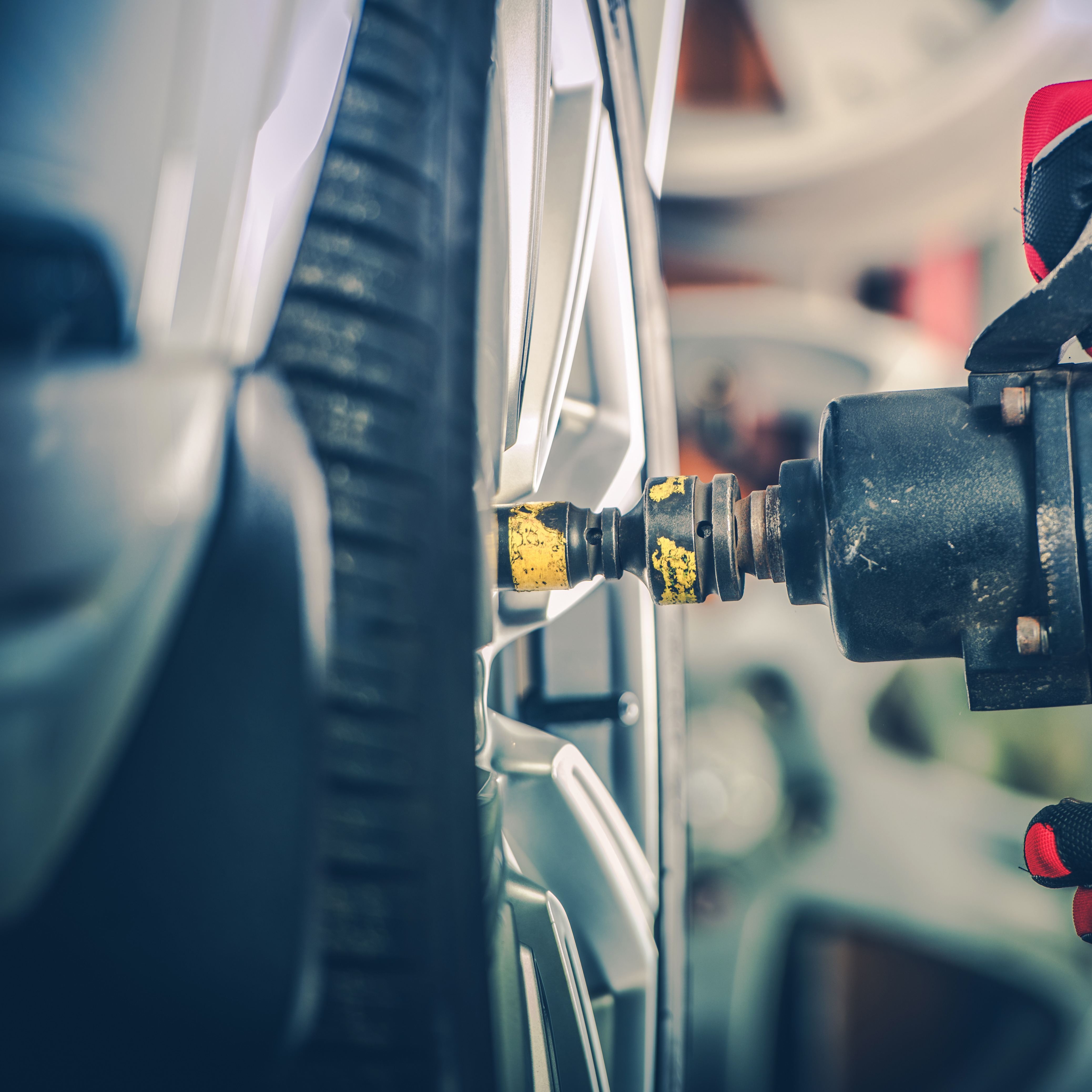
ASC-certified technician
It means the technician has been trained and tested to meet certain automotive service standards. The point is that you’re getting advice from someone who knows how to diagnose car problems, not just guess.
service advanced track warning light
That warning light means the car’s traction or stability system isn’t working correctly. Even if it sounds like it only affects grip, it can sometimes connect to other sensors or systems, so it’s worth getting checked.
no power steering
If you have no power steering, steering takes a lot more effort. If it happens suddenly—especially with other warning lights—it usually means the car has a problem that should be diagnosed quickly.
traction control
Traction control helps keep your tires from spinning when the road is slippery. If it’s warning you something’s wrong, it could be a sensor or system fault, and that’s why it’s smart to get it checked.
diagnose whether warning lights are related
Sometimes two problems happen at the same time, and sometimes one problem causes both. A good diagnosis checks what the car is actually reporting first, so you don’t fix the wrong thing.

Ford Explorer
A Ford Explorer is a common SUV. In this story, the problem was likely a belt issue—when a belt breaks or strips, it can stop important systems from working, including steering assist on some setups.
belt stripping
Belt stripping means the rubber on a belt starts to peel or break down. When that happens, the belt can stop turning the parts it powers, and the car may suddenly act like it’s “frozen” or lose key functions.
electric power steering assist
Electric power steering assist uses a motor to help you steer. That means steering help can depend less on engine-driven hydraulics, and the “what fails first” story can be different than older cars.
V-belts
V-belts are older rubber belts that help run things like the alternator and other engine accessories. They were common before newer belt and accessory designs became standard.
drive belts
Drive belts are the rubber belts that spin important parts of the engine. If they fail, those parts stop working, which can cause big problems quickly.
turbocharger
A turbocharger is a device that uses exhaust gases to spin a turbine and push more air into the engine. If it fails, the engine may lose power and the repair can be expensive.

Equinox 2015
This is a Chevrolet Equinox from 2015. In the call, the owner says the turbocharger failed, which is a common “turbo-specific” repair that can be costly.
Chevy's
“Chevy’s” means Chevrolet cars. The caller is basically saying they’ve heard Chevrolet turbo engines have had more turbocharger problems than some other makes.
GM
GM is General Motors, the company behind brands like Chevrolet. The caller is saying they’ve heard turbocharger problems are more common on some GM/Chevy turbo setups.
oil change interval
Oil change interval means how often you should change the oil. With a turbo, fresh oil matters more because the turbo relies on oil to keep it lubricated and cool. Changing it on time helps prevent expensive turbo problems.
turbocharged vehicle
A turbo helps the engine make more power without making the engine bigger. It uses the car’s exhaust to spin a device that pushes extra air into the engine. More air usually means more power.
supercharger
A supercharger is another way to make more power by pushing extra air into the engine. It’s powered by the engine (often through a belt), so it can help the engine breathe better. More air can mean more power.
exhaust brakes
An exhaust brake helps slow the truck down using the exhaust system, not just the regular brakes. It makes the engine work against the exhaust flow, which slows the vehicle. It’s especially useful when towing on hills.

Ram 2500
The speaker is talking about a Ram 2500 pickup that has exhaust brakes. That’s a common towing setup on heavy-duty trucks. They’re asking when it’s appropriate to use the exhaust brakes.
towing our fifth wheel camper
A fifth-wheel camper is a trailer that attaches to the bed of a pickup using a specialized hitch. Towing increases load and heat in the braking system, which is why engine braking aids like exhaust brakes are often used on descents. The transcript uses this towing scenario to frame the question about proper exhaust-brake use.
engine braking (using the transmission and engine to slow the car down)
Engine braking means you slow down by letting the engine resist the motion—often by downshifting—rather than pressing the brake pedal the whole time. It can help when towing because it reduces how much the brakes have to work. Still, you should use it appropriately and not treat it like your only braking method.
downshift
Downshifting is when you move to a lower gear so the engine helps slow the car down. It can be useful on hills or when towing so you don’t overheat the brakes. You still need to use the brake pedal when you need to stop quickly.
jake brake
A jake brake is a feature that slows your truck using the engine instead of mostly using the brake pedal. That can be helpful when you’re towing or going downhill because it takes some stress off the regular brakes. It’s not meant to replace normal braking in every situation.
traditional braking system
This is just the regular brake system that stops your vehicle when you press the brake pedal. When you’re towing or going downhill, relying only on those brakes can make them run hot. Using engine braking can take some of the workload off the regular brakes.
rotate the tires
Tire rotation means moving your tires to different spots on the car so they wear more evenly. Uneven wear can reduce grip and shorten tire life. The best interval depends on your vehicle and tire type, so it’s worth checking the guidance for your setup.
rotate them every time we change the oil
Tire rotation means swapping where each tire sits on your car. Front tires often wear differently than rear tires, so rotating helps all four tires wear more evenly and last longer.
every other oil change is probably the norm
People often rotate tires around the same time they do oil changes because it’s convenient. The exact schedule can vary, but the goal is always the same: keep tire wear even so you don’t replace them early.

Ford Edge
A listener brought up a 2013 Ford Edge as an example question. The point is that brake fluid condition matters, and it can be checked or serviced when you’re already doing brake work.
brake fluid flushed
Brake fluid flush means replacing old brake fluid with new. Old fluid can pick up moisture, which can make braking less effective and can lead to more wear on the brake system.
pads and rotors
Brake pads and rotors are the wear items in a disc brake system: pads clamp onto the rotor to create friction and slow the car. When you replace both, it’s often a good time to address related maintenance like brake fluid condition because the system is already being serviced.

Toyota Highlander
A listener asked about a 2021 Toyota Highlander Hybrid and how long its batteries last. Hybrid cars can have different batteries working for different systems, so the replacement question depends on which one they mean.
12 volt battery
Most cars have a 12-volt battery that runs the electronics. In hybrid and electric vehicles, there can be additional batteries too, so it’s important to know which one is being discussed.
supplemental battery
Hybrid and electric cars can have more than one battery. Besides the normal 12-volt battery, there may be another battery that helps run the hybrid/electric systems.
start-stop technology
Start-stop technology turns the engine off when you’re stopped and turns it back on when you go. Since it does this repeatedly, it can be harder on the car’s batteries and electrical system.
battery test is probably a good maintenance item
Getting a battery tested can tell you if it’s still strong or if it’s starting to fail. That’s useful because hybrid cars can have more than one battery, and not all problems show obvious warning signs.

Lexus RX350
The Lexus RX350 is a common SUV example in this conversation. They’re using it to talk about how transmission fluid service should be handled, especially when the car has lots of miles.
dump and fill with no flush
This is a partial transmission fluid change. They drain some fluid and add new fluid, but they don’t use a strong cleaning/flush process that can stir up old debris.
transmission fluid flush
A flush is more aggressive than a normal fluid change. It tries to replace a lot of the old fluid, but on older/high-mile transmissions it can occasionally cause problems.
drain and fill
This is the standard “change the fluid” approach for many transmissions. They drain what they can and refill with new fluid, which is usually safer for regular maintenance.
transfer cases
In many 4WD/AWD cars, there’s a box that sends power to the wheels. That box (the transfer case) needs its own fluid changes.
synthetic fluid
Synthetic fluid is a higher-performance type of fluid. It usually lasts longer, so the car may allow longer time between fluid changes.

Volkswagen EOS
The Volkswagen EOS is a specific VW model they mention as another example. The takeaway is still about following the manufacturer’s maintenance schedule for fluids.
hardtop convertible
This is a convertible with a solid roof that moves electronically instead of a soft fabric top. It has sensors and motors that have to agree on the roof position, so if one part isn’t reading correctly, the top may stop halfway.
fault code
A fault code is like the car’s way of writing down what went wrong. When you scan the car, it can point to the specific system or sensor that needs checking.
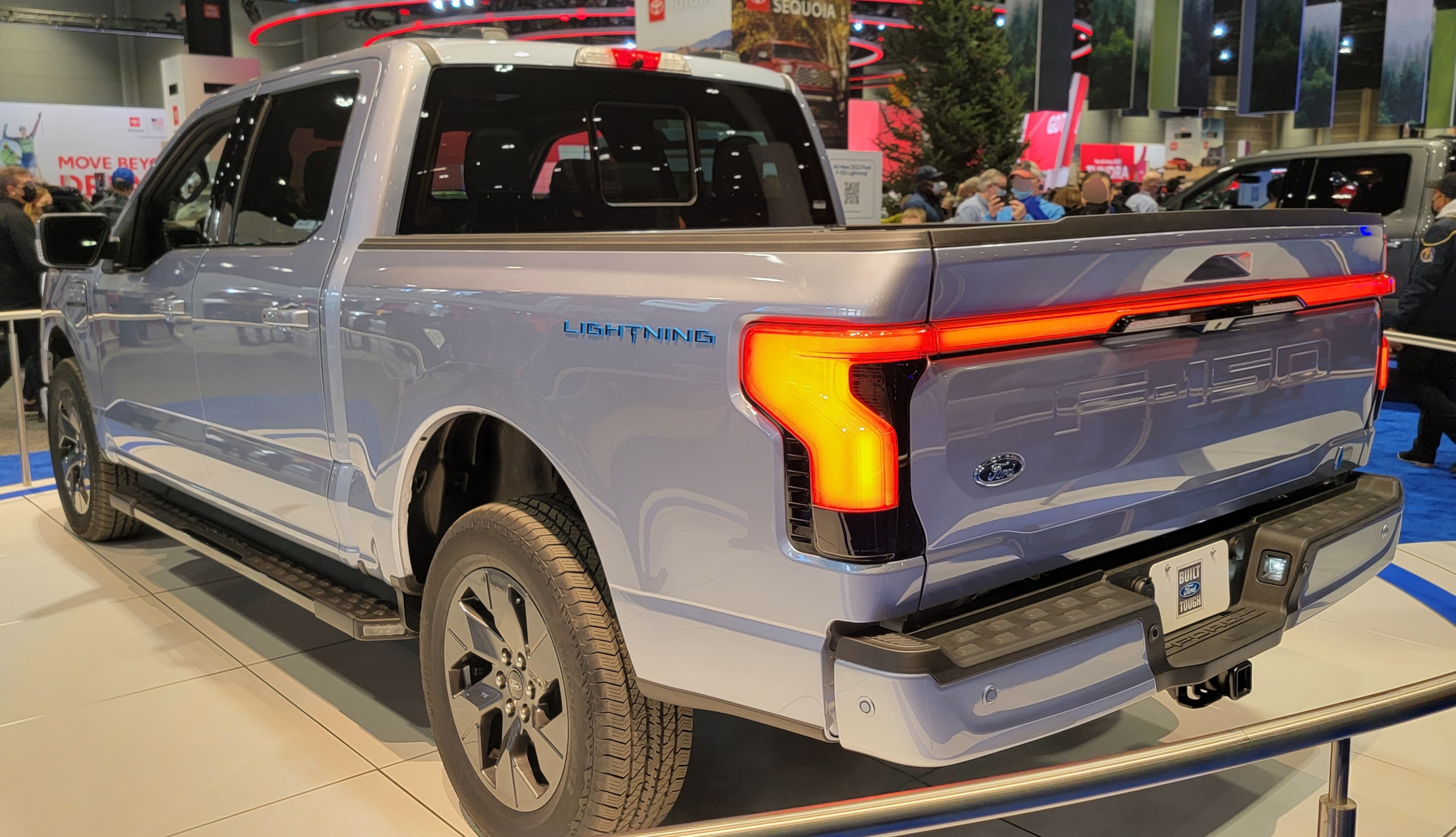
2007 F-150
The Ford F-150 is a popular pickup truck. This one is a 2007, and the discussion mentions a turbocharged V6, which is relevant because turbo engines can have different maintenance and potential issues than non-turbo engines.
lemon laws
Lemon laws are rules that help if a car keeps having the same problem and the shop can’t fix it for good. If the issue keeps coming back after repair attempts, the law may allow you to get the car replaced or your money back.
extended warranty
An extended warranty is extra coverage after the normal warranty ends. If you’re dealing with a problem at high mileage, it’s worth checking whether your specific warranty still applies and what it covers.
relationship with that dealership
When a vehicle has an ongoing issue, building a documented relationship with the dealership helps ensure repair attempts are tracked and escalated properly. If progress stalls, moving to a second opinion and then escalating to the manufacturer can improve the odds of a resolution.

Mitsubishi Outlander
They’re talking about a Mitsubishi Outlander that wouldn’t start. When a car won’t crank, the battery is often the first suspect, but the shop should also check the electrical system so you don’t replace the wrong part. They’ll test it before deciding what to fix.
electrical system
Your car’s electrical system is everything that makes electricity—battery, charging parts, and wiring. If a battery dies quickly, it could be because another electrical problem is draining or not charging properly. Testing the whole system helps find the real root cause.
misfires
A misfire means the engine isn’t burning fuel correctly in one or more cylinders. That can make the car run rough, stumble, or shut off. If it only happens when the engine is warm, it can point to a problem that changes with temperature.
1990 K1500
They’re describing a 1990 K1500 pickup that misfires and shuts off, then runs again after it cools down. That pattern often points to something that changes with temperature, like an ignition or sensor/module issue. The key is to capture what happens when it fails so the shop can diagnose it.
thermal cycles
Thermal cycles are repeated heating and cooling that cause materials and components to expand, contract, and change alignment or electrical contact. The technician uses this concept to explain why an intermittent misfire/stall can happen only after the vehicle reaches warm temperatures. It points to faults that are sensitive to temperature, like certain modules, sensors, or ignition components.
ignition system
The ignition system is what makes the spark that starts combustion in the engine. If something in that system acts up when it gets hot, the engine can start misfiring or shutting off. That’s why the shop may need to test it while it’s acting up.
scan tool
A scan tool plugs into the car and can read error codes and live data from the computer. For problems that come and go, it helps the mechanic see what’s happening at the exact moment the car stalls or misfires. That makes diagnosis faster and more accurate.

Dodge Ram
That “Hemi” can sometimes turn off part of its cylinders to save gas. It’s meant for highway cruising, not hard acceleration, and it can trigger warnings or concerns if it’s not functioning correctly.
eco does not come on
“Eco” is the car’s fuel-saving mode. If it turns on when you don’t expect it, it may be because the car thinks you’re driving in a low-demand situation—or something about the system isn’t behaving normally.
shut cylinders off
Some modern V8s can temporarily stop using a few cylinders to save fuel. When it switches, the engine may feel like it changes how it’s running, even though it’s designed to protect the engine.
eliminate or delete those systems
Some people use aftermarket changes to turn off certain fuel-saving or emissions-related features. That might stop the annoying behavior, but it can also cause legal/emissions issues and may affect how the car protects the engine.

Honda Odyssey
This is about how to shift an automatic correctly when parking. The key idea is to fully stop before changing gears, and the “neutral first” step is usually more about preference than a strict requirement.
complete stop before you go into any gear
With an automatic, you should stop the car completely before you shift into drive, reverse, or park. That helps avoid grinding or jerking and is gentler on the transmission.
parking brakes
The parking brake is the extra safety hold that keeps your car from rolling. It’s especially useful on hills, because it helps keep the car secure even when the car is in park.
parking on a hill (pointing tires toward the curb)
When you park on a steep slope, turning the steering wheel so the tires are aimed the right way can help stop the car from rolling. It’s an extra safety trick in case something doesn’t hold.
parking brake ... automatic
On newer cars, the parking brake may automatically turn on and off for you. That means you don’t always have to manually “set it,” but you should still follow the car’s instructions for parking on hills.
electric motor under those calipers
Some cars use a small electric motor to clamp the brakes for the parking brake. Instead of relying only on a cable, the motor can apply and release the brake when needed. If that system gets dirty or fails, the parking brake may not release normally.
parking on a slope using wheel position toward the curb
On a hill, you can reduce risk if the car ever starts to roll by turning the wheels so the curb stops them. Which way you turn depends on whether you’re going up or down. It’s a simple safety backup in case the car moves.
parking brake not releasing (sticking)
If the parking brake doesn’t fully let go, your brakes can keep rubbing while you drive. That makes things heat up more than they should. Over time it can cause damage and leave you stuck or needing a tow.
using parking brake regularly vs. letting it sit
Using the parking brake now and then helps keep it from getting rusty or stuck. If it hasn’t been used in a while, dirt and corrosion can build up. A shop can check it and make sure it moves freely before you rely on it on a hill.
manual parking brake
A manual parking brake is the one you set with a lever. It uses mechanical parts to hold the car. If the parts get rusty or gunked up, it can stick and not release properly.
cables
Parking brake cables are the “wires” that pull the parking brake mechanism when you move the lever. If they rust or get gummed up, the brake can stay on. Releasing problems often trace back to cable condition.
drum brake type system even built into the rotor
On some cars, the parking brake isn’t a separate drum—it’s built into the brake rotor area. Dirt and moisture can get inside and cause it to stick. If it sticks, the parking brake won’t release like it should.
gauge that parking brake
This is about adjusting the parking brake so it works correctly. It should hold the car when parked, but it should also release fully when you want to drive. If it’s not adjusted right, it can stick or not hold well.
10-speed transmission
A 10-speed transmission is an automatic gearbox with more gear steps than older transmissions. More gears can help the engine run more efficiently, which can improve mileage. If it fails early, the key is to document it and work with the dealer/warranty.
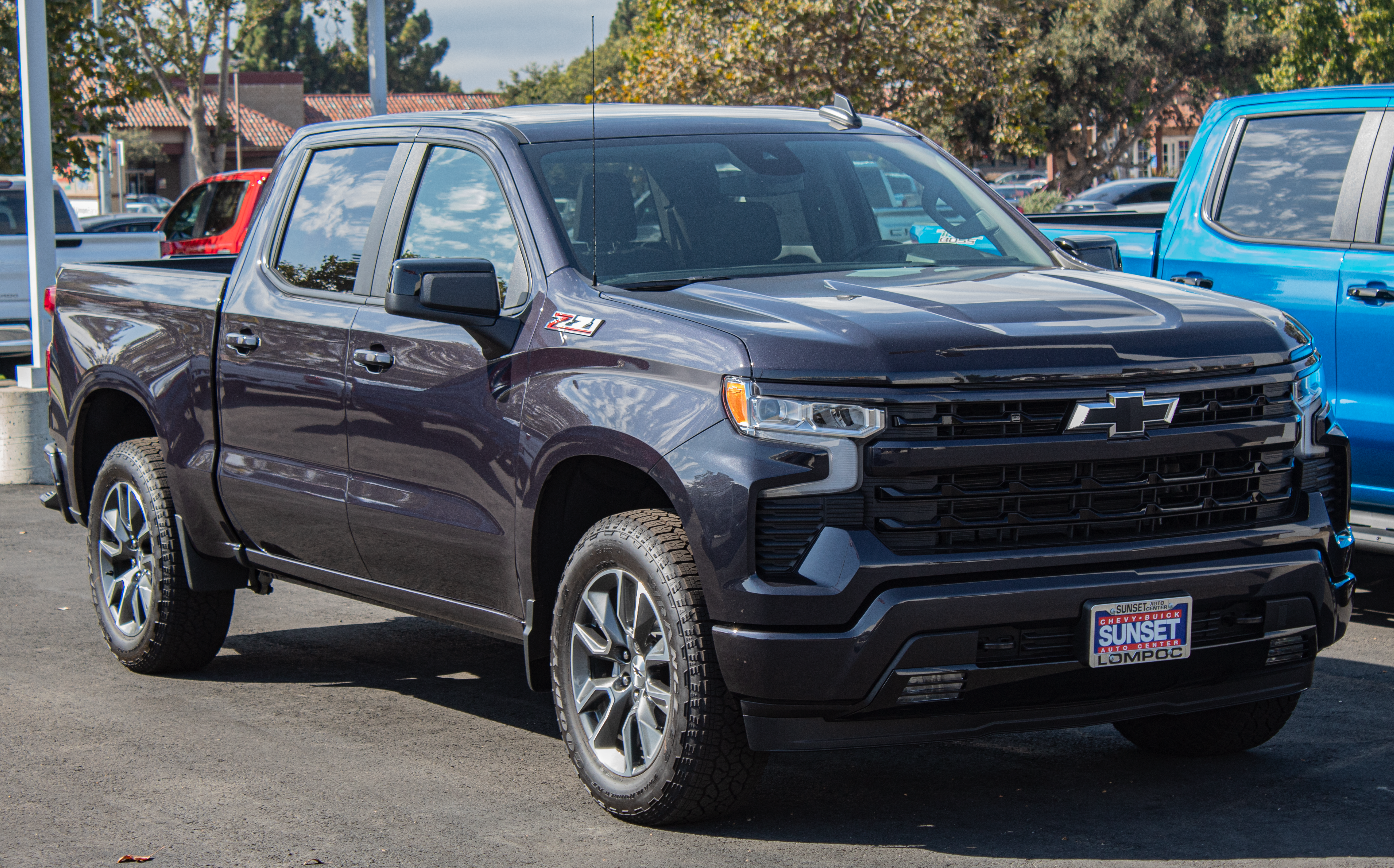
Chevrolet Silverado
They’re talking about a 2024 Chevrolet Silverado 1500 pickup. The question is whether its transmission failing at around 6,000 miles is normal, and the answer is that it sounds unusually early. They also emphasize using the warranty and talking to the dealer if something seems wrong.
pressure washer
Don’t use a pressure washer on your engine bay. The high-pressure water can get into sensitive parts and cause problems later. Instead, use a light rinse and wipe down with towels.
intake of the engine
The engine intake is the path where air goes into the engine. If water gets sucked in there, it can cause trouble. That’s why they recommend gentle cleaning and avoiding water directly into the intake area.
degreaser
A degreaser is a cleaner that removes oily grime. The hosts caution that using it in your driveway can leave a slippery or messy film on the ground. They suggest it’s safer to handle leaks/cleaning in a way that won’t make a bigger mess at home.