Turbocharge vs. Supercharge, When to Rotate Tires, Parking Brake Problems
About this episode
Nick Stoffel, an ASC-certified technician at Lloyd’s Automotive, fields listener questions on common maintenance and drivability issues. Topics include a Ford F-150 with traction control warnings and loss of power steering, why turbochargers fail (and why oil changes matter), and the difference between turbocharging and supercharging. He also covers exhaust brakes on diesel trucks, how often to rotate tires, when to flush brake fluid, battery life checks for hybrids, drain-and-fill vs flush for transmission service, parking brake best practices, and safe DIY engine-bay cleaning. Tire, brake, and electrical concerns get practical “bring it in” guidance.
ASC-certified technician
"Always great to have more information than less. And the guy that's going to give you a little analysis on the radio is none other than ASC-certified technician Nick Stoffel"
It means the technician has been trained and tested to meet certain automotive service standards. The point is that you’re getting advice from someone who knows how to diagnose car problems, not just guess.
ASC-certified refers to a technician certification program focused on automotive service knowledge and diagnostic skills. On a radio show, it’s meant to reassure listeners that the person giving advice has formal training and testing behind them.
service advanced track warning light
"Here's one. 2014 F-150, the service advanced track warning light came on. I now have no power steering. What should I do?"
That warning light means the car’s traction or stability system isn’t working correctly. Even if it sounds like it only affects grip, it can sometimes connect to other sensors or systems, so it’s worth getting checked.
“Advanced Track” is Ford’s traction/stability control strategy, and a “service” warning indicates the stability/traction system detected a fault. Because traction and steering assist systems can share sensors or control modules, a related issue could also contribute to other symptoms like steering problems.
no power steering
"2014 F-150, the service advanced track warning light came on. I now have no power steering. What should I do?"
If you have no power steering, steering takes a lot more effort. If it happens suddenly—especially with other warning lights—it usually means the car has a problem that should be diagnosed quickly.
“No power steering” means the steering assist has stopped working, making the wheel much harder to turn. On modern vehicles, power steering can be affected by electrical faults, sensors, or control-module issues—so it’s not something to ignore when it appears alongside other warning lights.
traction control
"I'm not sure why the traction control would have any effect on the power steering, but regardless, those are your warnings, you know, which is obviously a need for the vehicle there."
Traction control helps keep your tires from spinning when the road is slippery. If it’s warning you something’s wrong, it could be a sensor or system fault, and that’s why it’s smart to get it checked.
Traction control helps prevent wheelspin by reducing engine power and/or applying brakes when it detects loss of grip. If a traction control warning appears, it can indicate sensor or module issues, and those same sensors can sometimes relate to other systems.
diagnose whether warning lights are related
"Definitely need to bring that in. I'm not sure why the traction control would have any effect on the power steering, but regardless, those are your warnings, you know, which is obviously a need for the vehicle there. I would get on somebody's schedule soon, look at it and see what's going on, see if they're related. They may not even be related."
Sometimes two problems happen at the same time, and sometimes one problem causes both. A good diagnosis checks what the car is actually reporting first, so you don’t fix the wrong thing.
The technician suggests the warning light and the loss of power steering might be related—or they might be two separate problems happening at once. This is a key diagnostic approach: confirm codes/data first, then test systems to avoid assuming one symptom caused the other.
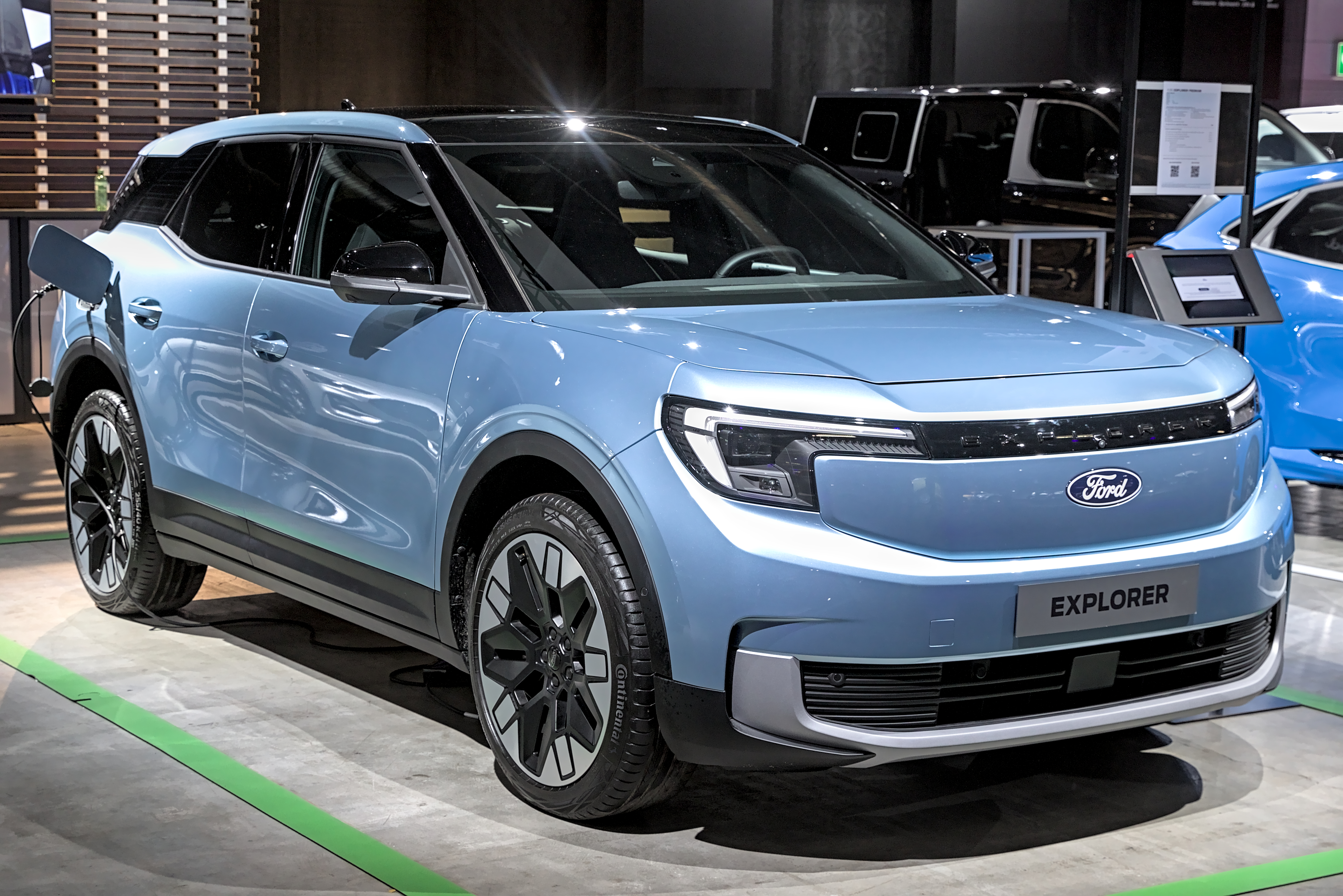
Ford Explorer
"Remember several years ago, I was driving at the time, the old Ford Explorer that you guys worked on for 100 years, and I'm on 494 and all of a sudden it's like, oh, I can't steer this thing."
A Ford Explorer is a common SUV. In this story, the problem was likely a belt issue—when a belt breaks or strips, it can stop important systems from working, including steering assist on some setups.
The Ford Explorer is a midsize SUV that uses belt-driven accessories (like the alternator and power steering pump on many older setups). In the story, the “can’t steer” symptom points to a drive-belt failure that can disable key systems.
belt stripping
"And it turned out to be, what do you call that, belt? Stripping team belts. Yeah, yeah. Absolutely. That's what it was."
Belt stripping means the rubber on a belt starts to peel or break down. When that happens, the belt can stop turning the parts it powers, and the car may suddenly act like it’s “frozen” or lose key functions.
“Belt stripping” refers to a drive belt losing its rubber material or coming apart, often from age, heat, misalignment, or pulley issues. When it happens, the belt can stop driving accessories, which can quickly lead to symptoms like loss of steering assist or charging.
electric power steering assist
"some of the newer vehicles will have an electric power steering assist. So things keep evolving... And now, like I said, more and more vehicles have electronic power steering, electronic water pumps."
Electric power steering assist uses a motor to help you steer. That means steering help can depend less on engine-driven hydraulics, and the “what fails first” story can be different than older cars.
Electric power steering assist (EPS) uses an electric motor and sensors to help the driver steer, rather than relying purely on hydraulic pressure. Because it’s electrically assisted, EPS systems can change how belt failures affect steering compared with older hydraulic setups.
V-belts
"You know, you go back far enough back, you had V-belts, we'd have two or three or sometimes, some cases, four different drive belts on the front of that engine."
V-belts are older rubber belts that help run things like the alternator and other engine accessories. They were common before newer belt and accessory designs became standard.
V-belts are older-style rubber belts with a “V” profile that run on matching pulley grooves. They were commonly used to drive multiple accessories, and over time automakers moved to fewer, more integrated belt designs.
drive belts
"we'd have two or three or sometimes, some cases, four different drive belts on the front of that engine. And as they evolved, they created the stripping team belt, which that one belt kind of did all the work for everything."
Drive belts are the rubber belts that spin important parts of the engine. If they fail, those parts stop working, which can cause big problems quickly.
Drive belts are the belts that transfer engine rotation to accessories like the alternator, water pump, and power steering components. The number and layout vary by vehicle generation, and modern designs often consolidate work into fewer belts.
turbocharger
"Say, I'm 72 years old... three weeks ago, I have a Equinox 2015. And I found out, long story short, a failing turbocharger. And I think everyone needs to know about the turbocharger issues."
A turbocharger is a device that uses exhaust gases to spin a turbine and push more air into the engine. If it fails, the engine may lose power and the repair can be expensive.
A turbocharger is an exhaust-driven forced-induction device that increases engine air intake, improving power and efficiency. The host discusses a “failing turbocharger” and notes that certain GM/Chevy turbo applications have known reliability concerns, which can lead to costly repairs.

Equinox 2015
"But I've been putting on about 50,000, 60,000 miles a year... three weeks ago, I have a Equinox 2015. And I found out, long story short, a failing turbocharger."
This is a Chevrolet Equinox from 2015. In the call, the owner says the turbocharger failed, which is a common “turbo-specific” repair that can be costly.
The Chevrolet Equinox (2015) is the vehicle in the caller’s story, where they report a failing turbocharger. This is relevant because turbocharged engines can have specific failure modes and repair costs compared with naturally aspirated engines.
Chevy's
"He said that reputable guy indicated GMs and for not for GMs and Chevy's tend to be the big issues with turbochargers."
“Chevy’s” means Chevrolet cars. The caller is basically saying they’ve heard Chevrolet turbo engines have had more turbocharger problems than some other makes.
“Chevy’s” is shorthand for Chevrolet vehicles. The caller suggests Chevrolet turbo applications are among the ones with the biggest turbocharger issues, which is useful context for listeners trying to understand risk by brand.
GM
"Still waiting for the car. He said that reputable guy indicated GMs and for not for GMs and Chevy's tend to be the big issues with turbochargers."
GM is General Motors, the company behind brands like Chevrolet. The caller is saying they’ve heard turbocharger problems are more common on some GM/Chevy turbo setups.
GM refers to General Motors, and the caller claims that “GM” and “Chevy” vehicles tend to have bigger turbocharger issues. That frames the discussion around brand/model families and how certain turbo designs may have different reliability histories.
oil change interval
"...the biggest thing you can do is help your vehicle and your turbocharger and your turbocharger is change that oil. And as Denny knows... [357.9s] ...different intervals. I strongly believe $5,000 miles is the interval you need to change oil..."
Oil change interval means how often you should change the oil. With a turbo, fresh oil matters more because the turbo relies on oil to keep it lubricated and cool. Changing it on time helps prevent expensive turbo problems.
The oil change interval is the mileage/time schedule for replacing engine oil. The host argues that turbocharged engines need shorter intervals because the turbocharger depends on that oil for lubrication and cooling. They specifically recommend an interval of about 5,000 miles for the engine and turbocharger-related components.
turbocharged vehicle
"...but what is the difference between a turbocharged vehicle and a supercharger? [376.3s] The supercharger will use a superteen belt... [388.0s] ...The turbocharger uses the exhaust coming out of the vehicle to turn that turbine..."
A turbo helps the engine make more power without making the engine bigger. It uses the car’s exhaust to spin a device that pushes extra air into the engine. More air usually means more power.
A turbocharged vehicle uses a turbocharger to increase engine power by forcing more air into the engine. It uses exhaust gases to spin a turbine, which then compresses intake air before it enters the cylinders. This can let manufacturers use smaller engines while still making strong power, often improving fuel economy and emissions versus larger naturally aspirated engines.
supercharger
"...what is the difference between a turbocharged vehicle and a supercharger? [376.3s] The supercharger will use a superteen belt... [383.2s] ...forces more air into the intake of the engine..."
A supercharger is another way to make more power by pushing extra air into the engine. It’s powered by the engine (often through a belt), so it can help the engine breathe better. More air can mean more power.
A supercharger increases power by mechanically forcing more air into the engine. In the transcript, it’s described as using a belt-driven setup to spin a turbine/compressor that pushes air into the intake. Compared with a turbo, a supercharger is driven directly by the engine, which can change how and when boost arrives.
exhaust brakes
"...my Ram 2500 is equipped with exhaust brakes, which I use when towing our fifth wheel camper. [415.7s] ...whether it's okay to use the exhaust brakes all the time... [420.4s] ...Well, that's a diesel vehicle... [427.7s] ...they use the exhaust and slow the engine..."
An exhaust brake helps slow the truck down using the exhaust system, not just the regular brakes. It makes the engine work against the exhaust flow, which slows the vehicle. It’s especially useful when towing on hills.
Exhaust brakes are a braking system used on many diesel trucks that slow the vehicle by restricting exhaust flow. By creating backpressure in the exhaust, they reduce engine speed and help slow the truck without relying solely on the service brakes. The transcript connects this to towing, where exhaust braking can help control speed on descents.

Ram 2500
"[404.1s] Texture says this, my Ram 2500 is equipped with exhaust brakes... [410.2s] ...when towing our fifth wheel camper. [415.7s] ...whether it's okay to use the exhaust brakes all the time..."
The speaker is talking about a Ram 2500 pickup that has exhaust brakes. That’s a common towing setup on heavy-duty trucks. They’re asking when it’s appropriate to use the exhaust brakes.
The transcript mentions a Ram 2500 equipped with exhaust brakes. The Ram 2500 is a heavy-duty pickup commonly used for towing, and exhaust brakes are a feature that helps manage speed when hauling. In this context, the host is discussing whether and when to use that exhaust-brake function.
towing our fifth wheel camper
"...my Ram 2500 is equipped with exhaust brakes, which I use when towing our fifth wheel camper. [415.7s] I've read... whether it's okay to use the exhaust brakes all the time..."
A fifth-wheel camper is a trailer that attaches to the bed of a pickup using a specialized hitch. Towing increases load and heat in the braking system, which is why engine braking aids like exhaust brakes are often used on descents. The transcript uses this towing scenario to frame the question about proper exhaust-brake use.
engine braking (using the transmission and engine to slow the car down)
"folks that used to downshift their vehicle to slow their vehicle down using the transmission and the engine to slow the car down... it's not designed to be used as your normal braking... especially when you have a heavy trailer on there, and not putting all that load of stress on that traditional braking system."
Engine braking means you slow down by letting the engine resist the motion—often by downshifting—rather than pressing the brake pedal the whole time. It can help when towing because it reduces how much the brakes have to work. Still, you should use it appropriately and not treat it like your only braking method.
Engine braking is slowing the vehicle by downshifting and using the engine’s resistance, rather than depending entirely on the friction brakes. The idea is to manage speed while reducing brake heat buildup, which matters more with heavy trailers. Overusing it can be hard on driveline components depending on the vehicle and how it’s used.
downshift
"folks that used to downshift their vehicle to slow their vehicle down using the transmission and the engine to slow the car down."
Downshifting is when you move to a lower gear so the engine helps slow the car down. It can be useful on hills or when towing so you don’t overheat the brakes. You still need to use the brake pedal when you need to stop quickly.
Downshifting is selecting a lower gear to increase engine braking and help control speed. It’s commonly used when descending grades or when towing to keep the vehicle stable and reduce brake wear. The right gear depends on vehicle design and driving conditions.
jake brake
"You're going to use that jake brake, the exhaust and the engine to help slow that vehicle down. Very interesting."
A jake brake is a feature that slows your truck using the engine instead of mostly using the brake pedal. That can be helpful when you’re towing or going downhill because it takes some stress off the regular brakes. It’s not meant to replace normal braking in every situation.
A jake brake (often called an engine brake) helps slow a vehicle by using the engine’s compression rather than relying only on the service brakes. It’s especially useful on heavy loads because it reduces heat and wear on the brake system. Many trucks use it when descending hills or when towing.
traditional braking system
"especially when you have a heavy trailer on there, and not putting all that load of stress on that traditional braking system."
This is just the regular brake system that stops your vehicle when you press the brake pedal. When you’re towing or going downhill, relying only on those brakes can make them run hot. Using engine braking can take some of the workload off the regular brakes.
The “traditional braking system” refers to the normal friction brakes (pads/rotors or shoes/drums) that slow the vehicle by creating friction. When towing or descending, using engine braking methods like a jake brake can reduce how much heat and wear the friction brakes must handle. This can help prevent brake fade and extend service intervals.
rotate the tires
"Here's one we get from time to time. How often should I rotate the tires on my vehicle?... That is a great question. And it's really going to depend on the vehicle, the tire design style."
Tire rotation means moving your tires to different spots on the car so they wear more evenly. Uneven wear can reduce grip and shorten tire life. The best interval depends on your vehicle and tire type, so it’s worth checking the guidance for your setup.
Tire rotation is moving tires to different positions on the vehicle to promote even tread wear. How often you should rotate depends on tire design, vehicle drivetrain layout (front-wheel, rear-wheel, AWD), and whether the tires wear unevenly. Following the vehicle’s schedule helps maintain traction and extends tire life.
rotate them every time we change the oil
"On my truck, it's got these big bulky tires on it, and we rotate them every time we change the oil. So in some cases, that might be necessary. Some vehicles might be every other."
Tire rotation means swapping where each tire sits on your car. Front tires often wear differently than rear tires, so rotating helps all four tires wear more evenly and last longer.
Tire rotation is the practice of moving tires from one position to another (front-to-rear, side-to-side) to even out wear. Because tires wear differently depending on whether they’re driven, steered, or carry more load, rotating on a schedule helps tires last longer and stay balanced.
every other oil change is probably the norm
"I would tell you, every other oil change is probably the norm. Some vehicles, like my truck, are more often. There might be a few cars out there."
People often rotate tires around the same time they do oil changes because it’s convenient. The exact schedule can vary, but the goal is always the same: keep tire wear even so you don’t replace them early.
Using oil-change intervals as a proxy for tire-rotation timing is common because it’s an easy, repeatable schedule. The “right” interval depends on tire type, vehicle layout (front-wheel vs rear-wheel drive), and how the tires are wearing, but rotating more frequently can be worth it when tires are expensive.

Ford Edge
"Yeah, absolutely. Texture sends this in, Nick, 2013 Ford Edge, 133,000 miles on it. Is it important or necessary to have the brake fluid flushed when replacing all four brakes"
A listener brought up a 2013 Ford Edge as an example question. The point is that brake fluid condition matters, and it can be checked or serviced when you’re already doing brake work.
The 2013 Ford Edge is the specific vehicle a listener mentioned when asking about brake fluid flushing. It’s a useful example because brake service intervals and fluid condition can vary by driving style and environment.
brake fluid flushed
"Is it important or necessary to have the brake fluid flushed when replacing all four brakes with pads and rotors? I think that's a perfect time to do it."
Brake fluid flush means replacing old brake fluid with new. Old fluid can pick up moisture, which can make braking less effective and can lead to more wear on the brake system.
Brake fluid flush is a service where old brake fluid is removed and replaced with fresh fluid. Brake fluid absorbs moisture over time, which can reduce braking performance and shorten the life of brake components, so it’s typically recommended as part of regular maintenance.
pads and rotors
"Is it important or necessary to have the brake fluid flushed when replacing all four brakes with pads and rotors? I think that's a perfect time to do it."
Brake pads and rotors are the wear items in a disc brake system: pads clamp onto the rotor to create friction and slow the car. When you replace both, it’s often a good time to address related maintenance like brake fluid condition because the system is already being serviced.

Toyota Highlander
"It's a battery question. Texture sends this in 2021 Toyota Highlander Hybrid. A friend warned me that the battery that controls the computer probably needs to be replaced around five years."
A listener asked about a 2021 Toyota Highlander Hybrid and how long its batteries last. Hybrid cars can have different batteries working for different systems, so the replacement question depends on which one they mean.
The 2021 Toyota Highlander Hybrid is the specific hybrid vehicle a listener asked about regarding battery replacement timing. Hybrid systems can involve more than one battery, so “the battery” may not be the same as a standard 12-volt battery.
12 volt battery
"I'm assuming it's just a 12 volt battery and just a regular battery. No, obviously, the hybrid vehicle, electric vehicles have a supplemental"
Most cars have a 12-volt battery that runs the electronics. In hybrid and electric vehicles, there can be additional batteries too, so it’s important to know which one is being discussed.
A 12-volt battery powers many vehicle electronics and is commonly used to support systems like computers, infotainment, and starting-related functions. In hybrids and EVs, there may still be a 12-volt battery, but it’s often not the only battery in the car.
supplemental battery
"No, obviously, the hybrid vehicle, electric vehicles have a supplemental battery or larger capacity battery. And in some cases with the start-stop technology, there might be an auxiliary battery."
Hybrid and electric cars can have more than one battery. Besides the normal 12-volt battery, there may be another battery that helps run the hybrid/electric systems.
A supplemental battery in hybrids/EVs refers to additional battery capacity beyond the typical 12-volt system. These batteries support higher-voltage components and can be tied to functions like propulsion control and, in some designs, start-stop operation.
start-stop technology
"And in some cases with the start-stop technology, there might be an auxiliary battery. So a lot more electronics in the vehicle,"
Start-stop technology turns the engine off when you’re stopped and turns it back on when you go. Since it does this repeatedly, it can be harder on the car’s batteries and electrical system.
Start-stop technology automatically shuts the engine off when the car is stopped and restarts it when you’re ready to move. Because it cycles the system frequently, it can increase demands on the vehicle’s batteries and related electrical components.
battery test is probably a good maintenance item
"So five years, honest is a very good timeframe. There are some that go longer, some that don't last as long. Having a test is probably a good maintenance item. Maybe when you're going for your next service, I don't think you need to make a"
Getting a battery tested can tell you if it’s still strong or if it’s starting to fail. That’s useful because hybrid cars can have more than one battery, and not all problems show obvious warning signs.
Battery testing is a maintenance step that helps determine whether a battery is still healthy or nearing end-of-life. For hybrids/EVs, testing is especially important because multiple batteries may exist, and the symptoms or warning lights may not clearly point to which battery is failing.

Lexus RX350
"So that kind of goes hand in hand. Yep, absolutely. Here is a 2011 Lexus RX350. Texture says I'm going to have the transmission fluid changed."
The Lexus RX350 is a common SUV example in this conversation. They’re using it to talk about how transmission fluid service should be handled, especially when the car has lots of miles.
The Lexus RX350 is a mid-size SUV that uses an automatic transmission and has routine fluid service intervals. In this segment, it’s used as an example for discussing transmission fluid service choices (dump-and-fill vs flush) at higher mileage.
dump and fill with no flush
"They want to do what they call a dump and fill with no flush. It has about 170,000 miles on it."
This is a partial transmission fluid change. They drain some fluid and add new fluid, but they don’t use a strong cleaning/flush process that can stir up old debris.
“Dump and fill” is a transmission service where some fluid is drained and replaced, without doing a full system flush. Because only part of the fluid is exchanged, it’s often used as a lower-risk approach when the transmission has high mileage.
transmission fluid flush
"They want to do what they call a dump and fill with no flush. It has about 170,000 miles on it. They're indicating that if you want to do a flush with that many miles on it, a lot of times want to get more problems than if you just do it the way they're recommending."
A flush is more aggressive than a normal fluid change. It tries to replace a lot of the old fluid, but on older/high-mile transmissions it can occasionally cause problems.
A transmission fluid flush attempts to exchange more (or all) of the old fluid using a machine and/or cleaning process. On higher-mileage transmissions, flushing can sometimes lead to new issues if old debris is disturbed or if seals react to the change.
drain and fill
"I will also say that the drain and fill is probably the most common procedure. Obviously, you're only getting maybe a third of the capacity out, but if it's done on that regular maintenance schedule, that's sufficient."
This is the standard “change the fluid” approach for many transmissions. They drain what they can and refill with new fluid, which is usually safer for regular maintenance.
A drain-and-fill service replaces a portion of the transmission fluid by draining the pan and refilling. It’s commonly recommended as routine maintenance because it’s gentler than a full flush while still refreshing the fluid.
transfer cases
"How often should transfer cases have the oil change, Texture says? Good question."
In many 4WD/AWD cars, there’s a box that sends power to the wheels. That box (the transfer case) needs its own fluid changes.
A transfer case is the component in 4WD/AWD vehicles that routes power to the front and rear driveline. It has its own fluid service interval, separate from the transmission and differential fluids.
synthetic fluid
"It's going to depend if it's a conventional fluid or the synthetic fluid. Obviously, synthetic fluids last longer."
Synthetic fluid is a higher-performance type of fluid. It usually lasts longer, so the car may allow longer time between fluid changes.
Synthetic transmission/transfer-case fluids are engineered to resist breakdown and maintain viscosity longer than conventional fluids. That’s why service intervals are often longer when the vehicle specifies synthetic fluid.

Volkswagen EOS
"I know that generally speaking, you at Lloyd's don't do, you're not a body shop or a place, but here's a 2010 VW EOS,"
The Volkswagen EOS is a specific VW model they mention as another example. The takeaway is still about following the manufacturer’s maintenance schedule for fluids.
The Volkswagen EOS is a German-built coupe/cabriolet that the hosts mention as another customer example. It’s brought up right after they discuss maintenance intervals and fluid types, implying the same “follow the maintenance guide” approach applies across vehicles.
hardtop convertible
"a hardtop convertible. The top only opens part way. Any ideas what's happening there? ... there are a series of sensors, safety purposes and alignment purposes."
This is a convertible with a solid roof that moves electronically instead of a soft fabric top. It has sensors and motors that have to agree on the roof position, so if one part isn’t reading correctly, the top may stop halfway.
A hardtop convertible uses a rigid roof section that moves electronically, usually folding into a compartment behind the seats. Because it’s mechanical plus electronic, it relies on multiple sensors and actuators to know where the roof is and to lock/unlock it safely.
fault code
"Hopefully, there's a fault code in that module, that computer, kind of lead them on a path with the check and test..."
A fault code is like the car’s way of writing down what went wrong. When you scan the car, it can point to the specific system or sensor that needs checking.
A fault code is an error stored by the vehicle’s computer when it detects a problem in a system (like the convertible top module). A technician can read these codes to narrow down which sensor or actuator is failing and then run targeted tests.
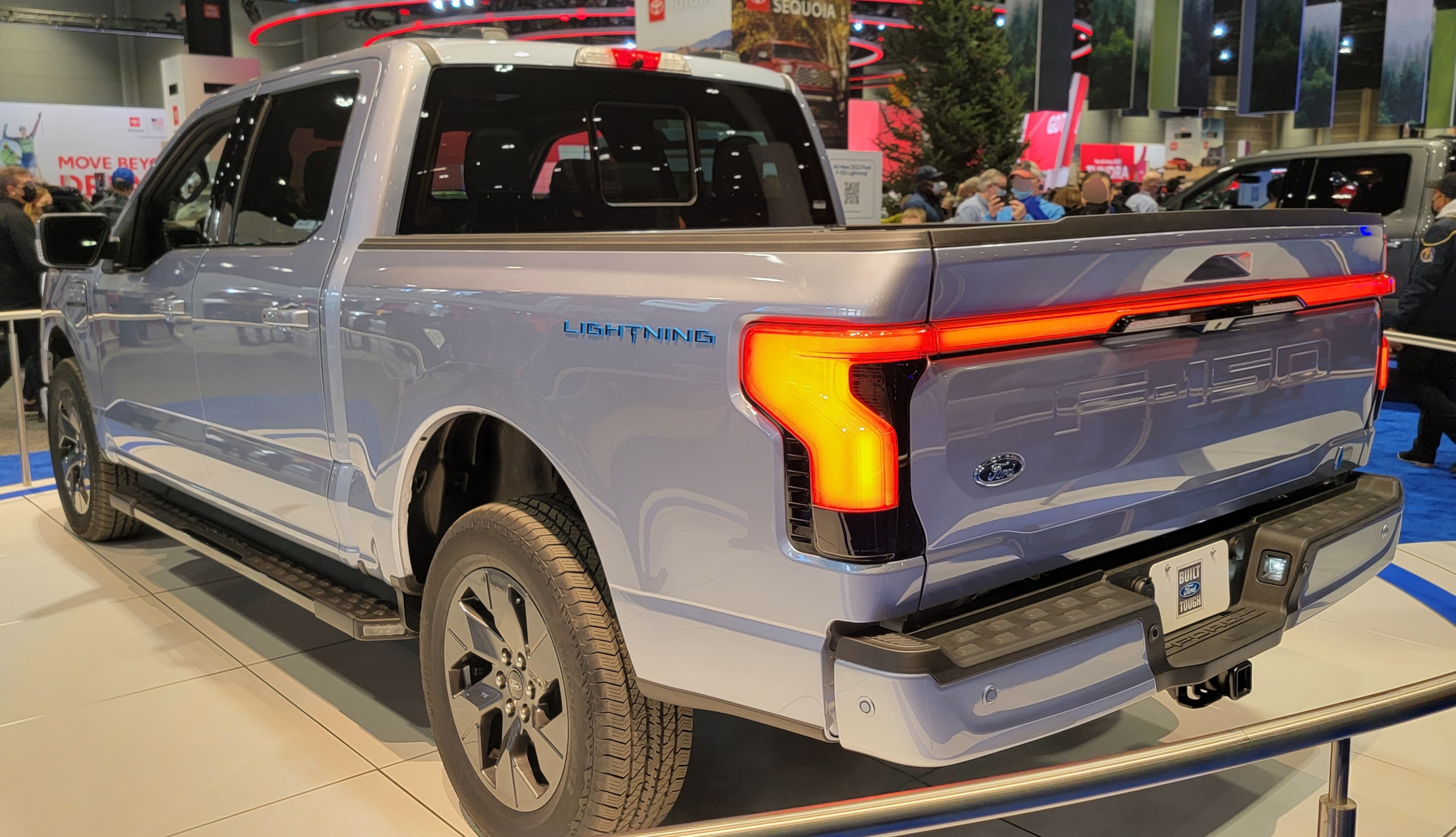
2007 F-150
"Looking at a 2007 F-150, Texter says, with a V6 gas turbo, do you know they're asking, are there any lemon laws after 200,000 miles on a vehicle?"
The Ford F-150 is a popular pickup truck. This one is a 2007, and the discussion mentions a turbocharged V6, which is relevant because turbo engines can have different maintenance and potential issues than non-turbo engines.
The Ford F-150 is a full-size pickup, and the 2007 model is from the 2004–2008 generation. In this segment, it’s specifically discussed with a V6 gas turbo setup, which affects how you think about long-term reliability and warranty coverage.
lemon laws
"are there any lemon laws after 200,000 miles on a vehicle? ... essentially what that is is if you have a certain problem and it's attempted to be repaired and that problem keeps reoccurring..."
Lemon laws are rules that help if a car keeps having the same problem and the shop can’t fix it for good. If the issue keeps coming back after repair attempts, the law may allow you to get the car replaced or your money back.
Lemon laws are consumer protection rules that can apply when a new (or sometimes leased) vehicle has a persistent defect that the manufacturer can’t fix after a reasonable number of attempts. The key idea is repeated repair attempts without lasting resolution, which can lead to a buyback or replacement depending on the jurisdiction and vehicle details.
extended warranty
"No, I think that interval, that time frame, is probably well past any extended warranty or lemon laws..."
An extended warranty is extra coverage after the normal warranty ends. If you’re dealing with a problem at high mileage, it’s worth checking whether your specific warranty still applies and what it covers.
An extended warranty is coverage beyond the original factory warranty period, usually purchased separately. Whether it applies depends on the warranty contract terms, mileage limits, and whether the issue is covered under that plan.
relationship with that dealership
"If you're having an issue with the vehicle, build that relationship with that dealership. If you're having difficulties there, get a second opinion..."
When a vehicle has an ongoing issue, building a documented relationship with the dealership helps ensure repair attempts are tracked and escalated properly. If progress stalls, moving to a second opinion and then escalating to the manufacturer can improve the odds of a resolution.

Mitsubishi Outlander
"Here is a 2022 Mitsubishi Outlander. Last evening, Texter says they went to started and it would not crank. Could the battery be shot already?"
They’re talking about a Mitsubishi Outlander that wouldn’t start. When a car won’t crank, the battery is often the first suspect, but the shop should also check the electrical system so you don’t replace the wrong part. They’ll test it before deciding what to fix.
The Mitsubishi Outlander is a compact SUV, and in this segment it’s used as an example of a “won’t crank” no-start condition. The hosts discuss how a battery can fail prematurely and how technicians should test both the battery and the vehicle’s electrical system to rule out other causes.
electrical system
"bring the vehicle in, they'll test the battery and the electrical system to ensure you that there's something else going on that prematurely made the battery fail"
Your car’s electrical system is everything that makes electricity—battery, charging parts, and wiring. If a battery dies quickly, it could be because another electrical problem is draining or not charging properly. Testing the whole system helps find the real root cause.
The electrical system includes the battery, alternator/charging components, wiring, and related control modules that support starting and normal operation. In a no-crank situation, testing the electrical system helps determine whether the battery failed on its own or if something else (like charging issues or a parasitic draw) caused premature battery death.
misfires
"1990 K1500, 5.7, driving 10 miles or so, it misfires and shuts off. When it cools, half hour, it runs"
A misfire means the engine isn’t burning fuel correctly in one or more cylinders. That can make the car run rough, stumble, or shut off. If it only happens when the engine is warm, it can point to a problem that changes with temperature.
A misfire is when one or more cylinders fail to ignite properly, causing rough running, hesitation, or even stalling. The hosts connect the misfire/stall behavior to thermal cycles—conditions that change as the engine warms up—suggesting an intermittent ignition or control-related problem. Misfires are often diagnosed by reading stored codes and monitoring live data during a failure.
1990 K1500
"Yeah. 1990 K1500, 5.7, driving 10 miles or so, it misfires and shuts off. When it cools, half hour, it runs... misfires, shuts down, runs fine on short trips."
They’re describing a 1990 K1500 pickup that misfires and shuts off, then runs again after it cools down. That pattern often points to something that changes with temperature, like an ignition or sensor/module issue. The key is to capture what happens when it fails so the shop can diagnose it.
The “1990 K1500” refers to a Chevrolet K1500 pickup from 1990. The segment uses it to describe an intermittent misfire and stalling that happens on short trips and improves after the engine cools, suggesting a temperature-related fault rather than a constant mechanical failure.
thermal cycles
"there's just thermal cycles that happen with components in the vehicle... once it gets to that warm temperatures, things are expanding, flexing, changing"
Thermal cycles are repeated heating and cooling that cause materials and components to expand, contract, and change alignment or electrical contact. The technician uses this concept to explain why an intermittent misfire/stall can happen only after the vehicle reaches warm temperatures. It points to faults that are sensitive to temperature, like certain modules, sensors, or ignition components.
ignition system
"things are expanding, flexing, changing, which causes that ignition system to shut down"
The ignition system is what makes the spark that starts combustion in the engine. If something in that system acts up when it gets hot, the engine can start misfiring or shutting off. That’s why the shop may need to test it while it’s acting up.
The ignition system creates the spark needed to ignite the air-fuel mixture in the cylinders. In this segment, the technician suggests that as components heat up and expand, the ignition system can shut down or behave differently, leading to misfires and stalling. That’s why documenting the failure and capturing data during a test drive matters.
scan tool
"They can take it for a test drive, have their scan tool, the equipment with them while they're driving the vehicle."
A scan tool plugs into the car and can read error codes and live data from the computer. For problems that come and go, it helps the mechanic see what’s happening at the exact moment the car stalls or misfires. That makes diagnosis faster and more accurate.
A scan tool is an OBD (on-board diagnostics) device used to read trouble codes and monitor sensor data from the vehicle’s computer. The technician recommends having the scan tool and equipment during a test drive so they can see what happens right when the vehicle fails or stalls. This is especially important for intermittent issues that only occur at certain temperatures or driving conditions.

Dodge Ram
"All right. Another text says this, 2019 Dodge Ram 1500 with the Hemi. How can you get it so the eco does not come on because I hear that when they do come on, when it drops the cylinder, that's not good for the engine."
That “Hemi” can sometimes turn off part of its cylinders to save gas. It’s meant for highway cruising, not hard acceleration, and it can trigger warnings or concerns if it’s not functioning correctly.
The 2019 Dodge Ram 1500 (with the Hemi V8) can use cylinder deactivation to improve fuel economy. When conditions allow, it temporarily shuts off some cylinders so the engine isn’t working as hard during steady cruising.
eco does not come on
"Another text says this, 2019 Dodge Ram 1500 with the Hemi. How can you get it so the eco does not come on because I hear that when they do come on, when it drops the cylinder, that's not good for the engine."
“Eco” is the car’s fuel-saving mode. If it turns on when you don’t expect it, it may be because the car thinks you’re driving in a low-demand situation—or something about the system isn’t behaving normally.
“Eco” mode typically indicates an efficiency strategy that may include cylinder deactivation, throttle mapping changes, or other fuel-saving calibrations. If it’s engaging unexpectedly, it can be related to driving conditions, sensor inputs, or a malfunction in the system controlling those strategies.
shut cylinders off
"So a lot of the manufacturers will shut cylinders off, especially like highway speeds where you don't need all that additional power because you're just at a cruising speed, you're not accelerating, you're not pulling, you're not doing that extra work, extra labor."
Some modern V8s can temporarily stop using a few cylinders to save fuel. When it switches, the engine may feel like it changes how it’s running, even though it’s designed to protect the engine.
“Shutting cylinders off” refers to cylinder deactivation, where the engine disables some cylinders during light-load driving. This reduces pumping losses and fuel use, but it can feel different (or trigger messages) when the system engages and disengages.
eliminate or delete those systems
"Some of those systems have been known to have some issues. There are products out there which we don't get into. They eliminate or delete those systems. We tend to put vehicles back to where they were designed."
Some people use aftermarket changes to turn off certain fuel-saving or emissions-related features. That might stop the annoying behavior, but it can also cause legal/emissions issues and may affect how the car protects the engine.
“Eliminate or delete” refers to removing or disabling emissions/fuel-economy systems (often via aftermarket software or hardware changes). While some owners do this to avoid nuisance behavior, it can affect emissions compliance and may change how the engine is calibrated and protected.

Honda Odyssey
"But there are ways out to eliminate or delete those systems. Okay. 2023 Honda Odyssey Tester says this, my husband says I should always push neutral and then push the drive or reverse and also push neutral before I put it in park."
This is about how to shift an automatic correctly when parking. The key idea is to fully stop before changing gears, and the “neutral first” step is usually more about preference than a strict requirement.
The 2023 Honda Odyssey is a modern automatic-transmission minivan that uses electronic shift logic. The episode discusses whether you should shift through neutral before selecting park, which relates to how the transmission and drivetrain are loaded at the moment you park.
complete stop before you go into any gear
"You should come to a complete stop before you go into any gear, whether it's forward, reserve or reverse. But I don't think that extra step to go into neutral before you do that is necessary."
With an automatic, you should stop the car completely before you shift into drive, reverse, or park. That helps avoid grinding or jerking and is gentler on the transmission.
For automatic transmissions, shifting into drive/reverse/park is safest when the vehicle is fully stopped. This reduces stress on the transmission’s clutches and gears and helps prevent driveline shock or unintended engagement.
parking brakes
"What about parking? I think in the old days and we talked about parking brakes a long time ago. But what about if you're parking on a hill, remember they used to say maybe you don't remember this."
The parking brake is the extra safety hold that keeps your car from rolling. It’s especially useful on hills, because it helps keep the car secure even when the car is in park.
Parking brakes (often a mechanical lever or an electronic system) are designed to hold the vehicle stationary, especially when parked on slopes. Using the parking brake correctly reduces the chance of the car rolling, particularly when the transmission is in park.
parking on a hill (pointing tires toward the curb)
"But what about if you're parking on a hill, remember they used to say maybe you don't remember this. Like if you're pointing down on a steep hill, you kind of crank your tires toward the curb and use your parking brake instead of just putting in park."
When you park on a steep slope, turning the steering wheel so the tires are aimed the right way can help stop the car from rolling. It’s an extra safety trick in case something doesn’t hold.
The “point the tires toward the curb” guidance is a slope-parking technique that uses tire direction to help prevent rollaway. On a downhill slope, turning the wheels toward the curb can create resistance if the vehicle starts to move.
parking brake ... automatic
"Well, on newer vehicles, it's automatic. It's kind of designed into it. Even"
On newer cars, the parking brake may automatically turn on and off for you. That means you don’t always have to manually “set it,” but you should still follow the car’s instructions for parking on hills.
Some newer vehicles use an automatic parking brake function that engages and releases based on driving and shift state. This can change how owners should think about using the parking brake on grades, since the system is designed to apply it at the right time.
electric motor under those calipers
"park, it'll set the parking brake itself because what they've done is that they made the, with everything they've attached an electric motor under those calipers."
Some cars use a small electric motor to clamp the brakes for the parking brake. Instead of relying only on a cable, the motor can apply and release the brake when needed. If that system gets dirty or fails, the parking brake may not release normally.
Many modern “electronic parking brakes” use an electric motor to apply and release the brake at the caliper. The motor senses conditions (like being on a steep hill) and can automatically engage the parking brake for extra security. This design changes how the brake behaves compared with a purely mechanical cable system.
parking on a slope using wheel position toward the curb
"having those wheels turned towards the curb... if you're headed down the hill and you're parked on the right side of the road, you're going to turn them towards it... that curb is going to work as a bumper to keep the vehicle from rolling down that hill."
On a hill, you can reduce risk if the car ever starts to roll by turning the wheels so the curb stops them. Which way you turn depends on whether you’re going up or down. It’s a simple safety backup in case the car moves.
When parking on a hill, turning the wheels toward the curb helps prevent the vehicle from rolling into traffic if the brakes fail. The idea is that the curb acts like a physical stop (“bumper”) against the tire. The transcript describes the direction of wheel turn depending on whether you’re going uphill or downhill on the right side of the road.
parking brake not releasing (sticking)
"maybe don't do it quite yet... engage that parking brake and not have it release because of that situation having the vehicle towed... it may not release. And in those situations, that brake stays engaged."
If the parking brake doesn’t fully let go, your brakes can keep rubbing while you drive. That makes things heat up more than they should. Over time it can cause damage and leave you stuck or needing a tow.
A parking brake that doesn’t release can keep friction applied to the wheels after you start driving. That creates excess heat, which can damage brake components and reduce braking performance. The transcript emphasizes exercising the brake and having it serviced if it hasn’t been used in a long time.
using parking brake regularly vs. letting it sit
"parking brakes, if you're a regular, if you use on a regular basis, that's good. If you haven't used it a really long time, maybe don't do it quite yet. When you're in for service, mention to them..."
Using the parking brake now and then helps keep it from getting rusty or stuck. If it hasn’t been used in a while, dirt and corrosion can build up. A shop can check it and make sure it moves freely before you rely on it on a hill.
Regular use helps keep the parking brake mechanism free of rust and corrosion by moving the parts through their full range. If a parking brake hasn’t been used for a long time, corrosion and debris can build up and cause sticking. The transcript recommends discussing this with a service shop so they can exercise, lubricate, and adjust it.
manual parking brake
"Now, for those who still have a manual parking brake, what can happen? Does it get rusty? What's the deal?"
A manual parking brake is the one you set with a lever. It uses mechanical parts to hold the car. If the parts get rusty or gunked up, it can stick and not release properly.
A manual parking brake is typically operated by a lever and uses mechanical components to apply the brakes. Unlike electronic parking brakes, it relies on cables and internal mechanisms that can corrode or collect debris over time. If those parts get rusty or dirty, the brake may not release fully.
cables
"There's cables that will run underneath the vehicle, depending the design. Sometimes it's part of the caliper."
Parking brake cables are the “wires” that pull the parking brake mechanism when you move the lever. If they rust or get gummed up, the brake can stay on. Releasing problems often trace back to cable condition.
Parking brake cables transmit force from the lever to the brake mechanism at the wheels. Over time, cables can corrode or seize, preventing the brake from releasing. That’s why a stuck parking brake can be a mechanical issue even without any electronic components.
drum brake type system even built into the rotor
"Sometimes it's part of the caliper. Sometimes you still have like a drum brake type system even built into the rotor."
On some cars, the parking brake isn’t a separate drum—it’s built into the brake rotor area. Dirt and moisture can get inside and cause it to stick. If it sticks, the parking brake won’t release like it should.
Some vehicles use a hybrid setup where the parking brake is a small drum-style mechanism integrated into the rotor assembly. This design can trap moisture and debris, making it prone to rust or contamination. If the internal drum mechanism can’t move freely, the parking brake may remain applied.
gauge that parking brake
"So you gauge that parking brake, there's a lever that's pulling, and there's a mechanism inside there."
This is about adjusting the parking brake so it works correctly. It should hold the car when parked, but it should also release fully when you want to drive. If it’s not adjusted right, it can stick or not hold well.
“Gauge” here refers to adjusting/setting the parking brake clearance and operation so it can apply firmly but release fully. Proper adjustment ensures the mechanism has the right tension and doesn’t bind. If it’s out of spec, you can get sticking or weak holding.
10-speed transmission
"Okay. I think we have time maybe for one more. Here's a 10-speed transmission. Texture says on my 2024 1500 Silverado dropped at 6,000 miles."
A 10-speed transmission is an automatic gearbox with more gear steps than older transmissions. More gears can help the engine run more efficiently, which can improve mileage. If it fails early, the key is to document it and work with the dealer/warranty.
A 10-speed transmission has more gear ratios than older multi-speed automatics, letting the engine stay closer to its most efficient operating range. The hosts connect this to improved fuel economy and emissions control, and they discuss how early failures are typically handled through warranty and dealer support.
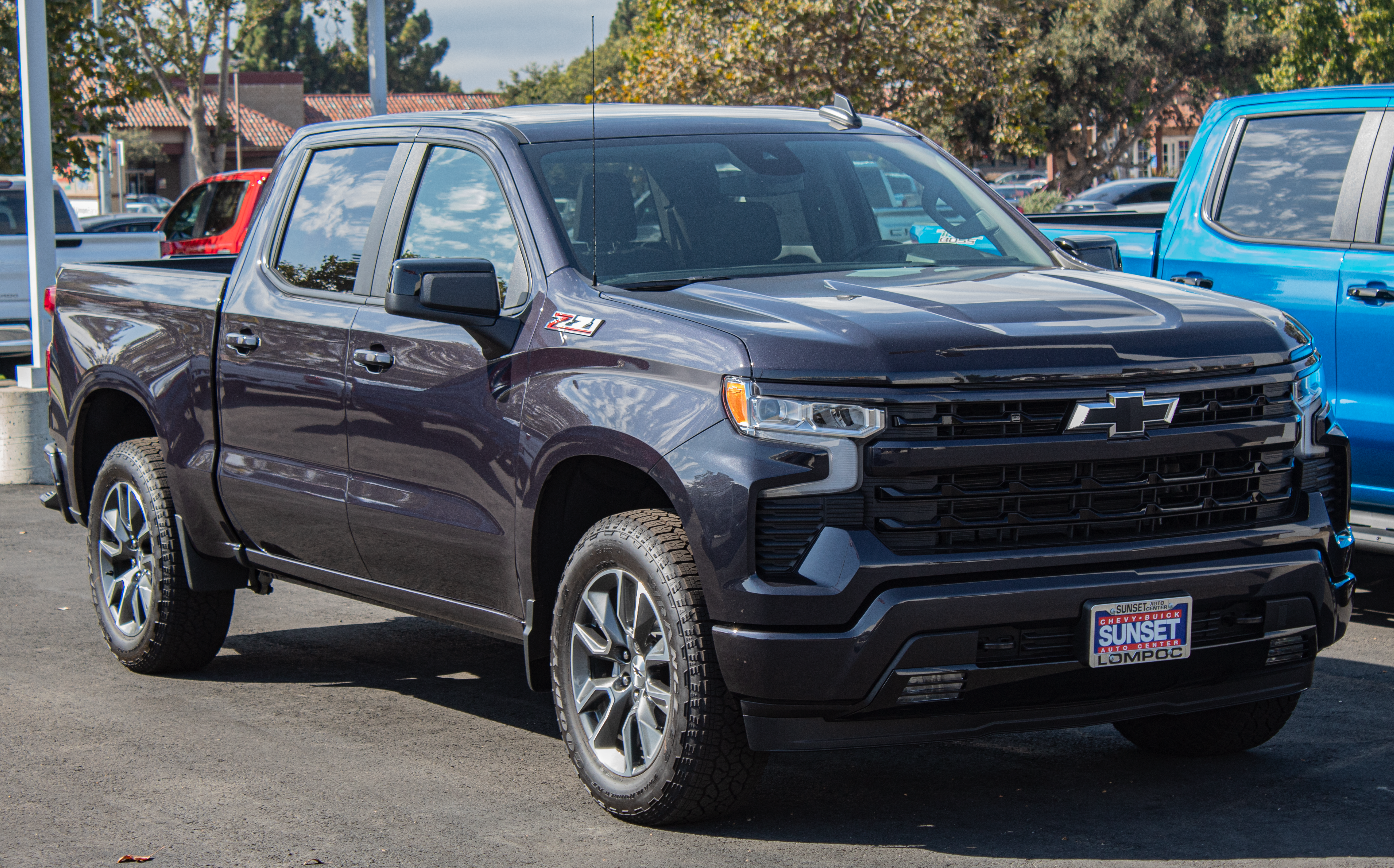
Chevrolet Silverado
"Here's a 10-speed transmission. Texture says on my 2024 1500 Silverado dropped at 6,000 miles. Is this, how common is this? Texture wants to know."
They’re talking about a 2024 Chevrolet Silverado 1500 pickup. The question is whether its transmission failing at around 6,000 miles is normal, and the answer is that it sounds unusually early. They also emphasize using the warranty and talking to the dealer if something seems wrong.
The Chevrolet Silverado 1500 is a full-size pickup, and this episode specifically mentions a 2024 model equipped with a 10-speed automatic transmission. The hosts discuss whether a transmission failure at very low mileage is common and how warranty coverage and dealer communication factor in.
pressure washer
"They've watched videos on YouTube, among other places, and they say it looks, as long as you don't use a pressure washer, any tips on cleaning my own engine bay?"
Don’t use a pressure washer on your engine bay. The high-pressure water can get into sensitive parts and cause problems later. Instead, use a light rinse and wipe down with towels.
Using a pressure washer around an engine bay can force water into places it shouldn’t go, including the intake area and electrical components. The hosts recommend avoiding it and using gentler methods to reduce the risk of water intrusion.
intake of the engine
"You do not want water going into the intake of the engine. Obviously, if you're being, if you're above the vehicle and you're gently doing it, you'll be fine."
The engine intake is the path where air goes into the engine. If water gets sucked in there, it can cause trouble. That’s why they recommend gentle cleaning and avoiding water directly into the intake area.
The engine intake is where air (and sometimes air sensors/ducting) is routed into the engine. Getting water into the intake can lead to drivability issues or damage, so the hosts stress keeping water away from that area while cleaning.
degreaser
"We'll also use like a cleaning agent or degreaser for doing some sort of repair with the leak. I would probably advise you not to do that because we are instead of a shop area where we can clean that up."
A degreaser is a cleaner that removes oily grime. The hosts caution that using it in your driveway can leave a slippery or messy film on the ground. They suggest it’s safer to handle leaks/cleaning in a way that won’t make a bigger mess at home.
A degreaser is a chemical cleaner used to break down oil and grease. The hosts advise caution when using it at home because it can create residue/film on driveways and may be better handled in a shop environment where cleanup and containment are easier.
Request an Explanation
Heard something you'd like explained? We'll add it to this episode.
Sign in to request explanations for terms you heard.
Want to learn more?
Browse our glossary for plain-English explanations of automotive terms, jargon, and concepts.
Help improve this episode
See something that's not quite right? Our annotations are AI-generated and can sometimes miss the mark. Click the flag icon on any annotation to suggest a correction.