Quarter panels are the body panels over the rear wheel area (and extending toward the rear of the car). Cutting and reshaping them is a common step when installing a widebody kit, because the fender shape determines tire clearance and the final fitment.
Term
multi directional blade
They’re talking about a cutting blade that can work in different directions. The idea is to make cleaner cuts so the welding and final bodywork come out better.
The Nissan GT-R is a fast sports car made by Nissan. It’s popular with car fans because it can accelerate hard and handle well. In the episode, it’s mentioned because someone is bringing their GT-Rs to an event.
Car
Volkswagen's
They’re saying most of the cars there are Volkswagens. Volkswagen is a German car brand, and in car scenes people often modify them for track driving and drifting.
A Nissan Skyline is a famous Japanese performance car. People in the JDM and drifting world love them, and this speaker is talking about their own Skylines that are set up for driving hard.
A “drift car” is a car built for drifting, which is when the back end slides sideways while the driver keeps it under control. These cars are typically set up with the right tires and suspension so they can slide repeatedly.
Ebisu is a well-known Japanese motorsport venue (often associated with drift events) where drivers go specifically to practice and compete in drifting. It’s become a reference point in the drift world, so mentioning Ebisu signals a serious, culture-authentic drift experience.
Yamaha is famous for making musical instruments, but it’s also involved in car-related technology. The hosts explain that Yamaha’s logo and “sound” focus connect to how engines use airflow to make power.
Stabilizer bars help keep the car flatter when you turn. They connect the suspension on both sides so the body doesn’t lean as much, and in this segment the hosts point out Yamaha-branded versions on Nismo parts.
A tuning fork is a tool that makes a clear sound at a specific pitch. The hosts say Yamaha’s logo uses tuning forks, and they connect that to the idea that engines make power through airflow.
A turbocharger is a device that forces extra air into the engine. More air helps the engine make more power, which is why people talk about “big turbos.”
Car
Toyota 1JZ
The Toyota 1JZ is a Toyota engine that became really popular with JDM fans. It’s known for being a great platform to modify, and the episode mentions Yamaha helped with parts of the engine design—especially the head.
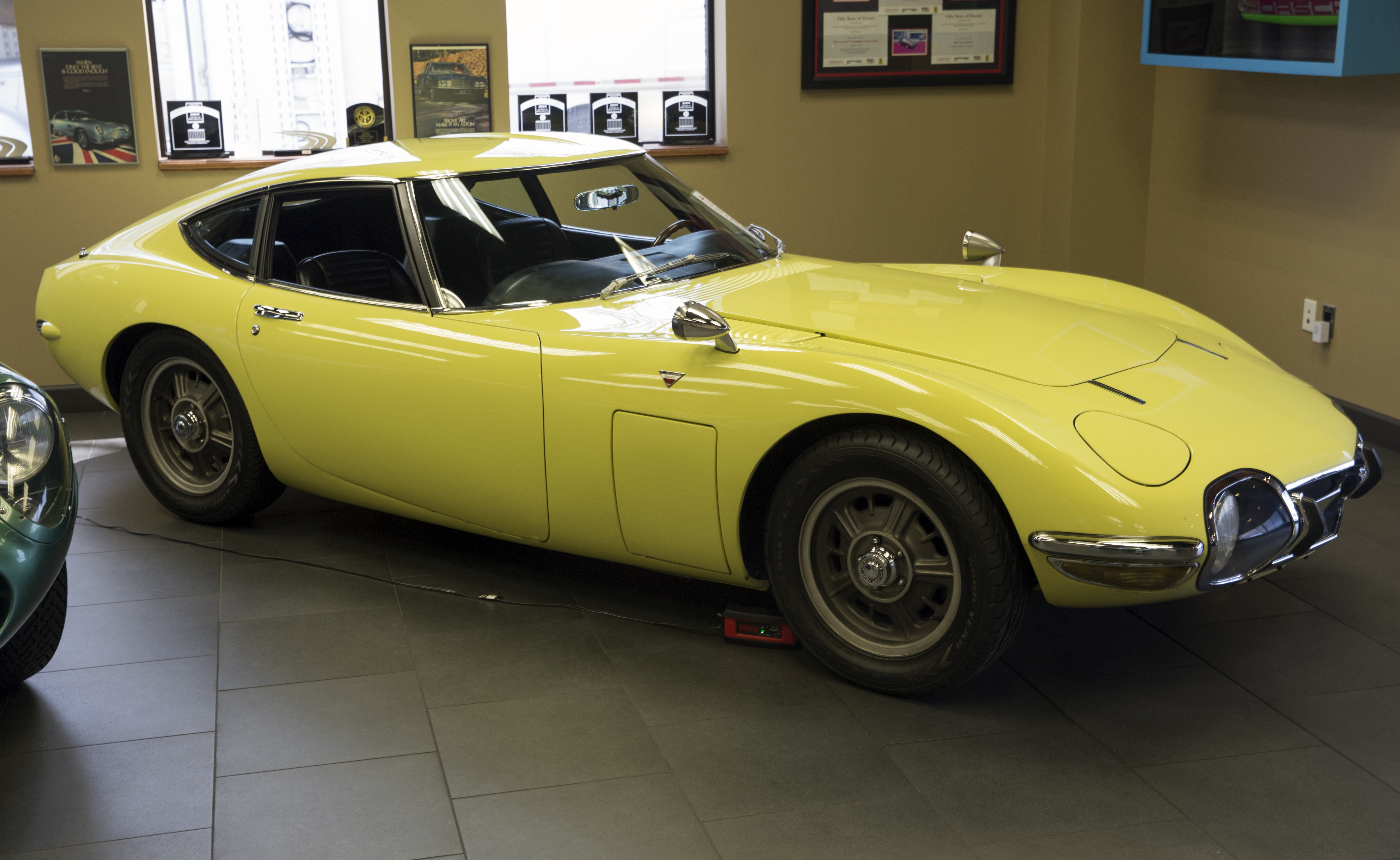
The Toyota 2000GT is an older sports car made by Toyota, from the late 1960s. It’s famous because it was one of Toyota’s early serious performance cars. People bring it up when they’re learning about Toyota’s history in sports cars.
The Toyota AE86 is a famous older Toyota that became a favorite for drifting and modifying. In this segment, they talk about the 4AGE engine being used with the AE86, and they connect that to Yamaha’s engine-head design ideas.
Car
Toyota 4AGE
The Toyota 4AGE is a popular Toyota engine that people often swap into the AE86. This episode also points out Yamaha’s involvement and mentions it has a 20-valve cylinder head, which helps the engine breathe better.
A “20 valve head” means the engine has 20 valves in the cylinder head. More valves can help the engine breathe better by letting air in and exhaust out more efficiently.
“Five valves per cylinder” means each cylinder has five valves controlling airflow. Having more valves can help the engine move air and exhaust more effectively, which can improve how it runs.
“BEAMS” is a name Toyota used for certain performance engines. When people say an Altezza “has the BEAMS,” they mean it’s the version with that specific engine.
Car
Toyota Altezza
The Toyota Altezza is a Japanese-market Toyota sedan that got popular with car guys. People often talk about certain versions because they came with a performance engine called “BEAMS.”
Car
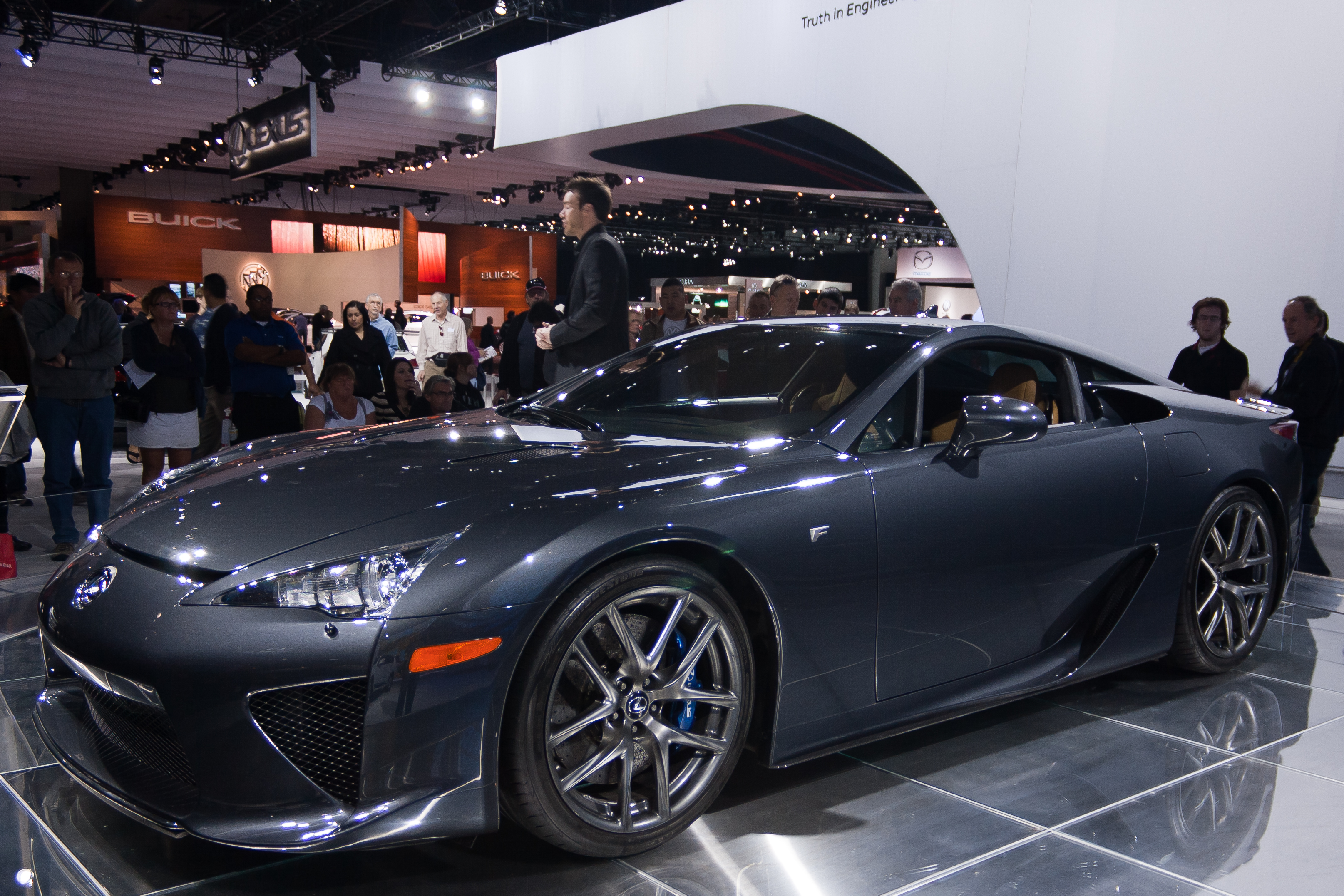
Toyota LFA
The Toyota LFA is a special Toyota supercar famous for its V10 engine. People love it partly because the engine sound is unusually intense and memorable.
A V10 is an engine with 10 cylinders arranged in two rows that form a V shape. More cylinders like this can help the engine sound and feel more exciting, especially at higher revs.
The Lexus LFA is a very expensive, high-performance sports car made by Lexus. It’s known for being fast and for having a special, purpose-built design. People mention it when they’re talking about standout engines and performance cars.
Car
Yamaha R1
The Yamaha R1 is a fast Yamaha sport bike. The hosts say it sounds unique because of how the engine’s crankshaft is designed, which changes the timing of when each cylinder fires.
A cross-plane crankshaft is a special way of arranging the engine’s crankshaft. It changes the order the cylinders fire, which changes the sound you hear from the exhaust.
Harmonics are like the “echo” of vibrations—certain frequencies that make the car shake or resonate. The idea is to reduce those vibrations so the sound and feel are more controlled.
Mitsubishi is another big Japanese company that makes cars. In this part, they’re comparing how Mitsubishi might be better positioned to get help than Nissan.
“Bail you out” means one company gives money or support to another company so it doesn’t go under. They’re wondering whether Nissan and Mitsubishi could do that for each other.
Nismo is Nissan’s performance brand—think track and enthusiast versions of Nissan cars. They’re talking about how Nissan leans into that image and how it ties into the company’s plans.
Z-Tune is a special Nissan Z-car tuning package. When they say “front end,” they mean the specific front body parts used to create that Z-Tune style.
Concept
American collection
“American collection” here refers to a curated set of cars owned or assembled for display/availability in the United States. The host is contrasting that with what’s available in Japan, implying differences in market access and how cars are imported or showcased.
“Burble” is the distinctive popping/crackling sound you sometimes hear from a car’s exhaust. It usually happens when you lift off the throttle or when the engine is running in a certain overrun mode.
A “boxer engine” is an engine where cylinders sit opposite each other and move in opposite directions. That motion helps the engine feel smoother because the forces cancel out.
The “head gasket” is a critical seal inside the engine that keeps hot combustion gases and coolant separated. If it leaks, the car can overheat or run poorly.
The Ford Taurus is a regular, mid-size car that was made for everyday driving. It was common enough that many people remember seeing it in their families or neighborhoods. That’s why it can pop up in conversations about older cars and memories.
A paddle shifter is a set of buttons or levers near the steering wheel that lets you change gears quickly. You don’t have to move a gear stick to do it.
A clutch is a mechanical part that connects and disconnects power from the engine to the drivetrain. The host is saying some vehicles were wearing out those parts quickly.
On many off-road vehicles, a belt system helps transfer power to the wheels. The host is saying some riders were wearing out those belts quickly when driving hard.
LIVE
Okay. Hey, and welcome back to the next episode of the right hand drive guys podcast, the
podcast for guys who like right hand drives. I'm Bobby. This is Aaron and welcome back.
And if you are watching online, you can see that the garage is damn near empty.
Cars lonely and yeah, his, his four door is pretty much king, king of the stable right
now. Yeah, thoughts of losers.
Yeah. Yeah. And he, he's in the middle of trying to work himself up into like actually
cutting his car to put this wide body on.
Yes. Yeah. Trying to work up to it for sure. It's been a long time coming. I've been trying
to, you know, get this done for months. And I think I'm finally, finally going to do it,
dude. I'm finally like, all right, I got the plan. I've looked at plenty of pictures and
videos. Like I can do it. I've cut up a car before I've cut a quarter panels off cars
before. Yeah, dude, I don't know. I didn't feel this much pressure before.
Yeah. Well, it wasn't a four door 32. Yeah, it was a JV 240.
I mean, if we're, dude, I'm just like the lines I saw you drawing on, drawing on your
quarter panels, like, is like, you know, when you mess up an R and then you try to go back
over it, I kind of noticed a little bit of that. And I'm like, yeah. I'm like, okay,
this is going to be cool. I hope you get a multi directional blade for this one.
It's like guideline. Oh yeah. Yeah. It's not like, you know, cut on the
line. Yeah. Do not cut on this line. Just get close. Yeah.
Close enough is good, dude. You know, a hammer and some welding will figure it out. Like,
yeah, we'll have to update you after he actually makes his cut to see if that needed
to be an actual cut line or be sure to post fix. Yeah. So garage is empty. I am
taking both the GTRs to a Volkswagen event.
What? Yeah. So my buddy, Forest Du Plessis, he holds, he holds this like car event that
they rent out a whole campground and everybody comes in with their cars and it is like,
it's called Bogs Gart, which I don't know what I have no clue about.
Sounds like a German thing. It sounds like it. Yeah. And he, but like,
he invites all of his close friends and, you know, it's not like an open to the public thing.
It's like invite only. It just happens to be that like, you know, probably 90% of the cars
are Volkswagen's, which like, whatever to me, it's for me, it's more really for me, it's more
like getting the stacker loaded, bringing the stacker somewhere not super far from home,
like getting like a test run in before we take it down in Nashville. You know, I mean, and of
course, like just getting away and doing some car stuff, but there'll be a few other skylines
there, some like an Evo five and Evo six, like, you know, so there'll be some other JDM guys,
so I won't be completely like the weirdo in a sea of Volkswagen's or would I be the non weirdo
and they're all weird. I don't know. Hey, it's all good. But yeah, so I'm doing that for the
weekend. So the garage is empty, which like when I came in, I was like, oh, shit, did he go manic
again and clean the, oh, no, my cars, my cars just aren't in here. It wasn't even him, you know, so
you had echoes in here kind of weird now. Yeah, it actually does. Yeah. Because my big body
skylines suck up all the echo, obviously. Yeah. So yeah, that that's what's going on in here. And
then I was online earlier and I'm like, what, what is this? And I see this thing about Uber in Japan.
And I'm like, and I remember like when we went to Japan, you know, in the times that I've been to
Japan, like, there's like no Ubers, like it's not really a thing. I think the the taxi industry
really like keeps a hold on transportation. Right. It's different there. Yeah, it's much
different. And so I'm like, okay, what is this? I like look into it. Dude, so Uber, I don't know,
they're reaching. I'm not sure what is up, but dude, they have fully wrapped drift cars that you
can book. You can you can book a drift experience with a pro drifter at Ebisu and other places
through Uber. Dude, yeah, I think that popped up on my Instagram and I thought it was fake.
Like I legit thought it was fake. And like I clicked because I think I don't know if it was
under the Uber account or if they have like an Uber drifting account or something like that.
Oh, yeah, it's something. Yeah. But either way, I thought it was like a scam or something at first
and I click on it and yeah, dude, they got like sick cars, black cars with Uber on the side.
It's like, am I dreaming? Like what is going on here? They're at Ebisu of all places and
I'm just like kind of mind blown. But I mean, at the same time, it's pretty cool that
you know, these experiences and stuff like that and the sport of drifting, I guess you could say is
getting getting exposure from Uber. Yeah, from Uber. But how long does this last?
Right. Like because, you know, we like logistically, right?
Well, yeah. And just dude, if you think about it, when you look back at all the cool shit,
right, it's all mostly not all of it, but a lot of it, especially stuff like that has come and gone.
Like it's like, oh, we're like getting there. And then it's like, no, dude, that we were just
trying that out. And like we said, fuck it, because like we got all you guys to like us and now like
we're good, right? And I'm not just saying with Uber Drift, but like a lot of things, right?
You're like, oh, this is such a cool concept. And then it's gone. Right. It kind of fizzles out.
Yeah. And like with something like that, you know, they were advertising Ebisu, right? And
if you've ever been there, you know, that place is in the middle of kind of off the beaten back.
You could say it's not in Tokyo, right? It's not in a main tourist area. You know what I'm saying?
So it's like, how is that going to work? And like the, I would assume, you know, the type of people
that would be looking at Uber aren't like interested in that, right? Or interested in going out way
out here to this track that they've never heard of, like just to experience this car thing, right?
Right. Because you're hours out of Tokyo for like, how long is this ride? Right. A few minutes.
That's just what I assume like the type of clientele that they would be
trying to get, right? Not the enthusiast like you or I, right? No, there's like other,
there's definitely other experiences. And like, dude, if you really want to ride with someone,
like go during a Matsuri or something. And dude, you can probably ask any of those dudes and let
them know what's up and get ready to give you a ride. Yeah, dude, they'll give you a ride. There's
yeah, it's a blast for them. They're ripping for 24 hours. Like you in the car for one lap
is definitely not hurting them. Right. So I just don't understand if that's even,
like it's super cool though that it's getting the recognition, but like,
how long, like you said, how long will this last? And like you said, it's not for guys like us. So
like, it's for super tourist dudes that don't have any connections. Right. So okay, so that's
cool. But the episode's actually not about any of that stuff. This episode is essentially about
Japanese manufacturers, specifically mostly Yamaha that have contributed to other things that you
just don't even realize. Like you don't even realize how ingrained Yamaha is in some of your
favorite cars. You have no clue that Yamaha is actually responsible for some of the technology
that made these cars great. Right. So I'm going to let this guy kind of lead this one because he
did all of the legwork on the research. So try to. Well, yeah, this this topic came up a couple
weeks ago, like when we were in the garage, right? We had saw Kinden got those Nismo like stabilizer
bars and they, on them, they have like a Yamaha logo. And I personally, I'd never seen them before.
I was like, yo, what is this? Right? Like, of course, Kinden's got it. He's got to go get all the
cool stuff. But like, I looked into them a little bit and I was like, oh, that's pretty cool. It was
just like a extra little add on piece. They had them for Zs. They had them for a lot of different
cars. And on them was Yamaha logo. And we started talking about inside, dude, what else was Yamaha
in? Right? Like, what else did they get into as far as, you know, our stuff, right? Like JDM cars.
Because, like, what do you think about whenever you hear Yamaha, right? What do you immediately
think? A keyboard, like a music keyboard. Right. So like, right, because that's that's initially
what their industry was, was musical instruments. Yeah. So they, that's actually their logo is
tuning forks. Yeah. It's three tuning. So it kind of shows like they're about sound, right? And
how do you get sound? The way air flows, right? How does a ninja make power?
Big turbos. But by flow. Yeah, air flow. Yeah. So it's like one of those things that,
you know, you wouldn't think about it. But I don't know, it kind of goes hand in hand having
like air flow and how air flow works. And it's kind of like, okay, that kind of makes sense that
they would be into, you know, manufacturing engines and building engines for, you know,
a lot of companies like Toyota, they've built or had a hand in designing a lot of Toyota engines,
specifically like the the 1JZ, they had a hand in. That's pretty cool. Had a hand in designing the
head. And, you know, that's probably the most popular one, right? Because you see the Yamaha,
like, right on the front of the valve cover, right? Yeah. And it's like, okay, that's weird.
What the heck? Right. Yeah, that is crazy to think about, you know, the relation,
you know, like same basic principle, but the application is different, right? From a musical
instrument to an engine. Right. But the same, the principle, the basic principle of air flow
still is the thing. Right. Because that's like what makes, yeah, right. It goes hand in hand.
And, dude, I didn't realize this either until I started researching this topic, but
the Toyota 2000 GT, like their original sports car was like, I don't know, from what I read,
it was designed a lot by Yamaha and the engine was fully designed by Yamaha, which. So Toyota and
Yamaha were really like in bed together. Right. Exactly. And the 4AGE, it's like
the swap for the AE86, right? Yeah. Like that was designed a lot by Yamaha. And
it specifically, it's like a 20 valve, you know, you hear 20 valve head, right?
For a four cylinder. So that's five valves per cylinder. Yamaha was like one of the main,
I don't know, users of that technology. They didn't invent it, but they're the ones that
took it to the next level to have five valves per cylinder. Whereas most are, you know,
a basic engine would have two and most would have four, right? So that's pretty cool.
Yeah, that is cool. It's cool. Like they were pushing that envelope in the 90s like that. You
know, I'm not, you I have no clue, but I would assume, you know, as time went on,
it seems like, you know, through the late 2000s, maybe either Toyota started doing things in the
house, like kind of not saying Yamaha got phased out, but wasn't necessarily a necessity anymore.
Because I would, because you stopped seeing that type of stuff. Right. Yeah. I mean,
definitely in the 2000s, like the Altezza was a real popular one that they had because it had the
beams. Yes. Oh, I remember that used to be like, you know, whatever, when I was 17 or 18, you know,
the Altezza would, but it had to have the beams motor. Even though I had no clue what it was.
Dude, that would do with the swap one. Beans, like what? Beans, like what do you mean?
The more you eat, the more you do. What do you mean? What kind of engine is it?
That's what I'm saying, dude. So yeah, they obviously, after that, must have kind of, or even
Yamaha decided this isn't necessarily what we're trying to do. And then other things come along
for them, like UTVs and just different things, right? Right. So last one on Toyota, the LFA,
the V10. Dude, Yamaha used Piano and trumpet acoustic engineers to design that.
Oh, because of the sound? The sound. It does sound insane. Right. And that's,
that's one of the things like that I'm, that I put together in my head. I'm like, okay, well,
like the 1JZ, you know, the LFA, the 3S, you know, the 4AGE, these are all like,
I don't know, like engines known for their sound, right? Their intake sound, like that,
that noise, dude, the noise that makes these engines so cool, like one of the cool things
about them, dude, is how cool they sound. Like, and I don't know, like it's like, oh, okay, well,
they, they really care about how things sound. Like, it's an engine to them is just like another
instrument, it seems. Right. That makes sense. And I mean, yeah, I got the opportunity to hear an LFA
in person in Japan. And yeah, it's insane. It's not like anything else, you know, that you hear.
It's like, and it has the triple exhaust, and it's just like this whole thing, you know, so I could
see what you mean by like, they were really attracted to the sound, you know, and, and if it
didn't sound good, it probably wasn't good. Right, right. They, they scrapped it because that's like,
that's their thing, dude, that's their background, right. And, you know, even with motorcycles,
right, the, the Yamaha R1 is one of the most unique sounding inline fours that there is. It's,
it's one of those, you can tell it from any other bike out there,
mainly because it has what they call a cross plane crankshaft, and it changes the firing order.
So it has this very distinct like rumble to it. And again, like, it's one of those things where
it's like, that is what it's known for, and it's the sound. They use their tuning forks on the
exhaust. They're like, no, we gotta. Dude, I mean, yeah, they just know what's up. So. Yeah, that,
that is pretty crazy, you know, and like you said, like down to Kenan's little strut things,
right? And you know, those are four. I found that out looking them up like on this.
Dude, they're for, they're not for any, they don't hook to the suspension necessarily, but they,
how do they put it? They reduce like body? The body, the harmonics.
Okay. So it's just like, what? Yeah, like things that maybe the average man would never think of,
because like, that's not that person's specialty. Whereas like Yamaha, that type of thing, it's
their specialty. They're known for it. Right. And I guess there's a few things that it improves, but
it's just, you never would have thought that. And they did that for a few other different
manufacturers Toyota to be on one of them, I think as well, with other cars, but it wasn't like,
you know, right? It wasn't a selling point, you know, and I guess it didn't say Nismo wanted
Yeah, yeah. That's like, I mean, the Nismo Yamaha collab is pretty legendary. I mean, realistically,
you know, like, yeah, that's pretty sweet. But Yamaha is not the only Japanese manufacturer that
kind of has the duality like that, where they're like, they're known for this, but little do you
realize these eight different things are also them, you know, like whether like, for example,
Mitsubishi, right? Like, we obviously all know, like, of course, they got the EVO, but then they
got the baddest mini-split in Japan. Dude, seriously, yeah, it's pretty crazy.
Yeah, the Mitsubishi mini-splits, come on, they, I mean.
But they also do a lot more than that. It's not like, it's not just that, it's just
maybe in some of these other industries, the name isn't as important as like the product,
so to speak. So like, yeah, we don't realize that they actually made, you know, whatever they,
what else did they make? Fighter planes. Right. Like, they're actually the OG fighter plane,
like from back in the, in World War, like that was how they originated was,
well, it was Mitsubishi heavy industry or whatever that was. Yeah.
And they were, they're making legit things, not just cars.
Right. Yeah. And they're not the only ones. Kawasaki's another one. You know, they make,
I believe it's the bullet train and also motorcycles and heavy equipment and,
you know, all these things. This is Kawasaki, right? Yeah.
And Kawasaki, yeah, like I said, and it kind of was like an aha moment whenever I was reading
about this is like, all of this came from, you know, all this came post World War II.
So like all these companies and people that had worked for companies had to like come together
as like more of a collaborative effort. And that's why some of these companies like Yamaha,
Mitsubishi, Kawasaki, like Suzuki, Suzuki's another one, do all these very vast different things.
So. Right. Like we know them, of course, because of motorsports.
Right. Same thing with Nissan and Prince, like same thing, like back in the day when they had
to merge because of the post war. Right. Because Nissan wasn't necessarily the car company that
it is. Prince was, was a car company. And yeah, it, Nissan swallowed them up. But I mean,
yeah, it's crazy because like we're kind of talking about like,
you know, in whatever, in World War for us, you know, maybe like Ford or General Motors, Jeep,
right? They're making military stuff. Right. But they don't go on to make compressors and, you know,
boats and all these other things. They literally stick to the vehicle lane. Whereas like in Japan,
it was like, like you said, they were kind of forced to like kind of get together and create
one company that did all of these things, which I mean, it's pretty cool because you're like,
you're looking at, let's just say Mitsubishi and you're like, oh, dude, fuck, Mitsubishi sucks.
They get rid of the Evo. They got like the lamest cars now. Yeah. But dude, that's like such a small
part of their overall company. Like they heavy trucks, dude. Like that's, you know, like we got
Peterbilt, they got the Mitsubishi Fuso. Yeah, exactly. Which then ends up coming up over here
and is also kind of popular. So it's like, right. Yeah. And it kind of seems smart because
Nissan doesn't really do that. Like there's not like Nissan fighter jets or there's not. Right.
They make some heavy equipment and stuff like that, but not nearly like the others. And so
is that in part why you hear Nissan is struggling, but not Mitsubishi because Mitsubishi can fall
back corporately on all of that stuff? Yeah. Like I don't know, but it's pretty wild.
Even though I'm sure they're set up separately, but that is definitely something I never really
thought of. And well, they could take loans from each other at the very least. Right. Right. Because
maybe the structure is different, but like you have a company with some capital that can bail you
out. Right. But I guess if that's fully true, then Nissan never would have owned 20 something percent
of Mitsubishi. Right. You know what I mean? Like, wow. But it was at only the automobile. Like, yeah,
it was. So like, could they not get bailed out? I guess is what I was getting at is like, maybe
it doesn't work that way. I don't. Right. I'm not sure, you know, but yeah. Yeah. Maybe their focus
was not on the right thing. Yeah. It was on the cool cars and Nismo and everything. Right.
Which not to get off topic, but Nismo did just announce an Australian Amari factory.
Yeah. I saw that. That's pretty crazy. Right. How is that going to work?
I don't know. Are they going to hire all like Australian dudes because I mean the people are
like there's definitely like the scene there. Yeah. Like there's definitely that's
it makes sense. It's Australia because like this is what they're doing right now. Right. Like
they're they're expanding a Amari factory to Australia during like one of the hardest financial
times of the just re-releases the Z-Tune front end. You literally don't have people lined up, dude.
Gotta do all this. Like what the hell? Yeah. And I mean, but like some people being in their
position. Right. Why? But like people were like, oh, US is up next. Dude, you bring a Amari factory
to the US and you'll not see something go out of business quicker. Like dude, it sounds cool.
I'm serious. It sounds cool. Yeah. But like it's not that's not imagine being in Franklin.
That would be cool. wild. I don't know. Because that's where, you know,
stuff like that always seems like a great idea. But I feel like a lot of times it ends up not
being the best idea. Right. Like what does that look like? Like who? I just don't think there's
the caliber of car. Like I mean a parts shop maybe, but even then what are you selling like
right. And in Japan, it's like a special stop that you have to go to on the weekends. Like
that's why it's busy. It's like not a thing that you can go to seven days a week. Right. Yes,
exactly. So they'd have to be shipping stuff over here for show and display. I'm sure they have some
in their American warehouse. Yeah. They have something they could put on display. But right.
It sounded like I can't. Sorry, dude. I can't think of your Bueller. Yeah. It sounded like
not really like he the way when I talked to him about it and like picked his brain about the
American collection. Yeah, it didn't sound it's just a bunch. It's like literally just all the
models. Yeah. That would make sense. I mean, it would right. There were ones that were sold here.
Not they're not bringing over like all the ones from there, but they could obviously if they
want it, but like exteras and like sick. Dude. Yeah. Yeah. I'm like, dude, I got to see this
collection. He starts listening stuff off. I'm like, yeah, maybe get around to it. Like, you know,
if I ever get time, maybe I'll check it out, you know, because it's like not that great, dude.
Oh, the ultimate SE no way. Yeah, like cool. Dude, ultimate SE are with a 356
feet. Dang. Dude, actually those were chirping. Those are actually pretty sick back in the day.
But anyway, yes, yes. But I mean, it is like cool to see how Japan made do instead of just
letting companies go bankrupt, like consolidating and, and then realizing, you know, that these
companies are making so much more than just your favorite car. You know what I mean? Right. Yeah.
Even though like it's only some like Subaru. Yeah. Like do they, I wonder if they make
anything else. But Subaru also was swallowed up by Toyota. I believe so. I believe they have like
heavy equipment and whatnot. Yeah. It's, it's interesting, right? Like, because you don't know.
Because over here, especially if it's not offered, we for sure don't know. Like, yeah, they could
be over there using Subaru excavators. We got no clue. Right. I mean, I would be,
hold on. Right. You're not seeing like, you're not seeing.
It's got the burble.
Well, I think got a boxer engine in this friggin 350 excavator dude.
Head gasket outside, dude.
Yeah, dude. They got a top off the friggin Annie for you.
Who would get sicker?
Yeah, dude. Two dykes jumping. I mean, what? Just kidding.
Um, but yeah, no, I do think that's cool. And we just figured like after having that conversation,
like why not have a quick episode about the fact that, you know, how resilient after the war,
Japan became, you know, during that period and restructuring so that they wouldn't allow brands
that like dominated there to just fizzle out. Right. Right. All right. Last thing.
All right. So quick trivia. What American manufacturer and car did Yamaha have a hand
in designing their engine?
Manufacturer. Yeah. Or yeah. I thought you already said it.
An American one. Oh, an American. An American car.
Like it's an American brand. It's an American car. Yes. And Yamaha is the engine designer
and builder. So it's a domestic. Correct. But Yamaha did the engine.
I don't know. Cause it would, I don't know. It's a 90s car.
Four doors. Four doors. It's not, it's not the Ford Torsche SHO.
It's a horse, baby. Is it?
Yes, dude. The Ford Torsche SHO.
Wow. As if I just guessed this. Did you?
I did. I guess. I mean, it seemed it. Hey, that was a good guess, but like
sounds show, right? No wonder why Kirby and what's his name like him. Cause it's actually
Japanese. Japanese thing, right? Wow. And yeah, that was a front wheel drive V8. I don't know if
that was, I mean, I think Cadillac was doing that, but it wasn't anything cool. I think these are like
32 valve, like big boy engines, front wheel drive. That's crazy to think like
Ford's like, Hey, we need some of your magic over here. Like you're going to do this car.
I mean, but hey dude, if you were a Ford guy and like, I guess that was like the family sports car.
Yeah. Dude, like my dad was a Yamaha guy. So yeah, growing up anytime we would see one of those,
he would be like, he would spit out that fact. Yeah. Just so you know, that's a Yamaha.
I was like, all right, cool. Like sick. Well, yeah. Yeah. At that age, you're like, okay, dad.
That's a Taurus. What are you talking about? Yeah, for sure. Yeah, that's cool. Like, you know, that the,
like, and then of course, as we already know, the instruments, the power sports, the,
you know, all the stuff that they did on top of that, I mean, they're the only ones,
as you know, back when we were UTV racing, they were the, with the, what is it, YFC, whatever that
was. X, YZ or something? Or YZX? YZX, YZX, what at one time? Yeah, they got those.
all the letters. Yeah. But that thing was the only like standard transmission, like paddle shifter
type thing. Right. I think, I think some of them actually had like some of the early models had
a manual shifter and they then switched to paddle. Yeah. Like they were the only ones that were
doing that. And like, if you remember, the dudes that were running those were actually quicker
than, than the other. Yeah, they weren't burning up belts and going through clutches and stuff.
Yes, exactly. As much as, I mean, they would have other issues for sure. They love to hit trees.
I don't know why, but those things would be madness.
Yeah, for sure. Guys, we appreciate you listening along for sure. Don't forget to
follow us at our HDGYS. Hit us up in the Facebook group. Let's keep that going. It's
a right hand drive guys, JDM boys. Search it up there. But for this episode, I'm Bobby. This is
Aaron. See ya. Peace.
About this episode
The hosts start with a Nissan 240SX-style widebody build—complete with quarter-panel cutting—and then talk weekend plans, including taking both GT-Rs to a Volkswagen event. The conversation pivots to Uber’s Japan drift offering, including bookable pro drifting at Ebisu, and they question how long the promotion will last. From there, they connect Yamaha to JDM tech: tuning-fork branding, five-valve-per-cylinder head design, and engine sounds shaped by acoustic engineering.
In this episode of the Right Hand Drive Guys Podcast, Aaron and Bobby dive into one of the wildest automotive concepts we’ve seen lately — Uber Drift. We break down the idea, the cars involved, whether it’s genius or gimmick, and what it says about how drifting and car culture are becoming more mainstream than ever before.
We also take a deep dive into the surprisingly massive role Yamaha has played in the development of some of our favorite JDM cars and engines. From high-revving performance motors to legendary cylinder head design and engineering partnerships, Yamaha’s fingerprints are all over Japanese automotive history — even if most enthusiasts don’t realize it.
From sideways Ubers to precision Japanese engineering, this episode blends modern car culture with the technical history behind some of the greatest JDM machines ever built.
🎙️ One company helped shape the sound and soul of JDM performance — and most people never noticed.