Used car values are basically the going prices for used cars. If they rise, it usually means used cars are getting more expensive for buyers—often because new cars are too pricey, so more people shop used instead.
If the used-car market is weakening for dealers, it means cars aren’t selling as easily at the prices dealers want. That can lead to price drops or more deals for shoppers.
Certified pre-owned means a used car gets checked and approved by the dealer (or the brand) and usually comes with extra protection. It’s often priced differently than regular used cars because it’s supposed to be in better shape.
It’s the basic idea that prices depend on how many cars are available versus how many people want to buy them. If more cars are sitting around and fewer people are buying, the market usually pushes prices down.
This is a Ford Explorer SUV, and “XLT” is a nicer version/trim level. The interesting part here is that a 2022 model with very high mileage (122,000 miles) is still being offered for around $20,000, which is surprising because high mileage usually lowers the price a lot.
High mileage means the car has been driven a lot. More miles usually means more wear, so it typically makes the car worth less—so the hosts are questioning why the price is still so high.
MSRP is the price the car manufacturer lists for the car when it’s new. The hosts are comparing that original new-car price to what the car costs now, to argue the used-car price drop isn’t happening the way you’d expect.
Depreciation is how much a car’s value drops as it gets older and accumulates miles. They’re saying this particular car isn’t dropping in price the way it should, given its mileage and age.
This is a Hyundai Kona crossover, and “N-line” means a sportier trim level. The hosts are pointing out that even with 72,000 miles, a 2022 Kona N-line is still being priced around $20,000, which they think doesn’t make sense.
This is a Jeep SUV (the Grand Cherokee) in the Altitude trim. The hosts are talking about a used 2018 one that’s being listed for $15,000 even though it has around 110,000 miles and has had an accident.
A window sticker is the original price sheet from when the car was new. It lists the MSRP and the options the car came with, so you can compare that to what the dealer is asking now.
Carfax is a vehicle history report service that compiles records like reported accidents, damage, and sometimes ownership and service events. Hosts often use it to cross-check claims on a listing, such as whether a car has had accidents and how that might affect value.
They’re talking about the cheapest used cars (under $20,000) selling less than before. The idea is that buyers may be avoiding overpriced listings, especially when the cars have lots of miles or accident history.
Here, “finance” means getting a loan to pay for the car over several years. The hosts’ point is that financing can make an expensive-for-the-condition car seem affordable at first, even if repairs later become a problem.
They mean a big, expensive breakdown—something that costs a lot to fix. Their point is that if you’re financing a high-mileage older car, a costly repair can make it hard to both keep paying the loan and afford the fix.
The Toyota Land Cruiser is a tough, off-road-capable SUV. Here it’s mentioned because some used ones are selling for more than the original new-car price.
A premium here means the used car costs extra compared to what you’d normally expect. The hosts are saying some trucks/SUVs are priced high because demand is strong and new supply is limited.
This means the shortage isn’t because nobody wants the product—it’s because there aren’t enough available. When that happens, prices tend to rise because buyers compete for what’s there.
They’re saying the pandemic changed how cars were bought and sold, which messed with the usual pricing. That’s why those years look extreme compared with other years.
Overpriced cars are listings that cost more than buyers think they’re worth. If they sit unsold, it usually means the price is too high for the market.
Inventory is just the cars a dealer has on the lot to sell. “Good inventory” means the cars people actually want to buy, so dealers compete harder for them.
A trade-in is when you give your current car to the dealer to help pay for your next car. The dealer decides what they’ll pay for your old car, and that number can change how much you end up paying.
Cars usually lose value as they get older. The host is saying that if a car’s value isn’t dropping the way it normally would, something is off in the market.
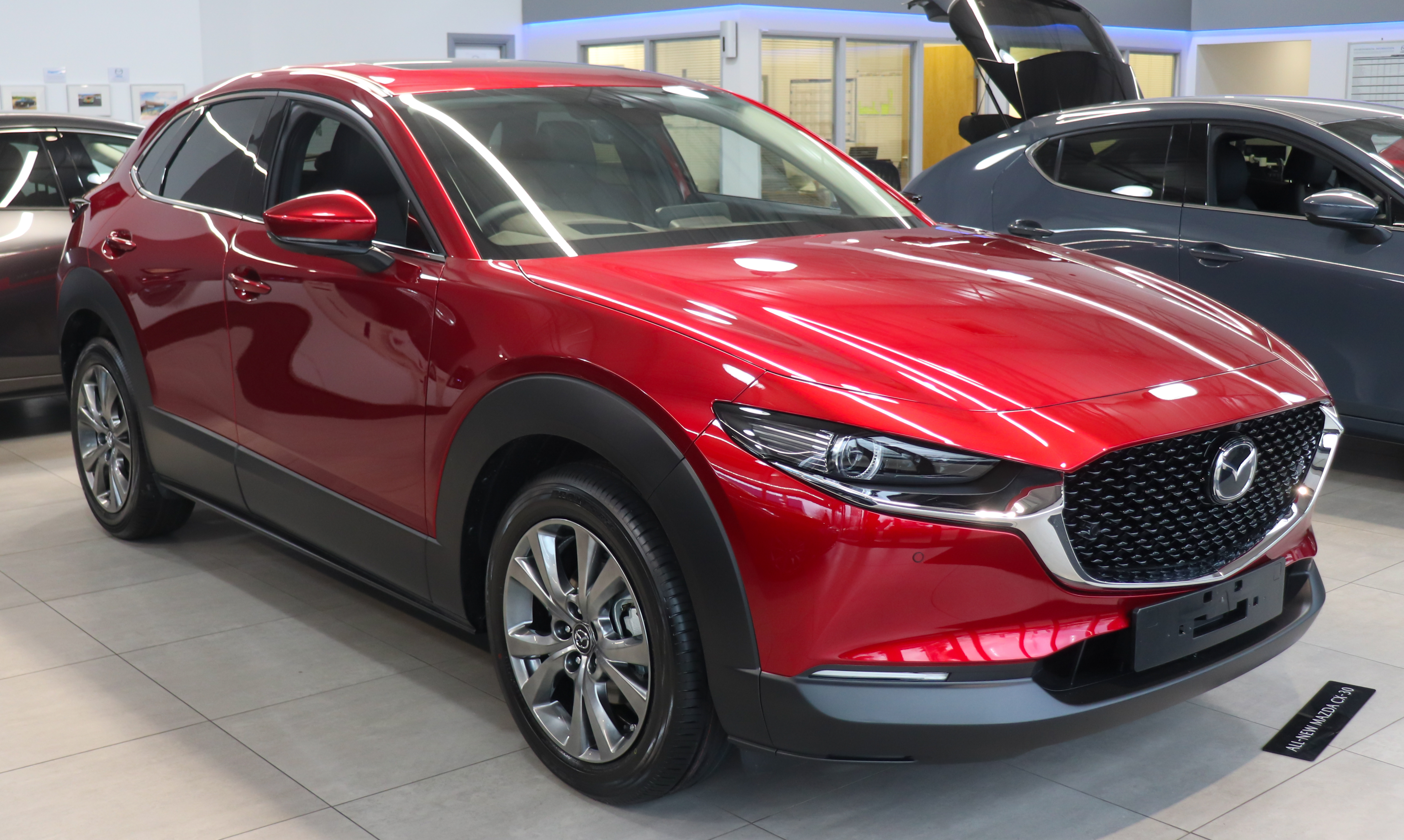
The Mazda CX-30 is a small SUV. When you lease a car, you can usually choose to buy it later, and the price is affected by the “residual value.” The podcast is talking about that buyout price and whether it makes sense at the end of the lease.
Buying out a lease means you finish the lease and then pay the set price to keep the car. If the car is worth more than that price, it can be a good move.
In a lease, the residual is the value the lease contract says the car will be worth at the end. If you buy the car then, you usually pay that residual amount, so if the market value is higher, you can come out ahead.
Positive equity means the car is worth more than the amount you have to pay to own it. So if the car’s value jumps, you could buy it out and then sell it for more than you paid.
A lease is like renting a car for a few years, usually with an option to buy it at the end. Whether you “win” or “lose” depends on how much the car is worth when the lease ends.
Negative equity is when your car is worth less than what you still owe on it. So if you try to sell or trade it, you’d still have to pay money out of pocket to cover the difference.
The open market is the broader set of buyers and sellers outside a specific dealer or trade-in program. The host contrasts it with the lease-end buyout price to show how market value can be higher than what the lease contract requires you to pay.
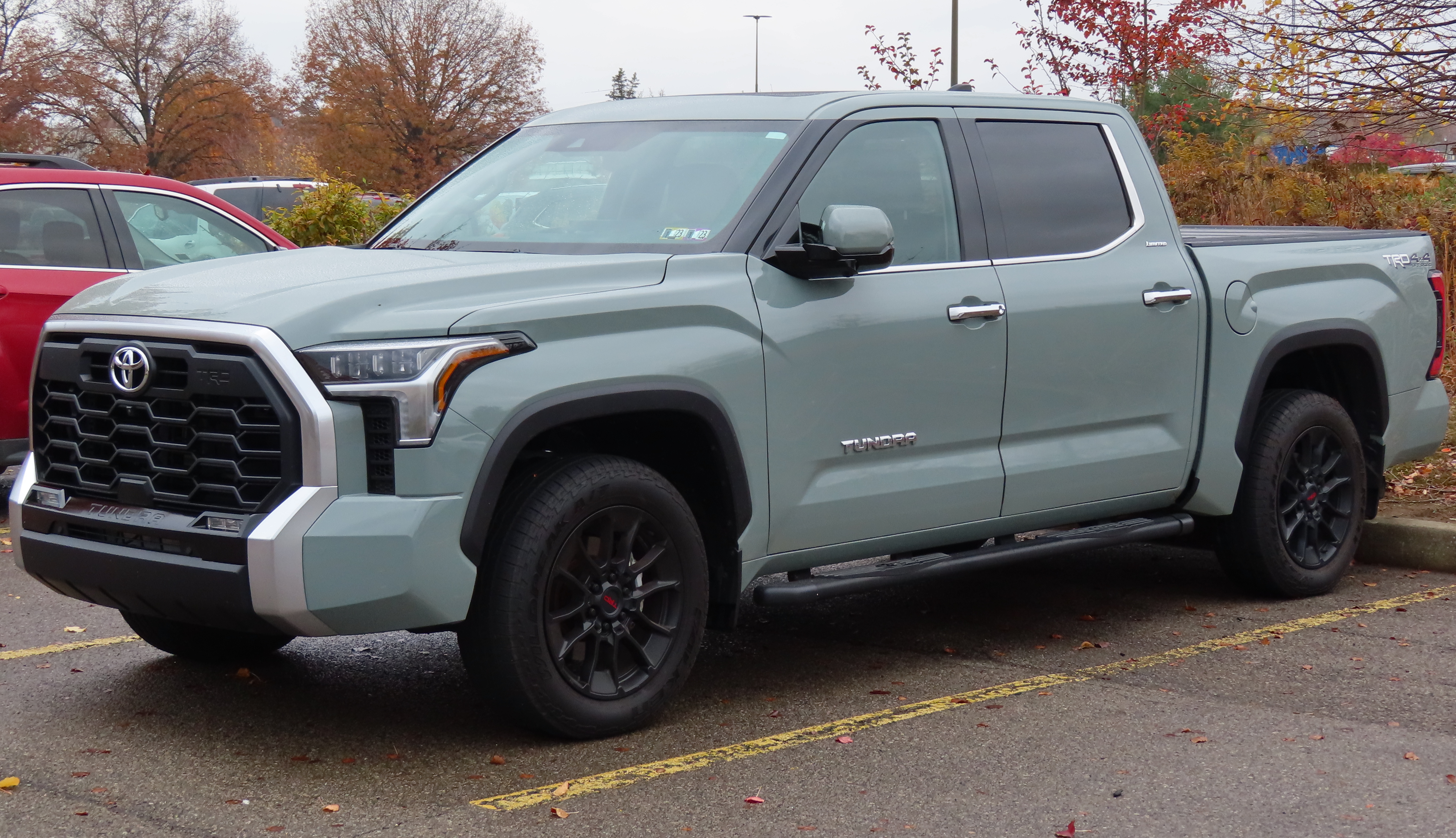
The Toyota Tundra TRD Pro is a tougher, off-road version of Toyota’s full-size pickup. The host is pointing out that a 2021 example can still sell for a surprisingly high price because people expect it to be dependable.
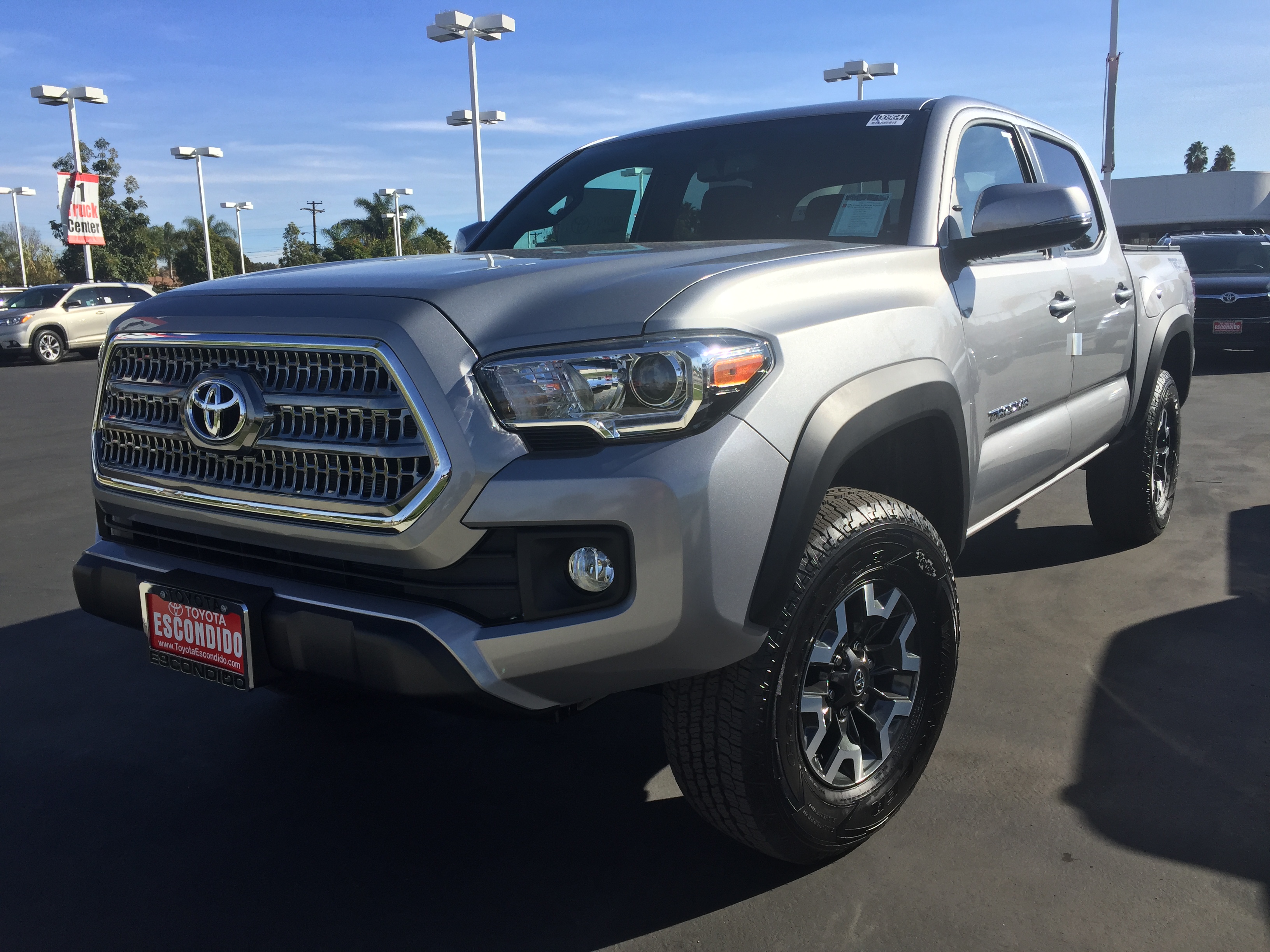
The host brings up the Toyota Tacoma to show that it’s not just one truck model getting high used prices. People are paying more because they think some years are more dependable.
Perceived reliability is what people think will happen with the car over time. Actual reliability is what really happens when lots of owners use the car.
Out-the-door price is the final total you’ll pay at the end. It includes the car price plus taxes and all the fees, so you can compare two dealers fairly.
Add-ons are extra items a dealer tries to add to your purchase. They can make the final price much higher than what you first saw on the sticker or ad.
Mullen-O Ford is a dealership the host mentions as an example of a dealer that doesn’t add certain extra charges. The takeaway is that dealer fee habits can make the final price very different.
Mullen-X is another dealership mentioned as an example of a dealer that doesn’t add extra charges. The host’s point is that some dealers are more straightforward about the final price.
Stock fees are extra charges dealers add for cars they already have on their lot. If you’re comparing dealers, you want to know whether those fees are being added to your final price.
Earl Stewart Toyota is a dealership mentioned as an example of a dealer that (according to the host) doesn’t add certain extra charges. The goal is to find dealers that keep pricing simple.
A dock fee is a charge dealers add for moving the car to the dealership. It’s legitimate in concept, but you should confirm the amount and whether it’s being inflated.
It’s the fee tied to submitting the required DMV paperwork electronically. The point here is that dealers may charge you for handling it, and those charges can vary a lot.
This is the paperwork that makes a car legally yours and legally allowed to drive on the road. The dealer can do the paperwork for you, but they charge a service fee.
This is about different ways to get your car registered. The host is saying Florida changed the rules so the dealer’s fees aren’t capped the same way anymore.
The dealer might be adding extra money on top of the real processing cost. The host says Florida requires dealers to tell you if they’re making profit on those charges.
Concept
Florida statutes never been enforced one time
This is an argument about enforcement risk: even if a law exists (statutes), the host claims it may not be consistently enforced in practice. For listeners, the practical takeaway is that fee disclosure and caps may not reliably protect consumers unless enforcement is active.
They’re talking about an AI feature that helps understand car-shopping questions. They also mention that user thumbs up/down helps improve it over time.
LIVE
It's noon here in Venture City, New Jersey, and our nation's capital, Washington, D.C.,
and this is Car Edge Live for Monday, June 15th with your hosts, me, Ray, hanging out
my living room in Venture, and Zach, hanging out in the office after he completed the Ironman 70.3
mile nonsense yesterday. Bless his heart. How are you feeling today, Hans, or me, after such
an endeavor? Feeling fantastic. Happy Monday, everyone. June 15th. Thanks so much for tuning
in for another episode of Car Edge Live. Yes, yesterday I completed my sixth 70.3 half Ironman
race. It was the second fastest one I've ever done in my life, Dad. And considering I had that
stomach bug two weeks ago, I was ecstatic. I was so happy. I had so much fun out there.
The photos, all of them, I've got a big smile on my face. Thanks for cheering me on from afar.
Now, today's show pops is brought to you by caredge.com, a friendly reminder that if you want
to support me, my dad, and I, and our incredible team, go to caredge.com to learn more.
We have our car search. We have our buying service. We have Ask Car Edge, which is brand new,
and people are really finding it to be helpful. Our research center, dealer reviews, insurance
warranty. And if you're a car dealer out there, learn about how we can work with you. And folks,
I encourage even those of you who are consumers, like our normal friends of the audience,
learn about how we're starting to work with dealers. We are grading them objectively. And then
we are holding them accountable. So it's really cool what we're doing over there. I encourage everyone
to learn more. The big story this morning, Dad, is not my half Ironman. It is the used car market.
May brought higher prices, slower sales to the used car market. We have some charts we're going to
moment here. The first one, however, is the average listing price, prices, excuse me, of used cars.
Look at 2026, which is the dark blue line. Used car prices have gone hyperbolic again. They are
skyrocketing significantly higher than they were a year ago, two years ago, and heading back to where
they were during the heat of the pandemic. Dad, used car prices have gone up and sales, as we'll
touch on in just a moment here, have softened and actually declined. You can't sell these overpriced
used cars. What say you? Well, I bet you they will and they can. And that's my bet. I would
bet that they will and they can. And I would bet that the prices are higher because, well,
the automakers aren't doing anything to really address the affordability of the new cars out
there. And as we look typically two or three or four times a week when we go to automotive news
on the first page, and I haven't looked yet today, but my guess is that average new car
prices are what about 51704, I'm sorry. They're up $259 from 30 days ago. And they're up $2074
from a year ago, which indicates to me that all that talk about, well, we're going to produce
affordable new cars is nothing but BS. And because those average market and prices for new cars are
so high, the used car values continue to go up as far as what people are being asked to pay
for a pre-owned car. So what is it? I hear you, Pops, but I think we're starting to see some signs
that the used car market is weakening for dealers and would be ultimately a good sign for consumers.
Used car list prices increased $600 just in the month of May. That's crazy. That's a huge increase
in the average listed price for used cars. And we've got some examples that we'll look at here
on the show. Certified pre-owned and new vehicles bucked that trend. So they did not see their prices
increase as much, obviously. We looked at the latest data. They've gone up, but
even just in the past 30 days, we just looked at it on automotive news. The prices on automotive
news that said went up how much? That $259. Something like that. Yeah. So new car prices
gone up $259 at the same exact time. Used car prices are up almost three times that, two and a
half times that. And then you can see here it is becoming more difficult for buyers shopping at the
lower end of the market. What's fascinating here is used car inventory has actually increased fairly
significantly. So what does this channel at the end of the day come down to? It's me and my dad
hanging out for 30 minutes Monday through Friday. That's first and foremost. This is where we get
to hang out. We get to have some fun. Second dad, it's always freaking supply and demand. And what
are we seeing here? We're seeing supply increase and demand decrease. Why is supply increasing?
Because the prices have gotten too crazy. A $600 increase in used car prices in one month.
Let me pull up that other chart again, because again, we have not seen used car prices like we've
seen right now since 2023. I mean, look at what has happened. It was even just in March used car
prices were more reasonable, where you can see them meshed in that dark blue line with the orange
and the light blue. Look how much they've gone up $1,500 in two months. Okay. So if they've gone
up that much in two months, even if sales have slowed down to some degree, where the average
days on market went from 33 days to 45 days, it takes them to sell a car now.
Which to be clear is a huge increase going from a 33 days supply of vehicle to 45 days.
That's a big increase. And to be clear here, we are still out of 33 days supply
for under $15,000 vehicles. So my point was going to be that there's still a significantly large
enough spread between the savings one sees if they're purchasing an almost $27,000
used vehicle in comparison to having to look at an average of $51,704 for a new vehicle.
And because that spread is so big that even though sales might have slowed down to a degree
in May, which I believe is pretty normal because it's the end of tax season.
But they're down 3.9% year over year. I think that's the important piece. So sales were not
just down month over month. They were down 3.9% compared to a year ago.
And how much are new car sales down compared to a year ago? 3 to 4%? So it's about the same.
No, dad. New vehicle sales in May. You can see it right there. We're up more than 7% year over year.
For the year, new car sales are down. Yes.
The year. Yes. Okay. So I just think that it all boils down to what is or is not affordable for
the average person. And we know for the average person that a new car is not affordable. We know
from the stats that we saw last week that the median household income of people who are buying
new cars is $150,000, which is almost double median household income for the United States of America.
So you need to make almost twice as much as what average folks make in order to find yourself
buying these new cars at the prices they're at. That means that the vast, vast, vast majority of
people out there are people who would have considered new, no longer can find themselves
looking for quality pre-owned vehicles so they can save some money. Which is interesting because
where we've actually seen a decline in sales and an increase in inventory most acutely in the used
car market is shockingly at the sub $20,000 price point. So let's try and rationalize this.
While listing prices increased across every segment, age group and price tier, the overall
increase was driven primarily by a shift in what's sold. Both inventory and sales of vehicles priced
under $20,000 declined in April, while sales of higher priced units grew. So let's try and
rationalize this first section. Your argument is that people need more affordable options.
Sub $20,000 price point is unequivocally a more affordable option, yet sales declined.
Why? Here's the answer. Because those people who would have been buying new cars are the ones
that are buying the 12 and three year old younger lower mileage used cars. So those sales
are either steady or going up and those people who find themselves looking for under $20,000
cars, that market's declining. The primary mover in pre-owned sales are those 12 and three
year old lower mileage younger cars because those are the customers who would have bought a new car
and a new car actually been affordable. For sure. It also indicates to me, Dad, that the options at
a sub $20,000 price point aren't interesting to people who can afford an under $20,000 price
point. Sales are down and inventory levels of sub $20,000 price point used cars are down.
Makes me want to go to our first of multiple live experiments today. You game for this, Dad?
Yeah, because I would be curious as to what the average age is of those sub $20,000 car asking
prices. Yeah, let's do a little bit of an analysis here. Let's peek at this really quickly. So go
to caredge.com shop. Let's go to the used car market. We're going to look at what we say sub
$20,000. Yes. All right. So I'm going to come over here to priced and I want to set the maximum
price to $20,000. So we've got, I'm going to do nationwide. We've got almost a million, 945,573
sub $20,000. Check every one. I don't think we're going to check every single one.
Why don't we look at years? You had mentioned you want to look at years. So let's look at maybe
the first page of results here. We're in Phoenix, Arizona, Scottsdale, Arizona. How about this?
Let's actually order it by price so we can see what those $20,000 options are. So here's a $20,000
option. Let's look at the first one. Yeah. 2022 Ford Explorer XLT with 122,000 miles on it.
Yeah. Yeah, that's like several thousand miles more than would be normal.
Correct. That is high mileage. You would expect this vehicle to have,
it's got 74,751 more miles than average right now.
Yeah. So what are you getting for $20,000 and below? Now, this one is,
it's younger but higher mileage. My guess is that we can look at others and it would be considerably
older. Original MSRP did $45,385 and it obviously was being offered for sale at $20,000 with $122,000.
That is crazy talk in terms of depreciation. You'd think this vehicle depreciates significantly
more than 50% but that's the first fascinating anecdote we've seen here.
It's just why anybody would buy one with that type of miles on it for $20,000.
You've got this Buick here with 37,000 miles on it. Let's find another one here. Wow. Even this,
this feels expensive, Dad. A 2022 Hyundai Kona N-line. So I guess the N-line,
that's a higher trim level, 72,000 miles on it but they want 20 grand. I want to look at
this one on the dealer website as well. Yeah, and that was maybe a $26,000, $27,000 car when
it was brand new. Yeah, give me a second. I'm finding my way all the way over to the
Windows sticker. Here we go. Drum roll please. $20,000 Hyundai Kia with 74-ish,
thousand miles on it. Hyundai Kona, excuse me. I don't see the
total option MSRP. I don't see it on this Windows sticker from Experience. That's weird.
Let's go back to our website. We had the original MSRP at $28,645.
Okay, so you're telling me a car with 72,000 miles on it.
A Hyundai, yeah. A Hyundai has only depreciated $8,600 in four years.
With that many miles on it. Yeah, I don't think so.
Let's do one more example here. We've got this Subaru. Let me know which one you want to click
into and analyze. You pick one. I don't care. I mean, I think we need to be some,
I think you need to be closer to like 15 grand so we can see what type of age those vehicles are.
Okay, so I'll come back over here to price. We're going to do $15,000 now.
I'm shocked by the way. The assessment here is like, are these values that we think people
would buy? That's the analysis that we're doing here. So we'll do the first one here,
this Jeep Grand Cherokee. Sure. Okay, so we've got a $15,000 2018
Greek Jeep Grand Cherokee Altitude with 1111,000 miles, 110,577 miles on it.
This dealer is asking obviously $15,000. Let's see if we can come find the original
Windows sticker. They have it on their website. It doesn't look like they have it on there.
Maybe they do on the Carfax. Let's see. Drum roll please. Original Windows sticker.
So original MSRP of $41,530. How many are asking? 15. How many accidents?
Yeah. Oh yeah, you're right. Yeah, it has had some accidents. Damage.
Minor. Minor damage. May I say one thing? Minor damage is like a minor injury or minor surgery.
It's always minor when it's on someone other than you. So the damage on a vehicle is always
minor when it's not yours, as opposed to when it is yours.
So what do you think, Ted? This is a 2018 Jeep Grand Cherokee Altitude, which again,
when it was brand new, had a $41,000 MSRP. It's had an accident and they're asking $15,000.
I mean, this is the type of option you have in a part of the market that we've been talking
about today and the part of the market that we're focusing in on here is the fact that
sub-$20,000 used cars actually saw a decline in sales with the most recent sales. Is that of
value? Is that of value? Are you buying that? I'm not spending $15,000 for a vehicle with
110,000 miles on it. And here's the scary part. The person that buys that probably has the ability
with some of the lenders out there today to finance that for five or six years.
So what do you think the odds are on a 110,000-mile eight-year-old vehicle
that you're going to finance for five or six years? What do you think the odds are that you're
not going to run into some type of major mechanical repair and you're going to have to make a decision
between, well, can I make that payment or can I afford the repair? And that customer
is going to be so upside down in their trade is going to possess so much negative equity compared
to its actual value that we've just set that customer up for failure. That's the really sad part.
Well, Dad, what about the other end of the used car market? So I see some comments here in the chat
people saying, no, I would not buy the vehicle that we were just looking at at price we were
talking about. What about the other end of the market? And the reason I bring that up is because
vehicles, for example, like Toyota Land Cruisers are selling as used vehicles more than their
original MSRP. Here's a perfect example of that. The first result here is this 2026 Toyota Land Cruiser
1958 with 4,444 miles on it. You go to the dealer website, you see again, that's the price that
they're asking for. You click all the way through to the original Windows sticker. And Dad, it's a
$71,700 vehicle. So these are examples of at the high end of the market. And to be clear here,
there are plenty of Toyota examples. And the part of the reason why there are plenty of Toyota
examples is the fact that vehicles like the Tacoma pre-engine changeover are commanding insane
premiums in the used car market or this one with the Land Cruiser. At the other end of the market,
you have, is that a perceived value paying more than original MSRP? It is for many people because
they can't get their hands on a brand new one. And so if you can't get your hands on a brand
new one and you feel as if you have to have it, we're seeing what we saw during the pandemic,
which is people are willing to pay more than they should so that they can say, I got what I wanted
to get. I paid a premium for it, but I got it. And that's not like some kind of special badge
to be able to say, hey, I was stupid enough to pay more than I should have because I was
desirous of something that was in short supply. I don't always love how you, I mean, I love that
your opinion, but I don't think it's stupid. It's just like, it's crazy that the market, well, I
guess the why does the market demand or command that price because people are operating somewhat
irrationally. Because people are stupid enough to pay the money. It's just that simple. It goes
back to supply and demand. The demand's there. Yeah. And when the demand's there, people do
many times, people will do stupid things. It's just, it is what it is. I mean, you know, you
figure out a way to sugarcoat it, so it doesn't sound like I'm calling somebody stupid. Okay?
I hear you.
But it's hard to rationalize why you would want to pay more for a vehicle with 4,400 miles on it
than you would for that same vehicle when it was brand new.
For sure.
Other than you have this concept in your head that I have to have it and I am willing to pay,
it's like buying a luxury watch that is artificially in short supply that you have
to buy on the secondary market and pay way more than what the MSRP was for the watch. It's the
same thing. You know, I love watches. God knows I have way too many of, but I'm not buying any of
watches I buy on the secondary market so that I can say, well, I have that watch. I don't care
that I pay $20,000 too much for it. To do that, it's like stupid thinking in my mind. It's not
sane or rational.
The other end of this story, which again, for those of you that are just joining now,
today's conversation is this chart. The average used vehicle listing price, the dark blue line
shows you 2026 month over month prices. All the other lines, you can see the legend down at the
bottom in the middle there. You can see 2026 is the dark blue line. The light blue line was last
year. The orange line is 2024. 2023 and 2022 are obviously the severely pandemic influenced years
of used car prices. We're pretty much back to them. We are back to them. It is what this chart
shows you in the slope with which that line has gone up into the right is really, really,
really aggressive. There is an inverse side to this story, which is yes, used car prices have
skyrocketed and dealers are starting to struggle to sell some of these overpriced cars, but there's
still an immense amount of desperation to get their hands on good used car inventory. This is
for Robert then. I was offered $65,000 for the car I purchased in 2021 for $70,000. Keep this
up and I may be able to sell at a profit. We are going to have a little bit seemingly dead,
deja vu. What happened back in 2023 and 2022? Again, when this chart looked like that,
when used car prices had skyrocketed, what's the deja vu moment here? I think it's that people
are going to be in a very powerful position if they have a car to sell. If you have a car that
you're going to buy too and you have a trade in, maybe you end up being able to negotiate less
buying that new or used car, but you have a heck of a lot of leverage selling your current car.
That's the inverse of this story, which is a great situation for people, especially those who
leased cars back in the day. Yeah. It's hard to imagine that a vehicle that was $70,000 five
years ago is still worth $65,000 today. If that doesn't suggest to you that the whole market
is off its rocker, I don't know what else would. These are depreciating assets.
It's not like rare art. They're automobiles. It's not rare art. It's not like Leonardo da Vinci
built that frigging car for you or Vincent Van Gogh was kind enough to build that car for you
after he cut off his ear. Mazda's DX5, O10 Grant, got offered $16,000. We're not talking
Pagani's here. We're talking Mazda's that you can make money on if you had bought it at the
right time a couple of years ago, or especially those of you that leased it. It's the perfect
example here of the inverse of what you're describing.
Listen, I'm not going to sit here and tell you that I'm not hoping this doesn't continue because
I am. The reason I'm hoping is I'm about to hit 15 months on my lease. If I remember correctly,
I can buy out my CX30 at the end of the lease. I think the residual was $21,000 or $22,000.
My car still does not have 2,500 miles on it yet. Let's assume I go crazy and I drive
it a tad bit more in the future. At the end of the lease, at the end of three years, let's say
it actually has 7,500 miles on it in three years. The car was originally an MSRP of 34,
5, something like that. What do you think that car would be worth?
You're going to end up, if you buy your lease out, you're going to end up in a positive equity
situation where you can make money. Again, this is the deja vu that's happening right now. It was
all show, folks. I hate to trivialize what me and my dad do. Again, we get to hang out with each other
for 30 minutes every day. It's fantastic. This brings joy to my life and I think to his too.
It's just this chart. We're headed back to 2022, 2023. What was going on 2022 and 2023?
Everyone in their brother was getting hit up by a car dealer saying, we want to buy your car.
To be clear here, if you could negotiate or if you had your lease come and do,
you were going to make a ton of money. Oh, yeah. People were making tons of money,
thousands of dollars. Now, what's so fascinating right now is we have a negative equity crisis
this time around. There's so many people, it's like the haves and the have-nots are going to be
of the used car market. So many people who timed leasing it right or, in the case of that Mazda,
maybe put cash down or something, they're going to be in a positive equity position like they
didn't imagine. Then there's so many people who rolled over negative equity,
equity, rolled over negative equity. Who are 5, 10, 15, $20,000 upside down? It's like crazy
the discrepancy here. I can assure you my dealer where I leased my vehicle from is going to be
very disappointed at the end of the lease because they're going to get their hands on that car.
Yeah. My intention was, when I leased it, knowing that I drive as little as I do,
that it would be worth way more than the $22,000 I'd have to pay for it at the end of the lease,
that it would probably be worth on the open market somewhere around $28,000, $29,000
if I wanted to sell it myself. So I leased it with the thought in mind based on how little I drive.
It would make perfect sense for me to buy it at the end of the lease. It will be the last car I
ever have, but I will have a ton of equity in the vehicle. Here's another phenomenon going on right
now from Softball by Fat. I just sold my 2021 Tundra TRD Pro with 28,000 miles to CarMax for 55
grand. Tundra market and Tacoma market with the good engines. I think it's like pre-2023 model
year, maybe pre-2024 model year have the reliable engines. There are certain vehicles like this
one and others for other manufacturers that command absurd prices because perceived and actual
reliability of post-pandemic cars is worse off, thank you, 2023, worse off than it was before.
So some of these sweet spot used cars that get insane price points, $55,000 for a 2021 Tundra
with 28,000 miles. That just seems crazy. Yeah, the regular V6. Thank you. Yes,
to Ontario in this case, it's the race that he speaks. That's mind boggling to me.
The world as we know it, I hate to say this, has gone to hell in a handbasket. Nothing makes
sense anymore. Well, it made sense in 2022 and 2023. It's because it's a blank. It didn't make sense
then. It made sense, whether it was a chip storage and whatnot. Oh my God. Yeah, look at this. I paid
61,000 new in 2020. Imagine driving a truck, 28,000 miles over five years and spending $6,000.
That cost him $1,200 a year, not factoring in fuel or anything. $1,200 a year in depreciation
to drive that car. $100 a month in depreciation. That's incredible. Yes, and that is an upside
down world. That's not the way it's supposed to be. And we live in a crazy upside down world.
There is nothing normal about what we have witnessed over the last several years
in retail automotive. The used car values have stayed incredibly high and continue to go up.
New car asking prices are higher than they've ever been. The percentage of the population
that feels as if they can buy a new car is lower than it's ever been.
The percentage of the population that can't afford to buy new or used is higher than it's
ever been. We are headed in that direction of you will own nothing and be happy about it.
So, everything is dramatically different and doesn't feel as if there's an historical
basis for why we are where we are. Let's come here to the chat, Dad. We've got from
BingoChay64 any tips for negotiating in Florida. So, here's the thing. I'm going to show one thing
in particular for Florida car shoppers. I'm going to go to caredge.com, dealer reviews,
and I'm going to come to our map. Here on this map, you can see all of the 11,000 or so,
a little more than 10,000 dealers that we have graded in the caredge ecosystem. The reason I
go to the map view is because I can hone in on Florida. So, I'll click on Florida right over
here and it'll zoom on in. Depending on what brand of vehicle you're interested in, let's say you're
in the market for a Honda in Florida, you can come in here and you can see some F-rated dealers
and you can see some A-rated dealers. A-rated dealers do not pay car edge any money. We do
not accept any money for any grades, anything like that. A-rated dealers get their grade because we
are shopping them and reporting back on the information we receive on their out-the-door
price quotes. So, please, if you're in Florida and you're going to buy a car, find some dealers
that don't play games because Florida is one of the worst states in the country to buy a new car
or use car because the fees there are insane. So, for Florida shoppers, just use the map.
Find good dealers in Florida that don't do all these add-ons fees and the way we grade
dealers is based on add-ons, dealer markups, the transparency of their pricing. So, that's how you
get the grade. Yeah, I was going to say it depends on, you know, when you say, well, any tips buying
a car in Florida, it depends on the brand. For instance, if you're looking for Ford,
Mullen-O Ford, Mullen-X yes. They don't charge stock fees.
The price they advertise the vehicle for is actually the price that you can buy it for.
That's the way they operate. That's the way they've always operated. That's been their
business model since Mr. Mullen-X started in the car business. Earl Stewart Toyota
on the eastern part of Florida. I don't believe he charges a dock fee. Very straightforward,
straight up dealer. So, here's the deal, Dad. Without even naming specific names, there's a tool.
Use the tool. Like, it's there. I'm very proud of what we built because he could get out of the
what's going on. It's all right there. But yes, the two that you named obviously,
you know, do a fine job. But for Florida in particular, it's fee chaos. There's a way,
a way to handle it. I mean, in Florida, it is not uncommon to see a $499
electronic filing fee on top of a $999 dock fee. Now, my guess is, and I don't know this because
I don't work in Florida, but my guess is it doesn't cost anywhere near $499 to electronically file
anything, okay? And that is a made-up charge with a huge markup in it. Go to this, in my opinion,
go to the state website for registration fees, title fees and all that, and see if there's an
electronic filing fee and what that might be. And I'm pretty sure it's not going to be anywhere
near $499. Let's put Ask Car Edge to the test, Dad. Let's see. Let's do this live on the show. So,
for those of you that are unfamiliar, we recently released Ask Car Edge still in beta,
but it's working really well. What is a normal electronic filing,
filing with 2Ls? Filing fee in the state of Florida.
Prepare it's analyzing your question. All right, let's see.
This is awesome, Dad. All right, let's see. Florida electronic filing fee, what's normal,
allows licensed dealers to process title and registration transactions on your behalf directly
with the Florida highway state motor vehicle. The dealer charges you for the service, okay.
They typically run $95 to $299. You said you've seen dealers charging $499.
Oh, absolutely. Yes.
So, the dealer is $10 to $40 per registration. So, anything above that is profit to the dealer.
There is Florida removed the state mandated cap, placing it on equal footing to other
unregulated registration methods. There is no legal cap, what to do about it.
Dealers are required to disclose whether a profit is built into each fee,
ask them directly, because that's under this Florida statute, Florida law.
And I don't want to say anything, but I would guarantee you that Florida statutes never been
enforced one time, one time when it comes to dealers and the fees that they charge in Florida,
just saying that's in my opinion.
This is, by the way, John, yes, CarEdge's version of GROC. We actually have spent over a year now
training an AI model to actually make sense for car shoppers. So, so proud of that. We've
fed so much data and every day we continue to make it better. So, every single message, by the way,
we ask you if you could give it a little thumbs up or a thumbs down to keep helping us train this
model and make it better. But there you go. There's Florida put to the test right there.
Hey, it's good to see Brandon. I've already heard listing prices just went up,
dealers just have to list all their fees now. That's a good, that's a good point.
Thank you for that, Brandon. Also, it comes at a time tomorrow's show. We're going to be talking
about this ad nauseam, dad. Your dear friends, me and my dad and CarEdge were just featured
in a Wall Street Journal article, the FTC cracked down on hidden car dealer fees. They're still
happening anyway. So, that's exciting. You'll be hearing about this tomorrow as this just came
out. And again, features us here at CarEdge. But yeah, maybe that is part of the reason why
we're starting to see some advertised prices go up because now dealers are having to disclose their
fees. Well, go figure. Go out there in time. Oh, and by the way, Brandon, I will be on some
North Carolina TV station. I've got to do a spot. I'm filming it at 1.15 this afternoon.
So, be on the lookout for me on your local news. All right, folks, we're back tomorrow with more
CarEdge live again. If we can help you out with anything, check out the website, CarEdge.com.
Pops, enjoy the afternoon. Mrs. Carquette. Wow. So good to see both of you guys. It's been a
good day. I'm grateful to see you both here. It's like she didn't even know Brandon was around.
She needed to say hi to him here. Love it. All right, dad, enjoy your afternoon. Good luck with
your interview in 30 minutes. I'm going to go grab some lunch and I'll catch you later on.
And I'll catch you tomorrow too. Can't wait. Yes. Oh, oh, oh, oh, tomorrow. Tomorrow, tomorrow,
tomorrow. Please, I hope everyone's still here. I am attending the Auto Leadership Summit on
Fair Pricing and Compliance. This is put on by CBT News, which is an industry news publication,
to be clear. Let me pull it up really quickly. Jim Fitzpatrick, the man who owns CBT News,
very graciously had me and my dad on his program a year ago, a year and a half ago.
Your dad and I. My I don't remember. We're going to try this in your head.
CarEdge's Zach and Ray Shevska are transforming car buying through transparency. So they're aware
of what we do and who we are. Yes. They're hosting this event, Auto Leadership Summit,
Fair Pricing and Compliance. It costs me, dad, $1,000 to get my ticket. All right. So I bought it
because I want to go there. I want to be there. Senator Bernie Moreno will be there.
John Fitzpatrick will be there. You can see all the people. I'm going to be there.
Here's the agenda, what we're going to be talking about. Lunch is from 12 to 1. So I plan on doing
the show from this place. From this place, yeah, this hotel. Okay. Please, in the comments for
today's show, what questions do you want me to ask people when I'm there? I am so curious
what we're going to see tomorrow. Very much as an industry event. I'm walking into an industry
event. What do you want to learn about? What do you want to learn, dad? What is our community want
to learn? I am all open and we'll be doing it live from there. So this is going to be an interesting
day tomorrow. Yes. Once again, you're going to need to be wearing your bulletproof vest.
I hear Kevlar is very good and it's relatively lightweight. And if you can't get your hands
on a vest real quickly, go to your nearest golf store. Buy up as many Kevlar-shafted
woods as you can and kind of tape them all together, whatever.
Serious questions. Put them in the chat or in the comments, sorry, so that I can refer to them.
Tomorrow, dad, I love you. Enjoy the afternoon. We'll be back here tomorrow with more car edge life.
I love you as well. Thank you, handsome.
If you liked the show, please take a moment to rate, review, and subscribe. It really does help
the show to grow. Thank you for listening.
About this episode
Used car prices are “hyperbolic” again, with May bringing “higher prices, slower sales” and used inventory rising as demand falls. The hosts break down how days on market are stretching, why sub-$20,000 sales are cooling, and how affordability and financing risk push buyers toward newer used cars. They also show why some dealers keep chasing inventory even as overpriced units linger, and they share CarEdge tools for checking listings and comparing Florida dealer offers using out-the-door pricing.
Today on CarEdge Live, Ray and Zach discuss the latest on the used car market. Tune in to learn more! Hosted by Simplecast, an AdsWizz company. See https://pcm.adswizz.com
for information about our collection and use of personal data for
advertising.