
Used Car Prices SKYROCKET & Dealers Can't Sell Overpriced Cars! | Episode 1090
About this episode
Used car prices are “hyperbolic” again, with May bringing “higher prices, slower sales” and used inventory rising as demand falls. The hosts break down how days on market are stretching, why sub-$20,000 sales are cooling, and how affordability and financing risk push buyers toward newer used cars. They also show why some dealers keep chasing inventory even as overpriced units linger, and they share CarEdge tools for checking listings and comparing Florida dealer offers using out-the-door pricing.
used car values continue to go up
"And because those average market and prices for new cars are so high, the used car values continue to go up as far as what people are being asked to pay for a pre-owned car."
Used car values are basically the going prices for used cars. If they rise, it usually means used cars are getting more expensive for buyers—often because new cars are too pricey, so more people shop used instead.
“Used car values” refer to what pre-owned vehicles are worth in the market, which directly affects what buyers pay. When used values rise, it usually reflects tight supply, strong demand, or pricing pressure from higher new-car prices that pushes shoppers into the used segment.
used car market is weakening for dealers
"So what is it? I hear you, Pops, but I think we're starting to see some signs that the used car market is weakening for dealers and would be ultimately a good sign for consumers."
If the used-car market is weakening for dealers, it means cars aren’t selling as easily at the prices dealers want. That can lead to price drops or more deals for shoppers.
A “weakening” used-car market for dealers typically means dealers are having a harder time selling inventory at current prices. When demand softens, dealers may be forced to discount or accept longer time-on-lot, which can eventually benefit consumers.
certified pre-owned
"We've got some examples that we'll look at here on the show. Certified pre-owned and new vehicles bucked that trend."
Certified pre-owned means a used car gets checked and approved by the dealer (or the brand) and usually comes with extra protection. It’s often priced differently than regular used cars because it’s supposed to be in better shape.
Certified pre-owned (CPO) is a program where a dealer or automaker inspects a used car and backs it with extra coverage compared with a regular used car. Because CPO cars are held to specific inspection and reconditioning standards, their pricing can behave differently than the broader used-car market.
supply and demand
"Second dad, it's always freaking supply and demand. And what are we seeing here? We're seeing supply increase and demand decrease."
It’s the basic idea that prices depend on how many cars are available versus how many people want to buy them. If more cars are sitting around and fewer people are buying, the market usually pushes prices down.
“Supply and demand” describes how prices move when the amount of cars available (supply) and the number of buyers wanting them (demand) change. If supply rises while demand falls, sellers often have to lower prices to move inventory—otherwise dealers get stuck with overpriced cars.

2022 Ford Explorer XLT
"option. Let's look at the first one. Yeah. 2022 Ford Explorer XLT with 122,000 miles on it. [672.3s] Yeah. Yeah, that's like several thousand miles more than would be normal."
This is a Ford Explorer SUV, and “XLT” is a nicer version/trim level. The interesting part here is that a 2022 model with very high mileage (122,000 miles) is still being offered for around $20,000, which is surprising because high mileage usually lowers the price a lot.
The Ford Explorer is a midsize SUV, and the XLT is a mid-level trim that typically adds comfort and convenience features without going fully to the top-end models. In this segment, the hosts focus on how a 2022 Explorer XLT with 122,000 miles is being priced at $20,000 or less, which is unusual given how mileage usually affects used-car value.
high mileage
"Correct. That is high mileage. You would expect this vehicle to have, [682.1s] it's got 74,751 more miles than average right now."
High mileage means the car has been driven a lot. More miles usually means more wear, so it typically makes the car worth less—so the hosts are questioning why the price is still so high.
“High mileage” refers to a used car having more driving than typical for its model year, which generally increases wear and lowers resale value. In this segment, the hosts quantify it by comparing the car’s miles to an “average” and then tie that to pricing expectations.
Original MSRP
"Correct. That is high mileage. You would expect this vehicle to have, [682.1s] it's got 74,751 more miles than average right now. [687.4s] Yeah. So what are you getting for $20,000 and below? Now, this one is, [697.1s] it's younger but higher mileage. My guess is that we can look at others and it would be considerably [704.5s] older. Original MSRP did $45,385 and it obviously was being offered for sale at $20,000 with $122,000."
MSRP is the price the car manufacturer lists for the car when it’s new. The hosts are comparing that original new-car price to what the car costs now, to argue the used-car price drop isn’t happening the way you’d expect.
MSRP (Manufacturer’s Suggested Retail Price) is the sticker price the automaker sets for a new car before discounts. In this segment, the hosts compare Original MSRP to the current used price to show how depreciation is behaving oddly for high-mileage examples.
depreciation
"That is crazy talk in terms of depreciation. You'd think this vehicle depreciates significantly [725.9s] more than 50% but that's the first fascinating anecdote we've seen here."
Depreciation is how much a car’s value drops as it gets older and accumulates miles. They’re saying this particular car isn’t dropping in price the way it should, given its mileage and age.
Depreciation is the loss of a vehicle’s value over time, usually influenced by age, mileage, condition, and market demand. The hosts argue that the example they’re discussing shows “crazy” depreciation behavior—meaning the car isn’t losing value as much as you’d expect.

2022 Hyundai Kona N-line
"You've got this Buick here with 37,000 miles on it. Let's find another one here. Wow. Even this, [743.9s] this feels expensive, Dad. A 2022 Hyundai Kona N-line. So I guess the N-line, [749.8s] that's a higher trim level, 72,000 miles on it but they want 20 grand."
This is a Hyundai Kona crossover, and “N-line” means a sportier trim level. The hosts are pointing out that even with 72,000 miles, a 2022 Kona N-line is still being priced around $20,000, which they think doesn’t make sense.
The Hyundai Kona is a subcompact crossover, and the N-line is a performance-styled trim that typically emphasizes sportier appearance and some firmer tuning compared with standard trims. Here, the hosts use a 2022 Kona N-line with 72,000 miles priced around $20,000 to argue that used-car pricing is staying too high relative to mileage and age.

Jeep Grand Cherokee Altitude
"this Jeep Grand Cherokee. Sure. Okay, so we've got a $15,000 2018 Greek Jeep Grand Cherokee Altitude with 1111,000 miles, 110,577 miles on it. ... This is a 2018 Jeep Grand Cherokee Altitude, which again, when it was brand new, had a $41,000 MSRP. It's had an accident and they're asking $15,000."
This is a Jeep SUV (the Grand Cherokee) in the Altitude trim. The hosts are talking about a used 2018 one that’s being listed for $15,000 even though it has around 110,000 miles and has had an accident.
The Jeep Grand Cherokee Altitude is a mid-size SUV from Jeep, positioned as a more upscale trim level than the base models. In this segment, the hosts focus on a specific used example: a 2018 Altitude priced at $15,000 with about 110,000 miles, and they connect that to whether buyers will pay that money given its accident history.
Original Windows sticker
"Let's see if we can come find the original Windows sticker. They have it on their website. It doesn't look like they have it on there. ... Drum roll please. Original Windows sticker. So original MSRP of $41,530."
A window sticker is the original price sheet from when the car was new. It lists the MSRP and the options the car came with, so you can compare that to what the dealer is asking now.
The “window sticker” (Monroney label) is the official manufacturer pricing sheet that shows the vehicle’s original MSRP and included options. Looking up the original sticker helps verify what the car was equipped with when new, which can be important when judging whether today’s asking price makes sense.
Carfax
"Maybe they do on the Carfax. Let's see. Drum roll please. Original Windows sticker."
Carfax is a vehicle history report service that compiles records like reported accidents, damage, and sometimes ownership and service events. Hosts often use it to cross-check claims on a listing, such as whether a car has had accidents and how that might affect value.
sub-$20,000 used cars actually saw a decline in sales
"the part of the market that we're focusing in on here is the fact that sub-$20,000 used cars actually saw a decline in sales with the most recent sales. Is that of value? Is that of value? Are you buying that?"
They’re talking about the cheapest used cars (under $20,000) selling less than before. The idea is that buyers may be avoiding overpriced listings, especially when the cars have lots of miles or accident history.
This refers to a market segment effect: the cheapest used-car tier (under $20,000) saw fewer sales recently. The hosts connect that to buyer behavior—whether people will pay for cars with high mileage and accident history at those prices.
finance
"The person that buys that probably has the ability with some of the lenders out there today to finance that for five or six years. So what do you think the odds are on a 110,000-mile eight-year-old vehicle that you're going to finance for five or six years?"
Here, “finance” means getting a loan to pay for the car over several years. The hosts’ point is that financing can make an expensive-for-the-condition car seem affordable at first, even if repairs later become a problem.
In this context, “finance” means taking an auto loan to pay for the vehicle over time. The hosts argue that some buyers can qualify for multi-year financing even when the car’s risk profile (age, mileage, accident history) makes major repairs more likely.
major mechanical repair
"What do you think the odds are that you're not going to run into some type of major mechanical repair and you're going to have to make a decision between, well, can I make that payment or can I afford the repair?"
They mean a big, expensive breakdown—something that costs a lot to fix. Their point is that if you’re financing a high-mileage older car, a costly repair can make it hard to both keep paying the loan and afford the fix.
“Major mechanical repair” refers to expensive, potentially drivetrain- or systems-level failures that can quickly overwhelm a buyer’s budget. The hosts frame it as a risk tradeoff: if you’re financing a high-mileage older vehicle for years, a big repair can force a choice between keeping up payments or paying for the repair.

Toyota Land Cruiser
"vehicles, for example, like Toyota Land Cruisers are selling as used vehicles more than their original MSRP. Here's a perfect example of that. The first result here is this 2026 Toyota Land Cruiser 1958 with 4,444 miles on it."
The Toyota Land Cruiser is a tough, off-road-capable SUV. Here it’s mentioned because some used ones are selling for more than the original new-car price.
The Toyota Land Cruiser is a long-running, body-on-frame SUV known for durability and off-road capability. In this segment, it’s used as an example of a model whose used prices can exceed its original MSRP due to strong demand and limited availability.
premiums
"the fact that vehicles like the Tacoma pre-engine changeover are commanding insane premiums in the used car market"
A premium here means the used car costs extra compared to what you’d normally expect. The hosts are saying some trucks/SUVs are priced high because demand is strong and new supply is limited.
In used-car pricing, a premium means the seller is charging more than a baseline reference price (often MSRP or typical market value). This segment argues that certain models command unusually high premiums because buyers can’t easily get new ones.
artificially in short supply
"it's like buying a luxury watch that is artificially in short supply that you have to buy on the secondary market and pay way more than what the MSRP was for the watch."
This means the shortage isn’t because nobody wants the product—it’s because there aren’t enough available. When that happens, prices tend to rise because buyers compete for what’s there.
“Artificially in short supply” describes a shortage driven by market conditions rather than true lack of demand. In used-car pricing, it often points to supply constraints (like fewer vehicles available) that push prices up.
month over month prices
"The average used vehicle listing price, the dark blue line shows you 2026 month over month prices."
Month-over-month means “this month versus last month.” It helps you see if prices are trending up or down over time.
Month-over-month (MoM) pricing compares average prices from one month to the next. It’s a common way to show whether used-car prices are rising or falling quickly, rather than just looking at a single snapshot.
pandemic influenced years
"2023 and 2022 are obviously the severely pandemic influenced years of used car prices."
They’re saying the pandemic changed how cars were bought and sold, which messed with the usual pricing. That’s why those years look extreme compared with other years.
The phrase refers to how COVID-era disruptions affected used-car supply and demand, often causing unusual price spikes. For listeners, it frames why 2022–2023 used-car pricing behaved differently than normal market cycles.
overpriced cars
"used car prices have skyrocketed and dealers are starting to struggle to sell some of these overpriced cars"
Overpriced cars are listings that cost more than buyers think they’re worth. If they sit unsold, it usually means the price is too high for the market.
“Overpriced cars” refers to listings priced above what the market will bear given factors like mileage and current demand. When dealers can’t sell them, it signals a mismatch between asking prices and buyer willingness to pay.
good used car inventory
"but there's still an immense amount of desperation to get their hands on good used car inventory."
Inventory is just the cars a dealer has on the lot to sell. “Good inventory” means the cars people actually want to buy, so dealers compete harder for them.
“Inventory” here means the stock of used cars dealers have available to sell. “Good used car inventory” implies vehicles that are desirable (condition, mileage, pricing) enough to move quickly, which affects how desperate dealers are to buy at certain prices.
trade in
"If you have a car that you're going to buy too and you have a trade in, maybe you end up being able to negotiate less buying that new or used car, but you have a heck of a lot of leverage selling your current car."
A trade-in is when you give your current car to the dealer to help pay for your next car. The dealer decides what they’ll pay for your old car, and that number can change how much you end up paying.
A trade-in is when you turn in your current car to the dealer as part of buying another car. The dealer typically applies a trade-in value to reduce the price you pay on the new purchase, which can affect your overall deal.
depreciating assets
"It's hard to imagine that a vehicle that was $70,000 five years ago is still worth $65,000 today. If that doesn't suggest to you that the whole market is off its rocker, I don't know what else would. These are depreciating assets."
Cars usually lose value as they get older. The host is saying that if a car’s value isn’t dropping the way it normally would, something is off in the market.
Depreciating assets are things that typically lose value over time, like most cars as they accumulate mileage and age. This segment argues that if a used car is still worth nearly what it cost years ago, it suggests the usual depreciation pattern is being disrupted.
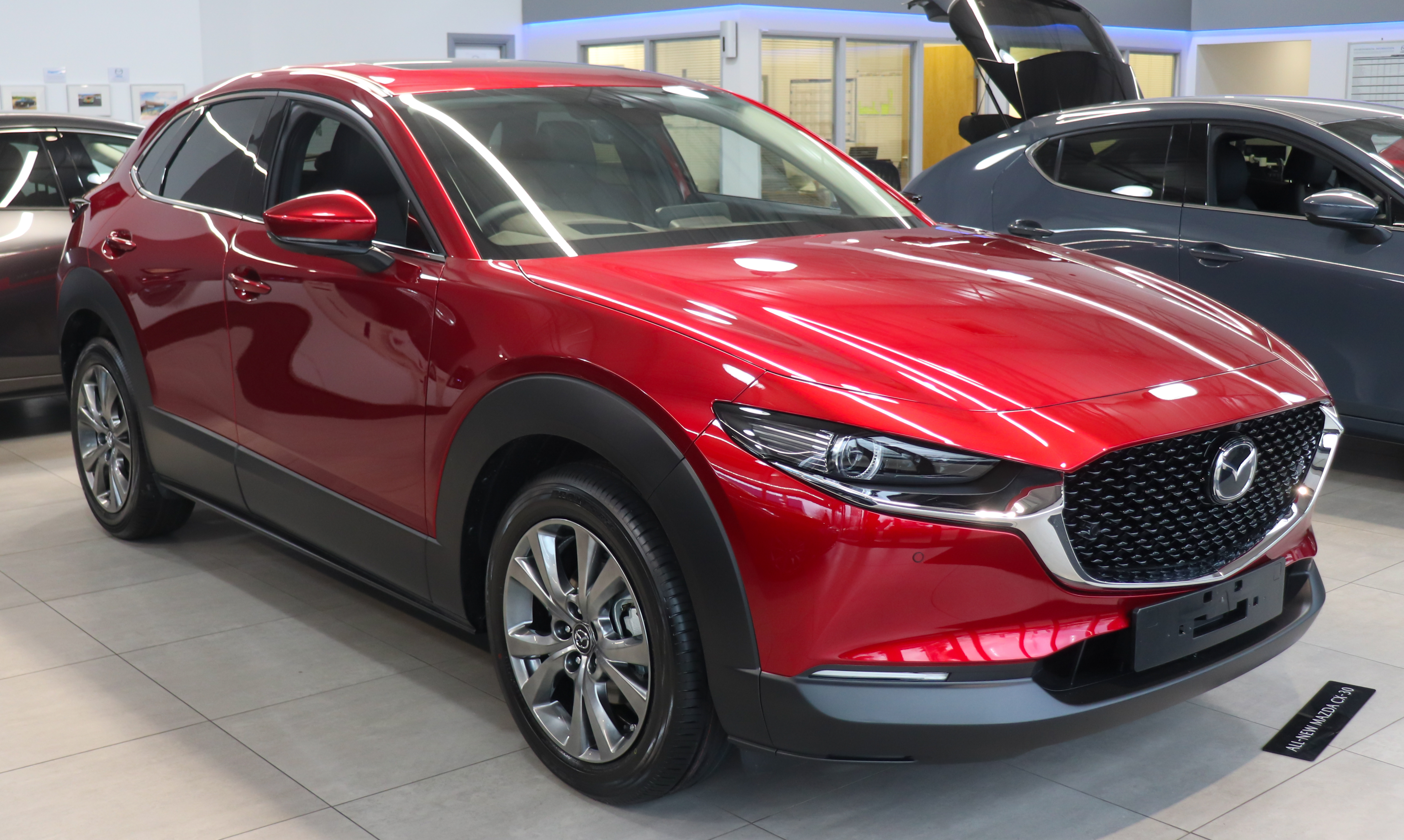
Mazda Cx30
"... lease. If I remember correctly, I can buy out my CX30 at the end of the lease. I think the residual was..."
The Mazda CX-30 is a small SUV. When you lease a car, you can usually choose to buy it later, and the price is affected by the “residual value.” The podcast is talking about that buyout price and whether it makes sense at the end of the lease.
The Mazda CX-30 is a compact crossover SUV that’s often discussed in the context of leasing because it’s a popular size for people who want a small SUV without going fully midsize. In the podcast, the speaker mentions buying out the CX-30 at the end of a lease and references the residual value, which is the guaranteed value used to calculate lease payments. That’s significant because a higher or lower residual can make a lease buyout more or less attractive.
buy out
"If I remember correctly, I can buy out my CX30 at the end of the lease. I think the residual was $21,000 or $22,000."
Buying out a lease means you finish the lease and then pay the set price to keep the car. If the car is worth more than that price, it can be a good move.
To buy out a lease means you pay the contract’s predetermined buyout price at the end of the lease term to take ownership of the car. Whether that buyout is a good deal depends on how the car’s actual market value compares to the residual value.
residual
"If I remember correctly, I can buy out my CX30 at the end of the lease. I think the residual was $21,000 or $22,000. My car still does not have 2,500 miles on it yet."
In a lease, the residual is the value the lease contract says the car will be worth at the end. If you buy the car then, you usually pay that residual amount, so if the market value is higher, you can come out ahead.
In a lease, the residual value is the pre-set estimate of what the car will be worth at the end of the lease term. It effectively sets the buyout price if you choose to purchase the car, so changes in the real used-car market can create a gain or loss versus that residual.
positive equity
"You're going to end up, if you buy your lease out, you're going to end up in a positive equity situation where you can make money."
Positive equity means the car is worth more than the amount you have to pay to own it. So if the car’s value jumps, you could buy it out and then sell it for more than you paid.
Positive equity means your car is worth more than what you still owe on it (or more than the buyout price in a lease-buyout scenario). If the market value rises above the residual, buying out the lease can put you in a position where you can sell for more than your cost.
lease
"To be clear here, if you could negotiate or if you had your lease come and do, you were going to make a ton of money."
A lease is like renting a car for a few years, usually with an option to buy it at the end. Whether you “win” or “lose” depends on how much the car is worth when the lease ends.
A lease is a contract where you pay to use a vehicle for a set term, typically with a predetermined end-of-lease buyout price. In volatile used-car markets, the gap between the buyout price and the car’s actual value determines whether you end up with positive or negative equity.
negative equity
"Now, what's so fascinating right now is we have a negative equity crisis this time around. There's so many people, it's like the haves and the have-nots are going to be of the used car market."
Negative equity is when your car is worth less than what you still owe on it. So if you try to sell or trade it, you’d still have to pay money out of pocket to cover the difference.
Negative equity means you owe more on the loan/lease than the vehicle is worth at that moment. In a used-car market, that can force owners to roll the loss into a new deal instead of walking away or upgrading cleanly.
open market
"that it would probably be worth on the open market somewhere around $28,000, $29,000 if I wanted to sell it myself."
The open market is the broader set of buyers and sellers outside a specific dealer or trade-in program. The host contrasts it with the lease-end buyout price to show how market value can be higher than what the lease contract requires you to pay.
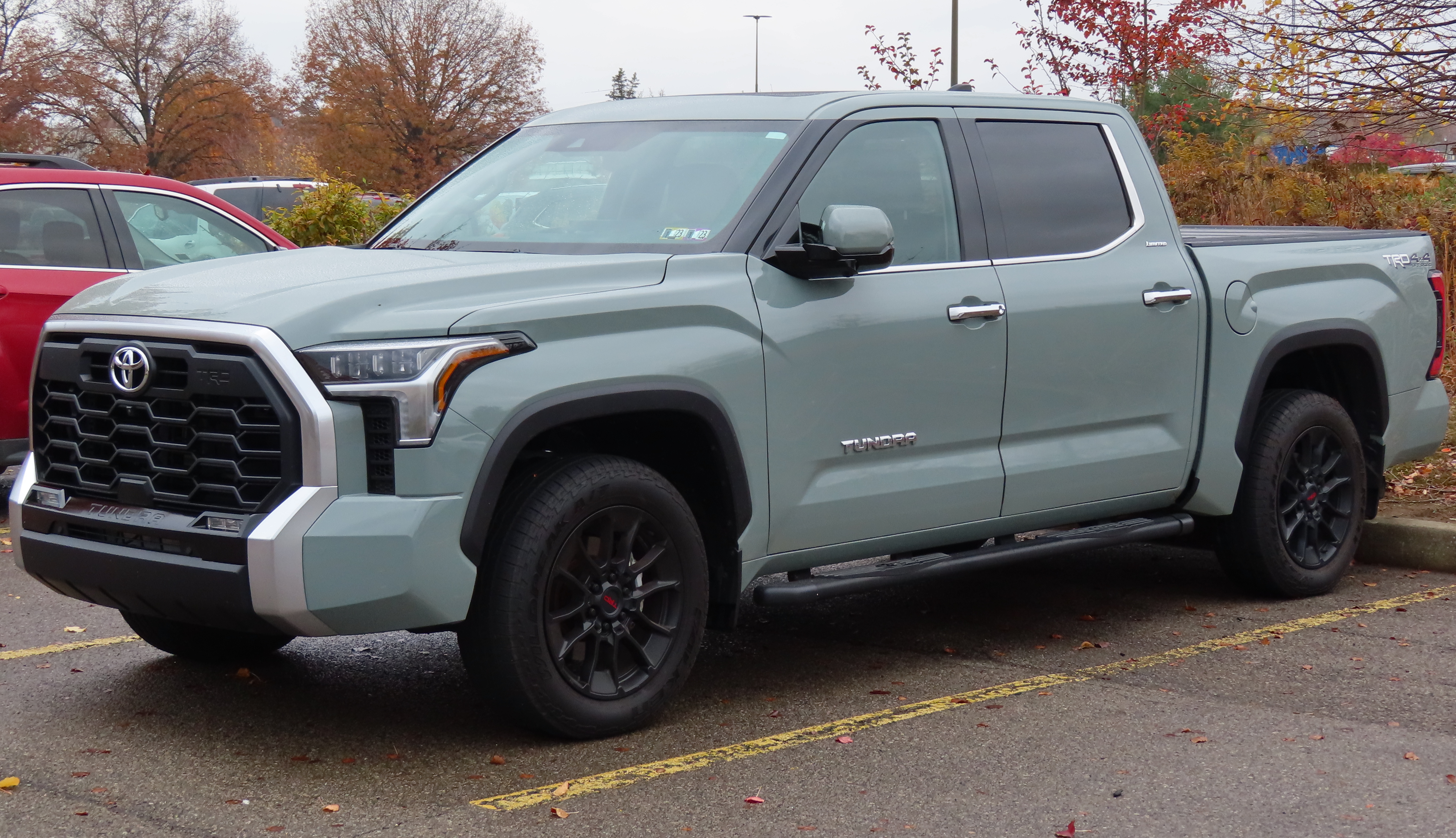
Toyota Tundra
"Here's another phenomenon going on right now from Softball by Fat. I just sold my 2021 Tundra TRD Pro with 28,000 miles to CarMax for 55 grand."
The Toyota Tundra TRD Pro is a tougher, off-road version of Toyota’s full-size pickup. The host is pointing out that a 2021 example can still sell for a surprisingly high price because people expect it to be dependable.
The Toyota Tundra TRD Pro is a rugged, off-road-focused pickup built around Toyota’s reputation for durability and strong resale demand. In this segment, it’s used as an example of how certain used trucks can command unusually high prices when buyers believe the powertrain is reliable.
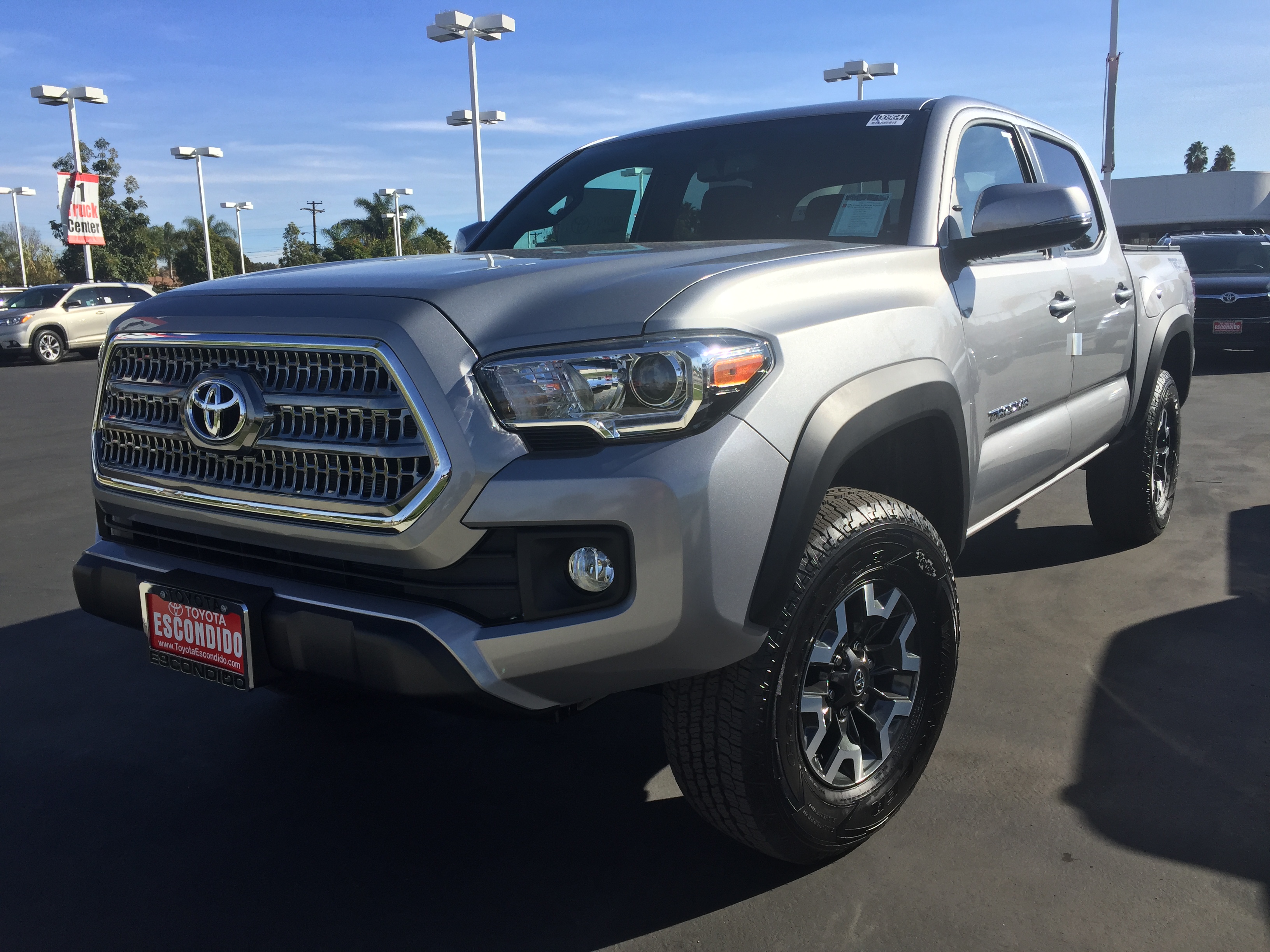
Tacoma
"Tundra market and Tacoma market with the good engines. I think it's like pre-2023 model year, maybe pre-2024 model year have the reliable engines."
The host brings up the Toyota Tacoma to show that it’s not just one truck model getting high used prices. People are paying more because they think some years are more dependable.
The Toyota Tacoma is referenced as part of the same used-truck demand pattern as the Tundra—buyers paying “absurd prices” for certain model years and powertrains. The host is tying this to perceived reliability and the market’s belief that some pre-2023/2024 trucks are the safer bets.
perceived and actual reliability
"There are certain vehicles like this one and others for other manufacturers that command absurd prices because perceived and actual reliability of post-pandemic cars is worse off..."
Perceived reliability is what people think will happen with the car over time. Actual reliability is what really happens when lots of owners use the car.
Perceived reliability is what buyers believe about how dependable a vehicle is, while actual reliability is what happens in real ownership. Used-car pricing can jump when buyers think reliability is worse (or better) than before, even before long-term data fully catches up.
out-the-door price
"are shopping them and reporting back on the information we receive on their out-the-door price quotes. So, please, if you're in Florida and you're going to buy a car, find some dealers"
Out-the-door price is the final total you’ll pay at the end. It includes the car price plus taxes and all the fees, so you can compare two dealers fairly.
The out-the-door price is the total amount you pay to drive the car home, including the car’s selling price plus taxes, registration, title, and dealer-added fees. It’s the most useful number for comparing offers because it reflects the full cost, not just the advertised price.
add-ons
"Find good dealers in Florida that don't do all these add-ons fees and the way we grade dealers is based on add-ons, dealer markups, the transparency of their pricing."
Add-ons are extra items a dealer tries to add to your purchase. They can make the final price much higher than what you first saw on the sticker or ad.
Dealer add-ons are extra products or services added to the deal—often after the advertised price—such as protection packages, warranties, or other items that increase the total cost. They matter because they can turn a “good” advertised price into a much higher out-the-door price.
dealer markups
"the way we grade dealers is based on add-ons, dealer markups, the transparency of their pricing. So, that's how you get the grade."
A dealer markup is extra money the dealer adds to the car’s price. It’s basically an upcharge that increases your total cost.
A dealer markup is an extra amount added on top of the base selling price. It’s separate from taxes and registration, and it directly increases what you pay—especially when combined with add-ons.
transparency of their pricing
"the way we grade dealers is based on add-ons, dealer markups, the transparency of their pricing. So, that's how you get the grade."
Pricing transparency means the dealer clearly lists all the costs and fees. That helps you avoid surprise add-ons that raise the final price.
Pricing transparency means the dealer clearly shows the breakdown of the selling price and every fee/add-on so buyers can verify what they’re paying for. In used/new car shopping, transparency is crucial because it reduces the chance of surprise charges that inflate the out-the-door price.
Mullen-O Ford
"it depends on, you know, when you say, well, any tips buying a car in Florida, it depends on the brand. For instance, if you're looking for Ford, Mullen-O Ford, Mullen-X yes."
Mullen-O Ford is a dealership the host mentions as an example of a dealer that doesn’t add certain extra charges. The takeaway is that dealer fee habits can make the final price very different.
Mullen-O Ford is referenced as a Florida Ford dealer that, according to the host, does not charge certain extra fees like stock fees. The point is how dealer fee practices can change the out-the-door price.
Mullen-X
"For instance, if you're looking for Ford, Mullen-O Ford, Mullen-X yes. They don't charge stock fees. The price they advertise the vehicle for is actually the price that you can buy it for."
Mullen-X is another dealership mentioned as an example of a dealer that doesn’t add extra charges. The host’s point is that some dealers are more straightforward about the final price.
Mullen-X is mentioned alongside Mullen-O Ford as another Florida dealer example that allegedly avoids stock fees and keeps the advertised price aligned with what buyers pay. It’s used to illustrate how some dealers are more transparent than others.
stock fees
"They don't charge stock fees. The price they advertise the vehicle for is actually the price that you can buy it for."
Stock fees are extra charges dealers add for cars they already have on their lot. If you’re comparing dealers, you want to know whether those fees are being added to your final price.
Stock fees are dealer charges added for vehicles already on the lot (i.e., “in stock”), often presented as a standard fee but used to increase the transaction total. The host contrasts dealers that charge these fees with those that don’t.
Earl Stewart Toyota
"That's been their business model since Mr. Mullen-X started in the car business. Earl Stewart Toyota on the eastern part of Florida. I don't believe he charges a dock fee. Very straightforward, straight up dealer."
Earl Stewart Toyota is a dealership mentioned as an example of a dealer that (according to the host) doesn’t add certain extra charges. The goal is to find dealers that keep pricing simple.
Earl Stewart Toyota is cited as an example of a straightforward Florida dealer that the host says likely doesn’t charge a dock fee. It’s part of the broader discussion about avoiding dealers that inflate the deal with extra fees.
dock fee
"I don't believe he charges a dock fee. Very straightforward, straight up dealer."
A dock fee is a charge dealers add for moving the car to the dealership. It’s legitimate in concept, but you should confirm the amount and whether it’s being inflated.
A dock fee is a dealer charge tied to getting the vehicle from the port/transport location to the dealership. It’s supposed to cover logistics, but some dealers inflate it or bundle it with other fees, which increases the out-the-door price.
electronic filing fee
"Filing fee in the state of Florida. [1971.2s] Prepare it's analyzing your question. All right, let's see. [1979.5s] This is awesome, Dad. All right, let's see. Florida electronic filing fee, what's normal,"
It’s the fee tied to submitting the required DMV paperwork electronically. The point here is that dealers may charge you for handling it, and those charges can vary a lot.
An “electronic filing fee” is the charge associated with submitting required DMV paperwork electronically. In this segment, the host is discussing what’s typical in Florida and how dealer fees can stack on top of state processing.
title and registration transactions
"allows licensed dealers to process title and registration transactions on your behalf directly [1988.9s] with the Florida highway state motor vehicle. The dealer charges you for the service, okay."
This is the paperwork that makes a car legally yours and legally allowed to drive on the road. The dealer can do the paperwork for you, but they charge a service fee.
In Florida, “title and registration transactions” are the legal steps that transfer ownership (title) and enroll the vehicle for legal road use (registration). Dealers can sometimes submit these paperwork steps electronically on the customer’s behalf for a fee.
unregulated registration methods
"There is Florida removed the state mandated cap, placing it on equal footing to other [2013.9s] unregulated registration methods. There is no legal cap, what to do about it."
This is about different ways to get your car registered. The host is saying Florida changed the rules so the dealer’s fees aren’t capped the same way anymore.
“Unregulated registration methods” refers to ways of completing registration that aren’t subject to the same rules or limits as the regulated dealer process. The host claims Florida removed a mandated cap, putting dealer processing on more equal footing with those other methods.
profit is built into each fee
"Dealers are required to disclose whether a profit is built into each fee, [2021.4s] ask them directly, because that's under this Florida statute, Florida law."
The dealer might be adding extra money on top of the real processing cost. The host says Florida requires dealers to tell you if they’re making profit on those charges.
“Profit is built into each fee” means the dealer’s line-item charges may include a markup beyond what it costs to process the paperwork. The host emphasizes asking directly because Florida law requires disclosure of whether profit is included in the fees.
Florida statutes never been enforced one time
"And I don't want to say anything, but I would guarantee you that Florida statutes never been [2031.1s] enforced one time, one time when it comes to dealers and the fees that they charge in Florida, [2037.7s] just saying that's in my opinion."
This is an argument about enforcement risk: even if a law exists (statutes), the host claims it may not be consistently enforced in practice. For listeners, the practical takeaway is that fee disclosure and caps may not reliably protect consumers unless enforcement is active.
CarEdge's version of GROC
"This is, by the way, John, yes, CarEdge's version of GROC. We actually have spent over a year now [2048.4s] training an AI model to actually make sense for car shoppers."
They’re talking about an AI feature that helps understand car-shopping questions. They also mention that user thumbs up/down helps improve it over time.
The hosts mention “CarEdge’s version of GROC” as an AI-driven system for interpreting shopper questions. In this segment, it’s used to explain how the product is trained and improved with user feedback.
Request an Explanation
Heard something you'd like explained? We'll add it to this episode.
Sign in to request explanations for terms you heard.
Want to learn more?
Browse our glossary for plain-English explanations of automotive terms, jargon, and concepts.
Help improve this episode
See something that's not quite right? Our annotations are AI-generated and can sometimes miss the mark. Click the flag icon on any annotation to suggest a correction.