These are special bars that help balance the weight when you are towing something heavy, like a trailer. They make it safer and easier to drive by keeping everything steady.
Overlanding is when people travel in their vehicles to faraway places, often camping along the way. It's about the adventure of the trip, not just getting to a destination.
Upfitters are people or companies that change vehicles to make them better for specific activities, like adding special gear for camping or off-roading.
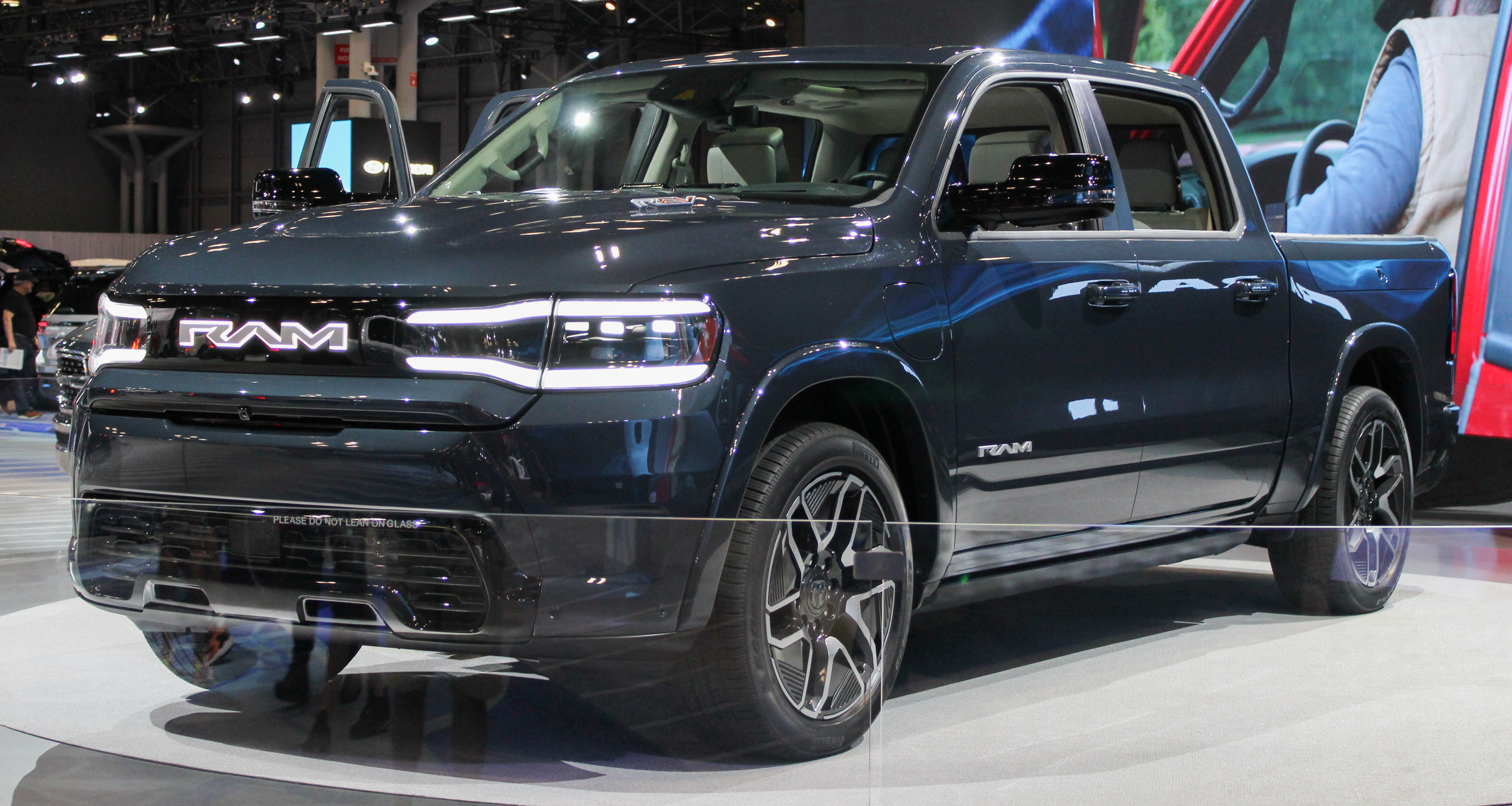
An auto show is an event where car companies display their latest models and new technologies. It's a chance for people to see and learn about new cars all in one place.
The C8 Corvette is a new version of the Chevrolet Corvette sports car that has a different engine layout compared to previous models. It's designed to be faster and more exciting to drive.
The Tesla Cybertruck is a new type of electric pickup truck that looks very different from regular trucks. It’s made to be tough and has a unique design.
Stellantis is a large car company that makes many different brands of vehicles, like Jeep and Dodge. They were created when two big car companies merged.
Tariffs are extra costs that the government adds to imported cars. This can make cars more expensive for buyers and affect how many people decide to buy them.
Federal incentives are money or tax breaks offered by the government to encourage people to buy electric cars. When these incentives go away, fewer people might buy EVs.
EV sales are the number of electric cars sold. These cars run on electricity instead of gasoline, and more people are starting to buy them because they are better for the environment.
A 'barn find' is when someone finds an old car that has been hidden away for a long time, usually in a barn. These cars can have unique stories and might be worth a lot to collectors.
The Dodge Charger is a well-known car that many people love for its speed and cool design. The 1973 version is part of a series of Chargers made in the early 1970s.
The Pontiac Grand Prix is a type of car that was made by the Pontiac company. It was known for being stylish and fun to drive, and it came in different versions over the years.
Towing means pulling something behind your vehicle, like a trailer or another car. Some vehicles are better at towing than others because they have more power and can handle the weight.
Tongue weight is how much weight is pressing down on the hitch of your truck from the trailer. It's important to have the right amount so that your truck can tow safely and easily.
Weight distribution bars help balance the weight of a trailer so that it doesn't put too much pressure on the back of the truck. This makes it easier to steer and control the vehicle while towing.
La Ma is short for the 24 Hours of Le Mans, a famous car race in France where cars compete to see who can cover the most distance in 24 hours. It's a big deal in the racing world.
Drag racing is a fast-paced race where two cars go straight down a track to see who can reach the finish line first. It's all about speed and quick acceleration.
Watkins Glen is a famous racetrack in New York where many car races happen. It has a lot of twists and turns, making it exciting for both drivers and spectators.
LIVE
Hello, and welcome to the Truth About Cars podcast. I am Tim Healey, T-Tex Managing Editor,
and this week we chat with Jennifer Moran from the Automotive Experience Alliance in
Chicago Auto Show about the future of auto shows. T-Tex contributor Matthew Guy and I
discuss weight distribution equalizer bars for towing, and our Stuff We Use segment and
our NASCAR topic this week is the resignation of Commissioner Steve Phelps. All that and
more after we're from our sponsor eBay Motors. This message comes from eBay. The worst part
about loving cars might just be buying them and all the parts. From Toyota's to Aston
Martin's, eBay has thousands of cars and the largest online selection of vehicle parts
and accessories. eBay, things people love. Here on today's Truth About Cars podcast we
share with Jen Moran. She is the chairwoman of the Automotive Experience Alliance as well
as the general manager of the Chicago Auto Show. And you're also the president of Chicago
Automobile Trade Association. That's right, Tim. Yes. Yeah, so you got a lot going on
there. Jen, how are you doing today? Doing great. Thanks for having me on. Yeah, so we're
having you on to talk about what the Automotive Experience Alliance does, but also a little
bit about the trends you're seeing as someone who manages a major auto show in terms of
consumers who actually go to a show and end up either buying a car or being seriously
involved in the buying process as opposed to those who just go to the show just to check
out the new cars and then don't really go to a dealer after that. So those are kind of
the jumping off points. We have a few other things we'll discuss, I'm sure. So Jen, let's
start with the latter point there first. Actually, you know what? Let's do it the other way around.
Let's go ahead and start with the Automotive Experience Alliance, what it is and what it
does. Sure. Okay. Well, thanks again for having me on, Tim. It's always a pleasure to speak
with you. So the Automotive Experience Alliance was formed about a year ago and really it
was born out of the need for shows to better innovate, provide better data to the manufacturers
and to really join forces and showcase the value of a public auto show. So we did just
that. We have 24 auto shows within our organization to date. We're about a year in. So there's
still a lot to go, but we've come a long way. So the Automotive Experience Alliance is a
coalition of auto shows and we're united, as I mentioned, by driving innovation and trying
to standardize some benchmarking data across the industry and what we're delivering to the
manufacturers. Because of course, the question is always, well, why would we participate
in an auto show? And we have to prove that ROI. So some of these might sound simple and
basic, but believe it or not, we had to start somewhere. So that was really what got our
start. And since then, we're taking on new initiatives into the future. We have a five
year strategic plan on how we're going to grow our auto shows and provide a better consumer
facing experience for everybody involved. Okay. Yeah. Yeah. So that's all about kind of making
things better for both the automakers and the consumers to kind of a good way to sum it up.
Yeah. Absolutely. And you know, and you've been, you've been coming to, so I, you mentioned, I
do run the Chicago Auto Show. I mean, I'm, you know, working on behalf of this organization for
all shows, but, you know, coming to a consumer show like the Chicago Auto Show and all the other
auto shows, they're so valuable because they provide that experience for people to touch and
feel and drive the vehicles. You know, it's so helpful and builds their confidence when they're
considering making a purchase or a lease. And it's, it's great because some of this benchmark
data that we were able to receive from the EA studies that we've done. So we surveyed over a
million attendees across all of our shows over the past year to get these numbers. And 78% of show
attendees say that an auto show influence their purchase decision. And 80% of shoppers plan to
purchase within three months of the shows collectively. So we know that they have this power
on influence on consumers. And, you know, it's, it's, it's represented in our data. And the
questions were asked the same way across all of the markets. So there wasn't, you know, any
manipulation in terms of, of how the question was answered or, or asked. But it was all the
standardized questions. And so that's what makes it so impactful.
Okay. Is there anything that consumers would notice any differences? Or is this all sort of
kind of behind the scenes type stuff?
You know what, that's a great, that's a great question. It is behind the scenes because it has
to start somewhere. I think eventually it will trickle two shows. And we've tried to, in Chicago,
for example, we've innovated in terms of building different zones. So you remember maybe last year
at the auto show, we built an overlanding, what we call overlanding Chicago display, it really
highlights the adventure seeking lifestyle and, you know, upfitters for those specific vehicles
that you would take across the country or go camping or glamping in. We also introduced a
family zone. So we had a power wheels track that was geared for kids, and that's going to return
this year again. So we're trying to build different pockets of interest for areas. For a long time,
auto shows, you know, just overlaid on the manufacturers to create those exciting spaces.
But there's definitely a need and there's pockets to fill. So, you know, for example, this year,
we're introducing a new space, a new zone called Shytown Alley. And that's going to really highlight
and celebrate Chicago's car culture and to really bring those enthusiasts in. So I think, you know,
you're going to start to see these these examples. I know, you know, in Philadelphia, for example,
they have a great EV track. And so it really highlights the electric vehicles and hybrids and
automotive, you know, industry recruitment. So for students to come out, I know, you know,
there's fantastic shows that do a lot with recruiting young young people. So you're we're
starting to see it in shows. And, you know, there's definitely examples out there. And I think that
it's just going to continue over time.
Is there any, or let me try and rephrase that. Is is the reason that AEA exists and the reason
that you're making these changes or kind of this not changes so much as an initiative? Is it also
a little bit of a pushback just against the fact that technology has changed the pandemic has
changed things? I don't want to get too much into media because I want to talk more about consumer
days. But we know that with with all the different auto shows from LA to Chicago, New York, to
Detroit, which this is actually a timely conversation, because Detroit is right around the
corner. But one thing I've noticed, we've noticed as as industry and as industry observers and
as journalists, as some brands have pulled back. And obviously, the display at an auto show costs
a lot of money. We don't we don't know that. But but I've noticed, and I think this was already
starting to trend before the pandemic and the pandemic accelerated it. A lot of automakers
have decided to do new car launches away from auto shows, because they can capture
the attention of the media, if not the consumers, by doing something during a time where there is no
auto show. And when they they own the news for a day or two, as opposed to owning a press conference
for just half an hour on a media day, and then owning maybe that show a little bit by having,
you know, a car that's generally generating a lot of interest, and maybe they own that show in a way
that consumers check out that car, but they don't get as much media coverage. So we've noticed
consumers and I, I always go back to before the pandemic, when the C8 Corvette was launched,
General Motors didn't do it in Detroit, which, oh my God, you would think that would be their home
turf, you do it in Detroit, or you would do it maybe at Bowling Green, their factory, no, they
did it in California in the middle of summer and flew a bunch of media and dealers out to
Southern California. So that's the example I always think of, because it wasn't, it was before
COVID. So you can't even blame play the pandemic on that. So I guess I'm trying to ask in so many
words, I know I'm rambling a little bit, but is this sort of to remind automakers,
you know, basically the initiative to kind of say, hey, we do provide value, we, there is a
reason you should spend money to set up a stand at an auto show, you know, just to get the automakers
to remain involved, especially the brands who have pulled back. You know, that's a really great,
a great question. And I'm going to answer completely honestly. So you're right, Tim, we
started to see this trend before the pandemic even took place. We cannot blame it on that at all.
But what we were seeing in the heydays were manufacturers, they were spending millions,
I mean, millions of dollars on these, these grandstands and, you know, press debuts and just
crazy, you know, spectacles really. And, you know, yes, do they capture the attention? Well,
everyone was trying to vie for the news and for their own attention. And they were,
they were all sort of swimming in the same pond, so to speak. But, but, you know, those days are,
those days are gone. And, you know, so what we're really trying to do as auto shows, we're trying
to make it affordable for the manufacturer, more affordable for the manufacturers to participate
and have a better return on their investment. We're not, you know, we're not saying let's,
let's do these debuts at auto shows. That's not even part of our messaging could to be completely
honest. I mean, they're welcome to it's a great platform. We have all the media there. I mean,
why not? Right? But it's not the forefront of our messaging at all. But, but what we are seeing is
that auto shows remain the most essential platform for consumers to shop. They can cross shop in a
low pressure environment, no pressure environment. They can actually test drive these vehicles and
many of these auto shows where you can compare and contrast these vehicles side by side. So,
so really the AEA is focused most on showcasing the power of an auto show and providing new
opportunities for manufacturers to participate. You know, for example, in Chicago, we had a manufacturer
asked us, hey, you know, you do this EV track, but could you consider doing a gas power track?
And so, you know, we're working to get approvals for that. So, you know, in many cases, it's,
it's, let's, let's try to figure out a way to have a shared track, have the, have the cost more
affordable, maybe, maybe a manufacturer can't bring an indoor track and staff it and run it, but
maybe they can participate at a more affordable level for a shared track. So, we're really trying
to work hand in hand with the brands and, and try to find solutions that fit. And in many cases,
you know, in some markets that might be smaller markets, they don't even have the,
the OEM participation. So, we're, we're also trying to provide tools for shows to work through the
dealers to, to provide those experiences as well, if it's not the tier one. So, you know, it really,
it really sort of runs a gamut in regards to how we're working through our relationships with,
with tier one, tier two, tier three, to, to bring these exciting experiences to the shows.
Yeah. Okay. And so, I, my next question, I think we'll bring us to, so we started with
the idea of what is AEA doing and what is, what is the, what are you guys working on? And then the,
the other theme of this episode is going to be kind of, or the segment was going to be kind of,
and you've already touched on it a little bit, how do auto shows translate from someone who goes to
the auto show and they end up buying a car. So, I think we're going to kind of move that direction
now. So, obviously, your answer to my last question, I think kind of puts us in this direction.
Obviously, a lot of what AEA is doing isn't just about new vehicle launches, it's about
making the auto show, you know, translate leads into sales. So, I guess my question,
my question is a two-parter. Beyond what you've already said, what other initiatives are you
working on? I know you already mentioned test tracks and a few things like that. What other
initiatives are you working on to sort of generate, to generate leads that can go into sales? And then
how are you working with the smaller auto shows? You know, in the media, we basically covered the
Big Four, Chicago, Detroit, New York, LA, some international coverage, although that has changed
post-COVID, just the costs of those shows traveling there. It's a little bit prohibitive at this
point. But, you know, what about the smaller auto shows? Washington, D.C., Portland, Oregon, Milwaukee,
all those smaller, mid-sized cities that don't get media coverage outside of locals,
but still have a presence with an auto show where consumers can go look at cars?
Absolutely. Well, you mentioned some extremely important auto shows just there,
because they are super relevant for shoppers in their markets. And actually, the D.C. auto show
came out with compelling data recently regarding that purchase funnel, the process. So, from folks
who came to the auto show, they knew exactly who purchased and they had some proprietary data that
they shared with the manufacturers. So, even in those instances, those individual shows have
data that they're sharing on a local, on a personal level. But then, you know, the A.A.
collectively joins together to share national, you know, statistics and metrics with the
manufacturers. So, it's really, it's too pronged. It's, you know, as the shows are joining this
organization and providing better value and better stats to the manufacturers, it just solidifies why
they're participating. And look, they know, the manufacturers know that when they're showing up
to an auto show, you know, the leads that come out of shows and the excitement, and not even just
the leads and the people purchasing, it's everything that comes around with it. It's the media coverage,
it's the digital, you know, everything, it's everything, you know, lifts from that. So,
you know, it's truly, I think it, unfortunately, because auto shows have been around for so long,
they've been around hundreds of hundreds, you know, century and in some cases.
But that's a long time for auto shows to be around. But there must be a reason for that. And you
come to think, well, they must, you know, there must be a reason that they're working. And, you
know, the automakers still show up and the dealers or the region still show up because
they do work. I think it's, you know, the story that wants to be told is, you know,
what's the new flashy thing? You know, is it all these expos that are popping up? It's like,
no, that's an auto show. That's what auto shows. Yeah. And then I was going to ask you,
I think, I know that most auto shows don't share attendance numbers. And I understand,
I understand if you don't want to, but what have you seen, and not just with Chicago,
but what have you heard from Detroit, LA, New York, in terms of public day attendance over
the past, especially since, I don't know exactly when you can say the pandemic quote unquote ended,
but I feel like most people stopped masking and stopped adjusting behaviors right around 2022
or 2023. I think it took about a year and a half to two years for people to kind of go back to what
we would consider normal. You know, I think the first auto show I went to after getting vaccinated
I was still wearing a mask for a little while. But yeah, how have you seen attendance rebound
post COVID? And is it, is it still strong enough to, you know, support the idea of having an auto
show? I mean, again, put media days out of this question. It's all about public day.
Absolutely. No, it's a fantastic question. So there was definitely a dip, as you mentioned,
in events, not just auto shows, but really across the board since the pandemic. But since then,
in the shows that are part of the EAA, so you mentioned, you know, shows don't report their
attendance numbers. The shows in EAA do. I just want to set that clear. And that's it. That was
a huge step. And see, because even, you know, you as a, as a well-known journalist and others out
there, there's a misconception that shows don't report attendance numbers. And that, and why would
you not, you know, and if you're, if you're a brand, if you're, if you're trying to decide where you're
going to invest a lot of money, have a show not report their attendance numbers should be a huge
red flag, I would imagine. So, you know, that was, that was what the AA is founded on. We are
transparent. We will provide the attendance numbers. And not just that we've hired a third-party
auditor to it, to audit all of our shows attendance. So it's not us reporting the numbers. It's a
third party. And, and, and that went a long way with the manufacturers because, again, and it's
the same criteria across the board. So the auditor that, that I use is the same auditor that Milwaukee
will use or the same auditor that DC will use because, you know, it's again, benchmark data. So
just to set that, that clear. So yes, so that is, that is huge. So, you know, transparency and,
and providing attendance numbers to the manufacturers is, is crucial. But we have seen as, as, you know,
since, since the pandemic, when we saw those major dips in, in auto shows and all events,
now it's back on the rise. We find that people want to experience, you know, events again,
and they want to touch and feel and, and drive the vehicles. And what, what better place than an auto
show? Yeah, yeah. And so I also wanted to ask about the brands that have pulled back. And
I've had kind of, I won't name the brand and the gentleman I spoke with doesn't work there anymore.
But a few years ago, and I cannot recall if this was before Africa, but I believe it was just before
this gentleman said that this particular brand would have a presence in certain cities where
they sell well, but not in other cities. And then we've seen, it's been mostly smaller luxury
brands that have pulled back. And a lot of it was even pre COVID, although some of it was after.
What are you guys, whether it's AEA, excuse me, AEA, or whether it's part of the Chicago Auto
Show and you're, you got two jobs, obviously. What are you, what are you trying to do to bring
these brands back? I know we've seen dealer support. So sometimes the brand might not bring
an OEM presence, but dealers, local dealers will bring vehicles. We've seen smaller brands
who traditionally shunned auto shows come around. It was, I believe 2024 that Tesla
brought a cyber truck to the Chicago Auto Show. I don't know if they did in 25. I can't remember.
But I'm sorry. Go ahead. Oh yeah, they did. Okay. Yep. They were. But yeah, we've seen,
most of the bigger brands have stayed with auto shows regardless of whether they're having
new vehicle launches or not, regardless of the pandemic or not. Stellantis did pull back briefly
and then came back. I think they only missed one show, if I remember correctly, but our one major
show. So the bigger companies have kind of stuck around no matter what, no matter what they're
doing a vehicle launch or not, even with General Motors doing the Corvette thing in California,
they still have a big Chevy display at all the auto shows. Although LA was a little bit weird
for General Motors this year because they had a huge Chevy display and they kind of
shunted Cadillac and GM into a corner. It was a little strange. But yeah, what are you guys doing,
whether again with AEA or with the Chicago Show, to bring back these smaller luxury brands that
maybe have less budget to spend and are either targeting old new cities where they sell well
or in some cases not going to other shows at all? What do you need to bring them back?
So we're providing opportunities for them to participate in, if they don't want to come with
a huge display, for example, will participate in our indoor tracks or participate in outdoor
test drive. And old school mentality I think was, well, if they're not going to have a display
space and they can't participate at all, and that really has gone away. So we're finding that the
shows are reengaging with some of those brands to bring them back in creative ways, in different ways.
And then also with the data, I mean, we're really trying to get to the C-suite and showcase the data.
It's not just me reporting, Chicago reporting, these numbers, and we're all using different
sources. This is benchmark data that we're doing across the country. So about half, and this is
across the board with all the shows that are part of the AEA, half of the attendees, so 50%
lose consideration share for brands when they don't show up. So for example,
they remove brands from their list because they're not at the show. And then 36% added brands after
visiting them at the show. So you have the ability, if you're not there, it matters. And
then another just really interesting stat was that 90% of attendees said that they hope to see
a brand that wasn't present. So making a brand's absence a missed opportunity. So we're trying to
again, this is not going to happen overnight. And we try to remind our members that it's going to
take some time as we just really got going here. And we have a fantastic board and some really
smart thinkers and some fantastic show organizers in our membership. So I think collectively
together, we will get there. It's just going to take some time. Yeah, that brings up my next
question, which is a little bit of a tougher one. But part of the reason why these brands have
pulled back, of course, is cost was displaced, right? And what can you do on your end, either as
the manager of the Chicago show, or again, part of AEA to reduce costs? Obviously, I've heard
stories and some of it's probably a little bit exaggerated, but for stories about it, you know,
you can't unplug something without calling a union worker or, or, or you can't do this,
you can't do that. And they charge exorbitant rates. And then other people say, oh, that's BS.
Unions are there to support and help them. And I'm not trying to be anti or pro union.
There obviously is a cost, whether you're using union labor or not, even if it's
unusual labor yourself to pay something. So how can you reduce costs associated with displays?
What kind of steps can you take to bring those brands back and say, Hey, you know what,
I can get your cost down by, I don't know, this is a number I'm pulling out of thin air 20%.
Yep. Yeah, well, so a couple of things, I think some of the auto shows are realizing that the
general show contractors that they're that they've used are just not, they're just not
the right fit anymore, because those were the days where they had, you know, the giant displays.
And we don't were Chicago's the time and material show, which, which, which means we don't charge
by the freight, but, but auto shows used to be heavier in terms of what the manufacturers were
bringing in. And so that's how shows in these general show contractors charged for and many
still, many still do. But, but the point is, is that, you know, I think it's, it's really prudent
for shows to think about who the right fit is as a partner for their general show contractor and
who might be their best fit. So we really broke up a lot of the trades. We kind of blew it up a
couple of years ago and, and contracted kind of separately. Yes, it's more work for us, but it
reduced costs by for the automakers by 20%. And you pull that number out of thin air, but, but
that was, but that was the number. So it's funny you said that you kind of teed it up for me, Tim,
thanks. But yeah, but it was, it was so from year over year, that was the cost reduction.
And then, you know, still we're, we're really happy with our model. Other shows are other
shows in the air doing the same thing. And then they're also looking at, as I mentioned, other
creative ways to involve the manufacturers with, you know, the, the ride and drives, for example,
you don't have to come with the big kit. Yes, it's great in there. It's immersive and
look, Subaru is a fantastic job, you know, with their, their, I mean, it's fully immersive. They
call it like a five sensory exhibit because you can touch, smile, feel. I mean, it is spectacular.
And guess what? They have the crowds that stay there in their exhibit for hours. I'm not even
kidding. And so they do it right. But, but you don't have to be that, you know, if you don't have
that type of budget, you could still participate, you could still show up because the reality is,
is that people are coming to shop. And if your product isn't there, you're missing out.
Yeah. And okay. So we actually, my next question is going to be about the opposite person,
not the person's coming to shop, but the person who just wants to see the cars.
They have no, no plans to buy the next year. There is interested in the side stuff,
whether it's the racing simulators or the road, not road tracks, the test tracks,
or they're just, they're interested in the food or maybe they go to the other booths that aren't,
oh yeah, maybe they go check out the US Army or the aftermarket stuff. Or,
you know, how are you appealing, working to appeal to the, to the folks who
see the auto show as an event in and of itself and they're not there to shop,
they're not there to buy a car. You know, maybe they just bought a car, they don't be one, or
maybe they just, you know, just, they're just not in the market for whatever reason. Or maybe
they're just a car person. They want to see all the new cars and, and, and check out all the different
stuff they can't see. The only other way they'd be able to see it would be to go from dealership
to dealership on a Sunday. So maybe they want to see all those cars under one roof, but, but
they're not there to shop. So they just want to have fun for the two to three hours they're there.
So can you talk about any initiatives that you're working on that we haven't already seen over the
years that, that will appeal to those folks? Absolutely. So, so the board at AA is developing
a playbook for our member shows with just best practices. And in really what that looks like
for consumers is, is coming up with events that excite and attract them to the auto show if they
might not consider coming to an auto show because they're not in the market or they're not a self
described car enthusiast, right? Like why would you come to an auto show? Well, you know, here's
in a great example, some shows are developing a craft beer sampling event. So working with
local breweries to bring them in and, and in feature local brews, and it's a special ticket,
and you can attract that, that particular audience. Some shows are bringing in runs,
believe it or not. So it's a, it's a race inside, inside their auto shows, partnering with the
local runners associations, you know, other, other creative ways to, to bring in different
audiences to a show that you think, why would I really come to an auto show? Well, if I'm into
craft beer, or maybe if I'm into running, you know, again, trying to figure out those touch
points of engaging with different consumers. Now on the auto enthusiast side, you know,
again, some shows are developing these zones where they're attracting, they're providing
specific displays that they're sourcing, that they're really cultivating and bringing to the
show themselves. The show producers are producing their own show, which I know it sounds silly,
but for many years shows just relied on the manufacturers because they're the ones that
are buying the space. And maybe this is a little bit of inside baseball, but, but, but really now
the shows are taking leadership and trying to develop attracting, you know, different types
of audiences to their shows. I mentioned those expos, you know, you can, you can, I don't want to
throw anyone under the bus, you know, who I'm talking about, there's all these expos out there.
Well, the show should own that, you know, we have our over leaning space in a show, we have
our EV test track in our show, you don't need to go to another event to do that. And because it's
all under one roof at an auto show. Yeah. And I know when you talk about expos,
it depends on which company you're talking about. But I've been to a few things,
both as a journalist and as a consumer, where an automaker will set up a quick,
a little mini auto show, just their brand only, usually for just two days. And it's not usually
meant to compete with the auto show. It's typically a different time of year, typically in the summer
when the weather is, is outside is conducive to being outdoors. So I don't consider
auto show competition, but I think that might be what you're referring to.
Yeah, absolutely. And, you know, and I've, I've witnessed them firsthand because you,
you want to kind of see what, what, you know, what the other events are like. And I can tell you
that, you know, I see, I see a lot of teens and, and, and tweens, they want to ride the e-scooters
and e-bikes, but they're not there to shop. I mean, it, so it's interesting when you,
when you look at that and you see, you know, what a holistic one stop shop and auto show is and,
you know, we, it's like the old saying, but, you know, where can you find a consumer who is paying
to see your latest product? You know, and it's like they're paying to come to you. And so anyway,
it's, it's, it's, it's amazing though, because like I mentioned earlier, you know, they, we've
been around for a century in some cases, but there's a reason for that. There's a reason that,
that they, that auto show still, still work. Yeah. And I just, I have one question left.
We only have about five minutes left. I just wanted to ask real quick or just clarify before I
ask the last question. Some of these expo's that I've been to were invite only and they were free
entry and they didn't charge any money for anything. They were basically dealers, either local dealers
or the regional office of OEM China drum up business. So I wouldn't really consider them
competition with an auto show, but they are in some ways similar. So just wanted to clarify
what I, what I've, what I've experienced personally, and so that might be a little bit
different than what you were talking about, but I'm not quite sure. But anyway, we have time for
just one more question. And you've already touched on some stuff here. So you kind of already answered
part of the question, but where do you see the future of auto shows? And again, but let's keep
this focused your consumer days, because it matters to our listeners, not more than media days and
media days, I'm of the opinion that media days could go away with consumer days won't at least
as long as we're still buying our own cars and they're not all self-driving pods. So where do
you see the future of auto shows going over the next five, 10, 20 years? Thanks, Tim. I mean,
first of all, I can't believe we only have a few minutes left. It's like, you know, we're,
we're old friends. So talking to a friend here, but I, I really think that the pendulum is going
to swing back to auto shows because I'm, we're seeing a trend where brands who have been absent
for years are starting to come back. It's not in droves. They're trickling in. I don't want to
oversell that, but we're starting to see that interest peak and to come back. We're also seeing
consumer interests stay strong, consumer interest peak. And, you know, with the, with the federal
incentives going away on EVs, I mean, consumers are looking for shows to educate themselves.
They, you know, they're, they're told one thing by this administration. They're told another thing
by another. They're trying to figure out what vehicle is right for them, but what better place
to test drive that you can drive an EV, you can drive a hybrid plug-in hybrid or a gas-powered
vehicle at all and all in one place. But like I mentioned, if the brands aren't showing up,
if they're not present, they do stand to lose. And so I think that the research and the data has
been really compelling and it's been a great platform for us to be able to, to share that
message with the manufacturers that comes from a third party and it's a no way biased. So
to summarize, I think that the pendulum is continuing to swing back to auto shows and we're
going to start to see more of that, especially with the shows in AEA and, and those that are,
you know, continuing to innovate. Real quick, if you could give me 30 seconds,
I wish I would have thought of this one a little sooner, but how are the larger market forces
impacting consumer attendance at auto shows and not just the repeal of the VTEC credit, but
the high average transaction price, tariffs, the high cost of living in general,
is it, has it changed things? Are people not spending their discretionary income on
20 bucks for an auto show ticket? Yeah. Or are they like, are they spending money in the
auto show ticket if they're not maybe becoming car buyers? Because, okay, I can afford $15
to go to the auto show, but I'm not going to buy a car. How is that really affecting attendance
or conversion of those who attend into, into car shoppers? Yeah, it's a, it's a good question.
I think that we definitely saw a dip with the tariffs that was introduced last year. It actually
started during our show, but it really didn't catch, you know, hold until the spring. So those
shows really kind of were impacted more. So now that, that people realize that they're not, it's
not so scary. The prices aren't up super drastically. Manufacturers are still absorbing most of the
costs. That's not as much of a threat as I think, you know, the federal incentives going away for
sure has, has hurt EV sales. That's, that's, that is apparent. And we're going to get better data as
we go through this next show season, if you will, which we call from really, from, you know, late
summer fall through the spring. And that's where the EA will have new data to actually benchmark
against last year. So, you know, hopefully we could have a conversation again after the spring,
so I can actually share that with you too, because we know we're a whole year under our belt. So I
can't, I don't have anything to compare it to, but that's just my sense on, you know, knowing what's
kind of taking place in the industry. So it should be really interesting to see that.
Yeah, I'd love to have that conversation maybe in the fall before the LA show. So anyway, we need
to go ahead and we're just about out of time. So we can go ahead and wrap the segment here
on Truth About Cars podcast with Jen Moran, the general manager of the Chicago Auto Show and
president of Chicago Automobile Trade Association, as well as the chairwoman of the automotive, let
me, was the automotive executive alliance? Did I get that car? Automotive experience
alliance. That's a long experience alliance. Yes, thank you. I just placed my note there. So
anyway, thank you. Thank you, Jennifer, so much for your time. Much appreciated. And
we're going to have to go ahead and wrap the segment here on this week's Truth About Cars podcast.
Thanks, Jen. Thanks, Tim.
The cars you'll find in eBay are just different. They come with a story that you can't wait to
share. Maybe it's the car's history or the story of how you found it. Like this 1973 Dodge
charger on eBay that has been tucked away in an Arizona barn for over 40 years,
only 55,000 miles, and somehow in great running order. It even has a rare sonariff.
Suddenly, a car that was hidden for decades is uncovered on eBay and ready to be delivered
straight to your driveway, thanks to eBay's secure purchase, the new seamless and secure
way to buy your next car. And just a few clicks, the title and DMV paperwork is all handled for you.
There are thousands of cars like this on eBay from rare finds like the Pontiac Grand Prix,
to unique builds in your next daily driver. And now a new seamless way to buy them.
eBay, things people love.
Here on the Truth About Cars podcast, we're always talking about the stuff that we use
in our homes, in our cars, and on our cars, as the case may be. And we have T-Tech contributor,
Matthew Guy with us for that. How are you doing today, Matthew? Hi, Tim. I'm doing pretty good.
How about you? I'm well, just trying to stay warm in this bitterly cold time of year. So
anyway, the stuff we use this week, go ahead and tell us what your topic is,
and kind of enlighten us on as to what it does. Of course. So this week, I've been
doing a bit of towing with pickup trucks and whatnot. So this is a bit heavier towing than,
say, just a side-by-side or just a four-wheeler on a light U-Haul. You know what I mean? Like,
towing creeps up six, seven, eight thousand pounds. It's a lot, right? It's a lot, especially if you're
using a half ton pickup truck, right? Even if you're not, even if you're using a three-quarter ton
or a 3500, I think that what we're going to talk about today would be a very good idea.
But all kinds of towing gear out there, but this in particular is called a weight distribution,
it's called equalizer bears, right? I mean, there's all kinds of different colloquial names for them
right around the country. But the official name, the proper name was weight distribution equalizer
bears. And what they do is they try and take some of the, they try and distribute some of the weight
back off the truck in terms of the tongue weight of the trailer. So what I mean by that is,
generally speaking, if a trailer weighs X number of pounds, the amount of force being exerted by
the hitch or the tongue on the back of your pickup truck is between 10 and 15%. So if your trailer
weighs 8000 pounds, there's about 800 pounds of pressure, you know, um, forcing itself down on
the back of your truck. And so that can be, that can be a lot. There's all kinds of other
discussions there to have as well to make sure your trucks set up for this. But assuming it is,
these weight distribution bars take a bit of the weight and move it backwards a little bit
onto the trailer. It's physics, I don't quite understand, but it absolutely works. And it
does help with handling, because if your truck is nose up, because it's weighed down a lot on the
back, that affects steering, that affects handling all kinds of different variables that are part
of tolling once you're getting up into these weight ratings. And picking up a set of, you know,
these, uh, equalizer bars off of these like eBay motors is pretty easy. Um, not cheap, but I think
they are really good insurance. They'll probably run you two or $300 for a set. And what you get
are two L shaped, um, bars really robust. They're really, really the ones that you want are really,
really thick steel. And they come with chains and they come with, um, a special set of, um, adapters
that hook all of this onto both of your trailer onto the tongue part, and then back onto the
special hitch you would have bought separately, um, that accepts these equalizer bars. So, um,
if all this is brand new to you, any of our listeners just getting into towing and things
like that with their, um, new or new to them pickup truck, do a bit of research on this,
see if you need equalizer bars, see if you need these things in a place like eBay motors is a
great spot to get it. And it's really important to be safe when you're towing and these tools help
you do that. Yeah. Can you explain on that safety part? Of course. So if you've got a trailer that
has a lot of tongue weight, uh, pressing down on the back of your pickup truck, um, it has a tendency
to raise up the front wheels and that affects things like steering and handling and other
considerations too. Also wears out the suspension in the pickup truck a little bit quicker than
normal. There's not as much, uh, not as much rebound. There's not as much travel in the
suspension, all kinds of reasons why you wouldn't want to have too much weight on the back of your
truck. So these equalizer bars take some of that load off. They distribute load of that tongue
weight just a little bit differently. And I know in, you know, the trucks in which I've used them,
GMC Sierra, uh, you know, Ram 1500, all those types of trucks, you can definitely,
it's measurable the difference. You can see it with your eye, but you can also measure and have
quantifiable results about how high the truck is off the ground versus, um, versus when you are or
are not using these things. Is there anything else that we should know? Whether you're, uh,
just starting out with tolling or a veteran? Yeah. I mean, the veterans will know to be very careful
when, um, very careful when putting these, uh, equalizer bars in their, you know, working position.
There's definitely some, uh, caution that needs to be there because there's a lot of force in
these things, right? So that's something that even veterans are always well advised to keep in mind.
And as for duties, I mean, research as much as you can, watch the YouTube videos, listen to podcasts
like this, ask your buddies at the camp or ground, right? And, um, generally speaking, you know, if
you ask a gearhead a question like this, they're going to be more than happy to, uh, expand on their
knowledge when they're talking to you. So keep a shiny side up and these, uh, equalizer bars are
in place like eBay and motors are able to do that for you. Yeah, for sure. For sure. So once again,
this has been the stuff we use segment here on the truth about cars podcast with Matthew Guy.
Matthew, thank you so much for your time. Super. Thank you very much.
This message comes from eBay. The worst part about loving cars might just be buying them
and all the parts from Toyota's to Aston Martin's. eBay has thousands of cars and the largest online
selection of vehicle parts and accessories. eBay things people love. If you like what you hear
on truth about cars podcast, please go ahead and leave us a review. You can also find us online
at ttech.com. That is ttac.com or the truth about cars all spot out.com. We're your home for car
reviews, car news, and so, so much more. Here on the truth about cars podcast, we, uh, discuss NASCAR
just about every week and we're deep in the off season or the so-called silly season, although
not for much longer. We are only about a month away from the season opening. Daytona 500,
the 2020, 60, 200, 500. So we're getting there. With that in mind, I have ttech contributor
Matthew Guy with me as just about always Matthew. How are you doing? Not bad, bud. How are you?
I'm doing well. So we're going to talk about some news that actually it broke a couple weeks ago,
but we were, um, we only record once a week. So we just can't always keep up with the, you know,
the timeliest news. And on top of that, we had more important news for NASCAR and our last episode
only covered the new playoff format, which I think, I think we both agree was, was more
important than this particular news, but this particular piece of news also matters a lot.
And it's, it's, um, it's, it involves a personnel change near the top of the food chain when it
comes to NASCAR executives. So Steve Phelps left NASCAR after the major lawsuit was settled. And
Matthew, you have a lot more familiarity with Steve than I do. So I'm going to let you drive this
this segment here. He was, um, I don't remember, he was the commissioner was his title. So
he, uh, he, he obviously was a very important person, but, uh, it sounds like you were pretty
happy with this move. And from what I'm reading, some of the NASCAR drivers or former drivers
also seem to be happy. So, uh, I don't remember him being, I'll get into this later. I don't
remember him. I don't recall him being controversial, but, uh, apparently people are happy to see him
move on. So I want to hear your thoughts on this.
It definitely, something had to happen after the lawsuit and after, um, I think one can argue that
NASCAR lost that lawsuit, even though it was an agreement off the books, you know what I mean,
it never went to trouble. I think the very fact that it was, that it got as far as it did. And
then the changes that were made coming out of it, um, this, you know, NASCAR would consider that
loss. And I think a lot of people would also consider that loss for NASCAR, just given the
iron hand in which they used to run the, run the sport. But, um, you know, anything less than
my way or the highway is a loss for NASCAR, right? Yeah. You know, they, they, they consider that
an L, um, and we know that the world's completely different these days, both in terms of where
people can go and what people can do and things of that nature in terms of, um, how, uh, governing,
sanctioning body is going to run the sport, whatever that sport might be. So it's a lot
different now than when NASCAR was founded and even, even just a couple of decades ago. So
after all of the, uh, after all of the, all of the things that happened with the lawsuit,
something had to give and that something was ended up being Steve Phelps, not being commissioner
of NASCAR anymore. And I think especially after the series of texts between Phelps and other
executives, right? Um, that discussed prominent figures in NASCAR in a very negative light,
right? I mean, after that became public during, you know, during the, whether it was, you want to
call it during trial or whether it was during, uh, you know, the, um, discovery for other parts of
what might be termed the legal process for what was going on late last year, um, between 2311
and a couple of other teams and NASCAR. So that was very damaging for sure, you know,
for Phelps. And some people will say, well, you know, he was a scapegoat for all this because
of that. It wasn't easy out. But I think something, whether that happened or not,
even if those texts didn't exist, someone was, there was going to be changes regardless,
you know, just so that NASCAR could show, Hey, we're turning the corner. We're doing something
different here. Um, there's always a need in right, rightly or wrongly. There's always a need,
especially with sports fans, for there to be a visible change. That's why, I mean, the bills just
fired their head coach, right? Um, you know, after the debacle over the weekend, and you know,
they had a lot of success the past 10 years. Yeah. Exactly. Right. And is that sort of,
that sort of thing that happens a lot in sports and we see it on a different level in NASCAR.
In this case, it was the commissioner, you know, sometimes you end up someone driver loses their
seat after a bad year or goes to a different team or they change up crew chiefs and stuff like that.
So those sort of visible changes are, I would say often demanded by the most rabbit of sports fans.
And that's what we saw here. Um, you know, I think, and we talked about Mark Martin and some of
some of his opinions on this, right? Um, before we started recording here today,
and, um, you know, his remarks kind of frame this transition as a strategic move for NASCAR,
right? A step towards rebuilding trusts and improving optics and those sorts of,
those sorts of corporate words. And he's right. He's right. Um, trying to reconnect with some of
sports core identity. I mean, as Daytona 2026 rapidly comes up in the windshield is really
important for NASCAR. We know we've got a new point system going into 2026. That's great.
I don't think we were ever going to get 36 races back and as a point structure, and that's fine.
This is, you know, barring that what we've got is what we've got. And I think that
it's great that that change was made. And this is a, you know, a personnel change that was made
as part of that, writing the ship for 2026. Yeah. Yeah. So, so you think this is a good move
that obviously, I do think it's a good move. You know, and I mean, you always hesitate to
celebrate someone losing their job. But I mean, it's not, you know, I mean, Phelps is not going to be
poked into the poor house or anything. He's going to embark on new pursuits in sports and
other industries and things of that nature, right? I mean, there was a lot of, you know,
he was at the, you know, he was in the coroner office during the COVID years, right? During
all those challenges. So those sorts of things were navigated under his watch and
net. So that's something that a person could speak well towards, you know, in terms of
his time as commissioner. But, you know, he definitely wasn't the most popular man in the
grads from recent months and definitely not the most popular man for sure when I'm giving my state
of the sport. But definitely, you know, he was criticized heavily for a whole bunch of things,
including those comments we mentioned earlier. Yeah. And there was a lot of other, I mean, some,
this wasn't overly reported on at the time. But if I've got my memory on correctly, the CEO of
Bass Pro, right, who's a big sponsor in NASCAR published a pretty, you know,
I don't know if it's burning led or scathing or whatever term you want to use it in defense of
Richard Childress, right? And, you know, implied didn't say it explicitly, but implied that he
would like to see Phelps removed from that position. So when you get sponsors, major sponsors,
calling for this type of thing and given that NASCAR runs on sponsorship as much as it runs on
horsepower, that's something that needs to give. And it's something that did indeed occur over the
last couple of weeks. Yeah. Yeah. So you, I would say that you probably have paid more,
I lost my wording, you have paid more close attention to Phelps's career as a NASCAR executive
than I have, just both because I think your fandom has been more consistent over the years
in mind, whereas I drifted away from the sport a little bit 15, 20 years ago. And also Phelps is,
you know, someone who's gotten back into the sport, not just because this podcast was a few years
before that, Phelps has been kind of a low key figure. You know, I can name the other four
sports commissioners off the top of my head, most people can, but not only that, I can think of
controversies, all are relatively public to an extent, right? We always see, if you're a hockey
fan, you always see Gary Bettman during the Stanley Cup final and during the All-Star game.
Roger Goodell pops up all throughout the NFL season and off season. Adam Silver pops up all
throughout the NBA season and off season. Manfred, the blank has him, whether it was Robert or Roger
for a second, but Manfred, the MLB commissioner, he, he is not as visible on television, but he's
often quoted in print, particularly during the off season. And I say print, I also mean websites,
of course. So you hear from him a lot. You don't hear from Phelps a ton, or at least, you know,
at least, at least I don't recall hearing a lot from him during his tenure. I barely even know
what he looks like, whereas the other four gentlemen, I can picture them in my head about,
that I've been thinking about, at least three of the four. Manfred is a little more, you don't see
his face as much, but you know, Phelps did some good things. I'm reading over here, an article
from heavy.com, or Mark Martin, the former driver who remains influential in terms of his opinion,
even though he hasn't raced in a very long time. He raced, he raced for a very, he raced for a
very long time, but he also was not raced in a long time. So you can see your clue kind of where
his age is at. But Mark Martin basically said that, you know, Steve did a lot of good things,
but with the text messaging that you alluded to, and to a lesser, and maybe to a bigger extent,
the lawsuit, it was just time for Steve to go, because with the lawsuit and the changes that
NASCAR has made to the playoff structure, and all that following the settlement,
you know, it's just basically in Martin's view that it didn't matter that Steve might be a good
guy. By all accounts, he kind of is personality-wise. And according to Martin, Steve did a lot of good
things, but you just need new blood at this point, because there was such a massive, you know, fight
with this lawsuit that just, no matter who was in the driver's seat, they'd have to leave
once this lawsuit was settled. So that's Martin's point, and I think also the text messages play
a part too. I have to believe that if Steve Phelps wasn't caught saying what he said in text message,
he may still have kept his job. It probably would have still been a fight because of the reasons
that Martin lays out. But according to Martin, a lot of it is about the timing of just the lawsuit.
Now again, Phelps did a few good things, and I haven't fought his career super closely, so I'm
kind of referencing some reading material here, but he basically, he sort of kind of modernized
the sport a little bit. So kind of brought it up to, you know, kind of, I'm not really quite sure
how he did, but he sort of kind of moved the sport forward into kind of the current generation.
Or I'm trying to figure out though how to say that, because all sports are constantly evolving,
I'm modernizing. So to say that he modernized NASCAR is a little bit vague because NASCAR,
you know, it stopped being a good old boy sport a while ago. But I think by modernizing,
and I think they mean putting it in markets that hadn't been in before, new tracks,
getting away from the reputation as a Southern only sport. So I think that's part of what Phelps
has done. He got rid of the, he had fans get rid of the Confederate flag at races, which I think is
a good thing. You know, kind of push back against racism and make the sport more hospitable to people
of color, including drivers like Bubba Wallace, drivers of color. And before anyone says free
speech, NASCAR has the right to do that private property. Just, you know, it's not the government,
if the government was doing it, that's one thing that that would be against the First Amendment.
But when NASCAR says you can't do this on our parking lots or on our tracks, they have the right
to do that. So I think that was a good thing. Phelps, it wasn't just him, but COVID was big.
You know, NASCAR at that point, was the only COVID safe sport because the drivers are in a car
by themselves. Pit crew members are already masked up with flame retardant masks. So they
already have, they already have a mask on in the helmet. So the lack of, or the, you know, the risk
of spreading a respiratory virus during a race is pretty low. They probably, probably a bigger race,
or excuse me, a bigger risk when, when drivers and crew members are in a trailer or in an office
on property, as opposed to the actual race itself. So that's a big responsibility. If you're,
if you're in charge of NASCAR, all of a sudden the world's star for sports. Everyone else is shut
down for this global pandemic, this dangerous virus. And you've got a chance that you can run
your sport and you really can't be criticized for being unsafe because it is low risk and you can't
have fans, but you can at least keep your drivers safe because they're by themselves in a car and
they're all masked anyway. So they're already taking precautions against spreading the virus.
So now you've got this pressure on you to sort of bring this sport that has been considered
sort of a niche sport for years and it had grown a little bit in the 2000s and that kind of,
that growth sort of waned after the death of Dale Earnhardt and after Jeff Gordon retired and,
and Dale Jr.'s career didn't quite, you know, he obviously Dale Jr. retired as well and a few other
top drivers retired. So now you've got this opportunity and he's sort of shepherded.
As far as I know, we kept everyone pretty safe. I'm sure just because COVID is so dang contagious,
I'm sure there were some cases I don't have in front of me, you know, news articles on that,
but he, he for the most part kept the drivers and crews safe and got NASCAR to get some more
popularity back just because it was the only live sport on TV. I remember watching model racing
on YouTube, getting so desperate for sports during the pandemic. So when NASCAR came back
and we were able to watch something live, that was great, you know. So, and of course the media
Red Steals with Phillips I think are a mixed bag. He's done a nice job of kind of making sure the
sport is constantly on TV and the broadcast crews on all three channels that NASCAR runs on
have generally done a great job. I don't love though how NASCAR is two or three times a year
switching. And so you're like, you used to Fox and then quarter way in the year, a third away
in the year, now you're on NBC and then now you're on TBS and now you're watching the Xfinity series
on the CW. So I don't love that, although I also don't know how much you can control and I also
understand Phelps is competing with all the other sports and there's only so many things that a
network can error at a given time. So, and even in this age of streaming and cable and even when
you have networks have multiple channels, you know, obviously you watch students in the late
tournament and there are four or five channels that are broadcasting CBS games. But anyway,
you know, Phelps did a nice job there I think with keeping NASCAR relatively easy for fans to
watch. So he did some good things. But again, I come back to those text messages and I think
I think that kind of doomed him as much as the lawsuit. He may have survived the lawsuit if it
wasn't for those text messages. But the bigger question now is, you know, who can take over NASCAR
and who can shepherd it and fix it? And Matthew, I want to pick your brain on that in just a second,
but I'm going to finish my ramblings by saying that, you know, I don't know, I don't have in mind a
particular individual who I don't know NASCAR's executive structure well enough. I'm a little bit
aware of Ben Kennedy, who's a big name in the sport and a few other gentlemen who I've
crossed paths with briefly or heard them speak at a press conference when covering a race myself.
But what I was going to say is, I don't have a particular person in mind for this to replace
Phelps. But I think the next person who takes this job needs to maintain and improve the media
distribution and the media deals, maybe keep NASCAR on one channel all season, and maybe,
you know, make sure that channel is relatively accessible to most fans. Obviously,
streaming only is an option here and there, and it might make the company some money. But I think
you grow your fan base best by making the sport as accessible as possible. So I think that is a
big thing, just the media deals. I think keeping the schedule balanced and a balance of, we've
talked about this before in the podcast a few times, Matthew, about, you know, balancing new
tracks versus old tracks, maybe doing some international racing like we saw in Mexico City
a while back or, you know, bringing back to Chicago Street Race or Street Race in another city or,
you know, maybe going to La Ma, some stuff like that. So I think that's where you look for growth
opportunities. And I think also, just keeping an eye on this new point structure or this new
old point structure and making sure it's fair to the drivers. I think those are the three things
that whoever takes this job has to be looking for at least this year. Yeah, you're right. And
it's interesting how NASCAR has framed it because Phelps has been with NASCAR for a long time,
you know, I mean, 20 years. Yeah, it was there for around 20 years. The president,
if I remember correctly, since 2018, and not quote unquote, officially commissioner, the
commission until until last year, right? So I mean, that, that, that role hasn't officially
been around all that long in NASCAR, you know, and again, I highly suspect it was created to,
you talked about the people who are in that role at other major sports, right? And whether it's
Batman at NHL or whoever, that again, to make that sort of parallel so that people who are new
to the sport have that anchor and can find something that they recognize in NASCAR compared
to the NHL or the NBA or whatever. So it's, it's interesting how they're saying that some of these
duties, all of the duties are going to be spread for now amongst other people in NASCAR. This is
not going to fizzle out, but you know, it's just going to be distributed amongst other people.
So whether they have a figurehead at the top, I know a lot of people were mentioning a couple
of names that you said, whether it was Dale Earnhardt Jr. or Mark Martin or things like that.
I'm not sure either one of those people want this job right now. And you know, Tony Stewart names,
Tony Stewart's name was also floating. He's still racing. He's got NASCAR. He's in drag racing now.
Precisely, right? Being very successful over there. And both of them, right, are being very
successful over there. He and Leah are very successful with their efforts over in drag
racing. So that's a non-starter right now. Probably, yeah. Right, for sure. Even though
Smoke is, we are going to see him at Daytona though, in one of the Ram trucks. I think it's the 25,
number 25. We'll see. We might cover more as we go closer to Daytona. Absolutely, right? You know,
that effort is going to be pretty interesting to watch. So, but you know, it's worth, you know,
noting that, you know, NASCAR created this position in just March of last year. And I mean,
if there was any position that top brass is going to strike, you know, from its directory,
it's going to be that one because, okay, so we tried this and it lasted less than a year.
I'm not sure that's the smartest decision for the moment, but it wouldn't surprise me if that's the
final commissioner we see for a while with the official title in NASCAR, right? But I mean, NASCAR
does have the opportunity though, right, to bring someone new into the executive offices and whether
it's someone like those couple of drivers that we had mentioned or someone else. I think that's
important because if NASCAR, if the response, if the response to all this is just, well, you know,
hey, we're bringing back the chase. We'll see what that does. Right? I mean, NASCAR, come on,
right? You need to look at some of your faults and take them on, you know, head on,
put it that way, right? So bringing back the chase, the new points, the new old point system
is a great start, 100%. I'm glad they made that change. And then if there are other things as
well that happen, I think that that would be the smartest thing NASCAR can do, right? NASCAR,
they rebounded as best they could from the legal issues, increasing horsepower at certain tracks,
getting the model of the sport a bit closer to what a lot of fans have been asking for.
So, you know, another misstep, they don't need that right now. So if anyone's going to be
rehired to replace Phelps, right, it needs to be a home run. So maybe that's why they're,
for now, hedging their bets. But that's what got NASCAR into this spot in the first place. So...
I mean, NASCAR is not really, it's not a lot, you know, I went over just a minute or two ago,
a few things they can improve on. I don't think NASCAR is a mess or anything like that. And
obviously, I think, you know, settling the lawsuit the way they did, had it gone one way or the other,
it could have really been a mess. But they got the best outcome possible. I think the drivers
are happy. I think the series didn't lose, I mean, in a way they lost the suit, as you said,
they didn't give up a ton on the management end. You know, they may have to give some more money
back to the drivers and teams. I know we've gone over the suit in the past, I don't recall the
terms, all the terms anyway. But, you know, NASCAR is not necessarily a mess. It's just,
there's a few tweaks. Like I said, I think keeping it more consistent on the broadcast schedule,
would help. I think finding that balance of going to a new market or a new type of track, like
the San Diego thing would be really interesting. It's a street race, but from my understanding,
as the course is mostly on the naval base, so it really won't be in the city the way Chicago was.
But it's also a market that's been underserved for quite some time. They haven't really had a
lot of racing in or near San Diego. I know there were some former Southern California tracks that
were, I don't have a map in front of me. I think Fontana was relatively more, it was more a layer
or inland empire, but, you know, kind of near San Diego. But, you know, they haven't had a lot of
presence in Southern California over the past few years. Most of it has been the exhibition
race at the USC stadium, which I kind of miss. I get why I've gone back to Bowman Gray. I get that.
But NASCAR, so what I'm trying to say is, I want to find tangible. I'm trying to say is NASCAR,
doing new types of tracks, doing new markets, you know, a little bit of dabbling international,
that's never going to hurt, I don't think. But the problem is, there's only so many race weekends
in a year, and anytime NASCAR tries something new, a new track or a new market, that detracts,
that could detract from an existing race that's popular. Especially now, of course,
some tracks were visited twice in the year, and NASCAR could, some of those probably wouldn't be
too upsetting to the fan base of NASCAR one down to one. Some of them would. Daytona opens the
year and then ends regular season. It used to be what would start the playoffs, now it'll start the
quote unquote chase. But, you know, I think NASCAR fans would probably be really upset if Daytona
dropped down to just one date, just the 500. So NASCAR has to walk a fine line there.
But what I'm trying to say is, you know, whoever, whether it's a commissioner in the future, or
whether it's just these whoever's in charge, the current executives kind of working together,
NASCAR doesn't need a ton. It's never going to be one of the four stick and ball sports,
that's okay. None of those other sports are, you know, tennis, IndyCar racing, major league
soccer here in the States. It's just going to be really hard to break to, unless there's some
external forces and more than just a few months, excuse me, of COVID racing, it's going to be
hard to break the stranglehold those four sports. And really, it's maybe even three. Some people
say hockey doesn't count as a four sport. I think it does. I think there's enough popularity. But
I'm also in an original six market, so it might be a little different for other people in other
parts of the country. But, you know, for another sport like racing to like any kind of racing,
not just NASCAR, to break the stranglehold the three or four major sports have on the American
tension span and the Canadian tension span is difficult. And obviously part of it is because
the NFL in and of itself is so dominant, even when it's off season, which it will be in just a
few weeks. There's only, you know, three games left in the season. But, you know, and so NASCAR
is competing with college football and college basketball as well. So NASCAR is always going
to have that fight because they play on, they race on Sundays when they, that means going against
the NFL in the fall, baseball in the spring, college basketball in the early part of the season
during the March Madness tournament. So they don't have Sundays to themselves, you know. So
NASCAR is always going to have that fight. But at the same time, again, they're not,
it's not that broken. So what it needs is tweaks, not a major overhaul. So however,
however this job is approached, I think that's, I've been kind of ramming a bit,
but that's the way NASCAR needs to really approach this is sort of more minor tweaks as
opposed to a major overhaul. That's a really good way of putting it. I mean, I do feel right now,
as we hand in the 2026 NASCAR as a sport feels more organized and focused than it did 12 months ago.
And that's a great thing. I wish my thoughts had been a little more organized and focused. I
should have been a little more concise, but I think my meaning got across though. Absolutely.
Yeah. I like to make fun of myself sometimes. It's cathartic. So anyway, Matthew, we only have a
few minutes left. Do you have any more thoughts on Steve Phelps's resignation from NASCAR
and what the future may hold? No, I don't. I mean, just with the changes that are coming up for 2026,
I think it's a very good thing. I'm looking forward to covering it on the podcast.
Yeah, me too. And you know, this is really not related directly to Stephen Phelps. And we talked
about it more last week and the week before, but I'm really looking forward to kind of the chase,
just seeing how that, how going back to that format, which, well,
if going back to that format, it's slightly tweaked or going back to that format,
see how that changes things. One thing I also haven't seen when we could talk about it in the
future, I don't think they're doing that million dollar challenge again this year. If they are,
I've not seen it. So I'm curious as to how the lack of that as of now might affect racing. And I'm
curious about a few things. Like I said, I'm curious about the Street Race in San Diego. I'm
curious about the Chicagoland's return to the Chicagoland motor speedway. As much as I would
prefer to keep the street race, I am curious to see how going back to that particular track
affects this market where I live. And I'm curious about a few other tracks
moving, moving a few dates, Watkins Glen, the big, the big move in terms of dates.
So I'm curious about a lot of things for this, this upcoming season and we'll see how it goes.
So with that, we are going to go ahead and wrap the NASCAR, this week's NASCAR segment on the
Street Throw Our Cars podcast. Matthew Guy, thank you so much for your time. Thank you very much.
The cars you'll find in eBay are just different. They come with a story that you can't wait to
share. Like this 1973 Dodge Charger on eBay that has been tucked away in an Arizona barn for over
40 years. Only 55,000 miles and somehow in great running order. It even has a rare sunroof. Suddenly
a car that was hidden for decades was being delivered in just a few clicks with eBay's secure
purchase. All the paperwork handled. There are thousands of cars in eBay from unique finds like
the Pontiac Grand Prix SJ to daily drivers and now with a new way to buy them. eBay, things people love.
That's all for this week's The Street Throw Our Cars podcast. I am Tim Healy,
the managing editor and you can find us wherever you get your podcasts. You can also find us online
at ttac.com. That's ttech.com or The Street Throw Our Cars, allspulledout.com. We thank
Jenna for Miranda and Matthew Guy for their time and Matt Poskey for editing. Most of all,
we thank you for listening. We'll see you next time.
About this episode
The episode dives into the future of auto shows with insights from Jennifer Moran of the Automotive Experience Alliance. Discussions include the evolving role of auto shows in consumer car buying, the impact of recent trends, and innovative strategies to attract attendees. The episode also touches on the resignation of NASCAR Commissioner Steve Phelps, exploring the implications for the sport's future and the need for new leadership. With a mix of industry analysis and personal anecdotes, this episode offers a comprehensive look at the changing landscape of automotive events.
Hello and welcome to The Truth About Cars podcast! This week we chat with Jennifer Morand from the Automotive Experience Alliance and Chicago Auto Show about the future of auto shows.
TTAC contributor Matthew Guy and TTAC managing editor Tim Healey discuss weight distribution equalizer bars for towing in our Stuff We Use segment, and our NASCAR topic this week is the resignation of commissioner Steve Phelps.
That’s all for this week’s the Truth About Cars Podcast. You can find us wherever you get your podcasts. You can also find us online at TTAC.com or thetruthaboutcars.com
We thank Jennifer Morand and Matthew Guy for their time, and Matt Posky for editing. Most of all, we thank you for listening!
We’ll see you next time!