The Porsche 911 GT3 is a special, more hardcore version of the 911. People call it a “driver’s car” because it’s made to feel exciting and precise, but that can mean it’s not as comfortable for everyday use.
Car
Caterham 7
The Caterham 7 is a very light, simple sports car that’s meant to feel connected to the road. Because it’s so minimal, it can be noisy and exposed, but enthusiasts still use it for long drives.
Earplugs are small things you put in your ears to make loud noise quieter. They’re especially useful in loud cars or when driving with the top down for long distances.
The Defender is a tough off-road vehicle made to handle rough roads and bad weather. People talk about it a lot because it’s known for being very capable and long-lasting. The podcast mentions it because the speaker drives one and notices people reacting to it.
The Land Rover Discovery 4 is a big SUV that’s known for being able to tow things. Here it’s mentioned as the kind of vehicle someone could use to bring a trailer full of cars to an event.
The Ford Mustang is a famous American car, often associated with big V8 engines. The speaker is just name-checking them as examples of the American cars they saw at the event.
The Dodge Charger is a well-known American performance car, often with a big engine. The speaker is listing it as one of the American cars they saw at the event.
“Hemi” is a nickname for a type of high-performance V8 engine design. It’s often linked with big power and a special sound, which is why the speaker is excited about it.
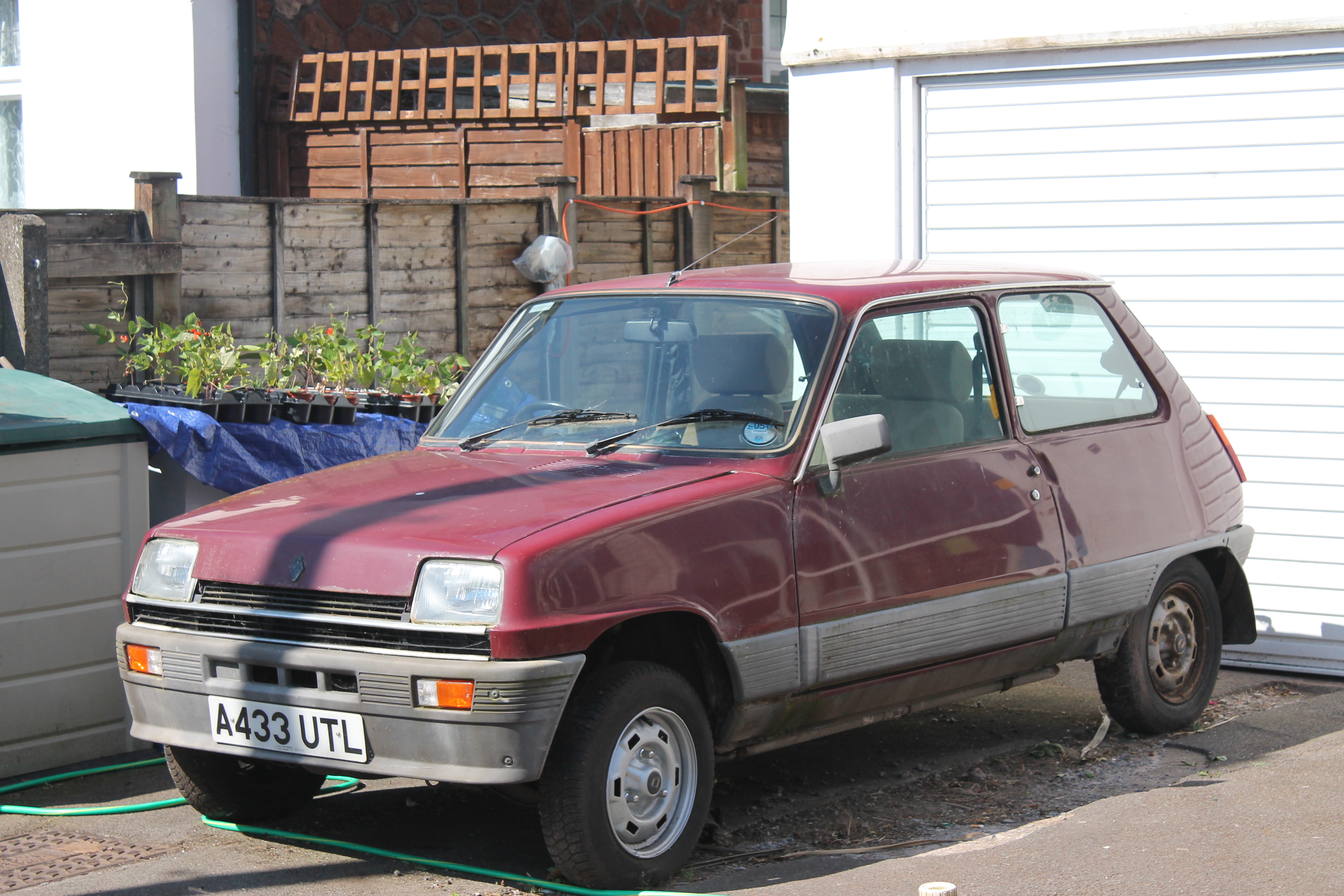
The Renault 5 is a small hatchback car. People talk about it because it’s a well-known model with a history. The podcast hints that there’s more to the story they plan to share.
The Alpine A110 is a small, lightweight sports car that’s famous for feeling nimble and fun to drive. Here, they’re talking about a possible electric version that tries to keep the same character, even though the car’s layout and battery placement are new.
In an electric car, the battery pack is the big unit that stores the electricity. Its placement in the car affects balance and how the car fits together.
A skateboard-style battery layout means the battery is placed low in the car’s floor. That helps the car feel more stable and balanced, and it can make the battery easier to package and manage.
Center of mass is basically where the car’s weight “balances” from. Putting heavy batteries in the right spot helps the car handle better and feel more stable.
Term
talk vector
This is about torque vectoring: the car can send different amounts of power to each wheel. That can help the car turn more easily and grip better.
The Renault 5 E-Tech Electric is a modern small car that runs on electricity. The podcast compares it to other Renault 5 versions and highlights that it feels fun and nimble. It’s being mentioned because it uses a different electric platform than other related models.
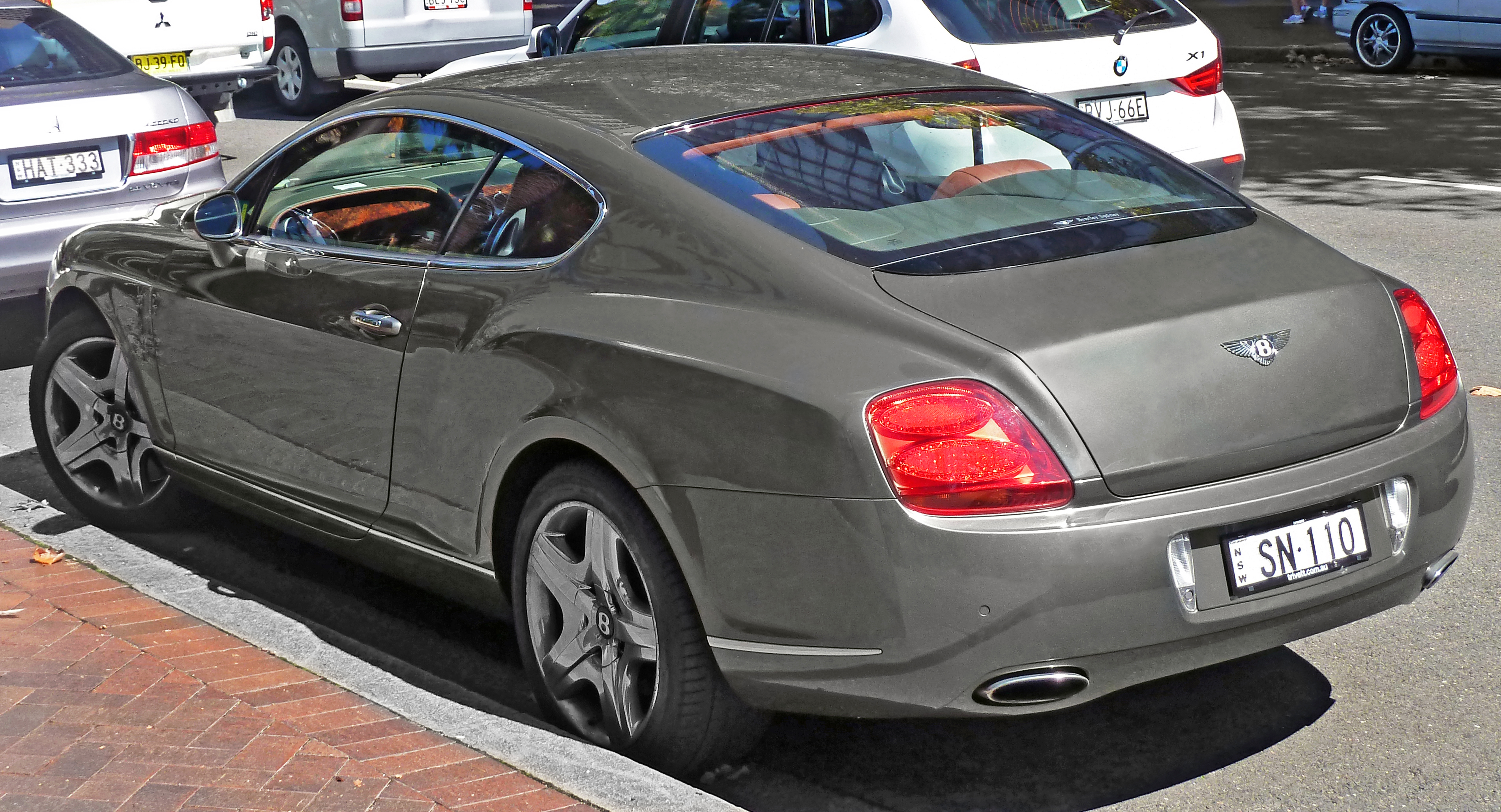
The Bentley Continental GT is a luxury “grand tourer” from Bentley—built for comfortable long-distance driving. The host is saying it has been redesigned a few times, but the overall style stays recognizable.
“Curbed the wheel” means you accidentally hit the curb with your tire or wheel when parking. It can scuff the rim and sometimes harm the tire, so it’s worth checking after.
The Kodiaq is a family-sized SUV made to carry people and luggage comfortably. The podcast mentions it because the speaker damaged a wheel by curbing it while driving. It’s an example of how easy it is to run into wheel and tyre issues.
“20 inch” means the wheel is 20 inches across. Bigger wheels usually come with shorter tire sidewalls, so there’s less rubber to protect the rim if you scrape a curb.
Carbon fiber is a very light, strong material used on some car parts. When it gets damaged, it can be costly to repair because it needs special fixing methods.
“Curbing a wheel” means accidentally scraping your tire or wheel against the edge of the road when you park. It can scuff the tire and sometimes damage the rim.
The Ford Capri is an older sports coupe. The podcast mentions one example that had unusual tire sizes, which can affect how the car feels and handles. It’s a reminder that the right tyres and wheel setup matter.
This means the tires weren’t the same size front and back. That can affect how the car grips and handles, and here it’s also part of why the front tires were better at avoiding curb damage.
The Morris Minor is an old small car from the late 1950s. The podcast talks about it because something was designed for that car. It’s basically about matching parts or engineering to the original Minor.
Jerry Judah is a sculptor the hosts credit for creating a standout sculpture “this year.” The segment frames his work as a labor-intensive, long-term creative process, including how he plans and builds the piece over months.
Singer is a company that builds special, highly customized versions of classic Porsche 911s. Here, they’re mentioned in the context of a project and the kind of classic 911s Singer works with.
A restomod is a classic car that’s restored, but also upgraded with modern parts so it drives better. The host is saying even Porsche people pay attention to these kinds of builds.
The McLaren F1 is a rare, famous supercar made by McLaren. The hosts are talking about how hard it was to sell at first and roughly how many were built, including race versions.
“GT 40s” means the Ford GT40, a famous race car from Ford. The hosts are using it as a comparison point for how even extremely desirable, limited cars can be difficult to sell in small numbers.
The AMC Javelin is a classic American performance car. The podcast mentions an early test and talks about its history, suggesting they’re discussing how it was evaluated or where it came from. It’s mainly being used as a historical example.
Rear wheel drive means the back wheels are the ones that get the engine’s power. That can change how the car feels when you accelerate or turn, and the hosts are confirming which wheels were driving on that car.
The Bentley Continental Flying Spur is a very upscale Bentley that’s meant to feel luxurious and still drive fast. Here, it’s mentioned as an example of a pricey-looking car you can sometimes find used for less than you’d expect.
The Bentley Continental is a very upscale, comfortable car meant for cruising. Here, the point is that it feels luxurious inside and sounds great, so it’s more about the experience than chasing maximum performance.
This means a semi-automatic transmission that lets you change gears quickly using paddles. It’s designed to feel like race cars, where you don’t have to use a clutch pedal yourself.
IMS bearing is a specific bearing inside the engine that’s known for wearing out on some Porsche 911s. If it fails, it can cause major engine problems, so buyers often want proof it’s been checked or fixed.
The MG MGB is a classic British sports car with the engine in the front and power going to the rear wheels. People often modify them, and they’re loved partly because they sound great and are relatively easy to own and upgrade.
The “B series” is the engine family MG used in the MGB. People often talk about how these engines sound, and here they’re saying the exhaust note from that setup is a big part of the charm.
Classic car insurance is a type of insurance made for older cars. It can be cheaper or easier to get than regular insurance, especially for people who are still young and might otherwise struggle with rates.
The Austin 7 was a very small, older British car. People often modified it into custom “special” cars for racing, so when they say “Austin 7 specials,” they mean those modified, often home-built race versions.
“Backyard mechanics” means regular car enthusiasts who work on cars at home. They may not be professional mechanics, but they can still build or modify cars themselves.
“Hand tool marks” are small dents or lines left when someone shapes metal by hand. Seeing them on a custom car can show it was made manually, not mass-produced.
Volkswagen Group is the big company behind several car brands, not just Volkswagen. The hosts are talking about the company changing how many models it makes and how it builds them because of pressure from competitors, especially Chinese brands.
Here, “persona” means a car’s unique personality. The host is saying some cars feel too similar to others—more like the same formula than something with its own character.
SEAT is a car brand owned by Volkswagen Group. The host is saying the car felt very similar to SEAT—like it shared the same kind of interior and overall character.
The Porsche Panamera is a Porsche that’s meant for fast, comfortable long drives, but with four doors. The hosts are saying it may be at risk because not many people buy it compared with other models.
“VW” means Volkswagen, one of the biggest car companies. The host is talking about how profitable it has been compared with other brands in the same big corporate family.
Audi is a premium car brand owned by the same big company as VW. The host is comparing which brands have been making more money over time.
Person
Dr. Piesch
“Dr. Piesch” is a person the host says helped shape Volkswagen Group’s strategy. The host’s point is that he pushed for owning multiple car brands under one umbrella.
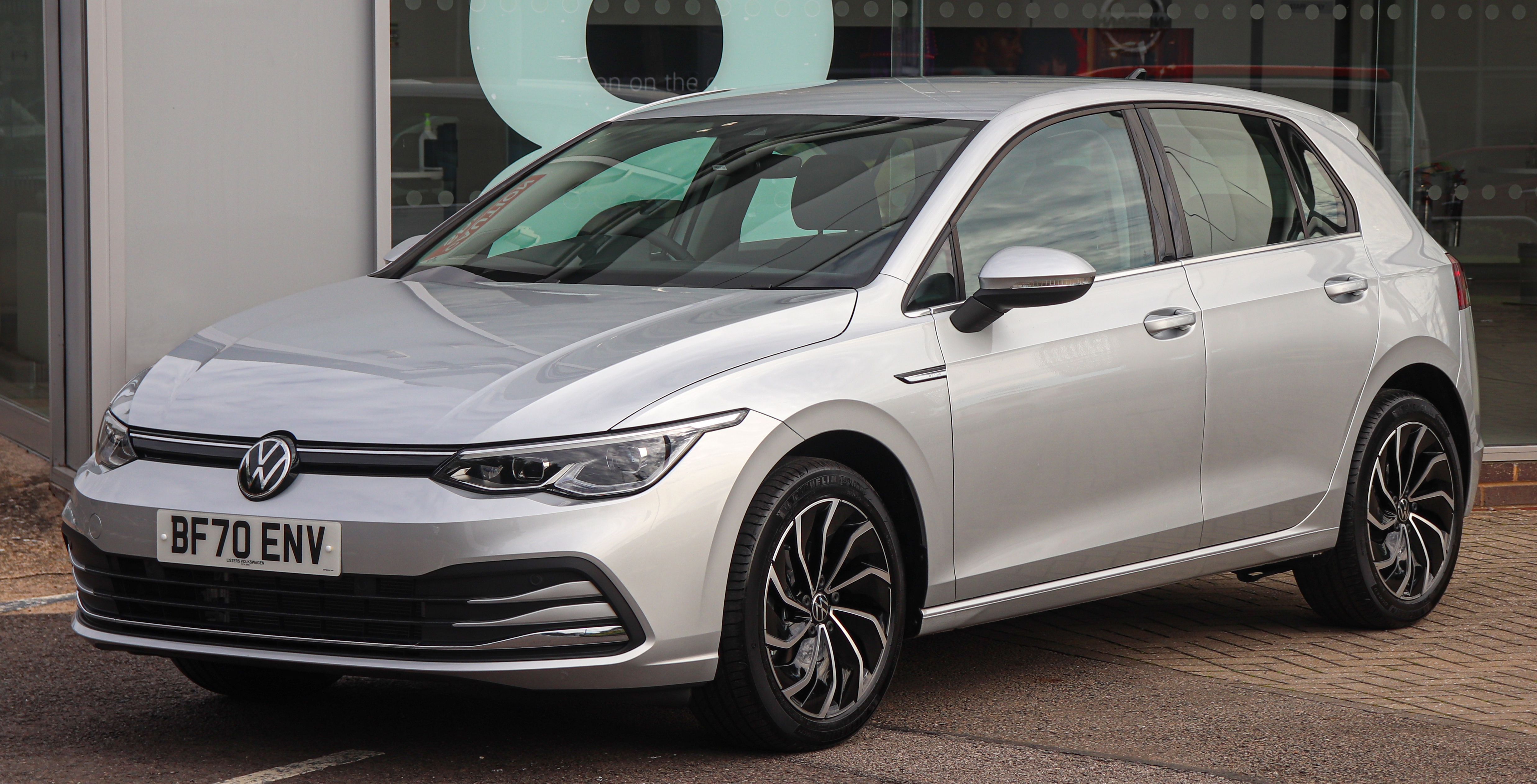
The Volkswagen Golf is a popular small car that many people buy. Over the years, there have been different versions and related models. The podcast brings it up while talking about how there were multiple Golf-style variants in different lineups.
Stellantis is a big car company that owns lots of different car brands. The host is saying that having many brands doesn’t automatically make the company more powerful or successful.
Steering effort is how heavy or light the steering feels. The host is talking about how hard it is to turn the wheel and how it feels as you let it come back toward center.
The Chevrolet C10 is a pickup truck model that people often like for its classic design. In the podcast, the “C10” name comes up while discussing how a system works well in a C10 vehicle. The focus is on the experience of the car’s operation rather than detailed specs.
The Leap Motor C10 is an electric car. In this segment, the host says the steering is really good, even if the rest of the car doesn’t feel as well-developed.
Self centering is how the steering wheel naturally wants to come back to the middle after you turn it. The host is judging whether that return feels smooth and predictable.
The Opel Astra is a compact car meant for everyday driving. The podcast mentions it while comparing how good it is compared with other compact cars. It’s brought up as an example of a current Astra being discussed in that context.
Panel gaps are the small spaces between the outside parts of a car’s body. If the gaps look even and consistent, it usually means the car was assembled with better fit and finish.
The Range Rover is a large SUV that focuses on comfort, but it’s still designed to handle tougher roads. People talk about it because it’s the luxury version of Land Rover. The podcast mentions it in the context of how well a particular Range Rover model is selling.
I can’t tell which car “7” refers to from the snippet alone. It sounds like it’s part of a longer model name mentioned with other cars. If you share the full model name, I can explain what that specific car is.
A six-speed gearbox is the manual transmission with six forward gears. It affects how smooth the car feels and how the engine sounds and pulls in different speeds.
A turbo engine uses a device that forces extra air into the engine. More air helps the engine make more power, and it can make acceleration feel stronger as you rev.
The Taycan is an electric Porsche, meaning it runs on electricity instead of gasoline. It’s designed to be quick and fun to drive. The podcast mentions it because the speaker likes it and hasn’t driven one for a while.
Two-wheel drive means the car only powers two wheels instead of all four. The host thinks that can make the car feel more balanced and easier to steer.
Term
longest range Taycan
“Longest range” means the Taycan version designed to go farther on a single charge. The host thinks that matters because it also matches the driving feel they like.
Rear-drive-only means the rear wheels are the ones doing the work. The host is saying it can make steering feel cleaner and more natural because the front isn’t also being driven.
The Polestar 2 is an electric car made by Polestar. The podcast mentions it as the smaller model in their lineup. It’s brought up while discussing which Polestar models are available.
LIVE
Hello, and welcome to the AutoCard podcast. My Week in Cars with Pry here. Crop here there.
Hello, Stephen.
Hello, mate. How's it going?
Very good. Thank you. Very good. We are at the British Motor Museum today for, well,
you're here for a meeting, aren't you?
Yeah.
But I like the boardroom here, mate. It's got British car industry vibes with the wooden
paneled walls and these big comfy leather chairs. I like it a lot.
Yeah. Yeah. It's suitable for a pair of gentlemen. Yeah.
Well, I think so. In this week's AutoCard pod, Steve and I are going to be
talking about our respective AutoCard columns and a little more besides, including some
of your correspondence, you can write to us. AutoCard at haymarket.com.
Let's do a letter from Hugh Robinson first, I think, who, you know, we talked for driver's
cars a bit last week because I was banging on about what defines the best driver's car.
When somebody said something like a Porsche 911 GT3 might be too harsh for daily use or
to consider as a inverted commas driver's car. Hugh Robinson, who is 80, drives a Caterham 7
regularly, including I've often driven four to 500 miles a day with no problem at all.
Says Hugh, it is noisy with the hood up but very little worse, ruthless than my previous sports
cars. I once left the Loire at 9am and was home in Essex at 630 having done 435 miles
so fresh that I put it in the garage and mowed the front and back lawns before sitting down.
I'll be damned. Yeah. God, how'd you like to have that man's energy?
Yeah, I know. Well done, Hugh. Yeah, and his Caterham's done 63,000 miles and I mean, fair enough.
Wow. I'd be interested to know what, whether he drives that distance with earplugs, you know,
the way you and I do a bit of motorcycle. Yeah, interesting. I always wear earplugs. I imagine
you would have to, don't you, especially if it's top down. I wonder, yeah, maybe top down. I have
done, I did do the Scottish Highlands 2 home with a hood up three or four years ago in one and I
didn't wear earplugs then. I don't think. Maybe I put, if, maybe I was listening to some music
with earphones. But it's certainly, but you can, they can get a bit blustery, can't they?
Well, for me anyway, but it is a great way to sort of savor the
progress, isn't it? You know, it's not as if you, it's not as if you're anesthetised in any way.
No. No. But anyway, that's, yes, on the driver's car front. I forget what the discussion was exactly,
but it was like, our car, some cars too harsh to be considered driver's cars.
Yeah. I think you, you were, it was about the sort of breadth of capability, wasn't it? And
somebody reckoned that. Some cars were too focused for that. Yeah. And the porka might have been.
Yeah. And I can sort of understand that because,
because, you know, at its best, it's fabulous, but between here and the shops, maybe it's a bit
harsh. Yeah. Mind you, our perception has changed, hasn't it? That's the other thing, is that
while a catering is considered harsh to do 400 miles in today, actually 50 years ago or
80 to 90 years ago, if you wanted to do a big distance in a car, you could, you could do,
and people did do, but they were all, all cars were like that. You know, there wasn't,
it's a bit like driving my super three these days, you know, people go, blimey, that's harsh.
Well, yeah, but everybody used to do this. Yeah. I drive my Defender a bit, you know,
people say, go blimey, because it used to be the family wagon doing 15,000 miles a year.
And some people go, I can't believe you do 15,000 miles a year in that. Why not? In the 1980s,
everybody's car was that unrefined. Well, and also, don't you find that, you know,
you get going in a car like that. And, and, you know, 20, 50 miles downstream, you just tune
anyway. And no, I've often found that that after a while, after a time to acclimatize,
you wonder what, what the problem is. It's nice. Yeah, I have no problem with it.
No, I have no problem with it. What should we talk about from your column first? Last weekend,
we were at the Equal Road Festival of Speed. What's your favorite kind of car from the
Festival of Speed? If you were to take, I don't know, if you'd arrived with,
in a Discovery 4 with a big trailer on the back, and you could smuggle something out.
Well, I, because there was a big American theme, I mean, there were a lot of NASCAR cars,
you know, the American competition cars going up and down the track. They weren't,
they were great. And I love the noise, but, but I was taking with some of the American road cars
around the place, you know, you know, Mustangs and Dodge Chargers and things like that. And
there would just seem to be a few of them parked about the place. I've never owned anything like
that. I've had a, I was brought up in amongst the V8s in Australia, but a big V8 there was 6.
Let me think now, was 5.7, 6 liters. And of course, your Dodge Charger goes into the 7th,
doesn't it? And I'm quite, I'm quite fancy a Hemi, you know. So I got mesmerized by,
there were two beautiful 60s Ferraris, the Sharknose V6 Ferrari from the very early 60s. And then
there was a 12 cylinder Ferrari that came after it. And I thought they were just so
beautiful, you know, they've just swept me away. But this year it was a yank. So I don't know why
it just was. Perhaps because they seemed fresh, you know, the thing about a good professional
speed to me is, is that you get used to being amazed. Yeah. And, and if it's got a flaw, that's
it. You know, it's not exactly a flaw, is it? But, but they were fresh to me, these cars, and I
liked them. You can stick a Hemi on the, on the trailer and I'd better still drive it.
And you're happy. Still don't wrap it, I'll drive it. Yeah. Yeah, I get that. Yeah, I do
know what you mean, because there is a, there's a sort of expectation that the event will get
bigger and better every time, doesn't it, somehow. So every time you see, it's a bit like going to
an overwhelming museum, because there is so much of everything. Sometimes you just need to go, okay,
I'm just going to go, and I'm just going to concentrate on this small part of it,
because then you can immerse yourself in that bit of it, rather than being overwhelmed by the
whole, by the whole thing. And that, that perhaps that's the thing to do, you know, even though it's
sounded a bit barmy, but I learned from the Misses who likes art galleries that one of the things
that can help your appreciation of artworks is not to try and see them all. Just go there and view
a dozen things and then leave. Yeah. And then you really get it. Perhaps that's, perhaps that's it,
but it, it ignores a lot of good cars. That's the only trouble, the Goodwoods case. Yes, that is a
problem. Yeah, it's, it's good though, isn't it? Oh, yeah. Yeah, I was there three days,
three days was plenty. It was dusty this year too. Yeah. I swallowed a fair bit of dusty.
Yes. Yeah, I've still got load on my car. Yeah. I was there two days and I didn't see it all by
any stretch. I don't think you can. No, no. Spent a bit of time up in the, which I like doing up,
on the way up to the rally stage, you go into the trees and it's cool and there's a breeze.
And you still see the track, don't you? You still see stuff really close as well because
you are much closer to, one, you can see the, the hill, the main hill route,
but also the rally stage comes through and you get a great view because you can be really close
to it and there's just a sort of, you know, a, I don't know, a three foot high fence that you
can see over quite easily. So you can be really close to it as they bomb past making all kinds of
noises. They get a bit airborne and stuff here and there and move around and slide around. It's
great. It's great. And of course we did a few interviews, didn't we? You know, our interview
with Pierre Gasly with good fun. Yeah. That's out now elsewhere on this channel. There's a bonus
pod that went up on Saturday. We've got other interviews coming up. So you've spoken to Lauren's
van den Akker, Renault design chief. Yeah. That will be told me the real story of the Renault 5.
Oh yeah. That will be, we will put that up. I don't know when we'll put that up,
because we've also, I've also got an interview with the, with the design boss of Alfa Romeo to
use. And also James Atwood, our associate editor has interviewed
another designer. So we've got a host of bonus pods to come. Yeah, it'll be good. And I don't
know in which order we're going to run them. Maybe we'll put Lauren's up this weekend.
Yeah. Yeah. I think it was certainly, it was one of those ones you enjoy. I didn't want it to stop.
But he was a bit busy and somebody else wanted to talk to him for some reason.
Can't believe. Anyway, so that's all to come. You touched on with him the Alpine A110 future,
which was at the show looking like an A110, a current A110 body put onto a new chassis.
Yeah, with a few bits on the front and rear. And I was sort of, obviously,
given that we have the petrol version, I suppose I would be seen as a prospect for the next one.
And I view myself as a prospect for the next one, because I like
electric cars. And I'd be very interested to see how they've translated the values
that we like so much in the petrol A110 to a new one. And so I was a bit disappointed. I thought
they, it was a sort of black car. And I just wanted to see more body features and feel the
newness of it. But Laurence explained that it wasn't a completed car. It was just more or less
a sign that they've done the engineering that he said that the packaging of that car,
because it's a similar size to my car, was part of its big achievement, because it's
quite a decent range, I believe, and obviously a fair bit of engine. So he says, and as we saw it go,
and it looked dynamically pretty amazing. In fact, remember we were talking,
Pierre Gasly drove the Duke up the hill and the Duke appeared to be hanging on a bit, didn't he?
He did. Yeah. Which was a surprise, because his grace must have been hurled up the hill by
experts hundreds of times. But this definitely seemed to get his attention. So maybe it's quick.
Yeah. So that platform is aluminium as before. And you're right, it does look, although the wheel
stuck out further, didn't they, under the bodywork. But it's not that much bigger than
a current A110 by the looks of it. It's got a battery pack behind the passenger compartment
and another one in front, which must be interesting, mustn't it? Because the reason people use a
skateboard style battery layout is that that's kind of the most efficient way of doing it,
isn't it? It's quite easy to call. It's quite easy to hook them up in series. There are no weird
nooks and crannies that you would end up with one battery getting hotter than others, which then
makes the whole thing suffer. Yeah, that's problematic. But here they've got one pack in
front, one packet behind that keeps the centre of mass within the wheelbase and closer to the
centre of the car as possible. And your bum can still be on the floor?
Your bum can still be on the floor because you're not sitting on top of a battery.
And this one's got two motors at the rear, one for each wheel so it can talk vector and do
cool stuff. And it's been developed. What did the boss, is it Philip Krief, the boss of Alpine?
He says it has been developed as an EV. However, there is space where the rear battery is
that it could accept an engine if needs be. Is that the case?
And there's a relationship between this platform and the one underneath the
Renault 5 Turbo 3, the mad little Roller Skate Renault 5. Fantastic. I tell you what, I could
see myself driving home in that car. I'm not sure whether the range would make it or not.
The 3E, that would be something. Yes, having had a look underneath the
110 future, it looks pretty close to being, none of it looks like it's
bummed together from prototype parts, does it? It looks like it's.
I mean, it was pretty clear that that from what Lauren said was that the,
that was the car, but the details will be nicer. I mean, I'm encouraged, but I
suppose I just wanted my eyes knocked out. Any indication that it will look like a 110 again?
Is that the idea that it'll still be identifiable as it will look?
It will have those proportions, but that perhaps the detailing in the
decor will be better and the wheels will be more mint.
One of the things I like about that car is rather, would you call it retro,
or would you say that actually what it does is it looks like an A110 would have done had it
continued being developed like a 911, like a modern 911 does?
People's interpretation of this word retro vary, but it's definitely got,
it refers to the original A110 to me, and it refers closely to the A110 I've got.
But I like the relationship. I'm quite happy with it.
So I hope they turn it into a series like the,
say 911 is probably making a bit of a big claim, but cars like the Bentley Continental GT
are now in their third or fourth iteration and they stick with the look, don't they?
Yeah. Yeah. Which we will, a car we will return to in part two of this podcast.
More on the Festival of Speed though, on the way I curbed the wheel on my Skoda Kodiak.
Oh, it was on the way to.
It was on the way to, yeah, on Thursday, I think Thursday, yeah, on Thursday morning,
I'd set off from home early at five something and I was coming through Petersfield and I thought,
I just need to stop before I get in another hour of traffic because I, stupidly mate,
if I'd left home half an hour earlier, I'd have been in, through a lot of traffic
before it built up, but as it was, I got held up in various places.
So I knew I'd be getting to Goodwood at about 830, which is the same time as everybody else
in the world. Had I been, like Friday morning, I got there at 630. Perfect. No drama, no drama,
drive straight in. And I was like, I know, I know I've got another hour to go. I'd better
just stop quickly. So I know, Petersfield, because I grew up there and I just thought,
I know, I'll just, I'll stop near the Heath Lake and there's a road and either side of the road,
it's lined with these sort of rough hewn, tread looking curb stones, very nice looking curb stones,
mate, you know, it really suits the ambient, the, the, you know, but it's quite a narrow road and
they've got parking bays to one side of the road, doesn't leave that much space on the other side
of the road to get past. So I thought, well, I did, and I don't want to leave a car overhanging
the bays. So I'll just ease over as far as I can. It's quite early in the morning,
so there's nobody there. So I'm just nosing in forwards into these bays ever so gently,
ever so slowly, a bit closer to the curb, just a tiny bit closer, because I don't want it to
crunch. So 20 inch alloy wheels, you know, lovely wheels, great looking thing. But the cars were
1800, nearly 1900 mil wide across, 2. something, including the mirrors, 2.2 meters wide, including
the mirrors. So obviously, I feel lousy about it. Oh, it messes up your whole day. But also,
but also how lousy should I feel when, like the wheel is two and a half meters from where I'm
sitting, and I can't see it, which you may argue will be more careful than, but also I'm trying to
guide it to within five to 10 centimeters of a curb, a rough curb. I could have stopped and
reversed back in, but actually, you still don't get an amazing view in a mirror of the back wheel
that is probably four meters away from you. And then the front, and then you can't see the front
wheel at all still. And if you're on lock, that's sticking out even more than the rear. And I just
think these, it's all wheel design and car design. I feel a bit like supercars that are too low to
the ground and they scuff their noses. There's a limit to how responsible as a driver you are for
that happening. Car design has led us down a path where damaging cars is just damaging the extremes
of cars is made more likely. And that they are slightly too big and slightly too unwieldy for
an exposed and vulnerable to the road conditions around us. Yeah, I think that's true because
if you look at the front and rear of a car, it's got a huge great bumper that can actually accept a
two or three mile an hour, five mile an hour impact without even showing it. And yet,
if you sort of transfer your attention to the 90 degrees to where the car is most likely to be
exposed right by the curb, it's really vulnerable. There must be a better answer unless there's an
actual business case to providing or repairing alloy wheels. Because it keeps the alloy wheels
repairers and the carbon fiber, the bodywork stuff keeps the carbon fiber repairers in business.
Well, yeah, maybe there is a... I tell you what... Which is fine, but it's costing somebody money.
Yeah. And also, I mean, it does mess up the appearance of the car, doesn't it? You know,
how often are we walking? You find yourself walking along a footpath. I can't stop myself
looking at the cars parked, you know, and you come across something lovely, being cleaned,
you know, very nice color and all the rest of it. You just look, you know, lower the gaze and they'll
launch marks on these beautiful wheels. And I just now I know every time I see it,
I'll just, until I get it sorted out, I'll just feel like a complete... But the thing,
the worst of it, we were just talking about this one, the worst of it is that your
blameless record of the last two or three years is negated, isn't it? You know, you've all that
care that you've put in all this time. It's like one of those signs that you see on everything,
days without an accident, nought. So I've written about it in my column and I thought,
I'm sure I've written about curbing a wheel before in my column and I don't want to use the same
analogy again. So I looked on my laptop at the last time I wrote about curbing a wheel
and it was in 2014. So I mean, I'm sure I have curbed a wheel since 2014, but the last time
it annoyed me enough that I wrote about it was 12 years. So I'll take, in a way, I'll take that.
Yeah. But also, also I've run, you know, I'm sure I've run cars close to a curb, which have,
you know, I've probably parked my A2 right as close as I can to a wall and it will have just
scuffed the tyre, which is the, which is, you know, there's a tyre on it. Why not make the tyre
stick out a little bit? Well, I recently had a Ford Capri which had, it had odd tyres, different
size front and rear, but the front tyres had this collar, that rubber collar that just stuck out
further than the wheel, which was a 20, 28, 20 inch. And they protected me several times from,
from the Granche. Interesting. Yeah. So it can be done, I believe. Yeah. And also, we're pretty
good at parking cars, aren't we? I don't want to, you know, blow our own trumpets, but we're pretty
good at it. Yeah. As anybody who, careful, careful, careful and, you know, well-practiced because
the car park at the office, either car park at the office, the one downstairs, which,
which we try and squeeze 13 cars into four spaces, but also the one over the road,
which we use, whose spaces were probably designed in 1958. Yeah, built for the Morris Minor. Yeah.
Yeah. You know, so we're pretty good at it. So it irks me when I fail. But also, I couldn't agree.
But also, I, but I liken it a bit to, if you know, it's in a hotel somewhere and you have a shower
and you get out and there's water all over the floor. And I feel bad about that. I get,
ah, for heaven's sake, I better mop that up. I feel bad. But why should I feel bad about that?
I didn't design it that badly. So it's somebody, you know, it's not my, it's not strictly my fault.
Doesn't happen in your own bathroom. It's not strictly my fault. Yeah, my own bathroom. And I
didn't design my bathroom. You know, I, I'm not a bathroom designer yet. I've sorted out my bathroom,
so the shower does not throw water all over the floor. Somebody professional bathroom designers
have done this. You know, I'm just thinking, just do it, just do it. Can we not,
can we not do this better by now? Yeah. So, yeah. So there's a limit to how I do feel bad,
but I'm telling myself there's a limit to how bad I should feel about it. I agree with you.
And I'm very sorry to the people at Skoda and I'll sort it out.
Should we take a break yet? No, let's talk.
Oh, one last, yeah, one last festival speaking before we move on.
Do you reckon this sculpture this year was the best ever?
I do. I really think, I think Jerry Judah, the sculptor,
did a wonderful job this year for Singer, you know, the, the, the red re-imaginers of
porches, 964s and so on. Yeah. And I just, to get that sense of symmetry wherever you look at it
from is, you know, whether you're right up close to it, miles back from it, any angle,
still look fabulous this year, I think. It was, I mean, I guess he's been doing it for 25 years. He
must be getting the hang of it by now, but, but it's such a labor of love that I went to his studio
one time in, I think he might have moved now, but it was in North London. And just to see
how much it meant to him and how much trouble he took and how many months of
thinking and planning was, was, was a real education. There are some great,
I think the Instagram pics of, of, there's a, there's a, what would they call it, one of these
loads of built up images where you could, where you sort of see it going together. It's photographed
every hour. Like a time lapse kind of thing. Time lapse, exactly right. And that's a real
education. It's like a building an ocean liner almost. It's amazing. I always wonder what the
hell's under the, under the front lawn. Because you can't see it, can you? But then there must
be serious anchors in there that they can't, and they don't dig it up. I don't think every year to
put more in, do they? I don't know. So maybe so that, but there must be a big structure under
there somewhere. I've always, in recent years, I've always thought that, you know, we ought to get
down there six weeks ahead and try and surreptitiously drive, sneak up the drive to see what's going
on. There must be a hell of a sight. Yeah. I wonder if they, they don't want to show
everybody because it shows, you know, it unmarked, it reveals the magic trick. Yes. If you see too much
of it. Yeah, I think that would be part of it. Wouldn't it? But it certainly, I think the festival
would be a lot less without it now that we've become so used to it that part of your arrival is to,
is to sort of clock the sculpture for the first time. It's really good. Yeah. I went back
a couple of days ago to drive a Gunther Works 911 on the circuit, the F26. On Goodwood circuit?
Yeah. Oh, wow. It was quite, it was quite noisy for Goodwood circuit because it's got a thousand
horsepower. But it did a decent job over the weekend as well because I think it set fastest
road car time or something like that. Up the hill. Yeah. So it's a 993
based 911 rather than a 964. But I think there's a bit, I don't know, I may be assuming
a bit of healthy competition between Singer and Gunther Works as to, but they do a different
kind of thing. I think Singer does that. They're very sort of classical looking 911s, aren't they?
And they, they're, I mean, they're pretty sensational. Gunther Works maybe go for a
slightly more modern look and sort of more carbon less tartan in a way. But God, it was good,
mate. It's really good. I mean, like. Isn't it amazing to think, you wonder what on earth,
if, you know, if very Porsche is looking down from above, see what he started. Yeah. Unbelievable.
Yeah. But I, you know, even people, people now, they have senior bods at Porsche seeing
both of these cars and a lot of other Resto mods, I'm sure. And they, you know, they nod and approve
and go, yeah, we'd have liked to have done it like that. If, if we were making cars on an unlimited
budget in very small volumes, they, I think they like them too. Yeah. People come, it's the supply of
buyers that surprises me because, because sing it. Remember, we had a pretty good chat to Rob
Dickinson earlier on this year. And he just didn't see, you know, the clients are not the problem,
are they? They don't seem to be, do they? Margie, I suppose there's, look, there's eight,
8000000000 people on the planet. And if you're making an F 26, you've got to find 26 people.
Yeah. With a couple of million quid to spend. But maybe it's not that hard. I don't know. But
there are so many cars, aren't there? That's the thing. I mean, there's Alpha doing 33, 33, 33
Stardales and, you know, seeing you're doing X number of these and the works doing X number
of those and the on doing X number. And yeah, at some point, surely. Yeah. It is. But then,
if you talk to people who study the, the expansion of high net worth individuals
in the world, it always go on about how they're expanding faster than any other category or
something or other. Yeah. It is a phenomenal though, isn't it? Because you remember, I always
goes, you go back to the early days of the McLaren F1 and they couldn't sell them all.
Yeah. And, you know, neither could they sell all them for GT 40s. But
how many F1s did they make in the end? Was it a hundred and
something just over a hundred? Yeah, around a ton, wasn't it? And that included the race cars.
Yeah. How did they road cars petered out in the 80s? Was it? Yeah, I think so. Do you remember
how many they wanted to build? I don't. But it was more than that. A couple of hundred. It will be
in the AutoCar Archive. It will be. Let's take a short commercial break for me to tell
you all about the AutoCar Archive. If you go to themagazineshop.com, you can find it. There's
131 years of AutoCar history every week, every page. And by the way, if you want to know chapter
and verse about the McLaren F1, that was the, we wrote an extraordinary sort of 50 page supplement,
didn't we? Which I presume is in the archive. Now, with all the money on eBay. Oh, yeah. So,
yeah, no, where the, where the, they even adopted AutoCar's performance figures as the
official factory figures, didn't they, remember? Amazing. Yeah. The rotor, I don't know if this
supplement is in there. The road test certainly is because I've had cores to check up on it.
What have I been in the archive for this week? I go in every week, so I forget
me. I forget what I've been, I forget why I've been in. I have a feeling I was in
for something in 2025. Oh, and also I've been going through, I need, and in fact, I'm looking
forward to going through properly to remind myself exactly how many Christmas road tests
there have been and when they started. Because it was a little, there was some sort of
but, and I think it was 19, I want to say 1971 or 72 was the first one that was officially called
Christmas road, auto test, Christmas auto test or whatever, which I think was a Brewer's Dray.
But there were stories before, quite a long way before that that were
facetiously. I seem to remember the Brewer's Dray one being brought out. At one stage,
we sort of summarized the Christmas road tests fast, and I could seem to remember somebody
pulling that out and just putting it in a little panel beside the, I was in the archive,
been in Australia for a bit, just about 10 days. And of all things, I was sitting in the middle of
the bush looking up the, the, our test of the early fifties Javelin. Oh, really? Because I was
having this conversation with a daft mate of mine about whether or not it was front or rear wheel
drive. So we had to look it up and we found a beautiful cutaway, which shows that it was indeed
rear wheel drive. Excellent. Excellent. So I won the goldbladed peanut. Oh, brilliant. Well done,
you. So that's, yeah, that, well, the magazine shop.com slash auto cart. And if you go to the
show notes, actually, it might be the easier thing. There's a link in there, which links
through to a special offer. Well, we're part two of the auto cart podcast. My week in cars,
we have a letter whose author would rather I didn't say too much about his name and where he
lives because he's still doing some importing of some vehicles, but you Steve are thinking about
replacing a vehicle with another. And our correspondent says, on the topic of your
potential change of car, got some interesting reference points for a bit of fun. Some friends
2007 at 18 grand Bentley Continental Flying Spur 2006 70,000 miles on it for 12,000 pounds
and a nine Porsche 911 996 convertible 1999 model with 100,000 miles for 15,000 pounds.
I know not everybody's spending that sort of money on a car, but that is some quite a lot of
that's quite a lot of metal for not, you know, for family car prices. Pretty very experienced.
Yeah, varied experiences. Which one would I choose to take out on a Saturday morning at
seven o'clock, enjoying a countryside drive? Mostly the Bentley Continental.
The Maserati is beautifully built, raw, fast, has an F1 semi automatic gearbox, is an underrated car.
The Porsche 911, you know, well, the amusement mix of durability and sporty feel, not as fast as
a marriage, but less delicate. The Bentley is such a nice place. Performance is irrelevant.
What really strikes me is the sumptuous interior and amazing stereo. We took it to Paris recently,
and how lovely it was. So those are great guys, though, aren't they? Because, you know, something
goes wrong, something a bit difficult goes wrong with a couple of them. And you're suddenly looking
at the almighty investment. But I mean, I suppose sharing the ownership is helpful. And also,
yeah, I think this guy goes on to say, doesn't he, that that he's in the business and
I think that's a pretty reasonable idea about what it takes to mend them.
But I love the we all love the idea, don't we, of having, you know, a shed with with a Bentley
Mazda and a Porsche. He's, interestingly, he's, he's quite the 996. Do you remember the Porsche 996
was, was not everybody's favorite because of two things, the shape of the lights. And also,
there was a gremlin in the some sort of bearing in the middle of the engine.
Yeah, isn't it something like the IMS, what do they call it, intermediate something shaft or
something had a bearing issued in it. You can sort that out, can't you? I think most of them
these days have had it. Yeah, yeah. But that he says, great car, forget about those things,
and they're fixed anyway. And the other thing he's nice about the Mazda, the Mazda too, isn't
he? You know, he says, look, it's nearly a Ferrari. Yeah, feels the same made by the same people.
Yeah. And it's good advice from an owner. I just love letters from people like him,
who've, who've actually done it. So now, good, good stuff. Thanks for the letter.
Are you any closer to deciding? No, I'm messing about freely. I sort of want to
mess about for a while, because yeah, I'm envious of that phase, because it's so enjoyable.
Well, you went through it yourself, didn't you? And you know, maybe do I buy a catering,
do I buy a Morgan, do I buy a nothing and spend a bit of money on the cars I only have,
which would have been the sensible thing to do. Yeah. Do you remember that? I mean,
you got quite keen on that kind of modded, healthy, health-ified MGB, didn't you?
Yeah, very, very much so. In fact, I saw the good people of front line the other day.
I wouldn't have stretched to a front line MGB, but you know, something given a bit of a,
yeah, just given a bit of a tweak. They look great. They're still, still a,
oh, God, I just think as a, I don't think the creators of the MGB, even they,
I don't think they realize how good that car is. And there are so many of them that we don't
realize how good it is either, because you get used to them and you think, well, it's ordinary,
but it isn't ordinary. No, and it ticks all of the right boxes that I like. I like a front
engine, rear wheel drive car. I love a coupe. It's the right size. It's a pretty shape.
They're affordable. Loads of parts are available. Amazingly,
characteristic exhaust note too. Don't you think the old B series through that particular exhaust
system sounds special? I think it's just, it would do for a trip to the theater,
but also run to the shops or a weekend away. You can go anywhere in it and not look
a complete Burke. Everybody would think it's a nice car wherever you go. You could go on a
European touring holiday. You could do the lot in one. So I think that there was a,
we might have talked about this before. There was a time when people, maybe my age, don't
love those cars enough because they thought they were old people's cars. And yet now there are,
I think Jack our photographer who is in his early twenties, he said a couple of his mates have had
MGBs or midgets or something like as their first car because they don't associate it with,
it's my dad's car, an old farts car. They don't have that association. And I suppose they can also,
they qualify for classic car insurance, which is a real bugbear for people in their early twenties.
So yeah, well, let's hope they just live on forever. There's one right over your shoulder.
Oh, is that? Can I see it on a stand-up? Actually, you get a great view of the floor from up here,
don't you? I should have a walk around before we go. As we walked in, I looked down and saw one of
those Austin 7 specials. Lovely. Goodness me, just. They are fabulous. I mean, it's a particularly
lovely array here. There's about 10 of them, aren't there? And three or four of them are those
single-seater racing cars, beautifully developed. And of course, we've got the Isegonis lightweight
special here, which is the car, Alakaz Isegonis built before the war with his own hands. And you
can, of course, every single, you can see the hand tool marks on the exterior panels because
he formed them himself. I still need to write a column about backyard mechanics. I think I
talked about it last week. You mentioned it. Yeah, I think I did. I still haven't written it. Sorry,
Felix. I will write it this week. I'm not going to promise. Easy use to disappointments.
He is used to the whooshing sound that deadlines make as they fly past.
Yeah, who said that? Oh, that was Douglas Adams, wasn't he? I love the sound that
they make as they put it. Did I? Oh, no, I went to it. There's a story that Douglas Adams tells.
It's either in one of his books or it's about him, where he goes to the station
and he buys a newspaper and a packet of biscuits. Have you heard this? No.
Sorry, listener, if you've heard this. No, go for it, mate. And he sits at a table in the waiting
room and there's a bloke across the table and he puts down his newspaper and he starts reading it
and he opens his packet of biscuits and he eats a biscuit. And then the bloke across the table from
him, one of these sort of cellophane things where there's six biscuits in whatever. Yeah. And the
bloke opposite him, looks at the biscuits, reaches across the table, takes a biscuit
out of his packet of biscuits. There's, I don't know, six or eight in there, whatever. Yeah. And
anyway, the character, whether it's Douglas Adams or not, doesn't say anything,
thinks this is a bit weird, has another biscuit, on which point bloke over the table,
takes another biscuit out. And this goes on until the packet is empty, this kind of passive-aggressive,
weird kind of thing where he just thinks this is. Anyway, bloke across the table, gets up and leaves,
he carries on reading his newspaper and just thinks, well, that's bizarre happening. That's
so he folds up his newspaper, picks it up, underneath which is his packet of biscuits.
He says, the great thing about it is somebody else has got the same story as him,
but no punchline. Fantastic. And I think I mentioned it to somebody else the other day
and said, that was Douglas Adams. Actually, it was a thing from one of his books,
but I can't, that's all I need to look that up. Oh, don't you love it? You could go on, couldn't you?
Yeah. My kid still, you know, you'd hang in the air like a brick doesn't.
That's very good.
What is happening at Volkswagen Group? Well, there's a lot of refinement, isn't there? They are
suddenly aware of the threat of the Chinese. Their CEO has come up with a way of improving things by
reducing production and reducing the number of models rather dramatically on all of their
marks, really except Skoda, because Skoda are pretty secure, it seems.
But Audi models are going to disappear, VW models are going to disappear,
some Porsche's, it's believed. Or at least that's the proposal. He's got a problem with the shareholders
adopting his plan, but that is the proposal. And I was just thinking that some of the cars
that are due to disappear, I won't care about. I think VW Group have done some spectacular things,
but they have produced a lot of cars with no persona, really. What is a VW Tiger?
What is it? I saw one on the M40 today, and it was one of those I had to read the badge and go,
oh yeah, okay, it's one of those. So when it dies, nobody's going to care, nobody at all.
Although I think I reviewed one when it first came to the UK, and I think it's pretty good.
It felt like it sort of distilled a purely distilled Volkswagen. It was just,
I think it had still turning knobs for the heating and ventilation, if I remember rightly,
and I was like, this is perfect, but it was also very much like a Seat, and it was also very much
like a lot of other things that they make. But it just felt, yeah, it just felt...
I've just got this, I know it's old tech probably, but I just like cars with their own persona.
And if a few that to me don't have a persona drop off the edge of the world, I just don't care.
No, I'm okay with it, I think.
So, but apparently the skids are, or cars like the Porsche K, and no, not the K, and the Panamera
are under threat, because not too many people buy them, it was rather expensive to make, I'm sure.
And I'll be sorry to see that car go, because I've had a few good times in them.
But some of them, I think a cull isn't all bad. It's probably a stupid thing to say,
but that's what I feel. Yeah, I feel worse about the cull of employees.
That's where I... I don't mind cars going, but I think when you're laying off the number of people
that they are, I think that is... And of course, that is the big deal, isn't it?
That's what lies at the centre of it all. They just want to reduce costs,
and people are still the biggest cost, I guess. So, it's a problem.
Are they... How much trouble is... are they in, as a group?
I think a considerable amount. These days, people talk about return on earnings,
turnover, and they're down in the 2% and 3% area, and healthy companies are 7, 8, 10, 12.
VW have never been particularly profitable. Audi always made the money. Audi are now
lately Porsche. But as I was saying in my column item about this, it was Dr. Piesch who put it
all together. He just wanted to amass this big group, because he figured that at one stage,
do you remember, there were four versions of the Golf. There was an Audi, a Seat,
a Skoda, and a... What else do I mean? The four. And a VW.
And I remember talking to him about this. He's a terrifying bloke to interview, but
I did interview him a couple of times. And he said, well, it's like going fishing. If I go
fishing with four rods, I won't catch four times the number of fish, but I'll get more than one.
And I don't know whether that's still a valid way to think. It seems not. You do wonder about
Stellantis, who much more recently amassed a huge group of, you know, over a dozen marks,
because that made you powerful. But on this showing, you wonder whether it does make you powerful.
I suppose if you have very successful ones and not so successful ones, it really does highlight,
maybe it makes them more expendable than if you only owned two or three marks. You know,
you just have to make all of them work. Whereas actually, if you have a dozen and one is not
doing very well, maybe there is a temptation at the top level, just go, well, let's just bin that
off. Or sort of do stuff to resuscitate it. At times like this, I always think it's much easier
for us to be pair of blokes with typewriters. Well, yeah. But well, we are involved in,
we do work for a company, don't we? We're not without involvement in these shenanigans within
our own industry. They're sold Bugatti. Are they going to sell Ducati, did I hear? Or am I making
that up? Am I imagining that? I wonder if anything else is, they don't own so many brands that I think
they could sell one off without noticing it. I don't know whether, I don't think they collide
particularly the way sort of our DVW say it's go to it would do. Yeah, it does feel like they
so maybe they're better offered different things. And Cooper now seems to offer something
differentiated better than say it. The old skids are under say it. And that was in fact one of the,
one of the things, this Oliver Blumer plan, the plan we were talking about,
one of the things that's tipped is the complete demise of say it in favor of Cooper.
It's funny, you know, because I mean, it's only a badge, but actually Cooper has come along and
is doing stuff that say it I thought was kind of meant to in the first place. Yeah. But say it
seems to have a long history of slightly seedy old feats behind it. And you know, perhaps it's
only me that remembers that, but it used to be the sort of pretty cheesy old hire car that you
got hold of when you went to Spain. Yeah, which these days would just be, what's that?
A Chinese brand you haven't heard of quite sometimes I go and see some hire cars in
Central and Southern Europe. And they've got was it DR the badge on it, but it's not.
Anyway, there's some stuff which you just, I just look at the badge and I go, I've never,
I've never heard of that before. Yeah. And it's just seems to be reserved exclusively
for Greek hire cars. Yeah. Yeah. Yeah, maybe it's Turkish as I don't know. No, I can't remember.
I'll look it up on the Stellantis niche brand front, not a niche brand, is it? They don't
want it to be a niche brand. In fact, I spoke to Adili the other day who said that it was going
very well at the Leap Motor. You've written subscriber extra this week, which is an email
that goes into subscribers inboxes Friday afternoons, an additional piece of free editorial
content. You like the old Leap Motor? Well, I'm getting on okay with it. I think it's not the
perfect car, but there are good things about it. And I've written this sort of slightly
petuous piece of nonsense about about the steering, which I really like. And it's
when you suddenly start thinking about nothing but steering, there are a huge number of things
to think about, aren't there? There's the center field, there's the actual shape of the steering
wheel, there's a diameter of the steering wheel, there's whether or not the rim suits your particular
grip, the surface of the steering wheel cover, there's the steering effort as you put lock on,
there's the steering effort as a self centering as you come off it. And in the Leap Motor C10
that I've got, it all works really well. And the car has got nice steering. It's not
alert sporty steering, but it's very, very nice. And
I wish the rest of the car was developed to that extent. But the fact that it isn't,
the ride's quite ordinary, the interior quality is there, but somehow it's not expressed in the
way the car looks. There are various faults with the car. And it all goes to show how hard
it must have been to produce a car of all round excellence like the Ford Focus or even today's
Astra. And the Chinese are on the path, but they're not there yet.
No. No, they do some things incredibly well, don't they? And they know how to put cars together
and they know how to put tech together. And actually the European car industry did assist
them on the way with that by thinking the Chinese would love to have a Peugeot. It turns out they
don't, but they'd love to know how a Peugeot is made. Yes. And they've done that now.
Yeah. Isn't it interesting the way things like paint quality, panel gaps
saw gone? You know, it's a thing you can trust in any old car now. Just, you know,
my Leap Motor is made like a, I don't know, like a Mercedes would have been made 20 years ago.
It's really interesting. Yeah. And the willingness of
UK buyers in particular, but a lot of European car market buyers to buy a car from a brand
they had never heard of 18 months ago does surprise me still. Oh, and me. Every time I see another,
what's it called? The car that's doing so well on that. Oh, the Timu Range Rover,
the JQ7. The JQ7. Yeah. Yeah. That's,
it's a phenomenon that it can just have leapt from nowhere to prominence like that.
People have a, they don't, you know, for all that some people who marketing types tell you that,
you know, recognition and knowledge of the product and stuff like that is
crucial. It just seems that the awareness of that product has come from nowhere.
Yeah, really has. Skywell have now pulled out of the UK already, haven't they?
So I do, I do wonder whether, if that happens to other Chinese brands,
whether that has an effect on people being prepared to buy one. Because if I buy,
I don't know, a toaster or an air fryer off of the internet and I don't know the brand name,
doesn't really matter. No. Because three years down the line, if it breaks,
that would be a nuisance. Yeah. But it's something that cost me 30 quid and I'm not likely to get
it repaired anyway. No. However, if it's a car that I'm spending a five grand deposit and 300 quid
a month on and two years down the line, they pull out of the UK, does that become, that's,
that's when that can, I mean, imagine owning a Fisca Ocean. Yeah. Now, I don't know. I mean,
flipping it. Yeah. I wonder whether that's my, that's one, I'm surprised by the adoption of it,
but also I wonder if, because there's a lot of manufacturers, surely they can't all
prosper here. No, no. Does that have an effect on the ones that do? And if you are a legacy car
maker for, I don't, I don't love that phrase, but if you are, is it a thing worth shouting about,
that we've been selling cars here for a hundred years and we'll be selling them for a hundred more?
I would have thought so. It's, in a way, when you put it like that, it's a bit surprising
that people don't do more of it. I mean, they do, to some extent, talk about heritage, but not so
directly, do they? No. You know, we'll be here when the rest of sort of, you know,
made a big noise and gone. That's interesting that. I mean, even the Chinese authorities that
have encouraged all of these people to, until recently, to sort of grow up and get on with it,
they acknowledge that it's like chucking a load of swimmers off the end of the jetty,
some will swim and some won't. Yeah. Yeah. Yeah. And they've got such overcapacity,
oversupply in China that actually, you know, us mopping up a few here is fine. And if they don't all,
as you say, if they don't all stick, maybe it doesn't matter. Yeah. So we're still in a very early
phase of sink or swim, aren't we? Yeah. Shall we vary finally? We've got a few minutes left.
You've been driving a Porsche 911 T. Yes. I've defined the T to me because, well,
actually, I wrote a column about this the other day, the 911 range is big, isn't it?
Funnily enough, mate, your, your, I've always had extreme trouble understanding the Porsche
range, particularly the 911 range. And that bit that you wrote, explaining all that,
the 911s and where they came from, was the one that turned the light on.
Was it? So I'm not sure I was because I wasn't totally sure I was right.
It's a Carrera, you know, it's a pretty bog basic car, but with a six beautiful six speed gearbox
manual and, and, you know, a bit more equipment and so on, but, but no extra poke, still 387
or whatever it is. Perfect. But a little bit slightly bonier ride, I think. And, and I was
interested in the car because I thought maybe in my dreams, I, you know, I might buy one, you know,
consolidate the, the, the Alpine and a few quid that we've got into, into a Porsche.
So it was interesting. I didn't drive it far just to, I suppose 15 or 20 miles, but very good car,
beautiful quality, very complete. Love the way the doors shut. Magnificent gearbox, I thought.
I'd have to have that. But I was a bit surprised that the engine was so refined. I would have
could have done with a bit more shouting from the engine. And, and I thought the road was,
the ride was a bit bonier than I remember from, from lower spec 911s. I'd like to try the,
the absolute bog basic one, even with the, with the auto gearbox. I think I drove
one of those because it received very minor or it was an, it was either Carrera or a Carrera S
received very, very minor tweaks when Porsche launched the GTS, which has got the new turbo
engine. That's it. Effectively took, you know, de-tuned turbo engine, but it ride before the
turbo. Anyway, on the launch, they had both back to back and I, and the base Carrera couldn't keep
up on circuit, which is fine, but felt great. I thought because it was a, it was a little lighter
and a little more pure, if you like. And even though it is turbocharged, it felt like a really
refined, smooth engine that got better still the faster you, the more you revved it, you know,
and I really enjoyed it. I came away thinking that's now the sweet spot for me.
Yeah. So I think you, in fact, you mentioned that in this column that we saw that just a
week or two ago, whenever it was, that it, you know, it was the low, well, I think you described
the Carrera as all the Porsche you ever need. Yeah. And I think I feel like that too. And it's
often, it's been the case, I can remember 20 years ago, you know, going for a big
strop through the middle of Wales and writing this story, which I remember the headline of
which says, said no frills 9-11 and it was, it was the, to me, it was the perfect 9-11.
Yeah. So I, I don't know whether, how much it matters to sort of chase extra output and so on.
No, you're going to have a, you're going to have a going, a more extensive going one.
In the same car, yeah. Yeah, because I'll come over and have it.
The other car I want to try is, because I haven't driven one for a year or so is a Taycan,
because I still approve of that car and it's improved a lot since the early days, more range,
more refinement, everything. They've just done what they do, Porsche, which is to
chase every problem away. Yeah. And I've got a feeling that the two-wheel drive,
longest range Taycan might be a bit of a good thing. That was always the one I liked the most,
anyway. Was it? Yeah, because I, was that because of the handling? Yeah. And it's,
it's the lightest, I think, just about of them. And it felt really nicely balanced and rear drive
only. So it steered without any corruption from the front. And as it's quite often the case,
you know, the less is more sometimes, isn't it? Yeah, I think it is very much, it's very much so.
And particularly with a whole crop of these recent EVs, you know, so there are some Polestar models
that the Polestar 2, isn't it the, do I mean, the smallest Polestar is, you know, the rear-wheel drive
you know, cheaper version, cheaper, not cheapest, more affordable versions. Yeah.
Bit of a good thing, I think. Yeah. Yeah. And as is, I think it seems to be the case more often
than not with a, with EVs, doesn't it? Particularly, is you get, you get enough poke,
but you get more range and it's lighter. Yeah. And I don't mean they go fine anyway,
don't they? Yeah. Yeah. Anyway, we should probably wrap this up for the day, mate.
Steve and I will be back this time next week with a full podcast. In the interim,
there is going to be an interview with an designer, but I don't know which one yet.
We've got loads. I don't know what we're doing in the next week, Steve. I'm,
oh, I don't know if I can talk about where I'm going. I'm going to drive something in the UK
that I can't write about until September, but I'll have to, I'll have to find out on Monday
whether I can talk about it at all or not, because they like to be fair to all attendees,
basically. Yeah. Yeah. Are you, are you away? No, not at all. I am picking up that my,
because my trip to Australia was fairly rushed, I am left a number of ends untied. So I think
probably need to do a bit of housekeeping here. Well, thanks for joining Steve and
me. We will see you this time next week. Thanks, mate. Cheerio Sport. Cheerio.
About this episode
From listener letters at the British Motor Museum to Goodwood rally-stage views, the hosts debate what makes a “driver’s car” and how perceptions of harshness change over time. They share used “budget exotic” shopping examples, then get into Porsche 996 IMS-bearing worries and why some limited-production supercars can still be hard to sell. The show also covers EV ideas from Alpine’s dual-battery concept to Polestar and Chinese-brand ownership risks, plus a Volkswagen identity-and-model-cut discussion.
Which semi-budget exotic car is worth a risk? What defines a great driver's car and is a Caterham right up there, even if you're 80? What was the highlight of the Goodwood Festival of Speed? And what's going wrong at Volkswagen? All these questions and more in the latest episode of the Autocar podcast, My Week In Cars, brought to you by your hosts Steve Cropley and Matt Prior.
They also dive into the Autocar archive. For details of a subscription special offer which includes archive access and gives you SIX issues of Autocar for just £6, click here.