Why 6.0L Powerstroke Injectors Fail
About this episode
The Diesel Podcast digs into why 6.0L Powerstroke injectors fail, tying failures to repeatable causes like maintenance, fuel quality, and correct injector/turbo pairing. The hosts connect the dots from CP4 pump contamination to injector and line damage, then discuss prevention via fuel filtration, contamination kits, and fuel additives for lubricity. They also cover how higher-output injector setups require supporting fuel-system hardware (regulated return and/or a lift pump). R&D details include bench testing, thermal simulation, and cautious product release.
injectors
"With the injectors, the first nine months were just building injectors and understanding how they work and where they come from and how the oil enters the injector and where it leaves."
Injectors are what spray fuel into the engine in the right amount and at the right time. If they’re not set up correctly, the truck can run poorly or even develop problems over time.
Fuel injectors are the components that meter and spray diesel fuel into the engine’s combustion chambers. On the 6.0L Power Stroke, injector behavior and matching to supporting hardware (like turbo setup and fueling strategy) strongly affects drivability, power, and failure risk.
SCTs
"...into the 6-liter and then all of the upgrades, the SCTs, the dummy plugs, the stamp pipes and all the upgrades that go together."
“SCTs” here is about tuning tools/software that change how the truck’s computer runs the engine. When you change parts like injectors or turbos, tuning helps the engine manage fuel and boost correctly.
“SCTs” likely refers to SCT tuning hardware used on diesel trucks to change engine calibration (fueling, boost targets, and other parameters). On a 6.0L Power Stroke build, tuning is commonly paired with injector and turbo changes so the engine’s control strategy matches the new hardware.
dummy plugs
"...the 6-liter and then all of the upgrades, the SCTs, the dummy plugs, the stamp pipes and all the upgrades that go together."
“Dummy plugs” are plug-in electrical pieces that stand in for a sensor or connection. People use them during setup/testing so the truck doesn’t throw errors while they’re changing or tuning parts.
“Dummy plugs” are typically electrical connectors used to bypass or simulate sensor/connector inputs during certain injector or fueling-system configurations. In diesel tuning and injector work, they’re often used to keep the truck’s system from faulting while changes are being tested or while specific components are swapped.
stamp pipes
"...the SCTs, the dummy plugs, the stamp pipes and all the upgrades that go together."
“Stamp pipes” sounds like a specific pipe or line modification related to the fuel system. The episode mentions it as part of a package of injector-related upgrades, so it likely changes how fluids flow to support the new setup.
“Stamp pipes” appears to refer to a specific fueling-system plumbing component or modification used in the 6.0L Power Stroke injector/fuel delivery ecosystem. Because the transcript doesn’t define it, listeners may benefit from a quick explanation of what that part does in the fuel/oil routing for the injector system.
turbo sizes
"We really got into starting to pairing our injectors with different turbo sizes and different what happens if we do this with our injectors and stuff like that."
A turbocharger helps the engine breathe more air. Different turbo sizes spool differently and move different amounts of air, so the fuel system (like injectors) often has to be matched to avoid problems and to reach the right power goals.
“Turbo size” refers to the physical sizing of the turbocharger, which affects how quickly it spools and how much air it can move at higher engine speeds. Because diesel fueling and air demand must be coordinated, injector setup often needs to be matched to the turbo’s airflow characteristics.
ICP
"...it's like the ICP, the IPR, you kind of understand as just the mechanics of all of it."
ICP is an abbreviation for a pressure sensor related to how the diesel fuel system builds and controls pressure. If that pressure reading is wrong, the truck may not inject fuel correctly.
ICP typically refers to the Injection Control Pressure sensor/parameter on many Ford Power Stroke diesel systems. It’s part of the high-pressure fuel control strategy, so understanding ICP is important when diagnosing injector and fueling issues.
APU
"...the military kind of tied in because we used a lot of the same things we were using the same words, the APU, the EPU, and you know, it's like the ICP, the IPR..."
APU stands for Auxiliary Power Unit. It’s a separate power source, and the host is saying that military experience helped them learn the abbreviations used in diesel work.
APU commonly means Auxiliary Power Unit, a self-contained power source used in vehicles and aircraft. The speaker uses it as an analogy for diesel-shop abbreviations, noting that mechanics may recognize similar terms from military contexts.
IPR
"...it's like the ICP, the IPR, you kind of understand as just the mechanics of all of it."
IPR is an abbreviation for the part that regulates injection pressure. Since injectors need the right pressure to spray fuel correctly, IPR problems can cause fueling problems.
IPR typically refers to the Injection Pressure Regulator (or its control function) on diesel systems like the Ford Power Stroke. The IPR helps regulate high fuel pressure, which directly affects injector operation and can be a key diagnostic point.
EPU
"...the same words, the APU, the EPU, and you know, it's like the ICP, the IPR, you kind of understand as just the mechanics of all of it."
EPU refers to an emergency power unit. The host is using it to explain how military terminology made it easier to understand the abbreviations used around diesel systems.
EPU commonly means Emergency Power Unit (or a related emergency power system term) in military/industrial contexts. In this episode, it’s mentioned as part of the host’s “second language” of abbreviations that overlap between military equipment and diesel-shop terminology.
holders diesel
"And with like in 2026 and we're holders diesel is that the is the focus still on injectors and then also as the market and the industry has changed..."
“Holders Diesel” is the name of the shop/brand being discussed. They’re saying they’re still focused on injector work, but adapting as customers’ requests change.
“Holders Diesel” appears to be the speaker’s business/brand identity in the diesel injector and tuning space. The episode frames it as a continuing focus on injector work while the market shifts toward more integrated turbo + injector + tuning packages.
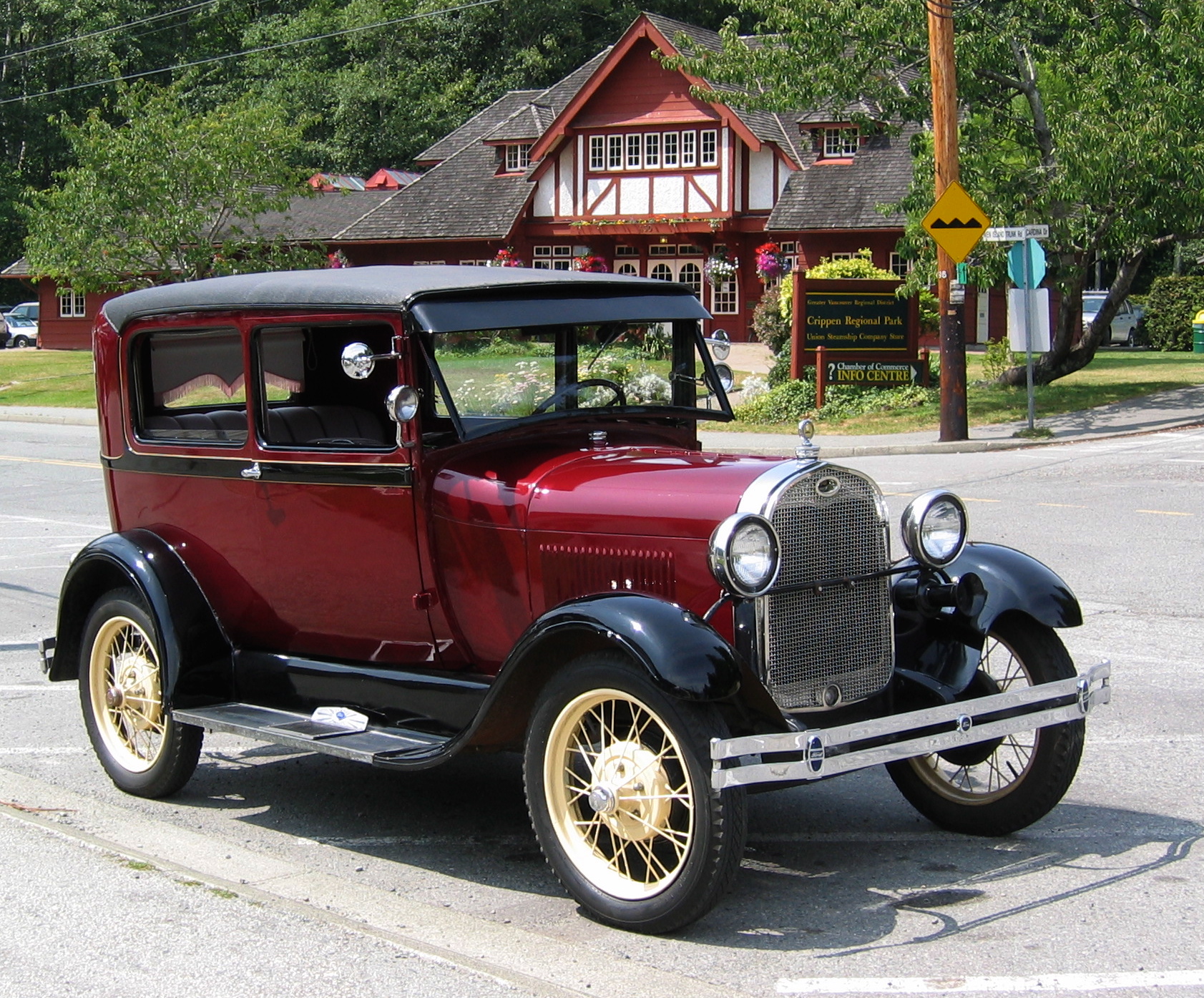
6.0L Powerstroke
"So like that episode way back in 2018, I think it was titled either why six liter power stroke injectors fail or something very similar to that... So I thought about this when we were going to make the appointment to chat today to ask that same question but in 2026 like why do six liter power stroke injectors fail."
“6.0L Powerstroke” is Ford’s big diesel engine. The episode is basically saying that injector problems often come from not maintaining the truck carefully enough—especially with oil and fuel.
The “6.0L Powerstroke” refers to Ford’s 6.0-liter diesel engine used in Super Duty trucks, known in the enthusiast world for being sensitive to maintenance and fuel/oil quality. In this episode, the hosts connect injector failures to how owners service the truck and how the injection system is managed.
oil and fuels life blood
"you know, oil and fuels life blood of a Huey injector and if you're not taking care of both then you're going to have problems."
They’re saying oil and fuel are the most important “fluids” for the engine. If either one is dirty or degraded, it can lead to injector trouble.
The “life blood” phrasing emphasizes that engine oil and diesel fuel quality/condition are critical to injector operation. In practice, owners need to keep oil clean and fuel free of contamination because both affect lubrication, deposits, and injector performance.
oil change intervals
"when you're making an oil change every 5000 miles it's going to give you a better product... making sure that we're focusing on the intervals and oil analysis if you think you're going to go past that 5000 we know that viscosity is breaking down regardless."
Oil change intervals are how often you change the oil. The point here is that changing it more often can help prevent injector problems.
Oil change intervals are the scheduled mileage/time between oil services. The episode argues that shortening intervals (e.g., changing at 5,000 miles) helps keep oil viscosity and cleanliness in a range that supports injector reliability.
oil analysis
"making sure that we're focusing on the intervals and oil analysis if you think you're going to go past that 5000 we know that viscosity is breaking down regardless."
Oil analysis means sending or testing your used oil to see how worn-out it really is. It helps you decide if you can go longer between oil changes.
Oil analysis is testing used oil to measure properties like contamination and degradation. The hosts mention it as a way to decide whether you can safely extend oil change intervals without risking injector-related issues.
viscosity
"if you think you're going to go past that 5000 we know that viscosity is breaking down regardless."
Viscosity is basically how “thick” the oil is. As it degrades, it can stop protecting the engine as well.
Viscosity is a measure of how thick or resistant to flow a fluid is. The episode notes that viscosity breaks down over time, which can reduce lubrication and affect how well the engine and injection system operate.
VGT
"a stage one 155 30 with a KC stage one or anything like that VGT stage one turbo is going to be a great setup for you..."
VGT means the turbo can adjust itself to make boost more effectively at different speeds. That usually changes how quickly the truck responds.
VGT stands for variable-geometry turbocharger, which changes the turbo’s internal vane geometry to control boost across different engine speeds. The episode contrasts “VGT” setups with “non VGT” setups, implying different response and tuning behavior.
EGTs
"with the trailer you're going to be able to do tone towing without any problems and keeping those EGTs in a good range."
EGTs are how hot the exhaust gets. If they get too high—especially while towing—it can stress the engine and turbo.
EGTs (exhaust gas temperatures) measure how hot the exhaust is. When towing or running higher fueling, EGTs can rise quickly, so the hosts mention keeping them in a “good range” to avoid overheating and stress.
205 30
"it seems to be getting is the 205 30 which is a great like injector to split the VGT world and the non VGT world... guys out there now are really pushing the 205 30s and then they're tuning them back back."
“205 30” is a way diesel shops describe a particular injector size. In this episode, it’s discussed as a common choice and how it works with different turbo setups.
“205 30” appears to be an injector sizing/flow designation used in the diesel aftermarket. The episode treats it as a specific injector choice that can be paired with different turbo types (VGT vs non-VGT) and tuned to achieve desired drivability and towing behavior.
fuel mods
"if they don't have the right fuel mods as far as warranty is concerned... we can't prove that you have the right fuel mods for it to be successful when you are running a true 205 30 set."
Fuel mods are changes that affect how the engine injects fuel. The episode is saying injector upgrades and tuning need to match the rest of the fuel setup.
Fuel mods are aftermarket changes that alter how much fuel the engine injects and/or how the injection system is controlled. The hosts say tuning a certain injector size may only be successful if the truck also has the “right fuel mods,” otherwise it may not perform as intended.
warranty
"We don't always necessarily agree if they don't have the right fuel mods as far as warranty is concerned."
Warranty is the coverage that pays for repairs if something goes wrong. They’re talking about how modifications can complicate whether repairs are covered.
Warranty is mentioned in the context of whether certain modifications could affect coverage. While the word itself is everyday English, here it’s tied to how aftermarket tuning/fuel modifications may be treated by the manufacturer or seller.
throttle lag
"I always like to stage down a stage on the turbo to clean it up faster so you have that less throttle lot lag than you do normally..."
Throttle lag is the moment of delay before the truck really responds after you press the gas. Reducing it makes the truck feel more immediate.
Throttle lag is the delay between pressing the accelerator and the turbo/engine delivering the expected boost and fueling response. The episode suggests “staging down” the turbo to clean up response and reduce that delay.
lift pump
"So you know our recommendation is always once you move fast to a stage one to a 175 or a 190 175 you got to have at least a regulated return or a lift pump like a fast ordinary dog. One or the other you don't have to have both but if you're going to go to the 190s and up you need to have both installed"
A lift pump is an extra fuel pump that helps feed diesel to the engine. On modified trucks, it can help make sure the injectors always get enough fuel so they don’t get starved or overloaded.
A lift pump is an auxiliary fuel pump used to move diesel from the tank toward the high-pressure system with enough volume and pressure. On higher-output setups, it helps ensure the injectors get consistent fuel supply, which can reduce stress and failure risk.
regulated return
"So you know our recommendation is always once you move fast to a stage one to a 175 or a 190 175 you got to have at least a regulated return or a lift pump like a fast ordinary dog. One or the other you don't have to have both but if you're going to go to the 190s and up you need to have both installed"
A regulated return is part of the fuel system that sends some fuel back to the tank in a controlled way. It helps keep fuel pressure and flow steady so the injectors can work correctly, especially on higher-power setups.
A regulated return system controls how much fuel is sent back to the tank from the fuel circuit. By managing return flow and pressure, it helps keep the injector supply stable—important when you’re running larger injectors or higher fueling levels.
stage one
"So you know our recommendation is always once you move fast to a stage one to a 175 or a 190 175 you got to have at least a regulated return or a lift pump like a fast ordinary dog. One or the other you don't have to have both but if you're going to go to the 190s and up"
“Stage one” is a common way tuners label the first step of upgrades. It usually means a moderate power/fueling setup with the right supporting parts, before you go bigger.
“Stage one” is a tuning/modification level used by diesel shops to describe a baseline upgrade path (often paired with specific injector sizing and supporting fuel-system changes). It’s a shorthand for “start here” before moving to bigger fueling levels like the “190s.”
190s
"One or the other you don't have to have both but if you're going to go to the 190s and up you need to have both installed and then you can start talking about performance modifications like you know. Oh dog in there takes and you know all the other small stuff that we know"
“190s” here is shorthand for bigger/higher-flow injectors. Bigger injectors need more fuel delivered correctly, so the truck may need extra fuel-system parts to keep everything working reliably.
In this context, “190s” refers to higher-flow injector sizing (often discussed as injector “rates” in the diesel tuning world). Moving to larger injectors increases the demand on the fuel supply system, which is why the speaker emphasizes lift pump and regulated return support.
aftermarket
"So I haven't been an owner of it I haven't had that hands on part right but it's been really cool to see over the years how the aftermarket has embraced solved and given options to those trucks whether it's with air fuel engine parts. The reliability like when those trucks are brand new or relatively new that was the knock on them"
The aftermarket is the ecosystem of non-OEM parts and services—like tuners and replacement components—sold to modify or repair vehicles. In the 6.0L Powerstroke world, the aftermarket is especially important because it provides fuel-system and durability solutions aimed at known problem areas.
R&D
"So you know from beginning to end it's just been 15 years of R&D. [1374.2s] That's what it boils down to we've started with you know right in the day one and we haven't stopped searching for that perfect injector"
R&D (research and development) is the process of testing ideas, materials, and designs to improve a product. In this context, it means iterating on injector design and manufacturing choices until they survive more real-world conditions.
test bench
"to actually duplicating engine scenarios on our test bench. [1454.0s] We can add heat to the block to see how the injector actually reacts and things like that"
A test bench is a special setup where they can run parts in a controlled way. It helps them test injectors under conditions that mimic real driving and heat.
A test bench is a controlled setup used to run components under repeatable conditions. Here, they use it to simulate driving-like loads (idle to full throttle) and thermal conditions so they can observe how injectors behave.
full throttle
"we can duplicate driving scenarios where we can go you know at idle or full throttle. [1454.0s] We can add heat to the block to see how the injector actually reacts"
Full throttle means the engine is being pushed as hard as possible. Testing at that level can show injector problems that might not appear during gentle driving.
Full throttle means the engine is commanded to maximum air/fuel demand, which typically creates the highest loads and stresses on fuel delivery components. Testing injectors at full throttle helps reveal issues that only show up under peak demand.

Ford Edge
"... just us you know so we just are looking for that edge anywhere we can get it. I bet that the different ..."
The Ford Edge is a mid-size SUV that’s meant for regular daily driving. It’s a practical vehicle with room for passengers and cargo. The podcast mention sounds like someone is looking for the right option or “best fit” among available choices.
The Ford Edge is a mid-size crossover SUV designed for everyday driving with a comfortable ride and practical space. It may be mentioned in the podcast as a “good option” when someone is looking for a specific feature or the right fit for their needs. In conversations like this, it often represents a mainstream, easy-to-live-with choice rather than a specialized vehicle.
non stock turbo
"I bet that the different environmental conditions that these trucks can run at and then you combine you make it more complex because you add a non stock turbo and then all the different sizes that people have."
A non-stock turbo is a turbocharger you install instead of the original one. Since it changes how the engine breathes, it can affect how the fuel system (including injectors) needs to be set up.
A non-stock turbo is an aftermarket turbocharger that replaces the factory unit. Changing turbo size and behavior alters boost and airflow, which can change how much fuel the engine needs—making injector matching and tuning more critical for reliability.
custom tuning
"you've got you know custom tuning has come along so long you know transmission tunes and stuff like that where these guys are there's just so many different ways you can make these trucks drive"
Custom tuning means reprogramming the engine computer for your specific modifications. It can help the truck run better and more reliably with the parts you installed.
Custom tuning is adjusting the engine control software (ECU calibration) to match a specific setup like injectors, turbo, and supporting modifications. Because diesel fueling and boost targets are tightly linked, tuning can significantly change how reliably the truck runs.

Ford F350
"then we bought an old F 350 probably see it on our website doing donuts out front. [1568.5s] We started that one just for testing we bought that truck for like 1500 bucks"
The Ford F-350 is a heavy-duty Ford pickup. They used one as a test truck to try different injector and turbo setups for racing.
The Ford F-350 is a heavy-duty Super Duty pickup that’s commonly used as a platform for diesel performance testing and racing. In this episode, it’s the truck they bought cheaply for injector testing and then developed into a racing project with different injector/turbo combinations.
pair it with a different turbo
"we're going to take every size injector we have when we're going to pair it with a different turbo we're going to build a series of how our injectors paired with that turbo"
Pairing means matching the fuel system to the turbo you installed. Since the turbo changes how the engine breathes, the injectors need to work well with it.
“Pairing” injectors with a different turbo means matching fuel delivery hardware to the airflow and boost characteristics of the turbo. Because turbo changes how much air the engine gets, the injector’s fueling strategy has to be compatible to avoid poor combustion or reliability issues.

1968 F 100
"we've actually are getting ready to throw that platform on a 1968 F 100 and then we're just going to go make it rowdy is all out so it's a thousand horsepower engine that's going into an F 100 platform right now"
A 1968 Ford F-100 is an old-school pickup that people often modify. Here, they’re planning an engine swap into it, aiming for a very powerful diesel build.
The Ford F-100 is a classic pickup platform from the late-1960s, known for being a popular base for engine swaps. In this episode, the hosts are talking about putting a very high-output diesel powerplant into a 1968 F-100 chassis to create a “rowdy” show-and-go truck.
engine swap
"I love seeing like the coming swaps are cool you know but like. ... everybody's putting comments in these things like let's just go put a power stroke in it and that's let it be ours"
An engine swap means putting a different engine into a vehicle than it originally had. Here, they’re talking about swapping in a Powerstroke diesel into a Ford truck to make a custom build.
An engine swap is replacing a vehicle’s original engine with a different one, often requiring custom wiring, fueling, and mounting work. In this episode, the hosts discuss swapping a Powerstroke into a Ford truck platform to create a brand-aligned, high-output build.
install service shop
"I think with like having like an install service shop. [1694.0s] It leads me to another question to ask you because you see both sides of it right"
An install service shop is a place that mainly focuses on installing parts and doing conversions. The hosts are saying that kind of shop is different from a full-service shop that also fixes problems day-to-day.
An install-focused service shop specializes in fitting parts and performing conversions rather than doing full vehicle repair and diagnostics. The hosts contrast this with a full-service shop that also handles ongoing repairs and daily work, which affects turnaround time and how issues are prioritized.
Bosch CP for us
"And a lot of guys are really concerned with the Bosch CP for us on their trucks and the conversion so we see a lot of guys jumping on that right away"
They’re talking about a Bosch-related part/system that people install to prevent problems later. The main idea is that it’s meant to reduce the risk of failure on their diesel trucks.
The “Bosch CP for us” appears to refer to a Bosch-controlled component or system used on these diesel trucks, discussed in the context of preventing failures. The hosts mention it as a hot topic and note that many owners install it to avoid later breakdowns.
fuel contamination kits
"The other thing that's crazy that we end up with a lot is the fuel contamination kits. I mean these guys just rolling up to the pumps and putting filling up their trucks with DFS and stuff like that"
A fuel contamination kit helps keep dirty or contaminated diesel from reaching the engine’s fuel system. Since diesel engines are sensitive to fuel quality, these kits are meant to prevent expensive injector problems.
A fuel contamination kit is an aftermarket setup designed to improve how diesel fuel is filtered and managed before it reaches the injection system. On high-mileage or heavily used trucks, contamination can accelerate injector and fuel-system failures, so these kits are often installed to reduce the chance of later breakdowns.
fuel filters
"Let's just make sure we're staying up on all the maintenance not just an oil change but fuel filters is a huge one where guys just let it go and you know fuels lifeblood of these trucks."
Fuel filters are service items that remove particulates and water from diesel before it reaches the injection system. On injector-sensitive engines, letting filters go too long increases the risk of fuel contamination and can contribute to expensive failures.
remanufactured engines
"I have a complete lineup of Cummins Duramax and Powerstroke remanufactured engines that are set to a standard of ISO 9001 2015 standards..."
A remanufactured engine is an older engine that gets taken apart, cleaned, checked, and rebuilt with new wear parts. The goal is for it to work like a properly rebuilt replacement, not like a gamble.
A remanufactured engine is rebuilt using inspected components, with worn parts replaced and the engine brought back to a specified standard. In the diesel world, this often means tighter quality control than a random used-engine swap.
ISO 9001:2015
"I have a complete lineup of Cummins Duramax and Powerstroke remanufactured engines that are set to a standard of ISO 9001 2015 standards which is a huge deal in the aftermarket..."
ISO 9001:2015 is a quality checklist companies follow to prove they have consistent processes. It’s meant to make sure the remanufactured parts are built and checked the same way every time.
ISO 9001:2015 is a widely used quality-management standard. When a remanufacturer says their process meets it, they’re claiming consistent manufacturing and quality control procedures, not just a one-off good part.
lead time
"So you can check your favorite retailer or go to dfcdiesel.com check them out to see what's in stock see what you can get if you have questions maybe you want to do you know something that's outside of the normal series of engines."
Lead time is the wait time between ordering and getting the engine or parts. Shorter lead times mean you’re back on the road sooner.
Lead time is how long it takes from ordering a part/engine to receiving it. In the aftermarket, shorter lead times can matter because downtime is expensive for truck owners.
lubricity
"Hey diesel fans wanted to chat with you about diesel fuel it's something we've talked about a lot on the podcast and specifically ways that it can lead to a lot of costly repairs and the main reason that we have these issues is a lack of lubricity."
Lubricity is how “slippery” diesel fuel is for the fuel system parts. If the fuel doesn’t lubricate well, those parts wear out faster and can fail.
Lubricity is how well diesel fuel lubricates the moving parts inside the fuel system. Low-lubricity fuel can accelerate wear in precision components like injectors and high-pressure pumps, leading to expensive failures.
cetane
"Hotshots EDT is a six in one formula it cleans injectors boosts cetane and it has four times the lubricity..."
Cetane is a number that describes how easily diesel fuel ignites. Better cetane can mean smoother starting and more consistent combustion.
Cetane is a measure of diesel fuel’s ignition quality—how easily it starts burning under compression. Higher cetane generally helps improve cold starts and combustion stability, which can reduce stress on the engine.
CP3 conversion
"Probably the first thing I do is just like put it on a flatbed and have it towed from the dealer to a shop to do like a CP3 conversion just like right or like a DCR conversion right away..."
A CP3 conversion is when owners swap to a different high-pressure fuel pump design. It’s usually done to lower the risk of expensive fuel-system failures.
A CP3 conversion is a common diesel upgrade where the factory high-pressure injection pump is replaced with a Bosch CP3-style pump (often to improve reliability). The idea is to reduce the odds of catastrophic fuel-system failures that can happen with certain earlier pump designs.
DCR conversion
"Probably the first thing I do is just like put it on a flatbed and have it towed from the dealer to a shop to do like a CP3 conversion just like right or like a DCR conversion right away or something like that..."
A DCR conversion is a planned modification to the fuel system, usually to make the truck less likely to have a major pump-related failure. The exact meaning depends on the specific kit and truck.
A DCR conversion is another diesel fuel-system modification commonly discussed alongside CP3 swaps, aimed at changing the high-pressure pump setup for improved reliability. Because the exact parts and definition can vary by platform and shop, it’s best treated as a specific conversion package rather than a single universal part.
flatbed
"Probably the first thing I do is just like put it on a flatbed and have it towed from the dealer to a shop..."
A flatbed is a tow truck that carries the vehicle on a flat platform. It’s often used when the truck can’t be driven safely to the shop.
A flatbed is a tow truck style where the vehicle is loaded onto a flat platform. It’s commonly used for towing trucks with drivability issues or when owners want to avoid damaging the drivetrain.
49 or 50 state
"and I think you have access to so many different like non tuning kits when there's no tuning required they have 49 or 50 state you know carb number so it's just like plug and play and play you're done."
“49 or 50 state” means the modification is supposed to be legal in most U.S. states. It’s a way to describe emissions compliance for aftermarket upgrades.
“49 or 50 state” refers to emissions-legal status for aftermarket parts or tunes across nearly all U.S. states. It’s shorthand for whether the product is CARB/EPA compliant enough to be used nationwide (with limited exceptions).
CARB number
"they have 49 or 50 state you know carb number so it's just like plug and play and play you're done."
A CARB number is a label tied to emissions approval from California regulators. If a kit has one, it’s usually meant to be street-legal from an emissions standpoint.
A CARB number is an emissions compliance identifier associated with California Air Resources Board approval. When an aftermarket kit has a CARB number, it generally means it’s been evaluated for emissions legality (though exact coverage depends on the application).
CP4
"And even then the the CP4 in the power stroke is really good marketing as well I mean it's not a bad pump by any means I think Bosch says it has less than a 10% fail rate."
CP4 is the name of a specific high-pressure fuel pump design. Some diesel owners worry about it because if it fails, the damage can be very expensive.
CP4 refers to a Bosch high-pressure fuel pump family used on some diesel applications. It’s become a well-known topic in diesel communities because certain CP4 designs/years are associated with higher risk of catastrophic fuel-system damage when they fail.
fuel system
"Yeah well and you just don't know if is it is your number going to get called on your fuel system need to replace and then if so."
The fuel system is everything that moves fuel from the tank to the engine in the right way. If it fails, the truck may need costly repairs because the engine can’t get fuel properly.
The fuel system on a diesel includes components that store, pressurize, and deliver fuel to the injectors. When a high-pressure pump or related parts fail, it can trigger a chain of problems that’s expensive to diagnose and repair.
injection pump swap
"Like do you do you want to save keep that money to the side is like an injection pump swap it's it's tough even if it is less than 10% yeah still just so expensive..."
An injection pump swap means replacing the main high-pressure fuel pump. It’s expensive because it’s a big job and the parts can be hard to get quickly.
An injection pump swap is replacing the diesel high-pressure injection pump, a major and expensive component in the fuel system. Even if failure rates are relatively low, the repair cost and parts availability can make it a “worst-case” scenario for owners.
CPX
"So you know we sell a lot of that stuff with the new DCRs CPX is or whatever you need in there already as part of the kit so you can just have peace of mind if you already got past that point. [2294.0s] Yeah absolutely like I'm no I'm not a pump guy by any means we're injector guys we're gonna stay with injectors but we buy we definitely have it in our shop all the time to approach and you know we use the DCR CPX are great options."
CPX is mentioned as part of a kit for dealing with a diesel fuel-system problem. The point is to help prevent dirty/contaminated fuel from damaging injectors.
CPX is referenced alongside DCR as part of a pre-packaged solution for CP4-related issues. Here, it’s treated as an option you can buy as part of a kit to help ensure the fuel system is handled correctly and to reduce the risk of contamination reaching injectors.
fuel treatments
"Well I think like we talk about you know the recurring subject with the diesel is maintenance is going to be a huge part of it you know fuel filters fuel treatments. I think you take like I think it was diesel Dave or somebody had a million mile CP4 coming to their pump or into their shop and like they took it apart and it still looked pretty good."
Fuel treatments are products you add to diesel to help it run cleaner and more reliably. The hosts mention them as part of a maintenance routine to reduce fuel-system problems.
Fuel treatments are products intended to condition diesel—often to manage water, microbial growth, lubricity, or deposits. In the episode, they’re grouped with filters and maintenance as part of reducing contamination-related failures.
fuel additives
"So you know fuel additives are a huge thing. There's some pretty good stuff like Tony saw us put it on there where he he went out and took samples from like 20 different gas stations of diesel and every bottle was almost a different color or different quality of diesel so you know fuel additives are going to be huge for that to help prevent that as well"
Fuel additives are products added to diesel to improve fuel quality or reduce problems caused by contamination and variability. In this episode, the hosts argue that additives can help counter differences in diesel quality from station to station, potentially reducing the risk of fuel-system damage.
SNS Gen 2 kit
"The SNS Gen 2 kit where you can put the filters on to hopefully capture all of that before it gets back into the fuel system so those are like cheaper alternatives I think it's like $400 for the actual kit to get a couple hours to install it so it's just if you don't have the money to buy DCR and get the job done or you don't want to do a full [2338.8s] Contam kit that's a great way to help prevent it."
The SNS Gen 2 kit is a lower-cost add-on that helps filter the fuel. The goal is to catch contamination earlier so it doesn’t travel through the system and damage expensive parts.
The SNS Gen 2 kit is described as a cheaper alternative to a full contamination kit. The function, as explained here, is to add filtration so debris/contamination is captured before it can circulate back through the fuel system and reach sensitive components.
atomization
"for our six liter injectors we've actually are working with a partner that we are developing some new nozzles. That will helpfully create some better atomization to just a better clean burn that's really important for us to not that we don't we don't like the smoke but our goal is to have you running as good as you can as clean as you can so we want to."
Atomization means how well the injector sprays fuel into a fine mist. A finer mist mixes with air better, which can help the engine burn fuel more cleanly.
Atomization is how finely a fuel injector breaks liquid fuel into a mist as it sprays into the combustion chamber. Better atomization helps mixing with air, which can improve combustion cleanliness and efficiency—one reason the hosts say they’re developing new injector nozzles.
clean burn
"That will helpfully create some better atomization to just a better clean burn that's really important for us to not that we don't we don't like the smoke but our goal is to have you running as good as you can as clean as you can so we want to."
A “clean burn” means the engine burns the diesel more completely. That usually results in less smoke and cleaner exhaust.
A “clean burn” refers to combustion that produces fewer visible emissions (like smoke) and generally more complete burning of fuel. The episode ties it to injector nozzle design and improved fuel-air mixing.

Lucid Air
"...can so we want to. Have perfect fuel with perfect air and we want to get this truck out of the way quic..."
The Lucid Air is an all-electric car, meaning it runs on electricity instead of gasoline or diesel. It’s designed to go a long distance on a single charge and use energy efficiently. That’s why it may be mentioned when people talk about getting the “best” energy into the vehicle.
The Lucid Air is a modern electric sedan known for its efficiency and long driving range. It often comes up in discussions about “perfect” energy use because electric drivetrains can be very consistent about how they convert energy into motion. In a diesel-focused podcast, it may be mentioned as a contrast to fuel-based powertrains and how energy delivery can be optimized.
testing and validation
"we definitely don't want to hurt anything as far as what we've done with the six liter world. [2505.4s] Yeah that's that's really important and I think like customers ... appreciate that ... testing and validation"
Testing and validation mean the company checks the parts thoroughly before selling them. For injectors, that helps prevent dangerous problems that could damage the engine.
Testing and validation are the processes of verifying a part’s performance under controlled conditions before releasing it to customers. In high-stakes components like diesel injectors, validation helps catch fitment, flow-rate, and durability issues that could otherwise show up as engine damage.
beta test
"customers that you have or potential customers you have really appreciate that because nobody wants to beta test you know they're they're trucking sure you know as well as anyone like [2521.8s] Injectors like for me they kind of scare me"
A “beta test” is when people try something early to see if it works. The point here is that customers don’t want to be the first ones to find out if an injector has problems.
A “beta test” is when early users try a product before it’s fully proven. The host uses it to describe how customers don’t want to be the ones discovering injector problems after purchase.
melted pistons
"I've had guests on that talk about melted pistons and other things so I think they appreciate that that testing and validation before they can even buy it. [2556.0s] Yeah and I think that's like it comes back to like the media metallology"
“Melted pistons” means the piston gets overheated and damaged. The host is warning that injector problems can cause the engine to run hot enough to destroy major parts.
“Melted pistons” is a serious failure mode where excessive heat damages the piston crown. In diesel injector failures, incorrect fuel delivery can cause abnormal combustion temperatures, which can lead to catastrophic internal engine damage.
standalone computers
"I had someone on talking about standalone computers you know with it and what they're going to be able to do and it's moving fast. [2608.4s] Yeah well keeping them together is going to be everything but yeah"
A standalone computer is an aftermarket “brain” for the engine. It lets tuners control how the engine runs so they can support modifications and make more power safely.
A standalone computer is an aftermarket engine control unit that runs the engine’s fueling/boost/ignition logic independently of the factory ECU. Enthusiasts use them to support custom tuning and power upgrades, especially on diesel platforms where stock calibration may not be ideal.

Ford F-250 King Ranch
"we bought about the F 250 King King Ranch when I first bought the place we rebuilt that... [2735.9s] And then you know the F 350 we use for testing"
The Ford F-250 King Ranch is a higher-end version of the F-250 pickup. The host is saying they owned and rebuilt one, and it’s part of their personal journey with diesel trucks.
The Ford F-250 King Ranch is a trim level of the F-Series heavy-duty pickup, known for comfort and capability while still being a common base for diesel performance builds. Here, the host mentions buying one and rebuilding it, tying it to their experience with the 6.0L Powerstroke injector ecosystem.
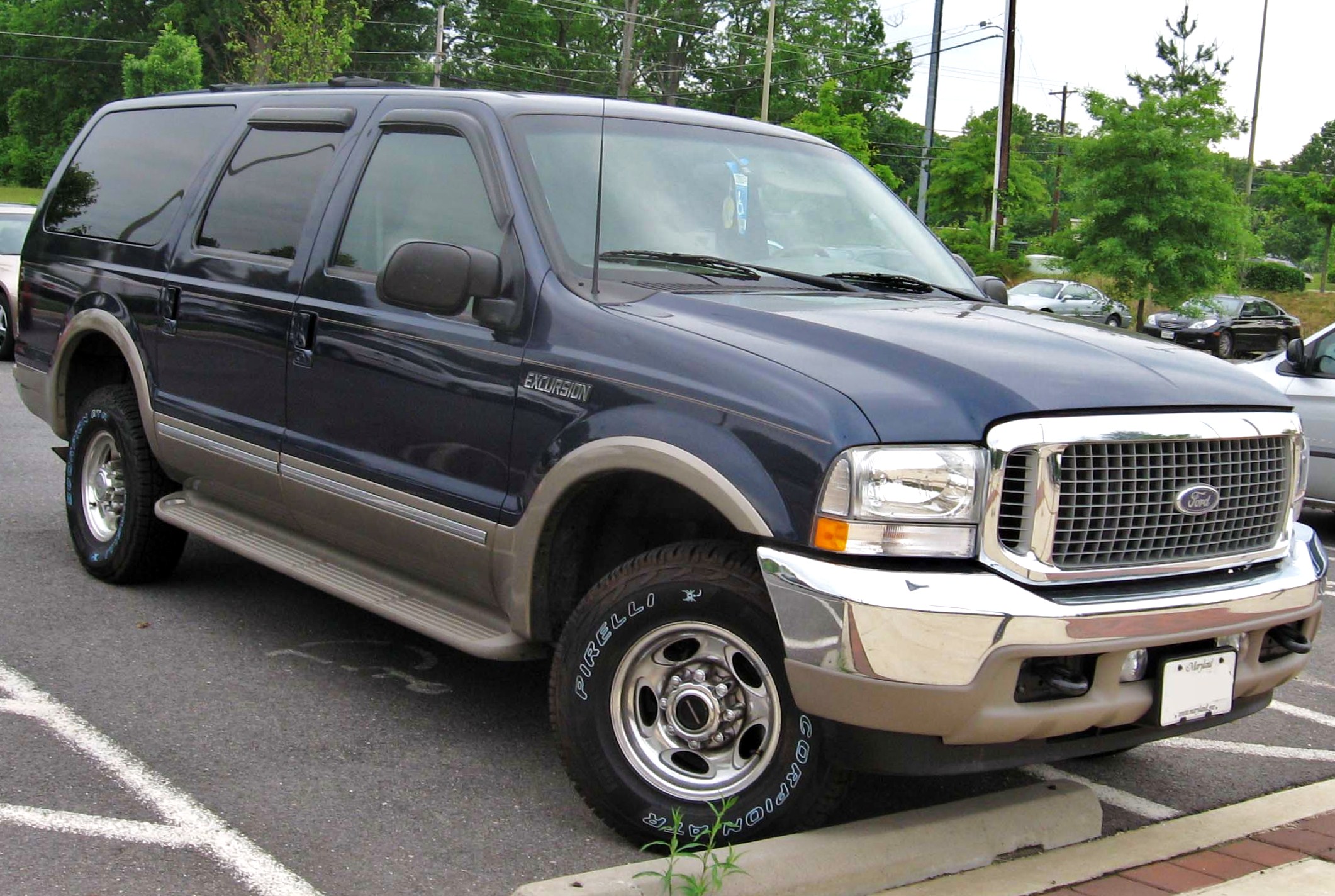
Ford Excursion
"then the excursion came along I've that thing I'll never get rid of that that's I love that that platform... [2735.9s] And then you know the F 350 we use for testing"
The Ford Excursion is a big SUV based on Ford’s truck platform. Diesel fans like it because it’s roomy and can still handle modifications.
The Ford Excursion is a large, body-on-frame SUV built on the Super Duty truck platform. It’s a popular choice among diesel enthusiasts because it can be used as a daily driver while still supporting heavy-duty performance modifications.
NHRDA
"Actually we leave for Tulsa for the NHRDA even out trucking USA I think is what it's called and then from there we're heading over to UCC and then from UCC we're going to be at Freedom Trucking in Ohio."
NHRDA is the name of a diesel event/organization they’re going to. It’s where diesel people and businesses connect in person.
NHRDA is a diesel event/organization name mentioned as part of the shop’s travel schedule. It signals the kind of community gatherings where diesel owners and vendors meet.
Request an Explanation
Heard something you'd like explained? We'll add it to this episode.
Sign in to request explanations for terms you heard.
Want to learn more?
Browse our glossary for plain-English explanations of automotive terms, jargon, and concepts.
Help improve this episode
See something that's not quite right? Our annotations are AI-generated and can sometimes miss the mark. Click the flag icon on any annotation to suggest a correction.