Injectors are what spray fuel into the engine in the right amount and at the right time. If they’re not set up correctly, the truck can run poorly or even develop problems over time.
Part
SCTs
“SCTs” here is about tuning tools/software that change how the truck’s computer runs the engine. When you change parts like injectors or turbos, tuning helps the engine manage fuel and boost correctly.
Part
dummy plugs
“Dummy plugs” are plug-in electrical pieces that stand in for a sensor or connection. People use them during setup/testing so the truck doesn’t throw errors while they’re changing or tuning parts.
Part
stamp pipes
“Stamp pipes” sounds like a specific pipe or line modification related to the fuel system. The episode mentions it as part of a package of injector-related upgrades, so it likely changes how fluids flow to support the new setup.
A turbocharger helps the engine breathe more air. Different turbo sizes spool differently and move different amounts of air, so the fuel system (like injectors) often has to be matched to avoid problems and to reach the right power goals.
Term
ICP
ICP is an abbreviation for a pressure sensor related to how the diesel fuel system builds and controls pressure. If that pressure reading is wrong, the truck may not inject fuel correctly.
APU stands for Auxiliary Power Unit. It’s a separate power source, and the host is saying that military experience helped them learn the abbreviations used in diesel work.
Term
IPR
IPR is an abbreviation for the part that regulates injection pressure. Since injectors need the right pressure to spray fuel correctly, IPR problems can cause fueling problems.
Term
EPU
EPU refers to an emergency power unit. The host is using it to explain how military terminology made it easier to understand the abbreviations used around diesel systems.
Brand
holders diesel
“Holders Diesel” is the name of the shop/brand being discussed. They’re saying they’re still focused on injector work, but adapting as customers’ requests change.
“6.0L Powerstroke” is Ford’s big diesel engine. The episode is basically saying that injector problems often come from not maintaining the truck carefully enough—especially with oil and fuel.
Term
oil and fuels life blood
They’re saying oil and fuel are the most important “fluids” for the engine. If either one is dirty or degraded, it can lead to injector trouble.
EGTs are how hot the exhaust gets. If they get too high—especially while towing—it can stress the engine and turbo.
Term
205 30
“205 30” is a way diesel shops describe a particular injector size. In this episode, it’s discussed as a common choice and how it works with different turbo setups.
Fuel mods are changes that affect how the engine injects fuel. The episode is saying injector upgrades and tuning need to match the rest of the fuel setup.
Warranty is the coverage that pays for repairs if something goes wrong. They’re talking about how modifications can complicate whether repairs are covered.
A lift pump is an extra fuel pump that helps feed diesel to the engine. On modified trucks, it can help make sure the injectors always get enough fuel so they don’t get starved or overloaded.
A regulated return is part of the fuel system that sends some fuel back to the tank in a controlled way. It helps keep fuel pressure and flow steady so the injectors can work correctly, especially on higher-power setups.
“Stage one” is a common way tuners label the first step of upgrades. It usually means a moderate power/fueling setup with the right supporting parts, before you go bigger.
Term
190s
“190s” here is shorthand for bigger/higher-flow injectors. Bigger injectors need more fuel delivered correctly, so the truck may need extra fuel-system parts to keep everything working reliably.
The aftermarket is the ecosystem of non-OEM parts and services—like tuners and replacement components—sold to modify or repair vehicles. In the 6.0L Powerstroke world, the aftermarket is especially important because it provides fuel-system and durability solutions aimed at known problem areas.
R&D (research and development) is the process of testing ideas, materials, and designs to improve a product. In this context, it means iterating on injector design and manufacturing choices until they survive more real-world conditions.
A test bench is a special setup where they can run parts in a controlled way. It helps them test injectors under conditions that mimic real driving and heat.
Full throttle means the engine is being pushed as hard as possible. Testing at that level can show injector problems that might not appear during gentle driving.
The Ford Edge is a mid-size SUV that’s meant for regular daily driving. It’s a practical vehicle with room for passengers and cargo. The podcast mention sounds like someone is looking for the right option or “best fit” among available choices.
A non-stock turbo is a turbocharger you install instead of the original one. Since it changes how the engine breathes, it can affect how the fuel system (including injectors) needs to be set up.
Custom tuning means reprogramming the engine computer for your specific modifications. It can help the truck run better and more reliably with the parts you installed.
Pairing means matching the fuel system to the turbo you installed. Since the turbo changes how the engine breathes, the injectors need to work well with it.
A 1968 Ford F-100 is an old-school pickup that people often modify. Here, they’re planning an engine swap into it, aiming for a very powerful diesel build.
An engine swap means putting a different engine into a vehicle than it originally had. Here, they’re talking about swapping in a Powerstroke diesel into a Ford truck to make a custom build.
Concept
install service shop
An install service shop is a place that mainly focuses on installing parts and doing conversions. The hosts are saying that kind of shop is different from a full-service shop that also fixes problems day-to-day.
Term
Bosch CP for us
They’re talking about a Bosch-related part/system that people install to prevent problems later. The main idea is that it’s meant to reduce the risk of failure on their diesel trucks.
A fuel contamination kit helps keep dirty or contaminated diesel from reaching the engine’s fuel system. Since diesel engines are sensitive to fuel quality, these kits are meant to prevent expensive injector problems.
Fuel filters are service items that remove particulates and water from diesel before it reaches the injection system. On injector-sensitive engines, letting filters go too long increases the risk of fuel contamination and can contribute to expensive failures.
A remanufactured engine is an older engine that gets taken apart, cleaned, checked, and rebuilt with new wear parts. The goal is for it to work like a properly rebuilt replacement, not like a gamble.
ISO 9001:2015 is a quality checklist companies follow to prove they have consistent processes. It’s meant to make sure the remanufactured parts are built and checked the same way every time.
A CP3 conversion is when owners swap to a different high-pressure fuel pump design. It’s usually done to lower the risk of expensive fuel-system failures.
Term
DCR conversion
A DCR conversion is a planned modification to the fuel system, usually to make the truck less likely to have a major pump-related failure. The exact meaning depends on the specific kit and truck.
“49 or 50 state” means the modification is supposed to be legal in most U.S. states. It’s a way to describe emissions compliance for aftermarket upgrades.
A CARB number is a label tied to emissions approval from California regulators. If a kit has one, it’s usually meant to be street-legal from an emissions standpoint.
The fuel system is everything that moves fuel from the tank to the engine in the right way. If it fails, the truck may need costly repairs because the engine can’t get fuel properly.
An injection pump swap means replacing the main high-pressure fuel pump. It’s expensive because it’s a big job and the parts can be hard to get quickly.
Part
CPX
CPX is mentioned as part of a kit for dealing with a diesel fuel-system problem. The point is to help prevent dirty/contaminated fuel from damaging injectors.
Fuel treatments are products you add to diesel to help it run cleaner and more reliably. The hosts mention them as part of a maintenance routine to reduce fuel-system problems.
Fuel additives are products added to diesel to improve fuel quality or reduce problems caused by contamination and variability. In this episode, the hosts argue that additives can help counter differences in diesel quality from station to station, potentially reducing the risk of fuel-system damage.
The SNS Gen 2 kit is a lower-cost add-on that helps filter the fuel. The goal is to catch contamination earlier so it doesn’t travel through the system and damage expensive parts.
Atomization means how well the injector sprays fuel into a fine mist. A finer mist mixes with air better, which can help the engine burn fuel more cleanly.
The Lucid Air is an all-electric car, meaning it runs on electricity instead of gasoline or diesel. It’s designed to go a long distance on a single charge and use energy efficiently. That’s why it may be mentioned when people talk about getting the “best” energy into the vehicle.
Testing and validation mean the company checks the parts thoroughly before selling them. For injectors, that helps prevent dangerous problems that could damage the engine.
A “beta test” is when people try something early to see if it works. The point here is that customers don’t want to be the first ones to find out if an injector has problems.
“Melted pistons” means the piston gets overheated and damaged. The host is warning that injector problems can cause the engine to run hot enough to destroy major parts.
A standalone computer is an aftermarket “brain” for the engine. It lets tuners control how the engine runs so they can support modifications and make more power safely.
The Ford F-250 King Ranch is a higher-end version of the F-250 pickup. The host is saying they owned and rebuilt one, and it’s part of their personal journey with diesel trucks.
NHRDA is the name of a diesel event/organization they’re going to. It’s where diesel people and businesses connect in person.
LIVE
This episode is brought to you by Netflix.
Most valuable promotions in Netflix are hosting a blockbuster triple-headliner Saturday, May 16th.
Rhonda Rousey returns to face fellow woman's MMA pioneer, Gina Carano, in the main event.
Plus, co-mains Nate Diaz vs. Mike Perry, and the best heavyweight in the world, Francis Nganu vs. Felipe Lenz.
Watch Rhonda Rousey vs. Gina Carano, live only on Netflix.
Saturday, May 16th at 9 p.m. Eastern Center Time, 6 p.m. Pacific Time.
And I wanted to have you on to, like, introduce yourself, the company, to talk about the evolution of it, where things are at.
So, should be a great time.
Like, to start at the beginning, like, tell me about yourself, Holder's Diesel, tell me about the combination of both.
Alright, man. Well, I was a jet mechanic in the military back in the day, and then been an aircraft mechanic for a long time,
and ended up buying Holder's Diesel from Riken back in 2020.
And it's been a great experience. Love trucks, always been a truck guy.
I was in the corporate world a little while, and I got tired of it, and just wanted to get back to wrenching, man, and turning a wrench.
And found Holders down here, and met with Riken, and then got along really well.
And it's been a really good experience to transition.
Basically, all the employees have stayed that were here when he had them, and he stayed and worked with me for a year and a half.
And we taught me everything he could.
I was building injectors for a year and a half straight, trying to learn as much as I could, as fast as I could, about the diesel industry.
I'm no diesel savant like a lot of the guys are, but I've learned a lot.
You know, it's been, what, six years now that we've been in the facility, and it's been a really good experience. I love it.
I got a lot of questions for you, because I'm just naturally kind of curious.
I like to understand the evolution of a story.
So if we go back to like your time in the military being a jet mechanic, what drew you to that?
Well, you know, just coming out of high school, I just needed direction.
I guess it's the best way to put it, you know, and I always loved aircraft, and I just tested into the position.
And then once I was there, we worked on F 16s and F 117 stealth bombers, which kind of ages me a little bit, but it was an awesome experience.
Got to travel the world and learned a lot about theory of operation, understanding mechanical parts and just the more you know about a part and how it works, the easier it is to fix things.
I imagine that that foundation is probably crucial, and I imagine the complexity of what you did there.
Diesel isn't nearly as complex as that, but it probably gave you a great foundation for mechanics and processes and diagnosing and parts supply and all that.
Yeah, that's exactly, it's been a really good transition, I feel like.
And I've learned a lot that I didn't know, and I've also think I've taught, you know, some of these guys some things that they never thought about approaching it in that direction.
Was there, where did the diesel side come in? Because I imagine when you said you left a corporate position, you wanted to get back into wrenching.
Was there something about diesel that jumped out to you or how did those dots get connected?
Well, like, you know, like I said, I've always been a truck guy. So like in high school, I always had trucks and never had any cars.
And then I've always just been attracted to the bigger trucks, love the sound and, you know, stuff like just the generic Y diesel.
I never really had a purpose for owning one for work or anything related to that, but I understood their role and I just loved everything about it.
When it was going to be a business, how did, what was that process like when you decided, you know, I want to get back to wrenching, I want to own something, I want to be, I want to, you know, create something and build something.
Yeah.
What was that like finding the right opportunity?
It was incredibly scary, obviously, because it was right during COVID, kind of the peak COVID years there. And I had actually was living up in the Midwest.
And it was in that corporate position working commercial aircraft at the time running a repair station for, you know, commercial airlines, and there was just, it was just nonstop for 365 24 seven, no days off, no break.
Tons of pressure. I had a ton of employees and a lot of responsibilities. And I thought I need to change a scenery. And it's funny, the actual reason that I ended up down here in Florida was my one of my I just got into business with a partner and when I got out of the
And we patented one, the patent came down here, bought another business that we thought would help us in facilitating the built for the bike had all of the machining tools and all the mechanics and extra building so we were going to run both businesses out of the same facility turned out the other business was in much worse shape than we anticipated and took a lot more of our attention.
And so it kind of transferred us into the just focusing on that business and the bike kind of took a back burner. But I've always been a mechanical guy always tinkering always trying to come up with something new.
Around the job site, around the house, they've got you covered with a whole bunch of different choices for blade steel blade shape, different opening mechanisms, different handle designs, and scrimmage save some money and get some cool gear. Again, go to kershaw.kaiusa.com. Use code 20 TD eight f r 26 and get 20% off your cart and free shipping over $50.
Ready to soundtrack your summer? With Red Bull Summer All Day Play, you choose a playlist that fits your summer vibe the best. Are you a festival fanatic, a deep end DJ, a road dog, or a trail mixer? Just add a song to your chosen playlist and put your summer on track.
Red Bull Summer All Day Play. Red Bull gives you wings. Visit redbull.com slash Bright Summer Ahead to learn more. See you this summer.
What was that first year like?
They're great. They're unbelievable. They answer anything and they taught me so much. One of the first things I did as soon as we got to company as I went and got a 6-0.
I'm like, if I'm going to know anything about these, I got to have one freaking went and tore it down. We took the frame off, restored the whole thing, rebuilt the motor. I've learned all the parts.
Just one of those hands-on guys that I want to understand what I have to. I wouldn't expect a customer to buy from me if I didn't know what I was talking about.
That hands-on side is so helpful. I'm similar that way. I can read about it. I can hear it. But once I get my hands on something or actually do it, that's when it all starts to click.
With the injectors, the first nine months were just building injectors and understanding how they work and where they come from and how the oil enters the injector and where it leaves.
All of those things that were so important to the process to understanding the engine and how the engine works. I had a pretty good mechanical background to begin with.
I wasn't naive to how everything goes, but it was a great opportunity to go from the injector building into the 6-liter and then all of the upgrades, the SCTs, the dummy plugs, the stamp pipes and all the upgrades that go together.
We really got into starting to pairing our injectors with different turbo sizes and different what happens if we do this with our injectors and stuff like that. We really got into the performance side a little bit deeper and trying to understand where we were going with that.
A lot changed from 2018 in that first episode till now, especially with what you just mentioned with turbos and pairing them. I've sensed it just doing a podcast in questions that listeners might ask.
It's more of an encompassing sort of build. They kind of know, hey, I'm going to dig into the truck. I might as well do these other things.
I think their questions tend to revolve around, okay, how do I size this injector for this turbo or this is my goal, this is where I'm headed versus in the past that was maybe more of a harder connection to make or they didn't necessarily think about it in those terms.
Yeah, well, that was one of the good things about me coming in kind of with a fresh set of eyes is like, well, why this, why that was an easy question for me to ask.
And then I had really great expectations explanations from the guys on here. There's why we're trying to pair this with this.
I'm understanding, you know, what are you using your truck for? You know, that's the number one question we have to ask anytime somebody wants to talk about injectors, you know, you will always get the guy who's like, hey, I want to 50 100s and I tow 50,000 pounds every day with my truck.
And you're like, well, let's talk about that real quick before we make that kind of commitment.
So, you know, those are the kind of things that I had to learn quickly and be able to answer. But the questions were coming every day and the work was, you know, in the shop I was hands on, you know, I don't think I sat in the office for the first two and a half years, just trying to understand what was going on out there.
Was the language of diesel tough to pick up on like I I've learned that there's different like the power stroke guys have their own language for different parts of the truck and comments and it's it's like a second language in a way.
It is, you know, all the abbreviations and all the stuff I'm like, wait a minute, what are we talking about?
That's, you know, that's where the military kind of tied in because we used a lot of the same things we were using the same words, the APU, the EPU, and you know, it's like the ICP, the IPR, you kind of understand as just the mechanics of all of it.
And with like in 2026 and we're holders diesel is that the is the focus still on injectors and then also as the market and the industry has changed and what people ask for has that also given you as the owner an ability to look at it with a fresh set of eyes and say, where are we going to take it?
What are we going to compass?
What are our customers asking for?
Yeah, absolutely. I think that's one of the things, you know, six leader injectors are bread and butter. Our reputation is just as important to me as it probably was to Reichen.
I would never do anything to jeopardize who holders it is and the brand that we've built customers are number one in our product is number one, no matter what.
And then we also have expanded our online catalog as an opportunity to sell more parts. Once we've understood all of the parents and all of the modifications, all the companies are coming out with.
We can really a one stop shop for a six oh guy for sure. You just click on the website. We're going to have packages already built for you based on what you want to do.
You can call and have it ready to go at moments notice.
So it's been really good. And then we also have, you know, other product lines we're pursuing and ways to make even our injectors better than what they were back in 2018.
What's really been interesting to me when I look back over being a diesel truck enthusiast and then like doing this podcast for 10 years is how things move in cycles.
So like that episode way back in 2018, I think it was titled either why six liter power stroke injectors fail or something very similar to that.
That person that listened to that episode might have moved on to a 67 power stroke now they might have switched brands they might have done something different and there's a whole new group of people that are buying that six liter.
So I thought about this when we were going to make the appointment to chat today to ask that same question but in 2026 like why do six liter power stroke injectors fail.
Well that's the same reasons they failed in 2018 right it comes down to a lot of it has to do with maintenance on the truck.
And what you're doing to take care of that truck you know, you know oil and fuels life blood of a Huey injector and if you're not taking care of both then you're going to have problems.
Do you think that's the most overlooked part of owning a six liter is just maintenance is important on any vehicle any diesel truck but just being more strict with it on a six liter because of how it because of the injection system.
I think it's just people vendors there's so many opinions out there right so anything I say can be countered anytime anyway, but I'm going to go back to what we said back in 2018 you know, when you're making an oil change every 5000 miles it's going to give you a better product and if you're
going to go past 5000 or 10,000 miles that a full synthetic says you can wait. So, you know, making sure that we're focusing on the intervals and oil analysis if you think you're going to go past that 5000 we know that viscosity is breaking down regardless.
With going back for a second to that pairing your injectors with turbos I thought it'd be cool to ask you like, what are some good pairings for people like what are two or three popular ones that people are asking you for to set up with their turbos and then what kind of feedback do you hear from them.
Maybe they already have the turbo but they're coming to you for the injectors or maybe you're not there for the whole purchase but you're that 50% that's going to drive that that turbo but what are some good setups on a six liter.
With agents who close twice as many deals when you find the one you've got a real shot at getting it get started at redfin.com own the dream.
That's a lot of opinion to man that's a tough question to answer. I think it all comes down to the driver, you know, the drivability of the truck and what you're going to use the truck for once they like said that's the first question we're always going to ask, you know, if you're a guy that's out in middle
America and you want to you know you're using your truck as a work truck and you're looking to have an all trailer behind it and do what you need to do you know a stage one 155 30 with a KC stage one or anything like that VGT stage one turbo is going to be a great setup for you you're going to have the extra
pep you want around town it's going to be great to drive without the trailer and then you know with the with the trailer you're going to be able to do tone towing without any problems and keeping those EGTs in a good range.
And then you can do you know are probably one of our most popular sizes right now it seems to be getting is the 205 30 which is a great like injector to split the VGT world and the non VGT world.
And I think we talked a little bit about this in 2018 where it's not always a good idea to go a little bit bigger than what you want and then you can tune it back.
So you have what you want a lot of guys out there now are really pushing the 205 30s and then they're tuning them back back.
We don't always necessarily agree if they don't have the right fuel mods as far as warranty is concerned.
But there's like I said there's an opinion for everything guys have tried to prove it out there and say that you're tuning these 205 30s back but we can't prove that you have the right fuel mods for it to be successful when you are running a true 205 30 set.
So you know the proper modifications and the tuning is going to make a huge difference but a 205 with like a stage two turbo.
I always like to stage down a stage on the turbo to clean it up faster so you have that less throttle lot lag than you do normally but you can run a stage 205 30 with a stage 32 and still going to be plenty of fun.
But like a 205 30 with a 363 non VGT is a blast on the highway.
Does as far as being able to support like those combinations like what else would a six liter owner need to think about.
I'm sure tuning is part of it but then yeah what else is really key to those setups with the fuel mods or everything on these setups understanding you're getting the fuel to the injectors the best way possible the fastest way possible.
So you know our recommendation is always once you move fast to a stage one to a 175 or a 190 175 you got to have at least a regulated return or a lift pump like a fast ordinary dog.
One or the other you don't have to have both but if you're going to go to the 190s and up you need to have both installed and then you can start talking about performance modifications like you know.
Oh dog in there takes and you know all the other small stuff that we know SET fittings you know stamp pipes dummy plugs then you start talking about how far into we really want to go into all the mods that you can do on a six out.
That whole market has gotten so so incredible with the options that are there and I I've never owned a six liter.
So I haven't been an owner of it I haven't had that hands on part right but it's been really cool to see over the years how the aftermarket has embraced solved and given options to those trucks whether it's with air fuel engine parts.
The reliability like when those trucks are brand new or relatively new that was the knock on them they weren't reliable and then the solutions that you have at your fingertips and what you build there.
You're able to deliver that to that truck.
Yeah it's unfortunately I think the six oh got a bad rat.
It definitely had its problems but I don't think there is a motor out there that doesn't have something wrong with it that you're going to have to address at some point in time.
But yeah the even the market to this day you think those trucks are you know what 20 years old almost at this point even older if you go back to the oh threes and.
There's still people changing things on those trucks and testing to see if the mods are going to work and stuff so it's just it's such a robust market and the trucks are you know relatively inexpensive now compared to the new.
And you know with oil prices being through the roof and a guy needs a work truck man a little bit of money and an old six oh take you a long way.
That's true that's that's something that really fuels this I think is you know do you want to spend 75 to $110,000 on a new truck.
Do you want to deal with some of the constraints that that truck has or do you want to spend money on something a little bit older and put 10 grand 15 even $20,000 into it still be under the price of a new truck.
It better fuel economy.
Yeah of less issues with other systems that are on the newer trucks.
It makes a lot of financial sense for people to do that.
Yeah I mean regardless it's just a great platform I mean no matter which way you look at it you know now with social media they're everywhere you know if you follow one diesel site you're going to see a six oh doing a burnout somewhere.
You know and they sound better than the newer trucks they look great still I mean there's nothing like a nice six oh rolling down the road on a you know six inch lift with some big tires on it.
It just looks like a good truck.
They did always have a really really nice look to them and I think his time has gone on it's just become a classic.
It's like a classic body style and this is like an enthusiast of diesel trucks.
I love the fact that the aftermarket has solutions to be able to keep keep them on the road make good power with them become more reliable and you know if I step back for a second and think about injectors like I know what an injector looks like.
I've done you know injectors on a truck before but I don't understand what goes into producing that injector.
I thought it'd be cool to spend some time with you and talk about how does how does one start a holders diesel and then go through the process to when it either shows up in a box at a shop or someone's house or you know what does that process look like that you guys follow.
Pool day is called for cookouts and lots of laundry.
This Memorial Day at Lowes save $80 on a charbroil performance series for burner gas grill.
Now just $199 plus get up to 45% off select major appliances to keep dishes clothes and food fresh.
Having fun in the sun is easy with us in your corner.
Our best lineup is here at Lowes.
Battle through 527 while supplies last selection varies by location see associate or Lowes dot com for details.
Oh there's there's 15 years behind that process you know at this point when you know from Reichen's original recipe to where we're constantly testing our limits to see what we can change and still be successful and what we can do you know we have 36 leaders here that we run and test injectors on all the time and we're trying to figure out how far we can push this injector and still be successful.
But we have some parts that we actually manufacture here in Florida that we use in the injectors for the performance side that kind of set us apart from our competition that we actually have proven that this is a better reliability than the others with these parts.
So you know from beginning to end it's just been 15 years of R&D.
That's what it boils down to we've started with you know right in the day one and we haven't stopped searching for that perfect injector and we probably never will.
What what makes an injector more reliable either say like first stock or verse maybe where technology or innovation was five years ago or 10 years ago like what what sort of either processes or or part of the build make them more reliable now than they've ever been.
It's tough. It's getting to be an older platform so you know finding the good parts for it kind of forces you to be inventive and then always being able to search for the next best thing plus like we talked about all of the upgrades that are on the truck so we've got to be able to keep up with those to perform on the same level.
And that's always going to be important to us with people constantly putting these things on the dinos and running the numbers.
We just want to make sure that whatever product we're putting out whether it's from testing the how the metal content to make sure that the metallology is better to actually duplicating engine scenarios on our test bench.
We've built a custom test bench in house that we can duplicate driving scenarios where we can go you know at idle or full throttle.
We can add heat to the block to see how the injector actually reacts and things like that so you know just like things like that where we can just separate just as enough because there's other guys out there doing a great job of it as well not just us you know so we just are looking for that edge anywhere we can get it.
I bet that the different environmental conditions that these trucks can run at and then you combine you make it more complex because you add a non stock turbo and then all the different sizes that people have.
And then that individual truck and maybe that individual driver there's so many scenarios it's probably tough and time consuming to be able to encompass as many as you can constantly.
Yeah like I said I think I said earlier is like everything comes down to the driver anymore like there's so many options and so many things this guy will love this truck this setup this way this guy will hate the exact same truck set up the exact same way so he needs something different.
And you've got you know custom tuning has come along so long you know transmission tunes and stuff like that where these guys are there's just so many different ways you can make these trucks drive that you know there's you got to provide a lot of options.
Now with your six liter you mentioned like doing a restoration on it and doing some upgrades like what was your goal with that truck like when you bought it and has that goal changed since you've.
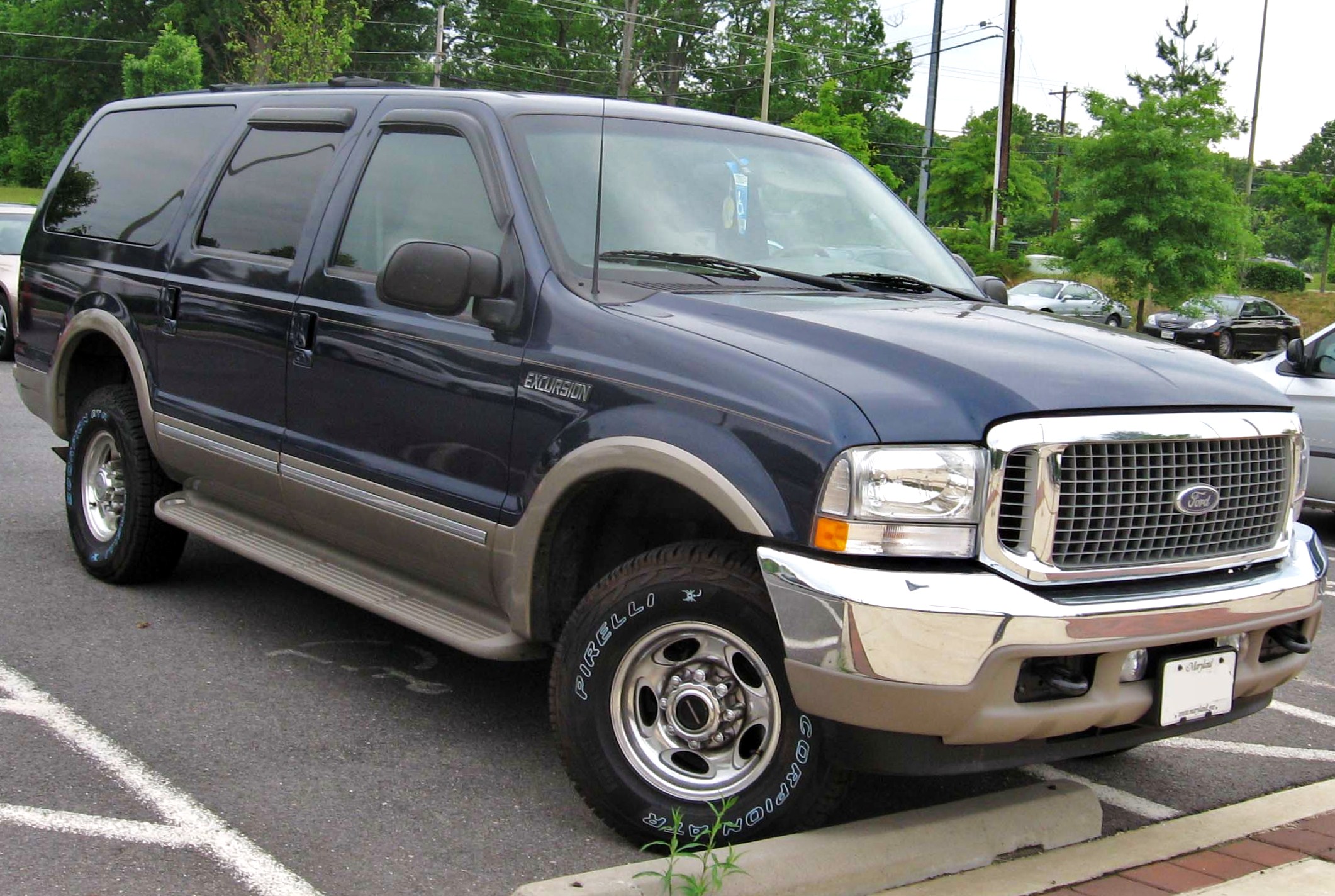
Yeah absolutely so I have I have an old old excursion I bought which was always my one of my dream vehicles so if I have that that one's just my daily I don't mess with that one then we bought an old F 350 probably see it on our website doing donuts out front.
We started that one just for testing we bought that truck for like 1500 bucks and we just been using testing for it and we started we're like let's make this into you know a 72 class let's start racing and see where we end up and we're like before we do that we're going to take every size
injector we have when we're going to pair it with a different turbo we're going to build a series of how our injectors paired with that turbo and we started that process and we got from we started at stock and we went all the way up to like I think we are at a 225 hybrid.
With a 368 and then we blew the engine and at that point it was like all right well we knew that was coming because it was a used engine.
And now we just are at the point where we've switched gears now we've actually are getting ready to throw that platform on a 1968 F 100 and then we're just going to go make it rowdy is all out so it's a thousand horsepower engine that's going into an F 100 platform right now that's going to be really cool.
Yeah it's we're excited about it it's going to be a little while before we get it done but it's been we picked up a really nice candidate to put it on there so we can't wait to get it out to the shows.
That's gonna be really I love seeing like the coming swaps are cool you know but like.
I can't say that I'm a Ford guy really but it's like I love seeing a Ford with an engine that came in a Ford truck so whether it's six liter 73 and another international and stuff but like.
To know that it aligned with the brand those really grabbed my attention more than kind of the fumbins builds.
Yeah and that's it was exactly the thought process behind it was like look everybody's putting comments in these things like let's just go put a power stroke in it and that's let it be ours and we don't we're making you know a thousand horsepower almost a rear wheel.
We don't need to make any more horsepower I think we've proven our point and let's let's just have fun with this one and make it so we can drive it wherever we want to.
How long do you think that build process is going to take on it.
Well it's going to take a minute because we're running our shop you know we're full service shop to so we have trucks in here every day wrenching on those were building injectors every day.
So that one sits on the left and we you know we'll cut it here and cut it there and then fix everybody else's trucks first.
I think with like having like an install service shop.
It leads me to another question to ask you because you see both sides of it right you see the manufacturing side the retail side and then you know the racing the performance but then in my mind like the install daily stuff is a little bit different.
They're more like work trucks are more they're used every single day to either make money or transport and so like their goals are kind of a little bit different.
Are there are there things that you see daily with trucks coming into the shop that can be an expensive repair that the person could have avoided if they did something different and what would those be.
Well I think one of the biggest things going right now is probably the CP for us is one of the hottest topics and I think everywhere with the you know to get the DCR out you got to see the was the CPX from Rock City those guys.
And a lot of guys are really concerned with the Bosch CP for us on their trucks and the conversion so we see a lot of guys jumping on that right away that I'm really surprised or bring some brand new trucks in and be like yeah I want this in here now.
Because I don't want it to fail later and so I think it's a great option for guys who you know have to make money and don't want to ever see their trucks go down.
That's something we see quite a bit of is one of those modifications.
The other thing that's crazy that we end up with a lot is the fuel contamination kits.
I mean these guys just rolling up to the pumps and putting filling up their trucks with DFS and stuff like that it's just absolutely crazy how much that happens a brand new 2026 truck rolls in with a full fuel contamination kit getting installed.
But you know like that all goes back to the six liter where we talk about absolutely maintenance is everything on these trucks so if you're running a flea truck or you are depending on your truck you don't need horsepower modifications you need a truck is going to run every day.
Let's just make sure we're staying up on all the maintenance not just an oil change but fuel filters is a huge one where guys just let it go and you know fuels lifeblood of these trucks.
A common question we get from you guys a lot is hey I need a diesel engine I either you know I can't wait this long to get one or normal place I get stuff from it it just takes too long or I don't they don't have the parts in it that I need maybe my truck's not stock or I tow heavy with it.
I don't want to go back with just a stock engine.
DFC diesel is a sponsor of the podcast we worked with them you know hand in hand on doing episodes answering technical questions.
I have a complete lineup of Cummins Duramax and Powerstroke remanufactured engines that are set to a standard of ISO 9001 2015 standards which is a huge deal in the aftermarket and there's certain levels of quality testing validation that are required for that so you know when you get one of those engines the type of quality that's built behind it with an industry leading warranty that's really comprehensive.
And you know the other thing with that is you know sometimes the options that are out there it's just it's a basic OEM engine you want a little bit more you don't want to have the same failure again so there's a bunch of different series of engines that they have from core street tow
haul and also the speed of air series which we've covered on the podcast before there's a lot of really cool benefits to it and if you have questions about that reach out to them if you don't know the type of engine that you're looking for if you go to dfcdiesel.com there's a ton of info there you can send an email or you can reach out to them.
Also they're working with speed of air pistons which it's the only piston that pays for itself and there's a lot of really cool technology behind it so you can add that into your build and be able to get better fuel economy you know increased power increased torque and better engine life out of it.
You know some of the most common engine applications or series of engines that they have with that lead time a lot of them are in stock or they have really short lead times.
So you can check your favorite retailer or go to dfcdiesel.com check them out to see what's in stock see what you can get if you have questions maybe you want to do you know something that's outside of the normal series of engines.
They have tons of choices for rods cranks pistons valve train upgrades tons of different things so if you're in the market definitely make sure and head on over and check them out.
Hey diesel fans wanted to chat with you about diesel fuel it's something we've talked about a lot on the podcast and specifically ways that it can lead to a lot of costly repairs and the main reason that we have these issues is a lack of lubricity.
Our friends over at hotshot secrets have developed a formula that boosts performance and then addresses this issue so whether you have an old truck new one something anywhere in between we all face this issue.
Hotshots EDT is a six in one formula it cleans injectors boosts cetane and it has four times the lubricity is our leading competitor so it's a great way to be able to stay ahead of the maintenance curve avoid those costly repairs.
And the best part is it does the work for you so all you do is add it to your regular fuel up schedule and it's doing all the heavy lifting so you don't have to worry about some of those issues that just come with diesel fuel anytime we buy it from the pump.
If you go to hotshotssecret.com use code diesel pod 20 it'll get you 20% off your order we really appreciate the team and our friends over at hotshot secret offering this discount code just for you guys so if you're in the market head on over their website use code diesel pod 20 and get 20% off your order.
What they did to your family you're lucky to make it out alive streaming on peacock these men are going to come after me taking them out it's my only chance put a bullet in your head.
From the co creator of Ozark looks like a family was running drugs execution style killing it's rare for the keys and it leads on who they might have been right for the cartel killed my family I'm going to kill them all of them.
MIA streaming now only on peacock.
I had a conversation once somebody asked me we're talking about like new trucks and like which one would you buy and that kind of stuff and I was like you know those new power strokes are really really nice.
Probably the first thing I do is just like put it on a flatbed and have it towed from the dealer to a shop to do like a CP3 conversion just like right or like a DCR conversion right away or something like that because that's even ingrained in my mind.
And not just pick on power strokes like you know I know LMLs have issues and some of the comments did before but like.
I would just want to avoid that and I think you have access to so many different like non tuning kits when there's no tuning required they have 49 or 50 state you know carb number so it's just like plug and play and play you're done.
Yeah there's there's more options now than there was you know last year so there and I think there's some new stuff coming out that maybe a lot of people haven't even heard about but that are going to be really good alternatives or at least fixes for what the problems were that they were having.
And even then the the CP4 in the power stroke is really good marketing as well I mean it's not a bad pump by any means I think Bosch says it has less than a 10% fail rate.
It's just really good marketing out there by these companies to get these alternatives in there as well but you know people live the nightmare and you know when it fails it's a bad bad thing.
Yeah well and you just don't know if is it is your number going to get called on your fuel system need to replace and then if so.
Like do you do you want to save keep that money to the side is like an injection pump swap it's it's tough even if it is less than 10% yeah still just so expensive and then can you even get the parts if you were going to just replace it to stock like are they available.
Yeah well you know we found that most of the you know because once again you're just talking about a fuel contamination kit with the CP4 pump going talking new injectors lines you know it's going to be a pump.
So you know we sell a lot of that stuff with the new DCRs CPX is or whatever you need in there already as part of the kit so you can just have peace of mind if you already got past that point.
The idea is going to be interesting how many more options are coming out.
I know this this the answers question has a lot of opinions but I like to get different opinions from different people that I talked to in the industry and with the CP4.
Do you think there's a way to avoid it or in your experience you've seen like do additives help does you know are there are there things you can do or is that pump just it's got a shelf life and the numbers going to get called at some point you're going to have a big repair bill like what do you think about it.
Well I think like we talk about you know the recurring subject with the diesel is maintenance is going to be a huge part of it you know fuel filters fuel treatments.
I think you take like I think it was diesel Dave or somebody had a million mile CP4 coming to their pump or into their shop and like they took it apart and it still looked pretty good.
So you know fuel additives are a huge thing.
There's some pretty good stuff like Tony saw us put it on there where he he went out and took samples from like 20 different gas stations of diesel and every bottle was almost a different color or different quality of diesel so you know fuel additives are going to be huge for that to help prevent that as well and then obviously routine maintenance on the oil changes.
Yeah that's I can't remember something I saw recently I think it was an LML but it had like 600 some thousand miles on it the original CP4 and I think if you see that you think oh they last that's pretty good run for one but then I've also seen people talk about them going in under 20,000 miles or 10 or 15,000 miles and I'm like how much damage can like.
It can just happen at such different intervals that it it's something that kind of jumps out is I need to address it if I own one of these trucks at least have a plan whether it's the contamination kid or doing a DCR or something like that.
Yeah absolutely like I'm no I'm not a pump guy by any means we're injector guys we're gonna stay with injectors but we buy we definitely have it in our shop all the time to approach and you know we use the DCR CPX are great options.
You know you're the problem with that is the contamination in the actual fuel system that wipes everything out so there is some other things like that are cheaper to prevent it like the.
The SNS Gen 2 kit where you can put the filters on to hopefully capture all of that before it gets back into the fuel system so those are like cheaper alternatives I think it's like $400 for the actual kit to get a couple hours to install it so it's just if you don't have the money to buy DCR and get the job done or you don't want to do a full
Contam kit that's a great way to help prevent it.
To go back to injectors for a second where do you think the future of them are headed whether it's.
It's specifically like with holders diesel like with six liters maybe other platforms are there.
Are there maybe.
Challenges or other parts of the industry or like upgrading a diesel truck where.
You're seeing people run these bigger turbos like this is this is where it's headed we're going to have to develop something or maybe already have it or just released where you see the future of that going a certain direction what is it.
What's it's a combination of a few things that we're working on right now for our six liter injectors we've actually are working with a partner that we are developing some new nozzles.
That will helpfully create some better atomization to just a better clean burn that's really important for us to not that we don't we don't like the smoke but our goal is to have you running as good as you can as clean as you can so we want to.
Have perfect fuel with perfect air and we want to get this truck out of the way quick so when you step on the pedal there's we trying to get rid of that lag or anything like that so.
That's something we have in the works right now we're actually testing and we've already started producing them.
We've also got some hybrid stuff for the racing side that we're working on we're just working on getting it just right before we release it we don't want to do anything that would you know.
Our reputation in the industry so we're not going to just put anything out there we're going to we've actually been testing for like three or four years on the hybrid side when COVID hit we lost our machinist so it's been start all over he took all of his secrets with him.
So it's been a we've we've built quite a few different platforms for the hybrid side for the racing guys and we just have not been as happy as we thought we could be with them so we're just going to keep plugging along till we get it perfect.
And then as far as platinum platforms go we get a lot of questions like hey when's it coming when are you guys letting it go.
We need that 67 injector out of holders and we've been testing for some time now and I think we're really really really close to letting that go like maybe even a big event coming up in June we might even have a set there for somebody to take for free.
We got a little teaser.
I think it all comes back to we just we might be behind on a few on the platform but we aren't willing to just put anything out there we want the absolute best for our customers and we definitely don't want to hurt anything as far as what we've done with the six liter world.
Yeah that's that's really important and I think like customers that you have or potential customers you have really appreciate that because nobody wants to beta test you know they're they're trucking sure you know as well as anyone like
Injectors like for me they kind of scare me a little bit in the sense of I think if something goes wrong with an injector you have that pressure that he's right there there's a piston right below it like add stuff can happen and
I for me personally I would never try to go cheap on them if I could avoid it because I want the best that I could put there because I've had guests on that talk about melted pistons and other things so I think they appreciate that that testing and validation before they can even buy it.
Yeah and I think that's like it comes back to like the media metallology and the parts we're getting is can be so different from one part to another that it's important that we take the time to identify that kind of stuff and I don't think a lot of people just don't just well it's an
With the racing side DC that connecting as well like through word of mouth with like the six liter crowd like they're they've they're making good power like they've jumped a lot from where they used to be like it's I had someone on talking about standalone computers you know with it and what they're going to be able to do and it's moving fast.
Yeah well keeping them together is going to be everything but yeah I think right now we have some pull guys that are trying to that are using our stuff and we're really have quite a few guys asking for some bigger stuff out of us you know we have some hybrids we're off and we don't advertise it but they're there so if you need one just give us a call we can talk about it.
But we're really trying to get into the really big market where we can start getting something on the track you know compete with the Warrens and stuff like that.
And that racing side but like as an enthusiast you know if you're at an event and you see you know this this truck and it's making you know good power or good times or something like that you just automatically think you know if it works in that truck.
We're gonna my daily driver like they're gonna have something for me and that was that saying like one on Sunday so on Monday kind of thing it's definitely a thing.
Well that's where we're trying to get to for sure I think you know our our sweet spot is that street truck we that's our prime customer base right now as those guys just running around town ripping and having fun and we just need to expand that base a little bit more.
Now like for you personally having jumped into like the expedition and this this other six liter do you ever get tempted to maybe pick up another diesel truck and maybe get hands on with that one like what about your personal journey with diesel.
Well like I said you know we bought about the F 250 King King Ranch when I first bought the place we rebuilt that and then the excursion came along I've that thing I'll never get rid of that that's I love that that platform is should come back there should be no question it should have a 67 on it at some time and just make it look as good as it did.
And then you know the F 350 we use for testing has been a single cab long bed which actually turns out to be one of my favorite trucks to drive because it just whips around so well and the power just goes with those trucks are so light.
That's a great truck platform but we also a lot of the guys I work with or have in the shop have different platforms that we focus on so you know we have a fall ins in the shop that we've got a 59 and and then we also a lot of L five p stuff comes through in six sevens we do a ton of work on the six sevens I have actually we actually have 26 sevens that we pull our trailer with for the show so we've got pretty broad range of all of the platforms covered here we're not just power stroke.
Guys actually we fight about it all the time so it's pretty healthy for the shot we always make fun of each other whenever we have a problem so.
It works out pretty well.
It's such a it's such a cool hobby but it can get expensive like.
You have like you have one truck that makes a lot of power that you might not want to daily drive so you're like well I need something I can daily drive and then you do that and like well maybe I could have this other one and there's so many choices you can just end up with a whole stable full of.
It happens quick you know and it's funny because you know what I think we went to the first show I think I rented a car and sat at a table.
You know with a tablecloth on it and now we're pulling a 40 foot trailer all over the country.
Trying to just get our brand out there a little bit more so yeah the need definitely changes for the vehicles as you go plus you always want to keep up with what's new and testing products before you sell into a customer so we don't put anything on a customer's truck that we don't run on ours.
I think it's really it's really important for like people to be able to see you know the brand like us chatting today on a podcast or when if you're going to be.
You know different events throughout the year what what's that been like to go back to the beginning from where you started and your background and then getting into diesel to being at this huge event with hundreds or thousands of people that come through.
What's that been like for you.
It's been it's been pretty crazy to you know because you know we're just a small shop we're not we're not a big organization out there there's literally I think five of us running around.
Trying to keep this thing above water and make sure everything works and the team is amazing they do great job they care just as much as I do.
I don't really don't even have to think about it.
The diesel industry as a whole has been awesome that it's the camaraderie between the companies is something that I don't think I've ever seen in any other industry.
There's a lot of competition but there has never been a guy that I can't walk up to and be like hey man I saw you did this why did you do that how did that happen.
And he not give me something or take me under my wing under his wing and teach me or hey here's my phone number call me I'll help you through this so I couldn't diagnose a truck or something like that.
And you know we try to pass that on to our customers to and I learned that through all the people around us like you said from the beginning from having that little six foot tailor table and a table cloth and being like man I am way out of my league here.
I have no idea what I'm doing I just know that I have to be here to pull in you know a big trailer round and having people come up from all over the country like hey man I'm from Alaska I love running your injectors or hey I'm from Minnesota.
You know here we are a small shop in Florida touching all of these different dealers all over the US it's it's really cool.
That's a really humbling too.
I bet there's a lot of motivation and energy right when you when those people come up to you that maybe you don't know them but they're passionate about your product your brand.
Or they just want to ask questions because they they don't know they've got a six liter or a truck and I think that energy that one on one connection with people is it it can.
I think it's really what makes this industry goes like the aftermarket at its heart is those personal relationships.
Yeah I think so too and I think that I guess being from the outside in from the beginning and I didn't realize how big of a community it was I didn't realize how big the following was and it's been really cool to be part of it.
So yeah humbling is probably the best word for it but yeah the people are genuinely good people and they want to just know how to make their truck better and you know that's our only goal for them we never want to put anybody in a bad position.
Yeah that was like I came from a completely different industry.
And that was one of the things that surprised me back at the start was just being able to connect with people all over the country or like if you go somewhere and you pull up in a diesel truck and there's another guy there with a diesel truck you'll strike up a conversation because you both have diesel trucks.
Absolutely a lot of gas station conversations for sure what are you running you know it sounds great.
So as far as like people being able to do that like being able to connect with you or ask you guys questions where are you guys going to be at this summer.
Actually we leave for Tulsa for the NHRDA even out trucking USA I think is what it's called and then from there we're heading over to UCC and then from UCC we're going to be at Freedom Trucking in Ohio.
And then we come back for a while and then I think we're going to be back on the ND NHRDA for Texas I believe so I'm probably smoking Mountain Truck Fest I think is the other one in September this year.
This we're kind of growing our each year we keep adding more stops so but the next month is going to be a little hectic.
It'll be fun though that sounds like a fun kind of circuit to be able to go and see those trucks and meet people and maybe unveil some stuff like you mentioned at UCC so that'll be cool.
Well I always like if somebody listens and they have a question or like I didn't ask you something like I was right on the cusp of asking the question that they had but I didn't do it I didn't think of it.
How they can connect like with you guys ask a question about an injector maybe it's something else is it through like going to the website is the social media phone number what's the best way to connect with you guys.
All the ways are the best way that you just mentioned obviously call in the shop we try to answer the phone we have people here that know what they're doing so shops probably number one gives call phone numbers 9412174159.
If we don't answer leave your name and your number we will call you back.
Social media Instagram Facebook.
Tiktok whatever you got to do to get a hold of us will respond some way somehow.
Also on the website just you can ask questions so we're all monitoring it we're all paying attention to it we're trying to respond as fast as we can.
Obviously the load of questions we get to take how fast we can get back to you is his website holders diesel.
Yeah it's www dot holders diesel dot com.
Nice and nice and easy to remember.
Yeah we try to keep it all the same all the way across the board yeah.
It was it was really cool to chat with you today.
Jed and just to be able to hear your story of how we are interest in mechanics came from and then how your journey progressed to being at holders diesel and then the outlook.
And the company focus is really cool I love hearing that part of the company is like I've heard of holders diesel forever.
And but I don't necessarily know the story I don't know how things connected I don't know the person behind it or the people behind it.
So that's always really cool to talk about and hear your story and you've got to keep me updated on that 68 with the six leaders.
I can't wait to see it whenever it's ready you just let me know I will see pictures of it.
Yeah we'll get it done I got the body in the air we just got to get moving on it.
Well I appreciate your time today Jed it was fantastic to chat with you.
You too man thank you so much I appreciate you having us on.
Don't forget diesel fans make sure and head on over to kershaw.kaiusa.com
Use code 20TD8FR26 to get 20% off your order.
Kershaw has got a whole lineup of knives to meet any budget that you might have.
Whether it's a new knife or EDC hunting fishing something around the job site around the house.
They've got you covered with a bunch of different choices for blade steel blade shaped different handle designs opening mechanisms.
And you also get free shipping over $50 so we really appreciate them offering that discount code just for diesel podcast listeners.
Also want to give a shout out to some of our patreon supporters Robert John TSW diesel all of our other patreon supporters all of you who follow us on social media.
We appreciate all your support here in year 10 of the diesel podcast and look forward to bringing you more of the content that you want to hear in 2026.
Until next time keep the shiny side up.
Want to learn more time outside and less time slathering on Al-Al-Oshun you're welcome Columbia engineered for whatever.
About this episode
The Diesel Podcast digs into why 6.0L Powerstroke injectors fail, tying failures to repeatable causes like maintenance, fuel quality, and correct injector/turbo pairing. The hosts connect the dots from CP4 pump contamination to injector and line damage, then discuss prevention via fuel filtration, contamination kits, and fuel additives for lubricity. They also cover how higher-output injector setups require supporting fuel-system hardware (regulated return and/or a lift pump). R&D details include bench testing, thermal simulation, and cautious product release.
Jed from Holder’s Diesel Performance chats with us about why 6.0
injectors take a beating, how they build them in the shop to be
reliable, keys to maintenance, and his journey in the Powerstroke world. We also talk about a 1968 Ford he’s doing a 6.0 swap on!
Learn more about your ad choices. Visit megaphone.fm/adchoices