
off-street parking
Off-street parking means you park somewhere like a driveway or private parking spot, not on the street. If you have that, you may be able to install a charger at home, which usually costs less than public charging.
UK public charging costs and public charging UK 2026
They’re focusing on why charging in the UK (especially public charging) costs so much in 2026. The goal is to explain what’s driving the higher prices.
SMMT
SMMT is a UK organization that tracks car industry data. They’re being used here as the source for the latest numbers on how many electric cars are in the UK.
EV market share forecast
A market share forecast is a prediction of how big a portion of car sales will be electric. They say that prediction got revised downward even while EV numbers are still growing.
AC charging
AC charging is the common kind of charging where the charger sends power in alternating current form. Your car has a built-in system that turns it into the right kind of power to charge the battery.
VAT
VAT is a tax the UK adds to many purchases. In this episode, they’re saying public EV charging gets a higher VAT rate than charging at home, so it costs more.
public EV charging versus home charging
The hosts are comparing two ways to charge: at home and at public chargers. They’re arguing the difference in cost isn’t just the charger—it’s also taxes and pricing rules.
kilowatt hour
A kilowatt hour (kWh) is how much electricity you use. Charging prices are usually listed per kWh, so if the price per kWh is higher, your charging bill is higher.
off-peak EV tariff
An off-peak EV tariff is a cheaper electricity plan for charging your EV during quieter times. The idea is you pay less per kWh when demand is lower.
public AC charger
A public AC charger is a charging point that sends alternating current to your EV. Your car usually has to do the conversion, and AC charging is typically slower than fast DC charging.
ZAPMAP weighted average
ZAPMAP is a service that tracks EV charging prices in the UK. A weighted average is a “typical” price that accounts for differences between chargers, not just a simple average.
rapid DC charger
A rapid DC charger sends direct current straight to the car’s battery system. It’s usually faster than AC charging, and the episode compares its typical price per kWh too.
pavement tax
“Pavement tax” is a nickname for the extra money you pay when you charge in public. In this episode, they blame it on higher VAT on public charging versus home charging.
HMRC
HMRC is the UK tax authority. The episode says HMRC’s VAT rules and decisions affect whether public EV charging gets taxed at 5% or 20%.
public street
Charging on a public street is charging in a public, regulated spot. It often costs more because setting it up and connecting it to the grid can be more expensive than charging at home.
utilisation
Utilisation just means how often a charger is being used. If it’s mostly sitting empty, the operator still has to pay the same basic costs, so the charging price ends up higher.

Dodge Charger
The Dodge Charger is a sporty car that’s built for quick driving and a strong engine feel. The podcast mentions it to talk about how often it’s plugged in to charge compared with how long it’s just parked. That helps explain how charging habits look in real life.
standing charge
A standing charge is a fixed fee you pay even if you don’t use much electricity. If a charger isn’t used often, that fixed fee still has to be paid, which raises the effective cost of charging.
grid connection
Grid connection is how a charging station gets electricity from the power network. Setting it up (and paying for it) can be expensive, so operators try to recover those costs through what you pay to charge.
smart charging
Smart charging means your EV charging is scheduled or controlled to take advantage of better electricity prices or grid conditions. For example, it can charge overnight when electricity is cheaper.
loss leaders
A loss leader is when a company intentionally prices something so low it makes little or no profit, just to get customers. Here, the claim is that cheap home charging can be used to pull people into EV plans.
public charge point
It’s a charging station you can use in public places, not at your home. Different companies charge different prices, so the cost can be surprisingly different from one charger to another.
DC fast charging
DC fast charging is the quickest way to charge an EV at many public stations. Instead of charging slowly like at home, it pushes power faster so you can get back on the road sooner.
battery electric vehicles
Battery electric vehicles are cars that use electricity from a battery to drive. They don’t have a gas engine—so they rely on charging.
EV forecast downgrade
They’re pointing out that even though EV numbers are growing, the forecast for how big the EV share will be has been reduced. So progress is real, but it’s not as fast as expected.
ZEV mandate target
A ZEV mandate target is a government goal for how many new cars sold should be zero-emission. The episode is saying the UK is currently tracking below what the regulator expected.
EV adoption
EV adoption just means how many people are actually buying and using electric cars. The point here is that it’s increasing, but slower than the government expected.
policy framework
A policy framework is the government’s plan—basically the rules and expectations behind how they think the market will change. In this case, the host says the plan assumed EVs would grow faster than they actually did.
discounts and incentives
Discounts and incentives are ways manufacturers lower the price of EVs to get more people to buy them. The host’s point is that if the discounts are too aggressive, it can affect what those cars are worth later when they become used.
fleet returns
Fleet returns are EVs that businesses send back after using them for a while (often lease/contract vehicles). The host says when those cars hit the used market, they’re priced much lower, which can pull down used EV prices overall.
depreciated price
A depreciated price just means the car is worth less than it used to be. The host is saying that EVs can lose value faster when the market is pushed by big discounts.
demand led EV growth
Demand-led EV growth means people are buying EVs because they genuinely want them, not because companies are paying to lower the price. The host says that only works if charging is affordable enough for consumers.

Volkswagen Id
The Volkswagen ID. Buzz is an electric van-style vehicle designed to carry people. The podcast brings it up while talking about Volkswagen’s electric models and what they’re aiming to build. It’s essentially about an EV that’s meant to be roomy and practical.

Volkswagen ID Polo
The Volkswagen ID Polo is a new, smaller electric car Volkswagen is planning to sell in the UK. The big deal is that it’s meant to be relatively affordable while still offering decent range and reasonably quick charging.
WLTP range
WLTP range is a standardized way of estimating how far an electric car can go on a full charge. It’s useful for comparing cars, but your real range may be different in everyday driving.
130 kilowatt rapid charger
A 130 kW rapid charger is a fast public charging station that can deliver a lot of power to the car. That usually means you can add charge quicker, but the car still controls the final speed.
10 to 80 percent
“10 to 80 percent” is a common EV charging benchmark that measures how long it takes to add charge from a low state of charge to a mid-high level. It avoids the slower top-end charging behavior that often occurs as the battery approaches full capacity.
LFP chemistry
LFP is a specific type of battery used in some electric cars. It’s known for being sturdy and safe, and it can help keep battery costs down, even if it doesn’t always pack energy as densely as other battery types.

Toyota A90
The Toyota Supra is a sports car made for fast, fun driving. The podcast talks about how long it takes to charge it using different charger speeds and battery types. The key point is that charging time can change, but the numbers discussed are still reasonable.
90 kilowatt charger
A 90 kW charger is a fast charger that can supply a lot of power. The car will still decide how fast it can charge, but 90 kW is meant to be quicker than slower chargers.
MEP plus platform
This “MEP plus” platform is Volkswagen’s shared electric-car design that many EV models are built on. It helps the company build different EVs more efficiently using common parts and layouts.

5 Renault 5
The Renault 5 E-Tech Electric is a small electric car. The podcast is talking about how the inside is arranged and how much usable space it has compared with other small cars. The goal is to show whether it’s practical for daily use.

Volkswagen Id4
The Volkswagen ID.4 is an electric SUV that runs on a battery instead of gasoline. The podcast compares its interior controls to other recent Volkswagen models so you can understand what the driving experience is like. It’s mostly about how the buttons and controls work and feel.

Volkswagen Id3
The Volkswagen ID.3 is an electric hatchback that runs on a battery. The podcast compares it to other Volkswagen models to explain how the controls are set up inside. The focus is on whether it uses more traditional buttons and how that feels to use.
haptic sliders
Haptic sliders are touch-based controls that “feel” like they move because the system gives you vibration feedback. They’re meant to replace physical knobs or buttons with something more modern.
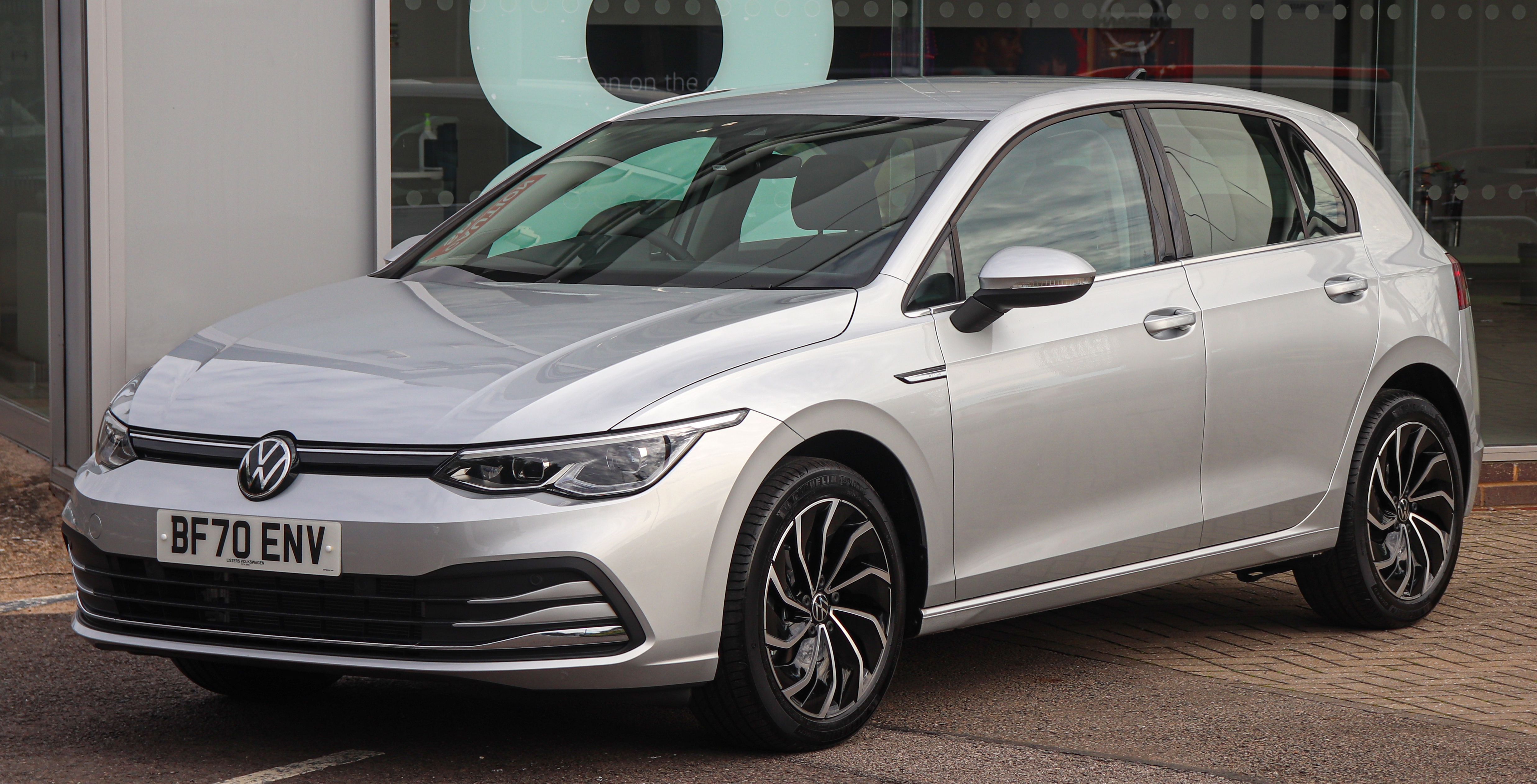
Volkswagen Golf
The Volkswagen Golf is a small everyday car, usually in a hatchback body style. The podcast mentions it because it’s a familiar baseline for how Volkswagen controls and buttons feel in newer cars. It’s mainly about how easy and comfortable the interior is to use.
capacitive touch panels
Capacitive touch panels are touch controls that work by sensing your finger electronically. They’re common in modern dashboards, but some drivers prefer real buttons because they’re easier to use without looking.
physical rock switches
Rock switches are real physical switches you move by hand, like a small lever that rocks between settings. The speaker is saying the ID Polo goes back to controls you can feel and use more easily.

Citroën ë-C3
The Citroën EC3 is another electric car that’s already on sale. The host brings it up to show that if you want an EV right now, you’re not waiting only for the Volkswagen.

Volkswagen Polo
The host talks about the Volkswagen Polo to explain VW’s strategy. They’re using the Polo name’s long success to make the new electric ID Polo feel more familiar and trustworthy.
locking diff
A locking diff helps the car keep both wheels turning together when traction is uneven. It can help the car get grip better, especially if one wheel is on a slippery surface.
GTI hardware
“GTI hardware” means the performance parts and setup that make a car feel like a GTI. In this case, the host says the electric hot hatch will include real performance-focused components, not just a badge.
Solaracap HPI
Solaracap HPI is the organization providing the numbers the host uses about used EV prices. They track how much used electric cars are worth over time.
used EV price floor
A “price floor” is the lowest level prices seem to reach before they stop dropping. The host says new data suggests used electric car prices have hit that low point and started to rise.
trade value
Trade value is basically what a car is worth when it’s being bought/sold through the market channels, not the sticker price you’d see as a retail buyer. The host uses it to judge whether used EV prices are stabilizing.
used EV values
This just means what used electric cars are selling for. The host is using it to show whether prices are going up or down.
fleet turns
This means companies are replacing their cars and selling the older ones. If lots of cars hit the used market together, prices tend to drop.
BEV
BEV means a battery-electric car. It’s an EV that doesn’t use petrol—its power comes from a battery you charge.
running cost gap
It means the ongoing cost difference to keep the car moving. In this case, it’s comparing what you pay to charge an EV versus what you pay for petrol.
off peak tariff
It’s an electricity rate where power costs less at certain times of day. EV owners try to charge during those cheaper hours to lower their charging bill.
battery degradation
Battery degradation means the EV battery slowly wears out. Over time it can hold less charge, so the car may not go as far as it used to.
state of health
State of health is a way to measure how worn out an EV battery is. If the number is high, the battery can still store a lot of energy like it did when it was newer.
Geotab
Geotab is mentioned as one of the organizations involved in studies about EVs. Here it’s used to support the point that EV batteries usually don’t degrade as fast as people fear.
DC fast rates
DC fast charging is the quick-charging type you use on road trips. It can add a lot of energy in less time than slower home charging, because it delivers high power directly to the car.
GridServe
GridServe is a company that runs EV charging stations in the UK. In this segment, they’re used as an example of a network that’s rapidly adding lots of fast chargers.
electric superhubs
An “electric superhub” is a big charging stop with lots of fast chargers. The goal is to make road-trip charging easier by having more bays in one place.
Folkestone M20
This is a specific spot on the UK motorway network near Folkestone. The point is that new fast chargers are being added along major driving routes.
UK charging infrastructure is failing
The speaker is pushing back on the idea that EV charging in the UK isn’t improving. They follow up with numbers showing new chargers are being added quickly.
DC driver
They’re talking about commercial drivers who travel long distances for work. The point is that faster charging makes EVs easier to use on those schedules.
400 kilowatt capable charges
This means the charger (and usually the car) can handle very high charging power. That can make charging faster, especially for quick top-ups on trips.
100 miles of range
Range is how far the EV can go on electricity. Here, they’re saying a quick fast-charge stop can add enough driving distance for about 100 miles.
EVED paper mile tax
This is a proposed UK tax that charges EV owners based on how many miles they drive. The host says it would add a small amount per mile starting in 2028.
fuel duty
Fuel duty is a tax added to petrol at the pump. The host uses it to estimate the tax cost per mile for petrol cars.
depreciation curve
Depreciation is how quickly a car loses value. If the curve flattens, the car starts losing value more slowly, which can make it a better buy.
boot
The boot is the trunk area at the back of the car where you put luggage. Bigger boot space usually means you can carry more stuff.
on-street charger
An on-street charger is a public charging spot near where you park. It’s especially useful if you can’t charge at home.
off-peak rate
Off-peak rate just means electricity is cheaper at certain times of day, often overnight. If you charge your EV then, you pay less per unit of electricity.
destination charger
A destination charger is a charger you use while you’re parked somewhere for a while, like shopping. It’s usually meant for convenient, lower-stress charging rather than quick motorway top-ups.
rapid charging
Rapid charging is the faster way to charge an EV. It’s great when you’re traveling, but it usually costs more than slower charging at home or while shopping.