Car rules aren’t identical in every country. If a car has to be redesigned or re-certified to meet local safety standards, it can cost more—so the price can’t always stay the same.
The Audi A5 is a popular Audi model. The host is using it to show that European cars can still cost more in Europe than in the US, even if they’re made there.
Manufacturing capacity is basically how many cars a factory can build. The host is saying policy and demand changes can affect whether companies use that available production space.
Excess capacity means a factory could build more cars than it’s building right now. If that unused space gets used, companies can produce more cars without starting from scratch.
The Nissan Rogue is a compact SUV meant for normal daily use. It’s built to be comfortable and easy to drive, with room for passengers and cargo. The podcast references it because more of them are being produced to meet demand.
The Nissan Versa is a budget-friendly small car. The host is saying automakers can’t keep selling very cheap models if they aren’t selling enough to cover costs and still make profit.
An Econobox is a cheap, basic car meant mainly to get you from point A to point B. The host is saying that if a car is priced around $15,000, people may still expect it to feel like more than just a bare-bones budget option.
The Hyundai Elantra is a popular small car. The hosts bring it up because it costs a bit more than the very cheapest models, and they’re talking about which cars are selling better as prices and demand change.
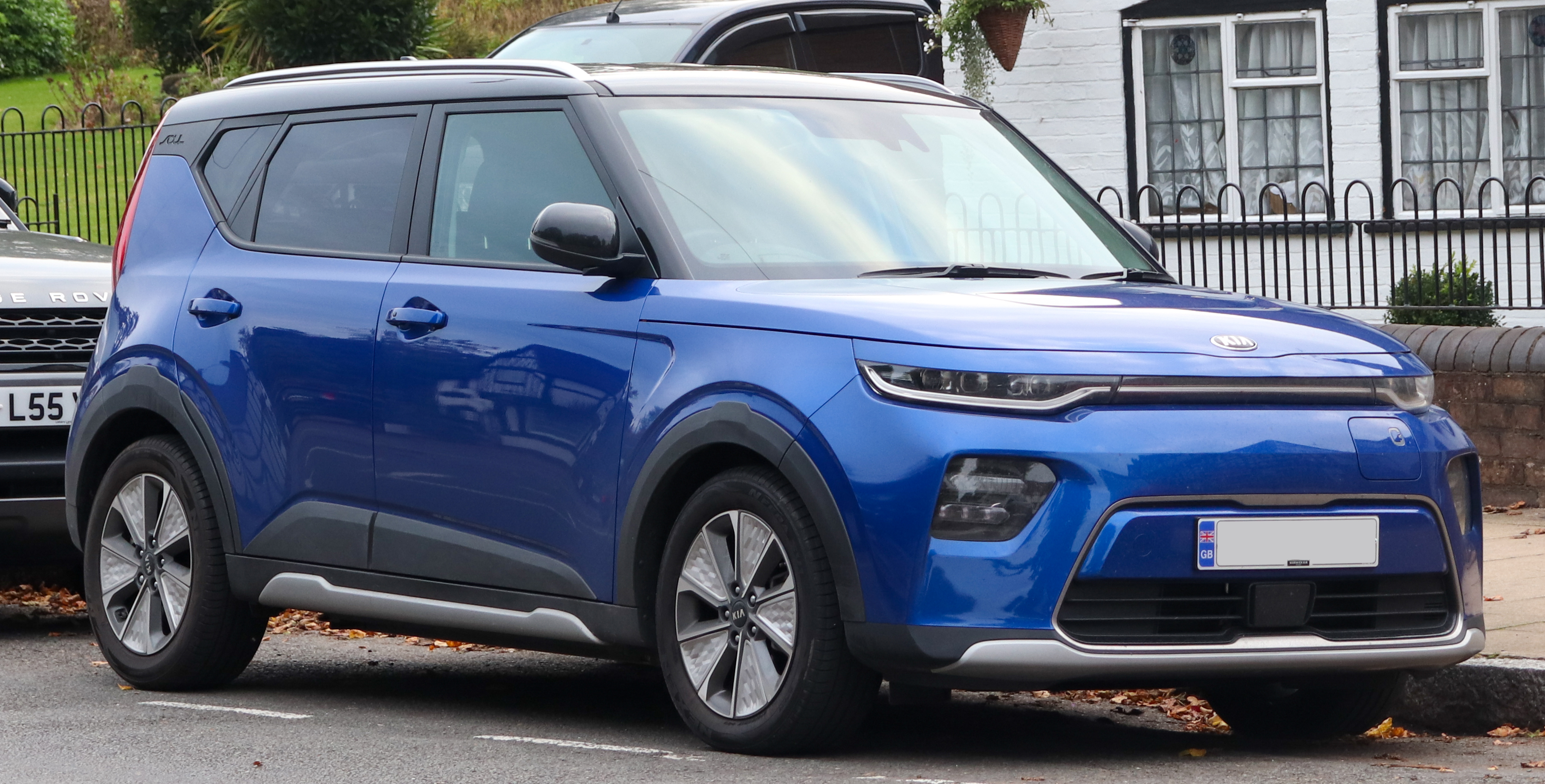
The Kia Soul is a small, distinctive-looking car that’s often priced for value. The hosts mention it as another example of a model that didn’t sell more the way some competitors did.
The Hyundai Venue is a small SUV-style car. The hosts mention it to say some cheaper models didn’t get the same sales boost as others when the market changed.
The Ford F-150 is a large pickup truck made by Ford. People buy it for work or everyday driving, and it comes in many versions with different features. It can be discussed in the context of how adding lots of options can make the monthly cost much higher.
Free trade refers to agreements that reduce or eliminate trade barriers (like tariffs and import restrictions) between countries. The hosts use it to explain why Canada can receive models built in the U.S. from Japan and Korea more easily than bringing in cars made in China.
“Disruption” means the market gets shaken up fast. The idea is that if Chinese brands sell a lot more cars, other brands could lose sales and have to cut back production.
They’re saying Chinese car companies learned a lot from Volkswagen—like how to build cars more effectively. It’s used as an example of outside help speeding up progress.
They’re talking about whether cars stay good after you’ve owned them for a while. Even if a car seems fine at first, the real test is whether it lasts and keeps working reliably over years.
They mean how easy it is to get the car fixed when something breaks. If a brand doesn’t have good service support and parts, repairs can take longer and cost more.
A dealer network is the set of local car dealerships that sell cars and handle repairs. If something goes wrong, the dealership is usually who fixes it. The question here is whether Chinese brands will rely on dealerships or try a different sales model.
Direct-to-consumer means the company sells the car straight to you, instead of using regular car dealerships. That can be harder because laws and rules vary by location. Even if sales are direct, you still need places to service and repair the cars.
Tesla is mentioned as an example of an electric car brand that sells directly to customers. The hosts say that even Tesla can struggle with service and repairs becoming a bottleneck. They use that as a warning that direct sales don’t automatically solve maintenance.
The Hyundai Palisade Calligraphy is the nicer, higher-end version of Hyundai’s big family SUV. The hosts point out that it feels more luxurious inside—materials and a quiet ride—than you’d expect for the price. They use it to compare against what BYD is offering now.
The Lotus Excel is an older sports car made by Lotus. It was designed for fast, comfortable driving over longer distances. The podcast mentions it because it’s part of Lotus history and helps explain how later models were compared.
Car
Hyundai Excel
The Hyundai Excel is an older Hyundai model that the hosts mention as the “before” example. They’re using it to show how much Hyundai’s cars have improved in quality and comfort since then. The point is the big change in how the brand feels today.
BYD is a Chinese car company. The hosts are saying BYD’s newer cars feel much more “luxury-like” than you might expect, based on how they compare it to a high-end Hyundai SUV. It’s used to support their argument about how fast Chinese brands are improving.
Kia’s Sportage is a popular SUV model. The host is basically saying Kia used to be new in Canada, and people noticed the cars were different from what they expected.
The Kia Rio is a small, budget-friendly car line from Kia. The host is saying the early Rio felt confusing or unimpressive, but Kia has improved a lot since then.
A CVT is a type of automatic transmission that changes ratios smoothly rather than shifting gears like a traditional automatic. The host is saying that how people drive (calm vs aggressive) can make a CVT feel great or annoying.
“Hemmies” refers to a famous type of V8 engine used by some Chrysler cars. The host is saying people are starting to want big, powerful gas engines again.
Concept
EV ethos
“EV ethos” means the overall attitude that electric cars are the direction to go. The host is saying some buyers are moving away from that and wanting bigger gas engines instead.
This is a simple test of how fast a car accelerates from a stop to 60 mph. The lower the number of seconds, the quicker the car feels when you press the gas.
Horsepower is a number that roughly describes how strong a car’s engine is. Higher horsepower usually helps a car accelerate faster, which is why the host mentions it when comparing cheap cars.
“Screens” are the dashboard displays and infotainment screens you touch to control things like navigation and media. The host is arguing that even cheaper cars now tend to include them.
Analog gauges are the classic dashboard dials with needles. The host is saying that cheaper cars may still use these instead of newer digital screens and tech features.
“Bare-bones” means a car with very few features. The host is saying that in the U.S., buyers don’t really get (or want) the super-minimal versions anymore.
The Chevy Trax is a small, budget crossover. The host is using it as an example that even cheaper cars today usually include modern tech, not the old-school “bare minimum” setup people imagine.
This means the parts and tuning that help the back wheels handle bumps. If it’s set up for smoother roads, it can feel wobbly or unstable on rough roads.
Expansion gaps are the intentional seams in roads and bridges that allow pavement to expand and contract with temperature changes. The host notes that these features, along with potholes/rough surfaces, can excite suspension movement and reveal tuning weaknesses.
The host means it takes time for a brand to figure out how its cars behave on local roads. Even if they test first, real driving over time can show issues they didn’t fully predict.
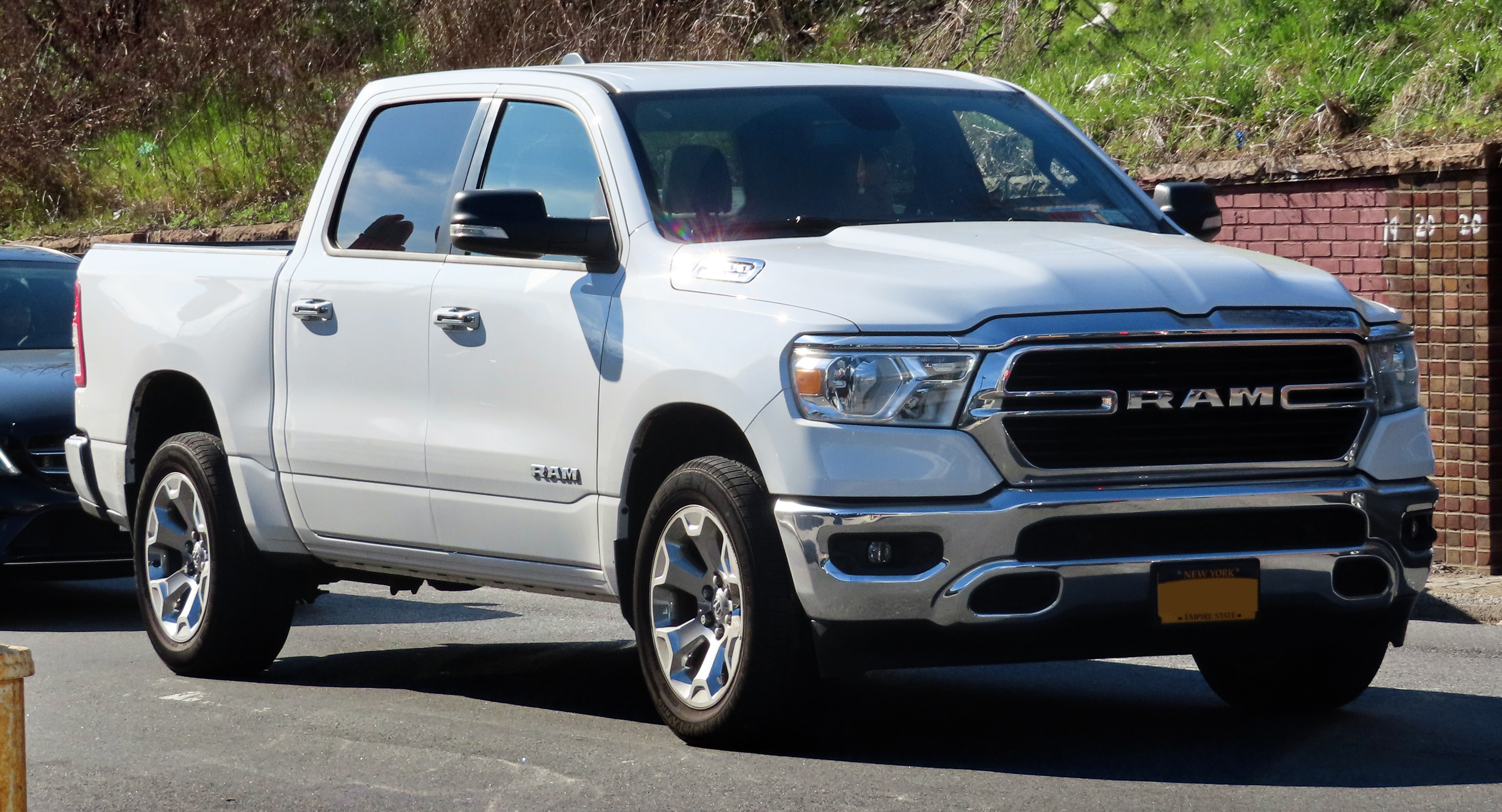
Pickup trucks are the common North American work/utility vehicles with an open cargo bed. The host is saying this segment matters a lot for how profitable certain automakers can be.
The Ford Mustang is a sports car from Ford. It’s known for being fun to drive and for its classic look. The podcast brings it up because sales and interest may not be as strong as in the past.
The Jeep Wrangler is an SUV built for off-road driving. Many versions can have the roof and doors removed, which makes it feel more open-air. The podcast mentions it because it’s a very common model people talk about and buy.
Chemical Guys is a detailing brand that sells products for cleaning and protecting a car’s exterior. This particular gel is meant to make faded plastic trim and tires look dark and shiny again, while also adding some protection.
This is a 2014 Subaru Forester XT, a Subaru SUV with a more powerful “XT” trim. The host uses it as their real-world test car to show how a product can make the exterior trim and tires look less faded after winter road salt and grime.
A “test bed” just means the car they use to try the product and see how it turns out. In this case, it’s their own Forester that’s been through winter grime to judge the results.
Microfiber is a soft cleaning cloth material commonly used for car detailing. It helps you apply products smoothly without scratching the trim or paint.
Term
linear horizontal strokes
This is just the way the host applies the gel—by rubbing it on in straight, even lines. The goal is to spread it smoothly so it doesn’t look blotchy or streaky.
Chemical Guys is a car-care brand. This particular gel is meant to make tires and exterior plastic trim look darker and shinier again, but it may need redoing later.
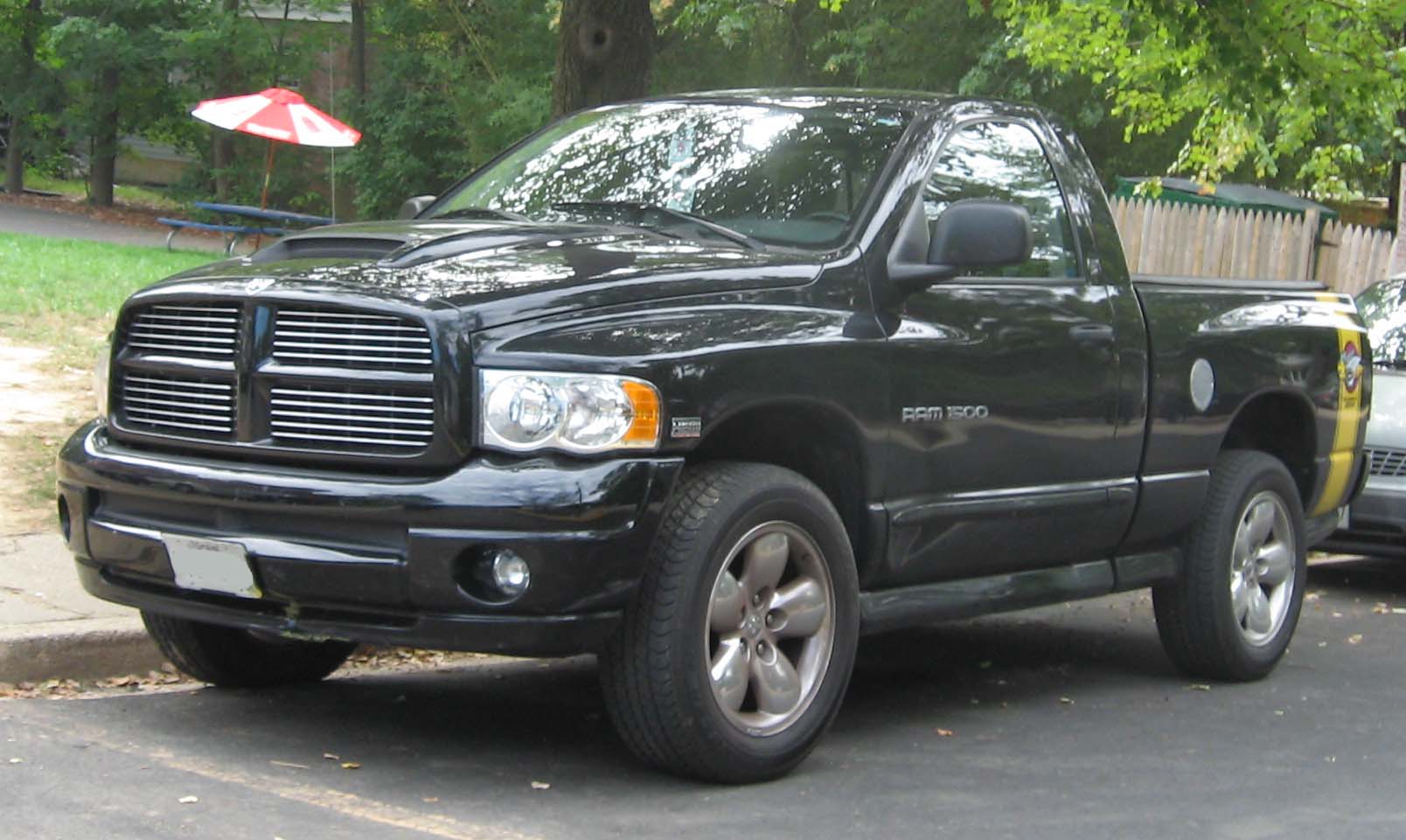
The Dodge Ram Rumblebee is a special version of a Ram pickup. It’s meant to look and feel more performance-oriented, with styling cues like a widebody look and hood scoops.
A “Hemi V8” is a V8 engine design from Chrysler/Dodge with a combustion chamber shape meant to burn fuel efficiently. In this segment, it’s the engine option being discussed for the Ram lineup.
“Go-fast bits” just means the parts that make a truck feel more performance-focused. In this context, it’s describing the Rumblebee’s sporty, performance-style upgrades.
A V8 is an engine with eight cylinders. More cylinders usually means more power potential, and the host is saying Ram is adding V8 options to make the truck quicker.
A supercharged engine uses a device that pushes extra air into the engine. More air lets it make more power, and the host is saying this Hellcat setup is what makes the Rumble Bee so fast.
The Challenger is a muscle car from Dodge. The podcast mentions a very powerful version that uses a large 6.2-liter supercharged engine. It’s included because it represents the top end of what the Challenger can be.
The quarter mile is a drag-racing measurement of how fast a car can cover 1/4 mile. Faster quarter-mile times generally mean stronger acceleration and top-end pull.
Top speed is the highest speed the vehicle can reach. The host is basically saying it’s mostly for bragging, because it’s not something you can safely or legally do in normal driving.
Car
Ram Rumble Bee
The Ram Rumble Bee is a special performance version of a Ram pickup. It’s the supercharged, high-horsepower model in the lineup, and the host is saying it’s meant to be very quick—almost like a drag car.
SRT is a label for the more performance-focused versions of certain vehicles. The host is saying the Rumble Bee is officially tied to that performance branding.
“Fat tires” means wider tires. Wider tires can help with traction, and they also make the truck look more aggressive.
LIVE
So good, so good, so good.
Everything you want for summer is at Nordstrom Rackstores now, and up to 60% off.
Stock up and save on the brands you love like Vince, Sam Edelman, Frame, and Free People.
Join the Nordy Club to unlock exclusive discounts, shop new arrivals first, and more.
Plus, buy online and pick up at your favorite rack store for free.
Great brands, great prices.
That's why you rack.
Hello and welcome to the AutoGuide show.
This week we speak to a special guest about why Chinese made cars may not be as affordable
as you think.
I have a product review of something to restore the trim on your car.
And in the mailbag we talk Brumblebees.
We'll be right back after a brief pause.
Hello and welcome back to the show.
We have a special guest.
Dave, if you could just introduce yourself and what you do.
Hi there.
I'm Dave Thomas.
I'm the director of content marketing at CDK Global where I handle our Insight Center
which takes all the great research our teams do around the company and produce content,
white papers, and other things just to inform our dealer audience since we serve dealers
about what customers in the, you know, car shoppers think, car buyers, car owners, people
come into the service department, all the things that a dealership runs on, we kind of
connect them to that consumer.
Sounds good.
So we have you on this week to talk about a topic that you know very well.
And this is why Chinese cars or cars made in China might not be as affordable or cheap
as people think because sort of the general consensus is, oh, when they come they'll be
so cheap and, you know, put all the OEM legacy automakers out of business.
So what are the factors that maybe folks are kind of glossing over that's going to make
them not be quite as affordable as we may think?
Yeah, there's really a lot fueling this idea and it's coming from a lot of different places.
So it's very multifaceted.
So there's one area where you're just hearing about it a lot.
There are many social media influencers going to China, seeing these cars, saying how great
they are and talking about the price.
And that gets spread on American social media or global social media outside of China.
But the price that they're talking about in China is not what people pay in any other
market that Chinese cars are sold in.
But that's the number one thing where people keep getting this idea of a very cheap car
because they're translating this Chinese currency with that car selling for in China
to just US dollars.
So right off the bat, that number is nowhere near accurate.
So there's that.
So if you take the link I did on or this post I did on LinkedIn kind of said, like, let's
look at Mexico, which is a place where Chinese cars are sold and just translate from the
Mexican dollar to our dollar, right?
Like just translate that currency.
And the cheapest car there would be $15,000 US, right?
So there are certain models that would be very affordable, but when you keep hearing
about like a $12,000 EV from China coming here, it's like, that's not coming here.
That's not a real thing that will happen.
But there's a couple of models on that really, you know, entry level version, what we used
to call like a Kano cars.
There are a couple of models that, yes, they will be that low.
But it's still very nuanced and it's not something that is really translated well.
And I wonder that $15,000 car that's sold in Mexico, will it be that in Canada and the US
once our safety regulations have to be followed because they are different?
So maybe, I don't know how much you looked into it, but Europe, I know they sell Chinese
cars there, that's probably a closer price difference than what our cars would be like.
From what I saw, they are more affordable, but they're not half priced.
Exactly. And Europe's a really interesting case or you could look at Australia and Chinese
cars have been successful there.
But the other thing people don't realize is cars that from other automakers in those markets
are more expensive than what they are here in America.
So when there's a shopper in Europe considering what they're going to buy
and they're looking at most of the cars that are sold in both places are luxury vehicles
because that's what's built and imported to the US.
So if you look at, and I did this before coming on, if you look at something like
a basic Audi sedan, the A5, it's more expensive, even though it's built over there,
it is more expensive to buy that there than it is in the US.
So when there's a shopper looking at cars in Europe, they're at an elevated price already.
And depending on the country, it's much more expensive like Portugal.
And so when a Chinese version comes in at a lower price, it's again a more significant drop.
So that's why they're being adopted really quickly is in that market, they really are
in many different, and depending on the country, it is a step, a significant step down, right?
So there are many facets like that that don't exist in the United States.
We do have a huge manufacturing base. Most of the vehicles here,
and that's another, the whole other thing is we're really not looking at unaffordable cars
when you look at inflation. So there's that whole, we can talk about that,
the whole idea of what's affordable and what's not as well, but that's the other factor is
they're picking up in other places because the starting point is also higher there.
Yeah, I mean, new cars in North America are getting very expensive more and more,
but that's, everything's getting more expensive. But I think people forget or not even forget,
maybe you don't know that, yeah, we have a pretty good price point. I mean, the U.S., even to Canada,
it's crazy after you take in exchange how much more expensive they are up here.
So in the U.S., if the Chinese automakers are keeping their prices pretty much the same across
regions, you're right, it won't come in in relation that much cheaper than maybe it already is.
I mean, we're supposed to get some up here soon. That's still unknown if it's going to be
from actual Chinese automakers or other automakers that are building cars there.
They're both trying to get that allotment, but I guess that's another factor too is
it's a lot more affordable to sell something you built on the same land that you're selling it,
whereas they need to be shipped here, which isn't the easiest thing to do. I mean,
Tesla and Buick and some other companies haven't shipped cars from China to North America,
but there is a cost added there. Yeah, well, and that's, I mean, for years,
the reason why we've imported so many vehicles is because they're cheaper to import, right? Like,
in many ways, depending on what the vehicle is, if you build it in America because what we pay
people to work, they're going to be more expensive, right? Because the labor here is just that much
more significant than the South Korea or Japan in terms of how they have their efficiencies with
their labor, that it is more advantageous to ship from Japan and South Korea here, right? And
there's lots of reasons for that. Like, especially the Korean automakers, they have advantages on
the steel, they have advantages on the shipping, they own a lot of the boats, just to be, you know,
there's all these things that people just don't realize why that Hyundai or Kia vehicle is able
to be very affordable. So, and that's what China is doing as well, but their labor costs are
exponentially less, let alone all the other factors that go into manufacturing in China
for Chinese companies. So, yeah, so what's happening here in the US, though, is, you know,
we are, you are seeing this with the tariffs, this increase in manufacturing capacity is being
used more. There was excess capacity that wasn't being used at a lot of places, so automakers like
Nissan, for example, it's like, but we'll just build more rogues, you know, in this factory, and
they can do that. But not everyone can do that, not every automaker already has a place here,
and even a company like Nissan builds a lot in Mexico. And those are the most affordable cars
they have. And so those vehicles, and other automakers have done this as well, you know, just
they weren't going to make any profit. So they, they canceled the models like the Nissan Versa,
the Kia Soul. And then the other thing about those vehicles, and again, I'm kind of going on
tangent after tangent, and I apologize, but people weren't buying the most affordable cars in the
country in large quantities to make them profitable, right? So if you only make a little bit of
amount of money on a car like that, which is what they don't make much money, you need to sell a lot
of them. And they weren't selling a lot. So the idea that that $15,000 Chinese car, it's not going
to be a luxury vehicle, it is going to be an Econobox. And even if it's the greatest Econobox
in the world, I think what's happening is shoppers are expecting something else. They don't want a
Nissan Versa in large numbers at 17,000 or whatever it was. Will they want the Chinese version of that
car at $15,000? I don't know. I mean, it's, that's the big question. And I think what, what needs to
happen is just this more acceptance that, well, A, there wasn't a $15,000 new car for years. I mean,
it's been a long time and there's only a few of them. So the idea that that's what the price
should be isn't accurate at all, right? So people, and then you think, well, $20,000 is another step
up. And there's not many $20,000 new vehicles either. So that's where it starts to get a little
complicated and not to keep picking on Nissan, but they have a Centra, very affordable, just over
20,000, you know, 20, you can get one 22,000 is really well equipped. And those sell pretty well.
And they're picking up the Hyundai Elantra a little more expensive. It's starting to,
as we see this economy shift, they're starting to see sales pick up. But those ones underneath the
Hyundai Venue, the Kia Soul, they weren't, they weren't seeing that type of volume pick up. So
it's just the conversation versus the reality of the market are just not instinct at all.
Yeah. And that's always sort of been a thing where people say they want something affordable.
And they go by loaded up by F-150 and get themselves upside down on a finance, which
plagued our region forever. But you brought up an interesting point. And this next topic
is going to get to you as a terrorist, because Hyundai is an interesting one. And a lot of the
Japanese manufacturers for us, because we essentially more or less have free trade with
Japan and Korea and Canada. So we actually get models from there that are built in the States,
because it's cheaper to ship them from Japan than to just take a truck up from the US. And I mean,
all of the greatness that's going on right now with tariffs, it's gotten way worse. And how you
said models are discontinued, there's a bunch of models we can't get in Canada right now,
because they're only built in the US and it doesn't make financial sense for the
Williams to bring them up. So for right now to bring a car made in China to the US,
I mean, it's not possible. But even if it was, the tariffs are real high. So I guess that
return to manufacturing and building in either the US or Canada, I mean, they already built in
Mexico, but there's the tariffs attached. In Canada, we have a couple plants sitting idle
right now because of what's going on. So do you think if they built models in North America,
they'd still have a price advantage? Obviously, it wouldn't be the same. But once you start factoring
sort of the even playing field that everyone else is using here?
It's a great question. I think it's an unknown because the other aspect of it, and you can put
on your tinfoil hat, however much you want, however you want to say it, there's the concept that the
Chinese government wants to dominate the global auto industry, that these vehicles that they're
selling at 15,020 even at the higher ones are making zero profit, if not negative losses.
And they just want the market share. They want the global market share. They want
they want to own it all. And so that's again, that could be tinfoil hat. That's not I'm just
saying that's kind of a thing that's out there. We'll definitely hear it from politicians. They
will mention that very strongly without a tinfoil hat. I don't want to say that, but they will
say that exact thing that this is a Chinese government mission to dominate the global auto
industry. They have the capacity that they've built there is way beyond what they can sell in
the markets that are available to them. The US is the last great auto market. I've called it that
for a long time. We're at 15, 16 million in new sales. We probably should be at 17 million if the
economy had ever, if we've ever had been able to have a steady economy for a few years, no matter
what the reason, COVID, tariffs, etc. Cars are on the road way too long right now. They're built
great. And that's why they can, the average age I think is close to 13 years. And that's because
of build quality, which we don't know the Chinese will have. But those cars need to be, that age
is way too old. We should be selling a lot more new cars. So the Chinese see that, and I'm going to
use a 17 million number, that's the market for them. There's no other market that is that big
and has the buyers to really get them over that unused capacity in China. I don't know if they'd
want to add the capacity in another place, except to my other point, just to get that market share
and dominate. So it's a really interesting moment. And if you take the side of the
automakers and the industry here, it is an existential threat. And if the US manufacturing,
let's say it all collapses and goes away because of Chinese dominance, that is a huge amount of the
GDP of this country. And it would be, I mean, that's why the government bailed out the automakers
15, however many years ago that was now, noting my age, I was covering it at the time. But
that's why we bailed them out is because of the impact on the rest of the economy. And when you
talk about car dealers, they're usually the number one employer in the town they're in,
they're always the number one source of sales tax revenue. So maybe some of that would continue
with the Chinese, but it would be a massive disruption if the domestics and even the import
brands that are here, like the Koreans and Japanese lost sales and production as well.
Yeah, if you want to be a real cynic, I would say the longstanding belief is the Chinese
government's helping expand the industry so fast. I mean, that's sort of the history of the auto
industry, like the Americans have had to bail out the American manufacturers and the Germans
that help the Germans. And it's just, it's just with the Chinese from day one, it sounds like
they're just, you know, they knew where it would go if they don't. So that's right. And the question
is if they came here, I mean, it would make sense to take over plants and build, but it wouldn't be
the same necessarily soon be building an export market out of here, which correct Amar. And I
guess they just assume, well, they'll be here and they'll be super cheap, but they'll be terrible
vehicles. And they're, I think, looking at the history of when the Japanese first came and even
when the Koreans first came, but those were very infinite or infinite level. Yes, manufacturers
at the time, the Chinese have been building cars now for a while and they learned so much from the
Volkswagen's, the BS companies that came in and helped them. And I mean, I have never been there,
but I have a lot of colleagues who've been to Europe or to China and they say like,
they're on par and maybe even better in some circumstances where, like you said, there'll
be bare bones at that price point, but it won't be like you're driving a golf cart with doors,
basically. Yeah, it'll definitely, it won't be that, and I'm not picking on this brand,
but when Hyundai first came here, those vehicles were not well put together, right? Obviously,
today, I mean, they, you know, today they, they are exceptional, but back then they were not.
And if the Chinese come at where they are right now, it won't be like that. That's totally,
I totally agree with you there. I do think there are questions on long-term quality.
There's going to be a lot of questions on service and repair situations and how well they treat
customers. It is a huge sore spot for any automaker that has, you know, service through a dealer here
of, you know, the quality of the build, if it falters, it, you know, it goes down to the dealer
who's got to fix it and fix it well, which puts strain on, on that brand, right? And how will the
Chinese manage it? Will they go with that dealer network and rely on that and understand the importance
of that? It is vitally important. Or will they go a direct-to-consumer route, which will be hard
to get through our political system, as some of the EV brands know. And the problem with direct-to-consumer
is also on that service side, where it is a huge bottleneck even on the Tesla at this stage of
Tesla's lifespan to fix and repair and maintain their vehicles at a level of the traditional
automaker. So there's a whole lot of stuff that, if and when they get here, it won't be smooth sailing.
I don't, I don't foresee in many ways. Yeah, I think it would have to be the
dealer network. And you're right, it takes a little while to build that. But I mean,
he brought up Hyundai and, you know, Hyundai Kia 2000 versus even 20 years later, never mind 25
years later. It's incredible the strides they made in such a short time. And the Japanese took
maybe 30 years to do that. But it just, the technology seems that that window to go from
beginner to where you are is less and less. Yeah, I was just in a Palisade calligraphy
yesterday. Oh, yeah. I don't know if you've seen one of those. But the idea that Hyundai has,
and it's $60,000. But I mean, knowing the market of cars, what $60,000 gets you,
and it's got like a leather wrapped dashboard. It's got like the soft headliner. It's got all,
I mean, it is, it is as quiet as any Lexus and, you know, it rides like it's supposed to for
a luxury, you know, SUV. If you had shown someone that next to the Excel or whatever it was when
they did, when the first one I ever saw at a dealership lot, you wouldn't believe it was the
same company, right? So where BYD is now is much closer to the calligraphy, you know,
Palisade than it is to the Excel for sure. Yeah, it's that specific model and trim we've brought
up a couple times on the show because it is probably the number one vehicle on the market
right now that just blurs mainstream to luxury because you're right. If you didn't have the
sort of slanted H on the back, and it had some luxury badge, people be like, yeah, okay,
like it wouldn't even think any different. That's sort of what Toyota used to do. And now
Hyundai started to work really well. Yeah, I like, I remember, again, I'm aging myself,
but I was in university when Kia first started selling in Canada. They'd been in the US for
a couple of years with the original on Sportage. And I can remember their sedan, but the Rio,
the very first Rio we got, and I worked rental cars and we got them there. So it was the old one
Rio. And I remember driving that and thinking, what is this thing? And now, like the keys are
fantastic, especially the EVs. So 20 years, it changed quick. And you're a B-O-D specifically,
and Julian Cherry, I don't think are far behind, but yeah, I think there will be a push. And like
you said, it's going to be more so I think the logistics than the pricing that's going to make
or break the company. Because it's great if you're selling $18,000 cars realistically,
let's say, or $25,000 SUVs, but are they going to have to keep going to the shop? And I don't
think they're going to be problematic in the sense they don't know their tech, but
every region is different. And I mean, it's still playing some of the Japanese manufacturers to
this day. Is their metal going to be up to the climate we have up here? Here's the, that's,
that's another thing. I mean, you know, when you talk about the Japanese and introducing a CVT
transmission, you know, at the time, if you drive in Japan, if you've been there, everyone drives
at a very steady pace, right? There's really tough speeding loss. Like everyone is just,
it is just nice and smooth and everyone drives very orderly. And then you come to the United
States and you introduce a CVT, everyone's like, I want to hammer that, right? So, and it's not
the experience they want. And so, and Europe drivers are very different than, you know, and the
cars that they gravitate towards in Europe are very different than what's sold here. I mean,
you just, we just saw the swing going back to people wanting, you know, the Hemmys and, you
know, the complete swing away from the EV ethos and like, no, give me the big, the biggest thing
you got with the biggest engine today. I mean, that's, that's still happening here in the United
States. I'm not saying this is wrong. I'm just saying that's what the consumer is demanding.
And so, you know, what is China bringing? It'll be much more like the, what the Koreans have
currently. But, you know, the little $15,000 car I mentioned, I think it has like less than
120 horsepower. It takes 12 seconds to get to 60 miles an hour, which I don't think, I think even
a Hyundai Venue, which I just drove the other day as well. I think it's like, nine seconds. Like,
it's still not fast, but when you, if you get into that Chinese, double the distance on American
highway, everyone is going to understand really quickly of what the difference is. And so,
will that 15,012 second to 60 vehicle even get here would be a question, right? They might need
to make some changes. And then, oh, we made some changes. It's not $15,000 anymore. So it's, and
then the other thing too, and not to pick on this $15,000, M grand or whatever it is, it's basic.
And today's basic cars, like from a Nissan or a Hyundai or Kia, they have screens. They've got
the full screens and everyone sees the expensive Chinese cars with lots of screens. But that $15,000
one has analog gauges, doesn't have any of the tech, doesn't, you know, it is bare. And those cars
don't exist in the US anymore. We don't sell bare bone cars. And so people say, oh, that's what we
want. I beg to differ. So I think what you're seeing really in these, like if you take a Chevy
Trax, which is actually made in Korea, or an Nissan Centro or these cars that are around $25,000
and what they're packed with. It's very different than when I started the industry and a bare bones
car had roll up windows. It's just, they're just different. So, you know, it's, I think the expectation
of an American consumer, as much as they might be saying they want this one thing, they don't,
what they're thinking of bare bones is not what it will really be.
Yeah, the Trax is a fantastic value for them. I've spent a lot of time, but I agree as much as
the headlines steal about like $15,000 or $12,000. I think where the Chinese manufacturers would make
their inroads and sort of where they got to play is offering what people are selling as a $40,000
SUV for $30,000. And that's with equivalent equipment. And that's where they're going to be,
but it's going to be convincing people. And I mean, you look at some recent manufacturers like,
not picking on them, but VinFast that came in, they came in sort of with no experience. And
they're having a rough time. Whereas DUID, for example, they're selling worldwide. So,
you think they figured some things out, but I remember even when the Kia's first came,
I would review them, like I've been doing this for a long time. And the Hyundai's too. And their
rear suspension setups were so strange for our roads. And when you hit bumps, they would squirm
side to side. And it was this weird, and I used to call it the Hyundai wiggle. And it's completely
gone out when they drive fine. But I learned since and talking to people when you go to Korea,
and I've been there, they don't have frosty. Their roads are so smooth. So they don't need to
worry about this sort of thing. And they tune them that they drive fantastic there. But over here,
our roads are terrible. And you have expansion gaps and puddle. And yeah, it's just a small
learning curve where even with testing, they still didn't, well, when this car is 50,000 miles on it,
and someone's driving in Michigan, what's it going to be like? That's right. And I think you'll see
a similar thing happen. And in Europe too, the roads are not smooth. They're not perfect in a
lot of places. But the speed limits are different. The use cases are much more urban or rural. There's
not like the big connecting superhighways that we have. You're not traveling. The average commute
here is 20 miles. They don't commute in their cars much. They usually take all the transportation.
So it's it's it's even just the way of life is different for the use of the vehicles. So
the American consumer and the Canadian consumer are different. And it's, you know, the next few
years, we've got to figure out the US MCA negotiation. I think that will be really interesting.
And I don't know if we want to talk about that. But when you talk about markets, like the only other
market for like pickup trucks, like the light duties that that make, you know, the domestics of the US
so profitable is Canada. So my trucks too, you know, it's, it's, we've got to figure that out
because those vehicles are profitable. And it's, it's what's unique to our market. And so there's
all types of things going on with the industry right now that if you don't, and why I mentioned
that is like, if you don't have that kind of established and that bedrock for those companies,
I mean, the trucks and large issue, it's, I don't even know what the percentage of their profits are,
but it's a lot. If you don't have that sorted out and you're losing, you know, 10% of your
your inventory because of whatever tariff thing is going on, you're going to be more susceptible
to other issues as they come up, right? You're not going to be able to pivot and spend the money.
Like Ford would not have been able to try the EV thing a few years ago if it were not
for the F-150, right? So same with Chevy and their vehicles or GM. So it is, it is all related and
it is a very pivotal time for the industry. Yeah, no, I agree. And I think we'll definitely have
to get you back on because that's a whole other topic. We can talk about the USMCA and all the
struggles around there in the industry because you made a good point. Like does Ford even exist
without the F-150 and the Bronco? I don't know. I don't know if they're still in business. The
Mustang doesn't sell like it used to. So those are sort of their bread and butter right now. And I
mean, every domestic Jeep Wrangler, like you can name one or two models that that's what's keeping
them afloat, but it's also one of the other things. Yeah, you got it. I thank you for your time. This
has been a great conversation. I'll let you get back to your day and we'll definitely have you back
on because there's so much more we could talk about. Yeah, it was great talking with you.
Okay, so it is time for the product review and today's product is Chemical Guys Tire and Trim
Gel High Gloss Restore and Protectant. A lot of words and basically what I am discussing or
reviewing is a gel you use to get all those plastic bits on the outside of your car and the
rubber bits and your tires to shine like new. Now again, I am using my well used, well aged
2014 Subaru Forester XT as the test bed and with over 150,000 miles through salt and all sorts of
other debris that a north wet or northeast winter brings with it. They are very faded. They used
to be black. They have turned a shade of gray white. So I use this gel and applying it is super
simple using the microfiber sort of spongy cloths that you can buy as well. You just put a bit on
there and just using linear horizontal strokes on the trim bits that you want to restore. You
spread it out and it's crazy how instantly it absorbs into the material and no matter how
little or how much I put on, it spreads so evenly. You don't have to worry about when you first start
applying it that that place gets too saturated and you can't even out with the rest. It was just
almost immediate. I did all the lower plastic trim on the Forester and I could see such a
deeper, shinier, darker tone as soon as I applied it. I did all of the trim. I did the grille. I
did some of the little rubber bits and after washing the car and using the swirl and scratch
remover, the vehicle looked I wouldn't say many years younger because it's a car or an SUV and
they can't age that way but it looked like it had about 100,000 less miles on it. It was fantastic
and it may not be a permanent solution. It's eventually probably going to wear off or those
bits are going to fade again but it was like a three-minute application so this bottle I could
probably use on dozens of cars or on this car dozens of times so if every year I just quickly
apply it, it's going to keep all those bits looking so much newer and it doesn't necessarily do
anything for the life of your vehicle because these plastic bits won't rust and they're not overly
protecting things but it's just the the pride of ownership just seeing it look a little nicer
and newer and less worn out is a big deal and for the cost of one of these bottles and the effort
it takes it is totally worth it so yes I recommend Chemical Guys Tire and Trim Gel High Glosser
Store and Protected. We'll take another quick break and we'll be back with the mailbag.
Okay so going to our mailbag we had a reader who saw our post on the new Dodge Ram Rumblebee
and they wanted to know is this a all-new truck or a sub-brand or what is it?
Well the answer is it's sort of a sub-trim brand it's not really its own brand but it's
going to be basically it looks like what Ram will classify for all of their V8 trucks. Now I believe
the regular 5.7 liter Hemi V8 will be available on a regular Ram 1500 but if you want a performance
truck well the Rumblebee with its wide body TRX like inspiration and hood scoops and all the
the go-fast bits this is the street truck the the sport truck I mean even Ram the brand itself
stated that this is the most track focused street focused truck since the SRT 10s from back in the
day and the coolest thing I guess is that they're going to offer you three choices which is pretty
amazing considering the Ram didn't have a V8 last year and now it has three so you can get the 5.7
V8 which is available in other trims as well there will now be the 6.4 liter V8 the 392 that's been
available in many other products wasn't in the Ram previously you went from 5.7 right to the third
an optional engine which is the 6.2 liter supercharged Hellcat engine although I don't really
know if they're calling it that anymore but in this version it makes 777 horsepower which is
way more than it used to make the ridiculous stats on this truck with that engine are zero to 60
miles an hour in 3.4 seconds so who needs to launch a half ton pickup to 60 in 3.4 seconds
but probably more terrifying is the fact it's quoted as having a top speed they hope for 170
miles an hour no one needs to go 170 miles an hour in a truck I mean legally you can't but even on a
track it's obviously for bragging rights but yeah it seems Ram's very serious about the performance
of these new rumble bees or SRT whatever they're officially called I think it is
SRT rumble bee but yeah it's it is cool though that they have three flavors so if you don't
want to have to put in the six figures I'm sure it's going to cost to get that supercharged 777
horsepower it's cool you can get the the looks and still get decent performance so let me just
look it up here so Ram claims even with the 5.7 it'll zero to 60 and 6.1 seconds and a quarter
mile and 14.6 like that's pretty swift and then if you get the 392 the 6.4 you're down to 5.2
seconds and a 13.2 quarter mile and then of course as I mentioned that 777 horsepower version is
going to do zero to 60 in 3.4 seconds and the quarter mile 11.6 so yeah folks out there with
fast uh drag cars be ready to potentially be beat by pickup if one of these shows up at your local
strip so um they're gonna be pretty unmistakable their wide body low stance fat tired um Ram's
already an aggressive looking truck and this is just even more so so you know what they're
after trying to pivot a couple years ago and failing they're really
coming back to leaning into what a Ram customer wants and this is just going to print that money
I am sure anyway that has been the auto guide show for another week join us next week as we'll
have another guest another product review and some more questions from the mailman
About this episode
Chinese car prices don’t translate cleanly to the U.S. and Canada, the hosts say—China-market numbers don’t match other regions, and currency translation is misleading. They connect higher costs to safety rules, shipping, and tariffs, plus the economics of selling low-profit “entry” models. Even if Chinese brands gain share with aggressive pricing, the hosts raise questions about long-term quality, service/repair, and direct-to-consumer bottlenecks. The conversation also touches on how mainstream “basic” cars already include tech.
This week we talk to David Thomas from CDK about why Chinese cars may not be as affordable as some people think. We discuss the barriers and cost issues that surround the North American automotive market compared to other regions.
Later, Mike does a product review of the Chemical Guys Tire+Trim Gel High-Gloss Restorer and Protectant. Finally, in the mailbag, the topic centers around Ram's new Rumble Bee lineup of sport trucks.
Learn more about your ad choices. Visit megaphone.fm/adchoices