The R129 is a model of the Mercedes-Benz SL-Class, which is a luxury sports car. It was made between 1989 and 2002 and is known for its stylish design and features like a roof that can be opened or closed automatically.
Battery Tender makes products that keep your car's battery charged so you can use your car whenever you want. They help avoid situations where your battery is dead and you can't start your car.
A battery charger is a tool that you plug in to recharge your car's battery. It helps make sure your battery has enough power to start your car when you need it.
A jump starter is a small device that helps start your car if the battery is dead. You can use it to give your battery a quick boost so you can get back on the road.
The Mercedes-Benz 300 SL is a famous sports car that has unique doors that open upwards. It's known for being fast and stylish, making it a classic car loved by many.
The Mercedes-Benz SL is a fancy convertible car that looks great and drives really well. People like it because it’s powerful and stylish, making it a fun car to own.
The Mercedes-Benz 500 SL is a fancy sports car that has a strong engine and is designed for both speed and comfort. It's a popular choice for those who want a stylish ride.
The Mercedes-Benz 600 SL is a very luxurious sports car that has a big engine with twelve cylinders. It's designed for those who want the best in speed and comfort.
The M104 engine is a type of engine made by Mercedes-Benz that has six cylinders in a straight line. It's known for being smooth and reliable.
Car
BMW M70 V12
The BMW M70 is a powerful V12 engine that was used in some of BMW's luxury cars. It's known for being smooth and strong, making the cars feel very nice to drive.
A V12 engine is a type of engine that has twelve cylinders. It's known for being very powerful and running smoothly, which makes cars with this engine feel very nice to drive.
The Mercedes-Benz 600 is a very luxurious car that was made a long time ago. It was famous for being very comfortable and was often driven by important people like presidents and celebrities.
The Mercedes-Benz 500 is a luxury car that is part of the S-Class series. It has a strong engine and is designed to be very comfortable for passengers.
Weight in cars is how heavy they are. This can change how well a car drives and how much fuel it uses. Sometimes, the weight given by manufacturers isn't exactly what the car weighs in real life.
The Mercedes-Benz SL 600 is a fancy sports car that has a strong V12 engine. It's designed for both speed and comfort, making it a popular choice among luxury car enthusiasts.
ADS adaptive damping is a type of car suspension that changes how stiff or soft the ride feels while driving. It helps the car handle better on different types of roads and makes the ride more comfortable.
The Mercedes-Benz 300 is an older car that many people love for its style and how it drives. It often has a manual gear shift, which makes it more fun to drive.
Eight-hole wheels are a type of car wheel that has eight holes in its design. This style is often used on certain cars to make them look sportier or more unique.
The malaise era was a time when cars were less exciting and powerful, mainly because of new rules about fuel and pollution. Many car fans think this was a bad time for cool cars.
The Jaguar E-Type is a famous old sports car from Britain that many people think is really beautiful. It was fast and stylish, which is why it is still loved by car fans today.
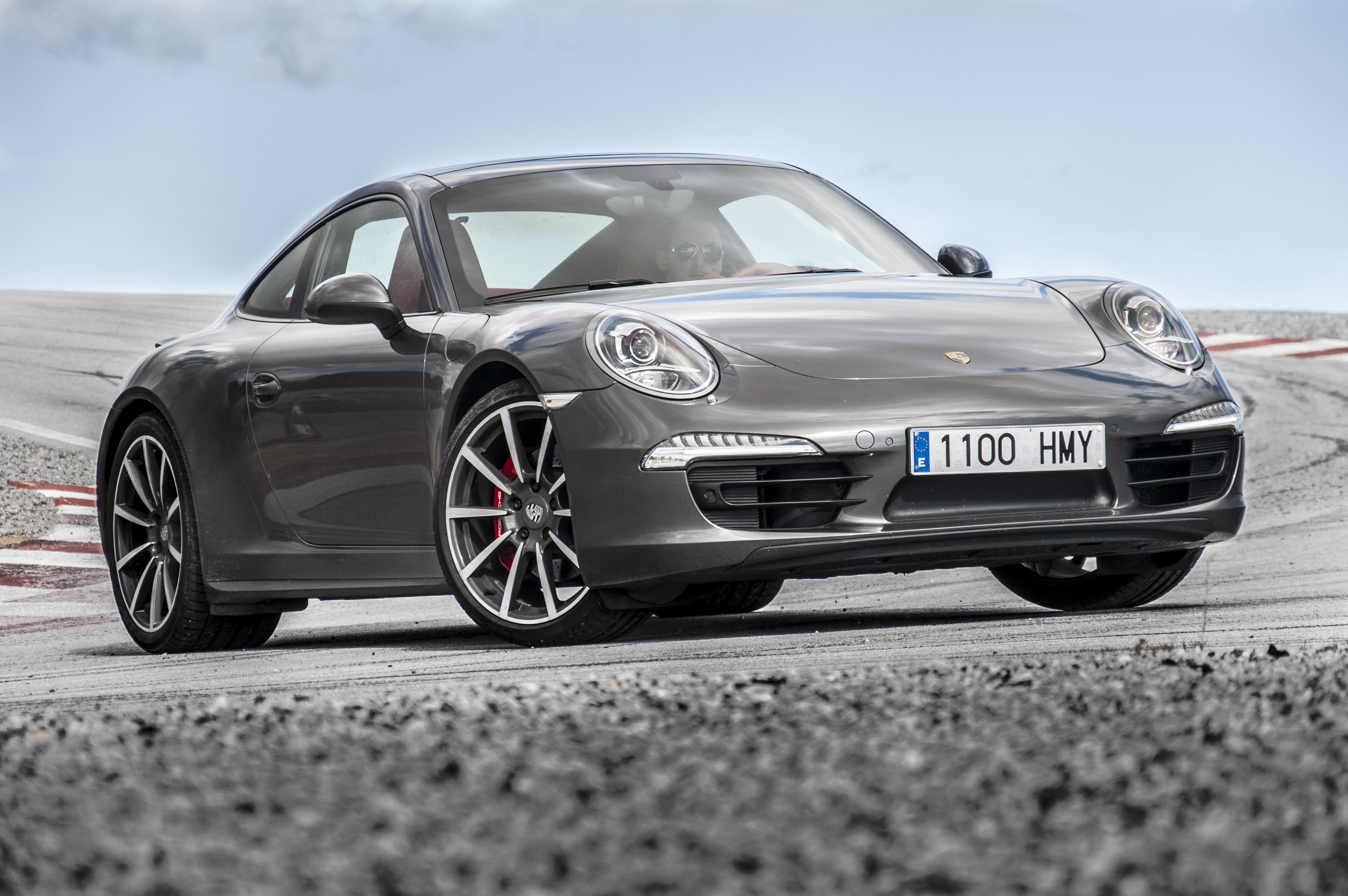
The Porsche 911 is a famous sports car that people love for its unique shape and fast performance. It's been around for a long time and is often talked about because of how well it drives and how stylish it looks.
The Chevrolet Citation was a small car made by GM during the late 1970s and early 1980s. It was designed to be affordable and practical, but many people felt it didn't perform very well.
The Mercedes-Benz E-Class is a luxury car that is comfortable and packed with features. It's popular because it combines a smooth ride with a lot of technology, making it a great choice for people who want a nice car.
The Toyota Land Cruiser is a strong SUV that can go off-road and handle rough conditions. People like it because it's very reliable and can last a long time, making it a good choice for adventures.
The Ford Edge is a medium-sized SUV that has a lot of room inside and is comfortable to drive. People like it because it has good features for families and is easy to handle.
The Volkswagen Rabbit is a small car that many people enjoy driving because it's fun and easy to handle. It's practical for everyday use and has a lot of space for passengers and stuff.
The Ford Mustang is a well-known sports car that started in the 1960s and is famous for being fast and stylish. Many people love it because it represents American car culture and has a fun driving experience.
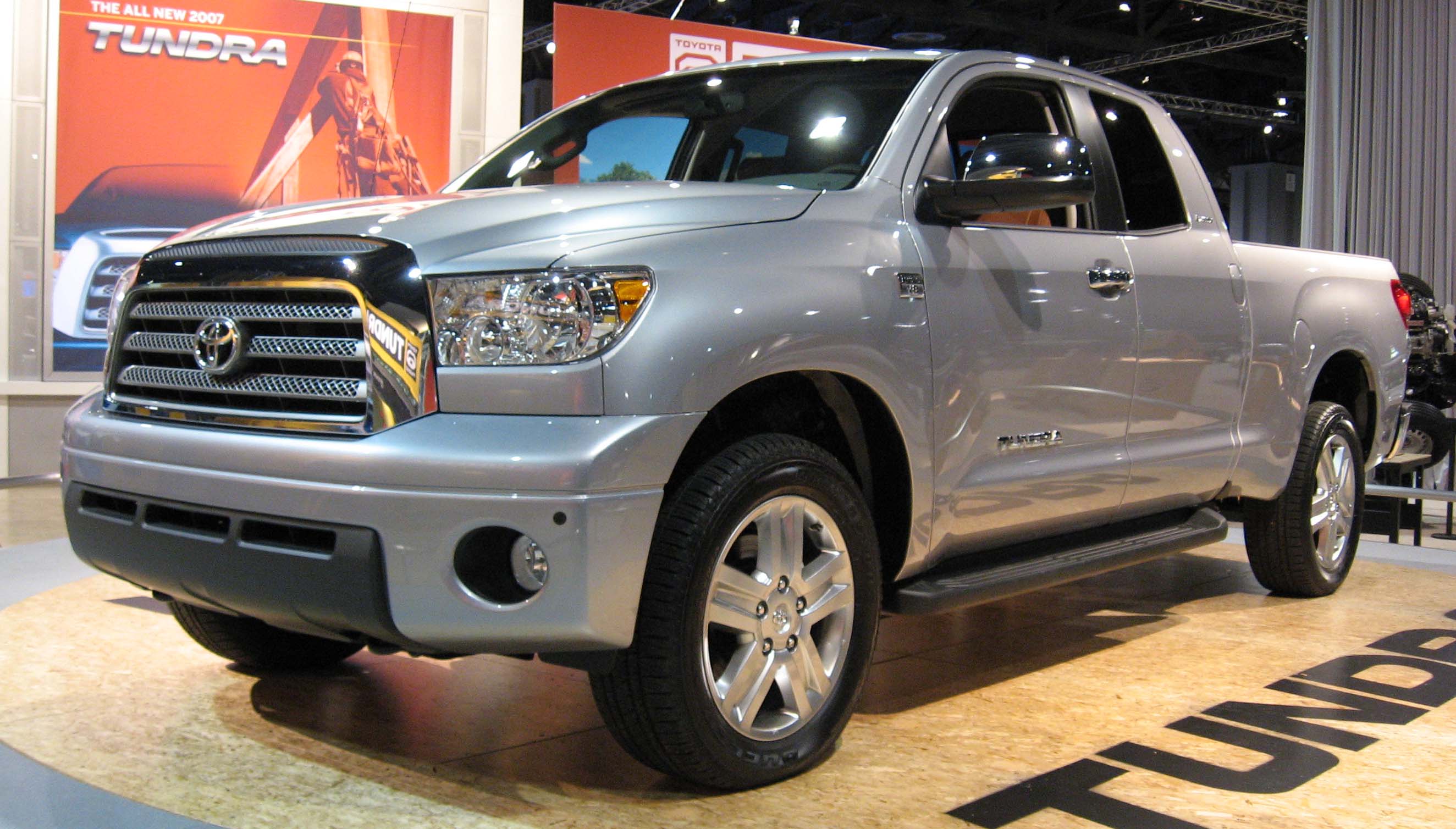
The Toyota Tundra is a big truck that people use for work and outdoor activities. It's known for being tough and dependable, which is why many choose it for heavy-duty tasks.
The Honda Accord is a popular car that many people like because it's reliable and gets good gas mileage. It's a comfortable car with plenty of space, making it great for families.
The Toyota Camry is a well-liked car that is known for being dependable and easy to drive. It's a good choice for families because it's comfortable and doesn't use too much gas.
Mazda is a car company that makes cars that are fun to drive, like the Miata, which is a small sports car. People talk about Mazda because they focus on making cars that are enjoyable and stylish.
The Volkswagen e-Golf is an electric car that looks like the regular Golf but runs on electricity instead of gas. It's popular because it's good for the environment and still has a lot of space for passengers and cargo.
The Renault Twingo is a tiny car that's great for driving around in the city. It's easy to park and move around, which is why many people like it for short trips.
LIVE
Oh, dear.
Oh, dear.
Yeah.
I think you identified correctly that this is going to be the last ever episode of the
Carmageddon show.
Oh.
You tell.
You said it.
I, there are some controversial hot takes, I think, in this episode of the Carmageddon
show.
Not controversial, it's just fact.
Okay.
There are some takes and they have a temperature.
They are thermodynamically reactive.
We put some hot gasoline and flames inside a catalytic converter and a thermal reactor
and made things explode.
What we're talking about is why the malaise era was a really good thing, which is words
no one's ever said before.
By extension, the role of government regulations in creating the texture of the cars that we
all interact with, some of which we like, others of which we do not care for at all.
All seen through the lens of the beautiful Bruno Sacco errant, no kidding, to ignore
the one.
He's somewhat kidding.
Only somewhat kidding.
I mean, look, it just happens to be the episode of the Carmageddon show after the Revelations
episode on the 129.
So we have an R129 in the background and we have to wrap that around because otherwise
people are going to be like, why is there a 129 in the background?
Most people are listening and not watching anyway.
So they won't know what is in the background.
We could tell them there is a Bugatti Veyron in the background.
No, that's a Chiron.
No, that's a Tourbillon.
We, ladies and gentlemen, we have an exclusive today here on the Carmageddon show.
We have a Bugatti Tourbillon here in the studio.
It's revving to 12,000 RPM the entire time.
Okay.
Well, I'm going to clap now and then you guys will enjoy it.
Got a round of applause for my bullshit.
Jingle.
Do you know what enthusiasts care about, Derek?
Yeah.
I am one.
Oh, what do you care about?
We have a script right here.
Driving.
But it says enthusiasts care about details and the fact that you're fighting to get
the Bobbleheads.
The battery tender Bobbleheads.
Plastic turtleneck.
It's a scarf.
It's it's aimed backwards because he hit the gas really hard and so he's at speed. He's at speed
Yes, battery tender is trusted by it by the way this episode of commercial show is sponsored by battery tender if you hadn't figured that out
And battery tender is trusted for cars motorcycles and boats
Because it ensures that you can use your car when you want to yes because a dead battery spoils all the fun
And battery tender does make jump starters battery chargers and the charge and start
I did a little bit of a Michigan accent charge and start
Which is a single device that is both a battery maintainer and a jump starter
So if you would like to get 20% off be sure and use the Haggerty 20 code again Haggerty 20 at battery tender calm got it
Okay, do you know what else enthusiasts care about?
All of the barriers associated with using and enjoying their cars. Oh, I was talking about R129's. Oh
There is a to no one surprise a Saco era Mercedes behind us
That very car was in was one of three SL's that was in last week's
revelations video and
Why did you need three pray tell be a well?
I could have had more than that if you I wanted a six-cylinder a v8 and a v12 and obviously it was not about to
Even look at a v8 v6 that wasn't gonna happen. So it didn't sell the v6 in the United States also which helps
Yeah, it was a it was a fun revelations to do
And I sort of glossed over a lot of the powertrains that weren't available in the US like the m103
Which is the 12 valve straight six if you think this car is slow
I don't think that car is slow. I think that car accelerates slowly. Yes. It's actually not slow. It just feels it
Yeah, so that is a 300 SL dash 24 as it would it would have been badged if it were a Euromarket car
So the 24 valve 7,000 rpm straight six with a dog leg five-speed manual
And
It's so good. It's so good. So I did the back road drive on the three cars back to back to back
So it was this it was your 500 SL in barrel, which is a really great really great color
That's the the 4 cam 5 liter v8 and then there we have our buddy's 600 SL in
Magma magma red flaming red. It's just very very red. So red that it's on fire and that is also the four valve
V12 so driving them back to back was really interesting because it was my previous
Belief that the 500 would be my favorite
And it was but I wouldn't buy it because it's an automatic and I don't particularly care for that automatic
So I would buy that 300 SL 24 five-speed dog league again, which is the only one 29 I've ever owned
Yeah, and the 600 not a fan
Actually the six this in line six so that's 600 is by the way to m104 three liter straight six
The v12 is two of the straight six is confirmed
But in my research that it's actually the one of the heads is
Identical or nearly identical the other one is a mirror image obviously
The v12 doesn't sound nearly as good as the six does
Hmm and all the extra firepower is is that exhaust system design or I don't know the same thing happened with the 850 CSI
I'm in the end of the e31 that the BMW m70 v12 doesn't sound as good as either of the two
M20s that are connected. I don't know some exhaust routing
thing
But the other thing that I did when I don't have the numbers here
I should pull it up. I weighed all three cars and this is very interesting
So the quoted weights, this is from memory from Mercedes Benz
But I think the quoted weight on the 600 is
4450 and the quoted weight on the 500 is 41 50
Which means that the v12 weighs 300 pounds more 300 and something pounds more. Yeah, and the 300 is under
4,000 pounds. I want to say it's like
3,900 or something like that according to Mercedes Benz's published numbers all from the same brochure
Something seriously fucked up when I look at the original road tests of the cars the weights were a little bit higher than what the
What the factory said I think if I remember correctly, but the v12 was a
Porker I think I want to say they they were 4,400 pounds. Yes, I said 4450
This the red SL that we had which is a very late SL 600
With the panoramic hardtop on it on roof installed roof installed
I removed it also to get weight even with the panoramic hard hard top was
4228 pounds and the panoramic hardtop was
93 pounds
So that 600 SL which we all
The ride move at is only 41 40
Hmm, and by the way the 500 SL so these are all full tanks of gas no hard tops on them the 500 SLs
3920
Veritable Lotus. Well, I mean, yeah, so that is 100 or 218 pounds
There's 220 when we round up, but the crazy part is the 300 SL manual
Versus the 500 SL automatic, so you're going from a straight six to a v8 from a five-speed manual to a five-speed automatic
The difference is 41 pounds. I
Wonder what the automatic 300 SL weighs I
Mean it the day there's I don't understand this the the M104 is a sort of a famously heavy engine
It must be
Because to have 40 pounds to get an automatic and a v8 that doesn't make sense that means the straight six has to weigh more than the v8 does
Crazy crazy, but anyway that
Is the v8 aluminum throughout? Yeah, and the straight six is is cast iron block. No
No, they're aluminum. It's all aluminum. I
Don't understand this
Yeah, anyway, so anyway 3 38 80 for that car 39 20 for your 500 SL and 41 40 for the 600
maybe the cars have been
Sublimating over time because they're old now, so they've gotten lighter
Exactly cars are getting the crazy thing to me is that you know, everyone says you really really owe my shit in the trunk
No, everything you're taking out you had a lot of stuff in there. There's like a car cover and a
That weighs a pound
The
You really don't actually feel the difference in weight between the cars of them all the 600 actually felt the best on the twisty road
Because it has it's not active control
ADS adaptive damping, which is a fully active suspension, right? Just slow, but it does
Does do stuff the that is that was my favorite Tossel
And this is our friend's car and I think he's got aftermarket shocks on it that are a little bit too soft
So you definitely could tell like my 300 SL was not that floppy and loose that car is an absolute
Unmitigated riot on the on the back roads and the 500 is just so fast
And the 600 the v12 only is really fast at high speeds. Is it only much faster than this
Yeah, then the V8 it doesn't sorry the V8 it doesn't actually the v12 feels torqueless down low and the v8 doesn't which is strange
Yeah, the V8 proved to be a very enjoyable rally car at a great time
Yeah, that is I think the 500 SL is the one is the best of all of them
But the 300 stick shift is the most fun Tossel sure just because you know it's a manual
But yeah, no, it was interesting episode the I think I talked about this
We did on the episode that we filmed live on location in
Monterey car week that Soco didn't actually design yes these cars
So I think we've mostly covered what we need to cover on 129 especially considering
We've spoken at great length of Soco aero cars and our 120 nines in the past
Definitely, I titled that episode the world's most perfect collectible and I stand by that
Hopefully the comments don't crucify me too much. You always use that terminology when talking about Soco cars
I use the world's most perfect sedan. Yes. Yeah, I did that again
You know, we're I actually say in the episodes as journalists were cautioned against using the word perfect
But everyone always did with these cars and they were nearly perfect. Yeah, I'm obviously a fan
And serial consumer
It was these cars. It was also really cool to see the three cars together because we had this is an early car
Then 600 was a late car and then yours is sort of yours is an early car with a later paint scheme
So it doesn't have the contrasting lowers and has eight-hole wheels instead of those gully decals and clear corners
Which were added in 95
Oh, your cars originally that was those are correct for your car. Yes, because it's a 95
But in 94 they have amber and there were two tones
um, I
All of us who were here all preferred the look of this car. These wheels fit the car best
I like the eight holes personally, but I like the wheels a lot
But I think that this just this color scheme on this car with you know, with the contrasting lower and the wheels
It's just it's perfect. It's perfect a quantum leap ahead against the r107
It was it was also 200 years newer because the r107 was in production for 200 years
Yeah, there should have been one to two intermediate generations between the 107 and 129 and there just wasn't just wasn't and the reason for that
God damn government regulations
Exactly strangely. Yeah, which leads us to specifically in the united states. Yeah, actually it was a hundred percent
us related
I made a statement as we were deciding what this episode topic was going to be and derrick raised an eyebrow and disbelief
And I thought I was going to get punched because I said we should do an episode where we just
disagree on something
And it was that the malaise era
Was actually good for us
That's like not exactly what you said what I say
Uh, you benefited from the malaise era. I don't know. I don't remember exactly, but I I
You you implied that the malaise era was good. Yeah, which was
It was a terrible time to be a car enthusiast, but
Yes, it was a result. It was a painful time of transition. Yes. So let's define the malaise era. Yes, let us do that
You go ahead. Uh, I don't know. Shall we say
1973
to
72 73
to
1980s
Five six. Yeah, sure. We're in there. Yeah. Yeah, okay. So that the mid 70s to mid 80s
But the early side of the mid 70s. I think it's
Yeah
Well, okay, so cars in the when we were talking about emissions and fuel economy
Really 74 75 76 is when it got bad. That's when it got bad
68 was the first year where they started having to to
Make concessions, but they didn't truly become really catastrophic until
74 or so and then you also had lighting regulations changed bumper regulations changed
And so you had these the first regulations for both safety and emissions
That's not entirely true because you had sealed beam headlights that were mandated in the 1940s. I think
But in in large part, you know, the substantive changes to the car started arriving in 68 model year 68
mandatory headrests
side reflectors
sort of padded interior components
And you see this certainly in a lot of european cars
You'll see it in model year 68 Porsche's and jaguar e-types and mercedes pagodas
There's a lot of stuff that starts changing for the 68 model year
And i'm sure this is true of american cars too, but i don't think know nothing about them
So i can't specifically comment
But uh, yeah, and 72 was it one was the big bumper 72?
Uh, 73 is when you would start to see the rubber bumper overriders arriving on stuff like 9-11s and e-types
and
74 i think was the full five mile an hour impact requirement, which was that you
Sorry had to survive a five mile an impact our mile per hour impact without substantive
Uh
damage to the structure
Of the car and that is for the record not a safety concern. That's a consumer product
Concern really to bumpers are not a safety device
They're there so that you can bump into something and not damage your car
and so this was government regulation to to force the car companies to make
Uh a consumer product that protected the consumer's wallet more than anything else, right?
So you can have a little bit of a parking
Ding and not go have a multiple thousand dollar repair adjusted for inflation
Um, but yeah, the government started to get a bit heavy-handed. I guess is
It's late 60s early 70s and then really clamped down. This is specifically in the united states
We should add also and this was also a result of an international fuel crisis correct energy crisis. I guess is the correct word
um, and so
By the time you get from by the time you transition from like 1969 through
1979 if you look at the horsepower figures of cars, they just plummeted
Mm-hmm, and the cars also just started to run like shit also
Um, everyone the everyone was chasing smaller and more fuel efficient sized cars
Um, which then resulted in the downsizing trend for the american industry, which was not done well initially
Correct, you could tell that it was being imposed on them externally and not because they thought it was good
consumer demand wasn't necessarily
there
um in the for the american stuff that was downsized because they were just chopping wheelbase out of cars and you know
still these big long great great long hoods and
um, just very space inefficient vehicles
The consumers didn't want and then the next crop of sort of front wheel drive cars that came in that were compact, but they were
um, not exactly the the best
Can you provide us with an example of that Chevy citation?
Yeah, okay. I mean it wasn't a world beating car
It was just an economy car that they the GM had to shit out
Because this idea of corporate annual fuel economy
Or cafe average
Yeah corporate average fuel economy
Um kicked in and car companies had to hit this fleet average of fuel economy or they were penalized
And this is continued through today
Ish yesterday a couple days
It just stopped
Okay, so this is about the end of cafe
Cafe, like you said stands for corporate average fuel economy. That's for cars
Those trucks are exempted from that
But basically it states that the entire blend and is this done on a per capita basis in the sense that every car counts?
Or is it that your whole product portfolio? No, it's every car sold counts
So it's the average okay for the entire fleet of cars sold fleet of cars
So if you had if you sold 12 cars that got six miles per gallon as long as you sold
1100 cars that got 35 miles per gallon, you were okay. Yeah
Um and cafe is why this car exists in its form many cars many facts
Um, so this was just to wrap it around to Saco era Mercedes
Uh very quickly the
The cafe requirements were passed in 1975
And must have taken the entire automotive industry by surprise because they all panicked
And Mercedes response was throw a diesel in everything right away except the SL
Except the SL as a stop. Well, that's the 129 was supposed to have an as a have a diesel
And I found a picture of one. Yeah, very very happy about that a test mule
But throw a diesel in everything just to to get the cafe numbers up temporarily as a stopgap measure
And then create a new family of small cars
Smaller cars and a new family of smaller far more fuel efficient engines
And that was the 201 as we know is the 190 or the baby bends and the 124 that e-class
But all and the m102 family of four cylinders, which is was in the 190
That
Project took all of Mercedes resources and therefore they had to shelve the one development of the 129
Which was of otherwise come out 1981
Or for the 81 model year instead it came out almost 10 years later
And what was the penalty for a manufacturer that didn't meet the it's a per unit penalty and I don't remember what it is
Something inconvenient well something to cause them to comply and
Tesla for example their entire business model at this point their entire profitability has been selling
Cafe credits because obviously no tesla has ever burnt fuel
And so they have credits that they can then sell to other automakers and stilantis for example
Would be in big trouble with all the hemmys and the big v8s and you know all the fuel fuel in the inefficient vehicles
Large fuel efficient fuel inefficient vehicles. And so they just buy teslas credits and then just sort of bake them into the price of the car
um
However
So it's a really cafe has very drastically dramatically changed the shape of the cars that we drive
Many 15 years ago now they revised the cafe
Standards to be a function of footprint. So uh wheelbase times track example
um
And so the bigger and wider the longer and wider your car is the lower the standard you have to hit
If you're ever wondering why the bmw3 series got fucking enormous
it's because and now has 112 inch wheelbase, which is
Not only the same size as a toyota land cruiser
But it's also as big as the old seven series was 15 20 years 25 years ago
Um, and it's so that they could hit lower they had lower targets to hit
So it's really changed the face of
all the cars that we drive in this country
And the trump administration has just basically removed those standards. So the standards are still in place
But the fines are gone. So there's now no penalty for any car company
Not meeting not meeting the cafe
Uh, and so this is talking we're talking about fuel economy. There have been obviously emissions requirements
And I think this is a particularly interesting topic, which we have probably discussed
At length at various times
Uh, the fuel economy standard. So the clean air act arrived in 1963
And then that was sort of a description of like what the government's responsibility would be and then the standards
I think really arrived with the first revision, which was in 1970
And that's where they say, you know x percent reduction in
Um emissions of various types. So that would be let's see knocks and socks
Uh, so that's sulfur and nitrogen oxides
And this is the result of insufficient oxygen during combustion if I remember correctly
And uh, they also are managing particulate matter
Uh, which is like soot in the case of diesel
And lead which is this is the origin of unleaded fuel
And uh, what else is being controlled hydrocarbons?
And there's probably
That's later on I think
Okay, um, there was probably one other thing
And so they basically come out with these regulations, which are
attenuated over time
And you know, there's a whole bunch of different ways that you can manage this eventually the catalytic converter emerges as like, oh
Yes, this is very obviously the right solution to this problem
but that wasn't in place early on and also it's predicated on having your fuel mixture
Controlled correctly, which was not possible at the time given the rudimentary technology, especially with
carburetors
Although it can be done and there are catalyzed carbureted cars for sure, but it's still not an ideal solution
And so this is the result of you know smog laws the smog present in in developed areas and you know, if you
Now sit in traffic behind an old car or an uncatalyzed car
You will notice that it's
Fragrant
Stinks. Yeah, and if you imagine like it's 1965 and no cars have emissions controls and it's all they're all burning leaded fuel
It's like paints a very interesting picture
That gives you a headache. I mean every time I drive
Any of my uncatalyzed cars and the Ferrari is the worst I stink
I have to I have to arrive at my destination and change
Yeah, um, and I have to keep a bag in the car of
Of clothes that are sealed off
Because of the whole everything around me stinks and people kind of look at you in
In traffic and I'm always thinking who's you know, we are in california. So everyone's a little bit, you know
environmentalisty
But like it really fucking stinks and all uncatalyzed cars stink to some extent that you know the better the fuel economy
You can pull a cat off a modern car and they stink but they stink far less
But I just and then I think they're burning a little bit more carefully is the stoichiometrically. We've talked about this also, right? I have
And there are I love this graph
That overlays the way in which knocks socks and uh hc
all
Very based on as you get richer or leaner in mixture
And that there's this magical little window that if you could keep it in there then you minimize somehow all three
Are you develop the best compromise between the emissions because one of them is sloping up all the other smoke sloping down
at two of them
And this is the one spot where not only they all get to the lowest point, but that they can be catalyzed away
So they're yeah
That's that's the only job that your fuel injection has is to manage to measure the amount of air that your engine is sucked in
And apply the correct amount of fuel so that they're 14.7 times apart
It's all that's literally its only job
And that's what your oxygen sensor does it monitors what's in your exhaust in order to tell you
Or tell the computer I guess what's coming out and so it can adjust in response to that
and so the the addition of the clean air act and the regulations of
Criteria pollutants, I guess is what they're called
Also helps with a whole bunch of other stuff not that you know like
acid rain for example or
You know ozone it's people who certainly I think who grew up around the time that I did
There was a big concern about the hole in the ozone layer and
and cfcs and all that stuff
And because of the regulations that were put in place as a result of the clean air act that sort of hole went away
And the problem that was sort of the catastrophic issue of its time was resolved through the power of regulation a system of regulations
cap and trade in some situations cap and trade meaning
Exactly what you were just talking about about cafe where if you have some cap and you can
Achieve us to at a certain level
Then you can sort of buy credits in is a short term
The intent is a short term solution until you can come into compliance and people who are overperforming get credit for that
And that creates a market
Basically a market dynamic around controlling and ultimately reducing
And you and the government controls the quantity of these things that exist
And and so then it sort of has the desired effect of reducing the system's
Output of whatever the criterion pollutant is whether it's you know cfcs or whatever
So acid rain the problem is effectively solved. I never think about acid rain
The ozone hole was also solved
We talked about the
Let it gasoline was another one where the power of the regulations was such that it was just phased out and
You know what we saw through the malaise era is the
Struggles of engineers to figure out how to solve these problems
And it's an interesting kind of a bold approach
Which was probably the response to a a serious problem that people were really struggling with which is you know the air quality and and just
Quality of life and and the cost to the entire system of the economy
Say this costs trillions of dollars that the the impacts of poor air quality cost trillions of dollars and thousands of lives
A year and so you say like this is going to be painful and it's going to
End you know the muscle car era, but it will presumably be worth it and then by the time that the
mid 80s roll along
The engineers have figured out. Okay. Here's a solution that
Allows us to have our cake and eat it too and you get there within more or less 10 years
But there's a very painful 10 year process
By which everyone's figure out and and consumers in the short term deal with the unpleasant consequences of that like
thermal reactors
Right, which is basically an afterburner right shit that just didn't work that caused the cars to run like shit or just
Yeah, they meant the numbers but at what cost they were high like the durability of the cars the the engines specifically
I mean the emission systems
So I would I had was telling the story earlier today actually had a I had a carbureted 1986
Susu pup now 86 is very much the end of the malaise area era although. I don't think a susu was
At the bleeding edge the bleeding edge especially not with a truck
No, and yeah, because most trucks were exempt from most of the standards still are still are in large part, but
Um
This was a carbureted engine with a catalytic with a catalytic converter and an oxygen sensor
So it had some the car was an 86 six 18 or 19 86
17 86 it was 1986 and uh, and so it
I went to go to a we have to do the smog checks every two years and it
Failed miserably and so I thought uh, oh, I had a problem and I mentioned it and passing to a friend who was mechanic
He said, oh, I know I worked at a susu when those cars were new and they never passed
I'm like, well, how'd you smog them?
We said, well, there's two lines on the on the on the carburetor and you do vacuum lines one is whatever and you reverse them
The car will run like absolute garbage, but we'll pass and that's how we got them all through
I mean there was this level of fuckery going on
It was just that difficult to get these cars to to pass with a cattle whether because
And the whole reason for this is that carburetors cheaper than fuel injection
And if you are trying to make margin then you make them be carbureted cheaper, right?
I mean the
That was that car ran perfectly
Unless it was actually emitting into some shades of dieselgate, right?
Unless it was emitting multiple times what it was allowed to do and they're just the technology just wasn't there to allow
Car companies to make cars that ran well made power and also hit the numbers
Um, so we have this whole era of cars that are shit that we sort of all look down on
In california, we don't want to own them because we have to smog them every two years, which is
Increasingly difficult. Yeah, and they're still carbureted. So that makes it all the more difficult and unpleasant and this is the reason which the
We briefly for one shining moment tried to make Leno's lobby a thing which has subsequently expired
died, but I mean I own a 1975
Car that is smog exempt. So it's I don't have to smog it every two years
I would not buy a 76 version of that same car period
It's not even remotely possible. In fact, I have receipts which you gave to me with the car when because I bought it from you
This is the Ferrari
that
when the car was
11 years old, I think it was
They spent eight months trying to get it to pass smog. I mean, this was an eight-year-old car with 20,000 30,000 miles on it
Whatever is it idiotic? I mean, it was just it was a terrible time
And since then obviously 1975 cars have been exempted. So I don't have to do it at all
But this was a real problem. It's also an opportunity
for our
shitbox rally for
where we
You know, everyone had to buy a $2,000 car at rally and there's an incredible window of extremely cheap
late 70s cars because nobody wants to deal with getting them emissions checked here
And so they all are just basically free because it's so much pain to get one plated
You know the sad part is this is going to be all of the redwood era cars because in california
They're now everything 96 and newer is just a plug-in. So as long as the computer doesn't have a check-ins and light on and says everything's okay
You're good to go. So the 76 through 96
76 or 95 cars are going to be the ones that we're half to smog and they're going to be
Their values are going to be pushed way down, which is every car I own. So great. I think
If you have a
well-maintained happily sorted unmodified car with efi and a catalytic converter
You might have a sporting chance. Oh, yeah, you'll have a sporting chance, but it's still a pain in the ass
Yeah, it absolutely is. I mean a friend of mine has a
I mean something is clearly wrong
But my friend of mine has an 87 9 11 with the efi and a catalytic converter when those cars are running well
They're extremely clean and his is not and you know, it's probably a sign that either something is wrong with
It is a sign that something is wrong with it
Whether that's related to peripherals or in controls or whether the engine is just worn out and you know
It uses some oil
So if that may be a contributing factor
But if it's a happy sorted car, then it will be happy
It'll it can pass as long as it has efi closed loop
Right fuel injection and a catalytic converter and everything is perfect. I mean, I've had problems with the cabriolet
You know, everything's running absolutely perfect and nox is just really high because that there was a 10.8 to 1 compression car in the 1980s
And they just weren't well, that's cis also that's cis all rudimentary
It's all more rudimentary, but the problem isn't the nox emissions on that car
The problem is that the standards have come to it's stricter now than it ever was correct
And that's you know, we don't want to give you the california experience
But that's come on you expect the cars to be cleaner now than they were 40 years ago
They were new it's idiotic, but that's a different story. Yes. Well, I'm glad I said the word idiotic because I mean
I don't want to come across like a government like, you know a fan of big government and regulation
but
The in the whole point of this
Theory that that the malaise are actually was a malaise era was good
The best example, I think I've given this example in the past my friend eric who bought a house in la 2000
Yes, you have and so very quickly he lives on a street. He bought this house. We have of course this on street
He bought a house and he lives on a canal. He lives on a canal. He's in venice. He's in venice
Which is a suburb of elli anyway. No, he lives in glendale or italy or which is not italy
It's little armenia, which is next door to italy
But no, he lives in glendale and bought a house on the street and I should be able to pull up a google maps
Think of it and at the end of the street. There is a mountain
Just basically looks like a vertical cliff face
He didn't know and this was in 2000
This was roundabout when the when the first sullef cars came out
These are super ultra low emissions vehicles and they're you know, they're sort of
Some engineer somebody realized that the air that was coming out of the exhaust pipe of sullef cars
Was cleaner than the air that the engine was ingesting in places like
Los angeles
So this is really the beginning of the ramp up of getting cars really clean cars today are really clean
And I think he had owned the house for 10 days or a month or some some small amount of some time
But non-zero amount of time and called me and said oh my god, there's a mountain at the end of my street
It was at the time maybe once a month or once every six months that he was able to see the mountain
The rest of the time the sky was just white and smogged in and it was just
sky
um
He never can't see that unless there's a fire or something else now and and so we tend to think of the malaise era as really have having
you know
Changed emissions really from 1975 through 1990 or so, but the benefits were still really paying off
In the 2000s and recently and so he went from and again, this is unimaginable to me that he couldn't see the mountain
That's a mile from his house
except for and rare exceptions to now it's always he can see it
And of course you gotta remember the average car on the road in the united states is 12 and a half years old
12.6 years old at this point. So it takes a long time for the fleet to filter through
But that that's the difference in air quality just in the last 20 years 25 years
And so we have the malaise era to thank for that
But we also have the malaise era to thank for not just r129
All of the cars that we have today that are fast as
Fuck they start they run, you know
Industry doesn't like to invest in in things that are expensive
And emissions controls and fuel engine controls are very very expensive and resource intensive to engineer
And I don't think we would be in a place where we had cars that started and ran with the
Perfection that we expect today if it wasn't for the malaise era and for those emissions standards
Yeah, and uh, you know, it's a
We now live in a place in time where we've seen that it's okay
And I think that it was difficult to imagine getting to that point and of course the gm engineers famously
This is the sort of honda. I knew you're going there
You know, they famously said it was impossible to deliver this level of performance and the ls some damn
How I still around and is meeting all of these standards the us ones anyway
So that story for those who don't here was the general motors v8. So gm approached the epa
350 cubic inch and chrysler they both
Approach I think it was gm and chrysler, but jam for sure approached the government and said it is absolutely impossible for us to meet
Your 1970 I think it was two or five. It was in 72 that they did this 75 emission standards. It won't happen
um, and honda
Shipped over a Chevy whatever it was. Yeah, so honda had previously developed cvvc the compound cvc
Without even a catalytic converter without a catalytic converter and significant pollution controls just through controlling combustion
And gm said well, you know, that's something for a toy shitbox car. You can't do that with a real car
Right and so they they actually made a v8 with cvcc heads on it and it made more power
honda did and I think it made more power and got better fuel economy and
met the emission and the emission standards without even a catalytic converter and that was the ultimate like
Shut the fuck up to the car companies from honda
And hondas were sold for a number of years in the u.s without catalytic converters post 75 so was Volkswagen
rabbit
Did not need a catalytic converter ran clean enough, but
aggressive
That was a painful transition really painful
Look at the cars. I mean go if you want to be depressed
I've said this before if you really want to be depressed go read a car magazine from 1982
And go drive a car from this era too. Honestly, there's it's pretty it's pretty, you know
All of these large land yacht v8 corvettes. I mean they're really just tragic mustang two was the result of this right?
They said okay that we're gonna think big
Which means redesigning the whole car and not just making the existing one cleaner and that was the result was mustang two
And there's a whole problem, right? They just put it on garbage small cars that that
Although genius
Because it's still mustang two was a huge sales success because it was the correct car for the correct time because people really did need fuel economy
Given the but it wasn't objectively good. It was just uh
It's it was something that still preserved some element of desirability while meeting the constraints of the time, but you know this
Different manufacturers from different places. I think we're able to manufacture cars that were less compromised
Uh through better engineering and this was why this was yet another step in this sort of takeover of imports
Which was really gaining traction by the 80s
And they had the they were better positioned to take advantage of the new reality about fuel economy and also emissions and
You know, which was the second fuel crisis, which was in 79
and so this really
The standards to which these cars were built consumers ultimately were like, oh, this is a better mousetrap
Like as much as I want to buy american
And this started happening obviously in certain parts of the united states sooner than it did
in others, but
Uh, I think it's pretty universal now that like even the most blue-blooded of americans will seriously consider buying a toyota tundra
Or a more american than you know more quote-unquote american than some of the american branded stuff
Yeah, correct. So this this but that era would that's reconciling that the
american preference for america knows best and that was becoming an outdated philosophy was, you know, that was perhaps true in 1967 but
By 1982 15 years later the landscape was very different and we owe the pervasiveness
You know the best-selling car in america becoming the toyota well initially the honda accord and then later the
Camry was the result of the japanese being in a better position to
You know develop cars that meant the needs of consumers during this period and regulations, right? Yes, and the regulatory constraints
So in the news lately
What the reason this came up obviously is there's a lot of
tumult
That's the right word in the in in regulations right now concerning cars
We talked about cafe. We talked about cafe
And so what got my attention first was there's a
Did I oh, I might have screwed up and not taken. Oh, can I take this opportunity to gripe about tariffs again also?
of course
So while we're talking about governmental tumultuousness exactly
So, you know in april allegedly april 2nd the the tariff rate was going to go up to 25
Percent supplemental on top of the existing two and a half percent and then they said oh actually never mind
that's not what's going to happen and then
So we were like okay great everything's fine. I would recount of the story of the f 40 that we were just
You know rushing to get in before the deadline
and then
We said okay everything's going to stay at two and a half percent great
We'll continue on our merry way and continue to import old cars that are more than 25 years old because the duty rate will be two and a half percent
That was a lie
It turns out that they imposed retrospectively as far as I can tell but that's maybe not true
Reciprocal tariffs depending on the country of origin in the car
So we brought in a car in june and at two and a half percent and then have been hit with a supplemental
12 and a half percent
Reciprocal tariff in addition to the two and a half percent that we already paid so 12 and a half not 25
Not 12 not yet because the cars from the eu so the numbers are based on where the car was manufactured
And so eu is 15. I think in the uk is 12 and a half percent and it's like 17
And a half percent for japan or something there's a different number for every country
Which is not what they said was going to be the case
And so a bunch of importers who've brought in various cars are now being hit with you know in our case
It's a 65 thousand dollar additional bill
Of on a car that we brought in in june and of course the car is all sold and that it will completely erase the
Margin from the car
and that is
That the point here and this applies to the emissions and fuel economy also is that the regulatory
Environment is extremely unclear
And this extends to obviously outside of cars as well just to anywhere is that as long as the regulatory environment is unclear
It's extremely difficult to make business decisions because you don't understand what the constraints are businesses can and do
Adapt and that's exactly what happened during the malaise era
But what also happened during the malaise era was that they were extremely clear about here's what your regulations are going to be in
One year's time three years time five years
Here's your schedule here to the penalties that are going to come and they sort of drew something out and then adhered to it
And the businesses the car manufacturers
Responded accordingly and turned out chip boxes until they could figure out how to make cars that were decent that also met the standards
And that's something what we certainly do not have right now is sort of clarity and like here's a plan and here's what's going to happen
And here's the timeline in which you have to do x y and z
And so it's extremely difficult to make business decisions. I say this as a business owner
Who's just importing widgets?
But if imagine you are designing and building and supply chaining and everything
The development schedule for a product which is five seven years
And the regulatory environment is extremely unclear. And so it's it's so the net losers are consumers
Who don't get products that meet their standards and or the costs are you know then passed on to them because they say
Well, we had to do this huge rework at the last minute and the product now costs this much
I think the the bigger issue is it's not just that it's unclear. It's that it's so volatile
Like listen, you can we get I would happily sit down and have an argument with you or just not an argument a discussion with you about
any
governmental philosophy, right? Do we want to be environmentalists? Do we want to be industrialists?
Is there a benefit to having tariffs perhaps 100% we can have all of these things
But I think the one thing that that I can't accept is that the government is volatile and also unclear
Because we none of us can make decisions and where the automotive industry is concerned
These decisions are the the policies and everything are changing on a minute by minute basis. It seems
And when you have times are seven eight ten ten years, right? So what got my attention this
this week that made me laugh
is that the
there was an
What the how did they fucking phrase it basically the the the department of energy released a guidance
Oh, effectively banned not banning but effectively banning
different the use of different words
And one of them was emissions because it is considered politicized, right? So in addition to emissions
They are not to use okay. They issued a statement to sort of partially retracts a Tory statement
um
Saying that okay, we you're not you know, it's not that we're not allowed to use these words
But we're going to encourage really thought like a lot of thoughtfulness and mindfulness around using these words
um climate change
carbon footprint
Clean or dirty energy decarbonization energy transition green sustainability
Or or tax breaks or credits or subsidies
But but the fact that the department of energy can't use the word emissions or is cautioned against using the word emissions
And look they can come out with whatever statement they want and say we are not
You know, we're it's not saying you're not allowed to do that
But that is I'm sorry to say the same thing that the FCC chair just did to uh to jimmy kimmel
I don't know if you yes, right you so you know this, right? That was 100 percent
constitutional violation of the first amendment of the constitution of this country period
That was the FCC trying to shut shut someone up. I think that was I think everyone
Reversing that and taking a step back was the right thing to do and due to outspoken consumer response
I hopes I don't the public. I mean listen if that one I'm
Not a lawyer. I have a law degree that was prima facia violation of the constitution of this of this country
Like there's but I also think that the response from the masses was important and I think it was really important
and if
You know masses respond there is still some ability for the the individuals to have some impact
if enough people
Feel a certain way and make you know it known and you know say I don't know cancel their abc subscriptions
There's some leverage that consumers have they they they indicate their preferences through their financial spending
Yes, they're buying decisions, which you know happens with
Products of all types all the time it certainly happened with cars
And that's why we got the sort of influx of higher, you know better engineered
Japanese cars and and later on Korean cars in the united states their wallets to buy them over the american stuff
Right exactly and so that that is the power of the consumer certainly and we all in to some extent have that power
And can wield it if we enough of us feel a certain way and the time horizon is long enough
Assuming that the regulatory environment is stable enough. That's well there there it is
I mean that's the thing is what's going to change next right? So if you know if you look at them the new car
Industry, oh my god. I mean it's it's an about face after a reversal after a reversal and
This is what we see about ev mandates for example, right?
And it's it's very difficult to keep track of what the fuck is coming next when the car companies can't figure out what to make next
And so, you know, Porsche has Porsche got rid of the combustion 718 line
And they're just about to debut the ev and now they're saying oh and we're going to throw combustion engines back in there
And maybe this was all a bit premature. Okay
Was it premature?
This is a matter of my opinion. Yeah
So was the catalytic converter. So was the cafe mandate. So was all the clean air act that was all premature that was that was
Yes, they said here are your targets with no clear technology or technological solution to meet it
But that's exactly what engineering is engineering is a set of constraints where you say this is how it has to perform
Figure it out. I have no idea what's between now and how it's going to perform
But this is how it has to perform and of course the car companies push back on all of that back then and of course
They're pushing back an EV mandate now figuring out that's the the what the sausage factory processes look like when they're completely, you know
Well, it's scary and it's expensive and let's be honest the one thing
That's very clear is the consumer demand for electric vehicles is not yet where it
Needs to be in order for mass adoption on the scale that the government regs were pushing for
Mm-hmm
In much the same way you could say that the emissions, you know
A individual consumer is not going to value or understand what the the
Reduction in pollution associated if you could say to them. This is how your car is going to perform
This is the fuel economy that that's going to get which initially in the case of thermal reactors was worse when you were meeting emission standards
Uh, and this is what the experience of driving. It's going to be like this is how it's the mpg
It's going to get this is how it's going to perform in exchange for
You know fewer emissions and an individual consumer is going to say well fucking i'd much rather have 400 horsepower and you know
Well, the choice was literally i mean if they had been given a choice it would have literally been okay
Here are two identical chevium polis one costs
$5,000 i'm making these numbers out right one costs $5,000 and the other one costs $6,000
It's a big price and one of them has 400 horsepower 300 horsepower and the other one has 157
300 horsepower one gets 10 miles per gallon
The the one that has half the horsepower gets
Gets eight so you you're using more fuel. Oh
And the other thing is that the one that's cheaper starts
And idols oh and the other one well it's going to stall out all the time in traffic
And these are things that are just foreign concepts of most younger people now who've never dealt with carbureted cars
But the cars literally didn't run when they were brand new they stalled they backfired
They just would die on you they would heat soak they would they wouldn't restart they'd have all kinds of issues
And so of course the consumer would say fuck you fuck that thing. I'll take the old one right
Yep, and what the real answer is that the constraints plus a bunch of engineers and some clever thinking gives you see
Neither of those and instead you get efi and a car that still makes
But you did get a 10 year misery right so we're you know an era of
Malays
Did you just think about yeah, um
I I find it really fascinating. I you know, I don't ever
Like to get political on this podcast and I don't think we it doesn't really matter which side of any argument we
Were on
I mean the Kimmel thing as far as I'm concerned is there's no sides of this right the
Every side was like wait a second. This is this is free speech. We really shouldn't be censoring someone if you don't want to
Watch it. You don't have to you don't have to sponsor it
um
But uh, I was very happy to see that the conservative side was very much aligned with the liberal side on on this one
Um, I don't know if you saw that I did. Yeah, that was great. Like everyone's like wait a second. Hold on. Whoops
That's that's one step too far. Um, but I did compile a list that I now have on my laptop
And I want to pull out of all of the other things that the trump administration has rolled back in the last
Oh, I did send it to myself as a text. That's what I did. Um in the last year and it's pretty staggering
And it it really does explain why the car industry is in complete panic slash shambles
so the one of the first things that they did was
Uh reversing the tail hype the the tailpipe emissions rules that started we're going to start in 27 so 27 to 32
um model years
Um, we're basically going to force. There's no force here. No one's forcing any technology
But the fuel the the fuel economy and emissions rules. This is a co2 rule
So it's effectively a fuel economy rule because co2 is just proportional to the amount of gas you burn
We're we're going to we're so strict that the only way given current
Technologies for any of these automakers to meet these goals was to hybridize the fleet
Those have been rolled back. So that's just done for light and medium duty vehicles
So fewer manufacturer who had planned to debut a car for model year 27 that did that then your rule your rules
That you're playing by have changed
Have just evaporated, you know, for example this week, um, we have two big pieces of news in the miata sphere
One is the the passing of tom matano. Who is the father of the miata? I wore this shirt as a as a tribute
Tam matano was here in the studio when we did the miata revelations episode that man was amazing
He was one of the just an absolute light of a human being and I don't
Like that. He's now gone
um
The other piece of news is that as leaked out of japan is that the next generation miata will also be sold as a
Toyota gr 86 as a 2 plus 2 with a hybrid system in it. Okay. I if
That's a rumor at this point. No one knows what's going on. But the hybridization is 100 percent because of co2 rules
Both for the in the u.s. And the rest of the world because europe is very very strict on co2
Um
Well, all of a sudden that doesn't matter in the u.s. So now what the fuck do they do right?
Imagine this imagine you're in the beginning planning phases of the next generation miata
And you're like, oh, we were going to hybridize it because we had to but the whole philosophy of miata is not
Is lightweight simplicity. Oh shit. What do we do?
Um
Are we not going to have to do that in the united states and what about in three years time?
Is that going to continue to still be the case or don't get there yet because we have bigger conclusions to come to
But you're right
The ev quote-unquote ev mandate, which was not called ev mandate was it was eliminated and this was another tightening of emission standards to the point where
combustion engines
That look worldwide one way or another whether whatever whatever your beliefs are combustion engines are being outlawed or were being outlawed and are now sort of
Slightly less being outlawed, but they're going away. There's no question. It's just a matter of how we land that plane
Um
The other thing is california's clean air waiver was was rescinded or revoked and that's that's a little bit frightening
So this is california got a waiver from the epa 153 thousand years ago
probably
Or 60 years ago
I don't remember what it was, but california was given permission to act on its own to invoke to invoke stricter
Emissions limits for vehicle sold in the state. Yeah, and there's at least a dozen states that subsequently have adopted
california standards, um, and that is a real burden on the car companies
Let's let's be honest about that to make two different versions of a car to test them both to make sure they're they're both it's it's stupid
But I understand why california pushed for that certainly because remember california created those standards and then the epa took them over for the
Clean air also invented smog
Yeah, well, it wasn't an issue. I mean if you live in, you know, rural arkansas, you you didn't know what you wouldn't have ever seen smog
Right, so it would make sense that at a place like la which was the sort of founder of smog
Birthplace of smog
That should be on the side when you move in that that was important enough for for that population to have forced through these emission and control rules
Well, that's now been revoked. So there's one nationwide emission standard
and
Okay, I get I get it from a business perspective
I don't understand it from an environmentalist perspective at the end of the day
Like we all have to live on this planet and if we were able to meet those needs and the the average cost for car was
I don't quote me on this number. It was something trivial
$37 or something like that. Just fucking charge people a little bit more money
They're they're gonna vote with their wallets to not if given the choice obviously as we've discussed, but you know
Sorry, I think that you know if we can if we can save the planet a little bit for a little bit of money. Let's do that
um, they've also
The administration has also suspended the the ev charger infrastructure deployment
likes
initiatives
They've now also gotten rid of the penalties for cafe and then they're removing ev
and credits for like solar and and evs and shit like that
And so what is really happening is the government has come in and say we are no longer going to force
Emissions to get better and fuel economy to get better and we're just going to allow the free market to determine that
um, and I
I think that's really short-sighted. I think we again, we wouldn't have the cars that we do today if it weren't for the
Stress of the malaise era or the malaise of the malaise era. Let's put it that way. Um
And this is a very different situation, right?
There will be some stress and growing pains associated with an electrification
process, whether we go fully v or we go hybrid or something else like that. Um, but actually the technology this time is very different
all of the things that make these engines
Cleaner are actually making them faster too. Um, you know, and when you have the the world the leader of reducing complexity
Right, and when you have the leaderboard of the fastest and quickest cars in the world and they're all electric
Well, come on guys, like this is we're not going to suffer the way we did the last time where we're going to suffer is over grid
Okay fair point, right? I mean, you know, the grid doesn't and the experience for the enthusiast for sure, right?
And that's that's the big one. Um, but what I worry about is
The malaise era started the real
Real descent of the american car industry and we're now we've now killed it off
Actually, I'm going to go one step further and saying by removing all of these protections
If you're a follow suit, we will have killed off the western car industry
And what we'll have left is
When these regulations come and it's not trying to stop forward progress is very much like trying to dam a river
Right, there's the water is collecting and at some point the dam is going to breach
um, and
I people get so upset when they hear me say this
But if you've lived with an electric car, it is a better transportation device and I'm not talking about a replacement for a 718 came in
Yes, and it's not for an enthusiast because what we are forgetting is that the majority of people who consume cars view it like a washing machine
It's a device to get you from here to there and if it does it cheaper and faster and costs
That's what cheaper is
If it's just a generally more pleasant experience, it's like the same way
You know, we we did our stupid shitbox rally with cars from the 70s
And one of the takeaways from that is I cannot believe that the just vast numbers of consumers were just forced to deal with
Carburetors and just the dumb bullshit associated with old cars. Nobody wanted not nobody and there were new cars then
There were new cars and they still suck
Yeah, exactly
But the average consumer had to deal with stuff like that and they didn't want to deal with that
And then you know a carburetor icing and chokes and all this dumb stuff that
No average consumer wanted to deal with because if your washing machine required you to interact with it the way an old car does
Then you would you'd hate it as a pre heated
Yeah, and so the average consumer
Will benefit from an electric car and we are a small but vocal
You know minority of enthusiasts who actually care about it
And I have said this for I don't know probably 15 or 20 years
But I feel that gasoline is far too precious to be wasted on people who aren't enjoying
The act of combusting it it should be used by people who are enjoying it
If you're not enjoying the combustion of gasoline by its own right
Then you should drive an ev then you're commuting right then then you're using your automobile to auto
Mobile lies and drive somewhere else mobilize
Right just to move and and there's a better way and that's electric right and that's
That really pisses off a lot of people but it really pisses off a lot of people for two reasons
Number one, they're enthusiasts and they enjoy the the burning of combustion and we're not talking about that
And number two, they don't want the government coming in and telling them what they should and should not be driving
But that's a fallacy. I mean the government has been is dictated every part of every car that we
That we touch is subject to a regulation and the cars wouldn't look the way they do
They wouldn't drive the way they do they wouldn't function the way they do if it weren't for government regulations
And by the way, we wouldn't be here because our parents would all be dead from car accidents because there would be no safety regulation
So while I don't want the government telling me what to do at all they already do they do
And and it kind of needs to be right because am I going to vote for my wallet with
Like, you know for some like crash protected numb e-pass fucking self-driving bubble. No, I want some 1800 pounds
That's why we have all cars
Yeah
All right, and I can't even bring myself to review new cars anymore
Like that's really upsetting to me. I'm really struggling with this. I actually suggest. I don't give a shit
It's my job. Yeah. Yeah, so I mean I it was an eye crisis of identity for you
Right. I was on the phone with Anthony Esposito earlier today and we're we're putting together next
I consumed and blah blah blah blah blah and we were talking about what the fuck it was
And I said, you know, I really should just force myself to sell the e-golf
To force myself to get press cars because I need to have one sort of modern car that I just
I don't have to worry about warming up and all the other, you know, old car things
And I should just force myself to get rid of that
So I have no choice but to drive press cars again because for the last three years
I haven't driven press cars and now I'm like, oh, I haven't driven that I haven't driven that I haven't driven that
I haven't driven that but the truth of the matter is I don't care about any of them
Because neither did the people who make them or neither did the people who engineer them. There's no passion in who buy them
That was harsh. It's true. It's also true. Yeah
It's just a bad there's a small number of enthusiasts out there looking for some bright light but the
Majority of people are like, I prefer this because it's not walking. Yeah
No, and most cars are just that it's a really terrible situation
But what I really fear that's happening is the progress will continue the world will continue to
Move towards the electrification of the automobile for all of the aforementioned reasons
And if we don't have regulations in place that force
The hand of the car companies that we are currently interacting with
They're going to get left behind and when the dust settles
The u.s. Car industry will be gone the european car industry will be gone
And we will be left with no choice other than chinese innovation, which is
I have we don't have any chinese cars in the market in the market the u.s. Now
Wow, I mean all it takes is two seconds of sort of searching
For reviews of everything that's happening right now in china and it's
Unbelievable it's all electric and it's unbelievable and that I worry that we're just now
We're saying give the consumer's choices. You know don't don't have big government and had we not
Done what we did in the malaise era. We wouldn't be where we are and we're we're now finishing off the conventional car industry
So the malaise era was good
Remind me how again
Because that wouldn't be there. I wish yours your 129 is parked outside. Yeah, your 124 is parked outside
True that car wouldn't exist either my 201 wouldn't exist
I mean look at the cars that existed before the gt3 wouldn't be what it is
There's uh, you know
You could wanted to choose a more conventionally desirable car if you could possibly imagine something more desirable than the soco era
Mercedes gt a 911 gt3 would be better without today's drive by noise standards
Yes, we have short gearing and fuel economy centers. Yes for sure is hurting us, right? I mean as enthusiasts like but the car's ability to
To rev to 9000 rpm and to have the compression ratio that it does and to have direct injection and all this stuff
Is all the result of the malaise era
That's the point I was trying to make that they exist the good things that that engine can do
Are the result of the technological advances that were required that were forced that were obligated by the malaise era
Yes, I will say direct injection was it was the grand grand child of that, right? That was that was yes
But that sort of continued pressure
Exactly
Towards I mean, what is the benefit of direct injection? Let's go to school here. Why is direct injection good? It's an efficiency gain
That's it
So without turbo charging all it is is an efficiency gain because it allows you to have a higher compression ratio
Which therefore allows you to have higher expansion ratio, which allows you to make more power from from less same displacement
Also, yeah, which is where those are directly related
Obviously and then and then you add turbo charging on it and now you have the same
It allows higher compression and the the controlling over your ignition timing and all and the timing of the fueling
Much better emissions. There's there are benefits across the board that have allowed us to have
Today's modern turbocharged thousand horsepower monsters. They wouldn't be possible without di
um, which
Would have not happened if it were not for the continued pressure of ever increasing emission standards on stuff or decreasing
Oh, okay, ever there. Yes, exactly. The standards are going up. The emissions are going out the amount of of
Emissions and I know that's a now a bad word that the department of energy is and say they come out of cars
It's like laughably small. I think you could
Yeah, I mean, I think what the goal or maybe the philosophy that underpins these rollbacks is that we've done enough
It's good enough. We solved the problem, right? See the ozone hole is closed
So we call that good and now do something else. Okay, for the record, were it not for co2
Emissions another word. I'm not allowed to say or a word again. I'm not allowed to say
Maybe that is true, right? I mean the current crop of cars are zevs and p-zevs. So, you know
So there's a zero emissions vehicle mandate that was california thing that um, that you know x amount of
x percent of cars sold in california had to be zevs zero emissions vehicles
Um, and the combustion cars got so close
That they were called p-zevs partial zero emissions vehicles
And it's not because it was a part of an ev like it wasn't the front bumper
It was because the emissions levels were so low. They were barely measurable
And at that point they were giving them partial credit and saying, okay
I know the car does emit but it admits so little that it's fucking negligent what that was negligible negligible
Yes, sorry
It wasn't saying it wasn't factoring co2 and co2 is a greenhouse gas and that's causing the warming of the planet earth
And whether you like whether you blame the car or not the the planet is warming up. That's we've looked at that
We don't know exactly what the cause is but we have a pretty good idea and it's that
ideas that it that's probably co2
And so maybe we should curb the consumption of co2 and also
Let's you use our eyes and and logic and say well
Gasoline is a finite resource at some point. It's going to run out
So if we can transition to something that doesn't emit co2
And doesn't burn this
this
Finite resource. Well, why why wouldn't we?
especially if the cars are quicker and uh
Less complex wider and less complex and less maintenance and more ideally suited to the average indiscriminate
non-enthusiast car consumers needs so key point key takeaway leave the gas for us
Yes, I enjoy the the the process of lighting dead dinosaurs on fire. I do
And I don't take it for granted. I when I start a car because I'm my daily is an EV
So I'm one of those assholes right when I start a car. I'm it's exciting. It's a difference. It's it's something
To celebrate and it's something to enjoy and I enjoy the music and I enjoy the revs and I enjoy the vibrations
And I enjoy that whole dance of driving a manual
and I don't
I don't want that to go away
But I think it needs to for the vast majority of transportation in order for us to have
The ability to do that
Well, and I think the regulations that we talked about before like drive by noise regulations and such are sort of
systematically eliminating the joy anyway. So it's like when you have
Perverted the original experience of motoring joy so much that it is basically all but outlawed
And it's like a shadow of the former joy that a true great car experience should be then at some point
You just take the horse out back and shoot it. So I've recently rented a car
I rented a renal twingo
current
But it's now twingo is dead. So this was the last generation twingo the end of an era
I have
Much to say about this, but mostly we are spoiled fucking rotten in this country. This was a 70 69 horsepower
Three-cylinder I've never felt any vibrations like this. The whole car was basically rattling itself apart
It was this is a stilantis product. It was so fucking awful
I mean it was beyond awful like the the clutch was terrible the shifter was terrible the steering was
Wretched beyond belief it rode like an ox cart. It was cute. I'll give it that it was very pretty
I took some pretty pictures on on the water. I was in Greece
And like it's very cute and then you get in you're like the thing is fucking ruined
But what I realized was it's either below 2000 rpm and literally shaking the entire car to the point where it's
Structurally compromised as far as I'm concerned like shit was moving that shouldn't have been moving or it's completely silent
And we are now at a point where you can engineer these these combustion engines to be
Within a within a narrow window to be silent
And then you have to add an active sound and this car had no active sound
So what I can tell and I just the whole experience was so miserable that I kept thinking if this were
Even a 40 horsepower electric car with 10 miles of range. It would have just been a better experience
We are every car on sale today has active sound happening. I don't I can't think of a single one that doesn't
If you've gotten to the point where you have to add the sound back in
I
Feel the brief sorry like you fucked up take the horse out back and shoot it and just move on to what's next and
I think our government's going the opposite direction, and I'm a little bit skirt
Well, good times here here. What a great time to be an enthusiast and
Carmogenation has been provided in this episode. I guess we are on brand are we in abundance?
This was a fully a carmogenated episode wasn't yes. No partial carmogenation
We liked carburetors and we liked cars that stalled out at red lights and we're similar
Okay, well
Yeah, maybe this was the last episode of the carmogen show. We'll see
No
Next week we got to talk about this shipbox rally that you that you did. Oh, you don't think this is going to get us cancelled
I think we're going to get some hate mail. Oh, we're gonna get some hate mail, but I try look
I try to be objective. I'm trying not to have most people not
Come come away from this saying well they presented both sides
But I think where the car industry is concerned it's it's without how could you see it any differently?
It's short term gain for long term
Hurt
And I don't think instant gratification. It is the
Word of the day or the philosophy of the year or decade
Sure. I like to be gratified instantly
Well, I would like some dark chocolate right here. I think didn't happen
Um, that was how we ended this episode of the carmogen next week where Derek talks about the miseries of carbureted
Malays era shitboxes because he did a shitbox rally
And a non shitbox rally. Oh and a very non shitbox, but those are carbureted shitboxes, too
Yes, really expensive carbureted, but still shitty my specialty. All right. Thank you for joining us. We'll see you next week
About this episode
A deep dive into the malaise era of automotive history reveals its unexpected benefits. Jason Cammisa and Derek Tam-Scott discuss how government regulations, initially seen as detrimental, ultimately led to advancements in car technology and emissions control. They explore the evolution of cars from the 1970s to today, highlighting how the struggles of the malaise era paved the way for modern performance and efficiency. The episode also touches on current regulatory changes and their potential impact on the automotive industry, emphasizing the balance between consumer choice and environmental responsibility.
The Malaise Era, a period of the US auto industry from the early 1970s to the mid 1980s, was certainly not one that garners much enthusiasm or celebration from your typical modern day car enthusiast. The rather abrupt introduction of stricter emissions and safety standards, plus the demand for better fuel economy, gave US automakers quite the fight to stay relevant and afloat while Japanese manufactures infiltrated US market share.
Despite the struggle though, the Malaise Era was actually an important period of innovation that indirectly created a lot of important engineering and incredible cars. But why?
===
This episode is sponsored by Battery Tender.
Visit https://www.batterytender.com/ and use code HAGERTY20 for 20% off.
===
This week's episode follows Hagerty's latest Revelations video highlighting the Mercedes-Benz R129 SL - and how despite being at the end of a generation of Bruno Sacco cars, its original design was conceived all the way towards the beginning of the Malaise Era. Much of why the R129 took so long to develop was because Mercedes diverted engineering resources to the W201 "Baby Benz," the W124 "E-Class" and the M102 new family of downsized, fuel-efficient engines to hit American CAFE fuel-economy and emissions requirements. But much of why the R129 took so long to develop, partly due to the Malaise Era, is what made it so great throughout the 1980s and early 1990s.
Other cars, however - like the Ford Mustang II, Cadillac Cimarron, and Isuzu Pup - may not have enjoyed the same celebration (and likely never will...)
Jason and Derek also discuss the struggles of the US auto industry during this time - and how they're eerily related to the current US administration's removal of penalties for CAFE standards. Could we be entering an era where we erase all the progress we gained after the Malaise Era? Or will the free market allow for innovation in ways we may not expect?
All this and more, on this week's episode of The Carmudgeon Show.
Learn more about your ad choices. Visit megaphone.fm/adchoices