An overtake is when a driver passes another car on track. It usually happens when the passing car times it well and has enough speed to make the move safely.
In some races, different types of cars race together. “Lower class cars” are the slower group, and faster cars have to deal with them while they’re trying to keep their own momentum.
Concept
pass on manoeuvres part on the grass
The driver is passing while the car is partly off the main road surface (on grass). Grass usually grips worse than pavement, so it can be scary and easy to lose control.
The Nürburgring 24 hours is a race that lasts an entire day at the Nürburgring track. Cars and drivers have to keep going for 24 hours, so it’s about staying fast and consistent the whole time.
A “code 60” is when the race is effectively slowed down because something is happening on the track. Everyone has to drive much slower, so lap times during that period aren’t a fair comparison.
“Traffic” here means you’re not just racing the clock—you’re also dealing with slower cars on the same track. That can slow you down and makes lap times harder to compare.
A qualifying lap is when drivers try to set the fastest time possible to determine where they start the race. It’s different from race laps because the conditions and goals are different.
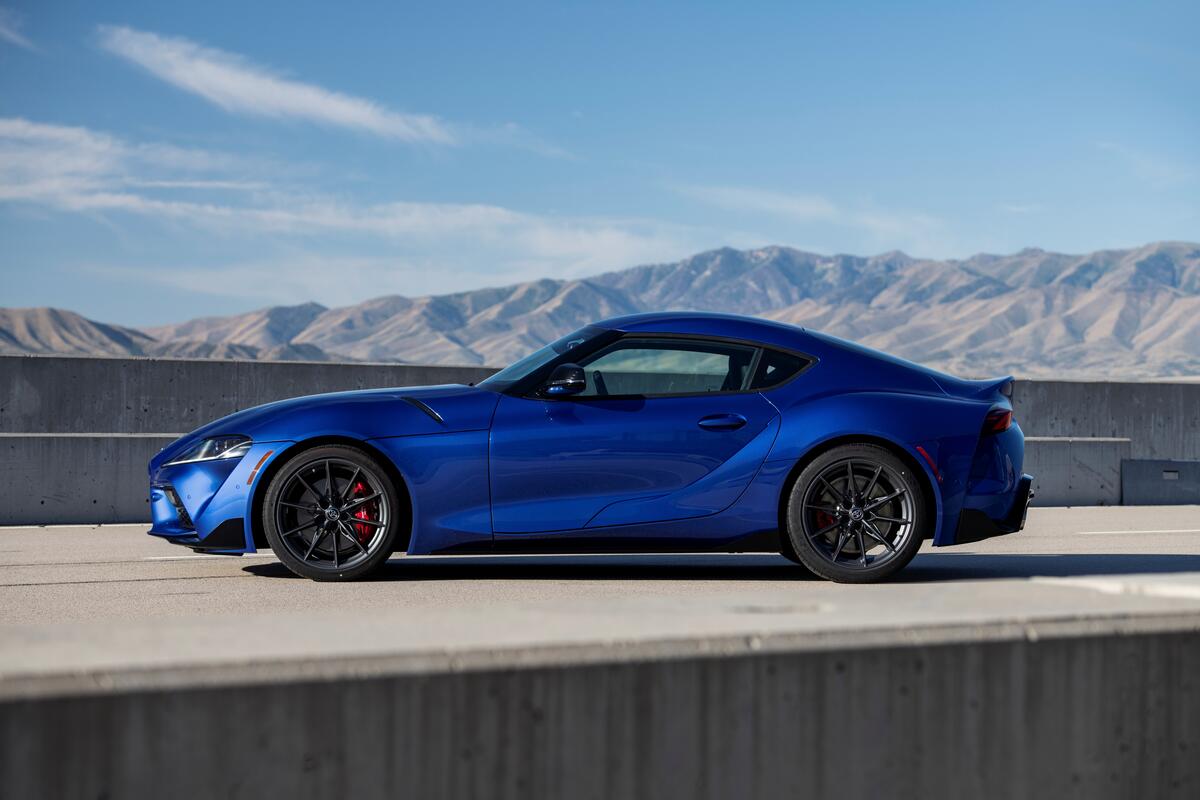
The Toyota Supra is a sports car built for fast driving and good handling. People often use it as an example of performance because it’s designed to be quick on a track. In the podcast, it’s mentioned to help compare how different cars can perform in different types of racing.
“Race pace” is the speed drivers aim for during the race while thinking about the whole stint, not just one lap. It’s usually a bit more controlled than going all-out for the fastest possible lap.
Concept
passing manoeuvres part on the grass
The host is describing scary overtakes where a driver has to go onto the grass/runoff to get past. It’s intense because it’s not the normal racing line and it can be unpredictable.
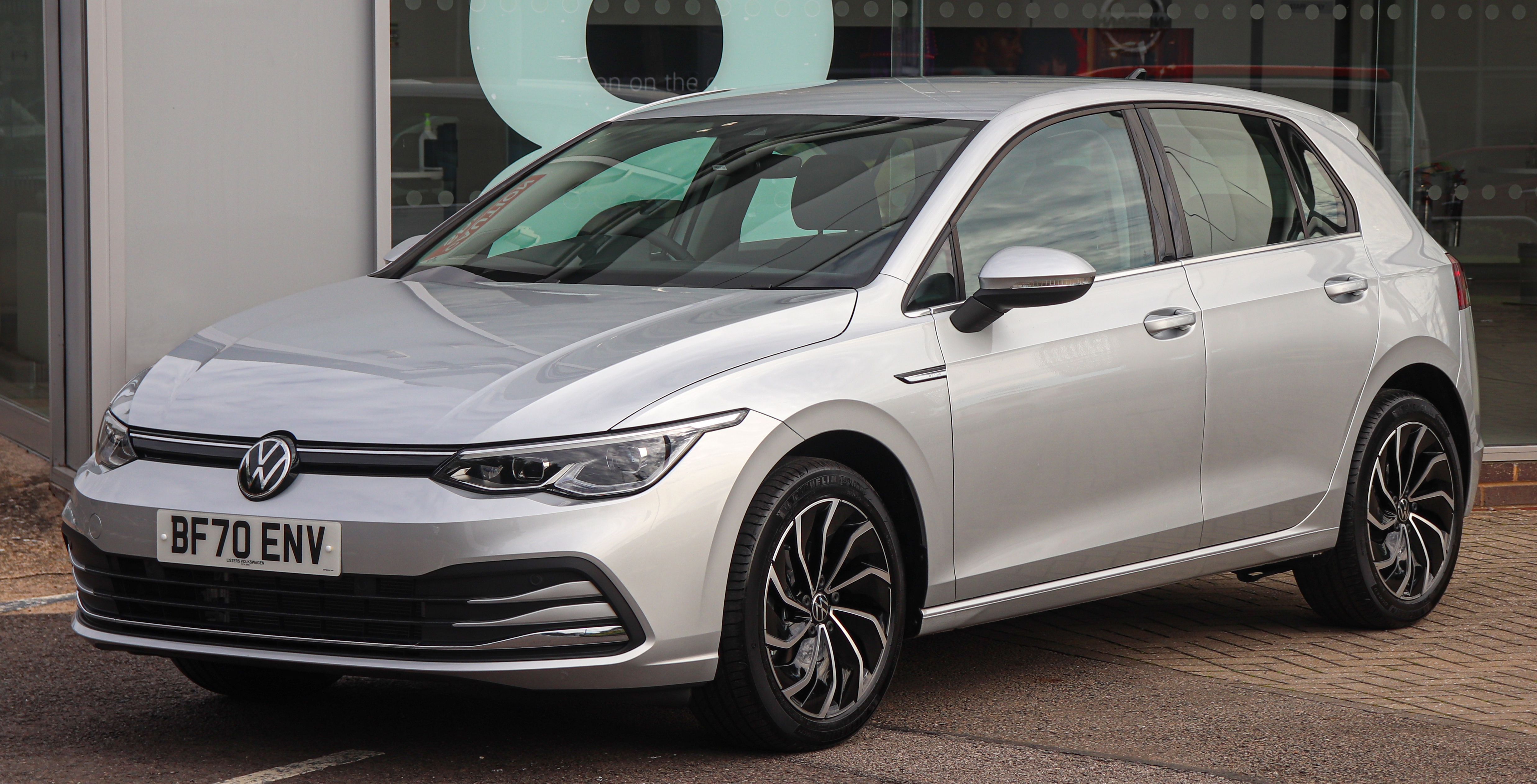
The Volkswagen Golf is a compact car, and the Golf GTI is a faster, sportier version. Some racing series use cars that are based on models like the Golf GTI, such as in TCR. The podcast is pointing to that connection between everyday cars and race cars.
GT3 is a racing category for sports cars that are based on real models. It’s known for close competition, and the host is saying these drivers are used to some attention already.
GT World Challenge Europe is a sports-car racing series. The host is saying GT3 drivers are used to being watched there, before Verstappen’s extra spotlight.
Term
IGTC
IGTC is a GT racing grouping/series name used for international sports-car events. Here it’s just another example of where these drivers already get some scrutiny.
Term
toe-to-toe
“Toe-to-toe” just means competing very directly, like you’re fighting for position at the same speed. The host is using it to emphasize how close Verstappen’s battle was.
“On the pace” means you’re going as fast as the top cars. If someone is on the pace right away, it usually means they and the car are working well immediately.
Here, “discipline” means the type of racing and what it demands. F1 and GT3 are different, so the skills that make someone great in one don’t automatically transfer perfectly to the other.
Corner speed is just how fast the car is going while it’s turning. In racing, going faster through corners is usually a big deal because it helps you be quicker overall.
In this context, “dynamics” means how the car behaves under forces—especially during braking, turning, and acceleration. It includes things like tire grip limits and how weight shifts, which determine whether the car responds predictably to driver inputs.
Car
GT3 car
A GT3 car is a race version of a normal road car, built to compete in GT3 racing. It drives differently than an F1 car, especially in how it grips the road and how it behaves when you push hard.
They’re talking about how racing drivers’ contracts can limit what other races they’re allowed to do. That can determine whether they can take a weekend off and race in another series.
Run-off is the space next to the track meant to catch a car if it goes off-course. Better run-off can reduce how bad crashes get, so it matters a lot for safety.
“Track-side danger” means what’s sitting near the track that a car could hit if it leaves the racing line. If those areas are more dangerous, crashes become more severe.
F1 has rules that tell teams what kind of engine they’re allowed to use. When those rules change, it can force teams to redesign their engines to stay competitive.
A turbo is a device that uses the engine’s exhaust to push extra air into the engine. More air generally means more power, which is why it mattered a lot in racing.
Brand
Reno
This is talking about Renault, a big Formula 1 engine brand. The point is that their turbo-era push influenced how the sport’s rules and competition evolved.
Ferrari is one of the best-known Formula 1 teams. The host is saying that, at that time, Ferrari was basically the main manufacturer still heavily involved.
Coventry Climax was a company that built F1 engines for multiple teams. When many teams used the same engine, the cars tended to be more evenly matched.
Cosworth DFV was a famous F1 engine used by lots of teams. If many teams have similar engines, the cars can end up competing more closely.
Term
3L naturally aspirated 86 back down to 66 era
He’s talking about the rulebook that limited engine size and whether engines could use turbocharging. Different limits create different kinds of race cars and different racing eras.
In F1, regulations are the rule changes that cap or shape technical development—especially power, fuel/energy usage, and aerodynamic limits. Hughes describes a recurring cycle where teams push performance, then the rules rein it back to keep the sport competitive and safe.
ICE means internal combustion engine—an engine that burns fuel to make power. In F1, the rules limit what the engine can do, so it’s not just a simple "always maximum" situation.
It’s a rule that limits how much fuel the car is allowed to burn. If you can’t use more fuel, you have to make the engine get more work out of every drop.
It means there’s a practical cap on how much power the engine can make because of the rules. The team still has to design the engine to get the most power it can within those limits.
That’s the shape inside the engine where the fuel-air mixture burns. If you change that shape, the engine can burn fuel more effectively and make better power.
The valves control how air and exhaust flow in and out of the engine. Their angle affects how smoothly the engine breathes and how efficiently it burns fuel.
The camshaft is like the engine’s timing controller for the valves. Its design changes when the valves open, which changes how the engine breathes and burns fuel.
Interdependencies of upgraded elements means one change can affect the performance of other systems, so you can’t evaluate each part in isolation. In F1, multiple engine and aero changes can interact, making it hard to know what caused any improvement or problem.
A sprint weekend is an F1 format where a shorter race (the sprint) happens on a weekend, affecting setup and development priorities. Because the schedule is compressed, teams have less time to test upgrades and gather clear performance data.
Practice laps are the times teams drive to learn how the car is behaving. If there isn’t much practice, it’s harder to tell whether an upgrade is truly helping.
“Two tenths” is shorthand for 0.2 seconds. If a team has a “two tenths edge,” it means they’re expected to be about 0.2 seconds quicker per lap than the others.
Race tires work best within a certain temperature range. If they get too hot, they can lose grip, so the driver has to change how they drive to stay fast.
Montreal is another F1 race the speaker is comparing to Miami. They expect it to be different enough that the same problems (like tire overheating) may not matter as much.
“Stop-start” means sessions get interrupted and restarted. That can make it harder for teams and drivers to get tires and the car working the way they want.
Wet weather testing is when teams practice in the rain to learn how the car behaves. It helps drivers and engineers figure out how to brake, turn, and accelerate safely on a slippery track.
Torque is the “pulling force” that makes the car accelerate. In the rain, that immediate power can be hard to control because the tires can lose grip quickly.
Modern F1 cars use a hybrid system, including an electric motor. That electric boost can come on very suddenly, which can make the car harder to control on wet roads.
A safety car is when officials bring out a slower car to control the race after something unsafe happens. Everyone has to slow down, and that can completely change race strategy.
Tire performance is how much grip the tires give you, and how that grip changes as the race goes on. Different cars can end up with different tire temperatures and wear, so they don’t all feel the same grip.
Downforce is the aerodynamic “push” that presses the car onto the road. If the rules reduce it, the car has less grip, so braking and turning become more difficult to control.
Braking performance is how well the car slows down. Braking stability is whether the car stays predictable and doesn’t get out of shape when you brake hard.
Concept
thread the needle
It means driving with extremely small margins—like fitting through a tiny gap. In this context, it’s about staying close to the walls while still keeping the car under control and fast.
LIVE
It was sensational, outrageous overtakes, what we expected of Max Verstappen because
he's Max Verstappen, but it was still fantastically impressive to watch.
Not only impressive in terms of his performance, but just in the spectacle that it made and
at night how dramatic it looked and you see catching lower class cars at a rate of knots
and it looks terrifying and you see him completing pass on manoeuvres part on the grass at ridiculous
speeds. It's just so awe-inspiring in a way that Formula One can't possibly be.
Max Verstappen's performance at the fantastic Nürburgring 24 hours is the story that everyone
is talking about and that's where we're going to start things off, this time on the Motorsport F1
show with Mark Hughes. Now Mark, last time out we spoke about how Max might do. Well, how did he do?
He was sensational, which we did say, we didn't just say might last week, I think we're a bit more
definitive than that, we expected him to be sensational and he was. And I think the fact
that he could just go out and just do what he did against people who were doing it highly
professional, quick season drivers in equal machinery and go out and just take them on
on equal terms around that place, you know, with a sort of damp surface and you know through the
night and outrageous overtakes, some amazing overtakes that he did and to get himself up from
10th to the front and then start pulling away, you know, it was just, yeah, is what in reality
we expected of Max Verstappen because he's Max Verstappen, but it was still fantastically
impressive to watch, wasn't it? I mean, you were there, so what, you were covering it, so you
would sort of blow by blow, so what were your impressions? Yeah, well actually because we'd
had this chat in the lead up to it, it was interesting to see how it played out and I think
the immediate thing was how quickly he was up to speed, you allude to it just there.
You know, some drivers take most drivers, in fact, every driver who gets in the car
in the Nurburgring 24 hours after they've been sitting outside of the car for a minimum of two
hours because once you get out of the car there are restrictions on you, but they're out of the
car for 45 hours at a time, they get in the car and it takes them half a lap of the Nurburgring
of the Nordschleife and really to tune into the car, to tune into the race, to tune into the
conditions, etc, etc. Max was on it from the moment he left the pit lane from before that,
but you know, you look at it and go okay, there's no dialing, there's no slow creep and that was
incredible and I think with the Nurburgring 24 it's hard to compare lap times because there's
always back, there's always traffic, there's always code 60s going on around the track, so you can
never really compare apples with apples, but what you can say is when you look at the the number of
laps that the drivers did and you look at the the top 10 from Max's team and as you say, the drivers
in that racing are fantastic, Lucas, Jorgannon and Daniel Juncadella, those are his teammates,
all of them have won different championships, all of them, you know, very, very, very high
pedigree of driver. Of their team's top 10, Max came in first, second, fourth, fifth and sixth on
fastest lap times, only Daniel Juncadella going inside the top six lap times. That in itself is
incredible, I think. Yeah and it was just the, I mean you can, you can say well that they were
race laps and trying to convert them to how it might have been in a qualifying lap if they're all
just were given their head and trying to sort of equate that to how it might be in Formula One's
very, very imprecise task, but of their race laps he was sort of 0.16, the equivalent on a 90 second
lap, I worked it out on just on percentage terms, it would be 0.16 quicker than Juncadella and about
six and a half tenths quicker than our, so that was just the race laps, you would typically expect
to see a different pattern when everybody's given their head than when they're driving to a constrained
race pace, but even so it gives an indication that it was instantly faster than the top guys in
that category around the most demanding circuit in the world probably and it was not only impressive
in the terms of his performance, but just in the spectacle that it made and the focus that
it put on that place at night and you know how dramatic it looked and you see, you see the
catching lower class cars are red of knots and it looks terrifying and you see them
completing passing manoeuvres part on the grass at ridiculous speeds and it's just so awe-inspiring
in a way that Formula One can't possibly be. Yeah, I wonder with the way Max drove, I mean
if you were in one of the lower category classes, maybe in a Volkswagen Golf GTI,
something like that, in a TCR class and all of a sudden there's no Max Verstappen,
there's no Max Verstappen and if you looked left at one point he could have got past you
and disappeared off into the distance and you wouldn't even know he's there. There's been a
lot of social media clips going around, I don't think you've seen these with on-boards and you
know there's a driver driving along and all of a sudden Max Verstappen appears in the background
and the driver goes, it's a really kind of, it brought an extra element to it, all the other
drivers were obviously enjoying the fact that Max Verstappen was on track. I did wonder though
how other drivers were dealing with the extra scrutiny because they're all GT3 drivers, they
used to having some level of scrutiny with GT World Challenge Europe and the other champions,
IGTC for example, but this is a different level of scrutiny so I wonder for his teammates how
much more pressure was put on them when Max Verstappen went toe-to-toe Maro Engel in the sister
Wynwood prepared car. I wonder the scrutiny must be something additional and I wonder how much they
can just let go of that scrutiny once they're behind the wheel. For sure but if you're a properly
competitive athlete you would welcome being compared to someone who's recognised as the best in the
world and you would relish it I think because you would think oh he's coming onto my home ground
and this is the best I'm ever going to be able to compare to him so I think you would be looking
forward to that if you're somebody like Engel I think who's achieved an awful lot in his career but
you know the average F1 fan probably wouldn't even know who he was and yet he's got a fantastic
race and pedigree so all of a sudden you've got this brief sort of you know you have your 15 minutes
of fame or your 24 hours of fame as it were because he that's who Max Verstappen is being
measured against because he's the accepted standard bearer. It begs the question for me
Formula One drivers there's always that debate is no who's the best driver is it Formula One
driver is a rally driver who's got the best car control and I wonder when you put some
like Max Verstappen into a car from Formula One would we really expect any Formula One driver
to get out there and be to the same level compared to a GT3 driver or is it that there are some F1
drivers that are the exception and if so which ones do you think would be able to deliver a similar
performance I can't answer that question Brunner it's it's unanswerable but it's a fascinating
what if I mean so if Charles Leclerc or Lando Noros or Kimi Antonelli devoted as much energy
and preparation time to that race as Max Verstappen did how would they compare
I sense that they would I suspect they'd probably be pretty sensational as well but
would they be quite as sensational as Max just was I don't know you know what are the
you talked about how uh instantly Max was on the pace you see that and F1 on a on a new you know
the first laps of the weekend you know very very often three or four seconds faster than anybody
else he's straight on it so he is he's recognized as the best in F1 at the moment and has been for
some time so yeah how would the F1 drivers compare would they slot in between him and the top GT3
drivers or would they fall behind the top three GT3 drivers it's very different discipline and it
would to get a proper reading of it would require them to be as familiar with it all
as as he was and then he's obviously talked about how immersed in all this he is and in all forms
of racing and and that's a big part of it so yeah a fascinating what if but I've really
couldn't even begin to give you an answer we love a what if though we love a what if
what struck me with it I mean Max would say immersed in this in this whole thing he spends a
lot of time watching GT3 he's got his team you know Verstappen racing who he raced with
Chris Lullin we mentioned him before he was racing as well when we look at drivers then
so most drivers carting they grow up they want to be a Formula One driver there's only
so number a certain number of spaces that are available for that what are teams looking for
what makes a Formula One driver stand out or a potential stand out from just say a regular
very very good driver well it's a cliche of you can calm a fast driver down but you can't
make a slow driver fast slow and steady driver fast so the performance is always the main thing
it's its potential it's winning potential you can't always accurately superimpose a driver's
early performance early in his career um onto how it's going to be relative even relative to
the same guys that he's coming up with um because people do develop at different rates um they do
have different levels of experience when they came when they come in so you're looking you're
looking for a pattern you're looking for a particular approach you're looking for that um ability to
just take take the emotion out out of situations um you're looking for application the ability to
apply themselves all these things will over time determine how much of their inherent physical
potential they can exploit and and how regularly they can exploit it and that's something you do
you do see as drivers develop at different rates as they're coming through the formula and that's
that's what they're looking at that's what the the driver coaches of the the the academy you know
that the the teams um junior driving uh squads will be looking for but it's the number one thing is
if you don't have the the raw pace if you haven't shown the raw pace at least sporadically then
they're not going to be interested it's it's a you're on a hiding or nothing doesn't matter how
good you are at all the other bits um the the number one requirement is speed um and if you
haven't got that you might as well go home but if you only have that that's that's not going to be enough
if you look at say a top a top f1 driver or an f1 driver in general someone who's got to that
point and has been in the in the category for a period of time they must in theory be good at
being able to transfer their skill set over to say gt3 to a formula that's not as quick because
that they're turning everything down slightly everything has to be a bit more dulled because
they're not they're not achieving the the speeds that would be the corner speeds that they would be
is that is that a fair thing to say that once you've you've got to drive a formula one driver
they might be good at being able to turn the hand at many different categories because
they're driving at the the limit of speed and therefore everything else is going to be a bit
more um slowed down a bit more you know you still you'd still need to be understanding the different
techniques and the different requirements and yeah quite often um when an f1 driver gets into a
lesser type of machinery they haven't enough sort of pull themselves back to where they naturally
want to break and at what corner speed they want to take in they they're they're having to pull
themselves back because they're finding that they the car just won't do what they they're asking
you to do and it just means you're going to be slow because you're going to be having snaps and
moments and things like that and brake locks so yeah you need but you do need to be understanding
the dynamics of it but intuitively yeah it's easier to do that than it is for a drive that's
already at his limits say in a a gt3 car would be to push up to a car with a formula one level
of performance you know that that's that that would be a more difficult thing to do so yeah it
you you are you are still needing to adapt yourself to a different car and different
formula one drivers would make that adaptation more quickly than others but i think they could
all probably do it yeah so why don't they is it is it a clause in their contract why can't they all
just say do you know what i'm going to take this weekend off boston i'm going to go and do gt and
i'm being facetious but you know there are weekends where there are other forms of racing but they
don't seem to step into it why max why this time and why don't the others do it i think
in the main it's probably because they're restricted in their contracts by their teams
and max and somebody like fernando along so and probably lewis hamilton if he if he wanted to
you would be the only ones that have that sort of leverage over their teams to say no i don't
want that clause in and i'm you're still going to sign me so i think it's that also
probably just the desire to do it not not all of them will want to spend their free weekends
um doing you know the form of racing particularly those with a family life
but yeah it's just horses for courses i guess but the the situation is quite similar that with
the stop and and red bull in terms of what he's allowed to do it's quite similar to what alonso
had at mclaren that time when mclaren didn't have a competitive car and they were very very keen to
keep them happy to keep them on board one of the ways that did that was to encourage them to
well let's say we could do an indy car for you or do you fancy doing them you know those types of
things when you have the leverage of that when there's a say it's a little bit unbalanced in
terms of the in favor of the driver in that relationship with the team that's where you
need to be able to do things like that if you want to do things like that it's a very dangerous
place the nerburgring nor shall i for in particular but um drivers seem to accept that
challenge just like the alamante tea uh you know the the drivers accept there is a there is an
element of danger although it's a lesser danger inside a car obviously um on the build up and
saw unfortunately on the on the qualifiers we saw that incident it was a fatal incident
unfortunate fortunately for for yuhar mitanin um in the qualifiers so there has been incident in
the build up to the nerburgring 24 hours would formula one do you think accept a bit more
danger or a bit more risk should we say maybe than danger um let's run off some things like that
like you get at the norge life although not to that level in return for a greater level of of
excitement no i don't think it would i don't think it could i think um precisely because
gt3 racing is so much lower profile and formula one it is able to exist coexist with that level
of danger and risk um i think not only would that risk be exponentially great out the speeds of an
f1 car around circuits like that and they they would potentially be lapping three minutes faster
than the gt3's i mean the lap silveston half a minute faster than a gt3 so um the the level of
risk on circuits with uh that sort of level of uh you know run off and track side danger it just
reached formula one could not you know really afford that um as soon as it's you
sort of merging into that level of danger it's just a matter of time before something catastrophic
happens and then the implications of that on um manufacturer interest sponsor interest tv
it really doesn't it does that equation really doesn't work and it's it's partly a function
of how successful f1 is that it has to be uh contained in a more sterile environment and
it's partly a function of the like a phenomenal performance of an f1 car i mean you just have
to put them in a sane environment it's not you can still come up with good challenges and i mean
we see plenty of circuits with a good level of challenge i'm thinking of austin and silveston
places like that spa but that's about as far as you can go you you just really you can't
even begin to think of f1 cars at the nürburgring or anything even approaching that yeah you make
all those strides to make it as safe as possible and then chuck an element of danger i think i
think you it's easy to they say it's easy to turn left on the aeroplane isn't it easier to step up
to first class it's hard to step back down to economy so why would you make all those moves
to make it safe and then strip them all back again i think um i think that's probably a fair
response now the topic of how max got on at the nürburgring 24 hours is the topic of marx
latest column the mph column and it goes into lots of detail about his performance max's performance
in relation to the other cars out on track as well and it poses the question about which
drivers currently on the formula one grid would may be able to slot in to that form or that type
of racing so go and check out the column the mph column at motorsportmagazine.com
now mark it's time to move on to the audience questions and as usual i've picked out three
for you that i'd like you to attempt to answer this is your favorite part i know because you
prefer these questions to marbles you always light up when i get to the audience questions
anyway so here we go i've selected three the first one is from martin anyway and he says
one wishes formula one could come up with a set of engine rules that everyone agrees on and stick
with them but looking back at the formula one's history we see that frequent changes to the
engine rules have been the norm with the one glaring exception from 1966 to 1986 the formula
there any thoughts or insights as to how that engine formula managed to last so long that is a
great question martin that's a very good question martin and i think the the key to that
is that there was very little car manufacturer interest in formula one at that time it only
started coming in in the wake of reno coming in with the turbo and in the late 70s and sort of
build up in the 80s and that that put the pressure on the formula to change because they wanted to
try new technology but prior to that in the 50s there'd be manufacturers but they did sort of
pulled out with various financial and image associations with it with the danger in one case
so by the 60s it was just Ferrari plus a lot of specialized British constructors making
kit cars basically so the Coventry Climax was the the standard supply for most of the field
and then that was replaced by the Cosworth dfv in the latter part so that that was why there was no
impetus to change formulas because it it needed to survive with very little income
by what the standards were came later and no manufacturing or the mode of manufacturer involvement
they had Honda dipped in and out but it wasn't a serious it never became a manufacturer championship
and so that that was that was what was going on there and it allowed F1 to flourish and allowed
F1 to have a field of quite closely matched cars and especially in the dfv era and yeah that was
the basic foundation of of everything which which followed since there's a column written by Matt
Bishop all about this topic in fact about the 3L naturally aspirated 86 back down to 66 era from
Formula 1 and he argues it was the greatest era so check that column out for yourself the Matt
Bishop column too it does go into into detail I mean for a normal period of time that that time
there moved over to the the turbo after didn't it with the 1.5 turbos yeah and that eventually led
to like 1500 horsepower qualifying monsters and yeah very very thrilling era as well but and that
was had to be constrained because the the power gains were so spectacular and the circuits were
having to be modified so quickly to try and keep up but yeah they had to start limiting it and that's
that's been the process ever since it's been a constant sort of push of more performance the
constant raining back by the regulations and constant new technology to make and go faster
in regulation and bring them back back again so yeah that's why the the formula is no longer
as stable and long running as it used to be great question and a great answer I might add Mark
I'm contractually obliged to say that I think I think it's in the small print isn't it somewhere
next question to mark this is from Taxi Dodger great name says hi Mark thanks for your always
interesting perspectives he's trying to butter you up here I think surely every team's ICE engine
is delivering maximum allowable power these engines have been capable of delivering more than double
the HP than is currently allowed is the advantage of the best engines therefore due to how they
deploy that power hi Taxi Dodger um no no it's not doesn't work quite like that they're limited
in power at the moment through the fuel flow um so they either they turn the
for a fuel flow limit or not quite some time ago and they reduce that fuel limit for for this year
and that is defined the feasible horsepower limit but you still have to optimize your engine design
within that limitation it's just like saying uh there's a three liter capacity limit or two liter
capacity limit it doesn't mean that all the engines are the same just because of the same
capacity just it's the same thing here all the engines aren't the same just because it's the same
fuel flow uh so yeah the the implication of a different fuel flow I mean is different combustion
chamber design which might mean different optimum valve angle design different camshaft design and
and it just everything links into everything else so you still have to optimize around what what
those regulations are so no there there is quite a big variation at the moment between the the the
internal combustion engines even even if you disregard the electrical side I've got a question
here from from John Foggin or Foggin uh I'm not sure which way to pronounce it but as usual with me
I'll get I'll get it wrong somewhere on the line um I'm only going to pick the first part though
John it's great a couple of questions but I'm going for the first bit uh because when we talk
about regulations and changes um we've got we've got months to go through that so I will I'm sure
we'll do that in the future he says Mark how can Ferrari possibly evaluate the impact of 11 items
upgraded at the last Grand Prix without thoroughly confusing themselves by the interdependencies of
the differing elements upgraded I think this is a fantastic question personally because it's a mind
blower isn't it yeah John that's that is very much part of um the the challenge of it and
the you can very easily get lost or the teams can very easily get lost by trying something
as adventurous as as that it's such a big upgrade but the problem is you you you limited in how much
you can test um on a sprint weekend like that was you you limited even in how much you can
assess it during a practice laps um and if you want to if if you want to make progress you've
you've got to get the developments on the car especially in the early stages of a a new formula
like this and all although there were 11 different points of of changes it was all one upgrade it was
all part of this is the airflow we're trying to get this from there to there
with this much force under you this speed and this mass um so it it is really just one big upgrade
and you can't not do it because that would just defeat the object you've got to
crack on and you've got to find out where the limitations are now that might mean that in the
weekend you try it you get a bit lost um i don't think they got lost as such i think what because
the car was very very competitive at times um q1 and q2 they were the absolute fastest and even in
the sprint um leclerc was pushing piastry very hard for second place and he led the early parks of
grand prix and it was only latterly when the tires started to overheat that you got to began to fall
back into the the clutches of the next group but for a lot of that race he was um not racing with
antonelian and noros at the front so i don't think there was a problem that they got lost i think it
was just that the particular conditions that we end with a very very hot tarmac exposed the
Ferrari has been the car that was the hardest on the tires in terms of the thermal um degradation
of the rear tires and that was exposed first on the Ferrari uh and i think yes if they'd had more
knowledge of of the car they could probably have done a better setup for that had they known um and
yes they will they'll go to subsequent circuits i don't i don't think thermal will be much of an
issue in montreal but subsequent circuits where it might be um where they're they're better armed
and they will still be better off than they would have been if they just kept the car the same
how do they when you make so many different upgrades though how do you analyze the difference of one
component because surely you move one thing a millimeter you do one thing by quarter of a
mil that makes a significant impact further down the line so how do they evaluate so many different
changes as opposed to one at a time there are 200 sensors or something on the car measuring loads and
yaw and air speeds and you're just looking at that you're looking at gps traces you're listening to
driver feedback and you're trying to just merge them all to do it together and you've got um you
you typically you hear that you have these you talk about one element but that they're they're
interconnected they're all interconnected and you usually will just be able to tune up tune them a
little bit by you know adjustments but fundamentally you know what you're trying to achieve the
aerodynamics know what they're trying to achieve and they will just be moving towards that what
they've seen in simulation is that they're trying to get to um they're just moving towards that and
and that you know they they have so many um processes that to help them in that and so many
simulation processes and their correlation between the the real world and and simulation is so good
that they inevitably get there in quite a short space of time yeah great questions there from
the audience mark and i you enjoy the audience question section i do yeah and um yeah i think we
should have a sort of read read a question of the week i think that should be a regular thing so um
yeah who do we give a deal this week i like taxi dodger i like his name for a start um so yeah
taxi dodger this week don't forget if you want to stay up to date with all the news from the formula
one season you can do sub again to most sport magazine dot com and then subscribe into the
f1 newsletter you'll get the newsletter into your inbox and you'll be able to stay up to date as i
say with all the happenings all the changes what's going on within all the teams and the races
now mark we've got a small matter of a grand prix coming up this weekend it's canadas montreal as we
know and is it going to be a race we're going to talk about so racing and not regulation
i think there's going to be an element of regulation talking inevitably we've got a very long
straight out out of that bottom hairpin um so yes there's going to be question of how to deploy
what's going to be the best way of deploying and which corners do you not full attack and
there might be a bit of yoyo into the chicane and in the turn one might be a bit like as we saw in
sizuka between the chicane and turn one there you know so it might be a bit of yoyo and going on so
yeah i think inevitably it'll be some regulation talk but at the same time competitively it is
very it's very nicely poised in miami we saw redbull join in um mclaren ferrari mesedes all on
very similar pace the four top cars on quite similar peak performance there's a further
upgrade coming on the mclaren there's a big upgrade coming on the mesedes um ferrari have got that
you know new upgrade to to fully understand so has redbull so there's going to be lots of potential
there to to improve um i think competitively this is is very nicely poised it's uh it's
there they're always the the most interesting ones to look forward to we you're not quite sure
which way it's going to go um yeah this is definitely one of those what do you suspect from
the mesedes do you think it'll be a series a significant sorry upgrade or do you think uh
it won't be quite as noticeable because of how the others have done oh i think um mesedes have
shown that they do have a very good understanding of this car and when they've made alterations
they've worked so yeah they'll they'll be they'll be adding performance but the others have added
performance as well and will be adding more so yeah it's it's we've seen that it's not miami told us
that it's not necessarily going to be a season of mesedes domination which it had threatened to be
in the first three races it looked it looked as though they had that handy edge and if they could
just maintain that by development and keep that two tenths edge um they was looking like a mesedes
season it may it may still be that but miami showed it's not necessarily going to be that
we did see in miami didn't we some big gaps between teammates yeah within you know into team
rivalries but we likely do you think to see the same what you think they'll be in in some cases
some rivalries or some some gaps reducing and i'm actually thinking all the way through the
the grid actually but predominantly at the top end with maybe russell and antony i know we've
spoken about this before but what are your thoughts on that yeah i think miami presented a very
particular challenge because of the tendency of the tires to get too hot so there was a particular
way of of driving that that rewarded that and which if you didn't master punished you
so i don't think you're going to see that in montreal it should be a more conventional
set of demands where a bigger variation of styles and techniques work and fell equally so
i would think those gaps will close back up and i might win that might not even be in the same order
and now it's also been a very stop start choppy starts of the season with what's been going on
in the middle east and who knows whether there'll be more changes and drop races as the season goes
on do you think that now the fact that they're going to be sent seven out of 10 weekends with a
grand prix hopefully touch wood and all the rest of it do you think that will help the drivers
thrive or do you think there are some drivers that actually maybe respond better to the stop
start nature that's that's happened so far well i think we talked earlier on about max for stop
and how he's straight up to speed immediately um and i think uh when you have a disruption
that it's got to play to his advantage hasn't it so um having a sequence of of uh more closely
spaced events is probably um you know reduces that advantage a little bit um yeah i mean you
typically see early season more driver errors than later in the season and it's you just get more
comfortable in in the car and you have more understanding of the car so yeah you'll you'll
tend to see more convergence i think um but i think that doesn't doesn't really spoil the
competitiveness i think it adds to it so yeah i don't i don't see as a problem it's just a
trait a characteristic rather than a problem yeah driver errors early in the season if you
remember lando norris last year and just designed to collide in the back of oscopiastrine but it
works out well in the end for lando as we know now we may and it is a big may have rain in montreal
and it happens doesn't it but are you looking forward to seeing it a wet race seeing these cars
out in the rain or are you nervous by it yeah sort of trepidation and and and anticipation
sort of nervous excitement about it um i think we've spoken on here before pia gazley's done
quite a bit of wet weather testing now um he's done he's done another one at magna cura a couple
of weeks ago um he's done one at silverstone and he's saying that it is the most terrifying thing
because the torque of these cars is so instant because you're from the big electrical power
that it's very very difficult to control but you know that that is that's it's a big boys game
you know that that is the challenge it's going to be a very very big challenge
probably going to look a bit scary at times i would think but yeah that they will the best
guys will will be on top so yeah it's it's just another dimension of the competition and it always
is but it sounds as though these cars are going to be particularly challenging when you look at
canada and montreal but canada as a grand prix the montreal grand prix what are the characteristics
of that circuit that make it a good grand prix or a not so good grand prix what do you like about it
well it's it's um it's traditionally right i'll say traditionally back in the 90s had had a reputation
for um you know nothing much happening and then all of a sudden it became quite an incident packed
race and i think it it does invite an incident there's solid walls there and you need to get
up close to those walls to be quick and so there's always a temptation to just push a little bit
hard a little bit harder and yourself yeah probably safety car interruptions
it can be a circuit which brings out a big variation in tire performance between different cars
so getting on top of that is going to be a challenge
braking performance and stability which is not a straightforward thing with the the latest
regulations now that we've trimmed so much downforce off the cars that's going to be a challenge
and combining that braking stability and braking performance with the sort of balance that allows
the driver to be confident to really throw it in you know thread the needle between those those
walls and shave them right up the last millimeter these these are all very very exacting demands
but you know they're all extremely good drivers so i'm looking forward to seeing them perform their
art yeah it's going to be fun to see them out on track again and maybe maybe in
the rain we'll pick through the bones of this one next time out with a whole host of other topics
as well mark as always thank you very much indeed it's been a real pleasure once again
always a pleasure and thanks for those terrific questions i'm talking about the readers
and yeah keep them coming so yeah if you if you want to ask me anything anything at all
about Formula 1 you know where to go thanks very much once again yeah hopefully you did
enjoy this episode if you did like subscribe tell your friends and get your questions into mark you
can do so by putting your questions in the comments on the youtube video or by getting in touch at
motorsportmagazine.com now the latest issue of the magazine is still available in the shop and also
available at motorsportmagazine.com or on the app it's a preview of LeMond including an exclusive
interview with Robert Kibitsa will Ferrari win it again there's also the inside story of the
greatest race car of all time reborn how Lotus recreated the Lost 49 and motorsports most famous
crash helmets and the remarkable stories that they tell we'll see you next time
that's going to do a completely different outro and then completely lost my brain
what do i feel like there's a dig at me there
no no you you you're you're you're charloid
right i'm hitting stop now i'm putting an end to this madness right stop
About this episode
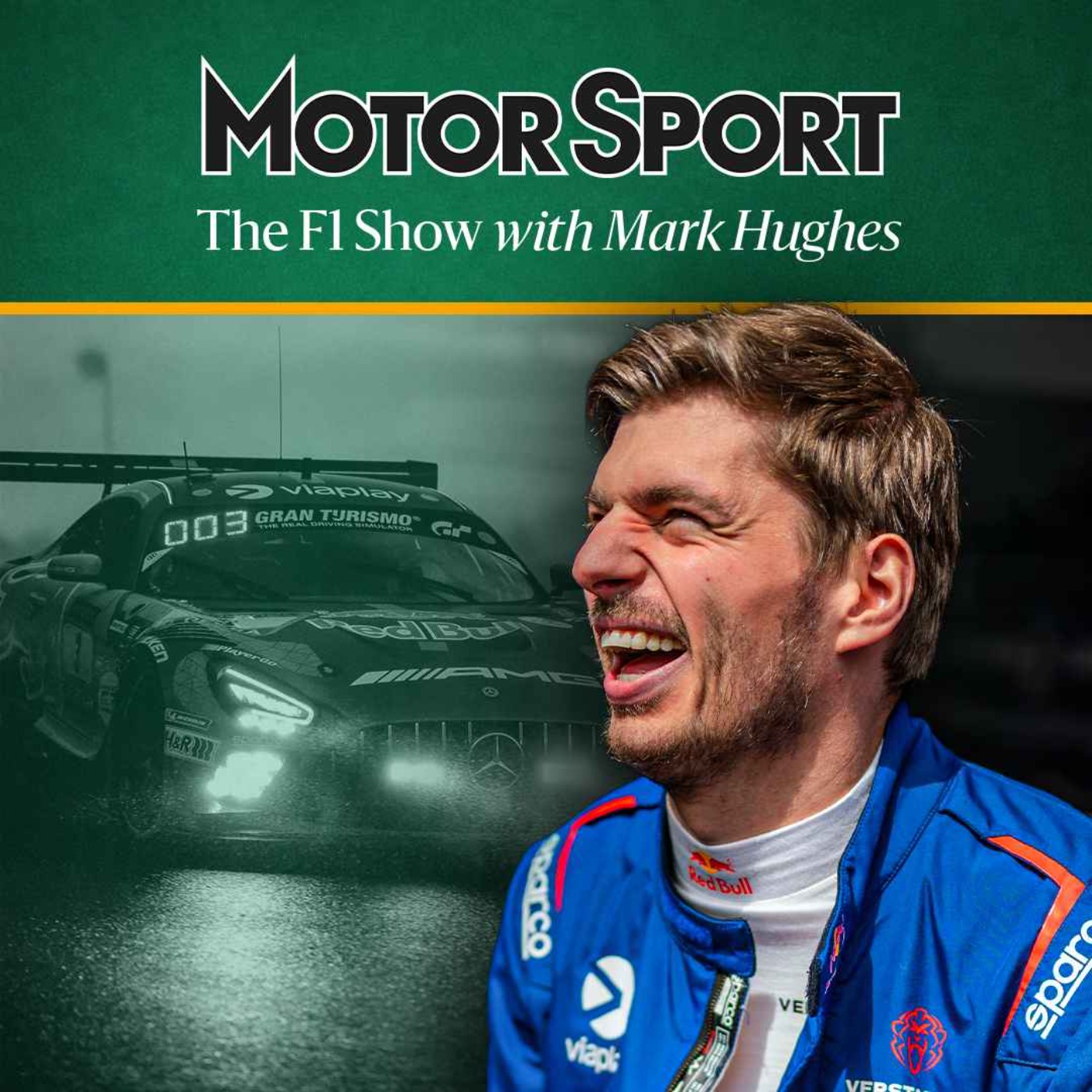
Max Verstappen’s Nürburgring 24-hour run is framed as a spectacle F1 can’t quite replicate: the hosts point to night-time overtakes, rapid adaptation, and the sheer terror of catching slower traffic “at a rate of knots,” including a pass where the car is “part on the grass at ridiculous speeds.” They also explain why lap-time comparisons are misleading due to “code 60s” and multi-class chaos, then broaden to how extra scrutiny and safety margins differ between GT racing and F1.
Did Max Verstappen show why F1 drivers are racing's elite? Will other drivers follow in his footsteps? And could F1 do anything to make its races as exciting as the Nürburgring 24 Hours?
Mark Hughes and Bryn Lucas examine those questions and more after an exhilarating weekend in the Eifel mountains.
Plus: Ahead of the Canadian Grand Prix, are we set for an historic Formula 1 world championship battle, or will Mercedes vring an upgrade to blow the opposition away?
Mark also answers your questions on why F1 keeps changing its engine rules and how Ferrari can possibly work out whether its many upgrades actually work.
More on the stories that really matter, in the latest episode of the Motor Sport F1 Show.
Subscribe now for every weekly episode and tell us what you want to know from Mark. Send us a message on social media or find this podcast at https://go.motorsportmagazine.com/42JLouD and drop your questions in the comments. He'll answer a selection of the best every week.
Read Mark's column every Wednesday at https://go.motorsportmagazine.com/42JLouD