The Peugeot 205 CTI is a small sporty hatchback made in the 1980s. It’s a more performance-focused version of the regular 205. The speaker mentions it because it’s associated with a fun reputation from that time.
The Ford Falcon is a famous Australian car. Here, they’re talking about how it handled long-distance driving—especially fuel use and gearing—compared with other cars.
Tall gearing means the drivetrain ratios are set so the engine turns fewer revolutions at a given road speed. That typically helps cruising efficiency and can reduce fuel consumption, which fits the segment’s theme of comparing how different cars use fuel on long distances.
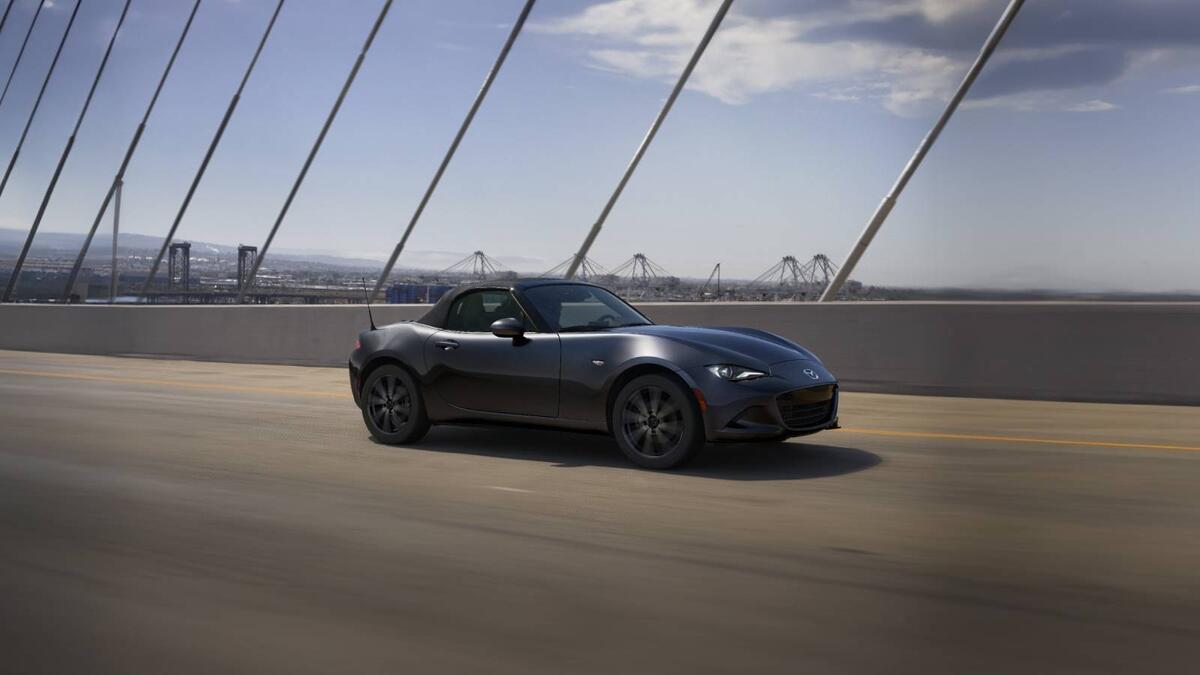
The Mazda MX-5 is a small, sporty two-seat roadster. It’s often chosen because it’s fun and relatively affordable, and here it’s being discussed as a car option that got too expensive.
The BMW M5 is a very fast BMW sedan made by BMW’s performance division. Here it’s mentioned because it was the quickest the speaker managed on that drive.
This is about speed cameras that don’t just measure you at one spot. They time how long you take between two points, so you can’t cheat by slowing down only near a camera.
The Ferrari F50 is a very rare, very fast supercar made by Ferrari. It was built as a special performance model and is known for being part of Ferrari’s most exciting lineup. The episode mentions it while the speaker is trying to remember which model came next.
The Ferrari Enzo is a famous, very high-end Ferrari supercar from the early 2000s. It’s known for its mid-mounted V12 engine and its race-car style design.
The Skoda Felicia is an older Skoda compact car. In the episode, it’s mentioned as a name in the story, not as a detailed driving comparison. It’s basically a model people recognize from the past.
The Lamborghini Diablo is a famous, older supercar from Lamborghini. Here it matters because it didn’t have ABS, so when the driver braked hard, the wheels could lock up instead of staying controllable.
ABS is a braking system that helps keep your wheels from locking up when you brake hard. Without it, the tires can skid, and the car becomes harder to steer.
Lift-off oversteer is when easing off the gas suddenly makes the car feel like it’s rotating or sliding the wrong way. The speaker brings up “lift” because the right pedal inputs matter for keeping the car stable.
When the front wheels lock, the tires stop rolling and start sliding. That usually makes the car harder to control and can make braking less effective.
A “Prova plate” is a special temporary plate meant for testing. It usually comes with rules about who can drive and where the car is allowed to be driven.
Front-wheel drive means the front wheels do the work of both steering and moving the car forward. In this story, that layout is part of why the Escort was controversial at the time.
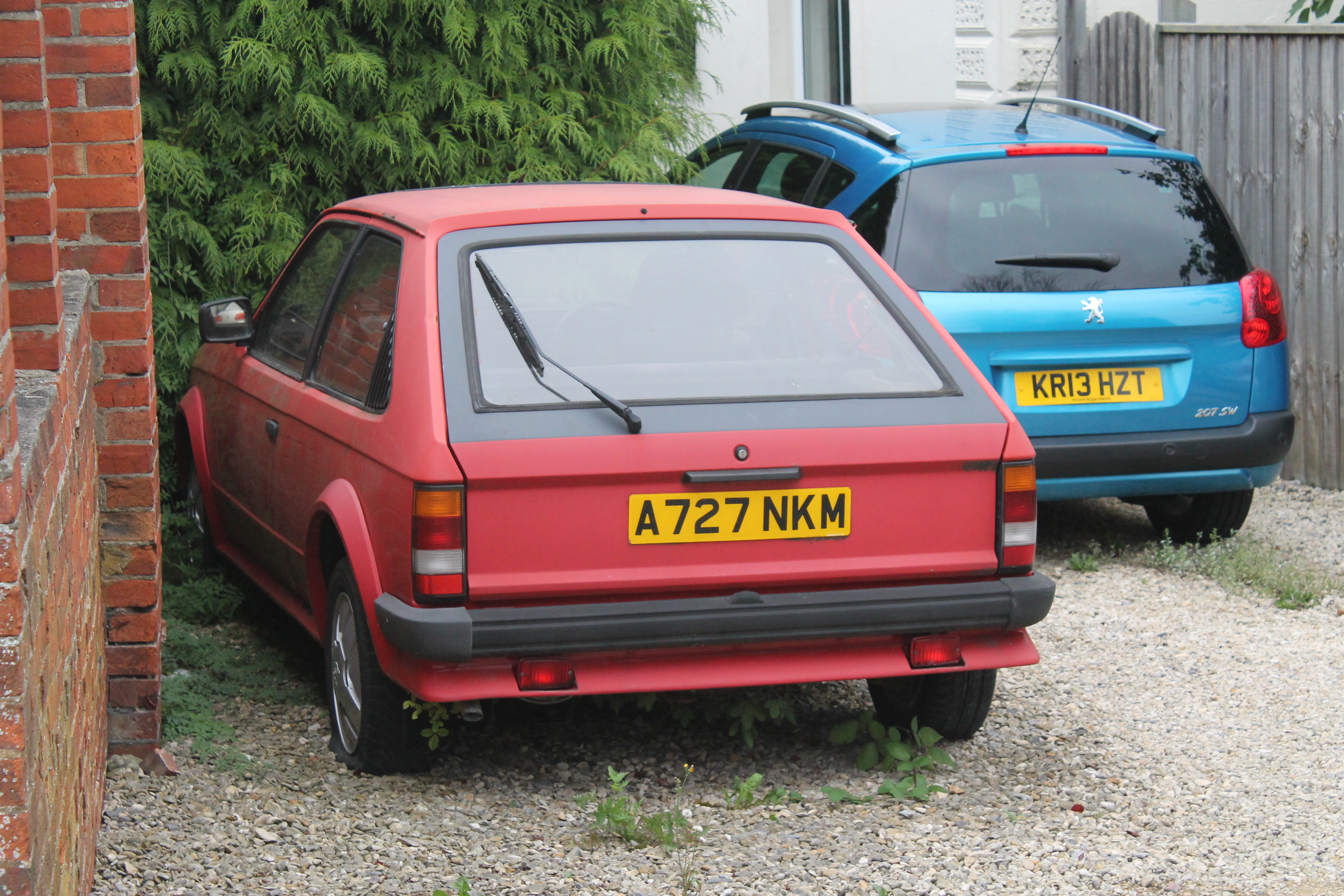
The Opel Astra is a compact car meant for everyday driving. The episode mentions it alongside a Golf during a time when both were nearing replacement, which suggests they were being compared as current models. It comes up because it’s a common choice in this car class.
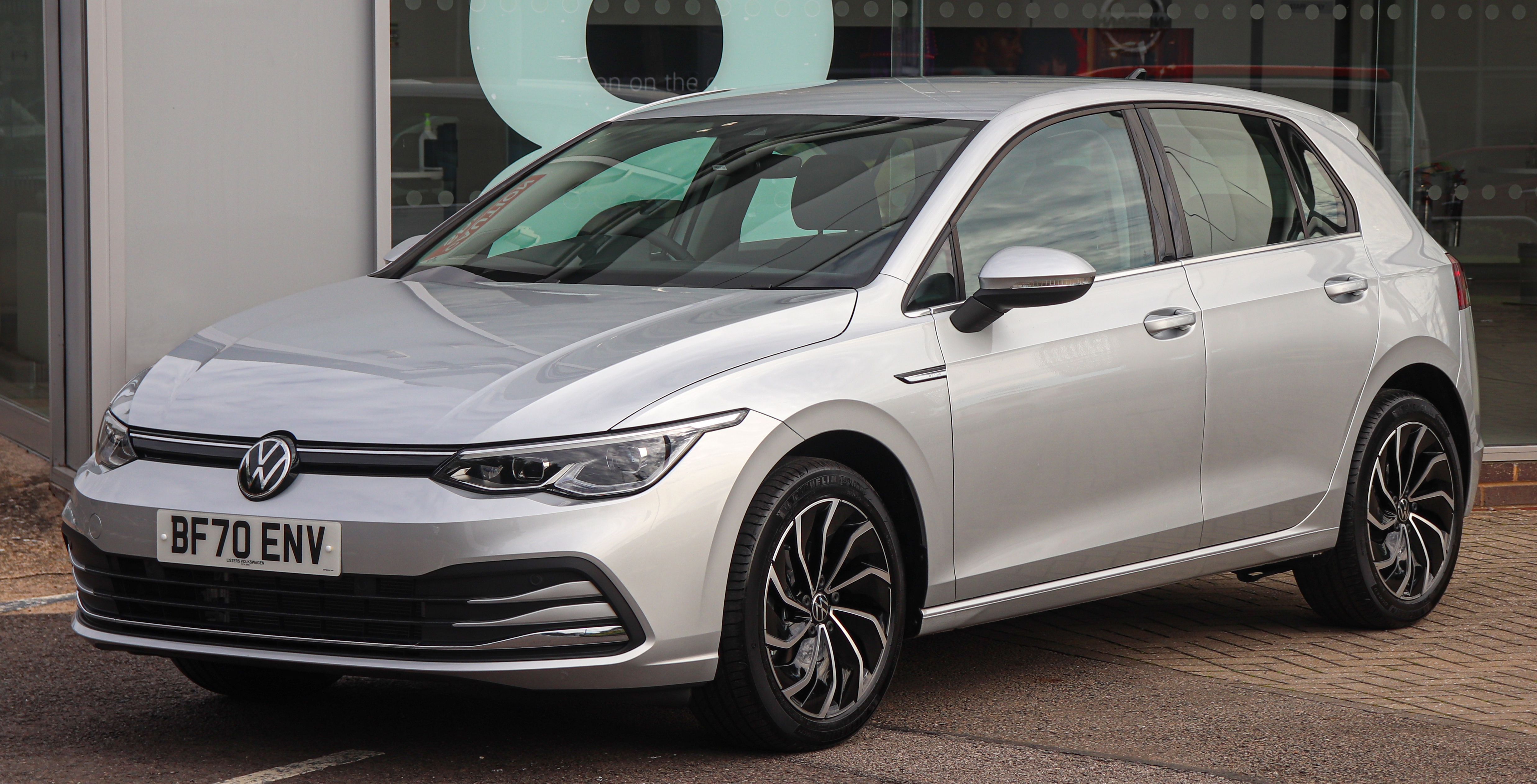
The Volkswagen Golf is a very common European compact car. In this segment, it’s mentioned because it was one of the cars they used for the comparison drive.
A static launch is when a new car is presented to press or customers while it’s not being driven—typically on display so people can inspect design, packaging, and interior/exterior details. The guest contrasts this with a driving event, implying he evaluated the car both visually and dynamically.
BMW E36 is a specific generation of the BMW 3 Series from the early ’90s. Here it’s mentioned because the guest was involved with BMW’s launch events and press access.
Concept
foreign press man
This phrase means a person who works with car journalists from other countries. Here it’s relevant because it explains how the guest ended up getting Porsche loan cars to review.
The Porsche Boxster is a sporty two-seat roadster with the engine mounted near the middle of the car. In this story, Porsche loaned him one for a year so he could live with it and review it.
The Porsche 911 (996) is a particular generation of the 911 from the late 1990s/early 2000s. The guest says he was given one (a 996 3.2) and really liked how it drove.
Historic registration is a special way to register an older car. It can let you legally register cars that otherwise wouldn’t be allowed under normal rules.
The “25 years old” line is pointing to an age threshold used for historic/heritage vehicle eligibility. Many jurisdictions use an age cutoff to decide when a car can qualify for historic registration exemptions.
The Ford Fiesta is a small everyday car. The speaker mentions driving a Fiesta 2 to get to the airport, which shows it was used for normal travel. It’s brought up because it’s a practical car people rely on.
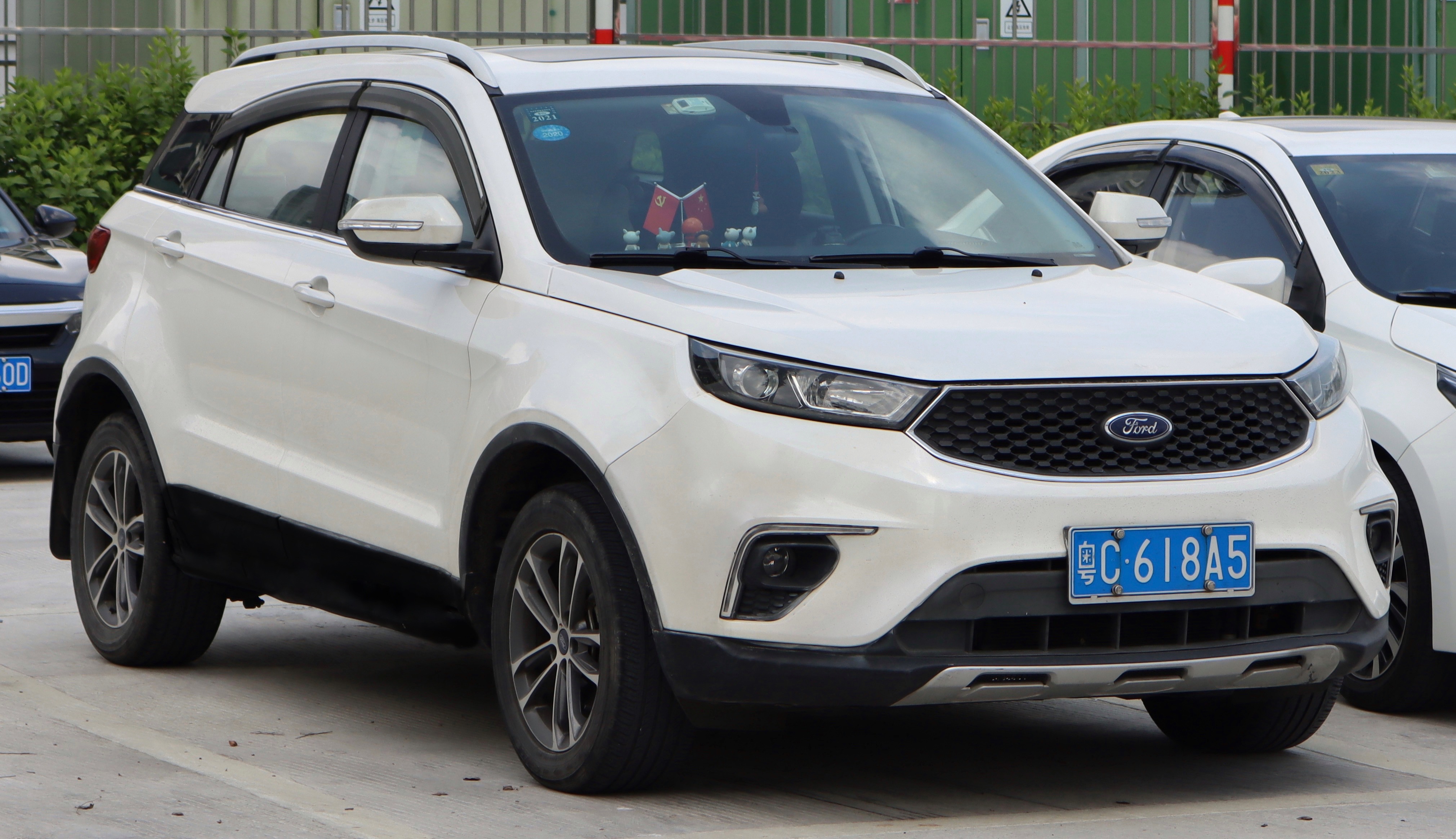
The Ford Territory is an SUV. In the episode, the speaker says it had the same steering feel as another car they were thinking about, meaning the controls felt similar. It’s mentioned because steering feel is an important part of driving.
A torsion beam suspension is a simpler rear suspension design. It’s often used because it’s cost-effective, but it usually doesn’t control the wheels as precisely as more complex designs.
A multi-link suspension uses multiple arms to guide how the wheels move. That usually helps the tires stay in better contact with the road, especially when you hit bumps or take corners.
The Rolls-Royce Silver Shadow is a very luxurious car made by Rolls-Royce. It’s known for being comfortable and smooth to ride in. In the episode, it’s mentioned because of a story about its launch.
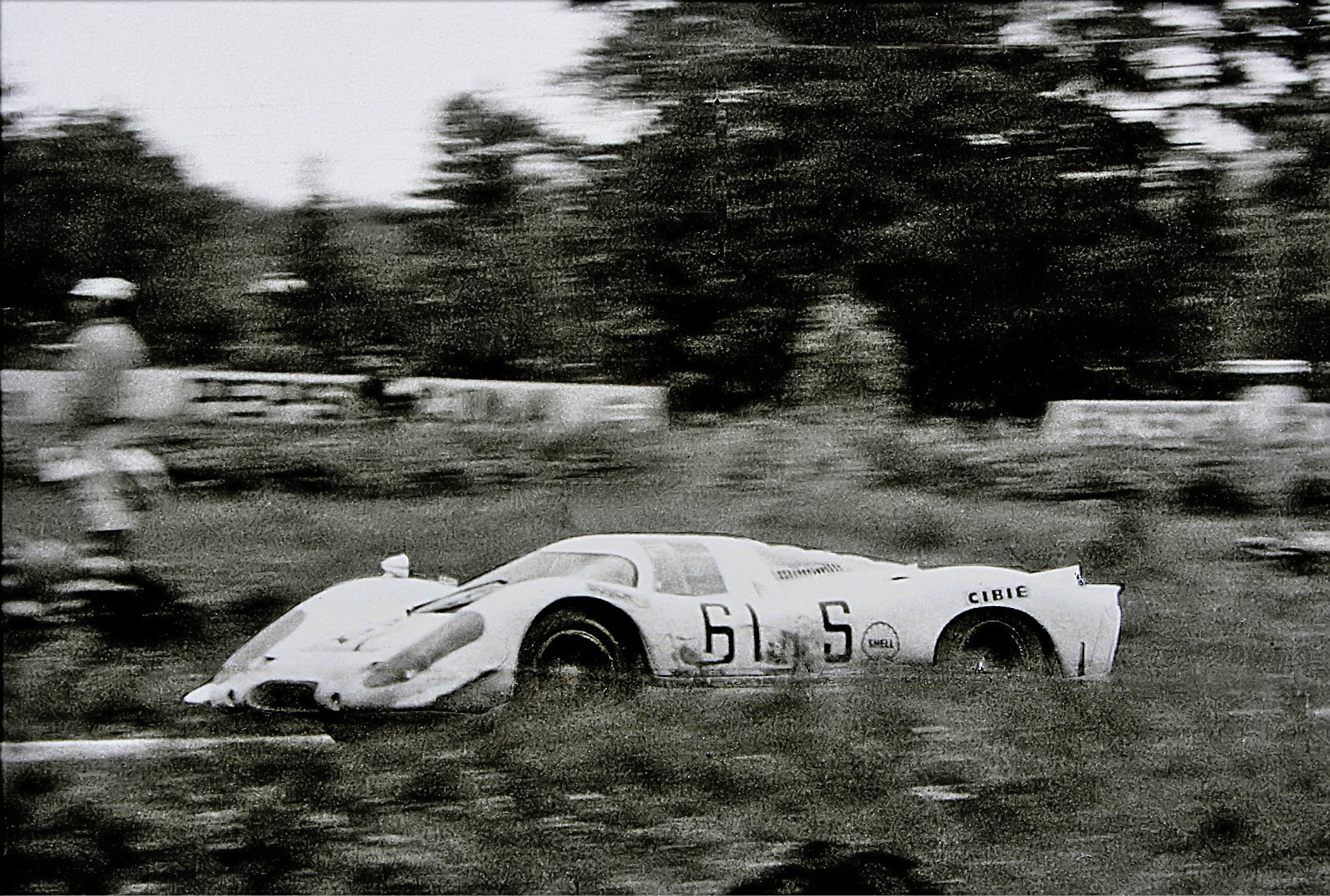
The Porsche 917 is a famous race car from Porsche. It’s known for being one of the most important and successful endurance racers ever, and the speaker treats it as a benchmark car.
Internal temperature means how warm the inside of the car stays. The speaker is saying the car had to hold a specific temperature level, likely for comfort and performance in cold conditions.
Volkswagen Group is the big company that owns multiple car brands. The hosts are talking about how it’s doing now and what big problems changed its reputation and money.
“Diesel gate” is the emissions-cheating scandal tied to Volkswagen’s diesel cars. It caused big fines and lawsuits and made people lose confidence in those diesel vehicles.
The Volkswagen ID.3 is an electric hatchback. The episode mentions that people talked about its software, meaning the car’s computer systems and features. It’s brought up because that affects how smooth the car feels to use.
It means designers use lots of real measurements and customer/engineering data to make choices. Instead of guessing, they let the numbers steer the design.
The Ferrari 348 is an older Ferrari with a V8 and a manual gearbox. The speaker is saying the shifting felt stiff or notchy, which is part of what makes the car memorable to drive.
Here, “gearboxes” means the car’s manual transmission. The point is that the fluid inside can be too thick when cold, so the car may shift worse until it warms up.
The Ferrari F355 is a mid-engine V8 supercar from the 1990s. The speaker is praising it, and it’s being mentioned as one of the standout Ferraris in that person’s collection.
The Ferrari 456 is an older Ferrari with a V12, designed more for cruising than for track-style driving. In the conversation, it’s mentioned as another Ferrari the person moved on to after the 348.
Stellantis is a big car company created from a merger of two major automakers. The conversation is using it as a reference point for who was involved in major leadership decisions.
The Ford F-150 is a large pickup truck. The speaker says it drives very well, even when compared with another high-performance pickup. It comes up because it’s a popular truck and its driving quality matters.
Citroën is a car brand. They’re saying Citroën stopped selling there, so you may not find new cars (or the same support) in that market.
Company
Stalantus
“Stalantus” sounds like Stellantis, a big company that owns multiple car brands. The discussion is about how that company’s decisions can affect which brands are sold in a country.
The Alfa Junior is a newer Alfa Romeo model. They’re saying it looks like an Alfa, but the way it drives feels less like what you’d expect from Alfa Romeo.
The Alfa Romeo Stelvio is a compact SUV made by Alfa Romeo. It’s designed to be more fun to drive than many typical SUVs. The speaker mentions it positively because they enjoyed how it drives.
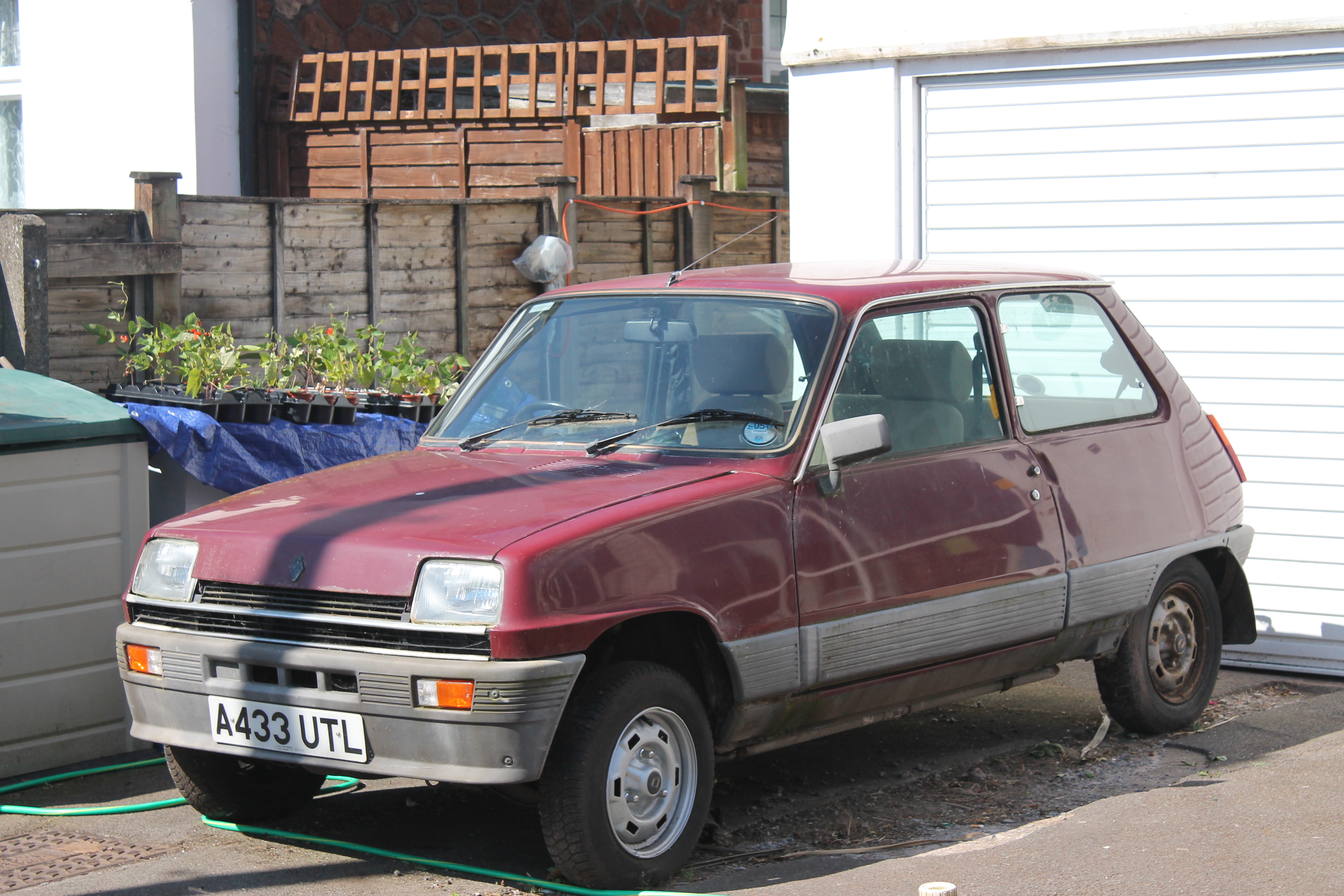
The Renault 5 is a classic small hatchback from Renault. People like it because it’s light and has a lot of personality, and it’s been popular with car fans for years.
“Tail out” means the back of the car slides outward while you’re turning. It’s a sign the car is rotating more than the front, which changes how you steer through the corner.
The Lada 110 is a compact sedan made by Lada. The episode talks about it in Australia and connects it to local speed limits, suggesting it was appropriate for normal driving. It’s mentioned because it matched the way people actually drive there.
The Ferrari F12 is a supercar from Ferrari with a big V12 engine. The host is saying that even though it’s hard to use that kind of speed on public roads, it’s still the car they’d want most.
The Ferrari F12 Berlinetta is a high-performance supercar made by Ferrari. It’s designed to be fast but also comfortable for longer drives. The episode mentions it because the speaker really wants one.
The Skoda Octavia is a family car that’s meant to be practical. The episode talks about it in terms of space and usability, comparing it to a larger-feeling Golf. The speaker is basically saying it’s still a good car.
The Mercedes-Benz S-Class is a top-level luxury car from Mercedes-Benz. It’s made to be very comfortable and roomy, including a large trunk for luggage. The speaker brings it up because it’s practical for a luxury car.
The Citroen 2CV is a classic, quirky French car. People love it because it was designed to be simple and handle rough roads without being complicated.
Car
Citroën 2CV
The Citroën 2CV is a classic French “everyday” car that’s known for being simple and surprisingly fun. The hosts are basically saying they fell in love with it after driving it.
The Jaguar XJ-S is a Jaguar grand touring car, usually a coupe meant for comfortable driving. The episode talks about a manual version and how the gear shifting felt unpleasant. That’s why it comes up—driving feel matters a lot with older cars.
LIVE
What are you reaching for?
If you're a smoker or vapor, you could be reaching for so much more with Zin nicotine
pouches.
When you reach for Zin, you're reaching for 10 satisfying varieties and two strengths
for a smoke-free experience that lets you lean in for chances to break free from your
routine and a unique nationwide community.
Whatever you're reaching for, reach for it with America's number one nicotine pouch
brand.
Find yours in wherever nicotine products are sold near you.
Warning, this product contains nicotine.
Nicotine is an addictive chemical.
Most people don't realize how much of their personal information is being bought and sold
every day.
Data brokers are making billions, pulling details about you from public records and the internet,
then packaging and selling it, usually without your consent.
That's how your information lands in the hands of scammers, spammers, even stalkers.
It's why you get endless robocalls and why ads seem to follow you everywhere.
That's where Aura comes in.
Aura actively removes your data from broker sites and keeps it off.
They also instantly alert you if your information shows up in a breach or on the dark web.
But Aura goes beyond data protection.
With one app, you get a VPN, antivirus, password manager, spam call protection, dark web monitoring,
and even up to $5 million in identity theft insurance.
All backed by 24-7 U.S.-based fraud support.
Other companies might sell just credit monitoring or even just a VPN.
Aura gives you all of it together at the same price competitors charge for just one service.
Start your free trial today at aura.com-safety.
Protect yourself now at aura.com-safety.
The world of ancient Greek myth and the wider history of the Mediterranean
is and always will be incredibly relevant.
Whether you have a casual interest in myth or are a died-in-the-wool nerd for the ancient world,
you will find your fix.
With Let's Talk About Myths, baby!
I'm Liv Albert and together with my amazing producer, Michaela Pangoish, we bring the context,
intricacies, and the stories of ancient Greece and sometimes the wider Mediterranean to life.
Let's Talk About Myths, baby! has something for everyone.
Listen to Let's Talk About Myths, baby!
Wherever you get your podcasts, new episodes every Tuesday and Friday,
or find more information at mythsbaby.com.
Hello and welcome to the AutoCard podcast, My Week in Cars, which is brought to you as ever
by our sponsors Anderson, makers of design focused premium EV charters.
If you visit Anderson-EV.com, you can see their entire range.
They have a concierge service who will look after you all the way through
from start to finish.
It's prior here, properly there.
Hello Steve.
Hello mate, how's it going?
Very well, thank you.
And who else is with us this week, Steve?
Well, it is none other than Peter Robinson, our a luminary of AutoCard.
The man who taught me everything I know about automotive journalism, my mentor.
And a bloke who was also our European editor for 16 years.
Welcome, Peter.
Thank you very much, Steve.
It's wonderful to be in the famous dungeon, the storeroom.
Yeah, it's, I hope you're suitably impressed by all the crap lying around the house.
Well, the thing about it is that it's very silent.
It is, yeah.
Brilliant acoustic in here.
Fabulously.
There is a better, there's a much more official studio in this building,
but it doesn't work as well as the storeroom.
Crazy business.
This is a great moment for us, because you've been a loyal listener to this thing for a very long time.
And of course, your name comes up a fair bit.
And so it's a joy to have you here.
What are you up to?
What's going on?
I've come to England to see two grandchildren who are graduating this summer from their university courses.
And also spent four days in Italy seeing old friends.
Short trip.
Driving cars?
Driving a Renault 5, which I have really enjoyed.
I do find three stalks on the right hand side of the steering wheel a little bit confusing initially.
But it's a, it's the sort of car that seems to me to be the way a Peugeot 205 was in Paris in the 1980s.
And a Ford car was in England.
Every young woman had a Ford car in the 90s.
I think there'll be a lot of trendy young people who enjoy the 5.
The biggest fault with it is the size of the A-pillars.
Yeah.
They're enormous.
They are enormous.
Yes.
How do you get on with charging?
Because you're staying with your son who hasn't got a charger.
Has he or?
No, he hasn't.
But I charged it to 100% in Bristol and that got me back for a sirencester.
And then last night I charged it in one of the street chargers, which three hours I think I got to 88%.
Brilliant.
You and I met in the beginning of 1973 when you gave me a job.
Well, you had written this wonderful four page handwritten letter and you apologize for like a typewriter.
Because a girlfriend had found an advertisement that we'd placed in an Australian paper.
Sydney Morning Herald.
No, it was the Australian.
Oh, was it?
Oh, okay.
Sorry.
And so Steve wrote and said, look, it's going to take me a while to get from Cairns to Sydney,
which would be 2,000 miles.
Yeah, it was a bit further north of Cairns.
Yeah.
Okay.
Long way in your 220S, which had a meter there.
Fintail.
Yeah, it needed a head gasket.
Right.
And on the way, his girlfriend lent him the money to buy a suit, which he wore for the interview.
At his wedding, which was subsequent, some 15 years later, I was the only person at the wedding who'd seen him in a suit.
He swears the suit at the wedding was a different suit.
It was a different suit, honestly.
I was amazed that everybody that I worked with up there, because they knew it was going to take a long time to repair the car and drive this 2,200 miles or whatever it was.
They all said, look, their job will be gone, mate.
Don't waste your time.
But it didn't.
Because of the quality of the letter, it was self-deprecating.
And he had listed every car he'd ever worked on, which was an MGTC and heaven knows what else.
But I had a lot to be molest about, didn't I?
It was what we wanted to read.
And we held the job open.
And we were very glad we did.
You'd been reporting for a Cairns newspaper?
No, I'd taken a year off to go and drive trucks.
But I'd previously been working on a daily newspaper in Adelaide called The Advertiser, which was just as a daily newspaper journalist.
But I did have some training.
And I suppose that may have been an attraction, never know.
It was, absolutely.
And at that point you were editor of wheels?
I was editor of wheels, yes.
And wheels was very plainly the best monthly motoring magazine or anything motoring magazine in Australia.
And you'd been there three years?
Two years.
Two and a half.
Yeah.
And I, of course, it was so funny to meet such people as Peter because I knew him perfectly well from the photographs, from what he'd written, because I bought every issue and had done for many years.
And, in fact, I bought his previous gig as well as a thing called Motor Manual that he worked on.
And so it's so funny to walk into this place and feel that you were meeting for the first time somebody you knew already.
I guess people have the same strange experience with us.
Well, when I came here in 2005 and sat down and then halfway through the day you came and sat down in a seat behind me facing the other way.
And I thought, it's Steve Cropley, who I know.
Of course I know Steve Cropley.
Never met you in my life.
Yeah, it's crazy, isn't it?
Yeah.
You realize, it's a funny little circle we're in, isn't it?
We're so weird.
Anyway, we had a wonderful five years, didn't we?
We did.
We did.
I did.
Yeah, well said, I.
The thing that, well, me and her launched me to come over here, didn't it?
Because I knew everything by then.
Yes.
Well, I came to England in May of 78 and Ian Fraser, who was then the proprietor of Car Magazine, asked me about Steve and Cropley.
And I apparently said some positive things about the bloke.
And Steve was then, did you come over subsequent to that and meet Fraser, or did he just offer you a job?
Well, it was a moot point.
I had a conversation with him.
He thinks he offered, he thought he offered me that job.
I didn't actually realize he'd offered me a job.
So when I came back two years later, he said, oh, you want one now, do you?
And apparently he believes that he'd been sufficiently straightforward about it.
And of course, I didn't remember it.
I don't think he, you know, I don't think he came entirely to the point.
No.
Anyway.
Anyway, you went to car.
Yeah.
But, yeah.
Now, I mean, then we worked on, we were clearly, I went back and forth to Australia a few times.
You and I did three crossings of Australia.
Non-stop in various cars.
Yes.
And Alpha, up-forward Falcon.
Falcon, yes.
302.
And an XJ12, was it?
Or an XJ16?
No, a diesel.
XJ16.
Diesel, of course, yeah.
Yeah, the forward was the most fun.
Probably.
Because you remember the Alpha had some, it had a boot full of fuel, but the fuel, the fuel feed didn't work.
So after the juice wasn't available to us.
And the Falcon had a 125 litre tank, which was an option.
Tall gearing.
Yeah.
But by the time, the Falcon was the first, then the Alpha and then the Jag.
And by the time we got into the Jag diesel, it was using a third of the fuel that was required for the Falcon.
And I also, I remember at one stage, we were heading for, this time we were doing Perth to Sydney, not Sydney to Perth.
And there was an instruction on the navigation, which said that the next
deviation, which was around about, was 1,063 kilometers away.
And I have never matched that ever.
No, but I love seeing that on a sat-nav when it says your next thing is several hundred miles.
I don't know what it is about a road trip, I just think, great.
Fantastic.
Yeah.
Yeah, you've done a few long ones.
Yeah, America, I suppose, is the longest.
I did Route 66 a few years ago.
Did you?
Yeah, but Accura NSX, the second gen hybrid one, we did it in too short a time,
just really, because we were driving 18 hours a day, plus trying to get photos in as well.
And then, because they said, the tour guides say, we should take two to three weeks at least doing it.
And I think we had six days, maybe, or something like that.
And it's just, I'd like to go again, but I'd like to go across the top of the states, I think,
and drive through some of those completely empty states across the top.
Love to go to Montana, I think.
Yeah, yeah.
The recent trip, it's not as long that Matt was involved in.
The one I always think of was when he did in Ireland, which was in a Kia Picanto,
to make the point that any car is a good car, even a relatively basic car is a good car.
On this fantastically named road called the Wild Atlantic Way.
I always think of you, because of your love of romantic locations.
I can't believe that you haven't driven on the Wild Atlantic Way.
I have not.
Maybe not.
But just following on your point about small cars, I rented a car in Italy and I wanted a manual.
20 years ago, less than 5% of cars in Italy were automatics.
I could not hire a manual car.
They did not have any.
I marked manual, nothing.
So I ended up.
How would you know MX-5?
That was the only option.
They offered me an MX-5, but the price went from 250 euros, went up by 350 euros for an MX-5.
So I said, no, thank you.
Yeah, that's what did you have?
An X1 BMW hybrid SUV, which was okay.
Anyway, one thing led to another, and you found yourself over here for 16 years as our European
editor based in Italy.
When was that from and to?
Lots of people listening to this will remember you.
December 1, 1988, until the end of 2004.
Right. And you wrote a weekly column.
I had a weekly column.
It started out as a hero's.
It was called Heroes, Mel Nichols idea.
And then it kind of became a gossipy industry column, which went through for the rest of it,
which I enjoyed doing.
I enjoyed it.
Much missed, but still people still talk about it.
Yeah, occasionally people mention it.
Well, it was, I always felt that Bruno Sacco designed every Mercedes Benz and
Hamlegay designed every Porsche.
And you never got to meet the people, the underlings who did the real work.
And I wanted to meet them.
And so they helped provide stories, which the column then ran with.
That actually, I think that that created a culture.
And we all started to do it because you did it.
Well, the car companies didn't like it because they could see that if you were writing about
some modern young designer, he was someone worth poaching.
So that was what they were worried about.
Yeah.
Yes.
I wonder if it happened.
I guess a few times.
Well, I think so.
Yeah, yeah.
Yep.
So you lived in Italy.
Yes.
Northern Italy.
Yes, in Lombardia, near Brescia.
Right.
And that why?
Well, because the first editor of wheels, Athol Jomans, and the third editor of wheels,
Ian Fraser again, wanted to rent a house on a yearly basis.
So that the Jomans could come from Sydney and spend the three summer months,
northern summer months, in Italy.
When they discovered that Erica and I were moving to Italy to look for somewhere to live,
they said we'll stay in Santa Stefano.
That's where they were.
Which was where the house they'd rented.
And it was owned by a woman called Camilla Margi, whose husband Imo Margi started the
millimetre in 1927.
He had long since died.
He died in 1960 or 61.
And Athol Jomans asked if we'd go down and say hello to Camilla, which we did,
dressed up.
And we were greeted by the butler carrying, wearing white gloves, carrying a tray of...
She was Countess or something.
Contessa.
Contessa.
Contessa Camilla Margi.
Wonderful, wonderful woman.
But because of her involvement, well, first of all, she found us a house through the friend
of a friend on the other side of the village of Colino.
Wonderful place it was.
She always had people to stay for the retrospective millimetre.
Not the real one, of course, but although the British teams used to stay for the real one,
Aston Martin, David Brown, all those people.
So we met Sterling Moss.
Sterling and Susie would stay with her.
Louis Clementusky, the great Polish motor racing photographer.
Olivier Jean de Bein, who won Le Mans four times, first person to do so.
He stayed there.
So all these people, they would come down to our place for dinner.
We'd go up to Camilla's place for dinner and it just happened every year.
So we got to know these people.
Again, it was just providing copy.
And this was within striking distance of Germany, which is where things were happening.
So you must have rushed over the mountains a lot.
Yes, up the A22, I think, over the Brenner Pass to BMW.
Not quite, but often.
And then up the hill a bit to Audi.
Best time I did it in was an M5.
And it was just under four hours, I think.
What speeds?
Oh, fast.
You can't do it anymore because they've got,
they time you between points and we'll find you that way.
And the traffic's increased enormously.
And we're going back 35 years.
Yeah, yeah.
And some famous stories at the time, lots of highlights.
The one I always boast about on your behalf is the fact that you were banned from Ferrari three times.
No, not quite right.
Banned twice, thrown out of the factory on a third occasion because of things you'd written.
So what used to happen was, going back to the days of faxes,
the Ferrari office in England would get the latest auto car and they'd read it.
If there was anything in it which was pertinent to Ferrari, then they'd fax it through.
And there was a story I'd written about Maserati, which was then part of Ferrari.
But it was innocuous, wasn't it?
It was just that the fact that a Maserati engine was related to a Ferrari engine.
Well, that was part of it.
But there were also bits from alphas in the interior.
And the Italians get emotional about this.
And so I was...
We've had letters here where they say, we thought you were our friends.
Well, you see, in Italy, motoring journalists, if you're a friend of a car company, you're not critical.
And they didn't understand that if you're being objective and fair,
then you're going to be critical.
And we were.
And finally, there was a chap called Antonio Gini, although he did throw me out of the factory.
But at least he had an understanding of what Anglo-Saxon journalists were all about.
What's the difference between being banned and being thrown out?
Well, banned means that you get a letter saying you're no longer welcome.
Don't come along.
Don't come along.
And being thrown out was just...
On the day we were there, I was with Tim Rinn, the photographer.
And they came out and they said, you know, snatched our visitor pass and said,
today's tour is over.
We'd like you to leave.
Got him.
Yeah.
Well, that's all right.
But, well, two things.
How do you recover from a ban?
I mean, what happens?
You sort of bring them up after a couple of months.
Well, AutoCar opened so many doors.
And AutoCar was pressuring the English PR people that they needed to resolve this conflict.
It was a big market for Ferrari's in the UK.
Yes.
And after six months, I'd already suggested we do a book, a one-shot.
I think it was 80 pages on the...
No, no, subsequent to that.
The F-50 or, yes, F-50, I think.
Or could it have been what came after the F-50?
The Enzo.
Was the Enzo.
I remember us.
We went down there.
We did a lot of stuff in the end, didn't we?
Yes.
Yeah.
But, yeah, so you kind of recovered.
How are they when you went back?
As if it had never happened.
I love it.
But my memory is that when you left, we'll get to that,
but when you left, you got a very nice letter from, I'm saying,
or particularly from Felicia, was it?
No, it was from Genie.
Genie, saying that you were a proper journalist and everybody else was a dunce.
Well, sort of.
Yes.
Did it say, and I...
Because did we print it in the mag, or I've seen it somewhere?
Does it say, we may have had a chance that we always thought,
ultimately, that you were fair?
Is that...
Am I misremembering that, or I seem to remember that phrase?
Might have been a letter that arrived with...
Sounds genie.
...some package full of...
Yeah.
Yes.
Yeah.
Good old days.
Also, I've got on my list of things to talk about.
You crashed a Lambo.
What happened?
Well, can I go back?
I wanted to ingratiate myself with Lamborghini,
because I knew the Contache was coming to an end,
and I knew a new Lamborghini would be a good cover story.
So, I made an appointment through Sandra Minari,
the great rally driver who just died a couple of months ago,
to interview Luigi Marmeroli, who was the head of R&D at Lamborghini.
And...
Was Minari the PR man?
Minari was the PR man.
He was always anxious.
Nice bloke.
Yeah, yeah.
Always anxious.
So, I went down and interviewed Marmeroli,
and I...
When I came out, I realized for the first time
that Melnickle's idea of having someone in Europe to count a big George,
Kaka, had worked,
because there, waiting to interview Marmeroli was Richard Bremner.
From car.
And Richard, from car.
And Richard said,
oh, effectively saying,
I thought we had this exclusively.
Yeah.
But Richard was doing a lot of stuff in Italy at the time, too.
Was he?
Yeah.
Right.
So, some months later, we organized the Diablo to drive.
We had an English photographer,
and we had an Italian journalist who worked a bit for AutoCa.
We had the car for two days because there were two journalists.
So, I set off driving it with a Lamborghini driver beside me.
We went through Bologna, and then down the footer pass.
And I promised I wasn't over-driving it,
except the car didn't have ABS.
So, I put the brakes on, the front wheels locked.
My brain knew to lift, but my foot wouldn't lift.
And I hit the back of a Fiat U2 pickup, utility, little one.
And I thought, well, that's it.
You know, I buried my head in my hands and sat on the side of the road.
The Lamborghini man said,
we need to get the carabinieri.
Four carabinieri arrived to see this idiot who'd crashed the Lamborghini.
20 minutes passed.
No one came and talked to me.
They didn't want to see my license or my passport.
Nothing.
They all said,
I'm a bad itchy chow, and off they went.
And I asked, look at Shafiri, the Italian journalist,
please tell me what happened.
He said, well, there are a few things you need to understand.
One, the Lamborghini driver discovered
he'd been to primary school with one of the carabinieri.
Two, the Prova plate, which is a test plate,
should only ever be driven by someone employed
by the company that owns the plate.
Three, that plate is only legal within a region around St. Agata.
And four, the insurance on the little Fiat ran out a week ago.
So the carabinieri have suggested,
one, you weren't driving.
Two, the accident happened 100 kilometers away.
And three, it happened eight days ago.
So that was what happened.
So I ring up Bob Murray, who was the editor of AutoCar,
and explain this.
And I said, do you want me to mention the crash?
We, AutoCar, does not crash cars, I was told.
The response from wheels, who wanted the cover
to be a shot of the Speedo over 300 kilometers an hour,
failed with that.
So I told Phil Scott, the editor, what had happened.
And he said, just write it like that, which is what I did.
So the cover line read, we drive Diablo dot, dot, dot, and crash.
So it was a famous wheels cover.
Well done, God.
Well, it's lived a long life, that story.
Yes, it has, it has.
But your, perhaps the most, the most famous AutoCar story,
at least in my memory, is the one where you
were a leading critic of the escort, the first front wheel drive escort,
was that it?
No, no, of course not.
It was the, it was the escort.
The second one.
Ninety.
The second front.
Yeah, the sort of fatter-bodied job.
Yes.
Well, we had arranged to compare a variety of escort.
Had we already had a story, a launch story on the car?
Not a drive story, no.
This was the first time we drove the car and it was out of a hotel
close to the Geneva Airport.
And so we arrived, I came over with a Fiat Tipo,
AutoCar had driven down in a Golf and an Astra,
both of which were about to be replaced.
And we spent a day driving through the hills around Geneva
and came back and sat down to dinner.
There were no engineers, no designers, no product planners,
no executives, just one sole PR man.
And we were suspicious of that because clearly there were people
who were unhappy with the car, not least us.
So the car had been crap.
The car was rubbish.
What was wrong with it?
The engine was noisy, the base models didn't have a front roll bar,
so they rolled all over the road.
The ride was terrible, the seats were awful.
And it's the hardest story I've ever written.
And the cover line, if I told you, the cover line read,
Ford's new escort meets its rivals, dot, dot, dot, and loses.
So it was pretty significant cover.
And the shit hit the fan.
Oh, sorry, should I?
No, you can't say that, it's okay.
We've had some extroverts wearers on this pod.
Have you?
So the heavies from Auto Car and from Haymarket
were called into a meeting with McDonald's.
Why don't we...
Oh, yes, if you could read the conclusion.
So themagazineshop.com is the place to find the Auto Car archive.
And I've got it here on the 29th of August, 1990 issue.
And it's effectively run as three twin tests.
So the escort challenge, part one is against Nastra, winner Astra,
part two, winner Tipo, part three, winner Golf.
And the verdict, your verdict begins.
How can Ford have got it so wrong?
The flaws in the new escort slash a rider, so obvious,
we begin to wonder naively about if the engineers and product planners
have driven the competition in any serious manner.
And the last sign is that is an appalling indictment.
It's a, yeah, it's a while since I've been there.
Yeah, Auto Car.
Yeah, you've definitely taken their trousers down.
Obviously, they outcame the magazine, they saw it.
Then what?
Well, McCallister invited the head of Ford of Britain
and he walked into the room.
The Haymarket people were sitting there and his opening line was,
you bastards have killed the escort.
So it costs Haymarket, I think 300,000 pounds,
which 1990 was a lot of money, it's a lot of money now.
But not once, and this is true of the 16 years I worked for Auto Car.
Not once did someone say, you've got to back off.
Good.
Which I was very proud of, proud of the hierarchy.
Because there was another example with the 850 BMW,
which was never the car it should have been.
Regarded as a classic now, it wasn't a classic when it came out.
V12 wasn't as smooth as it should have been.
The package was rubbish.
And I also got stuck into that, both at a static launch and a driving one.
And that meant I was banned by BMW for six months.
Didn't go to the E36 launch, was that 1990?
Probably.
So, yes.
And I was accused then of creating an image for myself, courtesy of BMW,
by deliberately being harsh.
Not true, just not true.
The same fellow who did this, subsequently retired from BMW,
went to Porsche as the foreign press man.
And gave me a Boxster for a year.
And then gave me a 911 for 20 months.
Oh, that was a 996, wasn't it?
996 3.2.
Yeah, you loved it, didn't you?
Oh, it was a wonderful car.
Good for the territory.
Good for the sort of use you put it to.
Yes, well, five minutes from our place,
I could be doing 100 miles an hour on the Atastrader.
Did you buy a Boxster as well?
No, I thought about it,
but it was too early.
I should have bought the 911.
It's now to be an historic registration.
But you can't register left-hand drive cars in Australia,
unless they're historic.
Oh, really?
So, if they're historic, you can't?
25 years old.
Oh, okay.
Yes.
Yes.
The thing that you mean on your behalf,
the thing that I always remember is that you unique among automotive journalists,
I know, in that you have just this total conviction
that it's an important job that can change cars
and that can also improve cars, haven't you?
Well, I think the escort is the prime example,
because Richard Perry Jones,
the great Richard Perry Jones,
was going to run the Portuguese Ford plant.
But he got a call to say,
no, we want you to come to...
So Ford engineer, consummate Ford engineer.
Absolutely.
And he got a call and they say,
no, we want you to become the head of product development, I think.
And Richard changed Fords.
So then the Mondeo came along and the Focus came along,
which are, they were fabulous cars, really, really good cars.
So in a little way, I mean, the people at Ford knew
what the engineers knew,
but the bean counters were ruling the roost,
but Richard had the power to say,
no, forget it, we're going to do this properly.
And he did.
And he moved up through the ranks.
He did.
He became globally the head of Ford product development.
Once was in England, drove a Fiesta 2,
Heathrow to catch the plane to Australia,
enjoyed the steering, got off the plane,
and there was an Australian SUV, the Ford Territory there,
same steering.
You could feel that it was...
It had its same roots, and I admired that.
Yeah, he had huge influence.
And the other thing I believe is that he clearly,
his influence went right through the opposition, of course,
because it was one of the few occasions when
a Piesch-led company, IEVW, had to change what it was doing
because the Ford was so good.
Well, they were going to have a torsion beam suspension on the golf
which would be golf five.
Yeah, I think, what was it, four?
Five, I think.
Five, so it's late 90s, is it?
Yeah, and they threw that out and went to a multi-link.
But interestingly, Pieck also decided
that he should headhunt Richard Perry Jones.
So he had the Volkswagen headhunters get in touch with Richard,
and he was shocked to discover Richard was being paid more than he was.
He came out of the vault.
That fact came out in an interview that I did with Patty Fuller.
Did it?
Yeah, and we talked about Richard Perry Jones,
and he said, his exact words were,
you know how Pieck used to fix you with a gimlet stare
and take ages to answer a question?
Yes, 30 seconds after.
And I said, wouldn't you be wise to get hold of somebody like Richard Perry Jones?
And there was a silence, and then he said, we would,
but I found he was paid more than me.
Well done, Steven.
So he got into IC, or the I-Corn,
who went then to Volkswagen and became the head of R&D and did all sorts of things.
But Pieck was the most interesting person I think I ever interviewed.
He used to get into cars, motor shows,
and run his fingers under the steering wheel
and feel if there were any rough edges.
And if there were rough edges on a Volkswagen product,
there was all hell to pay.
But if it was the opposition, of course, he didn't mind it at all.
No, no.
But he was a stickler for product, product, product, product.
Yep.
God, I remember that.
I had several interviews, I guess you did too,
but the story I liked most about him was told by Richard Charlesworth,
when they launched the Rolls-Royce Silver Serif at Geneva,
and they're all standing around, and Pieck is in the crowd, and so's Charlesworth,
and everybody packed in, and when it all ended, they all turned around.
Charlesworth found that he was kind of nose-to-nose with Pieck,
and it was an extremely forbidding, you know, Kimmelitz dare and all that.
And he was completely flammicked, had no idea what to say.
So he said, I think that went well, don't you, doctor?
And there's this silence, you know, just continuing Kimmelitz dare.
Charlesworth's thinking, that's it, I'm finished.
And finally, Pieck says, so do I.
He tells a really good story about that.
Charlesworth's seen life.
Yes.
If you were interviewing Pieck for the first time,
what you needed to do was to know everything you could know about the 917,
which was his Pieck's car, and if you did that, and engaged him in a conversation
about some intricate little part of the car, he was yours.
Oh, interesting.
And you could then go on to what you really wanted to talk about,
which was what Volkswagen was up to at the moment.
I can remember talking to Pieck in the snow, in the middle of somewhere or other.
Well, a few of us got taken on this on this snowy test track.
It was a four-wheel drive car with a lot of grant, remember?
And he was desperate to...
It was during the days when he felt that VW was an equivalent of...
It was a fate, I think.
It was a fate.
Yes.
And I said to him, he was going on about how important this car was, and I said,
well, obviously your most important car was the 917, and he said,
no, this car is more important.
I think he was doing the sales job.
He was desperate to...
Because I think he was sick of BMW getting the plaudits for cars like this.
Yeah.
It was an excellent car, the best engineered failure, I think, in motoring.
But he set parameters, and the car had to be able to maintain 21 degrees internal temperature
in 40 degree temperatures at 150 miles an hour, something like that.
And there was a small meeting at Motor Show, some American journalists, and I was there,
and someone said, well, what happens if they can't do it?
I will fire them all and kill another team.
Wow.
So he did lead through being a brutal manager, and he loved to pit his brands one
against the other, always thought competition improved the cars.
Yeah, I remember talking to him about this too.
He said, if you go fishing with three fishing rods, you don't finish up with three times
as many fish, but you finish up with more than one.
Yes.
He was all right as an interview if you could just live through these pauses.
Yes.
Like you could last for 30 seconds.
Yeah, so intimidating.
Yes, yes.
And if you were young and naive and didn't know, and you tried to fill that void,
it was a terrible mistake.
Where are we in now?
We are 35 minutes through, mate.
So that's fine.
That's fine.
Yeah, so that's fine.
Is this a break or?
No, we'll just carry it.
I think we'll just carry on.
I think what I would submit, I'm sure it's fine, but if you just told your mic a little
lower on the body of it away from that thing, I'm sure it's fine.
Good idea.
Yeah, but no, you're probably right.
Go on.
No, no, no.
You carry on.
Well, I've been monopolising.
No, well, I was on the px slash Volkswagen group front.
How do you view Volkswagen Group now?
They've lost something with Pierre going.
I don't think they strive for perfection the way he always did.
They had the diesel gate, of course, which cost them a lot of money.
And there was a lot of money subsequently that came out of the cars.
If you remember the interior of a Golf V, it was like a BMW.
So well done.
So they're not the powerhouse that they were.
They're still very powerful, of course, but Porsche's got problems.
What does it cost Porsche to?
Are they re-engineering the Boxster?
I don't know.
Is it becoming an ICE car and not an electric car?
Yeah, is it going to be both or is it just ICE only now?
I don't know.
I think that, well, the only thing we really know is that the project to turn it rapidly
into a battery car is shilled.
And BMW itself has had problems with electric cars.
I see a lot in London, but they've only just gone on sale in Australia.
The trouble is they get a reputation, don't they?
Remember the ID3?
Everybody said, oh, software.
I couldn't possibly have one of those.
I mean, it'd be a couple of years since they had ID3 software trouble.
This sort of thing is hard to live through if new technology is involved.
What's the state of EV take-up and so on in Australia?
I mean, you don't mind the world knows that you've got a Hyundai?
No, no, not at all.
Yes.
And I bought that because I felt having written about cars all my life,
I needed to experience an electric car.
Yeah.
And I do really like it.
It's got a long three-metre-long wheelbase, so the packaging is great,
but the turning circle is just hideous.
It's close to 14 metres, which is ridiculous.
Of course.
But in the top four brands in Australia last month, four were Chinese.
Wow.
So GWM, NG, VYD, and one other.
GQ, in there?
Or a Mood?
No, no.
But the problem with the Chinese cars is, and I'd be interested,
if you feel the same way, they tend to look generic, they tend to look the same.
And I was talking to a designer yesterday who says, well, they're all data driven.
They will choose a car in China based upon the data.
They don't do a clay model.
So with a clay, of course, you can play with the surfaces and adjust things and so on.
But the Chinese, as part of their policy of reducing lead times.
Somebody had a story the other day just saying that if they do a clinic or they
don't, they think it's good if the car that they're showing has got
lukewarm approval all the way.
They don't like Vegemite cars.
Really?
No.
Well, Marmites, I believe they call them around here.
Does Vegemite have the same rep in Australia?
You either love it or hate it.
Oh, OK.
Yes.
Most foreigners hate it.
Yes, the problem is that the Chinese are so keen to reduce the lead times.
I went to Shanghai to look at a GM studio, advanced studio a couple of years ago.
And they were talking there that they can do a top hat in 15 months and a brand new car
in two years.
And it's less than that now because they're taking out all these
disciplines that the legacy car makers still have to go through.
Yeah, go down.
And they do look the same.
And you know, it's this data driven design.
Do you think about the future?
I mean, given that even in this era, we still have the likes of Renault, Lawrence Vandenekker,
still wanting to build beautiful cars that have a persona.
Do you think that will be the difference in the future?
Yes, it will.
But the Chinese have such a price advantage that those who don't care just want wheels
will buy a Chinese car because it'll be 25% cheaper than anything from Europe.
It's a huge problem.
And so the price advantage is persisting.
It exists in Australia.
Oh, very much, very much.
Yes, I try it.
What about EVs?
I mean, I come from Broken Hill, which is 700 miles from nowhere.
If you asked me to get in my EV and go on holiday, I'd have a bit of a difficult time.
You would.
I think you would driving to Broken Hill.
There aren't as many EV charging points in Australia as there are in London or in England.
But they're increasing all the time.
It's becoming easier.
Is there any...
We've got this thing, so-called mandate here, that requires an increasing number of EV sales.
Is that anything like that?
They've talked about it, but I don't think there is.
Nothing like that, no.
Interesting.
Tell us about your...
You were always matey with Luca Montesemolo, weren't you?
And well, you had an up and down relationship.
We did.
We did.
But he, to me...
Well, Montesemolo being the great...
Second only doing so in terms of significance at Ferrari, in my view.
And he showed up, as I understand it.
You know, he obviously ran the Formula One team very successfully.
And then he didn't come into the company around about the beginning of the 90s.
Yes.
And he was the bloke that discovered accommodation.
You know, they...
I had an 80s Ferrari and the interior was rubbish and it was impossible to get in and out.
And then he launched a bunch of cars that were nice inside, quality inside.
And also decent access.
And that seemed to be...
He had a 348 which was a present to himself for organizing the World Cup in Italy in 1990.
So he gave himself that car and hated the stiff gear change.
Do you remember how Ferrari gearboxes, the oil needed to warm up before it...
Oh, yes, of course.
...can second year often go from first to third because it was just easier.
So yes, he then came the 456 and the F355, which was a terrific car.
Yes, I feel very honored that every time I seem to go there,
I end up having a chat with him.
And he was very nice to me.
It's quite recently you were there.
In 22, I interviewed him in his room office after he'd been fired by Marchione.
But so I've written a story about that, about the interview.
But Marchione later admitted to a female Italian journalist
that it was a mistake to get rid of him.
Marchione being the great sort of Canadian, Italian boss of...
Well, did he build Stellantis or was that too soon?
Too soon, I think.
No, no, it was...
But it was on the way.
Tabaras, wasn't it?
Yes.
Yeah, he put a few of them together, though, didn't he?
But I haven't seen the film about Luca,
which is called Into the Red, Luca Montesemolo.
Have you seen it?
No, I've not seen it.
I want to see it.
Yeah, it doesn't seem to have bobbed up here at all.
No, it was a launch, I think one in London and one in Italy.
But he's very well connected, Mr Montesemolo.
He is mates with the Prime Minister.
Mates with the Pope, no doubt.
Probably.
And he just personifies Italian flair and enjoyment.
I mean, to a certain extent, it's a game.
And he loves to play the game with the journalists or with anyone.
But he can be as tough as nails when you do something wrong.
Didn't he, he learned a lump of the railways or something like that?
He started another rail system in Italy.
And I think they're extending now to Germany.
Royal Italia, don't remember.
So he's, yes, often flying off to the Middle East and
has his fingers all over the place.
Do you remember that time we went over there that
you, me and Patti Fuller, who was the Patrick Fuller,
who was the editor at the time of AutoCar,
and they organized three different road test cars for us.
That's right.
They were all waiting out the front.
And each one of us had a different car.
I can't remember who had what.
No, well, I think we probably swapped around.
Yeah, but I got given, I think mine must have been a 456
because I got given a model of a 456.
Oh, did you?
Yeah, we all got given a model.
You will have been given one as well.
Don't remember that.
Oh, definitely, mate.
They gave it.
I'm amazed by, I'd love to see this letter that came from Ferrari when you left.
Anyway, tell us about, give us a few highlights of Europe.
I mean, we've talked about a couple of ups and downs.
But what are you, what made you leave?
We're under pressure from the family to go back to Australia.
I wanted to, if medical situations arose and they have subsequently,
I wanted to be able to talk to the doctors in my own language.
But we left our hearts in Italy.
It was interesting because when we were in Italy,
people would say, where do you live?
And we'd say Australia.
In Australia, they'd say, where do you live?
We'd live in Italy.
And you get become confused about where is home.
Really do.
And that was reinforced going to Italy a couple of weeks ago.
Because one of the highlights of that was meeting Imo Margie's great nephew.
So this is Count Margie's.
Count, yes.
And he's now, I assume, a count in the wonderful villa where all these people stayed.
And his eldest son is called Imo, which I like.
So there's a tradition there.
Great.
And he knew about you and your timing?
Well, yes.
But he wanted me to talk about it, how we met Camilla and all the rest of it.
He knew a lot of it, but I was able to fill in some details.
So what I loved was, soon after I arrived in Italy,
I realized that if I could drive somewhere in five hours,
I was better off driving and not using airplanes.
Because I could arrive when I wanted to and leave when I wanted to, which was often an advantage.
Six hours was on the verge of meeting the airplane.
So Stuttgart, on a good day, leaving very early, you could do in five hours,
Munich easily.
And I got to know those roads very well and thoroughly enjoyed being able to have a go,
not in Switzerland, but elsewhere.
I used to have done a lot of miles.
Yes, I was doing about, what's 50,000 kays a year?
Between 50 and 60, yeah.
30 to 35 for you.
But it was just so pleasurable to be able to go into these places and meet the people who create
cars. I love meeting them and why have you done this?
Why is it like that?
Why didn't you do this?
These sorts of questions.
Yeah, you were always the bloke that they...
Well, I think they did two things.
They enjoyed meeting you, but they were also scared that you'd ask the question that they
didn't really want to answer.
Were you aware of that?
Not really.
No, it happened.
Did it?
Okay, all right.
So I just feel very fortunate that we had that time.
Just so fortunate.
Yeah, well, the magazine didn't do badly out of it, mate.
I'll tell you.
Well, I hope not.
I was working hard and trying hard.
Working hard, God.
You're still writing now?
I'm doing a book, which is effectively the most important stories,
which have been updated and put into a modern context and that sort of thing.
One of the stories, which I love, is about Olivier Jean-Dubian, the fellow I mentioned
earlier, Belgian racing driver.
He was married in 1957 and quickly had three children and he was under pressure from his wife
to retire.
He'd won Le Mans three times and it was a very dangerous time for motor racing.
So he thought, okay, I'm going to go in the Le Mans for 1962.
He's driving with Phil Hill.
If I win, I'll retire.
Through the night, there was a big accident in front of him and he thought, no, I'm just
going to retire, whatever happens.
They won the race, so his fourth win.
He was fine.
He retired, but a year later, his wife was killed in a car accident.
So there was no shortage of money.
He sent the children off to boarding school and in June about 1969,
Robert, his son, came home from boarding school.
They sat down for dinner and Robert said to his father,
Father, did you ever race cars?
Yes, yes, I did.
Did you race at Le Mans?
Yes.
Did you win at Le Mans?
Yes.
Did you win four times?
Yes.
Damn, said the boy, thumping his hand on the table.
I've lost the bet.
Because one of his mates said, your name is Jean Le Bien.
Your old man.
Is your old man the famous racing driver?
No, his name's Olivier Jean Le Bien, but he's never raced.
So his dad then had to set out and explain what he'd done.
Good guy.
And Olivier told me this story.
And it's a terrific lead into a chapter about Olivier.
God.
He's a nice man.
Yeah, fancy being that humble.
Yes, yes.
Tell us a little bit about the Aussie motoring scene these days.
I was astonished.
You know, I bought this Ford pickup a while ago.
Yes.
The ex-Prior.
Yes.
Tim Turma.
And I think you told me that Australia is half full of these things.
It's the best-selling vehicle in Australia.
Amazing.
It was engineered.
The head of engineering is a bloke called Trevor Worthington who is now retired.
But you should, at some stage, need to talk to the bloke to understand why it's as good as it is.
It is remarkably good.
I mean, if you drive a Raptor against other rangers, it's just better.
More else better.
And that's in our conditions where, which are a little bit different from possibly what he was.
Well, what I find hard to cope with is that people who live where I live,
I live in a suburb called Gleed, which is all terraces.
It's three Ks from the downtown city.
But there are people buying these SUVs from pickup, dual cab pickups,
and living in this congested suburb.
And it's madness.
If you're a tradie, fine.
And if you live in the outback, fine.
But not in suburban Sydney, but they're buying them.
There were tax benefits.
You could write them off in a year at one stage.
So that's what led people next door to us.
Have a Mazda.
Something 50BX50?
No, we don't get it here, do we?
Don't you?
No.
It used to be shared with Ford, but now shared with Oizuzu.
Oh, okay.
So there's certainly a new Zuzu.
We pick a new Zuzu, don't we?
Yeah.
Okay, well, that's great.
He's maybe escaped me, but it'll be that.
Yeah, be that.
And most of them are diesels, and the cost of diesel has gone through the roof.
Yeah, it must be a bit grim when you get back, won't it?
Oh, yes.
Well, diesel's about $3.50 a litre at the moment.
I don't know what that translates to.
Sounds like enough.
But it wouldn't be less than England, I think.
Yeah, probably, don't know.
But it's the Chinese just coming in and causing all sorts of problems.
They're about 70 brands selling in Australia at the moment.
70.
Yeah, Citroen's withdrawn.
We think Peugeot might be next, because that was all part of the Stalantus thing.
This is a question for you.
When you drive a Stalantus Vauxhall, can you feel that it's not a GM Vauxhall,
or is it just nebulous?
I think there's still a bit of openly Vauxhall-y character.
Do you?
Retained in it.
Yeah, I think so.
I don't think it's a huge, huge...
In the interface and the buttons and things like that, you go,
okay, this is very obviously Stalantus.
But I think they do retain a bit of the way they drive is a bit different.
Yeah.
Whether it's different enough, I don't know.
They don't do any UK tuning for Vauxhall's anymore.
No.
And they used to take that quite seriously.
And even if there wasn't a separate tune between Opels and Vauxhall's,
they would do some sign-off driving in the UK, which they don't do at the moment.
No, I drove an Alfa Junior last year.
And although it looks like an Alfa, it does not drive like an Alfa.
So disappointing.
There's nothing about the way it drives that's Alfa Romeo.
Some of their vehicles are better than others, I think,
but they went through a phase where a lot of these cars were needed to be
on the market so quickly that they didn't feel like they were entirely finished.
Yes.
And I think...
Well, it's interesting because there are some good Alphas, aren't there?
The bigger Alphas are good.
The Giulia.
Yeah.
It's a fabulous car.
Stelvio, pretty good.
Yeah.
Yeah, they're the only ones I've driven recently and they still feel
terrific.
Do they?
I drove a Stelvio last year and I thought this feels fantastic.
Yeah, the little ones.
Problematic, I think.
Yeah, it's not...
It's where it's come from, I think that's the problem, isn't it?
Well, how do you see Stelantis appearing in, say, five years?
How many brands will they be?
There's 14 at the moment.
Wow.
Well, we were talking about this earlier.
Including Leap Motors.
Do the Chinese do to the European car industry?
What Japanese motorbikes do to the British motorbike industry in the 60s?
I think if I was in...
Interviewed a Vauxhall managing director last year and we were talking about some.
He said, look, there's these cars, this car, this car on sale.
I cannot sell cars at those prices.
I just can't do it.
I cannot sell a car at that money.
And that is a problem for them.
And I think in the UK, I don't know, I go to some other European countries and they still
very well, countries around the world.
Well, they still buy a lot of domestic product.
You go to Korea, 80% of the cars are Kia's, Hyundai's.
If you go to the States, most of the cars you see are American.
If you go to France, you still see your French cars.
Depends on where you are in the States.
Yeah.
But that's not something we have in the UK, is it?
I don't think it doesn't seem to be.
But the number of fiat's that you see in Italy now is a fifth of what it was 20 years ago.
They haven't got a full model range, have they?
They haven't.
And they were the powerhouse in there.
500s and pandas, actually.
Yes.
Yeah.
And the 500, for all its, you know, they've kept it going well, but
you know, there must be people wondering what next for that.
Yes, for sure.
Tell us about your, I mean, you've even changed your email address.
You've got this heritage.
Oh, yes, I'm the founding member of something called the Australia Motor Heritage Foundation.
Which is a bunch of like-minded people who gather every Wednesday out at Sydney Motorsport Park
in the old Australian Racing Driver Club headquarters.
We've got people who won chat, Rod Chivers, nephew of Doug Chivers, whom you'd remember.
Good racing driver.
He's attempting to keep a record of every motor race and every hill climb that's ever
been held in Australia, official records.
And it's a huge task, but he's making good progress on it.
There's another bloke who wants to keep, have a copy of every program
for a motor race meeting in Australia.
We've got a wonderful library.
We've got a collection of videos that would fill those shelves there of all motor racing films.
That's the-
Whether they'd be documented-
The entire storeroom.
Well, not no, just that area there.
Two thirds of the storeroom.
Okay.
And it's great to go out there and talk cars.
I like talking about cars.
Do you?
So, yes, it's good.
So what do you do when you go back?
Do you use your test cars?
No, no.
No, we don't have what you have and that is delivery of test cars.
Peter was astonished when his Renault 5 got taken to where he was.
Which was Heathrow when I arrived.
Oh, fantastic.
By Mr. Jay Older.
Extraordinary service.
A four-bar head of duty.
But it doesn't happen in Sydney.
There's no point.
I'm not writing about new cars.
I'm too old, pastor.
I bet your opinions are still better than most.
Well, that's probably because I just don't hold back.
Yeah, that's what I remember best.
I always remember when working with you,
I just remember how the bosses of the companies that were attempting to sell
cars or make cars in Australia as they were at the time.
Quite big operations in our day, weren't they?
Yeah, my day.
They really cared about what you were going to say.
Really?
Not just because they needed to flood cars.
But also because they expected to be understood.
Because you would understand the industry, the guts of the industry.
How did this happen?
Because you were brought up in one of four brothers.
Four brothers, yes.
On a property in Victoria.
Yeah, it's a sheep farm.
Yeah, sheep farm.
I mean, how did this get under your skin?
Well, I started reading wheels, and that was my education.
I never went to university.
I didn't know what I wanted to study.
It wasn't clever enough.
All my brothers have got degrees and PhDs and all this sort of stuff.
I had nothing.
Just writing about cars.
Do you have any regrets?
No, not one.
And that's it, mate.
Yes, you're right.
But where it came from, my parents were not interested in cars.
But when I had not done well in exams, it was my mother who suggested I write
to the only Melbourne-based magazine and ask if there was a job.
Which was called Motor Manual.
Well, yes.
And I still had the reply from the publisher saying,
yes, there is a possibility of an opening.
Amazing.
Which is amazing.
And I had the letter from KG Murray publishing about being appointed the editor of wheels.
Why do you keep these things?
See, do you throw things out?
I just lose them.
Oh, but they're somewhere.
But you gave me my letter to you, didn't you?
Yes, and I didn't scan it before I gave it to you.
I'm afraid I wouldn't know where that was.
Well, I did write about Steve Cropley leaving wheels to go to England.
And that's what I wrote.
And you might be able to find them.
You have a look.
See what car Steve was involved with.
It's probably about here.
Right.
You carry on talking while I try to find the next picture.
Well, the thing I remember most about that was apologising because there wasn't a...
I wonder, the thing you needed to prove in those days was that you could at least type.
And there wasn't a typewriter within a 100-mile radius.
No, but you explained that and we believed you.
What I do remember is that, and you'll have to correct me,
but a couple of days after you turned up a car, you were sent off to Sweden
and you were driving on an ice lake.
And there was a competition with the other motoring writers.
Yeah, that's right.
And you won.
You had never driven on snow or ice before, but you'd driven on gravel.
But every cornering shot we ever did in Australia was a tail out on the gravel.
Do you remember that?
The conceit was to try and get the car so sideways that the photographer was looking...
You could see more of the wrong side than the other.
You know, you would be so sideways you'd be kind of shooting up there.
Yes.
Up the outside corner.
It was all good fun.
And those were the days when you had one shot.
There was no motor drive.
So Uwe Kirstner, the photographer, would focus on where he felt in the corner,
where it would be the best.
And that was his shot.
I still find myself parking in the middle of corners so they can frame him up.
And no, that's what I'm thinking.
Hang on a minute, mate.
You don't need to do this anymore.
No, don't worry about it, Matthew.
Oh, sorry, mate.
I'm just reading this little out to you, mate.
I like it very much.
It talks about your history at the University Car Club.
We are owning a Series 3 Hilmer Minx and a Rover 75 P4,
part owner of an MGTC Special, and driving 2,250 kilometres a week in your...
Yeah.
Sorry, Gary.
That was, yeah.
Yeah.
In fact, the MGTC Special was the reason I didn't graduate because I was a scholarship boy
and I spent my scholarship money on a car.
And it would take to everlasting shame, but I suppose I've just about lived it down.
Well, I suspect that when you think back and you understand your involvement with
the Motoring Journalism course at Coventry University,
you rang me up to tell me that you'd been given this position and you were
the visiting professor or something.
And you said, all I wanted, the only person I wanted to tell is my mum.
And you did.
She was overnight and you rang her up.
She was on a good day and she understood.
He might not have graduated, but here he was, a bloody professor.
Ridiculous.
Which was fantastic.
Give us a few highlights.
What do you remember?
Highlights of being in Europe.
Highlights of being in Europe.
Getting to know the carmakers, the driving, everywhere you drove was interesting.
Living in Italy, the food, what Italy offered.
We had so many friends come and drive.
I can remember you were somewhat frustrated by the bureaucracy at times.
Because if you wanted to go to the bank, it was open between three o'clock and ten past.
But the bank manager was very good.
He did all sorts of things which an Australian bank manager would not have done.
Oh, so this is a bit like the cops that your accident was eight days ago.
Yes, that's right.
So there was all of that.
It was just a fabulous experience.
And we had lots and lots of visitors, which was very deliberate.
And the auto car team would come down and
Yeah, they would descend on the place all the time, didn't they?
Well, not quite.
But they'd come a couple of times a year and do stories, which was great.
I wasn't staff, but I felt I was on the staff.
Oh, mate, you were it.
Am I right?
And did you see Chris Harris the other day?
Yes, so Harrison Frankel had dinner with them on Sunday night in Bristol.
That must have been great.
It was great fun.
I ran into Chris at Bista, in fact, a few days earlier.
And he said he was going to meet you.
And in so far as monkey ever gets excited, he was really excited.
I would think he's always excited, isn't he?
Well, I think he holds back when meeting other people.
But he was really keen to see you.
Yeah, it was.
Presumably a night of bullshit, was it?
Yeah, but there was a certain amount of that.
It was good.
I enjoyed it.
Well, he always says, I mean, you taught him so much because he was a lad, wasn't he?
He was a work experience.
What do you call him?
A working.
He came in E-state.
Yeah, he came in E-state.
You were here and I wasn't.
First time I met him was the E39M5 launch in Munich, which was about 99, something like that.
He was responsible for the thing that I still talk to the students about, which is
he used to, you know, he talks a lot, monkey.
And he was particularly as a young person.
He used to talk a really all the time.
But he used to come and stand in front of your desk an hour before official starting time and say,
anybody got a job they don't want to do.
Oh, well, you're going to hire him, aren't you?
Yeah, 100%.
Oh, we did.
Yeah, you did.
I think he, yeah, because he proved he could drive.
Yes, very well.
Yeah.
And you could see with his column, because there was a period when he did have a weekly column,
just improved week on week.
Fabulous writer.
Yeah.
Still fabulous.
Yes.
Did you see he's doing up a locomotive or some bloke at the moment?
But there's some television program.
Did you talk about it?
Yes, he'd just been in Scotland doing some bloody training.
I think it sounds like a kind of the, I don't know, I've got no right to say this probably,
but it sounds like the BBC getting their six months out of the fact that the top gear stopped.
Don't know.
Well, he wouldn't tell you.
No, no, I don't think it was for the BBC.
Oh, was it not?
Not sure.
Don't know.
Oh, right.
Well, in that case, well, he's handy on TV too.
Yeah.
So let's just see him.
He's very normal.
Still gets mobbed, though.
Does he?
Yeah.
In places like Bista, where everybody's coming.
Oh, of course, where everybody knows about cameras.
You need to go there next time.
Yes, I have been to Bista, but not during an event.
Oh, OK.
No, you need the event.
Yes, I should.
I should.
Yes.
Question I get asked and I don't know the answer to.
Do you have an answer when people say,
to you, what's the best car you drove in your time?
Goodness me.
There's no point having a fast car in Australia
because the speed limits are just 110s maximum.
There are police and cameras and so on everywhere.
The car I would most like to have is an F12 Ferrari,
despite all of that.
But a 911 is a good car.
A Volkswagen Golf, despite what we were saying earlier,
is still a very good car.
The Skater Octavia I had, which was the Golf extended wheelbase
by 50 millimetres.
Wonderful packaging in that car.
Huge boot, bigger than an S-Class.
It was a good car.
Although it did have dual clutch.
Try dual clutch transmission.
Oh, yeah.
Four clutches in 55,000 Ks, all under warranty.
But not very good.
But despite that, I still enjoyed it.
You could drive it hard when you wanted to.
Yes, best car.
I'd love, if I was to have a collection,
I'd have to have something from the second half
of the 50s from America.
Maybe at Lincoln, not at Lincoln,
a Continental Mark II, which came out in 55 and rented 56.
65 Bilger of the Era, do you know that one?
Yeah, yeah.
Lovely car.
I had courtesy of my friend here, a new Citroen 2CV.
Wheels had produced the program
for the first Australian World Championship Grand Prix.
And at the end of it, which was done in addition to doing wheels,
they said, well, what do you want?
And I said, you're going to buy me a Citroen 2CV.
So they did.
And it was registered in Steve's name,
because it could stay in England for, I think, 15 months
and then be shipped to Australia.
And when Steve came out,
he could transfer the registration to me,
which is what happened.
And then a couple of years later,
we, Erica, and I moved to Italy.
And my eldest son, Simon, who was at university,
he drove it to university.
King of the kids.
Great car, still a great car.
Love the 2CV.
Yeah, I got the disease from you, actually.
No, you had it first and you gave it to me.
Because I was driving a manual six cylinder XJS in London
and I hated the gear change in the clutch.
And you suggested, which is what I had wanted,
well, we'll swap cars.
So I had the Struggler, the name for Steve's 2CV.
And I drove that for the weekend
and just thought I'd have to have one of these.
Yeah, they were good, weren't they?
They were.
That car eventually got fitted
with a turbocharger and caught fire.
Yes, yeah.
Escargot flambé.
Yeah.
Yeah, I will.
Yes.
Super.
Peter, thank you very much for joining us.
It's been a real pleasure.
Oh, it's been a privilege.
Thank you.
Well done, mate.
Got to say thanks to our sponsor, Anderson.
Design focused premium EV chargers.
Visit Anderson-EV.com.
For more from AutoCars, you can find us.
If you just search or check out, you'll find us everywhere online
and on the newsstands as we have been weekly since 1895.
Thanks all.
See you next time.
Most people don't realize how much of their personal information
is being bought and sold every day.
Data brokers are making billions pulling details about you
from public records and the internet,
then packaging and selling it, usually without your consent.
That's how your information lands in the hands of scammers,
spammers, even stalkers.
It's why you get endless robocalls
and why ads seem to follow you everywhere.
That's where Aura comes in.
Aura actively removes your data from broker sites and keeps it off.
They also instantly alert you if your information
shows up in a breach or on the dark web.
But Aura goes beyond data protection.
With one app, you get a VPN, antivirus, password manager,
spam call protection, dark web monitoring,
and even up to $5 million in identity theft insurance.
All backed by 24-7 U.S.-based fraud support.
Other companies might sell just credit monitoring or just a VPN.
Aura gives you all of it together
at the same price competitors charge for just one service.
Start your free trial today at aura.com slash safety.
Protect yourself now at aura.com slash safety.
ACAST powers the world's best podcast.
Here's a show that we recommend.
The world of ancient Greek myth and the wider history of the Mediterranean
is and always will be incredibly relevant.
Whether you have a casual interest in myth
or are a died-in-the-wool nerd for the ancient world,
you will find your fix.
With Let's Talk About Myths, Baby.
I'm Liv Albert, and together with my amazing producer,
Michaela Pangowish, we bring the context, intricacies,
and the stories of ancient Greece,
and sometimes the wider Mediterranean to life.
Let's Talk About Myths, Baby has something for everyone.
Listen to Let's Talk About Myths, Baby,
wherever you get your podcasts,
new episodes every Tuesday and Friday,
or find more information at mythsbaby.com.
About this episode
Peter Robinson joins the Autocar podcast for a wide-ranging chat that blends road-trip practicality, classic-car anecdotes, and the realities of motoring journalism. They compare driving impressions from a Renault 5 to EV charging stops and sat-nav quirks, then dig into editorial history—bans, factory visits, and how relationships shape criticism. The conversation also covers design and engineering culture at major brands, plus modern market pressures like “diesel gate,” EV charging access, and Chinese pricing.
Peter Robinson was Autocar's European Editor for 16 years as part of a 54 year career as a full-time motoring journalist.
As the Editor of Wheels magazine, 'Robbo' gave Steve Cropley his first job in motoring journalism. And given he was in the UK, we couldn't not get Peter to appear on the podcast to catch up with Cropley and Prior.
Join our trio as they talk cars new and old, plus some of Peter's career highlights and lowlights.
And if you want to read some of the greatest stories ever written in a car magazine, you can do so by subscribing to Autocar and gaining access to the full 131 archive, by clicking here. There's even a special offer at the link.