With special guest: Peter Robinson
About this episode
Peter Robinson joins the Autocar podcast for a wide-ranging chat that blends road-trip practicality, classic-car anecdotes, and the realities of motoring journalism. They compare driving impressions from a Renault 5 to EV charging stops and sat-nav quirks, then dig into editorial history—bans, factory visits, and how relationships shape criticism. The conversation also covers design and engineering culture at major brands, plus modern market pressures like “diesel gate,” EV charging access, and Chinese pricing.
Peter Robinson was Autocar's European Editor for 16 years as part of a 54 year career as a full-time motoring journalist.
As the Editor of Wheels magazine, 'Robbo' gave Steve Cropley his first job in motoring journalism. And given he was in the UK, we couldn't not get Peter to appear on the podcast to catch up with Cropley and Prior.
Join our trio as they talk cars new and old, plus some of Peter's career highlights and lowlights.
And if you want to read some of the greatest stories ever written in a car magazine, you can do so by subscribing to Autocar and gaining access to the full 131 archive, by clicking here. There's even a special offer at the link.
Hosted on Acast. See acast.com/privacy for more information.

Peugeot 205
"... the sort of car that seems to me to be the way a Peugeot 205 was in Paris in the 1980s. And a Ford car was in ..."
The Peugeot 205 CTI is a small sporty hatchback made in the 1980s. It’s a more performance-focused version of the regular 205. The speaker mentions it because it’s associated with a fun reputation from that time.
The Peugeot 205 CTI is a performance-oriented hot hatch from the 1980s, based on the popular Peugeot 205. The podcast compares it to how the 205 felt “in Paris in the 1980s,” linking it to a specific era and reputation. It’s discussed because it’s remembered as a fun, characterful small car that helped define the hot-hatch scene.

Ford Falcon
"Falcon, yes. 302. And an XJ12, was it? ... And the Falcon had a 125 litre tank, which was an option."
The Ford Falcon is a famous Australian car. Here, they’re talking about how it handled long-distance driving—especially fuel use and gearing—compared with other cars.
The Ford Falcon is a classic Australian-built car line known for big V8-era popularity and, in some configurations, diesel touring capability. In this segment, the hosts compare its fuel tank size and gearing to other cars on a long Perth-to-Sydney trip.
tall gearing
"And the Falcon had a 125 litre tank, which was an option. Tall gearing. Yeah."
Tall gearing means the drivetrain ratios are set so the engine turns fewer revolutions at a given road speed. That typically helps cruising efficiency and can reduce fuel consumption, which fits the segment’s theme of comparing how different cars use fuel on long distances.
sat-nav
"No, but I love seeing that on a sat-nav when it says your next thing is several hundred miles. I don't know what it is about a road trip, I just think, great."
Sat-nav is the GPS navigation system in a car. It tells you what to do next and how far away the next turn or instruction is.
A sat-nav (satellite navigation) is an in-car navigation system that uses GPS signals to show your route and upcoming turns. Here, they’re reacting to the way it estimates the distance to the next instruction on a long road trip.

Acura NSX
"Yeah, but Accura NSX, the second gen hybrid one, we did it in too short a time, just really, because we were driving 18 hours a day, plus trying to get photos in as well."
The Acura NSX is a sports car. The second version uses a hybrid system, so it’s a fast car that can still be driven on long trips.
The Acura NSX is a mid-engine sports car known for its performance and, in the second generation, a hybrid powertrain. In this segment, the hosts mention doing Route 66 in an Acura NSX (second-gen hybrid), highlighting how even a high-performance hybrid supercar can be used for long-distance road trips.

Kia Picanto
"The one I always think of was when he did in Ireland, which was in a Kia Picanto, to make the point that any car is a good car, even a relatively basic car is a good car."
The Kia Picanto is a small, everyday car. The point being made is that you don’t need a fancy car to enjoy a great road trip.
The Kia Picanto is a small city car designed for easy driving and parking in tight spaces. Here it’s used as an example to argue that even a relatively basic car can be perfectly capable for a big, scenic trip like the Wild Atlantic Way.
manual
"But just following on your point about small cars, I rented a car in Italy and I wanted a manual. 20 years ago, less than 5% of cars in Italy were automatics."
“Manual” means the driver shifts gears by hand. It’s different from an automatic, where the car changes gears for you.
In car terms, “manual” usually means a manual transmission, where the driver selects gears using a clutch and gear lever. The segment uses this to explain why the host couldn’t rent the specific type of car they wanted in Italy.
automatic
"20 years ago, less than 5% of cars in Italy were automatics. I could not hire a manual car."
“Automatic” means the car handles the gear changes for you. You don’t have to use a clutch or shift gears manually.
“Automatic” refers to an automatic transmission, where the car selects the appropriate gear without the driver operating a clutch and gear lever. The host contrasts this with “manual” availability in Italy to show how rare manual cars were at the time.
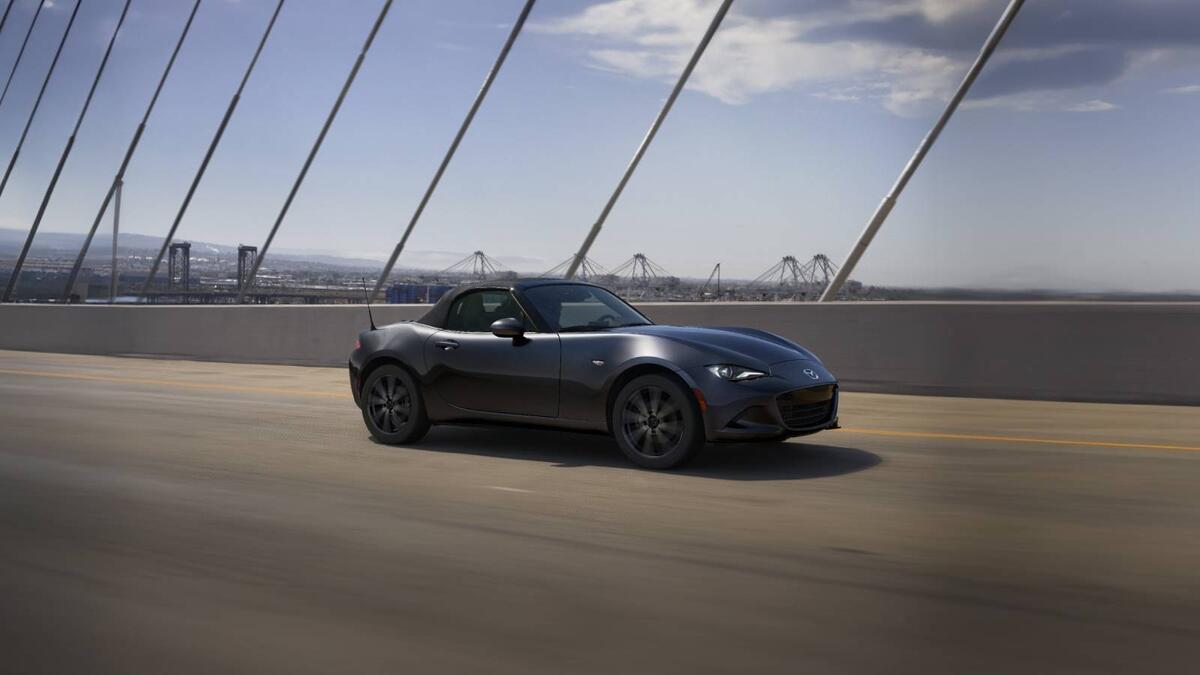
Mazda MX-5
"How would you know MX-5? That was the only option. They offered me an MX-5, but the price went from 250 euros, went up by 350 euros for an MX-5."
The Mazda MX-5 is a small, sporty two-seat roadster. It’s often chosen because it’s fun and relatively affordable, and here it’s being discussed as a car option that got too expensive.
The Mazda MX-5 is a lightweight, driver-focused roadster known for its simple, fun-to-drive formula and strong value in the small sports-car world. In this segment, it’s mentioned as an option the guest was offered, with a price jump that changed the decision.

BMW X1 Bmw
"Yeah, that's what did you have? An X1 BMW hybrid SUV, which was okay."
The BMW X1 is a small SUV/crossover. This one is described as a hybrid, meaning it uses both an electric system and a gasoline engine.
The BMW X1 is BMW’s compact crossover, and the “hybrid SUV” wording indicates a plug-in hybrid or hybrid variant. Here it’s the alternative the guest ended up with after the MX-5 option became too costly.
Mercedes-Benz
"Well, it was, I always felt that Bruno Sacco designed every Mercedes Benz and Hamlegay designed every Porsche."
Mercedes-Benz is the car brand being discussed. The speaker is saying one of its famous designers helped define how their cars looked.
Mercedes-Benz is referenced in connection with Bruno Sacco, a legendary Mercedes designer. The host is pointing out how Sacco’s influence shaped Mercedes models, implying a consistent design direction across the brand’s lineup.
Porsche
"Well, it was, I always felt that Bruno Sacco designed every Mercedes Benz and Hamlegay designed every Porsche. And you never got to meet the people, the underlings who did the real work."
Porsche is the car brand being discussed. The speaker is crediting a designer for shaping how Porsche cars were designed.
Porsche is referenced alongside a designer attribution (Hamlegay) to emphasize how a specific creative lead influenced the brand’s vehicle design. In this context, it’s part of a broader point about who actually does the work behind the scenes.

BMW
"Yes, up the A22, I think, over the Brenner Pass to BMW. [1058.9s] Not quite, but often. [1061.7s] And then up the hill a bit to Audi."
BMW is the car brand the speaker says they were driving toward on that route.
BMW is referenced here as a destination on the route over the Brenner Pass. The mention is about where the speaker was driving (German automaker offices/facilities), not about a specific model.
Brenner Pass
"Yes, up the A22, I think, over the Brenner Pass to BMW. [1058.9s] Not quite, but often. [1061.7s] And then up the hill a bit to Audi."
The Brenner Pass is a mountain route through the Alps. The speaker mentions it because it’s on the way to where they were driving.
The Brenner Pass is a major mountain pass in the Alps that connects northern Italy with Austria/Germany-bound routes. It’s relevant here because it’s part of the driving route the speaker used to reach automaker destinations.

Audi
"[1061.7s] And then up the hill a bit to Audi. [1065.6s] Best time I did it in was an M5. [1069.1s] And it was just under four hours, I think."
Audi is another car brand the speaker says they would drive to on that route.
Audi is mentioned as another destination on the same mountain-route drive. Like the BMW reference, this is about the automaker being visited rather than a specific Audi model.

BMW M5
"And then up the hill a bit to Audi. [1065.6s] Best time I did it in was an M5. [1069.1s] And it was just under four hours, I think."
The BMW M5 is a very fast BMW sedan made by BMW’s performance division. Here it’s mentioned because it was the quickest the speaker managed on that drive.
The BMW M5 is BMW’s high-performance “M” sedan, known for combining a powerful engine with confident high-speed stability. In this segment, it’s used as an example of the fastest time the speaker achieved on a specific drive route.
time you between points
"Oh, fast. [1073.7s] You can't do it anymore because they've got, [1077.5s] they time you between points and we'll find you that way."
This is about speed cameras that don’t just measure you at one spot. They time how long you take between two points, so you can’t cheat by slowing down only near a camera.
“Time you between points” refers to average-speed enforcement: authorities measure how long you take to travel between two locations and compare it to the legal limit. It discourages sustained speeding because you can’t just slow down at one camera.
Ferrari
"The one I always boast about on your behalf is the fact that you were banned from Ferrari three times. [1102.8s] No, not quite right. [1103.8s] Banned twice, thrown out of the factory on a third occasion because of things you'd written."
Ferrari is the car brand involved in the story—apparently the speaker got banned from their factory more than once.
Ferrari is referenced as the brand whose factory the speaker was reportedly banned from multiple times. The story highlights how tightly controlled Ferrari’s internal communications and press access were in the era being discussed.
Maserati
"And some famous stories at the time, lots of highlights. [1095.5s] The one I always boast about on your behalf is the fact that you were banned from Ferrari three times. ... [1126.1s] And there was a story I'd written about Maserati, which was then part of Ferrari."
Maserati is another car brand mentioned because the speaker wrote about it, and Ferrari’s organization at the time was connected to Maserati.
Maserati is mentioned as the subject of a story the speaker wrote. The key detail is that Maserati was “part of Ferrari” at the time, explaining why Ferrari’s office would care about Maserati-related reporting.

Ferrari F50
"No, no, subsequent to that. The F-50 or, yes, F-50, I think. Or could it have been what came after the F-50?"
The Ferrari F50 is a very rare, very fast supercar made by Ferrari. It was built as a special performance model and is known for being part of Ferrari’s most exciting lineup. The episode mentions it while the speaker is trying to remember which model came next.
The Ferrari F50 is a high-performance supercar from the early 1990s, created to celebrate Ferrari’s racing heritage and engineering. In the podcast, it’s mentioned in the context of which Ferrari model came after another, showing how closely enthusiasts track the lineup. It’s discussed because it’s rare, iconic, and strongly associated with the brand’s performance era.

Ferrari Enzo
"[1235.4s] Or could it have been what came after the F-50? [1238.3s] The Enzo. [1239.0s] Was the Enzo."
The Ferrari Enzo is a famous, very high-end Ferrari supercar from the early 2000s. It’s known for its mid-mounted V12 engine and its race-car style design.
The Ferrari Enzo (often called the Enzo Ferrari) is the brand’s iconic early-2000s supercar, built around a mid-engine V12 and a race-inspired approach to aerodynamics and performance. It became a benchmark for how “serious” a road-going Ferrari could feel, and it’s one of the most recognizable modern Ferraris.

Skoda Felicia
"...ice letter from, I'm saying, or particularly from Felicia, was it? No, it was from Genie."
The Skoda Felicia is an older Skoda compact car. In the episode, it’s mentioned as a name in the story, not as a detailed driving comparison. It’s basically a model people recognize from the past.
The Skoda Felicia is a compact car produced by Skoda, positioned as a practical, budget-friendly option in its time. In the podcast, it’s mentioned as part of a name or reference (“from Felicia”), indicating it came up in conversation rather than as a detailed review. It’s discussed because it’s a recognizable Skoda model from earlier years.

Lamborghini Diablo
"So, some months later, we organized the Diablo to drive... except the car didn't have ABS. So, I put the brakes on, the front wheels locked."
The Lamborghini Diablo is a famous, older supercar from Lamborghini. Here it matters because it didn’t have ABS, so when the driver braked hard, the wheels could lock up instead of staying controllable.
The Lamborghini Diablo is a 1990s supercar known for its dramatic styling and high-performance V12 character. In this story, it’s notable because the speaker says the car didn’t have ABS, which directly affects how braking behaves in an emergency.
ABS
"And I promised I wasn't over-driving it, except the car didn't have ABS. So, I put the brakes on, the front wheels locked."
ABS is a braking system that helps keep your wheels from locking up when you brake hard. Without it, the tires can skid, and the car becomes harder to steer.
ABS (anti-lock braking system) is a safety technology that prevents the wheels from locking during hard braking. When ABS is absent, braking can cause wheel lock-up, which reduces steering control and increases stopping distance on many surfaces.
lift-off oversteer
"So, I put the brakes on, the front wheels locked. My brain knew to lift, but my foot wouldn't lift."
Lift-off oversteer is when easing off the gas suddenly makes the car feel like it’s rotating or sliding the wrong way. The speaker brings up “lift” because the right pedal inputs matter for keeping the car stable.
Lift-off oversteer is when the car’s balance becomes unstable after you suddenly lift off the throttle, causing the rear to step out. In this transcript, the speaker mentions their brain knowing to lift while braking went wrong, which is related to how driver inputs can change stability.
front wheels locked
"except the car didn't have ABS. So, I put the brakes on, the front wheels locked. My brain knew to lift, but my foot wouldn't lift."
When the front wheels lock, the tires stop rolling and start sliding. That usually makes the car harder to control and can make braking less effective.
Wheel lock-up happens when braking force exceeds tire grip, causing the tire to stop rotating. Locked wheels typically mean reduced traction for steering and often longer stopping distances, especially on dry pavement compared with ABS-controlled braking.
Prova plate
"Two, the Prova plate, which is a test plate, [1449.8s] should only ever be driven by someone employed"
A “Prova plate” is a special temporary plate meant for testing. It usually comes with rules about who can drive and where the car is allowed to be driven.
A “Prova plate” is a special test registration plate used for limited-area driving during testing. The transcript emphasizes that it’s only legal for certain authorized drivers and within a defined region, making it a key legal detail in the story.
carabinieri
"One, the Lamborghini driver discovered he'd been to primary school with one of the carabinieri. [1446.1s] Two, the Prova plate, which is a test plate,"
The carabinieri are Italian police. In this story, they’re the ones giving suggestions about what happened.
The carabinieri are Italy’s national gendarmerie—an armed law-enforcement force that handles policing and public safety. The transcript uses them as the authority investigating the incident.
insurance ran out
"And four, the insurance on the little Fiat ran out a week ago. [1468.5s] So the carabinieri have suggested,"
It means the car’s insurance had expired before the crash. That can make the situation legally and financially more complicated.
“Insurance ran out” refers to the policy expiring before the accident, which can create legal exposure and complicate claims. In car incidents, lapsed coverage is often treated as a serious issue because it affects who is financially responsible.
Speedo over 300 kilometers an hour
"The response from wheels, who wanted the cover [1499.5s] to be a shot of the Speedo over 300 kilometers an hour, [1502.8s] failed with that."
A speedo is the speedometer. They wanted the cover to show the speedometer reading above 300 km/h to highlight how fast the car is.
A “speedo” is the speedometer, and “over 300 kilometers an hour” refers to the gauge reading. The editors wanted the cover to visually emphasize extreme speed, which is a common magazine tactic for performance cars.
front wheel drive
"the one where you were a leading critic of the escort, the first front wheel drive escort, was that it?"
Front-wheel drive means the front wheels do the work of both steering and moving the car forward. In this story, that layout is part of why the Escort was controversial at the time.
Front-wheel drive (FWD) means the engine’s power is sent to the front wheels, which handle both steering and propulsion. The hosts are calling out the Escort’s move to FWD as a major change worth criticizing and comparing.

Fiat Tipo
"And so we arrived, I came over with a Fiat Tipo, AutoCar had driven down in a Golf and an Astra, both of which were about to be replaced."
Fiat’s Tipo is a compact car model. They mention it because it was part of the group of cars they drove to compare against the Escort.
The Fiat Tipo is a compact car line from Fiat. In this story, it’s mentioned as one of the cars the magazine used for a comparison drive, which helps listeners understand the context of the Escort evaluation.

Opel Astra
"...at Tipo, AutoCar had driven down in a Golf and an Astra, both of which were about to be replaced."
The Opel Astra is a compact car meant for everyday driving. The episode mentions it alongside a Golf during a time when both were nearing replacement, which suggests they were being compared as current models. It comes up because it’s a common choice in this car class.
The Opel Astra is a compact car that’s been sold across multiple generations, often competing in the mainstream family-car market. The podcast mentions AutoCar driving down in a Golf and an Astra that were about to be replaced, which points to a comparison at the end of a generation. It’s discussed because these cars are commonly evaluated for everyday usability and how they compare against each other.
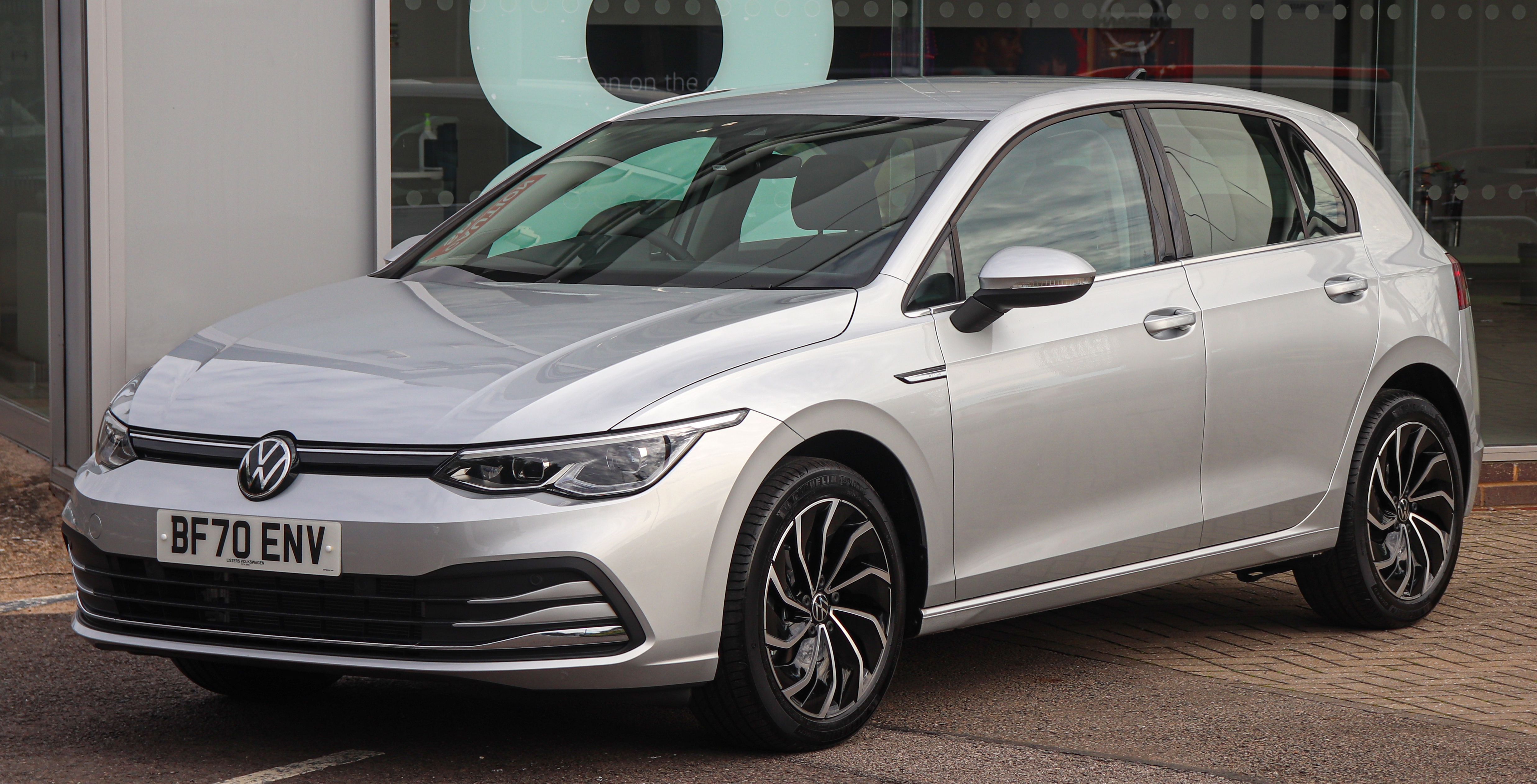
Volkswagen Golf
"AutoCar had driven down in a Golf and an Astra, both of which were about to be replaced."
The Volkswagen Golf is a very common European compact car. In this segment, it’s mentioned because it was one of the cars they used for the comparison drive.
The Volkswagen Golf is a mainstream compact hatchback that has been a benchmark car in Europe for decades. Here it’s referenced as one of the cars AutoCar drove down in for a comparison trip.
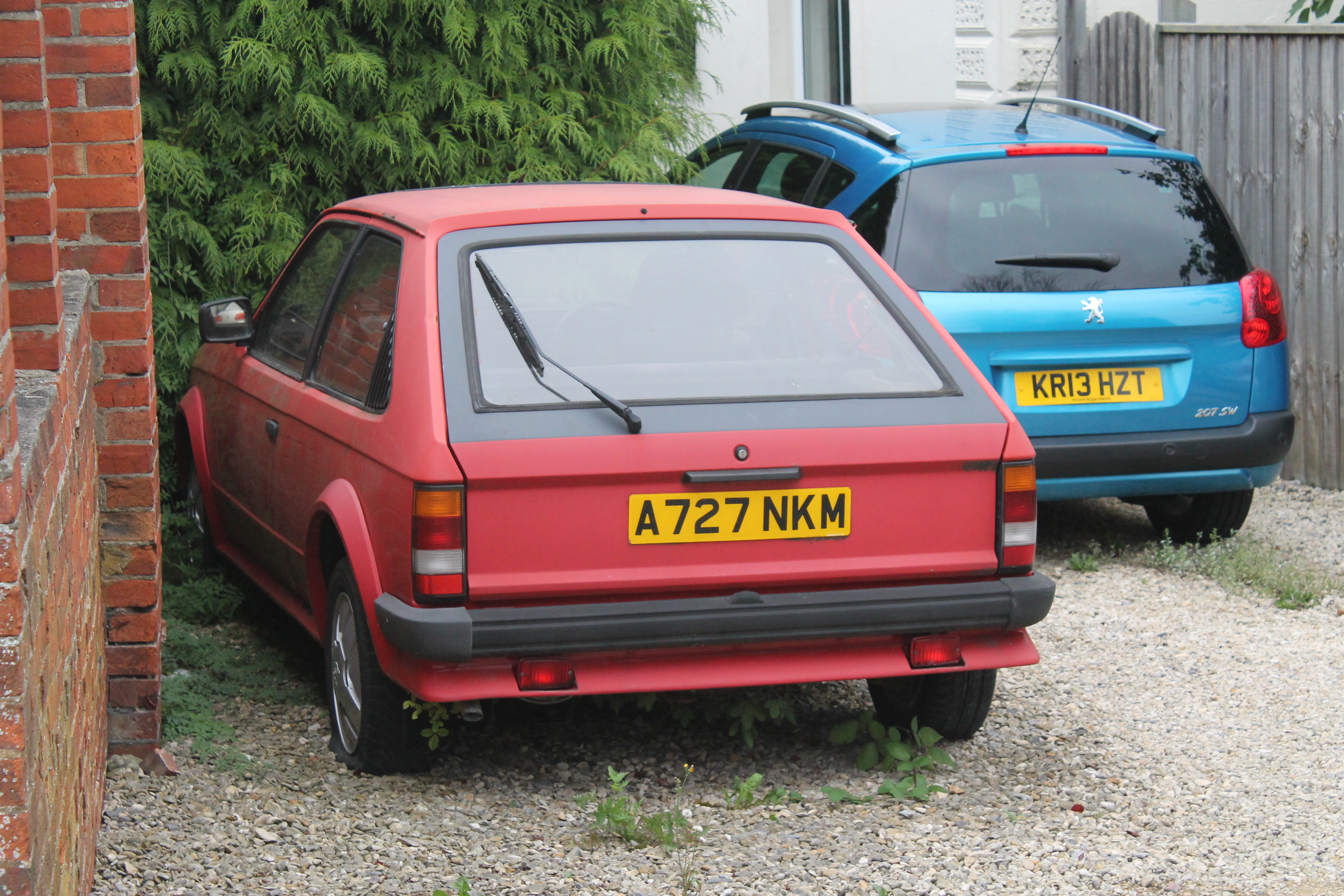
Vauxhall Astra
"AutoCar had driven down in a Golf and an Astra, both of which were about to be replaced."
The Vauxhall Astra is a compact car sold in the UK. They bring it up because it was part of the set of cars they drove to compare with the Escort.
The Vauxhall Astra is a British-market compact hatchback/saloon line related to the Opel Astra family. The hosts mention it as another car AutoCar brought along for a comparison drive against the Escort.
static launch
"And I also got stuck into that, both at a static launch and a driving one."
A static launch is when a new car is presented to press or customers while it’s not being driven—typically on display so people can inspect design, packaging, and interior/exterior details. The guest contrasts this with a driving event, implying he evaluated the car both visually and dynamically.

BMW E36
"Didn't go to the E36 launch, was that 1990? Probably."
BMW E36 is a specific generation of the BMW 3 Series from the early ’90s. Here it’s mentioned because the guest was involved with BMW’s launch events and press access.
The BMW E36 is the 3 Series generation that debuted in the early 1990s and became a huge enthusiast favorite. In this segment, the guest mentions an E36 launch, tying it to BMW’s media/press events and how the car was received at the time.
foreign press man
"The same fellow who did this, subsequently retired from BMW, went to Porsche as the foreign press man."
This phrase means a person who works with car journalists from other countries. Here it’s relevant because it explains how the guest ended up getting Porsche loan cars to review.
“Foreign press man” describes a role in which someone represents a brand’s interests with international automotive journalists. In this context, it explains why Porsche could provide the guest with long-term press cars like a Boxster and a 911.

Porsche Boxster
"went to Porsche as the foreign press man. And gave me a Boxster for a year."
The Porsche Boxster is a sporty two-seat roadster with the engine mounted near the middle of the car. In this story, Porsche loaned him one for a year so he could live with it and review it.
The Porsche Boxster is a mid-engine roadster known for its balanced handling and the way it delivers a “real sports car” feel without being as expensive as a 911. Here, the guest says Porsche provided him a Boxster for a year, which is a classic example of how press cars are used to evaluate and form opinions.

Porsche 911 (996)
"And then gave me a 911 for 20 months. Oh, that was a 996, wasn't it? 996 3.2."
The Porsche 911 (996) is a particular generation of the 911 from the late 1990s/early 2000s. The guest says he was given one (a 996 3.2) and really liked how it drove.
The Porsche 911 (996) refers to the 996-generation 911, which was the 911’s turn-of-the-century era and is often discussed because it differed from earlier 911s in design and engineering details. The guest specifically mentions a “996 3.2” and says he loved it, making this a substantive car reference rather than a casual name-drop.
historic registration
"It's now to be an historic registration. But you can't register left-hand drive cars in Australia, unless they're historic."
Historic registration is a special way to register an older car. It can let you legally register cars that otherwise wouldn’t be allowed under normal rules.
“Historic registration” refers to a special vehicle registration category that’s typically reserved for older cars. It can allow vehicles that don’t meet current rules (like left-hand-drive import requirements) to be legally registered and driven under historic or heritage exemptions.
left-hand drive cars
"But you can't register left-hand drive cars in Australia, unless they're historic."
Left-hand drive means the driver is on the left side of the car. Some countries restrict registering those cars unless they meet special criteria.
Left-hand drive (LHD) describes cars where the driver sits on the left side. In countries like Australia, LHD cars are often subject to stricter import/registration rules unless they qualify for exemptions such as historic registration.
25 years old
"So, if they're historic, you can't? 25 years old. Oh, okay."
The “25 years old” line is pointing to an age threshold used for historic/heritage vehicle eligibility. Many jurisdictions use an age cutoff to decide when a car can qualify for historic registration exemptions.

Ford Fiesta
"...product development. Once was in England, drove a Fiesta 2, Heathrow to catch the plane to Australia,"
The Ford Fiesta is a small everyday car. The speaker mentions driving a Fiesta 2 to get to the airport, which shows it was used for normal travel. It’s brought up because it’s a practical car people rely on.
The Ford Fiesta is a small car known for being practical, efficient, and widely used in many markets. The podcast references driving a Fiesta 2 from Heathrow to catch a plane to Australia, which highlights its role as a dependable everyday transport. It’s discussed because the Fiesta is often associated with real-world usability rather than just performance.

Ford Territory
"...f the plane, and there was an Australian SUV, the Ford Territory there, same steering."
The Ford Territory is an SUV. In the episode, the speaker says it had the same steering feel as another car they were thinking about, meaning the controls felt similar. It’s mentioned because steering feel is an important part of driving.
The Ford Territory is an SUV sold in different markets, and the podcast specifically refers to an Australian SUV in China with “same steering.” That comment suggests the speaker noticed similarities in driving feel or controls between versions. It’s discussed because steering and control layout are key parts of how an SUV feels to drive.
torsion beam suspension
"Well, they were going to have a torsion beam suspension on the golf [1963.1s] which would be golf five [1965.8s] Yeah, I think, what was it, four?"
A torsion beam suspension is a simpler rear suspension design. It’s often used because it’s cost-effective, but it usually doesn’t control the wheels as precisely as more complex designs.
A torsion beam suspension is a rear suspension design that uses a single beam to locate the wheels. It’s cheaper and lighter than multi-link setups, but it can be less precise at keeping the tires aligned during cornering and bumps.
multi-link
"[1972.0s] Yeah, and they threw that out and went to a multi-link. [1975.1s] But interestingly, Pieck also decided"
A multi-link suspension uses multiple arms to guide how the wheels move. That usually helps the tires stay in better contact with the road, especially when you hit bumps or take corners.
A multi-link suspension uses several control arms to manage wheel motion more precisely. Compared with a torsion beam, it typically improves tire contact and steering feel by better controlling camber and toe changes as the suspension moves.

Rolls-Royce Rollsroyce Silver
"but the story I liked most about him was told by Richard Charlesworth, when they launched the Rolls-Royce Silver Serif at Geneva, and they're all standing around, and Pieck is in the crowd, and so's Charlesworth,"
The Rolls-Royce Silver Shadow is a very luxurious car made by Rolls-Royce. It’s known for being comfortable and smooth to ride in. In the episode, it’s mentioned because of a story about its launch.
The Rolls-Royce Silver Shadow is a luxury saloon from the 1960s and 1970s, known for its smooth ride and refined comfort. The podcast references a story connected to its launch, which underlines how important the car’s history and presentation were. It’s discussed because it represents a classic era of Rolls-Royce engineering and luxury.
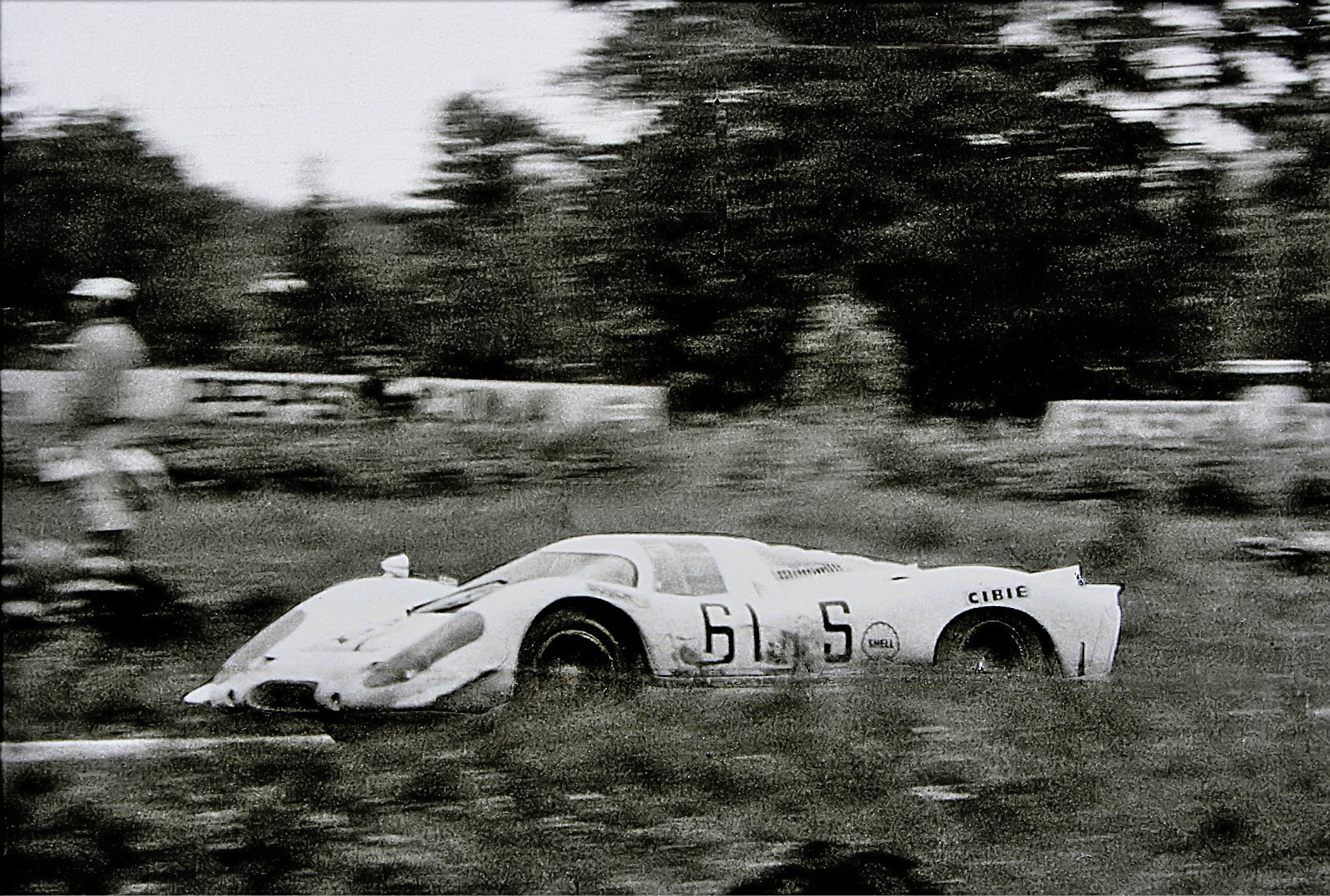
Porsche 917
"what you needed to do was to know everything you could know about the 917, [2130.8s] which was his Pieck's car, and if you did that, and engaged him in a conversation"
The Porsche 917 is a famous race car from Porsche. It’s known for being one of the most important and successful endurance racers ever, and the speaker treats it as a benchmark car.
The Porsche 917 is a legendary endurance-racing prototype from Porsche, famous for dominating long-distance racing in the late 1960s and early 1970s. In this segment, it’s referenced as the guest’s “most important” car, signaling its historical and engineering significance.
four-wheel drive
"Well, a few of us got taken on this on this snowy test track. [2156.8s] It was a four-wheel drive car with a lot of grant, remember?"
Four-wheel drive sends power to all four wheels. That helps the car grip better on slippery roads like snow.
Four-wheel drive (4WD) means power is sent to both the front and rear axles, improving traction—especially on low-grip surfaces like snow. Here it’s used to describe the test car Piech’s group drove on a snowy track.
internal temperature
"But he set parameters, and the car had to be able to maintain 21 degrees internal temperature"
Internal temperature means how warm the inside of the car stays. The speaker is saying the car had to hold a specific temperature level, likely for comfort and performance in cold conditions.
“Internal temperature” here refers to the cabin or enclosed environment inside the vehicle that engineers wanted to keep stable. The speaker says the car had to maintain a specific temperature target (21 degrees), which points to climate-control and thermal-management requirements.
Volkswagen Group
"No, well, I was on the px slash Volkswagen group front. How do you view Volkswagen Group now? They've lost something with Pierre going."
Volkswagen Group is the big company that owns multiple car brands. The hosts are talking about how it’s doing now and what big problems changed its reputation and money.
Volkswagen Group is the parent company behind brands like Volkswagen and Porsche. In this discussion, the hosts focus on how the group’s reputation and finances have been affected by major events and product decisions.
diesel gate
"They had the diesel gate, of course, which cost them a lot of money. And there was a lot of money subsequently that came out of the cars."
“Diesel gate” is the emissions-cheating scandal tied to Volkswagen’s diesel cars. It caused big fines and lawsuits and made people lose confidence in those diesel vehicles.
“Diesel gate” refers to the Volkswagen diesel emissions scandal, where software was used to cheat emissions testing. It led to major legal and financial consequences and damaged trust in diesel technology and Volkswagen’s compliance.
ICE
"Is it becoming an ICE car and not an electric car? Yeah, is it going to be both or is it just ICE only now?"
ICE means the traditional gas (or diesel) engine that burns fuel to make power. The speaker is comparing that to electric cars.
ICE stands for internal combustion engine—cars that make power by burning fuel like gasoline or diesel. In the segment, it’s contrasted with electric cars to discuss Porsche’s (and the industry’s) powertrain direction.

Volkswagen Id3
"...s they get a reputation, don't they? Remember the ID3? Everybody said, oh, software."
The Volkswagen ID.3 is an electric hatchback. The episode mentions that people talked about its software, meaning the car’s computer systems and features. It’s brought up because that affects how smooth the car feels to use.
The Volkswagen ID.3 is an electric compact hatchback from Volkswagen’s ID electric lineup. The podcast references the reputation people had for it, especially around software, which is a common topic for modern EVs. It’s discussed because early electric cars often get judged on how well their systems work in daily use.
EV take-up
"What's the state of EV take-up and so on in Australia?"
EV take-up is just how many electric cars people are choosing to buy. It can be measured by sales numbers or how common EVs are becoming.
EV take-up means how many people are actually buying and adopting electric vehicles. It’s often discussed as a percentage of new car sales or the share of EVs on the road in a given country.
wheelbase
"It's got a long three-metre-long wheelbase, so the packaging is great,"
Wheelbase is the length of the car between the front and rear wheels. A longer wheelbase usually means more room inside, especially in electric cars.
Wheelbase is the distance between the front and rear axles. In EVs, a longer wheelbase often helps packaging by creating more interior space, because the battery and motors can be arranged efficiently.
turning circle
"but the turning circle is just hideous. It's close to 14 metres, which is ridiculous."
Turning circle is how much space the car needs to turn around. If it’s big, it’s harder to park or do tight maneuvers.
Turning circle is the diameter (or tightness) of the area a vehicle needs to make a full turn. A large turning circle makes parking and U-turns harder, even if the car is otherwise well packaged.
GWM
"But in the top four brands in Australia last month, four were Chinese. So GWM, NG, VYD, and one other."
GWM is a car brand from China. The hosts mention it because Chinese brands are doing very well in Australia right now.
GWM is a Chinese automotive brand (Great Wall Motor) that sells vehicles in multiple markets, including Australia. In this segment, it’s used to illustrate how Chinese brands are ranking highly in Australian sales.
NG
"So GWM, NG, VYD, and one other."
“NG” is mentioned as one of the Chinese car brands doing well in Australia. The speaker doesn’t spell out the full name here.
NG is referenced as one of the Chinese brands ranking in Australia’s top sellers. The transcript doesn’t expand the name, so listeners may need clarification on which full brand name “NG” stands for in this context.
VYD
"So GWM, NG, VYD, and one other."
“VYD” is one of the Chinese car brands the hosts say are selling strongly in Australia. The full name isn’t given in this snippet.
VYD is mentioned as another Chinese brand in Australia’s top four. As with “NG,” the transcript doesn’t provide the full brand name, so the exact identity may require confirmation from the episode’s broader context.
data-driven design
"And you know, it's this data driven design. Do you think about the future?"
It means designers use lots of real measurements and customer/engineering data to make choices. Instead of guessing, they let the numbers steer the design.
Data-driven design means using large amounts of engineering, customer, and testing data to guide design decisions instead of relying mostly on intuition. In cars, it often shows up in how manufacturers tune packaging, aerodynamics, and even software features based on measured outcomes.
Renault
"I mean, given that even in this era, we still have the likes of Renault, Lawrence Vandenekker, still wanting to build beautiful cars that have a persona."
Renault is a well-known car company from Europe. The point here is that they’re still trying to make cars that feel different, not just cheaper.
Renault is a major European car brand known for mass-market models and for competing in multiple segments globally. In this discussion, it’s used as an example of a legacy automaker still trying to make cars with a distinct “persona.”
EV
"What about EVs? I mean, I come from Broken Hill, which is 700 miles from nowhere."
An EV is an electric car that runs on a battery. Instead of stopping for gas, you stop to charge—so where chargers are matters.
EV stands for electric vehicle, meaning the car is powered primarily by an electric motor and recharged from a battery. The big practical difference versus gas cars is that trip planning depends on charging availability and charging speed.
EV charging points
"There aren't as many EV charging points in Australia as there are in London or in England. But they're increasing all the time."
These are the places you plug an electric car in to recharge it. If there aren’t many of them nearby, longer trips become harder.
EV charging points are the public (or semi-public) locations where electric vehicles can recharge. Their availability and reliability strongly affect real-world usability—especially for long trips and rural areas where charging infrastructure is sparse.

Ferrari 348
"He had a 348 which was a present to himself for organizing the World Cup in Italy in 1990. So he gave himself that car and hated the stiff gear change."
The Ferrari 348 is an older Ferrari with a V8 and a manual gearbox. The speaker is saying the shifting felt stiff or notchy, which is part of what makes the car memorable to drive.
The Ferrari 348 is a late-1980s/early-1990s V8 Ferrari known for its gated manual gearbox feel and classic front-engine layout. In the segment, the host mentions disliking the car’s stiff gear change, which is a common talking point for how the 348’s manual transmission shifts compared with later Ferraris.
gearboxes
"Do you remember how Ferrari gearboxes, the oil needed to warm up before it... Oh, yes, of course."
Here, “gearboxes” means the car’s manual transmission. The point is that the fluid inside can be too thick when cold, so the car may shift worse until it warms up.
In this context, “gearboxes” refers to Ferrari’s manual transmission behavior and how it can require the right operating conditions before shifting smoothly. The speaker is specifically pointing to the idea that the gearbox oil needs time to warm up so the transmission works as intended.

Ferrari F355
"So yes, he then came the 456 and the F355, which was a terrific car. Yes, I feel very honored that every time I seem to go there,"
The Ferrari F355 is a mid-engine V8 supercar from the 1990s. The speaker is praising it, and it’s being mentioned as one of the standout Ferraris in that person’s collection.
The Ferrari F355 is a 1990s-era V8 Ferrari (the “F” series) that’s especially known for its high-revving naturally aspirated engine and classic mid-engine supercar feel. The host calls it “a terrific car,” and it’s mentioned right alongside the 456 as part of the guest’s Ferrari ownership history.

Ferrari 456
"Oh, yes, of course. ...can second year often go from first to third because it was just easier. So yes, he then came the 456 and the F355, which was a terrific car."
The Ferrari 456 is an older Ferrari with a V12, designed more for cruising than for track-style driving. In the conversation, it’s mentioned as another Ferrari the person moved on to after the 348.
The Ferrari 456 is a front-engine V12 grand tourer built for long-distance comfort with a more relaxed driving character than many of Ferrari’s sportier models. The segment groups it with other Ferraris the person owned, framing it as part of a progression of cars after the 348.
Stellantis
"Marchione being the great sort of Canadian, Italian boss of... Well, did he build Stellantis or was that too soon? Too soon, I think."
Stellantis is a big car company created from a merger of two major automakers. The conversation is using it as a reference point for who was involved in major leadership decisions.
Stellantis is the large automaker formed from a merger of Fiat Chrysler Automobiles and PSA Group. In the segment, the speaker references whether a person helped “build Stellantis,” tying the discussion to the leadership behind major corporate changes in the auto industry.

F-150 Raptor
"It is remarkably good. I mean, if you drive a Raptor against other rangers, it's just better. More els..."
The Ford F-150 is a large pickup truck. The speaker says it drives very well, even when compared with another high-performance pickup. It comes up because it’s a popular truck and its driving quality matters.
The Ford F-150 is a full-size pickup truck known for being widely used and offered in many configurations. The podcast compares it favorably when driven against a Raptor, describing it as “remarkably good” and better in certain ways. It’s discussed because the F-150 is a benchmark for how a mainstream pickup can feel and perform.
Citroen
"Yeah, Citroen's withdrawn."
Citroën is a car brand. They’re saying Citroën stopped selling there, so you may not find new cars (or the same support) in that market.
Citroën is a French car brand within the Stellantis group. The hosts mention it being withdrawn from Australia, which is a market-level decision that can affect availability of models and service support.
Stalantus
"We think Peugeot might be next, because that was all part of the Stalantus thing."
“Stalantus” sounds like Stellantis, a big company that owns multiple car brands. The discussion is about how that company’s decisions can affect which brands are sold in a country.
“Stalantus” is a misspoken reference to Stellantis, the large automaker formed from the merger of Fiat Chrysler Automobiles (FCA) and PSA Group. The hosts connect Stellantis to brand changes in Australia, like Citroën withdrawing and Peugeot potentially next.
GM
"When you drive a Stalantus Vauxhall, can you feel that it's not a GM Vauxhall, or is it just nebulous?"
GM means General Motors. They’re using it to compare older Vauxhalls (from the GM era) with newer ones after ownership changed.
GM refers to General Motors, the former owner of Vauxhall. The hosts use it to contrast older Vauxhall engineering and identity with the newer Stellantis era.

Junior Alfa Junior
"No, I drove an Alfa Junior last year. And although it looks like an Alfa, it does not drive like an Alfa."
The Alfa Junior is a newer Alfa Romeo model. They’re saying it looks like an Alfa, but the way it drives feels less like what you’d expect from Alfa Romeo.
The Alfa Junior is an Alfa Romeo compact crossover/“small SUV”-type model aimed at younger buyers. The host’s point is that, despite looking like an Alfa Romeo, its driving feel doesn’t match the brand’s traditional character.

Alfa Romeo Giulia
"The bigger Alphas are good. The Giulia. It's a fabulous car."
The Alfa Romeo Giulia is a sporty Alfa Romeo sedan. They’re saying it’s one of the good ones—really enjoyable to drive.
The Alfa Romeo Giulia is a performance-focused sedan known for its driving dynamics and steering feel. In this segment, the host contrasts the “bigger Alphas” with the Alfa Junior, calling the Giulia a standout and “fabulous.”

Alfa Romeo Stelvio
"It's a fabulous car. Stelvio, pretty good. Yeah."
The Alfa Romeo Stelvio is a compact SUV made by Alfa Romeo. It’s designed to be more fun to drive than many typical SUVs. The speaker mentions it positively because they enjoyed how it drives.
The Alfa Romeo Stelvio is a compact luxury SUV known for its sporty driving character. The podcast calls it “fabulous,” which points to how it can feel engaging compared with more comfort-focused SUVs. It’s discussed because it blends everyday SUV practicality with a more performance-oriented setup.
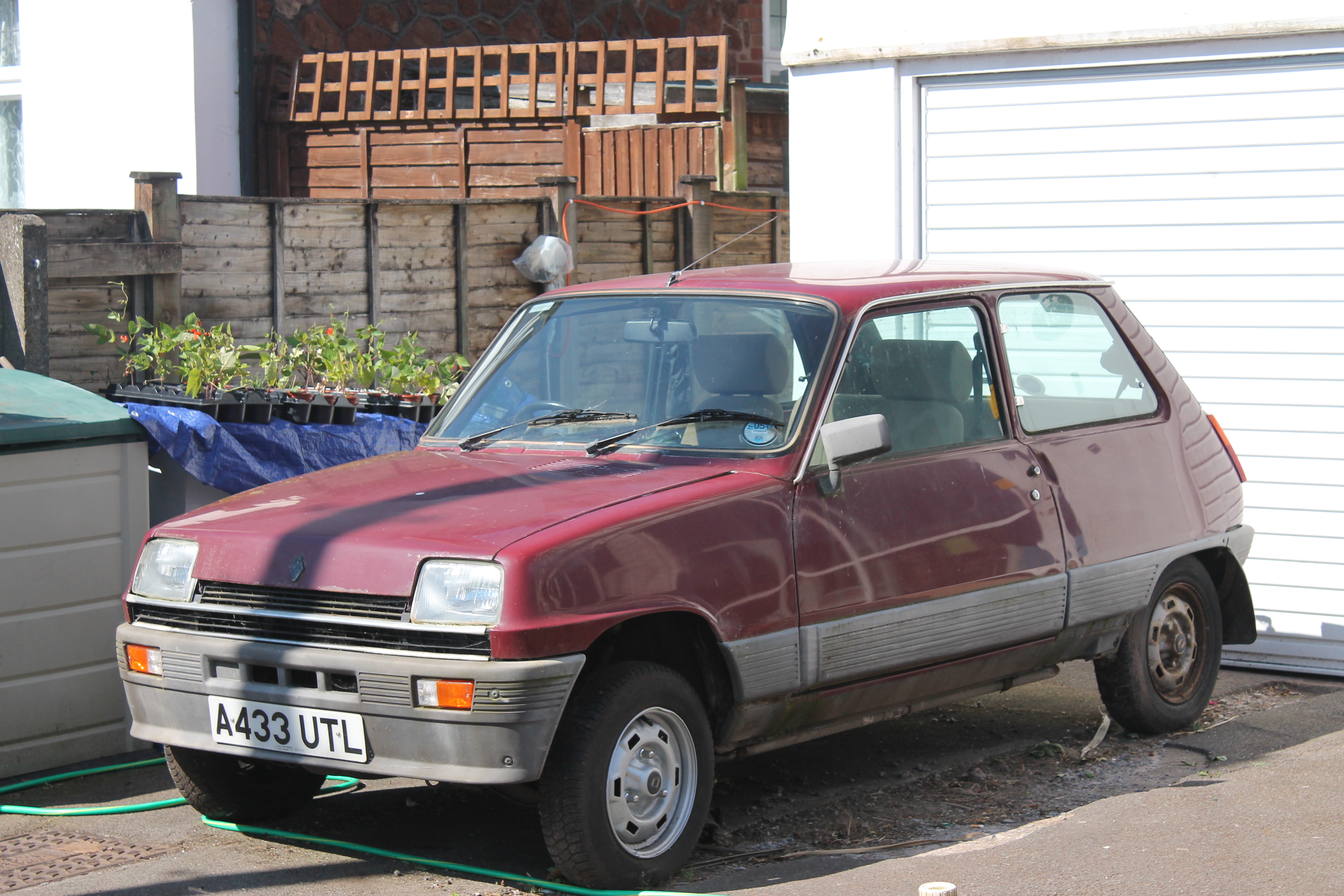
Renault 5
"Peter was astonished when his Renault 5 got taken to where he was. Which was Heathrow when I arrived."
The Renault 5 is a classic small hatchback from Renault. People like it because it’s light and has a lot of personality, and it’s been popular with car fans for years.
The Renault 5 is a small, classic European hatchback known for being simple, lightweight, and fun to drive. In enthusiast circles, it’s often remembered for its character and for being a popular base for motorsport and modifications.
tail out
"But every cornering shot we ever did in Australia was a tail out on the gravel. Do you remember that?"
“Tail out” means the back of the car slides outward while you’re turning. It’s a sign the car is rotating more than the front, which changes how you steer through the corner.
“Tail out” describes oversteer where the rear of the car swings outward relative to the front. It’s commonly seen in controlled drifting-style cornering and changes the car’s grip balance and line through the turn.
sideways
"The conceit was to try and get the car so sideways that the photographer was looking... You could see more of the wrong side than the other."
Here, “sideways” means the car is turned at an angle while moving, like it’s sliding through the corner. It makes for a more dramatic look in photos.
In this context, “sideways” means the car is rotated significantly relative to its direction of travel, typically due to oversteer and reduced traction. That attitude is used for dramatic photography because it exposes more of the car’s side profile.

Lada 110
"...ar in Australia because the speed limits are just 110s maximum. There are police and cameras and so on e..."
The Lada 110 is a compact sedan made by Lada. The episode talks about it in Australia and connects it to local speed limits, suggesting it was appropriate for normal driving. It’s mentioned because it matched the way people actually drive there.
The Lada 110 is a compact sedan produced by Lada, commonly associated with practical, no-frills motoring. The podcast mentions it in Australia in the context of speed limits being “110s maximum,” implying it fit the local driving conditions. It’s discussed because it’s an example of a car that can be suited to everyday speed limits rather than high-speed performance.

Ferrari F12
"The car I would most like to have is an F12 Ferrari, despite all of that."
The Ferrari F12 is a supercar from Ferrari with a big V12 engine. The host is saying that even though it’s hard to use that kind of speed on public roads, it’s still the car they’d want most.
The Ferrari F12 is a grand touring (GT) Ferrari known for its high-performance V12 engine and long-distance comfort. In this segment, it’s mentioned as the car the speaker most wants to own, even with Australia’s speed limits and enforcement.

Ferrari F12 Ferrari
"...erywhere. The car I would most like to have is an F12 Ferrari, despite all of that."
The Ferrari F12 Berlinetta is a high-performance supercar made by Ferrari. It’s designed to be fast but also comfortable for longer drives. The episode mentions it because the speaker really wants one.
The Ferrari F12 Berlinetta is a grand touring supercar from the early 2010s, built for high-speed comfort and strong performance. The podcast says it’s the car the speaker would most like to have, which reflects its appeal as a “dream” Ferrari. It’s discussed because it’s a modern classic with a distinctive Ferrari driving experience and design.

Skoda Octavia
"is still a very good car. The Skater Octavia I had, which was the Golf extended wheelbase by 5..."
The Skoda Octavia is a family car that’s meant to be practical. The episode talks about it in terms of space and usability, comparing it to a larger-feeling Golf. The speaker is basically saying it’s still a good car.
The Skoda Octavia is a practical family car that’s known for offering a lot of space for the money. The podcast mentions the speaker’s “Skater Octavia” and compares it to a Golf extended wheelbase, emphasizing how the Octavia can feel roomy and usable. It’s discussed because it’s often seen as a sensible, well-rounded alternative in the compact-to-family segment.
boot
"Huge boot, bigger than an S-Class. [4330.7s] It was a good car."
“Boot” is what Brits call the trunk. It’s the space in the back where you put luggage and other stuff.
In British usage, “boot” means the trunk—the storage area at the back of the car. When someone says it’s “huge,” they’re emphasizing cargo space and practicality.

Mercedes-Benz Sclass
"Wonderful packaging in that car. Huge boot, bigger than an S-Class. It was a good car."
The Mercedes-Benz S-Class is a top-level luxury car from Mercedes-Benz. It’s made to be very comfortable and roomy, including a large trunk for luggage. The speaker brings it up because it’s practical for a luxury car.
The Mercedes-Benz S-Class is the flagship luxury sedan from Mercedes-Benz, built to maximize comfort, refinement, and space. The podcast highlights its “wonderful packaging” and a very large boot, emphasizing practicality alongside luxury. It’s often discussed because it’s designed to feel effortless for long-distance driving.
dual clutch
"Although it did have dual clutch. [4334.4s] Try dual clutch transmission."
Dual-clutch means the car has two clutches inside the gearbox. That helps it change gears quickly, so you feel less delay when you accelerate.
A dual-clutch transmission uses two separate clutches—one for odd gears and one for even gears—so it can shift quickly with minimal interruption of power. In practice, it often feels faster and smoother than a traditional automatic because the next gear is pre-selected.

Citroen 2CV
"I had courtesy of my friend here, a new Citroen 2CV. [4385.6s] Wheels had produced the program"
The Citroen 2CV is a classic, quirky French car. People love it because it was designed to be simple and handle rough roads without being complicated.
The Citroen 2CV is a famously quirky French small car built around simplicity and comfort over rough roads. It’s known for its light weight and basic, durable engineering—so it became an icon for everyday motoring rather than performance.

Citroën 2CV
"Love the 2CV. Yeah, I got the disease from you, actually. No, you had it first and you gave it to me."
The Citroën 2CV is a classic French “everyday” car that’s known for being simple and surprisingly fun. The hosts are basically saying they fell in love with it after driving it.
The Citroën 2CV is a famously simple, lightweight French car known for its quirky, comfort-first design and ability to handle rough roads. In this segment, it’s the car the hosts swap and keep in the family, highlighting how the 2CV’s easygoing character can be addictive to drive.

Jaguar Xjs
"...o me. Because I was driving a manual six cylinder XJS in London and I hated the gear change in the clut..."
The Jaguar XJ-S is a Jaguar grand touring car, usually a coupe meant for comfortable driving. The episode talks about a manual version and how the gear shifting felt unpleasant. That’s why it comes up—driving feel matters a lot with older cars.
The Jaguar XJ-S (often written XJS) is a grand touring coupe produced by Jaguar, aimed at comfortable long-distance driving with a sporty feel. The podcast mentions driving a manual six-cylinder version in London and disliking the gear change, which shows how the transmission experience can strongly affect day-to-day enjoyment. It’s discussed because it’s a classic Jaguar model with a distinct driving character.
Request an Explanation
Heard something you'd like explained? We'll add it to this episode.
Sign in to request explanations for terms you heard.
Want to learn more?
Browse our glossary for plain-English explanations of automotive terms, jargon, and concepts.
Help improve this episode
See something that's not quite right? Our annotations are AI-generated and can sometimes miss the mark. Click the flag icon on any annotation to suggest a correction.