00:08
My name is Ron Spallett.
00:09
I'm here with Camille and I have the guys from Expel with me today.
00:13
I have James and I have Steve and Chris is here as well.
00:17
So thank you for joining us.
00:19
This should be an interesting show.
00:21
We are going to talk about some car news and Camille has done some race car things
00:26
and tested an electric pickup to see whether electric pickups are what the automakers hope
00:33
they are or whether that's a false hope.
00:41
And then we're going to talk about some PPF and Tinson whatnot.
00:46
So first things first, let's just get it out of the way.
00:49
The Lexus LS is dead after 30 some odd years.
00:54
So another sedan has bit the dust.
01:01
Anybody owned or driven an LS in recent years?
01:05
I've driven the first of this current generation that just put to bed and it was powered with
01:12
the V6 engine that I think it was the turbo V6 engine.
01:15
But it didn't make me jump out and say, I need this or this is revolutionary or this
01:22
It was sort of like a genesis.
01:26
It was just another sort of generic luxury car, which is a damn shame because they came out
01:31
of when they introduced it, it was really a game changer.
01:35
And now it was needed.
01:36
Neither the technology nor the price was there.
01:38
Maybe the quality was there, but the competition has stepped up and I think people stopped
01:43
caring really if the car can go 500,000 miles.
01:49
So I think it kind of, you know, Lexus got what they needed out of it.
01:56
They got their money's worth out of every single one of them.
01:58
It built the brand.
01:59
The Lexus brand would not exist as what we know today without the LS.
02:04
And it's a shame that it's dead, but it is what it is.
02:09
Cars come and go and we move on.
02:13
You know, they got really expensive, which is kind of the bane of everybody's existence
02:18
in the auto world these days, but it happens.
02:23
And they got new competition.
02:24
I mean, Genesis is a really strong contender in the luxury.
02:28
I think people underestimate both how good these cars are and what a thread they are
02:33
to just about every other automaker.
02:37
I think I've driven all of them by now and each one of them is more impressive
02:43
Speaking of impressive, the only other tidbit of auto news I wanted to touch on this week
02:49
is the Lucid Sapphire Motor Trend Test Times.
02:54
I don't know if anybody saw this.
02:58
There's a new special package you can get on the Lucid Sapphire, which is the, you
03:03
know, high performance, ultra performance sedan with 1,234 horsepower in three motors.
03:10
And this new package is basically just the best grippiest tires you can get and still
03:15
drive on the street.
03:17
Motor Trend got their hands on one and they brought it to their test trip.
03:21
And it did a 1.881 seconds zero to 60.
03:26
And it did a 9.03 second quarter mile.
03:30
And this is a car, you know, that costs a quarter of a million dollars, but you
03:34
can literally walk into a dealership.
03:36
And if you have the means, you can walk out with a car.
03:40
You know, that'll...
03:41
That is just stupid.
03:42
Make you and everybody in it sick.
03:46
I'm driving the other day.
03:48
I'm doing like 80 and a 65 and I'm getting passed left and right by CRVs and Nissan
03:56
Rogues and whatnot.
03:57
And I think cars have just gotten too fast.
04:01
I remember having a 90s Integra that I was so happy when it broke 49 and a quarter
04:06
I was thrilled, you know, and what the hell?
04:13
I love the technology.
04:14
I love everything, but it's unsafe for most people.
04:19
Camille, I just had the opposite.
04:20
I was driving the MX-5 and the Miata and it's like the opposite.
04:26
You feel like you're going 100 when you're going 60, but that's the best.
04:31
That's the fun part.
04:33
You know, I'm going to mention the Mustang Mach-E Rally later on, but it was the same thing.
04:38
It's got 480 horsepower, 700 pound-feet of torque, all-wheel drive, just grips.
04:44
The torque is instant and it just goes and it weighs 5,000 pounds and you completely
04:51
isolate it from it.
04:52
So you just strap it in the box and it goes and there is no emotion with it.
04:58
You just, you're not involved with it, you know?
05:03
So those times are meaningless to me.
05:05
I don't mean to sound pessimistic or the whole part, but it's like cool.
05:12
Number of cell cars, that's the reality.
05:18
I don't have a particular interest in going that fast to 60 or the quarter mile in a
05:24
But like the fastest that I've probably ever done in a street car is like the high twos,
05:29
maybe three-second, zero to 60 and that's plenty fast.
05:32
I'm good, you know?
05:34
Everybody, everybody's got their own prerogative, but for the masses it's just silly, but
05:42
goddamn is it impressive.
05:44
So speaking of race cars, Camille, you did race car things.
05:52
I did some race car things.
05:53
I'll do more of them.
05:54
All right, let's go with the Geneta.
05:57
Geneta is a British brand name in Europe and in UK.
06:00
They have something called the Geneta Academy, which basically, because they offer four power
06:09
and grades, four power levels and grades of track-only race cars or track-only cars
06:15
that are not street legal, it allows driver development, driver training and racer development.
06:24
We had some F1, current F1 drivers that went through this academy because it's in one way
06:32
it's affordable because it's not a street chassis, so any damage can be repaired much
06:37
faster than on your typical car where if you bend the front subframe, you basically
06:43
shut out a block and you got to replace the whole chassis.
06:46
They're very modular cars and three years ago they started coming to America, started
06:51
racing in SCCA and some other sanctioning bodies and a year ago the Geneta Challenge
07:00
was developed in the United States and this year I was at Watkins Glen with them in
07:03
July just observing because a good friend of mine is like a brand ambassador for this.
07:13
So there was a field of 22 cars, identical cars, identical spec.
07:18
The representative from Geneta was there to make sure there was no one was cheating.
07:23
They had a huge truck and a trailer filled with parts with enough parts to rebuild completely
07:30
any of the two cars.
07:32
So the factory support is there and their idea is to provide a competitive cars
07:41
made to spec and ones that are sort of budget driven.
07:44
Now when we say racing budget, it's still not exactly 24 hours of lemons, but it's, you
07:50
know, even if running a spec mayada isn't cheap and certainly not only need to be an
07:56
amazing driver, but it's an amazing mechanic to be competitive in spec mayada.
08:01
So the existing Geneta cars called the GTA-class cars were powered by a Ford's 3.7 liter V6 that
08:12
was making ballpark 300 horsepower.
08:16
It's going to a sequential transmission through a limited slip-through differential and now
08:20
they bring to the United States the GP8 car, which is a GR four-level kind of a car
08:26
and it's powered by an LS smallback 6.2 liter tuned to only about 400 horsepower, which allows
08:36
you to, you know, increase service and intervals and further reduced costs.
08:41
It doesn't have a transmission, it's got a trans axle in the back, so the design
08:44
is rather different and that just changed the whole car and obviously that's not going
08:50
to race with the GTA cars.
08:52
They have some more news coming up on that, but that can, that's going to be competitive
08:56
in many of the other classes of race cars and they had a big event on it over the
09:06
I'm going to write about that in the future, but yeah, the GTP V8 power Geneta is here
09:13
and it's, you know, it's difficult to talk about race cars because people are more
09:20
impressed with the Lucid doing 0-16 in 2.8 seconds than a dedicated race track that will
09:27
just destroy it on, you know, on the track and make it look easy, but this, this, this
09:35
vehicle is going to be really impressive and it's going to create some, some exciting
09:41
racing in the new future.
09:43
Other than that, next month I am going to the Petit Le Mans at Road Atlanta.
09:49
I am going to be there with Michelin who is not telling me why they invited me, but they're,
09:54
they're saying they're introducing a new line of race tires that are more sustainable.
10:00
I don't know what that means.
10:01
Sustainable environmentally or?
10:08
They just, the key term is sustainable.
10:11
However you choose to interpret that, that is, that is up to you.
10:15
Does performance fall off after a certain point?
10:17
I guess we'll, we'll find out.
10:21
Um, so, so that's going to be good and I'm going to be there with our former news guy
10:25
Greg because he lives in Atlanta and he's all into that racing.
10:29
So I'm excited for that, for that out of the way.
10:33
I think we can speak with our guests because they want to do is listen to me talk
10:40
Tell, tell Greg I say hi and if Greg get listening hi, it's been a minute since
10:46
Camille, just on that, on that note, I'll note that just this week, so expel does a lot
10:51
It swanters a lot of different race teams, but just had an ounce with this week for
10:54
the first time, they're going to be with IMSA next year with the fast motorsports
10:59
team doing the Lamborghinis.
11:00
So it will protect those vehicles.
11:04
So is a lime rock on the schedule for next year?
11:10
Usually IMSA gets to limer.
11:14
I don't see what they wouldn't be.
11:17
That's right in your backyard.
11:20
We could have a little get together there.
11:22
I've been meaning to go there every year for the past 20 years and dude, it's the
11:28
Lime rock is the best.
11:31
Oh, I've been in lime rock just the second track I've ever driven on.
11:36
So you guys are sponsoring that car.
11:37
What number is that car?
11:42
But I might look really quickly.
11:43
I don't know if they have nine maybe.
11:49
But you know something that is so funny thing is and we'll get to your product line of raps
11:58
and tints and everything like that.
12:00
But the Geneta people actually ask me if I know of a company that can do those pull-offs
12:08
for the windshields.
12:10
The expel does that for the Indy cars.
12:15
So if I sent you a windshield, you guys can make some cuts for them.
12:18
That's a Chris question, James question.
12:21
Hey, with laser scanners, you can probably do anything these days.
12:28
So speaking of expel, they are actively looking for this.
12:32
So you may have a new market that you don't even know about.
12:36
We don't technically do the tear-offs, per se.
12:38
We do the windshield protection film for the vehicles and they do put them on the race vehicles
12:47
But it would be more of a put it on, leave it on for the race and take it off and leave
12:51
your Lexan or Plexiglas windshield in perfect condition.
12:56
And then reapply it for the next race.
12:59
And I think that's the key most of the time, too, because replacing those windshields is
13:03
inexpensive and takes time.
13:06
And nobody wants to deal with it if they don't have to and it's important for safety, too.
13:12
So Chris, I can put you in touch with them.
13:15
And if you guys figure something out, we can take that offline if you want to.
13:23
Where were we with the expel products?
13:27
So let's run down your list of products.
13:30
Now, how we started was because I got one of your press releases and instantly something
13:34
came with me and I had a million and one questions, 99% of which I kind of forgot.
13:39
But let's start with your window.
13:40
I copied and pasted them into our show notes so you didn't have to remember them
13:46
So what is, the term ceramic is being thrown around left and right.
13:51
We got ceramic brakes.
13:52
We got ceramic, you know, car waxes.
13:56
We got ceramic, I don't know, probably water bottles.
13:59
It's a good buzzword for media these days.
14:04
What is a ceramic thing versus a non-ceramic thing?
14:08
So a ceramic tent is actually these nanoceramic particles that are impregnated into the film.
14:16
And the big thing is, you know, they're non-metallic, they're non-conductive and
14:24
they're non-reflective.
14:26
They have, you know, so instead of absorbing the heat, they reflect and refract the heat in
14:33
different directions so there's no absorption at all.
14:37
And if you remember with some of the old tents, a lot of them had metals in there.
14:42
And what happens is, you know, when your car is completely surrounded with a metalized
14:47
product or a conductive product, you have, to your point, radio, cell phone, you
14:54
know, any kind of connectivity issues outside of the car.
14:57
So the ceramics really kind of, they actually gave you better performance and they gave
15:03
you better attributes for your everyday, you know, driving when people want to listen
15:07
to their radio, XM radio, cell phones, etc.
15:11
Now when you say better performance, do you mean the car interior temperatures or
15:18
what do you mean by performance?
15:19
Yeah, no, really all around.
15:21
So the nano ceramics really stepped up the game and, you know, it can block up to 96% of
15:30
IR, it can block up to 99% of UV and, you know, really the key term when you look at
15:39
window films is teaser which stands for the total solar energy rejection.
15:45
And, you know, a premium film is typically, you know, in that 60 to 80% teaser range and
15:53
if you look at, you know, your typical old school deep died or, you know, some of the
15:58
older technologies, those are typically in the, you know, the 30 to 50% teasers where
16:04
those ceramics, you know, they're anywhere 50 and above is really considered a premium
16:09
film and, you know, the really good premium films are in that 60 to 80 range on the teaser.
16:15
That's really the key terminology that people are looking at now instead of IR, UV, you know,
16:22
it kind of combines all of them into, you know, one category.
16:27
So how would your typical customer notice?
16:31
Because most of us just say, hey, I want my car tinted, I'm going to take it to
16:36
Joe Schmoe and Tints down the street.
16:39
I'm going to say I want 20% and Joe is going to put it on.
16:41
But how do we know what makes your product better or comparable to others?
16:47
Like, how would you, is there anything that you guys can do to educate your potential
16:52
customers on this or how will we find this out?
16:55
Well, we do a really good job marketing and, you know, we have banners and, you know,
16:59
lamb boxes where you're able to put the films on and there's a heating element in there and
17:04
you can go from a deep dyed to a ceramic and you can feel the heat rejection, you know,
17:11
and with the 99% UV, et cetera.
17:15
But unfortunately, Camille, you know, one of the big things when people come in for a tint,
17:20
they're asking for the VLT and at a specific price range.
17:24
And the nano ceramics are typically a little bit more expensive.
17:28
So it's all around the value prop, if you will.
17:34
And to add to that, I mean, I don't know if you guys have ever experienced it for yourselves,
17:38
but if you, you know, you're in the driver's seat, that sun is beaming through that driver window
17:43
and you have the, you know, the windows down and your, your, your arm is on fire
17:47
because you have it rested there.
17:48
When you roll up that window with ceramic tint, it's like, whoa.
17:52
Like it's, that is the wow factor that people will experience that are like,
17:56
okay, that's why I paid extra for ceramic tint.
17:59
I can feel that heat rejection.
18:01
It's pretty incredible.
18:01
And you don't think it, you know, unless you really start to experience it,
18:06
it's pretty special.
18:08
Do you get any like commercial trucking type interest from this?
18:17
Is it something that 18-wheeler drivers, long haul drivers consider were used?
18:22
Seems like that would be kind of a no-brainer.
18:29
Black, black UV, black IR, 100%, especially for those guys for sure.
18:34
Let me, let me ask you this is somewhat more advanced question.
18:37
The biggest window on any car is the windshield.
18:40
Most states have no, no tint on a windshield rule, except if you have like a medical
18:47
something or other.
18:48
I've seen people get their windshield tinted, which I think is the dumbest letter.
18:52
Yes, but it is the dumbest thing I can think of.
18:54
But, but with something, it's something like the ceramic tint that brings down your
19:01
temperature potentially limits the sun damage to your vehicle.
19:08
Is this available with basically 0% VLT?
19:12
VLT is the help me out here.
19:14
What does VLT stand for?
19:16
Visible light transmission.
19:18
So, so 100% would be basically black and zero would basically be super clear,
19:25
So when you look at the clear films and you know, you're really getting down into the
19:29
technical aspects, all nano ceramic has a slight blue hue to it.
19:36
So the clearest you can get is 90.
19:39
So the typical clear films, and I got to put that in the air quotes because they're,
19:43
they're not typically clear.
19:45
When you put it on your windshield and you're looking through it,
19:48
they look completely clear.
19:49
When you take the film and you're looking at it off of a vehicle, you can see a very,
19:56
very faint blue hue.
19:58
And you know, the clear films that they put on windshields are typically either 80 or 90%.
20:07
So you mean 10 or 20% VLT at this point?
20:13
Well, it's the opposite.
20:16
It's the amount of light that it lets through.
20:17
Yep, yep, yep, yep.
20:19
So none of them are true 100% because you are adding a layer of something.
20:23
And do you have with, with like the accident avoidance sensors that are mounted in a lot of
20:29
the cars windshields, would you cut around those or would they be transparent to that?
20:35
It's a loaded question and it really is OEM specific and it's kind of trial by fire.
20:41
So you know, you'll put it on a Tesla and you know,
20:45
you'll find out that it's blocking that sensor and then yes, you do have to cut around it.
20:52
But honestly, Camille, the majority of those films go on the inside and where the sensors are,
20:57
it's mounted somehow.
20:59
So it's, you have to go around them.
21:02
Yeah, you have to go around them anyways.
21:04
It's more the exterior films, which are also getting, you know, VLTs in them,
21:09
where you would see, you know, more of an issue with the sensor,
21:12
the films being mounted on the inside that you're referring to with the automotive tint
21:16
versus the windshield protection film.
21:19
It's not an issue because you have to go around them anyways where they're mounted to the glass.
21:25
I mean, do you also, so, so that, that with the tint on the inside and you said you also
21:30
do the protection for the outside, like Jeep Wranglers are known to have cracked windshields
21:33
because the damn thing is vertical or like all the FJ cruisers or something.
21:37
And you guys do those as well?
21:40
That's our exterior windshield protection film.
21:45
And what, what, what is something like that run?
21:51
That's a Massachusetts company.
21:55
Yeah, they, they were, uh, Gorilla Glass was actually invented in Westboro Mass.
22:03
So much in the venture.
22:03
They got themselves a good contract there with Jeep.
22:09
The original contract that, that resurrected Gorilla Glass was actually the original iPhone.
22:21
So this pretty much covers, uh, any, what else do you want to add about tint?
22:27
I don't know what else to do.
22:28
Can I ask a question, Camille, because you made me think of something.
22:30
Chris, even with the 80 to 90% VLT, you still get the heat rejection and the
22:36
IR protection and all that, right?
22:41
And I think, and I think that's the important thing, right?
22:43
It's like, if you have, you know, whatever it is, the Rolls-Royce Ghost,
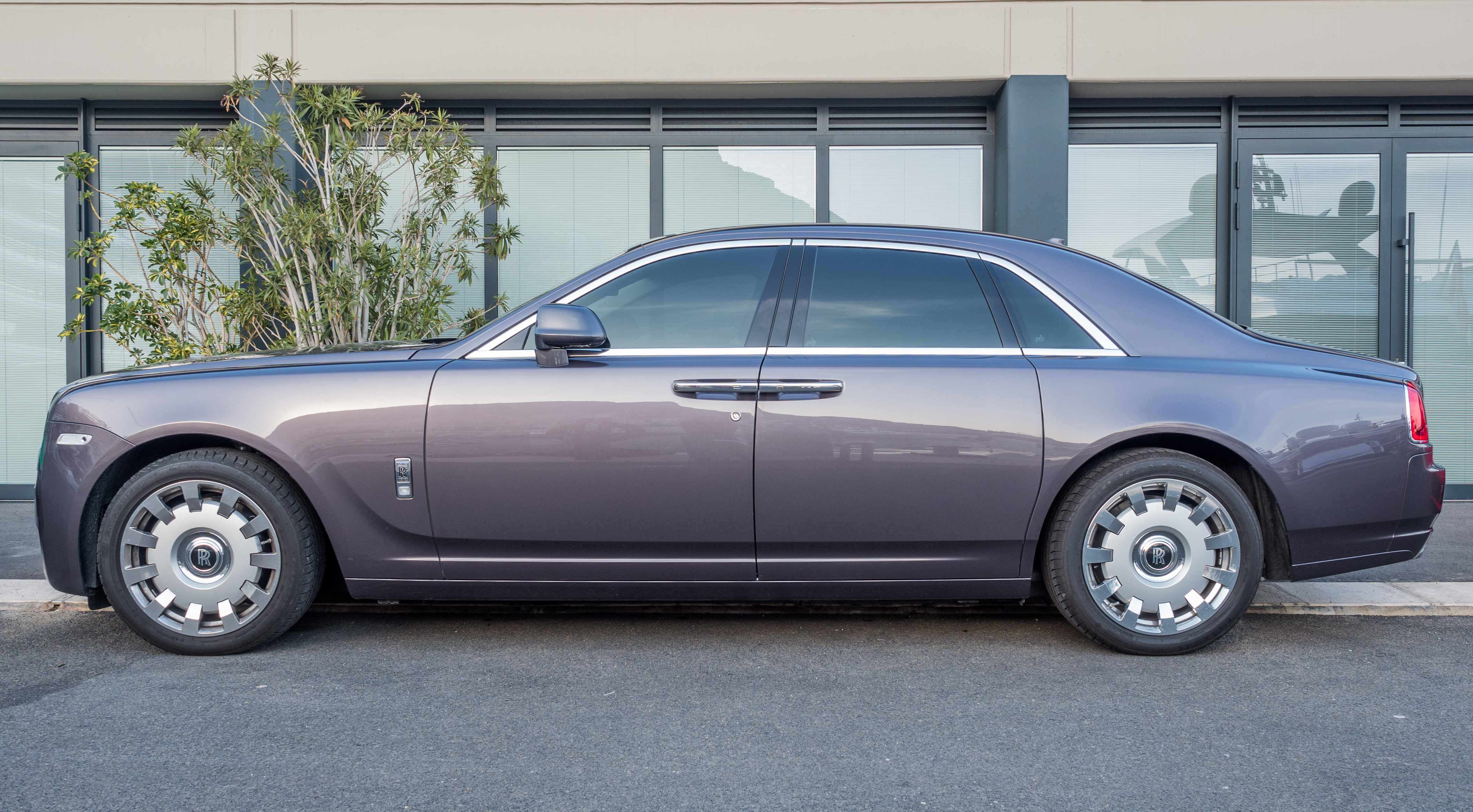
22:48
and it just has crazy leather on that dashboard and you really want to, you
22:51
know, prevent it from, from weathering over time and you still want that heat rejection,
22:55
you could go come almost near completely clear, get the performance without
23:00
making it like we just talked about.
23:01
We don't want to make it pitch black and have it look terrible.
23:05
You know, we were just talking about.
23:06
So if you do want to perform its attributes, but don't want that super dark appearance,
23:10
that's still achievable, you know, with products like that, which is great.
23:13
Does it also have any acoustic properties?
23:19
I think it's Range Rovers or BMWs.
23:23
You can specify glass that keeps the cars quieter.
23:30
Well, there's acoustic glass on a lot of automakers.
23:33
But is that just completely different glass or is that something on top of the glass?
23:39
That is a great question.
23:40
That's a good question.
23:41
I don't know if it's like thicker or extra pain or something, but...
23:45
I would imagine that's with the glass itself more than what they're applying to it,
23:49
but I think I could be wrong.
23:51
You get three ways to do that.
23:52
You know, you get absorption and then you get reflection and you get refraction.
23:56
I don't know how they're doing the sound attenuation or the sound dampening on the
24:01
glass with that technology.
24:04
There are many, many companies over the years, more on the architectural side for houses and
24:11
commercial buildings that have tried to do some type of sound attenuation
24:17
and no one has come up with a commercially available film product at this point.
24:22
A lot of it has what's called aerogel technology and the issue with the aerogels is
24:29
no one has figured out how to get them completely clear.
24:38
I have one more question.
24:41
Just about everybody's driving SUVs these days.
24:43
They come tinted from the factory with the back three quarters,
24:47
except the driver and passenger side windows.
24:50
I am guessing that a lot of people come in and say, yes, I want tits,
24:54
but I want them too much.
24:56
Exactly what it is in the back.
24:58
How do you deal with something like that?
25:01
Chris, you want to go or you want to go?
25:03
You can take that one.
25:03
You get more of a from the shop perspective and trying to try to do that on a daily basis.
25:10
For a long time in Massachusetts and that you are 100 percent right.
25:13
That's the literally the first question, right?
25:16
Especially if it's an SUV or a pickup truck or whatever.
25:21
The short answer is you can read the factory glass and get a reading
25:26
and then match that to a VLT that you're looking for.
25:29
20 percent is kind of in the range of what most SUV glasses in the back.
25:37
So it's never going to be a 100 percent perfect, perfect match.
25:42
If anything, I want to be slightly later than the back, just a tint.
25:48
Just kind of like this gradual effect versus like the two front windows are
25:52
darker than the back.
25:53
That almost looks worse.
25:55
So you do a little homework.
25:57
You test the back, the back glass.
25:59
You see where that's reading the match of VLT.
26:02
But I would say in 15 years doing it, I would say nine times out of 10,
26:07
a 20 percent VLT was going to get us very close to what the OEM was doing in the back.
26:12
But you don't have like a library of, hey, the Jeep Wagonier from 2019 through 2021
26:20
uses this color, this VLT or anything like that?
26:23
No, no, it gets a little more complicated, Camille, because you get the backs that are
26:28
So they're dark and they're aesthetic, but they don't have like UV and things like that.
26:33
So you actually have to read that.
26:34
And the other thing that people don't realize is your front windows do come with a VLT
26:39
already, typically anywhere from the three to seven percent,
26:42
depending on what the manufacturer is.
26:45
So you have to subtract that.
26:46
You have to take the back reading, then you have to take the front reading
26:50
and then figure out which film you're going to use on that
26:53
to get the combination of the VLT that's already innately in that class,
26:57
in combination with the film that you're going to use.
27:00
I think the darkest factory tint on the front window, I should say the most
27:04
noticeable one I've seen was on Lexus cars, speaking of the LS that we had before.
27:08
I mean, there's visibly different color on that window, it's not clear.
27:14
What about like, if you get a really good tint meter,
27:18
you know, like an all day, every day really good tint meter,
27:20
not the one that has the two piece, but the one that slides over,
27:23
it's about a hundred hundred hundred, yeah, it's a hundred and fifty dollars.
27:27
And any reputable tint shop will have a tint meter,
27:31
and they can give you a reading off the back glass in the front
27:34
and give you the best recommendation so that they match.
27:37
What about, okay, two things.
27:38
First of all, I had an X5 press car recently that was like full fishbowl,
27:43
just clear all the way around.
27:45
And it was so just strange because it felt like from a bygone era.
27:50
But what about, you know, the higher end Range Rovers in the Mybox,
27:56
they all have like a colored tinted windshield.
28:00
And some cars have, you know, the heating elements in the windshields.
28:05
What's the story with that in terms of dealing with it on the tint front?
28:11
It's a very good question.
28:13
Yeah, you know, just as I was alluded to before,
28:17
where you're doing your homework, there's a lot of, you know,
28:19
especially as new cars come out, new technology,
28:21
whether it be the way that the frosted lines are or whatever technology
28:26
they're packing into the glass itself, there's a bit of homework.
28:29
You know, when every new model here is like,
28:32
okay, what is this manufacturing do?
28:33
What do we need to look out for?
28:34
How do we, you know, make sure we maximize safety?
28:37
I mean, remember when the Model 3 came out, everyone was worried about,
28:41
or I shouldn't say everyone was worried, things happened, right?
28:43
Like, tinctures got water in behind electronics, and we're, you know,
28:47
think, you know, we're shortening certain computers out, right?
28:51
That was the thing that just happened, because we had never,
28:53
you know, come across that vehicle before.
28:55
So there is a lot of kind of homework to be done,
28:59
you know, before you approach a job and kind of figure out
29:02
what the canvas is, what you're working through.
29:04
That's interesting.
29:06
Okay, I'm totally honest.
29:09
I think this is the longest I've ever spent talking about window tints in my life.
29:14
So let's move on just because I know we're all on the clock here.
29:18
But what I really want to talk about is new color PPF.
29:23
And I mean, everybody who's even tangentially in cars these days
29:28
knows about PPF, you know, paint protection film and basically adding a physical layer
29:34
of film of, you know, like a wrap of sorts.
29:40
But in most cases, it's clear.
29:43
And there, you know, there's the clear PPF.
29:48
And then there's kind of the wrap side of things,
29:51
which has just changed the color of your car.
29:53
And you guys have, or X-Bell has concocted a color PPF,
30:00
which, I mean, I don't know if that existed before.
30:03
But I mean, you know, for people like myself who
30:07
destroys the paint on my truck on a somewhat regular basis,
30:10
and also hates the color of it, this is like an ideal circumstance.
30:15
So tell us about that.
30:18
To give some background story, he's got a GX, Alexis GX460,
30:25
actually both though, but that's a whole different story.
30:29
Yeah, it's 10 better.
30:32
That he offroads all the time.
30:36
He offroads all the time.
30:38
And that's why that's why it's all beaten up.
30:39
That's why the pain is killed.
30:41
And yeah, I mean, is that the car I just got rid of, James?
30:48
Is that the car I just got rid of?
31:01
I mean, mine's black and Camille, yours is black too.
31:04
And I mean, that much black paint northeast on a summer day,
31:07
and it's freaking all of it.
31:09
But OK, color PPF, I mean, the sample pictures
31:13
is that we're sent over GT3RS isn't exactly a bad thing
31:20
But tell us about it.
31:23
I mean, color, in essence, color PPF is combining two worlds
31:27
that we've historically had, right?
31:29
We've historically had clear paint protection film
31:32
that stops rocks, prevents scratches,
31:35
is like the ultimate sacrificial barrier
31:37
so we can drive more and worry less, right?
31:39
That's kind of like what PPF has always done.
31:42
And then we have the vinyl world, which is always like,
31:45
I want whatever blue, you know, this crazy wild blue.
31:49
I want to rent my car because I've always wanted that color,
31:52
And vinyl allowed us to geek out on colors.
31:56
But where vinyl kind of let us down a little bit
31:58
is on the protective side, right?
32:00
It's not going to be a product that's
32:02
going to last 10 plus years and beyond forever.
32:05
It's going to be more of a short-term solution.
32:07
It can be chipped just like paint,
32:09
like being in New England and doing vinyl wraps.
32:12
I can attest that it is not a protective product.
32:15
I mean, it is in essence, I guess,
32:18
but in terms of will it get chipped like paint 100%, right?
32:22
Will it get scratched?
32:24
Will like paint 100%?
32:25
So it was always kind of a, you know,
32:28
more of the show car solution, you know, garage queen,
32:32
or just I'm okay with it only lasting a couple years, right?
32:36
Now, this is something where it's like 10 plus years
32:40
looks like paint, a verse vinyl.
32:42
So when I mean looks like paint,
32:44
I mean like almost no orange peel,
32:47
really, really low texture, crazy clarity,
32:50
vibrant gloss just look like it looks
32:53
like it came out of the body shop.
32:56
So kind of a girl thing.
32:58
Okay, so million questions from me,
33:00
I'm sure Ross has some too.
33:02
So thickness wise, is your protective film thinner
33:06
or about the same as vinyl?
33:07
Because my experience, I used to have a Land Cruiser
33:11
that I had partially wrapped and actually was nothing,
33:15
and actually my Lexus is partially wrapped
33:17
and they're sort of, both were sort of problematic.
33:22
I have bubbles on both of them
33:23
and the Land Cruiser started peeling in places.
33:27
Yeah, so very shortly after the installation.
33:30
Your typical wrap vinyl Camille is about 3.2 mils or microns
33:36
and your typical colored PPF is 8 mils or microns.
33:41
So it's more than double
33:44
and you have substantial differences
33:47
in the materials that are being used.
33:49
So your vinyl is PVC,
33:53
whereas the color PPF is a TPU
33:58
and with that additional body
34:00
and then the innate properties of the differences in the films,
34:04
it gives you that extra energy absorption
34:07
to take that impact of the rock.
34:10
And the other really nice thing with the color PPF is
34:13
you'll have the adhesive,
34:15
then you'll have the color layer,
34:17
and then you'll have the clear.
34:19
So it's very similar to the way that they paint your vehicle
34:22
and that's where you're able to kind of get that deep,
34:24
shiny body where you're looking into the paint
34:27
like you would in a good paint job
34:29
versus the vinyl which is color.
34:33
And then if it's got some metallic or anything,
34:35
it's just right on there.
34:37
You're not looking, there's no depth to it.
34:41
And I'll let James take it
34:42
because he was really the guy that put it together
34:50
and had 75, 80% say on the color, the story, the why.
34:58
This has been his baby for about 18 months
35:01
and did a fantastic job.
35:03
So I'm going to let him take this one.
35:11
I mean, I think a good way to describe it is
35:15
we've all seen like,
35:16
how many times have we all seen bad roof wraps
35:18
like in gloss black, right?
35:20
How many, everybody, you know, faded
35:22
or peeling up on edges or whatever it may be.
35:25
And it also just has that distinctive like vinyl look, right?
35:29
We've always wanted it to be paint
35:31
but it just always lets us down a little bit, right?
35:34
Color PPF really has that look of paint work
35:37
which is, you know, and when you pair
35:40
really cool, vibrant colors that have some,
35:44
that we can kind of be an ode
35:46
to some really special OEM colors,
35:49
I think that's when it's like,
35:50
okay, we get the protection that we want.
35:51
We get the look that we want.
35:53
We get the durability we want.
35:55
And now we can choose colors that we've always wanted
35:57
but maybe we don't want to do the, you know,
36:01
You know, maybe we just,
36:02
because if you get the paint the sample car, right,
36:05
you get your Viper green or whatever you want,
36:08
your Ruby Star, you still then have to protect it, right?
36:10
You still don't want rock chips and scratches.
36:12
So you might have to do, you know,
36:13
clear PPF on that car, which will be great.
36:16
If that's what you want, you want to go,
36:18
but maybe you only got the allocation for a black one.
36:22
You know, you don't want to wait another two years
36:24
but you do want the Miami blue
36:26
or the gray black or something crazy
36:30
and you combine in both those worlds.
36:31
So let me ask you this.
36:33
And I have about 15 questions in my head right now
36:36
and I'm gonna try to streamline through this.
36:40
My Land Cruiser was a Japanese right-hand drive 1996 Land Cruiser
36:45
where it came from Japan.
36:46
It was living somewhere near the ocean in the sun
36:49
and the whole room was basically faded.
36:51
And I was too cheap to actually have it properly paint.
36:54
Well, I could have done a lousy paint job
36:56
but I chose to have it wrapped
36:58
and then the guy just sanded the roof a little bit
36:59
and he said that the wrap will protect it and it did.
37:03
So my first question for you is
37:05
going with vehicles that are several years old,
37:08
what is the prep that has to be done
37:10
before you put your PPF film on?
37:14
Yeah, great question.
37:15
So I mean, just like any PPF, clear, satin, color, no, no.
37:21
The prep is always the same.
37:22
So, and I always say the installation
37:26
will only look as good as the canvas.
37:28
So if you have chips and imperfections
37:29
or peeling clear coat or anything like that,
37:32
it will show through.
37:33
Now color does do a better job because it's not clear
37:37
at kind of masking older imperfections.
37:39
So color PPF might be like our first PPF.
37:44
If you do have a car that's got a little bit of miles,
37:46
it's got some road rash,
37:47
like the rockers are a little beat up
37:49
and they're a little rough.
37:50
You might not get as good of a bond
37:53
to those types of surfaces because the clear coat
37:56
has literally been smashed
37:57
to a point where you now have roughness.
38:00
But it will mask and kind of wash out
38:03
some of that more minor wear on cars.
38:07
Like if you have a giant gouge,
38:08
you're still going to see it through.
38:10
But if you have just,
38:11
I got a couple of chips there that I filled in
38:13
that were never perfect.
38:15
Now if I put clear PPF over that,
38:17
you're going to see that perfect little circle
38:20
of where you filled in that chip.
38:22
Now if you put color PPF over that same little spot,
38:25
it's not as apparent,
38:27
which I think is a cool thing because
38:29
if you have a 30,000 mile, whatever,
38:33
235 and you're all in on it
38:36
and you want to change the color,
38:39
this is going to be more of an option
38:40
that I think then clear would be at that time
38:44
Yeah, I mean, so we just heard
38:46
Zach from Smoke and Tire go through this whole thing
38:49
with his, you know, E46.
38:51
It was like, I don't think it was a color PPF,
38:55
but it was definitely a color wrap.
38:56
And it was basically that,
38:59
you know, the tear down and the prep
39:03
And going back a little bit,
39:04
I didn't really talk about that,
39:05
I was just talking about the, you know, the canvas,
39:07
but, you know, in terms of prep,
39:09
like what does the prep look like?
39:11
That, you know, that's a full wash decontamination.
39:14
So iron remover, tar remover, clay, rinse, blow dry,
39:18
isopropyl alcohol, wipe down.
39:19
I mean, the goal is to get it
39:21
as sterile clean as possible.
39:24
So there is just nothing left on that, right?
39:27
It's just pure paint ready to accept
39:30
that adhesive, ready to create a really nice bond.
39:34
And, you know, so there's not dirt coming out
39:36
of all the body seams and stuff like that.
39:38
And that's truly what separates a great install
39:41
from an average one is, you know,
39:43
to your, to that story with the smoke attire.
39:44
That, I mean, that's the whole, that's the whole bit.
39:47
So that's what the foundation.
39:49
So that's my next question.
39:52
You know, I worked in the body shop
39:54
throughout college for it a little bit.
39:55
So I know that the key to a really good paint job
39:58
is the prep of the metal
39:59
and the prep of the body.
40:01
So when you got installers,
40:03
where you got, you know, a true professional
40:06
versus the guy who, Joe Schmo,
40:09
who, who does wraps on the side,
40:13
you, you know, at the end of the day,
40:15
you want a client that's going to be happy
40:17
with your product, but the installation of it
40:20
So do you select your, your installers
40:23
or do you give them training
40:24
or how does that work?
40:27
So yet there is a selection process
40:29
for our installer network.
40:31
There is training for our installer network
40:34
that we continually do
40:35
and there's certain levels to that training.
40:37
So we try to stay, you know,
40:39
if we partner up with the shop
40:40
in a specific area,
40:41
we try to work with them throughout,
40:43
you know, throughout their journey,
40:45
Continually improving because that,
40:47
that, you know, just like any industry,
40:49
that learning never ends,
40:51
you know, especially in automotive,
40:52
where the canvas is always changing, right?
40:55
So we, we may master, you know,
40:58
2012 Honda Accord front bumper,
41:01
It's changing next year.
41:02
So we got to come up,
41:03
we got to keep learning new techniques
41:06
So that is certainly an important part.
41:10
And Ross, can you go back to the picture
41:12
of that yellow Jeep Wrangler,
41:13
which is not exactly yellow?
41:16
how do you deal with things
41:17
such as, uh, see the hinges
41:19
that are over here?
41:20
That's what I was going to ask.
41:21
Are these like pre-cut templates
41:23
or is everything like vehicle by vehicle?
41:29
It is vehicle by vehicle.
41:30
So that now there's going to be
41:31
some shops that, you know,
41:32
depending on what vehicle it is,
41:34
it's going to be a completely bulk installation,
41:36
which is taking bulk material
41:38
and applying it to the car.
41:41
it's going to utilize
41:43
one of our most important things
41:45
which is our DAP pattern system,
41:48
So that is literally
41:49
where we go to every brand new car
41:51
and we are digitizing
41:53
and creating patterns for our PPF.
41:56
Obviously, that was hugely important
41:57
for our gloss and our satin films.
42:00
With our color films,
42:01
we take those patterns
42:03
and it's going to be up to the shop
42:06
to look at the pattern,
42:08
and seeing where the event
42:12
because with color PPF,
42:14
you have to cover every little
42:16
millimeter of paint
42:18
where you can maybe get away with it.
42:20
the Jeep Wrangler is honestly
42:23
one of the worst-case scenarios.
42:25
It's not a fun car to wrap,
42:29
in what's going to help that
42:32
some parts dismantling as well.
42:36
like the grille would come out,
42:39
very basic components
42:40
that can be safely removed
42:43
from an installation facility.
42:44
That can sometimes be a key
42:46
to a seamless installation.
42:50
so we do have patterns
42:53
for each one of those hinges.
42:57
for this press car,
42:59
we got gloss black covers,
43:01
to make it a little bit more seamless.
43:04
So on those particular hinges,
43:06
it's their gloss black
43:10
you could do the film as well,
43:12
but then you wouldn't be able
43:13
to do the bolt, right?
43:15
So then you'd have to get the bolt painted.
43:18
just like anything,
43:19
it says, with color PPF,
43:23
Okay, what can we wrap?
43:25
What can't we wrap?
43:26
What's going to stay?
43:27
What's not going to stay?
43:30
no, this one had it.
43:31
with the color change.
43:36
You have that rule?
43:38
worst case scenario right there.
43:40
if you ask any rappers,
43:43
the Wrangler and the G-Wagon
43:44
are probably the two
43:45
most difficult cars
43:48
probably the two most
43:51
Good thing Jeeps are like this.
43:55
to the picture of the Jeep
43:57
well, you don't need to,
43:57
we know what a Jeep looks like,
44:02
you had that Rubicon
44:03
lettering on the side
44:05
How do you deal with that?
44:06
Do you just reapply
44:09
you gotta rebuy the stickers
44:14
Amazon has everything you need
44:17
And so does, you know.
44:18
No, my first experience
44:20
with this film was,
44:21
I have a new Bronco
44:22
in addition to the,
44:25
and a guy down the street
44:26
got exactly the same color,
44:27
the gray that was originally,
44:30
when the first came out
44:33
why is this car so damn dirty?
44:35
And I took a closer look.
44:36
oh, it's just matte.
44:37
So he had the clear film
44:42
this was quite cool
44:44
and quite mind blowing to me.
44:46
How, and, and, and,
44:49
the holiday that I mentioned earlier
44:50
that I'm driving right now,
44:54
And this brings me to my next question
44:57
is the owner's manual says,
44:59
do not drive this car
45:00
through the car wash
45:01
because it will come out
45:06
the, the maintenance
45:08
and cleaning procedure
45:12
this colored PPF to be.
45:17
paint protection film
45:18
is designed to reduce
45:22
it takes to clean the car,
45:23
Because of the surface energy
45:25
it releases dirt easier.
45:26
That doesn't, you know,
45:27
I think the biggest misconception
45:29
is that it nullifies
45:30
the cleaning process, right?
45:31
And that's not true.
45:32
So I think, you know,
45:35
I treat paint protection film
45:37
on the whole gloss,
45:38
satin, whatever it is,
45:40
So it's going to be washed
45:43
we're going to seal it
45:45
whether it be, you know,
45:46
ceramic coatings to it
45:47
or ceramic spray wax
45:50
We're going to treat it
45:51
It's just something
45:52
that's going to probably
45:53
stay cleaner longer.
45:55
And if you do have an issue,
45:57
let's say you do have build-up
45:59
or let's say you have like
46:01
That falls on the side of the car.
46:05
before it becomes a major issue.
46:07
that's the big thing.
46:08
So if you're on the road trip
46:10
you just get blasted
46:15
you know, you're not,
46:16
you're not freaking out, right?
46:17
okay, I'll make it home.
46:19
You know, we're all right.
46:23
being the wash process
46:25
is still an absolutely vital
46:26
like cornerstone of,
46:29
over the long term.
46:33
you want to sell the car,
46:34
your PPF is pitted and whatnot.
46:37
You want to take it off.
46:39
What is involved with that?
46:40
And is there any chance
46:41
of having the paint damage
46:43
as you're taking it off
46:44
or is there procedures for that?
46:47
Chris, you want to get that one?
46:49
There's always potential
46:51
for damage Camille.
46:54
like anything else,
46:55
the level of care that they take.
46:57
So if you have an OEM paint job
47:00
and you are picking at the edges
47:06
to remove the film,
47:08
you're going to get it off
47:10
and relatively cleanly.
47:12
If you're trying to
47:14
kind of haphazardly go through it
47:16
and not follow best practices
47:19
and you're pulling at the wrong angle
47:20
and it's been on there
47:22
the bond is going to be
47:26
very, very, very intact
47:28
with that clear coat
47:29
and you could potentially damage it.
47:33
it all comes down to care
47:34
and best practices.
47:37
we highly recommend
47:38
using a steam heat assist.
47:40
Some people use heat guns.
47:42
Heat guns are equally as good as steam.
47:44
They're just a little bit harder to control.
47:49
if you're using a steamer
47:50
and you get steam on your hand,
47:52
it hurts a little bit.
47:53
If you get a little too close
47:55
to your fingers with a heat gun,
47:56
you could really burn yourself.
47:58
The other thing is with heat guns,
48:00
some of them go up to around 1400 degrees.
48:02
So as you're peeling that film away
48:05
and somebody, you know,
48:06
heats it up too much,
48:07
what'll happen is you'll get tearing
48:09
and you're always going to get a cleaner removal
48:13
the less you have to stop,
48:15
because you'll get a little bit
48:16
of a ratcheting in effect.
48:18
One of the things that people don't realize is
48:20
that film has a lot of elasticity to it,
48:23
which gives it its durability.
48:24
So as you're going to pull away,
48:27
if you extend it too much,
48:29
what's going to happen
48:29
is you're going to break the bond
48:33
and the adhesive is going to stay
48:35
which doesn't damage anything.
48:37
It just makes it a little bit more
48:38
of a cleanup after the fact
48:39
when you get the film off.
48:42
You know, James as a perfectionist
48:45
has a room of more film than I have
48:48
and has it down to a science.
48:50
He still tends to lose the skin
48:52
on his fingers, but...
48:55
You know what I mean?
48:56
See you at the end of the day, Camille,
48:57
and we're being honest.
48:59
It's not rocket science.
49:01
There are best practices to follow,
49:03
but it's a pain in the ass.
49:07
The Land Cruiser that I mentioned before,
49:10
20-year-old Japanese metallic tint on it
49:13
that was all faded and stuck to it.
49:15
I was just cursing, taking that thing off.
49:18
I ended up finding someone
49:19
just paying someone to do it.
49:21
And he had it done in an hour
49:22
after I was struggled with it for, you know,
49:24
for many hours and cut myself
49:27
and had all kinds of drama going on with it.
49:31
I guess Steam was the answer in that one.
49:34
So the listeners at this point
49:35
are probably wondering the same thing
49:36
that I'm wondering, which is,
49:39
what is the ballpark price to do a color PPF?
49:42
And how does that differ from a wrap
49:48
or just a standard expel PPF?
49:50
And I know you're going to say, you know,
49:52
it's all situational and vehicle-dependent
49:55
and market-dependent and everything,
49:56
but let's just say you have a Wrangler Unlimited,
50:00
you come in and you want, you know,
50:02
like we were looking at before,
50:03
you want your, you know,
50:05
your Sarge Green Wrangler to be hella yellow
50:07
or whatever the expel equivalent of bright yellow is.
50:10
What can somebody expect to pay?
50:16
So it will be variable,
50:19
but, you know, it's down to the expectation
50:22
and how the shop is doing it, right?
50:24
So for example, there are going to be shops
50:26
that are going to dismantle the whole vehicle
50:29
And that's why color PPF on the whole
50:31
is going to be more expensive,
50:33
then clear, then satin PPF,
50:36
obviously way more so than vinyl,
50:39
because of the level of knowledge
50:42
and obviously of, you know,
50:44
liability that the shop is going to include
50:47
by having to dismantle so much.
50:49
So that'll be one element.
50:52
You know, again, like the Model 3,
50:53
there's really not much to take apart.
50:55
Emblems, window trim, maybe a real tail light,
50:58
and you could wrap the whole car
50:59
to a really, really high level,
51:01
unlike the Jeep Wrangler.
51:02
I'll do a better job putting it back together
51:03
after you take those couple things apart
51:07
Well, yeah, you're not wrong.
51:10
So we just have to say for the listeners,
51:14
Tesla is a very good partner to X-Pel.
51:18
My comment has nothing to do
51:20
with X-Pel's actual professionalism.
51:25
So, you know, it'll depend on the canvas,
51:29
but I think on a safe range
51:31
would be anywhere from that, you know,
51:35
as little as, you know,
51:37
6 grand as high as 15 grand, right?
51:40
You know, for those G-Wagons and stuff
51:42
that you're completely disassembling
51:44
So it's, you know, it is car to car.
51:47
So the hourly rate of the shop aside,
51:51
what is about the percentage difference
51:52
in cost between the materials,
51:54
between a vinyl wrap and between your colored PPF
51:57
and the regular PPF?
52:00
In terms of just the cost of the material itself?
52:05
It is a bit more expensive than vinyl.
52:08
So, yeah, I mean, you are,
52:10
the material cost is certainly going to be higher.
52:12
Your labor cost is certainly going to be higher.
52:14
20%, 30%, just from the material.
52:17
TPU versus vinyl is significantly more expensive
52:21
and it is double the thickness.
52:24
And one of the things that, you know,
52:26
you don't realize as a consumer
52:29
is the manufacturing process of a TPU versus a PVZ,
52:35
the machinery, as well as the raw materials
52:37
and the length of the runs is substantially longer.
52:41
So it's a, the cost difference in vinyl and PPF
52:46
is, and I'm ballparking it, but it's almost double.
52:50
Yeah, I literally, I just ran,
52:51
I just did some numbers right here.
52:55
I mean, that's hard to say,
52:56
but people just want to know.
53:00
Yeah, it's not even the politically correct answer.
53:02
It's, it's about double.
53:05
We're all about being politically incorrect.
53:07
Chris, do you want to mention the warranty?
53:09
You want to mention the warranty on color PPF?
53:12
Well, you know, and one of the big differences,
53:14
you know, to Steve's point, you know,
53:16
if you look at vinyl, you know,
53:18
depending on the manufacturer, you know,
53:20
you'll have horizontal warranties
53:22
versus vertical warranties.
53:24
And then if the car is in Massachusetts
53:26
versus California versus Texas,
53:28
versus, you know, Florida, you know,
53:30
some, some of those warranties on the vinyls,
53:33
and I'm not even kidding,
53:34
our six and eight pages long, you know,
53:36
some, some vinyl warranties are as low as two years.
53:40
One of the really beautiful things with color PPF
53:42
is all the constructions are exactly the same.
53:45
And our warranty, no matter what the color is,
53:48
no matter where you are in the world,
53:50
it's a 10 year warranty.
53:53
I mean, just because you have a car in Massachusetts
53:57
doesn't mean stays in Massachusetts, you know?
54:01
Well, and not only that though, Ross,
54:03
I mean, the value prop is really there.
54:05
If you're talking about a five, six thousand dollar,
54:07
you know, vinyl wrap job,
54:08
which some of the higher end shops are going to charge,
54:10
you can get one as low as three.
54:12
But most, most vinyl wraps with disassembly,
54:15
they're keeping the car for probably four days,
54:17
some five, and it's typically right around five K.
54:21
And you're looking at a three year warranty
54:24
versus, you know, an eight thousand dollar,
54:27
just a ballparkic color PPF color change
54:30
with the 10 year warranty.
54:31
That value proposition is really there, in my opinion.
54:35
Yeah, and you also said that the color PPF
54:38
is slightly thicker than a clear one, right?
54:42
The clear and the color are,
54:44
they have slightly different constructions,
54:46
but it's very similar to the same thicknesses.
54:50
And adding that thin layer all over the vehicle,
54:56
when you're reassembling the trim,
54:58
that doesn't give anybody any trouble
54:59
in terms of putting like the defends back in
55:02
or some kind of stuff, or is it just, you just roll with it?
55:05
I would scan the whole no,
55:07
but there are obviously, there are certain areas
55:09
where you maybe could get a little bit tighter with vinyl
55:13
because it is a thinner construction.
55:15
So the first example I'm thinking of
55:17
is if you take the front bumper off
55:20
and you wrap the front bumper into like inside,
55:24
and then you take the bumper and wrap inside
55:26
and then you have these two pieces,
55:28
you know, eight mil material, eight mil material,
55:30
we're rubbing up against each other
55:32
as that front bumper moves over time as you drive,
55:35
with a thicker product, you're more prone to bunching.
55:38
So there are certain areas where you just have to be mindful
55:41
of those types of situations
55:43
and maybe you can't go all the way in.
55:45
You'll go right up to the point
55:47
or have to make some modifications
55:48
in order to achieve the look you're going for.
55:53
Okay, my last question,
55:54
and then I think we're probably gonna start wrapping things up.
55:57
How durable exactly, and I mean exact
56:01
is an impossible question,
56:04
but you know, showcasing a Wrangler
56:07
or talking about, you know, a vehicle
56:12
that gets caught behind a salt truck in the winter
56:16
or you know, like my case on my GX,
56:18
I have trail rash, which is basically
56:20
you're driving down narrow trails
56:21
and the tree branches just rush and scrape the sides.
56:25
Like is this stuff, what does it withstand?
56:30
I mean, is it, you know, truly
56:36
more than a meat can handle?
56:42
Yes, yes, big time, big time.
56:44
Yeah, so when you're talking about
56:45
sacrificial scratches, swirl marks,
56:48
I mean, that's probably, I mean, for me,
56:50
that's always been the thing I've loved
56:53
about paint protection film
56:54
is just the swirl mark resistance.
56:57
So, you know, the car guys,
56:58
we're always loving on our cars.
56:59
Well, you know, we, how many times have we seen
57:02
the guys, you know, with the California Duster
57:04
at the car show just absolutely going to town, right?
57:09
And that's scratching away.
57:11
Yeah, scratching away, right?
57:13
And you're like, oh, man, it's tough to watch.
57:15
But, you know, with paint protection film,
57:17
you have so much more resistance to that.
57:20
But there is a threshold, you know,
57:21
just like anything, right?
57:22
And that threshold, you know,
57:26
could be a variety of different things.
57:28
But, you know, is a, you know, a shopping cart,
57:32
you know, gouge going to be completely
57:36
self-healing and preventable?
57:38
No, but I think the thought process
57:40
has always been that PPF
57:42
is the ultimate sacrificial barrier.
57:45
Once it's taken its hits, it's done its job,
57:47
it's saved your paint.
57:49
You know, Chris alluded to how easily it comes off with steam,
57:53
take it off, put a new panel on,
57:55
and keep the cycle going, right?
57:56
I think that's always been the kind of the mantra
58:01
James, you mentioned self-healing, though,
58:03
but I think most people don't know how that works.
58:05
Can you explain that?
58:06
I was actually going to ask about that
58:07
because it's such a, it's like descriptive,
58:11
but, you know, vague at the same time.
58:15
Yeah, so our top coat for Color PPF
58:17
is a little bit different than our standard products.
58:20
It's a hydrophilic self-healing top coat.
58:23
So hydrophilic refers to water sheeting,
58:26
so it does a really great job at not
58:28
keeping water stagnant on the panel
58:30
and beating up really nicely.
58:32
We want it to kind of flow off,
58:34
which nullifies water spots,
58:37
keeps everything kind of flowing off the paint,
58:39
which is a good thing.
58:41
It's also, the self-healing part relates to
58:45
minute minor scratching that can be eliminated
58:49
through the introduction of heat,
58:51
and that might be hot water, that might be just the sun.
58:54
So if we do by accident,
58:55
put a little towel mark in the film,
58:58
or we scratch it with the California Duster by accident,
59:02
we can utilize that self-healing top coat
59:04
to kind of reflow the top coat to a point
59:06
where you no longer see those swirls and scratches.
59:09
So my bronca was keyed by someone who I know,
59:13
but that's a long different story,
59:14
and I dropped it off to a detailing place,
59:17
and they didn't ama-
59:20
Tell me that story off there.
59:23
It's not, it's okay, fine.
59:26
But regardless, I dropped it off to a local
59:28
detailing place over here, a well-known one,
59:30
and they did an amazing job of hiding that scratch.
59:36
so you wouldn't use those same practices
59:38
that you would use on a painted metal,
59:40
you would use what you just said, right?
59:43
So I mean, for metal, we're wet sanding,
59:46
we're gonna try to fill it in with color,
59:47
we're gonna wet sand,
59:48
we're gonna try to kind of remove material
59:52
in order so that visually we can't see the scratch anymore.
59:54
That's how we would repair that scenario.
59:56
With Color PPF, it's kind of just a different thought process.
59:59
Now there are times where we can do repairs,
00:02
so we can polish Color PPF or Gloss PPF.
00:07
We can use various cleaners and what have you
00:09
to try to remove gouges or paint transfer.
00:14
Paint transfer, that's probably like,
00:16
that's like the hero shot of PPF,
00:19
where it's like you're in a parking lot,
00:21
someone hits you with the white car,
00:23
and you have this white mark on your PPF,
00:27
and you just go over there with isopropyl alcohol
00:30
and just completely just take it off.
00:32
And you're like, wow, that's cool, that's awesome.
00:34
I saved my film and I saved my car
00:36
and now I don't have to go to the body shop.
00:38
I mean, it's like, wow, that's really cool.
00:41
Now they're granted, for every one of those instances,
00:43
there's gonna be instances where
00:46
someone hits you hard enough or it's hitting the PPF enough,
00:49
or you do have to remove it,
00:51
but the underlying paint is saved, right?
00:53
That's the cool part.
00:55
And if you really look at a paint system
00:57
and one thing that people don't realize, right?
01:00
So when you look at your car,
01:01
you're gonna have your substrate,
01:02
whether it's the fiberglass, carbon fiber, metal, right?
01:05
Then you're gonna have primer,
01:07
you're gonna have paint, your actual color,
01:09
you're gonna have clear coat.
01:10
That's gonna typically mic out at around six and a half mils.
01:14
And you know how easy it is to damage that,
01:16
to get through the clear
01:17
and to actually remove some of that paint,
01:19
i.e. a neck or a scratch.
01:21
If you look at PPF,
01:22
whether it's the stealth, our gloss, or our color,
01:26
that's a sacrificial eight-mil layer.
01:28
So you're actually putting on a protective layer
01:30
that's thicker than the totality
01:32
that you have on top of your substrate,
01:35
the metal of your actual vehicle.
01:38
So that's how much you have for a protective layer
01:41
on top of your paint.
01:43
And to get to your original question
01:46
about the way that the self-healing works,
01:49
there's a couple of very simple technologies.
01:51
And at the simplest form, you have molecules
01:57
that when you introduce heat, they like each other, right?
02:00
So they're completely static.
02:02
And when you introduce heat,
02:04
and the simplest way to explain it is,
02:06
if you put hot water in a Keurig cup,
02:09
pour just raw water in a Keurig
02:11
and dump the water onto the paint from eight inches,
02:15
that heat right there will be enough to self-heal.
02:19
Anything that didn't get through the self-healing layer,
02:22
which is about a quarter of a mil on top of the PPF itself.
02:27
So once you get through that,
02:31
you will lose the self-healing properties,
02:32
but you're still not damaging the paint
02:35
to James's earlier point.
02:38
With the colored PPF, is there fading over time?
02:41
So if I have PPF that's 18 months old
02:44
and I have to replace a panel
02:46
and I have that Jeep Wrangler
02:48
and I put in a new yellow,
02:50
is there fading on the audio?
02:52
Because you can't blend it.
02:53
The only way to do it properly
02:55
is to help you replace the whole thing.
02:56
Is that one of its properties?
02:58
Does the color stay more with it
03:00
or is there fade associated with it?
03:02
Yeah, so when Chris was kind of alluded
03:03
to the construction a little while ago,
03:06
there's a lot of things that we've built
03:08
into this film to resist that,
03:10
resist fading over time,
03:11
and we do these crazy weathering studies
03:14
and send the film all over the world,
03:16
and it's got to be as durable
03:18
in the deserts of Dubai as it is in Boston, right?
03:21
So there's a lot of checks and balances
03:23
that we put in to ensure
03:24
that we do get color stability over time.
03:27
However, if you have a car in Florida,
03:31
on the beach, and it sits outside every day,
03:33
will you get fading over time?
03:35
Yes, just like we are
03:37
with our normal clear-coated paint systems,
03:40
we're going to get that same level over time.
03:42
So it does depend on where it's stored,
03:45
how it's stored, driving conditions,
03:48
road conditions, all those kind of variables
03:52
coming in how it's done.
03:54
Does it vary on what it's applied to?
03:56
Sometimes the paint fades faster
03:58
on some plastics than on some steel, for instance.
04:02
The simplest answer, Camille,
04:04
is it's not going to be any different
04:06
than your standard paint system,
04:08
and certain colors are more prone
04:10
to that than others.
04:12
But if you have your entire car wrapped,
04:15
right, and you did have one panel
04:19
then as you know, because you said
04:20
you have a body shop background
04:22
and there's blending associated with that,
04:25
you don't have the ability to do that
04:26
with the color PPF.
04:27
So if you do, you know, one door on a car
04:30
that's in Florida and it's, you know, a black,
04:33
you will probably have to replace both doors
04:35
to get those to match exactly the same
04:38
that you would have to do with a paint system.
04:40
It's going to fade exactly the way
04:42
that OEM paint would fade.
04:47
But, yeah, and hopefully that's the lower way, right?
04:49
You know, it would be the ultimate goal.
04:53
This is the perfect opportunity.
04:55
Rasko, correct me if I'm wrong,
04:57
I think we're running out of time.
04:58
Yeah, yeah, we're a bit...
05:00
We said we were going to do 45, we've done an hour,
05:03
and I was just going to equip that this is a perfect
05:05
opportunity for more Volkswagen Harlequins
05:08
where, you know, different color panel
05:15
The team in Australia did like a GT3
05:18
Harlequins style looking thing.
05:19
Okay, that's all this thing I was saying.
05:21
I mean, it's a Volkswagen, so, you know.
05:27
Well, I think, you know, we've got all over the place,
05:32
and I think we covered quite a lot,
05:35
and thank you guys.
05:37
James, Chris, Steve, thanks for coordinating.
05:42
This was extremely interesting and educational.
05:45
I really had a good time,
05:48
and I think you guys should come back at some point
05:49
because I feel like we could keep going for another hour
05:52
because we're geeks and dorks when it comes to these things.
05:55
Camille, you get an open invitation.
05:57
James spends quite a bit of time at Expel Boston,
05:59
which is right in Norwood, right by where Ferrari is on the automobile.
06:05
Anytime you want to stop by and James isn't traveling
06:08
and you wanted to see some of the stuff we're doing,
06:11
you're open invitation.
06:13
And Ross, same to you, it'd be about an hour and a half drive,
06:16
hour 45, you're more than welcome.
06:21
I will definitely take you up on this.
06:23
I actually have some time maybe later this week.
06:27
So no, and if not, we'll probably see you at the Conakor's event
06:31
this weekend in Rhode Island.
06:35
Gentlemen, thank you for having us with the blast.