A lube tech is the person who does the routine stuff in a car shop—mostly oil changes and basic checks. It’s usually a starting job that helps you learn how cars are serviced before you tackle bigger repairs.
Diesel technology is school training for diesel engines. Diesel engines work a bit differently than gas engines, so the classes teach how to maintain and repair that specific type of powertrain.
VO tech means a trade school—classes that teach practical skills for a job. Here, it’s where the guest learned diesel-related skills before working as a mechanic.
A “federal tech” is basically a mechanic job working for the government. It’s different from a regular private repair shop because you’re maintaining vehicles for a government operation.
A wheeled vehicle mechanic works on vehicles that drive on wheels—like many military or fleet vehicles. It’s a specific kind of mechanic work compared with, say, cars or tracked equipment.
A scan tool is like a computer that plugs into a car to find what’s wrong. Instead of guessing, it can show error codes and sensor readings so you can fix the real problem.
Concept
immobilization
Immobilization means something is being kept from moving or being used. In this story, it’s being used as a reason to stop doing work and get paid back.
Company
Kuwait
Kuwait is mentioned as the location where the speaker worked while overseas. While not an automotive company, the context matters because it explains how their mechanical experience shifted into military maintenance work.
Roll pins are small metal pins that hold parts together. If you’re fixing something mechanical, you often have to drive them out and replace them to get components apart.
The Bradley is a military armored vehicle that moves on tracks like a tank. Working on it is different from normal cars because the track system and heavy-duty components need specialized maintenance.
Concept
wheeled mechanic
A wheeled mechanic works on vehicles that roll on wheels. Tracked vehicles are different because the track system and undercarriage need different kinds of repairs.
A comeback is when you fix a problem, then it comes back again. It can happen because the real cause wasn’t fully solved, or because another issue was hidden and only shows up later.
They’re talking about a RAM pickup they worked on. When the same problem comes back, it’s usually a sign the original fix didn’t address the real cause (or something else was hiding underneath).
The check engine light turns on when the car’s computer notices something wrong. It often comes on after a problem gets worse or happens often enough for the computer to log it.
A misfire is when one cylinder doesn’t fire correctly, so the engine runs rough or stumbles. Even if the cause is different (spark/ignition vs something mechanical), the driver often just feels “it’s misfiring” and calls it the same way.
They’re talking about an ignition coil, which helps create the spark that lights the fuel in the engine. If a misfire comes back, it may mean the coil fix wasn’t the real problem or something else is starting to fail.
Term
camshaft load
The camshaft controls when engine valves open and close. If parts are wearing or not behaving correctly, the engine may run fine for a bit, then the problem shows up more clearly later.
Mass airflow is a sensor that tells the engine how much air is coming in. If it’s wrong, the computer may adjust fuel incorrectly and you can get drivability issues and confusing trouble codes.
Concept
ghost codes / hidden faults
Sometimes the car doesn’t show the real problem right away. A fault can be “hidden” until it happens enough times or gets worse, so the codes show up later and make it feel like the fix failed.
Trouble codes are like the car’s clues about what it thinks is wrong. Sometimes parts replacements change what codes show up, so you still have to figure out what the original problem really was.
A connector is the plug where wires connect to a sensor or part. If fluid gets into that connection, it can cause electrical problems that look like the sensor itself is bad.
Concept
fleet maintenance vs retail customer experience
Fleet vehicles are usually serviced regularly and you see the same type of problems more often. Retail customers are more variable, so it can be harder to spot patterns quickly when you don’t see the car all the time.
Deferred maintenance is when small issues are postponed instead of repaired immediately. The transcript describes how leaving “little” leaks or problems alone can let them grow into bigger failures later, increasing downtime and cost.
The idea here is that the person running the equipment matters. If they pay attention to how it sounds/feels and do basic checks, they can catch problems early instead of waiting for a breakdown.
A logbook is a maintenance/operation record used to track service intervals, checks, and sometimes driver/operator notes. In fleet or farm equipment, it’s used to prove what was done and when—making it important for troubleshooting and accountability.
A circle check is a quick walk-around inspection before you run the equipment. The goal is to spot problems early—like leaks—before they cause a breakdown.
A grease nipple is a small point where you add grease to keep moving parts from wearing out. If grease won’t go in, the part may not be getting lubricated like it should.
A fleet manager is the person who coordinates maintenance for a group of vehicles or machines. They decide what gets fixed and when, based on the information operators and records provide.
The Cadillac Fleetwood is a big, older luxury car made by Cadillac. It’s the kind of vehicle where how it was maintained and managed over time can make a big difference in how it runs today.
Haying season is when farmers are actively making hay, so everything is busy. The tradeoff is that repairs get pushed back because everyone needs the equipment working.
Deferred maintenance means people wait to fix problems until later. When money and time are tight, the machine might keep running until something breaks.
Term
old tool drive truck
“Tool drive truck” appears to refer to a work truck used to transport tools and service equipment. The speaker says they can’t drive it when weather is bad, which affects how quickly they can respond to repair calls.
The starter is what gets the engine turning when you hit the key or press the button. It’s one of the common parts people need, but a small service setup can’t carry everything.
A mobile service truck is when a mechanic comes to you with the tools and parts to fix the problem on location. It changes what you can carry and how you should charge for the convenience.
Electrical components are the parts that deal with power and wiring—things like fuses and connections. If you’re set up for those, you can often fix problems faster when you’re out in the field.
Fuel lines are the tubes that move fuel to the engine. If they’re leaking or damaged, the machine may not run, so having a plan to fix them quickly is important.
An alternator is the charging system component that generates electricity while the engine runs. The speaker uses “not charging” and then “alternator problem” to describe a common roadside diagnosis path for electrical issues.
An after-hours weekend rate is an increased labor charge for work performed outside normal business hours. The speaker argues that mobile/service work should be priced similarly to dealership policies so technicians aren’t underpaid for inconvenient timing.
Overhead is the ongoing cost of running a business (rent, inventory, staff, facilities) that must be covered regardless of how many jobs you do. The speaker contrasts dealership overhead with a leaner service-truck model to justify pricing that still supports profit.
Concept
charging shop labor rates vs dealer rates
They’re talking about how much a repair shop should charge for labor. The point is: don’t automatically set your prices lower just because a dealer exists—your shop still has bills, and customers will pay for good work.
Billing here refers to how labor time and charges are applied to customers, including rate changes and how those charges are justified. The transcript emphasizes that consistent, transparent billing tied to diagnostic capability can reduce pushback and improve customer trust.
Term
$100 an hour
They’re giving an example of what they charged per hour at first, then increasing it when it didn’t work. It’s basically learning what a fair rate is for your business.
OEM software is the official computer tools from the car maker. It helps a mechanic talk to the car’s computers and check if there’s an update that fixes a problem.
Anti-gel is an additive you put in diesel fuel to keep it from turning thick in cold weather. Without it, the fuel can gel and your engine won’t run right.
“Gelled up” means the diesel fuel got too thick from the cold. When that happens, the engine may not start or may run poorly until the fuel warms up or the system is serviced.
John Deere comes up because the host is talking about how hard it can be to get the right service information and software for certain machines. If the software is locked behind dealer access or high prices, independent repair work becomes harder. The point is about access and cost, not just the brand itself.
Calibration is like “re-teaching” the car’s computer what the sensors are reading after you replace or adjust something. It helps the car know what’s normal again. Without it, you can get wrong readings or warning lights.
Snap-on is a well-known tool brand and dealer network that many technicians use for professional-grade scan tools and hand tools. The host compares Snap-on’s convenience and dealer support with cheaper alternatives, emphasizing field-service realities like travel time and availability. It’s a practical discussion about tool investment versus day-to-day work needs.
Harbor Freight sells cheaper tools than many professional brands. The host likes it for field work because if you need something right now, you can buy it locally instead of driving far or waiting. Sometimes the goal is just to get the repair done, not to have the most expensive tools.
An ECM is the car’s main computer for the engine. Some repairs require reprogramming it, not just replacing parts. If you can’t access the right software, you may have to send the machine to a dealer.
ECUs are the different computers that run different parts of the vehicle. Some jobs require programming those computers. If you don’t have the official tools/software, you may not be able to finish the job on-site.
Many sensors get powered by a steady 5-volt signal from the machine’s computer. If that signal is wrong, the computer can’t trust the sensor readings and will throw a code. The diagnostic process often involves measuring the voltage and checking wiring and the computer itself.
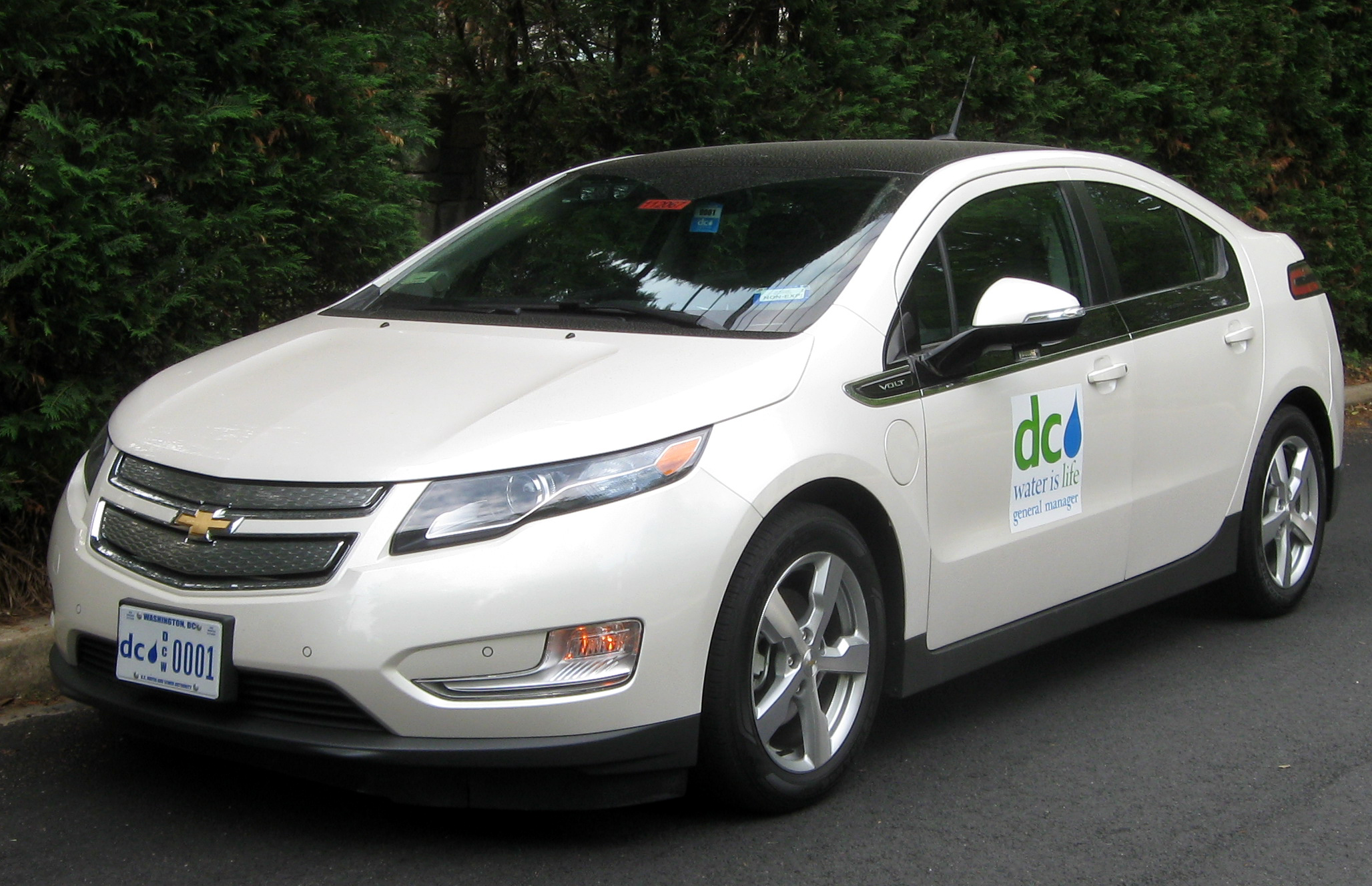
The Chevrolet Volt is a hybrid car you can plug in to charge its battery. It has sensors and electronics that can report codes if something in the electrical system isn’t reading correctly, like a “5 volt reference” signal.
A software flash is when the dealer loads new software into the vehicle’s computer. It can fix issues that aren’t caused by a broken part, but by incorrect or outdated computer settings. Sometimes you have to pay for the flash even after you’ve diagnosed the problem.
Even if you can’t finish the repair, finding what’s not wrong is still useful. It helps you and the customer understand what the real problem likely is and what needs fixing next.
This test checks how strong the engine’s compression is in different cylinders. It helps you find if one cylinder is weak without doing a full engine teardown.
Sometimes the car won’t let you do certain fixes unless you have the right computer access. That can mean you have to go to the dealer to finish the job.
Buying a bunch of expensive special tools can be a bad deal if you don’t use them often. The key is making sure the tools will pay for themselves.
Concept
bypassing safety systems vs doing it the right way
They’re saying you shouldn’t disable safety features just to make a problem go away. Even if it seems harmless, it can make the machine or vehicle less safe when something goes wrong.
A seatbelt reminder is an in-cabin alert (light/buzzer) that encourages occupants to buckle up. While it may seem minor, the discussion treats it as part of the vehicle’s safety strategy and cautions against bypassing safety-related electronics.
An airbag is a supplemental restraint system designed to deploy during a crash to reduce injury. The segment frames it as a safety system that shouldn’t be bypassed or hacked because it could fail to protect occupants when needed.
If you can’t buy replacement parts anymore, salvage yards can be a way to find used components. Sometimes you also need a skilled machinist to adapt parts so the machine works safely.
A hydraulic cylinder is the part that physically moves things using pressurized fluid. If it leaks or loses power, rebuilding it can often bring it back to life.
A hydraulic valve is like a switch for hydraulic fluid. When it breaks, the machine may not respond because the fluid can’t be directed where it needs to go.
A labor guide is a rule-of-thumb for how long a repair should take. Some shops charge strictly by that, while others adjust when the job is harder or parts are scarce.
They’re saying they won’t just throw parts at the problem unless they’re pretty sure it’ll fix it. That helps avoid wasting your money on repairs that don’t solve the real issue.
In this context, “terminal” means the vehicle is beyond economical repair or is expected to fail soon, so the repair path is limited. The host frames it as a decision point: what the customer wants to do given the end-of-life condition.
Concept
preference for one-time payment vs long-term payments
They’re talking about whether the customer can pay for the repair all at once or if they’d have to stretch it out over a long time. Either way can work, but it changes the total cost and the risk.
Late fees are extra charges when you pay later than the shop’s agreed deadline. They’re meant to keep the shop from getting stuck paying costs upfront.
A transmission is the part that helps send power from the engine to the wheels. It’s usually costly, so if payment is delayed, the shop can get hit with big bills.
“Book time” is the estimated number of hours a repair guide says a job should take. Real life can be slower, so the discussion is about whether you charge the estimate or the actual time you spent.
An “hourly rate” is what the shop charges for labor time. The hosts are saying customers shouldn’t be surprised if the job takes longer and the rate is already part of the agreement.
A “labor matrix” is how a shop decides what to charge for labor. It’s supposed to match the job difficulty, like how much has to be taken apart to reach the part you’re fixing.
“Upfitted vehicles” are regular vehicles that have been modified for a job, like emergency or transport work. Those extra parts can make repairs harder and take more time.
An upcharge is extra money added when the repair turns out to need more work than expected. The episode’s message is that it’s better to explain what you found early and be honest. That way the customer isn’t blindsided later.
A restocking fee is money you might have to pay if a part you ordered for a repair doesn’t end up being used. Shops sometimes charge it when the part was ordered specifically for your car. It’s something to ask about when you’re getting a quote.
Injectors are the parts that spray fuel into the engine. Sometimes a computer code points to “injector trouble,” but the real problem can be something simpler like a loose connection. If you replace the wrong thing, the problem can come back later.
A “buffer” is extra wiggle room in the estimate for surprises. When you take parts apart, you can find rusted bolts or hidden damage. Planning for that helps avoid stressful rework and unexpected bills.
Rework is doing the same job again because the first repair didn’t fully address the real cause or because additional parts were needed later. In the transcript, rework happens when a shop skips “while we’re in there” items like sensors. Rework is costly because it adds labor days and delays for the customer.
Glow plugs are diesel engine parts that help the engine start, especially when it’s cold. If they’re hard to reach, it can be smart to replace related parts at the same time. Otherwise you might have to pay for the same labor again later.
The glow plug harness is the wiring that powers the glow plugs. Sometimes the wiring is the real problem, not the glow plugs. If the harness is likely to fail, replacing it during the same repair can save labor later.
Emissions systems are designed to reduce pollutants from combustion, and they’re regulated by law. In the transcript, emissions-related frustration is tied to diesel “emissions things,” and the discussion shifts to why shops may refuse to perform emissions deletes. Understanding this helps listeners see why some repairs are constrained by legal requirements.
“Deletes” means removing or disabling emissions parts so the vehicle doesn’t have to run them. The episode says it can be illegal and risky. The safest approach is to keep the emissions system working as intended and fix problems normally.
Derate means the truck “turns down” its power. It does this to protect itself or to force the emissions system to work properly. Sometimes it happens because a sensor thinks something is wrong, even if the driver doesn’t notice a real problem.
Urea is the ingredient inside DEF. Diesel trucks use it in the exhaust to help reduce pollution. The idea can sound odd, but it’s part of how modern diesel emissions control works.
LIVE
So it. It depends on the customer. I have some that's like, okay, they know exactly what they're doing, and if they call me, it's because they already know it's over their head and they're not gonna do it. I have one that scares me. You hook it toward partway into it, and when I get there, it's a mess. I'm trying to figure out where this pile of bolts in the coffee can go.
Welcome back, ladies and gentlemen, to another exciting episode of the Jaden Mechanic Podcast. I've got somebody here who's, you know, another fishing nut like myself. And if you all know me, like, you know, and follow my socials for a while, you know that like, between talking about the automotive repair side of the industry and, you know, its frustrations and whatnot, the other passion see me probably more. Even my content around photos, it's not of cars anymore. It's about. It's about me holding up fish. So, you know, it's one of those things where I think it's just, you know, what you. What you do for your leisure time, I guess, is really truly kind of more important, I think, as we age out than.
Than what you really choose to do with your career. So I got a new friend. He's a fellow fisherman too. Jeremiah Hyatt from Belt, Montana. I hope I said that right.
You did, sir.
Yeah. How are you today, man?
I'm great.
Good, Good.
Taking the weekend off. Watching some snowfall out the window. Yeah, just a normal day now.
We had it. We had a good dumping here, I guess to be Thursday, and we actually had some flurries yesterday. But it's. Our temps now have gotten where it's mild enough that even if we get a downfall, it doesn't really stay right. It's. It's kind of like. It's just like we still have a little bit of snow on the ground this week, but it's not anything like, you know, we're having to run the snowblower shovel or anything like that. So I have seen.
I've seen snow up here right into May in terms of flurries, but we're. We're normally over our big accumulation by now. We'll still get a. Maybe an ice storm in April, but we're all pretty much done for snow. The lakes are starting to. To soften up now where you can't walk on them. So, you know, guys that are fishing still, they're kind of the die hards. Not.
They're not somebody I follow out. So. But yeah, what, what's your favorite. What's your favorite species? Like, I'm gonna assume probably in Montana you got a lot of more like streams and, and rivers versus me. That's got lakes, right?
Yes. So I prefer trout. Yeah, we have bass and pike, walleye, but I just, I like the streams and rivers. Mostly fly fish.
Yeah.
My grandfather was a die hard fly fisherman and he got me into it. And so it's hard for me to drop that habit.
It's. It's something I've never picked up yet. But I know I've talked to. Because I'm predominantly a bass guy, right. Like I'll chase muskie twice a year, but mostly bass. And I know the guys that have been fly fishing forever tell me that it's like if you get into some bigger smallmouth on a fly rod, it's absolutely incredible what they do. Right.
So I've heard that too. And I just, I haven't found anybody to really, I figure, be taught, have someone experience, show me how to do it rather than just go and try and do it myself. And yeah, failure is an option, but I prefer to have someone show me how to succeed and then fail after that.
Well, and you never really fail. That's the beauty of fishing. You never really fail. You know what I mean? We all tell ourselves that, like, even if I went out and, you know, didn't. They didn't bite, it was still a good day because it was beautiful out. Or I got to, you know, you know, just come back to, to the, the simpler things. But I mean, you don't ever really fail. So kind of you, you kind of reached out to me and kind of shared some of your story.
You kind of started out similar to me. You started out in the heavy truck side of things, so.
Yeah, I started out heavy truck. Well, while I was in high school, I kind of worked as a lube tech at a Ford Dodge dealership. The mechanics there reached out to me and said, hey, if you want to make money, you need to get an education.
Yeah.
So the closest school was in Missoula, Montana. VO tech. Okay. And they did diesel technology. So I went and I did, did that. Went into working at a truck shop. Probably midway through the two year degree, a night shift.
Yeah.
Got laid off. That was 2008, 2009 time frame. So of course, housing, market, everything was going down. So I applied for some government jobs because I was a part of the National Guard.
Okay.
Got hired on as a federal tech. So I was a wheeled vehicle mechanic. Got hired on, worked there for 10 years. I got bored with it, seeing the same walls, seeing the same stuff coming through, the same military vehicles. And so I felt by then I was married. I was like, oh, you know what, I want to be a rancher. I've helped my father in law went out there, did that for four years. But while I was there it wasn't like I just stopped turning wrench.
It's a. When people find you just have a skill.
Yep.
Why not use it?
Yeah.
So I was working on my father in law's equipment, stuff that was not so computerized because his older equipment because he's not going to buy the scan tools and everything. And I didn't have the money to buy scan tools so I was working on his older 48, 40 John Deere's and stuff like that. And neighbors were calling up, it's like, hey, do you mind if he comes over? And so I started doing that and found out after four years, I don't like working with cows. I want them on my plate, medium rare, ready to go.
Yeah, that's.
And I use immobilization as a reason to get out of it and kind of recoup some money. So I went to Kuwait. While I was over there, I, when I came back, I bought a service truck and that was three and a half years ago and been working on agriculture equipment since.
Wow.
But that's a quick overview of 20 years of turn and wrench.
Now what's. What was it like? I don't want to because. So was Kuwait still considered a war zone when you were there?
No. So that Mobe was 21, 21 through 22. So it wasn't considered a war zone. Yeah, it was. And you hurt some people's feelings, others don't. I consider mobilization not a deployment because there wasn't any worry of attack.
Right. Ah.
But while I was over there, and this is the funny part, while I was over there, I was actually an armament repair. So I repaired weapons, not vehicles.
Wow. How much of that transfers over?
You know, some of it does, but not a lot because you're dealing with more roll pins and not a whole lot of nuts and bolts.
Yeah.
Like I said. So I started out as a wheeled mechanic. I moved into. Some people might know what a Bradley fighting vehicle is, but it's a tracked vehicle.
Yeah.
And then went into being a warrant officer in the armament repair side of things. And it was fun. I mean I enjoyed it. A lot of it was. I'm not afraid to take a hammer and knock a roll pin out Harder than what some of the guys are. So I figured things could be repaired.
Well, that comes from, that comes from back, from the background of being in a truck shop or being on the ranch. Right. Is sometimes like, you know, you just have no choice but to get forceful with it. Right. And yeah, they say something, sometimes you
have to break something to fix it.
Yeah. Sometimes we lack polish, but we make up with it. So what I've heard Kuwait can be nice, like pretty, you know, when it, when it's not upside down like that. You know what I mean?
It can be, it can be. The area I was at was just strictly desert. But we went in, you go in the city and it is amazing. Very highly populated, but a beautiful area. For me being in the mountains, I can say, yeah, it has its perks.
Yeah. Very cool. Hot, I imagine.
Oh yeah. So when we left five o' clock in the morning, we'd wake up to go to the gym and work out and it would already be 90 degrees at 5 o' clock in the morning. So.
Yeah, I don't, I don't do well with that. No sir. No, I'm much more cold blooded. I prefer, I prefer it cool. I don't, I don't like it hot like that. It's just not even like, even when I go visit my friends and says in like North Carolina, South Carolina, it's, it's, you know, I wasn't ready for that. That humidity that, that I get when it's July and you're in, you know, Charlotte, it's just. Yeah.
You know, I, I agree. And that's one reason why I went National Guard was because I want, I liked Montana. I like the weather. Yeah, our winners can suck. But I like the fact that I can wear a T shirt and, and jeans if I have to. If I'm being a mobile mechanic. You're fully jeaned up and shir up coveralls and it's hot, but it's not, you know, in the summer we average 75 to 80.
Yeah.
Sometimes we'll hit hotter, but it's not for very long.
Yeah. So you came back from Kuwait and bought a service truck.
Yeah.
Yeah.
I wasn't going to do it either. I had toyed with the idea. My wife was telling me I needed to do it. Good friend that I mobilized with was telling me I should do it and I was worried. I'm like, I can't make it work. I. Most of it would be agriculture. It's not my strong background.
Right.
No way I could do it. So I actually wrote out my entire resume. I was ready to start applying at truck shops and just go send it to my wife. And she's like, I don't know why you sent me this. Going to do this. I'm like, well, fine. I'll have somebody else review it. So I had my buddy review it, and I handed it to him.
He looks at me, crumbles it up in the trash can.
Wow.
Like, dude. He goes, no, you're going to start your own truck. Like, it doesn't make sense. He goes, no, you're going to do it. He's like, you're just afraid. Just. You got to step out and do it.
That's pretty cool that your. Your. Your peer group has got that much faith and sees your talent. Right? Because sometimes I think that's the biggest obstacle of a lot of us, of why we haven't. We don't go into our own thing, you know, is because we just look at it. Yeah, I fixed the car. I fixed the vehicle. Right.
But it's. And there's more to it than that, obviously, you know. You know, the second side of it, it's not just fixing the vehicle or the piece of equipment. It's managing to make, you know, the relationships work. So people want you back to do it and then making the business side of it work. But that's. That's pretty cool that you're. You're.
You had such a good support group there. Get going. That's. That's awesome.
Oh, it's been great. My wife says I have imposter syndrome, which I never heard of until all this. And she's like, you. You second guess yourself more than anybody else in the world. And I'm like, how do I think a lot of mechanics do?
Yeah.
Second guess everything. As a matter of fact, like, today I got a text from a customer that I worked on their 15 RAM, and the first thing I did was it was a similar problem, but I haven't proven that it's anything I did. But it's been a month, and the same issue came back. You're like, oh, what did I do wrong? She's like, why do you think you automatically did something wrong? It's just part of it, honey. Yeah. The first thing is, what did I do?
Yeah, it's the way our brains are worked because we're. And I'm starting to see what the way this new stuff is and the failures that are kind of coming out of the new stuff and the technology. Like, we were traditionally taught that a lot of this stuff, like, if you did the maintenance on it and you, you put everything back the way it was supposed to be, that it would live on and it would live on the way it was, right? And now they're. They're showing us how this stuff just wears out. You know what I mean? Like, you can go in and correct a coil for a misfire, right? And. And next month, the camshaft load finally flattens up enough and that the customer hears it or the check engine light comes on, right? And then all of a sudden. But it's the same thing. They call you up and go, hey, it's doing that same thing again.
Well, we know that an ignition misfire feels very much different than a valve misfire from feel alone. But to the customer, it's still got a miss, right? And they call us up. And so, yeah, we immediately jump to that. What did I forget to do? Or did the part let me down? Or, you know, has there always been this ghost and machine that I didn't even, you know, exercise last time, and now it's finally here, like I just talking with a friend this week and. And they went down the road with the way down a rabbit hole and a mass airflow problem on a. On a Ford. And they, you know, they. They end up being.
It's like, well, I even put a Ford mass airflow in it, and then it generated all these codes that weren't there before, you know, and then there's. There's a fluid leak issue on a connector and maybe that's what. It's the wrong part. Wrong part, Absolutely.
I don't know how many times I've gone and worked on something, fixed an issue just to turn around and find either another issue or, hey, we fixed this issue, but it was covering up these six other issues that we have to address. Otherwise it's just going to. Everything's going to go right back to the way it was. Yeah, it's better. But what do we have to do to fix it the right way?
How do you find it when it's your type of customer from a service standpoint, right? Your customer versus sometimes when you, when you worked in the truck shop, you know, and it was just dealing with a lot of the time I'm going to assume and probably be accurate that it was a fleet customer. You know what I mean? And, you know, it was in. And they just kind of were a little more understanding because you're already there looking at it and you notice something and you address it then. And then something pops up.
So What I liked about the truck shop is a lot of, like you said, fleet. You see that vehicle all the time.
Yeah.
Or at least it's in for services. So you get to know that vehicle really well.
Yep.
What I'm finding now with what I'm doing is I. I'd say probably 95% of my customers right now are all repeats, which is great.
Yeah.
So I'm learning their equipment, but I still may only see them two, three times a year. So I don't know. I don't. Some of them had me do their oil changes. Some of them are very good about. Hey, every spring, right before hay season, we're gonna do all the oil, all the fluids, do a full check. And then at the end of the fall, others aren't. So I might only see them once a year when something really breaks, because they're gonna baby the lawn, try and make it work.
Yeah.
And so it makes it harder because it's like, okay, well, you're saying this thing won't move. Oh, hey, look, you're low on hydraulic oil. That's why it's not moving. Let's address these six leaks. Oh, well, let's just deal with these big ones. We'll leave these little ones. Well, the little ones are going to develop.
Yeah.
I'm going to be back out here in six months a year. What's it going to be?
Yeah.
Fix it. Right. Or do we keep going?
And you and I know that that's where the value and the quality of your operator can really save a lot of that unexpected. And keep things moving. Right. Because if you've got an operator, you know, and that's the beauty of most farmers that I've ever met, is they know how to pour fluid in a vehicle. Like, they know how to keep oil in an engine most of the time. And they know how to certainly, like, what if something's overheating? They don't. They know what to do. So on and so forth.
You know, they're just. They're a little bit more in tune because a lot of it is. It's just like truck drivers. Right. I always. I learned very early on when the truck driver tells you that the truck's actually doing something, that you respect them because they live in the darn thing. Like they are in that seat 12 hours a day minimum. You know, back in the day, even longer.
Right. They drove way longer. So, you know, when they tell you something's not right, you just. You don't sit there and go, oh, gee, I wonder. You know. No, they completely know something.
They know that truck.
Yeah. That's the beauty of getting to know the equipment, like you said. And they tend to be able to keep a lot of things mobile and operating because they know just the basics. You know, you've seen that. That they hire a driver and, you know, the piece of equipment supposed to be greased every day and fluid checks and a logbook filled out. And, you know, when the guys are, you know, not doing it right. Like, they've got the blog filled out, but, like, this hood hasn't been open in five days because you'd have seen, you know, the nest that's built on
top of the COVID Oh, yeah.
Stuff like that.
Yeah. And that's the big thing. And it's fun because I get to see so much different piece of equipment that I can see the ranchers in my area that really care about their equipment, and they take care of it, and they grease it. They do everything that they're supposed to do. Then you see the others, like, yeah, we. We greased this. We don't know why this pin is hollowed out like this, like.
Yeah.
Have you greased it in the last century?
Yeah. Or that guy that's wiping the grease on the grease nipple. But the grease nipple hasn't taken grease, you know, in forever. And they're just going through their circle check, you know. Absolutely. Yeah. That's. We had lots of them, too, where they would write stuff down in my history.
And then it was up to the fleet manager to decide whether they're fixing it or not. And then all of a sudden, the fleet manager seemed to get collect, you know, selective memory loss with. I don't remember you ever telling us about that. And then you go back and pull the logbook, and you pull back the Rex, and it's like, nop. See, you know, we. We put three grease nipples in that thing in the last month trying to get that pin to take grease, and it won't. It needs a pin, you know. Oh.
I mean.
Yeah.
You just didn't want to take it out of the rotation to get it addressed. That's. That was always the rub with me. So with Fleetwood, you know, fleet manager, all the difference.
I've always found that the owner of the equipment always does better than anybody else with the ranchers. You can't fire family, and family seems to be the hardest on the tractors, any sort of truck.
Yeah.
And hired hands are next in line for the hardest on it, but they get fired if they get caught running it too hard. Family I mean, how do you fire your daughter or son who's running the tractor and just decides to Baja through a field?
And so let's be real, who do they learn it from? Right? They learn it from, you know.
Yeah, they learned it from dad because dad did it. But then he started paying the bills and he realized, oh, run this tractor. Mock Jesus through a field is what's breaking this pin. I'll slow down because I don't want to pay another $5,000 to have it repaired again.
So when you was it like you already had your reputation and it was pretty much all you had to do was like start the truck and the phone started ringing or how did you kind of start off?
So the first few months were really slow. Like I had a reputation. Everybody knew my in laws because it was that family ranch has been in operation since 1890.
Wow.
So there was a reputation. I had already worked with some neighbors, so they knew me. It was really a matter of getting everybody else to trust me and going to those neighbors saying, hey, tell your friends, tell your other neighbors, like, hey, I'm out here. I'm willing to do this. So the first, I'd say the first two months I was lucky if I had a job a week.
Wow.
And it was tough. And then I started out in September and so of course that's when everybody shut down their haying season. So of course they're trying to sell their calves, get their bank loans paid. Maintenance is the last thing on their mind.
Yeah.
So it was really slow. And then by March, April, I started getting the phone calls. And then by June, it was every day two or three phone calls. Hey, you worked on so and so's stuff. I need you out here now.
Yeah.
And things just started rocking. And now if I have a day where I'm not doing anything, it's because the weather's so bad. I can't drive the old tool drive truck.
Wow. It's that busy.
It is, as a matter of fact. Not joking. You could probably have another two private guys out here and every to have enough work to work straight through the week and not have to worry about what's going on.
Yeah. Wow. I wouldn't have thought so. Yeah. So is, are the, are the jobs kind of space pretty close together or do you spend a lot of time seeing that beautiful country driving around?
So I, I actually work. My average drive is probably 30 miles one way. I do have a couple that I have one customer that is probably a good hour and a half drive from me. But for the most part. I. I'm on the road for maybe 30 minutes, 45 minutes. Not, not long. A lot of it's just county roads.
So that's what really slows you down.
Yeah. That's terrible then.
No, no, I'm glad because I. I thought about that too. Is. Oh God, I don't want to spend 2, 3 hours just to get there.
Yeah.
And oh, hey look now I got this fixed and it's three hours back. It's kind of a pain or.
Yeah. If you're away and you need parts. Like that's the other thing that was always so fascinating to me was how, you know, these guys with service trucks managed to set them up with parts. You know what I mean? Like something filters and stuff. Right. But another the kind of key breakdown stuff, you know what I mean? Like you can't carry on and a starter for everything, you know?
No, and I definitely don't. The most I carry is electrical components. You know, stuff just splices, solder fuses. I bought a huge fuse kit so I have almost every fuse that you could ask for. Nice things I could fix easily. Fuel lines, these. I just the size of truck you'd need to have all that. And then I work on everything from Jaw Deere, Case.
Ih right. New Hol, Ford, New Holland. I just, I couldn't hold it all in my truck. Yeah, it does suck when I have to drive these. Great Falls is where all the dealerships are.
Yeah. So you kind of have to know when you're going out there what you're going to be taking. You know what I mean? You kind of have to have a pretty good idea. Which again comes back to that. A lot of the. The typical operator is. Is and farmer or owner, you know a lot more when they call up and they say, yeah, you know, I've got a situation. It's not charging.
I've had to boost the damn thing three times. Right. They're kind of. You can walk them through some of the basic checks to look at and then, you know, show up and know I'm probably looking at an alternator problem here. You know what I mean? So how do you like, is it. You talked about being there some nights till midnight and 11 o'. Clock. That's a long day.
Is it a situation of like you can kind of go a few days a week and then kind of catch up? Or is it like you have a month that's just absolute chaos and then it becomes normal because like going back to like we were talking about fishing like how do you find time then if you're at the site till midnight, you know, or making those long days, like do you do six days a week like that when it's busy?
So it really depends on the, the time of year. The summers when they're haying. Yeah, it's a six day week. When I first started out, it was, I was going seven days a week, wearing myself out. I'm 41 now, so three and a half years ago, 30, 39, 38. It still old enough where it's like, okay, this isn't healthy, but I'm trying to get this business running.
Yeah.
Now I actually force the time off and thanks to my wife, I definitely enforce it because before it was to the point where I was charging normal business rate. And she said, no, you are going to be charging an after hours weekend rate. The dealerships would do it. Any other shop would do it. We can't be any different. If they don't want to pay it, then they don't get up and running on a weekend. They don't get up and running after 5 o'. Clock.
Now what, what makes her so insightful, so smart about this? Like, has she got any kind of similar background or just an advocate for you?
So her grandparents on her mom's side started several businesses. They ran a Taco John's. They started the A W in Great Falls. So she got to learn from them growing up. And then of course her parents running the ranch, that they never saw the mechanic side of things. They hired, they hired the dealerships, you know, to work on their stuff. But they, so she saw both, she saw that end of it. But her big thing is why are you working yourself to the bone for what you should be making more and you're spending time away from the family.
And so she's been, I say I have a heart of stone, she says I don't. She said I'm a softy. And she's probably right because I feel bad when I was like, oh, we need to get this up and go, we need to do this. And instead of saying, hey, I'm gonna bill it if you want me to do this, it's going to be X amount of dollars more an hour. Yeah, I just work through it and just charge normal. And so she was the advocate of, hey, you need to do this for you and the family. If not for you, at least do it for your kids. Like that extra money is money that could go to them for not spending time with us.
Well, yeah. You just said you got to go on a Disney cruise and whatnot. Right. Like, there's so many shop owners we talk to and technicians that like, they, they brag and they flex about how busy they are. And it's like, it's good to be busy and it's good to be, you know, in demand for sure. But you can't, you know, you can't put the glass back in the hour, the sand back in the hourglass. Right. You cannot do it.
And if you keep missing, you know, even if it's like you're one of those, and it's like, well, you know, Dutch talked about, like, I didn't see every one of his daughter's recitals and stuff like that. Like, he made a sacrifice. But you gotta have that goal that, okay, by the time then, you know, they're 25 or whatever. I'm at this age, I want to be able to be away a lot more and see a lot more and do a lot more and get away. You have to have that as a goal. Otherwise it's like we just stack cash in the bank account and go, look at this. Like, I made, you know, I achieved this level of growth. Growth is great.
But if we're not doing something with the, with the funds from the growth, there's really no point in doing it, in my opinion. Right. Like, I want, the end goal for me is I want a nicer boat and more time to be able to use it. That's it, you know?
Absolutely. And it took me a while to realize it because I was putting everything back into the business. I was buying all these extra tools and all this extra. And it wasn't going, it wasn't padding my bank account, it wasn't padding my retirement.
Right.
And it took a lot of talks, it took a lot. I'm thick headed. And so it took a lot for my wife to tell me, like, hey, if we don't start putting money to our kids, to these goals, are you gonna be running this truck past your 60s?
Yeah.
It's hard on your body. She goes, I see it now. You're. It's like you're young by most standards and you say in 20 years you want to retire, but you're not billing people appropriately. And that's what it came down to. And listen to your podcast. That's what I was learning, that, hey, I'm trying to help people. Yeah, I want to be there for the ranchers, save them a bit of money off of the dealership.
Because I know what a couple of dealerships are charging here and my. I'm charging less one because capabilities. There's capabilities they have that I'm not going to have special tooling. So I understand that but that doesn't mean I need to be taken and not bill for my worth and not make a profit. So I can work towards that. And it's. Listening to your podcast and of course changing the industry podcast says taught me that to not sell myself short.
Yeah, well. And you know, we, you know, it always comes down to like we look at who's around us and what they charge, right. And. And we kind of set our value up that based on. And it's like, oh, and then the overhead thing comes into it, right. And it's like, well, they don't have. I don't have their overhead. Right.
Like I'm just a service truck. So I don't have a big waiting room and I don't have a million dollars in inventory and all I can operate you less, you know, cheaper. I hate the word cheaper. Trying to avoid using it. But the reality is, is that like, just because we have a lot lower overhead doesn't mean we have to be froze up again. Grossly undercharging compared to what they do. Right. Like we can.
Frigate froze again, man. Oh, there you are. I can hear you. But now we're back. We're back.
Yeah.
Yeah. So we don't have to charge so grossly less than what, you know, our competition, our neighbor shop, our other person in another service truck do just because to the point that where it. We go without we sacrifice because like. And you say you got the heart of stone. I think I'm still the most heart, you know, stonehearted person that I've talked to because like, I really don't. To me that just rings more bells of opportunity then like how. How where I can operate, what I can charge. All that kind of stuff that's just to me is always.
Just seems common sense, right. If the dealer can be 180. Well, shoot, even if I operate with a lot less overhead, I want to be pretty close to 180. That's just where my brain thinks is that and other people. Like that's nuts. You're just written people up. No, I'm not really. You know, because maybe the dealer sees himself being there 100 years, right.
Hypothetically, 50 years, 20 years. Maybe I'm in this for just 10, right. Maybe I'm starting this at 35 and I want it at 55. Your. Your trajectory is very different. Your planning, your billing, your. Your Your growth has a very different look to it than theirs. You know, it's not necessarily that it's not playing long ball, but it's not playing the way they are, you know, and that's where I think in this industry, we've screwed up for so long because people immediately look at a dealer and they look at an independent, and they go, I have to be cheaper.
Let's count just department for department. They have a sales department, and they have a parts department. That's just the two. Sometimes now we get into the rental department of, you know, especially equipment. You have three departments there that are bringing profit into one entity. And so we're just comparing, you know, price to price. We shouldn't be, because those three can sometimes help out the service side. You're operating just as a service department, and in some cases in a shop, you get a little bit of parts margin.
Right. You're supposed to be charging that. We shouldn't even be thinking we need to charge less. We should be charging at least what the dealer does, if not more, because we don't have one other department or two other departments, three other departments to prop us up. Just seems comp. It's. To me, it seems so simple to be able to say it. I would tell everybody tomorrow if I was in my own, well, the dealer charges 180.
I'm going to charge 190. Why? Well, they have sales to carry them along, and most of our customers would accept that, understand it, and say no more. But we're always like, oh, shoot, if they're 180, man, I got to start at 120. My God, think about the growth that you got to do to get 60 more dollars in the customer's eyes. It's crazy.
Oh, absolutely. And I started out, I thought I was being smart, and I wasn't. That first year, I started out at a hundred dollars an hour.
Wow.
And at the end of that year, like, nope, this isn't going to work. So we bumped it up to 125. And then this year, we bumped it up to 140. And so I'm climbing, But I've also felt my capabilities are coming up.
Okay.
And so I've got OEM software now. I still don't have full access to all their software updates to do stuff like that. And for me, right now, that's fine, because if I could come out, diagnose something within an hour, and then say, hey, there's a software. We need to see if there's a software update. And I've got a good relationship with most of the service departments for the dealerships I deal with. And I could call up, say, hey, is there a server, an update, software update for this? They say, yep, we've seen this problem. You're telling my diagnostic process, okay, cool. I'll have my customer contact you to get you out here to software update for him.
My goal, though, is to get to the point where I can have access to that and start performing it myself.
Now, Jeremiah, I gotta ask you, when you talked about making your jump in rates, did. Did you have any kind of pushback? Any kind of people, you know, say, oh, my God, why? Or oh, my God, no.
Or did they have said a word? Yeah, I just mark it up. I just start billing that and they don't say a word. No.
It's even funnier when I. I talked to some shop owners now, Jeremiah, and they go. The customers look at me and they go, well, I was wondering when you were gonna. Or, yes, you definitely have been worth that. And then it's like, why have I, you know, what was. It's all. What I'm trying to say is it's all in here and in here. That tells us we can't.
Right? That's the biggest thing.
Oh, absolutely. And that was my biggest thing with even that first going from 100 to 125 that I was like, this is going to hurt me. And it was. I had a customer I was talking to on the phone, like, hey, I'm three weeks out. I'm not going to be able to get you. I said. He goes, well, you know, there's a reason why we all wait on you. And I was like, that hit, and I'm like, I'm not that good.
And I told him that, like, I don't know if I'm that good. I just. I've been blessed enough to be able to solve the problems you've had to this day. I said, there's gonna be a day where I'm not gonna be able to solve your problem because I may not have seen it or I just get such a fog or a lane that you just miss it.
But I love that humility, because that. That to me is. Is the. Is the earmarker. Somebody right there, Jeremiah, that is like, I'm always going to expect, you know, improvement from. Because that's. That's the secret thing to unlock is the reality that, like, I don't know it all and. And, you know, there's still so much ahead of me that I need to learn if you have that and you just accept it and you make peace with it, man, there's, there's no ceiling on that.
Right, Exactly. You say the customer, it's like, oh, I've just been fortunate enough at, to this, up to this point to be able to solve what you've needed me to solve. No, man, it's not that. It's like you got to puff your chest out sometimes and go, no, I'm very good at what I do and I've been able to be an awesome asset to you and I'm going to continue to do. And I'm going to charge for that.
Yeah, you say. It's funny because I had a customer my. We had a cold snap and I didn't put anti gel in my truck. So of course I gelled up. And it was right after we came back from vacation. So I'm calling around trying to find fuel filters for myself that nobody has them. So I have to wait for the next day. Customer calls me, hey, my tractor gelled, I need you out here.
I said, well, good news, I'm gelled up too. I'm not gonna be up and running until tomorrow. He goes, how did my mechanic gel up? And I just told by the phone, like I never said I was a good one. You're just, your assumptions are what's hurting us now.
Well, and you're human just like they are. That's that, that's the whole thing. Like, it's like thinking that, you know, because you're a mechanic, you know, you're never going to get a flat tire or you're never going to have brakes that squeal. It's just, it's just life. It's part of what we do. It's, it's these, these machines that we operate on. Yeah, they're going to have the same failure. We're not exclusive.
Yeah, you could have put gel in but I mean we all have a hundred other things we're trying to do at the end of the week. Right. We're all trying to, you know. Absolutely. Yeah.
And our winter here this year has been so crazy. We've been averaging 40 degree days and normally we're down below the 30s. It's. And so when we left for vacation, like there's no reason to anna gel this thing. It's. We've been in the 40s. The next 10 day forecast is the 40s. And then of course the weather was wrong and we hit that cold snap and the rest is history.
Yeah. What's. So when you Talk about, like, you know, it's. It's. You don't have access to everything. Are you locked out by the oes? Because I'm sure you've probably seen it. I think there was a. Maybe it was a Vice TV on YouTube did something.
Talking about John Deere was really not playing fair in terms of access to information and all that kind of stuff. Is that what it is for you, is it's not available even if you could pay for it, or is it just like.
So. No, it's available. I could get with Jaw Deere, I could get with New Holland. It's. Right now I'm looking at cost, so I'm using, like, I'm using Diesel laptops right now. Okay. And got every service group page. You go on Facebook, there's.
Don't use Diesel laptops. I've had good luck with it. The thing is, they just don't have access to that OEM side of things for the software updates. But I could do calibrations with certain calibrations. There's certain things I can do. Yeah, but it's like, as we all know, there's software updates that just need to be done and they found, oh, well, whatever needs to be within this variance. Here's software update. So the computer knows this variance.
Yeah, I can't do that. I could go put on a new part, calibrate a steering sensor, stuff like that, but it's just getting ready to do that next investment level.
Mm. Well, it's good. At least it's. It's. It's available to you. Because, I mean, the way that, you know, I've. I've heard the scuttlebutt is like, oh, it's all. This is locked out.
And I think it's similar to. To the automotive side too. Right. Because it's like everybody says, I can't do this. It's not available to me. And I know it sucks, but pretty much as long as they've made it so that you can buy the OE software and the OE scan tool or the. Or the software that now operates on a laptop, which is an emulator, the same damn thing, you can do it.
Yeah.
Yeah. It's a really prohibitive. Sometimes cost wise. Yes. That's when, again, you learn to pick your battles. You learn to choose your vet, your customer, choose your work. Sorry to cut you off there.
No, you're all right. So, like, yeah, John Deere, you can go on and you could buy their software two different ways. You could buy it for just the Serial number of one tractor or you can buy a fleet software. So there's ways to do it. It's just a matter of I'm trying to do this business as smart as I can. I could go out and buy, I love Snap On, I love Mac, I could buy all those tools. I have a Harbor Freight a 30 minute drive away from me. I would rather break a harbor freight tour bend one and no, I can just hand it to my wife, say here, replace this, she can run in.
Because being mobile, trying to meet up with Snap on is a headache.
Oh, and I'll say it again, you, you know, my American friends, you do not know how lucky you are to have a harbor freight, you know, in, in an hour's drive away from you like mine. The closest is 90 minutes and across the international border. You know, because I feel I'm the same way. If I want to take a wrench and heat it up to be able to get at something, I don't want to grab my Snap on wrench, I don't want to do it. I want to grab the cheapest wrench I can find, you know, and that's field service. That is what it is. Like there have been so many times that I lugged a bag of tools out that had really weird cheap looking stuff in it because like it was already made to do the job. Or I could sacrifice it right there because I couldn't, like you said, I couldn't just call my, my Snap on dealer and say, hey, I gotta meet you.
Because it normally meant an hour drive minimum, you know, and that's assuming it's during a daytime call. It's a nighttime call. No, you're not even going to a local department store to buy what you need. You're, you're making do with what you have. And, and that was the whole thing of, you know, cheap tools are, are great for that. It gets you out of a bind.
So, and you can't just, when you're out in a field by yourself, you can't just walk over to the bay next to you and say, hey buddy, you have this special tool or you have this I don't have and can't just borrow it. You have to like make do. I don't know how many. I have a whole drawer of stuff that I've welded bent and they're the ugliest looking things in the world. But I got jobs done. Yeah, I got them done. Right?
Yeah. What, so the software thing, how, how going forward do you find yourself? Like, does it limit the brands or does it limit the scope of the job?
It limits the scope. So like diesel laptops, I have everything from over the road truck through agriculture, any and bobcatskids to the small construction equipment. Yeah, it really just limits scope. So I can't clone ECMs, ECUs, stuff like that. There's certain, there's calibrate. I could do most of the calibrations, code read live data, all that. It's nice, but it's just, it's really those software updates where they change parameters that I can't change.
Yeah.
I had a customer, I went and I worked on a skit case. Ih skid steer and it was popping a code for 5 volt reference.
Okay.
Well I by this troubleshooting, you know, you go through all the grounds, you check all your everything until you get to the computer itself and test five volts out. Well, it was reading wrong. It was put five volts out, but it was saying it was over voltage.
Yeah.
And I told us there's two things that need to happen. I said it needs to go to the dealer and they're either going to replace the entire computer or they're going to do a software flash on it and it's going to correct the problem. And he'd take it to the dealer and it was just a flash and done. But it limited me because he was an hour and a half from town and so he paid for me to come out, diagnose it down that far to then have to load it on a trailer and take it to town. Yeah. So that's where I'm really trying to get better and get to a point where I feel comfortable. It's really. Do I feel comfortable spending the money to do this and make that jump?
Yeah, because you want to show value. Right. And, and I know that's like there's still all that stigma in the industry.
Right.
Where it's like. Because I know I do it, I do it several times a week where at my job, I look at it and it's like this thing's a 2024, you know what I mean? And it's like it's not that. And it could be out of warranty based on time. Well, I know that I don't have access to the software to make this work, but I do know that here's this bulletin or here's this, this suspicion. It's got to go over there regardless. Because we, you know, today it's a Volkswagen, tomorrow could be a Mercedes. Like we just cannot keep buying all this different software to, to address every little thing. It's.
It's cost per. It's cost prohibitive. So I don't. I'm not bothered anymore when I have to say to them, this is what I've to get to so far. And, and now it's got to go to the dealer. And I tell everybody in our industry, don't feel bad when you're able to give that answer because you're still giving an answer. Right. It's the, it's the things that I eliminate, the things that I rule out.
There's still value in that. Right. If you. It's the same as you go out and you check a no start and it has fuel pressure and it has fuel pressure in spec. And you go out and you do a relative compression test and it's. And it's not misfiring. And you go out and you do a timing check and you find that the timing is out without having to tear the engine down. Those checks that prove that the fuel pump is working good and that it's not misfiring.
It's just out of time. They're not worth zero. Right. You're giving your customer information back. And that's what we have to sometimes realize is when we hit a roadblock that is equipment or software, don't throw it away and discount it and zero it out because you couldn't give them the fix. You're giving them what they asked you to do, which was a. You're giving them a diag. Essentially, you know, it just means that I can't execute the complete final repair because I don't have the software.
We've got to be a little more. Give each other a little more grace when we're not able to do that because it's just at some point, whether we get locked out or it becomes so prohibitive cost wise. Right. Jeremiah. That you're just gonna have to do more and more of that. So.
And the way I see it, you could. Oh, there's a lot of successful guys running their own thing. But you'll go under quick if you just overspend on tooling.
Yeah.
Because you could put all this money into tooling. And what I've told guys is, hey, this tractor needs to be split to do this. It takes these special tools. If you want me to do it, you need to pay for half the tool. Because I don't know if I'll ever do this job again.
That's right.
I can't justify buying three thousand dollars worth of tools for A fifteen hundred dollar job.
Yeah.
And I'm not going to use those tools again. They're going to collect dust. It's a waste of time and money for me. I also try to, when I do diagnose something, whether it's electronic or mechanical, I am very cognizant and try to explain it to the customer in as simple terms as they can can for them to understand. Because if they understand why electronically or mechanically it's failed, they're more apt to understand why it needs to be repaired and why the cost is going to be so much and what tooling and why the tooling's needed to do it.
Yeah, oh, 100%. Like, I mean, and that's, I don't even, you know, you have the argument, oh I just, all these newfangled whatever, right. And all this new technology. I'm not even getting that kind of gripe and grievance anymore from a lot of my customers when I explain what's happening. Because I think now it's a generational thing or they love the tech that's there, right. They just, I think they accept that with it comes a different level of unreliability. Right. You, you know, you deal with farmers, they love when you would have been able to fix it with, you know, some wire and a boost and away they go again.
Now I think they understand that for all this stuff to work it takes a lot of wire, communication and software. And unfortunately the software sometimes does just suck and crap and go to, you know, go away. And it's just part of it now. You know, you can think of it as like that going out and putting updated software is the same as going out and, and tweaking a carburetor. You know what I mean? We had to do it in order to make the thing work again, you know.
Oh absolutely. That's one conversation when I first started out was having guys, especially the older generation, say, well, can you just make it work so I can get through? Yeah, I can. However I won't. This is gonna have my name on it. And these systems were put in here either for safety of the machine or for your safety. And I'm not gonna be the reason why your quarter of a million dollar tractor burns to the ground.
Yeah, that.
So if you want to make it work, that's fine. I'm going to put it back together. You could tear it back apart and do what you want, but my name will not be on that repair.
And see, you know, we have those conversations, right, where you know, there's safety systems on, on farm equipment for sure. I can remember the old bobcats, you know, if there wasn't a weight in the seat, they wouldn't, they wouldn't move. The hydrostatic wouldn't engage. Right. Great system. Very easily to bypass though.
Oh, absolutely.
That's the thing. When we keep talking now in the modern things and whether it's a TPMS or an airbag or a seatbelt reminder or something like that, there's always, every time this subject comes up, there's always these people that pop up and go, listen, the customer ultimately is in charge. If they tell me to bypass it or hack it, I'm going to do it. And it isn't for me to say that's wrong. I just. When I advocate for why I don't. And I think maybe from a professional standpoint, we don't. There's, there's that reason because not all money is good money, as people say.
And I don't want it on my conscience that something that could have provided it prevented as an accident or a failure. Breakdown. Failure, accident, whatever, loss, it doesn't always have to go that far. I don't want that on me, you know, if I could have prevented it by just saying, we just have to wait. Unfortunately, that's just the way it goes.
You know, I agree. I'd rather fix it right. And the way the manufacturer originally had it intended than to do it any other way. And unless parts are unavailable, which there's automotive, it's different. But yeah, in agriculture, yeah, there's some tractors that you just can't get parts for anymore. Guys are still running them. They love the old tractors primarily because they don't have all the electronics.
Yeah.
And sometimes you have to get creative. But I will not go creative to the point where it makes a machine unsafe or anything like that. There are plenty of salvage yards for agriculture equipment that you can find a lot. Some of the parts and others you can't. But that's where you really need to get in touch with a good machinist.
Well, I was.
Machine shops are godsend.
I was just gonna say that because my background in, in the heavy equipment and, and the trucking way back when is like, yeah, there's a hydraulic valve that's not working, but there was always a rebuild kit, you know what I mean? Or hydraulic cylinders. Like we've all taken. Well, not all of us forget that. But you've probably rebuilt a hydraulic cylinder once or twice. You know, I've done my share of them. So I mean it's like, you know, it's not the same as sitting there and saying, I can't get a module. You know what I mean? Saying, like, I can take that hydraulic valve out. Now, here's the beauty of this.
There's a lot of labor here because, like, I'm doing this and it isn't available. That's when you get one of them jobs where you can kind of set your price. And that's what I keep coming back to, is your. Your skills as we develop them in this. In this industry, your skills kind of allow you to go past the posted labor guide. And I know, you know, you guys and where you operate, that's not the same thing, but it allows you to get past that where it's just a, I need it done and what's the cost? That's the beauty than this. That's when you get real profit and real growth.
I've had that talk with customers because they'll ask me, well, is it worth putting this time and money in? I don't know. This is your tractor. This is your operation. You tell me what it's worth. You tell me if you only want to put a thousand dollars in this thing, then I'll go right up to that point and we stop and we wait and see if you want to go further. This is not. It's not my money. And when I tell, like when I'm doing a repair, it's not my money I'm spending, it's your money I'm spending.
And that's why I've tried to make sure they know that I will not replace a part unless I am 90%. And I know that 10 still a big variance. But unless I'm 90 sure that that part's going to fix the problem, I will not put a part on that vehicle.
I love how you said that. It's. It's your money, it's their money, not mine, because that's a headspace that we need to get out of in here. Like, we immediately think, I wouldn't spend that. So there's no possible way I can even table that as an option to them. And we might be sitting at a completely different place in life where, you know, it doesn't seem to us to make Sense to put $5,000 into that truck because, you know, it's whatever. It's this old. It's in this condition.
That might be the last truck they think they're going to buy in their career, in their life. Whatever they might be thinking, you know, like me I'm not gonna fix that Jeep, you know, because like in five more years, I want to be driving a truck instead of a jeep that tows my boat. Or maybe I want to buy an rv. In two years when I finally retire, they'll put that thousand dollars in it to keep it moving. Because I say thousand, it's probably close to five now because that's their window. We cannot put ourselves into their wallet when we're tabling what the repair should be. We cannot do that. So when they say would I, it's whatever you think is going to serve you.
I love that we have to have those conversations more. When it's like would you rebuild that engine or would you replace that engine? It all depends on what the end goal is for you. You know, I can tell you right now that the engine needs to be replaced. I'm not going to go in. I'm not of the, of the good idea that we should try and band aid it. I hate that. So yes, I think the engine should be replaced now. You know, if you want to rush your hand and force your hand and make a decision.
You wanted two more years out of this car. It's now terminal. What do you want to do? I, that sucks for you. But we cannot compromise our way of doing things. Or what is the best way for us to be in business because of their situation? Oh yeah.
I've told customers before, like hey, I'll put 10 grand in this easy. I just want your okay. You need to be okay with it. Is it 10 grand is good for you because you don't have to pay 250000 for a new tractor? Or is it not okay for you because you can't financially do it right now, which means you can't do both ways. You've got to make that decision. What's best a one time payment or you're going to go into six years of payments. And I've had a couple say, well I'll just tow it out to the north 40. Let it rot.
I'm good.
Yeah.
And I've had others go. How much money do you need up front for the parts? Okay, let me price it.
Yeah. Now do you in your business, do you kind of run accounts then with your, your customers where if they're good enough that you know you're, you're allowing them to pay at end a month?
Yes. And then I have others that are. I won't tighten this bolt, this last bolt until you're here ready to sign the check.
Right.
Because you have some that they're really good about. You know, as soon as they get the invoice in the mail, that check is out the door. And then others, everybody could probably tell horror stories. I had a guy that went 60 days and then replay. Refused to pay the late fees. And so my wife, she's public. Was public affairs in the military. She sent a nice worded letter, a lot nicer than I would have, saying, you didn't pay the late fees.
If you want us to work with you, you'll pay the late fees immediately. And from now on, job will not be complete until you finish the repair. Until you're there to sign the check.
Yeah.
So, yeah, I try to, but like I said, you have good customers, you have bad. And I. I have a couple business owners. I talk to other guys who run their own businesses, and they just told me, like, hey, the best way to get rid of them out. Price yourself from them and make yourself too busy for them.
Yeah.
Or just say no.
Like, there's. There's so many things that you're saying that my side of the industry needs to hear. Right? It's so much of that, Jeremiah. Like, because your. Your accounts, like, if you're going to the local dealer and buying parts, and they allow you to have them for 30, 60 days, at day 61, if you're late paying, they don't scrap the things and go, it's Jeremiah. He's a good guy.
Like, no, I still pay.
It goes on there, and they're expected that you will pay it. We gotta stop that. Like, you know, it still blows my mind when I. When I see a shop owner post and they're like, yeah, you know, I gotta put them in collections because I let them. You know, we put this transmission in their truck, and I. I let him pay me 200 a week. And he was there for the first two weeks, and I got 400 bucks, and now I'm on the hook for five grand. And I don't know, like, how do.
How do I get that money? And you're just like, oh, you never. You never go down that road anymore. It's. Learn from other people's mistakes. Right. Thank God we're now in a world where we're sharing enough that people will be like, don't do that. This is what I did. Don't do what I did.
But it's just that. It's that emotional thing that comes in. It's like, oh, yeah, no, he won't burn me. It's not that people are running around trying to burn people. I mean, there are a collective that do. There are people that manage to somehow always stay doing that. And it's disgusting. But what happens is life happens.
You know, I know from my own. People hate making payments on something that's broken.
Yep.
And I'll say that so like they maybe let it go into repo or maybe they just stop paying because they can't use it anyway. Well, unfortunately, life sucks. And you know, whether it's broken and you can't use it or not, you're still obligated to pay. So, you know, when we, when we keep patching together this whole junk for people, this is what ultimately ends up happening. You know, go back like you said, price yourself out of that customer demographic.
Yep. Thank you. The other thing that drives me nuts, and I see it a lot on Facebook with the field guys, is, well, what's book time for this? I'm sorry, you're in the field. There is no book time. It is when you get it done. You cannot, you're not. You don't have the special tools around. You don't have.
You're out in the middle of nowhere sometimes and yeah, things are going to go wrong. Sorry. It took me three hours to get an hour and a half job done. Yeah, I'm, I'm in the middle of nowhere, working on my back and not without a lift, without anything. Pay the time, charge the time you put. And if they don't like it, they should already know what your hourly rate is. They should know what your drive time, everything. So if it's going to be too much, they shouldn't have called you in the first place.
Right? Yeah.
And there are some jobs, like, I'll admit it, there's some jobs that, you know, should have taken three hours. It took me six. I'll cut some time off, but I'm not going to cut it down to the three hour book time. I might cut an hour off maybe half my mileage, something to make it as fair as I can. But it better be on me. If it's because I had to drill out and extract six rusted bolts, that's not on me. But if it's. I over tighten something and I broke those bolts, I did it.
Okay? That's on me. That's not your time to pay me to fix my screw up.
And that's, that's what I love about the labor matrix because there's so many people go that you can't do that. That's ripping them off wrong right there. Because we know that there's things that as the vehicle ages or if it has, let's even go a different route. If we're dealing a lot of modified stuff, which is what you worked on. What I've worked on that labor time is based on the idea that I don't have to disassemble five other things on the dash to be able to get the dash right or access this component because it's got all this other stuff wired in. If I now have to find a different method to get to the end result, throw the friggin labor number away and start clocking them on. I'm looking at this and this is, you know, do you want me to start? Yes or no? I don't know what the end time looks like. I know that I have to go from here, this point to this point.
I don't know how long it's going to take me to get there. Are we in this together or not? Have that very real conversation with the customer. Because I know there's certain things that like if I'm going to go and take an alternator out of a car, just an example, and everybody goes, oh, I just dropped the subframe down. That's cool. Except if it's a transit van as an example and you have to drop the subframe and it's in Canada, you have now opened up a whole can of worms. Because like I have a friend and he's in North Carolina and he's showing me how even the bolts there are rotting into the subframe and you can't go subframe to drop down. So all of a sudden if it's like I'm putting cats in something and I have to drop the subframe, except that I can't because it's going to mean probably the end of the usable life of the car. I have to find a different way and then take the labor and throw it out.
Just you're. But you're back to that Craftsman level of words like I don't know. Because this has never been done before. And that's the very real thing is that like there's a lot of things that we're still going to do that have never been done before. Because we're doing it. I don't care that somebody else somewhere else has done it. They're not in the room with us.
Oh, I agree. I'm. I'm all for like, hey, if the starter is sitting on tractors, a lot of them are just sitting right there. Yeah. It shouldn't take more than an Hour to do. Perfect. Pulled in. Pull up.
But if it's okay. Well, now I have to take off all this extra stuff. I have to take off all this paneling. I have to take off all this. These bolts broke. That's something you can't control. You've got to charge for it. If you spend six hours on a one hour job because rust and broken bolts and you charge an hour, you just lost a full day's worth of work and income, which means you're taking food and money out of your family's hands, your own.
Yeah, yeah. Look at, look at trucks. Look at when they run. I can remember bunk heaters and they ran extra hose, bunk heater, and they ran the hoses right on top of say where you're accessing the turbo.
Yeah.
Now that's a whole other thing now of like, not only can I ne. Because can I remove them? Sure. Is it a big. Oh, yeah, it's a big deal. Can I work around it? Yes. Gonna take longer because I have to work on it. Oh, for sure. Now then, the posted labor guide.
And here's the reality. People forget. There's a very likely. It's very likely that it's in your bay and not where the first place that they had it estimated at is because they said we can't do it for that time. So if all of a sudden they're in your shop with this knowledge of this labor, what all it should be, there's a reason why somebody else said no. And it wasn't just always the door rate. It's because, no, I'm not, I can't do it in that labor time. You know, that's upfitted vehicles, ambulances, buses, cabs, taxis, you know, all of that stuff that all adds in.
Start charging for that. Guys. Don't, don't let it, don't let it beat you.
You know, with my customers, with my, the people I work with, I always overestimate my time to say, well, what do you think it's going to take? Oh, in my mind I'm like, well, it should take an hour. It's gonna take me three hours. And then when I bill them an hour, they're like, oh man, look, you came in a lot under. They're happy. If I overestimate, they're much happier when I come in under than when I come in over. And I'm just realistic with them. And if I start fighting it, I'll call them up like, hey, I know you're busy swatting this other field, but this Baler, you need to come out. If you give me a minute so I could walk you through why this is gonna take me another couple hours.
And I'll ask you this question. Jeremiah, when you call them up, you say that, you say, okay, so my initial eval or my initial inspection was off and I need more time or this is not going to be done. Have you ever had one pull the plug on you?
No, absolutely not. Most of the time they're just happy I warned them. Is instead, instead of just sending them another thousand dollar bill saying, oh, sorry, it was a thousand over there.
Yeah.
Oh, thanks for letting me know. And most of ranchers, they try to work on stuff on their own. So they already know that, hey, things 90% of the time don't go the way they're planned.
Well, and we have to. Coming back to the automotive side, you know, we're so scared because, I mean, and you are going to have the people that are going to go, oh, you're just trying to upcharge me now. You're just trying to rip me off. I understand we're going to have that difficult conversation, but if you are upfront and frank and, and truthful and, you know, professional, they're probably not going to pull it out of your bay. They're probably not good. Now, I'm not advocating saying we go in and always under so that we can do this, but don't be so scared to have a conversation with a customer and say, hey, there's bolts broken here. I've worked for so many people that when you went in, you said, I'm taking this off and I wasn't doing anything wrong. You know, I have a feel for this.
And the bolts broke. They don't even think to call the customer and start saying, hey, we're in a broken bolt problem now. They did it for a whole many years of, well, we're just gonna have to eat that. I, that, that just drove me crazy because it's like, I didn't go in there all ham fisted and break it off. It's 12, 15 years old, it's rusted, it's Canada, it's salt. I didn't. If you think you're gonna, you're doing anybody a favor by not charging for that. You're not.
The only person you're doing a favor for is the customer. And I. So if, if you want to live and die on that, give her. I don't think as an industry anymore, as professionals, that we aren't allowed to say the unexpected happened and I need to charge more. I don't think that's wrong, right?
Oh, absolutely not. I also, when I quote anything, I quote extra, any extra part. You know, exhaust manifolds, I always get new studs, nuts, Anything, anything that I think could break when I'm coming apart. I order it, I have it on hand and if I don't have to use it, great, I'll take it back. Even if I have to, it'll come down, I'll put it on, I'll put it my labor somehow. But if there's a restocking fee, which I've only had one restocking fee and it's a special order part. Yeah, I just, I'll eat it or hey, I'll just add 15 minutes worth more labor, it pays the 20 restocking fee and I move on. But at least I have all these parts here.
So if the unknown happens, great, I have the parts. He was already expect. They were already expecting that up charge in parts. If not, they're happy I didn't use them all and they don't get charged for it.
Well, it's, yeah, I had us, I had a conversation with a good friend and they talked about it was an injector fault on a vehicle and they went in there and you know, injectors buried, right. So they give the customer the, the thing of the, well, we're gonna have to go in there and do an injector. Cool. So they get in there and they find though that it's actually just a pin fitment right at the injector, not the actual injector themselves. Now you know, I can see both sides to where what do you do? Do you just fix the pin fitment or say you put a connector on for 20 bucks or do you put the injector in? That is a weird spot for me because I'm going to tell you that right now. If you sold it as an injector, right, and you get in there, you put the dam injector in and you, you buy the connector, if you either want to be up front with the customer and tell them, you know, it was another 20 bucks we did the connector while they're there. Most customers will understand. But if you just put the twenty dollar connector in and one year, two years, three years later, the, the ejector finally dies, they're gonna wish when you initially had said it was an ejector that you had put it in.
Oh, absolutely.
You know, build your, build your estimates people so that like you have wiggle room, you have A buffer. And I know for some people, I'm not telling them anything complicated here, but think about that from the other side, where if you just go in and you think you're being the hero because you just put the connector in. And then all of a sudden, you know, six months, eight months, you're looking at having to go do rework. That's not good. That's not good at all.
Oh, and I've done. I've gone in, you know, pulls it apart. There's four sets. You have to pull a component off. There's sensors underneath it tell like, hey, while we're here, let's just replace the sensors. They're $20 each. We just unscrew, put them in, put everything back together again with the main component. You're not gonna have to worry about the sensors.
And I've had it where customer said, nope, just do this part. Okay, great. And within six months, they were calling me with a code and, hey, look, this sensor faulted out. Yeah, I'll pull everything apart again. Just to replace a simple sensor. That's like, we could have done this while it was here. It was an extra $20. We could have moved on.
And now you're down for three days.
I saw something similar. The last kind of scenario I can think of, this was glow plugs on a newer Duramax, a baby Duramax. And I talked to all kinds of people, and they said, you know, the harness is a really known issue. You can test the harness. You know, you probably will find that when you unplug them off the back, because it's a round, single barrel kind of connector on it. You better change that harness when you're in there doing a glow plug. And I'm like, so should I do them all? And they're like, is it a warranty? And I'm like, yep. They're like, we would.
We would quote them all because they're all the same agent. And we ended up doing the one, and we did the harness, and it didn't come back. But again, I don't work there now, so it wouldn't surprise me if that truck now, you know, 30,000 miles later, now needs another glow plug. And now what do you do? Because the labor on something, like, it's like anything else. Half the one side is really easy to get at. Not terrible. The other half, not so much. You talk to these guys that, like, they went through that with injectors on 6 liters.
They don't ever just do one injector anymore. They're doing them all, you know, because they had too many customers. The same coils on Fords way back when, right, Tritons, you don't just do one. I mean, you can, but the right way to do it is because they're
gonna go bad one by one afterwards.
My buddy Benji Burris is gonna hate me. But I mean, come on, it's a Ford. Like, we're gonna put all eight in here eventually while we own this thing. Let's just do all eight. One shot, done with it. And, and you know, you can have a happy customer. As happy as you're going to be driving a Ford. Right, Benji? For another 150,000 until it needs another set of coils.
Like, let's. Let's do it the right way, people. But ultimately you got to be flexible. What's, what's the kind of customer, like you said, you know, these people will work on it themselves sometimes. Does that make you, like, cringe when they call you up and say. Or do you kind of just. Just doesn't really bother you.
So it, it depends on the customer. I have some that's like, okay, they know exactly what they're doing, and if they call me, it's because they already know it's over their head and they're not gonna do it. I have one that scares me. You hook it toward partway into it, and when I get there, it's a mess. I'm trying to figure out where this pile of bolts in the coffee can go. And it's not organized. He and you find out, oh, you didn't really need to tear all this off. You could have done this one giant assembly, pulled it off and been done with four bolts.
Now I have 20 I have to find a home for.
Did you take pictures? No. You didn't take pictures? No.
My wife and I left because most my pictures are nothing but things I've torn apart. And I tell her, I was like, it's not that I love the equipment more than you and the kids, just my phone can only hold so many pictures.
I know, I know, but I, I. Go ahead, go ahead there. I was just gonna say, you know, the new thing with this DVIS is there's all these technicians walking around now with these photo galleries of just, you know, failed stuff on a dvi. Like, I had to learn to go every week now and dump those out of my phone or else my phone would fill up with like, stuff that had no significance to anyone else but me. But it was bald tires and wire braid and tires and Frayed, you know, dry belts. It was. Is ridiculous. What do they.
What. When you're talking to the customers, what's the, what's the thing that kind of has them like? Because we, I guess on the on road truck side of things, when we talk about the, the, the diesel say it's the emissions things that has everybody so frustrated. It's the same for you guys too.
It is, it is. Most my customers, they, they want deletes. I'm not gonna go into that software. I don't want it. It's against the law. I don't want to even be on it. Montana doesn't do any testing. They don't look at it.
But I don't, I don't want to be involved in that because it's just one day. It's just gonna be a no go. Just like most states it is. If you get caught doing it. We've seen people prosecuted for it. I don't want to be a part of that. So I don't even. They ask you, will you delete this? Nope, I'll fix it the way it's supposed to be.
Yeah.
And the sad thing is I had one guy got a brand new tractor and it had all emissions stuff on it. He's like, yeah, this is great. And I said, yeah, I guarantee I'll have missions faults if I scan it. No, nope, it's brand new. Won't picked it up. Yep, here they are. They're all inactive, but they're there. And I told, I said every tractor doesn't matter.
Everyone I scan has. They're. If they're inactive, great. They might be active but they're there. And it's a system that we have to live with.
Did you, did you go through the shortage of. Was it, was it deaf injectors or was it pyro temperature sensors? I can't remember. And everybody kind of rewrote their software to stop putting them in D rate until the parts chain could catch up. Were you, were you part of that?
I was not a part of that. I heard about it, but I was not a part of that.
It. Yeah. And I'm kind of out by now, but I know I talked to enough people that were like, oh yeah. All of a sudden, you know, finally the software could come out where it wouldn't derate the truck because of a temperature sensor that went skewed or a def nozz all of a sudden, you know, I think it was quality def. Quality sensors is what the biggest problem was. And you know, I, I understand what people are talking about with that system, because it does seem absolutely asinine to take urea and dump it into an engine to try and make the engine cleaner. I think it's absolutely ridiculous from a standpoint of like, there has to be a better way. But then what really is the better way? I don't think necessarily watching these trucks run down the road and all this black soot rolling out of them, you know, that that triggers some people, is naturally the better way.
But there has to be. I. I can't believe that we can't build these systems, I guess is what I'm trying to say, to be a little more durable than what they are, you know.
Yeah. And from what I've seen in Montana, our biggest thing is just cold because it freezes. And so the guys don't plug in or they don't have a place to store their tractor. That's where I've been seeing the biggest problem is it's just getting cold. The cold weather in the summertime when. And they don't run them a lot in the wintertime, if it is, it's a feed and it's for half hour a day. It's not enough to get a load on that engine for that system to work properly in the summertime when they're running them on their fields, they're running full bore. Hey, it's not an issue a lot of times, but the winter time it is.
And in the summertime it's a. We got to get this fixed because the hay's burning up. We gotta go.
And you know, a lot of it is like that. And again, I'm not a. I'm not an engineer. The idea that, you know, the DEF line needs a heater in it so that it doesn't crystallize and stop essentially the flow. When we stand here on the outside and we look at that, we go, that's just ridiculous. And they're right. But there is no really, you know, another way at the moment that I can think of to be able to get it there. Like, they're not just putting the heater in because they want to have fun.
It has to work. Like, it has to be there for a reason. And it sucks. It's a. It's an engineering, you know, it's an engineering obstacle for sure. It's a puzzle. And, you know, deleting it doesn't. Does it make the problem go away? Sure it does, but it creates a different problem that, like you said, if somebody was to find out or
let's
Just talk for a minute. You know, you have this machine in this state and you delete it, nobody cares because they don't inspect it. Say you go and sell that machine to somebody in the next state over and all of a sudden that machine is liability to them or it isn't worth anything because like all this stuff would have to be put back on it to make it work. That's, that's something we don't even think about. You know, going back to when you patch things or cobble things up for somebody, you think you're doing them a favor.
Well, and what about dealers? Some of them won't touch it. I know Caterpillar here, if they find out it's deleted, they won't touch that piece of equipment. So some of the guys that have deleted stuff are stuck with just me. And for me that's not a bad thing business wise. Oh, I'm stuck with this construction customer because I work on. So I have two customers that work construction area that I service their equipment as well. And it's like great, that's good for me. But if I'm out in the middle of a field working on a tractor, how am I gonna get to your excavator?
Yeah.
And so you're down on a construction site for how long? I don't know if John Deere or any of the tractor dealerships have got to that point here where they won't touch it, but I know if you're not careful with it, some of these newer tractors that receive software updates via satellite connection, yeah, they'll, they'll delete that, delete flash and you're going to have a whole world of problems with that engine now. So you got to be very careful, make sure all of it's incapacitated that system.
How do you, how do you feel about that? With the idea of the, the over the air updates being able to be a thing now, I actually, I think it's great.
However, like even when you see it on some of the swathers, I've seen it for John Deere, it tells you try it can't be running, make sure the battery's charged. So that's where I see the issue is you got to get these guys find a way to keep that battery charged. One either start putting, I guess solar panels on the top of it as a battery tender so it can do this. But those ranchers and farmers got to realize they, they might want a battery tender if they see an update before they initiate it. Make sure there's a Charger on it so that it can charge it.
Yeah, that's the big thing. I haven't run into a situation yet. I know I've gotten into some of the new Chevy trucks and they've given me prompts in the dash saying an update, you know, is available, an update may come. But I don't, I don't do anything more than that. Like, I just let somebody know and that's. It's up to them after that. Right. Like, I'm not of the.
I don't have that much control over where I work. People have been getting on me. It's like, oh, you know, when I talked about selling some of the, the hybrids and the EVS that we sell, I've, I've got to make people, you know, remind them that I, I'm not in control of what people do with the vehicle. Right. I can only advocate and say that thing needs this or that thing has to go here because we don't have tooling. And that's it. That's all I can do. I'm not going to go and spend thousands of dollars on, you know, hybrid and EV tooling as an example, or software or anything else like this to fix because it's not my business.
And everybody goes, well, then you shouldn't work for people like that. Here's the very real reality, okay, is that if you want to survive in this industry, you have to learn to pick your battles. And that means who you work for, who you pick as customers. It's all this fine balancing act of learning how to get along, to go along is I guess what I'm trying to say. You know, I don't always love what every employer that I've ever had does or every customer I've ever had makes the choices. But life is about balance. And you just have to learn to, you know, see the positive is what I've been very good at in the last little while, so.
Oh, absolutely. And the whole going back to the over the air thing, I think it'd be great, especially for some of these tractors, because what better way? If I go out just to call a dealer, I'm already diagnosing this. Call a dealer. Hey, does this have a software update?
Yeah.
Well, this tractor wasn't pushed on or can you send it? Let's see. Let's reflash it real quick and see what happens. I'm going to put my generator and a battery charger on this. Let's do this and save the customer some money because then they're not sending two Texts out. Yeah, I, I think it's a benefit. But I can also see the headache of it because when you have guys who want to modify their equipment and all of a sudden they push a software update, that eliminates that you're going to have an unhappy customer.
Yeah, I. And you know, it's funny, right? Because it's, it's, I think now to how well cars run and like I can, I can run a car in my shop and if I don't have the exhaust hose on it, I have real, no ill effects. You know what I mean? We don't. That's progress. Now everybody sits there and says, well, you know, blah, blah, blah, blah, blah. The continuation of progress is going to continue to bring good and bad. It's just the way it goes. You know, I like that I can, I can have the car running and it's not, you know, a real huge risk to my health if I don't have the hose on it right away.
I like that. Versus the cars my parents and our parents drove. You didn't dare think about doing that. Like you had an effect in a very short period of time. You didn't feel good. Right. You know, I'm feeling a little woozy here. Now we don't have that.
That's progress.
Oh, absolutely. My dad told me when I first started, decided I was going to be a mechanic. He's like, you're coming in a good time because technology's changing so fast and you're coming a good time to learn it.
It.
And now I'm looking at it, it's going, God, it's changes so fast.
How do I keep up now was your dynamic.
I'm third generation, actually. Wow.
Very cool.
So, and it's funny because my whole goal when I first became a mechanic was I'm going to be better than my dad.
Yep.
And then I realized I can't be better than he is. And the reason is, is I have technology at my hands. He didn't have. I have of tools that back then they probably would have called specialty tools and he may not be able to afford that. Makes my life so much easier. And really what I've come down to is I can only be better than what I was yesterday. And that's my goal.
Well, and you know, I'll, I'll say it. When my dad was coming up and my dad was an auto body guy, he didn't have a DVOM in his toolbox. Right. He had an old analog and maybe, you know, a DVOM in the 80s was considered still for a lot of technicians, a specialized tool, you know. Now I would argue that every technician has at least one, if not two or three dbom, right. Or we got a dbom, we've got a, an amp clamp, we've got. How many technicians have their own scan tool now? Like a lot. Right.
Even if it's, it's not just like a lot of technicians have a coder here, they have a very basic, you know, launch tech. I don't know their number, but you know, a sub two thousand dollar tool. That is where progress is happening. And again, you know, I, I don't look at the old generation go, we're a better than they are there. There was something about what they faced every day that was just more feel and intuition and you know, census driven. Now they, they look at us and they go, oh you, you guys, you need to be told what to do. You know, if you don't have data, you can't fix it. Sometimes they're not wrong, you know, but it's just, it's, it's a changing art, you know, it really is, it's, it's an evolution.
So your dad, your third generation then?
Yes, my grandfather, dad's side was mechanic as well and he actually, when he was working, he was working with loggers. So he'd be up in the mountains and.
Wow.
Working on equipment there. So field and. Yeah, my dad used to tell me that my grandfather was so good he could walk up to a diesel engine and tell you which cylinder was missing.
Yeah.
Like that's impressive.
Yeah. On the old mechanical stuff. Yeah. I mean I can remember somebody telling me his uncle showed him how he would set carburetors and distributors with a glass of water on the engine. Right. That's how they were tuning them was nice and smooth. We've all seen that and, and now we don't do anything like that. We have so much control at our fingertips or it's doing so much of the control that we can't manipulate it that you know, people look at it and go, oh, those were the good old days.
I don't know man, I, I kind of like the horsepower and the, and the mileage that we're getting in these days.
I, I agree. I, I love the new technology. I love being able to look at it go, oh man, look, I'm lean here, I'm rich here. This is what my mass airflow sensors doing. So I love, look at all the data. I won't lie though, I have a couple guys I have some. I go work on some old Ford 8N tractors. Carbureted, updraft.
Yeah.
And it's great to go out and pull a set of points off and regap them. And it's fun for me because there's a lot of guys in the ship. I asked one guy, like, how many guys do you think work at John Deere could still set a set of points?
None.
And that's what he says. Like, the fact that I could do it, like, it's surprising. I'm like, dude, I learned. My dad taught me how to set points on a 70s Ford. So he taught me how to keep it up. And my dad didn't want me to be a mechanic. Like. Yeah, you talked about your dad.
I've heard you say several times. Your dad did what? Told you not to do it. My dad told me. Why do you want to be a knuckle buster? Yeah, well, because it's just.
Yeah, I know why. It's because, like, when you're a lot like them, you kind of see that path. You know what I mean? It's like, you know, and we, we had an interesting conversation this morning. I think it's because some of the people that run businesses, there's two plans. There's two things. I think if you have children that want to go into the business and they run around and they hang around, there's two ways that goes. They either want no part of it or they're absolutely. My friend, Tommy Markham.
They're absolutely enamored with it. Right. They can't see themselves as being anything other than attack, like their father, you know, and having a shop. And then the other side of it is like, I think they're building a business that they want. I don't want to use the word scalable, but I mean, they're trying to build this, this, this thing that somebody else will come along and want to buy because they have no succession plan that is within the family. They still have a succession plan, but it's not a succession plan that's within the family. I think that's then two very different trajectories that those two companies make and a very different growth plan that those two. And we're going down a completely different rabbit hole.
That's where some of that people say, you know, oh, that won't work where you are, or that won't work for. You're doing it wrong because of. It's so vast now. You can't say that. Right. If I'm carrying my parents name in A business. It looks very different how I conduct that business every day. If I see my son is one day gonna or daughter is going to carry that.
Whereas if I'm just building something that in, when I walk away from it, I hand the keys and I, the bank account suddenly has all these zeros in it and I'm free and clear. That's a different thing. And you know, we have to respect both people on both sides of that. You kind of talked about, you know, the point singing, the technology. How does one in your field get training?
So that I'm still trying to figure out. I do a lot of reading.
Okay.
So I have a Kindle, I download books, injectors emission systems. I try to find as many YouTube videos, anything I can to keep myself up.
Right.
But I definitely realized that with new technology coming out, I'm going to fall behind because it's going to be harder for me to keep up on that. One of these days when I just, when I make the time, it's not when I find the time I have to make the time. I want to actually go talk to the dealers and just say, hey, is there anything you know of? And I understand they, they might see me as competition. They may not. I've talked to service advisors and the managers at the stores and haven't had an issue to date.
Right.
But I'd like to find out if there is any training they know I could sign up for because I'd be willing to pay for it just to better myself. Yeah. But right now it's as much Internet research as I can do and as much reading as I can do on various topics.
Is there somebody out there that's kind of like, you know, because I, I keep throwing the name Scanner Danner around, but is there anybody out there in the, in the, the, the construction equipment, farm equipment, ag equipment realm that's kind of similar to him.
I haven't found him yet. If there is.
Okay.
I've, I, I often, I have a buddy I talk to a lot. He worked for John Deere. He worked for Torgerson's here. It's a dealership in Montana. And, but he went out on his own. So I've picked his brain on a lot of things and, and he is, he is bright.
Yeah.
I, I've taught, just left a quick message of hey man, I've done these tests, I'm stuck. And of course he's busy and he'll call me up half hour later. Have you tried this? Like, yeah, I just did it. It was Right. Just by just a little short message. And it's like, man, I hate the fact that your brain can do that.
Like, here's the reality, old Jeremiah, your brain did it too. You know what I mean? Like, it just. And that's for. Sometimes, like, I, I catch a lot of flack for this too, where I say, like everybody keeps saying, you know, these technicians are not that, you know, they're not what? They're not. They're not able to do what I used to be able to do. Oh, my God. We're. We're still trying to do what you used to do with twice as much tech in the same amount of time.
And I, you know, I'm a big proponent of the idea that a lot of these technicians are a lot smarter than we think. We just, when we put them in that survival mode, if you got to know by this time, you're going to have a compromise. And, and it goes back to, you know, your dad used to just walk out, your grandpa used to walk out and there was nothing to plug in, right? It was just walk out, put your hands on the machine, drive it around maybe a little bit, watch what it did, listen to it, smell it. And you knew. Think about now, if we go out to a car and how many times have we gone out and the DLC doesn't communicate because the fuse is blown, right? Well, that becomes now a. It can be anywhere from a 10 minute to a half an hour ordeal just to get the damn thing, which fuse is powering up my dlc, right? Or guess what, it ain't the fuse. We're still asking these young people, I feel, to, you know, give them an answer inside of an hour. And I think that that's completely unrealistic.
Now I think that most of the time the hour is like some kind of search for common failures, pattern failures, technical bulletins, recalls, you know, basic checks. And then diag, I think, starts after the hour. That's how I just, I want to look at it as like, you know, people, you heard the conversations, don't use the word diag. Okay, well then let's do. The first hour is an evaluation, and the second hour starts the testing. And that's how we should be approaching this, I think, at the counter with our customers is it's not going to be an hour of diag anymore. It's going to be in an hour of evaluation. And maybe some of that evaluation shows up on the DVI that we do.
Maybe we see the damn problem when we're inspecting the car. Right, we love that.
See, and I'm not afraid to use the word diagnostic or diag when I'm talking to my customers. Did I just lose you?
Yeah, they're back. You're back.
Okay. So I, I tell them I'm going to diagnose it and I'm going to start with scanning for codes and I'm going to go through the appropriate testing.
Yeah.
But like I said, 90 of my customers now know when I say I'm gonna diag, there's tests. If it's I'm diagging the hydraulic system, it means I'm checking for codes because it's all, most of it's electronic valves now.
Yeah.
And then I'm gonna go through fluid checks, make sure everything's up to snuff. Connectors are tight, pin fitment, all that voltages. I'm just going to go through the steps in these tests so I, I can see where using some ways telling people, hey, there's these tests because I've heard on your podcast or others. Oh, well, autozone does the diag.
Yeah.
And it drives me nuts because like, no, and I've had that conversation is a code scan and a diag are two different things. You want me to come out and code scan. I'll come out. Code scan. It's an hour minimum for my time to put the computer up. Yeah. I'm there for two minutes to do it. But if you want further information and what's actually wrong, we're diagnosing the vehicle.
Yeah. And because you can get to it where again, it's that counter person and man, they're. I'm sure there's going to be, you know, T shirts made that, you know, have my face with the, you know, bullseye written on it because, like, I come after them hard. But I mean, there's so much more that they have to do. When the customer says, you know, I gotta check engine light on. Okay, next question. Have you had the car scanned recently? And if they say yes. Okay, cool.
What did this, what did the scan show? Ah, the scan showed I got a misfire. My advisor should be pretty familiar with what my next. If they're reading, this is the other thing. So they don't flip and read sometimes. And then they get in there and it's like, okay, so last time we had a misfire fault in the shop, every test ran, every tech ran a relative compression test, every tech ran a test drive monitoring live data to look at when the cylinder is misfiring, so on and so on and so on. They should be able to now confront that with the customer and say, okay, so if you had a misfire, our standard operating process looks like we perform a relative compression test. We, you know, we go for a road test, and we look at scan data. We got to start having more conversation where it's not just we're pulling codes.
Okay, we're gonna have to come in and pull the code. God, I hate that. They pull the code for $50 themselves if they want. Right. Go buy a cheap code reader and pull the damn code. What we need to be doing is having the conversation with the customer that this is going to be probably not something simple in their eyes. And it could be simple for us, and there's gonna be time spent. That's what we're selling here.
Oh, absolutely. I worked on a skid steer, had long crank, and they were. The owner pulled up the code off the screen that said it was the crankshaft position sensor.
Oh, yeah.
And so he had one. He's like, come out here. Replace it for me. So I show up, and it's tucked down. So I reach my hand down, and I'm like, well, that feels weird. And I push on it just slightly, and the connector goes click. Yeah. Like, oh, let's try it now.
Code's gone. Starts right up. No long crank. We're good. Like, okay, well, take your sensor back.
Well, and that's it. And we work for people. Or we've talked to people that would have walked out there and said, there's no value in that. I'm not charging for that. Oh, my God. Let's think about this for a minute here. The customer was willing to pay for the value of the part and maybe had a clue as to what the labor was going to be to replace that part without even being pitched it. So if I go out to it, reach in, push on it, and it snaps in place.
I'm not trying to say we need to charge them at least whatever they were ready to pay for, but it doesn't need to be free. Not even close. Right. They could have absolutely done it themselves, and they didn't. Maybe they're the ones that left it loose. Well, you know.
Yeah. So for me, it was just. I did it. He looked at Migos. Well, this sucks. Like, not so bad. Just an hour minimum in my mileage.
Yeah. Yeah.
Is it there? We're done. I said, I'm gonna go to my next job. Too easy.
I've had lots of crank sensors. I had to use a torch to get out of the engine block. Lots of them. So that's cool. I mean some of them are behind the starter motor and you have to remove the starter to get at them. That's pretty cool that all I could do is reach in and plug it in and I fix the car. That doesn't need to be free is what I'm trying to say. You know, we have to start valuing what we do because the reality is like we all didn't grow up and all our customers didn't grow up with mechanics in the family that taught them how to do this stuff.
No, absolutely. The time it takes to know where to look and what to do is worth something. You put time into it. We put time into the knowledge, time into education. Whether you went to college of technology or you were just an apprentice on a shop floor.
Yeah.
You went through time. You put time and effort to learn a trade, learn this trade, that knowledge is worth something.
Yeah. So what's the next five year plan look like for Jeremiah? Because you said to me you didn't ever see yourself maybe as being like a multi truck, having an employee type situation. I remember you, you. One of your first emails you sent to me is you didn't see yourself being that. Why is that
so? Honestly, it's just kind of laziness on my part. I don't want to have to deal with the taxes, benefits, that's all fair. Insurance on multiple trucks. I don't want to have to worry about one guy ruining a name that I've built.
Right.
I'm willing to say I'm willing to turn down jobs because I don't have time to get to them. And the customers I have, some of them are willing to wait. Sometimes they can't. But unless they're lying to me, I've been told that I'm the first person they call to see if they can get to it. So I don't see a need to hire somebody else.
Right.
Five years from now I'm hopefully gonna. I should. I'm gonna be getting OEM software for sure. So I can start programming, I can start doing that kind of stuff. But other than that, hopefully get a nicer truck. Of course I bought used, try to save as much money as I could going in. I don't ever want to own a new truck. Nope.
But I will hopefully have a bigger truck. Something that could carry more tools because toolboxes always fill up.
Yeah.
The truck was half Empty when I started and now it's full. So. But I just, I, my, my future plan is just keep growing, keep getting my capabilities, just increase those capabilities, make myself more of a value to this area that I'm in.
Amen. That's what I say. That's. It doesn't matter whether you're trying to be more valuable to your local customers or whether you're trying to be more valuable to your employer. I've said everything else. Sometimes that's the only leg up you have on your fellow employee is your ability being better than theirs. And there's nothing wrong with that. I'm not saying go around being a braggart, but if you pour into yourself that way, it will come back to you.
In this industry, no matter what, there is no better investment you can make in yourself than training. None. Zero. It is the best thing you can do.
And that's like I said, that's what I'm working on is trying to find where I can go. Because you could teach yourself, you can read books. However, there's value in having somebody else show you a skill and then developing it further from there.
Yeah.
And so I definitely see the value in getting myself to an in person training somehow, some way, any other future. Both my boys say they don't want to be mechanics, but they're 10 and 5, so God only knows what they're gonna decide in the end.
Yeah.
I just need to get to the point where I can retire. Like I said, whether that my wife and she knows me probably better than I know myself. I can't sit. Stagnant. Okay. So like even before this interview, I was out helping pull old railroad ties for garden beds out. And I can't sit. I have to do something.
Huh.
So I'll probably do something part time. But I always tell people, like, it'll be whether I'm doing the field or I have a shop. I've toyed with the idea of finding some property and getting a shop built so I can do stuff easier in the winter time.
Yeah.
But toyed with the idea of having people call me, say, hey, we need you to come do this. Ah, you know, doing a starter's too heavy today. I'll pass. But I'll come and change your oil if you need it.
Or like me, I mean, in a perfect world, although it wouldn't really be all that perfect, I guess. I want to work six months and I'd want to be like the winter months if I was going to be mobile. The winter months, I'd be Somewhere warm and I'd be fishing and then I would have to come back up here when it was warm and then I would work. Problem being is that when I'm up here and it's warm, I still want to fish. So I don't think if I can ever dial it back because you know, I'm not one of these people. Like I like to stay busy. But I'm comfortable now with just like sitting and napping, you know, and I'm certainly comfortable. I'm comfortable on the bow of a boat, running a trolling motor 8, 10 hours a day, you know, chasing stupid little fish around.
Like I can do that, you know, log into the sunset long. It's not going to bother me at all. Not even see.
And when I'm doing stuff like that, that I'm good. I, I've.
Yeah, I.
We already have our camping set, our camping days scheduled out on the calendar.
Good for you, man.
I've. All I have to do is buy some cigars and get the camper hooked
up and go, yeah, that's Brian Pollock. Like that's his thing. You know, he goes, he hooks the RV up to the, to the fort and yeah, he'll be mad at me for making fun of for too but he hooks the RV up to the Ford and then every morning is like he's smoking something starting at about four in the morning and you know the smokers running non stop and that's his, that's his getaway, that's his in unplugged, that's his reset. And you know, he'll send me pictures of the fish that he caught and all that kind of stuff. And we keep saying we're going to get together sometime because he's not that far away and I'm going to take him fishing up where he is. But I mean that's just the whole thing I keep telling people this is about balance. You know, you don't want to. If you love to work and your whole dream is to work until your last day, there's nothing wrong with that.
But do it because you want to do it, not because you have to do it right. That's the difference. Because you know, the, the, you know, the. You can't pour that, you can't pour that sand back in. And you know, I, it hurts me, it breaks my heart to see some people figuring it out too late. You know, they missed out on this and they missed out on that and you know, now they're in a situation of where they're, they're having to work longer than they should because they weren't. They didn't get it when they were starting out. And that's just it.
You got to know where to put your customers and where you put your family. Go ahead.
I was gonna say I'm glad my wife got me to that point, because the first year, year and a half of this business, I was working myself into the grave to show nothing for it. No family time, no enjoying it. And then we got the camper, and it's work. Phone, stays home.
What's your wife's name, Jeremiah?
Brittany.
Brittany. Well, thank you, Brittany, if you're gonna listen to this. Maybe. Well, maybe one. I don't know. You know, there's so many people like that that. That don't listen to what your wife was saying, you know, and. Or.
Or it takes longer than a couple years to get it. And, you know, I'm not out here trying to be everybody's Brittany. But I'm trying to. When I say know where your parent. Know where your customers are and where your family is, don't get those two of them mixed up, because it's not the same thing. It really is not. And, you know, if you want to think of your customers as family, that's fine, but don't sacrifice your people for your customers. Don't ever do that, people.
Because this is why we're kind of in the pickle that we are in this industry is because I think we just did it for too long because we didn't know any better. It wasn't that. It was malice. We just didn't know any better. And now with things like this podcast and people like Jeremiah sharing what they're. What they've been through, what they're doing, how they're doing it, there's really no excuse for it anymore, you know?
Well, with customers, if you were to die tomorrow, they're just going to find another mechanic. They're going to find somebody else to work on their stuff. Your family is never going to be able replace you. They can't just go to the Ford dealership and go, there's a bald guy that looks like dad. Come on, you're with us.
Yeah, there's a lot of bald guys walking around, but you're. You know, there's only one bald guy. That's dad. Bad.
Yeah.
And, you know, and. And that's. You're exactly right, Jeremiah. What you said is that, you know, as much as you leave a hole, when we go for our customers, they will survive. They do. They find Somebody else begrudgingly, you know, maybe more costly, but they manage. You cannot. I'm gonna say it again.
That sand back in, you know, and you can't take it with you when you go. So, you know, if you want to. If you want to ride off into the sunset and chase fish your whole life, you know, at some point, make a. Make a goal as to. When you know that that's going to happen for you and then work towards that goal. It's just like my. My sister Tanika talking about, you know, what Rick was teaching in one of his classes about how every time it's with Brittany Knox, every time you want to give the customer a discount now, you know, take it out of their savings account. Well, now in turn, she calls everything like the Disney account.
And now that money that they used to give away as a discount is now a trip for their kids to Disney. Like what you were able to do. So, I mean, Jeremiah, thank you, man, for being here today. People, you know, I want to have more. I want to, like it was Jeremiah and we were talking. I want to have more exposure to people that wrench, but don't wrench in a traditional. What we know them to be, you know, the automotive sector. So if you're listening to this and you, you know, if you're into.
If you wrench on airplanes, you know, if you wrench on, I don't know, forklifts, you know, weird farm equipment, weird. If you wrench on a battleship somewhere, it'll hold to me, man, I would love to hear about that, kind of. Because I just think it's fascinating because this is. This is not about, you know, we all have a perspective we can talk about based on. On the automotive side, but there's so much more here that we can all learn from each other. So, Jeremiah, any closing thoughts, man?
No, sir. We covered it. I appreciate the chance to talk with you. I've listened to every one of your podcasts. Took me few months, but got through them. And they're all interesting in their own right.
I've enjoyed them well past the time I'll send you. Yeah, that's what it is. When there's nothing else to listen to on the radio, just turn to me and I'll. I'll send you the check. Thank you. But yeah, I mean, and that's why we do it, man. It's just because, you know, I want people to know that you're not an island. And, you know, everybody has gone through some stuff to be where we are.
And. And that's what makes us, you know, like we talked about in the beginning, like, what makes us tick, what makes us weird the way we are. It's because we're. We're just. We're destined to do it. You know, what. What is seen as an ailment. Like, I can't.
I can't let it turn it off. That can be a superpower. But learn how to learn how to turn it off and focus on what's really important. And that's, you know, Brittany and the kids and. And everything else. People are listening. You know, I. I don't do this for the money.
I don't do this because, you know, I want people to be, like, you know, in awe. I do this because I want people to know that you're not alone. And what I went through and what we're all going through is not the end. It is just part of the journey. And you get to where you're supposed to be. If you pour into yourself, that is it. You do the work, you keep training, you keep learning, and this is a very, very rewarding, fruitful career. You know, I don't think Jeremiah regrets, you know, any of the choices he's made, do you?
No.
No.
The only thing. If I said I regretted anything, it'd be not taking advantage of training earlier in my career. Twenty years in, and I'm just starting to go. Okay. I'm fallen behind. I should have been pushing for training
a lot earlier, but it's. It's never too late. That's the beauty of it, guys. So, Jeremiah, we'll have you back at some point, man. Thank you for coming and sharing with us. This was really cool. Really cool.
Thank you, sir. I enjoyed it.
Yeah. Well, I'm going to reach out to some people that know a lot more about the fly fishing thing up here than I do, and maybe I can get you on to some ideas for. For the smallmouth on a fly rod. Because like I said, what I've been. I've never caught. I've never caught trod on anything but spinning gear. So I can't really relate to the fly rod thing. But from the way people tell me, the fly rod with.
With trout or with smallmouth, you have to try that. So I'll reach out to them, Jeremiah, and I'll see if I can get you some stuff, some ideas what to look for, setups, all that kind of stuff, and then hopefully, you know, you can share with me some of the fishing that you've been doing. Because, I mean, as much as I love to talk about this. I love to talk about fishing.
So everybody, sounds like a plan.
Sound. Thank you very much, Jeremiah. All the best to you. We'll talk to you again soon. Everybody. If you're thinking about going to a training event, we've got one coming up in Pennsylvania. It's tools. It's about rule.
Depending on when this comes out. It's the end of April, last weekend in April. Everybody should be there. It's at Hershey, Pennsylvania, supposedly, if you're, you know, love chocolate like me. We've got some very cool things coming up with Launch Tech usa. We'll be doing some demos with their, their equipment and we'll be hopefully sharing a lot more of their stuff going forward. We're really excited. And as always, everybody that makes this possible, My friends at techmetric, my friends at Promotive, thank you for making this, you know, allowing me to be able to share with everybody what it is we're trying to do.
We're just trying to make this industry better. So, Jeremiah, brother, we'll talk to you soon, man. Thank you very much, everybody. I love you. As always. Try to just be 1% better tomorrow than you were today. Be nice to everybody if you can be understanding, and we'll talk to you all again soon. Thanks, guys.
Hey, if you could do me a favor real quick and, like, comment on and share this episode, I'd really appreciate it. And please, most importantly, set the podcast to automatically download every Tuesday morning. As always, I'd like to thank our amazing guests for their perspectives and expertise, and I hope that you'll please join us again next week on this journey of change. Thank you to my partners in the AESAW group and to the Changing the Industry podcast. Remember what I always say, in this industry, you get what you pay for. Here's hoping everyone finds their missing 10 millimeter, and we'll see you all again next time.
About this episode
Jeremiah Hiatt, a mobile ag-equipment mechanic from Belt, Montana, shares a career path from dealership lube tech to military wheeled and armament repair, then into his own service-truck business. The conversation centers on “what you’re worth”: pricing fairly, charging for real time (not book time), and avoiding undercharging that kills growth. He also discusses modern diagnostics and software limits, repeat customers, handling broken parts and customer expectations, and why he refuses emissions deletes and unsafe bypasses. Balancing work with family—thanks to his wife—is a recurring theme.
Launch your tool game to the next level with Launch Tech USA! HERE
In this episode, Jeff talks with Jeremiah Hiatt, a mobile mechanic from Montana, about his shift from ranch work to running his own ag repair business. They get into imposter syndrome, pricing your work, balancing family life, and the real challenges of modern diagnostics, plus solid advice for techs thinking about going out on their own.
Timestamps: 05:48 Fixing farm equipment for neighbors
12:26 Issues with new technology durability
17:09 Importance of equipment maintenance
26:33 Discussing work-life balance
27:32 Balancing career and family goals
34:01 Dealing with software updates
41:33 Appreciating Harbor Freight Tools
44:40 Diagnosing and fixing the computer
52:56 Hydraulic equipment repair experience
55:20 Deciding on vehicle investments
01:03:24 Challenges in car maintenance
01:07:46 Discussing automotive customer communication
01:10:18 Deciding between repair options
01:17:47 Discussing truck emission problems
01:23:06 Limitations on job responsibilities
01:27:53 Discussing changes in tech industry
01:35:40 The evolution of diagnostic skills
01:39:19 Diagnosing a car engine misfire
01:47:18 Ideal work-life balance fantasy
01:48:20 Finding balance and unplugging
Follow/Subscribe to the show on social media! TikTok - https://www.tiktok.com/@jeffcompton7 YouTube - https://www.youtube.com/@TheJadedMechanic Facebook - https://www.facebook.com/profile.php?id=100091347564232