
incorrect front wheel hub bolts
These are the bolts that hold the front wheel hub in place. If the wrong bolts are used, the wheel may not be held as securely as it should be.

Cadillac Escalade ESV
The Escalade ESV is a longer Cadillac Escalade with extra space. In this segment, it’s mentioned because the recall involves wheel attachment hardware.

Chevrolet Suburban 1500
The Chevrolet Suburban 1500 is a big SUV made for families and hauling stuff. Here it’s mentioned because a recall is about the bolts that secure the front wheel hub.

Chevrolet Tahoe
The Chevrolet Tahoe is a large SUV. They mention it because the episode is discussing a recall related to the bolts that attach the front wheel hub.
wheel stud
A wheel stud is a threaded post that sticks out from the hub. The wheel is held on with a nut, and the hosts are clarifying whether the recall is about studs or bolts.
brake rotor
The brake rotor is the metal disc that the brake pads squeeze to stop the car. They’re saying the bolts involved in the recall are pressed into/associated with that front brake rotor area.
pressed in
“Pressed in” means the part is installed by pushing it into place with force during manufacturing. The hosts are saying these bolts are installed that way, not just screwed in later.

Lincoln Corsair
The Lincoln Corsair is Lincoln’s compact SUV. They’re saying it has the same kind of safety concern—something about the car rolling away unexpectedly.

Ford Escape 2026
The Ford Escape is Ford’s compact SUV. In this episode, they’re talking about a safety issue where the car might roll away on its own if something isn’t secured correctly.
vehicle rollaway risk
“Vehicle rollaway risk” means a car that’s supposed to stay parked might start moving by itself. This is especially dangerous if it’s on a hill or driveway.

Ford Bronco
The Ford Bronco is Ford’s off-road SUV. Here they’re talking about a recall-type problem where the hardtop roof can crack and come loose.
hardtop may crack and detach
They’re saying the Bronco’s solid roof can crack and even come off. That’s dangerous because it can compromise safety and create a loose-roof situation while driving or parked.
recall
A recall is when the car maker says there’s a problem and fixes it for free (or tells you to get it fixed). Here, they’re saying the issue was the top’s color fading.
gelcoat
Gelcoat is a kind of protective coating used on some fiberglass car parts. They’re suggesting that coating is what caused the top to fade over time.
seatbelt warning system malfunction
This means the car’s system that checks whether seatbelts are buckled isn’t working right. It could beep when it shouldn’t, or it might not beep when it should.

Range Rover Sport
Range Rover Sport is a sportier, more driver-focused Range Rover. In this part of the show, they’re grouping it with other Range Rover models for 2026.
rearview camera may display distorted or blank image
If the rearview camera shows a distorted or blank picture, you can’t clearly see what’s behind you. That’s a problem because the camera is often what helps you back up safely.

Honda Prologue
Honda Prologue is an electric Honda SUV. The issue mentioned is that the rearview camera can sometimes go blank or look distorted, making it harder to see behind you.
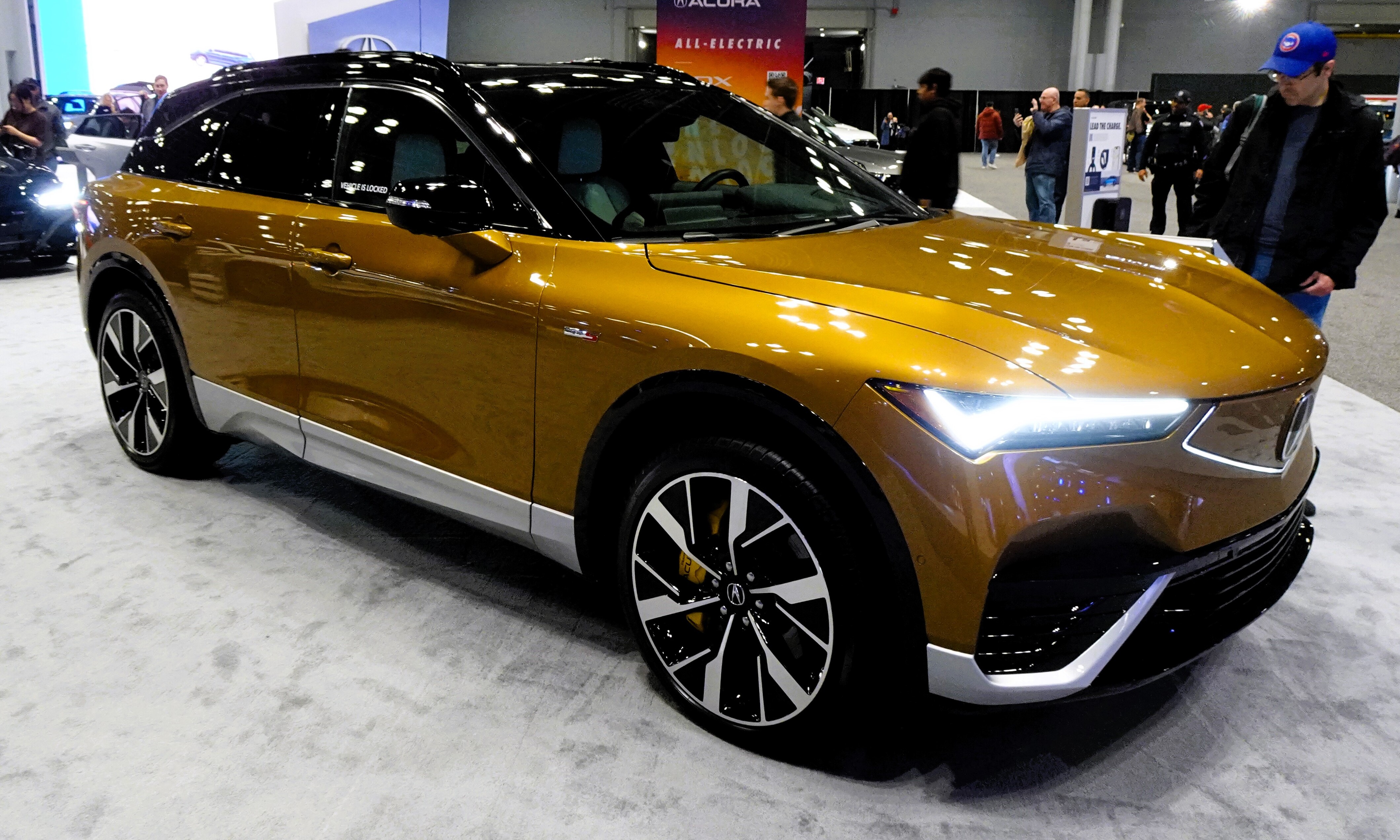
Acura ZDX
Acura ZDX is a specific Acura model. The important part here is that the rearview camera can sometimes show a distorted or blank picture, which makes backing up harder and less safe.
Airbag in flatormay rupture
An airbag is the safety cushion that deploys in a crash. If an airbag can rupture, it can fail to protect you the way it’s supposed to.

Hyundai Elantra GT
Hyundai Elantra GT is the hatchback version of the Elantra. In this segment, it’s mentioned alongside other 2015–2016 Elantras as part of a list of issues.
Hybrid power control unit
The hybrid power control unit is the computer/electronics box that controls the hybrid system. If it overheats, it can get dangerously hot and may cause problems.

Hyundai Ioniq 5
The Hyundai Ioniq 5 is an electric SUV. The issue mentioned is that some rear suspension bolts/fasteners can be loose on certain model years, which can make the car’s handling less secure.
loose rear suspension fasteners
Suspension fasteners are the bolts that keep the suspension parts attached. If they’re loose, the car can handle differently and the parts can wear out faster.
forward collision avoidance system
This is a safety feature that looks ahead for cars or obstacles. If it thinks you’re about to hit something, it can warn you and may even brake for you.

Hyundai Santa Cruz
The Hyundai Santa Cruz is a small crossover-truck. It has safety features that try to prevent crashes, and the host is talking about how that forward-collision system is acting.

Hyundai Tucson
The Hyundai Tucson is a popular SUV. The host is talking about the car’s crash-avoidance safety system and how it’s working.
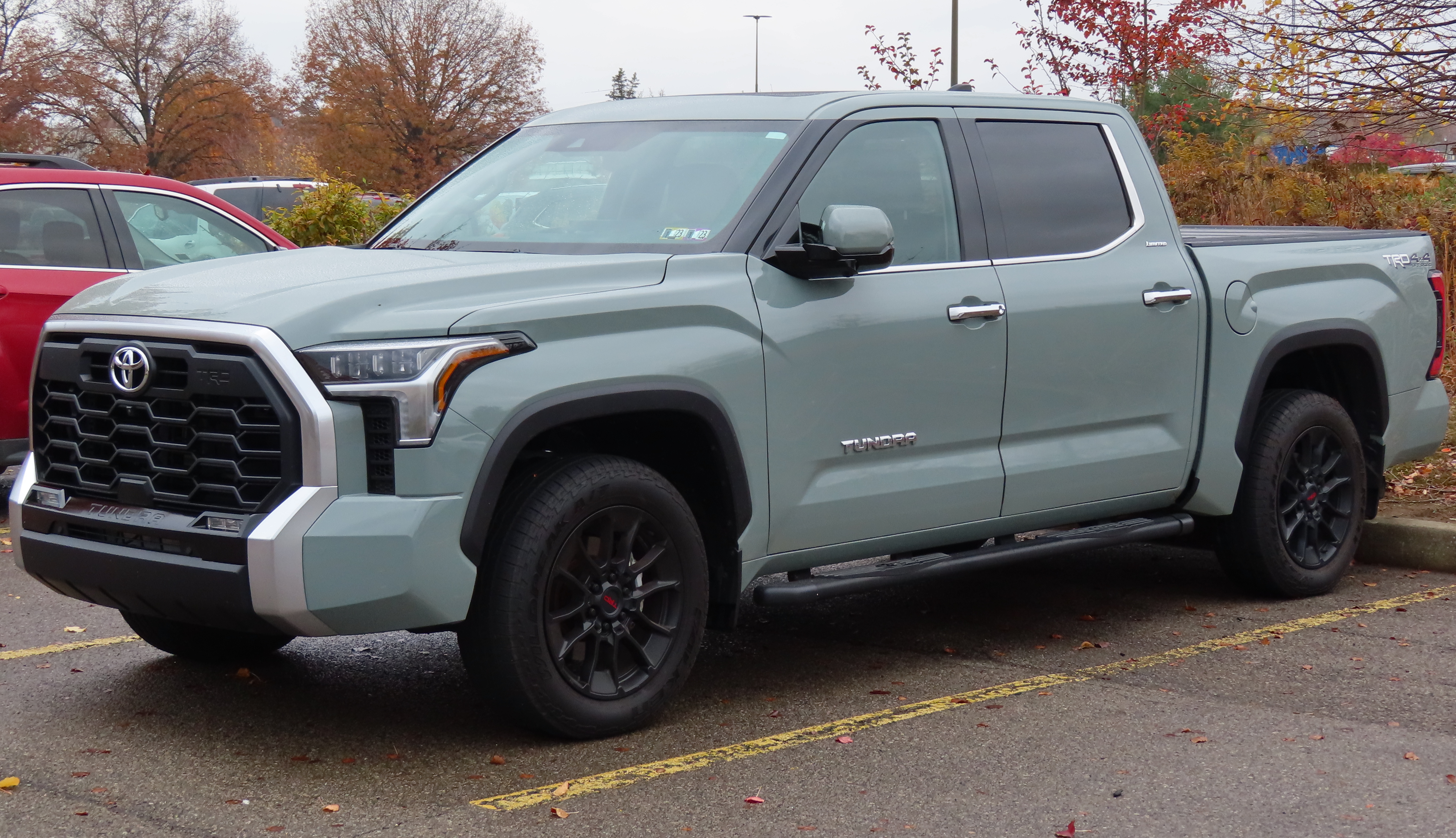
Toyota Tundra
The Toyota Tundra is a big pickup truck. The host is talking about how something getting into the engine can cause the truck to stall.
stall
A stall is when the engine shuts off unexpectedly. The car can feel like it dies or loses power because the engine can’t keep running.

1959 Cadillac Series 75
This is a 1959 Cadillac, and the Series 75 is one of its big, luxury versions. It’s famous for its bold, “tail fin” styling, and the hosts are talking about its auction price and how original it looks.
wide whites
“Wide whites” are tires that have a thick white band on the side. They’re common on classic cars because they look like the tires those cars had when they were new.
fins
“Fins” are the big, pointy tail shapes you see on some 1950s cars. On a car like this Cadillac, the fins are a big part of what makes it look like it belongs to that era.
Hemings
Hemings is a classic-car company that publishes about old cars and also runs sales/auctions. The hosts are using it as the reference for where this car was sold and what it fetched.
pre-Dagmar's
“Pre-Dagmar’s” is a shorthand for an earlier style era of Cadillac tail-fins. They’re basically saying this car’s fin design is from before that later, more recognizable Dagmar look.

1981 Chevy Blazer
The 1981 Chevy Blazer is an older Chevrolet SUV. It’s a classic, rugged-looking vehicle from the early 1980s, and they’re about to talk about it next.
lifted
“Lifted” means the vehicle has been raised from the factory ride height, usually with suspension changes like taller springs or lift kits. On an older SUV like a Blazer, lifting often improves ground clearance and gives it a more aggressive stance.
chrome under the nose
That phrase means there’s shiny chrome trim on the front of the truck. It’s usually added for looks and to make the vehicle stand out.
woodwoodgreen
“Woodwood green” is the color the host likes on the truck. With older cars, the exact paint color is part of the appeal—especially if it matches the original look.
run it down the road
That phrase means the truck is basically ready to drive. The speaker is saying you don’t need to fix it first.

1972 Volvo 1800
This is a classic Volvo from 1972 called the 1800. The hosts are talking about what kind of drivetrain it has—like a manual transmission—and what its engine is like—so you can understand why people care about it as a collectible.
Wankel
A Wankel is a type of engine that works differently than most cars. Instead of pistons moving up and down, it uses a spinning rotor—so it can look unusual in photos, which is why the host thought it might be one.
manual transmission
A manual transmission means you shift gears yourself using a clutch and a stick. Drivers like it because it lets you control what gear the car is in instead of the car deciding for you.
four-cylinder
A four-cylinder engine is a normal engine layout with four combustion chambers. The host is saying the car isn’t a rotary—it’s a regular four-cylinder engine.

2015 Porsche Cayman
This is a Porsche Cayman, a sports car where the engine sits closer to the middle of the car. That layout helps it feel balanced and fun to drive, and the 2015 model is from a well-liked generation of Caymans.
on-ramp accelerator test
This is a quick test of how well a vehicle speeds up when you’re merging onto a road. The idea is to see whether it feels quick and responsive when you press the gas.
moonroof
A moonroof is a glass roof panel that can open. It lets in more light (and sometimes air), and in this joke they’re imagining one that opens so far you could stick your head out.
sunroof
A sunroof is a glass panel in the roof that can open for fresh air and sunlight. They’re basically saying the vehicle might have a roof opening feature.

2005 Chrysler Crossfire
The Chrysler Crossfire is a small coupe from the mid-2000s. It looks cool, but the back seat is cramped—there’s not much legroom for passengers.
re-badged
“Re-badged” means the same car is sold under a different brand name. Usually it’s mostly the same underneath, but the badges and branding change.

Marmon Wasp
The Marmon Wasp was a race car. The interesting part is that it had features that later showed up on regular cars, like early rearview-mirror ideas.
rearview mirrors
A rearview mirror is the mirror that helps the driver see what’s behind the car. It’s a basic safety feature, and the host is saying it showed up early in race cars before becoming common.
diesel passenger car
This just means a normal car that runs on diesel fuel. The host is emphasizing that diesel engines were moving into regular passenger cars, not just trucks.

Mercedes-Benz 260D
The Mercedes-Benz 260D is a famous early diesel car. The big deal is that it helped make diesel engines something you could buy in a normal passenger car, not just in trucks.
Berlin Motor Show
The Berlin Motor Show is a car show where companies reveal new cars and tech. Here, it’s mentioned as the event where Mercedes-Benz debuted the 260D.
wind tunnel testing
Wind tunnel testing is how engineers study how air moves around a car. They use it to shape the car so it cuts through air more efficiently and predictably.
unibody vehicle
A unibody vehicle means the car’s body and frame are basically one integrated structure. It’s a common modern approach, and the host is saying the Airflow used it early.
waterfall type grill
A waterfall grille is a grille design that looks like it flows downward in layers. It’s a visual styling detail the host is pointing out on the car.
windshield wastechnology
The host is talking about how the windshield is made. Instead of one flat glass panel, it’s built from two pieces that fit together to match the car’s shape.
wheel wheel covering
These are parts that cover the wheels to help the car move through air more smoothly. The host is saying the Airflow used this kind of aerodynamic trick.

Chrysler Airflow
The Chrysler Airflow was an older Chrysler that stood out because it was designed to slice through the air more efficiently. The host is saying it’s a cool, rare car you usually have to go looking for in a museum.
NXT series
They’re talking about a racing series called NXT that they watched earlier. It’s basically what motorsport event/show they were following.