This is a government rule that forces car companies to make and sell a certain percentage of electric cars every year. If they don't sell enough, they have to pay big fines.
Car
Skoda Peaq
This is a brand-new, very large electric family car from Skoda that has seven seats. It can travel up to 390 miles on a single charge and is designed to be a more affordable alternative to luxury electric SUVs.
This is an official laboratory test used to measure how far an electric car can drive on a single charge. Real-world driving, especially on fast highways or in cold weather, usually results in about 10% to 20% less range than this official number.
This is a large, futuristic-looking electric SUV from Kia with three rows of seats. It is known for charging incredibly fast and having plenty of space for families.
This is Hyundai's largest electric SUV, offering three rows of seats and sharing its high-tech mechanical parts with the Kia EV9, but styled with a more rounded, aerodynamic body.
A kilowatt is a measure of speed or power. When talking about charging, a higher kilowatt number means the charger can pump electricity into your car's battery much faster.
As an electric car battery gets full, the car automatically slows down the charging speed to protect the battery from getting damaged or too hot. It is like slowing down a water hose as a glass gets close to spilling over.
This is a tax you pay in the UK if your employer gives you a company car for personal use. Because electric cars emit zero emissions, their tax rates are set extremely low compared to petrol or diesel cars, saving drivers thousands of pounds.
The Renault ZOE is a very small, electric hatchback made by the French company Renault. It is designed primarily for driving in cities and tight spaces, and it runs entirely on electricity.
The Hyundai Kona is a small, high-riding hatchback or compact SUV made by the South Korean company Hyundai. The electric version runs entirely on battery power and can travel a long distance on a single charge.
The Tesla Model Y is a popular, mid-sized electric SUV made by Tesla. It looks like a taller, more spacious version of the Model 3 sedan and is known for its high-tech interior, large touchscreen, and long driving range.
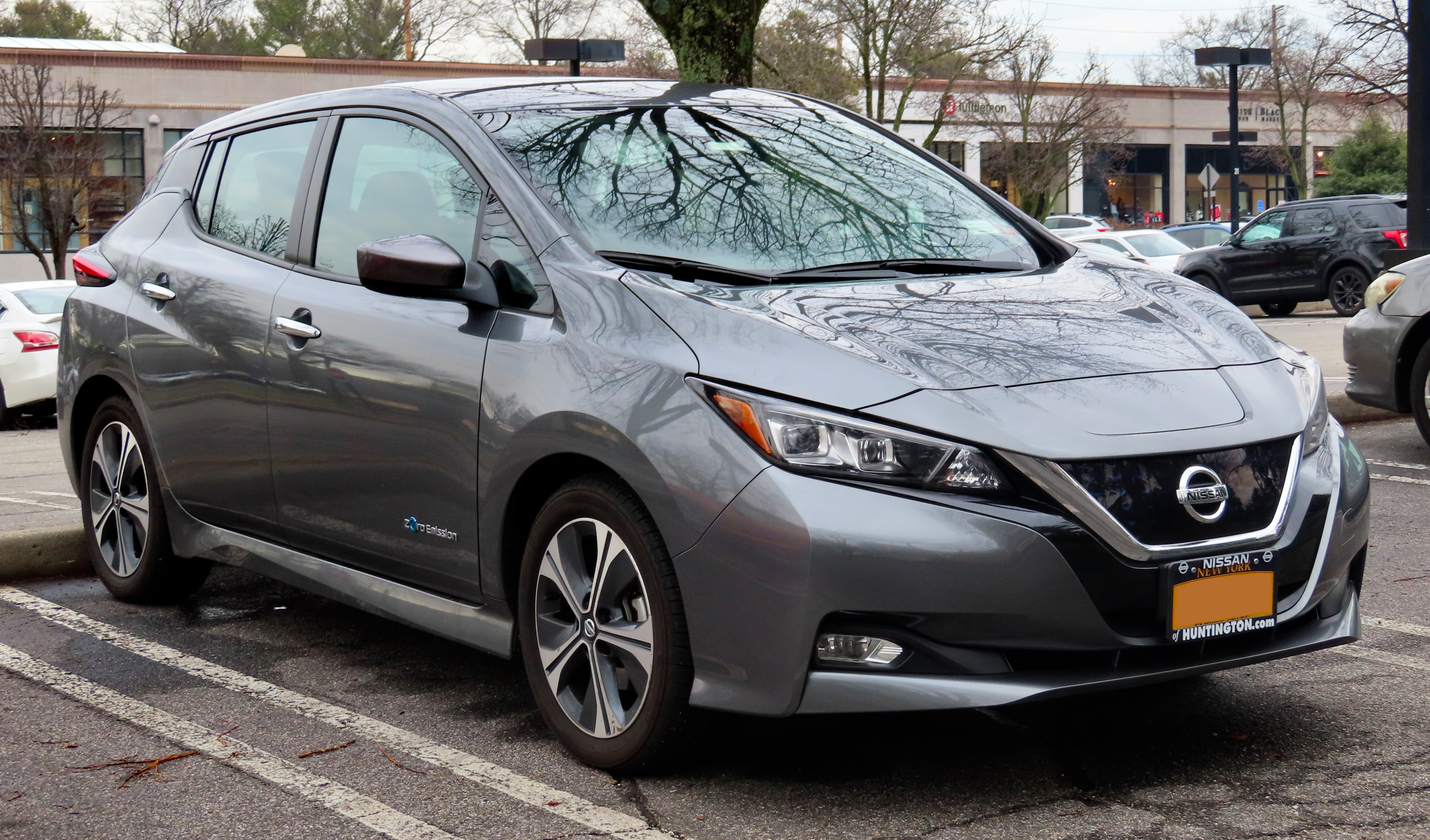
The Nissan Leaf is a small, all-electric hatchback made by the Japanese company Nissan. It is designed to be an affordable, easy-to-drive everyday car that does not use any gasoline.
This is a highly popular, mid-sized electric sedan from Tesla. It is known for its high-tech minimalist interior, great driving range, and easy access to Tesla's fast-charging network.
While 'Pulsar' is an older car name, in this context, it refers to a popular brand of home charging box that you mount on your wall to plug in and charge an electric car at home.
LIVE
Morning. How are you doing? Nice to see you. It's Friday. It's the third of July, 2026.
Four stories worth knowing this week, plus a new EV charging bootcamp episode.
In the news this week, four stories, one bootcamp episode. First up, we've got the government's
about to cut its own electric car sales grant, and it's happening in the middle of a leadership
scramble. I'll give you the number that you should worry about more than the politics
does. Then Skoda's just priced the biggest electric car it's ever built, seven seats,
390 miles of range, and a price that undercuts what you'd expect. After that, it's EV charging
bootcamp, as usual. Today, we're going to sort kilowatts from kilowatt hours because
those mixing those two up is quietly costing people money on their home charging. Then the
company car tax change that's quietly nibbling at the electric advantage, and some genuinely
good news on the money side because used electric car prices have nearly halved in three years.
Right. Let's get into it. The ZED EV mandate. Let's talk about that because there's been
lots of change on the ZED EV mandate recently, and I'm just going to share the right screen for
you. Let's just put this graphic up, share this tab instead, and we're going to add that to the
stage. Okay. We flagged this one brewing last week while we were away in France. When EVA
England wrote to the transport secretary, warning the government was quietly softening the ZED
EV mandate. Since then, it's escalated a lot faster than anyone expected. As the government
about to weaken the electric car sales target, yes. Reports say the 2030 target is being cut from
80% of new car sales being electric down to 50%. Industry body BEMA says that single change could
cost the UK economy at least £2.9 billion and as much as £16.7 billion in a worse case.
Let's get the numbers straight first because they matter more than the politics around them.
Right now, the rule is called the ZED EV mandate. That's zero emission vehicle mandate,
and it sets out what share of new cars each manufacturer has to sell as pure electric,
every year building up to 2030. This year, that number 28%. By 2030, it's supposed to hit 80%.
That's the ZED EV mandate UK 2026. That's the rule everyone's fighting about right now.
The car industry through the SMMT has wanted this watered down for months. They say the targets
were set five years ago in a completely different economy and that demand just isn't there to hit
them without help. Once new since last week on the 30th of June, the SMMT went further and called
directly on whoever becomes the next prime minister to weaken the mandate. Timing tells you
that tells you exactly who they think is about to be making that decision. And here's where it
gets really properly messy. This is landing in the middle of a government that's mid-collapse.
Keir Starmer resigned as prime minister on the 22nd of June. He's staying on as caretaker
while Labour picks a new leader that King like Andy Burnham expects to take over around the 18th
and 19th of this month. So you've got a caretaker prime minister, an incoming prime minister who
hasn't set out his EV policy yet, and the SMMT publicly calling on whoever's in charge to gut
the mandate all in the same three weeks. Interestingly, Andy Burnham's wife works with
BEV, one of the large charging network, and has an interest in that. I think he's declared that
already. But there is some kind of EV alliance there that's visible, not known but visible.
UK prime minister EV policy worth watching closely over the next fortnight.
And this is the bit that didn't exist when we covered this last week. Here's my problem with
the 80-50 framing. It sounded like a modest correction. It's not. BEAMA, that's the trade
body for the people who actually build the electrical infrastructure this all runs on,
published new analysis on the 29th of June and did the maths.
Best case scenario, every car that doesn't go electric because of weaker mandate gets bought
as a hybrid instead. Even then, the Treasury loses £2.9 billion in VAT revenue because hybrids
generate less VAT sale than EVs do. Worst case, it's not £2.9 billion, it's £16.7 billion between
2030 and 2034. The ZEV mandate costs UK economy. That's the number nobody in the headlines is
leading with. And it's not just the Treasury. Charging companies, battery suppliers, manufacturers,
they've all put real money into UK factories and UK charging networks on the promise that the market
keeps growing on a predictable curve. Watered in the mandate and you don't just slow down car sales,
you make every one of those investment decisions look shakier. And look, I get the argument that
the economy's tightened buyers are cautious. That's real. Salary sacrifice schemes are still the
best value in the market. And used EV prices have been all over the place this year. But loosening
the mandate doesn't fix affordability. It just tells manufacturers they can miss their own build
targets and face fewer consequences for it, which longer term means less choice and slower price
drops for the rest of us. There's a knock on for buyers too. Even if it feel like it today,
manufacturers plan factory lines, battery orders and dealer stock years in advance based on where
the mandate says demand has to land. Soften the target and you soften the incentive to keep prices
moving down as fast as they have been. Some of the eye catching lease deals we've flagged on this
show over the past few months exist specifically because manufacturers needed the volume to count.
And it's worth remembering why the mandate escalates every year in the first place. It was
designed to give the whole supply chain from battery plants to charge point operators a
predictable curve to plan against rather than a cliff edge in 2030. Chop the target mid decade
and you don't just change one number. You reset the assumption that every other player in this
market has been building on. For what it's worth, the underlying demand story isn't actually as weak
as the industry framing suggests. EV registrations are still climbing year on year, just not fast
enough to satisfy a target that was written five years ago in a very different economic climate.
That's a nuance that tends to get lost the moment the mandate and we can end up in the same headline.
Here's my verdict on this. If the UK government wants to change the ZEV mandate, fine. Do it with
a proper review, not a leadership vacuum panic decision. Right now this is happening because
nobody's actually in charge and well that's exactly the wrong moment to be rewriting industrial policy.
Watch this one over the next two to three weeks because whoever ends up in number 10 is going to
inherit this decision almost immediately. Okay, next up we've got the SCODA PIAC. I'm just going to
take that off and run some b-roll. So you can see the car itself is a huge, huge new SCODA that's
been all electric launch. So quite interesting and compared to other cars in this sector.
From a government that can't decide on electric cars to a company that's just made its biggest
electric decision yet. And I think that's timely. What does SCODA's new 7C electric SUV cost and
is it worth it? The SCODA PIAC starts at £51,980 for the entry SEL trim rising to £58,280 for
the range topping sport line. It's a 7C electric SUV with up to 390 miles of range and rapid
charging up to 199 kilowatts. This is the biggest car SCODA's ever built full stop electric or not.
Three trims SEL from £51,980, addition from £55,130 and sport line at £58,280. Under the floor
there's an 86 kilowatt hour battery. The biggest SCODA's ever put in anything and you can have it
rear wheel drive or all wheel drive bag 90 and 90X. SCODA PIAC price and that's the number that's
going to matter a lot to fleet buyers especially. 390 miles WLTP is a genuinely useful figure,
not a lab number. Nobody hits it in real life. Even knock off the usual 20% for motorway driving
in winter, you're still looking at over 300 miles. That's a proper family SUV that does a school run,
a supermarket run and a trip to see the lawyers, the in-laws in one charge. Rapid charging tops
out at 199 kilowatts which we'll get into exactly what that number means in a minute during boot camp.
But in plain terms, that's fast enough and well over 100 miles in the time it takes to have a coffee
and a wee. Worth putting on paper, I'm putting this next to what else out there. The Kia EV9,
genuinely the closest rival on paper, starts north of £60,000 once you're into a decent spec.
The Hyundai IONIQ9 is a similar story, so SCODA is undercutting both of the obvious comparisons
by several thousand pounds while still hitting 390 miles on the range and keeping physical
buttons on the dashboard which I will dial on this hill genuinely matters when you're driving.
I think it's important that you've got buttons there and it's important that you can use them.
We're all used to that and not having to touch screens, it's like a distraction.
SCODA Piat range UK 390 miles WLTP, the longest in its class. It shares its underpinnings with the
rest of the Volkswagen Group's big electric platform which means the charging tech, the software,
the safety systems, all of that proven kit, not first-generation guesswork. That matters if you're
a fleet buyer trying to keep downtime low. The one thing I'd flag, 390 miles is the SELS case
figure on the smaller wheels. Go for Sportline with the bigger alloys and better trim and like
every EV on the market, you'll see that number drop in real world driving. Nothing unusual there,
just don't buy on the biggest number in the brochure. Order books open in September, but this
isn't a today's decision. But here's my honest take. For £52,000, a proper seven-seat electric SUV
from a brand people actually trust with reliability, this is nifty positioning. It's priced to compete
directly with the big all-wheel drive SUVs from Kia and Hyundai, not against the premium German stuff
and it's the right call. There's also a strategic read here worth flagging. SCODA spent the last
few years positioning itself as the value-conscious end of the Volkswagen Group's electric lineup.
Cheaper than a VW, roomier than a Seat or a Cupra, badged, snobbery be damned. The Piat continues
that pattern at the top of the range rather than trying to out-premium Audi or Porsche
and the same pattern on the same platform. It's a sensible lane to own and it's one very few
manufacturers are contesting properly at this size and price point. Fleet buyers in particular
should pay attention to residual value forecasts once those land. A seven-seat EV with this kind
of range and a trusted badge tends to hold its price over a typical three-year lease.
My verdict, if you need seven seats and you've been waiting for an electric option that doesn't
cost £65,000 plus, put September in your diary and go and have a look at this new SCODA Piat because
it's an interesting size car. You can see the interior here amongst some of the footage. It's
got the classic big screen but there are buttons in there rather than just a load of swipes which
is quite useful. It's also got a nice looking and comfortable seats. I think SCODA have always come
up well on comfort and ability so maybe sitting on a motorway in one of these is going to be okay.
It's not bad at all. Okay so I'm going to move into the Bootcamp episode because I want to run
here we go. Kilowatts versus kilowatt hours explained. Right, Bootcamp time. Today's one
trips up more people than almost anything else in the EV world and it's costing you some real money
without you realising it. What's the difference between kilowatts and kilowatt hours? A kilowatt,
kw, small k large w measures the rate of power or actually large k large w quite often.
It's a kilowatt measures the rate of power, how fast energy moves. A kilowatt hour kwh small k
big w small h measures the amount of energy itself, how much fuel is actually in the tank.
Your charger speed is measured in kilowatts. Your battery size and your electricity bill
are both measured in kilowatt hours. Think of it like a tap filling a bath. The kilowatt number
is how wide the tap is open and how fast the water is flowing. The kilowatt hour is how much
water actually ends up in the bath. A wide open tap for 10 minutes might fill the same amount as a
half open tap for 20. Same kilowatt hours completely different kilowatts. Kilowatts versus kilowatt
hours EV charging UK. The mix up that catches almost everyone out at some point. Here's what it
actually bites. Your home charger is probably rated at seven kilowatts. That's the tap width.
Your battery might be 60 kilowatt hours. That's the size of the bath. Divide one by the other and
you get roughly eight and a half hours for a full charge from empty. That's not a guess. That's just
the maths. Six divided by seven. Public rapid chargers are a different tap entirely. 150 kilowatt
charger is more than 20 times wider than your home. But and this is the bit that trips people up.
You almost never actually get the full number because charging speed tapers off once hard
once the battery passes about 80 percent to protect the battery. So going from 10 to 80
might take 20 minutes on a rapid charger. Going from 80 to 100 can take nearly as long
as the first 80 did. EV rapid charging speed explained UK. That taper is the bit nobody
puts on the big number on the sign. Now your your your electricity bill. This is where the
two numbers actually meet and where the confusion costs money. You're not billed for kilowatts.
You're billed for kilowatt hours. The amount of energy you actually used at whatever price per
kilowatt hour your tariff charges. So a cheap overnight tariff at around seven pence a kilowatt
hour charging that same 60 kilowatt hour battery from empty costs you about four pounds twenty.
Do the same charge on a public rapid charger at around 76 pence a kilowatt hour.
And you're looking at over 45 pounds for the identical amount of energy. Same kilowatt
hours. Oddly different bill. That gap is entirely about where and when you charge not about the car.
Home charging versus public charging costs per kilowatt hour UK. That price gap is the single
biggest lever you can control. Quick bit of context on where the kilowatt number it comes from
because it's not arbitrary. Powering kilowatts is roughly volts multiplied by amps divided
by a thousand. A three pin domestic socket is limited to about three kilowatts. Technically doable
but painfully slow. We're talking a day and a half for a full charge on a big battery.
A proper seven kilowatt home wall box roughly doubles that speed. And that's why installing
a dedicated charger rather than just running an extension lead out of the window actually makes
a real difference. Not because the electricity is any different but because the rate it's allowed
to flow at is higher. Home EV charger installation kilowatt UK. Seven kilowatts is the standard
single phase ceiling for most UK homes. One more wrinkle worth knowing. Most UK homes only get
single phase power which caps you at seven kilowatt figure regardless of what charge you buy.
Three phase power which unlocks fast home charging up to 22 watts exists in the UK
but it's mostly in commercial buildings and some newer housing developments.
If you've ever wondered why you're made with the fancier charger is still
still isn't charging any faster than you. That's usually why. We'll do a full episode on single
phase versus three phase specifically because it deserves its own 10 minutes. Single phase versus
three phase EV charging UK coming in a future UK charging boot camp episode. On public chargers
the sepults times amps math supplies just at a much bigger scale using direct current instead
of alternating current which is its own topic and one we've actually covered before so I won't
repeat it here. What matters today is just this bigger kilowatt number on the sign means faster
fill not a different kind of electricity and your bill is always about a kilowatt hour never the
kilowatts. If you only remember one thing remember that kilowatts tell you how fast kilowatt hours
tell you how much and how much it costs. Next time you see a charger advertised as 150 kilowatts
that's telling you about speed not price and not necessarily the speed you'll actually get
once you're past 80%. Next week we keep working through the series actually I'm going on holiday
for a couple of weeks it won't be next week but I will do some pre-records on on the boot camp
episodes. Okay so we're going to go on to company car tax because that's our next segment today
and how are we doing on time okay my timing's about right that's good so company car tax is
rising. Back to the news and this one is straight a straight money story for anyone on a company
car to scheme. Is a company car electric car still worth it now but benefit kind in benefiting
kind tax is rising yet comfortably but the gap is narrowing electric company cars now pay 4%
benefit in kind tax up from 3% rising to 5% next April and 9% by 2029 2030 still far cheaper than
petrol's 30 plus percent but the direction of travel matters. Let's put real numbers on that because
percentages on their own don't mean much on a 40 000 pound electric car that one point rise
takes a basic rate taxpayer monthly bill from around 20 pounds to 26 pounds 67 not life changing
but it's a direction not a one-off company car tax UK 2026 4% this year rising to 9% by 2029 2030
compare that to a petrol equivalent a high rate taxpayer on a 48 000 pound electric car
pays around 768 pounds a year in benefiting kind tax the petrol version of a similar car
at a 31 rate cost that same driver just under 6 000 pounds that's not a marginal difference
that's the electric car costing roughly an eighth of the tax so why is this rate
rising at all if the government wants people in electric cars simple reason
benefiting kind tax on EVs has been so low for so long that it's actually become a genuine cost
to the tree not just a theoretical one company car take up has shifted hard towards electrics
specifically because of this tax gap the government's raising the tax rate gradually rather than yanking
away which is the sensible way to wind an incentive that's done its job without spooking the fleet
market it's been driving a huge chunk of EV sales benefiting kind electric car tax UK
still a fraction of the petrol rate even as it rises there's a genuinely good bit of news
buried in here too businesses buying a new unused fully electric car before the end of
march next year can claim 100% first year allowance against corporation tax right the whole cost off
in year one and electricity still isn't treated as fuel for the company car fuel benefit charge
so if your employer pays for your home or workplace charging there's no extra tax liability on top
that's one that one's easy to miss and worth checking your payroll team actually knows about
this matters beyond individual drivers too company car and salary sacrifice schemes have
been one of the single biggest engines behind UK EV sales over the past year few years a huge
share of the electric car road today got there through exactly this route not a private buyer
walking into a showroom employers use the tax gap as a genuine recruitment and retention tool
particularly for staff who'd never otherwise consider going electric on their own any change
to that gap even a gradual one is worth the fleet industry watching closely not just individual
drivers doing their own some nobody on a company of these scheme needs to panic about this I think
the maths still overwhelmingly favours electric and we'll keep doing so all the way to 2029 2030
but if you're the sort of person who times a company car order around the tax year
ordering before April rather than after now is a genuinely saving worth having and not just a rounding
error okay we're going to go on to use DV prices because they're dropping and they have dropped
a lot so I'm just going to do a little piece on that for you how much it's good news if you're
buying a used EV by the way rather than leasing an EV how much is the average used electric car
actually come down in price a lot the average used EV in the UK now costs around 20 000 pounds
down from roughly 39 000 just three years ago used electric car sales jumped nearly 46% in 2025
to a record 274 000 transactions and you these are now the fastest selling fuel type on the market
20 000 pounds down from 39 000 three years ago it's not a gentle drift that's roughly half the
price in three years some of it is simply more EVs reaching the used market as the last few years
of new sales feed through used electric car prices UK 2026 down nearly half in three years
and it's not just the average that moves entry-level used EVs think Nissan Renault Zoe are
available under 14 000 pounds now stretched to 10 to 15 000 a unit to genuinely good cars like the
early Tesla Model 3 second-generation Leafs Hyundai Kona's with 200 to 250 miles of real-world range
and manufacturer warranty still running speed of sale backs us up too used EVs are taking an
average of 38 days to sell three days faster than the market average across all fuel types
that that's demand not desperation dealers aren't sitting on stock hoping someone bites these cars
are moving worth being straight about why this matters though because just being a night other
than just being a nice number this is the used market doing what the new can't grant and salary
sacrifice scheme structurally can't because both of those are built around new purchases and most
UK bar buyers 75 to 80 percent of them by use not new a falling used EV price curve a bigger deal
for genuine mass market adoption than any single new car incentive it's also worth saying that this
plugs directly into the affordability conversation we keep coming back to on this show every grant
every social leasing proposal every salary sacrifice scheme is aimed at getting more people
into new electric cars the used market are just doing this on its own without needing a single
government intervention is arguably more important story long term because it's the route most people
actually buy through if you've been waiting for the used EV market to become genuinely a mainstream
on price this is that moment do your homework on battery health and remaining warranty like you
always should but the idea that going electric means paying new car money is simply out of date now
right i'm going to go on to your questions but before i do that i'm going to go back to
the live rates just so you can see what's going on there this tap is dead and i'll just keep me
small so you can see the new release deals current i updated all the club rates this week
and emailed all the new club members thank you for joining there's savings there are savings
going on there's a new home charging rate that's under seven p per kilowatt hour so it's a good
time to have a look around at those rates and see if you can get a better deal
it's a couple of free charging free charging sites have come up as well for slow charging you
see charge place scottland there and i think it was a few alde sites have come up as offering free
charging at the moment so have a look out for those two okay does this weaker zv mandate mean
electric cars get more expensive not directly pricing is driven by battery costs and competition
both still falling but a weaker mandate removes some of the pressure on manufacturers to discount
evs to hit sales targets so some of the agrar deals we've seen this year could dry up a little
manufacturers have been offering strong finance deals partly because they need the sales to count
towards their yearly target take the pressure off and some of that urgency goes with it
next should i wait for the scota piac or buy something new if you specifically need seven
seats and can wait until september for order books to open it's worth the wait the pricing
undercuts its obvious rivals by several thousand pounds if you need a car now don't hold your breath
for early deliveries new model launch has always come with a gap between order books opening and
first deliveries often several months factor that into any way or by decision is 199 kilowatt
charging speed actually usable in real life well yes but only for part of the charge remember today's
bootcamp lesson speed tapers after 80 to protect the battery you'll still seek close to that peak
number briefly at low battery then it drops off steadily as the charge climbs towards full
judging cars charging by how long a 10 to 80 top up takes not by the headline peak kilowatt
figure alone that's a really good point look at the 10 to 80 top up times does the benefit in kind
rise change case for a company ev not meaningfully not yet even at 9 in 20 29 20 30 electric company
cars will still sit follow petrol's 30 plus 30 plus percent ray that rises worth knowing about
but it's not a reason to switch a company car order back to petrol or hybrid where it does
matter is timing large fleet orders if you're choosing between ordering in march or april
ordering before the taxier turns over now saves a small but real amount and that adds up across a
fleet last one is it better to buy a used ev now or wait for prices to fall further
if you need a car in the next few months buy now prices have already fallen close to 50 percent in
three years and 38 day average selling times mean good cars don't sit around waiting for you waiting
for the crashes and obviously the smart play here the steepest part of the price fall has likely
already happened from here expect steadier more gradual depreciation curves close to how the petrol
use market behaves not another cliff edge drop keep an eye on prices the less popular used evs
have sunk a lot and you can pick up some real bargains especially amongst the auctions where
a fleet cars are coming into auction um because they want to get rid of them quickly after the
three year lease deals end and there's some really good cars around so keep an eye out for those
keep an eye out for currently steals and we're showing them on our on our latest
rates there's that home tariff edf go electric at 6.99 p under 7 p is good for home charging
the reno e4 e-tech evolution is coming in at 166 pound a month um and that's a really good
price compared to the other ones and there's new pricing coming in for all these new home charges as
well uh wool box plus pulsar plus coming in at the cheapest and on the rapid charging ionity
passport which is a subscription but it's cheap it's fifth well cheap relatively cheap it's 56p
per kilowatt but it'll be good fast charging at ionity stations you have to pay a monthly fee
but you're going to get good rates on it and that's good so if you want the cheapest public
charging rates every month the best lease deals we find and a weekly digest of what's actually worth
knowing that's the prime time ev club is free link in the description prime time ev.com slash club
or just email club at prime time ev and i'll get you added quick recap before i go watch the z ev
mandate story over the next fortnight scota piac order books open in september and if you're on a
home charger remember kilowatts is speed kilowatt hours is what you're actually paying for that's
it for me from this week take care of yourselves i will see you in a few weeks thank you bye
About this episode
Political turmoil meets industrial policy as the UK's ZEV mandate faces a potential watering down, threatening billions in economic losses amidst a prime ministerial transition. On the product side, Skoda's massive new seven-seat Peaq SUV debuts with an impressive 390-mile range, strategically undercutting rivals like the Kia EV9. Finally, a helpful EV charging bootcamp demystifies the costly confusion between kilowatts and kilowatt-hours, helping drivers optimize their home charging setups.
00:00:00 EV news this week: 4 stories, 1 Bootcamp episode00:01:30 Is the ZEV Mandate about to be cut in half?00:07:30 How much is the Skoda Peaq in the UK?00:12:00 What's the difference between kW and kWh?00:18:30 Is a company EV still worth it as BIK tax rises?00:22:30 How much have used EV prices actually fallen?00:24:30 Your EV charging questions answered00:30:00 Subscribe & Join the Club
ZEV Mandate UK 2026. Skoda Peaq price UK. Company car tax EV UK 2026. This week on Primetime EV Live — four stories and an EV Charging Bootcamp episode in 30 minutes.ZEV MANDATE — THE FOLLOW-UP. We flagged the government softening the 2030 EV sales target brewing last week. Now there's new detail: trade body BEAMA says cutting the target from 80% to 50% could cost the UK economy £2.9bn in the best case, up to £16.7bn worst case. It's landing mid-way through a Labour leadership handover, with Andy Burnham expected to take over as PM around 18-19 July, and the SMMT has now called directly on the next PM to act.SKODA PEAQ REVEALED. Skoda's biggest electric car ever — a seven-seat SUV from £51,980, up to 390 miles WLTP range, 199kW rapid charging, and an 86kWh battery. Order books open September 2026.EV CHARGING BOOTCAMP — EPISODE 3: kW VS kWh EXPLAINED. The difference between kilowatts (rate) and kilowatt-hours (amount) trips up more EV owners than almost anything else. What it means for your home charger, your rapid-charging times, and your electricity bill.COMPANY CAR TAX ON EVs IS RISING. Benefit-in-Kind tax on electric company cars climbs from 4% this year to 9% by 2029/30 — still far below petrol's 30%+ rate, but the direction matters for anyone timing a fleet order.USED EV PRICES HAVE NEARLY HALVED. The average used electric car in the UK now costs around £20,000, down from roughly £39,000 three years ago. Used EV sales jumped 45.7% in 2025, and they're the fastest-selling fuel type on the market.──────────────────────────────⚡ FREE: Join the Primetime EV ClubCheapest public charging rates every month · best lease deals · weekly EV digest👉 primetimeev.com/club 📧 [email protected]──────────────────────────────