Audi’s rumored 987-hp supercar sparks a wide-ranging debate about whether it’s truly an R8 successor, how hybrid power could hit 1,000 hp and 217 mph, and why $700,000 pricing may clash with buyer expectations. The conversation then pivots to car-market reality: allocations, PR-driven narratives, and why “you gotta go drive the car.” Later, Slate pre-orders get dissected (non-refundable deposits, tax-credit timing), while Ford Bronco news covers special editions, interior praise, and even a “do not drive” safety notice.
If you're a parts manufacturer or supplier that want's to be apart of either the 2003 LX470 or 2014 Gen 1 SVT Raptor, get in touch with us via email at [email protected]
Follow the show on social @ClutchCulturePod on Instagram & TikTok
"By the way, it's definitely not an R8 replacement, because let's look at exactly what happened with NSX, right? ... certainly has a lot of R8 in its DNA"
The Audi R8 is a high-end supercar from Audi. It’s the kind of car people use as a reference point when talking about what a new Audi supercar might replace.
The Audi R8 is Audi’s mid-engine supercar known for its distinctive styling and performance-focused engineering. In this segment, the hosts discuss it as a benchmark for what a future Audi might replace, including how much of the R8’s design and engineering DNA could carry over.
"... because let's look at exactly what happened with NSX, right? NSX was this price point, they released i..."
The Honda NSX is a sports car made to be fast and fun to drive. The podcast is talking about how it was priced and released, which affects how people viewed it. That’s why it comes up in the conversation.
The Honda NSX is a sports car that’s known for blending everyday usability with high-performance engineering. The episode references what happened with the NSX—specifically its price point and release—indicating a discussion about how it was positioned in the market and how that affected its story. That’s why it’s a frequent topic when people talk about the success or challenges of premium sports cars.
"because let's look at exactly what happened with NSX, right? NSX was this price point, they released it, it's basically $170,000 to $200,000 when they released it, doesn't make sense with the NSX lineage price-wise"
The Acura NSX is a well-known sports car from Acura. The hosts are using it as an example of how pricing and expectations can be confusing when a new version launches.
The Acura NSX is a mid-engine sports car that became famous for blending everyday usability with supercar-level performance. The hosts reference its original launch pricing and how that pricing didn’t align with its “lineage” expectations, using it as an example for how the market may react to a new Audi supercar.
"and you're now into completely hybrid powertrain, although I do believe it has a V8 in it, right?"
A hybrid powertrain uses both a gas engine and an electric system. The electric part helps the car make more power than the gas engine could do by itself.
A hybrid powertrain combines an internal-combustion engine with one or more electric motors and a battery system. The point here is that the hybrid setup can boost total output beyond what the gasoline engine alone would achieve.
"Yeah, go ahead, it's a four liter V8, by the way. But it has hybrid components that allow it"
That means the car has a V8 engine that’s about 4.0 liters in size. It’s the gas part of the power system being discussed.
“Four liter V8” describes an engine with eight cylinders arranged in a V configuration and a total displacement of about 4.0 liters. In this context, it’s the gasoline engine that’s paired with hybrid components to reach very high combined power.
"But it has hybrid components that allow it to get to that 1,000 horsepower number."
“1,000 horsepower” is how much power the car can make at its peak. Here, they’re saying the hybrid system helps it reach that huge number.
“1,000 horsepower” is a measure of the car’s peak power output, typically referring to the combined output of engine and electric motor(s) in a hybrid system. The hosts are tying this number to the hybrid components enabling that performance target.
"And 217 miles per hour if you wanted to go that fast."
“217 miles per hour” is the car’s estimated top speed. They’re using it to illustrate how extreme the performance claims are.
“217 miles per hour” is a top-speed figure, indicating the maximum speed the car is expected to reach under ideal conditions. The hosts mention it as part of the performance expectations for this rumored/next Audi.
"everybody's just saying this isn't the logical successor to an R8, you know, you're looking at something that's the 200 to $250,000 range."
A “logical successor” is the next car that makes sense to replace the previous one. Here, the host is saying the new Audi doesn’t feel like the R8’s obvious replacement.
“Logical successor” is a market/lineup concept: it means the next model that naturally replaces an older one in the brand’s hierarchy. The host is arguing that the new Audi they’re discussing doesn’t clearly function as the R8’s “logical successor,” even if it occupies a similar high-end role.
"their price point didn't make sense to the buyer at that point of the launch."
A “price point” just means the exact price a product is sold for. The point they’re making is that if the price is too high for the buyers at launch, sales can struggle even if the car is impressive.
A “price point” is the specific price level a product is offered at, and it strongly affects who will consider buying it. Here, the host argues that even if a car is good, the launch price can still fail if it doesn’t match buyer expectations.
"I think everyone's trying to compete on these supercars [430.3s] for these very limited amount of buyers."
A “supercar” is a very expensive, very fast performance car. In this discussion, it’s mainly about how few people can actually buy them.
“Supercars” are high-performance, premium cars designed for extreme speed and driving excitement, typically with limited production and high prices. The hosts use the term to frame a market where only a small number of buyers can realistically purchase these cars.
"Yeah, I said in true Ferrari fashion, [446.6s] they tell you they're sold out of everything. [452.1s] I mean, that's been the nature."
Ferrari is an Italian performance brand famous for limited production and high demand. The hosts reference “true Ferrari fashion” to describe how Ferrari communicates that cars are “sold out,” even when the brand is still managing allocations through dealers.
"dealership Z calls up their clientele and says, [465.5s] hey, we'll promise you the next big allocation [468.7s] if you buy three luches."
An “allocation” is basically a reserved quota of cars that a dealer can sell to certain customers. The point here is that dealers may only be able to offer the next hot car to people who also buy other cars.
In the supercar world, an “allocation” is the limited number of cars a brand or dealer agrees to sell to a specific customer or dealership. The hosts describe a behind-the-scenes practice where buyers are pressured to purchase other cars to secure the next allocation.
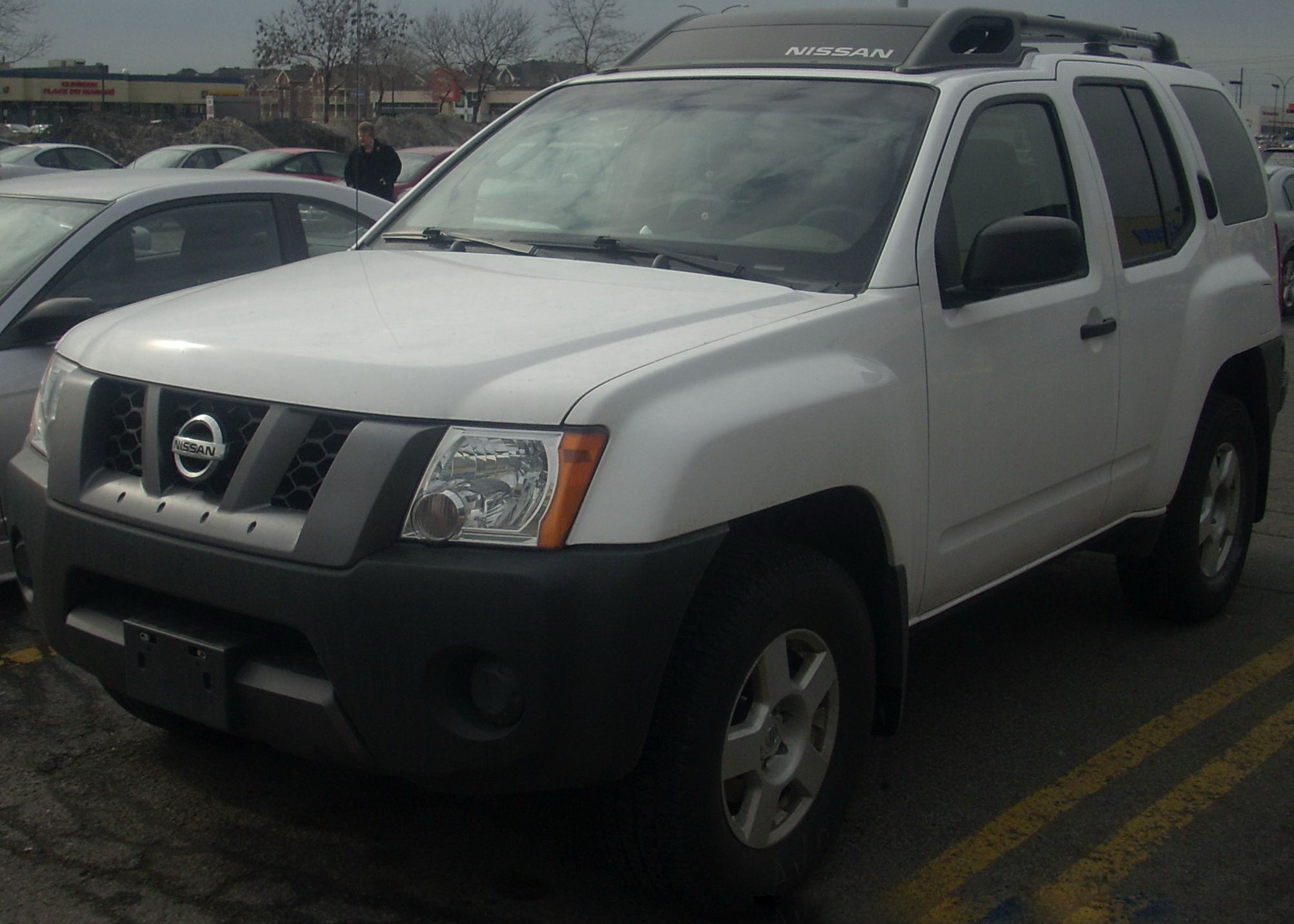
"It's why we always, when we see we had the XTERRA video go viral. And we say this, and it doesn't a..."
The Nissan XTerra is an SUV that’s built with a rugged, off-road style in mind. The podcast mentions it because a video about the XTerra went viral. That made more people pay attention to the vehicle.
The Nissan XTerra is an SUV known for its rugged, trail-oriented design and off-road-friendly reputation. The episode references a viral XTerra video, which suggests the car is being discussed because it drew attention online—often tied to its look, capability, or a specific story from the video. That kind of mention highlights how certain models can regain interest through social media.
"Woo. It's got the Raptor motor though. It's got a lot of the Raptor goodie..."
The Ford F-150 is a large pickup truck. It can be ordered in different versions, including ones that are built for more performance and tougher driving. The podcast mentions it because the Raptor-style setup adds a lot of extra performance features.
The Ford F-150 is a full-size pickup truck and one of the most widely known trucks in the U.S. market, with many engine and trim options. In the episode, it’s specifically tied to “Raptor” content—meaning performance-focused hardware and features—so the discussion is likely about how the F-150 can be configured for more aggressive driving. That makes it a natural topic when comparing what different trims offer.
"It's got the Raptor motor though. It's got a lot of the Raptor goodies in it. And it's got the appearance upgrades everywhere. Yeah, which is a painted fenders and all that kind of stuff."
“Appearance upgrades” means the changes are mostly about how the vehicle looks. Think styling details and exterior trim, not the engine or drivetrain.
“Appearance upgrades” are cosmetic changes—things like exterior styling, trim, and paint—rather than mechanical performance parts. They’re often bundled with special editions to make the truck look more like a higher-end model.
"And it's got the appearance upgrades everywhere. Yeah, which is a painted fenders and all that kind of stuff. They got little satchels here."
“Painted fenders” means the front wheel-area panels are painted to match the truck’s color. It’s mostly a visual upgrade that makes the truck look more finished.
“Painted fenders” means the fender panels are finished in body-color paint instead of left as unpainted plastic or textured trim. This is a common way to make a truck look more premium and cohesive with the rest of the exterior.
"[1447.1s] Mid 70s is what they're saying it's gonna start at,
[1449.1s] but it's gonna have the same three liter V6,"
A V6 is an engine with six cylinders. The cylinders are arranged in a V shape, and it’s a common layout in many modern trucks and cars.
A V6 is an engine with six cylinders arranged in a “V” shape. The host is using the V6 layout to describe the engine family expected in the upcoming truck discussion.
"[1449.1s] but it's gonna have the same three liter V6,
[1451.1s] the twin turbo one from the Raptor,"
“Twin turbo” means the engine has two turbochargers. They help the engine make more power by pushing extra air into the cylinders.
“Twin turbo” means the engine uses two turbochargers to force more air into the cylinders. That typically helps produce stronger torque and power across a wider range of engine speeds than a single-turbo setup.
"[1492.9s] And I've already said, [1494.1s] I've been around Bronco Raptor for a long time now. [1498.1s] It's not the most enjoyable around town [1500.8s] because I don't really love the seats."
The Ford Bronco Raptor is a tougher, off-road-focused Bronco. Here, the host is saying it can be less comfortable in town, and that the seat fit seems to depend on how tall the driver is.
The Ford Bronco Raptor is a high-performance version of the Bronco built for off-road use, typically with more aggressive suspension tuning and larger tires than a standard Bronco. In this segment, the host is discussing how it feels in everyday city driving, including comfort-related fit issues like seat sizing.
Term
collaborations
"[1512.3s] But I think it's one of these things. [1515.9s] These collaborations can go poorly. [1518.3s] This looks like if this is how it comes out"
“Collaborations” here means special versions made with help from another brand or partner. The point is that these can turn out great—or they can be awkward to live with, like seat comfort not working for everyone.
In automotive talk, “collaborations” usually means special editions or packages created by partnering brands (or by a brand and a designer/aftermarket company). The host is warning that these can sometimes miss the mark in real-world usability, like how the seats fit different body sizes.
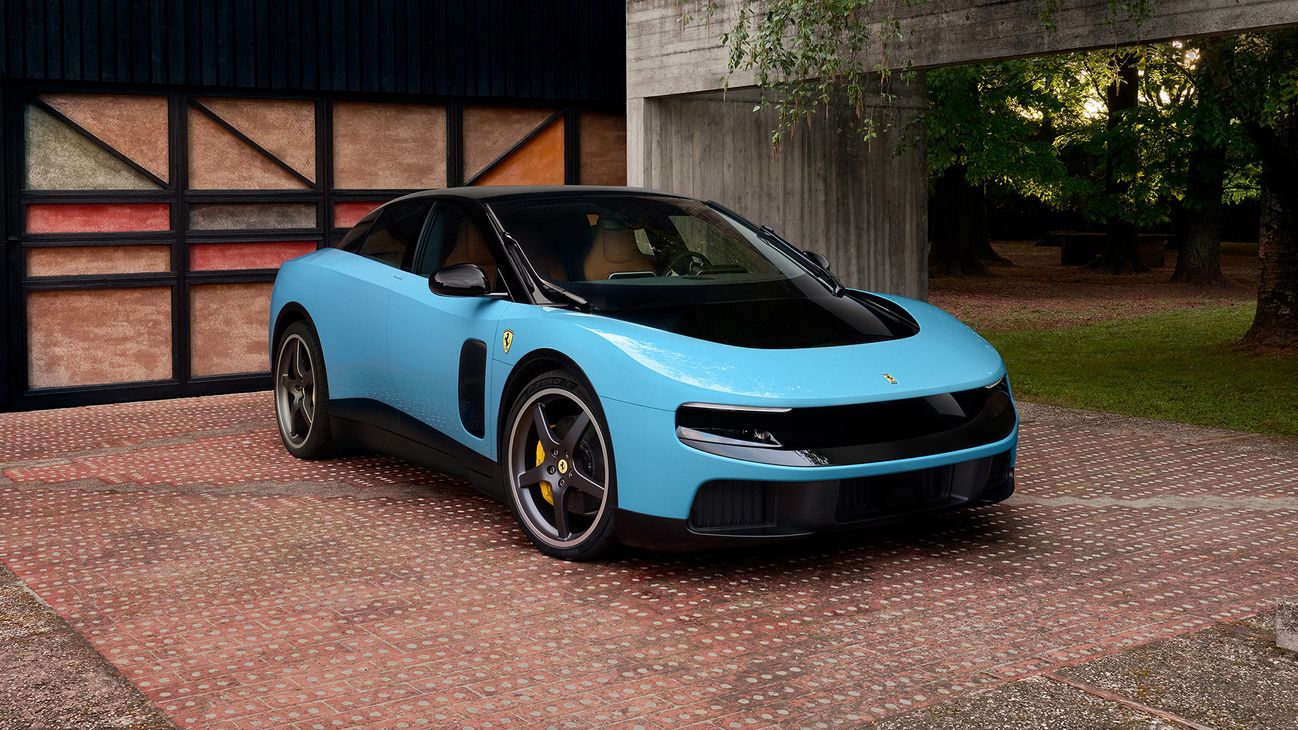
"Largely, nobody was doing that. Now, Luce seemed to be this turning point where quote unquo..."
The Ferrari Luce is a Ferrari model that the podcast describes as a major change or turning point. They’re saying it introduced something new that other cars weren’t doing at the time. That’s why it stands out in the conversation.
The Ferrari Luce is referenced as a “turning point,” implying it marked a shift in how Ferrari approached a certain aspect of the lineup or design direction. The episode frames it as something that “nobody was doing,” suggesting it introduced a new concept or strategy. That’s why it’s discussed—because turning points often change how people interpret a brand’s future direction.
"...another bit of a reveal. We had that video by the Charger that go wild the last 34 days."
The Dodge Charger is a car that’s built more for performance than for everyday comfort. It’s known for having a strong look and powerful options. The podcast mentions it because there was a new reveal and lots of people watched the video.
The Dodge Charger is a performance-oriented sedan that’s frequently associated with powerful engines and a bold, aggressive design. It’s discussed here as part of a “reveal” and a viral video, which suggests the episode is covering new information or marketing momentum around the model. That kind of attention often ties to changes in powertrains, trims, or styling.
"...st 34 days. Did you know that's bringing back the Hellcat? No, what?"
The Dodge Challenger is a performance car with a strong, sporty focus. The podcast says it’s bringing back the Hellcat, which is a high-performance version. That matters because it changes what kind of power and driving experience you can buy.
The Dodge Challenger is a performance muscle car known for powerful engines and a long-running enthusiast following. The episode mentions it in the context of bringing back the Hellcat, which indicates a discussion about a high-performance variant returning to the lineup. That kind of news is typically important because it affects what buyers can get and how the model is positioned.
"Not only that, but they're gonna bring it back
with a Plymouth Superbird, Superwing as well."
The Plymouth Superbird is a famous old-school muscle car from the late 1960s. It’s known for its huge rear wing that was designed to help it go faster in racing.
The Plymouth Superbird is a rare, late-1960s NASCAR-homologation muscle car known for its extreme aerodynamic bodywork, including a large rear wing. The hosts are saying the returning Hellcat theme will be paired with a Plymouth Superbird-style “Superwing.”
"But I don't wanna own a Bronco.
I would like to own a 90s Bronco, right?
Like I would love to own one of those."
The Ford Bronco is a tough, off-road SUV. The host is saying they’d rather own an older (1990s) one than the newer version because it doesn’t feel as “right” to them.
The Ford Bronco is a classic American off-road SUV known for its rugged, trail-focused roots. In this segment, the host contrasts wanting a 1990s Bronco with not feeling connected to the newer Bronco generation.
"Like I'm not really enthused to own a C8 Corvette,
but I can go, hey, they've done an awesome job with that.
The people that own them, love them."
The C8 Corvette is a Corvette with its engine in the middle of the car. The host isn’t interested in owning one, but they respect that other people really love them.
The Chevrolet Corvette C8 is the mid-engine Corvette, which is a major shift from the long-running front-engine layout. The host says they’re not personally enthused to own one, even while acknowledging owners love it.
"And the only thing I could add to it is,
I'm gonna follow those same steps.
The Raptor, obviously."
The Raptor is a rugged off-road version of a pickup truck. The host is saying they’re interested in that kind of vehicle next.
The Ford Raptor is a high-performance off-road pickup built for rough terrain, with suspension and drivetrain tuning aimed at handling bumps and traction changes. Here, the host lists it as a vehicle they’re likely to follow in their own buying plans.
"They've got all these different trim packages. They've done that platform really well."
A trim package is a set of options that comes together on a car. Instead of picking everything one-by-one, you choose a package that matches the features you want.
Trim packages are bundled option levels on a model—typically grouping features like interior materials, tech, and sometimes drivetrain or appearance items. The host mentions that the Bronco has “different trim packages,” meaning buyers can choose among different equipment levels.
"I can also tell everybody, I don't wanna own one. That is not because it's a bad platform. I don't wanna own any of the new Toyota stuff. So, it really doesn't, but I can say, I really like how the GX550 looks."
The Lexus GX 550 is a luxury SUV. The host likes how it looks after the redesign, but thinks the tires and wheels they chose are a bit questionable.
The Lexus GX 550 is a modern, body-on-frame SUV built around a traditional off-road-focused layout, and it’s known for blending rugged capability with a more upscale interior. Here, the host praises the GX 550’s redesign and specifically calls out the look, while also questioning some tire and wheel choices.
"although I think they've made some tire and wheel choices that are a little questionable."
Tires and wheels aren’t just cosmetic—they change how the car drives and handles. The host is saying the GX 550 looks great, but the specific tire and wheel setup they chose might not be ideal.
Tire and wheel choices affect ride comfort, steering feel, grip, and even how the vehicle looks. The host says the GX 550 redesign is good but that the specific tire and wheel setup is “a little questionable,” implying it may not be the best match for the vehicle’s intended character.
Concept
churn happen, right?
"Yeah, yeah, I mean, especially as we start to see
[3081.7s] the churn happen, right?
[3083.0s] You got so many millions being sold or whatever,
[3085.1s] and the churn starts to happen in the used market."
“Churn” means cars getting traded in and resold more often. If that happens a lot, more used cars show up and prices can fall.
“Churn” here means how quickly cars move from new sales into the used-car market. When lots of vehicles are sold and then replaced, the used inventory grows and prices can drop, changing what becomes a “no-brainer” purchase.
"[3083.0s] You got so many millions being sold or whatever,
[3085.1s] and the churn starts to happen in the used market.
[3087.6s] Like, there comes a point"
The “used market” is where people buy cars that were owned before. The idea here is that if lots of new EVs get sold, more of them will show up later as used cars, which can lower prices.
The “used market” is the resale ecosystem where previously owned cars are bought and sold. The hosts are connecting new EV sales volume to later used pricing, arguing that more supply eventually makes certain models much cheaper.
"Like, there comes a point
[3089.2s] where a Model S Plaid is a no-brainer."
The Tesla Model S Plaid is a fast electric car from Tesla. The hosts are saying that once used prices get low enough, it becomes an obvious choice to buy.
Tesla Model S Plaid is a high-performance electric sedan, known for its very quick acceleration and track-capable hardware. In this discussion, it’s used as an example of an EV that becomes an easy buy once used prices drop enough.
Car
Lexus LX470
"Honestly, that's like one of my biggest connections
to my cars is like,
[3154.0s] I always liked the 100 series platform, the LX470,
[3160.1s] and I want to own it when I get in it."
The Lexus LX470 is a big, luxury SUV based on the Toyota Land Cruiser platform. People like it because it feels solid and is built to last, so it’s a common “I want to own that one day” kind of vehicle.
The Lexus LX470 is a full-size luxury SUV built on the Toyota Land Cruiser 100 series platform. It’s known for a traditional, body-on-frame feel and a reputation for durability, which is why enthusiasts often want one as a long-term “own it someday” vehicle.
"Honestly, that's like one of my biggest connections
to my cars is like,
[3154.0s] I always liked the 100 series platform, the LX470,
[3160.1s] and I want to own it when I get in it."
The Land Cruiser 100 series is a specific generation of the Toyota Land Cruiser. It’s the kind of platform people associate with tough, long-lasting SUVs—so it makes sense the host wants to own one of the vehicles built on it.
The Toyota Land Cruiser 100 series refers to the generation of Land Cruiser built in the 1990s–early 2000s, which many SUVs (including the Lexus LX470) share as a platform. It’s a chassis-and-body style associated with rugged off-road capability and long-term ownership appeal.
"By the way, there's a right-hand drive, [3191.0s] a cord wagon in Austin, Texas, [3193.7s] if anybody's looking for one, for 11 grand. [3197.1s] What is your feeling personally about owning a right-hand drive car?"
Right-hand drive means the steering wheel is on the right side of the car. If you’re used to cars with the steering wheel on the left, it can feel strange—especially for driving and living with the car.
Right-hand drive (RHD) means the steering wheel is on the right side of the car, which is common in countries that drive on the left. It changes how you enter/exit, how the driver’s sightlines work, and can make it feel awkward for people used to left-hand drive cars.
"Is my alternator gonna go out? That's honestly what gets people like you"
The alternator is what keeps your car’s battery charged while you drive. If it goes bad, the battery can run out and the car may start acting up or stop running.
An alternator is the charging system component that generates electricity while the engine is running. If it fails, the battery can’t be recharged, and the car may stall or show electrical failures.
"That's honestly what gets people like you and I thinking about an EV. Like it's not because we're like in love with them, because I think we fall more towards defense on them"
EV means electric vehicle. It’s a car that runs on electricity from a battery instead of using gasoline.
EV stands for electric vehicle—cars powered primarily by one or more electric motors instead of a gasoline engine. The host is discussing how EVs can be expensive and how that cost changes the buying decision versus other cars.
"... look at it, you can get my LX and my BMW manual, E90 manual M3, and you're out the door for less"
The BMW 3 Series is a luxury sedan, meaning it’s aimed at drivers who want a nicer interior and a more enjoyable drive. Some versions can be bought with a manual transmission, which is a feature enthusiasts look for. The podcast is mentioning it because the pricing and manual availability can make it feel like a good deal.
The BMW 3 Series is a compact luxury sedan that’s popular for its driving dynamics and availability of manual transmissions on certain trims/years. In the episode, it’s brought up in the context of comparing options like an “E90 manual M3” and pricing, which points to a discussion about value and enthusiast appeal. That makes it a common topic when people talk about affordable ways to get a more engaging driving experience.
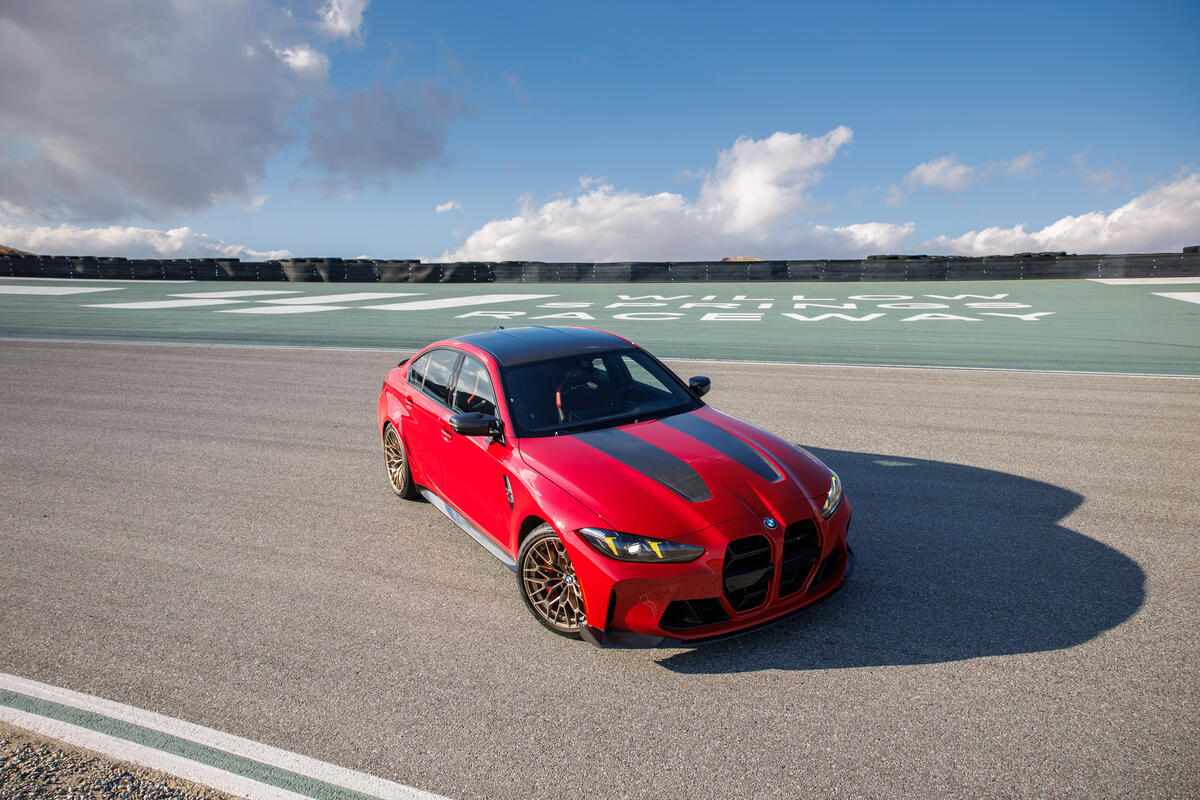
"Yeah, like you look at it, you can get my LX and my BMW manual, E90 manual M3, and you're out the door for less than you'd pay for that Philson Bronco."
This is a BMW M3 from the E90 generation, and the host is talking about the manual version. They’re basically saying you can often get a real enthusiast car for less money than what some EVs cost.
The BMW M3 (E90) is the 3 Series–based M3 generation from the late 2000s/early 2010s, known for being a driver-focused performance sedan/coupe platform. In this context, the host is specifically contrasting a manual M3 with the cost of a Bronco, highlighting how you can buy a complete enthusiast car for less money than some EVs.
"and you're out the door for less than you'd pay for that Philson Bronco."
“Out the door” (OTD) price is the total amount you pay to take the car home, including taxes, registration, and dealer fees. It’s often higher than the advertised price, so comparing OTD helps you judge real affordability.
"Totally. Have that modern car, you know, we have a GX460, go drive that around, we'll keep it maintained, you know, live your life with that thing."
The Lexus GX 460 is a rugged SUV that feels more like a truck than a car. People often buy it to drive normally day to day, and it’s known for being dependable when it’s maintained.
The Lexus GX 460 is a body-on-frame SUV known for its traditional, truck-like feel and strong off-road capability. It’s a common “keep it maintained and drive it” family vehicle because it’s built to be used rather than babied.
"And I've been thinking about this and I've actually worked on this little side thing for leases and as you get older, I feel like leases start to become something,"
A lease is like renting a car for a few years with monthly payments. You don’t usually own the car at the end, and your choice can matter more as your life changes.
A lease is a financing structure where you pay to use a car for a set term, rather than buying it outright. As people get older, the speaker suggests lease decisions can become more important because they may change how long you keep cars and how you manage monthly costs.
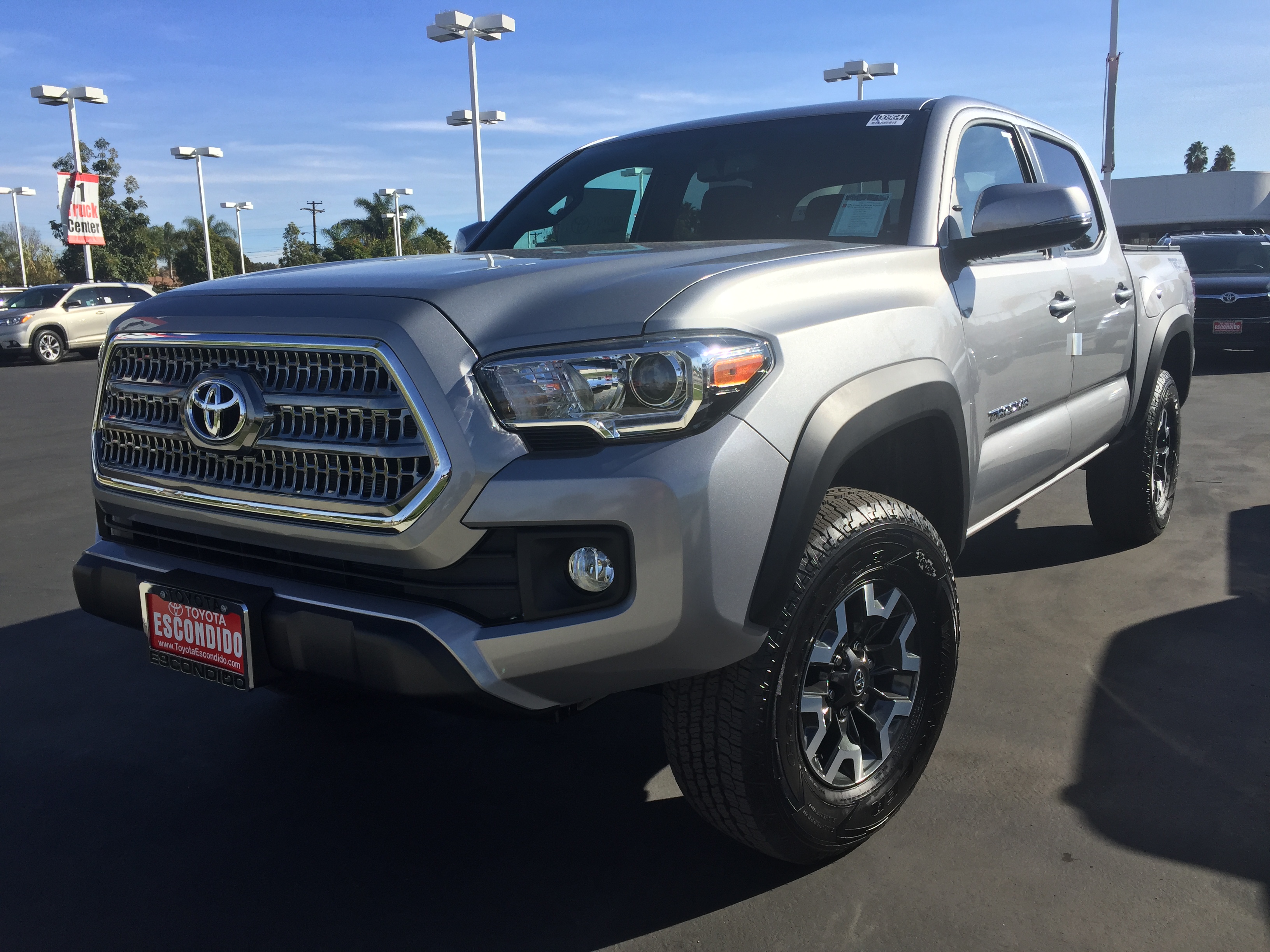
"...uch so. We see Toyotas lease deals on things like Tacoma going extremely low."
The Toyota Tacoma is a pickup truck that’s built for everyday driving and light work. It’s also known for holding its value well. The podcast mentions it because current lease deals can make it much cheaper than you might expect.
The Toyota Tacoma is a midsize pickup truck known for durability and strong resale value. It comes up in lease-deal discussions because pricing and incentives can make it “extremely low” compared to typical expectations. In this episode, that’s used to highlight how market deals can affect what buyers choose.
"I think we're going to see a lot more good lease deals. A lot of people are turning to EVs because it's just too good to ignore."
A lease deal is when you pay to use a car for a set time, usually with a lower monthly cost than buying. The hosts think more of these deals will make EVs and other cars easier to afford.
Lease deals are discounted terms offered by dealers or manufacturers for leasing a vehicle instead of buying it outright. The hosts suggest that more favorable lease pricing will make EVs and other cars more accessible, especially when shoppers are comparing low-mileage used options and new incentives.
"...ne today. So for those of you that like the Honda Ridgeline, which I heard was an okay truck."
The Honda Ridgeline is a pickup truck that’s meant to be comfortable for everyday driving. It still has truck features, but it’s not built to be the most extreme off-road machine. The podcast is mentioning it because people see it as a reasonable, practical choice.
The Honda Ridgeline is a midsize pickup truck that’s designed to feel more like a car in day-to-day driving while still offering truck utility. The episode calls it “an okay truck,” which suggests it’s being discussed as a practical option rather than a hardcore off-road or extreme performance choice. That makes it relevant for buyers who want usability and comfort.
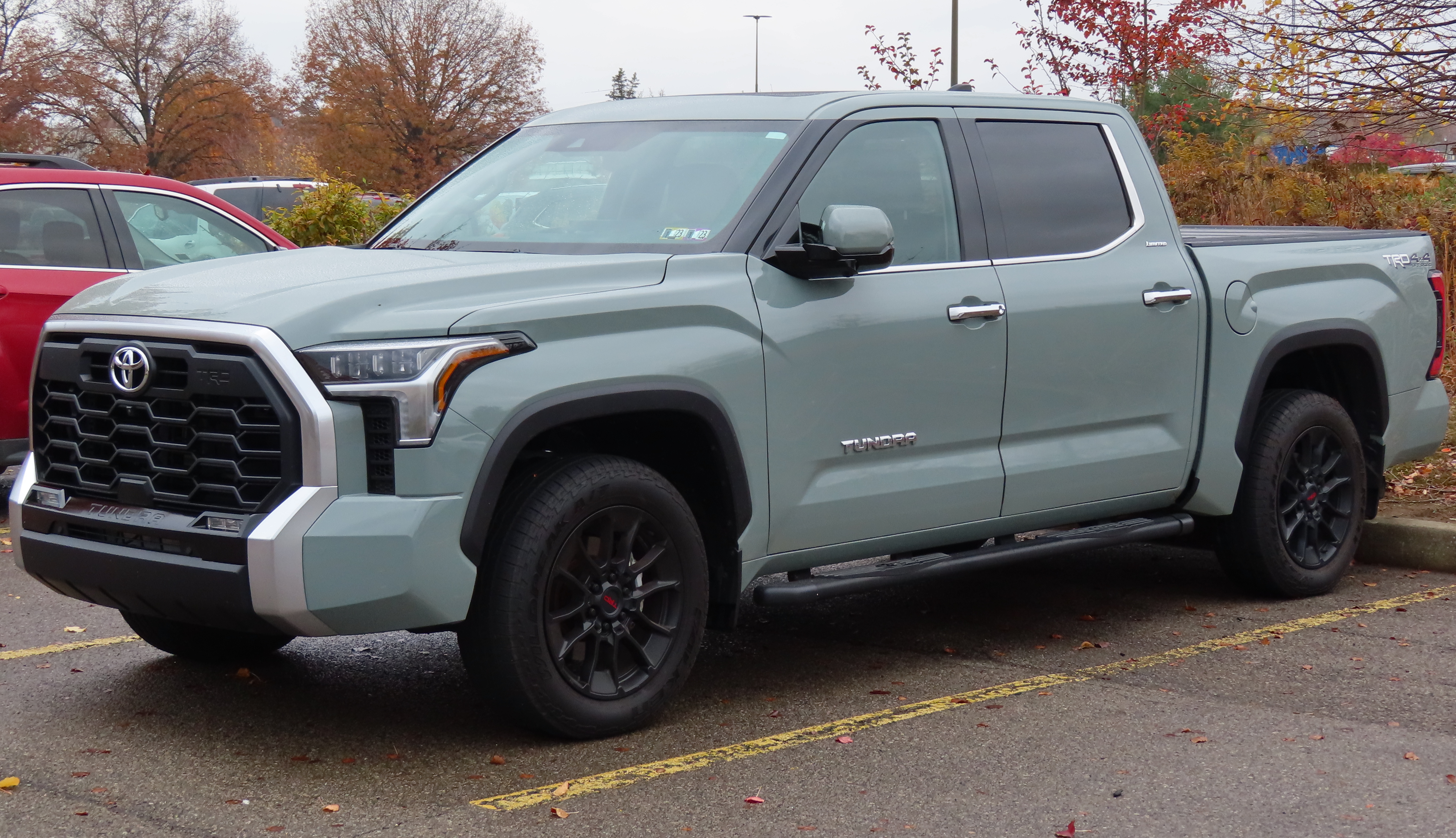
"...who they are, but they should have been going the tundra route, how long?"
The Toyota Tundra is a large pickup truck. People choose it when they want more room and more truck capability. The podcast brings it up because they’re talking about whether Toyota should have focused on the Tundra sooner.
The Toyota Tundra is a full-size pickup truck aimed at buyers who want more capability and space than a midsize truck. The episode references it in the context of “going the Tundra route,” implying a discussion about when Toyota should have made a move or followed a certain strategy. That kind of mention usually relates to timing, product direction, or buyer expectations.
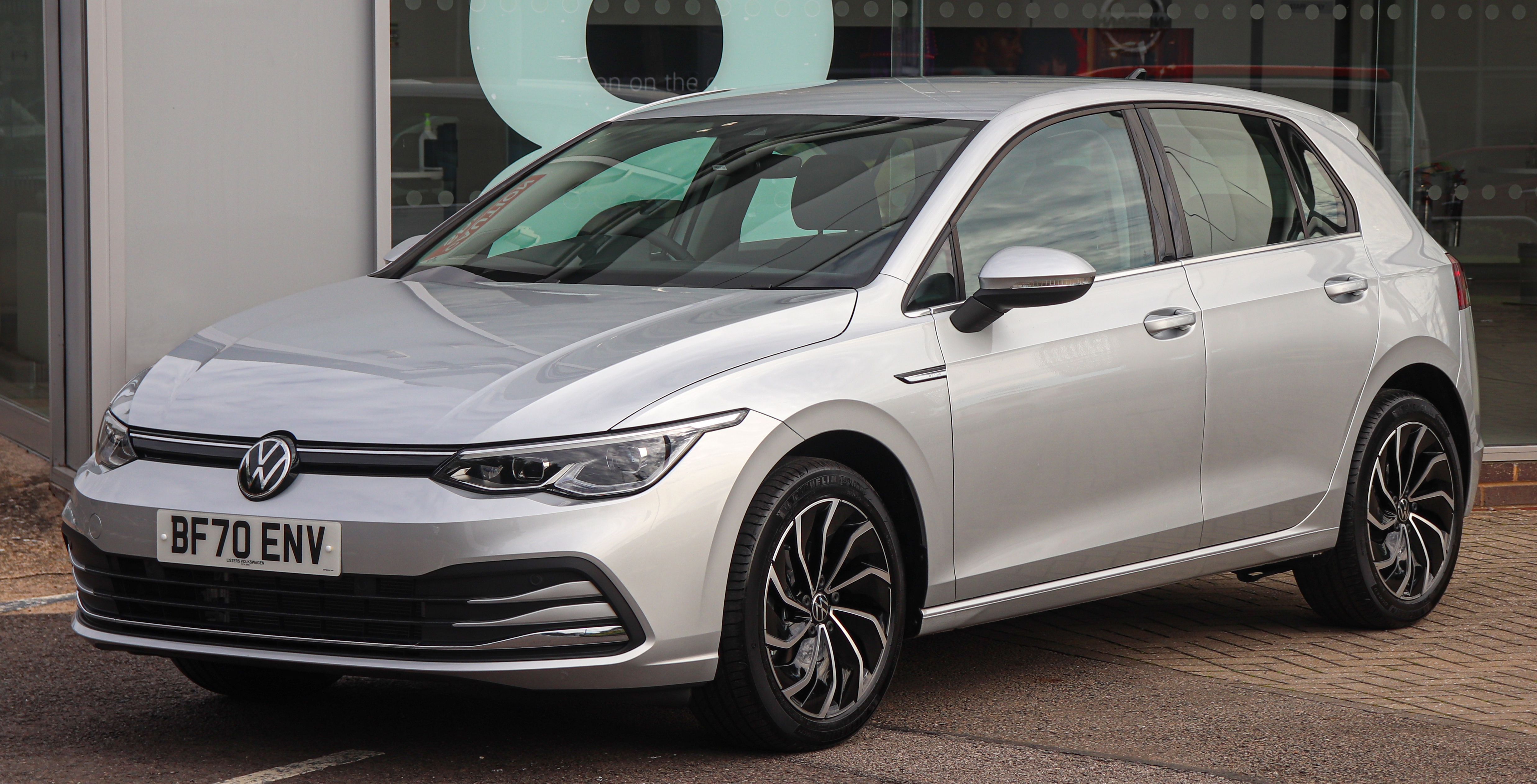
"Well, speaking of people overseas and bringing stuff here, Volkswagen announced, they might bring back the base golf hatchback, which isn't in the US anymore, because they're moving production to Mexico, all right?"
The Volkswagen Golf is a popular small car. A “hatchback” means the rear door opens upward and the trunk and back seats are part of one space. The host is saying Volkswagen may start selling the simpler, cheaper Golf hatchback in the U.S. again.
The Volkswagen Golf hatchback is the compact, practical version of the Golf line, and it’s one of the brand’s most important “everyday” models. In this segment, the hosts are talking about Volkswagen potentially bringing back the base Golf hatchback to the U.S. after it disappeared from the market.
"if the tariffs get low enough for Mexico products, is they're gonna bring back other variants like the wagon and the alt-track."
Tariffs are taxes governments place on imported goods. In the segment, the hosts argue that if tariffs on Mexico-made vehicles get low enough, Volkswagen could justify bringing more Golf variants back to the U.S.
"...r a while though. Yeah, because they knew how big Range Rover was here. And they just made no effort."
The Land Rover Range Rover is a luxury SUV, meaning it’s designed to be comfortable and feature-rich. It also has the ability to handle rough roads better than many regular SUVs. The podcast mentions it because they think the company didn’t do enough to keep it moving forward.
The Land Rover Range Rover is a luxury SUV known for its high-end features and off-road-capable design. In this episode, it’s mentioned alongside the idea that the brand “knew how big Range Rover was” but “made no effort,” suggesting a critique of how the model was handled or updated. That makes it relevant to discussions about staying competitive in the luxury SUV market.
"So Ford, okay, Ford gives drivers a do not drive warning when it comes to the Bronco sports and the Mavericks..."
A “do not drive” warning is an urgent safety directive issued when a vehicle defect could make continued driving unsafe. It typically shows up during recalls or safety notices and signals that the risk is serious enough to restrict use until repaired.
"...ivers a do not drive warning when it comes to the Bronco sports and the Mavericks because they have found front s..."
The Ford Bronco Sport is a smaller SUV that uses Bronco branding and is meant for daily driving with some off-road ability. The podcast mentions a warning that says not to drive, which usually means there’s a safety problem that needs fixing. If you own one, that’s the kind of message you’d want to take seriously and check immediately.
The Ford Bronco Sport is a smaller SUV in the Bronco family, positioned for drivers who want Bronco styling and easier everyday use rather than full-size off-road hardware. The episode mentions a “do not drive” warning tied to front-end findings, which points to a safety or recall-related issue. That kind of topic matters because it can directly affect ownership decisions and how urgently a vehicle needs inspection or repair.
"because they have found front suspensions that may fall apart."
The front suspension is what holds up the front wheels and helps the truck or SUV steer and ride correctly. If parts can fail, the car can become unsafe to drive.
The front suspension is the set of components that connects the front wheels to the vehicle and controls ride and handling. If the suspension components “may fall apart,” it can lead to loss of wheel control, poor steering, or even a crash risk—hence the severity of the warning.
"[4501.6s] So it's a ball joint knuckle attachment?
[4504.0s] Yeah."
A ball joint is like a heavy-duty hinge that lets your wheel move and turn. It connects the steering part (the knuckle) to the suspension. If it wears out or breaks, the car can handle poorly and may feel unsafe.
A ball joint is a pivot that connects the steering knuckle to the suspension control arm, allowing the wheel to move up/down while also steering. When the host says “ball joint knuckle attachment,” they’re referring to the interface/assembly that locates and supports that pivot. If it fails, the wheel alignment and handling can degrade quickly.
"[4505.3s] Man, you think they should be an easy fix, yeah?
[4507.8s] Yeah, but you think you've been making them for 150 years.
[4510.5s] You just have a ball joints blow out."
“Blow out” here means the ball joint fails badly. That can make the wheel wobble or point the wrong way. It’s dangerous because steering and handling can suddenly get worse.
“Blow out” is a colloquial way to describe a sudden ball-joint failure, where the joint’s internal components separate or tear. In suspension terms, that can cause excessive play, misalignment, and unpredictable steering response. It’s a serious safety issue because it can happen without much warning.
See something that's not quite right? Our annotations are AI-generated and can sometimes miss the mark.
Click the flag icon on any annotation to suggest a correction.