
#081 - The Ferrari Luce, 2 Door V8 Jeep Scrambler, Hummer X, Best Sounding E90 M3 Exhaust & More
About this episode
Ferrari “Luce” sparks a wide-ranging debate about brand reputation, corporate pressure, and why some buyers stay quiet when allocations are on the line. The hosts connect the EV/ICE shift to EU and US regulations, while also arguing that manual-transmission demand is rising. They get practical with car-buying and dealership tactics, then pivot to enthusiast details: a custom V8 Jeep Scrambler build, the Hummer X speculation, and a standout BMW E90 M3 exhaust discussion.
Support Clutch Culture Content by ordering The Complete Detail Kit from hyperCLEAN: Support those that support the show!
We're building the biggest online car club in the world. Join the community! clutch.club
Clutch Culture Hoodies BACK IN STOCK: https://hypercleanstore.com/collections/gear-up/products/clutch-culture-hoodie
Enjoying the show? Drop us a 5 Star rating AND review. Thanks in advance!
Sharing the show is the best way to help it grow!
Email your questions, topics, stories: [email protected]
If you're a parts manufacturer or supplier that want's to be apart of either the 2003 LX470 or 2014 Gen 1 SVT Raptor, get in touch with us via email at [email protected]
Follow the show on social @ClutchCulturePod on Instagram & TikTok
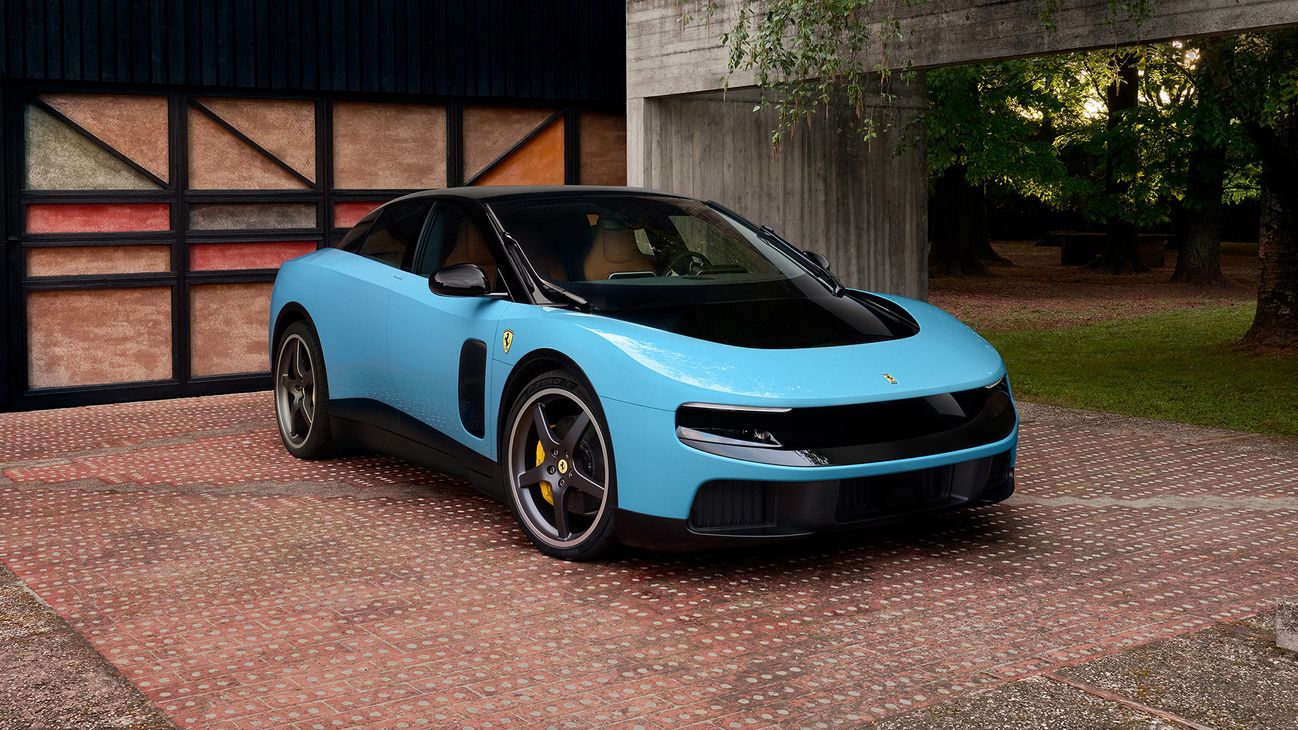
Ferrari Luce
"...we gotta go ahead and just start with the Ferrari luce, is a luce. You're the Ferrari guy, you're the gu..."
The podcast mentions a Ferrari called “Luce,” which sounds like a specific Ferrari model. I can’t confidently identify which exact car that refers to from the name alone. If you tell me the full name or what it looks like, I can explain it clearly.
“Ferrari Luce” appears to be a reference to a Ferrari model name, but it isn’t a widely recognized Ferrari model designation in the way cars like the 488, F8, or similar are. Because the podcast context doesn’t provide enough detail to confirm the exact vehicle, the safest approach is to treat it as a specific Ferrari being discussed by the hosts. If you can share the exact model name as spoken (or a link/image), I can give a precise explanation.
gated manuals
"you know, many different models with gated manuals, [541.2s] I find it strange."
A gated manual is a stick shift where you feel clear, separate positions for each gear. It’s the kind of manual that feels more mechanical and precise than some modern shifters.
A “gated manual” is a traditional manual transmission where the shifter moves through distinct “gates” for each gear position. That physical gate feel is part of the driver experience and is often associated with older, more mechanical-feeling cars.

Ford Mustang
"...Like, you know, we've had this conversation about Mustang. You know, them not going and rethinking Mustang ..."
The Ford Mustang is a sporty Ford car that’s been around for a long time. People talk about it a lot because it’s a popular performance model and it has changed over the years. The podcast is likely discussing whether it’s still staying true to what people want from it.
The Ford Mustang is a long-running American sports coupe/convertible known for its performance options and strong enthusiast following. It comes up in conversations about whether the model is evolving in the right direction, especially when people discuss changes to powertrains, body styles, or how it fits modern tastes. It’s a frequent topic on car podcasts because it represents a major “muscle car” identity.

Chevrolet C8
"[599.7s] We're just gonna ride this thing out. [601.7s] That's what makes C8 Corvette, you know what? [604.4s] You're talking about it's been out, you know,"
The C8 Corvette is the newer Corvette generation from Chevrolet, and it’s known for moving the engine to the middle of the car. Here it’s mentioned as an example of a model that kept going with its current plan.
The C8 Corvette is Chevrolet’s mid-engine Corvette generation, which is a major shift from the earlier front-engine layout. In this discussion, the host uses it as an example of a model that stayed on its current direction rather than “rethinking” the formula.
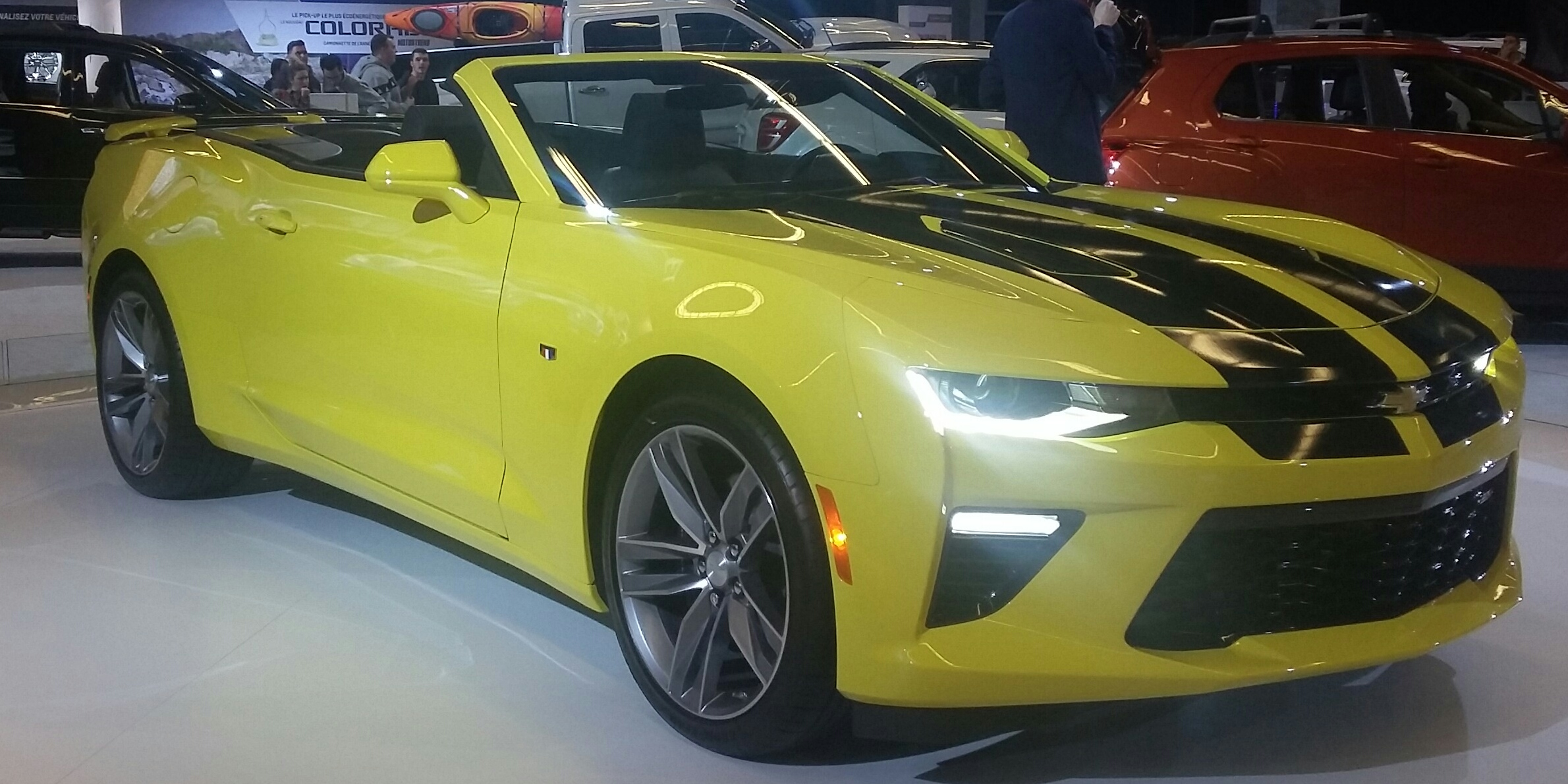
Chevrolet Camaro
"muscle cars, wherever you wanna call them. You know, we know that Camaro's coming back with a manual. We talked about last week, maybe a four door Chevy SS."
The Chevrolet Camaro is a sporty muscle car from Chevrolet. The episode mentions it because there’s talk about it coming back with a manual transmission. A manual is when you shift gears yourself instead of relying on an automatic.
The Chevrolet Camaro is a performance-focused American muscle car, offered in multiple trims and drivetrains. In this episode, it’s mentioned in connection with the idea of a manual transmission returning, which matters to drivers who prefer a more engaging driving feel. It’s also discussed alongside other muscle cars as part of the broader “manual + performance” conversation.
Mustang So Mustang
"...lked about last week, maybe a four door Chevy SS. So Mustang kind of held its ground and now they're kind of c..."
The Mustang is Ford’s well-known sporty car. The episode is saying it has stayed true to what people expect from it, even as other things in the market change. It’s brought up because it’s a major performance model with a strong fan base.
The Mustang is Ford’s iconic performance car line, and the episode’s “held its ground” comment suggests the model has maintained its identity even as the market changes. It’s mentioned alongside other cars to discuss how Mustang fits into modern performance trends and what buyers expect from it. Because it’s such a recognizable nameplate, it often becomes a centerpiece in debates about direction and evolution.
Lamborghini
"Yeah, because the shot heard around the world [673.3s] from you would have been when Lamborghini said, [674.6s] we're not gonna do this."
Lamborghini is a famous Italian car brand that makes high-end supercars. Here, they’re mentioned in the context of a decision about whether to pursue a certain electrified direction for one of their models.
Lamborghini is an Italian supercar brand known for high-performance, exotic V10/V12 cars. In this segment, the host references Lamborghini’s stance on a major product direction change, tying it to how the company approaches electrification and future models.

Lamborghini Urus
"We're also not even thinking about the Urus being an EV anymore. [677.4s] We're just axing it all together."
The Lamborghini Urus is Lamborghini’s SUV. It’s the brand’s “fast SUV” and the host is talking about whether Lamborghini was planning to make it fully electric, then changing course.
The Lamborghini Urus is Lamborghini’s high-performance SUV, built around a powerful V8 and designed to feel like a supercar in SUV form. The host discusses whether the Urus was being pursued as an EV, and then says the plan is being dropped.
EV
"We're also not even thinking about the Urus being an EV anymore. [677.4s] We're just axing it all together."
EV stands for electric vehicle. It means the car is powered by electricity from a battery instead of gasoline.
EV means “electric vehicle,” a car that runs on electricity stored in a battery rather than using gasoline. The host is discussing whether the Lamborghini Urus was being considered as an EV and then says that idea is being dropped.
hybrid
"Well, they do have the Urus hybrid, right? [684.7s] So they did it on some level,"
A hybrid car uses two kinds of power. Usually it combines a gas engine with an electric motor, so it can use electricity sometimes and gas other times.
A hybrid powertrain uses more than one energy source—typically a gasoline engine plus an electric motor/battery. The host says the Urus has a hybrid version, implying a partial electrification approach rather than going all-in on a full EV.

Ferrari Roma
"So the initial rollout for the Roma was in 2020, [938.9s] it was 44 units. [939.8s] And then in 21, it was just under 1,100, 22, same thing,"
The Ferrari Roma is a Ferrari grand touring car with a V8 and a classic GT layout. Here they’re talking about how many were made and when, which matters because Ferrari sells limited numbers.
The Ferrari Roma is a front-engine, rear-wheel-drive grand tourer from Ferrari, built around a modern V8 GT formula. In this segment, the hosts discuss its production rollout and unit counts, which ties into how Ferrari manages limited supply.
allocation
"they can bump them up in allocation, [959.1s] they can get them into better cars. [966.8s] for anybody that says this is what Porsche does, [968.5s] this is what Ferrari does,"
“Allocation” here means the dealership/manufacturer decides who gets the scarce cars first. The idea is that buying one Porsche can improve your chances of getting another, more limited one like a GT3.
In limited-supply luxury and performance markets, “allocation” is the controlled process of deciding which customers get to buy scarce models and in what order. The hosts argue that both Ferrari and Porsche use allocation systems where buying certain cars (like a Taycan) can help a customer move up the list for harder-to-get GT3 cars.

Porsche Taycan
"Most of their Taycans being sold [976.3s] are being sold to people [977.4s] that want to move up the GT allocation list."
The Porsche Taycan is Porsche’s electric car. In this segment, they’re saying Porsche often sells Taycans to customers who are trying to qualify for harder-to-get Porsche race-focused models like the GT3.
The Porsche Taycan is Porsche’s electric performance sedan, and in this discussion it’s central to how Porsche allocates limited-production cars. The hosts describe Taycans being used as a stepping stone for customers who want to move up the GT3 allocation list.
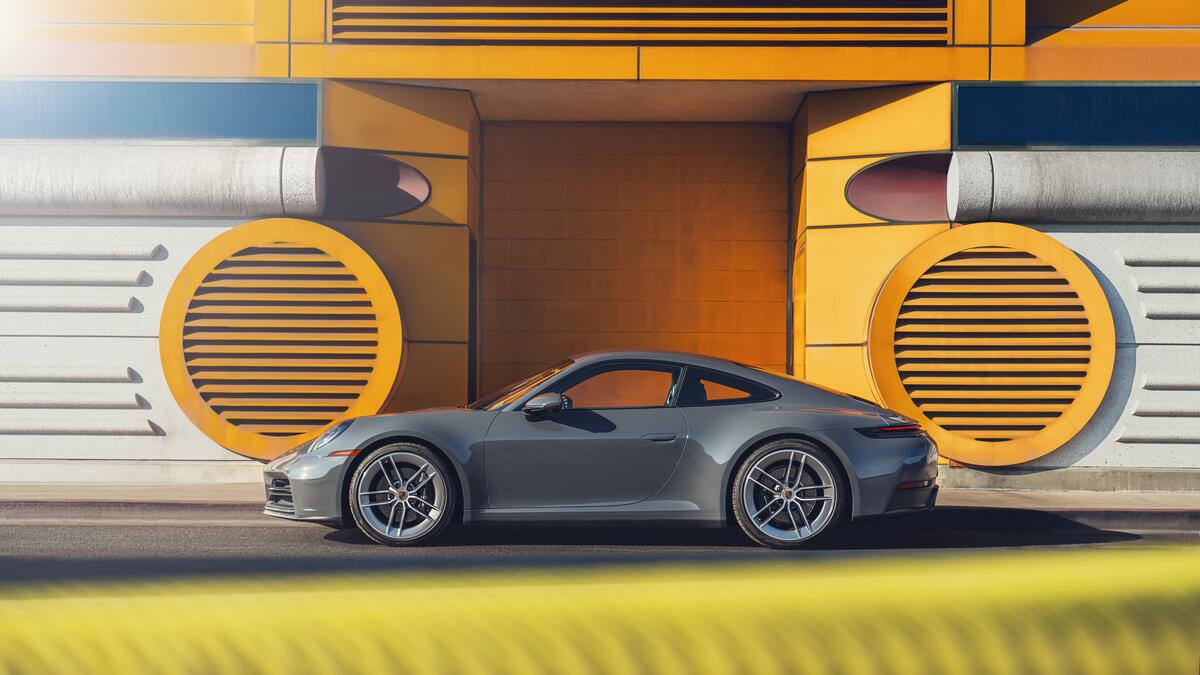
GT3
"And the guy bought four and magically got a GT3 the next year."
“GT3” is a Porsche 911 meant for track driving. It’s the kind of model people fight to get because there aren’t many available.
“GT3” refers to Porsche’s track-focused 911 variant line (the Porsche 911 GT3). These cars are especially in-demand, which ties into the episode’s discussion about limited access and allocation.

Kia Stinger
"than this Ferrari. Yes, buddy, a Kia Stinger looks better than that. A thousand percent."
The Kia Stinger is a sporty-looking Kia sedan. The episode is mentioning it because the speaker thinks it looks better than another car being compared. It’s basically a style and performance-leaning Kia model.
The Kia Stinger is a performance-oriented sedan that was designed to look and drive more like a sport sedan than a typical mainstream Kia. In the episode, it’s mentioned as a style comparison point, emphasizing how it looks relative to other cars being discussed. It’s often brought up because it offered a more “enthusiast” vibe at its price point.

Mercedes-Benz Sclass
"Now we're talking about Mercedes because that S-Class, or the video of me talking about looking at old S-classes or big bodies,"
The Mercedes-Benz S-Class is a high-end luxury sedan. It’s designed to be very comfortable and feature-rich, especially for long drives. The episode is likely talking about older versions because they’re well-known “big luxury” cars.
The Mercedes-Benz S-Class is a flagship luxury sedan built for comfort, quietness, and advanced features. The podcast references looking at older S-Classes, which often comes up because they’re “big body” cars that represent top-tier engineering and long-term ownership appeal. It’s discussed as a benchmark for luxury and how the ownership experience changes across generations.
scrambler
"We got Jeep 2028 scrambler with a V8 single cab, [1979.7s] got a bed, got a desert runner on our hands."
A scrambler is an off-road style build. It usually means the vehicle is set up to handle rough roads or trails, often with a shorter, more rugged look.
A scrambler is a style of off-road-focused vehicle that blends rugged, trail-ready proportions with a more streetable, often retro-inspired look. In Jeep culture, “scrambler” commonly implies a shorter, two-door body and a build aimed at desert or trail use.
V8
"We got Jeep 2028 scrambler with a V8 single cab, [1979.7s] got a bed, got a desert runner on our hands."
V8 means the engine has eight cylinders arranged in a V shape. People like it because it can make strong power and it usually sounds great.
V8 refers to an engine configuration with eight cylinders arranged in a “V” shape. It’s commonly associated with strong low- to mid-range power and a distinctive sound, which is why it’s a popular swap target for custom Jeeps.
square headlight Jeeps
"I've talked about square lights forever. [1996.0s] Hey, that's the only Jeeps I recognize. [2001.1s] As a person that's owned several square headlight Jeeps."
They’re talking about an older Jeep front design where the headlights look more square and boxy. It’s a recognizable “classic Jeep” look people get nostalgic about.
“Square headlight” refers to a classic Jeep front-end design with more angular, boxy headlamp housings. In enthusiast circles, that look is strongly associated with older Jeep generations and is often a key part of retro styling and recognition.
SRT
"Well, they're gonna offer an SRT variant of it. [2040.2s] Is it only gonna be SRT? [2041.7s] Nope."
SRT is Dodge’s performance label. If a car has an SRT badge, it’s usually the more powerful, sportier version compared to the base trim.
SRT stands for Street and Racing Technology, Dodge’s performance-focused brand/trim strategy. When a model is described as an “SRT variant,” it typically indicates a higher-output engine, sport-tuned hardware, and more aggressive performance calibration than the base model.
Scrambler SRT
"Will also convert a, [2049.5s] confirmed a Scrambler SRT badge model [2051.7s] as the off-road halo model."
SRT is a performance package/trim from Dodge. “Scrambler SRT” means the Scrambler model in its more powerful, sportier version, and they’re saying it’s the flagship off-road one.
“SRT” is Dodge’s performance sub-brand, and a Scrambler SRT would be the high-performance version of the Scrambler. In this segment, they’re positioning it as an off-road “halo” model—meant to be the top, most attention-grabbing variant.

Jeep Gladiator
"...road halo model. So yeah, there's for sure, and a gladiator by the way, if you guys are into the bigger one,"
The Jeep Gladiator is a pickup truck made by Jeep. It’s built to handle rough roads better than many regular trucks. The podcast mentions it as a larger option if you want that Jeep off-road style in a truck.
The Jeep Gladiator is a midsize pickup truck that uses Jeep’s off-road-focused design language, including a strong emphasis on capability. It’s mentioned as a “bigger” option, likely in the context of comparing truck sizes or off-road-oriented models. Because it blends Jeep traits with pickup practicality, it’s a common subject in enthusiast discussions.

AMG GT
"But I think this is, again, going back to AMG GT,"
AMG GT is a Mercedes performance car. They mention it as a comparison point for how the lineup might be offered or marketed.
The Mercedes-AMG GT is a performance sports car line from Mercedes’ AMG division, known for its V8 power and track-capable tuning. The hosts reference “going back to AMG GT,” implying they’re comparing the Scrambler’s lineup/positioning strategy to how AMG structures its performance models.

G-Class Gwagons
"We buy the higher luxury stuff, we get the AMG stuff, the G-Wagons, all the top tier. And there's a higher profit margin."
The G-Class is a luxury SUV from Mercedes with a very recognizable boxy shape. It’s designed to handle off-road driving better than many luxury SUVs. The episode is talking about higher-end versions of it.
The Mercedes-Benz G-Class (often called the G-Wagon) is a boxy, luxury off-road-capable SUV known for its distinctive styling and rugged heritage. The episode mentions buying higher luxury versions and “AMG stuff,” which points to the performance trims and higher-margin variants people target. It’s discussed because the G-Class sits at the intersection of luxury, status, and off-road capability.

Ford F150
"on the dealership lot, which is kind of happening now. And so Ford has always been, especially in their F-150 model, driven very heavy by fleet companies,"
The Ford F-150 is a large pickup truck. It’s popular not just with individuals, but also with companies that buy vehicles in bulk for work. The podcast is mentioning that fleet buyers have played a big role in how the F-150 is used and understood.
The Ford F-150 is a full-size pickup truck and one of the most widely used vehicles in the U.S., especially in fleet service. The episode notes that Ford has historically been driven heavily by fleet companies, which is significant because fleet usage affects how the truck is spec’d, maintained, and perceived for durability. It’s a key model whenever the conversation turns to mainstream truck ownership and real-world use.

Chevy SS
"We talked about it last week where the Chevy SS price is right."
The Chevrolet SS is a V8-powered sedan from Chevy. Here, they’re talking about how its used price has been holding up (or not) compared to other cars.
The Chevrolet SS is a performance sedan from Chevrolet’s lineup that’s known for offering a serious V8 experience in a more practical body. In this episode, it’s mentioned in the context of used-car pricing, implying it’s a sought-after model when the market is strong.

G8 GTs
"And some people were commenting how the G8 GTs are all high mileage and clapped out."
The Pontiac G8 GT is a V8-powered sedan that enthusiasts liked for being fun without costing as much as some rivals. They’re saying some of the ones they see are worn out or have a lot of miles.
The Pontiac G8 GT is a V8 rear-wheel-drive performance sedan that became popular with enthusiasts for its value compared to European-style performance. Here, the hosts discuss the G8 GTs as “high mileage” and “clapped out,” then pivot to specific listings and the GXP variant, which is the more enthusiast-focused manual V8 version.
high mileage
"And some people were commenting how the G8 GTs are all high mileage and clapped out."
“High mileage” just means the car has been driven a lot. More miles usually means more wear, so buyers often worry about what might need fixing next.
“High mileage” is a used-car shorthand meaning the vehicle has accumulated a lot of driving distance. In performance-car shopping, it often correlates with more wear and higher odds of needing repairs, which is why the hosts bring it up when discussing the G8 GTs.
clapped out
"And some people were commenting how the G8 GTs are all high mileage and clapped out."
“Clapped out” means the car is in rough shape. It usually implies it’s been driven hard and not cared for well.
“Clapped out” is slang for a car that’s been heavily used and is in poor condition—often with neglected maintenance or worn-out components. It’s being used here to describe some G8 GTs that commenters think aren’t worth buying.
Saturn
"I think the Saturn brand is one of them because it could be a budget brand."
Saturn was a car brand that used to be part of GM. The host is saying it could have been a lower-cost option if it were still around today.
Saturn was a GM brand known for offering simpler, more budget-oriented cars during its run. In this episode, the host argues that if Saturn still existed, it could fill a “budget brand” role in the market.
Pontiac
"And I think Pontiac could just be this sort of testing ground if it was still around and kicking... It should still be around."
Pontiac was a GM car brand that made a lot of enthusiast-leaning cars. The host thinks Pontiac disappearing was a mistake and that it could still have a purpose today.
Pontiac was a GM brand that historically served as a “testing ground” for new ideas and performance-oriented models. The host suggests Pontiac should not have been discontinued, framing it as a brand that could still add value to the Chevy/Pontiac ecosystem.
General Motors
"[2390.8s] For sure. [2391.5s] But those are two brands inside of the General Motors world [2395.9s] that I think have a place,"
General Motors is a major car company that owns multiple car brands. Here, the host is talking about Pontiac and other GM brands and how common their cars used to be.
General Motors (GM) is the automaker behind multiple brands, including Pontiac. In this segment, the host is talking about which GM-era brands and models still have a place today, and why it’s unlikely those older brand strategies would return.
fleet sales
"[2417.5s] Yep. [2418.1s] You know, that again, getting back into fleet sales. [2422.1s] I think you look at, like you said,"
Fleet sales means companies buy lots of cars at once for employees or service use. The host is saying that some of these older cars were common because they were bought that way.
Fleet sales are when vehicles are purchased in bulk by organizations (like companies or governments) rather than individual retail buyers. The host connects this to why certain older GM models were everywhere as “company cars,” and why surviving examples in decent condition can be limited.

Tesla Model S
"Oh, do you see the comparisons of the, what was it, Model S Plaid? Like the price of specs, everything you get per dollar? The Tesla's, I mean."
The Model S Plaid is Tesla’s fastest, most powerful version of the Model S. They’re talking about whether it’s a good deal for what you get, especially after it depreciates.
The Tesla Model S Plaid is Tesla’s high-performance version of the Model S, built around a very quick, high-power electric drivetrain. The hosts discuss it in terms of “price per specs” and depreciation, framing it as a value play compared with other cars.
Ford It Model
"Oh, do you see the comparisons of the, what was it, Model S Plaid? Like the price of specs, everything you get per dollar?"
depreciated
"Model S Plaid, depreciated, is a no-brainer."
“Depreciated” just means the car is worth less than it used to be. They’re saying that after the price drops, it’s easier to justify buying.
“Depreciated” means the car’s value drops over time after purchase. In car-shopping terms, the hosts are arguing that once the Model S Plaid has depreciated, it becomes a “no-brainer” purchase because the price is lower relative to what you get.

Pontiac Vibe
"We got some Pontiac View stuff. [2571.8s] Pontiac Vibe, I think it was. [2572.9s] Pontiac Vibe is what it was, yeah."
The Pontiac Vibe is a small car Pontiac sold a while back. It was basically built on a shared platform with a Toyota, so it feels familiar in how it drives and is packaged.
The Pontiac Vibe is a compact car from Pontiac that’s best known for being closely related to the Toyota Matrix. In this segment, it’s mentioned as an example of what a GM dealer might have on hand.

Hummer X
"So just showed you the scrambler, the two-door, the VA. [2595.6s] Well, looks like GM, can you guess who they're bringing back to Chase Raptor and Jeep? [2602.4s] No, what is it? [2604.8s] The Hummer X."
The Hummer X is a new/returning Hummer model the hosts are talking about. They’re wondering if it’s electric, which would affect how it drives and how you charge it.
The Hummer X is a Hummer-branded vehicle the hosts discuss as GM’s potential return to the off-road/“Jeep” style market. They specifically question whether it’s an EV, which matters because EV powertrains change how these vehicles deliver torque and how they’re used day-to-day.
F-150 Raptor
"... can you guess who they're bringing back to Chase Raptor and Jeep? No, what is it?"
The Ford F-150 is a large pickup truck. In the episode, it’s mentioned in connection with a high-performance or off-road style. The point is that the F-150 is a well-known truck that people associate with that kind of driving.
The Ford F-150 is a full-size pickup truck that’s commonly used as a benchmark for mainstream truck buying in the U.S. The episode mentions it in a context of bringing it back to a specific performance or off-road theme (the “Raptor” and “Jeep” reference), which shows how the F-150 name is tied to high-performance truck culture. It’s discussed because it’s a major platform people build and compare within that segment.

Ford F350
"...mean, I actually saw one on the road, they did an F350 or 250 Shelby off-road Baja edition that had the ..."
The Ford F-350 is a heavy-duty pickup truck. It’s designed to tow and carry more than many regular trucks. The podcast mentions a special off-road version to show how these trucks can be built for rough driving.
The Ford F-350 is a heavy-duty full-size pickup built for higher towing and payload capability than lighter-duty trucks. The episode mentions seeing an F-350/250 Shelby off-road Baja edition, which highlights how these trucks can be adapted for extreme off-road use. It’s brought up because heavy-duty trucks have a strong enthusiast and motorsports presence when modified.
ABS
"[2722.1s] Are you a big ABS guy? [2723.5s] Love ABS. [2724.3s] I can't wait for the swing. [2725.0s] They're testing ABS swings in the minor leagues right now."
ABS is a safety feature that helps your brakes not lock up. When you brake hard, it keeps the wheels turning so you can steer instead of sliding. The host is using it as a joke, but ABS is real tech in cars.
ABS stands for anti-lock braking system. It prevents the wheels from locking up during hard braking by rapidly modulating brake pressure, helping you maintain steering control. In this segment, the hosts joke about “ABS swings,” but the underlying term is the braking safety tech.

Dodge Dakota
"...that comes into the market, obviously dodge. More Dakota news came out. Even a Dakota SRT variant is suppo..."
The Dodge Dakota is a pickup truck model from Dodge. The episode mentions it because there’s talk about new information and even a possible high-performance SRT version. In simple terms, they’re discussing whether a sportier Dakota could be coming.
The Dodge Dakota is a midsize pickup truck that the podcast references with “Dakota news,” including talk of an SRT variant. That kind of mention usually signals interest in performance versions of a model that’s known for being more compact than full-size trucks. It’s discussed because the Dakota name carries pickup heritage and potential enthusiast appeal if a performance trim were real or rumored.
car play
"[3227.7s] Yeah. Does anybody say, you know what, I hate car play or I hate Android? [3232.3s] I don't think anybody's everybody's like, hey, I know how my phone operates"
CarPlay is Apple’s system that lets you use your iPhone through your car’s screen. It’s meant to make phone features like maps and music easier to use while driving.
“CarPlay” is Apple’s in-car system that mirrors a compatible iPhone’s interface onto the vehicle’s infotainment screen. It’s designed for navigation, calls, messages, and music while keeping the phone’s controls integrated into the car.
Android
"[3227.7s] Yeah. Does anybody say, you know what, I hate car play or I hate Android? [3232.3s] I don't think anybody's everybody's like, hey, I know how my phone operates"
Here, “Android” means Android Auto, which connects your Android phone to your car’s screen. It helps you use things like maps and music without constantly touching your phone.
In this context, “Android” refers to Android Auto—Google’s in-car interface that projects a compatible phone’s apps onto the vehicle’s infotainment display. Like CarPlay, it focuses on navigation, calls, messages, and media with a driver-friendly layout.
cameras
"[3246.0s] No, because what we're seeing is we're just going to have more cameras [3248.3s] in the cars watching us as we drive, all right, so that we can get claims"
They’re talking about cameras in newer cars that watch what the driver is doing. The idea is that if the system thinks you’re distracted (like not looking at the road), it can be used to judge risk or trigger consequences.
The speaker is describing in-cabin and forward-facing driver-monitoring cameras that watch the driver’s behavior while driving. These systems can detect things like taking eyes off the road and then feed that data into insurance or enforcement processes.
increase your premium by 50 percent
"[3251.5s] from our insurance or tax like state farms. [3253.4s] We like, hey, we saw that you kind of took your eyes off the road. [3255.8s] All right, we're going to increase your premium by 50 percent."
This is basically “pay more if you drive riskier.” Some insurance models use data from the car to decide whether your rates should go up or down.
This is an example of usage-based insurance, where insurer pricing can change based on observed driving behavior. If driver-monitoring cameras detect risky behavior (like distraction), the insurer may adjust the policy cost.
state farms
"[3248.3s] in the cars watching us as we drive, all right, so that we can get claims [3251.5s] from our insurance or tax like state farms. [3253.4s] We like, hey, we saw that you kind of took your eyes off the road."
State Farm is an insurance company. The host is saying insurers like them could use data from car cameras to decide what happened and how much you pay.
“State Farms” is a reference to State Farm, an insurance company. In the segment, it’s used as an example of an insurer that could use camera-based driving data to file claims and adjust pricing.
shut the car off
"[3261.8s] How are they going to shut the car off on the road? [3266.0s] I mean, they've done it before."
The speaker is talking about a system that could potentially turn the car off while you’re driving. They’re wondering how that would be handled safely on the road.
“Shut the car off” refers to systems that can disable engine operation while the vehicle is moving, typically as a safety intervention or enforcement mechanism. The speaker is questioning how such control would work on public roads.

Ford Ranger
"...ow why the lights have always reminded me of like Ranger lights, like late 90s, early 2000s for Ranger lig..."
The Ford Ranger is a midsize pickup truck. The episode is talking about how the headlights or lighting design reminds them of older Ranger models from around the late 1990s and early 2000s. That’s basically a style recognition point.
The Ford Ranger is a midsize pickup truck, and the podcast references “Ranger lights” from the late 1990s to early 2000s. That kind of detail usually comes up when people are talking about styling cues, model recognition, or how certain generations look. It’s a reminder that the Ranger has had a distinct visual identity over time.
JDM
"It was still by the way, it was a Mitsubishi turbo on a fucking, you know, Chrysler Prada. It was basically a JDM cars. What it was. Yeah."
JDM means “Japanese Domestic Market.” It’s a label people use for cars that were originally made for Japan, and here they’re saying the car feels like that kind of performance culture.
JDM stands for “Japanese Domestic Market,” meaning cars and parts that were originally sold in Japan rather than for export. In this segment, the host uses it to describe the vibe/identity of the Neon SRT-4 as being “Japanese-performance-like.”

Nissan 300ZX
"Oh, it was the Nissan 300ZX, the one that had the flat lights. [3668.9s] 300ZX, I think it was. Yeah."
The Nissan 300ZX is a famous older Nissan sports car. The hosts are talking about a specific look it has—its headlights—so it’s recognizable even today.
The Nissan 300ZX is a classic Japanese sports coupe known for its long-hood, 2+2 layout and (in many years) a turbocharged V6 option. In this segment, the hosts specifically call out the 300ZX’s “flat lights,” which points to the car’s distinctive headlight design.
T tops
"I think it was 300 T tops. [3673.7s] T tops. Yeah, that car that looked brand new."
“T tops” are a type of roof where you can remove roof panels to let in more air. It’s not the same as a full convertible top that goes all the way down.
“T tops” refers to a removable roof design where the roof is split into two panels that come out, leaving a T-shaped structure in the middle. It’s a specific style of open-air experience that’s different from a full convertible roof.

Porsche Cayenne
"Porsche Cayenne turned into a convertible with wood, [3697.8s] faux wood paneling on the side. Is that really what it was?"
The Porsche Cayenne is Porsche’s SUV. In this clip, they’re talking about a weird custom version where someone converted it into a convertible.
The Porsche Cayenne is Porsche’s SUV, and it’s known for being a high-performance luxury vehicle rather than a traditional open-top car. Here, the hosts describe a “Cayenne turned into a convertible,” which is an unusual custom conversion that changes the vehicle’s body and roof structure.

new RS5
"Well, the last thing I had for you here was because we talked about big body cars yesterday or last week, rather, the new RS5 has always looked amazing."
The RS 5 is the sporty, higher-performance version of Audi’s 5-series. When they say the “new RS5” looks amazing, they mean the newest version’s design looks especially good.
The Audi RS 5 is the high-performance, track-oriented version of the 5-series coupe/fastback line, and “RS” denotes Audi’s performance sub-brand. When the host says the “new RS5” looks amazing, they’re referring to the latest generation’s styling and overall presence compared with other “big body” cars.
midsize SUV
"They have messed with their interior the least, I think, over the last 10 years or so. [3827.8s] They've messed with their midsize SUV, basically zero. [3831.0s] I love the SQ5, by the way."
A “midsize SUV” is a family-sized SUV that’s not as big as the biggest ones on the road. It’s the size category the hosts are talking about when they discuss Audi’s design changes.
“Midsize SUV” is a vehicle class for larger-than-compact SUVs but smaller than full-size models. It matters here because the hosts say Audi has changed this category “basically zero” over the last decade, implying a conservative design approach.

Audi SQ5
"I love the SQ5, by the way. [3832.4s] I was looking at those the other day just for shits and gigs. [3834.7s] You know, when I looked at those, when we started having kids,"
The Audi SQ5 is a sportier version of Audi’s Q5 SUV. It’s the kind of SUV people consider when they want something that drives more enthusiast-style, but it still needs to work for everyday use.
The Audi SQ5 is a performance-oriented version of Audi’s Q5 midsize SUV, tuned for sportier driving than the standard model. In this segment, it comes up because the hosts are discussing how practical it is for family life.
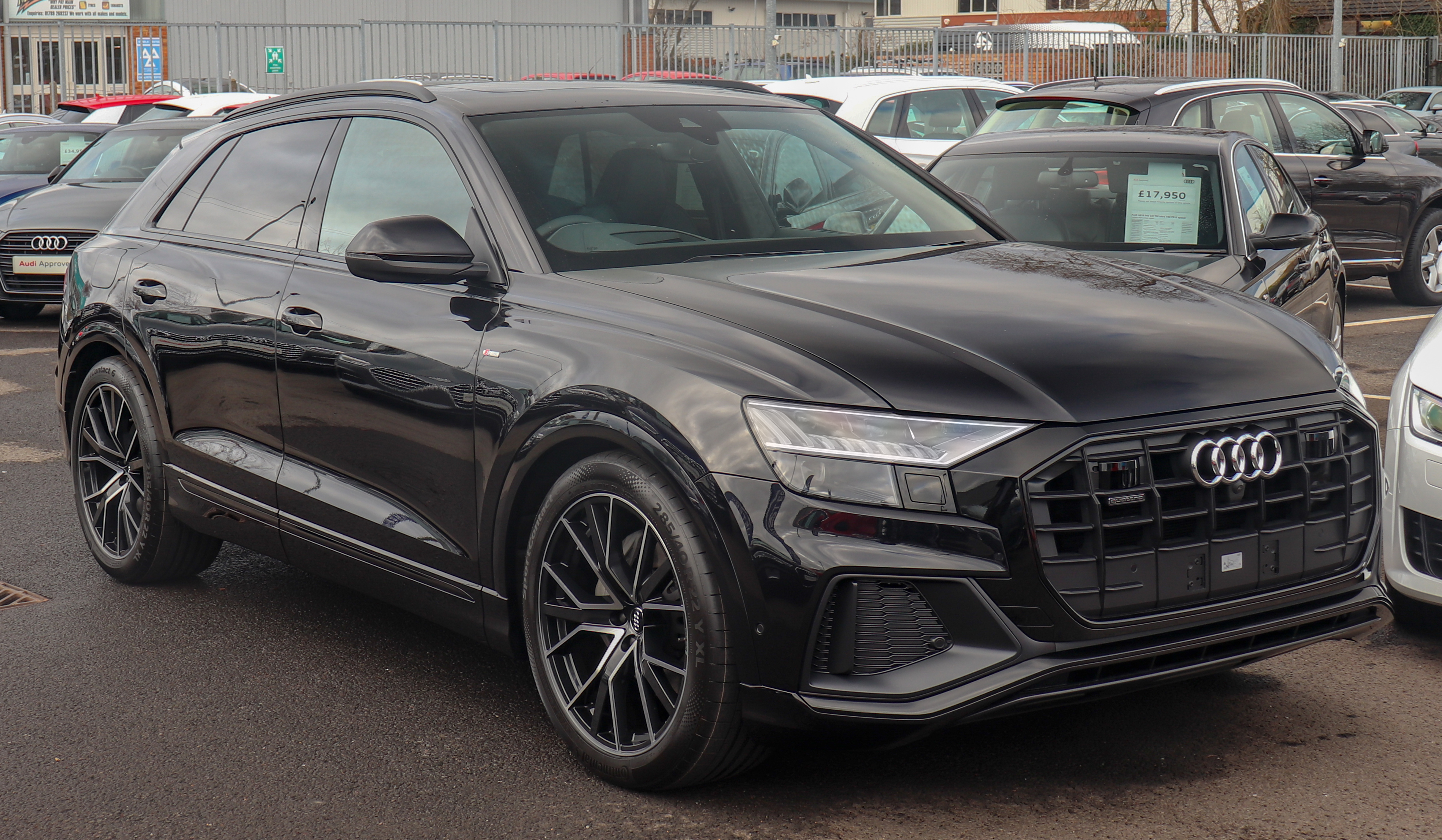
RS Q8
"RS Q8. I was like, hmm, this is basically a year. [3855.2s] Yeah, I did."
Audi’s RS Q8 is the “sporty” high-performance version of the regular Q8 SUV. The “RS” badge usually means it’s been upgraded to feel quicker and more aggressive than the standard model.
The Audi RS Q8 is a high-performance version of the Q8 SUV, built by Audi’s performance division. “RS” indicates a tuned, more powerful variant than the standard Q8, typically with stronger acceleration and sportier suspension/braking calibration.

BMW X5M
"Where do we go after that? Oh, we went X5M. Oh, that's good. It's pretty big."
The BMW X5 is a luxury SUV. The episode mentions the X5M, which is the higher-performance version of the X5. The point is that it’s bigger and meant to drive more powerfully than the regular model.
The BMW X5 is a midsize luxury SUV, and the episode mentions moving on to the X5M. The “M” designation indicates a higher-performance version tuned for stronger acceleration and more aggressive driving behavior than the standard X5. It’s discussed because the X5M is a popular way to get SUV practicality with performance focus.

Honda pilot
"By the way, clutch dot club, if you want to join the discord and join our email newsletter that doesn't send you a ton of newsletters, ... I love the Honda pilot."
The Honda Pilot is a three-row family SUV aimed at carrying people and gear comfortably. Here, the host mentions loving the Pilot as an alternative “family hauler” choice.

Explorer ST
"And then I went back to the Explorer, but not just a regular explorer, the ST. Yeah, those the 2020 five's got a complete redesign interior wise. They finally don't have that stupid vertical infotainment."
The Ford Explorer ST is a sportier Explorer meant for families who want more punch. The host says the newer (2020s) interior was redesigned and they got rid of the awkward vertical screen setup.
The Ford Explorer ST is a sport-oriented version of the Explorer, positioned as a more performance-focused family SUV. The host specifically points out that the 2020s got a redesigned interior and removes the “stupid vertical infotainment,” referring to the vertical touchscreen layout used in earlier generations.
vertical infotainment
"Yeah, those the 2020 five's got a complete redesign interior wise. They finally don't have that stupid vertical infotainment."
Infotainment is the screen and controls for things like music and navigation. “Vertical infotainment” means the screen stands up like a tablet in portrait mode, which the host thinks is annoying.
Infotainment is the vehicle’s in-car entertainment and information system (like the touchscreen, navigation, and media controls). A “vertical infotainment” layout means the screen is oriented upright, which some drivers find less ergonomic than a more horizontal placement.
PPF
"I don't have the visceral, you know, it's got full PPF everywhere. So, you know, it's it's it's held up really well to young kids and,"
PPF is a clear protective film that you put on your car’s paint. It helps protect against rock chips and small scratches, and the speaker says their vehicle has it covering the whole front.
PPF (paint protection film) is a clear protective layer applied to a vehicle’s paint to help prevent chips, scratches, and minor abrasions. In this segment, the host says the Lexus GX has full PPF everywhere, which they credit for keeping it looking good despite use.

suburban
"I just don't know why I don't hear more people leaning towards suburban for the exact reason that you said, which is when your kids get to a certain age, then there's their friends in there."
The Chevrolet Suburban is a large family SUV. The speaker likes it because when kids and friends start needing rides, it can fit everyone so you don’t have to use two cars.
The Chevrolet Suburban is a full-size SUV built around carrying lots of people and cargo, which is why it’s often chosen as a “family hauler.” The host argues it makes sense once kids and visitors are regularly in the car, reducing the need to take two separate vehicles.
bagged
"Like some of these guys have bagged them and you go, I gotta tell you, man, that looks great."
“Bagged” means the car has air suspension. That lets it sit lower than stock, which can make it look more stylish.
“Bagged” refers to fitting a vehicle with air suspension so it can be lowered dramatically. Enthusiasts often do this for a cleaner, more aggressive stance, and the segment connects it to making a minivan look “great.”
wheel and tire set up
"A whole wheel and tire set up with, you know. Hey, it looks great."
A “wheel and tire set up” just means the exact wheels and tires on the car. Changing them can change how the car looks and how it drives.
A “wheel and tire set up” is the specific combination of wheels and tires a car runs, which can strongly affect appearance and handling. Here it’s mentioned as part of how people make a family van look better.

Lexus GSF
"You actually had a Lexus GSF in your shop the other day. So I went to go look at those because I've always liked them."
The Lexus GSF is a Lexus performance car with a strong V8 engine. People like it because it’s a little rare and it tends to hold its value, so it’s not always easy to find a replacement.
The Lexus GSF is a performance sedan from Lexus, built around a high-output V8 engine and aimed at buyers who want a more “grown-up” alternative to German sports sedans. In enthusiast circles, it’s known for being a relatively rare, desirable V8 model, which is why people talk about its pricing and how hard it is to replace.
retained their price
"I had no idea they've retained their price, their value as high as they have."
“Retained their price” means the car doesn’t get much cheaper as it gets older. If a car stays expensive on the used market, it’s usually because it’s hard to find or people really want it.
“Retained their price” is shorthand for how well a car holds its value over time. When a model has strong demand and limited supply, used prices stay high, making it harder to replace with something “similar.”
value
"I had no idea they've retained their price, their value as high as they have."
Here, “value” means what the car sells for. The point is that the Lexus GSF has stayed expensive even after it’s been used.
In this context, “value” refers to the car’s market price—what it’s worth to buyers in the used market—not just how “good” it feels to drive. The host is emphasizing that the Lexus GSF has unusually strong resale pricing.
Alcantara
"Everything about, I mean, the one thing I don't like about that car, there's a lot of Alcantara, man. ... Also that Alcantara dash, that specific interior was pretty well, I mean, well specced if that's what you like..."
Alcantara is a soft, suede-like fabric used in some car interiors. This episode is talking about how heavily it’s used in that particular car’s interior.
Alcantara is a synthetic suede-like material used for car interiors, often on dashboards, headliners, and trim. In this segment, the hosts criticize and then contextualize how much Alcantara is used on certain specs, affecting both look and perceived “experience” inside the cabin.

BMW E90
"Okay. So your car, E90, the E92s, we were talking about them recently. T..."
The BMW 3 Series is a luxury car that’s meant to feel sporty to drive. The episode mentions older versions called E90 and E92, which are specific model generations. People talk about them because they’re well-known and often chosen by enthusiasts.
The BMW 3 Series is a compact luxury sports sedan known for balancing everyday driving with performance. The podcast specifically mentions the E90 and E92 generations, which are popular among enthusiasts and often discussed for their driving feel and aftermarket support. It’s brought up because those models are a common reference point when people talk about BMW’s “driver-focused” era.
exhaust
"[4393.9s] If you're willing to, you know, make your fully stock $45,000 valued car right now, [4399.7s] have some exhaust on it. [4401.3s] Tomorrow."
“Exhaust” is the system that sends engine fumes out of the car. People change it to change how the car sounds.
In this context, “exhaust” refers to the parts that route engine gases out of the car, which strongly affect sound. Changing exhaust components is a common way to make an engine note louder, deeper, or more aggressive.
Request an Explanation
Heard something you'd like explained? We'll add it to this episode.
Sign in to request explanations for terms you heard.
Want to learn more?
Browse our glossary for plain-English explanations of automotive terms, jargon, and concepts.
Help improve this episode
See something that's not quite right? Our annotations are AI-generated and can sometimes miss the mark. Click the flag icon on any annotation to suggest a correction.