
10 Tips To Polish Paint Faster & Get Better Results
About this episode
Polishing paint gets frustrating when you’re overwhelmed by options, chasing every tiny defect, and re-checking under “18 different lights.” The host reframes speed as a workflow problem: set a correction goal first, match it to realistic customer expectations, and use the right pad/polish system. They explain why compounds leave haze, how pad buildup causes dusting, and why test spots (plus proper paint prep) prevent wasted time. For faster results, start with the least aggressive setup and keep pads clean.
Most people make paint polishing way harder than it needs to be.
In this video, I break down why polishing your car takes too long, what mistakes slow people down, and how to get better results with a simpler system. We'll talk about test spots, pad choice, product amount, cleaning your pad, realistic expectations, and why a one-step polish can be the smarter option for most daily drivers.
The goal is not always 100% paint correction. A lot of the time, the goal is to make the paint cleaner, glossier, clearer, and easier to maintain without spending an entire weekend chasing every last scratch.
In this video, you'll learn:
- Why polishing takes too long
- Why chasing perfection wastes time
- How to do a proper test spot
- Why pad choice matters so much
- How to use a one-step polish correctly
- Why cleaning your pad speeds up correction
- How to protect the paint after polishing
- How to make paint correction simpler and more enjoyable
If you want a simpler way to polish paint and get great real-world results, this video will help.
PRODUCTS TALKED ABOUT:
Bundles: https://jimbosdetailing.com/collections/bundles
The Gloss Boss: https://jimbosdetailing.com/TGB
Tough As Shell Ceramic Spray: https://jimbosdetailing.com/TAS or on Amazon https://amzn.to/4r5UxYr
The Super Soaper: https://jimbosdetailing.com/TSS or on Amazon: https://amzn.to/49KEM2d
Picture Perfect Polish: https://jimbosdetailing.com/PPP or on Amazon: https://amzn.to/4sQWpWu
Microfiber towels: https://jimbosdetailing.com/products/orange-wash-microfiber or https://jimbosdetailing.com/products/everyday-microfiber
Cut & Finish Pad: https://jimbosdetailing.com/products/cut-finish-pad or on Amazon: https://amzn.to/3LsxJ69
Finishing Pad: https://jimbosdetailing.com/products/black-finishing-pad or on Amazon: https://www.amazon.com/dp/B0FJNDCPTG
SHOP ALL JIMBO'S DETAILING ON AMAZON: https://amzn.to/3LX3mVE
car polishing, paint correction, how to polish a car, one step polish, car detailing tips, polishing car paint, remove swirl marks, car polish for beginners, paint correction tips, polishing mistakes, detailing business tips, best car polish, Jimbo's Detailing, Picture Perfect Polish, ceramic spray, car detailing for beginners, DIY car detailing

Honda Odyssey
"...t 40 hours paint correcting this soccer mom Honda Odyssey, right? And it's like, bro, she has the monthly m..."
The Honda Odyssey is a minivan, which is a family vehicle built to carry people and gear. Because it’s used a lot for everyday trips, the paint can get dull or scratched over time. That’s why people might spend extra time cleaning and fixing the paint on one.
The Honda Odyssey is a minivan designed for families, with space for passengers and cargo and a focus on practicality. It’s a natural subject for detailing talk because minivans are often used heavily, so paint and surfaces can take a beating from daily life. The podcast reference to spending a lot of time on paint correction highlights how even a “soccer mom” vehicle can need significant attention to restore its finish.
IPA wipe
"You see something, you inspect it again, [354.7s] you do an IPA wipe, you change liquids, [357.4s] you do it again, you change pads, you do it again."
An IPA wipe is a quick wipe-down with isopropyl alcohol. It removes leftover polish residue so you can better see what the paint actually looks like before you do more work.
An IPA wipe is wiping the paint with isopropyl alcohol (IPA) to remove polishing oils/residue and reveal the true surface condition. It helps you see defects like haze or swirls more clearly before deciding whether to polish again.
haze
"improving gloss, making the paint shinier, [379.2s] removing the haze, reducing swirl marks, [382.5s] restoring depth and clarity of the car."
Haze is when the paint looks cloudy or not fully clear, even if it’s clean. Polishing steps can remove it by smoothing the surface and clearing away residue.
Haze in paint is a dull, cloudy look that often comes from polishing residue, oxidation, or micro-marring left by an abrasive/pad combination. Correcting haze usually means refining the polish process so the surface becomes optically clear again.
swirl marks
"removing the haze, reducing swirl marks, [382.5s] restoring depth and clarity of the car. [388.1s] Just sometimes, and finally I think the discussion"
Swirl marks are tiny, circular scratches that make the paint look dull or hazy. They’re usually caused by washing or wiping the car the wrong way, and polishing can reduce them.
Swirl marks are fine circular scratches in the clear coat caused by improper washing, drying, or using the wrong pad/abrasive. They show up most under directional light and are a common target during paint correction.
clear coat
"making sure you leave enough clear coat on the car [396.8s] is such a valuable, important conversation to have as well [399.8s] of like, hey, you could, by chasing everything"
Clear coat is the shiny protective top layer of your car’s paint. Polishing can wear it down little by little, so you want to make sure you don’t remove too much.
Clear coat is the transparent top layer on modern automotive paint that provides most of the gloss and protection. Polishing removes a tiny amount of it each time, so leaving enough clear coat matters to avoid burning through or making the paint less durable.
paint correction
"you could, by chasing everything [403.1s] and doing a deep paint correction session, [407.4s] you could actually be harming"
Paint correction is polishing the car to reduce visible paint problems like scratches and dullness. It’s done carefully so you improve the look without sanding away too much of the clear top layer.
Paint correction is the process of removing or reducing paint defects (like swirls, scratches, and haze) using abrasives and polishing pads. The goal is to improve appearance while controlling how much clear coat is removed.
fillers
"[614.5s] a brand will tell you if there's fillers in the polish. [617.9s] If there are not fillers in the polish,"
Some polishes have “fillers” that hide scratches or swirl marks instead of actually sanding/polishing them out. The paint may look better at first, but the improvement isn’t as real or lasting as true paint correction.
In car paint polishing, “fillers” are ingredients in some polishes that temporarily mask surface defects instead of actually removing them. They can make paint look smoother right away, but they don’t provide true correction and can wash out or haze over time.
wax and grease remover
"[620.9s] or if you wanna test their claims, [623.1s] you can do a wax and grease remover after you use it. [626.7s] And if you, after you use the wax and grease remover,"
This is a cleaner that removes waxes and oily residue from the paint. If the paint still looks bad after using it, that suggests the polish was mostly hiding defects with residue or fillers.
A wax and grease remover is a solvent-based cleaner used to strip waxes, oils, and residues from the paint surface. In this context, it’s used as a test to see whether a polish’s “good look” is coming from fillers/oils rather than real paint correction.
work time
"[639.4s] You will be able to tell while you're working the polish, [642.9s] like it has a really long work time, [644.1s] but it almost looks oily."
“Work time” is how long a polish remains effective while you’re spreading and buffing it. If a product has an unusually long work time and starts to look oily, it may be relying on oils/fillers rather than cutting and correcting the paint.
one step polish
"[646.3s] And so, again, I think that's kind of an old school, [651.1s] like one step polish is great, 3D one is great,"
A one-step polish is a product meant to both remove defects and leave a nice finish in one go. The point here is that newer one-step products can correct paint for real, not just hide problems.
A one-step polish combines cutting (removing defects) and finishing (refining the surface) in a single product and process. The host is arguing that modern one-step polishes can achieve true paint correction without leaving haze, unlike older “filler-heavy” approaches.
glazing up the paint
"[677.7s] though it used to mean you're kind of being lazy, [679.9s] you're filling the paint, you're, you know, [681.9s] glazing up the paint, [683.3s] I think we've kind of worked away from that"
In car detailing, “glazing” is when the paint looks shinier because the product fills in tiny scratches or imperfections. It can look great, but it may not actually remove the damage underneath.
“Glazing” in detailing means using a product technique that makes paint look shinier by filling in surface defects rather than truly removing them. It can temporarily improve appearance, but it doesn’t necessarily provide real paint correction.
pad dependent polish
"[704.6s] And so this is the number one thing that I have realized. [708.1s] This is why I developed a pad dependent polish. [712.2s] PPP, picture perfect polish is also a pad dependent polish [716.1s] because the pad can change how the polish [718.2s] and the braces behave."
A “pad dependent polish” means the same polish can act differently depending on the pad you put it on. Softer or different pads can change how much it cuts and how glossy the paint looks afterward.
A “pad dependent polish” is a polish whose cutting and finishing behavior changes depending on the pad used. Pad material and foam hardness affect how the polish breaks down and how much abrasion it delivers, so the same liquid can produce different correction and gloss.
PPP, picture perfect polish
"[708.1s] This is why I developed a pad dependent polish. [712.2s] PPP, picture perfect polish is also a pad dependent polish [716.1s] because the pad can change how the polish [718.2s] and the braces behave."
PPP, or “picture perfect polish,” is a named polish product. The host’s point is that you can’t assume it will perform the same with every pad—pad choice affects the outcome.
PPP (“picture perfect polish”) is presented as a specific polish formulation whose performance depends on the pad. The key point is that pad choice can change how the polish works and what result you get.
microfiber pad
"[726.3s] Change the pad, get a different result, [728.1s] keep the liquid. [729.4s] And I have people using a microfiber pad [731.2s] and all different types of pads with one liquid, right?"
A “microfiber pad” is a polishing pad made with tiny fibers. Those fibers can help the polish remove more defects, but the finish can come out different than with a foam pad.
A “microfiber pad” is a polishing pad made with microfiber fibers that tend to increase cut compared with many foam pads. Because it changes how the polish interacts with the paint, it can produce different correction and finish results even with the same polish.
finishing pad
"[731.2s] and all different types of pads with one liquid, right? [733.8s] Obviously a softer finishing pad [735.6s] will give you more gloss but less cut."
A “finishing pad” is usually a softer pad used to make the paint look extra glossy at the end. Softer pads generally remove less paint/defects than more aggressive pads.
A “finishing pad” is typically a softer pad intended to maximize gloss and refine the surface after more aggressive correction. The host notes the common tradeoff: softer finishing pads usually cut less but can increase shine.
medium foam pad
"A medium foam pad gives you kind of a balance like that one step."
The foam pad is the part that touches your car’s paint while you polish. “Medium” means it’s not the gentlest option and not the most aggressive—it's meant to balance cutting power and finishing.
A foam pad is the replaceable face you attach to a polisher to spread polish and abrasives across paint. A “medium” foam pad is typically a middle-aggression option—more bite than a finishing pad, but usually less aggressive than a cutting pad.
microfiber or cutting pad
"A microfiber or cutting pad is going to give you more correction."
Microfiber and cutting pads are the more aggressive polishing pads. They’re used when you need to remove more paint surface issues, not just make the finish look nicer.
A microfiber pad and a cutting pad are more aggressive pad types used to remove defects faster. They typically produce more “correction” by abrading the clear coat more than softer pads.
more correction
"A microfiber or cutting pad is going to give you more correction. You do run the risk of haze when you do that"
“Correction” is detailing-speak for fixing the paint surface—like removing swirl marks and light scratches. The more correction you want, the more aggressive the pad/polish usually needs to be.
In detailing, “correction” means polishing to reduce or remove paint defects like swirls, scratches, and oxidation. More aggressive pads/polishes generally increase correction, but they can also raise the risk of leaving haze if the process isn’t managed.
wipe off
"I get complaints of like Jimbo, the wipe off is too hard. And I'm like, for the picture perfect polish, you should literally have very little to no residue before you wipe off."
“Wipe off” is the step where you remove the leftover polish from the paint. If you used too much polish, it can leave more residue and become harder to wipe clean.
“Wipe off” refers to removing the polish residue after it has been worked on the paint. The speaker’s point is that for a “picture perfect polish,” you want very little residue so it wipes off easily—too much product leaves residue that’s harder to remove.
residue
"for the picture perfect polish, you should literally have very little to no residue before you wipe off."
Residue is the leftover polish film on the paint after you polish. Too much residue usually means you used too much product, and it can be harder to clean off.
Residue is the leftover film of polish (and dissolved abrasives/binders) that remains on the paint after polishing. Excess residue can make wipe-off difficult and may indicate you applied too much product or didn’t work it correctly.
dried polish
"is after you work it, [987.8s] that dried polish is sitting deeper in the pad [990.3s] and people will hit like an edge or something"
Polish is a product you spread to refine paint. If it dries out on the pad, it can turn into residue that smears and makes the job harder, even if it looks like “dust.”
Dried polish is polish that has partially cured on the pad or surface instead of being kept wet while you work. Once it dries, it can behave like grit and get dragged around, making it feel like “dusting” even though it’s actually residue trapped in the pad.
contaminants
"If polishing, you want all the contaminants out of the paint [1013.4s] because yes, polishing will remove the contaminants"
In detailing, contaminants are bonded or embedded substances on the paint surface—like road film, fallout, and other residues—that polishing can smear around. Removing them first prevents them from getting trapped in the pad and re-deposited onto the paint.
embedded pores of the paint
"in the embedded pores of the paint, [1019.3s] but then they'll be in your pad."
Even “smooth” paint has tiny microscopic texture. Dirt can get stuck down in those tiny spots, and polishing can pull it out—but if you don’t clean first, it can just get moved around.
Paint has microscopic texture, and contaminants can lodge in tiny surface pores/imperfections. The host is emphasizing that polishing can remove what’s embedded, but if you don’t clean the paint first, those removed contaminants can transfer into the pad and then back onto the clear coat.
pre-soak
"So wash it really well, pre-soak it, [1029.3s] remove the road film, clay bar if needed,"
Pre-soak means you spray cleaner on the car and let it sit for a bit. That loosens dirt so you can wash more gently before you polish.
Pre-soak is letting a car-wash chemical dwell on the paint before you physically wash it. The goal is to loosen grime and reduce how much you have to scrub, which helps prevent marring while still getting contaminants off before polishing.
clay bar
"remove the road film, clay bar if needed, [1033.1s] do an iron remover if needed,"
A clay bar is a special cleaning tool that pulls off stubborn grime stuck to paint. It’s usually used before polishing so the polish can work on the paint, not on dirt.
A clay bar is a detailing medium used to remove bonded contaminants that washing can’t lift—often leaving the paint feeling smooth like glass. It’s typically used before polishing so you’re refining clean paint instead of grinding residue into the surface or pad.
road film
"pre-soak it, [1029.3s] remove the road film, clay bar if needed,"
Road film is the grime layer that collects on your car from driving. Washing it off first helps make sure polishing improves the paint instead of spreading dirt.
Road film is the thin layer of mixed contaminants that builds up on a car from driving—often including oils, soot, and airborne fallout. Removing road film before polishing reduces the chance that polishing will smear contaminants into the pad and onto the clear coat.
iron remover
"clay bar if needed, [1033.1s] do an iron remover if needed, [1034.6s] and just really get the paint as bare"
An iron remover is a cleaner that targets brake-dust-type contamination on the paint. It helps get that embedded stuff off before you polish so you don’t spread it around.
An iron remover is a chemical product designed to dissolve iron-based contamination on paint, such as brake dust fallout. Using it before polishing helps prevent those particles from being transferred into the pad and re-deposited during the refinement step.
refining the paint
"and polishing is about refining the paint [1048.6s] and not, you know, you don't want the polish"
Refining the paint means polishing to make the surface look clearer and smoother. The point is to polish in a controlled way, not to aggressively force the product to work like it’s digging out dirt.
Refining the paint is the polishing goal of improving surface finish by reducing defects like fine scratches, oxidation haze, and minor swirls. The host contrasts this with “digging out” polish—meaning you want controlled abrasion and removal, not forcing product to grind contaminants out.
rotary polisher
"I'm just not a proponent of putting a rotary polisher in your hand. I think with the right liquid, the right pad and a dual action machine, you could actually polish paint way faster than a rotary."
A rotary polisher is a machine that spins a polishing pad like a power tool. It can remove defects fast, but it’s also easier to mess up your paint if you’re new—so you need good control.
A rotary polisher is a paint machine with a spinning pad that rotates in one direction. Because it concentrates cutting power and heat quickly, it can be easier to damage paint (burn through or holograms) if you don’t control pressure and technique.
dual action machine
"I think with the right liquid, the right pad and a dual action machine, you could actually polish paint way faster than a rotary."
A dual action machine moves the pad in two ways at once, not just spinning. That motion helps it be more forgiving on paint, which is why it’s often recommended for people learning to polish.
A dual action (DA) polisher oscillates the pad while it rotates, which reduces the chance of overheating or digging into the clear coat. That “safer” behavior is why many detailers recommend DA machines for beginners while still achieving good correction.
learning curve
"The learning curve is actually pretty steep and the risk is really high."
The “learning curve” here means how hard it is to learn the right polishing technique. If it’s steep, beginners are more likely to get uneven results or accidentally hurt the paint.
In detailing, the “learning curve” refers to how quickly you can develop the technique needed to polish effectively—like controlling pad speed, pressure, and overlap. A steeper learning curve means it’s easier to get inconsistent results or cause paint damage before you master the process.
rotary marks
"There are still rotary marks there, right? So why even assume that risk if you're unskilled"
Rotary marks are bad-looking scratches or swirl patterns left behind by a rotary polisher. They usually happen when the tool is used too aggressively or with poor technique.
Rotary marks are visible polishing defects (often swirls or burn-like trails) caused by using a rotary polisher incorrectly. They’re a common risk when the operator is unskilled, the pad isn’t managed well, or the process is too aggressive.
gloss boss
"Because you could go straight to adding something like the gloss boss, the ceramic coating."
Gloss Boss is a detailing product the host mentions for after polishing. The idea is to add shine and protection once the paint correction is done.
Gloss Boss is referenced as a product you can apply after polishing to add gloss and protection. In this context, it’s positioned as part of the “finish” step after paint correction.
ceramic coating
"like the gloss boss, the ceramic coating. It's also a primer polish."
A ceramic coating is a protective layer you put on your car’s paint after polishing. It helps the paint resist grime and makes washing easier.
A ceramic coating is a liquid-applied protective layer that bonds to the paint surface to improve chemical resistance and make the finish easier to clean. The speaker frames it as something you can apply after polishing to protect the corrected paint.
primer polish
"It's also a primer polish. So not only can you correct the paint, but you can prime it and get it ready"
A primer polish is a polishing step meant to prep the paint for the next product. Think of it as getting the surface ready so the final protection sticks and looks better.
A primer polish is a polishing step/product intended to prepare the paint surface before a final protection layer. The speaker suggests it can both correct the paint and set it up for the next stage (like coating).
cutting the clear down
"[1188.8s] there are no bad smells, there's nothing bad in it. [1190.9s] You're literally refining the paint, [1193.0s] cutting the clear down as minimal as possible, [1196.2s] getting the best result possible,"
Modern car paint usually has a clear top layer. Polishing can sand it down a tiny bit to smooth out scratches and make the paint look clearer and shinier.
“Clear” refers to the clearcoat layer on modern car paint. “Cutting the clear down” means using abrasive polishing to remove a thin amount of clearcoat to level the surface and reduce defects like swirls or haze.
Tuffa Shell
"[1200.5s] or a full correction depending upon what you're doing. [1203.6s] And then it is ready for Tuffa Shell, [1206.5s] it's ready for the gloss boss. [1207.8s] It is ready, you do not need to IPA wipe it,"
Tuffa Shell is a product used to protect your car’s paint after polishing. The idea is: polish to make it look better, then apply protection to keep it looking that way.
“Tuffa Shell” is a named paint protection product the host says the paint is ready for after polishing. In this workflow, polishing refines the surface and then the protection product is applied to lock in the finish.
panel prep
"[1206.5s] it's ready for the gloss boss. [1207.8s] It is ready, you do not need to IPA wipe it, [1210.6s] you do not need to panel prep it. [1212.7s] Though you can, you do not have to"
“Panel prep” means doing a final cleaning step on the car’s paint before you apply protection. The host is saying their polish leaves the surface clean enough that you can skip that step.
“Panel prep” is the extra cleaning/conditioning step done before protection (like a sealant or coating) to ensure the surface is free of contaminants. The host claims that with their polish choice, you don’t have to do that extra prep step.
silicones
"[1226.8s] after you polish it, [1228.7s] especially if you're using like the picture perfect polish [1231.6s] because there are no fillers, there's no waxes, [1234.1s] there's no silicones or anything like that."
Silicones are additives that can leave a slippery residue on paint. The host is saying their polish doesn’t leave that kind of residue, which can help later protection products stick better.
“Silicones” are slippery compounds sometimes found in polishes, waxes, or spray products. They can leave residues that interfere with later steps like paint protection bonding, so the host is highlighting that their polish contains no silicones.
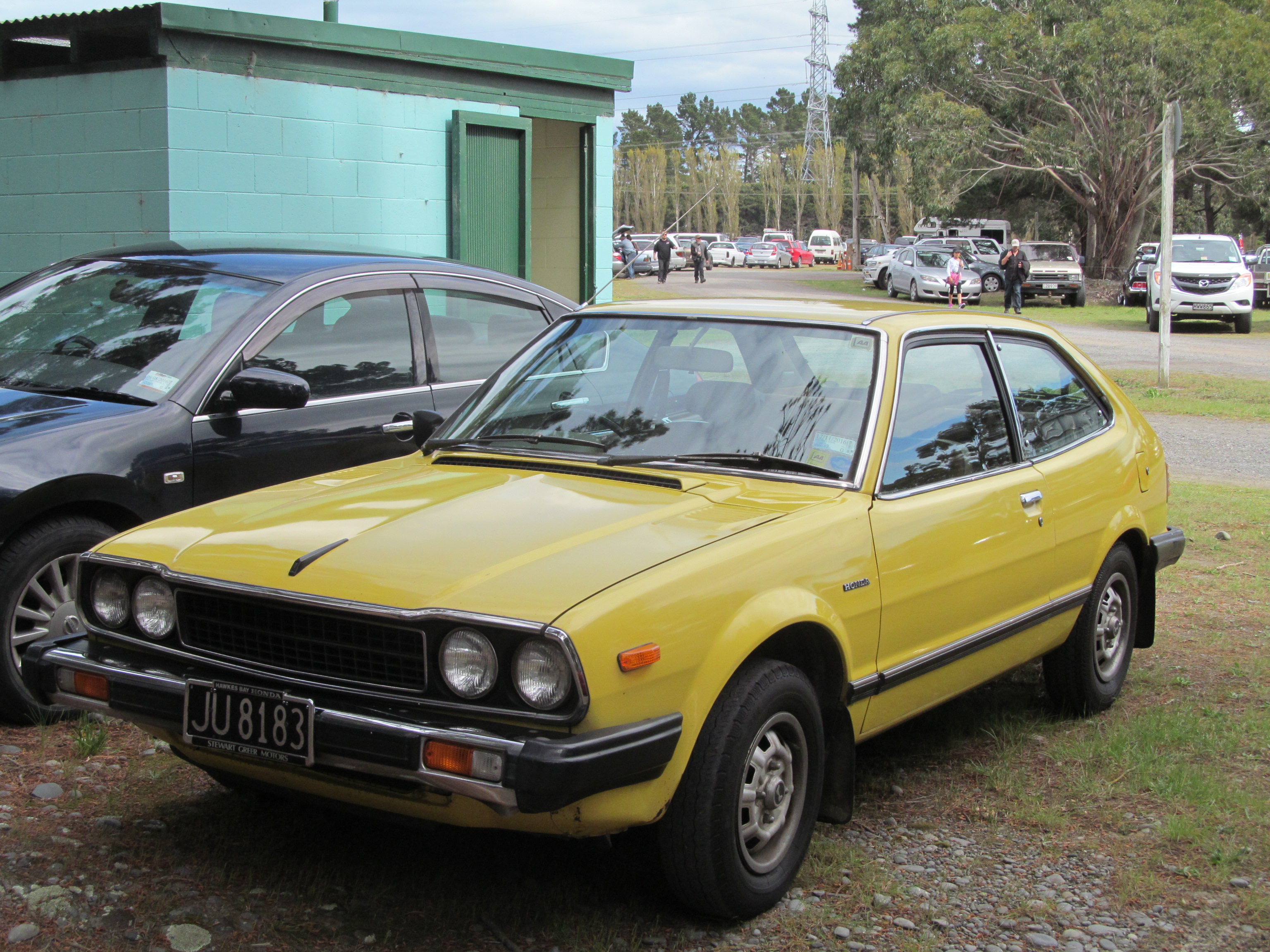
Honda Accord
"...u do not spend 45 days polishing your mom's Honda Accord that she just got, you are not a loser, you are a..."
The Honda Accord is a regular family car that many people drive. Because it’s common, you’ll often hear about it when people talk about cleaning and polishing the paint. The point is that even a normal car can benefit from careful detailing.
The Honda Accord is a mainstream midsize sedan known for being practical and widely owned, which is why it often shows up in everyday detailing stories. In a podcast about paint care, it’s a good example of a common “regular person” car where people may spend a lot of time polishing to restore or protect the paint. The mention highlights how detailing effort can be applied to a typical, high-volume model rather than only exotic cars.

Toyota Corolla
"...choose to spend that amount of time on your mom's Corolla, knock yourself out, right? I'm just saying, you ..."
The Toyota Corolla is a small, everyday car that many people buy. Since it’s so common, it often comes up in conversations about washing and polishing paint. The idea is that taking care of the finish can be worth the effort, even on a typical car.
The Toyota Corolla is a compact car that’s popular for its everyday usability and long-running reputation. It’s frequently referenced in car-care discussions because many owners want to keep the paint looking good on a vehicle they use every day. Mentioning it in the context of spending time polishing underscores that detailing value isn’t limited to expensive or rare cars.
Request an Explanation
Heard something you'd like explained? We'll add it to this episode.
Sign in to request explanations for terms you heard.
Want to learn more?
Browse our glossary for plain-English explanations of automotive terms, jargon, and concepts.
Help improve this episode
See something that's not quite right? Our annotations are AI-generated and can sometimes miss the mark. Click the flag icon on any annotation to suggest a correction.