NRMA Insurance is an Australian company that sells car insurance. They’re sponsoring this part of the show and encouraging listeners to get an EV insurance quote.
A dash cam is a small camera that records your drive. It can help if there’s an accident or argument about what happened, and a rear camera records what’s behind the car too.
UNIDAN is a brand that makes dash cams. They’re recommending it because they offer dash cams (including ones with a rear camera) at lots of different price points.
Rear cameras mean the dash cam setup also records what’s behind your car. That can be really helpful if something happens while you’re reversing or changing lanes.
A service network is where you can take your car for servicing and repairs. If it’s limited, it can be harder to get help quickly when your EV needs work.
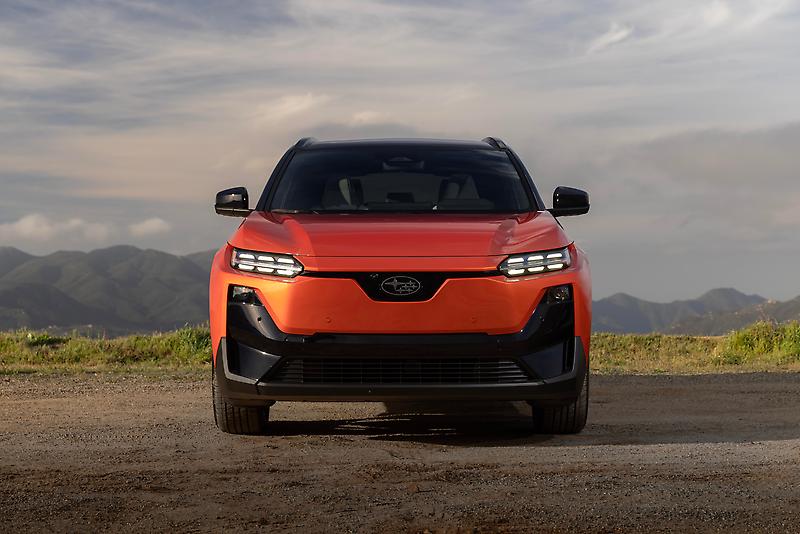
I can’t confidently identify a Subaru model called “Uncharted” from common model names. It may be a name the hosts used for a specific car they were considering. If you paste the exact sentence, I can explain the correct vehicle in plain terms.
BYD is a big Chinese company that makes electric cars and batteries. The point here is that when a new EV brand moves into another country, it can run into problems like getting parts and setting up service.
The insurer stopped covering the car after an accident. The hosts suggest it’s because the insurer doesn’t think the car can be repaired easily—often because parts or support aren’t dependable.
Concept
parts now
The hosts are describing the practical problem of parts availability after an incident. In EV ownership, insurers and owners care whether a brand can reliably supply replacement components quickly enough to restore the vehicle.
A service model is the plan for how a company will fix and maintain your car. The host is saying they set it up on purpose rather than just depending on regular dealer networks.
A dealer account means partnering with regular car dealerships to sell the cars. The point is that dealers alone don’t guarantee you’ll be able to get parts and repairs quickly.
Trickle charging means charging your EV slowly, usually from a normal outlet. It can be too slow if you drive a lot every day, so you might need faster public charging more often.
Three-phase is a type of home electricity supply. For EV charging, it can let your charger deliver more power, so you can charge faster—especially overnight.
“Public charges” are charging points you use outside your home. The speaker is saying they didn’t need them because they could charge at home overnight.
The Volvo V40 is a smaller Volvo car that was sold with diesel or petrol engines. In the podcast, it’s being used as an example of an older car the speaker already has, mainly to compare costs. That helps frame whether switching to an electric car would be cheaper or not.
Here “range” means how many kilometers/miles the EV can drive before it needs charging. On road trips, it determines whether you can make it without stopping.
Term
origin and destination
It’s just the start and end of your trip. In an EV, the app uses that to figure out where you’ll need to stop to charge and how long you’ll likely spend there.
Battery degradation means the battery slowly holds less charge as it ages. Some EV apps let you tell the system your battery has degraded a bit, so it plans charging stops more accurately.
DC fast charging is the “quick charge” style that can deliver a lot of power to the battery. It usually charges fastest early on, then slows down as the battery gets fuller.
Kilowatts are a measure of how fast the charger can put energy into the battery. More kilowatts generally means quicker charging, though it can slow down depending on conditions.
Instead of charging all the way to 100%, the app may aim for something like 70–75%. That’s often faster overall because charging tends to slow down when the battery is nearly full.
Charging stations have a maximum power limit from the grid. When lots of cars arrive, the station may have to share that limited power, so each car charges slower.
Here, “service station” is used to explain that a charging site may be limited by the electrical capacity available to the whole location, not just the charger hardware. Other loads at the site (like refrigeration) can reduce the power headroom available for EV charging.
The Dodge Charger is a car model that people may mention when talking about charging at home or at public chargers. If a charger is shared or the power is limited, it can take longer to charge and reduce how much you can get done. That’s why it can come up in discussions about charging capacity.
The speaker says their first EV was a Tesla, and they learned charging tips from other Tesla drivers. Those tips are about how to avoid slowing down your charging when other cars are plugged in.
EV chargers are rated by how much power they can send, measured in kilowatts (kW). But your car might not be able to take the full amount the charger claims, so you may see lower charging speeds.
Charging limitations are the reasons your EV can’t always charge at the fastest speed. Different cars (and even the same car at different times) can accept different charging speeds.
22 and 32 kilowatts are faster charging speeds than the more common 11 kW. Whether you actually get those speeds depends on both the car and your home charging equipment.
“Ten percent” here means the battery is at about 10% charge. People often plan charging stops based on battery percentage because charging behavior and trip planning change as the battery gets fuller.
Term
30
“30” means they want to leave or arrive with around 30% battery. It’s a planning choice so the trip is easier and charging stops are more predictable.
EV navigation can tell you how long to charge at each stop. The time estimate depends on how fast your car can charge and how full the battery is when you arrive.
Term
31
They’re saying the charging speed was around 31 kW at another stop. Charging speed can change depending on how full the battery is when you plug in.
They’re suggesting charging slows down once the battery is more full. That’s common because the car has to protect the battery as it gets closer to full.
Before you plug in, some EVs can warm the battery so it’s ready to charge quickly. If you don’t do that, the car may start charging slower until the battery gets warm. It’s basically “getting the battery ready” for fast charging.
In this context, “mileage” means how much driving range you have left. Warming the battery before charging uses some battery power, so your range estimate can drop a bit. The host is saying the loss is small compared with the time savings.
PlugShare is an app where EV drivers leave updates about charging stations. You can see what kind of charging speeds people are getting at different locations. The host recommends checking it so you don’t waste time at a slow or unreliable charger.
Car
MG4
The MG4 is an electric car (an EV) from the MG brand. In this segment, the host talks about taking it on a road trip and how fast charging worked in real life. The takeaway is that charging speed can change depending on where you charge and how the battery is set up.
“PV5” sounds like a car model name the hosts are talking about, and it’s linked to Kia in the transcript. The discussion is likely about a new or upcoming electric car option and how it compares to other choices. If you can share the full sentence around “PV5,” I can describe the exact vehicle more precisely.
They currently run Toyota vans for their business. They’re comparing that experience to what it’s like to switch to electric vans.
Term
10 000 kilometers
They’re saying their current vans get serviced about every 10,000 kilometers. EVs can have different service schedules, so this is part of comparing fleet routines.
“Charging space” just means the EV charging business—helping people get chargers installed and working. It’s not about the car itself, but the charging setup around it.
Vehicle tracking means using GPS data to see how company vehicles are being used. In this case, they want that data to help figure out charging costs for reimbursements.
A DC charger is a fast EV charger. It can charge the battery quicker than slower home-style charging, which matters for a work van that needs frequent top-ups.
Aerodynamics is about how the car cuts through air. Roof racks can make the air flow worse, which can make an EV use more energy and potentially reduce range.
A “granny charger” is a simple, slower way to charge an EV using a normal home power outlet. Saying “15 amp” is about charging speed—higher amps usually mean faster charging.
Plug-in hybrids are cars that have both an electric battery and a gas engine. The hosts are saying people often mix up how far they can go on electricity versus how far they can go overall.
This is the van’s advanced driver-assist tech—systems that help you drive, like keeping you in your lane or helping with speed. They’re saying it works well after the drivers get used to it.
A “cup holder” is being discussed as a practical usability detail for a commercial EV van. The point is that small cabin ergonomics can affect day-to-day work—like preventing spills when entering/exiting or driving to the next stop.
That’s how much weight the van can carry—750 kilograms. If you regularly load it near that limit, it can change how the van performs and how far it can drive.
Car
Farizon Electric Van
This is an electric van made for businesses. The big things they’re talking about are how much space it has inside and whether it can go far enough—especially on highways.
Battery density is basically how much energy the battery can pack into its weight and size. If it improves, the van can often go farther without needing a heavier or bigger battery.
A platform is the basic design the vehicle is built on. If you add a bigger battery, the van gets heavier, and that extra weight can make it harder to get the range gains you’d hope for.
A bigger EV battery usually means more driving range. But it also weighs more, so the van may not be able to carry or tow as much as a lighter configuration.
A rear-end crash is when you bump the car in front of you. It often happens when the driver behind doesn’t notice in time or can’t stop quickly enough.
Autopilot is a driver-assistance system that can help the car with some driving tasks. The idea here is whether crashes happen less when the car is doing more of the work.
Term
reversing
Reversing is when you back up, and it’s a common time for accidents because it’s harder to see. That’s why backup cameras and sensors matter.
A rear-end collision is when your car crashes into the car in front of you. It usually happens when you don’t notice soon enough or don’t leave enough space to stop.
Term
simulator wheel
A simulator wheel is a steering wheel you use with a driving game or training program. It lets someone practice driving actions without being on the road.
A blind spot is a part of the road around your car you can’t see well from the driver’s seat. You should check it before you change lanes or turn to avoid hitting someone.
EV quotes are the insurance prices an insurer offers for electric cars. If those quotes jump, it generally means the insurer expects EVs to cost more to insure or repair.
The Mazda CX-5 is an SUV. The “turbo” version has an engine that’s boosted with a turbo to feel more responsive, and the caller is saying they like its shape and want something similar in an EV.
A wall charger is a home charging box for an EV. It usually charges faster and more conveniently than basic outlets, and the discussion is about whether they’ll use it or public chargers.
Public charging is when you charge your EV at charging stations away from home. It can be less convenient than home charging, and it may cost more depending on the station.
Zappi is a home EV charger brand. It’s designed to use your solar power first, and then it can switch to the electricity grid when your solar isn’t enough.
That “11 kilowatt” number is how fast the charger can put energy into the EV. More power usually means quicker charging, as long as the car can accept it.
They have solar panels that make electricity at home. They’re planning to use that solar power to charge their EV before using regular electricity from the grid.
“Grid” just means the normal electricity supply from the utility company. The charger can use your solar first, and then switch to grid power when there isn’t enough solar to charge the EV.
They’re talking about charging the EV using solar power first. If the solar panels aren’t producing enough, the system uses regular electricity to finish the job.
This means the way you charge your EV at home. If it’s set up well, you can plug in overnight and start each day with a full battery without hunting for chargers.
This means the car doesn’t have regular buttons for things like climate or media. Instead, you use the screen, which can be either convenient or annoying depending on how well it’s designed.
The BYD Atto 3 is an electric car you can shop for as a normal daily driver. The hosts mention it as a strong option, so it’s worth considering if you want something practical rather than experimental.
The Audi S5 is a sporty version of an Audi car called the A5. It’s designed to feel quicker and more performance-oriented than the regular model. In an EV podcast, it may be mentioned as something people compare against when thinking about switching to electric cars.
The Skoda Enyaq is Skoda’s electric SUV. Here they’re comparing it to another Skoda EV and talking about how the different version costs more and feels more “upmarket.”
Volkswagen owns Skoda. Because of that, Skoda electric cars often use similar technology and screens, so they can feel familiar if you’ve driven a Volkswagen before.
Term
key
Here, “key” is referring to the keyless-entry style remote used to lock/unlock without pressing buttons. The hosts describe how the car locks when you walk away and unlocks when you approach, which is a convenience feature tied to the key’s proximity sensors.
This is keyless entry that works when you’re near the car. The car senses the key, unlocks as you come up, and locks as you walk away.
LIVE
This is Two Blokes talking electric cars with Trevor Long and Stephen Fennig thanks to NRMA
Insurance and UNIDAN. Great to have you company thank you to NRMA Insurance helping protect what
matters most for Australians for a hundred years or more and one of Australia's largest insurers
of electric vehicles. We appreciate it if you just in the when when your car insurance comes up
just give NRMA a call ask for a quote that's all we ask it might be a better deal than you've ever
seen it might be spot on it might not be fine whatever make a decision based on that quote
the same applies to getting yourself a dash cam there's plenty of brands in the market
UNIDAN are a great bunch of people Aussie based bunch of people that make excellent products
and we'd love you to consider them for your next dash cam in your car if you bought a new car get a
dash cam one with the rear cameras is our first thing to buy it is at the first whenever I get a
car first thing window tinting dash cam oh yeah that's up there that's fair that's fair they're in
the top two UNIDAN just give them consideration have a look at their huge range at every price
point they've got a camera to suit you a bunch of things to get through on the show today a bunch
of calls and a bit of information to come through as well but Stephen I wanted to address a comment
that appeared on I've just got to save that so you see that appeared on YouTube last week
after our interview with Andrew from Zika yep I can never it's a YouTube username so okay
demand for anyway said great show really enjoyed their Zika interview however I think an important
question was missed regarding their service network and it's a great point okay it's a really good
point yep they say which I believe is one of the major disadvantages of buying into the new
brands here in Australia it would be valuable it would have been valuable to understand what their
plans are and what's currently in place for servicing their vehicles haven't driven a Zika yet
I'm exploring options for a second EV one that my wife will primarily drive I've shortlisted the Zika
X X-Ping G6 Subaru Uncharted and of course there the major concern is is the service networks of
Zika and X-Ping now Zika have responded I'd say well get me there I'd say first
and foremost X-Ping with the greatest respect I'd be avoiding like a plague right now because we
don't know where that company's going in China they're unbelievable the Australian distributor
has filed for business concerns I don't have the details in front of me but broadly speaking it
feels to me like what's happening is a more combative version of what happened at BYD I think
X-Ping in China wants to come to Australia and run it themselves and I think the Aussies who you
know brought them here are probably being dutted that's what I think is probably happening but I
would be worried about where they are initially in the service network you know what in the whole
scheme of things though it just gives you another question to ask when you buy a car you know you
want to because you know whenever we buy a car it's all all rosy and everything and everything's
happening it's all happy but you never consider what happens A if I have an accident is it easy
to repair service all those things are not really top of mind when you're considering it well there
was someone else you know might have been in the man cave sent me a video of there's a bloke called
I'm going to say the electric biking on YouTube yeah and very clearly he's got a big beard and
looks like a Viking but anyway he talks about electric vehicles every day like crazy numbers of
videos but he had this big drama with an insurance company about them canceling his insurance when
he had an incident and it was like oh but and everyone sent it to me and I went listen I'll
tell you right now there's more to this story than you believe so I was holding off and it turns out
he has an X-Ping and I think what I read between the lines after his next video which said they gave
him his money back and everything was that they looked at it and went we don't think we can reliably
ensure this car because we don't think we can get parts now because of what's happening with X-Ping
so I think that's why they cancel the insurance so those things are a real challenge for this
industry right consideration for buyers yeah so with that because we saw your comment on YouTube
I sent it to Zika and I said listen I don't want to get Andrew back on I don't want to bother him
but could you ask Andrew this very question and so he has responded in email so I'll read it
verbatim and the response is fair question and it's the right one to ask of any new brand
we built the service model deliberately rather than chasing a dealer account for its own sake
we're on track for 25 dealerships within the next 12 months with another 10 to follow as
volume grows and we find the right dealer partners as I said in the interview we're building this
brand sustainably for the long term and finding the right people to partner with is critical
we won't just put a dealership up for the sake of it behind that network sits our Melbourne
parts hub where our local after sales team is working towards a 98% fill rate and monitoring
it constantly if we need to put a parts on a plane to get a customer moving we will
when a car is off the road the owner is anxious to get it back and our job is to make that happen
as quickly as possible that's why we have a 48 hour loaner commitment if your vehicle is off
the road for warranty work the ownership experience doesn't end when you drive off a lot
and we built the operation to reflect that so bravo great answer great answer wow and you know
and you could tell when we interviewed him last week there's there was a lot of consideration
about you know and how many times have we seen companies in the past grow too fast to to stay
sustainable yeah so you know kudos to them for going that deep in their consideration not not
just throwing up dealerships for the sake of it spot on and look again the other thing that proves
is that firstly we're reading your comments we want to hear from you if you've got a question
about EVs we don't just say it for fun 0 4 double 7 6 5 send us a text we'd love to have you
on the show and talk about it and we will challenge the industry if you've got a question about a car
company we'll ask them we'll get answers for you we'll get them on the show I mentioned
we've done some outreach to to the car companies I think poll star are keen to come on soon right
so um yeah we're we're we're keen to hear from the industry
and if there's someone you want us to talk to tell us yeah we'll get them on the show we're
here every week recording so we're happy to talk EVs with anyone anytime any day of the week so
happy to have your input though most importantly thanks to Vodafone send us a text just save us
in your phone as two bikes all right very easy it's trevus personal number actually so yeah
obviously any time obviously yeah tech questions welcome but you know broadly uh that's for two
blokes talking tech it's a separate podcast and we'll bring you the news of the week thank you for
listening if you've been listening to that show as well because we have more listeners to the
electric vehicle show even though it's only been around for two years and we've been doing two
blokes talking deck for coming on 16 years um we do many more things so if you just learned about us
welcome thanks for having us spread the word there's a lot more you can get from us if you
want to talk tech movies or just general gibberish we've got it all we've got you covered uh six days
of the week there's a show from the two blokes we got you covered but let's get to your calls right
here on two blokes talking electric cars great heavy company two blokes talking electric cars
thanks to nrma and uni then we'll tell you more about them uh throughout the show uh let's take
your calls though uh thanks to Vodafone oh four double 7657657 mark
is on the line get a mark get a how's it going yeah really good mate uh you got an mg4 buddy
yes mg4 i had for two years now and done about 70 000 k's in it that's it that's a decent amount
of k's in two years you wouldn't be one of the first to get that uh it's hardly been out a couple
years haven't it the mg4 you you're early days yeah it's a 23 model but i bought in 24 okay so yeah
70 000 k's are you doing long trips or do you just have a big commute every day
big commute every day yes how big uh someone shy to seven hills six days a week oh that's
solid that's solid that is so what is so you you obviously had to make some adjustments with your
ev you know you've had it a couple years i suppose you're pretty much in the groove so what what was
the the big changes you had to make how how did you handle the charging situation so when i first
got it i didn't have a wall charger so i just did trickle charge and i found i was having to charge
about once a week at a supercharger or something yeah so the trickle wasn't wasn't enough to get you
topped up every day no back then i was actually doing closer to probably 40 odd thousand k's a year
plus i've since reduced that a little bit but uh yeah i put the wall charger in i've got a three
phase ocular and other so um and got the agl plan based on you guys talking about it yeah good
call good call eight cents overnight and so that was that was an instant change for you we obviously
then didn't need to go to the fast charges public charges because you can do it all at home is that
where you found yes yeah every night just plug it in and i'm good to go for the whole day you sound
like you you put a bit of you said you put a few k's on the car how and i'm sure you were obviously
doing this before with with your pet previous petrol car how has the ev like day to day wear
and tear gone compared to your previous petrol car question um look it's pretty good um my other
cars are Volvo v 40 diesel um and it's 11 years old um and but just weighing up the costs it was
that was a big factor it was going to cost sort of 900 dollars a week in diesel
sorry a month in diesel yeah whereas the electric charging before i switch over the agl was about
200 a month roughly uh but that's drastically reduced now i've sort of cut my energy bills in
half um by switching to agl have you noticed anything to steven's point about the servicing
or the life of the tyres anything like that as an ev driver as opposed to your traditional car
um not a huge amount no tyres about the same um the one thing like the quality compared to the
Volvo isn't isn't quite as good like the paintwork isn't as great like especially with the shape of
the bonnets and that you pick up a lot of stone ships um there's little bits and pieces that
don't work quite as well but generally it's it's very good i'm really happy with it um so yeah
it's it's a great little car actually i enjoy driving in your text to us you said you'd done a
big road trip uh i think you went to the gold coast from sydney so what was that like you'd
obviously done some public charging but what was the like on a road trip did you meticulously
plan it or did you just fly by the city of pants and hope to goodness um a bit of both i uh it was
the first one we kept the diesel because of those road trips but with the diesel prices going through
the roof we decided to go you know what it'll be less than half the cost to take the electric so
let's give it a go so i download that ab rp app and it planned everything out pretty well for me
um not having used it before i was a little bit skeptical on what sort of range i'll get and
everything but generally overall it was within about two percent i've never used the abrp the
better route planner that is isn't it yeah yeah it was really good yeah talk talk me through it so
is it just set a desk uh origin and destination and it gives you some info do you tell it about
your car like obviously i think we would agree even as a non tesla fan we would agree teslas do it
best you tell the car where you want to go and it will say here's how you get there and
he's where to charge and how long to charge for and that is gold standard right so as a non tesla
owner using an app what's the process like with a better route planner it was great you put in your
your car and the model and everything you you can set like a bait battery degradation sort of
percentage which i thought i'll put in five percent just as a bit of a guide and you can
set a minimum for the charge that you want when you get to your destination so i think the first
time i planned a said three stops and i'd get to my first one with seven percent left and i was like
well i'm not having used the app before i thought it's getting it kind of a little bit fine so i
as i said as ten percent and then um yeah it was it gave me four stops which was good
the the interesting part i had with the charging because i thought i'm going to sign up to the
tesla app like you guys suggested and that was great and i just use the tesla super chargers
because i've had some mixed sort of results with some of these like the eevee chargers and things
like that um the tesla were really good um normally in a super charger i'd get sort of
30 to 160 kilowatts out of a charging to the car um i was finding i was getting 100 to 130
so the first two stops so it wasn't too bad it told me i'd stop for about usually 20 25 minutes
and charge to about 70 75 percent yeah um i found i was probably stopped for closer to half an hour
in most of them um you mentioned mark in your message to us that some of those were some of
those chargers were quite slow and what did you conclude it was because of the it was it was
cold or what was the conclusion well it was actually quite warm we were traveling to the
goal okay so it was 27 degrees it was nice okay um i think it was actually the opposite i think
the car must find the battery gets to a certain temperature and this is where i wanted you guys
a bit of opinion i found it on the third charge on the way up was coughs harbour it was 160 kilowatt
tesla charger i think and said 25 30 minutes to charge so we went out and got a bite to eat and
did all that sort of thing came back about 25 minutes later it was only at 40 percent and
when i looked at it it was only charging at 30 kilowatts an hour and got to about
50 percent then all of a sudden it jumped up to 60 kilowatts an hour and we'll stop there for
about an hour in total and i thought oh maybe it was just a charger was there were there other cars
there i was just gonna say were there other cars charging as well because that's a big part of
that effect yeah because you know the golden excuse me crowded yeah the golden spot i often
talk about you know 20 charges and normally i'm getting like 120 kilowatt charging but the last
couple of times there's been six or seven or ten other cars there and i'm getting 40 and 50 because
the site only has so much power yeah you know there's only so much power coming into that
location and someone once said to me even a service station you know there's only so much
coming into literally the service station so if they've got all their fridges and freezes and
everything on inside that's actually taking away from the capacity of the charger as is
another car so it may not be your car limiting it it may be the location crowded other other
impacts like was it was a crowded at the those types there were six charges and all six were full
so that's yeah but then like we got to the fourth charge and again it was back up to 100 130
kilowatts an hour and it was yeah they had one thing i learned to when i my first ev was a tesla
so when i was at the supercharge one of the first things you're taught or told by other drivers is
to spread out like if they're say four charges everyone try to go to their own charge if you're
sharing one that would impact your speed yes so you'd have to spread out that was sort of what i
learned but it's uh yeah i mean it's a really fascinating one mark because there's so many
little intricacies to that like when i did exactly that with the golden charger i went well
there's three cars here and there's there's three charges together over there i'm going to work on
the assumption that they're wide you know widely separately to the others so i tried that but the
bottom line is when you go to one that's you know like a bp and there's just 22 boxes and four
cables um you are better off with one person on each box if you think of it that way and i would
believe a really important thing i think there's false advertising in ev world i think there's
something that advertises a 300 kilowatt charger is actually 250 kilowatt plugs 150 kilowatt
charger is often 275 kilowatt plugs and you can't actually achieve more than 75 when plugged in plus
the other environmental factor is your car not all cars but some cars have different limitations
now you would have seen how high and low your car can go but there are some EVs today
that won't charge past 75 that's just what they do some that don't go past 100 so actually
different cars have different charging limitations even at home some some cars the limits mainly
11 kilowatts but others do 22 32 in some cases yeah if you're lucky but um i will say uh mark
i've just been on while we're talking i went to the better root plan i weirdly i've never used it
and mate it looks excellent and what you're referring to there mark referred to the five
percent ten percent so i've said i want to go from Sydney to Young visit my family and you're
saying when i get there i want to be at mate i would never leave it at ten percent i'd say 30
every time i want to be at 30 and it tells me i've got to stop somewhere along the way for 30
minutes and that's yeah that's a root that's i would say a better root planner to me looks like
the tesla experience um but for everyone mate so that's uh that's really good feedback from you
is there any other burning questions that you had for us before we let you go
well just just on the way back we our third stop again was a queue and there was hardly
anybody there i think we were one of two cars yep and again i only got 27 kilowatts out of it
i'd drive away well we stopped there for an hour in quarter and it got up got up to 31
um but what in both occasions it was our third stop and traveling and charging was about six to
seven hour mark so i'm just wondering if it was the battery gets to a certain point so you're
traveling with your family mate your wife who are you who's in the car uh just my son no he's a swimmer
so we're going up there for swimming i'll be honest with you and people please we're not experts
we're just working from life experience okay anecdotal experience basically if you have knowledge
in this space oh four double 7657657 talk to us but i don't believe so the
only thing that i can tell you about a battery is in some cases the charge will be initiate slower
if the battery hasn't been preconditioned you need to warm it up so for example in a tesla again
because it knows your root plan it'll go well we're going to stop in 20 minutes warm you up the battery
will actually warm up um like you can in most cars you there's a button to precondition and what it
does is it actually affects your mileage essentially while it's preconditioning but it gets it ready
but honestly i've never done it because the difference is probably five minutes of ramp up
time if you look at how long it takes the car to to get to that 75 kilowatt speed of charging
that's it just takes longer to get to there it doesn't limit the total speed it will get to
so i don't think frankly it's conditional i don't think it's weather related or number of
charges related at all mate i think it's the location and that's why one of the things i suggest
is that plug share app log in and and tell the tell the world tell the community what you got
what speed you got because then you can look back and go everyone's getting 30 kilowatts here this is
a rubbish site let's go somewhere else so that's my only thought is maybe to give some feedback
there and also check what other people are saying before you charge at a different location but
you know what good news you still you still got a far cheaper chip in the mg than you did in the
diesel mate did you ever oh it was about 185 dollars all up wow well played and we did about
two and a half thousand k's i think excellent stuff that's great well mate thank you for sharing
your story buddy no problem we appreciate it good on you mate hear from you again one time soon
there you go the mg4 on a road trip yeah and look that i mean we can't cover everything but that we
touched on that a few times yeah it's a really big deal it's an anomaly charging speeds yeah but
that anomaly there's so many reasons why that could be correct so trying to try to work that out
could take to take a little while and and you know the other thing is you get used to fast like i go
now locally we have two chargers an eevee charger up in haunsby and an ampol uh in whitara i'll go
to the ampol because i can normally get 75 kilowatts there and mate if it's full someone's park there
because it's only one spot and i go to eevee and it's like 50 kilowatts i'm like this is slow it's
amazing how used to the higher speed you've got choice though like you're on a road trip and like
what choices have you got you can't leave that joint without the without the charge so yeah
absolutely all right love your uh your opinions too folks hope for double 7657
657 get in touch taking your calls we'd love to hear from you if you want to talk
eevee's deans on the line good day dean good morning how are you this morning mate really good
i excited to talk to you because you texted us and said you run an electrical contracting business
and you bought a pharas on is that how you pronounce it pharas on van we talked about it
but it's for rise and for rise with horizon like for rise in the telco in america i can understand
that that makes more sense to be honest yeah okay all right so so talk us through it well
you you've got a business do you have a bunch of ants and this is a a toe in the water or
are you going to go full electric what what brought this on i've been a long-term plan to move my
business to electrify it um and the reason we hadn't to date well we have got natto three but one of
the directors drives but um in that commercial space there was just nothing suitable on the market
my test drove at um late last year and thought it could be a chance so i was waiting for byd to
get their finger out and bring theirs into the market and i got impatient and decided once
that the horizon was around we have a crack with one of those sounds sounds like a massive hole
in the market i know isn't it like well we've now got the kia pv5 coming in that's that's coming
yes um have you do you run multiple vans in your fleet or is it just the one van in the
business yeah we've got 10 vehicles on the road okay um and currently we're like a lot of contracting
business we're a Toyota business um you know service them every 10 000 kilometers and they
just do what you need them to do but was looking we do a lot in the EV space um we're charging
and i felt that i couldn't really talk to talk if i wasn't walking the walk so i've been watching
this carefully for many years and you're right the lack of vehicles in the market has been a bit of a
pain um keen to see the kia pv5 but i think the i'm just not sure that um it's load capacity
you'll be up there from what i my early thoughts but the range looks amazing can i just i just
picked up on a little something there so you said you're an electrical contracting company yeah
and you said you're doing a lot in the charging space so are you installing charges right is
that what you're doing or yes 100% 100% right so both you know for domestic customers but also
for bigger organizations that are rolling them out um you're right prokken up in a diesel van
doesn't really talk about coming out of the out of your muffler so what not really good what's
been the you've had it for a month or so what's your what's your first impressions as an owner
not just the test drive but now you've been driving on the road um is it difficult because
you've got to charge it pretty much every day like what what is the situation how's it been for you
ah look it's been terrific um um um but the director that drives the evv is my wife so
very used to the boss space pedicat government loves it also cheap installation of a charger for
the business it gets better she's an accountant so she's looking at the bottom line too so you're
on fire so it was a no brainer so look from a perspective of charging it hasn't been an issue
we have developed a strategy of how we can roll this out to our clients um and help them
electrify their fleets and that includes um agreements and and we've got a little bit of an
understanding not that we're tax people but you know some of the implications that can affect them
there but so um we're looking that we'll be able to use our vehicle tracking to um work out the
reimbursements for charging and the like but um our the first impressions have been really good
we've got a dc charger here 25 kilowatt and we can charge it here you know quite easily
i haven't installed i've just had my project managers driving it and the plan was just to
change to start the conversation in my business because there's a lot of skepticism about whether
the range will be appropriate for our team um and i'm pretty pleased to say that um one of my
project managers who um came in last Friday and said i don't think you'll ever buy another diesel
van wow this thing works a treat what are they what do they quote the rangers and what does it come
up with because obviously you've got it with racks and tools and things in the back i assume so
how does the range equate in the real world so they're quoting it at 330 to 360 the range on the
display is dynamic so if you're in town it's it's sitting up around 360 likey and one of the guys
drove you know 30k's over to home and back again and and on the range it ended up only dropping it
i think 30k's in total so um it sort of varies a bit but the range is holding up to be well in
the 300s for us we've loaded it a bit it certainly has got all the roof racks on it and and uh and
so you know aerodynamically it's it's certainly got a challenge now but we haven't noticed a
dramatic drop in the range um charging we've used um one of the public chargers to charge it once
it was no dramas our guys have certainly got their head around in that space so um it's yeah
we haven't had any problems with it and we've worked out a way that we'd be able to charge
even if some was in a rental property um we think we can get around that with a 15 amp
granny charger now dean you said you know you're closer to the field than we are as this you said
i think you refer to the fact that people in the similar industry to you are they are they looking
at getting into electrifying their fleets as well is this something that you're finding a lot of
businesses are prioritizing now i think they're starting to but i think the big killer um for
it in my opinion is range and there's people are very skeptical about um the the range that the
vehicles can do and i'm amused that for izen have just released a new one with less range
a new van and i'm like guys what are you doing char I yeah i mean they can all charge overnight on
an ev charger we need a bit more range just to give people that peace of mind and i think that's
the bit that's missing out of the conversation in Australia people are just scared about range
but they are looking to do it but i you know a lot of people's misunderstanding of plug-in hybrids
and you know their range compared to an ev um yeah but in your case the horizon
and like how how is it in terms of convenience the cost saving is that is it worth
you taking going this to down this path 100 percent um my calculations based on a diesel
price of $2.50 a litre when i did it which was kind of in the middle of what it used to be and
what it was when i did it um and 30 cents a kilowatt hour and a car doing 100 kilometers a day at
48 weeks in a year i've worked out that i can save about 6 000 bucks wow what in total per car per
vehicle per car just that that's the band and that excludes one other item which is servicing
because the service rate on the horizon is every 30 000 kilometers so let's say it's 500
bucks a service you do three of them in a year um you've only got you know that's another thousand
bucks you potentially save and it's an interesting point because and you mentioned at the top you
know everyone in your game is pretty much running Toyota um high aces i assume stuff like that right
and i get it they reliable they do it they they work you can rely on that and that's a critical
thing in business we get that and and you've just purchased a car that is essentially untested
both in longevity and in dealership service right so there's a bit of a way to go there to prove
itself and i can imagine plenty of people saying that to you mate i'll wait 10 years until you've
proven yourself for that kind of thing but leaving that aside for a minute what's that like inside
the car because the Toyota experience is it's known it's trusted but it's also i don't think
it's evolved especially in the commercial space does it feel like less like a commercial vehicle
to the to the drivers or what's their feedback being just on the vehicle the vehicles um the
feedback's been positive um to drive it is beautiful and the one thing that everyone
knows is driving in EV is how quiet it is and smooth the tech unit's pretty good
with regards to the intelligent driving that seems to you know work really well so that
you know once the the guys get their head around that you know that's a positive thing
there's a real like small thing that they've missed first day in it drive drive at home
because on the boss to drive back into work and the cup holder tip my cup of coffee out so i mean
it's a it's a simple thing that we need a decent coffee cup holder isn't it in the van maybe you
want a 3d print one buddy needs an insert there somewhere i yeah it is it is the little things
though isn't it but but it just really is just finally you mentioned i mentioned the pv5 and
you said you'll you'll take a look at it there's one there's there's a long range one with like
400k is quoted range but you say the load is is not as uh the its capacity i think the load will be
an issue i think it's got a 750 kilo capacity like we put a towbar on the horizon yeah um and a big
tradesman's roof rack and um and it's bigger inside than a high ace is it wow it's extraordinary
yeah so but look the the overall experience with it is positive you know range i still reckon is a
whisker off where it should be um when you go on the highway it certainly hurts um you know which
we all know that that's no big deal and with battery density improving this will only this
conversation will just get better and better yeah it's spot on mate well good on you for being a
trailblazer look at your pioneer in the commercial space and uh you know i i appreciate your reaching
out because we we had a caller i think asking about vans and we were floundering key hadn't
announced and uh and we didn't know much about the horizon so um there we go mate great great to
hear your experience dean thank you and let's hope that um that just drives a bit more competition
in this space and we we get some of the manufacturers that understand the challenges in it like when
you load them up and get a bit more battery density and a bit more range and i think it'll
just fly there i think if it takes off it'll take off in a big way because of those savings you've
talked about there will be people listening right now going wait i can save how much a year uh
that's that's hard money on a business so big win there dean thanks for the feedback buddy
no worries at all yeah it's interesting to talk about that because when you're talking in diesel
car you never talk about how much it saves no yeah see how much it costs yeah that's right
all right good to hear from you mate keep in touch thanks dean thanks guys love the show
cheers mate really appreciate it good on you mate there you go i mean there it is
it's i feel like we we're having a conversation that that resembles kind of 2018 2019 ev conversation
you know very early yes just a tesla in the market you know a couple of things and yep and it really
resembles that and oh what are the issues you know he's he's he's clearly aware of the issues
and and surprise some things were fixed you think of and this isn't a small vehicle you think
underneath it would be this huge right what a bigger battery there yeah it's kind of that's
right then i think the problem is and i don't i don't build cars but i assume the problem is
you have a platform you put it you put more weight on it and that takes away the potential
load that you can put in the van which sounds like that's the problem so we gotta try a richer
balance you gotta find a balance between what you let dean put in his car versus what the car
weighs on its own okay you know its ability to tow or carry a load is taken away when you add a
bigger battery perhaps okay anyway work to be done but we look forward to seeing and driving
their Kia PV5 later in the year and i'm sure it'll do very well before we take another call
steven there was some data uh not EV related but i think it's really interesting data that came out
from NRA insurance our sponsor um in the last week just about crashes right yeah the the most
popular or top collision types it's like it's like hey what's the most popular crash this year
um but uh NRA insurance data from more than 69 000 claims collision claims yeah in 2026
yep 69 000 collision claims in 2026 what's going on that's in Australia in all of Australia that's
NRA mate that's a lot wow gives us an insight into essentially what's going wrong out there
and the number one collision type yeah rear enders exactly not really not really
well no no shock and we're in our other sponsor unit in how often have i said
oh well i say yeah but get the R because you want the rear camera because most current crashes are
rear end crashes we've been saying it all the time um number two failure to give way yeah human it's
human error you know human error yeah we're all humans except the robo taxis
which don't exist um from Elon but autopilot maybe it doesn't fail no surprise number three
reversing ah yes it's not a good reversal you have a look right yeah take a look yeah which which
i'll probably lead into number four which is hit stationary object yeah which is you probably do
in reverse most of the time yeah i would i would imagine that's most likely yeah interestingly
number five is single vehicle accidents now i don't know what that essentially means but uh where
you've sort of hit something on while you're driving isn't that isn't that number four hit
stationary object if it's a collision just to my my journalism training a collision
is when two moving objects strike each other okay so which leads you into number six number six
will animal collision well if you're hitting an animal on the road you don't normally hit a kangaroo
when you stand there going the reason i'd say that is moving back in my cadet journalism days
whenever you know a car collided with a tree a car a tree doesn't come out in the middle of the road
and hit you it's a stationary object so a car just hits a tree a car hits a tree doesn't collide
with the tree that's harking back to my cadet training unsafe maneuvers number seven and number
eight ahead on collision which would be luckily that's the last that's the least common in that
list yeah probably the worst type but um i think that's really fascinating you know how like the
failure to give way that rear end collisions failure to give way rear end collision it is it's
just a matter it's an attention thing hey you just pay attention yeah you know i mean i i i watch a
lot of people use the technology too much we love technology we're tech guys right yeah but honestly
the beeping and the cameras they're great yeah but use your mirrors yeah or to look over your shoulder
let's say where you're taught when you've got your license look over your shoulder well it's funny
because uh victoria who's uh 15 gets a elves in you know three or four months um we were playing
forza the computer game and we've got the simulator wheel so she was she knows how to drive she was
doing what she called responsible driving so she was driving at the speed limit which you don't do
in forza anyway she was she was at an intersection and she just turned i went oh you didn't check
your blind spot she goes what's that and i went okay opportunity opportunity to teach she's not a
driver yet so that's a good question we'll ask before you get your great question to to answer
in a simulator what's that yeah so good stuff uh quick update though also in this release i
note that um nrma says uh in recent months the nrma insurance has received a 121 spike in ev
quotes uh huh wow that starts in april this year compared to april 2025 wow what a beast without so
i think last we spoke about it a couple times before it was like 40 and 80 and now it's up to
121 increase increase year on year there you go so i think those sales are going to continue folks
so yeah great data there and stay safe on the road yes pay attention get yourself a dash cam
because those rear collisions are right up there well yeah that's your record isn't it like you
that's one thing remember i got hit uh up the back and although i showed that video i said here here
it is and actually helped the repairer too i showed the repairer the collision and they said okay well
we can see where it actually hit your car it's a bit more accurately nice so see it's good for
insurance and good for the repairer it's just peace of mind folks yeah uni dance mart dash cams
and shout out also to look another indulgent mention but um i mentioned my uncle uh uncle ray
last last week who'd bought an atto uh three yep rings me i didn't i hadn't put together that he's
actually listening or watching the show i hadn't put that together he mentioned a couple things
and i thought that's interesting that he knows that anyway rings me all night and he goes i heard
you mentioned me i got my anyway got a quote from in our main insurance yep 300
dollars cheaper wow then i won't name other names but good luck to him he was 300
dollars cheaper so he was pretty stoked he's gonna send him a uni dash cams right oh hey come on trev
i think does the byd i think the byd might have sd card slot or a usb slot for dash cams do they
i'm pretty sure yeah you'd be able to get one in might not have a rear so let me know i might be
able to hook you up with a good deal i'm not sending you a free one but brad at uni then
we'll definitely look after you absolutely uh to both storing electric cars we'd love to hear
from you if you want to talk evs o four double 7657657
just getting into it for your most animated i've ever seen you wow did you drink coffee or
something the youtube numbers are going up so we've got to perform i'm wondering if they're
yeah well you know we put our moves on yeah absolutely uh two bikes storing electric cars
we'd love to hear from you gary's on the line gary how you going yeah really good mate where are
you at in your ev journey you're in the market mate uh maybe oh just looking at the moment yep
so what what's caught your eye mate uh what what are you looking out there what what have you seen
that you that you're attracted to well well one of the shapes are similar to a car i already have
which is the um mazda cx5 turbo that's sort of slanted to the back window look right um i do
like the gg ac a on fire a on v nice yeah we've driven that no that's that's not a square shape
yes if you like that square shape can i suggest another the j2 j5 i would suggest
yeah give that a look oh what about the price on it yeah and that's like 38 k on the road i think it's
36 9 36 on the road and you know what you know when we first had it someone looked at it and they
said that looks like uh a land rover and i'll tell you this with a jaku i saw
one parked down the street here as i was driving to the city the other day in a deep blue wow and
i've got to tell you i haven't seen too many cars in this i don't know it was just stood
black and blue was a really nice looking car mate so i'd give that one a go what is it that's
driving this consideration for an eva you're trying to save money what's what's bringing it on
yeah a little bit of that um just a price of petrol lately down with all this um yeah war
going on um and i have a honda cov hybrid which is um great on fuel as well excellent nice so you
notice the you notice the savings from driving the honda and you think and i could go one better
i'm getting like a thousand k's out of the honda and say 500 out of the mazda with the similar
tanks wow all right okay so the big difference and so how have you uh over how far down the
line of your plan are you sort of are you able to do charging at home are you considering when
you get your ev will you have a wall charger or you're going to rely on public charging what's
your situation there um i have looked into it a little bit um there is a 11 kilowatt zappy smart
warbox which will use my um 6.5 kilowatt solar system first and then it'll go on to the solar
too yeah so the zap we i've heard i've heard that a lot about the zappy it's like our war boxes that
you can you can allocate it so that it's essentially draws because mine out my warbox and i've done
about the zappy it allows you to be just do your best or full green but in between it basically
prioritizes the solar energy and then brings in grid where it's needed so i hear i think zappy is
very similar yes yes um what's stopping you pulling the trigger mate what's stopping you
pulling the trigger still shopping around mate my wife my wife what is she uh against it is she
going to get bought the mazda he only bought the mazda 12 months ago so it's all right okay
but can you 25 mazda cx5 turbo oh yeah right out and so what what are you going to do are you
going to so is the is the situation going to sell that or are you going to keep it as well or what
we're the honda the honda all right honda's going to go okay now we'll keep the honda and sell the
mazda uh-huh gotcha well you get a great good price i'll give you 24 model anyway so
yeah that's only two years old too okay but also the other thing is it doesn't have to happen now
but it's a good journey to be on like you drive some cars have you driven in the market gary have
you gone but get behind the wheel of an eevee yet or not i've gone and driven the a on v only okay
right nice well you got a bit of you got sounds like you've got a time on your side to get this done
yeah there was um a few little things i liked about and a few things i didn't okay um
the uh i like the power the range the value home charging set up and all that um things i
didn't like the front the the front seats are a little bit narrow even on my big i'm only 80 i'm
only 80 kilos about about about uh 559510 no physical buttons all touchscreen
door handles feel like they're back to front yeah push into works yeah okay i mean those are the
little things you pick up from going to a dealer and having a look i mean i think that's the pretty
good to get behind the wheel yeah i think i think steve would right mate go and have a look at the
jku um a five well also i would pop into uh zika and gilly have a look at what they're doing and
then mate you can't not look at byd if you go and have just over the next few months i've got three
other cars that i've sort of looked on by youtube which is the mg s5 oh yeah nice car the gary ex
five yes yep and the byd at a three excellent all great cars mate great choice i don't think you'll
be bitterly disappointed by any of them you know the problem will be how do you separate or how do
you decide so they're all great cars what you've mentioned yeah i think it'll be something silly
like uh you know that fit in the car yeah it'll be something like this is comfortable to me because
not everyone feels the same in a seat so i think in honesty i think you'll end up finding something
that's very personal to you how much quickly is the wife's opinion of the car going to matter
the wife's opinion yeah oh fair bit yeah i think what cars we get from when we get them that's the
right answer the correct answer gary that was a test mate that was a marriage test and you've
passed with flying colors buddy well done well mate keep us in the loop let us know how you
end up and what you end up test driving mate we look forward to hearing about it okay thanks a lot
good on you great to hear from you there gary who's on the journey uh to electrification yeah um now
speaking of electrification steven i got dutted what absolutely dutted why i picked up the uh
scota l rock yep you picked up the scota eniac eniac yeah we've got two scooters at the same time
we feel okay it's all we normally do what is we pull up here on a wednesday
to record yep and then steven takes the opposite car home but last week i went out and i looked at
i went these look they look the same what's doing here anyway mate the the l rock is a $50,000
svv the eniac is a $70,000 coupé you've got the fancy bloody coupé excuse me
yeah the sport is at the sport line is it the one mate it's uh it's like yeah they look the same
to me no he's got the coupé you've nailed it in all honesty i never knew that all right i
i thought mate they're the same are they like let's honestly i looked i thought mine was an
svv and yours was like a shooting break sport back yeah just i didn't realize it was a slightly
more fancier car by about $20,000 i tell you and the the judge of the svvs in my family's joe
and joe like this one she liked the size of this one yep this wasn't too big too small this was a
bit of a goldilocks svv for her so just right size and you know i really nicely finished as well
didn't have leather seats it's got sort of cloth seats in it i don't know whether that's an option
but pretty the the design inside the car is seemed very this is this european brand
hey so so scota is a part of the volkswagen so volkswagen how do you go to kubra like to me
this was like getting in my car because it has the same essential infotainment system
the european style it has the same key as the kubra yes my favorite thing about the kubra scota
volkswagen range is when you walk up to the car at unlocks when you walk away from the car at
locks and when you sit in the car it's on yeah you don't need to know what one of the most
responsive cars when you walk away to lock and when you walk towards it to unlock right you can
be walking away like two meters and boom it locks right you know it just saves you the trouble yeah
well i noticed might it was locked before i got to the front door here which is like one complaint
hit me cup holders cup holders are too tight too small and uh yeah that could be an issue if uh
i won't say i had a little accident in it i had my coffee and it tipped over luckily my reflexes
are pretty solid it uh i was turning a corner and my my reusable coffee cup which didn't quite fit
into the just gently resting there yeah uh could have could have been messy yeah fair yeah just
canna coke canna drink perfect just in comparison for the two of them um size wise very very close
yours is about uh 20 centimeters bigger slightly longer longer yeah um the wheelbase is almost
identical driver headroom is slightly bigger in yours by about four centimeters backspace is
identical yeah it's pretty roomy yours has a lot more boot space yes so if you're looking for size
any area for the golf clubs enniac yeah what's the range what are the range on these babies that's
a great question um i i didn't notice mine being less than kind of you know 300 so charged up pretty
good driving mine a fair bit and it was i got it picked it up it was like 98 percent uh charged
yep and i've i've been driving this for like what's a week and a half now i haven't i haven't really
had to recharge it yet i'll need to do it i'll need to do you've taken yours along the trips
the market i've been back and forth after this trip here to come and see you i've got to charge it
up oh dear yeah but now a pretty pretty decent range yeah yeah um look the thing about skoda is
it's essentially just european quality yeah that's what i love about it so the l rock
has a wrtp range in the 60 select of 395 in the longer range 80 select of 529
and the enniac uh stevens one yeah has ranges different variants but there's ranges between
400 and 520 lots more lots more model options in there and you know what i think this is this
would appeal in all honesty i don't think skoda is sort of top of mind for a lot of
drivers that the brand is not like as popular as others no but i think you get in this car
and you know regardless of what the badge says this stands up in terms of quality and performance to
cars that are even more expensive than this 100 i would say to you that the what you're
getting with this is Audi level quality because yeah Audi Volkswagen Skoda Cooper it's all the same
company fit finish knobs dials buttons all that kind of stuff it feels pretty yeah and i think
that's a big win for them i don't mean this to sound uh mean but for those drivers there are
some drivers let's face it who who don't want to buy a chinese car yeah no hundred percent there's
none none so i think i'd rather have a european car yes this would be in their wheelhouse then
yeah so hundred percent worth considering if that's if that's part of your criteria that you
don't want a chinese car there's so many of those to choose from but here's one that's uh european
styling and uh with sounds like it's coming from a good pedigree the Skoda L-Rock um 50 grand the
Skoda ENYAK is $68,990 on road not bad prices i'll be honest yeah well worth for what you get
that's actually solid that's really good big fans i do i i am all in on this kind of european quality
and i love the color like the blue the blue is really nice it's actually on the way here i saw
that might say the same car on the road in the same color mine is what i described at msa
when i picked it up as sydney electricity green do you remember back in the day before energy
australia became energy australia there was these just little vans and trucks a bit like the color
behind it it's a washed out green it's like uh it's more like an army green that's not quite army
green it's faded do you remember sydney electricity like energy australia vans i'm talking 25 30 years
yeah i think it's this strange color green i probably wouldn't pick it okay if i'm honest
so i'd look for the blues a great color i like blue yeah anyway that's you know what i would
definitely put skoda on the list absolutely worth a walk around absolutely at the very least sit in
it and you'll you'll appreciate the problem wise i think it's at the equal if not better than it's
a lot of the chinese brands that we've been driving yeah and you know drives great really nice nice
big screen that the infotainment system is good so yeah all right check it out and we'll be back
again next week with more to talk about more of your calls so if you want to talk evs whatever
brand whatever your your positives or negatives you want to talk about we're here to hear them
oh four double 7657657 thanks to Vodafone thank you to nrm insurance
and you need n for bringing you the show for free um let's keep on doing it and we'll be back
here next week seven i'll be right here see you then ciao
About this episode
Range anxiety, charging realities, and fleet practicality take center stage, starting with a Farizon electric van owner review and why businesses hesitate—“the big killer um for it in my opinion is range.” The discussion then widens to charging logistics: home wall chargers, solar-first Zappi setups, and why fast-charging kW can drop at busy sites. Between segments, the hosts compare two Skoda EVs, noting familiar Volkswagen-style infotainment and proximity keyless behavior, plus pricing for the L-Rock and ENYAK.
We got some feedback on our chat with Zeekr last week, and there's a response from Zeekr to your comments.
Plus Mark has an MG4 with some solid K's on it - and shares his thoughts!
Dean bought a Farizon electric van for his business and initial feedback is very positive.
We learn what crashes are most common in insurance claims, and Garry has some decisions about his first EV.
And, we review the Skoda EVs - solid stuff from a Euro!