
121 - The Farizon Electric Van owner review, and our Skoda Reviews
About this episode
Range anxiety, charging realities, and fleet practicality take center stage, starting with a Farizon electric van owner review and why businesses hesitate—“the big killer um for it in my opinion is range.” The discussion then widens to charging logistics: home wall chargers, solar-first Zappi setups, and why fast-charging kW can drop at busy sites. Between segments, the hosts compare two Skoda EVs, noting familiar Volkswagen-style infotainment and proximity keyless behavior, plus pricing for the L-Rock and ENYAK.
NRMA Insurance
"Insurance and UNIDAN. Great to have you company thank you to NRMA Insurance helping protect what [12.5s] matters most for Australians for a hundred years or more and one of Australia's largest insurers [16.7s] of electric vehicles."
NRMA Insurance is an Australian company that sells car insurance. They’re sponsoring this part of the show and encouraging listeners to get an EV insurance quote.
NRMA Insurance is an Australian insurer that sponsors the podcast segment. In this context, they’re being mentioned as a provider of car insurance quotes for electric vehicles.
dash cam
"the same applies to getting yourself a dash cam there's plenty of brands in the market [34.9s] UNIDAN are a great bunch of people Aussie based bunch of people that make excellent products [40.3s] and we'd love you to consider them for your next dash cam in your car"
A dash cam is a small camera that records your drive. It can help if there’s an accident or argument about what happened, and a rear camera records what’s behind the car too.
A dash cam is a camera mounted on the dashboard that records what’s happening while you drive. In this episode, they recommend getting one with rear cameras for better coverage of what’s behind you.
UNIDAN
"the same applies to getting yourself a dash cam there's plenty of brands in the market [34.9s] UNIDAN are a great bunch of people Aussie based bunch of people that make excellent products [40.3s] and we'd love you to consider them for your next dash cam in your car"
UNIDAN is a brand that makes dash cams. They’re recommending it because they offer dash cams (including ones with a rear camera) at lots of different price points.
UNIDAN is an Australian brand of dash cams mentioned as a recommendation. The hosts specifically highlight UNIDAN’s rear-camera dash cam options and their wide range of models.
rear cameras
"if you bought a new car get a [45.8s] dash cam one with the rear cameras is our first thing to buy it is at the first whenever I get a [50.8s] car first thing window tinting dash cam"
Rear cameras mean the dash cam setup also records what’s behind your car. That can be really helpful if something happens while you’re reversing or changing lanes.
“Rear cameras” refers to dash cams that include an additional camera facing backward, usually mounted at the rear of the vehicle. This expands recording coverage to traffic behind you, which can be useful for incidents like lane changes or reversing.
Zika
"after our interview with Andrew from Zika yep I can never it's a YouTube username so okay [83.1s] demand for anyway said great show really enjoyed their Zika interview however I think an important [88.7s] question was missed regarding their service network"
Zika is an EV brand being discussed in the show. The hosts are focusing on whether there are enough local places to service and repair the cars.
Zika is referenced as a “new brand” in Australia, and the hosts discuss concerns about its service network. The segment frames this as a key factor when deciding whether to buy one of their EVs.
service network
"however I think an important [88.7s] question was missed regarding their service network and it's a great point okay it's a really good [93.6s] point yep they say which I believe is one of the major disadvantages of buying into the new [98.5s] brands here in Australia"
A service network is where you can take your car for servicing and repairs. If it’s limited, it can be harder to get help quickly when your EV needs work.
A service network is the set of dealerships or repair workshops that can maintain and fix a brand’s vehicles. For EVs, it matters because you may need software updates, diagnostics, and repairs—and you want those supported locally.
X-Ping
"I've shortlisted the Zika [113.4s] X X-Ping G6 Subaru Uncharted and of course there the major concern is is the service networks of [120.5s] Zika and X-Ping now Zika have responded I'd say well get me there I'd say first [125.5s] and foremost X-Ping with the greatest respect I'd be avoiding like a plague right now because we"
X-Ping is another EV brand the listener is considering. The main issue raised is whether there are enough service and repair options nearby.
X-Ping is mentioned as another EV brand under consideration, with the hosts calling out service-network concerns. The speaker’s takeaway is that they would avoid buying it “right now” due to those support worries.
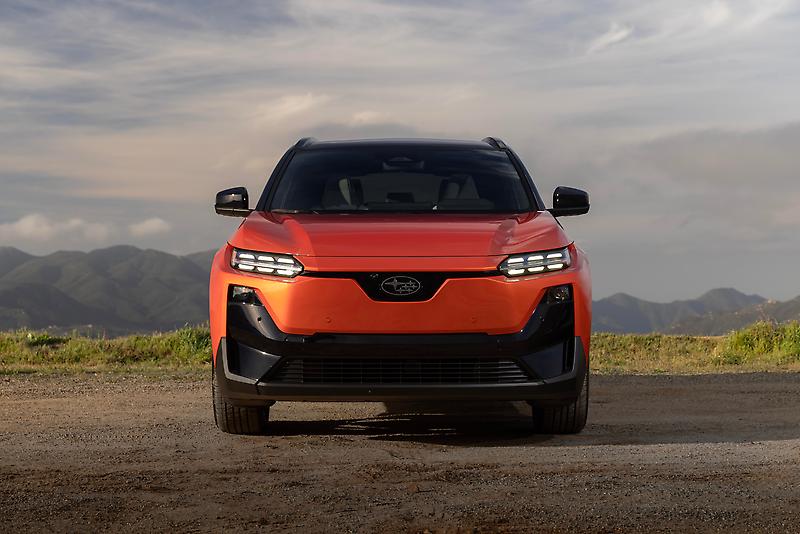
Subaru Uncharted
"...rive I've shortlisted the Zika X X-Ping G6 Subaru Uncharted and of course there the major concern is is the s..."
I can’t confidently identify a Subaru model called “Uncharted” from common model names. It may be a name the hosts used for a specific car they were considering. If you paste the exact sentence, I can explain the correct vehicle in plain terms.
“Subaru Uncharted” doesn’t match a widely recognized Subaru model name, so it may be a mishearing or a nickname used in the podcast. Given the context about shortlisting vehicles and “major concern,” it sounds like the hosts were discussing an EV or upcoming Subaru option they were considering. If you can share the exact wording from the episode, I can map it to the correct model more accurately.
BYD
"it feels to me like what's happening is a more combative version of what happened at BYD I think"
BYD is a big Chinese company that makes electric cars and batteries. The point here is that when a new EV brand moves into another country, it can run into problems like getting parts and setting up service.
BYD is a major Chinese EV and battery manufacturer that has expanded internationally. In this segment, the hosts reference BYD as an example of how a brand’s push into new markets can create friction around sales, service, and parts availability.
insurance company canceling his insurance
"he had this big drama with an insurance company about them canceling his insurance when he had an incident"
The insurer stopped covering the car after an accident. The hosts suggest it’s because the insurer doesn’t think the car can be repaired easily—often because parts or support aren’t dependable.
This refers to an insurer refusing to continue coverage after an incident, based on risk assumptions. The hosts connect the cancellation to the insurer’s belief that repairs may be difficult due to parts and support constraints for the EV brand.
parts now
"we don't think we can reliably ensure this car because we don't think we can get parts now because of what's happening with X-Ping"
The hosts are describing the practical problem of parts availability after an incident. In EV ownership, insurers and owners care whether a brand can reliably supply replacement components quickly enough to restore the vehicle.
service model
"it's the right one to ask of any new brand we built the service model deliberately rather than chasing a dealer account for its own sake"
A service model is the plan for how a company will fix and maintain your car. The host is saying they set it up on purpose rather than just depending on regular dealer networks.
A service model is how a brand plans to deliver repairs and maintenance—who performs the work, how parts are sourced, and how customers get support. Here, the host says the company built its service model deliberately instead of relying on a traditional dealer arrangement.
dealer account
"we built the service model deliberately rather than chasing a dealer account for its own sake"
A dealer account means partnering with regular car dealerships to sell the cars. The point is that dealers alone don’t guarantee you’ll be able to get parts and repairs quickly.
A dealer account is a relationship where a brand sells through an established dealership network. The hosts imply that simply signing up dealers isn’t enough if the brand can’t ensure parts supply and repair capability.
trickle charge
"when i first [480.3s] got it i didn't have a wall charger so i just did trickle charge and i found i was having to charge [486.3s] about once a week at a supercharger or something yeah so the trickle wasn't wasn't enough to get you"
Trickle charging means charging your EV slowly, usually from a normal outlet. It can be too slow if you drive a lot every day, so you might need faster public charging more often.
Trickle charging is a low-power way to charge an EV, typically using a standard outlet or a very small charger. Because it’s slower, it may not replenish the battery enough for daily driving, which is why the caller says they were charging about once a week at a fast charger instead.
supercharger
"so i just did trickle charge and i found i was having to charge [486.3s] about once a week at a supercharger or something yeah so the trickle wasn't wasn't enough to get you [491.8s] topped up every day"
A supercharger is a fast public charger for EVs. It can add a lot of charge in a short time, which is useful when slower home charging isn’t enough.
A supercharger is a high-power DC fast-charging station used to recharge an EV quickly compared with home charging. The caller contrasts it with trickle charging, saying they had to rely on supercharging about once a week before installing home charging.
three phase
"i put the wall charger in i've got a three [506.7s] phase ocular and other so um and got the agl plan based on you guys talking about it"
Three-phase is a type of home electricity supply. For EV charging, it can let your charger deliver more power, so you can charge faster—especially overnight.
Three-phase power is an electrical supply method that can deliver more usable charging power for EVs than single-phase setups. The caller mentions having a three-phase setup, which helps explain why overnight charging could become efficient enough to support daily commuting.
AGL
"and got the agl plan based on you guys talking about it yeah good [514.0s] call good call eight cents overnight and so that was that was an instant change for you"
AGL is an energy company in Australia. In this story, the caller picked an electricity plan that makes overnight charging cheaper.
AGL is an Australian energy retailer, referenced here because the caller chose an AGL electricity plan to support cheaper overnight charging. The point is that electricity pricing can materially affect EV running costs.
eight cents overnight
"good call eight cents overnight and so that was that was an instant change for you we obviously"
“Eight cents overnight” means the electricity price is lower at night. If you charge your EV during those cheaper hours, it costs less to run.
“Eight cents overnight” refers to a time-of-use electricity rate, where electricity is cheaper during off-peak hours. For EV owners, charging overnight at a lower rate can significantly reduce the cost per kilometer.
public charges
"then didn't need to go to the fast charges public charges because you can do it all at home is that [523.9s] where you found yes yeah every night just plug it in and i'm good to go for the whole day"
“Public charges” are charging points you use outside your home. The speaker is saying they didn’t need them because they could charge at home overnight.
“Public charges” refers to charging stations available to anyone, typically at workplaces, shopping centers, or along highways. The speaker contrasts relying on home charging versus needing to use these public chargers.
fast charges
"then didn't need to go to the fast charges public charges because you can do it all at home is that [523.9s] where you found yes yeah every night just plug it in and i'm good to go for the whole day"
“Fast charges” are quicker EV charging sessions than standard home charging. They’re mainly for road trips or when you need to charge in a hurry.
“Fast charges” are higher-power EV charging sessions (often DC fast charging) designed to add significant battery in a shorter time. They’re typically used for road trips or when you need to top up quickly rather than daily charging.

Volvo V40
"and tear gone compared to your previous petrol car question um look it's pretty good um my other cars are Volvo v 40 diesel um and it's 11 years old um and but just weighing up the costs it was that was a big factor it was going to cost sort of 900 dollars a week in diesel"
The Volvo V40 is a smaller Volvo car that was sold with diesel or petrol engines. In the podcast, it’s being used as an example of an older car the speaker already has, mainly to compare costs. That helps frame whether switching to an electric car would be cheaper or not.
The Volvo V40 is a compact car that Volvo produced with petrol and diesel powertrains, and it’s often discussed as a practical, smaller alternative in the used market. In the transcript, it’s mentioned as a diesel car the speaker owns that’s around 11 years old, with attention on running costs. That makes it relevant to EV discussions because it sets a baseline for what the owner is trying to replace or compare.
ABRP app
"so i download that ab rp app and it planned everything out pretty well for me [652.5s] um not having used it before i was a little bit skeptical on what sort of range i'll get"
ABRP is an app that helps EV drivers plan a trip. It figures out where you’ll need to stop to charge so you don’t run out of battery.
ABRP (A Better Routeplanner) is an EV route-planning app that estimates charging stops and predicts whether you’ll arrive with enough battery. It’s especially useful on longer trips where you need to plan public charging around your vehicle’s range and charging speed.
range
"um not having used it before i was a little bit skeptical on what sort of range i'll get and [658.4s] everything but generally overall it was within about two percent"
Here “range” means how many kilometers/miles the EV can drive before it needs charging. On road trips, it determines whether you can make it without stopping.
In EV context, “range” means how far the car can drive on a full charge under expected conditions. It’s a key planning input for deciding whether you can reach your destination or need charging stops.
origin and destination
"[668.6s] is it just set a desk uh origin and destination and it gives you some info do you tell it about [673.3s] your car like obviously i think we would agree even as a non tesla fan we would agree teslas do it"
It’s just the start and end of your trip. In an EV, the app uses that to figure out where you’ll need to stop to charge and how long you’ll likely spend there.
In EV navigation, “origin and destination” are the start and end points you enter so the route planner can build a trip plan. For electric cars, that plan often includes charging stops and timing based on battery state and charging behavior.
battery degradation
"[689.4s] as a non tesla owner using an app what's the process like with a better route planner it was great you put in your [695.6s] your car and the model and everything you you can set like a bait battery degradation sort of [702.3s] percentage which i thought i'll put in five percent just as a bit of a guide"
Battery degradation means the battery slowly holds less charge as it ages. Some EV apps let you tell the system your battery has degraded a bit, so it plans charging stops more accurately.
“Battery degradation” is the gradual loss of battery capacity over time. EV route planners may let you account for it (e.g., by setting a degradation percentage) so the trip plan uses more realistic range estimates.
DC fast charging
"[756.7s] 30 to 160 kilowatts out of a charging to the car um i was finding i was getting 100 to 130 [764.5s] so the first two stops so it wasn't too bad it told me i'd stop for about usually 20 25 minutes"
DC fast charging is the “quick charge” style that can deliver a lot of power to the battery. It usually charges fastest early on, then slows down as the battery gets fuller.
DC fast charging is a method that sends direct current straight to the battery, allowing much higher charging power than standard AC charging. EVs often charge fastest at lower state of charge and then taper as the battery fills up.
kilowatts
"[749.2s] um the tesla were really good um normally in a super charger i'd get sort of [756.7s] 30 to 160 kilowatts out of a charging to the car um i was finding i was getting 100 to 130"
Kilowatts are a measure of how fast the charger can put energy into the battery. More kilowatts generally means quicker charging, though it can slow down depending on conditions.
Kilowatts (kW) measure charging power—how fast energy is delivered to the battery. Higher kW usually means faster charging, but the actual rate can vary with battery temperature, state of charge, and charger behavior.
70 75 percent
"[764.5s] so the first two stops so it wasn't too bad it told me i'd stop for about usually 20 25 minutes [770.7s] and charge to about 70 75 percent yeah um i found i was probably stopped for closer to half an hour"
Instead of charging all the way to 100%, the app may aim for something like 70–75%. That’s often faster overall because charging tends to slow down when the battery is nearly full.
Charging to a target state of charge (like 70–75%) is common in EV trip planning because it balances time spent charging with the need to reach the next stop. Many EVs also slow down as they approach higher percentages, so planners often avoid charging to 100% unless it’s necessary.
battery gets to a certain temperature
"[796.8s] goal okay so it was 27 degrees it was nice okay um i think it was actually the opposite i think [803.3s] the car must find the battery gets to a certain temperature and this is where i wanted you guys [808.5s] a bit of opinion i found it on the third charge on the way up was coughs harbour"
Your EV’s battery temperature affects how fast it can charge. If it’s too cold or too hot, the car may slow charging down to keep the battery safe.
EV charging speed is strongly affected by battery temperature. If the battery isn’t in the right temperature range, the car may limit charging power to protect the cells, which changes how long each stop takes.
crowded
"because you know the golden excuse me crowded yeah the golden spot i often talk about you know 20 charges and normally i'm getting like 120 kilowatt charging but the last couple of times there's been six or seven or ten other cars there and i'm getting 40 and 50 because the site only has so much power"
If lots of cars are charging at the same place, the station has to share its electricity. That can make each car charge more slowly than usual.
The hosts are describing how charger throughput can drop when multiple EVs share the same charging site power. When a location is crowded, the available electrical capacity gets split across several cars, so each vehicle may see lower charging power than it would alone.
power coming into that location
"because the site only has so much power yeah you know there's only so much power coming into that location"
Charging stations have a maximum power limit from the grid. When lots of cars arrive, the station may have to share that limited power, so each car charges slower.
This describes site power constraints: the electrical supply feeding the charging location has a maximum capacity. When more cars plug in, the charger system may throttle output to stay within that limit, causing lower kW readings for each vehicle.
service station
"someone once said to me even a service station you know there's only so much coming into literally the service station so if they've got all their fridges and freezes"
Here, “service station” is used to explain that a charging site may be limited by the electrical capacity available to the whole location, not just the charger hardware. Other loads at the site (like refrigeration) can reduce the power headroom available for EV charging.

Dodge Charger
"...t's actually taking away from the capacity of the charger as is another car so it may not be your car limit..."
The Dodge Charger is a car model that people may mention when talking about charging at home or at public chargers. If a charger is shared or the power is limited, it can take longer to charge and reduce how much you can get done. That’s why it can come up in discussions about charging capacity.
The Dodge Charger is a well-known American muscle car that’s typically discussed in EV conversations when people talk about charging capacity and how multiple vehicles share limited charging infrastructure. In a podcast context, it may come up as an example of how real-world charging time and available power can affect what you can do day to day. The key point is usually not the car’s “EV-ness” itself, but how charging constraints can limit usable range or convenience.
Tesla
"it was yeah they had one thing i learned to when i my first ev was a tesla so when i was at the supercharge one of the first things you're taught"
The speaker says their first EV was a Tesla, and they learned charging tips from other Tesla drivers. Those tips are about how to avoid slowing down your charging when other cars are plugged in.
Tesla is referenced as the speaker’s first EV brand, and the charging behavior they learned comes from Tesla’s Supercharger network. Tesla owners often share practical tips about how to position cars across multiple stalls to avoid sharing power too tightly.
spread out
"to spread out like if they're say four charges everyone try to go to their own charge if you're sharing one that would impact your speed"
The advice is basically: don’t park all the cars on the same shared charger hardware. If you spread out, you’re less likely to slow each other down.
The speaker is describing a practical charging strategy: if several stalls are connected to the same power “group,” placing cars across different groups can reduce how much each car has to share. This can help maintain higher charging power versus clustering cars on the same shared hardware.
kilowatt charger
"something that advertises a 300 kilowatt charger is actually 250 kilowatt plugs 150 kilowatt charger is often 275 kilowatt plugs"
EV chargers are rated by how much power they can send, measured in kilowatts (kW). But your car might not be able to take the full amount the charger claims, so you may see lower charging speeds.
In EV charging, “kilowatts” (kW) describe how much power the charger can deliver. A charger’s advertised kW rating doesn’t always translate to the same kW you’ll actually pull from the plug, especially if the car can’t accept that much power.
charging limitations
"your car not all cars but some cars have different limitations ... there are some EVs today that won't charge past 75"
Charging limitations are the reasons your EV can’t always charge at the fastest speed. Different cars (and even the same car at different times) can accept different charging speeds.
Charging limitations are the constraints that determine how much power an EV can accept at a given time. These limits vary by car and can depend on factors like battery state and temperature, which is why two EVs on the same charger can charge at different rates.
22 32
"the limits mainly 11 kilowatts but others do 22 32 in some cases yeah if you're lucky"
22 and 32 kilowatts are faster charging speeds than the more common 11 kW. Whether you actually get those speeds depends on both the car and your home charging equipment.
22 kW and 32 kW refer to higher AC charging power levels that some EVs and home/installation setups can support. If the car’s onboard charger and your electrical supply can handle it, these higher kW ratings can reduce how long you need to charge.
ten percent
"referred to the five percent ten percent so i've said i want to go from Sydney to Young ... i'd never leave it at ten percent i'd say 30"
“Ten percent” here means the battery is at about 10% charge. People often plan charging stops based on battery percentage because charging behavior and trip planning change as the battery gets fuller.
State of charge (SOC) is the battery’s current charge level, expressed as a percentage. The speaker is describing a practical SOC strategy (not leaving a charge too low) because charging speed and planning stops can change as the battery fills.
30
"when i get there i want to be at mate i would never leave it at ten percent i'd say 30 every time i want to be at 30 and it tells me i've got to stop somewhere along the way"
“30” means they want to leave or arrive with around 30% battery. It’s a planning choice so the trip is easier and charging stops are more predictable.
The speaker is using a target state-of-charge (SOC) like “30%” to decide when to stop and charge during a trip. This kind of planning helps avoid arriving with too little battery and can align with how the car charges more efficiently at certain SOC windows.
stop somewhere along the way for 30 minutes
"it tells me i've got to stop somewhere along the way for 30 minutes and that's yeah that's a root that's i would say a better root planner"
EV navigation can tell you how long to charge at each stop. The time estimate depends on how fast your car can charge and how full the battery is when you arrive.
This describes EV route planning that estimates charging time at stops. Charging time depends on the charger’s power, the car’s charging limits, and the battery’s starting SOC, so the planner may recommend a specific duration rather than just a target percentage.
31
"we stopped there for an hour in quarter and it got up got up to 31"
They’re saying the charging speed was around 31 kW at another stop. Charging speed can change depending on how full the battery is when you plug in.
The speaker reports “31” kW at a later stop, showing that charging power can vary even within the same trip. Differences can come from battery state-of-charge, how full the battery is when you arrive, and how the car manages charging as it approaches higher SOC.
battery gets to a certain point
"traveling and charging was about six to seven hour mark so i'm just wondering if it was the battery gets to a certain point"
They’re suggesting charging slows down once the battery is more full. That’s common because the car has to protect the battery as it gets closer to full.
This is describing how EV charging behavior changes as the battery fills—often meaning charging slows as you approach higher state-of-charge. Many EVs reduce power near the top of charge to protect the battery and manage heat.
preconditioned
"if the battery hasn't been preconditioned you need to warm it up so for example in a tesla again because it knows your root plan it'll go well we're going to stop in 20 minutes warm you up the battery"
Before you plug in, some EVs can warm the battery so it’s ready to charge quickly. If you don’t do that, the car may start charging slower until the battery gets warm. It’s basically “getting the battery ready” for fast charging.
In EVs, “battery preconditioning” means warming (or sometimes cooling) the battery before charging. That helps the battery accept high-power DC fast charging more easily, so you reach strong charge rates sooner. The host is saying that without preconditioning, the car may start charging slower until the pack warms up.
mileage
"what it does is it actually affects your mileage essentially while it's preconditioning but it gets it ready but honestly i've never done it"
In this context, “mileage” means how much driving range you have left. Warming the battery before charging uses some battery power, so your range estimate can drop a bit. The host is saying the loss is small compared with the time savings.
Here, “mileage” is being used in the EV sense of how far you can go on the remaining battery energy. Preconditioning uses electricity to warm the battery, so it can reduce the estimated range (or “mileage”) slightly. The host says the trade-off is usually small—about a few minutes of extra ramp-up time.
PlugShare app
"mate i think it's the location and that's why one of the things i suggest is that plug share app log in and and tell the tell the world tell the community what you got"
PlugShare is an app where EV drivers leave updates about charging stations. You can see what kind of charging speeds people are getting at different locations. The host recommends checking it so you don’t waste time at a slow or unreliable charger.
PlugShare is a community app where EV drivers share real-world information about charging stations, including what speeds they actually get. The host suggests using it to compare sites and avoid “rubbish” chargers by checking recent user reports before you plug in. This is about practical charging reliability rather than vehicle hardware.

MG4
"well mate thank you for sharing ... there you go the mg4 on a road trip yeah and look that i mean we can't cover everything but that we touched on that a few times"
The MG4 is an electric car (an EV) from the MG brand. In this segment, the host talks about taking it on a road trip and how fast charging worked in real life. The takeaway is that charging speed can change depending on where you charge and how the battery is set up.
The “MG4” is the MG brand’s electric hatchback, and the host is discussing it specifically in the context of a road trip and real-world charging performance. They call out charging-speed behavior as an “anomaly,” implying the MG4’s fast-charging results can vary by location and conditions. This makes the MG4 relevant to the episode’s EV ownership and charging-experience focus.

PV5 Kia Pv5
"...arket i know isn't it like well we've now got the kia pv5 coming in that's that's coming yes um have you do..."
“PV5” sounds like a car model name the hosts are talking about, and it’s linked to Kia in the transcript. The discussion is likely about a new or upcoming electric car option and how it compares to other choices. If you can share the full sentence around “PV5,” I can describe the exact vehicle more precisely.
“PV5” appears in the transcript as part of a mention of “the Kia PV5,” which suggests the hosts were discussing a specific upcoming or newly discussed EV model. In an EV podcast, this kind of mention is usually about what’s coming to the market and how it might fit into buyers’ choices. The key significance is that it’s being positioned as an option relative to other shortlisted vehicles.
Toyota
"we're a Toyota business um you know service them every 10 000 kilometers"
They currently run Toyota vans for their business. They’re comparing that experience to what it’s like to switch to electric vans.
Toyota is referenced as the speaker’s current fleet brand. The point is that they’re used to maintaining Toyota vehicles on a regular service schedule, and they’re now evaluating electric alternatives.
10 000 kilometers
"we're a Toyota business um you know service them every 10 000 kilometers"
They’re saying their current vans get serviced about every 10,000 kilometers. EVs can have different service schedules, so this is part of comparing fleet routines.
“10 000 kilometers” is being used as a maintenance interval for the speaker’s current non-EV fleet. It’s a reminder that conventional vehicles often have scheduled service mileage/kilometer intervals, which can differ from EV servicing needs.
load capacity
"but i'm just not sure that um it's load capacity you'll be up there from what i my early thoughts but the range looks amazing"
Load capacity is how much stuff the van can carry. If it’s too low, the van can’t do the same work as your current vehicle.
Load capacity is the maximum weight the van can carry safely, including cargo and sometimes passengers/gear depending on configuration. For electric vans, load capacity affects whether the vehicle can do the same jobs as a diesel or petrol van without sacrificing payload.
charging space
"and you said you're doing a lot in the charging space so are you installing charges right is ..."
“Charging space” just means the EV charging business—helping people get chargers installed and working. It’s not about the car itself, but the charging setup around it.
“Charging space” refers to the business of installing and operating EV charging infrastructure. It covers everything from site planning and electrical work to selecting charger types for different customer needs.
electrify their fleets
"we have developed a strategy of how we can roll this out to our clients um and help them electrify their fleets and that includes um agreements"
“Electrify their fleets” means helping a business switch its work vehicles over to electric. It includes planning charging, not just buying the EVs.
“Electrify their fleets” means replacing or adding electric vehicles to a company’s fleet operations. It usually involves more than buying EVs—like installing chargers, planning routes, and handling charging costs and logistics.
vehicle tracking
"we'll be able to use our vehicle tracking to um work out the reimbursements for charging and the like but um our the first impressions have been really good"
Vehicle tracking means using GPS data to see how company vehicles are being used. In this case, they want that data to help figure out charging costs for reimbursements.
Vehicle tracking is using GPS/telematics data to monitor where vehicles go and how they’re used. Here, it’s mentioned as a tool to calculate charging reimbursements for clients as part of fleet electrification.
dc charger
"we've got a dc charger here 25 kilowatt and we can charge it here you know quite easily ..."
A DC charger is a fast EV charger. It can charge the battery quicker than slower home-style charging, which matters for a work van that needs frequent top-ups.
A “DC charger” is an EV fast charger that uses direct current to deliver power to the vehicle more quickly than standard AC charging. The segment ties it to practicality by mentioning a specific power level and how easily the van can be charged on-site.
25 kilowatt
"we've got a dc charger here 25 kilowatt and we can charge it here you know quite easily ..."
“25 kilowatt” is how strong the charger is. Stronger chargers usually add charge faster, which helps if you need to recharge often for daily driving.
“25 kilowatt” is the charger’s power rating, which strongly influences how fast the EV can add energy. Higher kW generally means faster charging, though real-world speed also depends on the vehicle’s onboard charging limits and battery state.
aerodynamically
"we've loaded it a bit it certainly has got all the roof racks on it and and uh and [1537.8s] so you know aerodynamically it's it's certainly got a challenge now but we haven't noticed a"
Aerodynamics is about how the car cuts through air. Roof racks can make the air flow worse, which can make an EV use more energy and potentially reduce range.
Aerodynamics refers to how air flows around the vehicle, which affects energy use at speed. The hosts note that roof racks create aerodynamic “challenge,” which can reduce EV range, but they didn’t see a dramatic drop in this case.
public chargers
"charging we've used um one of the public chargers to charge it once [1549.2s] it was no dramas our guys have certainly got their head around in that space"
Public chargers are EV charging stations you can use away from home. The hosts are basically saying they tried one and it worked without drama.
Public chargers are charging stations available outside your home, typically in workplaces, shopping areas, or along highways. The hosts say they used one once and didn’t have any problems, framing it as part of real-world EV practicality.
15 amp granny charger
"even if some was in a rental property um we think we can get around that with a 15 amp [1562.7s] granny charger now dean you said you know you're closer to the field than we are"
A “granny charger” is a simple, slower way to charge an EV using a normal home power outlet. Saying “15 amp” is about charging speed—higher amps usually mean faster charging.
A “granny charger” is a common nickname for a basic, lower-power EV charging setup (often using a standard household outlet). The “15 amp” detail matters because it determines how quickly the van can recharge compared with higher-power home or public charging.
plug-in hybrids
"but they are looking to do it but i you know a lot of people's misunderstanding of plug-in hybrids [1620.8s] and you know their range compared to an ev um"
Plug-in hybrids are cars that have both an electric battery and a gas engine. The hosts are saying people often mix up how far they can go on electricity versus how far they can go overall.
Plug-in hybrids (PHEVs) combine a gasoline engine with a battery that can be charged from an external power source. This segment highlights a common misunderstanding: people compare PHEV range to EV range without accounting for how PHEVs can run on fuel when the battery is depleted.
kilowatt hour
"um and 30 cents a kilowatt hour and a car doing 100 kilometers a day at [1653.4s] 48 weeks in a year i've worked out that i can save about 6 000 bucks"
A kilowatt-hour (kWh) is how electricity usage is measured on your bill. The host uses the price per kWh to estimate how much it costs to run the van.
A kilowatt-hour (kWh) is a unit of energy used to measure electricity consumption. The host uses a cost per kWh to estimate running costs for the EV based on daily driving and annual usage.
30 000 kilometers
"because the service rate on the horizon is every 30 000 kilometers so let's say it's 500 bucks a service"
That’s the schedule for when the van should get its routine service—every 30,000 km. It helps you estimate how often you’ll need maintenance.
This is the stated maintenance interval for the van—every 30,000 kilometers. For EVs and commercial vehicles, the interval affects operating cost planning and how predictable downtime is.
service rate
"because the service rate on the horizon is every 30 000 kilometers so let's say it's 500 bucks a service you do three of them in a year"
They’re talking about how often the van needs routine maintenance. If it needs servicing more often, it costs more money to run.
“Service rate” here means how often the vehicle needs scheduled maintenance, expressed as a distance interval (kilometers). It matters for total operating cost because more frequent servicing means more labor and parts spending over time.
intelligent driving
"the tech unit's pretty good with regards to the intelligent driving that seems to you know work really well"
This is the van’s advanced driver-assist tech—systems that help you drive, like keeping you in your lane or helping with speed. They’re saying it works well after the drivers get used to it.
“Intelligent driving” refers to driver-assistance features that help with tasks like lane keeping, adaptive cruise, or other semi-automated functions. The speaker says the EV’s system works well once drivers learn how it behaves.
cup holder
"there's a real like small thing that they've missed first day in it drive drive at home because on the boss to drive back into work and the cup holder tip my cup of coffee out"
A “cup holder” is being discussed as a practical usability detail for a commercial EV van. The point is that small cabin ergonomics can affect day-to-day work—like preventing spills when entering/exiting or driving to the next stop.
750 kilo capacity
"i think it's got a 750 kilo capacity like we put a towbar on the horizon yeah um and a big"
That’s how much weight the van can carry—750 kilograms. If you regularly load it near that limit, it can change how the van performs and how far it can drive.
“750 kilo capacity” is the van’s payload limit—the maximum weight it can carry in addition to the vehicle’s own weight. For commercial EVs, payload directly impacts practicality and can also affect real-world efficiency and range.

Farizon Electric Van
"tradesman's roof rack and um and it's bigger inside than a high ace is it wow it's extraordinary yeah so but look the the overall experience with it is positive you know range i still reckon is a whisker off where it should be"
This is an electric van made for businesses. The big things they’re talking about are how much space it has inside and whether it can go far enough—especially on highways.
The Farizon Electric Van is an EV-focused commercial van, and the key point here is its usable interior space versus its battery/packaging. In this segment, the owner review centers on real-world range on highways and how battery improvements (like higher energy storage per weight) can close the gap.
battery density
"with battery density improving this will only this conversation will just get better and better"
Battery density is basically how much energy the battery can pack into its weight and size. If it improves, the van can often go farther without needing a heavier or bigger battery.
Battery density is how much energy a battery can store for a given size or weight. Higher battery density usually means more usable range without adding as much mass, which is why the hosts expect the EV van’s highway range to improve over time.
platform
"then i think the problem is and i don't i don't build cars but i assume the problem is you have a platform you put it you put more weight on it and that takes away the potential"
A platform is the basic design the vehicle is built on. If you add a bigger battery, the van gets heavier, and that extra weight can make it harder to get the range gains you’d hope for.
In EV design talk, a “platform” is the underlying vehicle architecture that determines packaging and how components fit together. The segment suggests that adding more battery (and therefore weight) can reduce efficiency and the potential benefits you’d expect from simply increasing battery size.
ability to tow or carry a load
"okay you know its ability to tow or carry a load is taken away when you add a bigger battery perhaps okay anyway work to be done"
Every vehicle has limits on how much it can tow or carry safely. If the battery is heavier, there’s less leftover capacity for cargo or a trailer.
Towing and payload capability are limited by vehicle weight ratings and how much mass the vehicle can safely move. When an EV adds battery weight, it can reduce the remaining capacity for cargo or trailers.
bigger battery
"bigger battery perhaps okay anyway work to be done but we look forward to seeing and driving their Kia PV5 later in the year"
A bigger EV battery usually means more driving range. But it also weighs more, so the van may not be able to carry or tow as much as a lighter configuration.
In EVs, a larger battery pack increases energy capacity, but it also adds mass. That extra weight can reduce practical payload/towing capability because the vehicle has to stay within its gross vehicle weight limits.
rear end crashes
"oh well i say yeah but get the R because you want the rear camera because most current crashes are rear end crashes we've been saying it all the time"
A rear-end crash is when you bump the car in front of you. It often happens when the driver behind doesn’t notice in time or can’t stop quickly enough.
A rear-end crash is when a vehicle hits the one in front, usually due to insufficient following distance, braking too late, or distracted driving. The hosts connect it to the value of rear visibility aids like rear cameras.
failure to give way
"um number two failure to give way yeah human it's like it's like human error you know human error yeah"
Failure to give way means a driver didn’t yield when they were supposed to. This often happens at intersections or when turning and merging.
Failure to give way is a collision category where a driver doesn’t yield the right of way when they should. It’s typically linked to intersection behavior, merging, or turning where another vehicle has priority.
autopilot
"we're all humans except the robo taxis which don't exist um from Elon but autopilot maybe it doesn't fail no surprise"
Autopilot is a driver-assistance system that can help the car with some driving tasks. The idea here is whether crashes happen less when the car is doing more of the work.
Autopilot refers to driver-assistance software that can help with tasks like steering and maintaining lane position, depending on the system. The hosts mention it in the context of whether crashes are caused by human error versus automated driving.
reversing
"number three reversing ah yes it's not a good reversal you have a look right yeah take a look yeah"
Reversing is when you back up, and it’s a common time for accidents because it’s harder to see. That’s why backup cameras and sensors matter.
Reversing is a common collision scenario because drivers have limited visibility and rely on mirrors, sensors, and cameras. The hosts treat it as a distinct crash category from the insurance data they’re discussing.
hit stationary object
"i'll probably lead into number four which is hit stationary object yeah which is you probably do in reverse most of the time"
This means you crash into something that isn’t moving, like a fence post or a wall. The hosts think it often happens when backing up or parking.
“Hit stationary object” is an insurance-style crash category for collisions with things that aren’t moving, like poles, walls, or parked vehicles. The hosts suggest it often happens during low-speed maneuvers such as reversing.
single vehicle accidents
"number five is single vehicle accidents now i don't know what that essentially means but uh where you've sort of hit something on while you're driving"
A single-vehicle accident is when only your car is involved. It could be you losing control or hitting something without another moving car involved.
Single-vehicle accidents are crashes where only one vehicle is involved, such as leaving the road, hitting a fixed object, or losing control. The hosts note they’re unsure how the category is defined in the dataset.
animal collision
"number six will animal collision well if you're hitting an animal on the road you don't normally hit a kangaroo"
An animal collision is when your car hits an animal on the road. In some places, wildlife like kangaroos can make this a more common risk.
An animal collision is a crash where a vehicle strikes wildlife on the road. The hosts mention kangaroos as an example, highlighting how local wildlife can shape common crash types.
rear end collision
"…how like the failure to give way that rear end collisions failure to give way rear end collision it is it's just a matter it's an attention thing…"
A rear-end collision is when your car crashes into the car in front of you. It usually happens when you don’t notice soon enough or don’t leave enough space to stop.
A rear-end collision is when one vehicle hits the back of another, usually because the following driver didn’t slow down in time. It’s commonly linked to not maintaining a safe following distance or not noticing the car ahead early enough.
simulator wheel
"…we were playing forza the computer game and we've got the simulator wheel so she was she knows how to drive…"
A simulator wheel is a steering wheel you use with a driving game or training program. It lets someone practice driving actions without being on the road.
A simulator wheel is a steering wheel controller used with driving simulation software. It helps people practice steering inputs and basic driving habits in a low-risk environment.
blind spot
"…she was she was at an intersection and she just turned i went oh you didn't check your blind spot she goes what's that…"
A blind spot is a part of the road around your car you can’t see well from the driver’s seat. You should check it before you change lanes or turn to avoid hitting someone.
A blind spot is an area around your vehicle that you can’t see directly through your mirrors or by turning your head normally. Checking it before changing lanes or turning helps prevent side-swipe crashes.
EV quotes
"…nrma insurance has received a 121 spike in ev quotes uh huh wow that starts in april this year compared to april 2025…"
EV quotes are the insurance prices an insurer offers for electric cars. If those quotes jump, it generally means the insurer expects EVs to cost more to insure or repair.
EV quotes are insurance price estimates specifically for electric vehicles. When insurers report quote spikes, it usually reflects changes in risk assumptions, claim costs, or repair/parts expenses for EVs.

Mazda CX5 turbo
"well well one of the shapes are similar to a car i already have [2323.5s] which is the um mazda cx5 turbo that's sort of slanted to the back window"
The Mazda CX-5 is an SUV. The “turbo” version has an engine that’s boosted with a turbo to feel more responsive, and the caller is saying they like its shape and want something similar in an EV.
The Mazda CX-5 is a compact SUV, and the “turbo” version uses a turbocharged engine for stronger acceleration than the non-turbo models. In this segment, it’s referenced as the listener’s current vehicle shape they like, which they’re comparing to EV designs.
wall charger
"“...are you able to do charging at home are you considering when you get your ev will you have a wall charger or you're going to rely on public charging...”"
A wall charger is a home charging box for an EV. It usually charges faster and more conveniently than basic outlets, and the discussion is about whether they’ll use it or public chargers.
A “wall charger” is a dedicated EV charging unit installed at home, typically providing faster and more reliable charging than plugging into a standard outlet. The speaker is deciding whether to charge at home or rely on public charging.
public charging
"“...will you have a wall charger or you're going to rely on public charging what's what's bringing it on...”"
Public charging is when you charge your EV at charging stations away from home. It can be less convenient than home charging, and it may cost more depending on the station.
“Public charging” means charging an EV at stations outside your home, such as fast chargers or destination chargers in parking lots. It matters because it can affect convenience, charging time, and cost compared with home charging.
zappy smart warbox
"“...there is a 11 kilowatt zappy smart warbox which will use my um 6.5 kilowatt solar system first and then it'll go on to the solar too yeah so the zap... prioritizes the solar energy and then brings in grid where it's needed...”"
Zappi is a home EV charger brand. It’s designed to use your solar power first, and then it can switch to the electricity grid when your solar isn’t enough.
Zappi (spoken here as “zappy”) is a brand of EV home charger designed to optimize charging using solar power. The speaker describes how it can prioritize solar energy and only draw from the grid when needed.
11 kilowatt
"“...there is a 11 kilowatt zappy smart warbox which will use my um 6.5 kilowatt solar system first...”"
That “11 kilowatt” number is how fast the charger can put energy into the EV. More power usually means quicker charging, as long as the car can accept it.
“11 kilowatt” refers to the charging power of a home EV wall charger. Higher kilowatts generally means faster charging (within the limits of the vehicle and your electrical setup).
solar system
"“...which will use my um 6.5 kilowatt solar system first and then it'll go on to the solar too...”"
They have solar panels that make electricity at home. They’re planning to use that solar power to charge their EV before using regular electricity from the grid.
A “solar system” here means rooftop solar panels that generate electricity for the home. The speaker is using it to charge the EV with solar first, reducing reliance on grid electricity.
grid
"“...it basically prioritizes the solar energy and then brings in grid where it's needed...”"
“Grid” just means the normal electricity supply from the utility company. The charger can use your solar first, and then switch to grid power when there isn’t enough solar to charge the EV.
“Grid” refers to the public electricity network (utility power). In EV charging setups like the Zappi/Zappi-style solar-first charger, the system can prioritize solar and then pull from the grid when solar output can’t cover charging demand.
prioritizes the solar energy
"“...it basically prioritizes the solar energy and then brings in grid where it's needed so i hear i think zappy is very similar...”"
They’re talking about charging the EV using solar power first. If the solar panels aren’t producing enough, the system uses regular electricity to finish the job.
This describes a solar-first charging strategy: the EV charger allocates charging so it uses solar electricity as the primary source. When solar isn’t sufficient, it can supplement with grid power to keep charging on schedule.
home charging set up
"[2535.7s] the uh i like the power the range the value home charging set up and all that um things i [2541.8s] didn't like the front the the front seats are a little bit narrow even on my big i'm only 80 i'm"
This means the way you charge your EV at home. If it’s set up well, you can plug in overnight and start each day with a full battery without hunting for chargers.
A home charging setup refers to how you install and use an EV charger at your house, typically including the charger hardware and electrical work. It matters because it largely determines how convenient daily charging is and whether you can rely on charging at home instead of public stations.
no physical buttons
"[2541.8s] didn't like the front the the front seats are a little bit narrow even on my big i'm only 80 i'm [2546.9s] only 80 kilos about about about uh 559510 no physical buttons all touchscreen [2553.6s] door handles feel like they're back to front yeah push into works yeah okay"
This means the car doesn’t have regular buttons for things like climate or media. Instead, you use the screen, which can be either convenient or annoying depending on how well it’s designed.
“No physical buttons” describes an interior design that relies on touchscreens for controls instead of dedicated knobs and switches. Enthusiasts often debate it because it can affect usability—especially while driving—depending on how responsive the interface is.
all touchscreen
"[2546.9s] only 80 kilos about about about uh 559510 no physical buttons all touchscreen [2553.6s] door handles feel like they're back to front yeah push into works yeah okay i mean those are the"
“All touchscreen” means most controls are on the screen. That can be fine, but it may take time to get used to compared with buttons you can feel.
“All touchscreen” indicates the car’s primary controls are handled through a screen-based interface rather than separate physical controls. This can change the learning curve and how quickly you can adjust settings without looking.

BYD Atto 3
"[2575.6s] then mate you can't not look at byd if you go and have just over the next few months i've got three other cars that i've sort of looked on by youtube which is the mg s5 oh yeah nice car the gary ex [2588.2s] five yes yep and the byd at a three excellent all great cars mate great choice i don't think you'll be bitterly disappointed by any of them"
The BYD Atto 3 is an electric car you can shop for as a normal daily driver. The hosts mention it as a strong option, so it’s worth considering if you want something practical rather than experimental.
BYD Atto 3 is a mainstream electric crossover from BYD, and it’s specifically called out here as one of the EVs the hosts recommend looking at. The discussion frames it as a “great choice,” implying it’s competitive on everyday factors like range, comfort, and value.

Audi S5
"...i've sort of looked on by youtube which is the mg s5 oh yeah nice car the gary ex five yes yep and the..."
The Audi S5 is a sporty version of an Audi car called the A5. It’s designed to feel quicker and more performance-oriented than the regular model. In an EV podcast, it may be mentioned as something people compare against when thinking about switching to electric cars.
The Audi S5 is a performance-focused version of the Audi A5, built to deliver stronger acceleration and a sportier driving feel than the standard model. It’s often discussed by EV podcast hosts as a reference point for what people give up or compare when moving from performance petrol cars to electric options. The mention in the transcript suggests it was part of a shortlist or comparison conversation.
Skoda Reviews
"speaking of electrification steven i got dutted what absolutely dutted why i picked up the uh scota l rock yep you picked up the scota eniac eniac yeah we've got two scooters at the same time"
This part of the episode is where they review Skoda electric cars. They compare two models and talk about how the tech and interior feel in real life.
This segment is part of the show’s Skoda review discussion, comparing two Skoda EVs and talking about what feels different (and what feels the same) in daily use. It also touches on pricing and interior/tech familiarity.

Skoda Enyaq
"speaking of electrification steven i got dutted what absolutely dutted why i picked up the uh scota l rock yep you picked up the scota eniac eniac yeah we've got two scooters at the same time"
The Skoda Enyaq is Skoda’s electric SUV. Here they’re comparing it to another Skoda EV and talking about how the different version costs more and feels more “upmarket.”
The Skoda Enyaq is an all-electric SUV from Skoda (part of the Volkswagen Group). In this segment, it’s contrasted with another Skoda EV to highlight differences in body style and price, including the idea that one is a more “fancy” variant.
Volkswagen
"hey so so scota is a part of the volkswagen so volkswagen how do you go to kubra like to me"
Volkswagen owns Skoda. Because of that, Skoda electric cars often use similar technology and screens, so they can feel familiar if you’ve driven a Volkswagen before.
Volkswagen is the parent company behind Skoda, and that corporate relationship is why the cars can share similar platform and software approaches. The hosts point out that the infotainment and overall “feel” are familiar because of that shared ecosystem.
key
"the european style it has the same key as the kubra yes my favorite thing about the kubra scota volkswagen range is when you walk up to the car at unlocks when you walk away from the car at"
Here, “key” is referring to the keyless-entry style remote used to lock/unlock without pressing buttons. The hosts describe how the car locks when you walk away and unlocks when you approach, which is a convenience feature tied to the key’s proximity sensors.
walk up to the car at unlocks
"yes my favorite thing about the kubra scota volkswagen range is when you walk up to the car at unlocks when you walk away from the car at locks and when you sit in the car it's on yeah you don't need to know what one of the most responsive cars"
This is keyless entry that works when you’re near the car. The car senses the key, unlocks as you come up, and locks as you walk away.
This describes keyless entry with proximity-based locking/unlocking. The car uses sensors to detect the key’s location, then automatically unlocks as you approach and locks as you leave, reducing the need to manually operate the key.
Request an Explanation
Heard something you'd like explained? We'll add it to this episode.
Sign in to request explanations for terms you heard.
Want to learn more?
Browse our glossary for plain-English explanations of automotive terms, jargon, and concepts.
Help improve this episode
See something that's not quite right? Our annotations are AI-generated and can sometimes miss the mark. Click the flag icon on any annotation to suggest a correction.