British Leyland was a big car company in the UK that made many different types of cars, including popular brands like Austin and Jaguar. They had some tough times in the 1970s.
Lotus is a car company from the UK that makes sports cars known for being very light and fast. They have a history in racing and are famous for models like the Elise.
Caterham is a British car company that makes small, lightweight sports cars. Their most famous model is the Caterham Seven, which is known for being fun to drive.
Car
Morris Minor
The Morris Minor is a small car from Britain that was popular in the mid-20th century. It's known for its unique shape and was one of the first cars that many families could afford.
A safety cycle is a type of bicycle that has two wheels of the same size. This design is safer and easier to ride than older bicycle designs that had one big wheel and one small wheel.
The London to Brighton run is a famous event where old cars drive from London to Brighton. It's a way to celebrate the history of cars and see vintage vehicles on the road.
Car
Walsley tricycle
The Walsley tricycle is one of the first motorized vehicles, built with three wheels and a small engine. It shows how cars started to develop from bicycles in the late 1800s.
Tiller steering means using a lever to steer the car instead of a round steering wheel. It's common in older or smaller vehicles and gives a different feel when driving.
The gearbox helps the car change speeds and power from the engine to the wheels. In this case, it works by tightening or loosening a belt, which is different from most modern cars.
Pre-production cars are the first versions made before a car goes into full production. They help manufacturers test and improve the vehicle.
Car
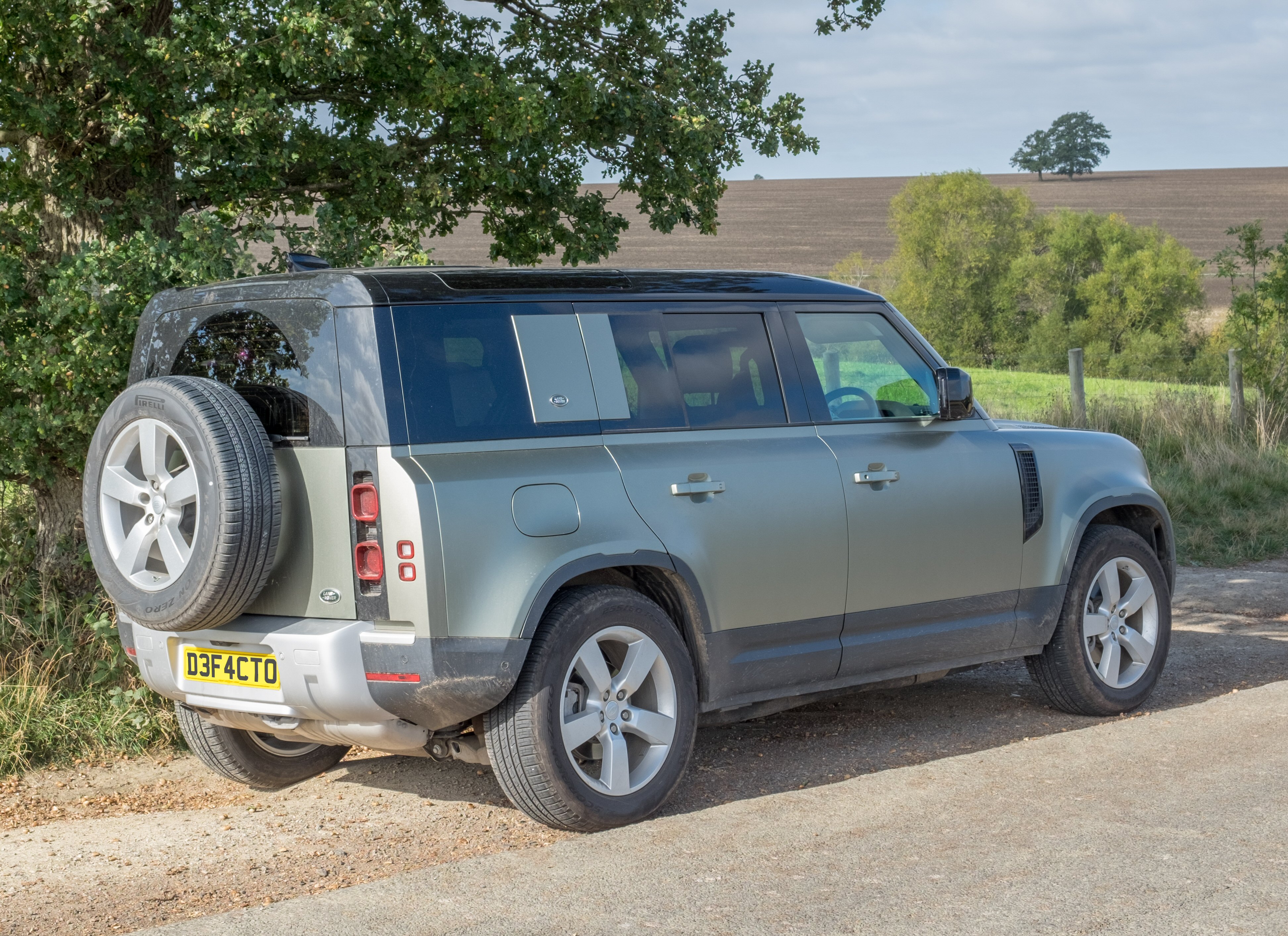
Land Defenders
The Land Rover Defender is a tough vehicle made for off-road driving, often used by farmers and workers. It has a strong design that connects to the original Land Rover models.
Car
Land Rover Series One
The Land Rover Series One is the first model made by Land Rover, created for tough outdoor use. It started the brand's legacy of making durable vehicles.
The Land Rover is a tough car made for driving on rough terrain, like farms or off-road trails. It's known for being very reliable and capable in tough conditions.
The Model T Ford is one of the first cars that was made for regular people to buy. It was very popular and helped many families own a car for the first time.
MG is a brand that makes sports cars, which are fun to drive and often have a stylish design. They have been around for a long time and are known for being sporty and affordable.
The Range Rover is a fancy SUV made by Land Rover. It's known for being good off-road and having a lot of luxury features inside.
Car
Vauxhall SRV
The Vauxhall SRV is a unique car from the 1970s that was designed but never made for regular sale. It has a very unusual look, which makes it stand out in car history.
A gas turbine engine is a type of engine that works by burning fuel to create hot gases, which then spin a turbine to produce power. It's different from regular car engines that use pistons to create power.
Car
Rover BRM
The Rover BRM is a special racing car that used a different type of engine called a gas turbine. It raced in a famous car race called Le Mans in the 1960s.
The Lagonda is a fancy car that looks very different from most cars because of its unique design. It's known for being luxurious and has some cool technology features.
Turbo lag is the wait time you feel when you press the gas pedal before the car speeds up. It happens because the turbocharger needs a moment to start working and give extra power.
The DB5 is a stylish and fast car that became famous because it was used by James Bond in movies. It's a classic car that many people dream of owning because of its beauty and history.
The Ford Anglia is a small, old-fashioned car that many people in the UK used to drive. It's known for its unique look and became famous in the Harry Potter movies.
The MGB is a small, fun sports car that people loved to drive in the 1960s. It's not too expensive, and many car lovers enjoy restoring and taking care of these classic cars.
The Audi A3 is a small, fancy car that is comfortable to drive and has a nice interior. It's a good choice if you want something that looks good and works well for everyday use.
LIVE
Hello, welcome to the AutoCard podcast, brought to you in association with Anderson EV, makers
of top quality home chargers. Anderson-ev.com for more details. Morning, Steve.
Morning mate, how are you?
Very well mate, tell me where we are and why?
Well, here we are in the British Motor Museum, in the boardroom thereof,
in the company of Stephen Lang, who's the head of collections here, so main man in effect,
apart from the CEO of course. And we're here on the occasion of AutoCard's 130th anniversary,
aren't we? It's official 130th birthday is 2nd of November, but I think this is going to go out
on the 5th or something, am I right? Yes, yes, that's my understanding. So yes, Stephen, welcome
to the podcast. Thanks for having us. It's AutoCard's 130th. There's something else to say
about this week, what's happening with the AutoCard physical organ?
First of all, welcome to the British Motor Museum. I know it's a favourite haunt of yours,
so I'm glad to see you back. And for us, AutoCard's so relevant because our collection charts the
motor industry and the motor car, and alongside it, AutoCard's done exactly the same thing. So
it's two stories in parallel and a lot of overlapping. So it's very much the story of
the motor industry, like we like to talk about here. And we're delighted that the archive here
will become the official home of AutoCard's paper archive. So I know your listeners love
delving through the digital archive, but we will be home of the paper copies from now.
As long as they continue to be produced, which I hope they do because I love
reading a theme rather than watching it on a screen. Yeah, there's still something special
about the paper, isn't there? Especially the old ones. We've just been looking at a few of them and
we're going to look at some more in a minute. And yeah, they're great to hold in your hands,
aren't they? Yeah, and they're slightly distracting as well because you go online and you're kind of
looking for a specific thing, although sometimes you can go down a rabbit hole. But when you kind
of feel the magazine and turn the next page over, there's something else there, or there's an advert
or an illustration and that gets you interested in something else. So they're very of their period
inserted texture really, I guess. No doubt. Yeah. And we are, well, we've just had a quick,
because we can't help it every time we come here, we get sort of distracted by some exhibits.
We're going to have a look around some and chat to you about some of the significant ones
in a moment, but it's quite the place here, isn't it? I love it. I've been here quite a few years
and there's still something new for me. We have around about 400 cars here from all different
areas of Britain's motor industry, all fascinating in their different ways, whether they're
worn-offs or something you'll see in the street. And behind that, we've got this amazing archive,
which has been talking about where the auto car archive is going to live,
which is the history that goes behind it in papers and pictures and film. So it's fascinating for me
every day I walk to work. I didn't know, because I've been around the museum a lot,
I've never been in the archive room before. And when you just opened the door, I had a bit,
one of those sort of, well, you know, moments that sort of rated the lost archive for a moment.
The old vanishing point, yeah. Yeah, just a big long corridor of stuff,
like, wow, goodness me, there's a lot, there's a lot in here. That's a moment that always gives me
some amusement, because everybody kind of has an idea about the museum. I'm not sure they
necessarily have an idea of the scale of what we've got until they walk into the door.
But I think people have no idea of what's in an archive, certainly one of the scale of ours.
So I love the wow moment that people have, just like you've done when they walk through the door.
Stephen, you've been here a good long while, you didn't expect to be here this long. Just tell
us the story of your involvement with this place, will you? I'm not sure I expected to be here at
all, Steve. By background, I'm a material scientist. And just before I joined, I was doing
research at Imperial College down in London. And I kind of fancied to change, really, and
to get out of London. So I cast about thinking, well, what kind of things do I like? Well,
I quite like museums and archives. I wonder what a career in one of those would be like.
So I wrote to a few museums, including here, and said, how do you get into it and what does it
involve? Can you give me any tips and that kind of thing. And really fortunately, the curator
at the time here said, well, we're pretty new, because it was about 11, 12 months after the
museum had opened here at Gayden. Come along, I can give you some work for a short amount of time.
And the kind of stars aligned, really. And I decided, well, let's let's take that opportunity.
So I first came here just helping out with curatorial things and collection things. And then
after a few months have turned into a few more months, the curator decided she would like to go
on to pastures new. So I was at the right place and the right time and was able to kind of carry on.
It's a really different place now. It's the same building, but it's a really different place in
terms of what's in our collections and how it looks. Well, you've expanded it deliberately,
haven't you, to encompass as many British marks as possible? Yes. Originally, when the museum was
first opened, it was fairly much a collection to do with Rover Group and British Leyland. That's
where our collection started out in the 1970s. You might like to say a lot of things about Beale,
but one fortunate thing was that somebody had the idea that they should keep all of their corporate
history. So we're very lucky because other big companies haven't done the same thing. So that's
the basis of our car collection. Since then, the whole motor industry is very different and we
wanted to live up to our name. And now we're the British Motor Museum and really make sure we
represent lots of different marks. Yeah, lots of forwards, lots of voxels. Yeah, and other things
that have come in more recently. You will see some lotuses in a little while. We've got some
Roots Group cars that we didn't use to have and some of the smaller manufacturers, the Caterons,
the TVRs. So we've really in the past few years made it our mission to fill in the gaps. Of course,
if something from the Beale sphere comes along that we haven't got that we think we should have,
that still gets its place in the museum. Places are always short, of course. We've got 400 or so
cars here and slightly bursting at the scene. But that's, you know, it's a big industry and
there's lots to say and lots of people are interested in lots of things. So how did it
start? How did the museum come about? Well, it goes back about 50 years. Actually, the original
exercise was an auditing one. British Leyland had got a lot of old cars and heritage stuff around
all its businesses and somebody was sent out to find them all. So the very first makings of the
collection were way back in 1974 or 1975. And over that time it grew and eventually we had our own
museum in London and now this fabulous place in Gayden. And today, of course, it's very different.
It's not just the British Leyland marks. It's actually all of the motor industry. We've begun
to acquire all sorts of different marks to make us live up to our name, British Way to Museum,
I guess. And also our collection is now in the Charitable Trust. So we are an independent museum
that has to make its own way. So whether you support us by visiting or joining us online,
adopting one of our cars, or even coming to a conference here, you're all helping to support
the trust that looks after Britain's motoring heritage. You were in London first?
Yeah. So we had a museum down in Sion Park in the 1990s, which was the London Transport Museum
before it moved, wasn't it? And then it was taken over by, was the Fairly New Trust by then,
and we lived there for a few years before moving here to Gayden.
And this building that we're in now, so there's two big buildings here. This one was built first,
I guess the one we're in, the big round... So the original museum building, the main museum
building was opened in 1993 with support from Rove Group at the time. So they invested quite a
lot to set it up with the trust at the time. And the second building we built about 10 years ago,
mainly because we had lots of cars in storage and we wanted to group them all together. But in
that process we thought, well, let's let people look at what we do behind the scenes, if you like.
So we also have our workshop there now, so you can see my team working on the collection every
day, all sorts of... It might be one day, something that's 1900 and something that's
2016, the next day. And you've got the first Morris mine, haven't you? Yeah, the rest is history.
Yeah, and that's got a fascinating story too. I really love the story about that car.
Yeah, it went off when it got returned to you just after many years. Yeah, so when the millionth
miner was launched, the lilac ones for those who are aficionados of Morris miners, Morris ran a
competition to find the oldest Morris miner and a chap wrote in and said, oh, I've got this really
old Morris miner. When it arrives and we've got pictures of it, looked a bit of a wreck really,
it turned out to be the very first one. So it was an amazing coincidence. So he got a new
Morris miner million and the company got the first Morris miner, which is a proud part of our
collection today. Fantastic. And again, you asked me, why have I loved this collection for so long?
Well, those are the little stories that are always fascinating. Yeah. All right, well, how about we
go and look at some stuff? Yeah, let's do it. Super. So Stephen, here we are at the entrance to
the BMM. Well, two things. Picture of the founder, Peter Mitchell, who deserves all of our admiration,
doesn't he? Absolutely. The building we're standing in opened in 1993 and it was Peter's vision.
We'd had a museum before that, but it wasn't as grand as this or able to accommodate the
amazing collection we've got. So Peter, still a patron of ours, was very much the vision between
the old Dusty Museum and the fantastic bright, architecturally amazing place we've got there.
And they're rather, also rather fittingly by a bicycle, which is, I suppose, where cars came
from in a sense. Absolutely. I think it's fascinating to see how, in particular places like Coventry,
which had a strong manufacturing industry in the bicycle, spawned the companies that would make
motor cars. So we're standing in front of a rover safety cycle. And in the 1880s,
Rover were the first company really to make the, what's called the safety cycle. So the cycle we
know today with two wheels the same size rather than the kind of penny farthing design into a
successful model. And in fact, Rover were one of the world's leading manufacturers of all kinds of
cycles. Their Thoraners had made machines for people like Queen Victoria a few years later
than this machine, which is 1886. They won all sorts of titles in the 1908 Olympics at London on
racing cycles. And that, of course, that curiosity for the cycle made them curious about their
motor car when that. Now there's something in this entrance that you particularly wanted to see.
What was that? Well, this is, this means something to, well, lots of things mean something to me
because I've driven them, but we're just around the period of the London to Brighton run, the
veteran car run, which is really an international motoring institution. And this car in front of
us is a, is a three wheeler is a Wallsley tricycle built in 1896 designed by Herbert Austin, who
designed the first Wallsley cars. And it's a little single cylinder thing with a few horsepower.
And we were just talking about Peter Mitchell. Peter Mitchell and I shared this car on the London
to Brighton run a few years ago when I was much lighter and fitter really. And we kind of managed
about just over 60% of the run before it had enough. So the seat's only about one and a half
bums wide. You must have been pretty squint in there. I had the job of largely facing backwards
when I wasn't driving, which is quite entertaining when you can see the rights of the modern driver's
eyes directly. But for the listener, it's got a kind of tiller steering. So there's no steering
wheel or it's got a single wheel at the front. And the gearbox, like another of his early Wallsley
cars is by tightening and loosening a belt. So that's the effectively the clutch.
And this foot and this large lever pedal on the sort of on the footrest goes all the way across.
Is that the brakes? So that's one of the brakes. So it's actually quite advanced because it's got
two brake shoes on each wheel, one of them operated by the the foot brake. And then it's also
got a handbrake that you can push as well when you're getting slightly frightened. I'm interested
to see that this is called Auto Car Number One. Our editor, Henry Sturmey, decided that cars were
going to be called auto cars. And they've come to be called motor cars or automobiles. So he was
wrong, wasn't he? But that was his his view that he christened the porcelest carriage and auto car,
didn't he? The other thing about this is because there weren't really any motor shows per se or
there were only one or two really for the pioneer motorists. This was exhibited at the National
Cycle Exhibition. So it was trying to appeal to people who were buying things like that
rover cycle over there. The other fascinating thing was Austin himself was quite adventurous
and he took this car 250 miles from the factory in Birmingham to Rill. It was a kind of test drive,
which is quite a thing. And he made it back again.
Let's just wander along here. There's one of your star exhibits I think is this Land Rover
registered HUE 166. Famous. Why famous? So there were 48 pre-production cars and this is the very
first of those pre-production Land Rovers. So this is the genesis of all the work that went from
those wacky sentistier things into what became one of the most enduring, I think, British
notary icons really. And we've got the Defenders today, which was a very much more complicated
thing, but deliberately designed for the farmer or the tradesman. But it's still quite believable,
isn't it? I mean, you see cars like this driving around all the time. It's just a series one Land
Rover. So they were right quickly, weren't they? And right up until the kind of final Defenders,
old school Defenders, more recently, visually, you could see the kind of the whole heritage of
the car and its design really. I think the other really interesting thing about the Land Rover is
that Rover designed it just to be a car that would last a few years to get them over that post
World War II period and then they could go back to making cars. So it's designed to outdo the jeep,
because the Wilkes Brothers had a jeep, so they kind of thought we can do this better.
It made use of aluminium, of which there was a supply just after the Second World War.
And I think it surprised them how popular it was, because it soon outpaced their car
production and became a model that they would continue with. I mean, this starts on the key
and you get it out quite often, don't you? Absolutely. It's very popular in the kind of
top 10 most popular cars in the museum. This is definitely it. People make a pill,
Dravidge, to come and see it. Amazing. I think the other great thing about this car is
it had a little bit of foresight by the Rover company to find it and buy it back.
So in the days when these things were made, they were saleable things and this ended up
with the farmer and it spent 10 years doing what it was designed to do. It was only in the late 50s
that it was bought back when the Land Rover was around about 10 years old and restored and became
something that was important to the company. And now they use the HUE 166 on labels
all over the moderns, don't they? Absolutely. Do you know how different the
production series one was from these pre-production? There were some chassis details
and body panels and that type of thing, but largely it's pretty much close to
as the first series one cars would have been. Yeah. It's amazing to walk into this place because
just from the Wallsley that you were talking about to HUE, we've walked past a Model T Ford,
a Fox old 3098, the first MG. Is it the first MG or not quite? So not the first one, but
back to Cornwall to re-enact it is trial at Blue Hills Mine on the Land's End trial,
which was great fun. Yeah. And then opposite is a bunch of a dozen Fords that Ford has a deal
with you to supply about a cold clump of Fords and renew them every so often. Yeah. So they've
got a fantastic collection. We've got some of our own Fords, but it's great to have the benefit of
of the things that they've got kept away that people don't see very often. And we haven't mentioned
we just walked past two brand new lotuses, more about Lotus later perhaps, but that shows you
the contrast of what we do here. History doesn't stop. So what we have in the museum has to be up
to date as well as something that's from the 1880s or the 1890s. Yeah. Are you running out of room
to put new things? Yes, very much. So 10 years ago, we built another building, which is kind of more
of our storage building where our workshops are with some expansion space. But of course, as we've
broadened the collection, we've got more stuff. And of course, people are interested in different
things. So we're now having to collect the things that people are interested in seeing.
Yeah. Let's go somewhere else in the museum. You can show us another favorite.
So Stephen, here we are amongst quite a big selection of prototypes you've got here,
all kinds of things, sports cars, off-roaders, concept cars of various kinds, little cars,
all kinds of things. One of the brilliant things about being a museum that's related to the motor
industry is we've had this access to the things that were designed but never made or the things
that were nearly made, but then didn't quite get there. And that's one of the unique things really
about our collection is the variety of contexts and engineering cars. And they're all fascinating
in their ways. You say what we have, and this is just a small selection,
and ranges from lots of different dates, but lots of different types. So we've got
Road Rover, for example, which was the kind of first thought about it would eventually become
a Range Rover, but very different thing, but a slightly more road-going
Land Rover project. It's pretty ugly, let's be honest. It looks like a caravan on wheels,
and they were fascinating because they gave them to employees to test out. So they really
had a number of cars and they lent them to people. And we actually had a couple of people visit in
the last couple of years whose families, or they, had them in their families, and they were people
who worked for Rover. Isn't that amazing? We have some absolutely bonkers cars. The part of the
Vauxhall collection, which we look after, Vauxhall's heritage collection, is the Wayne
Cherry Era SRV, which is, it slightly reminds me of the Pink Panther car.
But it's a silver thing. It's very wedge-shaped, very off that kind of 70s period. But it's quite
a trick car, you know. So there's a lot of thought given to the aerodynamics. And if you open up the
door, there's all kinds of gauges to do with airflow and all that kind of thing as well. So it's quite
a sophisticated thing. And yet 1970. Do they conventionally open doors? They are conventionally
opening doors, but they have a lot of stuff in the panels. Oh, it's a four-seater. Good, not great.
You can see all the kind of switches and dials. So I think it still looks futuristic,
in the way in 2025. Can you imagine 50 something years ago? It would have been
startling. And I think it shows the strength of British car design. And people say to us,
oh, what's happened to the Britain's motor industry? But this is the kind of thing we're
still brilliant at in this country, whether it's... Vauxhall design was a really big deal,
absolutely, absolutely. And then we have more quirky things, but
a real contrast is the Crompton Leyland electric car. So that's an early 1970s
idea for an electric city car built on a mini subframe. Looks quite credible, doesn't it?
But designed by Crompton for Donald Stokes, who was the boss of the company at the time,
and then they sent it to Italy to have this body made. And we've got some great pictures of it in
Italy having its body made by Michelotti and then sent back. So when people... We've got all the
discussion about the electric vehicle and that kind of thing. It's not really a new discussion.
In fact, some of the cars in the early 1900s were powered by electricity as well. So it never quite
goes away. Yeah, there was chat in the early copies of the auto car about the problem would be the
availability. There wasn't widespread availability of petrol, but there was electricity. So it was...
I remember finding in an auto car, I think it was 1912, there was a little cartoon of the car
of the future, and it was somebody filling up a car with hydrogen out of that car. How interesting.
That's interesting. Show us the jet cars. I love this place for the Rover jet cars,
which never went anywhere, but you've got a wonderful collection, haven't you?
I mean, I'm looking at four of them, aren't I? Yep. So we have pretty much all of them apart from
Jet 1, which was the very first Rover gas turbine car, which is in the Science Museum in London.
So Rover did a lot of work on jet engines during the Second World War,
and whilst Rolls Royce then took on the kind of aircraft side of that after the war,
the Rover guys with all the things that they learned about it said, could we make this into the next
form of propulsion for our passenger cars. So Jet 1, which was a total experiment,
which is a kind of convertible version of a P4, was powered by a Rover gas turbine engine in 1950.
So essentially it was the world's first gas turbine powered car, so it won a lot of awards.
And we're just talking about the base unit. So we have next to that, essentially, the car that
did all the tests. So it's a running gear for the T3. And the idea was that they tested everything
out on a base unit, which has all the running units and a kind of just some seats and some
basic panels around it. And that car has been stored away for more than 50 years. And a couple
of years ago, I have a very dedicated team of volunteers who are experts in gas turbine,
they refurbished the whole car. And it hadn't run since the 1960s, under the 1960s. And it
pretty much ran straight away. They're a big part of this place, aren't they, volunteers?
Yeah, we have 100 or so volunteers. We couldn't work without them. And they do everything from
being guides in various bits of the museum, to working on projects like this, to working in our
archive, or doing community programs. We just couldn't function. They're really interesting
people, aren't they? I've met a few of them. One of them was a big boss at Ford of Britain.
And another one was the local MP, until he retired. Yeah, they have a fascinating background.
And not all of them are car nuts either. Some of them have just come because they wanted the
space to enjoy and they like meeting people and that kind of thing. And so we've got a really
great mix of expertise. So these jets go on through a car that looks a lot like a Rover 2000
into a racing car that race at Le Mans in the 60s, isn't it? Yeah. So this is in front of us,
which is 1961. So kind of 11, 12 years into the program. This is what Rover wanted to do. They
wanted to produce a family car that looked like one of their range. In fact, this was shown before
the P6 was shown to the public. So they had a sneak preview. So T4 was a Rover saloon that was
powered by gas turbine. It had two drawbacks. One is the fuel consumptions appalling. But the
second thing is if they wanted to produce it, it would cost you about three times the cost of a P5,
which was the model they were still selling at the time. But the great thing about gas turbine is
it's really smooth, no gears to change, fewer components in all of the transmission and the
turbine. So in a way, it's much more unsophisticated and supposedly more reliable, but quite hot.
Is it noisy? It is when it starts, but then it's surprisingly quiet once it gets going.
If you're in traffic, it just gets mixed up with other stuff. Yeah. The famous
Rover BRM racing car. This race twice, am I right? That's right. This is the gas turbine that
probably everybody knows. This is the Rover BRM, which raced at Le Mans in 1963 and 1965.
Currently, it's in its second kind of generation with a body built by William Towns,
who built things like the Aston Martin Lagonda and lots of well-known car designs. But originally,
it had a different in-house spider body, not an enclosed coupé like this. And we've got the bonnet
is the only piece of the original car that still exists. Hanging on the wall. And it's based on
a Rover BRM, forming the one chassis, which was Richard Ginther's car from the 1962 season,
which was crashed. So it was a great donor for them to rework into what needed to be a slightly
wider Le Mans car. So the underneath the frame of the car is based on a BRM formula on car.
And then everything else is bespoke. The gas turbine is all Rover designed. So all the work
again was done by them. How fast was it? So it had a top speed of around about 150 miles an hour.
Okay. In 1963, it was raced by Richard Ginther and Graham Hill, because they were the BRM
team drivers. And in those days, if they were asked to drive something else for the team,
they kind of just did it really not like Formula One today so much.
And it had to start at the back. And it was a non official runner. So you can see on the original
bonnet it's 00. It finished quite respectably. It was the first gas turbine car to finish Le Mans.
And it won a special prize. And I see this has got a sticker on a windscreen that says Entrant 2025.
So you obviously so we keep so we keep we've done a lot of work to make sure this car keeps running.
And between 63 and 65, it had a new body. And the big advancement was that they put
heat exchangers on the gas turbine was again, the fuel consumption of this is pretty low.
But they wanted to see how far they could get in Le Mans. So I put heat exchangers on it really
stretched the range of range of the car. And in that year 65, when it was Jackie Stewart and Graham
Hill, it was the highest placed British car in the race to finish. So it had a really respectable
finish that year. And it averaged about 100 miles an hour, which is pretty impressive.
It's pretty good, isn't it? And you've got, thankfully, because I don't know my way around
gas turbines very well, you've got things telling me how it works, which I'm going to come and read
in a minute, because I can't quite I can't quite fathom the Le Mans. That cutaway is great.
So essentially, it's if you imagine a jet engine, but the jet stream is then turned through another
rotor into something that can go through a gearbox and drive the rear wheels of the car.
So at full chat, it's the turbine goes about 50,000 rpm. So it's quite a step down between the
between that and the road wheels. There's nothing mechanical between the turbine and the the rotor
that was connected to the gearbox. So again, there's no clutch. It just goes faster and faster.
In fact, essentially, to start off, you unbreak the car. So it's already driving. And as soon as
you lift your foot off the brake, it will start. It will start going. It will start going. So it
with no throttle, it does about 80 miles an hour. So it's got some serious breaks because it has to.
And then in terms of like throttle response, are you waiting for it to school up a bit? Is it
got like a lot of turbo lag? If you imagine the worst turbo lag and then expand that quite a lot,
that's what it's like. So effectively, Graham Hill apparently raced it pretty much with his foot on
both the brake and the throttle all the time because you it takes it's quite hard to slow down
because there's no engine braking or anything like that. And it doesn't pick up. So effectively,
you're breaking into a corner and you've already got your foot on the throttle to anticipate that
you've got the boost when you come up. Yeah, I neither driver liked it particularly. No,
Stuart was rude about this car. He told me that that they had a wager that one of them should
put it in the gravel early on in the race, and then they didn't have to do it anymore. And actually,
Graham Hill went off the circuit, not intentionally, and did some damage to the turbine, which they
didn't fess up Rover realized what had happened, but they didn't fess up to the VRM technicians,
and it carried on doing the right but with reduced, reduced power. Why don't we go on to
another one of your favorite dropping off spots? Just as we walk by, one of the great things about
this collection is not just the weird and wonderful prototypes or gas turbines we've just been talking
about, but there are lots of everyday cars here. And what we find with visitors is they'll spend
some time looking at, I don't know, C-type Jaguar or RS 2004, whatever their real fancy
desire car, Aston Martin DB5, they spend more time with things that mean things to them personally.
The cars they went on holiday and the things they learned to drive. And so we're just standing next
to a Ford Anglia. It's actually a 1-2-3E, not a 105E, so it's the posh one. But my dad's first
two cars were Ford Anglias like this. So definitely when I was in a cot, this would have been the
first car that I'd ever been in this type of car. And his car was this, his second car was this color
as well, I discovered recently, because we dug out some family photos. That's a full-ammon white
roof. So for me, those are the kind of attachments we know people like. And we're kind of mindful of
that when we're collecting, you know, when we think about what we're collecting and the more
modern things that we're collecting too. Because each car has its stories and this is a place of
stories really. Yeah, there are some sort of familiar curiosities. You know, this Austin or Nash
Metropolitan here, red and white crazy car, isn't it? Made in America. Made for the American market,
I think. Oh, it was made here for the American. Made in Longbridge, yeah. I mean, quite, quite.
So they were known as the Metropolitan in this country. They weren't a Nash, but on that design.
And I'm not right in thinking the Americans didn't take to it wonderfully that they had previously
taken, they previously liked something. So they designed this for that reason. Is that right?
Well, Austin had tried the Austin Atlantic, which is a bigger car, to again, only modest success.
But the trouble for Austin was that it didn't have a big enough power for enough engine really.
So even in a compact car like the Metropolitan, you know, quite a 1600cc engine in it is not
really for the Americans, really. But it's, you know, for some Brits, it was a good thing because
America was all the rage at this kind of point in time, wasn't it? Yeah, the old two tones.
If you like a bit of stylish American in a small car, then that's for you. Indeed.
So here we are walking past all kinds of things. Morgans. There's a intriguing looking car here with
Caterham written on it. I don't think I've ever seen a Caterham like it. What is that? So sports cars,
I mean, I guess we very much think of Britain as a sports car producing country and we've got
a whole variety of things at different ages. This is a more recent acquisition for the museum
from Caterham and it's actually a concept car called the Aero 7. So it's
effectively a 7 underneath but with a totally new enclosed carbon fibre body.
It's about 10 years or so old and it was really trying to find a more modern direction
for Caterham at the time. Yeah, it's like the sort of Tony Fernandez era Caterham. Is that right,
or am I not sure? They were in Formula One at the same time and they had quite some big,
some quite big ambitious plans at the time, didn't they, from memory? It's interesting though,
in that the Caterham had had a few goes at coming up with something completely different and
so far, if you look at the cars that they've, what these experimental cars have mainly done
is to show how good the original road is, you know, light and quick and compact and stuff.
I think at the time they were quite keen on the Asian market even 10 years ago and in spite of the
fluid dynamics design for the body to get the air flows and that kind of thing, I think people
thought that it was a bit flat, shall we say, as a design and the idea was that they would
remodel the car entirely but that never really happened. Right, where are we going now?
I just mentioned behind us on our way, a totally different thing.
What was the singer? Yeah, one of the things we recently acquired was a singer,
one and a half litre Le Mans, which is a pretty little two-seater singer from the early 1930s.
This car comes from what was the Patrick Collection and some of your listeners might
remember the Patrick Collection and all the museum in Birmingham started by Mr Patrick,
they were big car dealers in this part of the world and amassed a big car collection and had
a museum for a time. That museum was gradually closed down in the last, well probably 20 years
actually and we'd done some work with Patrick family more recently and whilst they have dispersed
all the rest of the collection, this had a real family attachment this car because it was
owned by Joseph Patrick himself and he used to take it on rallies and what have you and then
it was sold off in the 1950s and then in the 1980s the then current Mr Patrick bought it back
for his collection so it had quite a lot of attachment for the family so we said well
rather than you getting rid of it why not let it join the collection here. Yeah, looks lovely in
in this lineup too next to an MG in a Morgan with an MG on the other side as well, two MG's on the
three MG's on the other side. Well and the favourite as you can see from the visitors here is the MG
cut in half which was a motor show car from the 1960s that's probably in if not the top in the top
five most photograph cars in the collection of people standing in the middle sort of pointing to
each side of the car ends otherwise known as a divorce car internally. That's really interesting
that is a real I've got to come back and have a look at that in a minute as well that's really
interesting. You like cutaways don't you, I've known from previous conversations that if a cutaway
comes your way you're really fascinating really because it's the only way to especially nowadays
where if you open your bonnet we'll all know this there's nothing to look at really is that
so this is a great way of you know finding out how an engine works and actually
new technology aside the internal combustion engine is the same thing really if you look at
what goes on in that MGB for instance it's not a million miles away from a modern car just
less controlled isn't it. It's good that it shows you the layout too doesn't it in a nice way
and we find it's a really great family thing so we quite often get three generations in a family
and it will be generally grandfather showing his children grandchildren how a car works and
pointing it out so it's kind of by its very nature is quite an interactive thing for visitors.
There's an extraordinary looking thing over here with three wheels and a and a flat twin engine
looks to me if I didn't know this was a British motor museum I'd say that was a Leon Bollet
tricycle. So this is there's a little amusing film that goes behind it so this is Wallsley's
other design around about the same time as the tricycle which was my Brighton Room car
and Austin was inspired indeed by Leon Bollet probably to build this design probably slightly
more advanced than the tricycle with the two wheels at the front rather than at the back right there's
a little bit of a story about when it was made so Austin was very keen to be one of the first
car designers in the world so there's a chance that he tried to date it earlier than the other one
but there's not a lot of evidence for that and we've got this great bit of archive film which
actually comes from the 1920s but it was a promotional Austin film which was a kind of
Austin looking through his scrapbook at the first years of his company and making a film
about it so this was his kind of earliest designs and you can see that the tricycle's
trundling along with a man with a red flag in front of it like the pioneer days Brighton Room
things yeah actually the car didn't work and that's on a slight slope rolling down a rolling
rolling down a hill brilliant right we're next
that's a look that's a I love the the kind of casual attitude of the bloke with the pipe and
the red flag it's just great lost my he doesn't really care too much
we've got lots of other things that are not just cars or bicycles
which tell stories of the motor industry
rather nice double pedestal desk which was actually an apprentice project for
a chap that worked in Aston Martin's carpentry shop so one of the projects he had to do was
build his own and a lady got in touch and said oh we've got this desk in our shed and it's something
to do with my family and he worked at Aston Martin and it turned out that it was this
apprentice piece and we got some pictures that they supplied of Arthur Wheeler who was the lady's
grandfather working in the Aston Martin factory that's a cool not sure what it's amazingly nice
pieces of archivary are interesting yeah lots of lots of period video as well
I always stop and bore people with this this is a pressed cold fridge from 1935 so if you can
imagine it has that really 1930s fridge design slightly a kind of American looking um I happened
to be at Cowley the the old Morris factory and in a break room was this fridge and it was still
had milk in it they were still using it how long ago so this would have been sort of I don't know
mid 90s late 90s something like that it had been in use 60 years it had been being used
so I said this has to be in the museum really yeah you know if I have to buy you a new fridge
they had a new fridge and this this came here so this was rescued from a break room
that's sensational in I wonder if the one you bought them still going I don't I didn't have to buy
a fortunately they saw that and it still got the accoutrements with it that is extraordinary
it's surprisingly like a fridge isn't it yeah and it's got absolutely in the archive we've got
absolutely fantastic adverts for things that are not cars oh yeah so we have this brilliant
brochure picture of a family gazing into the most well-stocked pressed cold fridge you can imagine
listen I'm going to put a photograph of the pressed cold fridge on our social channels because
we'll take some photos of cars on the way around but I've also made sure I get the fridge
we're walking past an amazing wooden back of a bristol aren't we has this come to you
all the assets of Bristol was sold off only a few years ago
the sorry the Bristol Heritage Trust which is allied to the owners club
made a pitch for a whole collection of the buddy books that were still stored away
underneath the factory as it was all the headquarters they were just kind of in an
underground car park everything from quite early stuff to this which is a 411 so 1970s
so these are the books that the coachmakers the body builders would eat all the panels over
yeah and hand all hand all hand for amazing so fortunately they offered one to to us
poke trick it and I think for me you can you can look at it and it kind of has all the tech
you can imagine the people making the panels on it yeah you know it's such a textual kind of object
that it you can kind of see the history in it yeah you can yeah it's done work so it's yes it's
it's an amazing thing I remember talking to Tony Crook who was the longtime boss of Bristol
and he talked about how people started bringing cars back to be restored
and they'd go back to the factory in Filton and just there were plenty of occasions when
the car restoration was in the hands of the people who built it in the first place oh really
I think the the lattice place they were stored was beneath what is now Gordon Murray design HQ
yeah exactly yeah and where he keeps his car collection yeah yeah so there was when I went
and looked at them there was a whole row of these body books like that fascinating and a lot of
kind of spare parts and things for Bristol's that were part of the part of the sale it wasn't
because now it's been cleaned up and his tidy and his closed and air conditioned and everything
else remember it looked a little bit exposed at the time is that because it's down underneath that
underneath the molecule building I think it's fascinating piece of architecture the whole
building isn't it so now we're walking into your I guess your racing car collection don't
we there's a there's a Mansel Formula 3 car there's a Jackie Stuart Tirol there's a there's a mad
TVR here that is that the thing with the with the fabricated engine I think it is yeah yeah
so really the last foray in to do in the morning for for TVR there's a very early
MG Kimber MG I guess this is actually a Morris special Morris okay big it's pardon
so this was designed by a dealer in Cardiff oh and he used to Morris Oxford red flash special
yeah so you know very much the the fashion of the 20s to have your racing car special
and he used to take it to places like Brooklyn's drive it there and do his racing and come back
home so and luckily we met some of the family in recent years who told us some more stories about
the the car and well-steed the name of the guy was with sort of racing exploits I think it was
quite a successful car for effectively a souped up souped up Morris Oxford with a bit of a
streamlined nose on it looks very fit presumably this one runs as well yes it does it does work
yeah absolutely anyway right next door to it is what I understand to be a favorite of yours
tell us about it yeah it's very people that probably the most asked question I get is what is
your favorite car in the museum and it can be different things on different days depending
on what I've walked past and got interested in again but there are a few cars the gas turbines
definitely some of those that I always come back to and we're standing in front of an Edwardian
Austin 1908 Austin which was built as a drompery car in that year so take part in the 1908 french
drompy so um Austin had a Porsche for racing and would later on in the 20s and 30s do more
successful racing been a particularly with his little Austin seven single-seater racing cars
but this was a kind of world stage thing so the the 1908 french drompery was on roads around Dieppe
and one lap was about 50 miles so it just kind of took all days the team was built out of four
cars but actually by the time they got to the race day there were only three cars left so they
had to kind of cannibalize some bits and bobs to make it and interestingly some of the cars were
prop shaft driven like this car and then other ones were chain driven so he was kind of hedging
his bets about what kind of technology um that um that he would use um this car was sort of modern
in a sense that great big engine in the nose yeah convent controls the way we would understand
them steering wheel and pedals and so on yeah and uh quite the driver's backside quite close to the
rear axle the sort of 1908 catering yes something like that very much of its period obviously if we
can open the bonnet so this would have been based on a standard Austin car of the time but you could
buy a 60 horsepower which was quite a big car Austin so they upgraded it big car to 100 horsepower
which all right if you work out what the power is it's roughly 150 160 horsepower which is amazing
for a big car like this with brakes on the rear wheels only so it must have been quite entertaining
to drive so the little strap is just coming off the bonnet and steven is just going to
unclip two catches oh to reveal things like it belongs in the power station interesting looking
engine so it's a six cylinder nine and a half liter uh lot of brass amazing pair cast so it's
uh each cylinder's the size of your family car i guess yeah something like that and two rather grand
um carburetors yeah yeah they look like they should be sitting on the shelf of your front room
didn't they yeah the sort of that's from a science lab don't know what that's sort of
spherical thing about them a bit of jules verne trapped in yeah exactly god that's really good
that's a really good looking thing and this car runs does it so this is a working yeah this is a
working car it's a magnificent thing to drive but again one of those things that you traffic
no good you need to know for this car well presumably two wheel brakes can't be good yeah
brakes on the back brakes on the back down you have to pump up the pressure in the fuel tank
every so often so it's got a hand pump to oh no fuel pump to pressurize the fuel tank um this really
wasn't up to the job in terms of competitiveness so um people like sades were ultimately won the race
were uh much more uh race ready really for a thing like the the grand prix but two of the
cars finished 17th and 18th overall which was quite respectable and a thing that austin went to town
with in terms of publicity this particular car was raced by a guy called moore brampton
who was a pioneering motorist racing driver and aviator as well and he became very senior in the
motor industry the chairman of thorny croft for example oh so he was he was quite a senior
motor industry bot and we've got a lovely picture of him in the paddock
surrounded by renos and what have you rather more haphazard than a general formula one paddock
and you can see they've just obviously finished a practice or race because they've taken their
goggles off and there's just this kind of white outline from from the from the dirt from the dirt
from the car but then the other really fascinating thing about this car is it had a kind of second
life quite in fact you might say the museum is its third life but they were sold off by austin
these uh big cars and um jack johnson who was a championship heavyweight boxer had one of them
but this car sold to a baronet in lincolnshire called hickman bacon and he was again kind of
pioneer motorist and he had a convertible body made for it in other words he could have it as a
two-seater like the racing car or he could lake it into a four-seater tourer for when he wanted to
take the the family around um and then later on around about the war time uh second world war time
he donated the car back to austin and said this is a great product and part of your kind of austin
history um i'll donate the car back and the and the apprentices at austin restored it into a
a working car again it is a lovely thing that's in perfect order isn't it yeah this is happening
i've just tried pacing out the sort of length of the engine and it's sort of well over a
meter long just in the engine yeah yeah and the whole car's about the well the length of a big
murk i suppose yeah yeah and it's got a it's got a quite a racing car feel when you sit in it it's
got these kind of little bucket seats and your legs are straight out yeah yeah you've driven it
sort of i've driven it yes it's quite a you need as you said you need the space you need the space
but it's um fantastic great well let's go and look at the other amazing thing the archive in this
place so steven lead us into the archive there's a buzzer on the door the archive repository door
opens perfect thank you thank you and there's a almighty chamber isn't there yeah
so you can have a second wow moment for today i know my second time i've just looked at the place
and gone there's a lot of stuff in here that's cool so join lead us down to the um lead us down to
the auto car what do you call these racks these enormous racks of shelves these sort of library
things which have got the spinny turny gear wheels on the end so you can get down some
you get more more into a smaller space can't you with these enormous movable racks
so that you can wind yourself a little corridor to get down and look at stuff so there's so much
stuff packed in here again from the very beginning of the motor industry and the cycle industry as
we were looking at the rover earlier and before i think we found a document that related to a
company that was from 1760 oh really really that was beans related to beans industry which
gives great very big early components and car maker so what do you keep in here what is what is in
here so we have everything from books magazines we have production records so all types of records
and we can talk about one more specifically a minute for the cars that were made in a whole
variety of factories factories again from the very early 1900s up to pretty much 20 or so years ago
and we still have access to some of the digital records for new things we have brochures we have
sales aid so things where dealers or car salesmen would be given material so they could actually
talk about the cars and sell them we have business records press releases and we have drawings and
then we have a big collection of photos about a million photos again video as well and film and
video too and then we have some documents relating to not the motor manufacturers but the supply
industry so we have a very big collection for example of the lucas company we have some dunlop
stuff etc etc etc so all of the things that feed into the motor industry right in a way
they're fascinating things are the internal documents or the internal magazines because
you can see what made the industry tick or the you know the stories of the people as well as
the kind of brochures and photos that everybody expects that we might have
and you've got a reasonably good run of the auto car we've got quite a comprehensive run
certainly from the kind of 20s onwards but there are some gaps so with the help of auto car and
auto car readers we aim to make that a completely comprehensive collection of magazines and of
course kindly the good people at auto car are going to keep giving us the magazines as we
go along this is in fact this is an important moment for us and hopefully for you as well
because this is going to be the from now on from this moment from this 130th anniversary
this is going to be the home of the auto car printed archive isn't it yeah well we're delighted
to to have it because it is the it's the weekly description of what's going on with cars and
in the world of motoring so it's a perfect complement to the things that we're collecting
and the great thing about museums and archives is that you've got to carry on collecting
not so great when you've got to try and find space in this archive it might be big but you know
it's every every shelf is precious yeah in our four miles of shelving or whatever we've got in
amazing yeah we were making comparison with that that a view final view in the
movie the Raiders of the Lost Ark where there's this kind of corridor fading into nothing
amazing and here of course is a a collection of stuff that you've pulled out just to show us
the variety of bits and pieces can can we just describe some of it yeah so as you asked about
we've got all sorts of everything in that archive and these are just a few of the
huge amount of things that we've we've got so we've got a couple of drawings here from
Mitchell Otty they're both triumph projects but neither of them are projects that actually went
into a production car so one of them is a GT version of the Triumph 2000 and another is for a
kind of probably what would have been an early 1970s version of kind of GT car GT6 kind of car
but you know they are from the pen of the studio in Turin that's amazing and they are beautiful
things these these renderings are just so evocative aren't they you know it's it's got not only get an
idea of the shape but it it really tells you about the the dynamic of the the dynamic of the car
and it's great because you can see here we can see everything from
a design rendering a stylist's drawing to a blueprint to the real thing in the museum
and then of course all the brochures and pictures and whatever that go around.
They're wonderful just to see these prominently signed Michelotti drawings too amazing.
We've got a few here press cuttings and internal papers from when the Goldfinger DB5
did its grand tour of course we're in an anniversary year for the whole DB5 and James Bond
so we've got a little letter that describes the car going to Tokyo in the early part of 1965
and but it's got some really interest as well as all the work that they've done on the car
it notes that when it arrived in Yokohama the clutch was slipping and the exhaust
silencer had fallen off and somebody had nicked the gear knob in the talk at Tokyo auto show
and we've got a we've got a picture of it somewhere yeah just a bit sitting around
all in there on a sort of bonded warehouse you know so these give you a kind of fascinating
backdrop to the car and then we've got a really nice set of contact prints of Harold
Sockarta who was odd job in Goldfinger of him so say doing some welding work I think at Newport
on the car lots of staged shots so you can see him there with his acetylene torch
he seems more capable of smiling than he did yeah well he's acting here so that's fascinating
and then we've got lots of interesting things here's one for you Matt that are to do with the
process of designing an engineering car and we've got quite a bit of collection of material from
pressed steel who made their car bodies largely and things like the press called fridge we saw
earlier and this is an engineering port for the test of the apex saloon in Kenya in 1962
yeah which of course Matt knows is the is the Hillman Imp and it was essentially to test the
performance of the body of the car so there's a nice report about how it went and the leading
line in the general comments was the general structure of the body was very satisfactory
oh very good so attention would usefully be given to the strength of the dash area
so I don't know if some of these are familiar to you well I do wonder if later
imps had a certainly somebody has told me they have a different dash design to earlier ones
but I don't know whether that was partly as a result of some testing and stuff that's really
interesting that's really interesting do you fancy taking your imp to East Africa
well I'm not sure I can't get that far if it got to East Grinsted that would be an achievement
and of course there's a bunch of letters here from from um Miles Thomas yeah various
various editors of auto car yeah Miles Thomas was the boss of the Nuffield organization in other
words Morris's organization very senior in the motor industry you know in the 30s and into the
wartime wartime period but he seemed to have had a penchant for writing to the auto cars editors
about various things and then writing back so got a whole bunch of correspondence 20 or 30
letters here yeah from around the wartime which talk about all things like advertising space but
they also talk about proposals for car taxations and why you think that wouldn't be a great idea
and auto car readers need to know all about those types of things yeah they seem to a lot of them
seem to promise to turn mr. Thomas's comments into leaders in the magazine so so as ever journalists
suggestible you know motor industry's pocket etc we have quite a comprehensive collection of
the papers from Miles Thomas he wrote an autobiography as well and we have the papers
that go with that so it's interesting to get that insight into somebody who's quite senior
and we have similar papers about William Morris for example my favorite ones of those are when he
became more famous and slightly richer he used to get lots of letters from people who said
I'm falling on the hard times mr. Morris you know could you could you send me 10 pounds or that kind
of thing all sorts of which he didn't appreciate at all but you've got that kind of correspondence
so there's that kind of correspondence similarly for people like Herbert Austin but also later we've
got papers to do with Sven King for example so there you know there's a wide variety of papers
that to do with people it gives you a little bit more insight into the personalities and we always
say here it's you know people make the whole of the motor industry and people are the people buy
motor cars so what we're all about is the stories of all those people it's not just the metal you
know everything's got a person that goes with it or a whole group of people it's fascinating
well there's a random page here that you've opened for an order order records is it for a 12 horsepower
Wolsey am I right yep so I mentioned that we've got quite a collection of production records that
go back to the turn of the 20th century and this one's from 1909 for a Wolsey 12 horsepower car
and these records are in big bound handwritten very neatly handwritten books which tell you
everything about what's in the order who it's going to go to how much it's going to cost and then
everything every date where something happens to the car is noted down but they also have some quite
novel things in these records so you often find for example it'll tell you where to find a local
chauffeur if you want to chauffeur but also some quite individual things that customers have about
their orders whilst there was a kind of model range you could pretty much have it built like you
wanted to and this particular 12 horsepower car the the purchaser has noted that he'd like the
hood three inches higher than the regular model because his wife had gone to the motor show and
sat inside a similar car with her hat on but her hat pressed against the hood so he wanted it
three inches higher so her hat would be ably accommodated inside the car and that's all
recorded in this record and the hood would have been made to fit the owner imagine if you these
days you said to some manufacturer you know the the Audi A3 is all very well mate but could you
possibly just make it three inches taller so I can fit yeah so who uses this facility Stephen who
who how's how do people get access to it and who does so you can be a researcher in anything
probably the most common researchers are people who are trying to find out the history of their
own car either through the production records or they want to know more about the specifications
or want to have more information from brochures and what have you about their whatever car they'd
like to collect and they may purchase one of our heritage certificates where you kind of get all
the details written out on a nice certificate about your individual car when everything happened to it
and the day it left the factory but we get all sorts of different research so we get people
who are interested in the history of the motor industry the history of industry more generally
or business that type of thing lots of people interested in kind of design you know looking
at the Miklotti drawings but there's all sorts of different bits of design that goes into the
industry I suppose manufacturing too exactly that manufacturing and then we have a big group of people
who are interested in the social history so this collection even though it's come from the industry
is also a highly social story so people looking at people in the industry or you know the general
world of motoring or that type of thing so it's quite a wide variety and then our film
of photo library is you know auto car maybe use old snaps in there people writing books
people doing TV programs or what have you want some archive of whatever era of British car it might be
so it's quite wide and and our research it goes around the world you know it's they don't just
come from this country real well we appreciate you showing us around it is yeah I mean it's I mean
it visitors the museum if you haven't been do come because it's ace isn't it yeah that's fantastic
it is just off the m40 yeah just off the m40 again well the thing is you try hard to make sure there's
new stuff don't you absolutely yes I mean people do come back and we want them they might come back
for familiar things but we want something extra for them to see or really just to have different
reasons for people to come in the first place yeah and also to appeal to different you know appeal to
different people's tastes really so it's good to have something that's a hook to get them in the
museum in the first place and we're coming up to things like you know we've done half to holidays
and we're into Christmas so there's always plenty on for the for the family so if you think it's a
place just for the car nuts think again because there's plenty to entertain you or you know find
your own story with a bit like my Ford Anglia Stephen Lang thanks everyone thanks so much for your time
our thanks to Stephen Lang and the British Motor Museum and there are two more things to tell you
here firstly our thanks to Anderson the designer ev charging brand its charges are packed with smart
tech from solar compatibility to a state of the art app to a market leading seven-year warranty
the charges work seamlessly with smart charging tariffs like intelligent octopus go the range
starts from just 1120 pounds fully installed and for listeners of my week in cars Anderson is
extending its exclusive 50 pound discount throughout November simply mention my week in cars and their
team will take care of the rest for more meanwhile on that auto car archive you just heard so much
about visit the magazine shop dot com for more details including our early bird Christmas offers
which give you up to 20 extra off of existing offers and you can read all about what auto car
has been doing since 1895 if you go there
About this episode
Celebrating Autocar's 130th anniversary, this episode features a visit to the British Motor Museum with Stephen Lang, the head of collections. The discussion revolves around the significance of Autocar's paper archive finding a new home at the museum, alongside its extensive collection of British automotive history. Listeners will enjoy insights into various unique exhibits, including the first Land Rover and gas turbine cars, as well as the personal stories behind iconic vehicles. The episode highlights the importance of preserving automotive heritage and the role of archives in storytelling.
On Autocar's 130th anniversary, the physical archive of our magazines has a new home: the British Motor Museum in Gaydon.
To mark the occasions, this week Steve Cropley and Matt Prior visit the British Motor Museum in Gaydon and take a tour with Head of Collections Stephen Laing, stopping by cars and exhibits old and new as they make their way from the museum entrance to the archive rooms.