A Corvette is a sports car made by Chevrolet. It’s a specific model line, not just any fast car. Here, the host is remembering seeing one that was pink.
Sunset Boulevard is a well-known street in Los Angeles. The hosts are talking about it as a classic place where people used to cruise around with cars.
A Mercedes-Benz 500 SL is a fancy Mercedes roadster. The “500” usually means it has a bigger engine, which makes it feel strong and comfortable for cruising.
The Chevrolet Impala is a classic American car people often customize. “Hydros” means hydraulic suspension that helps the car move in dramatic ways at shows and cruises.
The Lamborghini Countach is a famous old supercar. It’s known for its sharp, angular design and those distinctive scissor doors, and it became a poster-car for a lot of people.
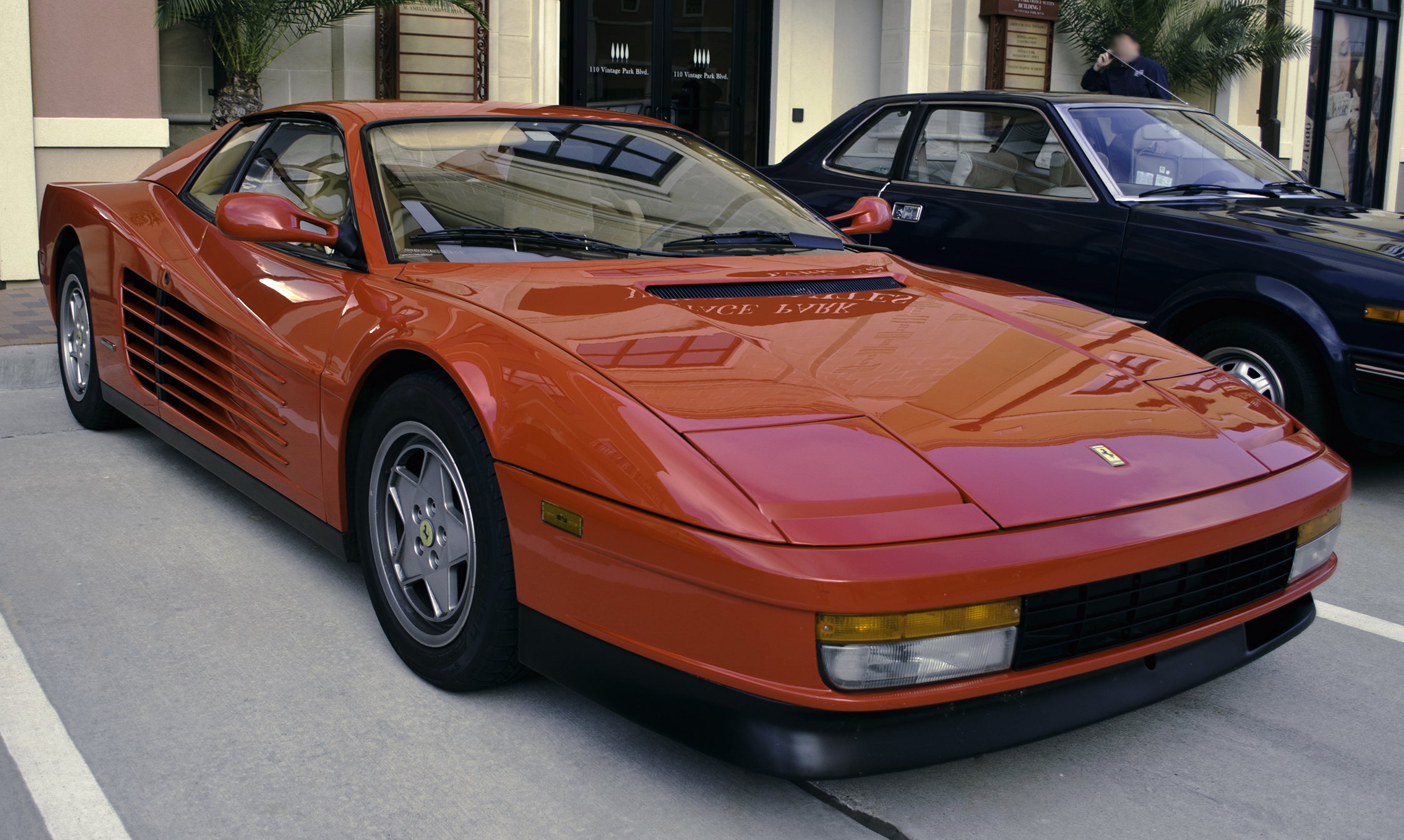
They’re talking about the Ferrari Testarossa, a supercar that became really famous because it showed up in the TV show Miami Vice. It’s known for a very recognizable look from that era.
The Porsche 959 is a very rare, very fast sports car made by Porsche. It’s known for being technologically advanced for its time. The podcast mentions it because it was something the person admired enough to have pictured on a wall.
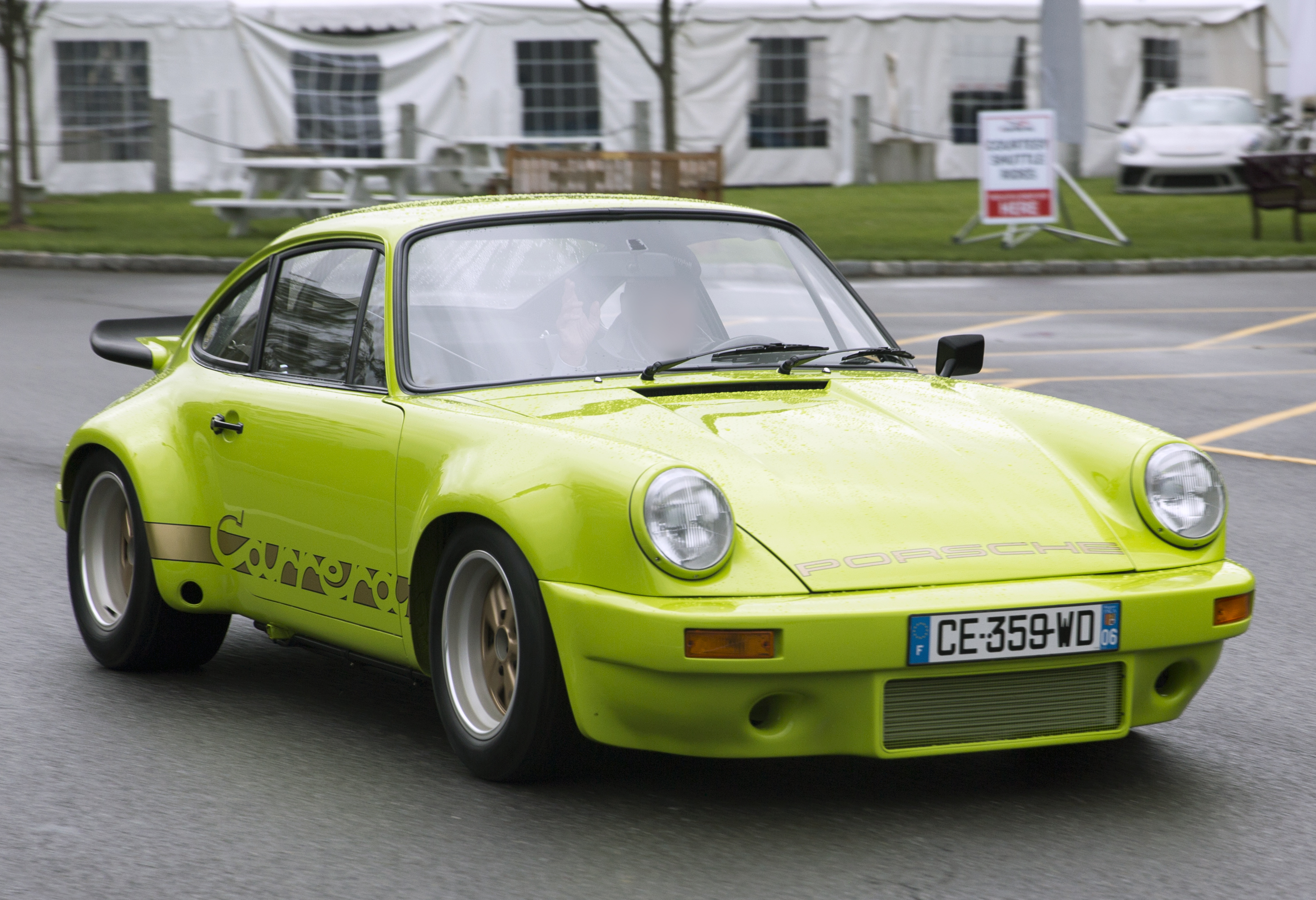
The Porsche Carrera RS is a performance version of a Porsche 911. It’s designed to feel more like a race car than a typical everyday car. The podcast brings it up as something that stood out to an eight-year-old through a fun reference.
In this podcast, “Hornet” is mentioned alongside other named cars, like Doc Hudson and Chick X. That means it’s likely a specific car name used in the discussion rather than a detailed description of a real vehicle. The transcript doesn’t give enough information to identify a particular make/model.
The Ford Tempo is a regular Ford sedan that was popular a long time ago. It’s the kind of car people remember because they saw it all the time, not because it was a special sports car.
The Ford Fiesta is a small, everyday car made by Ford. The podcast mentions it in a personal or music-related context, not as a technical comparison. It’s brought up because the speaker connected it to something they heard or wrote.
The Ford F-150 is a large pickup truck made by Ford. People buy it for hauling, towing, and everyday driving. The podcast mentions it because it’s a very common, long-running truck model.
The Ford F-150 Lightning is an electric pickup truck. It’s based on the F-150, but instead of gasoline, it uses electricity. The podcast mentions it as a recognizable “Lightning” truck name in their conversation.
Third gear is one of the steps in the car’s manual (or gear-based) transmission. The way it sounds can change depending on how the engine is working and how the car is loaded.
An 8-track is an old-school way of playing music in a car using a tape cartridge. You load it into the player, and it plays through the tape loops automatically.
The Chrysler LeBaron is an older passenger car made by Chrysler. The podcast mentions it because it had an eight-track player, which was a type of music system used in earlier cars. It comes up as part of someone’s childhood car memories.
Vinyl interior refers to upholstery made from vinyl (a plastic material), which was common in older American cars because it was durable and easy to wipe clean. Vinyl can get very hot in direct sun, which is why the speaker notes it would “sear your skin” on a hot day.
Term
chrome built buckle
A “chrome built buckle” is a reference to a shiny, chrome-finished seat-belt buckle or related hardware. In older cars, these parts were often more visually prominent, and the speaker is joking about how it would have been a noticeable “piece” in the cabin.
“Bubbles” is a way people describe the exhaust making popping or gurgling sounds. It usually means the car is sounding more aggressive than normal.
Term
gold bird
“Gold bird” is a nickname for the Trans Am’s bird-themed branding (the car is known for a stylized bird emblem). The mention ties the car’s visual identity—especially the gold accents—to what the speaker considers a standout look.
Term
bleep wagon
“Bleep wagon” is a joking nickname people use for a car. In this context, it’s the speaker being playful about the car’s character.
A “pay phone” is a public phone you use by paying for the call. The story is saying they didn’t have an easy way to contact the person, so they had to use one.
The BMW 2002 is an older BMW model that’s smaller than many modern BMWs. It’s known for being fun to drive and having a classic look. The podcast mentions it because someone was spotted driving one and it stood out.
A Jeep Wrangler is a tough, off-road SUV made for driving on rough ground. Here, it’s the car the dad used to teach the host how to drive in the desert.
That phrase means the Jeep still has the same engine and gearbox it came with from the factory. It’s a good sign because it suggests the car hasn’t needed major replacement parts.
A Porsche 356 is an older Porsche sports car from the 1950s. It’s the kind of car people love because it’s simple and “mechanical,” so learning to drive it with a manual transmission can feel very different from newer cars.
The throw-out bearing is a small part that helps the clutch separate when you press the pedal. If it’s bad, the car can feel harder to shift because the clutch isn’t disengaging smoothly.
In a manual car, the clutch is what lets you switch gears. Pressing the clutch pedal disconnects the engine from the transmission so you can change gears smoothly.
An Audi A4 is a small luxury car made by Audi. This one is a 2001 model, and the key detail here is that it’s a manual, so you have to pay attention to the engine and RPM to drive smoothly.
A “manual” is a car where you shift gears yourself using a clutch. When you’re learning, it’s easy to stall if you don’t match the engine speed to the gear and clutch.
The gauge cluster is the dashboard screen with the car’s important info, like speed and warning lights. Here, it’s used as a substitute for listening to the engine.
The Pontiac Firebird is an older American sports/muscle car. People remember it for its bold styling and driving feel. The podcast mentions it in a personal story about a Firebird owned by the speaker’s dad.
This is a BMW 6 Series from the era when BMWs were known for being fun to drive. The “five speed” means it had a manual transmission, so learning to drive it teaches you how to shift gears.
“Five speed” means the car has a manual gearbox with five gears you shift yourself. It’s a common setup on older performance and enthusiast cars.
Term
manual six series
“Manual” means you shift gears yourself using a clutch pedal. “Six series” is BMW’s model line, and in this story it’s the car the dad wanted the speaker to learn on.
The Ford Probe is a sporty Ford coupe. It’s known for having pop-up headlights, including a red version mentioned in the podcast. The podcast brings it up because it was someone’s first car.
A Porsche 912 is an older Porsche sports car from the classic era. It’s basically a “smaller-engine” Porsche that still drives like a real Porsche—light, fun, and very recognizable.
Restoring a car means fixing it up so it’s in really good shape again. People might clean it, repair broken parts, and sometimes rebuild the important mechanical stuff.
This is a classic BMW 6-Series coupe. It’s known for being a comfortable “grand tourer” car, and the “CSI” badge means it was a more performance-oriented version for its time.
The BMW E36 is the 3-Series generation from the 1990s, and it’s famous for being a driver-focused platform with lots of enthusiast support. In this story it’s specifically described as a five-speed manual and finished in Dakar Yellow, which helps identify the exact look and feel the speaker remembers.
Color shift paint is a paint that can look like a different color when you change your viewing angle or lighting. It’s usually made with special sparkly pigments so the color “moves.”
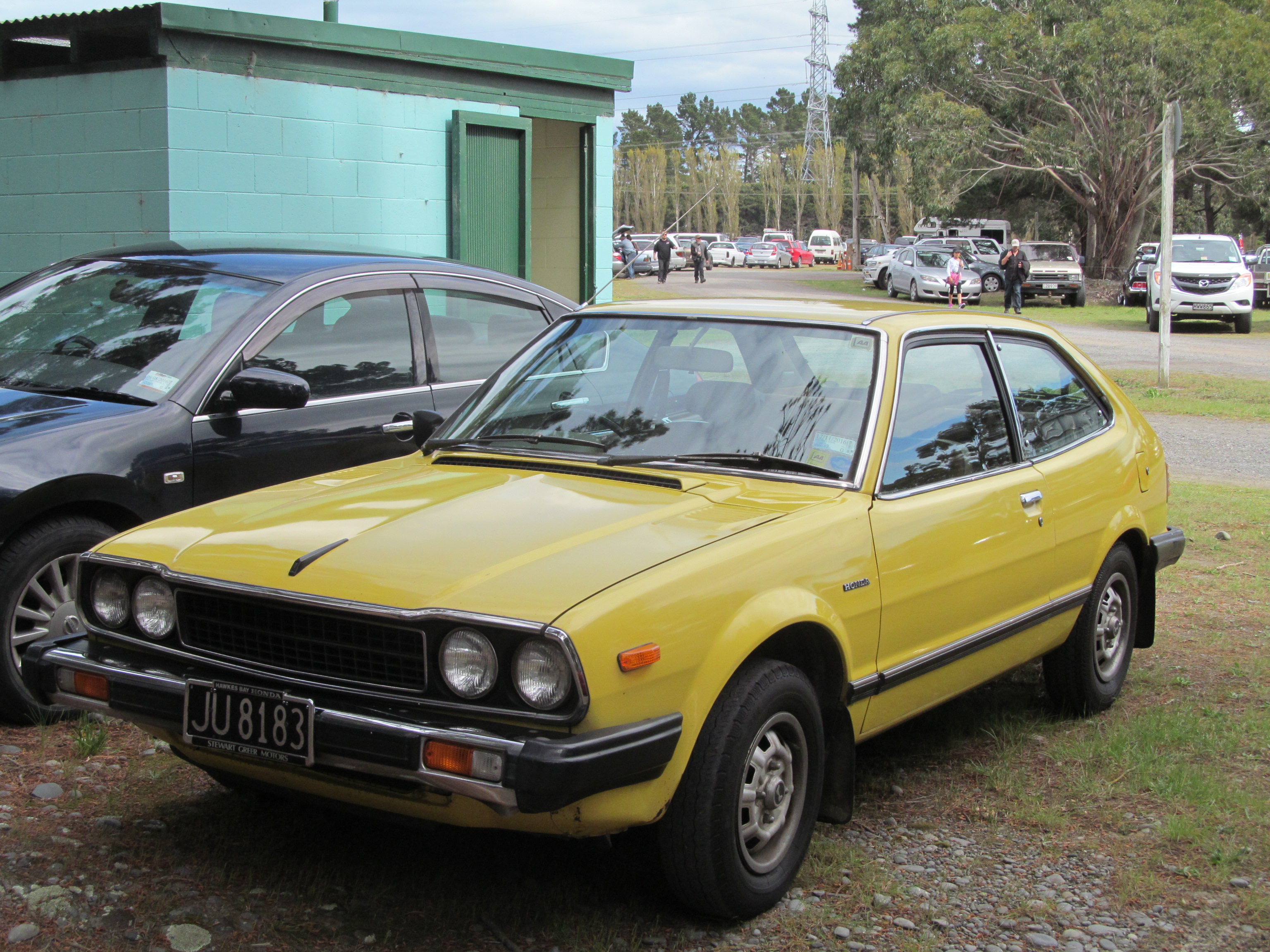
The Honda Accord is a very common Honda car. It’s the kind of everyday car lots of people recognize, and here it’s just part of the neighborhood parking-lot lineup.
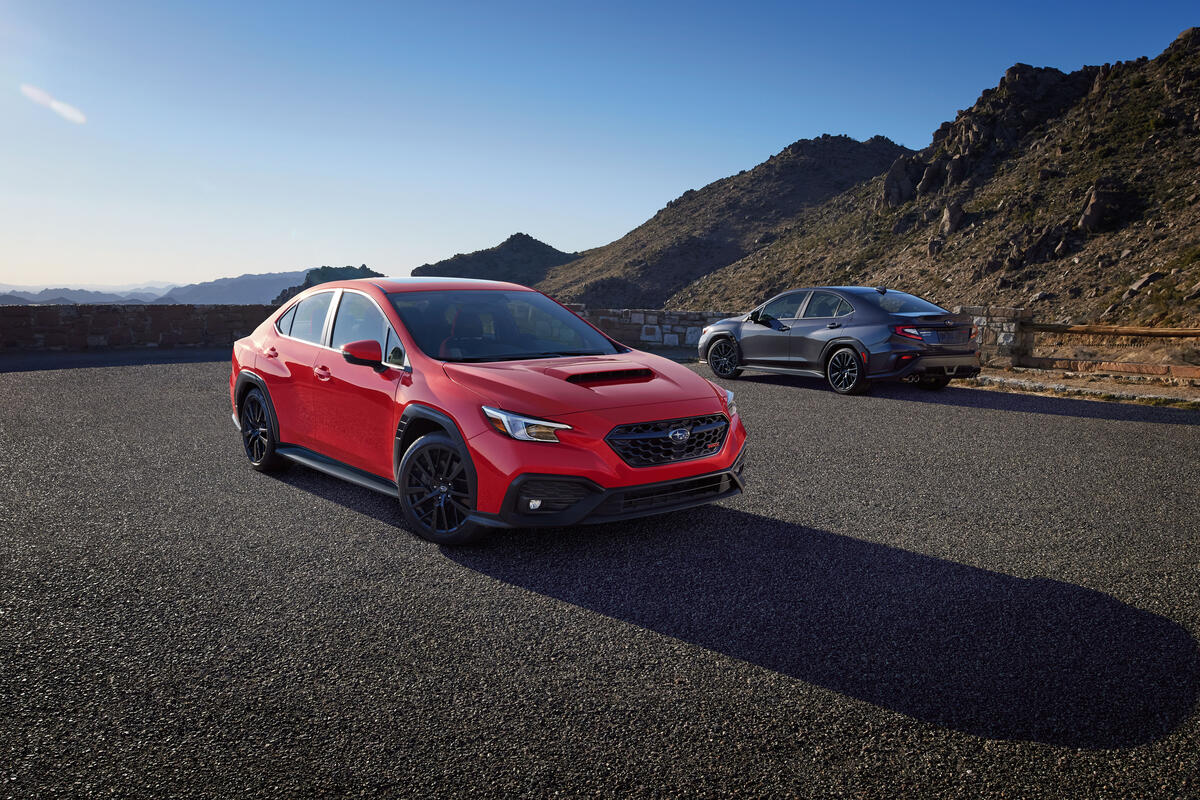
A Subaru WRX wagon is a Subaru that’s meant to be quick and fun, but shaped like a wagon instead of a sedan. In the story, they’re talking about how hard it is to drive without breaking the transmission.
The Volkswagen Rabbit is a small car made by Volkswagen. In the podcast, someone remembers a white Rabbit with a white look. The mention is about the car’s appearance and a specific memory.
“Bay windows” describes a later style of VW van where part of the side window area sticks out like a little bay. It’s another way people tell different generations apart.
“Window buses” is just a nickname for classic VW vans, focusing on how much glass they have. People use it especially when discussing the older styles.
Car
1944 Ford GPW
A 1944 Ford GPW is a WWII-era Jeep made by Ford. It was built for military use, so it’s a very basic, tough vehicle. The hosts are basically saying it’s an old-school classic that still exists today.
“Willie’s Jeep” is a nickname referring to the WWII Jeep family associated with Willys-Overland. The Ford GPW mentioned right before it is one of the main wartime variants, so the hosts are connecting the nickname to the specific vehicle. It’s essentially shorthand for “Willys/Jeep,” not a separate modern model.
Unidirectional tires are tires that are meant to spin one way only. The tread pattern is designed to work best in that direction, often helping with traction and pushing water away. The host is pointing out that this old Jeep has that kind of tire design.
A wheel bearing is what lets your wheel spin smoothly. If it wears out, the car can start making noise or feel rough when driving. In the story, they’re saying the Jeep still needs one to be road-ready.
Concept
American culture
They’re talking about a general vibe in the U.S., not a specific car or part. The point is that American car culture often celebrates bold driving and car stunts.
Term
slide things up
They’re describing a stunt-like driving style where the tires don’t grip normally. The car can move sideways or lose traction on purpose, and they’re using it as a shorthand for that kind of driving.
Ferrari is a famous Italian car brand that makes high-end sports cars. Here, they’re talking about a scary experience involving a Ferrari and how it ties into their personal car memories.
This is a Toyota 4Runner, a tough SUV built to handle rough roads and last a long time. “SR5” is a trim level, and “four wheel drive” means it can send power to all four wheels for better traction.
A 14-inch wheel means a smaller wheel diameter than a 15-inch wheel. That usually changes the tire’s shape and how it grips and flexes, which can matter when you’re trying something like tipping onto two wheels.
A 15-inch wheel is a bigger wheel than a 14-inch wheel. The tire ends up shaped a bit differently, which can affect grip and stability when the vehicle is leaned or tipped.
The host is referencing vehicle dynamics “physics” to explain why the maneuver happens—specifically how forces shift when the vehicle is tipped. In practice, this relates to stability, load transfer, and how the tires maintain (or lose) grip as the vehicle’s balance changes.
“Two wheels” means the vehicle is only balanced on part of its tires instead of all four. When that happens, it’s much easier to lose control or roll over.
A “fishtail” is when the back of the car starts sliding left and right. It often happens when the tires lose grip, and the driver’s steering makes it worse.
“Airbags” are safety cushions that pop out during a crash to help protect your body. The host is wondering if cars from 1989 had them, since they weren’t in every car at that time.
An airbag is a safety cushion that inflates during a crash. This phrase means the car had airbags for both the driver and the front passenger, not just one seat.
They’re talking about the Porsche 911. The point is that the 911 didn’t have a passenger airbag as standard until later, compared with the earlier example they mentioned.
A “car phone” is an old mobile phone that was built into (or mounted in) a car. Before smartphones, having one was a status symbol and a convenience feature.
The Honda S 2000 is a small two-seat roadster made by Honda. It’s famous for an engine that revs really high and for feeling fun and responsive to drive.
Term
1600 and 32
They’re talking about how many cars were made—“1600 and 32”—for a particular year and color. Fewer cars made usually means it’s harder to find, which can make it more desirable to collectors.
This is a Porsche sports car called the 924, and the “turbo” version uses a turbo to make more power. People remember it because it’s a classic Porsche from the late 1900s that still shows up in enthusiast circles.
Rust is a corrosion problem where iron-based metal oxidizes, often starting at seams, underbody areas, and places where moisture and road salt get trapped. In the context of this segment, the speaker is describing a car that’s been sitting and getting worse over time due to corrosion.
This is another Porsche with a turbo engine: the 944 Turbo. The speaker is saying it’s better than the 924 Turbo, so if you’re choosing between the two, they’d rather have the 944 Turbo.
This is a classic 1949 Chevrolet pickup truck. The host is talking about how cool it looks and feels—like a vintage truck you’d want to own for cruising and nostalgia.
Whitewall tires are tires with a white band on the outside edge of the tire. They’re a vintage look that many people associate with older American cars.
The Porsche 914 is a small sports car with the engine mounted in the middle. People like it because it’s a “real Porsche” style driving experience, but it’s not always considered the most impressive Porsche.
The Shelby Cobra is a classic sports car built for speed and excitement. It’s known for using a V8 engine, and the “289 Cobra” refers to a particular engine size. The podcast brings it up because of that small V8 connection.
The Pontiac GTO is a famous old-school muscle car from Pontiac. The 1965 version is one of the most iconic years, and it’s remembered for having a strong V8 and a very “loud” look/feel.
Carburetors are devices that mix fuel and air for the engine. Having three carburetors usually means the engine can breathe better and respond more sharply, and it also makes the engine look more special.
The Pontiac Aztek is an older crossover vehicle made by Pontiac. The podcast calls it out because it has a very unusual, easy-to-recognize look. It’s mentioned as something that showed up in a garage in the story.
This is a Lexus 350 in the “F Sport” trim. “F Sport” usually means it’s set up to feel a bit more sporty than the base version, and it’s paired with a six-speed automatic transmission.
A six-speed automatic is a car’s automatic transmission with six different gear ratios. It helps the engine pick the right “gear” for speed and driving conditions without you shifting manually.
The Land Rover Defender is a tough off-road SUV that’s known for being built for rough terrain. Here, they’re talking about how they felt about Defenders specifically.
The Range Rover is a luxury SUV made by Land Rover. It’s meant to be comfortable like a high-end car, but it’s also built for rougher roads. The podcast mentions it as a vehicle that came up in someone’s story.
This is a Porsche from the 944/968 family. The 968 is a classic older Porsche with a traditional driving feel, and people like it because it’s a real Porsche but not as expensive as some other classics.
They’re just saying the brother has a Tesla as the practical, modern choice. The clip doesn’t specify the model, but it’s being contrasted with more “car-enthusiast” picks.
Goodwood is a famous motorsports venue in the UK. When someone says a car is “driving around Goodwood,” it usually means it’s at a big car event where real cars run on track.
Place
Auburn Museum
The Auburn Museum is mentioned as a place the speaker visited to see cars. The clip doesn’t specify which Auburn (city/state) or the museum’s full name, so the annotation is limited to the idea of a car museum visit.
A 2005 Ford Mustang is a real Ford sports car from the mid-2000s. Here, someone used one as the starting point to build a Lightning McQueen look-alike.
Car
Lightning McQueen
Lightning McQueen is a famous fictional race car from the movie Cars. The segment is basically talking about whether you’d want a character car like that in real life.
Car
Aston from James Bond Goldfinger
They mean the Aston Martin Bond car from the movie Goldfinger. Aston Martin is the brand most people associate with James Bond’s cars.
Lotus is a car brand known for making lightweight, handling-focused sports cars. Here, the host is just saying they’d rather have a Lotus than Lightning McQueen or the Bond car.
The Chevrolet Camaro is a sports car made by Chevrolet. The RS is a trim level that typically adds sportier features. The podcast mentions a blue Camaro RS as a specific example of a performance car.
LIVE
Welcome to Best in Class, the podcast where we talk about the best versions of the best
cars.
Thank you for joining me, Steve.
I'm like two best friends in the auto world, Andrew and Veronica.
How's it going?
Pretty good.
Yeah.
I haven't seen you guys for a minute.
I know.
Yeah.
Do you have your weekend?
Why are you so distant?
Just how I am.
I mean, I almost talked this out of meeting up for this one.
Yeah, that's true.
I just wanted to do a Zoom.
It's hot.
It's hot.
Up to you, listeners.
It's a bit hot.
It is hot.
And we are in person today.
Where are we, Andrew?
We are in beautiful Thousand Oaks, California.
Yeah.
We had a demand motor sports.
Just service the Land Rover.
That's right.
We did an awesome job.
Yeah.
So, yeah.
Well, we got a pretty exciting topic today.
Yeah, we do.
We do.
This is my topic.
Veronica is leading the way.
This is my topic.
For episode 159, we were doing automotive nostalgia.
Automotive nostalgia.
I want to have us take us back in time to the who, the what, the when, the where of your
automotive love affair, your lived experiences, your core memories, your tactile impressions.
That's what we're going to talk about today.
And for me, growing up in LA, car culture is and was a part of my daily life.
So if it wasn't in the city, it didn't happen because you had to have a car, right?
Because LA is not a place where you take the bus.
At least it wasn't back in the day.
Are we all LA kids?
Well, well.
I was going to tell you.
LA County.
I was in LA County.
Yeah.
Yeah.
So, yeah.
Pondville is a good example.
You can't even walk to the grocery store.
I mean, in Pondville, you'd die of heat stroke halfway there.
Right.
I mean, we're a car city.
So, for example, I mean, I'm going to give you a few.
Are you reading?
Are you reading no cards?
You know what, Steve?
Okay.
No.
We've got all, we've all have our own processes.
No, no, no.
I just, I just.
And I don't need to be judged by you.
Okay.
I like your handwriting.
Keep your eyes over there.
Okay.
For the listeners, they are pink.
No, no cards.
I start with pink and then I move into green because green is the color of money.
Is green calmer as we get to that one?
It is.
It makes me feel more Namaste, which by the way, Andrew, I'd love to talk to you about
the Namaste Spice Land across the way here, but we'll do that online.
Okay.
Yeah.
Okay.
Those are cool people over there.
Shout out to them.
Hell yeah.
Okay.
So, Andrew, you're too young to know this, but Steve, you remember back in the day,
the poster of Angeline on Sunset Boulevard?
Sure.
Sure.
This is L.A.
Lore.
If you're not from L.A., then look up Angeline.
There's been many documentaries done on her.
And I would argue she was the OG influencer, wouldn't you say?
She had a poster, nobody knew who she was.
She was very elusive.
She didn't really do anything.
You saw a pink Corvette?
Yes.
That's right.
She's in the valley.
The cars have changed.
No, but that's not true.
She's always had a pink Corvette.
I saw her last week.
Okay.
Yes, we're just here.
Driving on the 101 freeway.
Fantastic.
And I was just like, Angeline, pink Corvette, I ought to know what that is.
That seems like somebody.
And here we are talking about it.
Oh, wow, that's cool.
There you go.
You've seen the L.A. Lore.
And it was the C7.
You made his week.
Yeah, the C7 in all these photos, I'll look at.
There you go.
How about that?
So she used to cruise Sunset Boulevard and she would pull over on the side of the road
in front of the Roxy or Viper Room, whatever.
You could stop and take photos with her.
Did you have your photo with her ever?
I never took a photo with her because I thought, what am I going to do with this photo?
But I would slow down and chat with her because that's what we did on the weekends.
We would cruise Sunset Boulevard.
Is that a concern though, like taking a photo?
You're like, what am I going to do with this later?
Yeah, I don't know.
It just felt like silly to do.
Yeah, okay.
Now, did I ever ask her for a signed headshot?
I bet I did.
And who knows where that is today?
Certainly not.
Not on the wall.
No, I wish.
It's too bad.
I really would have liked to have covered that for the rest of my life.
Was that in the fires?
Was that lost?
Maybe.
Those were your fires, no.
Those were lost just in life.
Okay.
Just in life.
Another L.A. kind of moment for me and maybe Steve and Andrew.
Well, no, Andrew, you didn't have this experience.
Maybe you did, Steve.
It was a lot of pressure.
A great writer, kit car at Universal Studios.
Oh, Hasselhoff.
I have a story for that.
Oh, give it to me.
I sat in the car.
Hello, we all did.
And I told it a joke and it didn't get it.
I just said, I don't understand.
Well, obviously it's a person.
Right, the 22-year-old guy in the booth was like, what are you talking about?
Yeah, yeah.
How old were you?
Were this like a couple years ago?
Yeah, it was last week.
No, I remember.
I can remember it because they had the car.
Yep.
And it was surrounded by water.
That's right.
It sat in the center.
Yep.
That's crazy.
My parents loved to bring up that story a lot.
You had to give your name prior because you would go inside, you'd sit in the car and
it would say, hello, Steve, but however it spoke.
No, it was a person.
It wasn't.
It was.
But it was the voice of the kit car.
Sure, it was the voice of kit.
Yeah, but it was a person.
Yeah.
Okay, so Andrew, you missed that.
That was from 1983.
Wow, I haven't talked about that in a while.
That's great.
What year was that?
1983 to 1995.
Okay.
Yeah.
And then the 80s for me, I was, I don't think I was 10.
I was definitely under 10.
I mean, I don't know how old you are.
Okay.
Okay, fine.
All right.
And then, you know, once again, for me, I'm, I'm a child of, you know, I'm a hip hop
head and a rap lover.
So low rider culture for me has always been very, very important.
Sunset Boulevard, this is like back in the day where you could cruise that got abolished
when I was probably in like, you know, the late 90s, early 2000s, but thinking about
the cars that you'd usually see were like the Impala's with Hydros, Mercedes Benz,
500 SLs were very, very hot.
They made it illegal to cruise?
Yes, they did make it illegal to cruise.
They would keep track of how like how many laps you do.
How about that?
Yeah.
Lame.
Yeah.
Totally.
No style, no class, no fun.
Sunset Boulevard back in the day was a good time.
Anyway, so that's, that's just to kind of wet the palate.
So before we get into the meat.
Okay.
I'd love for the two of you to describe your childhood bedroom for us.
Like, like your posters.
That wasn't the question, but.
Yeah.
No, I'm throwing something at you.
Yeah, okay, okay.
The posters on the wall, knickknacks, toys, collectibles.
Knickknacks.
Yeah.
Okay.
Did you have car bedsheets like the Mary Mecko?
Do you remember that Mary Mecko sheets?
No.
I'm going to show you a photo of that.
I bet you, I bet you probably did.
You're going to show me a picture of your childhood bedsheets.
Yeah.
Okay.
I'll show them to you.
Okay.
We're adults now.
Yeah.
It's acceptable.
Sure.
Favorite cartoon.
You know, give me your, paint the picture of little Steve's bedroom and little Andrew's
bedroom.
Are you going to go first or are you going to last?
No.
I'm not going at all.
She's not even going.
Oh, okay.
Okay.
We're not going to learn about your nostalgia.
We will, we'll get there.
Oh, okay.
Guess what?
I'm driving this one.
Okay.
No, I'm just asking.
I'm just, because yours wasn't in there.
So I'm just saying, I think the audience is going to want to know.
They're going to get there.
Okay.
Am I going first?
Sure.
Okay.
For me, you're not going to remember this, Andrew.
There's a thing called the Book Fair.
Oh.
Oh, books.
Tell me more about that.
I know the Book Fair very well.
Yeah.
I got posters from the Book Fair right over there.
So I would save my money, my allowance, and I was supposed to go buy books.
However, each time there would be a picture of a car poster and I would get them all.
I had an entire wall of my room that was just car posters.
I had the white and white Lamborghini Countach.
The best car ever.
I had the Miami Vice Testerosa.
Is that white?
Yeah.
Yeah, yeah.
I had the, what else is up there?
Every poster, I had the, my brother turned out to be a doctor.
Maybe this explains why.
I had that one that said justification for higher education.
Oh, yeah.
With the garage and all the cars in there.
He had that one.
What else did I have?
But they're all cars and they're all entire.
So far as what you told us, they were also all white, which is currently your current
statement.
Yeah, yeah, that's true.
I had the Magnum Ferrari.
I had the red one.
I had that up there.
I had, what, I mean, just about, just about every car poster.
And how old is young Steve?
We're looking at probably under third grade.
Okay.
So what is that?
I don't know.
Six.
Kids.
Sure.
I don't know.
Seven.
Eight.
Yeah.
Yeah.
Because I remember going to that and being like, okay, I'm going to buy these posters.
And the posters were like a dollar.
Yeah.
A dollar fifty or something like that.
That's pretty, pretty rad.
I think they were 1599 by, by that time.
Yeah, yeah.
Of course.
I had a couple posters.
I had, because my parents are English, I grew up on Corgi diecast.
Look it up if you're curious.
Corgi.
Famous.
Corgi as in the dog.
The name of the company.
The name of the company they make diecast models.
Oh, wow.
Okay.
So we had all the James Bond toys.
Had the S Martin with the little guns and the.
And these were made of metal back then.
Metal.
Back in the day.
Yeah.
Yeah.
Like a little bigger than a hot wheel, a little more detailed than a hot wheel.
Cool.
And the hood and door.
Yeah, yeah.
Yeah.
Do you still have any?
I think my brother has them.
Okay.
Maybe.
That's pretty, pretty rad.
Yeah.
And it just takes a banker's box and somebody's closet, you know what I mean?
They'll just live there.
Yeah.
So.
A banker's box.
Yeah.
At least that's where mine lived.
That's what you do here in Palmdale.
Yeah.
All right.
Yeah.
What else did I have other, other automotive related?
Oh, I had, because I went to the car show with my dad.
So I always had bags of car brochures and all those.
Every car you could think of.
Wow.
And then the transformers, the Autobots.
Yes.
So I had our cars.
Of course.
Well, which one was your favorite?
I would have to say the one that turned into the Formula One car.
I think.
I mean, who knows?
I don't know.
I think.
Mirage was okay, but it turned into a Porsche.
So it was like, yeah.
But there was, there was one that was a 308, but he wasn't in the cartoons.
Oh, okay.
I found out later.
Okay.
Yeah.
Did you ever carry a toy with you as a child?
No, I had friends.
Like a car tow, oh, okay.
It wasn't weird though.
Yeah.
What about, did you ever want to be like a truck driver or a.
Race car driver.
Trash man?
Yeah.
Okay.
I was hoping you were going to say trash man, but.
No.
My brother was heavily into all the construction.
Mm.
Trucks.
Yep.
Love the diggers.
Mm-hmm.
All that kind of stuff.
They're fascinating.
I wanted race cars.
Okay.
Yeah.
All right.
What about you, Andrew?
Design a visual of your childhood bedroom for us as it, as it pertains to automotive.
As it pertains to automotive stuff.
Well, I had a 959 on the wall, a side profile, silver 959, like a purple background.
Ooh.
That really cool shot.
And I don't know, I'm thinking about my room growing up.
I had airplane sheets.
Of course you did.
And they had like a face on them.
It wasn't like, you know, JJ the jet plane.
I can't say that I do.
I know Thomas the Tank Engine.
JJ the jet plane is the cooler version.
The airboard version.
The airboard version.
But they weren't like that, but you know, something similar to that for bed sheets.
Gosh, what else was there?
Well, I had a flight simulator playing as a kid.
That shows you how cool I was.
You had a flight simulator.
Oh, I was playing flight simulator 2004, like the day it came out.
Wow.
Until flight simulator X.
What platform was that on?
Windows XP actually.
Service pack 2.
Yeah.
Okay.
Nice.
32-bit, not 64.
Wow.
Did you have any car video games?
Oh, car.
I played a lot of the Need for Speed growing up.
You know that Need for Speed portion unleashed?
Yeah.
That was a lot of, I like Underground 2 a lot more than that.
And then I got to say, you know, my childhood, you know, a little younger, but cars, Disney's
cars came out in 2006.
Yeah.
I was eight years old.
Oh.
And it's just like target audience.
Am I right?
Like that came out and I mean, I just, I was eating it up.
Wow.
And it's just like, you know, they had Sally Carrera Porsche, whoo, you know, for an eight-year-old.
It's crazy.
Was that one red?
Oh, it was the Blue Metallic.
Oh, Blue Metallic.
I've never seen cars.
You've never seen cars?
Somebody give me a defibrillator.
Yeah.
Okay, so no road trips.
Yeah.
You don't drive your Countach.
I haven't seen the movie cars.
That's right.
Cars is really good.
You got Doc Hudson, you got Chick X.
What's that?
Chick X?
Chick X is the villain.
Is the villain.
Yeah.
Yeah, it's the antagonist on the movie.
Okay.
Yeah.
Well, I mean, I told Steve this earlier, I did see Ronan finally.
Oh.
It's a good movie.
Yeah.
Great movie, great car chase.
I mean, I don't know if it's a great movie from a movie perspective, but it's a great
car chase.
Yeah.
Yeah.
Okay.
So, what about you, Andrew?
Did you have any, what was your favorite cartoon?
I gotta say, I'm a Calvin and Hobbes fanatic.
Oh, okay.
No cars in that one, though.
No cars in that one.
No cartoons?
No cartoons?
You remember his dad's car?
Yeah.
No cartoons?
I can't think of any.
Calvin and Hobbes, I just kind of locked in.
Will you give me a name off some more?
Doonesbury?
I wasn't watching, you know.
I know, but you weren't watching cartoons.
You weren't watching any television cartoons.
Yeah, it's on a screen.
Right.
See.
Was that not allowed?
Well, I asked my friends, like, you know, what were you guys doing as a kid?
And then like, I was just watching dogfights on History Channel.
Dogfights?
Oh, the plane.
World War II dogfights.
Oh, not Michael Vick.
Yeah.
I was like, man, like Lancaster.
Not Veronica Perk up there.
Sugar's like, what?
What are you doing?
D'am, I'll put down some money.
Love me a good little boy.
I don't know what my dad was doing to me, but he's just, he just put on the History Channel
and then watch that and stuff.
That explains a lot.
That explains a lot.
It does explain a lot, doesn't it?
Okay.
Okay.
No cartoons.
What about first, I'm sorry, I'm jumping in.
I'm sorry, Steve.
Sorry, I was just curious.
I got excited.
Go ahead.
No, no, no.
Listen, he can't take the fury.
Okay, okay.
No.
What about, did you ever carry a toy with you around as a child?
Do you remember that?
You know, most little boys do that.
I can't.
I mean, I remember launching Hot Wheels down the quad, like, you know, in front of all
the classrooms in like third, fourth grade.
Yeah.
We had like, it was concrete and then asphalt.
So the concrete was very slick and there was a little bit of an incline to it.
So we'd spend all recess launching our Hot Wheels as far in the, you know, wherever we
got the furthest one.
I don't know what we won, but something, sure.
You know, that actually brings a memory back for me that I did not even remember, which
was, was it Hot Wheels, the ones that, was that it that had like that huge, like ramp,
like it was orange?
Yeah.
Hot Wheels.
Is that Hot Wheels?
Okay.
So I remember with, with some of my friends on the street that I lived on that we would
take that and we would build it like into the dirt as well and like the landscape of
someone's yard and just make crazy kind of tracks.
Tracks, yeah.
So much fun.
What do you think about, like, I really, we've thought about making a track around the corners
of my shop.
Oh.
So if you just kind of put Hot Wheels track like up in the rafters, it'd be like, do
these guys work here?
How would we get up there to push the cars?
In the loft.
You'd start in the loft.
Oh, in the loft.
Yeah, go upstairs.
The stabbing cabin, I think.
Yeah, yeah.
I call it my poster wall.
I call it my poster wall.
All right, well, moving right along.
Well, then let's get, shall we get into it?
You're leading the way.
Let's do this.
Let's do this.
So the first, sorry, did you want to ask me any questions, Steve?
Are we allowed to?
You're allowed to ask me a question, sure.
But it can't be one of the actual questions.
Oh, OK.
I'll ask you what, like, what's your first media car memory?
Oh, well, it's kind of leading into this one, isn't it?
But that's OK.
Well, tell me, OK, what's your childhood wall?
My childhood wall.
My childhood walls were filled with stuffed toys, to be quite honest.
I had a ton of stuffed toys.
I didn't have any car posters that I can remember, but I do remember having
like, similarly to you, going to the car shows, I had like that kind of three
folder. What's it called?
Binder.
Not a binder, but like a fold out of like a coontosh.
Yeah.
And I found it to be the most gorgeous car I'd ever seen
because it just didn't look like a car.
It looked like I would love that one of those and I drive it.
I would love to push one of those around.
Yeah. I mean, gee, what's on the road at this time?
Ford Tempo. Exactly.
Yeah.
Who talks is amazing.
It was just it was a specimen, as they say.
But yeah, no, I played with a lot of toys, He-Man,
a lot of She-Ra, but definitely a lot of Hot Wheels, for sure.
You guys play with any Legos?
Yeah, like that was my whole childhood.
Legos.
Like I had a whole bookshelf with a custom Ferrari like pit in it
and I had like tracks and everything.
And I just used Ferrari kits to build my own cars.
Did they have those kinds, though, when we were kids?
Marketed. We had we had Technic.
Yeah. Yeah.
Technic like the like the DJ.
No, that's just a more it's like an advanced version of Legos
where you actually build the car and the engine works.
They're steering. Are you serious?
Yeah, I had a brain.
I have a Lego Technic RC car.
Yeah.
And it's a remote controlled Lego car.
It's amazing. And I can control with my phone.
Yeah, doesn't even have a real controller.
Wow.
Blowing my mind.
That recent which worries me if it controls your phone.
Yeah, this is like three years ago.
OK, OK.
Yeah, not not your childhood.
Yeah. OK. All right. OK.
Well, this is a good segue for us to just get in get into it.
So the marketing hook.
Oh, let's talk about your
what are what are some of the specific kind of like ridiculous
car commercials, jingle slogans, dealership ads from your childhood
that you can remember?
I mean, for me, I'm going to give you my three
and I'm not going to sing these even though I really want to.
But like these three jingles are the jingles of LA
that you would hear on the radio.
The Worthington Chevy go see Cal from the 80s, which I think we all thought
he was saying Pussy Cow.
Right. I mean, that's what we all thought he was saying.
Yeah, yeah, yeah, yeah.
With his dog spot that was actually a seal in the commercial.
Or a llama. And he had all those animals.
Yeah, I believe it. Yeah.
Yeah, yeah. A tiger. Yeah. Yeah.
May he rest.
The Galpin Ford, which the both of you are familiar with Galpin.
Sadly, yeah. Yeah.
On Power 106, you'd hear the song Get It at Galpin Fiesta or Focus.
I wrote some of those. No, you did not.
Yeah. Well, Reeth, not the ones that you.
Not the OG ones. Yeah. Yeah.
Man, what was the version that you wrote?
The same. They never changed. Oh, yeah. OK.
F-150.
It would it would maybe change the deal, whatever.
OK. Yeah. All right.
But it was always.
I was wondering if Galpin had radio ads.
Yeah, I never heard. I had never heard one.
Yeah. So I just.
For a big Google.
Google. Yeah.
Very famous.
Has a very good relationship with K Rock.
Oh, very cool.
And he used to know lightning and all those people.
Yeah. Yeah.
I listened to Power 106 back in the day.
So, you know, big boy.
I think, yeah.
And then the Cerritos Auto Square, which was what?
What did I say? The.
The the ones the 60 to the to South Street,
I think that that was the part of the jingle.
In any case, I wish jingles were still around.
OK. Yeah, they are.
They are not as much.
Not as not iconic as these, I would say.
No. What about you, Steve?
Similar. Right.
I remember the animal one.
I remember go see cowl, go see cowl.
I remember what was the one that was with the bouncing dot?
Oh, yes. Down in Southgate.
Oh, good question. Yeah. Yeah.
I don't recall, but that's that's a good one.
Yeah. That's a good one.
So those are like dealer ones, as far as like slogans.
I remember Joe Zuzu.
I remember Joe Zuzu. No.
Where he would just lie the entire time.
I just love that commercial where he'd be like,
yeah, these cars are handmade, all one of a kind.
And and like and they do it in parentheses.
The bomb, you like Joe's lying.
And it's like, I'm Joe Zuzu.
And it was the best. Oh, I got to look that up.
Joe Zuzu is amazing.
Who else would do great car advertising
than I remember?
That's probably the only one that jumps into my mind.
OK. I can't.
I mean, there was nothing for anything exotic.
Yeah. There was no Porsche ads.
No, no, no, no, no.
There's no no no.
I don't remember any of that.
No, by the way, I'm just mentioning jingles,
but like you could certainly go to commercials, if you like.
Yeah, those are the ones I mean, that's the like ones I can remember.
Yeah. Like there isn't anything else
unless I use the I got a machine.
Oh, yeah, go.
Oh, I really want to sing it.
Sing it, Andrew.
Get those pipes ready to go.
Keys, keys, keys.
Oh, yeah. Yeah, yeah, yeah.
Come on. That was my old childhood.
Sure. Yeah. Yeah.
And then I got to say I did look up some non-car related ones
and they really brought me back.
But it's like, you know, that Larry Miller, sit and sleep guy.
Yes, of course.
Like since we will be any advertised price or your mattress is free.
Like, oh, my God, please turn it off.
And then I got to say shout out to my dad.
I don't know how you guys feel about talk radio.
You know, like KFI AM640, more stimulating talk radio.
Can't say I know it.
Or traffic and weather together on the five.
Can't extend 70.
No, these are just based on what you're listening to in the car.
That's yeah.
OK, OK, OK.
Little different.
OK, OK.
Just what I remember from my childhood in a car.
Yeah, that's that that works.
That's automotive nostalgia.
Yeah. All right.
I remember.
What was it?
What a feeling.
What a feeling.
Oh, what a feeling.
That was their jingle.
Oh, and let's go.
Let's go places.
Well, that's that's a newer way.
I guess know.
I worked on that.
I worked on Let's Go Places.
OK, summer down now.
Yeah, no, along with a hundred other people in a room.
So, yeah.
Again, not special.
Yeah, no, no, nothing.
But no, those are those are probably the.
Yeah, I'm sure there's a ton of other jingles
and obviously they're not in my head.
But the ones that just like you.
Immediately, but yeah, that you immediately go to.
Yeah, let's talk about sensory nostalgia.
Like what are some specific automotive like smells, sounds,
tactical details of of, you know, things that you remember,
whether that was like getting into a car
and what the smell was or the way something kind of sounded.
The door closing.
Andrew.
So I got to say, my childhood growing up with the old cars,
we had an attached garage, so it wasn't, you know,
separate from the house or anything.
So every time we'd go for a drive on a Sunday,
it would smell the whole house up and my mom would be pissed.
Oh, it just smells like the Porsches, you know.
But now looking back, that's like really nostalgic smell for me.
So whenever you know, you pull the car in after a long drive or something,
and it just kind of smells like gas and whatever the old car smell like.
That's pretty nostalgic. Yeah. Yeah.
The other one I have here is my dad would take me in the 356
and there's a distinct wine that third gear makes in that car.
And it's like just the smallest wine.
But it means a lot to me every time I shift into third gear.
I'm like, I'm never rebuilding this transmission.
So it always it will always sound like this.
I love that.
Did we skip over?
Yeah, we're jumping around. OK, OK.
Is that going to be OK? No, no, no, no.
Did we are we already skipped over TV?
Or is that in the last question?
Oh, TV. Did you want to get into?
No, you can get into. Well, yeah, no, no.
That's later on. Yeah, it might be later on.
OK, OK. You'll have a chance to circle back. OK.
All right. Yeah.
What are we doing? Smells? That's right. OK.
Sensory, not necessarily just a couple of things.
Yeah. One is if you ever used an eight
track, I have not. OK.
I'm not. So I have the Chrysler LeBaron
that transported my childhood had an eight track.
Whoa. And all we had was the Beatles eight tracks.
So that like clicking that in is a thing.
Also, my dad drove the Smoky the Man in Trans Am.
That's cool. But it was white.
It had the gold eagle or screaming chicken on the hood.
Yeah. And it was red vinyl interior.
Whoa. On a hot day.
You'd sit in that.
Hmm. Hmm.
And it would sear your skin.
Yeah. Well, I mean, like, did it also have a chrome built buckle?
Yeah. That would be a piece.
Oh, your shirt rides up just a little bit of your hip.
And I just. Oh, wow.
Yeah, I got my Transformers T-shirt on and then.
Yeah, not good, not good.
Is it is it possible that the reason that you love a white car is due to this vehicle?
No, no. I was going to say just another really cool white car that you did grow up with.
So those are the two cars.
What else do they have for smells?
That's probably the things I can think of instantly.
Yeah. But the Chrysler LeBaron Town and Country wagon.
Uh huh. Had velour seats.
Very, very nice.
Wow. Very soft.
And my brother and I would be put in the cage.
Is what my mom called it.
That's the back. Yeah.
Which is the back that had the window looked out there.
And so we would just fight each other in the back and we'd stay back there.
Seat belts, no seat belts. No seat belts. Yeah.
Yeah. Facing each other or facing.
There was no seats. It was just like an area.
Oh, that one didn't have seats. OK. Yeah.
There was we had rows of seats, but the cage was open. Yeah. Yeah.
Yeah. Where the luggage goes. Yeah. Yeah.
A.K.A. The children. Yeah.
So those are probably the and then, yeah, as far as other sounds or smell,
I mean, the the the transam and it started up with a V8.
So like it there was a lot.
Yeah, it bubbles.
How long do you own that thing for?
Tillie Tillie died. Wow, that's cool.
Oh, you buy it new. Yeah. What a legend.
Oh, yeah. Oh, my God.
Do we not track this car down right now? Yeah.
I've wanted to in the past and because it was just pristine.
I think you and your brother ought to go have these.
Yeah. Yeah.
It was it machine.
You would win cars and coffee.
I went to my senior prominent.
Well, and the thing is, it's a white, like that's the best color in those.
Like everybody wants a black or red one, but white.
Yeah. Is a really phenomenal with the gold bird.
Yeah. And the red interior come on.
We call that a bleep wagon.
Yeah. Yeah. Yeah.
So yeah.
I yeah.
Was your was your prom date impressed?
No. You want to know why?
Yes. And very rightly so.
She was not impressed because.
I'd gotten the tuxedo, done all that stuff.
So cute. Got everything sorted.
Went and got the corsage and then proceeded to lock said corsage and keys in the
trans am in the trans. Oh, geez.
Yeah. And also this was pre GPS.
I'd never been to her house before.
So it's Thomas.
Guy Thomas guy was in the back seat.
Yeah. Like not the and also no way to contact this person.
Had to get like a pay phone.
You didn't have her home number.
Yeah. Well, I mean, they had to like get a pay phone.
Like there's no just like, oh, hey, here's what happens.
Sorry.
Um, my friend who I worked at Marshall's with.
Amazing. So cute.
Yeah. So cute.
Happened to be driving by in his 2002 BMW.
Incredible. Wow.
He saw the trans am and me in a tuxedo.
Steve needs help.
Yeah. Hold over.
Because we both worked at Marshall's and we would keep our work shirts in the car
and because we had to go, he had a hanger, was able to fish the door open.
The good old days.
And then I was able to, I was still late by an hour.
I mean, at least like just, yeah, yeah.
So it didn't go as planned as no, no, no.
We're saying, no, yeah.
Okay. Yeah. All right.
Well, you know, her loss.
Yeah. Her loss.
She didn't know how good she had it.
No, no. Even if you were an hour late.
Yeah. The coolest car.
Totally. Yeah.
Man. Mm hmm.
All right. Cool. Yeah.
Not that not that anybody's asking my what mine is.
I didn't know we're trying to answer a question.
You're allowed to ask me anything.
But because I'm leading this one, I'm just going to tell you.
Yeah. For me, it's not a surprise that, you know, it's the scout
because the scout, as you know, was my dad's car.
So my dad would, you know, go outside,
turn the car on, let it sit and warm up, go back in the house,
finish getting ready for the day.
And you just hear the car, you know, V8 just rumbling and warming up.
And, you know, if there was condensation outside,
I would always see the smoke kind of coming out of the back.
And that is to this day, thank God, I still have it.
That's the my my sensory nostalgia memory is that car.
And the fact that it's like a big metal heavy vehicle,
just the sound of like the windows rolling down on the doors closing.
It's just there are things that you kind of take a take for granted today
with with new cars, especially when I hear a Tesla drive by.
I'm like, what's that squeak?
How horrible?
Anyway, the Transam had tea tops.
And fun fact, none of the cars came with tea tops.
They were all done by the dealer.
So the dealer, we get the car and they cut it off for it.
This is like American Center of Corporation.
Did it or something like that?
Yeah, that's cool.
So that came off the line with a tea top.
Is that what you're saying?
No, well, I mean, it came but the dealer would just send it somewhere.
Wow. Yeah. A lost art.
Hmm.
Well, now we're older in our little story.
Oh, and now we're getting our licenses
or almost getting our licenses before we get to our license.
Do you remember what your first drive was when you were
preparing for that test?
What what was your first drive?
If you can remember, what did you drive?
Where were you?
Were you with mom or dad with a
like preparing for my road test?
Not necessarily just your first drive.
You're you're learning.
How about this learning how to drive?
Who taught you what you learn on?
Well, my dad took me out into the desert in the Jeep
and just like drive a Jeep wagon.
Wrangler Wrangler, you know, wagon here had been crashed.
The same one you have now.
The same one I have now. Yeah, it was.
I got it. It was brand.
I still have it. Yeah. Yeah.
I need to see.
It was like brand new back then, but now it's got 200 and 38
thousand miles. Oh my goodness.
Original engine and transmission, not a leak.
Runs great. Wow. The best.
But my dad was just like, you know, figured out.
Because I mean, when you go out in the middle of the desert,
you know, Mojave Desert, it's just vast open expanses.
What am I going to hit?
Was it a manual?
Automatic. OK.
OK.
But then my dad also taught me to drive manual in the middle of nowhere.
There's this place out in Palmdale Avenue, J and 110th Street West.
There's nothing there.
Well, there used to be nothing there now, the solar panels.
But we just went out there in the 356
And like this is a car from 1956
And I've never driven a manual before.
So I'm learning how to drive this car.
And my dad was just like, just be smoother, be smoother.
I'm like, what's going on?
And it's like, I'm to find out that car needs a throw out bearing bad.
But it's just gets driven like that.
So it's just like, I learned how to drive stick on a broken car.
Wow. I don't even know what a throw out burning bearing is.
But can you explain that to me?
Well, it's like it's on the linkage for the the shift shaft.
OK. And it actuates the clutch on and off.
That's what I was going to say.
Yeah, that's something like that.
See, I knew you didn't know.
No, I had no idea. Good.
I'm glad I'm asking questions.
One more thing, I get like so I get to high school.
Yeah. And my buddy, I think his name was Ryan.
He's got an Audi A4 2001.
You're not sure what your buddy's name is?
I was I think it was Ryan's.
A long time ago. I think it was Ryan's car.
But I get into it and it's a manual and I couldn't hear anything.
I couldn't feel anything. Oh.
And I just stalled.
I mean, there was nothing I could do.
I'm like, what's going on?
He's like, dude, look at the gauge cluster.
What are you doing?
And I'm like, I can't hear the engine.
Like, what is this, man? Yes, good.
And he's just like, well, maybe I shouldn't have learned
how to drive on a car that was 60 years old.
No, you should. No, you certainly should have.
Because I think that that's exactly
like you've got to listen to the engine.
I agree with you.
I learned from a more mechanical perspective.
Same. Not an information perspective.
That's right. That's right.
This feels right. That's right.
It doesn't look right.
That's right. It's all about the senses.
Yeah. Yeah.
Steve, what about you?
What was your first drive and what what did you drive?
I learned to drive.
My parents would not get a vehicle with me.
They did not. I'm sorry.
What was to drive?
No, no, they didn't have time for that.
No, I learned to drive at school, high school.
Nice.
Drive was offered. Yeah.
At Driver's Ed. Yeah.
They provided that at your high school.
Yeah. Yeah.
What high school was this, by the way?
Ocean View High School, Huntington Beach.
Whoa, that's cool.
Yeah. All the big room.
You got the screen up front.
Yeah.
And you're all sitting in your little
with your wheel and your dash.
And you're the desktop version, right?
It's like sat on the desk.
It's like a little. Yeah.
Yeah. Yeah.
It looked like you're like an old like old mobile
and the screen or for the classroom.
And of course, we all just gunned it and you'd be like,
car number four, you're going too fast.
Yeah. Yeah.
And so you would have to drive like the like stop, stop sign,
signal, drive, accelerate, get on the freeway,
slow down, park, all this kind of stuff.
And then, oh, check your blind spot,
even though you're just like in a random like room.
Yeah, nationary.
And then they just put you in a car
and you go out on the city streets with the other classmates.
What? Classmates?
Yeah.
There wasn't like an adult in the car with you?
Yeah. Well, there's an adult who is on the side
with controls in the car.
Oh, yeah. Sure. OK.
Yeah. Yeah. And then you were driving.
Right. And then you had your two friends behind you.
In their own car.
In another car is what you're saying.
No. So in the four people in one car.
So we could all died at any time.
Yeah. OK.
And we would go out and drive around town
and learn how to drive.
And that's how we learned. Wow. Yeah. Wow.
Yeah. Yeah. That's crazy.
Did you pass your test in the first try?
Mm hmm. You?
Third. Third. Second. Nice.
Yeah. Wait.
Sorry. Did you take yours on a manual?
No. I'm sorry.
How did you fail the first one then?
I made a right hand turn on a red light.
Oh, OK. Yeah.
I didn't get a perfect score.
I didn't even get out.
I barely got.
The person was just very upset.
I'm just having a bad day. Yeah.
Yeah.
Sure. Blame it on them.
Yeah. He was just he has flip board and he was like,
I didn't even get down the street.
And he was like, no.
I was like, OK.
So yeah. It's too bad.
Yeah.
I don't even remember my test.
It was so nothing.
I think I took it on my mom's Volkswagen Passat.
I passed it on my dad's Firebird.
Hey, see. Yeah.
You probably didn't even need to get on the road.
They were like, this kid is the coolest.
The lady was so nice.
She was like, this is the coolest car I've been in a long time.
Yeah. Just like, just go for it.
Yeah. She's like, you're fine.
You're definitely passing. Yeah.
That's pretty rad. Yeah.
Yeah. I similarly to you, Andrew,
I learned how to drive on my dad's 635 CSI.
Whoa. Five speed.
A six series.
Five speed. Yeah.
Five speed. Yeah. Five speed.
You fancy. I was fancy.
Yeah. I didn't know it at the time that I was fancy.
I just thought it was just my dad's 87 car.
Wow. But the way he had an M6.
He also had an M6.
He had an M6. At the same time. It's true.
You just drove the 635.
Well, but mind you, he had the 635 first,
then he bought the M6 later, but he had both cars.
And then he thought, gosh, why do I get her to learn to drive on?
It's a manual six series.
Let me tell you something.
I have high hopes for you.
He had high expectations of me.
Of course.
And I would get in that car.
I lived in Brentwood at the time.
Rough area.
Drive up Kentor Canyon and then turn on Homewood.
And it would be like an oval, because it's kind of like a basically an oval.
And he'd get in the car and in the beginning,
he would teach me how to shift, right?
But it would get to the point where similarly to you, Andrew,
I would have to listen to the engine so no radio on nothing.
Windows down, listening to the engine and same thing on downshifting.
He'd never let me get into neutral, unless I'm, of course, downshifting.
But I would cry so hard because if he would get in the car
and I would like crunch on a gear or he could feel that I was downshifting
or upshifting and he could feel the car kind of, you know, make that shifting.
I'd have to go back.
So it is why go go go back home.
Just go back on the road and keep doing the circle by myself.
OK, OK.
He'd get out and he'd be like, come home for dinner.
And then after dinner, I'd have to go back out and do it again.
It really sucked.
Yeah, it really sucked.
But it is why I didn't I chose not to get my license till 18
because I was so afraid to fail.
And then I just ended up failing twice anyway.
So it didn't really matter. Nice. Yeah.
I couldn't afford a car.
So that was I rode my bike all through high school.
Wow. Yeah. Good for you.
And then I finally was able to save up for a car.
What was your first car?
Ford probe. A Ford probe.
Yeah. Yeah. Red pop up headlights.
I was basically Magnum P.I. in my mind.
Yeah. That's cool. And then I proceeded to lose my license.
How'd you lose your license?
Speeding. He was driving a Ferrari.
I was I was solving crimes.
That's right. That's right.
Yeah. Wow. Wow. Wow. Wow.
Yeah. And so you lost your license.
Yeah. And then how sorry.
How old were you when you got your license?
I would have been when you got your license.
1717
OK. Andrew, how old were you when you got your 16?
OK. Eighteen. OK.
And then you lost your license at one age.
Didn't take me long. Oh, yeah.
Seventeen and a half.
Probably took a year.
I think I ended up getting up to like 19 points on my record.
Wow. Yeah. How many how many can you get before you lose it?
I thought it was like eight.
Oh, so you really went for it.
Yeah. Yeah. Yeah. Overachiever.
I got two speeding tickets in one day.
In one day. Yeah. Yeah.
What was going on that day?
My friends would joke.
They're just like you have the worst luck possible.
Yeah. But was it true or was it that something had happened that day
that really? Well, no, I was speeding.
I mean, I was always. Yeah. Yeah.
And so I was speeding on the same road coming back
and at the end of the day after college for class.
Was it the same cop that got you both?
Oh, that's too bad. That would have been great.
If it was the same cop, you'd probably be like, what are you doing?
Yeah. Yeah. Yeah.
But I mean, I I I would just I was I was just going
because I didn't have any driving experience.
So like well, actually, 17 to 19, that's two years.
Well, I know. But I mean, like I didn't a lot.
Like if you grew up driving in the desert, you have like understanding of speed.
I was just out there and I'm like open road.
Let's time to set some time trials.
Wow. Yeah.
I was just driving to do a brain blur. Yeah.
Not setting any speed trials in that. No. No.
So yeah, I was I was on it.
Yeah. And I love driving.
So I was driving all the time.
Well, driving's fun.
Yeah. No, it was the best.
No, I really think if I had had a fast car,
I would have gotten speeding tickets.
I mean, it wasn't I was just I was just.
Yeah, it was a four cylinder.
You were going 80 everywhere, though.
Oh, at least. Yeah. Easy. Yeah.
Easy to go everywhere.
I definitely I got that thing
of the governor on a regular basis.
What is it?
Two on 25, one 35.
OK. Yeah.
In a car that's not designed to go that speed.
Yeah. He was going to replace the Mustang.
Yeah, it was a great car.
I yeah. Wow. OK.
Cool. Well. OK.
What about high school?
So now we're in high school.
Mm hmm.
Was there like a car that everybody envied?
Somebody in high school got a car.
It was like the parking lot hero.
That you remember somebody,
maybe a parent bought them a car
or handed down a car where you would go to school
and you'd be like, oh, man,
Joey's car is the coolest and it's a whatever.
I'm trying to think.
I don't think there. I mean, you had a great car, right, Andrew?
Are you weren't allowed to have it?
No, I had it.
I just didn't drive it like every day.
Yeah. But what was it?
Well, the green the green 912. Yeah.
Yeah. You drove you drove that to high school.
Well, so me and my dad restored it when I was a sophomore.
And then it was like, oh, this is going to be
your high school car and everything.
And do you think that was the coolest you'll ever be?
And I was the.
I'm telling you, I was deeply uncool at that time.
Even with the Porsche. Oh, my gosh.
I was.
It was like 16 candles.
You weren't you weren't.
If I had to hang out with 16 year old me.
Yeah, I would figure out a way to leave.
OK.
Well, that's so sad.
No, it just means I've made a great progress in my life.
Oh, that's what was your high school car?
This the 635 CSI.
Oh, you were the one.
Yeah. That was the car that my dad gave me.
You went to school in Brentwood.
No, I went to school in Mar Vista.
Mar Vista. I mean, there's got to be a couple of nice,
nice looking cars in that part of my life.
I'm going to tell you the car that was the hero.
OK. And it's it's such a story.
So I went to a private school called Winward
that's got a lot of, you know, a lot, a lot of mula
going through that school back in the day.
There was a kid that was like maybe two grades below me.
And when he turned 16, his parents got him
an BMW E 36
five speed in Dakar yellow.
And then he totaled it.
And then they bought him the exact same car,
but in the Cobra color shift paint.
Do you recall what this is?
This color shift paint?
I know what color shift paint is, but I don't remember.
It was like a purple.
They did it. They did it as a custom thing.
Oh, now I'll tell you, I don't know which one of the two versions he totaled.
But the fact that that it was a brand new car and he was 16
and he totaled it and then they bought him the exact same one.
After that, like everybody in school was like, what in the world?
That was the hero.
Remember any other cars, Andrew, from your parking lot?
It was hard.
I was looking at this picture and I was like, gee, you know,
I'll tell you, there was a gold Honda Accord
that would park next to me sometimes.
That could not have been here.
Well, I do remember my buddy had a WRX.
The same one that Dmitry has now.
But this was before Dmitry got hit.
What color? The blue.
It was a black metallic.
WRX wagon.
And all I remember is that he's like, nobody can drive it.
They're going to blow up my transmission.
And for the people that know, Subaru Five Speeds are notoriously glass.
And I just find it hilarious that years later, I'm like,
I wonder if that transmission is still intact or if it blew.
I love it. WRX.
Do you often think about old cars, their transmission, see if they're OK?
Yeah, I do.
I do refer to that as glass.
How's that transmission doing?
Versus ceramic. Yeah.
Dmitry had a cool old truck in high school.
Yeah, shout out that 1970 F100 Buntside.
OK. That's rad.
That's all American truck.
I'm trying. I think there was there was a girl who had the
white on white rabbit.
Uh huh.
Convertible, triple white, whatever it is.
Remember that car?
Someone else had a thing.
Very cool. Hey, there's a thing right behind you.
Yeah, that's what made me think of it.
So there was one of those.
I'm trying to think what my other friends drove around.
Yeah, that was.
Oh, it's coming back.
My buddy. Well, I mean, we like.
His dad had like seven Volkswagen transporters, all split windows,
no bay windows.
So the old window buses, yeah, like Fillmore for cars.
OK, we'd go to his hangar, like rebuild engines with RTV and zero gaskets,
and they'd run for like two weeks.
And then we just do it all over again.
But he would drive these buses to school.
And I remember it was like a week before we graduated senior year.
We're just like, gee, let's mess with this guy.
So we get in the bus, we broke in, not that hard to do.
Sure, not that hard to do.
And we Fred Flintstone the bus to the other side of the school.
So like parking lot on the south side of the school,
it was in the parking lot on the north side of school.
We didn't need the keys. No, it doesn't weigh anything.
And I mean, I'm sure somebody like a security guard probably saw
like six of us pushing a bus around the school
and then pushing it right back into the parking lot.
But that was that was a good afternoon.
He's like, where's my car?
My dad's going to kill me. My dad's going to kill me.
Guys, it's gone. Somebody stole it.
Meanwhile, it's just like pranks from my prom story.
There was my friend the 2002.
But at the time, it wasn't a cool car to me because it was just old.
Yeah. So I never thought I had a friend that a scout.
Really? Tell me. Yeah.
That's all I remember. Oh, OK.
You did have a blue scout.
But did you think it was like a really cool car back in high school?
See, that's that's really the question.
It's just old. Yeah. Yeah.
Yeah. So who drove the oldest car in my high school?
I just can't remember anybody having like like a cool car.
I'll tell you, my buddy Travis. Yeah.
He drove a 1944 Ford GPW.
Whatever that is. It's a Willie's Jeep.
Yeah. Fully, fully World War Two style, you know, Matt Greenpain.
It's got the unidirectional tires on it.
Whoa. And it's still sitting in his garage.
And I'm like, man, man, it's from the forties.
All we got to do is a wheel bearing.
But here we are 10 years later and it still needs a wheel bearing.
So if you listen to this, Travis, come on, buddy,
it's time to get the Willys going again.
He's come to demand motorsports.
Hey, he was here on Friday.
Where's the darn Willie?
It's in his garage.
Bring your Willie.
Willies, Willies. Oh, bring your Willies.
Sorry, plural. OK.
It's actually Willis.
But American culture is kind of, you know,
yeah, we like to slide things up. Willies, not a Willis.
Well, let's talk about the tragedy.
Well, let's talk about, yeah, we're really going to bring it to the to the sadness.
What big automotive tragedy have you experienced in your life?
I mean, I have a feeling I know what Steve says.
But I think you can pass on this one. Yeah.
Oh, would you like to pass?
Well, I mean, it's the Ferrari almost burning me alive.
Yeah, that's probably not everybody knows about this.
You also don't have to share that.
You can share a different one.
I mean, no, that's true.
If it's bringing up too much for you.
Before the white one, I had a black one
that I loved that was I found on in F chat, Ferrari chat.
Oh, F chat, sure.
As you would, as you would and.
Had never had a clock.
Well, I had a car McGee for a while, but I never had like a really like I was.
I was magnum PI at that point. Yeah, finally.
Red leather interior, no radio, just bear.
I mean, 77, it was just a man.
And I drove that car everywhere and put way too much money into it.
And then one day.
Just driving on Mulholland, it decided to catch fire
in a brilliant fashion and burn itself to the ground.
Man, and you were driving it.
I was driving it and I had to sit there and watch it just burn to the ground.
Scary.
Did you know that when when you were driving it, could you hear or smell
or see anything happening as you were driving that you knew to pull over
and that it was about to burn?
No, my passenger.
Oh, you had a passenger. Yes.
Oh, that's even scarier
that this was her first ride in the Ferrari.
And her last probably said, hey, is that normal?
And I looked in the mirror and it was filled with fire.
Oh, no way. Yeah, I did not notice.
So my friend was behind me calling me on the phone, but you can't hear a phone
like in that car again, hear anything.
Yeah, he was trying to get hold of me and be like, cars on fire.
Why is he picking up?
There's cars on fire.
But also, you know, you're driving it.
So it's kind of behind you.
It's well, no, but I mean, it's it's kind of it's not putting the fire out,
but it's until it consumes the car, you're not really seeing it.
Yeah, yeah.
And it always smelled like gas anyway,
so you're not really smelling anything different.
And then she was like, is that is that normal?
Is that and it was just like, wow, fully on fire before we stopped.
Oh, man.
Like I got out and you couldn't people were like, oh, you fire extinguisher.
And my buddy that was behind me, who is way more savvy with cars and race cars
and fires, grab the fire extinguisher that I had in the past.
Because I got the passenger on the side of the road.
And I was like, we're just going to stay here because I didn't even know this person.
I barely knew this person.
Oh, that's another story.
Yeah. For another day.
It's even funny.
There are some more details, but I'll leave it out.
Were firing extinguishers going to do much?
No, it was was.
But, you know, I had one, we tried, but it was all like once you got underneath it,
like I couldn't open the deck lid.
It was already like cheese fire.
How scary, Steve.
So I was just like just a little amount,
littlest amount of fire is just like, dang, you know, I'd almost just like rather
just let the whole thing burn, you know, as opposed to fixing something with a little
bit of fire damage. Yeah.
Like that's like best case scenario.
Because it's just like, I mean, everybody was like, oh, hopefully it burned all the ground.
And I was like, yeah.
And everybody was OK.
Everybody was able to get out.
Yeah. And I didn't start a fire.
That was my biggest concern.
So I was in Malibu.
Right. I was in the canyons.
Yeah. And I could have easily just.
Ignited.
Ferrari fire. I would have to leave town.
I mean, you would have had to jump in the ocean.
The Bolton fire or the Steve fire.
Yeah. The Bolton fire of what year was this?
That would have been last. Yeah.
2025 Yeah.
Wow. Wow. Yeah.
Somebody else got there for you.
Yeah. I would have had to leave.
Yeah. That would have been tough.
That's a serious tragedy.
Your house down. Yeah.
Your whole community.
The whole community just.
But you know what? It was a Ferrari fire.
So it's kind of like.
Because they would have called it.
I mean, if there were a fire.
If this happened in Italy,
they would be saying thank you.
Thank you. Yeah.
Good at some.
It's such a.
I mean, it would have been a story,
but I would have had to leave town.
Yeah. I talked about that a lot.
They're like, what if it would have started a fire?
Well, what would you have done?
Would you have told anyone?
Well, I think people would have known
because you have a license plate that says.
Yeah. Yeah.
So yeah. Yeah.
And by the way, I know that you've discussed this
on a previous podcast.
You know, before it got better with Andrew and I.
Yeah.
Do you remember what episode that was?
Off the top.
What episode?
The number. Oh, no, it was like four or five or six episodes ago.
OK. Yeah.
Towards the end.
Well, I got you.
I got you.
I got you.
T minus two seconds.
OK.
We'll reference that to.
OK. 151.
Yes.
Steve's Ferrari burned to the ground on catchy title.
Catchy title.
We had actually paused the pod because it was we said.
We're going to stop at 150.
The car burned to the ground.
And the other guy I used to do the pod with
was so excited about it, he was like,
we got to bring the podcast back.
We did one more episode just to celebrate my failure.
He would be excited.
He was. Oh, my gosh, he was so excited.
That's not cool.
You know who you are.
Yeah. No, no, that's OK.
All right. Well, you know what?
We're glad that you're not just alive, but you've got a new one.
And it's the color that you wanted, which is white.
Yeah. There you go.
And it's got a really cool radio in it.
There you go. Yeah.
Yeah. Pioneer.
Is that right? Yeah.
Yeah. He's got a radio.
That's modern internals.
So he can connect his phone to it.
It's amazing.
Just don't burn it down.
No. No.
Andrew, what about you?
You have a tragedy story for us?
I can't say I do.
Oh, yeah.
I, you know, I think the greatest tragedy of my youth,
car wise, is the fact that I sold a 2000 SR5 four wheel drive Toyota
four runner for 5000 dollars.
And right now that truck is probably worth 12, 15, if not more
with how clean it was.
Oh, my gosh.
That's a tragedy right there.
How, how many years ago did you sell it?
I sold it in 2016.
It was one of my high school flips.
Wow. High school flips.
Was there a lot of high school flips?
Well, you know, that was one for monetary benefit.
Well, I hope so.
But there was actually other flips, not for monetary benefit.
Well, why would you do that?
Well, you know, one night driving my buddies, he also had a four runner.
Uh huh. And.
He's good at driving.
He still is to this day.
And I'm not.
You're not good at driving.
Well, no, I'm good at driving.
I'm not a race car driver.
I'm not like I'm not one of those crazy good drivers.
I'm just I'm just a cruiser.
Yeah.
But we spent like two or three hours completely sober
getting this thing up on two wheels.
Habibi style.
Yeah.
You know what I mean?
Yeah.
Yeah.
And I mean, it was pretty fun because we were on two.
Which is you have like a ramp?
No, we're doing it.
No ramp.
No ramp.
No ramp.
So just the ski like the flick and then two wheels and then catch it.
Oh, like in the MIA music video.
Yeah.
And I mean, you're just up on two wheels.
So we did this successfully.
Until I didn't.
Oh.
I did it once and man, it just it hooked and I my elbow was on the asphalt outside
because the driver's window broke, obviously.
And I remember my army.
You see the scar?
Oh, this is all glass.
Still an arm.
And I was dragging my arm down the road.
And then we spun over and landed on the wheels, drove it home.
God bless for runners, man.
They're they're great trucks.
Well, I would say that's a tragedy.
How's the conversation going with your dad?
Yeah.
Well, so it's crazy.
It is in a neighborhood.
Some lady starts screaming from her backyard, her son's name.
And we're like, no, that's not us.
And then she's like, I'll be right out.
I'll be right out.
And she thought her son was out that night doing God knows what.
But you were doing this on like a regular street was like in the desert.
No, no, this is in between neighborhoods in in Palmdale.
That's right. That's right.
You know, there's not much to do out there.
OK, you were having a great time.
Yeah, it was actually there.
Like was it a street with like cars on the side?
No, it was a big wide street in between two neighborhoods.
Do you recall what street I have?
Seventy fifth Street West.
Oh, of course, he does.
Yeah. What were the neighborhoods and M.
Well, so L Avenue L Corsal High School is on Avenue.
Well, Chris's neighborhood is like off of L and Seventy.
I lived off of M and Seventy.
So this guys didn't think to just go somewhere with a little like we were going home.
One more. One more for the road.
Let's just do one more time.
And one more time. OK.
Do you did you have a music playing while you were doing it just to get you hyped?
You know, I remember the song.
I remember the song, but I can't.
I cannot remember the song.
So it fell over on the driver's side.
Well, it rolled very quickly onto the driver's side, going onto the roof
and then kept rolling and how many times you roll twice and then back onto the wheels twice.
OK, so you you're OK.
Hang on. Wait, wait, wait.
So you're driving and you try and get onto the flip it up.
Which wheels were you up on?
Driver's want to be on the driver's side wheels because that's the control.
Yeah, yeah, yeah, yeah.
That's the side you're on.
So he's just sitting there innocent.
Yeah. Did he ever get to flip it?
Well, he didn't flip it, but he got it on two wheels numerous times.
So you would swap drivers? Yeah.
OK, Steve, it's called Habibi style.
Yeah, Habibi style. Yeah, yeah, yeah.
I get it. So OK, so you're driving home.
You look at each other and you're like, hey, one more time.
And you're like, OK, got it.
You do it.
You you you it catches.
Yeah. And then it kept going.
It kept. So I'm going forward in the vehicle.
I tip it up so you turn it left and then turn it right.
Can we just get you in Steve's Land Rover right now?
And you want to try this?
Yeah, so I got to say there's a reason why this could happen so easily.
The four runner had two wheel options.
You had a 14 inch wheel option and a 15 inch wheel option.
And that four runner had four teens.
So the leanel tires were a little smaller.
I just I just want to go through the physics real quick.
So OK, this is my law.
I'm going straight.
I tip up on driver's side wheels.
I'm on two wheels.
Well, I never it continued.
It went past.
You just roll. It just rolled.
Did you roll to the left?
So you rolled to the left.
Well, sure. How? Of course.
So so the exact the exact direction of where I rolled first.
I cannot recall. OK.
All I remember is my arm dragging on the asphalt.
OK. And you went over twice.
Yeah. So one twice and then back.
And I think it spun, you know, it was perpendicular to the road at one point.
You know what I mean?
Because, you know, it spins and then tumbles and tumbles.
OK. What damage?
Obviously, driver's side.
Well, the passenger side, a pillar was collapsed.
OK. Yeah. OK.
Roof. Well, a pillar collapsed.
It kind of just, you know, kind of kept going.
Every window was busted out.
Seat belts still on. Seat belts.
I love seat belts. Airbags.
Air. No airbags. No airbags.
Because there was no real front end collision.
Front end collision. You know what I mean? OK.
Yeah. OK.
And then drove it home.
Well, he lived.
We were outside of his neighborhood.
So we have to drive that far.
Driveable. Yeah. Driveable.
So you park it.
You're a little shaken up, right?
Or not? Oh, by the way.
So the cops were like.
Oh, the cops came. Oh, yeah.
Oh, and my parents came and his parents came.
And they're like, oh, my God, everybody's alive.
You drove, but you had the incident
and you got home before cops.
No, no, no, no.
Like Chris's dad drove it home after the scene was completed.
That's what I'm trying to get to.
Yeah, yeah. You have the scene.
Yeah. It happens.
It happens.
Obviously, there's moments where you're like,
oh, my God, like, whoa, did you get out of the car?
Oh, yeah. OK. OK.
And then what? And then by that time, people will hear you.
Well, so no, I mean, it must have been one in the morning.
OK. I was going to ask.
So it makes a loud noise.
But like, I, you know, pop the door open.
Hey, Chris, OK. Yeah.
Hey, what the hell?
You know, so he's mad at me because it's his car.
Sure. Yeah.
So, you know, then the lady from her backyard starts yelling.
OK. And then she just.
I'm dripping blood and everything.
So she brought out rags.
Oh, OK. You know, kind of.
Who called the cops?
I don't know.
I think I think it had to have been.
Maybe the neighbor.
Well, no, because she was with us the whole time.
It had to have been my parents calling the cops
like when they were coming to get me.
You know what I mean?
Did you get in trouble with your parents?
Well, so that's what I'm bringing up, because it's like,
obviously, I'm like scared, right?
And the cop, because I thought, obviously, it can't give me a DUI.
You know, I'm not intoxicated.
Sure. So that's great.
Yeah. But he looks at my parents
and he looks at us and he's like,
oh, boys, I think you learned your lesson here tonight.
And I just remember driving back and my dad.
It sounded just like that.
It sounded just like that.
And my dad was like he was he was pissed.
Oh, yeah. He was like, why did you have to wake him up for this?
He's like, he was like,
so my dad was telling the cop was telling him that like, they're fine.
Yeah. Why am I here? Yeah.
Yeah. Yeah.
So every, you know, everybody was OK.
I wouldn't call it a tragedy.
That's a pretty good one, though.
That is a really good one.
Wow. What's yours?
That was only that was only one of two.
Oh, you've got more. Yeah. Yeah. Yeah.
OK. We're going to keep moving on.
Yeah. Yeah.
Save that for another pod because because it sounds like you got good stories.
Well, you brought up my dad's M6.
Yeah. He had an M6. Beautiful car.
Beautiful car. It was an 89, if I remember correctly.
And I have to tell you, I looked up the color
because I remember the color kind of being like a blue,
but I almost felt like it turned purple in the light.
Or maybe it was purple.
I don't know. I googled and all I could find was a royal blue metallic.
And I don't know if that's really it.
But in any case, I don't have any photos of this car.
OK. You know, it's funny you bring that up.
I have a box of negatives that I'm currently going through,
and I'm hoping crossing fingers that I find this car in my negative.
And if I do, I will certainly show it.
I can kind of see a little purple, right?
Yeah, little purple, but that's the wrong shade.
It's it could be that that.
And I looked it up.
It seems that there were six 1632 units of that color sold in the US.
So this is even more tragic than I didn't realize that at the time.
So basically, it's a Friday.
My parents are flying up to Vegas for a trade show.
My dad was very strict and was like, you know, if if if I wasn't allowed
to do something, I wasn't allowed to do something.
But here I am, you know, probably 20 years old.
I'm I'm I'm kind of a long story short.
I moved back home for, you know, reasons that we'll get into another time.
And that same day, I'm flying up north to visit my best friend
who's going to school at Berkeley at the time.
And I had to just like hit Wells Fargo before going to the airport.
So instead of taking my car, the garage was unlocked.
And I thought, well, I'm just going into town to go to get some cash.
I'll take the six.
What else do you get cash in the beamer?
Of course, in style.
Oh, yeah. So I get that I get the beamer out.
I'm pulling out. I drive to Wells Fargo.
I'm like feeling really hot. How far was it?
Oh, just a couple of miles. Oh, OK.
I mean, for those that know, Kenter Canyon and Sunset to San Vicente
and like Barrington. Oh, OK. Not far. No. OK. OK.
And they do say accidents usually happen close to home,
just to keep that in mind.
So I get my money. I'm now back on Kenter.
I'm almost at sunset. Mm hmm.
And at the time, they didn't have a stop sign at this particular spot.
But I'm driving and the person that is at that, like,
kind of whatever intersection and I don't see this,
he hits the back end of the beamer.
I fishtail onto uncoming traffic.
A car is coming at me.
I hard turn the wheel and go directly into a cinder block wall
and total the vehicle.
OK, so take me through what time of day are we?
Oh, afternoon. Weekday.
Friday. Friday. It's Friday. Yeah.
Taking the car. We're kind of on surface streets.
Surface streets.
And someone rams in the back of you.
He had clearly, like, looked right, looked left,
but thought that he had cleared me and that I had cleared him.
OK. Or maybe he didn't see me when he was turning his head.
Sure. And as he's taking a left, I'm driving by.
He hits the back end of the rear passenger.
And I fishtail. OK.
Because I overcompensate on the wheel. Sure.
And knowing me, I'm probably flooring it because I'm in the M6.
And I'm like, living my life. You were cruising.
I'm like, let's do this. Full of cash.
It's on the way back.
On the way back from Wells Fargo.
Some money's flowing out.
Yeah, money's flying out the window.
My hair is flying out the window.
It's like a moment. Airbags?
No airbags. No airbags.
Rear hit. It's a 1989.
Were there airbags back then?
Yeah, it was a transition phase.
Yeah, maybe not.
You guys know the first car ever offered
with a driver and passenger airbag standard?
I can't say that I do.
Fun little bit of trivia.
The 1987 Porsche 944 Turbo.
Whoa. The first car offered with a driver
and passenger airbag as standard equipment.
Wow. Bravo, Porsche.
Yeah, because they were such bad drivers in those cars.
Yeah, they were like, we need to make it safer somehow.
9-11 didn't have a passenger standard airbag until years later.
Well, back to BMWs.
Anyway, this M6 probably didn't.
It was an 87, 89.
This happened not an 89, obviously.
OK. Yeah.
So I hit that wall.
Pretty good.
Do you think we could go back to that wall today?
Oh, of course. And you know exactly.
I know exactly where it is.
That's really cool.
And by the way, it's a short wall because it was it's the house is still there.
The cinder block wall is like a half wall, basically.
That kind of encloses the yard of someone's home.
OK.
And every time I drive by that,
I think of that accident.
Now, I will tell you, I had to call my parents.
So no cell phone.
Actually, cell phone in the car.
Car phone, our phone.
That was a baller.
Well, he's like, not only wreck my car,
I got a paper minute for this phone call that you're on.
You calling from.
Yeah, much.
I mean, you're like, wait for this.
There was a phone in both the 635 and the M6.
You would, as you would.
Oh, oh, how handy.
It worked. It works.
That still worked.
Yeah. That was that.
Now, by the way, I didn't know it was totaled in the time because,
you know, that thing was like solid, you know, but there were
there was just juices, oils and things.
Into a wall at full speed and thought it should be fine.
Well, I just, you know, I'm 20.
I'm thinking to myself like, maybe they just did you get out of the car?
Oh, yeah, of course.
Like, what am I going to do? Stay in the car.
Do you remember what song you were listening to?
No, of course not.
I'm saying so, like so it's like an Andrew.
You hit the wall.
Obviously, you're startled.
Very. Very.
Do people come over to you?
Um, the guy that hit you, the guy that hit me did pull over.
Yeah. And we both chatted for a while.
Yeah. And I was so nervous that I was like,
well, my dad's going to kill me.
Number one. Yeah.
Number two.
Thank God he's not not in town because I'd be dead now.
And number three, like I'm just going to go and have this weekend.
You have any siblings? No.
Yeah, it was bad. OK,
OK. But no, I mean, I don't recall.
Maybe somebody pulled over.
Yeah, I feel like people did pull over, but then they like quickly left.
And they realized you were so fine.
Your pops isn't in town.
So you had to handle the tow and everything.
Where's the car? The car hits the wall.
That's right.
Do you reverse and then go straight?
No, still sitting there.
It's still sitting there.
Traffic.
Very like the back end of the car was it was in the street,
but people could still get around. OK.
And to be completely honest with you,
I have blocked out of my memory how or what happened after that.
I know I talked to my parents.
I remember my dad being like,
like couldn't even talk to me.
Yeah, like my stepmom is who spoke to me on the phone.
Yeah. He was both angry at himself
that he left the keys in the house
and didn't lock the garage because he clearly knew that I couldn't be trusted.
Yeah.
And I, of course, knew I was going to be like murdered
when I did see them on that following Sunday. OK.
But I did end up end up going up north, had a great weekend, came back
and then my car at the time, which was the 635 I never saw again.
That was the punishment. end.
And also, I wasn't I had to figure out how to get to my three jobs.
So that was it. Yeah.
So the car did not survive.
No.
And you don't remember like you're sitting there, you get out.
That guy, the person that hit you, talks to you.
You get back in and use the phone called dad. Yeah. OK.
Yeah. Yeah. Oh, and one really important fact here.
Part of the story, my dad was a big believer in consequences.
And taking my car away and making me for a year
have to figure out how to get to my three jobs in Brentwood and Santa Monica
was not enough. Yeah.
I also, and mind you, I'm like 20,
had to pay 25 dollars a month to him that he eventually.
And by the way, this happened for 20 years.
Yeah. Oh, that he eventually ended up putting into an investment fund for me.
But that was like the other part of it,
which ended up being like a positive for me because I didn't at the time
even think about investing back then.
Yeah. But yeah, I had to pay him.
And then he took the money, just a little little sidebar there.
He took the money from the insurance and he got himself a car that he had until he
passed away, which he loved two bits and pieces, which was a Honda S 2000.
Oh, what a legend. Yeah.
Just give me chills.
I'm like, that is a cool dude right there.
Yeah, but from a M six to a S 2000.
A little red S 2000.
Did he not get as much money as he hoped?
Well, it was an 89
I don't think people thought this car was rad back then.
I have to be honest with you. What year did you crash it?
2000 I had to be.
So it was the first year of the year.
2000 Yeah, I guess 2000
This is an M six. Let's not.
Well, even an M six.
Those were not liked for years.
That's what I mean.
Yeah, they were really just not appreciated.
Probably got like 20 grand for it.
Probably. Yeah.
Maybe even less.
Probably even less. And again, let's not forget.
1600 and 32 of that color
sold in the United States in 1989.
You're talking about something very rare.
What, 1600 and 32 That's rare.
Oh, God, Steve, I don't want to talk to you anymore.
1600 and 32
Yeah, that's not a lot of that one color.
Yes. For that year.
Is that not rare? Or is it all years?
Oh, it's just that one year.
1600 That's that's how many times
are you going to repeat this number?
I'm just saying that's that's I thought you're going to say like six.
Well, we have to remember at the Franklin factory
or at the Tucker factory coming up soon.
I'm going to be building 200 cars a day.
That's true. But again, hundred.
OK, why don't you tell the people what is rare?
45 anything under at least 100.
You know what? Let's what's the number?
One more time. 1600 and 32
God, no, no, I.
No. Yeah.
I do want to tell you guys.
There they're both how many Volkswagen things were sold in America
between the two model years of 1973 and 1974.
No, you know, yeah. No, you have to guess.
48900 and thirty units.
OK, that's a lot.
That's a lot of things. That's a lot of things.
That's like a crazy, crazy I number.
I did not expect that. Thank you, Andrew.
That's why I like you more. Wow.
1600 and 32
I hope you never.
I hope you never forget that number.
Go on. That would be 32 per state.
Why couldn't they have made? That's a lot.
You think that's how they did it?
32 per state. I'm just saying, I'm just trying to.
I'm trying to just give an idea to our listeners.
What impresses you?
Not that number. Yeah.
1600 and 32 doesn't mean anything.
OK, no. No one says that as a figure.
One of the next question is real quick, real quick.
One of 1600 and 32
That's not even a phrase. You know what?
I have to ask about the back seat of a 635
Yes, it's got a fridge in the middle.
It's got a fridge in the middle.
But I mean, you can sit a fully grown individual
in that back seat.
I mean, what do you think?
It's a five series with two doors.
So it's just like.
My dad had the 635 in the eighties.
I mean, he may have bought it.
Not new, but like a few years old.
The M six he bought later in life.
I can't recall when.
But yeah, I mean, I grew up in the 635
All right, we're moving on because Steve has taken too much time
with the the 1600 and 32
Let's talk about let's talk about the local legend.
OK, so what car can you remember?
Like in town, where you grew up that maybe somebody
a neighbor had and you were like, oh my god,
I have a recent update on it too.
Oh, yeah. Yeah, go.
Gosh, sorry, I didn't mean to cut you off.
I just got to dive right into it.
Do it. So down the street.
And I swear less than half a mile from where I crashed this car
that we were just talking about.
There was a 924 turbo parked in somebody's driveway.
This man loves a Porsche.
Yeah, 924 turbo like and it never moved once.
It had Washington plates on it.
It was a faded red and it didn't move from the day I was born up until two weeks ago.
And we're riding our dirt bikes through town.
And I'm like, we got to go see the 924
Something I've done since I was a kid and it was gone.
And I don't know where it went,
but I'm sure it was filled with rust, you know, a Washington plate.
I just got to be covered in rust.
And did I mean, have you thought about leaving like a note?
Like I thought for years, for years.
Why don't you do it now?
I just knew. Well, I know I knew that the 924
turbo is terrible compared to a 944 turbo.
So I was like, I really got to get that.
But it's like I don't hate myself that much yet. OK.
Maybe down the road. OK. But gosh, that 924 turbo.
That was the local.
And one of my neighbors had a 348 Ferrari.
And now that was pretty. You like the 340 eights?
Yeah, I mean, that's a pretty great car to have in the.
They must have got that new.
Wow. Yeah, they were.
Palmdale's looking at. Oh, look at that.
Yeah. All that aerospace money.
Yeah. Seventyth Street West.
You're on the West side.
It's yeah. Yeah.
And the elite. Yeah. What's yours?
Mine. Mine was similar to Andrew that I would drive by this car going to high
school and it never moved and was partially exposed under a tarp.
And it was two tone beige and brown.
And it was a 1949 Chevy pickup.
And I just loved it.
Amazing. I just loved it.
And it was one of the cars I always wanted to own, but have not yet.
I mean, that'd be a really fun restaurant like restaurant right now.
I mean, you modern engine, ice cold AC. Oh, oh, no, no.
No AC for you. I'm sorry.
Roll down the windows.
Yeah, it rolls down the windows.
But I would that it had whitewall tires with like the little red, right?
And I could see, you know, you just do like the the bed and like wood slats.
You know, that's like that's a beautiful little fun car.
Steve hates it.
I'm trying to think what was the local legend in the neighborhood?
I don't know.
And my dad had the firebird.
So I thought it can't be.
So it's a little bit.
I'm trying to think what was around.
There was Wagon here. Very nice.
Oh, white with the brown paneling.
We did. I did a road trip with my friend and his mom.
We drove to Canada.
Well, I wish I wish you knew how much you were getting miles per gallon.
Why probably 10 11.
I don't remember. It wasn't good.
It wasn't good. But gas was also what?
240 dollars. I'm trying to think.
I can't I can't think of anything that was in the neighborhood that I was like,
whoa, OK, there was a couple of Porsche's.
Some people have them like 914
But you weren't impressed.
You're still not impressed by a Porsche. No, it wasn't.
But I don't remember there. There wasn't anything. Oh, oh, here it is.
So we had a neighbor.
And he had I remember looking this up
because it was in Playboy magazine.
Oh, Ray C. Yeah.
Yeah. And so he was one of the first people to introduce computers to Citibank.
Whoa, that's cool.
Who do you remember this gentleman's name?
No. OK. He had to have been well off.
Yeah. Yeah. Yeah.
They did they did they did.
They did well.
But he had this car and I thought at the time it was a Cobra.
But it was like a special one.
It was like a not one of 16 to two.
321 of one a lot less.
But yeah, I never saw it run.
I never saw it run. Do you remember if it had wire wheels or did it have magnesium wheels?
I couldn't remember. I remember being silver.
Silver. That's did it have the flares?
Yeah, it did have flares. Yeah.
So that's usually the 420 sevens. Yeah.
Because the 289 Cobra.
Small V8. So it is a Cobra.
Well, it might have been. Yeah, I think because I remember the black stripes.
Silver. It wasn't a coupe.
Was it? I can't remember.
I mean, gosh, it was a Daytona coupe.
Oh, that's a Cobra. Yeah.
Yeah. So that would probably be the one that I can remember.
OK, I got it. I got to shout out two more people for my child.
I had Terry, one of my parents, you know, you just lived in our cul-de-sac
and he had a beautiful 1965 Pontiac GTO.
Oh, love it. Love it.
Three carburetors on it for a V8, you know, and I thought that I may be getting
the year wrong. Maybe it was a 67
67 is a good year.
I'm not too sure.
But I just remember it had three carburetors on it.
Was that 2223 many, two, too many?
I just like three carburetors is insane.
You just put two big ones on it or you put one big one on it.
But the thing is back in the sixties, more is better.
I see. And then I have this like memory.
And I like, I just thought of it when I was looking at this question.
I must have been a couple of years old, not even that old.
But my dad gets home from work and he walks in the house.
He's like, OK, everybody, we got to go.
We're going to go look at this guy's car and he lived up the street.
He actually lived three houses down from the guy with the 348.
And he's like, we have to go look at his car.
He just picked it up today from the dealership.
He custom ordered it. It's amazing.
What year is it?
It must early 2000s, early 2000s.
OK, we walk up.
My dad's like, you guys are going to be so it's going to be so cool.
Like this is the coolest car to come out this year.
There'll be a payoff.
Opens up the garage and there lies a Pontiac Aztec.
One of the first ones.
And I tell you, this guy was pulling the cooler out.
He was just like, this is amazing and very formative memory.
So ever since then, I've like, I don't understand why people hate Aztecs.
The people who own them love them.
Yeah. And that's all that matters.
Yeah, there's something for everyone, isn't there?
Well, let's let's wrap this up because I feel like you both are getting antsy,
especially Steve. Yeah.
We're past our time. We're going to run a tight ship here.
All right. Well, we're going to wrap up with the taste check,
which means your childhood, you, would he be happy with the vehicles that you own today?
Or would he be thinking like, well, this is what we ended up with?
So I got to say.
And you got and you got to name what your vehicles are, by the way.
Well, in the beginning of the podcast, I had mentioned,
if I had to hang out with like 15 year old me right now,
I'd figure out a reason to leave.
Like I'm busy that day, you know, the other way around.
I think this kid would have a great time hanging out with me.
Yes. He'd be like, no shit, dude.
I mean, as a five year old,
we'd go to these Porsche shows and I drag my dad through the parking lots
to point at 944s.
And here I am today. I got a 944 turbo.
I don't know. That's pretty nice.
Pretty rad. Yeah.
Is that the only car you have?
Well, and then I have my childhood cars.
I got to shout out my mom, you know, because a lot of husbands out there,
they lose their dream, you know, the cars that they have
because the wife makes them.
They got to get rid of the car.
I'm going to blame it on my mom here
because she never made my dad get rid of the cars, you know?
Props to my God bless her.
She knew.
That they were important to not only him, but also to me.
And she's like, you know what? You can have them.
So amazing.
So you've got the 944 and what and is that the only vehicle that you own today?
Andrew, what you personally?
Well, I own the Lexus.
OK, Lexus, what?
2013 six speed automatic.
OK, yes, 350 F sport.
I don't know what young me would think about that.
He'd be like, gee, he's really funded in early.
OK, all right. OK. All right.
Steve, what about you?
I mean, yeah, I'm already every stoked.
Killing it. Yeah.
That that's the I have a dog.
Yeah, well, that you don't drive your dog, though.
No, at least not that we know of.
You could have. I have a British car, which is Defender Land Rover Land Rover.
What year is that?
2020 OK.
Yeah. And then I have the Ferrari.
So so young Steve would be pretty stoked.
Unbelievable. What did you think about Land Rovers?
Defenders specifically.
We knew about them, but they were all crap.
Yeah.
When the Range Rover came out.
No, but that was to my my like that was too fancy.
Like when I remember, you know, making it and advertising and I got a Porsche.
He became an Adman.
Yeah, my mom was like that.
What do you do? That's silly. That's she was married to a guy who drove a firebird.
Yeah, that's true.
Come on, double standards here.
When you have war parents, it's different.
Yeah, yeah, it's not it's not the same.
So no, they would not understand.
Your dad fought in the war.
Well, my parents grew up during the war.
Grew up. I'm sorry.
But grew up during the war.
My dad was in the Royal Air Force.
And OK, that's amazing.
But I just that's for another day.
Andrew, let's not get you.
All right, we take it.
Side track here. We're going too long.
We're going to walk later. We'll talk.
All right. Well, I'm going to wrap this up by saying
I think the young me would be super stoked that I kept my dad's scout.
And that I ended up redoing it because that was always something that I wanted to do.
So she would be very stoked.
The fiat, I think she just she would think, oh, pleasant surprise.
Not that that would have been a car that I would have wanted as a child.
But I will say growing up and going to Italy every summer, I saw many a fiat.
So I think I'd be pleasantly surprised.
And I think she would have wished that I still had the 635 CSI.
But you can make that happen.
I know, I do find either that or an M6.
One of the 1600
Now, the M6 is not going to be that easy.
Well, those are expensive and rare.
You know, dreams can happen.
So if you could find the 20 year old of you
who's paying your dad 25 dollars.
The rest of your life and had no car.
Yeah. Would you be thinking, God, I should keep my dad's car.
Which one? The 635
What happened to the 35?
He he he got rid of it.
The same like year or do you keep it for a couple of years?
I don't know.
He just got rid of it.
He's like, Veronica is not even going to see the car.
That's right.
She's not even going to know if I still have it.
I'm saying that's what happened at that time.
Do you think you would have still been stoked on having your dad's car?
Oh, stoked. Oh, really? I loved that car.
OK, are you kidding?
You were upset at dad. Oh, I was I was livid.
But I also understood like I fucked up. OK.
It's a good it's a good lesson.
You know, yeah. Well, Steve, what would your reaction be
if you walked into my shop and you saw a La Baron town and country on the lift?
Oh, I mean, I think we lost.
Should we wrap it up the Veronica left?
Now, we got a filibuster for 10 minutes, 10 minutes, five minutes.
I don't know what happened. We lost her.
We could just finish it. Yeah.
Well, let me ask you this, your brother, is he a car guy?
He is. He is a car guy.
But he's much more practical.
He's a doctor. He's a great person.
He's just much more sensible.
Well, because like my sister, you know, she had the same child as me.
Yeah, she's a couple years older than me.
Yeah. But, you know, she loves cars, too.
And she's got a 1992 Porsche 968.
Crazy, crazy behavior.
But my brother is very sensible and has, I think, like a Toyota truck
and a Tesla or something like that. That's very sensible.
Yeah. Yeah. Yeah.
So I don't know how long we keep this going till Veronica gets back.
Well, let's see what we can talk about.
Oh, gosh.
Oh, what is there a if you had to pick a movie car
that made it impact on you, what would it be?
Or TV or TV show. Lightning McQueen.
OK, OK. Right. That's fair.
And that's at the Peterson. Yeah. Yeah.
Yeah, you got to go see.
When what about the one driving around Goodwood?
Have you been seeing the clips of? Yeah.
That's a real running and driving car. Yeah.
Yeah. I was at the Auburn Museum a couple of months back.
She came back and going.
And the next. I really had to go.
That's OK. I'm sorry.
Yeah, that's OK. I couldn't hold it anymore.
But the the the Auburn Museum had a truck museum,
the American like truck museum right next to it.
And they had a Lightning McQueen in it built out of like a 2005 Ford Mustang.
Yeah. And it gave me nightmares.
It was so bad.
So it was just so poorly done.
The one of the pieces.
Very it's perfect. Well, it's from the I mean, I was almost that it's from the movie.
It's from the movie. They used it.
We were just talking about if there's one movie car, TV car
that you could have, what would it be?
Oh, great question.
Oh, what if I could have I don't want Lightning McQueen.
He's like sentient.
I feel like some level of I don't like that.
Sorry, mine's obvious.
What? Yeah, the white coontosh from
Oh, Wolf of Wall Street.
OK. Yeah. What about you?
I mean, I'm tempted to say the Magnum 308.
There's also a part of me that would probably want either
the Aston from James Bond Goldfinger or the Lotus.
They could go in the water.
Yeah, that's pretty cool. I mean, is that real? No.
See, then you can't have it.
If if I owning and driving a movie car, choosing one,
it's going to be the bullet Mustang, the real one.
Oh, you know what I mean? No, Illinois for you.
No, no, I like Stephen Queen.
He scoffed at that one.
You know, well, no, it's just because I think of Nick Cage.
Oh, Nick Cage is a great guy, actually.
Steve McQueen, not so much.
But the Stephen Queen movies were a little cooler than the Nick Cage movies.
OK, OK.
Well, little too insider baseball for me.
Well, I think we've I think we did it.
Exhausted our folks listening here.
Thanks for what I feel like this was a good nostalgic throwback for us.
I could keep going for another two hours.
So you guys got to cut me off.
Oh, OK. Well, thanks for thanks for joining us.
Yeah. And is it finally my turn again?
Oh, I know. I know.
Yes, Steve, it is. It's your turn next.
All right. Top that one. OK. Easy.
Please. Oh, oh, oh, I'm sorry.
No, no, Andrew. I got to mention. No, you can't.
It's the same question we just did. Oh, shout out.
Repeat a question. No, no, no.
You have 30 seconds.
It's the blue Camaro RS that Jeremy Clarkson drove
in the Louisiana, America special.
That's the car you want. That's the car I want. All right.
I don't. Is it the Iraq? It was the Iraq.
No, it was it was not the Iraq. Oh, no.
It was the RS. Oh, OK.
No, you don't. All right. All right.
See you both. Great to see you.
Thank you. Thank you. Good times.
Have a good week. I'll talk to you guys later.
All right. Peace out.
About this episode
Recorded in Thousand Oaks, California, the hosts dive into “automotive nostalgia,” starting with LA car culture and vivid memories like a recurring “pink Corvette” (identified as the C7) and weekend cruising on Sunset Boulevard. The conversation widens into childhood car memorabilia—posters, Corgi diecast, 8-tracks, and sensory details like a Porsche 356’s third-gear sound—then shifts to real-world stories: learning to drive manuals, classic car mishaps, and even a Ferrari fire on Mulholland. The episode blends pop culture, safety trivia, and family car lore.
This week Veronica @verns73scout takes the helm on a journey of nostalgia. Steve @cah_toons wasted his money on posters instead of learning to read and Andrew @aircooledturtle learned to drive in the desert, and how to flip a car on your own street. Veronica has a crash story that beats all of ours and you can still visit the scene of the crime to this day. Hop in and see if our ten year old selves would be impressed with our cars today.