“LS6” is the name of a Chevrolet performance V8 engine. It’s what the host says will replace the current base engine in the Corvette update.
Term
LT
“LT” is another engine name Chevrolet uses for a V8 family. The host is saying people have been used to that naming, but now the Corvette is moving back to “LS.”
“Grand Sport” is a specific Corvette version/trim. It’s typically a more performance-oriented model than the base car, and the host says it’s returning.
The Lamborghini Countach is a famous classic supercar from Italy. The host is using it as an example from the Cannonball Run movie—specifically pointing out how the car’s big rear wing changes the look and likely the aerodynamics.
Top speed is the fastest the car can go. At very high speeds, air resistance matters a lot, so changes like adding a wing can make the car slower even if it looks “more racey.”
The Z51 package is a Corvette option that adds performance parts and tuning aimed at track driving. In this discussion, it’s presented as the “right” choice if you care about grip and stability at speed, not just straight-line speed.
Downforce is what pushes the car’s tires harder onto the road. That helps the car stick better in corners, but it can also increase air resistance and reduce top speed.
“Base Corvette” means the regular version without the Z51 performance package. The host is basically saying most Corvettes you see are the upgraded Z51 cars, not the simplest version.
Chassis setup means how the car’s suspension and steering are tuned to feel a certain way. The host is saying they don’t want to fiddle with lots of settings—they want one proven setup.
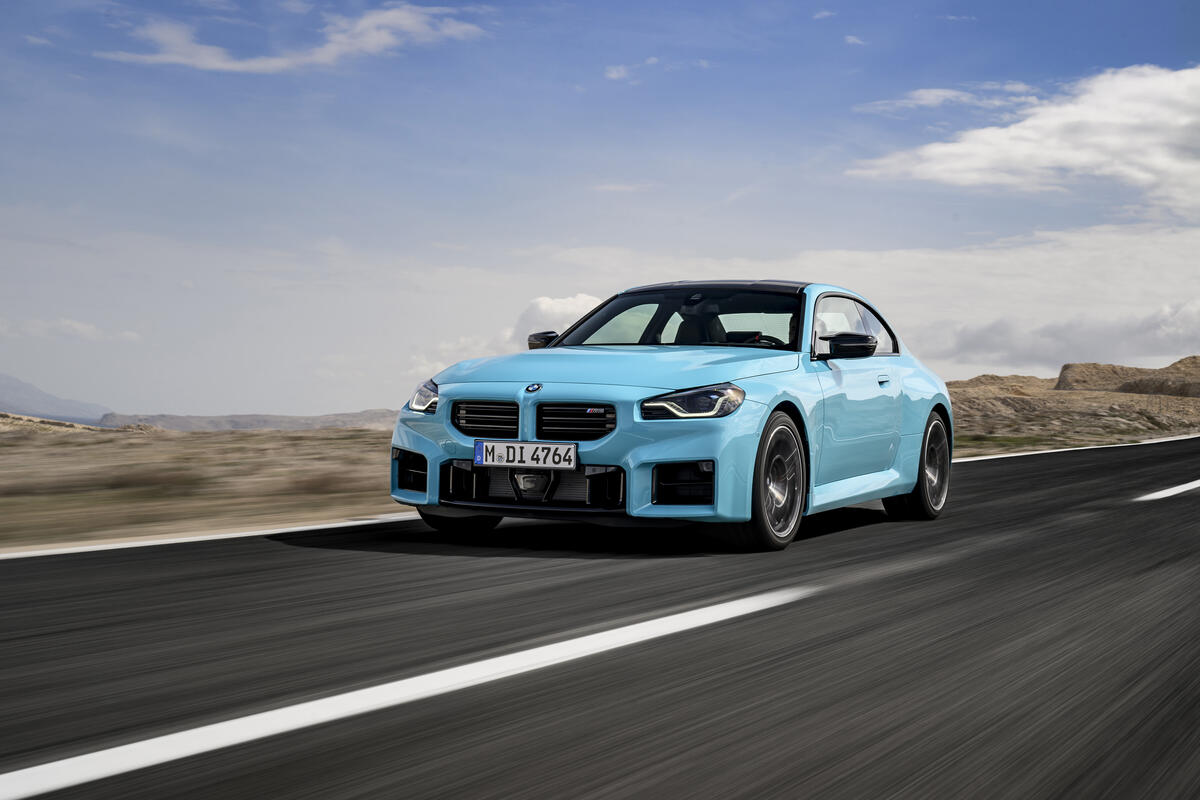
The BMW M2 is a high-performance version of a BMW 2 Series. It’s designed to drive more aggressively than a regular BMW, with stronger power and sport-tuned handling. It comes up in conversation because it’s a popular choice for people who want a fun, compact performance car.
The Corvette is a sports car made by Chevrolet. The Grand Sport is a higher-performance version of the Corvette, and the podcast mentions its starting price. People talk about it because it’s one of the options buyers consider when choosing a Corvette.
The Corvette ZR1X is a super extreme version of the Corvette meant to be insanely fast. The host says it uses an electric front motor to help drive all four wheels, which makes it launch hard and hit 60 mph in about two seconds.
A front electric motor is an electric drive unit mounted on the front axle that can propel the car (or assist the rear powertrain). In a hybrid AWD setup, it helps deliver torque instantly for traction and launch performance.
A wide body is a bodywork configuration that adds wider fenders and typically allows wider tires. Wider tires increase contact patch area, which can improve grip for launches and high-speed stability.
A pushrod engine is one where the camshaft uses rods to operate the engine valves. The host is saying this Corvette’s engine isn’t that type, which can affect how it sounds and how it revs.
Multi-valve means the engine uses multiple valves per cylinder to breathe better. The “5.5” is the engine size (about 5.5 liters), which is part of why it can make big power.
Turbocharged means the engine uses a turbo to cram more air in, which boosts power. A flat-plane crank is an engine design detail that can change the sound the car makes.
A roll cage is a strong safety frame inside the car. It helps protect you if the car flips or crashes hard, and drag strips may require it for very quick runs.
Fire suppression systems are automatic fire-extinguishing setups in the car. Drag strips require them on very fast cars to reduce the chance that a fire becomes catastrophic.
The Dodge Demon is a very fast drag-racing muscle car. The host mentions it because it helped set the expectation for cars running sub-10-second quarter miles.
A small block V8 is a famous Chevy V8 engine design. It’s called “small block” because it’s a compact V8, and it has a big history in performance cars.
“Diesel gate” was a scandal where Volkswagen’s diesel cars didn’t meet emissions rules in real life. During testing they could behave better, but outside the lab they were more polluting than expected.
A six-speed manual means you choose gears yourself using a clutch and gear stick. It’s the more hands-on driving style compared with automatic transmissions.
The chip shortage was when factories couldn’t get enough computer chips. Since cars need chips for electronics, it slowed down production and hurt sales.
An EV platform is the main design and engineering foundation for electric cars. If it doesn’t work well, it can make every electric model built on it harder or more expensive to get right.
Cariad is Volkswagen’s internal group that works on software and electronics. The hosts are saying it didn’t help Volkswagen’s electric-car plans as much as it should have.
Extended-range electric vehicles are electric cars with a backup system that helps keep the car going when the battery is low. It’s like having a safety net so you don’t have to worry as much about running out of charge.
Volkswagen is the automaker the hosts are discussing in terms of financial pressure and production strategy. They mention it cutting global capacity and dealing with labor issues in Europe, which they frame as a major challenge for the company.
“E-Refs” sounds like a nickname for electric cars. The hosts are saying they’re not sure people will buy them yet, and that EVs haven’t fully proven themselves as a mainstream hit.
“Capacity globally” means how many cars a company plans to build worldwide. Cutting it from 12 million to 9 million means they’re planning to make fewer cars overall.
IG Metall is a German workers’ union. The hosts are saying Volkswagen is having big problems in Europe partly because of labor issues involving this union.
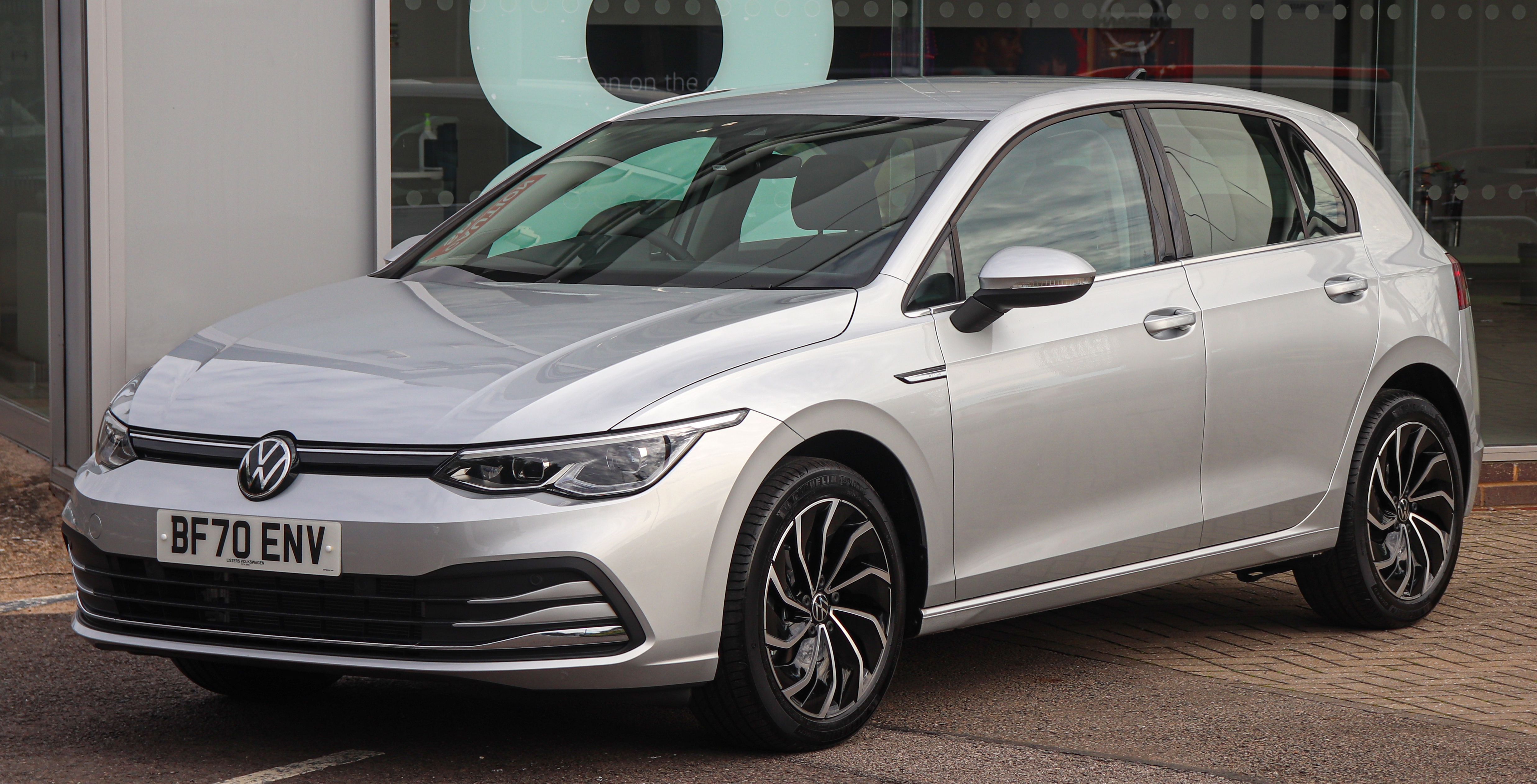
The Volkswagen Golf is a compact car made by Volkswagen. The GTI is a sportier version of the Golf, and the podcast is talking about how much it costs. It comes up because it’s a common choice in the compact-car category.
An electric vehicle is a car that runs on electricity stored in a battery. Instead of buying gas, you charge it at home or at a public charging station.
Autonomous driving means the car can do some driving tasks on its own. How much it does varies—some systems help the driver, while others can drive more independently.
Tesla is a company that makes electric cars. The host is saying their show treats Tesla as its own category because Tesla’s approach was different from other EV makers.
Stellantis is a big car company that owns multiple brands. The host is bringing it up because they talked a lot about EV plans, but the results didn’t match the hype.
CES (Consumer Electronics Show) is a major annual technology trade show in the U.S. Automakers and suppliers use it to preview new vehicles, concepts, and tech—especially infotainment, software, and electrification ideas.
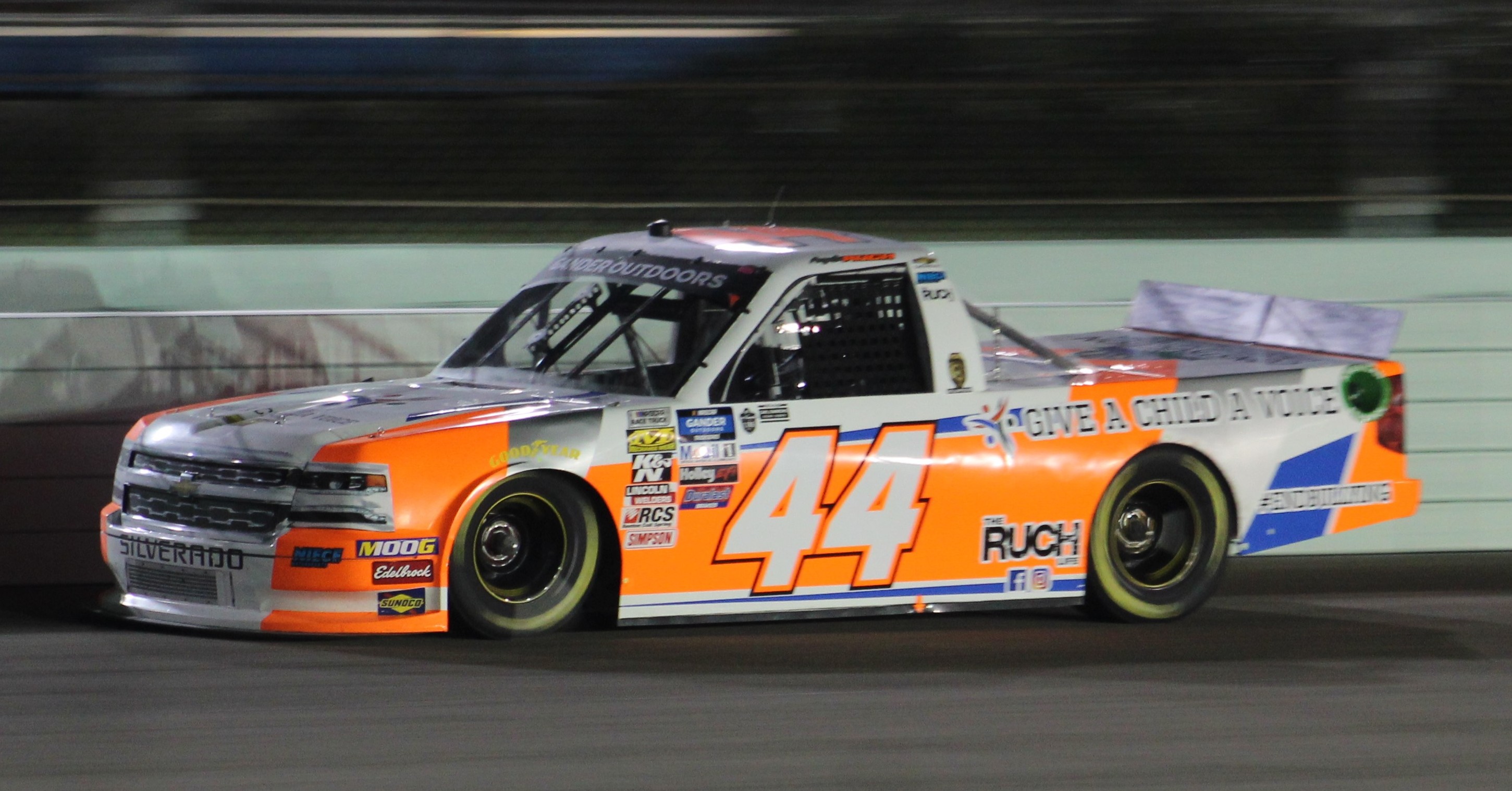
The Chevrolet Silverado is a large pickup truck made by Chevrolet. It’s built for carrying things and towing, but it can also be used like a normal daily vehicle. It’s commonly discussed because it’s a major model in Chevrolet’s truck lineup.
An extended-range EV is an electric car with a backup way to keep it going farther. Instead of relying only on charging, it can use another system to generate electricity when the battery gets low.
Term
E-Rives
They’re talking about an electric pickup idea called “E-Rives.” The hosts’ main point is that there aren’t any real versions you can buy in the U.S. yet to show how well it works.
The Volt is a plug-in hybrid Chevrolet. It can run on electricity, and when the battery needs help, the gas engine can generate power instead of just directly pushing the car like a normal gas car.
Here they’re talking about the gas engine’s job in the system. Instead of always directly driving the wheels, it’s described as powering a generator to make electricity when needed.
Term
overdrive situation
Overdrive is when the car is geared so the engine doesn’t have to spin as fast while you’re going down the highway. That can make steady driving feel easier and often helps efficiency.
The Fisker Karma is a car that uses both electricity and a gas engine. It’s not a pure electric car, but it’s still part of the “EV era” conversation because it can drive using electricity.
An EV tax credit is a government incentive that reduces the effective purchase price of qualifying electric vehicles. When it’s removed or reduced, it can change demand and make EV sales look flatter even if the underlying technology is improving.
“EV sales” refers to how many electric vehicles are being sold relative to the overall auto market. Hosts often use market-share numbers (like a percent of total sales) to describe whether EV adoption is accelerating, stalling, or declining.
EV subsidies are financial incentives (often from governments) that lower the cost of buying or using electric vehicles. They can significantly affect adoption rates by making EVs more affordable than comparable gas cars.
ICE cars are gas or diesel cars that run on an engine burning fuel. The reason people compare them to EVs is that they tend to have different maintenance needs and different kinds of problems over time.
VinFast is an electric-vehicle brand. The host brings it up to explain that it arrived during a period when people were especially worried about EV batteries failing.
In an electric car, the EV battery is the big rechargeable battery that powers the car. Over time it can wear out, which can reduce how far the car can go and sometimes make replacement expensive.
300,000 miles is the very high mileage number being tossed around for how long an EV battery might last. The host is basically asking whether that kind of lifespan is realistic.
Battery chemistry is what the battery is made of inside—its specific type of lithium-ion system. That affects how the battery performs and how quickly it wears out.
Constant pressure means the battery is kept under a steady mechanical load instead of freely expanding and shrinking. That can help the battery last longer because the materials don’t get stressed as much.
181 PSI is a specific pressure number mentioned in the discussion. The point is that there’s an “just right” pressure that may help the battery last longer.
In a lithium battery, the cathode is the positive part where electricity is released during use. If something about the battery isn’t right, problems can start at this side.
The anode is the negative part of a lithium battery. If the battery is pushed too far or built with the wrong balance, problems can happen on this side too.
A solid state battery is a type of EV battery that uses a solid material instead of a liquid inside. The goal is safer operation and more energy, but it’s tough to build so it’s not widely available yet.
In most EV batteries, there’s a liquid inside that helps the battery move ions back and forth. Solid-state batteries try to replace that liquid with something else.
Vaporware means something that’s talked about a lot, but may not actually show up when promised. People use it when they think the hype is ahead of real results.
“4680” is Tesla’s newer battery shape/size. The idea was that it could make the battery better and cheaper, but early on the tech wasn’t fully dialed in, so the average driver didn’t notice much difference yet.
Energy dense means “packs more energy into a smaller/lighter battery.” If a battery isn’t as energy dense, you may need a bigger or heavier battery to get the same range.
Sodium-ion batteries use sodium instead of lithium. They’re attractive because sodium is widely available, and they may be cheaper and easier to source, but they usually don’t pack as much energy per battery weight/size as lithium batteries.
Battery degradation means the battery slowly “wears out,” so it holds less charge over time. Some battery types handle charging to 100% better than others, so they degrade more slowly.
This is a type of EV battery chemistry. Different battery chemistries can charge and age differently, so the “range you can actually use” can vary between battery types.
LFP is a battery type used in some EVs. People like it because it tends to last a long time and can usually be charged more aggressively without hurting the battery as quickly.
The Tesla Model Y is an electric SUV, which means it runs on electricity instead of gasoline. It’s made for regular driving and family-style use, like other SUVs. People often mention it when talking about what it’s like to own an EV.
Leap Motor is a Chinese EV company. In this conversation, it matters because it’s working with Stellantis through a partnership to bring cars to other markets.
A joint venture is when two companies team up and share the work and the ownership. In this case, it’s how Stellantis and Leap Motor coordinate to bring EVs to market.
Chrysler is a major American automaker brand that has been part of multiple corporate structures over the years. In this segment, the host mentions Chrysler’s future as part of a broader discussion about Stellantis’ U.S. brand decisions.
Fiat is a car brand from Italy. In this discussion, it’s about which brand name Stellantis should have used to sell cars in the U.S.
Term
Western Europe
Western Europe is a region of countries in Europe. Car companies often talk about it because rules and buying habits can be different from other places.
The “Blue Flame Six” is the early engine that powered the Corvette before it became known for big V8s. It’s called a “six” because it has six cylinders in a straight line.
A flathead is an older engine type where the valves sit in the engine block instead of the cylinder head. They’re saying the Corvette’s first engine wasn’t that design.
A V8 is an engine with eight cylinders arranged in a V shape. In this episode, they’re pointing out that early Corvettes didn’t start with a V8, but later ones did—and that’s a big reason the car became a performance icon.
“Dual-carbed” means the engine had two carburetors. Carburetors help mix fuel and air, and having two can help the engine make more power.
Person
Mr. Duntoff
“Mr. Duntoff” is the person the host credits with steering the Corvette toward a big V8. The idea is that this change helped transform the car from a cruiser into a real performance sports car.
This is a specific Corvette from 1984. The hosts are focusing on its fuel system—how the engine got fuel through a setup they call “crossfire injection.”
Tuned port injection is a fuel system where each cylinder gets its own intake passage. The “tuned” part means the intake shape is designed to help the engine breathe better, and the hosts bring it up as the alternative to crossfire injection.
“Crossfire injection” is a way of feeding fuel to a V8 engine. Instead of a separate setup for every cylinder, it uses two throttle bodies (one for each side of the V), and the hosts think it was more about packaging than making power.
Term
four plus three
“Four plus three” describes a transmission setup that effectively gives you more gears than a simple single gearbox. The idea is that there’s a normal set of gears plus an extra gearset, making it unusual to drive compared with a typical transmission.
Fuel injection is the system that sprays fuel into the engine. If it’s not working well, the engine can feel sluggish or run inefficiently because it’s not getting the right fuel at the right time.
A gearbox is what lets the engine spin at the right speed while the car moves at different speeds. It’s basically how the car “chooses” the right gear for what you’re doing.
Overdrive is a gear that makes the engine spin slower while you’re going the same speed. That usually helps with comfort and fuel economy on the highway.
“California Corvette” is a nickname for Corvettes that were tuned to meet California emissions rules. Because of that, they often had less power and fewer options than Corvettes sold elsewhere.
Term
Great Wall buttons
“Great Wall buttons” sounds like a nickname for a particular set of interior buttons/controls. The hosts are using it as a clue for when the car’s interior got updated.
This is a Ford heavy-duty truck (the F-250) with a famous big V8 engine nicknamed “Godzilla.” People like it because it’s designed to handle hard work like towing for long periods.
“Three-quarter ton” is a category for heavier-duty pickups. They’re built to carry and tow more, but that often means the suspension feels stiffer when you’re not hauling anything.
“Half-ton” is a way people group pickup trucks by how much weight they’re meant to carry and tow. It usually means a lighter-duty truck than “three-quarter ton” or “one ton,” which can feel more comfortable day-to-day.
Rear springs are the suspension springs that support the back of the vehicle and help control ride height and how the truck absorbs bumps. In heavy-duty trucks, they can be tuned to handle loads, which can make the ride feel stiff and bouncy when the truck is unladen.
“Unweighted” means the truck isn’t carrying the extra weight you’d normally tow or haul. A truck can feel rougher when it’s empty compared with when it’s loaded.
Your towing limit is the maximum weight your truck is rated to pull with a trailer. If you go over it, you can overwork the engine, brakes, and other systems.
Welcome back to the Car Stuff podcast. All right, we're back. This is the Consumer
Guide Car Stuff podcast. I'm Tom Appel. He is Brendan Appel. No direct relation that we're
aware of, but the appels, it's odd. It's statistically unlikely. It is very statistically
unlikely, but here we are. There was an appel who I think was CEO in the 90s of 3M and people would
ask me if I was related to him and I'm not. And I get the writer on The Simpsons sometimes too.
Oh yeah, I see that. Yeah, I'm proud to have my name there and I hope some people associate me
with just good comedy writing. Exactly. All right. Before we get going, because it is quiz time,
remind people how they can check out The Sun's a Speed and get ahold of you and follow you guys.
We made it super easy. If you just go to sunsofspeed.com, you can find us.
There you go. Sounds good. I am Car Guy Tom on Twitter, X, and Blue Sky. Also, I'm just Tom Appel
on Facebook. So if you want to see the weird stuff I do taking pictures of old TV shows,
that's on Facebook. Gunsmoke is a good one. Yeah, Gunsmoke is a great one for that. The other great,
great one is Perry Mason. Oh yeah. Like everyone is on Perry Mason, like before their careers start.
And what Tom does is he finds pictures of actors who you know, but before they were known
and they're appearing in some bit roll on one of these TV shows. It's hilarious. I love it.
If you want to irritate my wife and daughter, pause the TV so you can take a picture of someone
they don't care about. Oh, it's good comedy. All right, it's quiz time. And today's quiz,
I think, is a topic you'll enjoy. Are you ready? I am. I am. Let's go. Today's topic is Corvette
exclamation point. All righty. Five questions plus the bonus question. The bonus question,
of course, always related to the topic of the day. You need three for an official victory.
All right, let's do it. And Jill's been on a hot streak. I definitely got to do better.
You know, I hear every time that I lose that Jill would have won from Jill.
Oh man. Producer Randy used to always check in with his totals at the end of the show.
And he generally would have won as well. Yeah, exactly. All right. So Corvette,
America's sports car back to 1953. Actually, the first question relates to 1953. Brendan,
what was the name of the Corvette's first engine? Was it the Blue Flame Six or the Red
Devil Six? It was the Blue Flame Six. It was. It was an interesting engine. It was a push-rod
engine. It wasn't a flathead. And I think it was dual-carbed and something like 155 horsepower.
It's made fun of now because it's not a V8, but actually in the day, it didn't suck.
No, no. And that's the thing is most people don't realize the Corvette because it's such
a sports car and now 200 mile an hour in base form sports car. Back then, it was more just
like a cruiser. It was almost like the 55 T-Bird was, you know, very, just get out,
head top down, wind in your hair. It was not a sports car until Mr. Duntoff came around and said,
you know what? We need to drop a big V8 in this thing and make a sports car out of it,
true proper sports car. And that's when that's why he's considered the godfather of the Corvette.
And that happened really fast, right? The Six stuck around for like just one more year.
Yeah. And then I think the V8 became standard. Yep. Yep. And then it got bigger and bigger.
I think it started with the 283 and then 327 and later 354, 227, 454. It's been in a lot of sizes,
but they've generally gotten bigger and faster as they go along, except for the late 70s.
It's interesting to think too that the Vette was somehow in parallel development with the
Thunderbird because the Thunderbird got so big and fat. Yes. And the Corvette stayed a sports car.
Actually, by the second generation, the Corvette very much became a real sports car.
It definitely did. Like no question. It was racing at the end of the first generation. Yeah.
And winning. All right. Second question. Are you ready? You know this one.
What was the Corvette's gap year? Was it 1983 or 1984?
83. One of those exists. It's at the museum in Bowling Green, Kentucky. It's the only one.
Yeah. It was funny that the story behind the saving of it is hilarious.
Also, I believe if you look at a calendar, not a calendar, a catalog from 1984, early in 1984,
they show 15-inch wheels that never showed up on a production car. But I think they're around
that 83. They probably are. And what happened was is they had a change in general plant managers,
and a bunch of guys basically stuck it in the back after the last guy's last day,
the first guy's last day, I should say, covered it up. And then when the new guy showed up,
they just kind of left it there. So they hit it. They didn't because all the rest of the prototypes
got crushed. And then it ended up over at the museum, which is the best. That's just so go take a
look at it. You can see the one and only 1983 Corvette. Crazy. All right. You have two points.
You're in good shape here. The 1984 Corvette featured a branded fuel injection system. Was that
called crossfire injection or tuned port injection? That would be the infamous crossfire injection.
Not fairly well remembered. That was such a cheap out. I know. It's so weird.
I wonder if they got the name from that Rolling Stones song.
Wait, what Rolling Stones song? Or is it Crossfire Hurricane? Oh, is it?
Yeah, I could play the riff in my head, but I can't get to the name of the song out of my mouth.
Can't get no satisfaction. Okay. Born in a crossfire hurricane.
Yeah. Crossfire injection was weird. It was simply two throttle bodies, one for each bank.
And then in some artful underhood decorating, they more or less, the manifold more or less went
across the V and the V8, giving it kind of a cool look. Nothing about that look turned into horsepower.
No, no. And then, of course, they made it with the four plus three, which is the craziest gearbox
ever to hit a Corvette. And you just had this very odd combination of poor fuel injection and weird
gearbox. Someday we need to talk about it. That was the Muncie, right? The Muncie four plus three,
I think? I know the Muncie was the four, but I don't know who made the fourth three if that was
Muncie or Borg-1 or anything to do with that. But all right, even though time is tight, I need to
ask, was the deal with that you were in a gear? It was a four speed manual. But if you hit the
gas hard, it downshifted? Yeah. And then it would give you like overdrive gears when you were in
fourth gear just cruising. It would upshift for you. I think it would also then downshift if you
were in one of those upshift gears. But just one gear? Yeah, it wasn't a lot. It was just added a
gear that you didn't have to shift to. So and that disappeared right away after that, right?
Yeah, it was. Nobody liked it. It's not good. That's online to crossfire.
All right, you've already won. You've got three out of three. Question four.
What was the largest engine Californians could get in a Corvette in 1980? Was it a five-liter or a
5.7-liter V8? Well, I mean, that was on the height of the California Air Resources Board.
And I think it was the five-liter. Yes. And it was awful. Yeah. It was actually called the California
Corvette. It came only with an automatic and only with a five-liter V8. It was 180 horsepower.
Everyone else on the planet could get a 5.7 with 190 horsepower or an available 230 horsepower V8.
So you could get some real horsepower there by the standard of the era. And then Californians got
on the window sticker in exchange for losing 7.10 of a liter and 10 horsepower, a $50 credit.
Yeah. Yeah. It's like reminds us of the of the COVID chip shortage credits that they used to hand.
Yeah. You didn't get your seats here. It's 50 bucks.
What a nightmare. Finally, how many Corvettes did Chevrolet sell in 2025? Was it about 26,000 or
about 16,000? About 26,000, I would hope. Yep. Yep. Way down for some reason from 2024, but I
guess sales are up again this year. Yeah, that might have something to do with the 01
The Great Wall buttons went away, which is an interior change. And I forget if that was for
24, 5. I think I think 25 was last year, the Great Wall buttons. So for people who don't know,
describe that. You'll probably describe it better than I would. There was a literal wall between
you and the passenger on top of which sat all of these controls that you could change. I think
it was heating and air conditioning. So it was all the HVAC stuff. There might have been some other
switches there. It was very divisive, literally and figuratively, because a lot of people did
like it, but it also just divided the cabin. And so the new ones have a more conventional looking
interior. It looks really great. When I saw the first C8 interior picks, I actually thought that
was a joke. Yeah, it does kind of look, I mean, it's one of those things that you're just like,
how did this get past someone's design development, you know? Yeah, someone should have said no.
You're right. All right. Bonus question. Are you ready? You're five for five. You can go six for six now.
Let's do it.
Lyons, Illinois was settled in 1820 and is largely understood to be the first Chicago suburb. I
need you to tell me which of the following is not a Chicago suburb and is indeed a fake community.
Are you ready? Okay, let's do it. I've got four communities here. One of them is fake.
Campton Hills, Lily Lake, Homer Glen, Arcade Woods.
The only one I recognize on that whole list is Homer Glen. I know that's real.
What the heck were the other ones? Are you sure these are suburbs of Chicago? Yes. Yes. My whole life.
Campton Hills, Lily Lake, and Arcade Woods.
I got a, this is a total guess, but let's go Arcade Woods.
Correct, sir. All right.
A perfect one. I ran the table.
Campton Hills is in Cane County, 11,000 people. Lily Lake is in Cane County, that's 11,000 people.
Homer Glen is in Will County, 24,000 people, and Arcade Woods is fake. Nice job.
Well, thank you very much.
We're running out of time here, but you recently went out and did a little shopping.
Yes. So we are in the process of picking up a camper trailer.
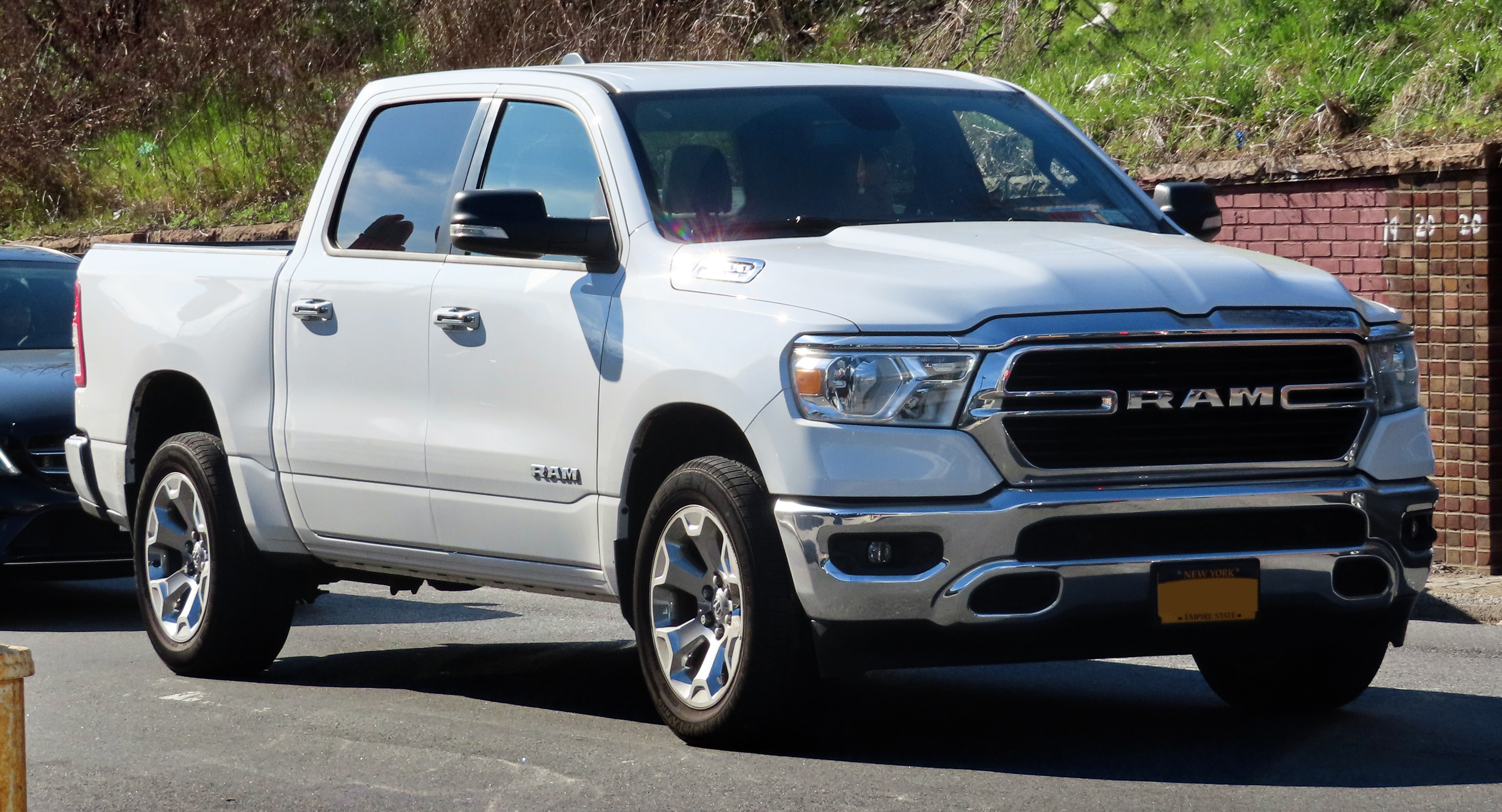
As you know, I have a 1,500 ram limited, and the worst thing you can probably do is go online and
ask people's opinion as to whether that thing can help certain other vehicles because you will
start a firestorm. Let's just put it that way. So at some point, we thought we needed to upgrade
this half ton to a three-quarter ton, and we did so by shopping an F-250 Godzilla motor,
7.3. Great engine, by the way. Gasoline built to bulletproof specs. It will never break or run out
of power. However, when I just quickly, well, both my wife and I had to quickly discover this,
that's a lot of truck. I thought if the 1,500 was a decently sized vehicle, I mean,
it's hard to park. It's big. It barely fits in my garage. The F-250 just takes that to another
level. The Super Duty is a very capable vehicle, but holy moly, if you are not under load, the rear
springs are so stiff that it really just rattles the fillings out of your teeth and bounces like
a Pogo stick over rough pavement. On smooth pavement, it's fine, but I didn't realize how much
truck a three-quarter ton is, and I can't even imagine what a one ton actually comes back
feeling like. But that thing was unweighted, very, very hard to basically contemplate as a
daily driver, so we didn't get it. Interesting. How heavy is the trailer you're thinking about towing?
It's going to be about 6,800 pounds, I think, unweighted and probably another 1,000 when you
load it up. Okay. Well, within the towing limit, but then you get right about payload, which I
discovered too. Yeah, I had an engineer once, and I think it was a Ford engineer who was talking
about how half ton pickup trucks often advertise fantastic towing capabilities,
like in the 10,000 pound range. And it was his opinion that if you were getting anywhere close
to that, you should probably go to a three-quarter ton. Yeah, and that's my push your luck.
That made us look in the first place, but we shall see. Yeah. Well, cool. You'll have to keep
us posted on that. Brendan, thank you so much for stepping up this week. We appreciate it.
My pleasure. My pleasure, Tom. Great conversation. Thanks to Bode Graham of Kilowatt. Thank you to
Brendan of the Sons of Speed. Thank you as always to producer Margaret. Let's talk more about cars
again next week. Next week. Remember to check us out at ConsumerGuide.com. The CarStuff podcast
is produced by J-Turn Media. To advertise on the show, please drop us a line at CarStuff at
ConsumerGuide.com. If you liked the show, please take a moment to rate, review, and subscribe.
It really does help the show to grow. Thank you for listening.
About this episode
Corvette talk kicks off with a 2027 refresh and the return of the Grand Sport, then zooms into real-world performance: “You can drive this car over 200 miles an hour now,” with aero and the Z51 package trading straight-line speed for track grip. The conversation shifts to EVs, explaining why “Volkswagen's problem is, is multi-fold” and how heavy EV spending, diesel-gate fallout, and BYD pressure are reshaping the market. Battery tech, incentives, and extended-range strategies wrap the episode.
In place of the traveling Jill, Tom is joined this week by Brendan Appel of the Sons of Speed. Tom and Brendan open the show discussing updates to the 2027 Corvette, including a new base engine which lifts the cars top speed to 200 mph.
The hosts go on to discuss Volkswagen's sales and financial woes. Though relatively healthy here in the U.S., the German carmaker is feeling the impact of poor sales in Europe and in China. Volkswagen is looking to cut manufacturing capacity from about 12 million units to 9 million, but faces stiff push back from European labor unions.
In the second segment, Tom and Brendan welcome Bodie Grimm, host of the Kilowatt podcast. Bodie shares his insights into the EV market place, and looks ahead as carmakers struggle to sell electric vehicles in the U.S. and other markets. Bodie also shares a music listening suggestion for Tom.
In the last segment, Brendan is subjected to Tom's "Corvette!" quiz. Brendan also talks about shopping for a 3/4-ton truck with which to do some towing. Did Brendan make a truck purchase? Listen in for details.
Hosted by Simplecast, an AdsWizz company. See pcm.adswizz.com for information about our collection and use of personal data for advertising.