
2026 Consumer Guide Best Buys
About this episode
Memorial Day in Chicago sets the tone as the hosts walk through Consumer Guide’s long-running Best Buy picks and why “large car” categories have basically vanished. They break down the 2026 list’s scope—32 vehicles across 13 classes—and then zoom into practical shopping: affordability at ~$50,000, compact crossovers, and family-friendly minivans with Stow ’n Go. The conversation also covers EV and tariff fallout, plus truck and luxury SUV recommendations.
This week's episode is dedicated to the 2026 Consumer Guide Best Buy pics. In total, 32 vehicles in 13 individual categories are covered. You can check out the complete 2026 Best Buy list here. For a look further back, click here for the 2025 Best Buy list.
Hosted by Simplecast, an AdsWizz company. See pcm.adswizz.com for information about our collection and use of personal data for advertising.
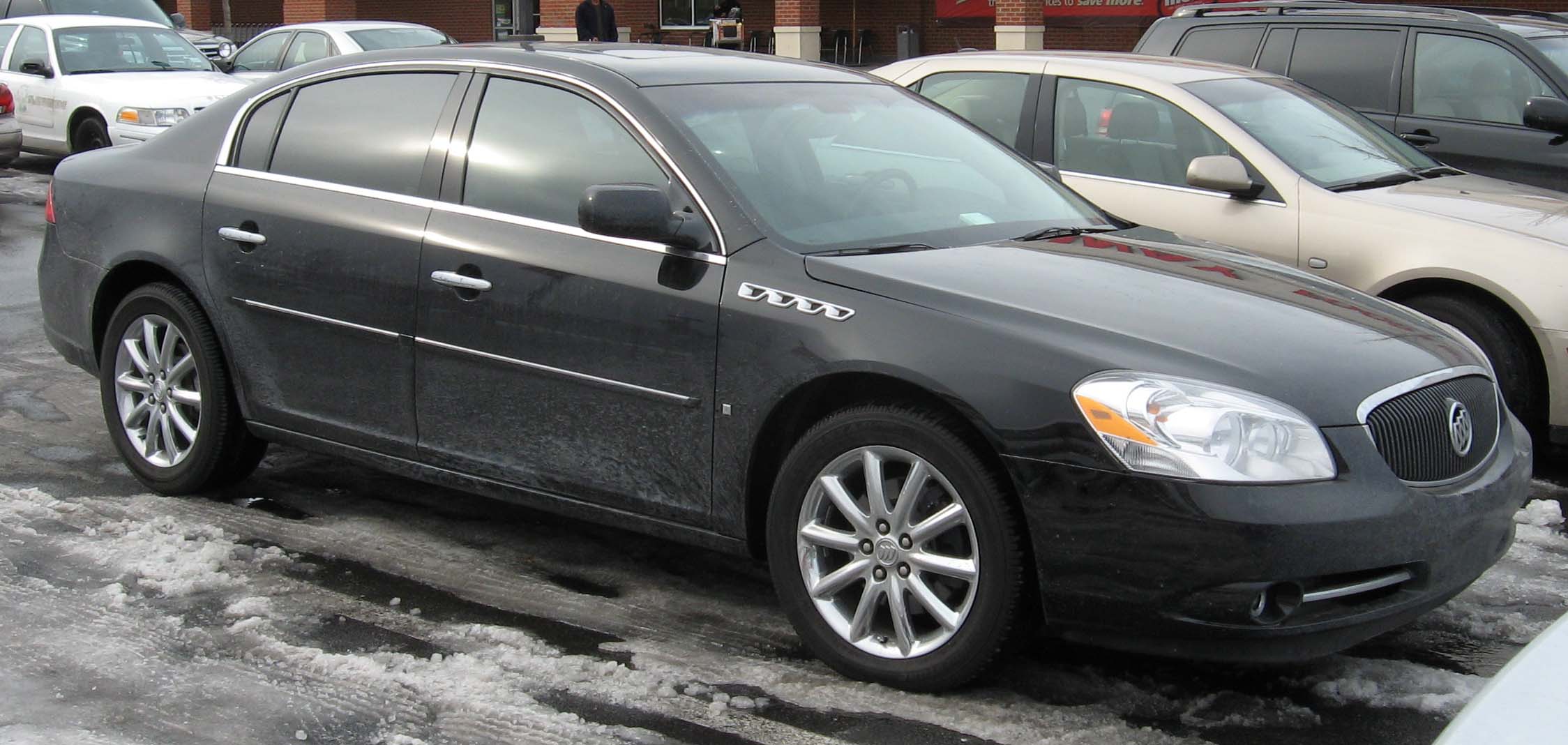
Buick Lucerne
"But there is no Buick Lucerne. [170.2s] There is no Chrysler 300. [172.6s] There's nothing like that anymore."
The Buick Lucerne was a big, comfortable luxury sedan. The point here is that cars like this aren’t really sold anymore, which is why the “large car” category feels gone.
The Buick Lucerne was a full-size luxury sedan from Buick, positioned as a “large car” alternative to other big American sedans. The hosts mention it to illustrate how those traditional full-size models have disappeared from the modern U.S. lineup.

Chrysler 300
"There is no Chrysler 300. [172.6s] There's nothing like that anymore. [174.6s] Yeah, no, my dad had, what was it, the Le Sabre."
The Chrysler 300 is a large luxury sedan. The hosts are using it as an example of the kind of big car that’s largely gone from today’s market.
The Chrysler 300 is a full-size luxury sedan that became a modern reference point for “big American car” styling and comfort. In this segment, it’s cited as an example of a model that no longer exists in the way it used to, highlighting the shrinking of the large-car market.

Le Sabre
"Yeah, no, my dad had, what was it, the Le Sabre. [183.9s] So I don't know if that was quite full size. [185.9s] That was his company car of choice."
The Buick LeSabre was a big, full-size American sedan. The hosts are saying this is the kind of large car their dad would have bought, and it represents the old “full-size” benchmark.
The Buick LeSabre was a full-size Buick sedan, commonly associated with the classic American “big car” era. The hosts connect it to the idea of a benchmark large car and then discuss how General Motors’ 1970s full-size lineup was organized into different body categories.
B bodies and C bodies
"If you were coming after 77, 1977, when General Motors downsized its big fleet of cars, it [198.7s] had B bodies and C bodies. [200.2s] C bodies were premium."
GM used internal “body” categories—like B-body and C-body—to sort cars into different tiers. The idea is that C-body cars were the more upscale “premium” big cars, while B-body cars were a step down.
“B-body” and “C-body” were General Motors internal vehicle platforms/body families used in the mid-to-late 20th century. In this segment, the hosts say C-bodies were premium while B-bodies were not, reflecting how GM segmented its large-car lineup by price and positioning.

Chevrolet Caprice
"...ere the Le Sabre, the Oldsville 88, the Chevrolet Caprice and Pala, and the Pontiac Bonneville and Catalina..."
The Chevrolet Caprice is an older, full-size car. The podcast is using it as an example of the kind of car people used to compare others to.
The Chevrolet Caprice is a classic American full-size car that’s brought up as a “benchmark” example in the podcast’s historical comparison. Mentioning it alongside other older models suggests the hosts are talking about what made certain cars stand out in their era. It’s relevant because it helps frame how people judge today’s cars against past standards.

Pontiac Catalina
"... Caprice and Pala, and the Pontiac Bonneville and Catalina. And those were like benchmark cars."
The Pontiac Catalina is an older full-size car. In the podcast, it’s mentioned as a reference point for the kind of cars people looked at as standards.
The Pontiac Catalina is another classic full-size car referenced as part of the podcast’s “benchmark cars” discussion. Listing it alongside models like the Caprice and Bonneville suggests the hosts are comparing what certain cars represented in their time. It’s relevant as a historical reference point for how enthusiasts evaluate vehicles.
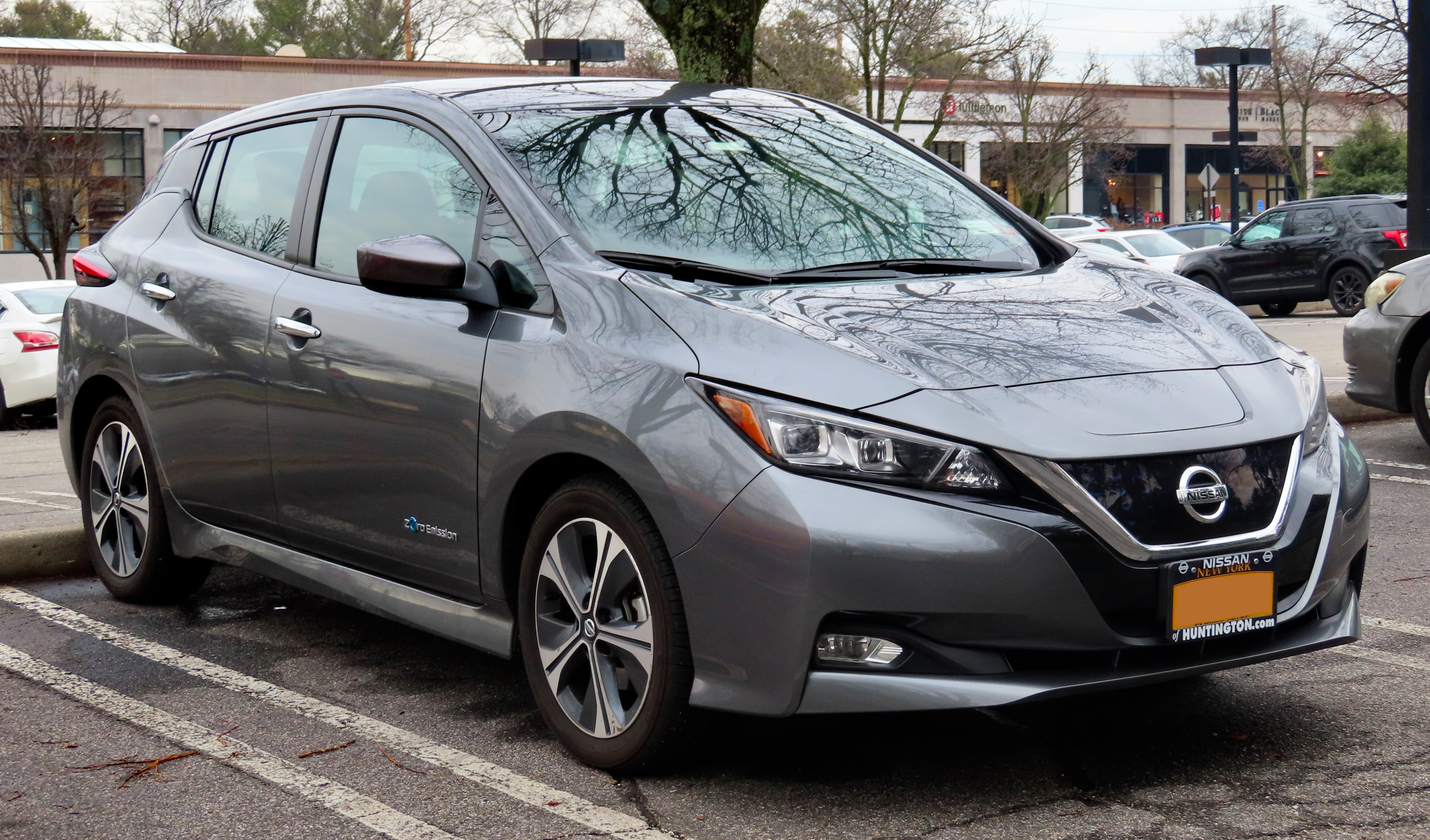
Nissan Leaf
"... the Mazda CX30, the Nissan Kicks, and the Nissan Leaf. The Leaf we could talk about if we want to, but ..."
The Nissan Leaf is an all-electric car, meaning it runs on a battery instead of gasoline. People talk about it because it’s meant for normal daily driving and it’s been around long enough to have a lot of real-world ownership experience.
The Nissan Leaf is a fully electric compact car designed for everyday commuting. It often comes up in discussions because it’s one of the more established mainstream EVs and is typically compared on practicality, charging, and total cost of ownership. In a podcast lineup of small crossovers and hatchbacks, it’s a notable alternative because it’s battery-electric rather than gas-powered.

Hyundai Kona
"...nd we'll talk about them in a minute. The Hyundai Kona, the Mazda CX30, the Nissan Kicks, and the Nissan..."
The Hyundai Kona is a small SUV made for everyday driving. It’s commonly compared with other small SUVs because it tries to offer a good balance of size, features, and cost.
The Hyundai Kona is a compact crossover SUV that’s often compared against other small crossovers for value and everyday practicality. In the podcast lineup, it’s grouped with models like the Mazda CX-30, Nissan Kicks, and Nissan Leaf, which highlights how buyers weigh different powertrains and sizes. That makes it a relevant “shortlist” topic in a segment about what’s worth considering.

Chevrolet Bolt
"There's also the Chevrolet Bolt with a B, but availability of that may be limited."
The Chevrolet Bolt is an electric car made by Chevrolet. The hosts are saying it can be a cheaper EV option, but you might not always be able to find one easily.
The Chevrolet Bolt is an affordable battery-electric vehicle (EV) from Chevrolet. In this segment, it’s mentioned as an alternative EV option, but the hosts flag that availability may be limited.
General Motors
"They're built by General Motors in South Korea and these cars were incredibly good deals for a while."
General Motors (GM) is the automaker behind multiple brands discussed here, including Chevrolet and Buick. The hosts say these cars are built by General Motors in South Korea, tying the models to GM’s global manufacturing footprint.
all-wheel drive
"They're not available with all-wheel drive. Right."
All-wheel drive (AWD) means the car can send power to all four tires. The hosts are saying these models don’t offer that option, so traction in bad weather may be worse than AWD versions.
All-wheel drive (AWD) means power is sent to all four wheels, improving traction when roads are slippery or uneven. In this segment, the hosts note these cars aren’t available with AWD, which affects how confidently you can drive in snow or rain.

Encore GX
"The Invista is very closely related to something called the Encore GX and the Trax is very closely related to a Chevy product called the Trailblazer."
The Buick Encore GX is a small SUV. The hosts are saying the Invista is closely related to it, meaning they’re built from a similar base and can be very similar to drive.
The Buick Encore GX is a compact crossover SUV, and the hosts say the Invista is very closely related to it. That implies shared engineering/platform DNA, which often means similar packaging, driving feel, and options.
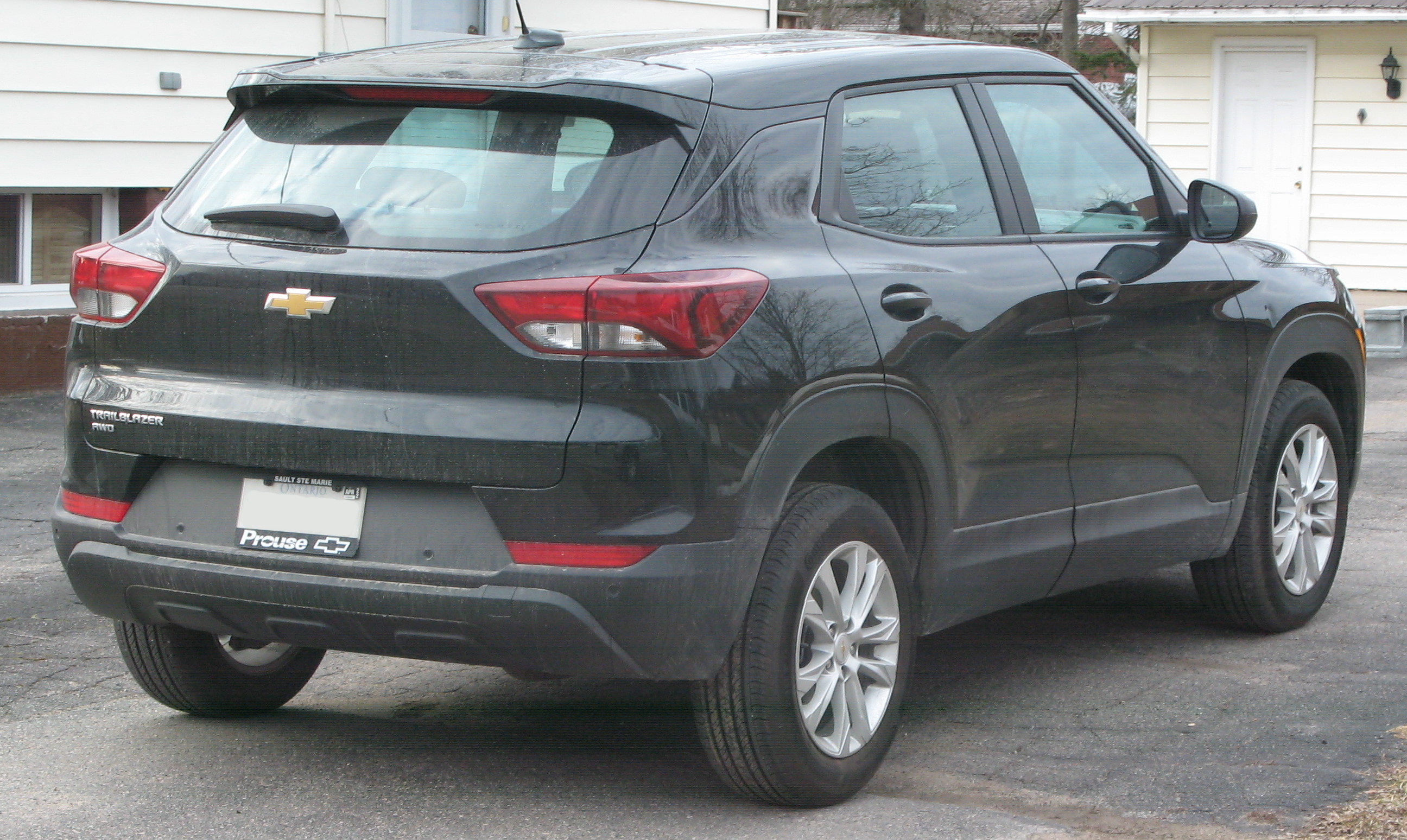
Trailblazer
"The Invista is very closely related to something called the Encore GX and the Trax is very closely related to a Chevy product called the Trailblazer."
The Trailblazer is a Chevrolet small SUV. The hosts are saying it’s closely related to the Trax, so the two cars share a lot of the same underlying design.
The Chevrolet Trailblazer is a compact crossover SUV, and the hosts say the Trax is very closely related to it. This is another example of GM using shared components and platforms across multiple nameplates.

Chevy Trax
"And I was like, it was the Chevy Trax [436.6s] and they were like the Chevy Trax. [441.1s] And I was like, because it was so surprising and I feel like it was at the [445.5s] Midwest Automotive Media Association spring rally and it was the active trim [449.8s] and it was like $24,000 at that time and it had Apple CarPlay."
The Chevrolet Trax is a small SUV that’s meant to be affordable and practical. The host says it surprised them in a good way after driving it, especially because it had Apple CarPlay and was priced around $24,000 back then.
The Chevrolet Trax is a subcompact SUV known for being an affordable, easy-to-live-with option. In this segment, the host highlights the Trax’s “active” trim, its Apple CarPlay integration, and a price around $24,000 at the time—factors that made it feel more impressive than expected after driving it.
Apple CarPlay
"and it was like $24,000 at that time and it had Apple CarPlay. [454.5s] It had really nice seating surfaces. [456.1s] It had all of the things that you could possibly want on it."
Apple CarPlay is a way to connect an iPhone to the car so you can use apps on the car’s screen. It’s mainly for things like maps, music, and calls without grabbing your phone.
Apple CarPlay is a smartphone-integration system that lets you use certain iPhone apps through the car’s infotainment screen. It typically provides navigation, music, calls, and messages in a more driver-friendly interface than using the phone directly.
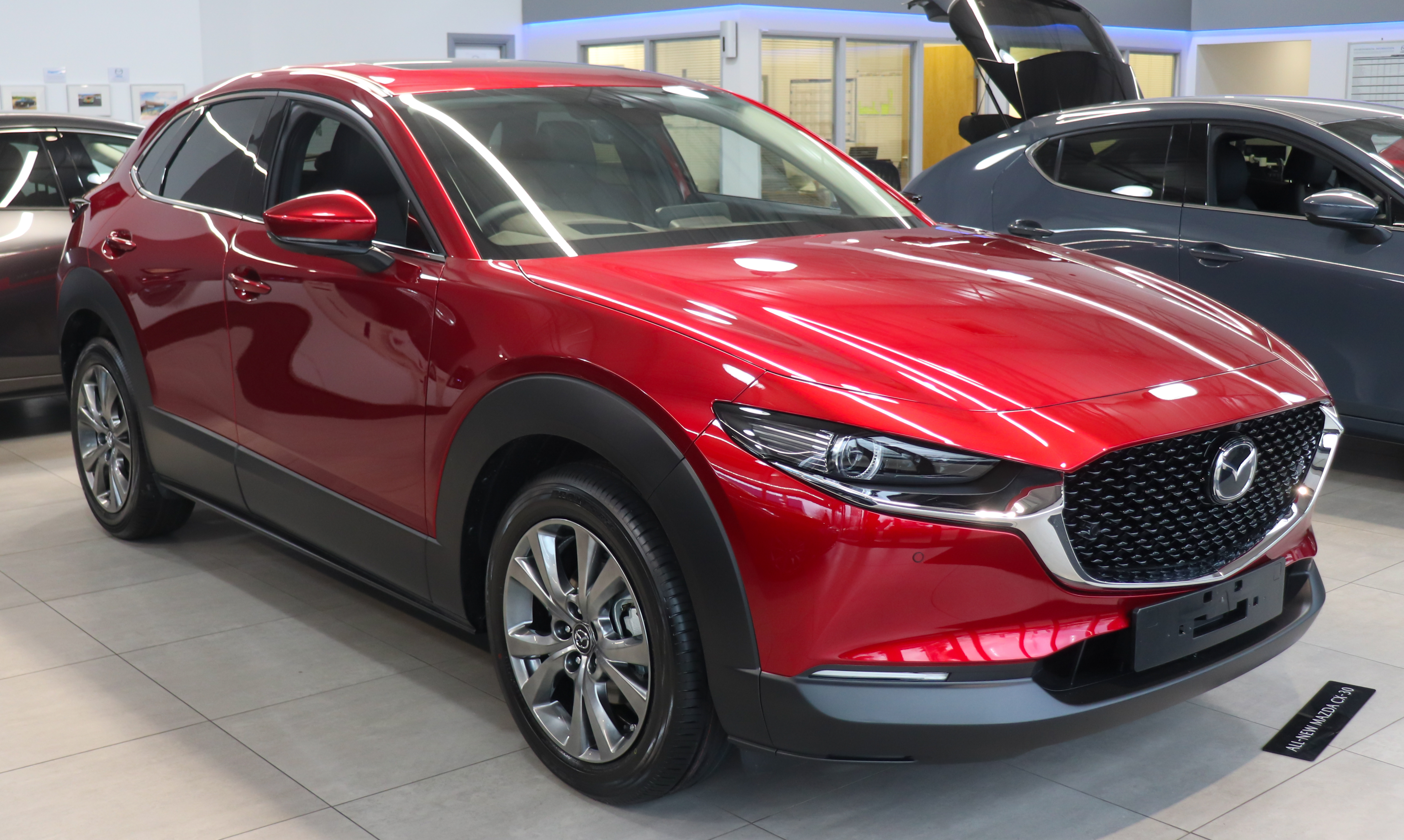
Mazda CX-30
"Also in that segment, the Mazda CX-30 and the Nissan Kix, the Kix is a lot of [500.2s] value for the money and you can now get it with all wheel drive."
The Mazda CX-30 is a subcompact crossover that’s often praised for its driving feel and upscale interior compared with many competitors. Here, it’s mentioned as part of the same “segment” as the Trax, CX-30, and Nissan Kix, implying it’s a relevant alternative in the value-focused small-SUV space.

Kicks Nissan Kix
"...es. Also in that segment, the Mazda CX-30 and the Nissan Kix, the Kix is a lot of value for the money and you ..."
The Nissan Kicks is a small SUV. The podcast is saying it’s a good deal because it offers a lot of features or usefulness for the price.
The Nissan Kicks is a compact crossover that’s often discussed as a value-focused option in its segment. In the podcast context, it’s grouped with other small crossovers and the hosts highlight that it offers “a lot of value for the money.” That makes it a common pick when shoppers want a practical SUV without paying for a larger or more expensive model.
non-turbo charged engine
"Even if you get the non-turbo charged engine, but really refined and quick fuel economy is not great. Price is higher."
A non-turbo engine doesn’t have a turbocharger. Without that, the engine typically feels a bit less “instant” than a turbo, but it can be simpler and smoother to drive.
A non-turbocharged engine doesn’t use a turbocharger to force extra air into the cylinders. That usually changes how the engine makes power—often less punch at low rpm—but it can also feel smoother and be simpler than turbo setups.

Dodge Hornet
"People might remember the Dodge Hornet. Dodge sold it briefly. This was Alfa Romeo's take on that vehicle."
The Dodge Hornet is a small crossover that Dodge didn’t keep around for long. The hosts are saying Alfa Romeo used the same basic “bones” for its own version, so they feel related to drive.
The Dodge Hornet is a compact crossover that Dodge sold briefly. In this episode, it’s referenced as the base platform that Alfa Romeo adapted, which helps explain why the Hornet and its Alfa Romeo counterpart share underlying engineering.
Alfa Romeo
"This was Alfa Romeo's take on that vehicle. So it is a common Stellantis architecture. It's not a true Alfa Romeo, but the interior is gorgeous."
Alfa Romeo is the Italian car brand being discussed. The hosts are saying the Alfa Romeo version is based on shared parts/engineering from another car, not completely unique.
Alfa Romeo is the Italian brand referenced here as taking the Dodge Hornet’s concept and turning it into its own model. The episode emphasizes that, while it’s “Alfa Romeo,” it’s built on shared engineering rather than being a fully unique Alfa platform.
Stellantis architecture
"So it is a common Stellantis architecture. It's not a true Alfa Romeo, but the interior is gorgeous."
“Architecture” means the car’s main design foundation—how the big parts are laid out. If it’s a shared Stellantis architecture, it’s built on the same basic platform as related cars, which can help with parts and service.
“Architecture” here means the shared vehicle platform—things like the chassis layout, mounting points, and major systems—used across multiple models. When the hosts call it “common Stellantis architecture,” they’re pointing out that the Alfa Romeo-feeling car is built on a platform shared with other Stellantis brands.
mama spring rally
"Well, they actually at the, at the mama spring rally this year put that on the racetrack. And it was surprisingly delightful."
They mention a spring rally event where they drove the car on a track. It’s mainly there to explain where the driving impressions came from.
The “mama spring rally” is mentioned as an event where the hosts put the car on a racetrack. It’s relevant mainly as context for how they evaluated the vehicle’s driving feel.
Big wheels and tires
"Yeah. Big wheels and tires. It also gets better brakes than a lot of Stellantis products."
“Big wheels and tires” means the car has larger wheels and tires. This often helps the car stick better and feel more responsive, though it can make the ride a bit firmer and tires can cost more.
“Big wheels and tires” usually refers to larger wheel diameters and wider or lower-profile tires. That can improve grip and steering response, but it can also affect ride comfort and tire cost.
better brakes
"Big wheels and tires. It also gets better brakes than a lot of Stellantis products."
“Better brakes” means the car can slow down more effectively and often feels more confident when you press the pedal. Here, the hosts are saying this one brakes better than many other cars from the same parent group.
“Better brakes” refers to improved braking hardware and/or calibration—things like stronger brake components or more effective brake feel. In this episode, it’s used to argue that this model stops better than other Stellantis products in the lineup.

Bmw X1
"Also on the list of BMW X1, here's the simple thing. It's the least expensive BMW and it feels like a BMW."
The BMW X1 is a small luxury SUV from BMW. It’s meant to be the cheaper way to get into BMW, but the hosts say it still drives and feels like a BMW—just at a lower price.
The BMW X1 is BMW’s compact luxury crossover, and it’s notable because it’s positioned as the most affordable way into the brand. In this segment, the hosts highlight that it still feels like a “BMW” while being roomy and fun to drive, which is the key buying angle for shoppers comparing entry-level luxury.

Volvo EX30
"I had the Volvo EX30 on this list. But you know what? The EX30 is still around for this model year."
The Volvo EX30 is an electric Volvo SUV. The hosts talk about how it was supposed to come to the US with about 300 miles of range and a starting price around $35,000, but tariffs changed the situation and the plan fell apart.
The Volvo EX30 is a fully electric Volvo crossover, and the segment focuses on its planned US availability and real-world feasibility. The hosts mention a target of close to 300 miles of range and a starting price around $35K, then explain that trade tariffs disrupted the plan—making the earlier “best buy” guidance obsolete.
fully electric
"this vehicle was going to be built in China and sold in the US. And it was going to be a fully electric Volvo with close to 300 miles of range."
“Fully electric” means the car uses electricity from a battery to move, not gasoline. The hosts mention it because they’re talking about how far it can go on a charge and whether it could realistically be sold in the US.
“Fully electric” means the vehicle runs only on an electric motor powered by a battery, with no gasoline engine. That matters for the EX30 discussion because the hosts tie its US launch plan to battery-electric range expectations (close to 300 miles) and the economics of importing an EV.
tariffs
"And then the tariffs happened. Yeah. And everything fell apart for this car."
Tariffs are extra taxes on products coming from another country. The hosts are saying those taxes made it too expensive or complicated to sell the EX30 in the US the way Volvo planned, so the recommendation changed.
Tariffs are taxes the government places on imported goods. In this context, the hosts say tariffs made the EX30’s plan to be built in China and sold in the US financially unworkable, which is why the earlier “best buy” recommendation became obsolete.
compact crossover
"So our next segment is compact crossover. [691.0s] This is a big deal because it is by far."
A compact crossover is a small-to-medium SUV that’s meant to be easy to drive like a car, but with more space and a higher driving position. The hosts are organizing their recommendations around this type of vehicle.
“Compact crossover” refers to a popular class of SUVs that blend car-like driving with higher seating and utility. The hosts use it as the segment category for their “best buy” recommendations, comparing multiple mainstream models within the same consumer shopping set.

Honda Crv
"Hard to pick from this segment because you do have the Toyota RAV4, which is just coming into dealerships now and the beloved Honda CRV."
The Honda CR-V is a compact SUV that many people cross-shop. The hosts bring it up as one of the big-name options in the same category.
The Honda CR-V is a compact crossover SUV that’s long been one of the most recognizable alternatives in the mainstream family-crossover segment. In this episode, it’s referenced as a key competitor when the hosts discuss why the compact crossover category is hard to choose from.

Mazda CX 50
"But my picks are, our picks are the CX 50, the Mazda CX 50, the Nissan Rogue, and the Subaru Forester."
The Mazda CX-50 is a compact SUV—bigger than a sedan, but not as large as a full family SUV. The hosts are recommending it as one of their top choices in the compact crossover category.
The Mazda CX-50 is a compact crossover SUV from Mazda, positioned between smaller crossovers and larger family-oriented models. In this episode, it’s one of the hosts’ “compact crossover” best-buy picks, so it’s being compared directly against other mainstream options like the Nissan Rogue and Subaru Forester.

Subaru Forester
"But my picks are, our picks are the CX 50, the Mazda CX 50, the Nissan Rogue, and the Subaru Forester."
The Subaru Forester is a compact SUV that’s often chosen for everyday practicality and traction. The hosts list it as one of their top compact crossover recommendations.
The Subaru Forester is a compact crossover SUV known for its practical, outdoorsy reputation and Subaru’s all-wheel-drive focus. In this episode, it’s one of the hosts’ compact crossover picks, placed alongside the Mazda CX-50 and Nissan Rogue as a key alternative for shoppers.

Mazda CX-5
"So the 65 is a staple at Mazda. [739.8s] Your question is very relevant because that is their best selling car by far. [743.7s] And it's really a great crossover. [746.2s] The new one is also supposed to be great."
The Mazda CX-5 is Mazda’s popular compact SUV. The hosts say it’s their top-selling car, and they’re using it as the reference point for the CX-50.
The Mazda CX-5 is Mazda’s long-running compact crossover SUV and, in this discussion, it’s described as the brand’s best-selling model. The hosts also set up the CX-50 as a related variant, implying the CX-5’s role as the baseline for what buyers expect from Mazda crossovers.
hybrid
"So that and now the six fifties available as a hybrid. [763.4s] Yeah. [763.9s] And it's a really, it's a really good hybrid."
A hybrid uses both a gas engine and an electric motor. That usually helps it use less fuel, and the hosts say this one feels especially good.
A hybrid powertrain combines an internal-combustion engine with an electric motor and battery. The goal is to improve efficiency and smoothness, and in this segment the hosts specifically praise the CX-50’s hybrid as “really a good hybrid.”

Nissan Rogue
"Uh, Nissan Rogue popular vehicle in this segment got a lot going for it. The big things that is going for it are right and handling are extraordinary. The interior is super nice."
The Nissan Rogue is a popular family SUV that’s meant to be easy to live with day to day. The hosts say it drives well and feels roomy and quiet, but they also mention some complaints about how its engine and transmission feel.
The Nissan Rogue is a mainstream compact crossover SUV that’s often compared directly with other urban-focused family vehicles. In this segment, the hosts highlight its handling, quiet cabin, and especially its interior space, while also noting drawbacks tied to its powertrain and driving feel.
three-cylinder engine
"It feels mid-sized, very roomy. On the downside, the three-cylinder engine can be buzzy."
A three-cylinder engine is an engine with three power-producing chambers. Some people find it sounds or feels a bit buzzy compared with engines that have more cylinders.
A three-cylinder engine uses three combustion cylinders instead of the more common four or six. Because it has fewer cylinders firing, it can feel more buzzy or less smooth, especially at certain speeds or under load.
CVT automatic transmission
"It does use a CVT automatic transmission, older drivers get cranky about."
A CVT automatic transmission is a type of automatic that changes ratios smoothly rather than using set gears. Some drivers don’t like how it can make the engine sound like it’s spinning up even when the car isn’t accelerating as they expect.
A CVT (continuously variable transmission) is an automatic gearbox that uses pulleys/belts to smoothly change gear ratios instead of fixed gears. Some drivers dislike CVTs because the engine can feel like it’s “revving” in a way that doesn’t match how they expect the car to accelerate.
all will drive
"And yet they're roomy, they're practical, relatively fuel efficient, [896.8s] less so than some vehicles, largely because of the standard all will drive. [900.3s] Also all hybrid now making its way through the Forester lineup,"
They’re talking about all-wheel drive, meaning power goes to more than just the front or the back wheels. It helps the car grip better, but it can cost a bit of gas mileage.
“All will drive” here is referring to Subaru’s standard all-wheel drive (AWD). AWD sends power to more than one axle for better traction, especially in rain, snow, or rough conditions, but it can reduce fuel economy compared with front- or rear-wheel-drive setups.
New York auto show
"Well, I did at the New York auto show, I did a video about best vehicles or, you know, the, the compact crossovers for short drivers and Subaru Forester and Toyota RAV4 were my top picks..."
The New York auto show is a big car event where companies show new cars. The host mentions they went there and made videos about which compact crossovers work best for shorter drivers.
The New York auto show is a major event where automakers display upcoming vehicles and concepts. In this segment, the host references attending it and making videos/recommendations about compact crossovers for short drivers.

Toyota RAV4
"Subaru Forester and Toyota RAV4 were my top picks because of, you know, the visibility out of all the windows. Yeah. New RAV4 out there now. And it's, it's trickling into dealerships."
The Toyota RAV4 is a compact SUV/crossover that many people buy for everyday use. In this segment, they’re talking about the new one and how the hybrid versions are hard to find right now.
The Toyota RAV4 is a compact crossover that’s especially popular in the U.S. for its mix of practicality and available hybrid powertrains. Here, the host focuses on the new RAV4’s visibility and notes that hybrid versions are in short supply as they trickle into dealerships.

Hyundai Genesis
"This one is easy. The Genesis GV 70. Yes."
Genesis is Hyundai’s luxury car brand. The podcast is bringing it up because it has a premium SUV option that fits what they’re looking for.
In this podcast context, “Genesis” refers to a luxury vehicle lineup, and the mention is tied to the Genesis GV70. Genesis is positioned as Hyundai’s premium brand, so it often comes up when discussing alternatives to mainstream luxury SUVs. The podcast frames it as an easy pick, suggesting it fits the criteria being discussed.

Genesis GV 70
"This one is easy. The Genesis GV 70. Yes. And we've talked about this a little bit."
The Genesis GV 70 is a small luxury SUV/crossover from Genesis. It’s praised here for its nice interior and driving feel, and the hosts say it can cost less than similar BMW or Mercedes-Benz models.
The Genesis GV 70 is a compact luxury crossover from Genesis (Hyundai’s luxury brand), known for its upscale interior and “small crossover” practicality. In this segment, the hosts highlight it as a fun-to-drive option with multiple powertrain choices and a value angle versus pricier German rivals.
powertrains
"You've got a choice of two powertrains, both of which are seriously punchy. And it does come in much less expensive than a similar BMW or Mercedes Benz product."
A powertrain is what makes the car move—its engine/motor and the parts that send power to the wheels. They’re saying this car can be had with two different setups, and both feel quick and lively.
A powertrain is the car’s complete set of components that create and deliver motion—typically the engine (or motors), transmission, and related drivetrain parts. The hosts say the GV 70 offers two powertrains that are “seriously punchy,” meaning both choices provide strong acceleration/response.
Mercedes Benz
"And it does come in much less expensive than a similar BMW or Mercedes Benz product. And they're great looking."
Mercedes-Benz is a luxury car brand. The hosts mention it to compare prices, saying the Genesis GV 70 can be cheaper than a similar Mercedes-Benz.
Mercedes-Benz is a German luxury brand often compared against other premium crossovers on both price and perceived quality. In this segment, it’s mentioned alongside BMW to frame the Genesis GV 70 as a less expensive alternative to comparable Mercedes-Benz products.

Mazda Cx70
"We went with the Mazda CX 70 and the Mazda CX 90, which are Mazda's midsize crossovers. One of them is two row. That's the 70."
The Mazda CX-70 is a midsize SUV/crossover from Mazda. In this segment, it’s the two-row version, meaning it’s designed for families without needing a third row. The host says it’s fun to drive while still having practical space inside.
The Mazda CX-70 is a midsize crossover from Mazda, described here as a two-row option in the CX lineup. The host frames it as a family-friendly “midsize crossover” choice that balances driver-focused driving feel with room for passengers and cargo.
inline six cylinder engine
"They get a little bit pricey, but one of the payoffs for going with these vehicles is this super smooth inline six cylinder engine that Mazda developed specifically for these vehicles."
An inline six-cylinder engine is a type of engine with six cylinders lined up in one row. The host says Mazda’s version is especially smooth, meaning it tends to feel refined and not jerky as it runs.
An inline six-cylinder engine is an engine layout where all six cylinders are arranged in a single straight line. In this segment, the host calls it “super smooth,” and notes Mazda developed it specifically for these midsize crossovers, implying it’s tuned for refined, easy power delivery rather than just raw performance.

Mazda Cx7
"And I don't know that the Mazda CX-7 and CX-90 sell that well. But they are fantastic vehicles to own."
The Mazda CX-7 is an SUV model from Mazda. The host is basically saying it’s a good vehicle to live with, but it hasn’t been a huge seller compared to other options.
The Mazda CX-7 is a midsize SUV from Mazda’s lineup that’s often discussed as a sporty-feeling option. In this segment, it’s mentioned alongside the CX-90 as a model that “doesn’t sell that well,” even though the host still frames Mazda vehicles as enjoyable to own.

Mazda CX-90
"And I don't know that the Mazda CX-7 and CX-90 sell that well. But they are fantastic vehicles to own."
The Mazda CX-90 is Mazda’s bigger three-row SUV. The host is saying it’s enjoyable to drive and feels more premium than you might expect, even if it hasn’t been the top-selling choice.
The Mazda CX-90 is Mazda’s larger, three-row SUV aimed at buyers who want a more upscale feel without going full luxury. Here, it’s used to support the host’s point that Mazda has carried its “sporty fun to drive” character into bigger family SUVs, even if sales haven’t matched expectations.
premium midsize crossovers
"And when we come back, we'll talk about premium midsize crossovers. [1268.6s] Awesome. [1269.4s] All right."
This is a type of SUV that’s not tiny and not full-size—more like a family-size vehicle. “Premium” means it’s aimed at higher-end features and a higher price than the basic versions.
“Premium midsize crossovers” refers to a category of family-oriented SUVs that sit in the mid-size footprint range, but are positioned with higher-end features and pricing than mainstream models. In a consumer guide context, this usually means comparing comfort, tech, and powertrain choices across competing brands within that segment.

RX
"But the RX is still a fantastic vehicle in its segment."
The Lexus RX is a luxury SUV/crossover that’s designed to feel smooth and comfortable. It’s aimed at families and people who want an easy, nice-feeling car for everyday driving and road trips.
Lexus RX is a luxury crossover built on a car-based platform, known for a smooth, refined ride and family-friendly practicality. In this segment, the hosts credit the RX with helping shift buyer preferences away from sedans toward crossovers.

TX
"Diminished a little bit by the addition of the TX. To the Lexus lineup. The TX is a longer, more third row oriented electric."
The Lexus TX is a bigger Lexus crossover meant for families, with room for more passengers. It’s designed to be especially good for longer trips where you might need the extra seats.
Lexus TX is a larger, longer luxury crossover positioned as more third-row oriented than the RX. The hosts describe it as an electric-focused, family-hauling alternative within the Lexus lineup.
Audi
"BMW. Or Audi. These are just refined, good looking, well finished vehicles."
Audi is a luxury car brand. Here it’s mentioned to compare prices, with the idea that Lexus delivers similar refinement for less money.
Audi is a German luxury brand that competes in the same premium vehicle categories as Lexus. The hosts cite Audi as another brand that typically costs more than Lexus while offering similar “refined, well-finished” appeal.
floaty
"This, this is definitely luxurious and a little bit floaty and just comfortable."
“Floaty” means the car feels a little soft and cushioned, like it’s not reacting sharply to bumps. The host is using it to describe a comfort-oriented ride.
“Floaty” is a driving-feel description meaning the suspension feels soft and a bit disconnected from the road. In this context, the host is contrasting the RX’s comfort-focused ride with a more sporty, tightly controlled feel.
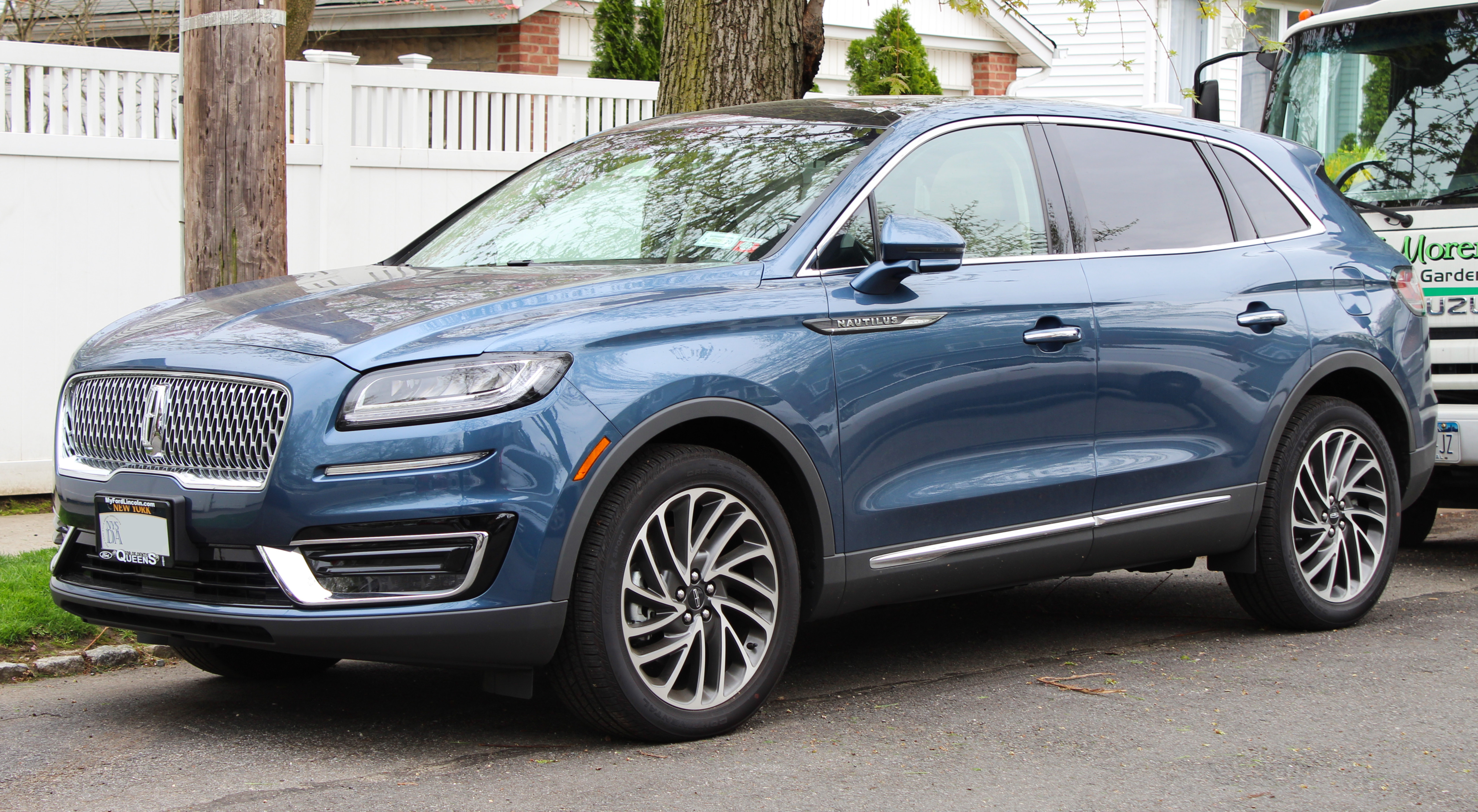
Lincoln Nautilus
"Also on the list, the Lincoln Nautilus, we would see more of this vehicle... Absolutely beautiful interior. Nice to drive available with a hybrid."
The Lincoln Nautilus is Lincoln’s luxury SUV. The host says it has a great interior and can be bought with a hybrid, and they also bring up where it’s built.
The Lincoln Nautilus is Lincoln’s mid-size luxury SUV, and the host highlights it as a standout among Lincoln models. They specifically mention it being “not built in China,” having an “absolutely beautiful interior,” and being available with a hybrid powertrain.
digital readout
"But it does what Lincoln does so well lately with controls and with, with digital readout and it does that across the dash thing."
A digital readout is the screen that shows the car’s information. The host likes how the Nautilus presents that information across the dashboard.
A digital readout is an electronic display that shows driving information like speed, navigation prompts, and vehicle status. The host is praising the Nautilus for using modern, dashboard-wide digital displays and controls.
revel sound system
"Also the revel sound system is incredible. Yeah."
Revel is a premium car audio brand. In this segment they’re saying the Revel sound system sounds really great.
Revel is an audio brand used in some luxury vehicles, known for premium speaker and tuning packages. Here, the host praises the Revel sound system as “incredible,” highlighting that the audio experience is a standout feature.

Lincoln Aviator
"it's, so I'm driving the aviator right now. And, you know, you know, it took drove it to Indianapolis and back and was just again, so impressed by the overall comfort and use the blue cruise"
The Lincoln Aviator is a luxury SUV made by Lincoln. It’s meant to feel smooth and comfortable, and in this part of the show they’re praising its interior and driver-assist features.
The Lincoln Aviator is a luxury SUV from Lincoln (Ford’s upscale brand), known for comfort-focused driving and a tech-heavy interior. In this segment, it’s discussed as a non-sporty but very impressive cruiser, with emphasis on driver-assistance features and cabin experience.
Indianapolis
"it took drove it to Indianapolis and back and was just again, so impressed by the overall comfort and use the blue cruise"
Indianapolis is a city in Indiana. They’re using a drive there and back as a real-world test of how the car feels.
Indianapolis is a major U.S. city in Indiana, commonly associated with motorsports (including the Indianapolis Motor Speedway). The host mentions driving there and back to evaluate real-world comfort and driver-assist behavior.
Blue Cruise
"so impressed by the overall comfort and use the blue cruise, which is okay, but not as good as super cruise."
Blue Cruise is Lincoln’s driver-assist feature that can help the car steer and handle parts of highway driving. The discussion here is basically about how well it works compared to a competing system.
Blue Cruise is Lincoln’s hands-free driver-assistance system, designed to help with steering and highway driving under certain conditions. The hosts compare it to another system (Super Cruise) and evaluate how good it feels in real-world use.
Super Cruise
"use the blue cruise, which is okay, but not as good as super cruise. But it doesn't have the same controls and tech that the Nautilus has"
Super Cruise is a driver-assist system that can help the car drive itself on certain highways. They’re saying it’s better than the Lincoln system they’re comparing it to.
Super Cruise is a hands-free highway driving system associated with General Motors’ Cadillac brand, known for its ability to steer the car on compatible roads. In this segment, it’s used as the benchmark for how capable the Lincoln system feels.
pillar to a pillar screen
"because the Nautilus as you mentioned has like the, you know, a pillar to a pillar screen that kind of spans the dash. And you would think it's distracting or as you said, gimmicky and it's not, it's just functional"
A “pillar-to-pillar screen” means the dashboard display is stretched wide across the front of the car. They’re saying it doesn’t feel like a gimmick—it actually helps and looks good.
A “pillar-to-pillar screen” refers to a single wide display design that spans much of the dashboard area, often visually connecting across the cabin’s front structure. The host argues it’s not distracting or gimmicky because it’s functional and improves usability.

Ford Expedition
"Yep. And that is the Ford Expedition. Yes. And we call this large SUV, not large crossover because all the vehicles in the segment are traditional body on frame, ready to tow, serious heavy duty vehicles..."
The Ford Expedition is a big SUV that’s built to tow and handle heavy-duty driving. The hosts highlight that its EcoBoost V6 helps it get better gas mileage than you’d expect for something this large.
The Ford Expedition is a large, body-on-frame SUV built for towing and heavy-duty use, but it’s also meant to be comfortable for passengers. Here, the standout detail is its EcoBoost V6, which the hosts say helps it achieve relatively good fuel economy for a big vehicle.
body on frame
"And we call this large SUV, not large crossover because all the vehicles in the segment are traditional body on frame, ready to tow, serious heavy duty vehicles..."
Body-on-frame means the SUV is built on a sturdy frame, like many trucks. That usually helps it tow and carry heavy loads.
Body-on-frame is a construction method where the vehicle’s body sits on a separate ladder-like frame. It’s common on trucks and towing-focused SUVs because it’s strong and can handle heavy loads, though it often feels less “car-like” than unibody designs.
EcoBoost V6
"But the Expedition, one of many vehicles in the segment, all of which are very good, gets big points for relatively good fuel economy from the EcoBoost V6."
EcoBoost V6 is Ford’s turbocharged V6 engine. The turbo helps it make good power without using as much fuel as you might expect in a big SUV.
EcoBoost V6 refers to Ford’s turbocharged V6 engine family, designed to deliver strong power while improving fuel economy versus a naturally aspirated engine. In this segment, it’s credited for relatively good fuel economy in a large, heavy SUV like the Ford Expedition.

Nissan Armada
"Everything in this segment is, which kind of brings us to the Armada. Nissan updated the Armada a couple of years ago... It also uses a turbocharged V6."
The Nissan Armada is a big family SUV. The host says Nissan refreshed it recently and that it uses a turbocharged V6 engine, which helps it feel strong without needing a huge engine.
The Nissan Armada is a full-size, body-on-road large SUV that competes directly with other big family haulers like the Ford Expedition. In this segment, the host highlights that Nissan updated the Armada recently and that it uses a turbocharged V6, which is a key powertrain detail for how it drives and feels.
will it fit in my garage
"living in the city, I always play that, will it fit in my garage game? And it fit no problem. It was easy, easy to park in my garage."
This is about whether a car is physically easy to park where you live. With big SUVs, size can make parking in a garage annoying or even impossible. The host is saying one SUV was easy to park because it fit.
This is a practical usability concept: checking whether a large vehicle’s dimensions work with your real-world parking space. For big SUVs, fitment affects daily convenience more than spec-sheet numbers. The host uses it to contrast a very large vehicle with a more manageable one that still fits easily.

Tahoe
"Also in this segment, a lot of General Motors vehicles, including the Yukon and the Tahoe and the Suburban, those are nice vehicles too. They're going to be redesigned."
The Chevrolet Tahoe is a large family SUV from General Motors. The host says the Tahoe is going to be redesigned and get new engines soon. That usually means changes to how it drives and how much fuel it uses.
The Chevrolet Tahoe is a full-size SUV from General Motors, typically aimed at buyers who want a large family vehicle with available luxury features. Here it’s mentioned alongside the Yukon and Suburban as part of a set that’s “going to be redesigned” and getting “new engines.” That signals a major refresh that can affect fuel economy and overall performance characteristics.

Suburban
"Also in this segment, a lot of General Motors vehicles, including the Yukon and the Tahoe and the Suburban, those are nice vehicles too. They're going to be redesigned."
The Chevrolet Suburban is a very large SUV from General Motors, famous for being roomy. The host says it’s going to be redesigned and get new engines soon. That usually means improvements in driving and efficiency, plus newer features.
The Chevrolet Suburban is a full-size SUV from General Motors known for its long-running “big family hauler” formula and roomy interior. In this segment, it’s grouped with the Yukon and Tahoe as vehicles that are going to be redesigned and receive new engines. A redesign typically brings updated powertrains and modernized tech, which can change the ownership experience.

Yukon
"Also in this segment, a lot of General Motors vehicles, including the Yukon and the Tahoe and the Suburban, those are nice vehicles too. They're going to be redesigned."
The GMC Yukon is a big SUV from General Motors. The host is saying the Yukon (along with similar GM SUVs) is going to be redesigned and get new engines soon. That’s important because a new generation can change how it drives and how efficient it is.
The GMC Yukon is a full-size SUV from General Motors’ GMC brand, known for being a mainstream large-SUV alternative to other body-on-frame family haulers. The host groups it with the Chevrolet Tahoe and Chevrolet Suburban and says these GM models are headed for redesigns and new engines. That matters because a redesign can change driving feel, efficiency, and tech features.

Lincoln Navigator
"It's good looking, nice interior, and it comes in much less expensive than the Lincoln Navigator does. Yeah. And you know,"
The Lincoln Navigator is a large luxury SUV from Lincoln. In this discussion, it’s mainly mentioned as the more expensive option compared to the Infiniti QX80. The takeaway is that you can get similar “big luxury SUV” vibes for less money.
The Lincoln Navigator is a full-size luxury SUV from Lincoln, positioned as a flagship competitor in the large-SUV market. In this segment, it’s used as the price benchmark for the Infiniti QX80, with the host claiming the QX80 costs much less. That comparison highlights how these big luxury SUVs can differ significantly in purchase cost.

QX80
"what I like about the QX80 is the design. And, you know, we had somebody on when, when I,"
The Infiniti QX80 is a big luxury SUV. The host is saying it looks good and has better technology than some older versions.
The Infiniti QX80 is a large, luxury three-row SUV known for its upscale interior and comfort-focused ride. In this segment, the host highlights the QX80’s design and tech, especially compared with older infotainment setups.
two-screen system
"you know, than that weird, you know, antiquated two-screen system that they used to have. [1860.5s] Yeah. Yeah. It was such a miss before."
This is about the car’s touchscreen setup. The host is saying an older version used two screens, and they didn’t think it worked as well or felt as modern.
A “two-screen system” refers to an infotainment layout where functions are split across two separate displays. The host criticizes the older Armada/QX80-era setup as “antiquated,” implying it was less intuitive or less modern than newer interfaces.

Lexus Lx
"Our other pick in this segment is the Lexus LX. [1868.3s] This is a little bit of a, you sound disappointed."
The Lexus LX is a luxury full-size SUV known for comfort and off-road capability. In this segment, the host compares it against the Infiniti QX80, saying they prefer the QX80 but still discuss the LX as another “pick.”
resale value
"But that said, the resale value of these are almost locked in. So you're not going to get burned, but you are on a lot of money up front."
Resale value is what you can sell the car for in the future. They’re saying these models tend to hold their price well, so you’re less likely to take a big loss.
Resale value is how much a vehicle is expected to be worth when you sell it later. The hosts say these vehicles’ resale value is “almost locked in,” meaning demand and pricing tend to stay strong, reducing the risk of losing a lot of money.
turbocharged V6
"Beautiful interior. It's got that great 3.5-liter turbocharged V6 drivetrain."
A turbocharged V6 is a six-cylinder engine that uses a turbo to help it make more power. The turbo helps the engine feel stronger without needing a bigger engine.
A turbocharged V6 is an engine with six cylinders arranged in a V shape, plus a turbocharger that forces more air into the cylinders. That typically improves power and efficiency compared with a non-turbo V6 of similar size, which is why the hosts call it a “great” drivetrain.
power running boards
"And with the power running boards, you know, my mom who, you know, has some mobility issues was actually able to get into the car without problems because she could step up into the car... Those running boards are not in my way because they would be much more difficult to just hike myself up into the cabin without using something like that."
Power running boards are automatic steps on the side of the car. They come out to help you climb in, then go back in when you’re done.
Power running boards are motorized side steps that extend when you open the door and retract afterward. They’re meant to reduce the effort of climbing into taller vehicles, especially for people with mobility limitations, but they can also feel intrusive when driving or when you’re shorter.
V6
"Just a nice V6 made it to an automatic transmission. It's uncomplicated. There's no turbos."
A V6 is an engine with six cylinders arranged in a V shape. It’s a popular engine type in trucks because it usually gives good power and smooth driving for things like hauling and commuting.
A V6 is an engine with six cylinders arranged in a “V” shape. It’s a common layout in mid-sized trucks because it can provide smooth power for towing and everyday driving without needing turbocharging to be strong.
turbos
"It's uncomplicated. There's no turbos. There's no alternate drive trains. It's just a very simple, very well put together, fundamentally good small pickup truck."
Turbos are devices that help an engine make more power by forcing extra air into it. In this segment, they’re mentioned as something the Frontier avoids, making the lineup feel simpler.
“Turbos” refers to turbochargers, which use exhaust gases to spin a turbine and force more air into the engine. That can improve power and efficiency, but it often leads to more complex engine options across a lineup.

Nissan Frontier
"And I would agree. I really like the Nissan Frontier. ... Just a nice V6 made it to an automatic transmission. ... But I want you to check out this one first. ... I really like the styling. interior amenities. I think they did a pretty nice job there."
The Nissan Frontier is a mid-size pickup truck. In this discussion, the big deal is that it’s set up in a simpler way—like a V6 engine with an automatic—without lots of complicated turbo or drivetrain options. They also say it’s easier to choose because the truck comes in simpler configurations.
The Nissan Frontier is a mid-sized pickup truck known here for keeping things simple: a V6 paired with an automatic transmission, without turbo engines or multiple drivetrain choices. In this segment, the hosts also point out that it’s offered in straightforward cab/bed configurations (including a long-wheelbase version), which makes it easier to shop than many competitors.
turbocharged four-cylinder engine
"All of a sudden, everything's a small turbocharged four-cylinder engine. All of them have got extreme off-road versions to offer."
This means a smaller 4-cylinder engine that has a turbo to boost its power. The hosts are basically saying that many competing trucks use this kind of setup, so there are more choices to sort through.
A turbocharged four-cylinder engine combines a smaller engine (four cylinders) with a turbocharger to increase power output. Many modern truck lineups use this approach to meet fuel-economy goals, which is why the hosts say the segment can get complicated with lots of turbo options.
quad cab
"I like the styling. interior amenities. I think they did a pretty nice job there. ... And you're right. I believe that this is just a quad cab single bed."
Quad cab refers to a pickup with four doors so rear passengers can get in. The rear seat is usually tighter than in a full-size crew cab, but it’s still more convenient than a two-door setup.
“Quad cab” is a pickup body style that typically means four-door access with rear seats that are smaller or less roomy than a full crew cab. It’s part of how pickups are configured, affecting passenger space and overall practicality.
long wheelbase
"Wait, no, they do have a long wheelbase version of the Frontier. They added that last year, I think."
Long wheelbase means the truck is longer from front to back. That can help with stability and space, but it can also make the truck tougher to park in tight spots.
Long wheelbase means the distance between the front and rear axles is longer than on a standard wheelbase version. On pickups, that usually translates to more cabin/bed layout options and can improve ride stability, but it also makes the truck longer and harder to maneuver.
steering at lower speed
"I will say steering at lower speed. So like if you're backing into a parking spot or maneuvering through tight spaces, the steering is a little bit hard. And from a petite driver's perspective, this is not ideal."
This is about how the steering feels when you’re going slowly, like parking. The hosts say it can feel a little hard to steer in tight spots, which may not be ideal for smaller drivers.
Steering feel at lower speed refers to how heavy or responsive the steering is when maneuvering—like parking, backing up, or turning in tight spaces. Some trucks use steering ratios and assist tuning that can feel less nimble for shorter drivers.

Ford Ranger
"For me personally, it's Ford Ranger every day, all day. But I think for most people, you're 100% right. This is exactly the truck that they should look at. I have a Ford Ranger coming in two weeks and I'm looking forward to that."
The Ford Ranger is a pickup truck that’s smaller than the big full-size trucks. That matters in the city because it can be easier to park and turn in tight spaces.
The Ford Ranger is a midsize pickup truck known for being easier to maneuver than large full-size trucks. In this segment, the hosts focus on practical city usability—especially how it feels smaller and how its turning radius helps with tight streets.
turning radius
"Okay, that's good to know. And I feel like it has a better turning radius as well. And being in a city environment, turning radius is all. I need the tight turning radius."
Turning radius is how tight the truck can turn. The smaller it is, the easier it is to make U-turns and park in tight city spots.
Turning radius is the tightest circle a vehicle can make when steering. A smaller turning radius makes it easier to navigate and park in crowded city environments with narrow streets and tight corners.
Hurricane engine
"I guess. You know, I thought that the Hurricane engine on the Ram was amazing. It is amazing. It's still there."
“Hurricane” is the name Ram uses for a particular engine option. The host is basically saying it’s a great engine and that it’s cheaper than some alternatives while making strong power.
The “Hurricane” engine is Ram’s branded name for a modern engine program they’ve marketed as advanced and efficient. In this segment, the host says it’s “amazing” and compares it to other Ram engine options in cost and output.
Hemi engine
"And if you want a Hemi engine, go get that Hemi engine and spend more money. You know, if you want something that has more power and better fuel efficiency, go for the Hurricane."
A “Hemi” engine is a type of engine design where the inside of the cylinder head is shaped like a half-sphere. That design can help the engine breathe and burn fuel efficiently, which is why people link it with strong power.
“Hemi” refers to a hemispherical combustion-chamber cylinder head design. That shape can help airflow and combustion, which is why “Hemi” engines are often associated with strong power output in Chrysler/Dodge/Ram applications.
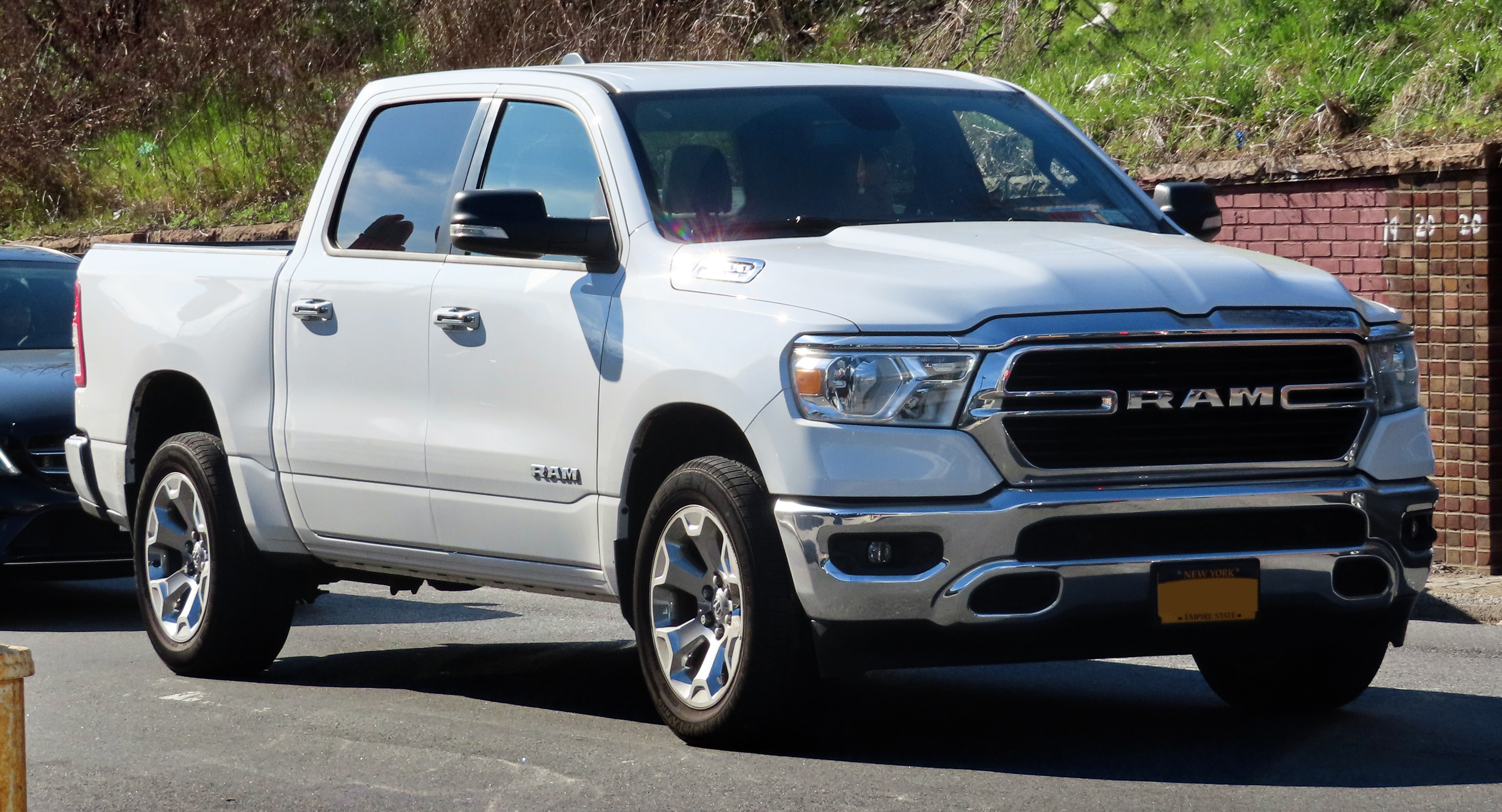
Ram 1,500 series
"And that's that Ram dropped the Hemi engine entirely from the 1,500 series, half ton pickup trucks."
Ram’s “1,500 series” is their half-ton pickup lineup. Here, they’re talking about which engine options Ram offers in those trucks and how that affects what buyers choose.
Ram’s “1,500 series” refers to its half-ton pickup truck lineup. In this segment, the hosts focus on how Ram changed engine availability—removing the Hemi from the 1,500 series—then later bringing it back due to customer demand.

Dodge Ram
"...this car, why this truck is the best buy. And the Ram has a lot going forward, including shockingly nic..."
Ram is a brand that makes pickup trucks. The podcast is talking about it as a good value option and focusing on how nice the truck can be to own and drive.
Ram is the truck brand within Stellantis, and the podcast context frames it as a strong “best buy” option with a lot going forward. The mention of “shockingly nice” suggests the discussion is about comfort, features, or overall value. That’s why Ram comes up—buyers often want a truck that feels good to live with, not just work-capable.
coil spring rear suspension
"Really good ride and handling, partly because the Ram makes use of coil spring rear suspension, which most of the other trucks don't."
Coil spring rear suspension is how the truck’s back end is supported and how it absorbs bumps. They’re saying Ram’s setup helps the ride feel nicer and the truck handle better than many competitors.
Coil spring rear suspension uses coil springs to support the rear of the vehicle and control how it moves over bumps. The hosts call out that Ram uses this setup, implying it helps ride quality and handling compared with other trucks that use different rear suspension designs.
resell value
"I would seriously recommend you try the six cylinder engines before committing to the Hemi, although the Hemi is probably going to get your money back at resell value times."
Resell value is how much money the truck should be worth when you sell it later. They’re saying the Hemi might hold its value better, so the higher price could be partly recovered.
Resell value is what a vehicle is expected to be worth when you sell it later. The hosts suggest that choosing the Hemi may pay back some of the extra cost at resale, though they hedge about the future.
Adjustable pedals
"[2396.8s] You know what else this truck has that I really like? [2399.2s] What's that? [2399.8s] Adjustable pedals. [2401.2s] Oh, does it still? [2402.3s] Yes."
Some trucks have pedals you can move closer or farther away. It helps people of different heights sit comfortably and reach the gas and brake easily.
Adjustable pedals let you move the accelerator and brake closer or farther from the driver. That helps different-height drivers find a comfortable reach and can improve how naturally you can use the pedals.
minivans
"[2412.0s] I tell you what, let's take a break and when we come back, we'll talk about minivans. [2415.1s] Awesome. [2416.6s] Questions or comments? ... [2448.6s] Well, you know what? [2449.6s] The next segment, which is the last segment actually invites a little bit of conversation [2454.8s] because things have changed for 2026 and 2027 and that is minivans. [2460.5s] Okay."
They’re switching to talk about minivans next. They also hint that the recommendations or lineup has changed for 2026 and 2027.
The hosts say the next segment will cover minivans, and later note changes for 2026 and 2027. This is a structural shift to a new vehicle category in the consumer guide.

Chrysler Pacifica
"And that's the Chrysler Pacifica. Right. This car has been around for a long time. It is being freshened, but not very for 2027. It's getting an all new front end. But what this vehicle does well is what it should do well. And it's an excellent highway car."
The Chrysler Pacifica is a minivan. In this segment they’re saying it’s great for long highway drives because it’s quiet and has lots of practical space inside.
The Chrysler Pacifica is a minivan built around comfort and interior space, and it’s especially noted here for being an excellent highway car. The hosts mention it’s being refreshed with an all-new front end, while still keeping the practical minivan strengths like quietness and usable room.
stow and go
"You know, one feature that nobody has been able to replicate yet is stow and go. Now, if you opt for the top tier pinnacle trim, it does not have stow and go, but you'll still have storage underneath the floor."
“Stow ’n Go” is a minivan feature where the middle seats fold down and disappear into the floor. It makes it much easier to switch between carrying people and hauling cargo.
“Stow ’n Go” is Chrysler’s minivan seating system where the middle-row seats fold and stow into the floor. That creates a flat cargo area without removing the seats, which is a major usability advantage versus minivans that require physically taking seats out.

Chrysler Own Chrysler
"...y out of the vehicle. And having known people who own Chrysler Dodge Plymouth crossover. I'm sorry."
The Chrysler Town & Country is a minivan. It’s designed to carry families and passengers comfortably, and the podcast is referencing it as part of the broader history of family vehicles.
The Chrysler Town & Country is a minivan known for family-focused space and comfort. In the podcast context, it’s mentioned alongside other Chrysler/Dodge/Plymouth crossover-related comments, suggesting the hosts are talking about older minivan or family-vehicle options and how people move between categories. It’s relevant because minivans like this were once a common “default” for families.

Honda Odyssey
"Now the other vehicles in this segment are worth knowing about. [2766.3s] Honda still sells the Odyssey. [2767.7s] We just learned that Honda is not going to update the Odyssey much anytime soon as part [2773.9s] of their, their program to, to focus on core vehicles because they spent a lot of money [2778.9s] on electric vehicles that they recently chose not to try to sell anymore."
The Honda Odyssey is a popular minivan from Honda. The host is saying Honda plans to make fewer updates to it for now, because the company is concentrating on other priorities like electric vehicles.
The Honda Odyssey is Honda’s long-running minivan, typically known for being a mainstream family hauler with strong practicality. Here, the host notes Honda won’t be updating it much soon, tying that to the company’s shifting focus toward electric vehicles.

Toyota Sienna
"And of course you've got the Toyota Sienna, which well worth knowing about for a bunch of reasons, all hybrid available, all will drive lot there to like, including good resell values, not very excited inside, not very much fun to drive, but an excellent pick and kind of a no-brainer if you're a Toyota fan."
The Toyota Sienna is a family minivan that’s available as a hybrid. The hosts are saying it tends to be a smart choice because it holds its value well, even if they don’t find it especially exciting to drive.
The Toyota Sienna is a minivan known for being offered with a hybrid powertrain, which helps it deliver strong real-world efficiency for a family hauler. In this segment, the hosts also call out its resale value, positioning it as a practical “no-brainer” if you’re already a Toyota fan.
rental fleets
"Some of them get dumped into rental fleets and that helps bring the price down. So if you are looking for a minivan and you find them expensive new, consider a one or two or three year old minivan and see what you can find out there."
Rental fleets are cars that rental companies keep and rent out to lots of different people. When they’re sold after being used for rentals, they can be cheaper than buying the same model brand-new.
Rental fleets are groups of vehicles owned by rental companies and used by many different drivers. Because these cars are often sold off after a short period, they can end up as relatively affordable used options compared with buying new.

Kia Carnival
"I lean very heavily into tech and the Kia Carnival has all the latest and greatest. It is the most modern of the minivans out there."
The Kia Carnival is a family minivan that focuses a lot on modern technology. The host is saying it has the best setup for screens, apps, and features compared with other minivans.
The Kia Carnival is a modern minivan that’s positioned around tech and infotainment. In this segment, the host highlights that it’s the most up-to-date minivan for “cool screens and apps,” and that it’s set up in a way they prefer over rivals.
Request an Explanation
Heard something you'd like explained? We'll add it to this episode.
Sign in to request explanations for terms you heard.
Want to learn more?
Browse our glossary for plain-English explanations of automotive terms, jargon, and concepts.
Help improve this episode
See something that's not quite right? Our annotations are AI-generated and can sometimes miss the mark. Click the flag icon on any annotation to suggest a correction.
2 community members have helped improve this episode.