
2026 Genesis GV80 Review: Its Looks Aren’t Everything
About this episode
The hosts kick off with auto headlines, from an aluminum-supplier fire disrupting Ford F-150 production to Carfax data showing “nearly 7 million” unresolved backup-camera recalls. They then zoom out on safety testing and driver-assistance standards, noting the Model Y’s NITSES win and how more systems are becoming standard. After that, the focus turns to road-testing the 2026 Genesis GV80 3.5T Prestige—praising its smooth electric AWD feel, strong low-end torque, and usable tech, while critiquing the dial-style shifter.
This week on America on the Road, Jack Nerad and Chris Teague review two very different SUVs — the luxurious 2026 Genesis GV80 3.5T Prestige and the practical 2026 Subaru Solterra electric crossover. They also discuss Ford F-150 shortages, millions of vehicles with unresolved backup camera recalls, Tesla’s safety test success, MINI’s safety push, and Lexus’s new three-row EV. Our special guest is Honda’s Dillon Kane.
🚙 Jack Nerad’s Road Test: 2026 Genesis GV80 3.5T Prestige AWDJack reviews the 2026 Genesis GV80 3.5T Prestige AWD, an eye-catching luxury midsize SUV with a potent 375-hp twin-turbo V6, exceptionally comfortable ride, stunning interior featuring Nappa leather, a massive 27-inch OLED display, and a long list of standard luxury features. At $84,475 as tested, it delivers premium refinement, advanced technology, and strong value compared to German rivals.
🚗 Chris Teague’s Road Test: 2026 Subaru SolterraChris tests the 2026 Subaru Solterra, a compact battery-electric crossover with standard Symmetrical All-Wheel Drive, dual-motor power, over 220 miles of range, and practical everyday utility. He covers its responsive electric performance, X-MODE off-road capability, quiet ride, modern tech including a large touchscreen with wireless Apple CarPlay/Android Auto, and strong safety features with EyeSight.
🎙️ Special Guest InterviewDillon Kane from Honda Development & Manufacturing discusses an exciting new concept, the Honda Base Station travel trailer..
📰 This Week’s Headlines Lexus Unveils 2027 TZ Three-Row EVLexus enters the luxury electric three-row segment with the new TZ offering up to 300 miles of range, “Driving Lounge” comfort, and premium sustainable materials inside
Ford F-150 Shortage Hits DealersFires at a major aluminum supplier have slashed F-150 inventory by nearly 24%, driving up prices and limiting availability of America’s best-selling pickup.
7 Million Vehicles Have Unfixed Backup Camera RecallsCARFAX warns of widespread safety risks as millions of vehicles continue to drive with unresolved rearview camera defects.
Tesla Model Y Passes Updated NHTSA ADAS TestsThe 2026 Model Y becomes the first vehicle to pass the stricter new federal advanced driver-assistance safety evaluations.
MINI Expands Safety TechnologyThe entire MINI lineup now features advanced driver aids, strong Euro NCAP ratings, and sophisticated pre-crash systems.
❓ Listener QuestionTim from Ontario, California asks: “Can I use regular gas instead of premium if the manual recommends premium?” Jack and Chris give their take.
📚 Jack Nerad’s New BookJack’s crime novel, Only One Thing Stays the Same, is available now in paperback and eBook on Amazon — currently at a sale price.
🎧 Where to ListenCatch America on the Road on your local Sports Byline Radio Network station each week and subscribe to the podcast on Apple Podcasts, Spotify, YouTube, and more. Follow for new car reviews, guest interviews, auto news, and road tests.
Sponsored by Mercury Insurance and DrivingToday.com
📺 Watch & SubscribeFind America on the Road on YouTube and Rumble. Subscribe for road test videos, shorts, and extended reviews.
📨 Email: [email protected]
Look for Matt DeLorenzo’s Book on AMGLook for guest co-host Matt DeLorenzo’s terrific new book Mercedes-AMG: Race-Bred Performance
Check Out Gary Witzenburg’s New BookPick up a copy of auto journalist Gary Witzenburg’s terrific new book Legends in Motion.
Special Price for Jack’s Newest Crime NovelJack is now offering his newest crime novel, Only One Thing Stays the Same, at a 67%-off price of just $4.99. Click here to buy from Amazon at this special limited-time price.
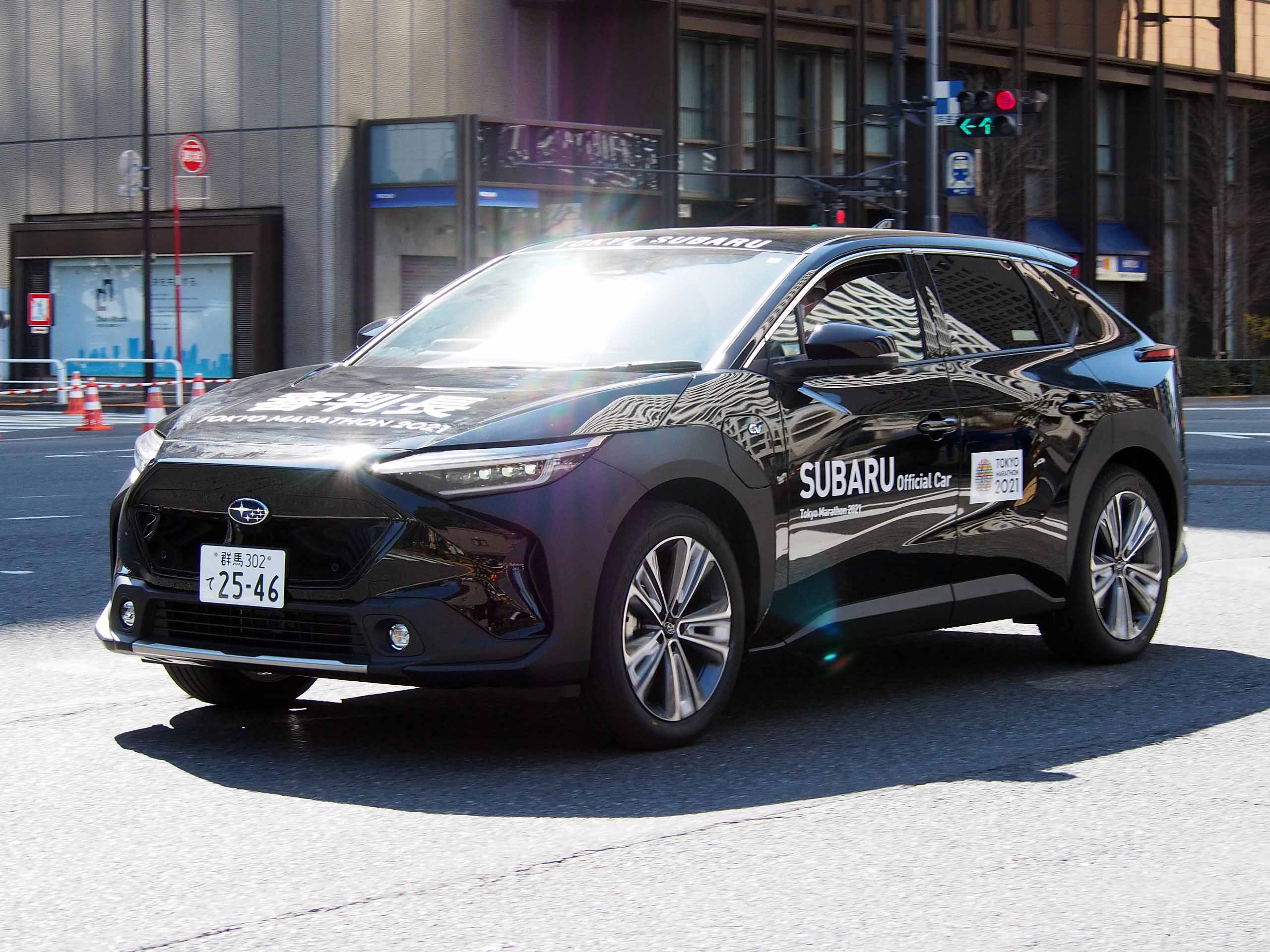
Solterra Soltera
"...is week? I spent the week driving the 2026 Subaru Soltera. It's their first all-electric vehicle, although ..."
The Subaru Solterra is an electric SUV, which means it uses a battery instead of gasoline. The podcast notes it’s Subaru’s first all-electric model and that they drove it for a week. That kind of test helps show how it works day to day.
The Subaru Solterra is Subaru’s first all-electric vehicle, positioned as an electric SUV for drivers who want a battery-powered alternative. The podcast mentions spending a week driving the 2026 Solterra, which suggests it’s being evaluated for real-world usability, not just specs. It’s also notable because it marks Subaru’s entry into the fully electric lineup.

Ford F150
"the fact that Ford dealers are facing F-150 shortages because the aluminum supplier had [191.8s] a fire. [192.3s] This is really threatening the best-selling vehicle, or certainly one of the best-selling [199.1s] vehicles in America."
The Ford F-150 is a very popular pickup truck that Ford sells in massive numbers. Here, the hosts say a shortage of aluminum could limit which versions of the F-150 are available.
The Ford F-150 is Ford’s best-selling pickup truck, and it’s known for being built in huge volumes. In this segment, the hosts connect that popularity to a real-world supply issue: aluminum shortages affecting certain F-150 trims.
aluminum body
"[201.0s] Of course, it has an aluminum body. [202.9s] It has had for several years now, and one of the company's largest aluminum suppliers [207.7s] had a fire, and thus inventory is way, way down."
An aluminum body means parts of the car are made from aluminum instead of steel. Aluminum can help the vehicle weigh less, but if aluminum is hard to get, production can slow down.
An aluminum body means the vehicle’s outer structure uses aluminum panels/structure instead of steel. Aluminum is lighter, which can help fuel economy and performance, but it also depends on aluminum supply and production capacity.
supply chain
"[238.7s] It feels like a weakness in the supply chain for such an important model. [242.8s] But again, they're looking until later this year until things get back on track."
A supply chain is how parts and materials get from suppliers to the factory. If one key supplier has a problem, the factory can’t get what it needs, and vehicle availability can suffer.
A supply chain is the network of companies and steps that get materials to a manufacturer on time. Here, the hosts argue that relying heavily on one aluminum supplier creates a weak point—when that supplier has a fire, truck inventory drops.
sheet aluminum
"[251.5s] I don't think there are that many plants or that many companies actually that produce [255.7s] sheet aluminum, certainly in the quantities that they would require it to build pickup [262.6s] trucks, and they build a lot of pickup trucks using sheet aluminum."
Sheet aluminum is aluminum made in big flat sheets. Car factories use those sheets to stamp out body parts, so if there isn’t enough sheet aluminum available, fewer trucks can be built.
Sheet aluminum is aluminum delivered in large flat sheets that automakers stamp into body panels and structural parts. The segment highlights that producing enough sheet aluminum in the needed quantities can limit how many suppliers can realistically support a high-volume truck program.
lightweighted the truck
"[266.1s] Of course, most vehicles use sheet steel, but they lightweighted the truck, and thus [272.0s] I think kind of limited the number of suppliers that they could have to supply that sheet [277.4s] metal for themselves."
Lightweighting means making the vehicle lighter. Using lighter materials like aluminum can help, but it also means the car depends more on those materials being available.
Lightweighting means reducing a vehicle’s weight by using lighter materials or design changes. In this case, the hosts connect lightweighting to aluminum usage, which can indirectly increase vulnerability to aluminum supply disruptions.
backup camera recalls
"I can't believe, but I guess I should believe, that there are 7000000 vehicles out there that have unfixed backup camera recalls. That doesn't mean that the cameras don't work, but there are recalls on them."
A recall means the car maker says, “We found a problem and you should get it fixed.” Here, the problem is with the rear-view camera, so it can show the wrong picture—or not show anything—making it harder to see behind you.
A recall is when a manufacturer (or regulator) requires a fix because a safety-related defect or malfunction has been identified. In this case, the recall is for the vehicle’s rear-view camera system, which can affect what the driver sees while reversing or when using the camera instead of direct rear visibility.
recall notice
"But you might get a recall notice for a backup camera. If it's not happening to you, or if it's not happened yet, then you might just forget about it."
A recall notice is a message from the car maker telling you that your car needs a fix. It’s not just a suggestion—it's the official warning that something could be unsafe.
A recall notice is the official message sent to owners telling them their specific vehicle needs a safety-related repair. Even if the issue seems minor (like a camera glitch), the notice is still important because the failure can happen at any time and can increase the risk of a crash.
Lemonlawed
"But I will say, it was one of the reasons why Lemonlawed my Volkswagen Golf R a few years ago is that the backup camera flashed all the time."
“Lemon law” is a consumer law that helps you if a car keeps having the same problem and the maker can’t fix it. The speaker is saying their camera issue was part of why they were able to get the car handled under that kind of process.
“Lemon law” refers to consumer-protection rules that can require a manufacturer to buy back or replace a vehicle when it has persistent defects that aren’t fixed after repeated attempts. In the transcript, the speaker uses it to describe how the backup-camera problem contributed to a legal remedy for their Volkswagen Golf R.
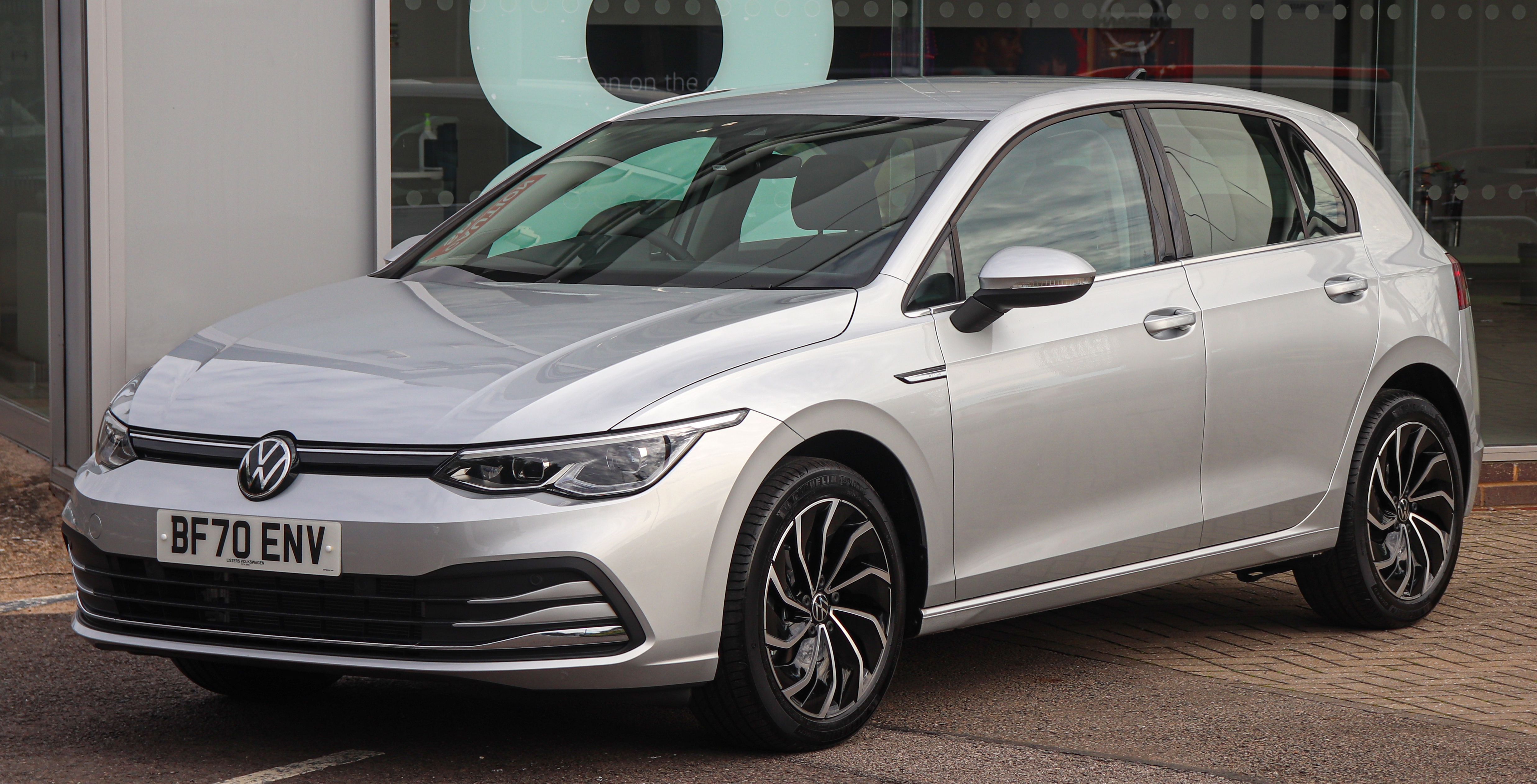
Volkswagen Golf R
"But I will say, it was one of the reasons why Lemonlawed my Volkswagen Golf R a few years ago is that the backup camera flashed all the time."
The Volkswagen Golf R is a sporty version of the Golf. In the story here, the speaker says the rear camera kept flashing, and that problem played a role in getting the car handled through a legal process.
The Volkswagen Golf R is a performance-focused version of the Golf, known for its hot-hatch driving feel and turbocharged power. In this segment, it’s mentioned because the rear-view camera system flashed constantly, which the speaker links to a legal resolution (a buyback).
rear visibility
"Of course, when you get a blank screen, that reduces rear visibility by, I'd say, at least 100 percent. Right?"
Rear visibility is how clearly a driver can see behind the vehicle while reversing or maneuvering. If the backup camera goes blank, it can drastically reduce the driver’s ability to judge distance and obstacles, which can raise the risk of a crash.
crash risk
"Right? Yeah, you just can't see back there or using the camera that increases the crash risk."
Crash risk means the chance of getting into an accident. If you can’t see behind you because the camera fails, it’s easier to miss something and hit it.
Crash risk is the likelihood of a collision occurring, often influenced by how well drivers can perceive hazards. The segment ties camera failures (blank screens) to reduced visibility, which can make it harder to avoid obstacles when backing up.
Advanced Driver Assistance Safety Test
"And speaking of Tesla, the Model Y has become the first vehicle to pass the National Highway Traffic Safety Administration's updated Advanced Driver Assistance Safety Test. I don't know how well publicized those tests are, but this is a major milestone."
This is a safety test for the car’s “helping” features, like automatic braking and lane guidance. It checks whether those features actually work well when it matters.
The Advanced Driver Assistance Safety Test (ADAS test) is a standardized evaluation for driver-assistance technologies like braking and lane support. The goal is to measure how well these systems perform in safety-critical situations, not just whether they exist.

Tesla Model Y
"And speaking of Tesla, the Model Y has become the first vehicle to pass the National Highway Traffic Safety Administration's updated Advanced Driver Assistance Safety Test. I don't know how well publicized those tests are, but this is a major milestone."
The Tesla Model Y is the first car to do well on a new government safety test for driver-assist features. It suggests the car’s safety systems are being judged more strictly than before.
Tesla Model Y is being highlighted as the first vehicle to pass the National Highway Traffic Safety Administration’s updated Advanced Driver Assistance Safety Test. That matters because it’s an early signal that the Model Y’s driver-assistance tech is meeting newer, more demanding safety criteria.
National Highway Traffic Safety Administration
"And speaking of Tesla, the Model Y has become the first vehicle to pass the National Highway Traffic Safety Administration's updated Advanced Driver Assistance Safety Test. I don't know how well publicized those tests are, but this is a major milestone."
This is the U.S. government agency that tests cars for safety. Here, they’re running a newer test focused on driver-assist features.
The National Highway Traffic Safety Administration (NHTSA) is the U.S. government agency that runs vehicle safety testing and publishes safety ratings. In this segment, it’s specifically tied to an updated test for advanced driver-assistance systems.
revised new car assessment program
"The new testing standards are part of a revised new car assessment program. This looks at not just surviving crashes, but a greater emphasis on active safety, which I certainly endorse."
This means the way cars are rated for safety is being updated. The new focus is more about active safety features that help prevent crashes, not only what happens after a crash.
A revised new car assessment program updates how vehicles are evaluated and scored for safety. In this case, the emphasis shifts beyond crash survival toward active safety performance from driver-assistance systems.
Insurance Institute for Highway Safety
"And this is going to become a bigger issue with other safety ratings organization, the Insurance Institute for Highway Safety is starting to implement some of these requirements for advanced driver assistance systems to achieve top safety pick stuff."
This is a safety testing group that evaluates cars and gives them ratings. They’re starting to require certain driver-assist safety features for their top awards.
The Insurance Institute for Highway Safety (IIHS) is a major U.S. safety organization that tests vehicles and awards ratings. Here, it’s mentioned as starting to apply requirements for advanced driver-assistance systems to earn top “safety pick” style ratings.
automatic emergency braking
"The expanded tests evaluate technologies that include automatic emergency braking, lane keeping assistance, blind spot intervention, and other driver assistance features, kind of stuff we talk about on America on the road all the time."
Automatic emergency braking is when the car senses a crash might happen and brakes by itself. It’s meant to help avoid the collision or reduce how hard it is.
Automatic emergency braking (AEB) is a driver-assistance feature that detects a potential collision and applies the brakes automatically to reduce speed or avoid impact. It’s a key technology in ADAS safety testing because it can prevent or lessen real-world crashes.
lane keeping assistance
"The expanded tests evaluate technologies that include automatic emergency braking, lane keeping assistance, blind spot intervention, and other driver assistance features, kind of stuff we talk about on America on the road all the time."
Lane keeping assistance helps the car stay in its lane. If you start drifting, it can nudge or steer to keep you from crossing the lane line.
Lane keeping assistance helps keep the vehicle centered in its lane by using steering or steering prompts when lane markings are detected. It’s included in ADAS evaluations because it affects how safely the car behaves during everyday driving and lane departures.
blind spot intervention
"The expanded tests evaluate technologies that include automatic emergency braking, lane keeping assistance, blind spot intervention, and other driver assistance features, kind of stuff we talk about on America on the road all the time."
Blind spot intervention is when the car detects something you can’t see and helps stop you from making a dangerous lane change. It’s more than a warning—it can help take action.
Blind spot intervention is a driver-assistance function that detects vehicles in your blind spot and can actively help prevent a lane change collision. Unlike a simple warning, “intervention” implies the system may take action to reduce risk.
Mini is also pushing a new safety initiative
"So it's interesting that these vehicles are out there and that Model Y, vilified by some recently, is number one here. Mini is also pushing a new safety initiative."
They’re saying Mini is also working on a new safety plan. It’s part of a broader trend where carmakers are updating safety features.
The hosts pivot to mention that Mini is also launching a new safety initiative. This is a discussion beat about how multiple brands are responding to evolving driver-assistance safety expectations.
BMW
"standard or less standard, but making standard things that BMW has been equipping their vehicles [552.0s] with, of course, Mini owned by BMW."
BMW is a car company that also owns Mini. The discussion is about how BMW’s approach is showing up in Mini’s safety features.
BMW is a major luxury automaker that also owns the Mini brand. The hosts connect BMW’s influence to Mini making safety and driver-assistance features more standard.
radar sensors
"Several standard safety systems, radar sensors, cameras, ultrasonic technology, a lot of people, [562.3s] of course, question Mini in the safety department"
Radar sensors use signals to “see” how far away something is and how fast it’s moving. Cars use them to help with safety features like warnings and distance control.
Radar sensors use radio waves to detect objects and measure relative distance and speed. In modern cars, they’re commonly used for driver-assistance features like adaptive cruise control and collision warning.
ultrasonic technology
"Several standard safety systems, radar sensors, cameras, ultrasonic technology, a lot of people, [562.3s] of course, question Mini in the safety department"
Ultrasonic technology uses high-frequency sound waves to measure nearby distances, often at low speeds. It’s commonly used for parking assistance and close-range obstacle detection.
cameras
"Several standard safety systems, radar sensors, cameras, ultrasonic technology, a lot of people, [562.3s] of course, question Mini in the safety department"
Car cameras look at what’s in front of you and help the car understand the road. They’re used for features like lane and collision warnings.
Automotive cameras are used to detect lane markings, vehicles, pedestrians, and traffic signs by analyzing images in real time. They’re a key input for many driver-assistance systems and safety alerts.
crash avoidance
"I think the crash avoidance things become more important when you're in a small vehicle, [575.2s] especially in countries like the United States where most of the vehicles aren't that small."
Crash avoidance systems are meant to help prevent accidents. They watch for danger and can warn you or take action to reduce the chance of a crash.
Crash avoidance refers to driver-assistance systems designed to help prevent collisions or reduce their severity. These systems typically rely on sensors and automated alerts or interventions when they detect a dangerous situation.
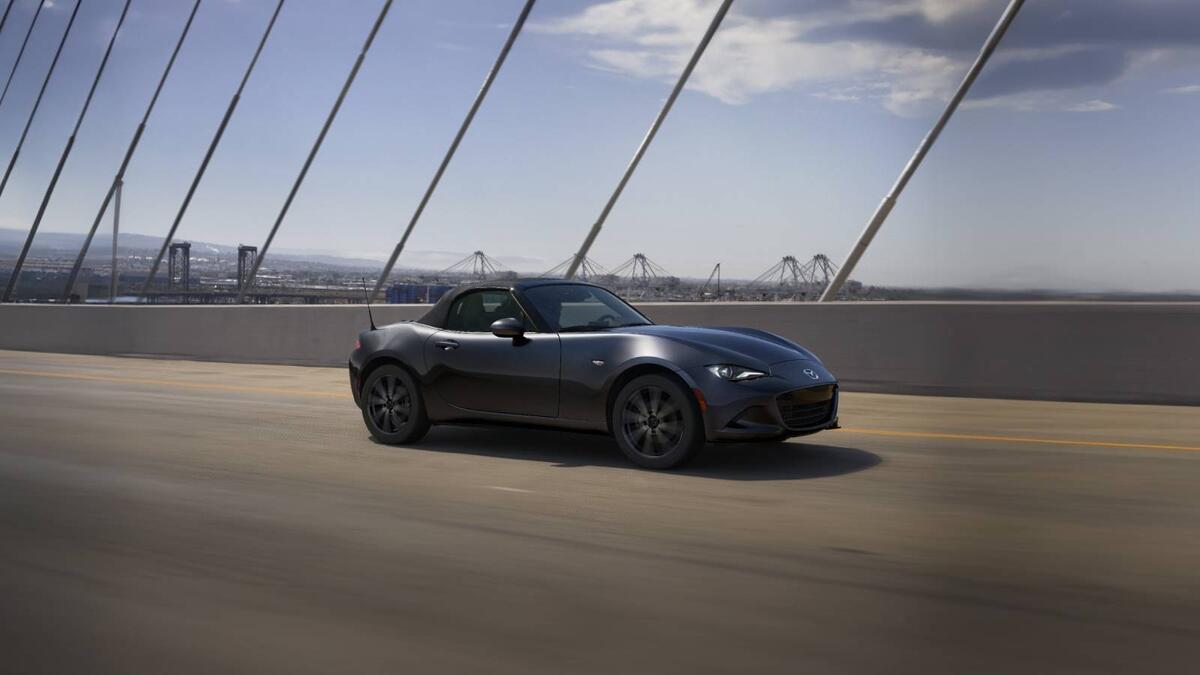
Mazda MX-5 / Miata
"...l. I mean, the last time I drove a Mini or even a Miata, you feel like you're driving a go-kart compared ..."
The Mazda MX-5 (Miata) is a small two-seat sports car focused on being light and easy to drive. Because it’s not heavy, it can feel very quick to respond when you steer. That’s why people compare it to a go-kart for the driving feel.
The Mazda MX-5, commonly called the Miata, is a lightweight two-seat roadster designed for fun, responsive driving. It often comes up in conversations about handling because it feels quick and agile compared with heavier cars. The podcast uses it as a reference point for what “go-kart-like” driving feels like.
Toyota Camry
"I mean, the last time I drove a Mini or even a Miata, you feel like you're driving a go-kart [583.8s] compared to even just a regular Toyota Camry on the road. [587.3s] So I'm happy to see this stuff."
The Toyota Camry is a bigger, mainstream sedan. They’re using it as a reference point to show how small cars feel more “go-kart-ish” on the road.
The Toyota Camry is a midsize sedan that’s typically larger and more stable-feeling than small cars. The hosts compare it to a Mini/Miata to illustrate how vehicle size changes the perceived driving experience in traffic.
Mercedes-Benz
"One of the things that always strikes me as odd, and I don't want to just beat up on BMW [603.9s] because I think Mercedes-Benz does it and Audi probably does it too, is they make some [610.1s] of these safety systems that are standard on mainstream cars optional or part of optional"
Mercedes-Benz is a luxury car brand. They bring it up to compare how different brands charge for safety features—sometimes making them optional instead of standard.
Mercedes-Benz is a luxury automaker mentioned here in the context of how safety tech is packaged. The hosts argue that some systems can be standard on mainstream cars from one brand but optional or bundled behind packages from others.
Audi
"because I think Mercedes-Benz does it and Audi probably does it too, is they make some [610.1s] of these safety systems that are standard on mainstream cars optional or part of optional [616.8s] packages."
Audi is another luxury car brand mentioned in the comparison. They’re saying some safety features may be optional depending on the package you buy.
Audi is a luxury automaker referenced as another example of safety tech being offered as optional packages. The segment’s point is about how pricing and packaging can affect whether safety systems are standard or cost extra.
Lane Departure Warning
"And I guess a good thing with Mini here is that stuff like Lane Departure Warning with [626.3s] "
Lane Departure Warning is a safety feature that watches your lane position. If you start drifting without signaling, it alerts you so you can correct it.
Lane Departure Warning (LDW) alerts the driver when the car detects it’s drifting out of its lane without using a turn signal. It’s usually triggered by camera-based lane detection and is meant to reduce lane-change and distraction-related crashes.
Forward Collision Warning
"Steering Intervention Forward Collision Warning and Automatic Braking, Blind Spot Monitor, [638.0s] that's all standard now, but your thoughts on what the Europeans do on this score?"
This system watches what’s happening in front of you. If it thinks you might crash, it warns you and may help slow the car down.
Forward Collision Warning is a driver-assist system that monitors the road ahead and alerts you if it thinks you’re on a collision course with a vehicle in front. It’s often paired with automatic braking to reduce or prevent impact.
Steering Intervention
"Steering Intervention Forward Collision Warning and Automatic Braking, Blind Spot Monitor, [638.0s] that's all standard now, but your thoughts on what the Europeans do on this score?"
If the car thinks you’re drifting out of your lane, it can help steer you back. It’s meant to prevent accidents caused by distraction or fatigue.
Steering Intervention is a driver-assist feature that can nudge or correct steering if the car detects you drifting out of your lane. It’s designed to help prevent lane-departure crashes, especially when you’re not actively steering.
Automatic Braking
"Steering Intervention Forward Collision Warning and Automatic Braking, Blind Spot Monitor, [638.0s] that's all standard now, but your thoughts on what the Europeans do on this score?"
If the car senses a crash is likely, it can brake for you. The goal is to slow down enough to avoid or reduce the impact.
Automatic Braking (in this context, as part of collision-avoidance tech) can apply the brakes when the system detects an imminent crash. Depending on the setup, it may reduce speed to lessen damage or help avoid the collision entirely.
Blind Spot Monitor
"Steering Intervention Forward Collision Warning and Automatic Braking, Blind Spot Monitor, [638.0s] that's all standard now, but your thoughts on what the Europeans do on this score?"
It helps you notice cars you can’t see in your mirrors. If you try to change lanes when another car is there, it warns you.
Blind Spot Monitor uses sensors to detect vehicles in areas you can’t easily see, like alongside the car. It typically alerts you when you signal a lane change while something is in that blind spot.

Honda Civic
"Yeah, this is stuff you've been able to get standard on Honda Civic for like eight or [649.6s] so years now in a Toyota Camry and Corolla and all those cars come standard with it."
The Honda Civic is a popular everyday car. The host is saying it’s had advanced safety features for a while, not just expensive cars.
The Honda Civic is a compact car that the host mentions as having safety driver-assist features available as standard for years. The point is that some systems are becoming common across mainstream models, not just luxury brands.

Toyota Corolla
"Yeah, this is stuff you've been able to get standard on Honda Civic for like eight or [649.6s] so years now in a Toyota Camry and Corolla and all those cars come standard with it."
The Toyota Corolla is a very common compact car. The host is saying it also comes with modern safety features as standard.
The Toyota Corolla is a compact car the host mentions alongside the Camry as having those safety driver-assist features standard. It reinforces the idea that advanced safety equipment is becoming baseline on everyday cars.

TX Lexus Tz
"...g of vehicles with safety equipment, the new 2027 Lexus TZ, their three-row electric SUV that's just been in..."
The TX/TZ mentioned in the podcast is described as a three-row electric SUV. That means it’s designed to carry more passengers and it runs on electricity. The discussion also ties it to safety equipment, so it’s being highlighted for how it’s built to protect occupants.
The TX in the podcast context refers to the Lexus TZ, described as a three-row electric SUV. It’s mentioned alongside safety equipment and vehicle safety milestones, suggesting the episode is focusing on how new electric models are being equipped and evaluated. Three-row electric SUVs are also a notable category because they aim to combine family space with electric power.

Toyota Highlander
"I think it has a lot in common with the Toyota Highlander, which is going all electric, 300 [701.7s] miles of estimated driving range, two battery sizes."
The Toyota Highlander is a family SUV. The host is saying Toyota plans to make it fully electric, and that’s part of the comparison to Lexus.
The Toyota Highlander is mentioned as going all-electric, with the host contrasting it against the Lexus TZ approach. This matters because it shows Toyota’s strategy for bringing EV powertrains into mainstream three-row family SUVs.
estimated driving range
"I think it has a lot in common with the Toyota Highlander, which is going all electric, 300 [701.7s] miles of estimated driving range, two battery sizes."
This is the guess of how far an electric car can go on one full battery charge. Your actual distance can be more or less depending on how you drive and the weather.
Estimated driving range is the projected distance an EV can travel on a full charge under specified testing conditions. It’s a key shopping metric, but real-world range can vary with speed, weather, and driving style.
two battery sizes
"I think it has a lot in common with the Toyota Highlander, which is going all electric, 300 [701.7s] miles of estimated driving range, two battery sizes."
The car can come with more than one battery option. A bigger battery usually means more range, while a smaller one can be cheaper.
Two battery sizes means the same vehicle platform is offered with different-capacity battery packs. Larger packs generally provide more range, while smaller packs can reduce cost and weight.

Toyota Grand Highlander
"Obviously, you can still buy the Grand Highlander, but I think this might scratch an itch for [719.4s] quite a few buyers."
The Toyota Grand Highlander is a larger version of the Highlander. The host is saying you can still buy it, even while Toyota adds an electric version of the regular Highlander.
The Toyota Grand Highlander is referenced as still available even as the regular Highlander goes electric. The distinction matters because it highlights how Toyota can offer different sizes/seat capacities while shifting powertrains.
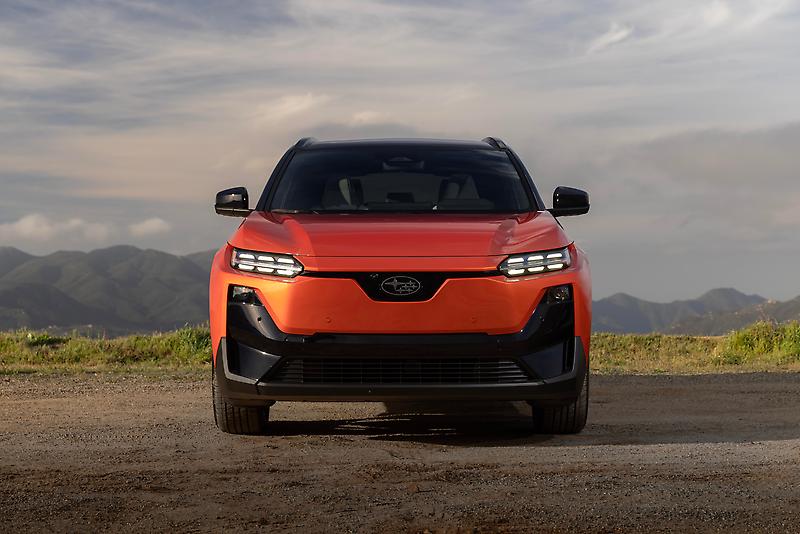
Subaru Uncharted
"...rst of, now they have three models. They have the Uncharted, and then there's another one that I can never re..."
The Subaru Uncharted is a Subaru model name mentioned in the podcast. The host says Subaru has more than one new model now, and the Uncharted is one of them. It’s discussed as part of Subaru’s lineup changes.
The Subaru Uncharted is one of Subaru’s newer model offerings mentioned in the podcast, with the host noting that Subaru now has multiple models in this lineup. It’s brought up as part of a broader discussion about Subaru’s expanding range and what each new nameplate represents. The “Uncharted” name suggests a focus on a distinct, possibly adventure-oriented positioning within Subaru’s lineup.
2026 Subaru Saltera Limited
"But this is the 2026 Subaru Saltera Limited that I tested. [816.1s] This is one of the lower trims."
This is the 2026 Subaru Saltera Limited, an electric SUV. The hosts are talking about the specific trim level and what you get for the money, including the battery and motor setup.
The 2026 Subaru Saltera Limited is an electric SUV positioned as a mid-to-lower trim, with a focus on everyday usability rather than outright speed. In this segment, the hosts discuss its pricing and how its electric powertrain is offered in multiple power/range configurations.
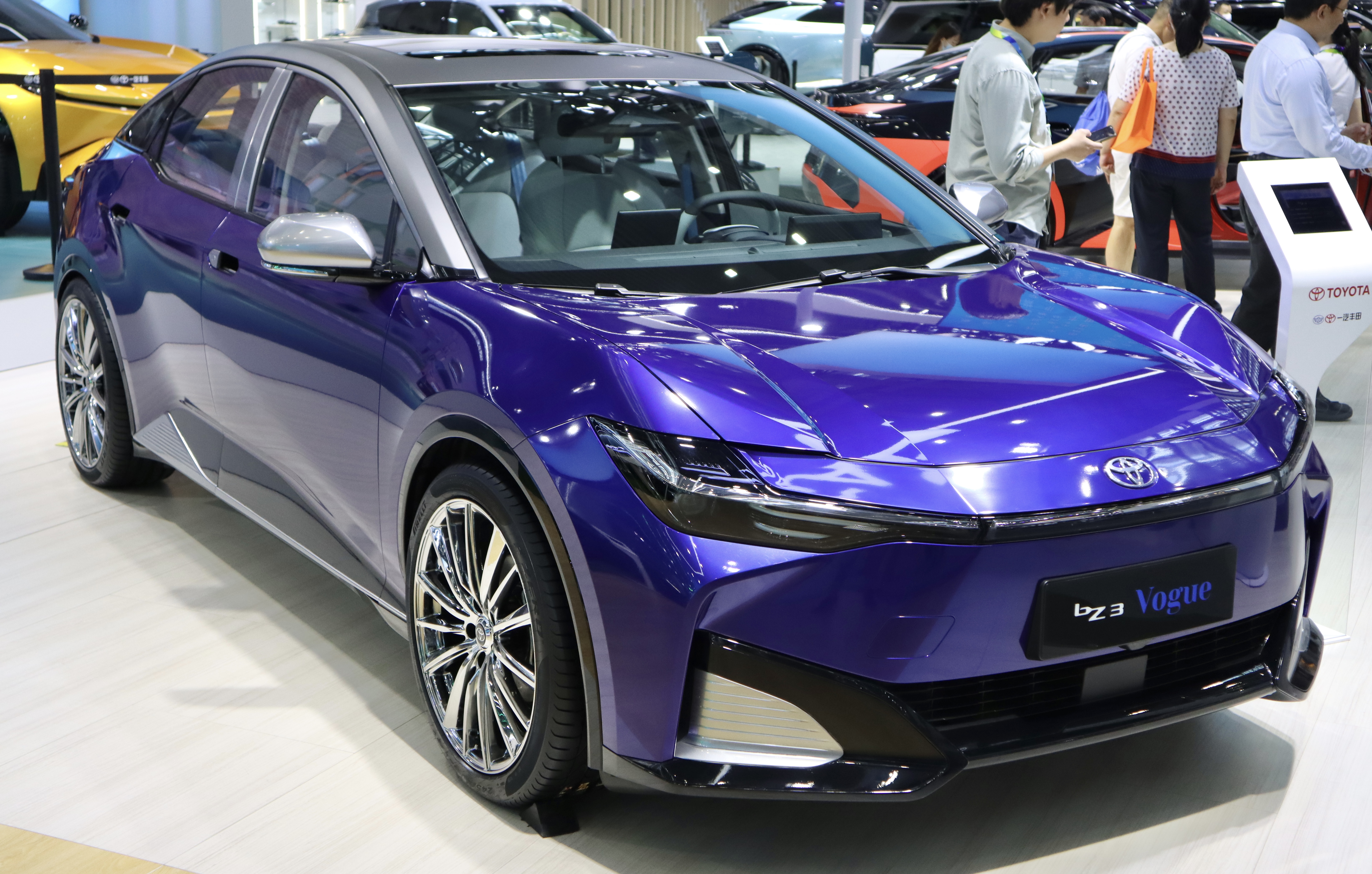
Toyota BZ
"I have driven the Toyota BZ, which I think is pretty much the same thing, but tell us about it. [844.1s] Yeah, this is based on the Toyota BZ"
They mention the Toyota BZ because it’s basically the same underlying EV design as the Subaru. That helps explain why the cars feel similar in how they drive and what tech they share.
The Toyota BZ is referenced as a close technical cousin to the Subaru Saltera, implying shared platform and components. The key point here is that the Saltera’s design and engineering are heavily influenced by Toyota’s EV architecture.

Lexus Rz
"Yeah, this is based on the Toyota BZ and also shares some stuff with the Lexus RZ. [850.0s] So there's a lot of things going on."
They bring up the Lexus RZ because it’s related to the Subaru’s EV design. That usually means the cars share important components and engineering choices.
The Lexus RZ is mentioned as another related vehicle that shares parts with the Subaru Saltera. This matters because it suggests the same EV hardware family is being used across brands, often leading to similar battery/motor behavior and packaging.
dual motor all-wheel drive system
"My vehicle came with the base powertrain, which is 233 horsepower with a dual motor all-wheel drive system. [858.8s] It's got a 74.7 kilowatt hour battery pack and 288 miles of range."
“Dual motor all-wheel drive” means the car has two electric motors and can send power to all four wheels. That usually helps with grip and makes the car feel more responsive, especially on slippery roads.
A dual motor all-wheel drive system uses two electric motors—typically one for the front axle and one for the rear—to drive all four wheels. This setup can improve traction and allow more flexible torque distribution for better acceleration and stability.
kilowatt hour battery pack
"It's got a 74.7 kilowatt hour battery pack and 288 miles of range. [864.4s] You can get an XT version of the powertrain, which is the more expensive trims."
A kilowatt-hour (kWh) is how much energy the battery holds. More kWh generally means the car can go farther, which is why they pair it with the range number.
A kilowatt-hour (kWh) battery pack is the measure of how much electrical energy the EV stores. In this segment, the 74.7 kWh pack is tied to the stated driving range, helping listeners connect battery size to how far the car can go.
torque
"even though Subaru touts the quickness of the more powerful powertrain. [887.3s] There's plenty of torque down low."
Torque is the force that helps the car pull away and accelerate. EVs usually have strong torque right from low speeds, so it can feel quick even in normal driving.
Torque is the twisting force that produces acceleration, and EVs often deliver it very quickly from low speeds. The hosts say there’s “plenty of torque down low,” meaning the car should feel responsive even without chasing top-end speed.
all-season tires
"And a lot of that's probably to do with the fact that I was on regular all-season tires and not all-terrain tires, which I think you can get in some trims."
All-season tires are made to handle a mix of weather, but they’re not as grippy as more off-road-focused tires. The host thinks the tire choice affected how much the ride felt on gravel.
All-season tires are designed to work reasonably well across a range of weather conditions, but they typically prioritize comfort and road noise over maximum off-road grip. The host suggests the firmer suspension feel on gravel was more noticeable because they were on regular all-season tires rather than more rugged all-terrain tires.
all-terrain tires
"And a lot of that's probably to do with the fact that I was on regular all-season tires and not all-terrain tires, which I think you can get in some trims."
All-terrain tires are tougher and usually grip better on rough surfaces than regular road tires. The host is saying some trims can come with them, which could make gravel driving feel better.
All-terrain tires are built with tougher tread patterns and sidewalls to handle mixed surfaces like dirt, gravel, and light trails. Here, the host implies that choosing all-terrain tires (available in some trims) would better match the vehicle’s gravel/off-road use and potentially soften the ride feel over rough ground.
233 horsepower
"But overall, a decent on-road experience. And again, 233 horsepower is more than enough here."
Horsepower is a way to describe how much power the vehicle can produce. The host is saying 233 horsepower is enough for normal driving—no need to race at stoplights.
Horsepower is a measure of engine (or motor) output power, and 233 horsepower indicates the vehicle’s overall power capability. The host uses it to argue that the GV80’s power is sufficient for everyday driving rather than drag-racing.
Subaru Solterra
"And again, 233 horsepower is more than enough here. I don't think anybody's going to be looking to race stoplight to stoplight in their Subaru Solterra."
The Subaru Solterra is an electric SUV. The host brings it up to say that this kind of power is meant for normal driving, not racing from red light to red light.
The Subaru Solterra is an electric SUV, and in this segment it’s used as a comparison point for how the host expects the Genesis GV80 to feel in everyday driving. The host’s point is that the GV80’s power level isn’t aimed at stoplight-to-stoplight racing.
synthetic leather upholstery
"Inside this vehicle, in the limited trim, comes a synthetic leather upholstery. It's a five-seater."
Synthetic leather is a fake-leather material made to look like leather. The host is saying this trim uses it in the seats and cabin surfaces.
Synthetic leather upholstery is a man-made alternative to real leather, typically designed to mimic the look and feel while being easier to maintain. The host notes that the GV80’s limited trim uses synthetic leather, which affects the cabin’s perceived quality and upkeep.
heated steering wheel
"You get heated front seats and a heated steering wheel, heated second-row seats. I like the ergonomics of the front cabin of this vehicle."
A heated steering wheel uses built-in heating elements to warm the wheel for comfort in cold weather. The host lists it among the GV80’s cabin features, alongside heated seats.
gear shifter
"I have some issues with the gear shifter in here. You may remember from the BZ, if you've driven it, it's in all the other vehicles as well."
The gear shifter is how you choose what the car does—like Park or Drive. The host doesn’t like this one because it works like a dial you press and turn to pick the gear.
A gear shifter is the control used to select driving modes like Park, Reverse, Neutral, and Drive. The host specifically criticizes the GV80’s shifter design as a dial-style control that requires pressing down and turning to choose the selector.
ergonomics
"But other than that, the ergonomics up front are good. Everything is within reach. Everything is very easily visible."
In cars, ergonomics means how comfortable and easy the controls are to use. They’re saying the buttons and screens are placed so you can reach them and see them easily.
Ergonomics in a car refers to how well the driver’s controls and displays are positioned for comfortable, intuitive use. In this segment, the hosts judge ergonomics by reachability and how quickly you can see key information while driving.
digital gauge cluster
"Even the small seven-inch digital gauge cluster, they seem to have adjusted it now so that I can see it from my seating position."
A digital gauge cluster is the screen behind the steering wheel that shows your speed and other info. They’re saying it’s been set up so you can see it clearly from where you sit.
A digital gauge cluster replaces traditional analog dials with screens that can be configured and displayed from the driver’s seat. The hosts mention a “seven-inch” cluster and how its positioning affects visibility.
infotainment system
"And you get a 14-inch touchscreen in this vehicle running on a Toyota infotainment system... Toyota's newest infotainment system is bright. It's easy to see."
An infotainment system is the car’s main screen and controls for things like music, maps, and settings. They’re praising how bright and responsive the screen is in this setup.
An infotainment system is the car’s main interface for media, navigation, and many vehicle settings, typically centered on a touchscreen. Here, the hosts compare the GV80’s 14-inch screen running a Toyota infotainment system and comment on brightness and responsiveness.
processing power
"It's easy to see. The screen has plenty of processing power. It leaps and bounds above the 11.6-inch display..."
Processing power is how fast the car’s screen computer can handle the software. More processing power usually means the menus and features feel quicker and less laggy.
Processing power is how capable the infotainment computer is at running graphics, menus, and apps smoothly. The hosts argue the Toyota-based system has enough horsepower to feel faster and more fluid than some competitors’ screens.
forward collision alerts
"So you get forward collision alerts, rear cross-traffic alerts, implying spot monitoring, adaptive cruise control, and the whole package."
This is a warning feature that watches the road ahead. If it thinks you might hit something, it alerts you so you can slow down or steer in time.
Forward collision alerts use sensors to detect a vehicle (or sometimes pedestrians) ahead and warn you if a crash seems likely. It’s an early warning system meant to help you react sooner, before automatic braking would take over.
rear cross-traffic alerts
"So you get forward collision alerts, rear cross-traffic alerts, implying spot monitoring, adaptive cruise control, and the whole package."
When you back out, this helps detect cars coming from the sides. It gives you a warning so you don’t pull out in front of someone.
Rear cross-traffic alerts monitor traffic approaching from the sides when you’re reversing out of a driveway or parking spot. The system warns you if it detects vehicles moving across your path.
spot monitoring
"So you get forward collision alerts, rear cross-traffic alerts, implying spot monitoring, adaptive cruise control, and the whole package."
This is like a blind-spot helper. It watches the areas you can’t easily see and warns you if a car is there.
Spot monitoring refers to blind-spot-style detection that watches areas beside and slightly behind the vehicle. It alerts you when another vehicle is in that zone, helping reduce lane-change mistakes.
adaptive cruise control
"So you get forward collision alerts, rear cross-traffic alerts, implying spot monitoring, adaptive cruise control, and the whole package."
It’s cruise control that can react to the car in front of you. If traffic slows, it helps slow down too, so you keep a safe gap.
Adaptive cruise control automatically adjusts your speed to maintain a set following distance from the car ahead. Unlike basic cruise control, it can slow down (and often speed back up) as traffic changes.
electrics
"What I have to wonder about is the market for all these electrics come in the market. You know, we were kind of congratulating Toyota in some ways from going slow on this."
They’re talking about electric cars and how many are starting to show up. The idea is that different brands entered the EV market at different times.
“Electrics” here refers to the shift toward electric vehicles (EVs) entering the market in increasing numbers. The host is discussing how automakers’ timing and product rollout can affect consumer choice and the competitive landscape.
EVs
"Yeah, I think EVs for the Subaru buyer make a lot of sense. [1139.7s] I mean, I'm surprised they weren't a little bit more on the forefront of that..."
EVs are electric cars that don’t use gasoline. The hosts are saying Subaru-style buyers might be especially open to EVs.
EVs (electric vehicles) run on electricity stored in a battery rather than gasoline. The hosts connect EVs to buyer mindset, arguing that Subaru’s typical customer preferences align well with what EVs offer.

Genesis GV80
"Well, let me talk about the Genesis GV80. [1154.0s] This is one of my favorite luxury SUVs. [1157.8s] I've driven several of them..."
The Genesis GV80 is a luxury SUV from Genesis. The point here is that it’s meant to feel more straightforward to use than some German luxury SUVs, while still looking really stylish.
The Genesis GV80 is a midsize luxury SUV from Genesis (Hyundai’s luxury brand), known for its upscale interior and distinctive design. In this segment, the hosts frame it as taking a different approach than German luxury SUVs—aiming for simpler day-to-day operation while still delivering a premium look that attracts attention.
German SUVs
"And they do approach the segment a little bit differently than the Germans. [1165.5s] And I think one of the things is they're a little simpler..."
“German SUVs” is a general way of talking about luxury SUVs from German brands. The hosts are saying those cars often have lots of features and menus, which can make them feel more complicated than some alternatives.
“German SUVs” refers to luxury SUV brands from Germany, often associated with feature-rich infotainment and driver-assistance systems. The hosts contrast them with Genesis, saying the German approach can feel more complex to operate because there’s “so much stuff” to manage.

Hyundai Genesis
"...to attract attention with a premium vehicle, this Genesis GV80 certainly does that. This was the SUV."
Genesis is a luxury brand from Hyundai. The podcast mentions the GV80, which is a premium SUV designed to look and feel more upscale than regular SUVs. It’s discussed because it’s the kind of vehicle that draws attention.
Genesis is Hyundai’s premium brand, and the podcast specifically references the Genesis GV80 as an attention-grabbing luxury SUV. The discussion frames it as a vehicle meant to stand out while offering a more upscale experience than typical mainstream SUVs. That’s why it’s brought up in a conversation about premium vehicles and what draws attention on the road.
third row availability
"GV80 starts with a rear-wheel-drive base model, and it has been updated this year with a little more third-row availability. The third row is not actually all that great in this vehicle, but it's better than nothing, I think, for a lot of people."
Third-row availability refers to whether the vehicle is offered with an additional seating row behind the second row. In SUVs, that usually trades off some cargo space and can affect how comfortable the third row is for adults.
rear-wheel-drive
"GV80 starts with a rear-wheel-drive base model, and it has been updated this year with a little more third-row availability."
Rear-wheel-drive means the back wheels do most of the work to move the car. It can feel a bit more “classic” to drive, and how well it grips depends a lot on the tires and weather.
Rear-wheel-drive (RWD) means the engine sends power primarily to the rear wheels. That layout often helps with straightforward handling feel and can improve efficiency compared with some all-wheel-drive setups, though traction depends on tires and conditions.
Prestige Black
"There is a Prestige Black variant designed specifically for Chris Teague, because he likes those so much."
Prestige Black is a special version of the GV80 with a particular look. Think of it like a trim/appearance package that changes how the SUV is presented.
Prestige Black is a named Genesis variant/appearance package. It’s used here as a way to describe a specific look or trim direction within the GV80 lineup that the host’s guest specifically likes.
Turbocharged V6 engine
"Turbocharged V6 engine. Every luxury technology and convenience feature you could want, all for a sticker price of about $85,000."
A turbocharged V6 is an engine with six cylinders plus a turbo that helps it make more power. The turbo helps the car feel quicker without needing a bigger engine.
A turbocharged V6 is a six-cylinder engine where turbochargers force more air into the cylinders to make more power. Compared with a non-turbo V6, it can deliver stronger acceleration and torque, especially at lower engine speeds.
3.5 liter twin-turbocharged V6
"Nice powertrain, 3.5 liter twin-turbocharged V6, 375 horsepower, 391 pound-feet of torque."
This is a 3.5-liter V6 engine with two turbochargers. The turbos help it make strong power and feel responsive when you accelerate.
A 3.5-liter twin-turbocharged V6 is a V6 engine with two turbochargers and a displacement of 3.5 liters. “Twin-turbo” typically aims to improve responsiveness and power by feeding pressurized air to the cylinders more effectively than a single turbo setup.
8-speed automatic transmission
"It has an 8-speed automatic transmission. The vehicle I had had standard all-wheel drive."
This is an automatic transmission with eight gears. It helps the car choose the right gear for smooth driving and better acceleration without you shifting.
An 8-speed automatic transmission is a gearbox with eight forward gears that shifts automatically. More gears can help keep the engine in its efficient or power-friendly range, which can improve smoothness and responsiveness.
0 to 60 time
"It's not going to blow you away like an EV would, but 0 to 60 time of 5.7 seconds is not bad at all."
0 to 60 time is how fast the car goes from stopped to 60 mph. Lower numbers usually mean quicker acceleration you can feel.
0 to 60 time measures how quickly a car accelerates from a standstill to 60 mph. It’s a common performance metric because it captures real-world “seat-of-the-pants” acceleration, especially for comparing different powertrains.
EPA numbers
"I would say where it might fall a little short is in EPA numbers, 16 miles per gallon in the city and 22 miles per gallon on the highway."
EPA numbers are fuel-economy estimates published by the U.S. Environmental Protection Agency based on standardized testing. They’re commonly reported as city and highway MPG, which helps shoppers compare vehicles even though real-world results can vary.
mild hybrid
"So there are some mild hybrid competitors that outdo that, but I can't believe that a lot of buyers in this segment care all that much about optimizing fuel economy."
A mild hybrid is a car that has a small battery and electric motor to help the gas engine. It usually helps the car use less fuel, but it’s not like a full electric car.
A mild hybrid uses a small electric motor and battery to assist the engine, improving efficiency without fully replacing the engine. These systems often help with fuel economy—especially in stop-and-go driving—so they can outperform non-hybrid setups on published MPG tests.
electronically controlled suspension
"but electronically controlled suspension. So it's good over rough pavement and at the same time, good highway composure."
Electronically controlled suspension means the car can adjust its shock/ride settings automatically. It helps the SUV feel comfortable over bumps but still stay steady at higher speeds.
Electronically controlled suspension uses sensors and a computer to adjust how the shocks/struts behave. That lets the vehicle better manage ride quality over rough pavement while also maintaining stability and composure on the highway.
terrain mode
"Yeah, it has terrain mode for those."
Terrain mode is a button or menu setting that helps the car adapt to different road conditions. It can change how the SUV responds so it’s easier to drive on things like dirt or slippery surfaces.
Terrain mode is a driving setting that changes vehicle behavior for different surfaces (like snow, sand, or dirt). It typically adjusts throttle response, traction control, and sometimes shift/gear behavior to help the SUV manage grip in those conditions.
front wheel drive vehicles
"They have a lot of front wheel drive vehicles."
Front-wheel-drive cars send power to the front wheels. The hosts mention them because more people are driving these kinds of vehicles now, which changes what trailer setups need to be like.
Front-wheel-drive (FWD) vehicles send engine power to the front wheels, which can influence packaging, traction behavior, and how much weight/towing capability they can practically handle. The segment ties FWD and smaller cars to a broader shift in what people drive day-to-day.

Honda Crv
"They certainly have vehicles like the Honda CR-V, one of the most popular vehicles out there."
The Honda CR-V is a popular family SUV. Here it’s used as an example of the smaller, everyday vehicles people are driving today.
The Honda CR-V is a compact crossover SUV that’s widely used as a family “daily driver.” In this segment, it’s mentioned as an example of the kinds of front-wheel-drive, smaller vehicles people are buying now.

Honda Passport
"Our family just bought a Honda Passport over the weekend."
The Honda Passport is a bigger Honda SUV that families use for everyday driving. In this discussion, it’s an example of the type of vehicle people are using when they’re thinking about towing and trailers.
The Honda Passport is a midsize SUV positioned as a practical family vehicle with more capability than a typical compact crossover. The hosts bring it up to illustrate that their own family is currently in the Honda “light truck/CUV” world—relevant to the segment’s focus on lightweighting and towing/trailer use.
lightweighting
"But talk about that. Talk about lightweighting because I think that's probably an important design parameter there."
Lightweighting means making something lighter while keeping it strong and safe. Here, it matters because more people are driving smaller cars and still want to tow or camp.
Lightweighting is the engineering effort to reduce a vehicle or trailer’s mass without sacrificing strength or safety. In this segment, it’s framed as a key design parameter because many people now drive smaller, front-wheel-drive vehicles and want to tow or camp without needing a heavy-duty setup.
trailer market
"So when we're studying the trailer market, the vast majority of products on offer are very heavy."
The trailer market refers to the range of trailers people buy for camping, hauling, and other uses. Here, the hosts claim most offerings are “very heavy,” and they argue there’s an opportunity to serve customers whose daily drivers are lighter and more car-like.
CUVs
"So these are what we would call CUVs, kind of the light truck segment and EVs in the future."
CUVs are crossover SUVs—vehicles that look and feel SUV-ish but are usually built like regular cars. The point here is that many people are using these lighter daily drivers instead of heavy trucks.
CUVs is shorthand for crossover utility vehicles—cars built with SUV-like packaging and ride height, but typically using car-based platforms. The hosts use it to describe the “light truck” style of daily driver that many people have now, which affects what kinds of trailers and towing setups make sense.
premium fuel
"Well, I'm going to tread carefully with this because I'm not a mechanic... If your vehicle is premium recommended... The vehicle's computers have been tuned to run on the higher octane fuel."
Premium gas is just a higher-grade gasoline than regular. Some cars are set up to run best on it, so using it can help the engine work the way the manufacturer intended.
“Premium fuel” means gasoline with a higher octane rating than regular. Many engines are calibrated to use that higher octane so they can run more aggressively without triggering knock.
octane
"The vehicle's computers have been tuned to run on the higher octane fuel."
Octane is a rating that tells you how resistant the gas is to knocking inside the engine. Higher octane helps keep the combustion smooth, especially in cars that are tuned for it.
Octane is a measure of gasoline’s resistance to “knock,” which is abnormal combustion that can damage an engine. Higher-octane fuel helps prevent knock in engines that are designed/calibrated for it.
knock sensor
"I think in a lot of modern cars, they have a knock sensor. That's what you're trying to avoid here with the premium fuel..."
A knock sensor is a sensor that listens for signs of knocking in the engine. If it detects knock, the car changes how it runs to protect the engine.
A knock sensor detects the vibrations associated with engine knock. When it senses knock, the engine control unit adjusts parameters (like ignition timing) to reduce the knock risk.
engine knock
"That's what you're trying to avoid here with the premium fuel is to avoid engine knock, which is destructive to pistons and just a bad thing all the way around."
Engine knock is when the fuel burns in an abnormal way inside the cylinders. It can be damaging, so the car tries to stop it by adjusting engine settings.
Engine knock is uncontrolled or abnormal combustion that can create very high pressures in the cylinder. It’s harmful because it can damage internal engine parts like pistons, so the ECU intervenes to prevent it.
ignition timing
"They don't want that to happen, so now it backs down the timing and does some things,"
Ignition timing is when the spark happens in the engine cycle. If the car senses knock, it can delay or adjust that timing to reduce the chance of damage.
Ignition timing is when the spark occurs relative to the piston’s position. To reduce knock, the engine control unit “backs down” ignition timing, which changes combustion behavior to be safer on lower-octane fuel.
Request an Explanation
Heard something you'd like explained? We'll add it to this episode.
Sign in to request explanations for terms you heard.
Want to learn more?
Browse our glossary for plain-English explanations of automotive terms, jargon, and concepts.
Help improve this episode
See something that's not quite right? Our annotations are AI-generated and can sometimes miss the mark. Click the flag icon on any annotation to suggest a correction.