
2026 Mazda CX-30 Turbo: Isn’t This SUV Really a Hot Hatchback?
About this episode
The hosts kick off with hybrid momentum, then pivot into their Mazda CX-30 Turbo road test debate: is it really a hot hatch in SUV clothing? They compare the CX-30’s turbo 2.5L character and six-speed automatic feel against hot-hatch expectations, while also discussing pricing and tech creep. The conversation broadens to Kia/Hyundai hybrid production in Georgia and why hybrids can be a practical middle ground—plus a quick look at turbo lag and low-end torque realities in the Jeep Grand Cherokee Summit.
This week on America on the Road, Jack Nerad and Chris Teague review two strong performers — the luxurious 2026 Jeep Grand Cherokee Summit and the fun 2026 Mazda CX-30 2.5 Turbo. They also cover Kia’s major Sportage Hybrid production launch on scene in Georgia, look at record hybrid sales from Hyundai and Kia, critique Toyota’s updated GR86, and discuss the all-new Bentley Flying Spur. Their special guest is car-buying expert Charlie Daniel.
🚙 Jack Nerad’s Road Test: 2026 Mazda CX-30 2.5 Turbo Premium Plus AWDJack reviews the 2026 Mazda CX-30 Turbo Premium Plus, a sporty and premium-feeling subcompact crossover that brings high expectations. Though it doesn’t come from a luxury brand, its 250-hp turbo engine, engaging dynamics, upscale Nappa leather interior, and comprehensive safety gear make it a compelling near-premium choice. Is it worth its $40,730 as-tested price? We’ll offer our opinions.
🚗 Chris Teague’s Road Test: 2026 Jeep Grand Cherokee SummitOn the roads and byways of Maine, Chris tests the top-trim 2026 Jeep Grand Cherokee Summit 4×4, a premium three-row SUV that blends luxury and off-road capability. With a smooth ride, upscale Nappa leather interior, large 12.3-inch touchscreen, available McIntosh audio, and V6 or turbo four-cylinder power, it competes with luxury SUVs while retaining genuine off-road ability. But the newest version presents us with a quandary — what powertrain is the right one?
🎙️ Special Guest InterviewCharlie Daniel from FPT Americas, a longtime auto retailer, shares expert insights on the current used car market for consumers and dealers.
📰 This Week’s Headlines Kia Sportage Hybrid Production Begins in GeorgiaThe first Kia and first hybrid built at the Hyundai Motor Group Metaplant marks a major U.S. manufacturing milestone, and our Jack Nerad was there.
Updated Kia Sportage Hybrid UnveiledThe popular compact SUV gains more power (232 hp), fresh styling, new trims, and advanced tech.
Toyota Refreshes 2027 GR86The lightweight sports car gets throttle and transmission improvements, new colors, and tech upgrades. What color is Thunder anyway?
Hyundai & Kia Hybrids Set Sales RecordsBoth brands posted strong gains in May, with hybrid sales surging significantly.
All-New Bentley Flying Spur DebutsThe flagship Bentley luxury sedan features hybrid power, modern styling, and a high-performance S model with 680 hp. Bring money…
❓ Listener QuestionBrendan from Fillmore, California, asks: “Are range-extender EVs the next big thing for truck buyers?”
#JeepGrandCherokee #MazdaCX30 #KiaSportageHybrid #BentleyFlyingSpur #CarReviews #AutoPodcast
📚 Jack Nerad’s New BookJack’s crime novel, Only One Thing Stays the Same, is available now in paperback and eBook on Amazon — currently at a sale price.
🎧 Where to ListenCatch America on the Road on your local Sports Byline Radio Network station each week and subscribe to the podcast on Apple Podcasts, Spotify, YouTube, and more. Follow for new car reviews, guest interviews, auto news, and road tests.
Sponsored by Mercury Insurance and DrivingToday.com
📺 Watch & SubscribeFind America on the Road on YouTube and Rumble. Subscribe for road test videos, shorts, and extended reviews.
📨 Email: [email protected]
Look for Matt DeLorenzo’s Book on AMGLook for guest co-host Matt DeLorenzo’s terrific new book Mercedes-AMG: Race-Bred Performance
Check Out Gary Witzenburg’s New BookPick up a copy of auto journalist Gary Witzenburg’s engaging new book Legends in Motion.
Special Price for Jack’s Newest Crime NovelJack is now offering his newest crime novel, Only One Thing Stays the Same, at a 67%-off price of just $4.99. Click here to buy from Amazon at this special limited-time price.
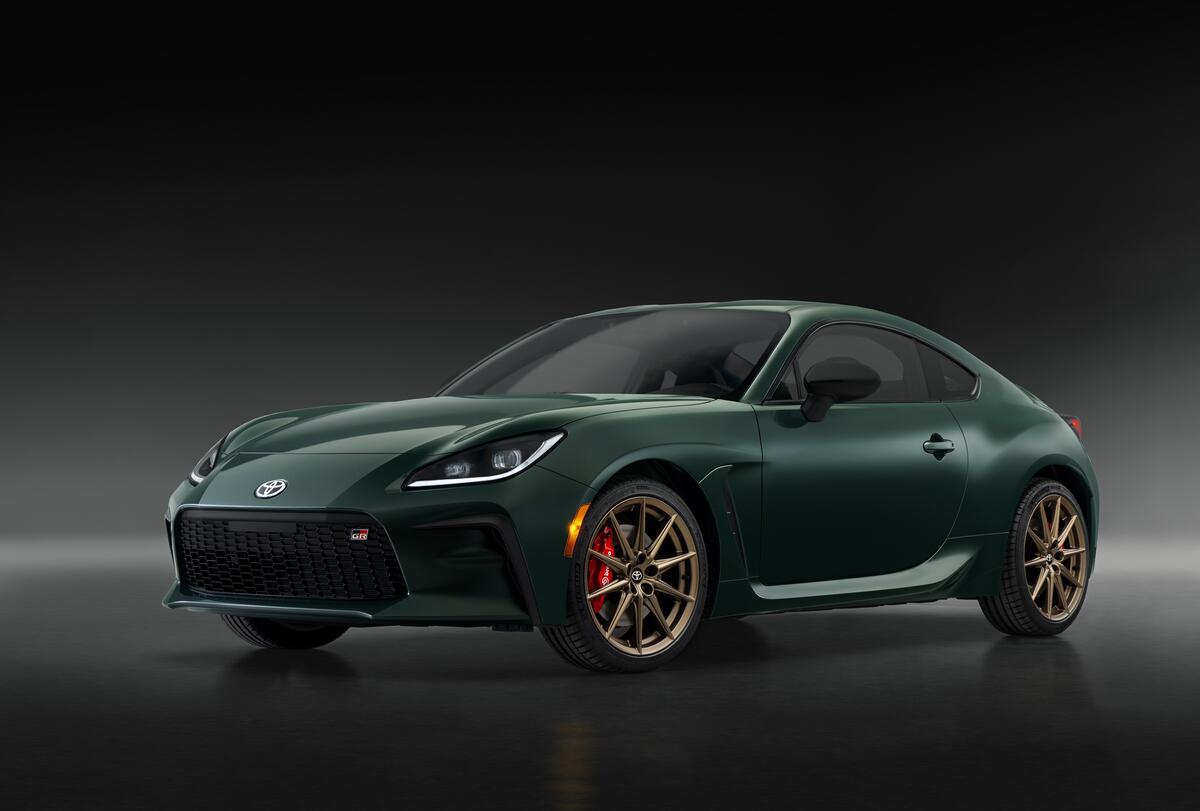
Toyota Gr86
"...you're going to be interested in, Chris. It's the GR86. It returns for 2027 with new stuff."
The GR 86 is a small sports car made for fun driving. It’s the kind of car people talk about when they want something quick and engaging without being a huge, expensive vehicle. The episode mentions it’s coming back for 2027 with changes.
The Toyota GR 86 is a compact, sporty coupe built for driving feel rather than luxury. It’s often discussed because it’s designed to be an affordable “enthusiast” car, and the podcast notes it’s returning for 2027 with updates. That kind of refresh is a common reason it comes up in automotive conversations.

Bentley Flying Spur
"Bentley has unveiled [108.2s] an all-new flying spur luxury sedan. [111.5s] It's got hybrid, it's got interesting performance and a performance model and interesting styling"
The Bentley Flying Spur is a high-end luxury sedan. They’re saying the new one adds hybrid technology and a performance version, and it also looks distinctive—like with its headlight setup.
The Bentley Flying Spur is a luxury sedan from Bentley, built to combine high-end comfort with real performance. In this segment, they highlight that it’s offered with hybrid power and even a performance model, plus distinctive exterior styling cues like the single headlight design per side.
hybrid
"It's got hybrid, it's got interesting performance and a performance model and interesting styling"
A hybrid uses two kinds of power: a gasoline engine and an electric motor. The electric part can help the car move more efficiently and sometimes even drive briefly without using gas.
A hybrid powertrain uses both an internal-combustion engine and an electric motor. The electric system can help with acceleration and efficiency, and it can also allow the car to run in electric-only mode depending on design and conditions.
Hurricane TurboCharge
"I spent the week driving the 2026 Jeep Grand Cherokee Summit with the new Hurricane TurboCharge [168.5s] 4-cylinder engine."
“TurboCharge” means the engine uses a turbo to push more air into it. That usually helps the engine make more power and feel quicker when you accelerate.
“Hurricane TurboCharge” refers to a turbocharged engine program they’re using for the test vehicle. Turbocharging forces more air into the engine, which typically improves power output and responsiveness compared with a naturally aspirated setup of similar size.
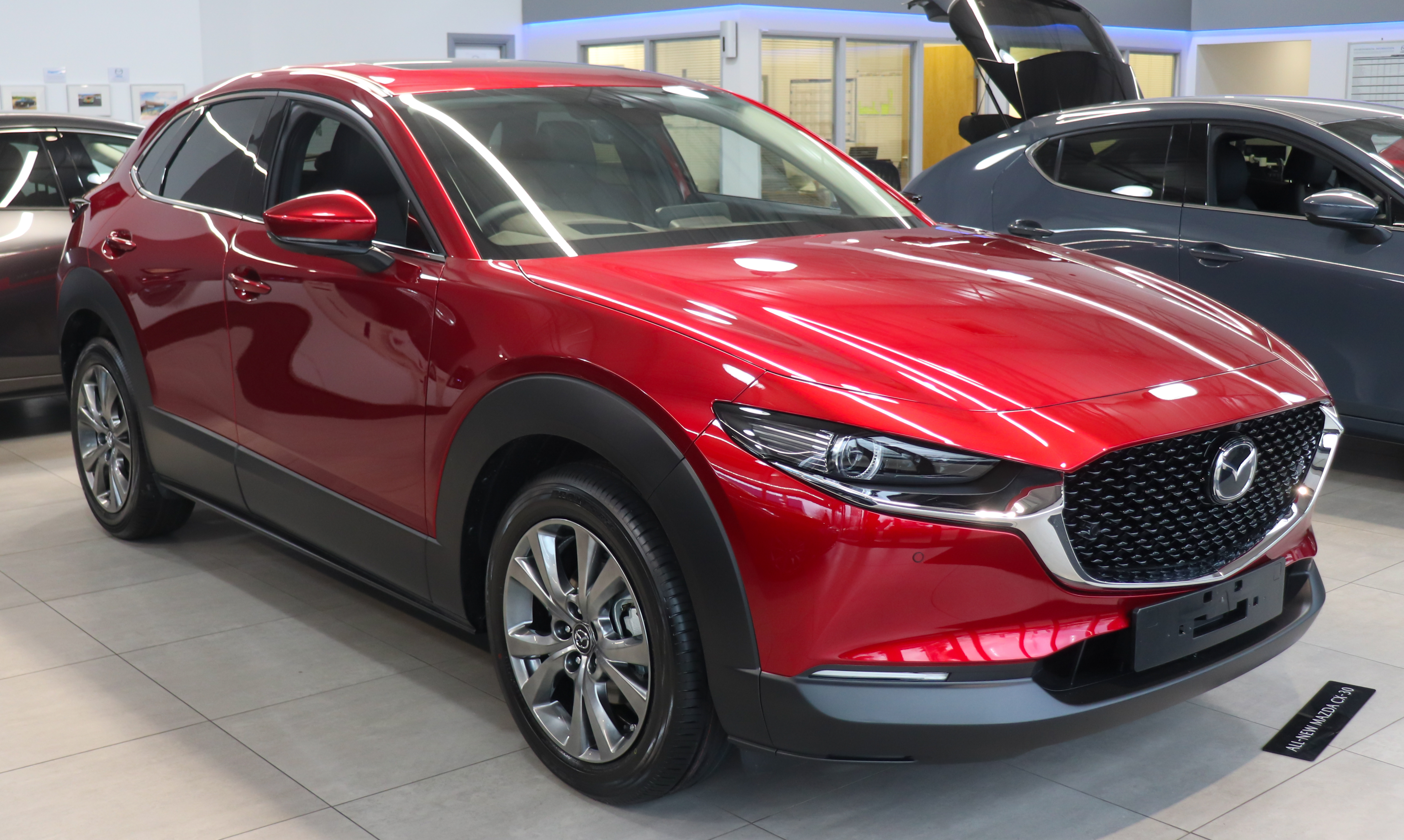
Mazda Cx30
"I was driving the Mazda CX-30, so stay with us and we'll be right back right here on America"
The Mazda CX-30 is a small SUV made by Mazda. It’s the car the host is talking about, and the episode is basically asking whether it drives more like a sporty hatchback than a typical SUV.
The Mazda CX-30 is a compact crossover SUV from Mazda, known for its car-like driving feel compared with many small SUVs. In this episode, it’s specifically the one the host was driving, setting up the discussion about whether it behaves more like a hot hatch than a typical SUV.

Sportage Hybrid
"Kia has passed a major milestone by introducing the Sportage Hybrid at the Hyundai Motor Group"
The Kia Sportage Hybrid is a Kia SUV that uses both a gas engine and an electric motor. The idea is to use less fuel than a regular gas-only SUV.
The Kia Sportage Hybrid is Kia’s hybrid version of the Sportage compact SUV. A hybrid powertrain combines an internal-combustion engine with an electric motor to improve efficiency, and the host frames it as a major step for Kia within the Hyundai Motor Group’s production network.
Savannah, Georgia
"This is outside Savannah, Georgia. [215.6s] I've spent a lot of time in Savannah recently at this plant."
Savannah, Georgia is where the plant is located that’s making the new Kia hybrid. The host is saying they’ve been there a lot recently.
Savannah, Georgia is referenced here as the location of Kia’s production facility tied to the Hyundai Motor Group. The host mentions spending time there at the plant, connecting the vehicle launch to real-world manufacturing in the region.
fuel economy
"[250.2s] Hybrids have a great middle ground, good fuel economy. [253.5s] Kia and Hyundai have always done a good job at packing the value into their vehicles."
Fuel economy is how far the car can go using a certain amount of gas. Higher fuel economy usually means you spend less on fuel.
Fuel economy is how efficiently a vehicle uses fuel to travel a given distance. In hybrid discussions, it’s usually referring to how much gasoline the car burns in everyday driving, often aided by electric assist.

Hyundai Ioniq 9
"... builds the Ioniq 5, the Hyundai Ioniq 5, and the Ioniq 9, and largely underutilized because the demand, it..."
The Ioniq 9 is an electric vehicle from Hyundai. The podcast is grouping it with other Ioniq electric models and talking about how demand affects how much they’re used or prioritized. It’s mentioned as part of Hyundai’s EV plans.
The Hyundai Ioniq 9 is an upcoming Ioniq-series electric vehicle positioned within Hyundai’s broader EV lineup. The podcast mentions it alongside the Ioniq 5 and notes that demand has been a factor in how these vehicles are utilized. That makes it relevant when discussing EV strategy and production planning.

Hyundai Ioniq 5
"[266.7s] It builds the Ioniq 5, the Hyundai Ioniq 5, and the Ioniq 9, and largely underutilized [272.7s] because the demand, it just has not been there for those vehicles."
The Hyundai Ioniq 5 is an all-electric SUV/crossover. They’re using it as an example of what that factory was originally set up to build.
The Hyundai Ioniq 5 is a battery-electric crossover built on Hyundai’s dedicated EV platform. The host mentions it in the context of an EV-focused plant that ended up producing more Ioniq models than the market initially demanded.
underutilized
"[266.7s] It builds the Ioniq 5, the Hyundai Ioniq 5, and the Ioniq 9, and largely underutilized [272.7s] because the demand, it just has not been there for those vehicles."
Underutilized means the factory isn’t running as much as it could. That usually happens when fewer customers want the cars being built there.
Underutilized means a factory is not using all of its available production capacity. In automotive manufacturing, that often happens when demand for the specific vehicles being built doesn’t meet expectations.
capacity
"[275.6s] It's gotten immense capacity. [277.1s] I think they can build something like half a million vehicles there a year, been running [281.4s] well under capacity."
Capacity is how many cars a factory can make. Running at higher capacity means the plant is producing more cars instead of sitting idle.
Capacity is the maximum amount a plant can produce in a given time period. The host contrasts running under capacity versus ramping up to higher output when new models—like the Kia Sportage Hybrid—are added.
Kia Sportage Hybrid
"[282.7s] But the ability to throw the Kia Sportage Hybrid into the mix, I think, is great for [291.5s] that facility, and it's just an amazing facility."
The Kia Sportage Hybrid is a Sportage SUV that uses both gas and an electric system to help it use less fuel. Here, they’re talking about how Kia can build it at a plant that was originally set up for other vehicles.
The Kia Sportage Hybrid is a compact SUV that uses a hybrid powertrain to improve efficiency versus a traditional gas-only Sportage. In this segment, it’s specifically mentioned as the kind of vehicle Kia can add to an existing production facility.
West Point, Georgia
"[296.2s] I got to see both that facility and then the assembly plant that Kia operates in West Point, [302.4s] Georgia, kind of across the state."
West Point, Georgia is where Kia has a car assembly plant. The host is describing how busy it is and how many cars it produces.
West Point, Georgia is the location of Kia’s assembly operations mentioned in this segment. The host describes it as a high-throughput plant running multiple shifts and building hundreds of thousands of cars per year.
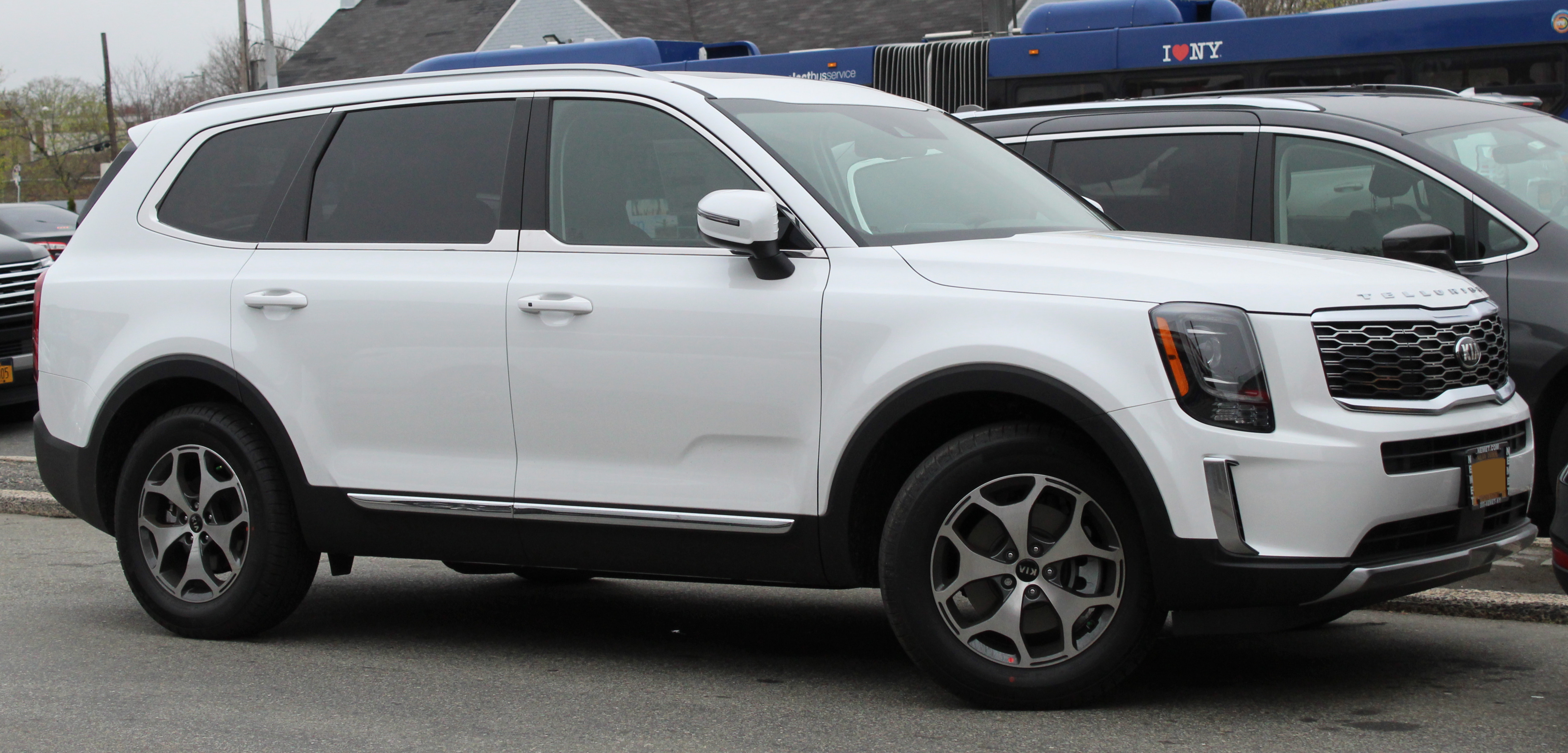
Kia Telluride
"And I think I mentioned this in a few shows ago is that Kia's done a good job at kind of downsizing the styling of the Telluride, which has been super popular."
The Kia Telluride is a popular family SUV. Here, the host is saying Kia is using the Telluride’s newer, more upscale look as a model for how its smaller SUVs are starting to look.
The Kia Telluride is a midsize three-row SUV that became a mainstream hit for its upscale interior and family-friendly packaging. In this segment, the host uses it as the styling “template” for how Kia is reshaping its smaller models like the Sportage.
head-up display
"I mean, they're going to get a head-up display, for example."
A head-up display shows important info on the windshield, like your speed or directions. That way you don’t have to take your eyes off the road to check the dashboard.
A head-up display (HUD) projects key driving information—like speed or navigation prompts—onto the windshield so you can see it without looking down at the instrument cluster. In modern cars, it’s often used to make higher trims feel more “premium” and reduce driver distraction.
price escalation
"The only thing I'm worried about, Chris, is price escalation. You know, as they add equipment, of course, the prices go up."
Price escalation means the car gets more expensive as you add more features. The host is worried that the more equipment Kia adds, the less affordable these compact SUVs will be.
Price escalation is when a vehicle’s cost rises as more features and options are added—often because higher trims bundle additional equipment. The host is concerned that as Kia adds tech and equipment, the Sportage (and similar compact SUVs) may become less affordable.
compact SUVs
"And I kind of like these compact SUVs to be affordable. I think most people would like that."
Compact SUVs are the smaller, more city-friendly version of SUVs. The host is saying most people want them to stay affordable even as they get more upscale.
Compact SUVs are smaller than midsize SUVs, typically offering a balance of interior space, ride height, and fuel economy. In this discussion, “compact SUVs” is the class where the host wants pricing to stay accessible while brands add premium features.
manual transmission
"I think that platform, a small lightweight car with rear wheel drive and a manual transmission, is a great thing to have in 2026 and 2027."
A manual transmission is the kind of gearbox where you choose the gears yourself. You use a clutch pedal to shift, and the way downshifts feel can be improved with updates.
A manual transmission requires the driver to select gears using a clutch and gear lever. The hosts mention updates to the manual transmission’s behavior because gear changes—especially downshifts—can feel noticeably different after calibration and mechanical revisions.
throttle calibration
"One of the things they've done is they've revised the throttle calibration. This is for smoother power delivery, something we kind of complained about."
Throttle calibration is the car’s programming for how it responds when you press the gas. If it’s revised, the engine can feel smoother and more predictable when you accelerate.
Throttle calibration is how the car’s computer maps your throttle input to engine response. Revising it can change how quickly and smoothly the car delivers power, which is why the hosts connect it to “smoother power delivery.”
downshift feel
"Updates to the manual transmission. So that's good. I like, they say they have improved the downshift feel, which is something I want."
Downshift feel refers to how a manual car’s gear change feels when you shift to a lower gear—things like smoothness, engagement timing, and how “crisp” or “notchy” it feels. The hosts say Toyota improved it, which suggests the update targets the subjective driving experience during downshifts.
approved downshift
"I like, they say they have improved the downshift feel, which is something I want. I want an approved downshift."
They mean they want the downshift to feel right—smooth and properly timed—rather than rough or uncertain. It’s about how the shift feels to the driver.
“Approved downshift” here appears to mean a downshift that feels correct and controlled—likely smooth timing and engagement rather than a clunky or delayed shift. It’s a subjective feel metric tied to the manual transmission updates they just discussed.
new exterior color called Thunder
"And they have a new exterior color called Thunder. Like, I can't picture what color Thunder is."
“Thunder” is a named exterior paint color for the refreshed Toyota GR86. Named colorways are common in model updates and can be a quick way to identify the latest spec or trim on the road.
torque
"[642.0s] Maybe that's one of the reasons we don't warm up to it all that much. [645.8s] 184 pound feet of torque is not real torque either. [649.9s] But I think a pretty cool car in a lot of ways."
Torque is the engine’s “twisting power” that helps the car get moving. Higher torque usually helps with quicker pull-away, and here they’re debating whether the stated number matches what you’d actually feel driving.
Torque is the twisting force an engine produces, and it strongly influences how quickly a car accelerates, especially at lower speeds. The hosts call out “184 pound feet of torque,” but then question whether it’s “real torque,” implying they’re skeptical of how the figure translates to real-world feel.
aftermarket support
"[661.9s] And for people who like to tinker with their cars, the aftermarket support for these vehicles [665.3s] is very strong. [666.4s] I mean, there's a huge community of people building and making these things faster."
Aftermarket support means there are lots of third-party parts and upgrades available for the car. If you like tinkering, it’s helpful because you can find performance parts and other people who’ve already done similar upgrades.
Aftermarket support refers to parts and accessories sold by companies other than the original automaker—like performance upgrades, suspension components, and tuning solutions. The hosts say the GR86/these vehicles have strong aftermarket support, meaning owners can more easily modify them and find community knowledge for upgrades.
0 to 60 time
"There's going to be a performance version with 680 horsepower, 0 to 60 time in 3.6 seconds. [731.6s] So very, very cool."
This is how fast a car can go from standing still to 60 mph. Lower seconds usually means quicker acceleration.
0 to 60 time measures how many seconds it takes a car to accelerate from 0 mph to 60 mph. It’s a quick, standardized way to compare straight-line acceleration between vehicles.

2026 Jeep Grand Cherokee
"What is your test drive vehicle for this week, Chris? [749.5s] I had the 2026 Jeep Grand Cherokee."
The Jeep Grand Cherokee is a popular SUV model from Jeep. Here, they’re saying they drove the 2026 version and want to talk about it.
The Jeep Grand Cherokee is a mainstream midsize SUV known for offering multiple powertrains and trim levels, including performance-oriented variants. In this segment, the host specifically references the 2026 model as the test-drive vehicle.
turbocharged
"So the top trim of the line with the new Hurricane turbocharged 2.0-liter four-cylinder engine."
Turbocharged means the engine uses a device that forces extra air into the cylinders. That helps a smaller engine feel stronger and pull harder than you’d expect.
A turbocharged engine uses a turbine-driven forced-induction system to push more air into the cylinders. That lets a smaller displacement engine make strong power and torque without being as large as a naturally aspirated engine would need to be.
power delivery
"The problem here really isn't a lack of power. It's how that power is given to you when you're driving."
Power delivery is how the car actually feels when you press the gas. It’s not just how much power it has on paper, but whether it responds quickly and smoothly when you drive.
Power delivery describes how an engine’s power and torque arrive as you accelerate—how quickly it responds and how smoothly it builds. Even with good peak numbers, a car can feel underwhelming if the torque comes in late or in a way that doesn’t match the driver’s inputs.
8-speed automatic transmission
"You have an 8-speed automatic transmission, four-wheel drive, [854.4s] and then a full set of train management systems in this vehicle along with air suspension."
This is the car’s automatic gear system with eight different gear ratios. It helps the engine run in the right “range,” but it can still feel a little slow to react when you step on the gas.
An 8-speed automatic transmission is an automatic gearbox with eight forward gear ratios. More gears generally help the engine stay in a better efficiency or power range, but it can also affect how quickly the car responds when you press the accelerator.
four-wheel drive
"You have an 8-speed automatic transmission, four-wheel drive, [854.4s] and then a full set of train management systems in this vehicle along with air suspension."
Four-wheel drive means power goes to all four wheels instead of just two. That usually helps the car grip better on slippery or rough ground.
Four-wheel drive (4WD) sends power to all four wheels to improve traction. It’s especially helpful on dirt, snow, and uneven surfaces, but it doesn’t automatically guarantee quick acceleration if the engine’s low-end torque is lacking.
air suspension
"[854.4s] and then a full set of train management systems in this vehicle along with air suspension. [859.1s] On the engine, it is a little bit coarse, right?"
Air suspension is a suspension system that uses air pressure to support the car. It can smooth out the ride and sometimes adjust the car’s height for different driving conditions.
Air suspension uses air-filled springs (instead of steel coil springs) to control ride height and damping. It can make a vehicle feel smoother and can also help it handle different road conditions by adjusting how high or low the car sits.
turbo lag
"And after that, there's some turbo lag, which is when it's taking time to spool the turbo up. [888.7s] So you get a little bit of acceleration and then a lot of acceleration."
Turbo lag is the momentary hesitation you feel in a turbocharged car before the engine really “wakes up.” The turbo needs time to build boost, so the car may accelerate later than you expect.
Turbo lag is the delay between pressing the accelerator and the turbocharger producing boost. It happens because the turbo needs time to spool up, so acceleration can feel delayed at first and then surge once boost arrives.
spool the turbo up
"And after that, there's some turbo lag, which is when it's taking time to spool the turbo up. [888.7s] So you get a little bit of acceleration and then a lot of acceleration."
Spooling the turbo up means the turbo is spinning faster so it can start pushing more air into the engine. If it hasn’t spun up yet, the car can feel slow to accelerate.
“Spooling the turbo up” means the turbocharger speed increases until it can generate enough boost pressure. Until it spools, the engine may feel weak or slow to respond because the turbo isn’t producing full boost yet.
Palermo leather
"Inside the Summit trim has Palermo leather. [956.9s] Mine had a very beautiful saddle color. [959.8s] It's standard with this trim."
Palermo leather is the name Jeep uses for a higher-end leather interior. It’s meant to feel nicer and look more upscale than basic upholstery.
Palermo leather is a branded leather upholstery used by Jeep for certain Grand Cherokee trims. It’s typically marketed as a premium, softer-feeling leather finish compared with standard leather options.
heated and ventilated front seats
"You get heated and ventilated front seats. [970.2s] He didn't ventilated second-row seats. [972.5s] Plenty of room, American-sized front seats for my American-sized rear end."
Heated seats warm you up, and ventilated seats blow air to help you stay cool. It’s a comfort feature for both winter and summer driving.
Heated seats warm the occupant using electric heating elements, while ventilated seats use fans to move air through the seat. Together, they help maintain comfort across cold and hot weather.
start button
"Good ergonomics. [979.7s] Once you figure out where the start button is and everything kind of is, it kind of settles in. [984.4s] So there's no problems there."
A start button lets you start the car by pressing a button instead of turning a key. You usually just need the key fob with you.
A start button typically refers to push-button ignition, where you start the engine by pressing a button (usually with the key fob present) rather than using a traditional key in the ignition. It’s a convenience feature that can also change how quickly you can get moving.
digital gauge cluster
"So this vehicle has a 12.3-inch touchscreen, a digital gauge cluster. [1006.2s] In terms of technology, there's plenty of it."
A digital gauge cluster is the screen behind the steering wheel that shows your speed and other driving info. It can show more details than older-style dials.
A digital gauge cluster replaces traditional analog dials with screens that can display speed, engine/drive info, and driver-assist status. Because it’s software-driven, the layout and information density can change by driving mode.
12.3-inch touchscreen
"So this vehicle has a 12.3-inch touchscreen, a digital gauge cluster. [1006.2s] In terms of technology, there's plenty of it."
That 12.3-inch screen is the big display you use to control the car’s tech—like maps and music. Bigger screens usually mean fewer physical buttons.
A 12.3-inch touchscreen is the main infotainment display size used to control navigation, media, and vehicle settings. Larger screens are common in modern interiors because they centralize controls that used to be spread across many buttons.
Uconnect infotainment system
"Everything runs on the Uconnect infotainment system, [1012.8s] which as we've talked about many times before, is packed with features,"
Uconnect is the car’s main screen system. It’s what you use for music, maps, and connecting your phone.
Uconnect is Stellantis’ branded infotainment software and hardware used in many Jeep and other FCA-era vehicles. It controls the touchscreen interface for things like navigation, media, phone pairing, and vehicle settings.
powertrain
"It's like, what powertrain would I choose were I to buy this? [1041.1s] And there's kind of baggage on both of them, right?"
Powertrain is the car’s “go” system. It includes the engine and how that power gets to the wheels.
Powertrain is the combination of components that generate and deliver motion—typically the engine (or hybrid system) plus the transmission and drivetrain. When someone asks which powertrain to choose, they’re really choosing between different engine/drivetrain setups and their tradeoffs.
four-cylinder power
"is $70,000 for a four-cylinder power, really, where people are going to be."
A four-cylinder power means the engine has four cylinders. It’s often smaller and cheaper than engines with more cylinders, so the price question is whether it’s worth it.
A four-cylinder power refers to an engine with four cylinders, usually meaning a smaller-displacement setup compared with six- or eight-cylinder engines. In pricing discussions, it often signals the speaker’s concern about paying a premium for a less “big-engine” configuration.
Wireless Apple CarPlay and Android Auto
" [1064.5s] and things like that there. [1066.3s] Wireless Apple CarPlay and Android Auto, HD Radio. [1069.4s] And this vehicle also had a Macintosh audio system,"
CarPlay and Android Auto let you use your phone’s navigation and music through the car’s screen. “Wireless” means you can connect without plugging your phone in.
Apple CarPlay and Android Auto are smartphone-integration systems that mirror a phone’s key apps onto the car’s infotainment screen. “Wireless” means you don’t need to plug the phone in for the connection, which makes setup faster and more convenient.
HD Radio
" [1066.3s] Wireless Apple CarPlay and Android Auto, HD Radio. [1069.4s] And this vehicle also had a Macintosh audio system, [1071.7s] which will blow your socks off."
HD Radio is a radio technology that can make regular radio stations sound clearer. It’s useful if you listen to over-the-air stations a lot.
HD Radio is a digital broadcast format for FM and AM stations that can provide clearer audio and additional station information compared with traditional analog radio. It’s a feature that can matter if you listen to terrestrial radio often.
Macintosh audio system
" [1069.4s] And this vehicle also had a Macintosh audio system, [1071.7s] which will blow your socks off. [1073.0s] I think it's one of the best in the business."
This is a premium car audio setup from a well-known audio brand. The idea is that it sounds better—clearer and louder—than the standard speakers.
“Macintosh” here refers to a premium audio brand used in some vehicles to deliver higher-end sound quality. When hosts say it’s “loud and clear,” they’re typically talking about better speakers, amplification, and tuning than base audio systems.
blind spot monitoring
" [1083.3s] So those contribute to the higher price. [1085.5s] The Summit trim also has plenty of safety features. [1087.5s] So you get blind spot monitoring, rear cross-traffic alerts,"
This feature watches for cars you can’t see in your mirrors. It warns you when it’s not safe to change lanes.
Blind spot monitoring uses sensors to detect vehicles in areas you can’t easily see in your mirrors. It typically alerts you when you’re about to change lanes into another car’s path.
rear cross-traffic alerts
" [1087.5s] So you get blind spot monitoring, rear cross-traffic alerts, [1090.2s] adaptive cruise control with steering assistance. [1092.7s] This is not a hands-free system."
When you’re backing out, this system watches for cars coming from the sides. It alerts you so you don’t pull into someone’s path.
Rear cross-traffic alerts warn you when vehicles are approaching from the sides while you’re reversing out of a parking spot. It’s meant to reduce the risk of collisions when visibility is blocked.
adaptive cruise control with steering assistance
" [1087.5s] So you get blind spot monitoring, rear cross-traffic alerts, [1090.2s] adaptive cruise control with steering assistance. [1092.7s] This is not a hands-free system."
Cruise control that can slow down and speed back up to match traffic is “adaptive cruise control.” If it also helps steer, it’s still not fully driver-free—you have to stay alert.
Adaptive cruise control automatically adjusts your speed to maintain a set distance from the vehicle ahead. “Steering assistance” indicates the system can also help with lane keeping, but it still requires driver supervision.
hands-free system
" [1090.2s] adaptive cruise control with steering assistance. [1092.7s] This is not a hands-free system. [1094.3s] So that's just something to keep in mind."
“Hands-free” would mean the car can drive without you steering. The host is saying this one still needs you to stay in control and be ready to intervene.
A “hands-free system” implies the car can handle driving tasks without the driver’s hands on the wheel. The host clarifies it’s not truly hands-free here, meaning the driver must remain ready to take over at any time.
Hemi
" [1101.8s] I would probably wait a model year. [1103.6s] I'm pretty sure we're going to see a Hemi back in this thing at some point soon. [1107.7s] But I think a lower trim with the V6 engine and a fewer features would be a better value"
“Hemi” refers to a specific engine design where the combustion chamber is shaped like a half-sphere. It’s commonly used as a nickname for certain high-performance engines.
“Hemi” is shorthand for a hemispherical combustion-chamber engine design. It’s often associated with Chrysler/Jeep performance engines and is used here to suggest a future engine option for the Jeep Grand Cherokee.
V6 engine
" [1107.7s] But I think a lower trim with the V6 engine and a fewer features would be a better value [1113.1s] for most buyers. [1114.4s] Yeah, I think this is one of the issues where we get a powertrain based on"
A V6 engine is a type of engine with six cylinders arranged in a V shape. Here, they’re saying the V6 with fewer features might be the smarter buy.
A V6 engine is an internal-combustion engine with six cylinders arranged in a “V” shape. In this context, the host is arguing that a V6-powered, lower-trim version could be a better value than a higher-priced, feature-heavy trim.
subcompact SUV
"Well, I'm driving a vehicle that asks the question, can a subcompact SUV be a bargain at $40,000? And that's a tough sell."
A subcompact SUV is a smaller SUV/crossover. The host is basically saying people expect these to be practical and good-value, not necessarily “fun” or premium.
A subcompact SUV is a smaller, crossover-style SUV positioned below compact SUVs. The host uses the term to frame the expectation that these cars are mainly about practicality and value—then challenges that assumption by asking whether this one can justify a higher price.
2.5 turbo
"This is in 2.5 turbo premium plus all wheel drive form. So there's a lot of letters after the name of the vehicle and a lot of numbers and letters"
“2.5 turbo” means the car has a 2.5-liter engine with a turbo. A turbo helps the engine feel punchier, especially when you accelerate.
“2.5 turbo” refers to a 2.5-liter engine equipped with a turbocharger. The turbocharger forces more air into the engine, which helps produce stronger acceleration than a naturally aspirated engine of the same size.
all wheel drive
"This is in 2.5 turbo premium plus all wheel drive form. So there's a lot of letters after the name of the vehicle and a lot of numbers and letters"
All-wheel drive means the car can send power to all four wheels. It usually helps with grip in bad weather like rain or snow.
All-wheel drive (AWD) means power can be sent to all four wheels instead of just the front or rear. That typically improves traction in rain, snow, or slippery conditions, and it can also help the car put power down more confidently.
hot hatch
"I got to believe this is more of a hot hatch than it is an SUV. Yeah, I think it does lean closer to the hot hatch."
A “hot hatch” is a small car (usually a hatchback) that’s tuned to be fun and quick to drive. Here, they’re saying this SUV feels more like that kind of driving experience than like a normal SUV.
A “hot hatch” is a performance-focused hatchback that prioritizes quick acceleration and responsive handling. In this discussion, the host argues that the Mazda CX-30’s driving feel and premium/enthusiast-oriented tuning make it behave more like a hot hatch than like a typical SUV.
Napa leather seating
"of course, all-wheel drive, Napa leather seating, so very nice seating. Tons of safety technology."
Napa leather is a type of higher-quality leather used in nicer car interiors. It’s usually softer and feels more premium than standard cloth or lower-grade leather.
“Napa leather” refers to a premium, soft leather finish commonly used for upscale interiors. It’s typically chosen for a more supple feel and a higher-end look compared with basic upholstery.
MSRP
"The MSRP of the vehicle I had was $40,000, including the destination charge. There were some extras like gray metallic paint and some dealer installed accessories."
MSRP is the price the automaker lists on the car’s sticker. It’s a starting point, but the final price you pay can be higher after taxes and dealer add-ons.
MSRP is the manufacturer’s suggested retail price—the sticker price before you account for taxes, registration, and many dealer-specific add-ons. It’s often used as a baseline for comparing what different trims cost.
premium fuel
"Not a coarse four-cylinder engine that produces 250 horsepower, 320 pound feet of torque when you run premium fuel in it."
Premium fuel is a higher-grade gas than regular. It helps the engine run smoothly and can be required for the best performance in some turbo engines.
Premium fuel typically means a higher-octane gasoline grade than regular. Higher octane helps prevent knock under higher boost or higher compression conditions, allowing the engine to deliver its intended power and torque.
six-speed automatic transmission
"but that Mazda has done is stick with a six-speed automatic transmission. A lot of vehicles in this class use a CVT, use a continuously variable transmission."
This is the car’s automatic gear system, and it has six different gear ratios. Having multiple gears can make the car feel quicker and smoother because the engine can run in a better range.
A six-speed automatic transmission is an automatic gearbox with six forward ratios. More fixed gears can help the engine stay in its best power/efficiency range, which often makes the car feel more responsive than a single-ratio system.
CVT
"A lot of vehicles in this class use a CVT, use a continuously variable transmission. This is a real driver's transmission."
CVT stands for a continuously variable transmission. Instead of set gears, it can smoothly change the ratio all the time, which can help fuel economy—but some people find it doesn’t feel as engaging as a normal geared automatic.
CVT (continuously variable transmission) uses a belt-and-pulley system to provide an infinite range of gear ratios instead of fixed gears. That can improve efficiency, but some drivers dislike the “rubber band” feel because engine speed may not change the way it does with traditional gears.
zero to 60 time
"And I think in this instance, you're in a gear for a while and zero to 60 time of 5.8 seconds. So it's not the quickest vehicle in the class, but man, it's fun to drive."
Zero to 60 time is how fast a car goes from standing still to 60 mph. Lower numbers usually mean faster acceleration, but it doesn’t tell you everything about how the car drives.
Zero to 60 time measures how many seconds it takes a car to accelerate from 0 mph to 60 mph. It’s a quick, standardized way to compare straight-line acceleration between vehicles, though it doesn’t capture handling or driver feel.
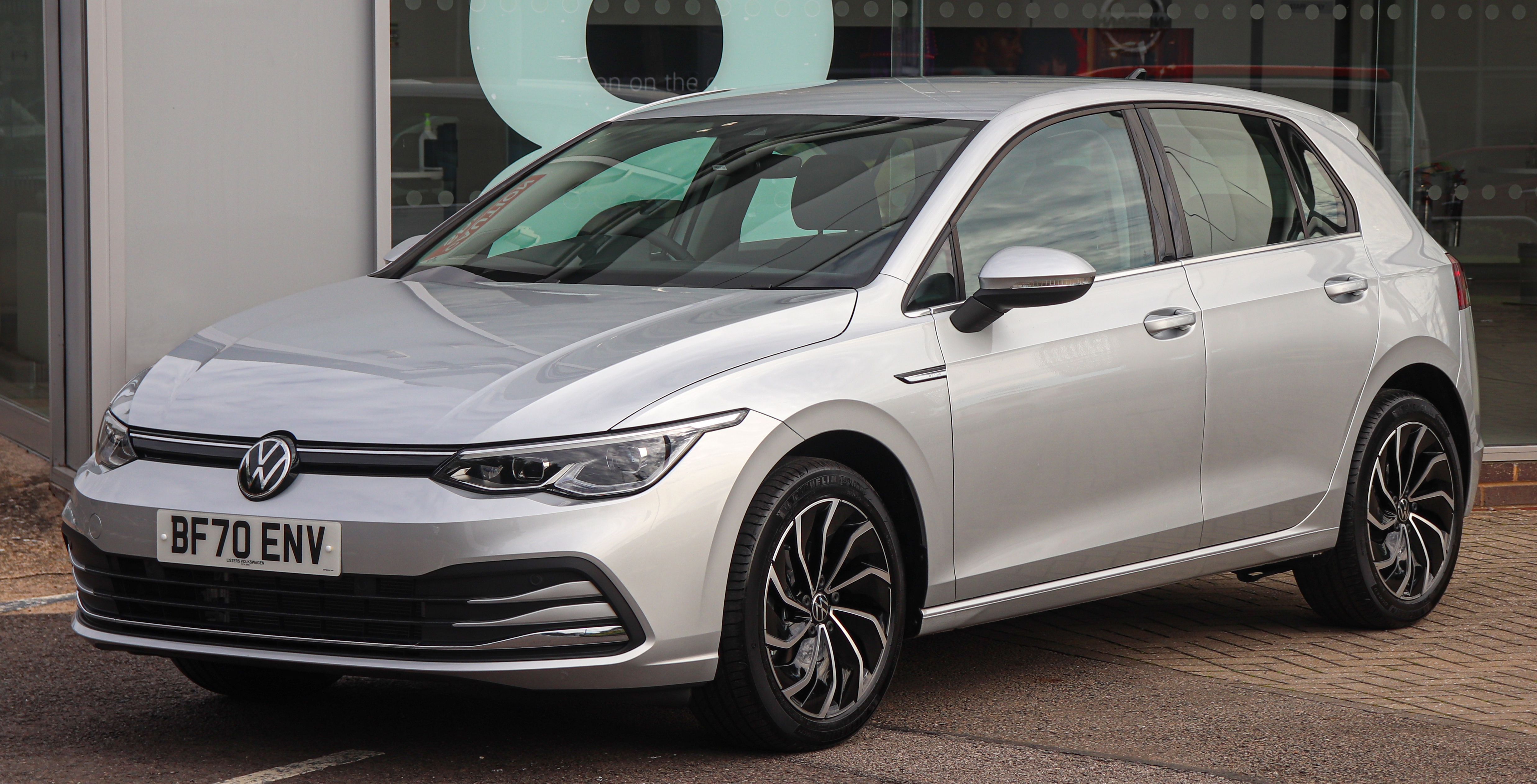
Volkswagen Golf GTI
"And those performance numbers you mentioned, [1436.1s] they're competitive with the Volkswagen Golf GTI. [1438.3s] I mean, the power delivery, the 0-60, so yeah, definitely hot hatch territory."
The Volkswagen Golf GTI is a sporty hatchback that’s famous for being quick and fun to drive. Here, the hosts are saying the SUV’s speed and power feel similar to what you’d expect from a GTI.
The Volkswagen Golf GTI is a front-wheel-drive hot hatch known for its punchy turbocharged power and daily-drivable practicality. In this segment, the hosts compare the SUV’s performance numbers to the Golf GTI to argue it feels “hot hatch” quick rather than like a typical family crossover.
0-60
"I mean, the power delivery, the 0-60, so yeah, definitely hot hatch territory."
“0-60” means how fast a car goes from standing still to 60 miles per hour. Lower seconds generally means quicker acceleration.
“0-60” is shorthand for how many seconds it takes a car to accelerate from 0 mph to 60 mph. It’s a common performance metric because it captures real-world launch and acceleration feel in a single number.

Ford F150S
"But I have to warn, just like with everything, technology is only as good as your gut. If you tell it to just go buy me five, 2025 F-150s, you know, that are dark color, you do not know what you're going to be getting."
The F-150 is a large pickup truck used for everyday driving and work. The podcast is basically saying that the truck’s tech features depend on how you set them up and what you expect them to do. If you buy specific versions, you need to know what you’re getting.
The Ford F-150 is a full-size pickup truck, one of the most common and widely sold trucks in the U.S. It’s discussed in the context of how modern technology and vehicle systems can be sensitive to how they’re configured and used. That’s why it can come up when talking about buying multiple trucks or managing expectations around features.
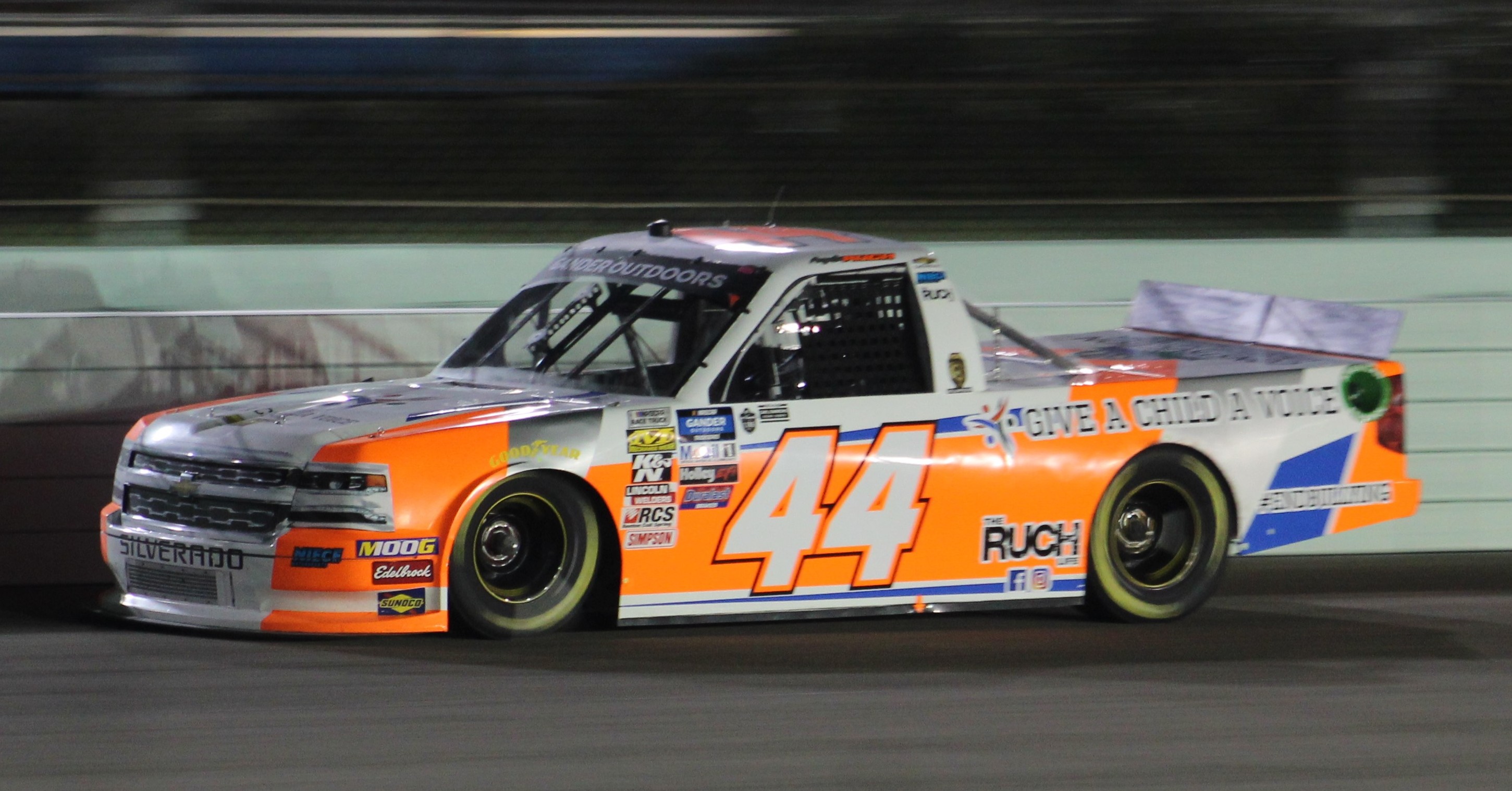
Chevrolet Silverado
"...etting into, I just want some Ford F-150s or some Silverados, that's where you get into some problems."
The Silverado is a large pickup truck. The episode mentions it because some buyers can run into problems depending on the exact truck and setup they choose. It’s being brought up as part of that broader “watch out for issues” discussion.
The Chevrolet Silverado is another full-size pickup truck, commonly compared and cross-shopped with other trucks in its class. In the podcast, it’s mentioned alongside the F-150 as a place where buyers can run into issues. That suggests the conversation is about practical ownership concerns like options, configurations, or how certain systems behave.

Renault Wind
"I want a black car. And they wind up driving out with a blue SUV. I mean, there's a..."
The Renault Wind is a small car that’s built like a convertible. In the episode, it’s brought up because someone expected one kind of car but ended up driving something else. It’s a brief mention tied to that story.
The Renault Wind is a small, distinctive two-door convertible/cabriolet-style car. In the podcast, it’s mentioned through a quick anecdote about someone ending up in a different vehicle than expected. That kind of story is typical for “road” podcasts where the car itself becomes part of the moment.

Honda Passport
"... dealers doing it? I mean, we just bought a Honda Passport over the weekend, actually. Used Honda Passport, ..."
The Honda Passport is a mid-size SUV. It’s the kind of vehicle people buy when they want room for passengers and cargo without going to a very large SUV. The episode references it because someone recently purchased one used.
The Honda Passport is a mid-size SUV aimed at people who want more space than a compact SUV but don’t necessarily need a full-size vehicle. The podcast mentions buying a used Passport, which is a common reason it comes up—practical shopping and real-world ownership. It’s also relevant because it’s a mainstream option in the used market.
range extender EVs
"Chris, I have a great question, I think, from Brandon in Fillmore, California. [2386.0s] He says, are range extender EVs the next big thing for truck buyers?"
It’s an electric car where the wheels are still powered by an electric motor, but there’s also a small engine onboard that helps generate electricity. That extra generator can help the car go farther without you having to charge as often.
A range-extender EV is an electric vehicle where the wheels are driven by an electric motor, but a separate engine (often a small gasoline or diesel unit) generates electricity to extend how far you can go. It’s different from a full battery-electric vehicle because the onboard engine can recharge the battery while driving, reducing “range anxiety.”
range extended EVs
"[2395.8s] I think range extended EVs are coming, right? [2397.9s] We've got Scout coming down the line with a pickup truck and an SUV. [2401.2s] I've heard rumors of Ford converting the lightning into a range extended EV."
This is the same general concept as a range-extender EV: it still drives like an electric car, but it has an extra engine that helps supply power. The goal is to make the car go farther between charges.
“Range-extended EVs” refers to the same idea as range-extender EVs: the vehicle uses an electric drive system, but includes an onboard generator engine to add energy and extend driving range. The key point is that the engine typically doesn’t directly drive the wheels; it produces electricity to keep the battery/motors supplied.

Ford converting the lightning into a range extended EV
"[2401.2s] I've heard rumors of Ford converting the lightning into a range extended EV. [2405.0s] Ram has been talking about it."
The Ford Lightning is an electric version of the F-150 pickup. The host is talking about a possible future version that would still be electric, but with an extra onboard engine to help it go farther without charging.
The Ford Lightning is Ford’s all-electric F-150 variant. The segment is discussing a hypothetical conversion where the Lightning would be reworked into a range-extended EV concept—meaning it would still use electric drive, but add an onboard generator engine to extend range.

Dodge Ram
"...onverting the lightning into a range extended EV. Ram has been talking about it. Look, I think there wi..."
Ram makes pickup trucks. The podcast is talking about Ram’s plans for an electric-style truck that can go farther using a range-extender idea. That’s why it’s brought up in a discussion about future truck power.
“Ram” refers to the Ram pickup trucks, which are known for being work-focused and available in many configurations. In the podcast, Ram is mentioned in connection with an electrification plan involving a range-extended EV concept. That’s significant because it ties the brand to future powertrain technology and how it may change truck ownership.
truck buyers are really reluctant to go for electric power
"[2412.7s] I think they're going to face the same challenges that some of the electric trucks have faced, [2416.9s] which is truck buyers are really reluctant to go for electric power, right?"
The host is saying some truck buyers don’t want to switch to fully electric yet. A big reason is that charging can be inconvenient compared with filling up with gas.
This is about consumer adoption friction: many truck buyers hesitate to switch to fully battery-electric powertrains. In practice, the concern is often tied to charging availability, charging time, and how far the vehicle can go on a single charge.

Ford Maverick
"...ing any kind of hybridization even, like the Ford Maverick truck, and you could argue that's not exactly a t..."
The Maverick is a smaller pickup truck. It can be bought with a hybrid setup, which is meant to help save fuel. The podcast mentions it while discussing hybrid technology in general.
The Ford Maverick is a smaller pickup truck that’s known for offering efficient powertrains, including hybridization. The podcast specifically brings it up in the context of hybrid systems and how they fit into the broader discussion. That makes it relevant when talking about fuel economy and the complexity that comes with hybrid tech.
Request an Explanation
Heard something you'd like explained? We'll add it to this episode.
Sign in to request explanations for terms you heard.
Want to learn more?
Browse our glossary for plain-English explanations of automotive terms, jargon, and concepts.
Help improve this episode
See something that's not quite right? Our annotations are AI-generated and can sometimes miss the mark. Click the flag icon on any annotation to suggest a correction.