Pit lane speeding means going faster than the allowed limit in the pit lane. Because people and cars are close together there, the rules are strict and you can get penalized.
A drive-through penalty requires a driver to enter the pit lane and pass through at pit-lane speed without stopping, as punishment for a rules infringement. In Monaco, where overtaking is hard, this often costs a driver significant track position and points.
In Monaco, it’s really hard to pass other cars because the track is narrow and surrounded by walls. So where you start the race—your qualifying position—matters a lot.
Term
undercount
An undercount is a strategy timing trick—teams try to pit or sequence laps so their driver ends up in a better spot relative to other cars. It’s about finding gaps and avoiding getting stuck behind slower traffic.
A five-second penalty is a punishment where the driver effectively loses five seconds due to a rules mistake. The team has to serve it the right way during the race, or they may get an even bigger penalty.
Double stacking is when a team brings two cars into the pits back-to-back. If the timing isn’t perfect, the second car can get stuck waiting and lose positions.
The regulations are the official rules for how the race and penalties are handled. The point here is that the correct way to serve that penalty is spelled out.
“Tyres” refers to the race tires used in F1, which teams change during pit stops. Readiness matters: if the team has tires staged but isn’t fully set up, the car can be delayed, which is especially damaging during a double-stack under safety car.
In the pits, there are crew members who lift the car so the tires can be changed. If they don’t do it at the right moment, it can cost time or mess up penalty timing.
The track has painted lines that drivers have to respect. If you cross the wrong one, race officials can consider it a rules violation and hand out a penalty.
The hosts are emphasizing that qualifying position is especially important at Monaco because overtaking is difficult and the circuit layout punishes mistakes. A strong qualifying result reduces the need to fight through traffic during the race.
George Russell is an F1 driver. The hosts are saying his result changes the math of the championship—what could still happen based on where he and others finish.
It means the different ways the championship standings can still change. Since points depend on finishing positions, one race result can affect who’s still in the title fight.
Engine braking is how the car slows down when you lift off the gas. If something goes wrong with that deceleration behavior, the car can lose grip and suddenly become hard to control.
They’re saying the car didn’t have full braking power—only some of the brakes were working. That can make the car harder to slow down and can throw off how it turns.
A red flag is the signal to stop the race right away because something on the track isn’t safe. Officials then fix the problem and the race can restart later.
Lewis Hamilton is one of the most famous Formula 1 drivers ever. In this part of the episode, they’re talking about how he finished second again, but couldn’t go as fast as the winner.
F1 has a speed limit in the pit lane for safety. If a driver goes too fast, they can get a penalty that affects where they finish and how they have to plan the rest of the race.
In F1, “car lengths” are used as a practical distance measure when discussing rules and incidents, such as how close cars are when the safety car is deployed or when drivers must follow specific spacing requirements. Here, the hosts argue that being more than 10 car lengths away when getting under the safety car is a significant breach.
A safety car infringement means a driver didn’t follow the rules while the safety car was out. That can lead to penalties because it can unfairly change track position.
A qualifying review is a segment where the hosts break down how qualifying went—who got pole, how the grid shaped up, and what it means for the race. It’s especially relevant in Monaco because starting position strongly influences race outcome.
Catalonia refers to the Circuit de Barcelona-Catalunya region in Spain, where F1 often races. The hosts contrast it with Monaco, implying that track layout and overtaking opportunities change how starting position affects results.
Pole position is awarded to the driver who qualifies fastest and starts the race from the front of the grid. In Monaco especially, starting from pole is often a huge advantage because overtaking is difficult.
Fastest lap is the quickest single lap time set by any driver during the race. It’s often rewarded with extra points in F1, and it can indicate strong race pace even if the driver didn’t win.
“Front row” means the two cars that start right at the front of the starting grid. Those cars usually have the best chance to get a strong start and lead early.
The formation lap is the lap right before the race where the cars get in order and prepare to start. If a car has trouble getting going, it can ruin the race from the very beginning.
To “retire the car” means the driver withdraws from the race, usually due to mechanical failure or an issue that makes continuing unsafe or impossible. In race reviews, retirements are often treated as major turning points because they remove a contender from the result.
“Turn one” is the very first corner after the start. It’s where a lot of position battles happen, and if you get it wrong you can lose your chance to compete for the lead.
“Engine supply” means one team is getting its engines from another team. If something goes wrong with those engines, the team using them has to work with the supplier to figure out what happened and how to fix it.
Place
basalona
They’re talking about the next race in Barcelona (the Circuit de Barcelona-Catalunya). The issue needs to be understood quickly so it doesn’t keep happening at the next event.
“Powertrains” means the car’s power system—how the engine and related parts work together to make and deliver power. In F1, it usually points to the full engine/power-unit package.
The pit wall is where the team watches the race and tells the driver what to do. If they’re “stuck on the pit wall,” it usually means they can’t change what’s happening on track right now.
Data analysis means the team looks at numbers from the car (like speed, temperatures, and tire behavior) to figure out what’s going on. They use it to improve the car and make better calls.
A contract is a formal agreement with rules and promises. Here, they’re talking about whether the supplier owes money back (or a discount) if reliability targets aren’t met.
“Parts” in F1 usually means limited-use components like engines and other regulated hardware that can’t be replaced freely without penalties. When someone says a driver is “running out of parts,” it implies they’re approaching the end of their allowed allocation and may face grid or other penalties.
Term
q3
Qualifying is how F1 decides the starting order. Q3 is the last and most important part of qualifying, where the quickest cars fight for the best starting spots.
In F1, teammates can work together. One car can help the other by setting the pace and keeping a little distance from the cars behind, so they’re more likely to finish in a points-paying position.
Soft tires are the grippier tire option in F1. They help you go faster, but they don’t last as long as harder tires, so teams have to plan when to use them.
“Defensive work” is what a driver does to stop someone from passing. It can include where they position the car and how they brake so the other driver can’t find a clean way through.
A “hold-up strategy” is when one driver is told to slow down on purpose to make another driver lose time. The goal is usually to help their teammate by keeping rivals from getting past or by messing with pit timing.
Here, “margin” means how much wiggle room the team has. If they don’t have enough margin, pitting (or making a move) could cost them too much time or put them in a bad spot on track.
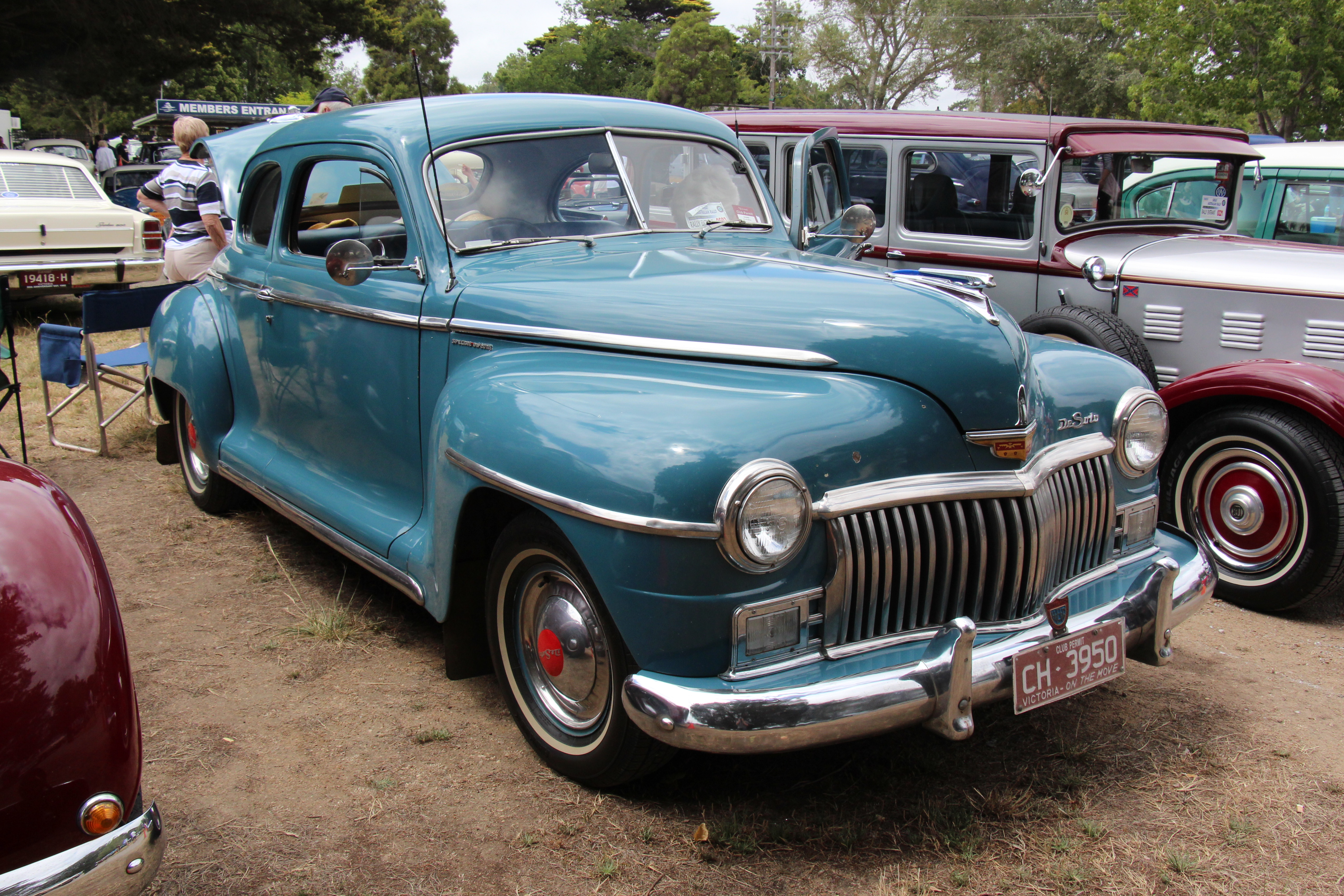
The Plymouth P15 is an older car model made by Plymouth. It was built for everyday driving, like getting people to work and around town. In a podcast, it’s usually mentioned because it represents what cars were like during that time period.
A “racing incident” is what officials call a crash or contact that happens during normal racing. It means it’s considered part of the fight on track, not someone intentionally causing trouble.
“Full lock” means the driver turned the steering wheel all the way to one side. It’s a way of saying the car is being steered very sharply, like in a tight corner or when trying to fit past someone.
“Overtaking” just means passing another car. At tracks like Monaco, it can be really hard to pass because the track is narrow and there’s not much room for mistakes.
LIVE
Thank you for listening to the late breaking f1 podcast make sure to check out new episodes every wednesday and every sunday
Hello, and a very warm welcome to the late breaking f1 podcast presented by Sam sage and me ben hocking
It's Monaco Grand Prix review time and good luck to us because we're on earth. We're gonna start with all of that
We can at least start by saying Kimmy Antonelli has won this race and therefore won five in a row
First-ever Monaco Grand Prix victory for him
I can't even say that with a hundred percent confidence because whilst he's not under investigation and wasn't all day Sam
It feels like at any moment there could be just another ten second penalty that rolls through
Yeah, you get a penalty
It feels like it was just funsies in terms of the penalties a lot of the time
We critique the FIA skewers for not giving out penalties fast enough for here
It's almost like a mungy gun. You give them more to do when they get quicker
I know again another one another one
Yeah, they were just dishing them out
We had the pit lane controversy going on or whether the speaking thing was correct
We had drive-throughs for Russell because penalties weren't served properly
We've had out-of-grid position with Perez possibly again. We're waiting to hear that come through
There is so many different types of penalties lock strong. I should get a track limits penalty at Monaco
I don't know how it happened, but he achieved it. Yeah, the wall is track limits. I'm afraid
Don't touch it. I'm joking lads. I am joking
Yeah, good luck to us trying to get through all of this today
We'll do our best to cover everything that we possibly can in the next hour or so
And that's why you need to be on patreon for power rankings because early plug today
I know you love those early plugs
Um, we're gonna do our best to get through as much as we can but every single driver is covered in that on our patreon from tomorrow
We've got driver of the day coming up worst driver of the day
Everything to do with McLaren red bull Ferrari all having very mixed days. I think you could say
But let's start out front with a guy who definitely didn't have a mixed day Kimmy Antonelli
Questions about some of his poorer starts so far this year. Was that going to cost him here at Monaco in the end?
He had to do two of them and
They were absolutely fine in both instances led this race at one point by nearly 30 seconds
The safety car will make this look a bit closer than it was but even with that Sam that the six or seven laps or so after the
After the red flag he still managed to open up about a pit stop advantage over third place
I was almost stunned to silence at just how quick
Kimmy Antonelli was
Genuinely shocked at how fast he was we came to this weekend and we thought that Mercedes might be a disadvantage
And in the eyes of George Russell, it was a disadvantage
He was unable to produce any kind of
Competent quick result that showed up properly throughout the whole weekend
It never looked likely that he was going to appear on the podium at any point this weekend
And yet on the other side of the garage is 19 year old teammate who has become the youngest ever Monaco GP winner
Fiving a row it looked like at one point
He was going to win with the biggest winning margin that we've seen in the 21st century
He was so much faster than everyone else and the Ferraris did not have a response even in the clean air
Lewis Hamilton and Charlotte Clair unable to even remotely rain in Antonelli in the Mercedes and
You're right that moment that the
The race restarted with about six or seven laps ago and you think okay sure
This is going to be a close one Hamilton might get alongside into turn one was close for a lap or two right Hamilton stuck by him
Initially one point 11 point two and it stayed like that for one lap and then suddenly
He's seven seconds up the road and it's not just seven seconds to Lewis Hamilton the guys behind Taja gasoline
Of course they end up being over 15 seconds back on the finish line
Which is it's over two seconds a lap faster which is just phenomenal when you don't need to take a risk
He must have been so comfortable in such a state of happiness with that car to produce such a result was
Astounding I really am so impressed by what he was able to do this weekend because the pole that was incredible
Gets away on both occasions. Well managers of safety car restart brilliantly. There's a lot of things that could have gone wrong
We saw so many penalties going in so many different ways, which we will get on to as much as we can
It all could have gone his way and it just didn't it was just so serene
It was calm and it was everything you want from a winner of Monaco and he delivered it every turn
I know we've only got five of these to review so far in terms of Kimmy Antonelli wins and guess what folks that number
Isn't going to stop at five, but at least from those that we can say at the moment
This was Antonelli's best win in F1 yet and quite comfortably by far
And that's not to say the other four haven't been impressive as well, but this was just another level entirely
And I think maybe what was most impressive about this outside of it being his first Monaco GP win
Youngest to ever win here, etc. etc. Is that this could have gone very differently?
I know it's difficult to overtake at Monaco and that obviously gives the advantage to
Whoever leads out of the first corner the fact that he negotiated that twice in itself is very good
But I think outside of being overtaken into turn one by Max Verstappen the second
Worst result for Antonelli
Was Verstappen to either drop back to fourth or drop out of the race entirely
Because that then means he's got two Ferraris directly behind him in second and third
And we've seen it at Monaco before you can therefore play the strategy game when you've got two drivers in one team directly behind
Uh, just someone by themselves in the lead
But that was completely negated by how quick he was
You can say well, this wasn't his best win because you can't overtake at Monaco
Who cares? He was 15 seconds clear of everyone after 10 laps
No one was even going to have the chance to overtake him at Monaco
Even if the track was twice as wide they weren't going to have a chance at overtaking him
And he manages to to gap Lewis Hamilton and Charlotte Clarke quite quickly early on
And every time you think the gap sort of stabilizes for a few laps
That's when he would then kick on again and it would just be this this
Relentless nature of this consistency lap after lap to the point where we were looking at as you said
Maybe record breaking for the 21st century in terms of win margin and
Take nothing away from him. I don't care what the the win margin actually ended up being that's that's very much safety car driven
He was in another league
He lapped his teammate
He left George Russell who was in fourth place at the time and there's not been many occasions where we've seen everyone up to fourth place
I do want to actually just mention on that because we will get into Russell's race in a little bit at that point in the Grand Prix
George Russell
Had no one in front of him and Antonelli who hadn't lapped him yet was behind
So if Russell who had been caught up in a lot of traffic just had the outright pace to match Antonelli
Antonelli would not have been able to lap him yet. He did because his pace was better
Yeah, there was a comment from brandil. I think it was on the sky sports
Broadcast that stated that the two fastest cars on the track right now were the two Mercedes cars
But Kimmy Antonelli was one second to lap faster again
The George Russell lap after which just shows you the level of comfort that Antonelli was feeling
No pressure out in first
He should have had the weight of the world on his shoulders that one single mistake one inch in the wrong place
And he ends up putting the car out of the Grand Prix
Nothing he got out of that car in the red flag period
He looks so chill so casual so calm has a little a little apple juice
I think you're doing a little squeezy that he just took in between. You know, yeah little little power up
Little apple juice. I could have a little snacky. Why not and be on my way
Then I'll use way he was because it was something special and
I said it last year Antonelli will go on to be a world champion if it's not this year
It will definitely be sometime very soon
It will be races like this that we look at in the next decade where we go
That's how we knew they were special moments that became something of a crowning moment for that individual
Lewis Hamilton sits down next to him in the call-down Roman goes you catching me up now, man
He's got a ways to go yet
But uh, he's he's making a good start of it. No doubt about that
We'll get into championship permutations a lot more in in episodes outside of today's race review specifically
But um, you know, we are now in a spot where Antonelli
If he if he retires from the next two races and Russell wins them both
It's a 16-point lead that Antonelli still has like
66 points
Separating them that is a huge margin. It's not great. Is it it doesn't look comfortable at all?
And if anything it's now only going to get easier for Antonelli as well
He's really I think overcome the majority of the challenge where it was, you know, adjusting to the new season proving
He could do something going to Monaco winging there
Even if it now goes back to Russell wins one week Antonelli wins another
Russell has a mountain to climb Everest level ability to climb to even get back to this
so I think the worst part is that uh
Kimmy Antonelli is now only one with a way from matching George Russell's entire total and formula one
He might do it all in a row from his first Grand Prix entirely possible
Let's talk about George Russell's Grand Prix because there's a lot to get into there
It's tough to know where to start with it to be honest started sixth place
Um caught behind Isaac Haja for much of that first stint
Then picks up a penalty for speeding in the pit lane
Doesn't serve that penalty correctly when the safety car comes out
Is therefore given a drive-through penalty that he serves towards the end of this race leaving him out of the points with
No real option to get back into the points at the end
Where do you want to start with this one?
I mean, this is why qualifying is so important in Monaco
He got caught up behind the car that in theory should have been pretty quick
But it has issues pretty much the entire Grand Prix. You know what?
I want to give a little bit of credit to Isaac Haja who is
Not stop screaming over the radio by the way
I think he's just eternally yelling into the darkness which is his crash helmet
But he's having to deal with this failing car
We already saw that one car from the Red Bull family is broken down immediately
So there's every chance that he could be the same but unfortunately for Russell because of how he qualified
He is caught up behind this very slow moving Red Bull
So they try something a bit crafty
They try going for an undercount they find a good gap there
And he's one of the first to be caught up by what feels like this continuous timeline of pit lane speeding penalties
infringements that are coming out now
this one I kind of
I see the argument that a lot of people are making about oh, there must have been a problem
There's nothing on the stake the saints must have moved. Well, I think I've got two arguments for that
One is there was about 15 drivers that didn't speed in the pit lane
That were all completely fine going in there and had no problem whatsoever
And that Zach Brown went over the radio was asked about the issue within the spit lane
spit lane pit lane
Said oh, what about piastry? You know was was he is he been caught up in this?
He went well no our data says that he was just speeding in the pit lane
It just kind of feels like you brought that on yourself. That's five seconds. That's bad
We have to move on with it. That's your own fault
The bit that I can't forgive actually is very much on the Sadie's point of view here and not from Russell
Which is under safety car. They double stacked the Mercedes that he is of course stopped
The call is too late for him to stay out
Quite clearly on the radio when they're playing showing the replay
He's already coming into the pit lane when they're saying to stay out and then they touch the car immediately
And there's no communication. It's so poor and then when Russell is trying to say
What happened with my penalty? Did we serve the penalty? Do I have to serve the penalty? What's happening?
They're almost annoyed at him for asking the question where he's going any answers
I just think Mercedes really mutt this one up and five second mistake is one thing. He can maybe drop back to six
Maybe but this is ruined any chance of any points ability because I'm saying it's not going to manage the situation in the pit lane
It's fairly clear in the regulations as well
I know there were some questions about it
But if you don't serve that five second penalty correctly like you are first chance of asking you are going
Yes, your first opportunity if there is one
You are going to receive a bigger penalty afterwards that that makes sense
Yeah, obviously some confusion about communication before that pit stop trying to tell Russell to to keep going to avoid the double stack
Then Russell comes in
They kind of have tyres there, but not quite ready in position. The pit stop is actually
Pretty good. I think all things considered with that double stack
But of course the five second penalty is completely ignored and you can tell
I forget which side of the car it is. You could tell on maybe it was the front right
I think the front right know that he has to serve the five second penalty
But as soon as one person touches it and someone hasn't got the memo
That's as good as everyone not getting it because the jackmangers get the jackmangers straight in there to pick up the car
Immediately and you're right the front left is straight off and the front right hesitates for about a second
I think you're right to call that out clearly someone in the team was aware
Yeah, they should have been serving the pebbles, but as soon as someone touches it
There's no point delaying then because you're going to get the penalty
You might as well just make the pit stop as quick as you can
Uh, a real scruffy day for Russell even sort of excluding that again
He's one of the the drivers to pick up the five second penalty in the first place
Got fortunate I think to avoid a penalty far earlier on in terms of the grid spot. It must have been very close
Almost got a penalty for crossing the white line
White line and in both of those instances you could say well
He's he's flirted with the rules and got away with it. I think on a different day. They're both penalties
I genuinely think on just a different day different person. That's a penalty
Uh, and then obviously yeah
I think most of what went wrong in terms of his his pace or being stuck behind other cars
Yeah, it's just a result of what happened in qualifying. That's why you need to maximize qualifying here in monaco
We've seen this year after year. It's not a massive surprise
This is heartbreak for george russell in terms of championship permutations. I think
Maybe dangling dusting at this point, which is really unfortunate
But on the flip side secretly I wonder if this makes Mercedes life really simple
I wonder if now they go they've got a lead driver
They've got a guy who's winning the title fight. There are other drivers getting second place currently in the championship
So that's not a problem for them. Um, but the big question is
Has the decision been made on contracts?
If there's someone who comes available or certain someone becomes available, it's the decision already done
I think we'll get into that at some point. Uh, I dare say, um, yeah, it's a tough one for george
george russell to take because
You know two races in a row different reasons obviously why he hasn't scored any points in
In the main race whereas antonelli is still sweeping up these victories. It is difficult at the moment to see antonelli
Letting up in any way. He is just showing at different types of circuits what he can do
And I've been concerned from russell's perspective about
Some of the comments that he's made
um, again, maybe not one to get into full depth today, but
He was saying ahead of the monaco gp. How is this is now antonelli's championship to lose
uh
Are those the words you really want to go with?
No, I know. I know what you're saying like factually. I think he's probably right
But in terms of your own motivation, you're in headspace
Surely you want to be imagined for stappen saying that he wouldn't I don't think hamilton would say it
I don't think for stappen says it. I don't think schumacher says it. I don't think bettle says it
I don't think all these greats now say that kind of comment
I want russell to be like
I'm gonna tear it off of him every race. I'm gonna turn up and I'm gonna take it out of his hands
It's going to be mine. There are in theory enough races that if he were to win every single grand brie
He still wins the championship. It's not done. There's loads of time left
But he needs to get his egg screwed on and do it properly. Yes, uh
Tight turnaround for both russell and indeed the entire grid is we're just seven days away from the spanish gp
No, we're not we're seven days away from the barcelona gp
Taking place in barcelona
Another one out. Yeah
Yeah, we're gonna get that wrong. I'm sure a number of times in our preview midweek
Since we've got a couple of minutes before we need to go to our first break. Should we review our bold predictions?
Yes, they were so successful this week. What they've been. Yeah, not so much. Um your bold prediction
Made a lot of sense and it looks pretty good for a while, but didn't quite end up being true. What was it?
Yeah, I said that there will be a ferrari one too
I didn't stipulate who or why or where or when essentially
But that there will be a ferrari first and a ferrari second and guess what there was only a ferrari second
And no ferrari first nor third. I thought that it mattered, but there wasn't one. Um, so I was indeed wrong
You got you got the number two
Right the number one. Yes, um, which also means I get the number zero. Uh, okay. Is that how it works?
Um, yeah, my bold prediction was that there would be no Mercedes on the podium
And I thank george russell for all of his endeavors to make sure I was right
Unfortunately, antonelli is a beast
Yeah, he he heard your bold prediction. He's saying I'm gonna raise you one of the most dominant performances of all time at mongico
Yeah, he really answered that. I I feel like um, antonelli can thank me
For that extra motivation that has clearly given him this win
Yeah, they I bet they sat there on like the same as couch in the in the little den that they've got and they went
Oh, you listen to late breaking this week and they're going. Yeah. Yeah, of course. We have and they've gone
Right. So you've heard it and russell's gone. Yeah, fully. I'm with it. I'm on board. Let's do it. And kiri's like, yeah
Sure, let's go for it. And they just let russell muck it up
Uh, right. Let's take our first break on the other side. We've still got plenty more to get through including ferrari and red bull
It's not even the start of it
Support for today's episode comes from square the all-in-one system that makes running a business simpler
Starting a business is exciting managing payments inventory staff scheduling online orders and reporting
That's the hard part square brings it all together in one connected platforms
So business owners can spend less time fixing problems and more time serving customers
I always notice when a business uses square places like sos coffee in london. It just feels smoother
It's quick. Check out easy receipts. Everything works the way it should square keeps everything synced in one system
You can take payments anywhere track sales automatically manage your team and even access your earnings faster with square banking
It's built for businesses of all sizes whether you're running a single shop or expanding to multiple locations
No complicated setup no hidden fees and no need for an IT department
Business is using square online and 36 percent more revenue on average and more than 77 percent of invoices have paid within a day
If you're starting a business or running one that deserves better tools square
Help you sell manage and grow without slowing down right now
You can get up to 200 dollars off square hardware at square dot com four slash go four slash late
That's s q u a r e dot com slash
g o slash
la te
Run your business smarter with square get started today
Welcome back everyone. Um a mixed day for ferrari
Louis Hamilton getting second place for the second race in a row
Shalla cla retiring from the grand prix going off at the final corner the same place where land stroll went off of course
Should we use this opportunity to talk a little bit about those track issues that that may or may not have led to both of those retirements
Both stroll and la cla are not necessarily
Pointing their fingers in the direction of uh, the track is a reason why they both retired
but uh, ultimately causing the red flag that the f i a decided to
I wouldn't say fix but do something about before we resumed racing a little while after
What did you make of the decision to to cool the red flag and then ultimately get racing underway again?
Yeah, mongico gp so dull that even the track itself decided to give up
um
We've seen tarmac come away before but not in recent history
So it was quite a new problem to unpick and i must admit there are a lot of men sitting around
Looking a bit confused with hands in their pockets just staring at the floor for a little while
And then a massive machine with a giant broom on the bottom of it just turned up and said get move out the way
I'm cleaning out
I am surprised at the reaction of the drivers that left the grand prix due to this problem
Not putting more blame on the track as the problem itself lanc stroll was
Certain that the floor itself had absolutely no problem at all
Actually, it was an engine braking issue that caused the car to snap into the wall which
I'm quite fascinated by really and then charlotte cla is
come out quite furious over the um the press interview stating that
Usually i'm quite happy to take a bit of the blame usually i'm you know
You know, i'm very honest in front of his cameras, which i think is fair
He is he's a very honest individual and i think he's often very um very good at telling us what the actual problem is
But the way he's gone nothing with the track
It's the brakes
I he's come out after and said you know only one of three of my brakes are working in a formal one car
That's not ideal
He is right
But the fact that no track a trip, you know, it could be attributed to this incident
Both at the same corner both with marbles on the tire both turning over that contact pack
Which has worn away
I am surprised that maybe it's just a momentary thing where they're a bit in heated
You know, it's intense for them, especially for la claire, of course, it's homegrown pre
But i'm very surprised that they haven't said any blame towards the race track itself
Um, I think the decision to throw the red flag was correct
I think in that moment we could have seen a real deterioration of the track
Turned out not to be the case of course, but I do think that when safety is paramount and there's
Cars falling into a barrier you do have to stop and check the situation
And i'm glad that it was a quick fix. I'm glad they needed a clean up and they actually worked out
You know what this can run to the end of the grand prix. We got underway again. I'm glad that happened
but
Worrying that they've laid down some new flooring and so quickly it's eroded that that quickly
I was really surprised to see the surface of the track deteriorate just so quickly
Uh, I was also pretty intrigued by the reaction of both stroll and la claire to their respective retirements
I figure actually despite them being at very opposite ends of the the grid right now in terms of car performance
I I imagine their reasoning might be quite similar at least in terms of their initial reaction as to why
They didn't necessarily go for the track
I think it was almost an opportunity to vent about what was going wrong for them in their respective races
We know all of the issues that are going on with aston martin right now
um
And I think with ferrari whilst they're they're different issues at again a different end of the grid like la claire probably came to monaco
he was the favorite before the grand prix
and
The weekend even up until that point hadn't gone the way that he would have liked and he he's claiming how
Uh, how difficult his brakes are to to manage throughout this race. I think if he
If he was to just put it on the track
it would almost go
I don't know how to best describe this
But if if he if he was out there just saying well the the track was wrong
It's like he's missed an opportunity to go no, but the brakes were wrong the whole race
And it almost wouldn't get the message through if he'd just gone out there and said
Yeah, everything was actually going fine. Uh, and then that happened
So, uh, it wasn't my fault. It wasn't the car's fault was actually the track's fault
This was actually an opportunity to say no the car wasn't working as it should have done
We need to fix some things here. Do you think it also he was trying to
Negate maybe some criticism about his pace in comparison to his teammate
He was quite regularly 78 seconds away from lewis hamilton. He was in front of him
Maybe that's also part maybe he's frustrated that he's unable to execute the same pace in this grand prix
And he even stated in that interview
We're going to look at lewis's configuration and move over to that way of rung in the car now because this is just too inconsistent for him
Yeah, I I think leclerc's pace versus hamilton was better than it looked in the whilst um whilst in the first in hamilton had
An advantage over leclerc as soon as leclerc managed to force that over cut
He was a couple of seconds behind lewis hamilton, which is
As close as you can reasonably get unless there's a car issue in the case of someone like haja versus russell for example
um, but actually like
I think leclerc's pace in the second half was just as strong if not stronger than lewis hamilton
um, so I I don't I don't think he's insecure enough that it is
A pace thing as to as to why he's come out the way that he has I think it's just an overall frustration that um
that the car at a weekend where
Their weaknesses should have been negated weren't I think it all just came out in in one go there
Yeah, I don't disagree. Um, hopefully we see leclerc bounce back in barcelona and give us a another classic leclerc showing
Yeah, it'll be interesting to see if they do follow through on on what he said after this race about
Configurations whether whether they do go a little bit more similar in the future in terms of the red flag
I think it was absolutely right to red flag it when they did and uh, this might be slightly controversial
I'm not convinced we should have gone racing again afterwards
Uh, yeah, I disagree. Uh, I I can see your reasoning
I just look and I look there are people on the ground who will know way more than I do and
I'm happy to just sit back and say we trust those people that are
meters away from it
Who are experts at this who can say whether this is safe or not?
I'm purely talking from what I could see after it was swept up
It didn't really look any like the the marbles had sort of been swept up, but the the surface itself
Still to me looked pretty dangerous
I'm not certain and it's easy to say in hindsight nothing happened after the fact therefore it was fine
I don't like to go too results orientated on that because what if something did happen?
And then we can say oh, it was definitely right to call it off
It is tough. You'll never know what the other version of events would have been
It didn't look good to me fair enough. I see your point and I think you've got your the right frame of mind for me
It was a case of
Is it going to actually cause serious damage to someone? You might crash the car. It's my coach. It's going to happen
Yeah, it's very I accept that. Yeah, but also if it was just a wet weather track, for example
Is that little patch of tarmac losing the same amount of grippers?
Well, it might be if it was a bit slippery on the racetrack and for me
These are the best drivers in the world going around the most difficult racetrack in the world
They should he should be able to get that problem, but I don't think you're wrong for thinking the way you do
It's tough to say it's it's all about there's always an an element of risk in the most perfect of conditions
So it is difficult to say when we should and shouldn't be racing and I think
You know given the entertainment that we had afterwards most people will be very happy that we did get and I was happy
We got some additional racing as well. I was just um
I was I was a bit about it. Um, I'll say that much
Uh, Lewis Hamilton, should we just talk about him briefly because uh, a second consecutive second place finish for him
Um, didn't have the pace ultimately to challenge antinelli
Um, but outside of that another very good result for him. Yeah, I don't think anyone had the pace to challenge antinelli
So I'm not going to hold that to him in terms of his overall ability. Um, I thought there were two moments where I
sighed and
Audibly said oh Lewis
One was the penalty in the uh speeding in the pit lane because you know, his teammate managed to mitigate it
That's been many other drivers up and down the grid. Um
And he was I think saved I think by the safety car and the fact that ferrari decided to not keep out charlotte claire
And decided to follow him in it meant that he was able to hold on to second place and serve the penalty
Which is usually not heard of the other one, of course
Was when the investigation came around that here was more than 10 car lengths away from kimmy ante getting under safety car
It wasn't just like 12 or 15. It was like half the race track away from him. I'm surprised he got away with that
So am I and I understand that there are essentially two lines in that rule set of
You either the current front of you have just bolted
Um, and therefore you've got to play catch up
So you might have fallen back and of course the other one is you're breaking and therefore you're allowing the current front of you
To get away from you and you've let that go too long. He definitely was caught out by answering any
Accelerating but not so that level. He was he was gone. He was about four or five quarters in front of him
Let alone one or two. Um, I did think that was a bit much
But you know, I think he got a bit lucky with the way that one is penalty was served under the safety car
Then he got away with not being penalized for the safety car infringement other than that. I thought his race was pretty flawless
I thought his pace was really solid. I think he maxed char leclerc comfortably throughout the entire grand prix
They both had their faster moments as you would expect never really came under proper pressure from leclerc
Which again in monaco, you would expect unless you've got a car problem. Um, I don't think he would have been closer
I think he was a little lucky as well that max for staff and didn't start this grand prix
I think that challenge will be made much more difficult. Have we seen a full grand prix with maxing it?
Yeah, I think in in order to have any chance at all of winning this race
Hamilton would have had to have qualified second
Um, and then got a good enough start to take the lead into turn one
I I felt that and and the same with the staff and to be fair
whoever led into if if anson ellie
Led into turn one he was going to win this race
And that's exactly how it played out and it's something we discussed in
qualifying review yesterday how third and fourth place whilst a a solid result for ferrari
Isn't quite enough here because whilst they've been able to use their good starts to
Go from third to first or fourth to first to some other venues
It was very unlikely they were going to do that here because even if you get a good start from third place
You are kind of boxed in you've got nowhere to go. So do it do it. Catalonia
They might be first going to your favorite corner of all time. I did. Yeah, catalonia term wants to be very interesting
a week's time
Um, quick question on anson ellie actually
Is he just taking his first grand slam?
Oh, I hadn't thought about that. It must be. I don't think he
He led every single lap. He got pole and he got fastest lap of the race, surely
Uh, yeah, because he picked after both ferrari's didn't he did. Yeah, I think you're right. Yes
Uh, which is pretty you don't get too many of them nowadays to be honest
So that's uh, that's a very good feat for him to have achieved. Um, should we talk red bull because yeah
One on the podium, uh one not finishing the race
Um, should we go max for stappen first given front row promised quite a lot and then ultimately the car said no
This is so car said no. This is so frustrating for max for stappen
It felt like he was just starting to find a little bit of positivity in these regulations
and
Saturday, monaco was probably his highlight so far of the year realistically front row star at monaco
I think out of everyone max knows that if he just gets a great start, especially with the uh,
That the reputation that the messages has for starting
There's every chance that he does lead out of sandoval and he ends up leading this grand prix
Only it goes completely the other way and you saw at the formation lap that the getaway was
Difficult it looked like the car did not want to get off the line
but then
When we come around to the grand prix you can think all right. Well, he's pretty got through that
It's worked through that problem and it just doesn't go anywhere immediately to retire the car. It's a real shame
I think we lost something in this grand prix
I do think as spectators not having max for stappen in that race cost us a bigger fun a good big of entertainment to see
Um, he'll be gutted. Yes, because I also believe
Verstappen would have added something to the entertainment of of this race because I don't know how he would have fed versus the
Ferraris
And I don't know what would have happened if he was able to get first place into turn one
And as mentioned, I think the Ferraris were third and fourth too far back to to feature into that conversation
It's the only person that could really challenge ancelian's turn one was Verstappen
And I think it was a shame for shame for Verstappen fans, obviously, but a shame for everyone involved because
Verstappen
In this sort of condition where he doesn't have the outright fastest car
Is something to behold like it's very entertaining to watch
And ultimately what we got instead was a grand prix that with the greatest respect
For 90 percent of this was was not entertaining. Um, you know, we've
Talked a lot about these regulations and whether um, they would improve the racing at monaco or not
If you liked monaco before today, you still like it if you didn't like monaco before today
You still don't I don't think this is going to have changed anyone's opinions on it
And it would have been good to get Verstappen at least in the mix to see if if he could lead out of turn one
I don't know how that would have played out. No, it would have been really interesting and even
This this sat like maybe an odd way of explaining it if we knew what was going to happen
I would rather have just picked up max and put someone else in p2
Anyway, because that is the only chance of proper excitement. We really get a monaco that run down to turn one side by side
And that's the only car that doesn't make it to turn one properly
Is the guy who's side by side with the leader?
You think we've just lost any chance of a thrill at the start of this grand prix
It hands first place to kim yan to get it realistically
Unless he has a famous drop back down to seventh place which he didn't have and he was a great star
But I do think we lost the opportunity for an immense turn one at monaco
Which is the bit you will wait for and I think Verstappen with where he's at right now in terms of his career
And where red bull are at in their journey. I think more than anyone. He's in the mindset of
Go for wins if they're there and if if it doesn't work out and I don't know
A tire strategy ends up being too bold and they pick up fourth rather than second
I don't think he cares. I don't think he's here to accumulate championship points
I think he's here to he gets sent to get a win if he wants it if he can get it
I think his mentality is send it. Yeah
Um, but we don't we didn't get to see that. Um isakaja
I think we probably heard more out of him on team radio today than at any other of his races combined
Um struggling with the car struggling for power
In a battle to try and keep george russell behind ultimately the undercut helping george russell until the penalty
And then even after that
We know that uh, he has power issues on the restart
Season drop a couple of spots trying desperately to stay within five seconds of pierre gasly to pick up that podium
A podium that he did eventually end up on
Barring any potential, uh investigation that is ongoing
What did you make of his grand prix? I found it very difficult to judge really difficult to judge. Um
In any other race if he had these problems and
Stayed in front of a car like george russell's Mercedes
I would have applauded him immensely for his defensive capabilities
and I still you know
Well done. Give him his shoes. It's it's not easy
He came out and said in his podium interview that having you know driveability issues at any track is tough
But here it's the worst
I argue the total opposite
I argue here
It's the best thing that can happen if you're going to have a car problem that allows you to finish the grand prix
It doesn't take you out of it. It's just a problem
You want to have it here because you can't you go as slow as you want
You can't get past unless you are literally dragging the car around the racetrack
He was still reaching seventh gear under the tunnel. He was still able to accelerate out of corners
He was still it's not like he was a snail. He was still going at good speed just slower
I do think that monaco has saved him here
But nonetheless, it was a good drive. He held it well
And I do think you can hear the pressure
He was under with the team to try and resolve the issue as quick as possible
But it must be so difficult to drive a car that isn't operating comfortably in that heat around that racetrack
With a Mercedes who wants their title chances regained breathing down your neck for nearly 70 laps
It's really really difficult. I do think he handled it well
I I understood what he was saying afterwards because you're right in that if you want this to happen
Anywhere it is here in that it can limit the damage
I can understand what he's saying more from a rhythm perspective because like monaco is all about getting into that flow
Uh with corners, you know coming one after the other very quickly even during the race
I know it's comparatively quite a bit slower than qualifying, but they're still getting around there pretty quickly
So I can understand why you know having to think through these issues and what they're doing to the car
When you just want to get into that mind state where you can flow through these corners quite naturally
I get what he's saying, but you are right like
Any other track he would have lost that position to russell almost straight away and he might well have lost more as well
Um, he fought really well. Um, I do think
And I know had just been this way all throughout his racing career. This isn't brand new
I I do think there are times where they could use someone on the pit wall to just take it down a notch with hadja
Like I know he's someone who races quite I don't want to say angry like he he races emotionally compared to some others
And a part of that has got him to where he is today
No doubt, but there is a limit to it. And I think there were times today where he could have just used
um, whoever's voice that is a calm voice to just
It's it's okay. You know how when um in canada and to get it lost his head
And yes, they came over the radio total came over the radio when stopped now like get on with the race
We've got a race of wing here, you know like shut up essentially again on with it
I don't know if that's the right approach with hadja
But you need someone to have an approach with hadja to turn around and say either
Stop winging. We're trying to fix it. You focus on the racing
You know calm yourself down and focus on the racing or you go the opposite way and you try and nurture it a little bit and go
Hello, mate. We understand there's a problem
We we need you to focus on that driving and take a deep breath and work your way through it and we're trying our best
I don't know what approach will work for him. He's a different person
But someone does need to come and say to him if you keep getting that frustrating in the car
It will lead to a mistake eventually
Yeah, he's just got to keep doing what he's doing right
I'll just do his best to keep russell behind or whatever position he's in at that race at that specific point
but just focus on that and
look if if
If he ends up going past like that's obviously not the result you want
But you you need to be 100% focused on that or that's going to be more likely
so
But overall like given where this weekend started
In the wall
In in first practice. Yeah, it's a good turnaround from there
I wouldn't be surprised if this is a fine either if it's a suspension issue under reg flag
That tends to mean that the team has probably done something and therefore it isn't usually driver at fault
So I wouldn't be surprised if he is found guilty, but it isn't actually a long track penalty
That's usually the sign that it will be a penalty almost a few seconds after we say something like that
It'll come in right now. Yep
Let's take our second break on this episode on the other side. We've still got mclaren to get into and plenty of the midfield
Welcome back everyone. Um tough day for mclaren. Um, no points obviously for lando norris who retired from this race oscopiastry
Made the most of a relatively uncompetitive car. I think you could say at least
Respect in terms of where mclaren usually are
I don't and I know um, I think it was martin brondle who said this on sky commentary
We had zack brown, um sort of talking throughout this race
I don't know if i've seen him more despondent than deflated. Yeah
Deflated. Yeah, he didn't have it in him to go and did it. You could tell that he was disappointed and frustrating in what was going on
um
From the start it just looked like a bad car
And it didn't help that the messages squint the mclaren squeezed each other out on the open corner
And actually that meant that landon norris ends up being stuck behind pa ghastly. He had a good start
Um, and piastry gets away. So that didn't help either
And then the the engine issues start to arrive for landon norris who's already trying to play games like hold up russell
The car's losing power
When you've got an uncompetitive car and these engine problems start to kick in it just takes away any
positivity any chance of motivation for the team which i'm surprised about because going into this weekend
I really thought they were going to be competitive
I really thought they were going to be a threat to the top runners because it makes sense for them to be so
You look at tracks where the chassis is important the likes of sezuka where suddenly they're really strong
Certain eras of miami as well. They were really really quick and yet they're nowhere here
They were slower than all the other top teams quite comfortably. I think so i'm shocked that they are so uncompetitive
On an episode uh last week
We spoke about mclaren
In terms of how they've done so far this year. What's next for them as part of that discussion
We mentioned a quote from zack brown that happened at the indy 500 where he was asked about
Uh here the engine supply sort of issue that that mclaren have and and whether that would change at all in the future
and he said
if formula one was to create a um, I don't think he said cheap but uh a cheaper
Engine formula a more affordable engine formula. They would consider making their own engines
I wonder if after today those conversations might become a little bit more apparent because
whilst as a competitor
whilst as a um
As a customer excuse me two Mercedes. They've had a lot of success. They've won championships
What is infuriating i'm sure for zack brown and mclaren is when you get an issue like today
And you can't immediately get into the whys of it because it doesn't completely sit with you
Like if it's a car issue purely a car issue. I'm pretty sure there would be a debrief going on right now exactly
What happened? Why did it happen? How do we fix it? How do we ensure this doesn't happen at basalona?
And whilst you can do maybe 70 percent of that when it comes to the engine
You can't do it 100 percent because the engine is not yours
As zack brown said on uh on the pit wall
Yeah, that they are going to have to speak to
HPP Mercedes high high performance powertrains
And understand exactly what has gone wrong here and the timeline of that is going to be extended out
Mercedes unsurprisingly aren't going to be quite as motivated to fix this as mclaren will be they'll want to know obviously in case
It's something that could affect their cars, but they can't it's not the same as investigating an issue yourself
So I understand the frustration there from mclaren's perspective
I also think zack brown's frustration and this might not be just zack brown and mclaren
I think the frustration is you've got piastry stuck behind someone and you're on the pit
We'll just sat there not being able to do anything
Like any other race with the way that the track works like you you are going through
What can we possibly do? How do we get this driver ahead? Are we considering this tire?
You just sat there on the pit wall like not being able to do anything just basically watching as it goes by with monaco
So I understand the frustration much as spectator as we are. Yeah
Um, I think that's four
Enging based failures in the last six grand prix. Yeah, mclaren's a lot. Which is a lot
You know, that is a huge percentage of competitive running. It's not just points on the board
It is data analysis. It's been able to put upgrades on the car run through them
That they've lost whole race weekends. I'm doing a row, of course for land and garrison. We're now in canada and here in
monaco due to an engine failure
At what point do they turn around to Mercedes and they must have had something in their contract
I'm sure to say we expect a minimum guarantee of reliability here
Otherwise we get either a certain amount of money back or a discount or something because this is over 50 percent
Which is terrible. Genuinely terrible. Um,
No, I'm sure they'll be having worse the the problem for them, of course
Less than seven days until we're racing again seven days time will be done racing again, actually
That's not a longer time to diagnose this with a whole other company looking at a problem for them
Yeah, I think uh, landa norris is running out of parts as well
So cost them some proper money or take some penalties, right at this point. Yeah, um, just a quick one before we move on from the claren
Um
Did you make anything of t1?
Um, piastry versus norris into that norris somewhat compromised as a result of uh, the exit and gassed the getting by him
Do you think it was? Yeah, I've no I don't think it's anything more than just much of a much
Yes, two cars having to do the same place at the same time is what happens when you're qualifying x for each other
Um, piastry got the better run through the corner ghastly capitalized on a bit of a unfortunate moment
I think piastry is very aware that if he lets his teammate come through he's going to be stuck behind the entire ground
Bre so you do what you can I think it's unfortunate that that ends up costing them another place
Yeah, I saw some people say that this wasn't fair by piastry, but I completely disagree with that
I think piastry is more than entitled to be where he is like norris is
Norris hasn't got the best start in the world and he is
Dealing with the staff and in front of him as well to the point where ghastly is on his right hand side and to
Try and stay in front of him. He has gone very late into turn one
But piastry, you know, they're not side by side going into that corner piastry doesn't need to leave the room
No, I agree
So I think what what happened to norris was always going to happen. I actually
I feel like it could have been a better result for norris anyway. I feel like he got a little bit waywards on the curve and probably could have just
Booted out the hill a bit more. I'm saying that like I'm gonna have to drive a formula one car
Especially you know, well, you know put me in one of those cars and you'll see but it does feel like the result was
Maybe worse thing at you to be
Um, what about pierre ghastly?
I don't even know mad like how did he end up where he did and they're not end up where he did
Yeah, great helmet
The thing you put on his head was all right as well, wasn't it? Well, yeah. Yeah, you suck it. You suck it
Um, what a performance from pierre apart from when it wasn't a great performance from pierre ghastly
He was brilliant for the whole grand prix apart from when it comes to pitting the car apparently
I'll admit I was slightly confused by this
And like this is a result of us recording sort of straight after we we want to give you the raw reaction
But there are times where we will just be confused about something we've just watched
I thought he served a five second time penalty in this race and he should have only had five seconds at the end and not 10
but there's no way that he
Pits under the safety car and doesn't serve a penalty because otherwise he could hang a drive through the same as george russell
Yeah, I just the answers out there either he didn't serve it or he had a 10 second penalty or
He had another five second penalty that got mixed up in everything else, but I was just like oh
I thought it was any five seconds
Well, he picks up one for speeding in the pit lane the first time and only time he had pitted up until that point
The second time he pits is through the safety car
He either gets a drive through penalty for not serving it the same as george russell or he does serve that five second penalty
And should only have a five second penalty to take at the end of the grand prix still a solid result nonetheless
His drive was great, right? He held off norris really well up until the issues kicked in defended brilliantly that again
It's monaco, so it's always you put the car in the right place and don't make a mistake
Your gang will be all right and he did exactly that he was all right
Had to show this my best teammate qualifying helped him massively
Um, and I think he did well to to get clear of the likes of lawson behind him who I've gone to but
Yeah, he was he was the best at the rest quite comfortably
Especially in the midfield as well
where there are so much so many games going on to try and secure one and two points like
ghastly did a good job of you know getting by land on oris at the start to really put himself away from that and
It was looking like you know, he takes a five second penalty or something at that point in the race
And it just doesn't matter at all because he is so far clear of anyone else. Who's a who's a direct competitor?
He raced very well
He was better than colopinto this weekend
I say this weekend because it's so difficult to compare
teammates pace against each other in the grand prix itself because you are so often just stuck behind someone else
Which is why as you said qualifying
Getting into q3
Getting that ninth place start to then take advantage of
Verstappen the nf thing and and russell that happening to him and
Getting by land on oris at the start
That's why it's so important to get into ninth and tenth place for these midfield drivers
Because someone like colopinto
Is suddenly stuck in this
Williams q and even if he does have the pace to maybe be quicker than them. We don't know if that's actually true
He wouldn't be able to show it anyway. Are you also punting carlos sines? He did punt carlos sines
Yeah, I mean that that was pretty bad from
Carlos sines in two corners has been hit twice as neither of them are his fault. Hello. I am here like
Just go just driving somebody's fine. Don't worry about it
um
What did you make of williams today because they tried to do exactly the same thing they did last year
Of course last year with the mandatory to stop but that it's effectively the same strategy of
Using the other driver to build a gap
To secure some points. It didn't quite work out it didn't hang in theory on the surface
I think it made sense to try this. Um, alex albin
A real
Protagonist in this story. He was very frustrated about what was going on over the radio
Um, we're trying to be too smart here guys, you know whisk essentially
I think he's basically going you're screwing up my race. I was doing all right
Are you screwing over here because carlos sines? I think at one point was 12 seconds behind alex albin
Um, albin seemed comfortable in front of that group. They put them onto the soft tires
And albin suddenly got the thing from a massive train
He's fortunate that realistically the mistake he makes where he goes over straight over the lino chicane
And then and the final corner makes a mistake as well letting limbo passed
It doesn't actually cost him because he's let the one car pass
It's got to stop and that means obviously he ends up going to the back
We know that it cost him later on you to red flags
But in theory at that point it hasn't cost him and then carlos sines comes out in front
They do the switch. It was a bit messy wasn't it? It was a bit silly and they end up barely getting what they picked up
Three points as a constructor
It wouldn't have been three
Didn't score any it would have been with sines scoring them with you. Yeah
Yeah, it was looking like it was gonna be nine for tenth at that point
Yeah, obviously they can't handle the fact that he got punted twice on one lap
But it just felt scruffy and like it was a bit of a big risk where you don't really need to take a big risk
Um, I've got an opinion on this one. So go on lay out
The strategy I thought was spot on I hate it by the way. I hate this strategy with a passion
But in terms of how effective the strategy is it's a no-brainer
I
Knew williams were going to try this and don't blame them for doing so whatsoever
Carla signs does his bit
Absolutely, perfectly manages to back everyone up and by a couple of seconds per lap to the point where albin has that gap
And then he can pay it and come out just ahead of signs and then I knew it as soon as like that happened
Okay, the message for them to swap positions will come through within a lap
They get that message
And albin is
Confused by this doesn't think it's worth it
I really like alex albin, but I do not understand this at all number one
How do you not know ahead of this that this is going to happen?
Like they are they started this race 11th and 12th qualify right next week, right?
And they knew going into this race until at williams here more generally. They knew
That one of the racing bulls was ahead of them. Liam Lawson and limblard was behind
Same with the alpine gasly ahead color pins over behind those two teams unless there was some weird first lap instance
Those two teams would not be able to use team tactics to keep points
Williams in theory with a dnf or two which happened
Could do that
Surely in your meetings in the morning you are all over this like if that happened
This is how we're going to play it one driver does this the other driver does this swap positions
You have done your pit stops and you are still in the same positions. You were to begin this
It's exactly what they did last year
And yet somehow alex albin is confused by why why they're doing this
It seemed very obvious to me why they were doing this being too smart then they've been too smart
No, and the annoying thing is because albin didn't do it as well as signs did on new tires
No, we're near as well
I was actually surprised at how quickly limblard made me make one of the only overtakes that we ever see at monaco
But this is where it gets me even more annoyed is that alex albin will now be able to say
I told you guys it wasn't worth it. No, if you've done your job like carlo signs did on old tires
He wouldn't have got past limblard as well the only guy who hadn't pitted at that point
So was on like what like 40 lap old tires
Um
Pretty it was a crotius defending from alex albin. Yeah, it's just I it's your one your one job
Defendant monaco
It's been rewarding with a really configuration
He's got more points than carlo signs as well as race beat a carlo site for the first time in a little while. Yeah
The pace was okay, but the pace was good like nothing wrong with the pace at all. It was just the defensive work was
He immediately made mistakes two in two laps essentially
And it was pretty sure that he's pretty much the only guy to make such a mistake that costs
Overtakes to happen and then they only seem to have this strategy. What's speaking of this hold-up strategy
What did you make of the call for norris to hold up rustle?
But then to not pit piastre when they were holding him up
I'm guessing they just didn't have the margin to do it
But then they told norris to go back to normal speed. Yeah, I don't know exactly what was going on there
Because I know norris had these powey in issues. I bet potentially they were thinking that
That was a bit risky and that they knew that was going on to the point where
rustle might actually be able to get by because they were
If it wasn't even like the same as hadja where the issue was quite consistent throughout the race
It was fine for five laps and then really dodgy for a lap or two
I think maybe it just opened the door a bit too much for rustle. I'm not too sure
But yeah, I don't think it was great strategic playing from a clarity, but there might be a reason there
We don't know. Yeah, I mean if they went through there, I get what they were doing, but um, yeah, people with one
Um, we should probably mention
Racing bulls because what a great day it was for them. What a great day is for you, sam
Who I think has them in your fantasy team had both drivers and the team. Yeah, very pleased
Yeah, I don't
A fifth and sixth place though very very good indeed fifth and sixth place
What a result especially for for limblad who started in what p15 is crampere
Yeah, it was
15th, you're right. 15. Yeah, it became 14th technically sure
He moves up nine places from quiz qualifying position. Which monaco
That ain't easy to do. Um, he runs long. He's the last person to need to stop and
Hey, the only person that's still the only person to stop and the luck of monaco rolls the dice
Saying it rolls your way and that is part of monaco. That's part of the risk you take and when he started so far back
You know what it made total bloody sakes to do this
Just stay out for as long as you can because you know what you're going to lose
Nothing, he would have finished out the points anyway. He got being in that queue regardless
It wouldn't have meant anything. He might have started 14 or 15. You might have ended 14 to 15
No, I'm done. It happens. There you go
We're going to praise liam lawson to the eye gods because of how well he drove
Turns out he's right behind his teammate because the strategy was
Brilliant and on the flip side you've then got liam lawson who has run a sensational race qualifies well
Gets off the line nicely and whilst he can't keep pace with the lights of ghastly in the mclarence
Which we understand because the outping is a faster car than the racing balls
He is just pumping in consistent quick laps. He gets away from the drama behind
Running nice and smooth pit swinging is to pit. Everything is in hand
I think lawson ran almost a perfect rompere. I thought he was absolutely brilliant all race
This has been a brilliant day for the racing balls team. Yeah, lemblard pretty good got got lucky, obviously
But it happens. I still think he did a pretty good job
Lawson. Yeah, what a brilliant weekend
Not only like qualified brilliantly well yesterday to get it into q3, but then to take advantage of that today
I mentioned on yesterday's qualifying review and I still maintain this
racing balls
Alpine
Williams
Hass
I don't think there was really much between these teams all weekend long
So the fact that he's been able to elevate himself above that group and I know limblard has finished directly behind him
But on pure pace alone and pure
Results in terms of qualifying
He is the one that outside of ghastly you could say has really elevated above that group
Did they pick up the penalties at ghastly didn't pick up the penalties that ghastly and many many more did
pace seemed pretty reasonable throughout this grand prix and
Fully deserves the the 10 points at least that he'll get from this this race. This was one of his
One of his best weekends in f1 so far could be the best. Um, it's his joint best result. Yeah, I'd argue that
At morocco as well
Particularly if there was someone if there's a list of people I'd put money on for making
Collisions with the wall or someone else
He wouldn't be too far from the top a little while ago. So he's just living a fantastic drive
Very much. So, uh, let's do a driver of the day
You're the driver of the page
You're the driver of the page
You're good at driving
The public vote went to the driver who started and finished first kimmy anton ellie same for you or someone else
It's the same for me. It was a grand slam. Uh, he led every single lap. He was immensely quick anton ellie was
Superior and all parts of formula one this weekend
Usually it's boring to give it to the guy who finished first and usually with morocco
It's like oh, I'm first but the car behind me is pushing me around the racetrack. So don't he's going faster not today
He was
stupendously good
He was um, I'm going anton ellie as well
Lawson very close here
Yeah, and honestly if he could line up perfectly in grid spots Sergio Perez as well like his pace again
Very good. Uh, we'll see
We're not 100% sure whether he's keeping the point that he's yeah
We got celebrating this kind of like point because we're really not sure if it's staying around
But we are aware of it. Um, but yeah in terms of his actual pace throughout this grand prix
Very good
Um, what about
Goodness me
I don't know there's a list
Who's in contention? Maybe I'll go Lance stroll
I'm not giving it to Lance stroll
I'm not I'm not considering stroll or Leclerc Russell deserves a shout. I think
Maybe color pinto deserves a bit of a nod here
No, I'm gonna go stroll because he picked up a time penalty for trap limits, which I think's a crochet
Oh, yeah, if that's fair knowing in the pace of his teammate and then crashes the car
Which I get is not necessarily his own fault, but also 20 other drivers didn't do it. So
Yeah, I'm just gonna give it to stroll
I am gonna go with
It's a tough one this
Run us through who have you got as options here? Well, I just there are so many mitigating circumstances about a lot of these
I as I mentioned, I'm not going to give it to stroll or Leclerc
I just don't believe that's a hundred percent on them the way that they crashed into
The wall at the final corner
We didn't get to see the bearman and ocon incident from the first lap. So I can't really make a judgment there
I think I am going to go for
I know he was just stuck in traffic. So it seems very harsh. I'm going to go with color pinto for that incident because
He manned Holkenberg can maybe share it. They've they've managed to punt off another car
I don't blame Holkenberg for what happened. Not at all. Two cars trying to go through there
It's a pure racing incident. It's just unlucky
I think I put color pinto at fault 100% but that corner is rough and the way Russell was backing up that pack
The car's got to go somewhere. He's trying to get down the inside of that corner. I just don't put Holkenberg at fault
I think the penalty is harsh. Oh fair enough. I don't think it's uh, I don't think it's the same thing as the color pinto one in that
He is really trying his best to not go in like you can see him
It's almost like this. Full lock. Yeah
It was it was a bit weird one, wasn't it? With cars eventually going too wide that didn't look like they were going to be too wide
And Holkenberg's a bit like uh, kind of have to go up the inside I guess and see what happens
Um, yeah color pinto's one was a bit more obvious. They're a tough worst driver of the day though
Big brain strap
A lot of strategy taught today obviously with the lack of overtaking. What are you going for here?
I was going to give it to McLaren for the fails hold up George Russell that amounted to nothing and just cost
a lot of time obviously it led to nothing because he ending up
Not finishing the Grand Prix anyway, but I do think that that was just a half hearted
bizarre ask when it led to absolutely nothing anyway
I was going to consider some of the things that I've already mentioned on today's episode
But to bring up something new
just really funny
How and I know their strategy is irrelevant because of how slow they are
But Alonso and stroll
Are on medium tires
They're on medium tires to start this race Alonso just three laps strolled as five
And they come in to run the soft tire
And they just keep going on it
I I think they've just used this as an opportunity to see what their tire wear is like
Maybe yeah, I think even if they put the hard tire on just so to try and
Undercut everyone by 40 laps it still wouldn't have a mountain to everything other than last place at one point
I think they were doing one of those f1 like game challenges where it's like how many laps can you do before your tires?
Drive until the tire explodes. That's what I was doing today. Get the thumbnail out. Yeah
Um, right. Let's take our final break on the other side moment of the race
You
Welcome back everyone to the final part of today's review of the monocoque gp
It's time for moment of the race. We've got some discord submissions coming up very shortly
But sam what was your moment of the race?
I've got a couple and ben the one we just spoke about in the break has just taken it because that is horrific
But the one I was going to go for was actually before the racing even begun
And that is when martin brundle the legend that he is is doing his his pit walk his grid walk
And a security guard gives martin a little shove and he goes
Don't push me mate. I'm almost famous
It's such a great life
Spit in bars
I'm almost famous
Oh martin in these streets. You're the you're the top dog
Genuinely, my moment of the race was just going to be martin brundle like all day
Like he had that line. He then also had the googling what og meant line
Gio
Which is great. Um, another contender was like the
Do you remember the 1984 dallas gp?
No, I was in hospital because my legs were you know messed up and crofty's just like good job. Wait. No not good job
I
It's like crofty hasn't even like listened to what the response is. Yeah, good job. Yeah
um, my actual moment of the race was um
Which strolls reaction to his dnf because
Poor natalie pinkham is just there trying to give him an out like
Look at the screen behind you. Look at the tires and he's like who have this nah, man. Just uh, you chose this
Yeah, yeah, they're just struggling with the brakes and everything, you know, like no luck. Look fine you lads
um
Couple others that really shone for me was pia gas's reaction over the radio when he thought he had p3
And his engineer has then had to stop him and tell him that he doesn't have p3 to the penalty
Just awful to hear. Yeah p3 baby
His hand pumping out the car
Heartbreak the other one and this is more of a faux pas on sky's point of view
I don't know what was going on with their in in commentary box camera direction
But the way that norris is being passed in the tunnel due to his aging failing and they're just not reacting to it at all
They're not understanding what's going on and then later on they go
Oh rustles through when did that happen?
We didn't catch that and the same again with albin who's locked up and going straight over the goville chicane and they've gone
Oh, that must have been the mistake that alex albin have made uh to let to let limblats like no
No, that's also not what happened. It was another time because are you just not seeing what we're seeing at this point
Just missing key parts of the action. It is frustrating for sure
Let's see what the discord submitters have to say for their moment of the race
Thank you for all of your submissions quite a lot to get through
Let's start with abby
Hi, this is abby live from the monaco grand prix. My moment of the race was when kimmy laughed george. Just perfect
Oh
Um, it's never a moment you want this uh, that seems obvious to say but it's pretty demoralizing being laughed by your teammate
Yeah, um, especially when you are title contenders title rivals, you know, we've all had bad days
You know you out there listening me sat here with all of those tough days in formula one cars where our teammates can pass this
But when you when you're fighting for a title, it's a different scenario and that must have hurt
Thank you very much abby for taking time out of your uh monaco gp experience to give us a clip there
And we're not jealous at all. Um arrestor is up next
Hi everyone arrestor here from always sunny philadelphia
My moment of the race was the race to do where it's deciding that this was their moment to shine and
It was their job to make monaco interesting. So they gave out penalties at like candy except one for octon
Yeah
How does that work? That's that's the whole point of penalties my goat
They went if we if no one's gonna make this fun like we're gonna step up to the plate
Like stewart's assemble on octon's just got the goat strat of not getting penalized and doing nothing else
And that's how somehow got him two points. Yeah, he also stopped super early again, didn't he?
He did he was one of the early stoppers. Yeah, it worked that worked
Well, um, yeah, I hadn't even thought about that. Thank you very much indeed arrestor. Um, let's go to
Turbulent juice. I just hate juice. That's turbulent. I like my smooth juice
Turbulent juice here long time listener first time caller first time hanging out in the discord y'all are fun
um
Moment of the race was definitely the third speeding in the pit lane
Penalty, I think the stewards did that one cleanly and efficiently
Um and really set the tone for the penalties moving forward
See y'all on the next one juice out
Who's out juice out is love a first time me. Thank you for joining us in the discord
It's amazing that you had a great time
Please you're all welcome if you got if you want the disco yet links in the description join us for race weekends
We have a really good time over there
Uh, indeed. Let's go next to a stranger to gene has aren't we all?
Hey late breakers my moment of the race was
The checkered flag because to quote the great ben hawking
goodness me
Even with safety cars red flags at the end of the day
Really nothing happens
Monaco is just so dull. I'm I'm so over it
I like to think that the goodness me isn't the quote. It's actually everything he said after
Yeah, yeah, that's what I always say
But when you when we write a book on the back of the book, that'll be that quote
Yeah, yeah, that always says I was like as he went through the last five seconds. I don't remember saying any of this but
Thank you very much stranger to gene has
um
Just a mom is up next
Just a mom. So what do I know?
But the moment of race race for me was luis racing back to his car on his scooter taken out that cameraman
Co luis
Oh, yeah, I didn't see this strong armed him out the way. Yeah, he's on the scooter
Angela's sprinting behind him right to look for the restart
And this cameraman is running backwards trying to keep luis in the shot and he's literally like
Get the way man. He palms his camera straight off. Yeah. Yeah. Oh, so you're just a mum
You're a legend
Beautiful words. That's what we think of mums
I
Up next york and rinse ghost
Even lads my moment of the race is when landon oris
The engine decided to give up and was the only interesting thing that had happened in the entire race
And david craft decided just to ignore it. Like I wasn't even happening. I don't even think he was watching the race
So I'm in the discord second. He was too busy with the speed gang in the pit, mate
I haven't got a better answer could be that name made me snot as well. That was really gross
Onto aron richardson 81
Now than everyone my moment of the race has to be landstrawl having the best cop out possible
They've been able to blame the track literally followed apart is the reason why he went into the barrier
and when he was in the pen he was just
No, it was the car. They're about the team were there just like a lunch. Um, let's just talk about this first
He's been served up an easy one and he's just
Missed it. It's like all his anger came out. No, it's the car
It's been the car all season and the car is rubbish. I hate the car
No, it's the floor the car is the block the floor please say the floor
No, the floor is actually the best bit about the car. I hate the car
Natalie pinkham's head's exploded
Sorry, I'm sorry
Oh, thank you very much indeed
Uh, we move next to
lj 13769
So strong and Claire was struggling with potholes
one of us
and uh, yeah
Fernando might have a point check him out at the point that was pretty mean
Hello, what else happened not much. All right, bye
It's a very British reference that is monaco
Cornwall council
Potholes. Yeah, that's the only way that we are the same
Yes, if you're a lot from the uk folks, we have a serious issue with potholes
Last up we have eames
Hey, it seems my moment of the race and we know you're not going to use this you cowards
It's bernie collins. It's always bernie collins
bernie's an angel
uh
bernie is the absolute
Go like she's so good. So good
So good. You know what? I could just have a bernie collins channel that I just could hear all day
Just talking away because it's the best thing on formula one. It's it's just so it's so rare to have someone talking on commentary like
About something that is about like the la claire hamilton situation. She's just outlining exactly like so what they should be thinking about
And then the situation happens. It's so good. She's so competent. She's so brilliant at her job. Um, yeah always more bernie
Absolutely love her. So we've also just like it
Sorry collins. Yes, of course more bernie collins collins. Definitely. Um, we have also just found out about haja
Then he's he's gonna be all right. Yep. No further action
For that alleged red flag incident. So um haja keeps his podium
Good stuff. Good stuff indeed. Thank you very much for all of those moment of the race submissions. It's very much appreciated
Um, Sam, we've been here for a few hours. I think at this point
There's a lot to review today. Hopefully we've done a good enough job to cover off
As much as we possibly can but as mentioned at the top of this episode
We will have our driver ratings our power rankings on patreon tomorrow
So if there is one of your favorite drivers out there that didn't get a lot of attention on today's episode
That's where you can find a bit more chat about them
Yeah, give patron a try if you're gonna be a bit more involved
You get a say as well when it comes to power rankings as we do a patreon ranking as well for every driver
Or you get to vote on their ranking as well get involved. It's really fun to have you all over there
There's loads of extra content as well
We're just about to review the 1998 british grand prix as well, which is a controversial one
So you haven't seen it. Good one. Go back up. Good. Very good very wet very interesting
Go go give it a watch and then we we chat through it. Um, and you unlock everything the whole back catalogue as well
So try it out. You know, you always can't start in a month if it isn't for you and it helps the show produce great content
Hopefully that actually comes back to you and you enjoy it as well
Um, we're gonna be back of course mick week as well because we've got another grand prix to start talking about
We're gonna roll folks get to preview the best turn one in all of motorsport
Unfortunately the first 30 minutes will be unusable because ben will just be going on about turn one of spain
But hey, there's still gonna be a show so come along check it out. Thank you for listening to us
And we'll see you mick week, of course follow social media and just do me a favor
Go and subscribe to youtube because we're literally like 15 people away from hitting 10k
Oh, it's nine
90 you can do it nine of you can do it. Come on
So just want to be at 10k before silverstone blaze. Anyway, 100 people on subscribe
Yeah me
Anyway, thank you. We'll see you mick week. Love you as always in the meantime
I've been ben hocking and remember keep breaking late
About this episode
Monaco GP race review centers on Kimmy Antonelli’s dominant win, pace, and restart execution, while the hosts keep circling back to how penalties and track limits were handled—especially when safety car timing complicated decisions. They also break down Monaco’s “flow” and why qualifying/starting position matters so much, then pivot to other race threads: Verstappen’s getaway issues, Hamilton’s second-place run, and McLaren’s engine-power problems. The episode ends with listener “moment of the race” picks and teasers for upcoming coverage.
From endless penalties and numerous retirements to late red-flag drama, the Monaco GP had a LOT going on. Join Ben and Sam as they break it all down and somehow fit it into one episode.