
2026 Volvo V60 Cross Country Test: Why Auto Journalists Love Wagons
About this episode
The show opens with a look at the coming used-EV supply surge, then moves through Mini’s anniversary rally plans and a quick market check on competition and pricing. The centerpiece is a road test of the 2026 Volvo V60 Cross Country, where the hosts praise its wagon charm, standard all-wheel drive, mild-hybrid setup, and practical cargo room, while noting the premium price. A guest segment adds colorful car-history stories, from teenage mischief and custom builds to European road trips and a Nürburgring anecdote, before the conversation closes with advice on certified pre-owned buying.
This week on America on the Road, host Jack Nerad and co-host Chris Teague review the 2026 Volvo V60 Cross Country and the 2026 Cadillac Escalade. In the news this week, they discuss the tsunami of used EVs that’s about to crash over the market, MINI’s 25th anniversary, and Ford pressing the pause button on its partnership with Chinese automaker Geely. The intrepid hosts also take a look at the new Porsche Cayenne Coupe Electric and the refreshed 2026 Mitsubishi Outlander.
🚙 Jack Nerad’s Road Test: 2026 Volvo V60 Cross CountryJack tests the 2026 Volvo V60 Cross Country, a likable vehicle that blends station wagon practicality with SUV-like capability. Powered by a 247-hp turbocharged 2.0-liter mild-hybrid four-cylinder, it delivers refined comfort, confident handling, and 26 mpg combined. Jack covers its upscale Scandinavian interior, strong safety suite, practical cargo space, and why it stands out as a distinctive alternative to traditional crossovers.
🚗 Chris Teague’s Road Test: 2026 Cadillac EscaladeChris Teague puts the 2026 Cadillac Escalade through its paces, evaluating the flagship luxury SUV’s commanding presence, powerful V-8 performance, and opulent cabin. With a maximum towing capacity of 8,100 pounds and available supercharged Escalade-V muscle that rockets to 60 mph in 4.3 seconds, the Escalade delivers surprising capability alongside flagship-level luxury. Chris highlights the massive 55-inch OLED digital dashboard, premium leather interior, advanced Super Cruise hands-free driving technology, and how the Escalade balances comfort, technology, and sheer size in the full-size luxury SUV segment.
🎙️ Special Guest InterviewVeteran auto journalist Gary Witzenburg joins the show. The former President of the North American Car of the Year jury discusses his new book, Legends in Motion.
📰 This Week’s Headlines Porsche Unveils 2026 Cayenne Coupe ElectricPorsche introduces the high-performance Cayenne Coupe Electric with up to 1,139 horsepower, ultra-fast charging, and coupe styling inspired by the 911.
Get Ready for a Used EV GlutA surge of leased electric vehicles is returning to the market, with lease returns expected to jump to 300,000 this year and 600,000 in 2027. The influx could lower used EV prices for buyers but create challenges for dealers and automakers.
MINI Marks 25 Years of Modern ProductionMINI celebrates 25 years since the first modern MINI rolled off the line in 2001. The brand is also launching registration for MINI Takes the States 2026 rallies across California, New York, and Florida.
Ford and Geely Pause U.S. Partnership PlansFord and China’s Geely have put U.S. collaboration talks on hold and shifted focus to Europe amid regulatory and political hurdles.
Mitsubishi Prices Refreshed 2026 OutlanderThe updated 2026 Outlander features a new 1.5-liter turbo mild-hybrid powertrain and starts at $29,995, offering strong value with upgraded tech and a 10-year powertrain warranty.
📩 Listener Question of the WeekRoscoe from Buellton, California, asks: “New car prices are so high — I’m thinking of buying a used car for the first time since I was in my twenties. Is it worth it to buy a Certified Pre-Owned car?”
📚 Jack Nerad’s New BookJack’s crime novel, Only One Thing Stays the Same, is available now in paperback and eBook on Amazon — currently at a sale price.
🎧 Where to ListenCatch America on the Road on your local Sports Byline Radio Network station each week and subscribe to the podcast on Apple Podcasts, Spotify, YouTube, and more. Follow for new car reviews, guest interviews, auto news, and road tests.
Sponsored by Mercury Insurance and DrivingToday.com
📺 Watch & SubscribeFind America on the Road on YouTube and Rumble. Subscribe for road test videos, shorts, and extended reviews.
📨 Email: [email protected]
Check Out Gary Witzenburg’s New BookPick up a copy of auto journalist Gary Witzenburg’s terrific new book Legends in Motion.
Special Price for Jack’s Newest Crime NovelJack is now offering his newest crime novel, Only One Thing Stays the Same, at a 67%-off price of just $4.99. Click here to buy from Amazon at this special limited-time price.
flood of used electric vehicles
"A flood of used electric vehicles is about to hit the market. Lease returns are going to surge over the next few years so prices could fall."
The hosts are talking about a big number of electric cars becoming available as used cars. When many EVs show up at once, it can affect what they cost and how easy they are to find.
The “flood of used electric vehicles” refers to a large wave of EVs entering the used-car market, typically as earlier EV leases and purchases reach the end of their terms. That kind of supply surge can change pricing and availability for EV shoppers.
lease returns
"A flood of used electric vehicles is about to hit the market. Lease returns are going to surge over the next few years so prices could fall."
When a lease ends, the car gets returned to the company that owns it. If lots of cars come back around the same time, there are more used cars for sale, which can make prices drop.
“Lease returns” are the cars that come back to the leasing company when a lease term ends. When many vehicles return at once, it can increase supply in the used market and pressure prices downward.
U.S. road rally
"Mini is celebrating 25 years of modern production while also gearing up for its signature U.S. road rally. We'll look at how Mini is marking the milestone and bringing owners together on this rally."
A road rally is a planned driving event where people travel together along a route. It’s usually more about the experience and community than racing.
A “road rally” is an organized driving event where participants follow a route and complete activities along the way, often focused on community rather than racing. The segment frames it as a way for Mini to bring owners together around a milestone.
Geely
"Ford and China's Geely are hitting pause on plans for a U.S. partnership. They are shifting their focus to Europe."
Geely is a car company. The hosts mention it because it was working with Ford on a U.S. partnership, but they’re pausing those plans.
Geely is an automotive company that owns brands including Volvo and has partnered with other manufacturers in various markets. In this segment, Geely is mentioned alongside Ford regarding a paused U.S. partnership plan.
Ford
"Ford and China's Geely are hitting pause on plans for a U.S. partnership. They are shifting their focus to Europe."
Ford is a large car company. In this segment, they’re talking about Ford pausing a planned partnership in the U.S. and focusing more on Europe instead.
Ford is a major automaker and a corporate actor in partnerships and market strategy. Here, Ford is mentioned as pausing plans for a U.S. partnership with Geely and shifting focus to Europe.

Porsche Cayenne Coupe
"Porsche is turning up the power with a new electric Cayenne Coupe, a thousand or eleven hundred horsepower. This is kind of crazy."
The Porsche Cayenne Coupe is a Porsche SUV with a sportier shape. Here they’re talking about a new electric version, which is Porsche making its SUV more EV-focused.
Porsche Cayenne Coupe is a Porsche SUV variant that emphasizes a sportier, coupe-like roofline compared with the standard Cayenne. In this segment, it’s described as an electric model, highlighting Porsche’s push into EV versions of its popular performance-oriented SUV lineup.

Mitsubishi Outlander
"And Mitsubishi is rolling out a much more affordable refreshed Outlander for 2026 with a starting price under $30,000."
The Mitsubishi Outlander is a popular family SUV. They’re saying the 2026 refreshed version starts under $30,000, so it’s positioned as a more affordable option.
Mitsubishi Outlander is a mainstream three-row crossover SUV known for being practical and typically priced more affordably than many competitors. The host calls out a refreshed 2026 model with a starting price under $30,000, framing it as a value-focused update.

2026 Cadillac Escalade
"Chris, what is your test vehicle for this week? I drove the 2026 Cadillac Escalade all the way to Vermont and back. I'm fascinated to hear about that."
The Cadillac Escalade is a large luxury SUV. In this segment, the host explains that the 2026 Escalade is what they drove for the test this week.
The Cadillac Escalade is a full-size luxury SUV famous for its big presence, comfort, and high-end features. In this episode segment, the host says they drove the 2026 Escalade on a long trip to Vermont and back, making it the week’s test vehicle.

Honda Prologue
"Well, mine is going to be one of them. Our Honda Prologue lease expires next year, so that's part of it."
The Honda Prologue is Honda’s electric SUV. The host mentions it because their lease is ending, which is part of why more used electric cars will show up soon.
The Honda Prologue is Honda’s fully electric SUV, and it’s being used here as an example of an EV lease that will be ending soon. That matters because lease expirations are a major source of used EV inventory.
used EV prices
"I mean, the glut of used EVs is already starting to cause some prices to fall. I think Cox Automotive reports that used EV prices are lower."
Used EV prices refer to what electric vehicles cost on the pre-owned market, which can move quickly as supply increases. In this segment, the hosts connect a glut of used EVs to falling prices.
Cox Automotive
"I think Cox Automotive reports that used EV prices are lower. The challenge is that the demand isn't following yet."
Cox Automotive is a company that studies car-market data. Here, they’re being used as a source for the claim that used electric cars are getting cheaper.
Cox Automotive is a major automotive data and research company that tracks things like vehicle pricing and sales trends. In this segment, they’re cited as reporting that used EV prices are lower.
tax credits
"...with this number coming back into the market without the support of the tax credits that we've seen in the past."
Tax credits are discounts from the government that can make an EV cheaper to buy. If they go away, fewer people may want to buy right away, which can push prices down.
Tax credits are government incentives that reduce a buyer’s tax bill, and for EVs they can significantly affect the effective purchase price. If those credits aren’t available (or are reduced), demand can soften and pricing can fall.
residuals
"The residuals that they wrote for these things are much higher than, I think, what they're going to realize when they sell the vehicles."
Residual value is what a car is expected to be worth when a lease ends. If the real used-car price ends up lower than that estimate, the company that financed the leases can take a hit.
Residual value (often shortened to “residuals”) is the estimated worth of a vehicle at the end of a lease term. If the market value drops faster than expected, the lessor or financier can lose money because the car won’t sell for the projected amount.
home charging
"...if you don't have home charging, an EV is not a particularly convenient item for you to have at any price."
Home charging means charging your EV at your house. If you can’t do that, you usually have to depend on public charging, which can be less convenient.
Home charging means plugging an EV into a charger at your residence, typically overnight. Without it, daily charging becomes harder and can make an EV less convenient—especially if you rely on public chargers.
EV charging every day
"owning an EV without a home charger or a reliable way to charge every day or at least have the ability to, if you need to, can be a real hassle."
They’re talking about how electric cars need regular charging to stay usable. If you can’t charge easily, it can be annoying or limiting.
The segment is about the practical requirement to charge an EV regularly to match daily driving needs. Without convenient charging access, the “range” you expect on paper can become harder to use in real life.
Mini
"Many is marking its quarter century of kind of modern production under the BMW Group ownership... when BMW was reintroducing... their version of Mini... Number one, what's your take on new Mini versus old Mini?... They have a great customization series. You can put the Union Jack on the roof of your car..."
Mini is a small car brand with a fun, distinctive personality. The hosts are comparing the newer, bigger Minis to the original smaller ones, and talking about why fans love customizing them.
Mini is a British brand known for its compact, go-kart-like driving feel and strong identity. In this episode, they discuss how the modern Mini has grown in size versus the original, and how the brand’s customization culture (like roof accessories) appeals to enthusiasts.

Buick Century
"...little more positive. Many is marking its quarter century of kind of modern production under the BMW Group..."
The Buick Century is a car model made by Buick. It’s generally aimed at being comfortable for everyday driving. The podcast mentions it in the context of how long it’s been in production and how it has evolved.
The Buick Century is a mid-size car nameplate that has been used by Buick for decades, typically positioned as a comfortable, mainstream option. In the podcast context, it’s referenced around “quarter century” of modern production under the BMW Group, which suggests the conversation is about the model’s production history and evolution. It’s discussed because it ties into how the Century name has changed over time.
front drive, transverse engine layout
"I mean, this is a design, basically, the front drive, transverse engine layout. It kind of took over the industry... Mini introduced that."
This is how the car is set up: the engine sits sideways and the front wheels do the driving. It helps make the car more space-efficient and is common on smaller cars.
A front-drive, transverse engine layout places the engine sideways across the car and drives the front wheels. This packaging choice frees up space and became common because it’s efficient for compact cars and helps reduce drivetrain complexity.
small wheels and tires for more interior space
"Much smaller. I think they had something like 12-inch wheels or something on that order when they were introduced... one of the reasons they wanted small wheels and tires was to give them more interior space..."
Using smaller wheels can help designers fit more space inside the car. It’s mainly about how the wheels take up room in the body.
Smaller wheel and tire diameters can improve packaging by reducing how much space the wheel wells take up. That can translate into more usable interior room, especially in compact cars.
sharing technology / sharing production
"Ford and Geely... have been in talks for sharing technology, maybe sharing some production, maybe in the distant future... They're kind of backing away from a lot of this because of many issues."
This describes automaker partnerships where one company provides engineering know-how and/or manufacturing capacity to another. The segment frames it as a potential way for Ford to access Chinese strengths, though they say Ford is backing away due to issues.
electric side
"Yeah, I would think so. And really, the Chinese on the electric side are"
“Electric side” just means the EV part of the business—how a company makes and sells electric cars. They’re saying Chinese EVs are doing better in other markets.
“Electric side” refers to an automaker’s electric-vehicle (EV) strategy and capabilities. The hosts imply Chinese EV brands are stronger in Europe and globally, and that Ford may want to learn from that.
Porsche Cayenne Coupe Electric
"Quickly, your thoughts on the 2026 Porsche Cayenne Coupe Electric. It really just caught my eye as something very, very cool. And then it's got a 1,100 horsepower in the highest version."
This is Porsche’s electric take on the Cayenne in a coupe-style body. It’s meant to feel like a sporty, premium Porsche, but powered by electricity instead of a gas engine.
The Porsche Cayenne Coupe Electric is an electric version of Porsche’s Cayenne-based coupe-style SUV. Porsche is known for performance-oriented engineering, and this one is positioned as a high-end EV with very strong acceleration claims.

Porsche Taycan
"...tric. I hope people like it. People did like the Taycan, but we'll see. This is a more traditional vehicl..."
The Porsche Taycan is an electric car made by Porsche. It runs on electricity instead of gasoline. The podcast mentions it because people have responded well to it and it’s being considered as a more familiar kind of vehicle.
The Porsche Taycan is an all-electric performance sedan from Porsche, designed to deliver quick acceleration and strong everyday usability. Your excerpt notes that people liked the Taycan, and it frames the vehicle as a “more traditional” type of car, suggesting it’s being evaluated against expectations for electric vehicles. It’s discussed because it represents Porsche’s move into electric power while still aiming for a performance-focused driving feel.
zero to 60 time
"Yeah, pricey $168,000 for the top one. $168,000, yeah, for the top one. And zero to 60 in 2.4 seconds, and that's quick enough."
Zero to 60 time is a simple test: how fast the car goes from stopped to 60 mph. Lower numbers usually mean quicker acceleration.
Zero to 60 time is how many seconds it takes a car to accelerate from a standstill to 60 mph. It’s a common performance metric because it reflects launch power and traction.
turbocharged engine
"Now it has a one and a half liter turbocharged engine and a 48-volt mild hybrid system. You can get into one for under $30,000, which strikes me as screaming bargain these days."
A turbocharged engine uses a device (a turbo) to push extra air into the engine. That helps a smaller engine feel stronger and often use less fuel.
A turbocharged engine uses a turbocharger to force more air into the cylinders, allowing the engine to make more power without needing a larger displacement. It’s commonly used to improve performance and efficiency, especially in smaller engines.
48-volt mild hybrid system
"Now it has a one and a half liter turbocharged engine and a 48-volt mild hybrid system. You can get into one for under $30,000, which strikes me as screaming bargain these days."
A 48-volt mild hybrid is a light electrification system that helps the gas engine. It can add a bit of electric boost and improve efficiency, but it usually can’t move the car on electricity alone.
A 48-volt mild hybrid system uses a small electric motor and battery to assist the engine, typically for smoother starts, improved efficiency, and reduced load on the gasoline engine. It’s “mild” because it doesn’t usually drive the car by itself like a full hybrid or EV.
Nissan
"Yeah, Mitsubishi, the Outlander has a nicer interior than a lot of people think it does, and they benefit from their partnership with Nissan. They borrow a lot of"
Nissan is mentioned because the speaker says Mitsubishi’s SUV benefits from a partnership with Nissan. That kind of collaboration can mean shared parts or engineering know-how.
Nissan is referenced here as a partner company in a shared development/ownership relationship. The speaker says Mitsubishi benefits from that partnership by borrowing technology, which can affect how the Outlander is engineered and packaged.
infotainment
"Nissan infotainment tech and things like that. So I can't wait to drive one."
Infotainment is the car’s dashboard system for things like music, navigation, and phone features. Better infotainment usually means easier menus and smoother screen behavior.
Infotainment is the car’s integrated system for media and information—things like the touchscreen, navigation, phone connectivity, and audio controls. When someone says “infotainment tech,” they’re usually talking about how modern and responsive that whole interface feels.
V8
"But this vehicle comes standard with a 6.2 liter V8, which is GM sort of flagship V8 engine..."
A V8 is a type of engine with eight cylinders. It’s often used in bigger cars because it can provide strong pulling power.
A V8 is an engine with eight cylinders arranged in a “V” shape. It’s commonly used in larger vehicles because it can deliver strong torque for towing and effortless highway passing.
torque
"420 horsepower, 460 pound feet of torque. You get a 10 speed automatic transmission."
Torque is the engine’s pulling force. More torque usually helps a heavy vehicle feel quicker when you start moving or when you accelerate from slower speeds.
Torque is the engine’s twisting force that strongly influences how quickly a vehicle can accelerate, especially from low speeds. For heavy vehicles like the Escalade, torque is often what makes it feel responsive even if it isn’t a sports car.
10 speed automatic transmission
"420 horsepower, 460 pound feet of torque. You get a 10 speed automatic transmission."
A 10-speed automatic transmission is the car’s automatic gear system with ten different gear ratios. It helps the car choose the right “gear” without you doing anything, which can improve smoothness and efficiency.
A 10-speed automatic transmission is a gearbox with ten forward gears that automatically selects the right ratio for speed and driving conditions. More gears can help keep the engine in a better efficiency or power range.
four wheel drive
"Rear wheel drive is standard, but you can get four wheel drive, which my test vehicle did have."
Four-wheel drive sends power to all four wheels. That can help the car grip better on wet, snowy, or rough roads.
Four-wheel drive (4WD) means power can be sent to all four wheels, improving traction on slippery or uneven surfaces. It’s often offered on large SUVs so they can handle rain, snow, and rough roads more confidently.
magnetic ride control
"And it comes with magnetic ride control. So it's adaptive magnetic ride control that shifts the stiffness of the suspension..."
Magnetic ride control is a suspension feature that can automatically make the ride softer or firmer. It helps the car feel smoother over bumps but more controlled when you’re driving harder.
Magnetic ride control is an adaptive suspension system that uses electronically controlled dampers to change ride stiffness. The goal is to make the car feel more comfortable on rough roads while tightening up when you’re driving more aggressively or in different drive modes.
body on frame
"This is a full size three row SUV body on frame. So basically you're driving a luxury Chevy Silverado here."
Body-on-frame means the car’s body is mounted on a separate heavy frame. It’s a common design for big SUVs and trucks because it’s strong, especially for hauling, but it can feel a bit less nimble than smaller cars.
Body-on-frame is a vehicle construction method where the body sits on a separate ladder-like frame. This layout is common in large SUVs and trucks because it can handle heavy loads and towing well, but it often feels less “car-like” than unibody construction.
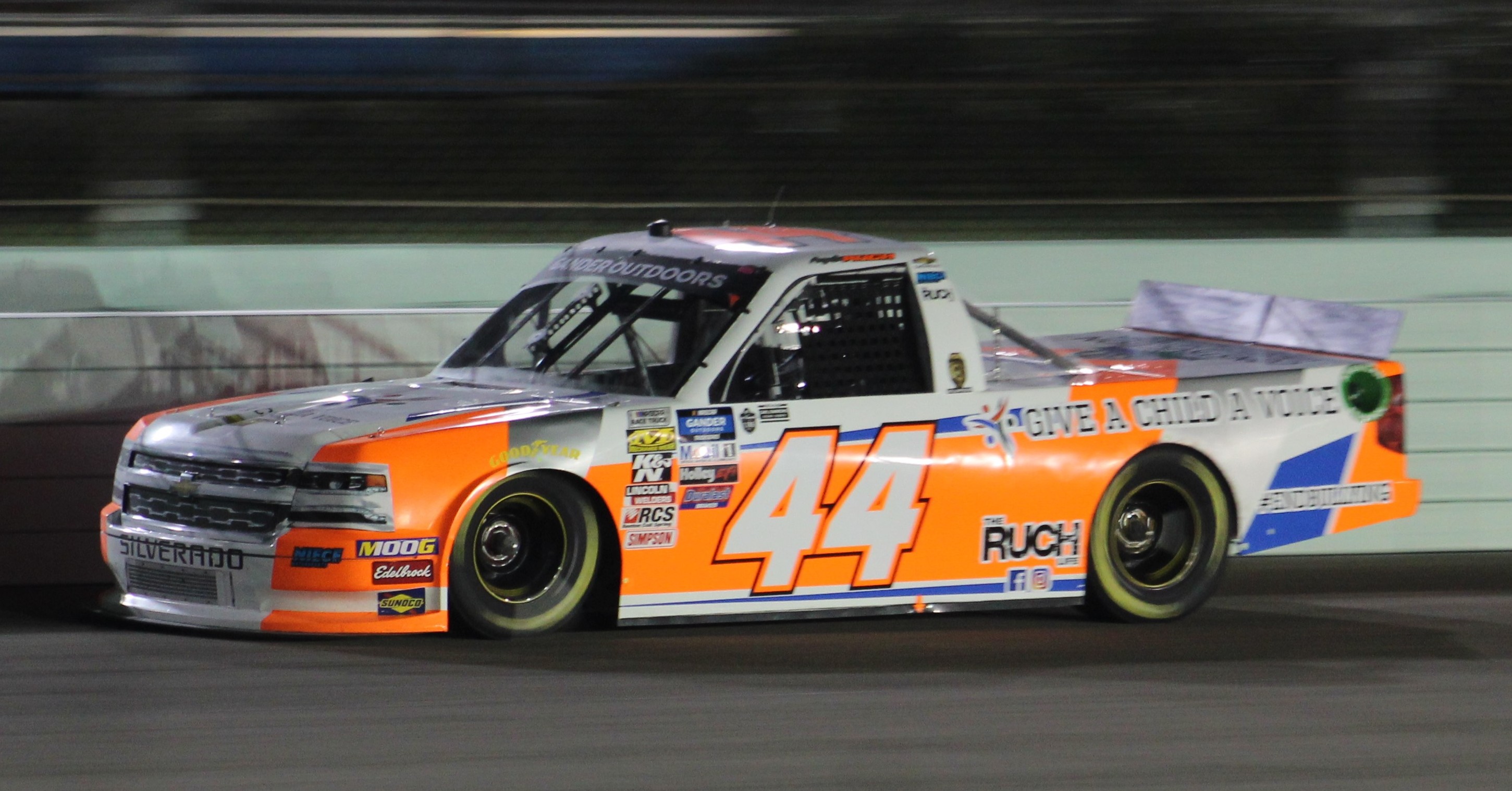
Chevy Silverado
"So basically you're driving a luxury Chevy Silverado here. So it's not super quick..."
The Chevrolet Silverado is a big pickup truck. The host is saying the Escalade feels similar in how it’s built—more like a truck than a small car.
The Chevrolet Silverado is a full-size pickup truck, and the host uses it as a reference point for how the Escalade’s body-on-frame layout feels. The comparison highlights that the Escalade’s construction is truck-like rather than compact-car-like.
Apple CarPlay
"Apple CarPlay and Android Auto are wireless and they work great. There's plenty of options here."
Apple CarPlay connects your iPhone to the car so you can use key apps on the dashboard screen. It’s meant to make navigation and music easier while driving.
Apple CarPlay is a smartphone-integration system that mirrors compatible iPhone apps onto the car’s infotainment screen. It lets you use navigation, music, calls, and certain apps through the vehicle’s interface.
Android Auto
"Apple CarPlay and Android Auto are wireless and they work great. There's plenty of options here."
Android Auto connects your Android phone to the car so you can use apps on the screen. It’s designed to keep you focused on driving while still getting directions and music.
Android Auto is a smartphone-integration system that brings compatible Android phone features to the car’s infotainment display. It typically supports navigation, media, messaging/calling (depending on region and phone), and voice control.
XM radio
"Series XM radio, Bluetooth, all of that. I think if, you know, you're kind of tech averse..."
XM radio is satellite radio, so you can get stations even when you’re far from regular radio towers. It’s often included as a built-in option in newer cars.
XM radio refers to satellite radio service, which delivers music and talk programming via satellites rather than relying on local broadcast towers. It’s commonly bundled into factory infotainment systems as an option for broader station coverage.
touchscreen
"The touch based climate controls are a little bit annoying dragging your finger up and down to adjust the climate system."
A touchscreen is the screen you tap to control things like temperature and settings. The host says the climate controls on this car are a bit awkward to adjust.
A touchscreen is the main control interface where climate, media, and vehicle settings are adjusted by touching the screen. In this segment, the host specifically criticizes the touchscreen-based climate controls for being annoying to use.
panoramic sunroof
"This vehicle has a panoramic sunroof and an AKG 38 speaker audio system, which was also a $4,000 option helping push that price tag up."
A panoramic sunroof is a big glass roof panel that lets more daylight into the car. It can make the cabin feel brighter and more open.
A panoramic sunroof is a large glass roof section that lets in more light and can make the cabin feel more open. It’s typically wider than a standard sunroof and often spans a bigger portion of the roof.
AKG
"This vehicle has a panoramic sunroof and an AKG 38 speaker audio system, which was also a $4,000 option helping push that price tag up."
AKG is an audio brand. The host is saying this Volvo has a premium AKG speaker system with lots of speakers, which costs extra.
AKG is a well-known audio brand, and in this Volvo V60 Cross Country it’s used for the premium speaker system. The host calls out an “AKG 38 speaker” setup as an expensive option that boosts the vehicle’s price.
blind spot camera system
"...blind spot monitoring a blind spot camera system in this vehicle for collision alerts and super cruise."
This system uses cameras to show what’s in your blind spot. It helps you see cars that might be hidden from view.
A blind spot camera system uses cameras (often near the mirrors) to show what’s beside or behind the car. It can improve visibility compared with mirrors alone and can be tied into driver-assist alerts.
blind spot monitoring
"...a full suite of safety equipment here blind spot monitoring a blind spot camera system in this vehicle for collision alerts and super cruise."
Blind spot monitoring watches for cars you can’t see in your mirrors. If something is in your blind spot, it warns you.
Blind spot monitoring uses sensors to detect vehicles in areas you can’t easily see in the mirrors. It typically alerts you when there’s traffic in your blind spot, helping reduce lane-change mistakes.
Super Cruise
"And the only thing I want to say about super cruise hands free driving is it works great on the highway... However, it does not deal well with super curvy highways like they have in Vermont."
Super Cruise is a system that can help drive hands-free on certain roads. The host says it’s great on straight highway driving, but it has trouble on twisty roads and in strong wind.
Super Cruise is a hands-free driver-assistance system designed to steer the car on compatible roads while the driver monitors the situation. The host says it works well on highways but struggles with curvy roads and high winds, where lane-centering becomes less confident.
hands-free driving
"And the only thing I want to say about super cruise hands free driving is it works great on the highway. It's my favorite hands free driving system to date."
Hands-free driving means the car can help steer without you gripping the wheel constantly. The host says it works well on highways but has trouble on twisty roads and in strong wind.
Hands-free driving refers to driver-assistance systems that can steer and manage parts of the driving task without the driver holding the wheel. The host evaluates how well it performs in real-world conditions like curvy roads and high winds.

GMC Yukon
"But Jack, I'll say for 94 grand for this vehicle, I'd probably go for a suburban or maybe a Tahoe or, you know, a Yukon, something like that."
The GMC Yukon is a large SUV. The host is basically saying it might be a better deal than the Volvo if you’re shopping in that price range.
The GMC Yukon is a full-size SUV mentioned as a lower-cost alternative to the Volvo V60 Cross Country. The host’s point is that big SUVs can offer many of the same convenience features, but typically for less money than a heavily optioned wagon.

Chevrolet Tahoe
"But Jack, I'll say for 94 grand for this vehicle, I'd probably go for a suburban or maybe a Tahoe or, you know, a Yukon, something like that."
The Chevrolet Tahoe is a big family SUV. The host mentions it as a cheaper alternative to the Volvo if you want similar “family tech” without the same price tag.
The Chevrolet Tahoe is a full-size SUV that the host brings up as an alternative to the Volvo V60 Cross Country. The comparison is about value and practicality—Tahoe-style vehicles cost less than the Volvo’s heavily optioned price, while still offering family-friendly features.

Chevrolet Suburban
"But Jack, I'll say for 94 grand for this vehicle, I'd probably go for a suburban or maybe a Tahoe or, you know, a Yukon, something like that."
The Chevrolet Suburban is a large SUV known for family space. The host mentions it as another option that could cost less than the Volvo while still being practical.
The Chevrolet Suburban is a full-size SUV that the host compares against the Volvo V60 Cross Country. The comparison is about spending: for the Volvo’s high optioned price, the host would consider a Suburban instead for similar family utility.
power side steps
"driving around with the power side steps still folded down because they broke and they were just down. But yes, yeah, don't want that."
Power side steps are automatic steps that come out when you get in and go back in when you’re done. If they break, they may not retract or may stop working properly.
Power side steps are motorized running boards that deploy when you open the door and retract when you’re done. If they break, they can stay stuck down or fail to deploy, which is why the host is concerned about them being left deployed.

Volvo V60 Cross Country
"It is the Volvo V60 cross country. Maybe it hides from it a little bit with the cross country nomenclature and it kind of has SUV light styling, has a lifted suspension, some exterior accents that some might call rugged."
The Volvo V60 Cross Country is a wagon that’s styled to look more rugged, kind of like an SUV. It’s meant to be practical like a wagon, but with a higher, more adventurous look.
The Volvo V60 Cross Country is a wagon built with SUV-like styling cues, including a lifted stance and rugged exterior accents. It’s notable because it blends the practicality of a station wagon with the higher ride height and all-weather positioning buyers associate with crossovers.
turbocharged four cylinder engine
"Two liter turbocharged four cylinder engine rated 247 horsepower, 280, 258 pound feet of torque."
A turbocharged four-cylinder engine is a small engine with a device that squeezes more air in. That helps it make more power and pull harder when you accelerate.
A turbocharged four-cylinder engine uses a turbocharger to force more air into the cylinders, allowing more power from a smaller engine. Compared with a naturally aspirated engine of the same size, it typically delivers stronger acceleration and torque, especially at lower RPMs.
eight speed automatic transmission
"Eight speed automatic transmission works just fine has standard all wheel drive and this is a 48 volt mild hybrid system too."
This is an automatic gearbox with eight different gear ratios. It helps the car choose the right “gear” for the situation so it can feel smoother and respond better.
An eight-speed automatic transmission is a gearbox with eight forward ratios that automatically selects the best gear for speed and load. More gears can help keep the engine in its efficient power band, improving smoothness and responsiveness.
all wheel drive
"Eight speed automatic transmission works just fine has standard all wheel drive and this is a 48 volt mild hybrid system too."
All-wheel drive means the car can send power to all four wheels. That usually helps it grip better on wet, snowy, or rough roads.
All-wheel drive (AWD) sends power to both the front and rear axles, improving traction when roads are slippery or uneven. It can also help the car put power down more effectively during acceleration compared with front- or rear-wheel drive.
integrated starter generator
"with this integrated starter generator, good efficiency or at least better efficiency and more torque."
An integrated starter generator is a combined starter and small electric motor. In a mild hybrid, it helps the engine get moving and can add extra push when you accelerate.
An integrated starter generator (ISG) is a motor-generator that can start the engine and also provide electrical assist. In a mild hybrid, it helps deliver torque quickly and can recapture energy during deceleration.
0 to 60 time
"It actually felt quicker than this 6.6 zero to 60 time that I'm seeing here. But I think it really feels good as you tip into the accelerator, right?"
0-to-60 time tells you how quickly a car accelerates from a standstill to 60 mph. Lower numbers usually mean the car feels quicker in everyday driving.
0-to-60 time is a common performance metric measuring how many seconds it takes a car to accelerate from 0 mph to 60 mph. It’s a simple way to compare real-world acceleration feel between vehicles, though it doesn’t capture everything like handling or braking.
stop-start operation
"All wheel drive wagon. It has pretty smooth stop start operation. That used to be a problem, but I think it is not a problem now."
Stop-start is a feature that turns the engine off when you’re stopped and turns it back on when you start driving again. They’re saying this one does that smoothly instead of feeling jerky.
Stop-start operation is an engine system that automatically shuts the engine off when the vehicle is stopped (like at a light) and restarts it when you’re ready to move. The hosts say it used to be a problem on similar systems, but this one feels smooth now.
multi-zone climate control
"We had the Ultra trim with perforated nappa leather seating, power adjustable seats with memory, multi-zone climate control."
Multi-zone climate control lets front passengers adjust the cabin temperature separately. It’s a comfort feature that helps everyone stay at their preferred temperature.
Multi-zone climate control lets different passengers set different temperature settings for their side of the cabin. The hosts mention it as part of the Ultra trim’s comfort-focused interior setup.
perforated nappa leather seating
"We had the Ultra trim with perforated nappa leather seating, power adjustable seats with memory, multi-zone climate control."
Perforated nappa leather is a premium leather seat material with tiny holes in it. Those holes help the seats feel less hot and add to the luxury look.
Perforated nappa leather seating uses a soft, high-quality leather with small holes to improve airflow and reduce heat buildup. In this segment it’s called out as part of the Ultra trim’s upscale, comfort-oriented interior.
Ultra trim
"We had the Ultra trim with perforated nappa leather seating... In ultra trim, it starts at $58,895..."
A trim level is the version of the car with a specific set of features. They’re saying the Ultra version is the one with the nicer interior and more equipment.
A trim level (like “Ultra”) is a specific equipment package that determines features such as upholstery, seat adjustments, climate control, and infotainment. The hosts connect the Ultra trim to the comfort features they listed and to the starting price.
power adjustable seats with memory
"We had the Ultra trim with perforated nappa leather seating, power adjustable seats with memory, multi-zone climate control."
Power adjustable seats move automatically using buttons. Memory means the car can save your preferred seat position and bring it back later.
Power adjustable seats use electric motors to move the seat and often the steering/seat position without manual effort. “Memory” stores preset positions so the seat can return to a driver’s preferred setup with a button.
cubic feet of cargo capacity
"Plenty of cargo capacity, 22 cubic feet behind the rear seats. That expands to 51 cubic feet with them folded."
Cargo capacity is how much stuff the car can hold, measured by volume. They’re giving numbers for space with the rear seats up and folded down.
Cargo capacity is measured in cubic feet, representing the volume of space available for luggage and gear. The hosts quote figures behind the rear seats and with them folded to show how practical the wagon layout is.

Volvo XC90
"...people with pets. You know, we had our dog in our XC90, but I've taken my dog in several of the test ve..."
The Volvo XC90 is a larger SUV made for families. It’s meant to be comfortable for passengers and practical for carrying things. The podcast brings it up because the speaker had their dog in the XC90 during test drives.
The Volvo XC90 is a midsize luxury SUV known for family-friendly space and comfort. In your excerpt, it’s mentioned in connection with taking a dog along and test-driving vehicles, which highlights its practical everyday role. It’s a common topic because it blends passenger comfort with features aimed at real-world family use.
out-the-door price
"In ultra trim, it starts at $58,895, which is, you know, gulp. And then the as-tested price"
Out-the-door price is the full total you’d pay at purchase, not just the base sticker price. It includes the extra fees and taxes that get added on.
Out-the-door (OTD) price is the total amount you pay to take the car home, including taxes, registration, and dealer fees. The segment mentions the “as-tested price” after quoting the trim’s starting price, which is the kind of number shoppers compare.
retractable trailer hitch
"It had some stuff that maybe you didn't exactly need, like a retractable trailer hitch for $2,000. But overall, I mean, it's a vehicle I like a bunch."
That’s a trailer hitch that can tuck away when you’re not towing. When you need to haul something, you pull it back out so you can attach a trailer.
A retractable trailer hitch is a hitch receiver that can be hidden when not in use, usually by folding or sliding it out of sight. It’s meant to keep the rear of the vehicle looking cleaner while still allowing towing when needed.
North American Car of the Year jury
"I think we're going to be in agreement on our guest, Gary Wittzenberg, a former president of the North American Car of the Year Jury. He'll be right with us when we come back."
That’s an annual award where car journalists vote on the best new cars. The guest and host are talking about their leadership roles in that judging group.
The North American Car of the Year program is an annual award where a jury of automotive journalists evaluates new vehicles. Being a jury president or vice president indicates a leadership role in the judging process.
Motor Trend
"I think you did some stuff for me at Kelly Blue Book too. And we've both been on the North American Car of the Year jury for a long, long time. You were president of the organization. I was vice president under your presidential tutelage."
Motor Trend is an automotive magazine and media brand that covers car reviews, news, and long-running industry reporting. The hosts reference it as a place where they worked together.
Kelly Blue Book
"I think you did some stuff for me at Kelly Blue Book too. And we've both been on the North American Car of the Year jury for a long, long time."
Kelly Blue Book is a famous car pricing website. People use it to get an idea of what a car is worth.
Kelly Blue Book (KBB) is a well-known automotive pricing and research brand in the U.S., best known for helping shoppers estimate vehicle values. The guest mentions working with KBB as part of his automotive journalism career.
Haggerty.com
"mostly for a website called Haggerty.com, the same people that sell the"
Haggerty.com is an automotive media website that publishes stories and journalism focused on car culture and enthusiast topics. In this segment, it’s mentioned as the outlet where the guest wrote stories about cars he owned and encountered.
depreciation
"He would buy a Buick that was a year old because somebody else took the first year depreciation. And so I grew up taking, you know, long road trips to see relatives all over the country in those Buicks."
Depreciation means a car gets worth less over time. The speaker is saying buying a car that’s about a year old can be cheaper because the biggest drop in value already happened.
Depreciation is how much a car’s value drops over time, especially right after purchase. The host’s point is that buying a nearly new car (about a year old) lets someone else absorb the biggest early value loss.

Ford Thunderbird
"...t a company car. And his first company car was a Thunderbird, a 60 Thunderbird. That was pretty cool. And then..."
The Ford Thunderbird is an older Ford car that was popular for comfort and style. The podcast mentions a 1960 model because it was the speaker’s first company car. People talk about it because it’s a recognizable classic.
The Ford Thunderbird is a classic American personal luxury car that became especially well known through its mid-century styling and status as a “company car” type of vehicle. In the podcast context, the mention of a 1960 Thunderbird points to how memorable the model is to the speaker’s experience. It’s often discussed because it represents a distinctive era of American automotive design.

Ford convertible 57 Ford
"I was driving my mom's Ford convertible 57 Ford convertible before I had a license. And that's the second story."
They’re talking about a 1957 Ford convertible. It’s a classic American car from the late 1950s with a very recognizable look.
The speaker mentions a 1957 Ford convertible. In enthusiast circles, the 1957 Ford is known for its distinctive late-’50s styling and as a classic American cruiser.

Lloyd
"And the very first one, my dad actually bought a stupid little German car called a Lloyd that probably nobody's ever heard of."
They mention a Lloyd, a small German car brand that most people today have never heard of. It was the kind of compact, older car that’s pretty uncommon now.
The speaker’s dad bought a Lloyd, described as a “stupid little German car.” Lloyd was a small German automaker known for compact vehicles, and it’s a rare name in modern North American car conversations.

MG MGA
"and the dealers gave him a really good deal on a 57 MGA. So this little red sports car, I called it a poor man's Jaguar because of the way it looked, the shape of it."
The dealer deal turns into a 1957 MGA, which is a classic British roadster. The MGA is especially known for its simple, lightweight sports-car character and its popularity as an entry point into classic British cars.
electrical short
"[1882.6s] There's an electrical short in the thing. And my dad is frantically looking for the battery. [1887.8s] My mom is standing there in horror."
An electrical short means electricity is flowing somewhere it shouldn’t. That can make parts overheat and start smoking.
An electrical short is when electricity takes an unintended low-resistance path, which can cause overheating, melting, and smoke. In cars, shorts often come from damaged wiring, failed components, or incorrect connections.
six volt batteries
"Finally with my help, we located [1895.9s] there were two six volt batteries behind the seats in that car instead of one 12 volt up front like [1901.1s] you'd expect in any normal car."
This car used two 6-volt batteries instead of one 12-volt battery. That’s an older setup, and it can be confusing if you’re used to modern cars.
Some older cars used multiple 6-volt batteries to power the electrical system. Using two 6-volt batteries in series can create a 12-volt system, but the layout and wiring are different from the single 12-volt battery most people expect today.

Chevrolet Corvette
"...d it. Maybe I could sell it and get a used older Corvette. I looked at 54 55 Corvettes. Bottom line is my ..."
The Chevrolet Corvette is a sports car made by Chevrolet. Older Corvettes from the 1950s are especially popular with collectors. People talk about them because they’re classic and have a strong reputation.
The Chevrolet Corvette is a long-running American sports car known for its performance and iconic styling. In the context you shared, the discussion about looking at older “54/55” Corvettes highlights how early models are often treated as desirable classics. It’s a common topic in car podcasts because people compare what makes vintage Corvettes special versus newer ones.
racing stripes
"... I put stripes over the top of it like like racing stripes the length of it. Changed the tail lights, put little little chrome things..."
Racing stripes are stripes painted or applied to a car to give it a sporty, race-inspired look. They’re usually for style rather than changing how the car drives.
Racing stripes are bold, usually contrasting paint or decal stripes applied to the body to create a motorsport-inspired look. They’re mostly an aesthetic modification, but they’re also a common way to visually emphasize the car’s shape and stance.
tail lights
"Changed the tail lights, put little little chrome things in the coves in the sides, changed the grille..."
Tail lights are the rear lamps that signal braking and running status to other drivers. Customizing tail lights usually means changing their housings, lenses, or lighting design for appearance and sometimes visibility.
grille
"... changed the grille, the fenders, even the interior."
The grille is the front part with openings where air can flow to the engine. People often change it to change the car’s look.
A grille is the front opening (and its surrounding structure) that helps manage airflow to the engine and cooling system. Swapping a grille is a common styling modification that can also change how the car’s front end looks.
three-speed manual transmission
"... I paid a guy to put a four-speed in it. I bought a three-speed manual transmission and paid a mechanic to put it in there and do the clutch mechanism ... I converted it from an automatic to a three-speed manual"
A three-speed manual transmission is a stick-shift gearbox with three forward gears. It means you control the gear changes yourself using a clutch pedal and shifter.
A three-speed manual transmission is a gearbox where the driver selects gears using a clutch and gear lever, with three forward gear ratios. Converting a car to a manual changes how it accelerates and how the driver controls engine speed.
clutch mechanism
"... paid a mechanic to put it in there and do the clutch mechanism and so on. So I converted it from an automatic to a three-speed manual"
The clutch mechanism is the system that connects and disconnects the engine from the transmission so you can shift gears smoothly. When converting an automatic to a manual, the clutch hardware and related linkage must be installed and set up correctly.
dual exhaust
"[2153.9s] but it was super fast and I'm lucky I didn't get myself killed or maimed in that car [2160.4s] really hard which I would do occasionally a lot of blue smoke came out the dual exhaust and I think [2166.3s] it had something to do with lifter seals or something."
Dual exhaust means there are two exhaust pipes instead of one. It can make the car sound different and sometimes helps exhaust flow.
Dual exhaust means the car routes exhaust gases through two separate exhaust pipes (typically one on each side). It can change how the car sounds and can be part of an exhaust setup that affects flow and performance.
lifter seals
"[2160.4s] really hard which I would do occasionally a lot of blue smoke came out the dual exhaust and I think [2166.3s] it had something to do with lifter seals or something. So before it was time to go to college, [2170.6s] my dad took it into a Chevy dealer and had that fixed"
These seals help keep oil from getting into the engine’s combustion area. If they’re worn, the engine can burn oil and you’ll see blue smoke.
Lifter seals (often discussed as valve stem seals or related oil-control seals) are meant to keep engine oil from leaking into the combustion chambers. When they wear or fail, oil can burn and produce blue smoke, especially under hard acceleration.
Nürburgring
"[2225.5s] where we went I drove three laps probably half in the bag one night at Nürburgring after watching [2232.0s] a race and drinking good German beer with some with some German guys and they said you know you [2236.7s] can drive the track if you want it only cost a mark a lap to drive the track"
The Nürburgring is a world-famous race track in Germany. The narrator talks about driving laps there and later racing at the track.
The Nürburgring is Germany’s famous motorsport circuit complex, best known to enthusiasts for its long, challenging track layout. In this segment, the narrator describes driving laps there after watching a race, and later racing at the same venue.
listener question time
"it is listener question time our final segment of this week's show we love to answer your questions based on our long experience providing car advice send those questions to editor at drivingtoday.com"
This part of the show is where listeners ask questions and the hosts answer them.
This segment is structured around taking questions from listeners and answering them using the hosts’ experience. It’s a recurring format that typically focuses on practical buying and ownership advice.
certified pre-owned vehicles
"he asks this new car prices are so high I'm thinking of buying a used car for the first time since I was in my 20s is it worth it to buy a certified car oh I'm a fan of certified car certified pre-owned vehicles it takes a lot of the guesswork out of buying a used car and also"
A certified pre-owned car is a used car that gets checked over and comes with extra promises from the dealer or automaker. It’s meant to make buying used feel safer than buying something that hasn’t been certified.
“Certified pre-owned” (CPO) is a program where a used car is inspected and then backed by the automaker or dealer with extra coverage. The goal is to reduce the risk and uncertainty of buying a used car compared with buying a random non-certified used vehicle.
extended warranties
"many of them come with extended warranties like up to a hundred thousand miles for you know Honda"
A warranty is a promise from the seller/brand to pay for certain repairs. An extended warranty just means that promise lasts longer than usual.
An extended warranty is coverage that lasts longer than the standard factory warranty. In the used-car world, it’s often sold alongside certified pre-owned programs to reduce the risk of expensive repairs after purchase.
inspection process
"you're paying for that inspection process you're paying for the warranty and the backing of the manufacturer"
The inspection process is a detailed check of the car before it’s allowed to be sold as “certified.” It’s meant to catch problems and give buyers more confidence.
In a certified pre-owned program, the inspection process is the standardized checklist the vehicle must pass before it can be sold as CPO. That inspection is part of what buyers pay for when they choose CPO over a regular used car.

Honda Passport
"...ation is over this past weekend we bought a Honda Passport for my in-laws is a replacement for the car that..."
The Honda Passport is a family-sized SUV. It’s designed to carry people and luggage comfortably. In the podcast, it’s mentioned because it’s replacing an older car for the in-laws.
The Honda Passport is a midsize SUV built for family use, combining comfortable seating with practical cargo space. In your podcast context, it’s being bought as a replacement vehicle for the in-laws, which is typical of how the Passport is discussed—focused on day-to-day usability. It also comes up because it’s meant to handle regular driving and occasional trips with people and gear.
powertrain warranty
"it is a certified pre-owned vehicle with I think about two years or so left on its powertrain warranty and that's a great thing I think because"
A powertrain warranty covers the big mechanical parts that drive the car, like the engine and transmission. It matters because those repairs can cost a lot.
A powertrain warranty covers the major components that make the car move—typically the engine, transmission, and drivetrain. It’s one of the most valuable warranty types because repairs to those systems can be expensive.
Request an Explanation
Heard something you'd like explained? We'll add it to this episode.
Sign in to request explanations for terms you heard.
Want to learn more?
Browse our glossary for plain-English explanations of automotive terms, jargon, and concepts.
Help improve this episode
See something that's not quite right? Our annotations are AI-generated and can sometimes miss the mark. Click the flag icon on any annotation to suggest a correction.