
About this episode
Road rage and enforcement come up first, with the hosts complaining about “the deplorable condition on the roads” and pointing to speeding and tailgating during rush hour on Route 128. A caller’s brake problem follows: a 1990 Ford Festiva’s pedal went “down to the floor,” and the hosts explain how overheating can boil brake fluid when something like a stuck caliper or clogged hose keeps brakes dragging. Later, they pivot through fuel-delivery and engine-noise diagnostics, including a “fuel pump relay” causing “no fuel pump pressure.”
See pcm.adswizz.com for information about our collection and use of personal data for sponsorship and to manage your podcast sponsorship preferences.
NPR Privacy Policy
class action suit
"you can sign up for the class action suit the car talk section of cars.com click on wanted dead or alive."
A class action lawsuit is when a lot of people with the same problem join together in one legal case. The host is mentioning it as an option if many drivers were affected.
A class action lawsuit is a legal case where many people with similar claims are grouped together and represented as one. In the transcript, it’s mentioned as a way to seek remedies related to an automotive issue discussed by the show.
cars.com
"you can sign up for the class action suit the car talk section of cars.com click on wanted dead or alive."
Cars.com is a car website. The host is telling listeners to look there for the Car Talk section.
Cars.com is an automotive website where shoppers and owners can find listings and content. In this segment, the host points listeners to the Car Talk section on Cars.com.
Mercedes
"The meantime we'll try to talk about some simpler things like Volvo computers or maybe Mercedes automatic transmissions you know."
Mercedes is a car brand. They’re bringing it up because they want to talk about automatic transmissions—how the car shifts gears automatically.
Mercedes (Mercedes-Benz) is a major luxury car brand with a long history of advanced drivetrains. In this segment, it’s mentioned alongside “automatic transmissions,” pointing to a topic about how automatic gearboxes work.
Volvo
"The meantime we'll try to talk about some simpler things like Volvo computers or maybe Mercedes automatic transmissions you know."
Volvo is a car brand. In this call, they mention Volvo computers, meaning the car’s electronic systems.
Volvo is a car brand known for safety-focused engineering and a wide range of passenger vehicles. Here, it’s mentioned in the context of “Volvo computers,” implying a discussion about vehicle electronics.

1990 Ford Festiva
"Okay well this is a story. I have a 1990 Ford Festiva which I love. On June 30th I was driving back from Worcester and when I got to the toll booth on the turnpike I stepped on the brakes and the pedal went down to the floor."
A Ford Festiva is a small, older Ford. In this story, it’s the car Nancy was driving when her brake pedal suddenly went all the way to the floor.
The Ford Festiva is a small, budget-friendly car from Ford’s lineup, and the 1990 model is from the early Festiva era. In this call, it’s the specific car Nancy is dealing with after a sudden brake-pedal failure.
brakes
"On June 30th I was driving back from Worcester and when I got to the toll booth on the turnpike I stepped on the brakes and the pedal went down to the floor. And so I had about one second to decide should I pull over and get towed or should I keep driving and go to the garage where I had all the brakes done two years ago."
Here, “brakes” means the system that slows and stops the car. If the brake pedal drops to the floor, it can mean the brakes aren’t working normally, so you have to figure out if the car can still stop safely.
In the context of this story, “brakes” refers to the car’s braking system and how the pedal behaves. A pedal that goes to the floor suggests a loss of hydraulic pressure or a mechanical issue, which is why the host discusses whether the car could still stop after pumping.
brake pedal went down to the floor
"On June 30th I was driving back from Worcester and when I got to the toll booth on the turnpike I stepped on the brakes and the pedal went down to the floor. And so I had about one second to decide should I pull over and get towed or should I keep driving and go to the garage where I had all the brakes done two years ago."
If the brake pedal suddenly drops all the way down, it often means the brakes aren’t working right. It can be dangerous, and it usually points to a serious problem that needs checking.
A brake pedal that goes “to the floor” is a warning sign that the hydraulic braking system may not be building pressure. The usual implication is that something has failed in the brake system, and the driver may need to rely on emergency stopping behavior (like pumping) long enough to get to safety.
brake fluid began to boil
"What happened was your brakes overheated and when they overheated the brake fluid began to boil and it was probably a hot day when you were driving the car..."
If the brake fluid gets too hot, it can start boiling. Boiling creates gas bubbles, and gas compresses—so the brakes don’t work as well until the system cools back down.
Brake fluid can overheat during hard use, and if it reaches its boiling point it turns into gas bubbles. Those bubbles compress more than liquid, which can make the brakes feel weak or inconsistent until everything cools down again.
stuck brake causing overheating
"and whatever was stuck and caused the brakes to overheat and thus the fluid to boil got unstuck and cooled off everything..."
Sometimes a brake can stick and keep rubbing even when you’re not pressing the pedal. That extra friction makes everything heat up and can lead to brake problems.
A brake can overheat if a component is stuck or dragging, such as a caliper that won’t fully release. That keeps friction on the rotor or drum even when you’re not braking, building heat until the fluid and braking performance suffer.
stuck caliper
"their previous splendor. So you either have a stuck caliper or a stuck emergency brake which can also cause this or a clogged brake hose."
Your brakes use a clamp to squeeze pads onto a spinning disc. If that clamp gets stuck, the brakes can stay “on” a little even after you let off the pedal.
A caliper is the part of a disc-brake system that squeezes the brake pads against the rotor. If a caliper is stuck, it can keep the pads clamped even when you’re not braking, which can overheat the brakes and cause poor release.
emergency brake
"So you either have a stuck caliper or a stuck emergency brake which can also cause this or a clogged brake hose."
The parking brake is meant to hold the car still. If it doesn’t fully release, it can keep braking and heat things up.
The emergency brake (parking brake) is a separate brake system meant to hold the car when parked. If it’s stuck or not releasing, it can drag the brakes, overheat components, and make the car feel like it’s braking even at low speeds.
clogged brake hose
"There's a brake hose that's clogged either because the rubber has deteriorated and inhibited the return flow of fluid after you've applied the brakes."
A brake hose carries brake fluid to the calipers. If the hose is clogged or internally deteriorated, fluid may not return properly after braking, so the brakes can stay applied and overheat.
master cylinder
"The other possibly of course is the master cylinder is no good I should mention that."
The master cylinder is like the brake system’s pump. When it’s not working right, the brakes can behave strangely because the fluid pressure isn’t being controlled properly.
The master cylinder is the hydraulic pump that pressurizes brake fluid when you press the brake pedal. If it’s failing, it can prevent proper pressure release or cause abnormal brake behavior even if the brakes seem to work temporarily.
BetterHelp ad
"This message comes from BetterHelp. May is Mental Health Awareness Month, a reminder that you don't have to do this life alone."
This is just a sponsor break and not related to cars.
This segment is a sponsor message rather than an automotive discussion. It doesn’t add technical car knowledge for listeners.
learner's permit
"Um, yes, but I live on the wrong side of the track. The wrong side of the track. Well, we'll see if we can help you out. That's good. The wrong, the wrong side is. So what's cooking? Well, you know, if I was on the right side of the track, I'd be calling you about the new Audi I purchased for my 16 year old who got his learner's permit."
A learner’s permit is the first step for new drivers. It usually comes with rules and restrictions while the person is learning to drive.
A learner’s permit is the legal authorization for a new driver to drive while learning, typically under restrictions like supervision and limits on where/when they can drive. It matters here because the caller is choosing a car appropriate for a teenager’s early driving stage.
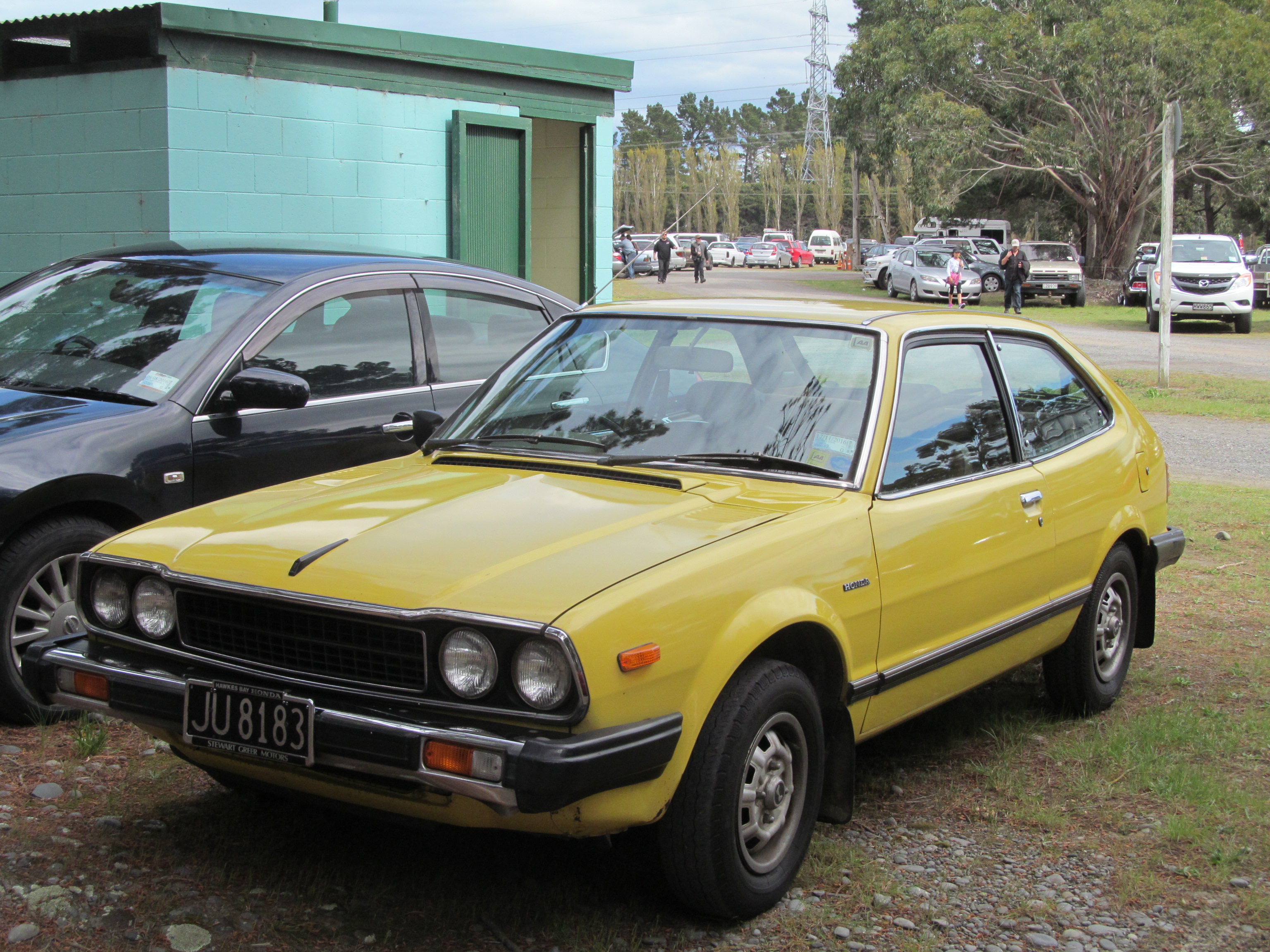
1990 Honda Accord
"But instead I'm calling you about the 1990 Honda Accord that I purchased for him. 16, a 16 year old boy. Yes. Okay. So, um, my daughter who was home from college took it on as her car for the summer."
The 1990 Honda Accord is a late-1980s/early-1990s midsize sedan that’s being used as a starter car for a teenager. The host is setting up a question about buying and using an older Accord for a 16-year-old with a learner’s permit.
bleeding the fuel system
"So he did something that he called bleeding the fuel system. [947.9s] Hmm. What, what this is, I don't know."
It means getting air out of the fuel lines so the engine can get fuel the way it should. If there’s air trapped in the system, the car may crank but not start until the fuel flow is corrected.
“Bleeding the fuel system” is a troubleshooting step where you remove trapped air and restore proper fuel flow to the engine. Mechanics do this to fix hard-start or no-start issues caused by air in the fuel lines or loss of prime after a fuel delivery problem.
fuel pump relay
"Tucked up under the dashboard in this car. And all the Hondas of recent vintage is something called the fuel pump relay. And in hot weather, these relays fail."
The fuel pump relay is like a power switch for the fuel pump. If it breaks, the pump may not get turned on, and the car can’t build fuel pressure.
A fuel pump relay is an electrical switch that turns the fuel pump on and off. When it fails, the pump may not run, so the engine won’t get the fuel pressure it needs to start or run.
fuel pump pressure
"what he discovered was that there was no fuel pump pressure. And there was no fuel pump pressure because the relay was not energizing the electric fuel pump"
Fuel pump pressure is the “push” that moves gas through the fuel lines. If there isn’t enough pressure, the engine may not get fuel the way it needs to run.
Fuel pump pressure is how strongly the fuel pump pushes gasoline through the fuel system. If pressure is missing, the engine can’t deliver the right amount of fuel to the cylinders, even if other parts are working.
electric fuel pump
"because the relay was not energizing the electric fuel pump, which is inside the tank."
The electric fuel pump is the part that moves gas from the tank to the engine. It runs only when the car’s electrical system tells it to.
An electric fuel pump is the in-tank pump that supplies fuel under pressure to the engine. Because it’s powered electrically, it depends on the relay and wiring to energize it.
energizing
"because the relay was not energizing the electric fuel pump, which is inside the tank."
Here, “energizing” just means giving power so the device can turn on. The relay provides that power to the fuel pump.
In this context, “energizing” means sending electrical power to a component so it turns on. The relay “energizes” the fuel pump by completing the circuit.
1993 Mazda 626DX
"I drive 1993 Mazda 626DX, which I had purchased used. It has 94,000 miles on the odometer. For the past 3,000-4,000 miles, I have been noticing that what used to be a very smooth sounding engine note has started fluttering..."
This is a 1993 Mazda 626DX. The caller is describing a new “fluttering” sound coming from the engine area when driving at certain speeds, which helps narrow down what systems might be causing the noise.
The Mazda 626DX is a 1993-era midsize sedan/coupe platform from Mazda, known for being a straightforward, commuter-focused car. In this call, the key detail is that the owner hears a fluttering noise from the engine area at steady speeds, which points to a driveline/exhaust-related issue rather than a loose wheel or suspension component.
crankshaft dampener
"I have written down exhaust leak. That's what it sounds like to me too. Someone suggested crankshaft dampener,"
A crankshaft dampener helps reduce engine vibration. If it goes bad, the engine can start making strange noises and feel rougher because the vibrations aren’t being smoothed out.
A crankshaft dampener (often called a harmonic balancer) is a vibration-control component attached to the crankshaft. If it fails or slips, it can cause new noises and vibration because the engine’s twisting vibrations aren’t being absorbed properly.
hydraulic latch adjusters
"perhaps, or the hydraulic latch adjusters, but I'm not sure. Well, you would hear those things if you revved up the engine without the thing being under load."
These are parts in the engine that use oil pressure to keep things properly adjusted. If they don’t work right, they can make tapping or rattling sounds you can hear when you rev the engine.
Hydraulic latch adjusters are oil-pressure-actuated components that keep certain engine/valvetrain clearances automatically set. If they’re worn or sticking, they can cause rattling or tapping noises that show up when the engine is revved, even if the car isn’t moving.
vibration damper
"If you had bad latch adjusters, or if you had a bad vibration damper, those things would manifest themselves even with the car not moving."
This part helps smooth out shaking from the engine. If it goes bad, the engine can sound noisier or rougher even when the car isn’t moving.
A vibration damper is a device that reduces unwanted engine vibrations by absorbing or dissipating oscillations. If it’s failing, the vibration can turn into audible noise even when the car is stationary.
exhaust leak
"Well, so would an exhaust leak. So would an exhaust leak if you plug the tailpipe. So I think you have an exhaust leak."
An exhaust leak means the exhaust system isn’t sealed, so fumes and noise can escape early. Plugging the tailpipe is a quick way to see if the noise is coming from the exhaust system.
An exhaust leak is a gap or failure in the exhaust system (like at a gasket or pipe) that lets exhaust gases escape before they reach the tailpipe. Because the escaping gas changes sound under revving, mechanics often test for it by plugging the tailpipe and listening for the noise to change or disappear.
plugging up the tailpipe
"plugging up the tailpipe is a way to exacerbate the problem so that you will more likely hear the noise."
Plugging up the tailpipe is a diagnostic trick used to change exhaust flow and backpressure so the listener can better isolate whether a noise is coming from the exhaust system. If the noise persists or changes in a predictable way, it helps confirm or rule out an exhaust leak.
wheel bearing
"the other three things I'd look at would be a bad wheel bearing, a bad tire, or a bad axle."
A wheel bearing helps the wheel spin smoothly. If it’s going bad, it can make a grinding, growling, or humming sound.
A wheel bearing is the component that allows a wheel hub to rotate smoothly with minimal friction. When a wheel bearing is failing, it can create a growling or humming noise that may be audible even when the car is stationary and the drivetrain is loaded/unloaded.
bad axle
"the other three things I'd look at would be a bad wheel bearing, a bad tire, or a bad axle."
The axle is what sends power from the drivetrain to the wheels. If it’s damaged, you can get vibration or clicking/growling noises.
An axle (often meaning a drive axle or half-shaft) transfers torque from the transmission to the wheels. If an axle is worn or damaged, it can cause vibration and noise, especially when the drivetrain is loaded or when revving changes the forces through the wheels.

95 Chevy Lumina 8TV
"Hey, I want to catch up with you guys and talk about my 95 Chevy Lumina 8TV. And I'm notorious for running out of gas."
This is a 1995 Chevrolet Lumina, and the caller says it keeps “running out of gas” even when they think there’s still fuel left. They’re trying to figure out whether the fuel system is actually failing or whether something else is causing the engine to stop.
The Chevrolet Lumina is a mid-size American sedan from the 1990s, and the “8TV” wording here points to a specific engine/valvetrain setup the caller is referencing. In this segment, the key issue is that the car appears to “run out of gas” on highway trips even though the caller believes there’s still fuel in the tank.
spark
"See, you could be running out of spark. You could be running out of all kinds of things."
Gas engines need a spark to ignite the fuel. If the spark is weak or missing, the engine may start poorly or not start at all.
In an internal-combustion engine, spark is the ignition event that lights the air-fuel mixture in the cylinders. If the engine is “running out of spark,” it can misfire or fail to start because the mixture isn’t being ignited reliably.
fuel filter
"When was the last time, for example, that you changed your fuel filter? I had a major tune up at about 60,000 miles. So 40,000 miles ago. Well, you could have a clogged fuel filter."
The fuel filter is like a screen for your gas. If it gets clogged, the engine may not get enough fuel and can start acting up.
A fuel filter traps dirt and debris before fuel reaches the engine. If it becomes clogged, fuel flow can drop, causing hard starting, stalling, or power loss—especially under load.
humming noise
"Have you ever noticed if you're driving the truck at any speed, but under quiet conditions with the windows rolled up... you can hear a humming noise coming from the back of the vehicle..."
Sometimes the fuel pump makes a faint hum. If you hear it from the back of the car when things are quiet, it can point to the fuel system as part of the problem.
A humming noise from the rear of the vehicle can be associated with the fuel pump running. If the tone is present under quiet conditions and doesn’t match road noise, it can be a clue that the pump is operating (or possibly failing) even when the vehicle isn’t moving much.
fuel tank damage
"It's a possibility that you have struck the gas tank with something like a boulder or a tree stump"
If something hits the gas tank, it can crack or puncture it. Then you may lose fuel and the car can start running badly or not run at all.
If the fuel tank is struck by debris (like a boulder or stump), it can be punctured or damaged, leading to fuel leaks or loss of fuel pressure. That can cause the engine to run poorly or stop until the leak is addressed.
fuel pickup area pushed up by impact
"when the tank is an eighth full, you're not really getting the gas out because the area where the pickup is has been pushed up because of some impact."
Inside the gas tank, there’s a tube/pickup that pulls fuel out. If the tank gets hit and that pickup gets moved, the car can’t pull the last part of the gas out, so you end up refilling sooner.
The fuel pickup is the part inside the tank that draws fuel to the pump. If the tank is damaged and the pickup area is pushed upward, the pump can’t access the remaining fuel, so the car may show “low fuel” even when there’s still gas in the tank.
altitude
"Well, we've got the altitude on the hill. I don't know if you need all these numbers."
Altitude means how high you are above sea level. Higher altitude usually means thinner air, which can change how the engine burns fuel.
Altitude is the height above sea level, and it affects air density. Changes in air density can influence how an engine runs and how much fuel it uses, especially on hills or in different regions.
Request an Explanation
Heard something you'd like explained? We'll add it to this episode.
Sign in to request explanations for terms you heard.
Want to learn more?
Browse our glossary for plain-English explanations of automotive terms, jargon, and concepts.
Help improve this episode
See something that's not quite right? Our annotations are AI-generated and can sometimes miss the mark. Click the flag icon on any annotation to suggest a correction.