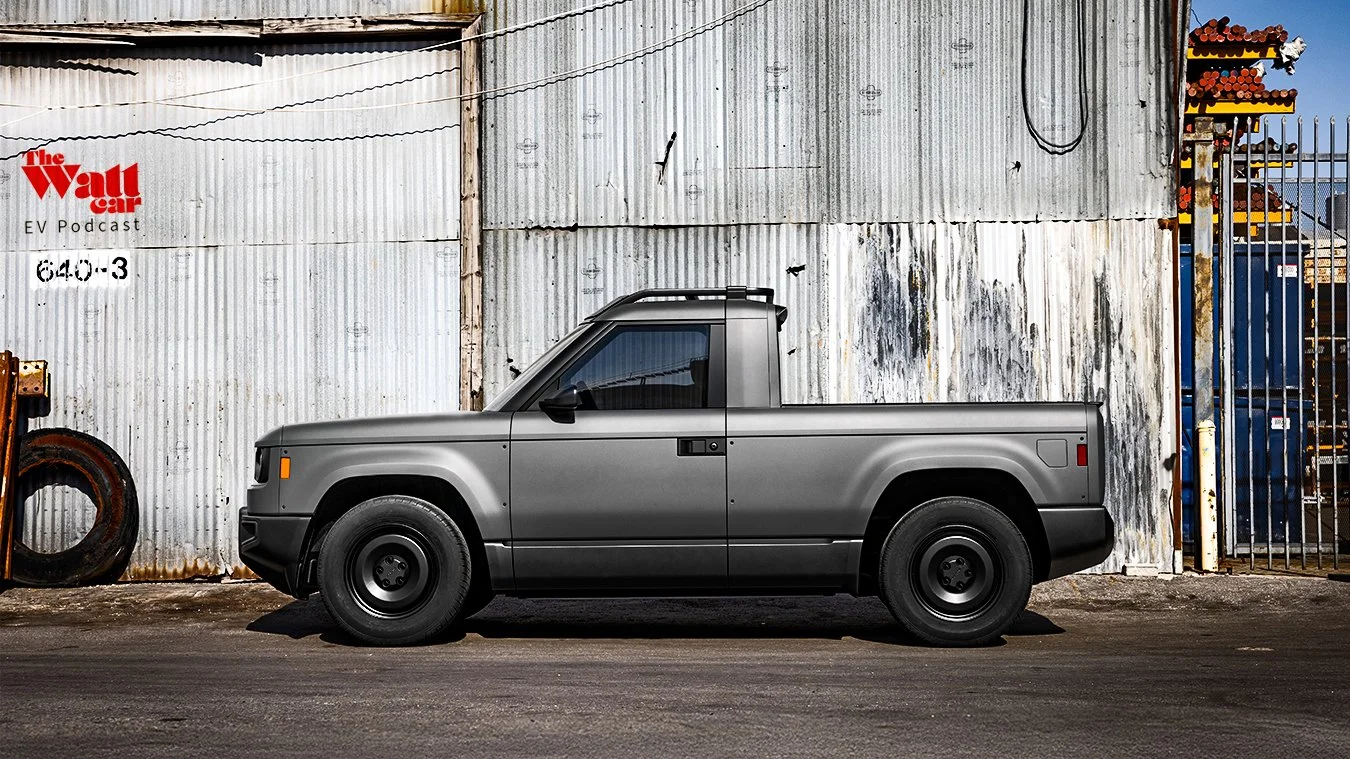
274: Wipe the Slate Clean
About this episode
Episode 274 “Wipe the Slate Clean” kicks off with a behind-the-scenes reset—new laptops, a new monitor, and even a changed internet provider—before the conversation jumps into EV and truck comparisons. The hosts recap Rivian R2 specs and weigh it against the Tesla Model Y, then pivot to skepticism about Slate’s pickup/SUV hype and Carvana/Slate retail strategy. The discussion broadens to 4Runner refresh details, EV startup survival, and why Ford’s scale and pricing could “wipe the slate clean.”
The Rivian R2 is in the hands of journalists, and the reviews are in. On this week’s podcast, we discuss whether the sprightly new offering from this EV maker will be enough to take on Tesla and its dominant Model Y. Things are looking good for Rivian, but are they also looking good for the likes of Slate and Telo, especially with Ford’s new low cost EV pickup being developed? We stare into our crystal ball to see whether Ford is about to wipe the slate clean.
Subscribe to the podcast on Apple Podcasts, Amazon Music, Audible, Spotify, PocketCasts, iHeartRadio, Podbean, and more! Or heck, use your favorite podcast application.
Perhaps you prefer to watch as well as listen. If so, we’ve got you covered.
SHOW NOTES
Ferrari Design Team designs an HP laptop: https://www.tweaktown.com/news/112095/hps-new-limited-edition-ferrari-laptop-is-made-from-carbon-fiber-and-glass/index.html
Rivian R2 first drive review roundup:
https://electrek.co/2026/06/09/rivian-r2-first-drive-this-is-everything-i-need-to-upgrade-my-model-y-except/
https://insideevs.com/reviews/798129/rivian-r2-first-drive-review/
https://www.caranddriver.com/reviews/a71483800/2027-rivian-r2-drive/
https://www.thedrive.com/car-reviews/2027-rivian-r2-first-drive-review
https://www.youtube.com/watch?v=F8ii1R5aAMM
Carvana could become the de facto nationwide franchisee for Slate: https://electrek.co/2026/06/05/carvanas-bet-on-slate-is-actually-a-bet-on-itself-as-the-future-of-automotive-retail/
Slate has amassed 150,000 (refundable) preorders to date: https://insideevs.com/reviews/786896/slate-ev-pickup-truck-everything-we-know/
Telo: https://www.telotrucks.com/
Stellantis attempting to sell Charger Daytona in Europe: https://insideevs.com/news/798063/dodge-charger-daytona-ev-gas-europe/
This week’s hosts: Phil Royle and Edward A. Sanchez
Episode art courtesy Slate
Music courtesy Twisterium at Pixabay
Website: https://www.thewattcar.com
Buy merch: https://www.thewattcar.com/store
YouTube: https://www.youtube.com/@thewattcar
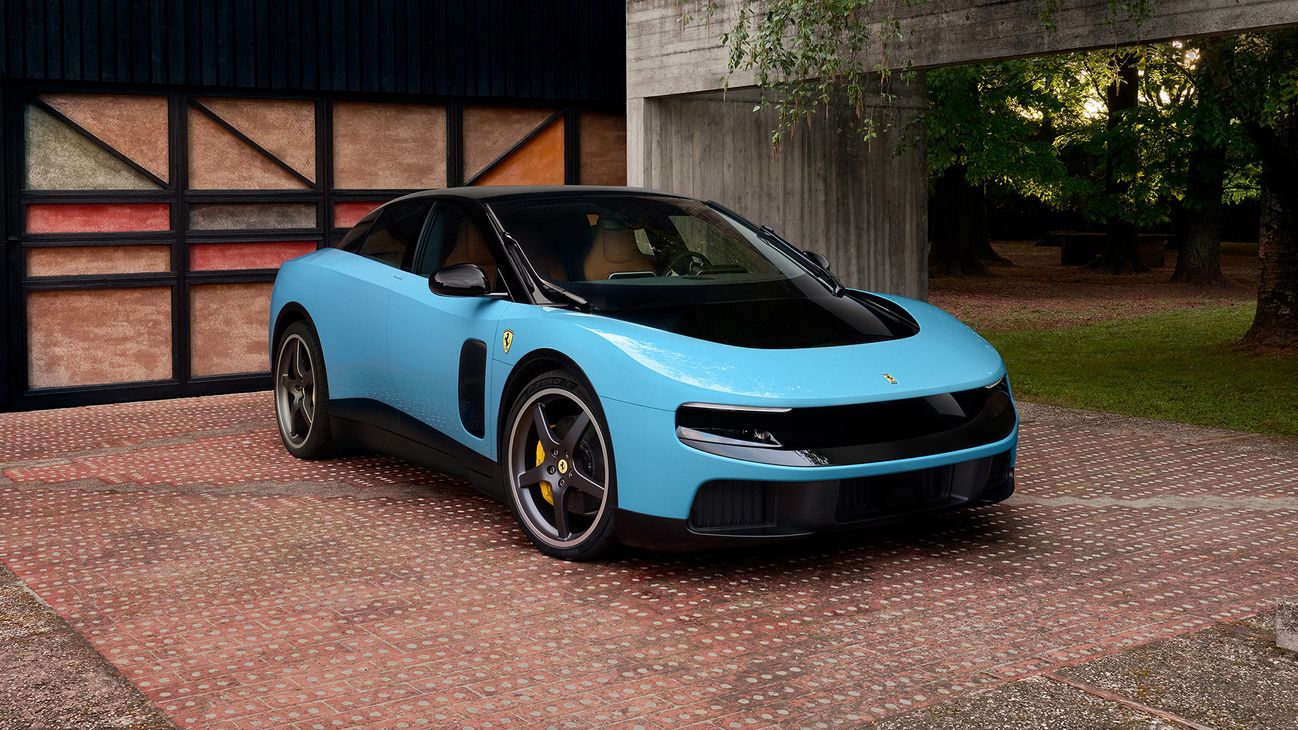
Ferrari Luce
"So we talked about the Ferrari Luce, which was by all accounts, even though nobody's driven it, a complete disaster."
Ferrari Luce is a new Ferrari that the host is talking about, even though nobody has driven it yet. They’re saying people already dislike how it looks or feels, before it’s even been tested on the road.
Ferrari Luce is presented here as an upcoming Ferrari model, discussed in the context of a design collaboration. The host frames it as a “disaster” largely because it hasn’t been driven yet but has already been criticized for its design direction.
Johnny Ive
"It was designed by externally and internally by Johnny Ive, the creator of the design of Apple through the 2000s..."
Johnny Ive is a famous designer, and the host says he was involved with the Ferrari Luce. The host’s argument is that his design style may have led to a look that people don’t like.
Johnny Ive is described as the designer behind the Ferrari Luce, and the host links his design influence to Apple’s industrial design era in the 2000s. The segment uses him as the explanation for why the Luce’s design is criticized—implying his style prioritized form over usability.
Apple
"It was designed by externally and internally by Johnny Ive... Apple made everything super thin and unusable."
Apple is mentioned because the host is comparing design ideas. They’re saying the same kind of design approach that Apple used—very thin and minimal—may have hurt usability on the Ferrari Luce concept.
Apple is referenced as the company whose design approach influenced Johnny Ive’s style—making products “super thin” and, in the host’s view, less usable. In this segment, Apple is used as a design philosophy comparison point for the Ferrari Luce laptop-to-car analogy.
Ferrari Parasangue
"I was saying back then the Parasangue, the Ferrari Parasangue, the other SUV that Ferrari has that is gas powered is a superior vehicle as far as looks go."
Ferrari Parasangue is another Ferrari SUV the host brings up as a better-looking option. They also imply that Ferraris tend to be quick, even if the main debate here is about styling.
Ferrari Parasangue is referenced as Ferrari’s other SUV, and the host compares it directly to the (criticized) Ferrari Luce. The key point is that the Parasangue is described as superior in looks, while Ferrari’s brand reputation is framed as meaning it will “go fast.”
HP
"Apparently they were out over with HP designing the next laptop."
HP is mentioned because the host is saying Johnny Ive was busy with laptop design work elsewhere. It’s not really about cars here—just about who was doing what design work.
HP is mentioned as the company that was involved in designing the “next laptop” while Johnny Ive was supposedly working on other projects. In this segment, HP functions as a reference point for where Ive’s attention went, not as an automotive technology.
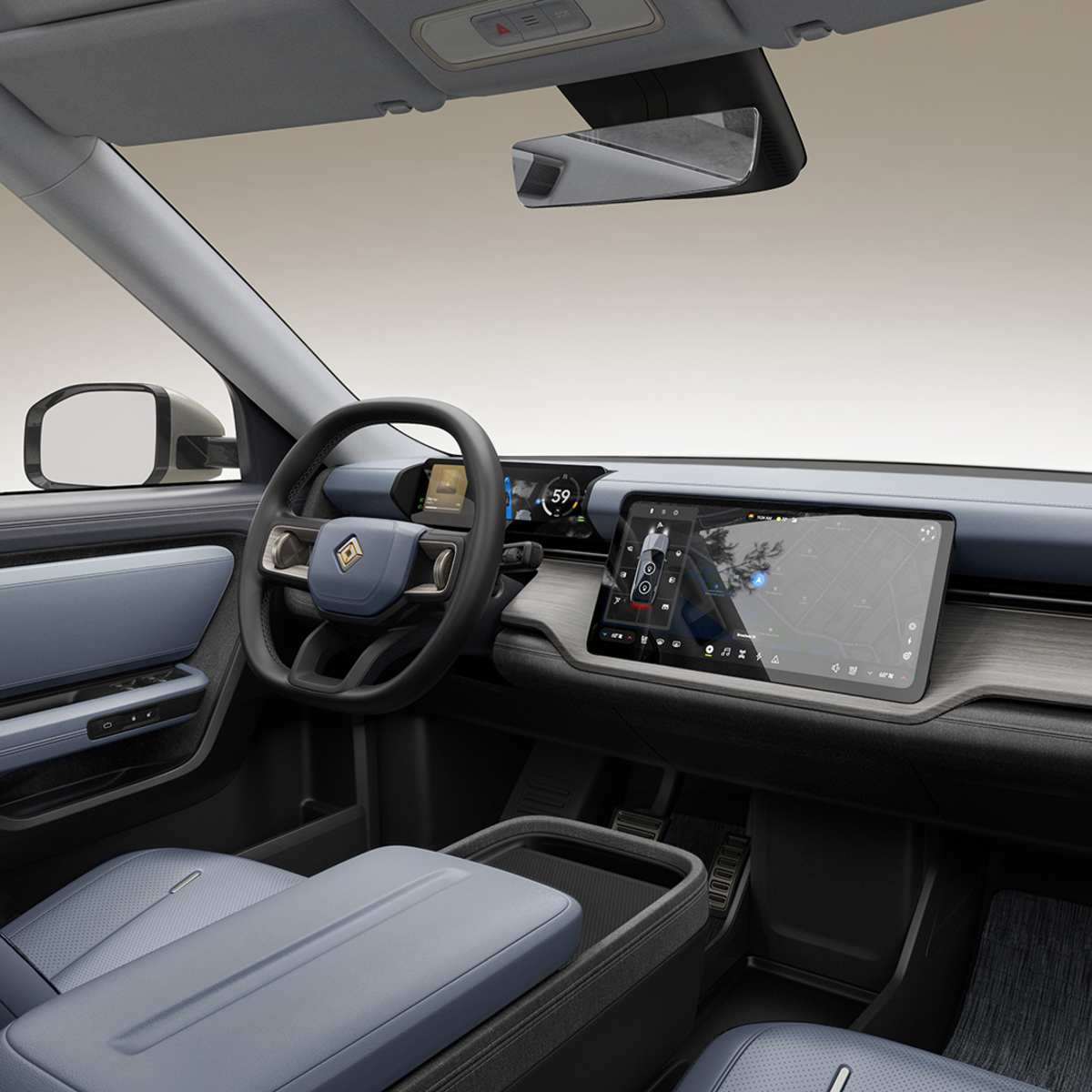
Rivian R2
"So the Rivian R2, we've seen most of the specs. We've seen pictures. I guess they a lot led a bunch of EV influencers drive it present company accepted."
The Rivian R2 is an upcoming electric SUV from Rivian. The hosts are talking about its big headline numbers—like how much battery it has, how far it can go, and how quickly it accelerates—because that’s what makes it interesting to buyers.
The Rivian R2 is an upcoming Rivian electric SUV positioned as a smaller, more affordable step in the brand’s lineup. In this segment, the hosts cite headline performance and efficiency specs like battery size, range, and acceleration to frame why it’s generating attention from EV reviewers.
zero to 163 point six seconds
"656 horse 609 pound feet. Zero to 163 point six seconds. 88 kilowatt hour battery, 330 mile range."
This sounds like an acceleration claim—how fast the car gets from standing still to a target speed. It’s a common way people compare cars, especially when talking about EVs and their quick launches.
“Zero to 163.6 seconds” appears to be a mis-transcription of an acceleration claim (likely a “zero to 60” style metric). Acceleration tests are used to compare how quickly EVs (and cars in general) reach a set speed from a stop.
88 kilowatt hour battery
"Zero to 163 point six seconds. 88 kilowatt hour battery, 330 mile range. The initial models are going to be just under 60000 cheaper models coming later."
“88 kilowatt-hour battery” is the size of the electric battery. Bigger battery size usually means you can drive farther, but how far you actually get also depends on how efficiently the car uses that energy.
An “88 kilowatt-hour battery” refers to the battery’s usable energy capacity measured in kilowatt-hours (kWh). Larger kWh batteries generally provide more potential range, though real-world mileage also depends on efficiency, weight, and driving conditions.
330 mile range
"88 kilowatt hour battery, 330 mile range. The initial models are going to be just under 60000 cheaper models coming later. So there you go."
“330 mile range” is how far the car is claimed to go on one full battery charge. Real driving can be more or less depending on things like weather and how fast you drive.
“330 mile range” is the claimed distance the EV can travel on a full charge under a specific testing standard. Range figures are useful for comparing cars, but they can differ from real-world results based on speed, temperature, terrain, and driving style.

Ford F-150 Lightning
"So there you go. The front looks a little small. They're claiming it's five like five point two cubic feet. Yeah, it's just like one of those where you hang. I guess I really like the. I forget what the R1 front looks like, but the the Ford F 150 lightning and its"
The Ford F-150 Lightning is Ford’s electric pickup truck. The host brings it up to compare how the front end looks and how the design is packaged.
The Ford F-150 Lightning is Ford’s electric version of the popular F-150 pickup. Here it’s mentioned as a visual/packaging reference point for the Rivian R2’s front design and proportions.

4Runner Forerunner
"...lso expect possibly a lot of interest from Toyota forerunner owners, mainly because of the rear window design."
The Toyota 4Runner is a midsize SUV that’s built for everyday use and rougher roads. The podcast is saying people who already own a Forerunner might be interested in the 4Runner, partly because of how the rear window looks. That kind of detail can make a vehicle feel more appealing to existing owners.
The Toyota 4Runner is a midsize SUV known for rugged, off-road-oriented design and practicality. The podcast specifically points to “rear window design” as a reason for interest from Toyota Forerunner owners, implying styling or visibility details can drive loyalty and cross-shopping. It’s discussed because design cues and ownership habits often influence what buyers consider next.
roll down rear window
"Like it's got the roll down rear window. [590.5s] So that's kind of a signature feature on the forerunners. [595.4s] And this also has that."
This is a rear window that can drop down like a screen. It can make it easier to slide gear in and out without opening the whole back door.
A roll-down rear window is a rear glass panel that can slide down independently of the tailgate/hatch. It’s a practical feature for loading items like surfboards because you can vent or access the cargo area without fully opening the rear.

GMC Yukon
"And this also has that. [600.1s] I do like the rear window on my Yukon, the rear window, and it'll be on suburban, whatever [604.7s] you pop the rear hatch."
The GMC Yukon is a large SUV. The host is comparing it to the Forerunner/other SUVs to talk about how easy it is to load things through the back.
The GMC Yukon is a full-size SUV that the host uses as a personal reference point for rear-window access. Here it’s mentioned to illustrate the convenience of being able to open the rear area for gear like a surfboard.

Chevrolet Suburban
"I do like the rear window on my Yukon, the rear window, and it'll be on suburban, whatever [604.7s] you pop the rear hatch. [606.7s] And I like that accessibility."
The Chevrolet Suburban is a big family SUV. The host is using it as another example of an SUV where opening the back makes it easier to load things.
The Chevrolet Suburban is a full-size SUV known for spacious rear cargo access and family-friendly practicality. The host mentions it alongside the Yukon to reinforce the idea that some SUVs offer rear hatch access that can be convenient for loading long items.
Toyota Forerunner
"I mean, um, Toyota has pretty fierce brand loyalty. [624.1s] I could see a little bit of crossover, but I don't, I don't expect a huge number of forerunner [629.8s] owners to suddenly defect. ... [643.1s] So a forerunner is, it's one of those cases where Toyota's not bothered to update the [649.9s] vehicle for so long."
The Toyota 4Runner is a tough SUV built for rough roads and outdoor use. The host is saying it’s been around a long time and doesn’t feel as “modern” in technology as newer SUVs.
The Toyota 4Runner is a body-on-frame SUV known for rugged, off-road-focused practicality and a long production history. In this segment, the host calls out how the 4Runner has kept a “signature” rear-window/hatch setup and how its design and tech feel dated compared with newer rivals.
old technology
"It's turned into a hardcore vehicle, just with old technology. [655.2s] And I could see eventually people going, man, this, like it's too old."
“Old technology” here is the host’s critique that the vehicle’s systems (infotainment, driver aids, or other engineering updates) haven’t kept up with newer competitors. It’s used to explain why some buyers might eventually move on if they feel the SUV is behind the times.
turbo four
"[667.4s] The new ones are the turbo four. [669.8s] It's basically the, the new Tacoma drive train."
A “turbo four” is a 4-cylinder engine that has a turbocharger. The turbo helps the engine make more power, especially when you accelerate.
“Turbo four” means a turbocharged inline-four-cylinder engine. A turbo adds boost by using exhaust gases to spin a turbine, allowing a smaller engine to make more power than it otherwise would.
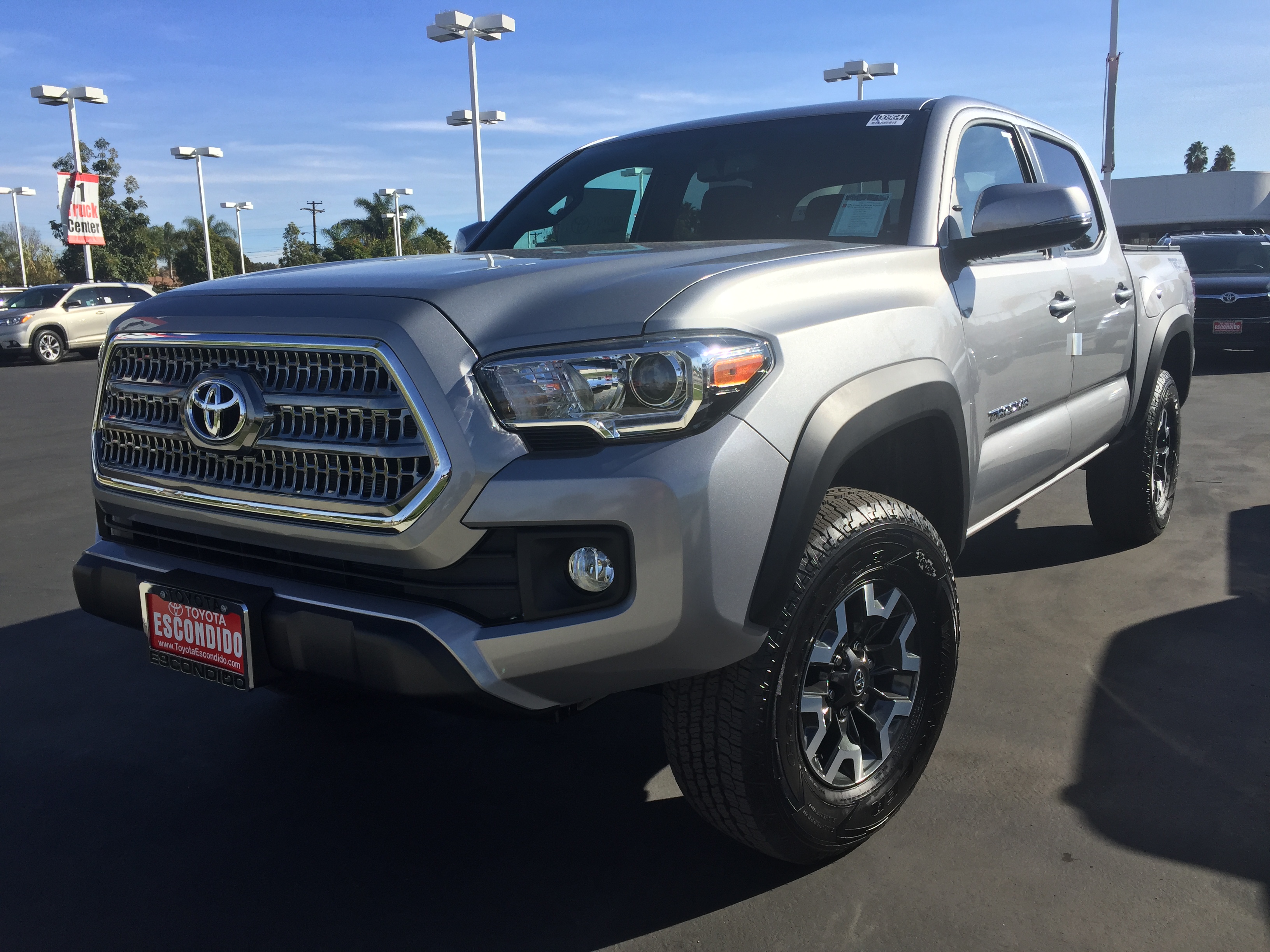
Toyota Tacoma
"[669.8s] It's basically the, the new Tacoma drive train. [673.9s] Did they change out the suspension? [675.7s] Did they get, or is it like still old school?"
The Toyota Tacoma is a midsize truck that’s popular with people who want something capable off-road. The host is saying the updated Toyota 4Runner uses a similar drivetrain idea to the Tacoma.
The Toyota Tacoma is a midsize pickup known for off-road capability and a traditional truck feel. Here, the host says the 4Runner’s updated powertrain is “basically” the Tacoma’s, tying the SUV’s refresh to the pickup’s drivetrain approach.
solid axle
"[675.7s] Did they get, or is it like still old school? [678.6s] Well, it's still, I mean, still solid axle in the rear. [681.6s] Yeah."
A solid axle means the two rear wheels are connected by one sturdy bar. That can help the truck keep traction over bumps and uneven ground, which is why it’s common on off-road vehicles.
A solid axle is a rear suspension design where both wheels are connected by a single rigid axle. It can improve wheel articulation for off-road traction, but it generally rides differently than independent rear suspension on-road.

Jeep Recon
"...ow, a little soft. They actually do have one, the Recon. I really don't hear that talked about very much."
The Jeep Recon is a Jeep vehicle, but the podcast says it doesn’t come up in conversation very often. They also mention it feels “a little soft,” meaning it may not match the most rugged expectations people have. The point is that it’s there, but it’s not widely discussed.
The Jeep Recon is a Jeep model that the podcast notes doesn’t get talked about as much as some other vehicles, even though it exists. The mention that it’s “a little soft” suggests the conversation is comparing its character or capability to what listeners might expect from Jeep. It’s discussed because it’s an option that may not be getting the attention it deserves.

Model Y
"I think we discussed last week, EPA figures are actually surprisingly pretty close to [786.2s] the Model Y in some configurations."
The Tesla Model Y is a popular electric SUV/crossover. Here, they’re using it as the comparison car for range and price versus the Rivian R2.
The Tesla Model Y is a compact electric crossover that’s become a mainstream benchmark for EV pricing and range. In this segment, the hosts compare EPA figures and pricing to another upcoming EV, using the Model Y as the reference point.
EPA figures
"I think we discussed last week, EPA figures are actually surprisingly pretty close to [786.2s] the Model Y in some configurations."
“EPA figures” are official test results from the U.S. government. They’re used to estimate things like how far an EV can go on a charge, so you can compare different cars more fairly.
“EPA figures” refers to the U.S. Environmental Protection Agency’s standardized testing results for EVs, typically covering estimated range and energy use. Because the testing method is consistent, shoppers use EPA numbers to compare different EVs on a level playing field.
configurations
"EPA figures are actually surprisingly pretty close to [786.2s] the Model Y in some configurations."
“Configurations” just means the exact version of the car you’re looking at—like different battery or trim options. Those differences can change the EPA-estimated range.
In EV sales, “configurations” means the specific trim/battery/motor setup that affects range and efficiency. Different configurations can produce different EPA-estimated results, even within the same model.
supercharger network
"But if you want to go anywhere, then you need the supercharger network and you need the Model Y at that point. If you're only going to stick around in your local vicinity and you charge at home, then"
The supercharger network is Tesla’s network of fast charging stations. If you’re driving farther than your local area, having access to it can make long trips much easier.
The supercharger network is Tesla’s fast-charging network for electric vehicles. It matters because it can reduce “range anxiety” on road trips by providing reliable, high-power charging along common routes.
future proofing yourself
"But if you ever wanted to go on a road trip, you need to get the Model Y. That's future proofing yourself. Now, I would not recommend the Model Y."
“Future proofing” here means picking an EV that will still work well for you later, especially when you start doing longer trips. It’s about making sure the charging situation won’t become a problem.
“Future proofing” in an EV context means choosing a car based on how well it will fit future charging and travel needs, not just today’s routine. The host links it to whether the vehicle’s charging ecosystem (like fast chargers) will support road trips over time.
Max
"If the R2 didn't have Max. Yes. But if the R2 didn't have Max, I would get the Model Y."
“Max” is the name of a higher trim level or version of the vehicle. In this discussion, it’s the feature package that changes which car the speaker would pick.
“Max” here refers to a specific higher-end trim/variant level (a named configuration) rather than a generic idea of “maximum.” The speakers treat it as a key differentiator for the Rivian R2, and then argue that most EVs in North America already have similar “Max” features, reducing its uniqueness.
crank windows
"And like all the enthusiast blogs and outlets are like going gaga about this and geeking out about the crank windows and everything. ... It's crank windows."
Crank windows are car windows you open and close by turning a handle by hand. They don’t use buttons or power motors, so they’re usually simpler and cheaper.
Crank windows are manually operated side windows that you raise and lower using a hand crank instead of an electric motor. They’re common on older or more basic trims because they’re simpler and cheaper than power windows.
automotive retail
"Carvana's bet on slate is actually a bet on itself as the future of automotive retail."
Automotive retail is the way cars are sold and supported after purchase, like through dealerships and service centers. The host is saying the company is betting on changes to that whole system.
Automotive retail refers to how cars are sold and serviced to customers—typically involving dealerships, financing, parts, and maintenance. The host frames Carvana’s move as a bet on how that retail model will evolve.
Carvana
"Carvana's bet on slate is actually a bet on itself as the future of automotive retail. ... And so now what Slate's doing is they are partnering with Carvana, the vending machine company, the car vending machine company, to be their..."
Carvana is a car-selling company that’s known for buying and selling cars online and delivering them in a vending-machine style setup. Here, they’re mentioned as working with another company for selling and servicing vehicles.
Carvana is a company known for selling cars through an online-first process and its distinctive “car vending machine” delivery model. In this segment, it’s discussed as partnering with Slate for sales and service.
assemble your own vehicle
"They are a assemble your own vehicle kind of thing. It's crank windows. It comes with a speedometer and that's about it."
This phrase means you can customize how the vehicle is put together instead of getting one fixed version. The host is using it to describe a very simple vehicle setup.
“Assemble your own vehicle” describes a retail/production approach where customers configure and/or build a vehicle from a set of options rather than buying a fully finished, pre-configured car. In this segment it’s used to explain why the vehicle is described as very basic (e.g., crank windows, minimal instrumentation).
Pet Boys
"And now they are going the route of, is it Aptiva? [...] Where they were partnering with Pet Boys, I think, to be their service stations."
Pet Boys is an automotive parts and service store. The host is saying there was a past partnership where Pet Boys helped provide service locations.
Pet Boys (often written as “Pet Boys”) is an aftermarket automotive retailer and service chain. The host mentions it in the context of a past partnership involving service stations.

Tesla Cybertruck
"...reorders right now. So now we're not talking like Cybertruck numbers. But you know, obviously there have been ..."
The Tesla Cybertruck is an all-electric pickup truck. It’s known for its distinctive shape and for being an EV that’s meant to be used like a truck. The podcast is referencing how people are still placing orders and reordering.
The Tesla Cybertruck is Tesla’s electric pickup truck, notable for its unusual angular design and its focus on EV torque and utility. It’s discussed often because its sales and demand have been a major talking point, including how many people are placing orders. In the podcast, the mention of “reorders” and not relying on “Cybertruck numbers” points to ongoing interest and market momentum.
fleet truck
"Their market was crappy trucks sold to fleets. [1415.9s] And so it could be crappy because it's a fleet truck who cares."
A fleet truck is a work truck used by a business, not an individual. Businesses usually care most about it working reliably and not costing too much to run.
A fleet truck is a vehicle bought and used by companies (like delivery or service operators) rather than private owners. Fleet buyers often prioritize uptime and cost-per-mile, so the acceptance bar for “cool factor” can be lower than for retail customers.
Spartan bare bones
"But in that case, but crappy in terms of Spartan bare bones. [1424.6s] As long as it's durable."
“Spartan bare bones” means the truck is very basic, with fewer extras. The idea is that fewer features can mean less to break, but it still has to be engineered well.
“Spartan bare bones” describes a stripped-down vehicle with minimal features and fewer comfort/tech items. In EV discussions, it often implies fewer systems to maintain, which can support the argument for durability—though it doesn’t automatically guarantee reliability.
reliable
"I mean, reliable. [1437.2s] It's an EV. [1437.8s] Like how unreliable can it be?"
Here, “reliable” means the vehicle tends to work without problems for a long time. The host is saying EVs may be less prone to failures because they have fewer moving parts than gas cars.
In this context, “reliable” means the EV can keep working consistently over time with minimal breakdowns. The host is contrasting EVs with the common worry that they might be “unreliable,” arguing that EVs have fewer moving parts than many gas vehicles.
manual transmissions
"you know, I know all the enthusiasts blogs geek out about, you know, crank windows, manual transmissions and all that. [1469.1s] But the vast majority of car buyers, they want AC, they want power windows."
A manual transmission is a car where you shift gears yourself, usually using a clutch pedal and a gear stick. It can be more engaging, but it’s also more work than an automatic.
A manual transmission requires the driver to use a clutch pedal and shift gears by hand. It’s often associated with more direct driver control, but it’s less convenient than automatic gearboxes for many buyers.
power windows
"[1469.1s] But the vast majority of car buyers, they want AC, they want power windows. [1474.1s] They want carplay."
Power windows open and close with a switch or button. You don’t have to turn a crank by hand.
Power windows use electric motors to raise and lower the glass with a button. They’re a convenience feature that many mainstream buyers expect, compared with crank-operated windows.
AC
"[1469.1s] But the vast majority of car buyers, they want AC, they want power windows. [1474.1s] They want carplay."
AC means air conditioning. It cools the inside of the car so it’s more comfortable.
AC here means air conditioning, which cools the cabin. For many buyers, it’s a must-have comfort feature, especially in hot climates.
carplay
"[1474.1s] They want carplay. [1476.2s] You know, they want the bells and whistles."
CarPlay is a system that connects your iPhone to your car’s screen. It lets you use apps like maps and music while driving.
CarPlay is Apple’s in-car interface that lets you use your iPhone through the vehicle’s infotainment screen. It typically provides navigation, music, calls, and messaging in a safer, dashboard-friendly way.
cheap price
"[1478.0s] They also want a cheap price. [1480.1s] But I almost think Slade has gone too far toward the cheap price to the point that they're"
They’re talking about the idea that cheaper cars sometimes leave out features or feel less refined. You pay less, but you may get fewer “nice to have” things.
The host is describing a cost-cutting tradeoff: aiming for a low purchase price often means fewer features or less refinement. In EVs and other modern cars, that can show up as missing convenience tech or a less polished driving feel.
unrefined
"And as he's driving, you could tell it was kind of crappy to drive because he keeps saying, [1518.6s] well, it's a little unrefined, but you know, you built this thing specifically to and then"
“Unrefined” means the car doesn’t feel smooth or well-polished. It might feel a little rough, noisy, or not as easy to drive as you’d expect.
“Unrefined” is a driving-quality critique meaning the car doesn’t feel smooth or polished—responses may be jerky, noisy, or inconsistent. It’s often used when the powertrain or controls don’t deliver a “natural” feel.
federal bumper requirements
"You've still got to meet the bumper requirements, but the federal bumper requirements, but the [1651.4s] bumper doesn't have to be the most forward thing on the vehicle."
In the U.S., there are rules that car bumpers have to meet. The goal is to make sure the front and rear bumpers behave safely in certain kinds of crashes, even if the car’s design looks different.
Federal bumper requirements are U.S. regulations that set minimum performance standards for vehicle bumpers in low-speed impacts. They’re meant to reduce damage and improve safety outcomes in crashes, which is why automakers must design bumpers to meet specific criteria.
all wheel drive
"So anyway, kind of a little weird looking, but the top spec model, the all wheel drive [1664.2s] up to 500 horsepower in this thing, which kind of sounds insane."
All-wheel drive means the car can send power to all four wheels. That usually helps it grip better on slippery roads and can make the car feel more stable.
All-wheel drive (AWD) sends power to all four wheels, improving traction compared with two-wheel drive—especially on wet, snowy, or uneven surfaces. Many EVs offer AWD to help with acceleration and stability, which is why it’s often paired with higher power outputs.
500 horsepower
"the top spec model, the all wheel drive [1664.2s] up to 500 horsepower in this thing, which kind of sounds insane."
Horsepower is a way to describe how strong the car’s power is. Higher horsepower usually means faster acceleration, especially in a vehicle that can deliver that power quickly.
Horsepower is a measure of how much power the vehicle can produce, and in EVs it often correlates with how quickly the car can accelerate. When a host says “up to 500 horsepower,” they’re emphasizing the high output capability of that specific AWD configuration.
106 kilowatt hour battery
"The top battery spec is 106 kilowatt hour battery, which is a good size battery. [1674.9s] Yeah."
A 106 kilowatt-hour battery is how big the EV’s battery is. Bigger batteries usually let you drive farther, but your actual range still depends on driving conditions.
A 106 kilowatt-hour (kWh) battery refers to the size of the EV’s energy storage pack. Larger kWh generally means more potential driving range, though real-world range also depends on vehicle efficiency, speed, temperature, and how the car is driven.
6600 pound claim towing capacity
"Up to 6600 pound claim towing capacity and up to 2000 pound payload. [1683.2s] Unfortunately, also up to and beyond $50,000."
Towing capacity is the maximum weight the car is rated to pull. If you tow near that limit, it can use a lot of energy and reduce your driving range.
Towing capacity is the maximum weight a vehicle is rated to tow safely, and “6600 pound claim towing capacity” is the manufacturer’s stated limit. For EVs, towing can significantly affect range and performance because the vehicle must provide sustained power while also dealing with added aerodynamic drag.
2000 pound payload
"Up to 6600 pound claim towing capacity and up to 2000 pound payload. [1683.2s] Unfortunately, also up to and beyond $50,000."
Payload is how much weight you can put in the vehicle for people and cargo. If you load more than the rated payload, the car can become unsafe and handle poorly.
Payload is the maximum weight of cargo and passengers the vehicle can carry, beyond the vehicle’s own weight. “2000 pound payload” is a rating that matters for real-world hauling, because exceeding it can affect handling and safety systems.
midgate
"So has a midgate and it has a little pass through side storage. A lateral kind of pass through kind of like the whatever the Rivian cubby hole or whatever"
A midgate is a movable wall/door between the front seats and the back cargo area. You can open it to slide long items through without having to fully remove seats or leave everything exposed.
A midgate is a sliding or hinged partition between the passenger area and the cargo area that can be moved to create a pass-through opening. It’s used to carry long items (like skis, boards, or tools) while keeping the rest of the interior usable.
pass through side storage
"So has a midgate and it has a little pass through side storage. A lateral kind of pass through kind of like the whatever the Rivian cubby hole or whatever"
This is storage on the side of the vehicle that you can reach through an opening, instead of only from inside the trunk. It’s meant to make loading and grabbing certain items easier.
Pass-through side storage refers to built-in storage compartments that connect to the outside or to the cargo area via openings. The goal is to stash items you want to access easily (or load from the side) without fully opening the main cargo space.
mainstream vehicle
"I think it will appeal to like some urban hipster people, but I just, I just think it's a little too out there to be a real mainstream vehicle."
By “mainstream,” they mean a car most people would actually want and buy. The host thinks this one is too different or too weird for the average buyer.
“Mainstream vehicle” here means a car that fits broad consumer tastes and buying habits, rather than a niche audience. The host is arguing the design/concept is too unusual to appeal widely.
minivan version
"It looked on the website, it looked like they also had a minivan version, so they have some other concepts they're working on."
They’re talking about making a similar vehicle but in a minivan shape. That usually means more space for families and easier everyday use.
A “minivan version” suggests the company is considering a different body style built on the same underlying concept or platform. It’s a strategy to broaden the target market by offering a more family-oriented layout.

Apptera
"which is what my theory is with Apptera, that they've made it so far because they've never entered production. And now supposedly for like for reals guys, we're actually going to go into production."
Apptera is an EV startup associated with the Aptera vehicle, a very aerodynamic, three-wheeled solar-assisted concept that was long delayed before any real production. Here, the hosts’ theory is that not entering production is what ultimately “kills” the company.
production
"And now supposedly for like for reals guys, we're actually going to go into production. That's what's going to kill them. And well, I think it's not a market for it."
Here, “production” means the point where a company can start making the cars in large numbers for real buyers. The hosts think companies that don’t reach that stage may fail.
In this context, “production” means actually building the vehicles at scale for customers, not just prototypes or announcements. The hosts connect production timing to whether EV startups can survive financially and compete.
Ford $30,000 low cost pickup
"I think, is the Ford $30,000 low cost pickup. If that lives up to half of the promises and hype, it will it will wipe the slate clean, so to speak, I think."
They’re talking about Ford bringing a cheaper pickup—around $30,000. Their claim is that if it delivers on the hype, it could make it much harder for smaller EV truck companies to survive.
The hosts are referring to Ford’s planned low-cost pickup targeted around a $30,000 price point. The key idea is that a mainstream, affordable truck could undercut EV startups and “wipe the slate clean” by capturing the mass market.

Ford Mustang
"...y are claiming performance equivalent to the base Mustang. So with the EcoBoost, that's like five to six se..."
The Ford Mustang is a sports car from Ford. The podcast is talking about the base version and how fast it’s claimed to be, especially with the EcoBoost engine. That matters because buyers often compare acceleration and performance between trims.
The Ford Mustang is a long-running American sports car, and the podcast is specifically referencing the base Mustang’s performance claims. The mention of the EcoBoost points to a turbocharged engine variant, with the discussion focused on how its acceleration is marketed to be competitive. It’s brought up because performance numbers and trim positioning are central to how the Mustang is sold and compared.
zero to 60
"So with the EcoBoost, that's like five to six seconds, zero to 60, plenty quick. Interior the size of a RAV4."
“Zero to 60” means how fast the car can go from standing still to 60 miles per hour. Lower seconds usually means quicker acceleration.
“Zero to 60” is shorthand for how many seconds it takes a car to accelerate from a complete stop to 60 mph. It’s a common performance metric because it captures real-world launch and drivetrain response in one number.

Toyota RAV4
"... zero to 60, plenty quick. Interior the size of a RAV4. Anyway, you know what else they have?"
The Toyota RAV4 is a compact SUV. In the podcast, they use it as a reference for how much interior space you get. They’re basically saying the vehicle they’re discussing feels similar in size to a RAV4.
The Toyota RAV4 is a compact SUV, and the podcast uses it as a size reference point for interior space. The mention pairs acceleration (“zero to 60”) with “interior the size of a RAV4,” suggesting the conversation is about balancing performance with everyday usability. It’s brought up because the RAV4 is a common benchmark for what “compact SUV” space feels like.
dealer network
"They have money. Yes. They have the dealer network. So all the hard stuff that the other companies can't do."
A dealer network is the set of local car dealerships that sell the cars and help with service. It makes it easier for a brand to reach customers and support the cars after you buy them.
A dealer network is the chain of franchised dealerships that sell and service vehicles in a region. For automakers, having one can reduce the difficulty of reaching customers and handling maintenance and warranty work.
starting from scratch
"So all the hard stuff that the other companies can't do. They were all starting from scratch. Yeah."
“Starting from scratch” means building everything new instead of using existing tools and systems. Here, it’s about not already having the factories and sales setup that established brands have.
“Starting from scratch” describes building an automotive business without existing infrastructure—like factories, supplier relationships, and sales/service channels. In this context, it contrasts newer EV companies with established automakers that already have those systems.
48 volt architecture
"The Ford 48 volt architecture, low voltage architecture,"
It means the car uses a 48-volt electrical system instead of the usual 12 volts. That can make some electric systems more efficient and easier to power.
A “48 volt architecture” is an electrical system design that uses a 48V network to power certain loads (like motors, pumps, and power electronics) more efficiently than a traditional 12V system. In EV-adjacent designs, it can also support auxiliary electrification and reduce the size/weight of some components.
400 volt high voltage LFP batteries
"400 volt high voltage LFP batteries, like it's a somewhat"
This is the battery system’s voltage and chemistry. LFP batteries are a type of lithium battery that’s generally known for being stable and lasting a long time.
“400 volt” refers to the EV’s high-voltage battery and power system operating level, which affects charging and how power electronics are designed. “LFP” means lithium iron phosphate, a battery chemistry known for strong thermal stability and long cycle life (though it can have different energy density than other chemistries).

Ford Maverick
"The other thing too is I've actually heard Ford was a little surprised by the positive reception on the Maverick. I think they knew it would be popular. I don't think they expected it to outsell the Ranger by three to one, which it has."
The Ford Maverick is a small pickup truck from Ford. It became popular because it’s relatively affordable and practical, and the hosts are saying Ford didn’t expect it to be that much more popular than the Ranger.
The Ford Maverick is a compact pickup built around being affordable and efficient, which is why it drew attention for its mainstream appeal. In this segment, the hosts discuss Ford being surprised by how strongly the Maverick was received compared with the Ranger.

Ford Ranger
"I don't think they expected it to outsell the Ranger by three to one, which it has. Well, I'm sure they went to the Maverick and was like, Ooh, what can we take from that? Apply it to this to."
The Ford Ranger is a bigger pickup than the Maverick. In this discussion, they’re comparing how the Ranger was brought back versus how well the Maverick sold.
The Ford Ranger is a midsize pickup that’s positioned above the Maverick in size and capability. Here, the hosts contrast the Ranger’s earlier return/refresh strategy with the Maverick’s stronger demand, including a “three to one” sales comparison.
long in the tooth
"But it was already long in the tooth. It was already an old design. It didn't really have kind of had a softer front end."
“Long in the tooth” just means something is getting old and not very fresh anymore. Here, the hosts are saying the Ranger’s design was already outdated.
“Long in the tooth” is an automotive idiom meaning a vehicle design is getting old and outdated. In this segment, it’s used to criticize the Ranger’s underlying design as already aged.
fuel economy
"the Maverick takes most of the boxes in terms of capability, payload, fuel economy, especially [2334.6s] in the times we're living in."
Fuel economy means how far the vehicle can go on a given amount of fuel. Higher fuel economy usually means lower running costs.
Fuel economy is how efficiently a vehicle uses fuel, usually expressed as miles per gallon (MPG) for gas or miles per gallon equivalent (MPGe) for EVs. In this segment it’s part of the host’s argument for why the Maverick fits buyers’ needs right now.

Ford F-150
"And if you're going to be all macho, you're going to buy the F-150. [2344.7s] You're not going to buy the Ranger. ... [2354.6s] And then if you do care about how people perceive you, you could buy the F-150 or higher."
The Ford F-150 is Ford’s most popular big pickup truck. In this discussion, it’s the one people buy when they care about looking the part.
The Ford F-150 is the mainstream, full-size pickup that the host positions as the “all macho” choice. The point here is less about specs and more about how truck buyers use the F-150 as a social signal compared with smaller or less “status” models.
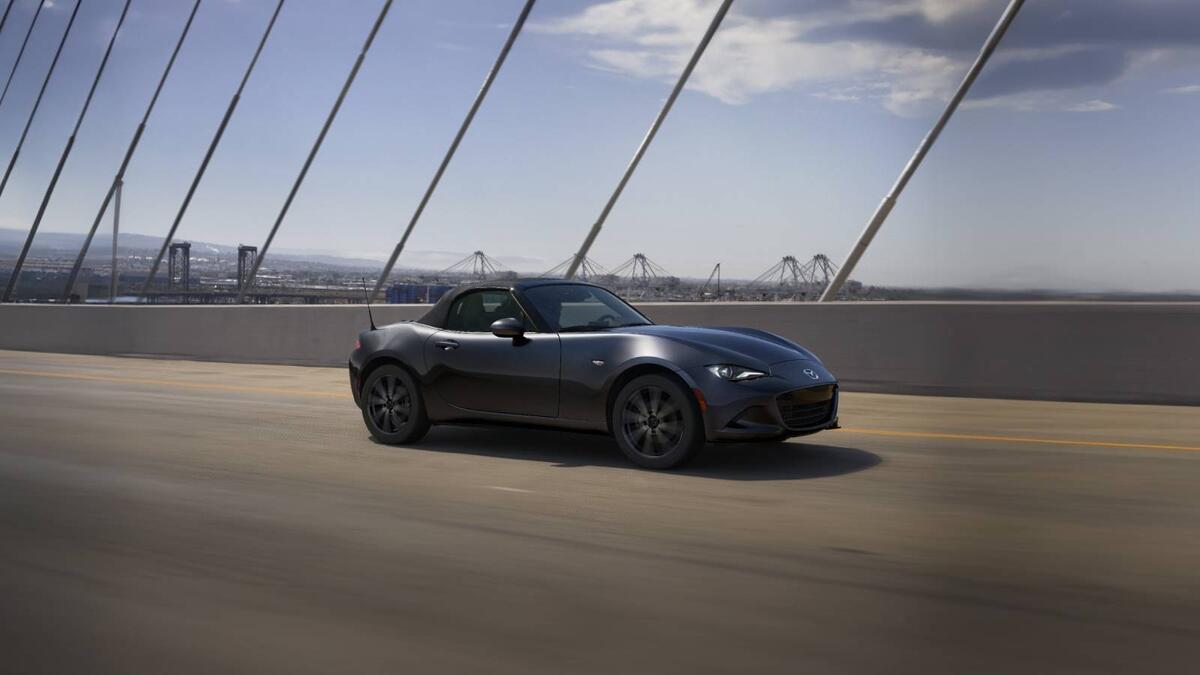
Mazda MX-5 / Miata
"...erception, you could buy the Maverick. That's the Miata of trucks. And then if you do care about how peop..."
The Mazda MX-5 (Miata) is a small two-seat sports car. It’s known for being light and enjoyable to drive. In the podcast, they use it as a comparison to explain the kind of “fun” they associate with a truck.
The Mazda MX-5, commonly called the Miata, is a lightweight two-seat roadster known for being fun to drive and relatively simple. In the podcast, it’s used as a comparison point—“the Miata of trucks”—to describe a vehicle that’s engaging and characterful rather than purely about size or power. That framing suggests the conversation is about how some trucks can still feel sporty.
Tello
"Anyway, so yeah, I like the Tello. [2481.1s] I'm not entirely sure they're going to make it. [2483.9s] I mean, I hope they do, but I just."
Tello is an EV company the host is talking about. They’re interested, but they don’t know enough yet and want to look into whether the company can actually pull it off.
Tello is mentioned as an EV-related company/product the host likes but isn’t fully confident about yet. The host says they need to research the company more, suggesting they’re evaluating whether it can reach production and stay financially viable.
Death Watch
"They're not on Death Watch yet. [2489.2s] Tello and Slate's not on, you know. [2493.8s] I don't know enough about Tello."
“Death Watch” is a slang term for when people think a company is basically on its way out. It usually means things like money problems or production delays make it look like they won’t last.
“Death Watch” is an informal industry phrase meaning a company or product is widely expected to fail or shut down soon. In EV circles, it’s often used when funding, production, or demand looks unsustainable.
Slate
"Tello and Slate's not on, you know. [2493.8s] I don't know enough about Tello. [2495.7s] I need to do a little bit of a deep dive into that company."
Slate is the name the host uses for an EV effort they’re watching. They’re basically saying they’re not sure it will make it, and they want to learn more before judging.
Slate is referenced as an EV company/product line the host is tracking alongside Tello. The discussion frames Slate as something that may or may not survive, implying attention to production viability and market timing.
Fisker
"I did canoe, but I also did Fisker. [2515.9s] I called that one like two months before. [2520.3s] At that one, I was like, they're done."
Fisker is a company that made electric cars. The host is saying they predicted Fisker would fail before it happened, like a “this is going to end soon” situation.
Fisker is an EV brand best known for trying to bring stylish electric cars to market with limited resources. The host references calling Fisker’s failure ahead of time, using it as an example of “Death Watch” predictions.
EVs
"Europe in general has been much more enthusiastic in terms of adopting EVs. You know, there's streets are smaller there."
EVs are electric cars. They run on electricity stored in a battery rather than using gasoline. That changes how the car feels and how it’s built.
EVs stands for electric vehicles—cars that use one or more electric motors powered by a battery instead of a gasoline engine. The key enthusiast angle is that EVs change how power delivery and packaging work compared with traditional cars.
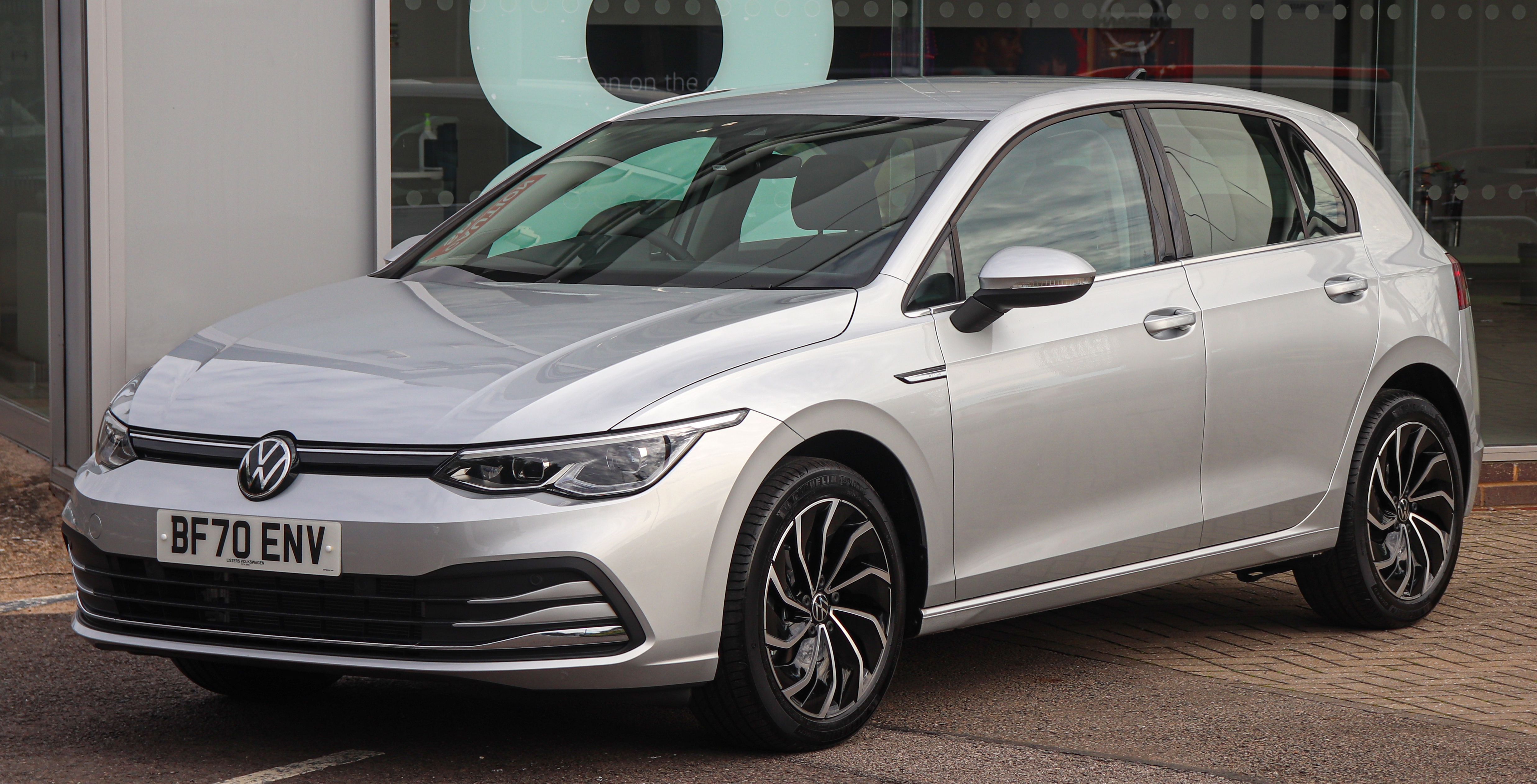
Volkswagen Golf Gti
"...S, they're more expensive. I mean, I think like a golf GTI is like 55 grand in Europe. You know, and they're..."
The Volkswagen Golf is a compact car. The podcast talks about the Golf GTI and how much it can cost in Europe. They’re using it as an example of pricing for a higher-performance version.
The Volkswagen Golf is a compact car, and the podcast specifically references the Golf GTI and pricing in Europe. The mention that a Golf GTI can be around “55 grand” highlights how trim level and regional pricing affect what buyers consider “expensive.” It’s discussed because the Golf line is often used as a reference point for compact performance and value.

Dodge Charger
"...t supposedly Stellantis is looking at selling the charger and charger Daytona in Europe. And I just, I don'..."
The Dodge Charger is a performance sedan. The podcast is talking about the company considering selling it in Europe, including a Charger Daytona version. That matters because it would affect where the car is available to buy.
The Dodge Charger is a performance-oriented sedan, and the podcast mentions Stellantis looking at selling the Charger and Charger Daytona in Europe. That kind of discussion usually centers on whether there’s enough demand outside the car’s traditional market. It’s brought up because regional availability can change how the model is perceived and how sales are forecast.
Request an Explanation
Heard something you'd like explained? We'll add it to this episode.
Sign in to request explanations for terms you heard.
Want to learn more?
Browse our glossary for plain-English explanations of automotive terms, jargon, and concepts.
Help improve this episode
See something that's not quite right? Our annotations are AI-generated and can sometimes miss the mark. Click the flag icon on any annotation to suggest a correction.